Tag: Hong Kong

  • Forever 21 To Open Second Hong Kong Store in Hong Kok

    Forever 21 To Open Second Hong Kong Store in Hong Kok

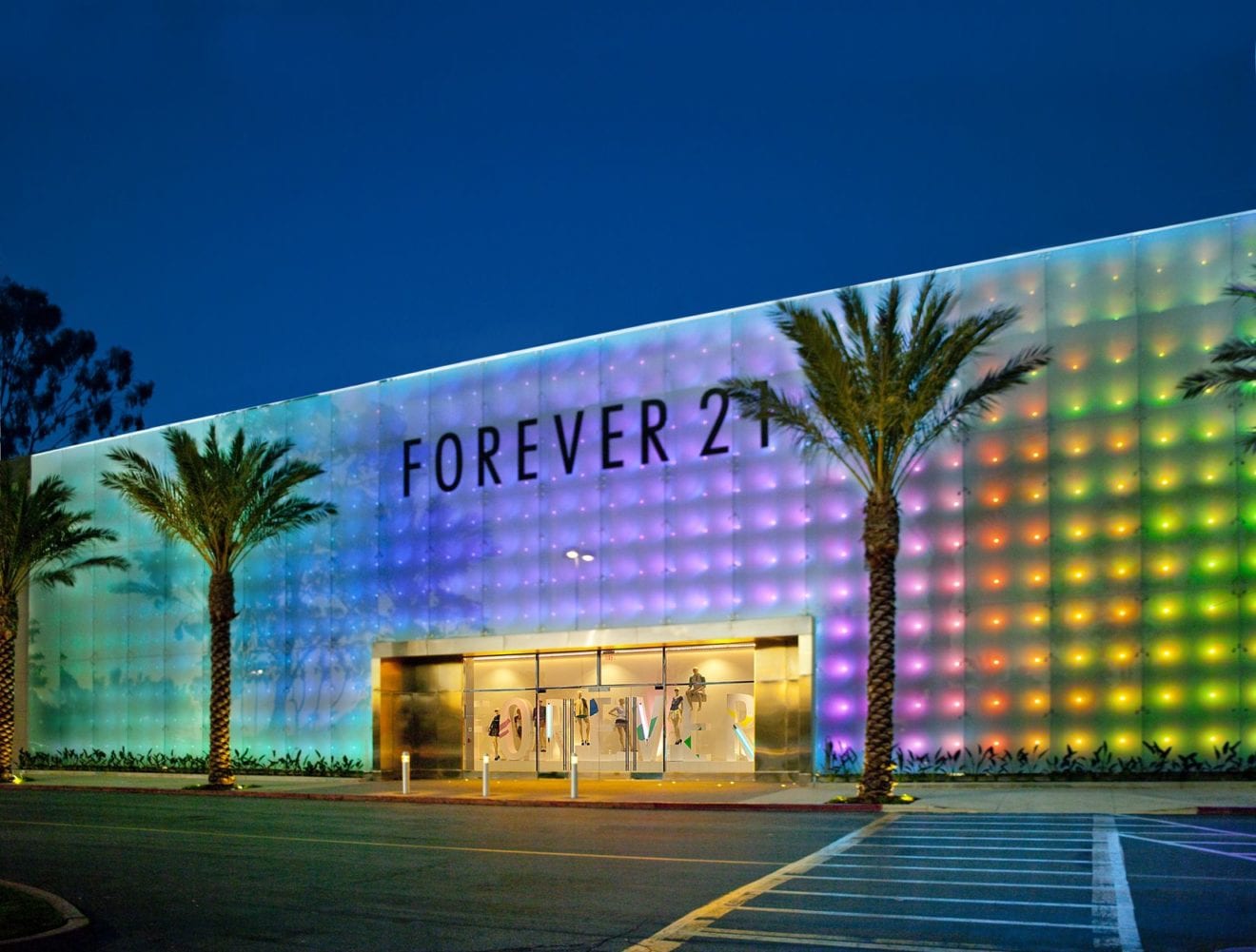
    US fast-fashion retailer Forever 21 will open its second store in Hong Kong this year, capitalising on the shift in consumer demand from luxury to non-luxury products.

    “Due to the demand of our consumers, we have continued our expansion throughout Hong Kong and mainland China. Hong Kong also has a vibrant history of international business and we saw a lot of potential for growth, which is why we wanted to bring a second Forever 21 store to this space,” the fashion retailer said in an email reply to Retail in Asia.

    The new store will be located at Pakpolee Commercial Centre on Mong Kok’s Sai Yeung Choi Street, trading over 18,804 square feet, people familiar with the matter told Retail in Asia.

    “Mong Kok offers a premier shopping experience and we believe it is a good fit for our second store in Hong Kong. We are very selective in choosing a location for any store. We make it a top priority when selecting a new location to ensure that it is accessible to customers and that it can house and properly represent our merchandise, staying true to our brand,” noted Forever 21.

    The fashion chain will pay a monthly rent of HKD2.5 million (USD321,000) to lease the three-story retail space with a ground-floor entrance, according to the source. The first floor and the ground floor were currently taken by cosmetic retailer Sa Sa with a monthly rent of HKD1.25 million. The second and third floors were leased to California Fitness for about HKD1 million per month. The fitness center moved out three years ago.

    The new store is estimated to open in late summer or early fall this year according to Forever 21.

    With a monthly rent of HKD2.5 million for its new store, Forever 21 made the largest retail leasing transaction in the fourth quarter of 2015 in key shopping destinations of Hong Kong, according to data compiled by Retail in Asia. It demonstrates the retailer’s confidence in the market’s potential for cheap chic fashion which also supports CBRE’s prediction that mid-range brands are set to expand in Hong Kong when luxury retailers are struggling with declining sales and leaving core retail locations.

    CBRE believes that Hong Kong will transform from a luxury goods oriented retail market to a mid-range market. “Mid-market retailers will benefit from the change in spending patterns and remain the main demand driver for retail space. Some of them will use this window of opportunity to re-establish themselves in prime locations and/ or expand their retail networks,” the real estate adviser said in its latest report Hong Kong Retail MarketView Q4 2015.

    With Forever 21 opening another store in Hong Kong, more mid-market retailers are expected to ride on the wave and expand their store networks in the city.

    Founded in 1984, Forever 21 now operates more than 730 stores in 48 countries. The brand debuted in Asia in 2008 by launching the first store in Seoul, followed by its second in Japan the next year.

    In 2012, the US retailer entered Hong Kong by unveiling a six-floor flagship store in the in the Capitol Centre of Causeway Bay. It paid a monthly rent of HKD11 million for the 51,188-square-foot space.

    The fashion retailer currently has 16 stores in Greater China which include 12 stores in mainland China, 1 in Hong Kong, 1 in Macau and 2 in Taiwan.

    Aside from Hong Kong, Forever 21 also plans to expand its retail footprint into other markets in Asia although it didn’t disclose the details. “In 2016, we plan on expanding our store presence in Japan, Indonesia, China, and the Philippines,” the fashion retailer told Retail in Asia.
  • Toys’R’Us Asia Pacific chief retires

    Toys’R’Us Asia Pacific chief retires

    Toys’R’Us has announced that Monika Merz, president, Asia Pacific, will retire effective May 31. Her successor will be named later.

    Monika-Merz

    As president of Toys’R’Us Asia Pacific, Merz oversees all operations and business activities for the company’s more than 300 stores in Japan, Southeast Asia, Greater China and Australia, responsible for the continued growth, profitability and success of the company in those markets.

    Since she started working at Toys“R”Us, Merz has been instrumental in the development of new store formats and merchandising concepts that have been successfully translated to other markets, ultimately strengthening the company’s position in the global marketplace.

    Dave Brandon, chairman and CEO, described Merz as a highly regarded leader “who has inspired new ideas, demonstrated innovative thinking and unwavering passion for the business and grown our Toys’R’Us brand internationally, even through challenging times and market transitions”.

    Merz’s retirement will bring to a close a remarkable career of nearly 20 years of continuous service to the company. She joined in 1996 as VP and GM, Toys’R’Us, Canada and was promoted to president, Toys’R’Us, Canada four years later. In 2007, she assumed leadership of Toys’R’Us, Japan. Her role was expanded to include responsibility for the company’s stores in Australia in 2011, and, later that year, she gained oversight of the company’s locations and corporate offices in Southeast Asia and Greater China when the company entered a joint venture agreement with Li & Fung to operate these formerly licensed stores.

    “During my time at Toys’R’Us I’ve had many experiences and challenges, but I’ve always been supported by exceptional teams and leaders,” she reflected. “I’m proud of all that we have accomplished and confident that the work we have done to provide a fun and memorable shopping experience for customers will continue after my retirement. After more than eight years in Asia Pacific, I’m now looking forward to returning to Canada and a new stage in my life.”

  • Fast rise for Chinese cross-border eCommerce

    Fast rise for Chinese cross-border eCommerce

    Chinese cross-border eCommerce will rise at a rate of 18 per cent annually through to 2020, predicts market research house Mintel in a new report.

    Mintel’s Haitao Retailing says Chinese spending on cross-border eCommerce soared more than 60 per cent in 2015.

    “The reason we chose to do this report was both due to Haitao becoming so large, and because this market is now becoming well-regulated, and encouraged by the central government,” said the report’s author Matthew Crabbe.

    “This was therefore clearly an important development in China’s international trade, its domestic consumer market, and as a route to entry for foreign companies hoping to sell to Chinese consumers.”

    Mintel surveyed more than 3000 Chinese online shoppers, of whom nearly 60 per cent said they had bought foreign products online from domestic shopping websites between June and November.

    The most popular products were beauty and skincare lines from South Korea, Japan and France; and food from Hong Kong, Macau, Taiwan and New Zealand. They also shopped for personal electronic devices from Japan and the US.

  • Taubman Asia opening centre in Xi’an

    Taubman Asia opening centre in Xi’an

    A modern shopping experience is promised in north-west China’s Xi’an city with the opening next month of a seven-level shopping centre, anchored by a Wangfujing Department Store.

    The joint development has been developed by Hong Kong-headquartered Taubman Asia, a subsidiary of Taubman Centers, and the Wangfujing Group.

    “We have taken a disciplined approach to growth in Asia and are thrilled to see our first China project come to life,” says Taubman Asia president Rene Tremblay.

    Opening on April 28, the 90,000 sqm CityOn Xi’an shopping centre is in the heart of Xi’an’s new CBD and administrative center. It will have a mix of domestic and international designer and lifestyle brands from fast fashion to accessible luxury.

    CityOn Xi’an shopping centre

    It will also feature local, regional and international cuisine across all price-points and in both seated restaurants and quick-service formats, as well as child-friendly experiential, educational and entertainment offerings.

    “There has been excellent tenant demand and we expect to well exceed 90 per cent
    leasing at opening,” says Taubman Asia group VP for leasing Paul Wright. “The stellar line-up of brands shows great confidence in CityOn Xi’an.”

    Tenants include:

    Retail: Bershka, BJIL Moda, Candies, Coach, Forever 21, Gap, H&M, I Do, INXX, La Babite, La Chapelle Group, Ludao Ordinary Life, Massimo Dutti, Me&City, Monki, Muji, Nordic by Nature, Vero Moda, P+, Semir, Stradivarius, UR, Westlink, Yishion Classic, Zara and Zara Home.

    F&B/entertainment/kids/lifestyle: Balabala, Cartoony World, Cousin Restaurant, Gymboree, Holiland, Impression of MaWei, Kids World, Kidsmoment, Ma La Kuai Le Ying, MusangKing, Nobleman Training Club, Open Life, Open Oven, Oscar International Cinemas, Pacific Coffee, PGL, Quan Zi/Jessie Wa/Brunch&Coffee, Romp n’Roll, Rong Li Ji, Skyland Food Court, Starbucks, Tanyu, Xi He Ya Yuan Peking Duck, Xu Ji Seafood.

    Taubman Asia is a subsidiary of Taubman Centers, and the platform for the US mall company’s expansion into China and South Korea. Founded in 1950 with headquarters in Michigan, the parent company owns, manages and/or leases 23 regional shopping centres in the US and Asia.

    Founded in Beijing in 1955, the Wangfujing Group is committed to transforming its traditional department store business into a modern retail group. Its sales network spans seven major economic zones in China with 46 large-scale retail stores in 28 cities, including department stores and shopping malls.

  • Hong Kong International Jewellery Show Opens

    Hong Kong International Jewellery Show Opens

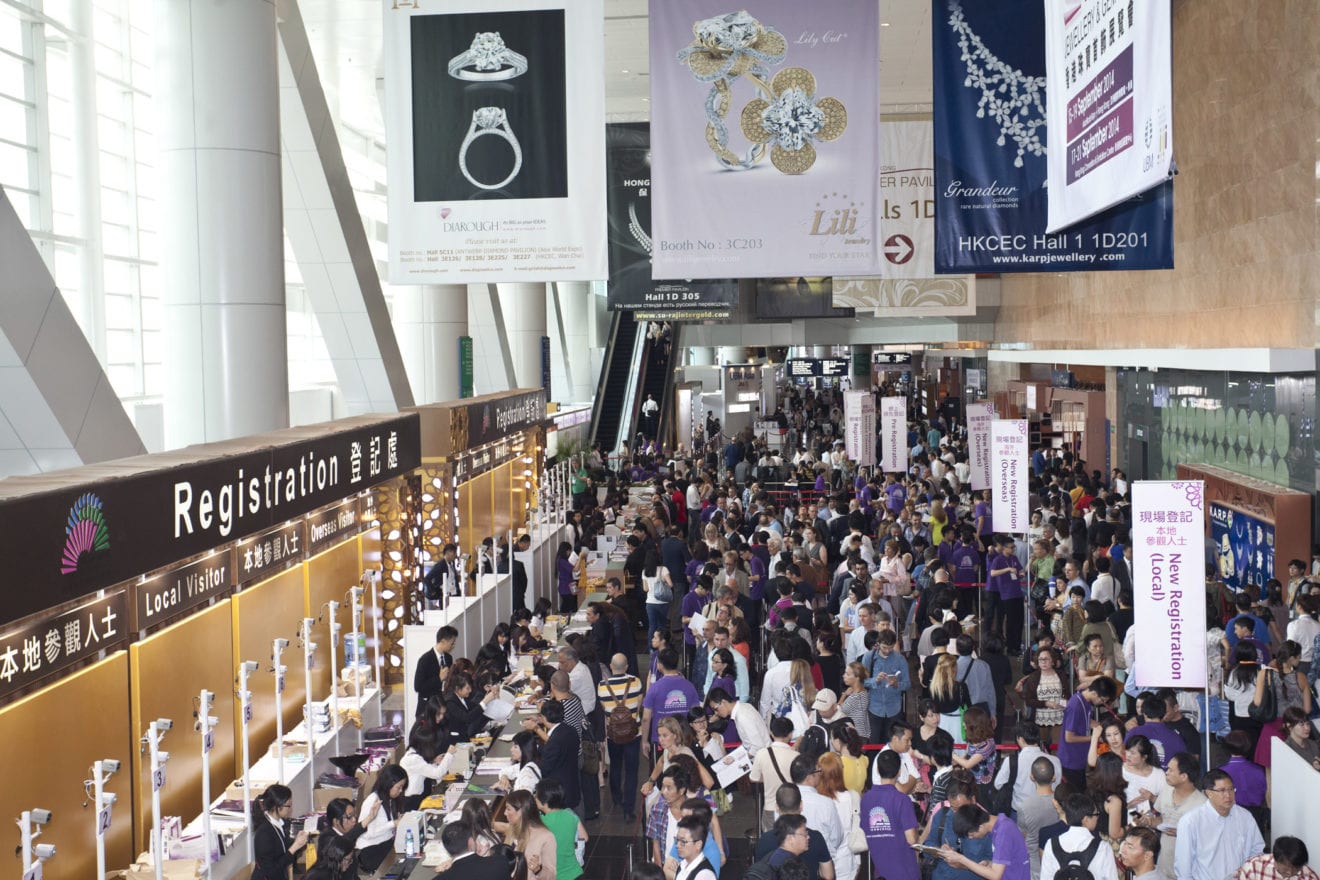
    The 33rd HKTDC Hong Kong International Jewellery Show opened today and runs through 7 March at the Hong Kong Convention and Exhibition Centre (HKCEC). With more than 2,500 exhibitors from 41 countries and regions, the five-day show features a wide range of finished fine jewellery. Along with the International Diamond, Gem & Pearl Show, currently taking place at the AsiaWorld-Expo with more than 1,880 exhibitors, the two fairs form the world’s largest marketplace for the jewellery industry, gathering a total of more than 4,380 exhibitors.

    Hall of Fame displays world-renowned jewellery brands

    The Jewellery Show features a number of themed zones. The prominent Hall of Fame brings together more than 40 internationally acclaimed jewellery brands, including The Fifth Season by Roberto Coin from Italy, Lady Heart from Hong Kong, Kuwayama from Japan and TTF Haute Joaillerie and Lao Feng Xiang from the Chinese mainland. The most prestigious jewellery collections can be found at the Hall of Extraordinary – including Dehres (Booth GH-B02), a leading player in the Asian diamond and jewellery industry. Dehres is showcasing its pear-shaped diamond necklace and pendant valued at over US$2 million, with 180 pieces of diamonds accompanying the 15-carat centrepiece, and the necklace made up of 40 pear-shaped diamonds. The Wedding Bijoux zone makes its fair debut this year, focusing on bridal jewellery and wedding rings. The T-GOLD+METS pavilion displays professional jewellery and watchmaking machinery, equipment, technology and supplies to meet the needs of buyers. This pavilion is co-organised by the Hong Kong Jewellery & Jade Manufacturers Association (HKJJA) and Fiera di Vicenza.

    Other themed zones each have distinctive characteristics. Hall of Time presents luxury watches and clocks, among which the rising local watch brand Anpassa (Booth 3C-E12) combines jewellery and timekeeping to create a 999.9 gold dragon and phoenix bangle tourbillon watch. World of Glamour spotlights the craftsmanship of Hong Kong and overseas exhibitors, including Wing Hang Jewellery (Booth 1E-D24) with its natural golden south sea pearls, and an artistically designed jewellery set crafted with diamonds. Elsewhere, Antique & Vintage Jewellery Galleria emphasises the charm of classic jewellery; Designer Galleria offers the latest jewellery designs; Hall of Jade Jewellery collects a wide range of exquisite jade pieces, and Treasures of Craftsmanship parades sophisticated decorative items made with precious stones, semi-precious stones and precious metals.

    Jewellery market insights and business opportunities

    The HKTDC has organised more than 110 buying missions for the twin shows, bringing over 9,300 buyers from 75 countries and regions to explore new business opportunities. To help industry players keep up with the latest market trends and intelligence, a series of seminars and networking events have been organised. Several jewellery parades will also demonstrate a wide range of prestigious jewellery and fashionable designs.

    Amid raising brand awareness among consumers, the jewellery industry is paying more attention to brand development. Today’s seminar on “Brand Establishment of Chuk Kam Jewellery” invited professionals from the Gemmological Association of Hong Kong to analyse the secrets to successful brand-building in the industry. The HKTDC will also organise a seminar on “Consumer Updates on Jewellery Market 2016/2017” to keep the industry informed about the latest market trends and opportunities.

    Opening day activities also include a Gala Dinner. The Royal Cruise-themed dinner features fusion dishes designed by celebrated chef Michael Gilligan, Director of Culinary, Royal Caribbean International. Legislative Council member James Tien is guest of honour at the Gala Dinner, joining other guests for an evening of fine cuisine and parades of spectacular jewellery sponsored by the exhibitors.

    Local designs shine bright

    To highlight local creative talents, the HKTDC co-organised the 17th Hong Kong Jewellery Design Competition with the four leading associations of the jewellery industry. Meanwhile, the award ceremony for the biennial event Chuk Kam Jewellery Design Competition 2016, under the theme “Gold 4.0 – Innovate outside of the box. Inspire the heart and soul”, also took place today. The winning pieces of the two competitions are on display at Hall 1E during the Jewellery Show, presenting the creativity of Hong Kong jewellery designers to global buyers.

    International Diamond, Gem & Pearl Show

    The HKTDC Hong Kong International Diamond, Gem & Pearl Show (1-5 March) is underway at the AsiaWorld-Expo, featuring uncut pieces and jewellery raw materials. The show centres around three highlighted zones; Hall of Fine Diamonds with high-quality diamonds from around the world; Treasures of Nature, showcasing precious gemstones; and Treasures of Ocean, exhibiting a variety of prestigious pearls. The new Rough Stones & Minerals zone has been introduced this year to display unpolished and uncut stones and gems. The Diamond, Gem & Pearl Show also includes a number of pavilions, including the first staged by the Tanzanite Foundation.

  • Lifestyle’s 2015 results have no impact on its ratings

    Lifestyle’s 2015 results have no impact on its ratings

    Moody’s Investors Services says that Lifestyle International Holdings Limited’s 2015 results have no impact on its Baa3 issuer rating.

    The rating outlook remains stable.

    “Despite the weak retail markets in Hong Kong and China, Lifestyle maintained stable revenue and operating profits in 2015. Combined with its flat debt leverage compared to a year ago, this resulted in a credit profile appropriate for its Baa3 ratings,” says Lina Choi, a Moody’s Vice President and Senior Credit Officer.

    “While the negative sales growth trend in the first two months of 2016 point to increased operating challenges, we expect Lifestyle will maintain credit metrics consistent with its Baa3 ratings in the next 12-18 months,” adds Choi, who is also the Lead Analyst for Lifestyle.

    Lifestyle recorded 1.6% year-on-year gross sales proceeds growth to HKD13.8 billion in 2015 from HKD13.6 billion in 2014. Driven by 2.3% revenue growth at SOGO Causeway Bay and SOGO Tsim Sha Tsui, Hong Kong and a strong performance in Shanghai Jiuguang, the group’s total revenue grew by 3.4% to HKD6.2 billion from 2014 levels.

    Gross sales proceeds declined by low-teen percentage points in the first two months of 2016 from the same period last year, pointing to increasing operating challenges. Lifestyle plans to lengthen promotion periods over the course of the year to avoid repeating the magnitude of revenue declines seen in January-February 2016.

    Meanwhile, Lifestyle’s adjusted EBITDA was around HKD3.1 billion in 2015, flat when compared with 2014 levels. Moody’s estimates the company’s profitability, as measured by adjusted EBITDA/gross sales proceeds, was 22%-23% in 2015, also largely stable from the above 20% reported since 2010.

    Moody’s expects the company’s adjusted EBITDA/gross sales proceeds ratio will remain above 20%, supported by the company’s established brand name and track record of effective cost control in down cycles.

    Although Lifestyle’s adjusted debt increased by around HKD2 billion to HKD14.3 billion at end-2015, this level remains within Moody’s expectation. Accordingly, 2015 adjusted debt/EBITDA for Lifestyle increased to around 4.8x in 2015, a level still appropriate for its Baa3 ratings.

    Moody’s expects the company’s leverage level to stay within 4.5x-5.0x in the next 12-18 months. This is based on the expectation that the company will pay down a HKD3.2 billion loan by mid-2017.

    Lifestyle’s liquidity remains solid. The company held HKD8.6 billion in cash on hand at end-2015, which is more than sufficient to cover its HKD3.2 billion debt due in the next 12 months.

    The principal methodology used in this rating was Retail Industry published in October 2015. Please see the Ratings Methodologies page on www.moodys.com for a copy of these methodologies.

    Listed on the Hong Kong Stock Exchange in 2004, Lifestyle International Holdings Limited is a Hong Kong-based retail operator that focuses on mid- to upper-end department stores, through its two retailer brand names, SOGO and Jiuguang. The company operated two SOGO stores in Hong Kong and three Jiuguang stores in China at end-2015.


  • Hong Kong January retail sales fall for 11th straight month

    Hong Kong January retail sales fall for 11th straight month

    Hong Kong retail sales, which suffered their worst decline in 13 years last year, saw weak sentiment extending into January on slumping tourist arrivals, weak local consumption and a strong local currency.

    Retail sales in January slid 6.5 per cent from a year earlier to HK$43.6 billion (US$5.61 billion) in value terms, compared with an 8.5 per cent decline in December. In volume terms, January sales decreased 5.2 per cent.

    “The near-term outlook for retail sales will remain constrained by the sluggishness in inbound tourism,” the government said in a statement. “External uncertainties, including a dimmer global economic outlook and US interest rate normalisation, may add further headwinds.”

    The value of retail sales fell for a second year in 2015 – down 3.7 per cent – the biggest decline since 2002 when they dropped 4.1 per cent.

    Hong Kong is confronting mounting economic challenges as the prospect of US interest rate rises drives fears of capital outflows that could put pressure on the financial hub at a time when China’s economy is growing at its slowest pace in 25 years.

    Tensions that have rocked the city, including protests over the Lunar New Year that was sparked off by street vendors, have added to the strains on the retail and tourism industries already suffering from a drop in mainland tourists.

    EXPENSIVE DESTINATION

    The strong Hong Kong dollar, which is pegged to the US dollar, has made the city an expensive destination and China’s cash-rich tourists are heading for more exotic destinations.

    Hong Kong tourist arrivals, which fell 2.5 per cent in 2015 in the first decline since 2003, dropped 6.8 per cent from a year ago to 5.23 million in January. Mainland visitors, which accounted for 77 per cent of the total, slumped 10 per cent to 4.04 million.

    Hong Kong’s comparatively high rents also hurt retailers as fewer mainland tourists come to shop, forcing operators to close and scale back expansion.

    January sales of jewellery, watches, clocks and valuable gifts in value terms fell 16.3 per cent, a 17th consecutive month of decline.

    Department store sales slid 3.6 per cent on year, against a 12.3 per cent drop the previous month. Wearing apparel fell 4.9 per cent while medicines and cosmetics decreased 3.6 per cent.

    Hong Kong’s top jeweler Chow Tai Fook Jewellery Group and cosmetics chain operator Sa Sa International Holdings saw sales declines at least 20 per cent during the key Lunar New Year shopping season in February.

    Department store operator Lifestyle International also saw a double-digit decline in sales during the holiday.

    Last week, Hong Kong rolled out a multi-billion dollar package of sweeteners to bolster its economy as a slowdown in China and rising political tensions deepen its economic woes.


  • How smaller retailers are thinking beyond Fashion Week for #fashion to compete

    How smaller retailers are thinking beyond Fashion Week for #fashion to compete

    Increasingly easy-to-use technology has enabled smaller retailers to speak and deliver to their niche customer sets across all channels with the same voice as they would in a shop in Hong Kong. So what is driving their success?

    This vendor-written piece has been edited by Executive Networks Media to eliminate product promotion, but readers should note it will likely favour the submitter’s approach.

    Like many reading this, I’m always intrigued by the small business owners I meet across the world, many running generations-old boutiques selling one-of-a-kind treasures. These shop owners, with their warm welcomes and time-honored craftsmanship, can quickly endear themselves to even the most casual shopper. A storefront with a history or an intriguing story can quickly turn a browser into a loyal customer, as has been my experience time and time again.

    This sort of personalized experience has always been the key to success for small retailers in the fashion and luxury goods sector.

    However, as the worlds of fashion, luxury and media descend upon Paris for Fashion Week, these experiences and transactions seem increasingly quaint and inconsequential. Amid all the dazzle, glitz and glamor, one can be forgiven for thinking that high fashion continues to be the realm of global retailers and big-name luxury brands.

    Yet remarkably, more and more fashion retailers are starting to embrace being ‘small’ as a strategy for success and growth. Increasingly easy-to-use technology has enabled smaller retailers to speak and deliver to their niche customer sets across all channels with the same voice as they would in a shop in Hong Kong. So what is driving their success?

    They’re tech-savvy

    With e-commerce growth projected to double the retail industry average at least until 2017, half of all shoppers discovering new products when searching with smartphones, 82 percent of smartphone owners looking online for product information when shopping, and smartphones already accounting for over 40 percent of ecommerce transactions in Japan and South Korea it is no wonder that small retailers are realizing that they need to be as tech-savvy and flexible as their customers. That means engaging and delighting shoppers on mobiles, social media and online channels. 

    They’re highly personal

    Technological advancements and the democratizing power of the Internet have allowed retailers to scale up without sacrificing intimacy and personal service. As customers no longer think about retailers’ brands in a silo, neither does the small retailer. They analyze insights from website visitor traffic, social media interactions, and newsletter click-through rates to better understand their customers. Any retailer with a Facebook page can now easily discover that their average customer is, for example, female, aged between 16 and 24, and listens to One Direction, and by using this data to precisely tailor their sales and marketing strategy, they can more effectively engage and delight their customers.

    They look for ways to cultivate and engage a community

    It is much more profitable to sell to loyal customers than to constantly look for new ones. A Bain study showed that just a five percent growth in customer retention could boost profitability by 75 percent.

    Small retailers are starting to use this insight to build loyal online communities, which do the selling for them. No wonder a brief Google search on the words ‘e-commerce’ and ‘social media’ turns out 101 million results, with articles such as ’12 Social Media Tactics to Drive Traffic to your E-commerce Site’ being the most visited. Another way is through loyalty programs, which 30 percent of independent retailers are planning to implement in 2016. This is on top of the quarter of independent retailers who already have a loyalty program in place.

    They find the right support 

    Finally, one cannot ‘grow small’ without a reliable network of business partners, whether it’s like-minded companies to cross-sell services and expand the product offering, or other companies to provide operational support in areas where expertise is lacking.

    One example of this is logistics. According to a recent FedEx study, about 70 percent of consumers surveyed listed shipping-related factors as the most influential in their decision to buy from online retailers in other markets. That is why small retailers look to third-parties for their expertise and capabilities in potentially complex areas, such as the implementation of a policy that allows customers the option to return items purchased online to a physical store.

    #fashion is a game changer

    As global product availability is almost a non-issue these days, smart small retailers in the fashion and luxury sector need to constantly rethink their strategies, find ways to stand out, grow, and engage their customers without compromising the essence of their appeal.

  • Dairy Farm exits Starmart Indonesia

    Dairy Farm exits Starmart Indonesia


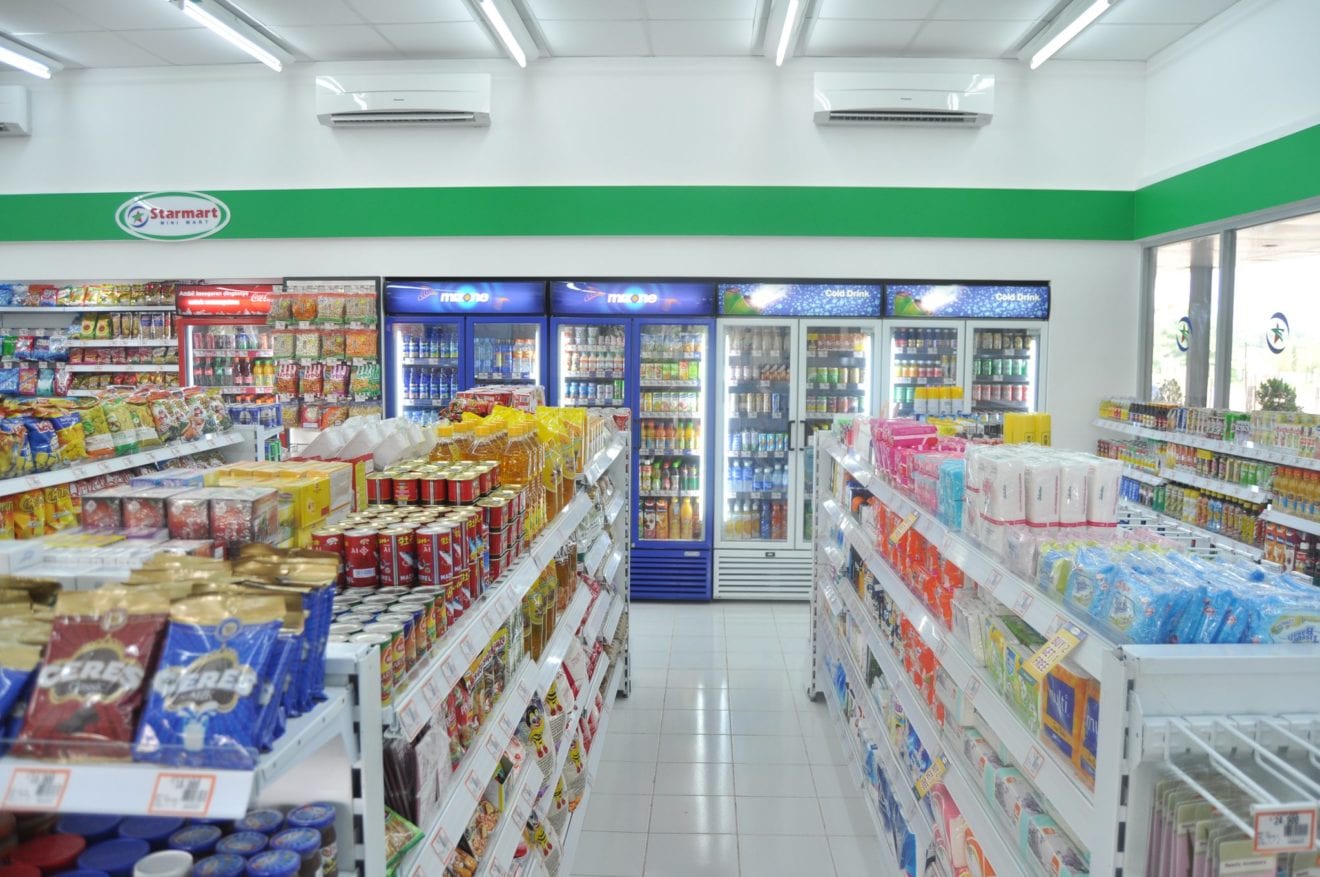
    Convenience store and grocery retailer Hero Supermarket is to exit the troubled Starmart Indonesia business.

    Hero, a subsidiary of Hong Kong-headquartered Dairy Farm International, has announced the sale of 80 stores to Fajar Mitra Indah, a subsidiary of Wings Group, an Indonesian food conglomerate which owns the FamilyMart franchise in the country. The networks will be merged by the year’s end under the FamilyMart banner, taking that network to 80.

    The sale follows the closure of 50 poorly performing stores in the network last September after a long-running strategic review. The balance of the stores – the number of which is undisclosed – will be shuttered.

    The Starmart business had effectively been kneecapped by rapidly implemented Indonesian government policies, most significantly a ban on convenience stores selling alcohol which took effect last April. A general economic slowdown has not helped sales of other goods.

    In a statement, Hero said it would withdraw entirely from the convenience stores business in Indonesia. No transactional details were revealed but the company said the closure would have no material impact on its trading figures this year.

    Both Starmart and FamilyMart are relative minnows in the Indonesian convenience store sector – local chains Alfamart and Indomart – each about 10,000 outlets strong – dominate.

    According to a report in the Nikkei Asian Review, Hero’s profit fell 90 per cent in 2014 and slipped into the red in 2015. Its supermarket business is under pressure from discounters and the company has also shuttered a number of unprofitable Guardian drugstores.

  • Sogo switching its promotion plans after predicting a bumpy year ahead

    Sogo switching its promotion plans after predicting a bumpy year ahead

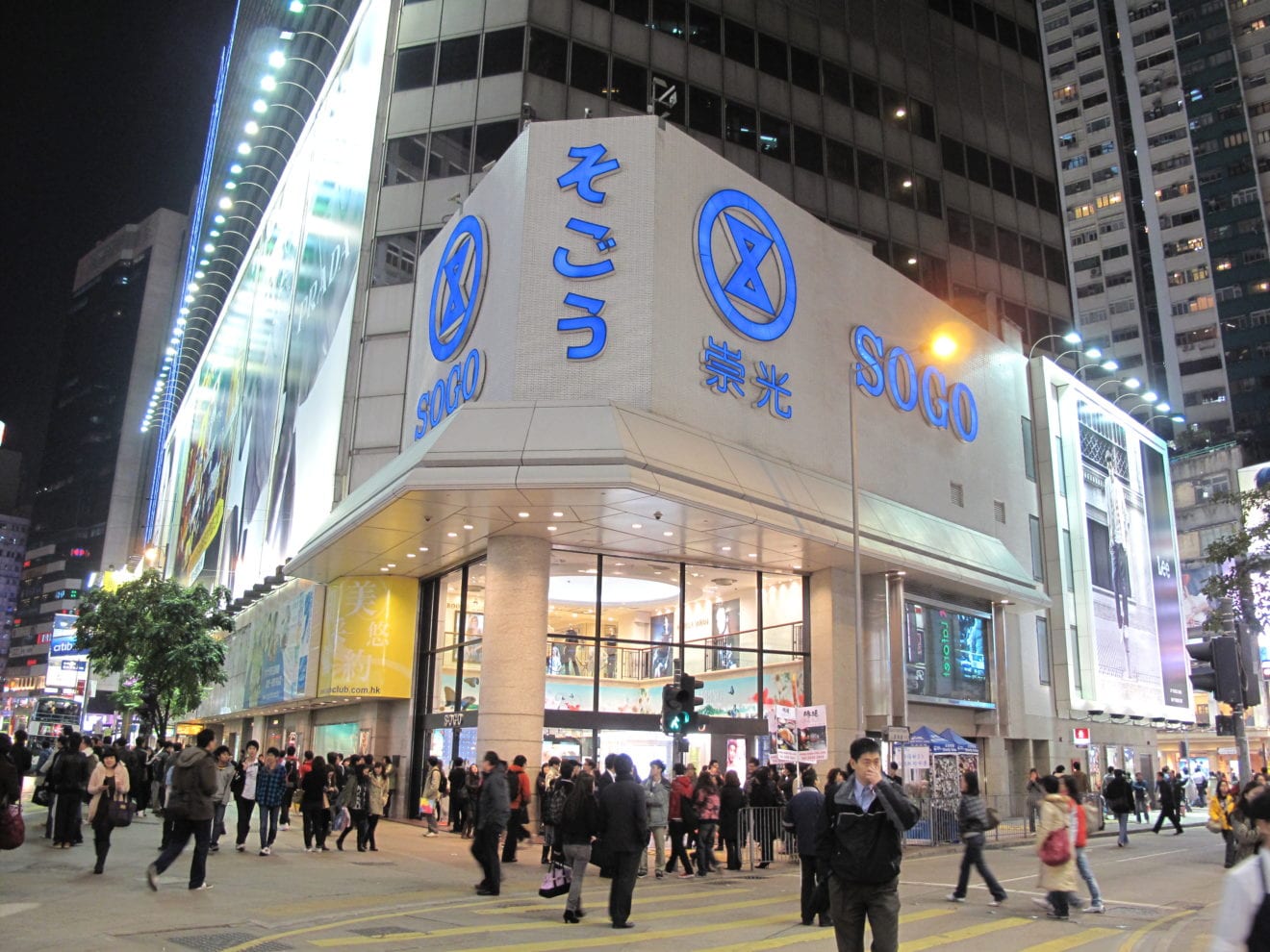
    Department store Sogo expects a gloomy year ahead due to a strong Hong Kong dollar and weak mainland tourists numbers. Its iconic Causeway Bay outlet recorded a 4.5 per cent year-on-year drop in sales, according to figures released yesterday.

    To survive in the increasingly tough local economy, the shop’s operator Lifestyle International is considering extending its twice-yearly sale weeks, which traditionally see customers cramming into the stores to hunt for bargains.

    “2015 was not too bad, but 2016 will be very challenging,” chief financial officer Terry Poon Fuk-chuen told reporters at the company’s annual results meeting yesterday.

    He pointed out that the Hong Kong dollar is strong, since it is pegged to the rising greenback, and it is having a dire effect on the already battered retail sector, which has been suffering from a shortage of mainland shoppers.

    The average daily customer traffic in the Causeway Bay branch dropped 2.4 per cent to 81,700 people last year and average sales per ticket shrank 3.1 per cent to HK$850 from the previous year.

    Chief executive Thomas Lau Luen-hung expects a flat year ahead, after sales at the island outlet experienced a double-digit decline over the past two months, compared with the same period last year.

    “I am not sure when the retail market will bottom out, but the chances are slim for a short-term rebound,” said Lau.

    The total number of visitors to Hong Kong declined 2.5 per cent last year – the first drop since 2004 – and mainland tourist numbers dipped 3.0 per cent.

    However, Lau is confident the long-term outlook of Hong Kong’s retail market is positive, as he believes the city is still an attractive place for mainland tourists, thanks to the expanding middle class and ongoing economic reforms north of the border.

    Despite more discounts being offered to customers in a period of weak consumer sentiment, Sogo has been luring in younger customers in a shift away from the previous focus on tourist promotions.

    Lau said shoppers have become younger and they prefer individuality to brand names when choosing what to buy.

    To adapt to this trend, more emerging international brands have been added to the first and second floors at the Causeway Bay shop over the past year, Lau said.

  • Losses force Esprit to downsize

    Losses force Esprit to downsize

    Following a first half loss of HK$238 million (US$30.6 million), fashion retailer Esprit plans to prune unprofitable outlets while improving productivity.

    “In the very short term, we will continue to see the closure of unprofitable spaces from our retail store network and our wholesale partners’ points of sale,” the company says in its interim results announcement. It expects these actions will help group turnover remain stable although it may be reduced.

    During the six months, the company posted a 13 per cent dip in sales to HK$9.31 billion. It says the losses are partly the result of the unfavourable impact of the euro depreciating against the Hong Kong dollar.
    With a loss per share of 12 cents, the directors did not declare an interim dividend.

    Meanwhile, the company has seen positive retail sales growth through both online and offline channels, particularly in Europe. Its challenges lie in its wholesale business, currency risks and lower performance in Asia.
    It says the underperformance in the Asia-Pacific region was partly attributable to a combination of volatility in the financial markets, the economic slowdown in China and the devaluation of the yuan, which significantly dampened consumer sentiment.

    Esprit’s largest geographic market, Germany, had HK$4.44 billion turnover, representing year-on-year growth of 1.5 per cent. For the rest of Europe the turnover of $3.38 billion was down from $3.92 billion of the previous year’s second half. Turnover in Asia Pacific amounted to $1.42 billion, a year-on-year drop of 6 per cent.
    Esprit says it faces challenges ahead with volatility in the financial markets and economic uncertainty that could further dampen consumer sentiment, especially in Asia. And if the euro continues to be weak, it would put pressure on the group’s gross profit margin.

    Meanwhile, the group is expecting an estimated net gain of about $725 million from the sale of six wholly owned property subsidiaries in Hong Kong, a deal finalised in December. Once the sales is settled, the group plans to lease back most of the properties.

    Also the group has introduced efficiencies in its product development and supply chain processes, as well as developing a “more ambitious” commercial strategy using an omnichannel model. It has been using an intensive brand-marketing campaign since September to strengthen and rejuvenate its image.

    Already it has seen positive sales performances, plus increased customer loyalty and better online and mobile sales.

    “Driving these productivity gains further remains our top priority in the near term,” says the company, noting an increase to 49 per cent of eCommerce sales by mobile devices and a 92 per cent growth in smartphone sales.

  • Honolulu Coffee Shop opening in Singapore

    Honolulu Coffee Shop opening in Singapore

    Honolulu Coffee Shop, known in Hong Kong for its egg tarts with flaky pastry, will open a 50-seat restaurant in Singapore in April.

    At The CentrePoint in Orchard Rd, the restaurant will go head to head with Hong Kong’s Tai Cheong Bakery, which is known for its egg tarts made with shortcrust pastry and is scheduled to open in Orchard Rd within the next three months, according to the Straits Times.

    Meanwhile, Tai Cheong will set up a pop-up stall early next month at a location yet to be advised. The new outlet is a joint venture with Food People, a company set up by The Pine Garden MD Wei Chan and Han Jin Juan of Palm Beach Seafood Restaurant.

    Honolulu Coffee Shop is a franchise brought in by a new F&B company set up by Lee Yuen Yong, who is also MD of Asia Gourmet. That company brought in wonton noodle specialist Mak’s Noodle from Hong Kong, which has shops at The CentrePoint and Westgate, and will open a third at VivoCity in May.

    Lee says not many people in Singapore know about Honolulu Coffee Shop, “but its egg tart is the best we can get in Hong Kong”. He says the recipe has 70 years of history, with all other egg tarts evolving from it.

    “On more than 10 trips to Hong Kong, the team tried egg tarts from more than 50 stores before deciding that Honolulu’s are the best.”

    Honolulu Cafe Hong Kong Wan Chai

    Its signature egg tart has 192 layers of flaky pastry.
    Meanwhile, Chan says the market is big “and diners will figure out which egg tart tastes better”.

    Honolulu Coffee Shop was founded in the 1940s by Yeung Jin Hei, who died nearly three years ago. It started out selling coffee, tea and baked goods, and over the past 20 years its menu has evolved to include everything from noodle dishes to sandwiches.

    Yeung’s second son Derrick, 50, took over the business in 1996 and runs it with his 51-year-old brother Wayne, who handles the six outlets in Hong Kong.

    Derrick has been instrumental in expanding the brand overseas, starting 18 months ago. Honolulu has three shops in Beijing and one in Shanghai. The Singapore shop will be its fifth overseas outlet and will also serve macaroni and noodle dishes as well as weekly specials.

    He is now meeting suppliers and recruiting staff and chefs, who will be trained in Hong Kong.
    Aside from Singapore, he plans to open in Taiwan in line with his plans to go “more international”.
    Asked why the chain is called Honolulu, he says it dates back to the time Hong Kong was a British colony and the company wanted a Western name.

  • Yahoo woos Hong Kong with new online store

    Yahoo woos Hong Kong with new online store

    Yahoo Hong Kong announced in January the official opening of the Yahoo Store, its key project for e-commerce in 2016.

    Within the year, the tech firm said it expects to feature 500 stores offering as many as 100,000 products. As it is today, Hong Kong’s online shoppers can already buy from a wide selection of over 20,000 products from more than 100 businesses on online shopping mall.

    Rico Chan, Vice President & General Manager, Yahoo Hong Kong & INSEA Sales, said the company has already made a considerable effort in the area of e-commerce for netizens to experience a new experience on Yahoo Shopping.

    These efforts include setting up a strong team to bring fashion items, mobile accessories, stationery and other articles for daily use to Hong Kong’s online shoppers.

    “The Yahoo Shopping platform provides one-stop shopping convenience and operates all day long every day, without time or geographical limits. Merchants can use innovative multimedia promotion methods to tailor marketing plans for their brands, and embrace the fast-changing opportunities,” he said.

    The site also offers original brands and entrepreneurs who are eager to join the platform advice and analyses on setting up online stores for businesses so that they can open their stores easily and quickly.

    Horace Ng, Head of E-Commerce, Yahoo Hong Kong, said they aim to turn Yahoo Hong Kong’s e-commerce platform into the strongest local online shopping mall, through integrating e-commerce service strategies, ad hoc Yahoo Deals and Auctions of rare second-hand products over the long term in the online Yahoo Store.

    “Yahoo has been working hard to drive its Mavens strategy, focusing on six major pillars: mobile, audience, video, e-commerce, native and social,” added Chan.

    The Yahoo executives said the store has a strong content base, including Product promotion using multimedia – (sellers can place multimedia files such online videos on their product introduction pages to offer richer and more concrete product information to buyers); Sellers training (classes offer guidance on sellers’ photo management and design skills) and Multi-channel exposure for sellers’ products (brand promotion and product marketing through Yahoo Shopping’s social platform).

    During the trial run the store, it offered a 25 percent purchase rebate through e-code redemptions, which attracted feedback, web traffic and customer reaction.

    Yahoo has been operating in Hong Kong for 17 years and has always been supportive of the development of local artistic creations, actively utilizing its influence to support outstanding local young artists and creators in exploring and making the most of the business opportunities.

    This year, it has collaborated with local, original illustration brand Pandaluv to launch an O2O (Online-to-Offline) experimental project.

    Pandaluv created a series of Yahoo Store X Pandaluv limited edition products for the Chinese New Year period, including cushions, a canvas bag and baggage tags, among other items, selling in advance on Yahoo Deals and allowing fans to redeem the limited-edition products at Stall No. 021 during the Lunar New Year Fair in Victoria Park.

    “Pandaluv can reach a lot of netizens who support local creations through the strong online e-commerce platform, Yahoo Shopping, and more netizens can learn about my company,” said Pandaluv Founder, Famous Cartoon Illustrator Toby Yeung.

    Last year, he said the brand published illustrations through Tumblr Creator Hub, which attracted many loyal fans to create accounts and follow the brand.

    “We made contact with quite a few partners, gaining many business opportunities, helping Pandaluv to shift from being an artistic creation success towards an art business startup,” Yeung added.

  • PappaRich expands into Hong Kong

    PappaRich expands into Hong Kong

    Malaysian restaurant chain group PappaRich has opened its first Hong Kong outlet, marking a strategic move in its Asian expansion by leveraging the city’s status as a ‘food paradise’ in the region.

    The PappaRich restaurant at the L-Square in Causeway Bay offers traditional Malaysian cuisine with a sophisticated twist, boasting genuine PappaRich ingredients flown fresh from its Malaysia headquarters, according to the president of PappaRich Asia Pacific Region, Sebastian Low. The restaurant offers, among other dishes, branded Hainan bread as well as the country’s famous durian cheese cake.

    Said Low: “When we were choosing a location for our global expansion, Hong Kong was one of the most promising destinations, not only because of its thriving restaurant and bar scene, but also its dynamic cultural background as an international city. It is the ideal place for us to promote Malaysian cuisine, as well as our food culture, to the world.

    Paparich food

    “The Hong Kong outlet is a joint venture between Tang Palace (China) Holdings and Beppu GroupLimited. With concerted efforts of the professional team and business partners in Hong Kong, we are ready to take the PappaRich brand to the next level.”

    Founded in 2006 in Malaysia, PappaRich has steadily grown from the home country into a franchise network comprising over 100 outlets worldwide. It has 80 outlets in Malaysia and has ventured into overseas markets such as Australia, Mainland China, Singapore, the US, South Korea, Brunei, Indonesia, Taiwan and New Zealand since 2012.

    Associate director-general of Investment Promotion Dr Jimmy Chiang said Hong Kong is renowned as the culinary capital of Asia and many restaurants with different dining options have already established their presence in the city.

  • Wildcraft expands out of India

    Wildcraft expands out of India

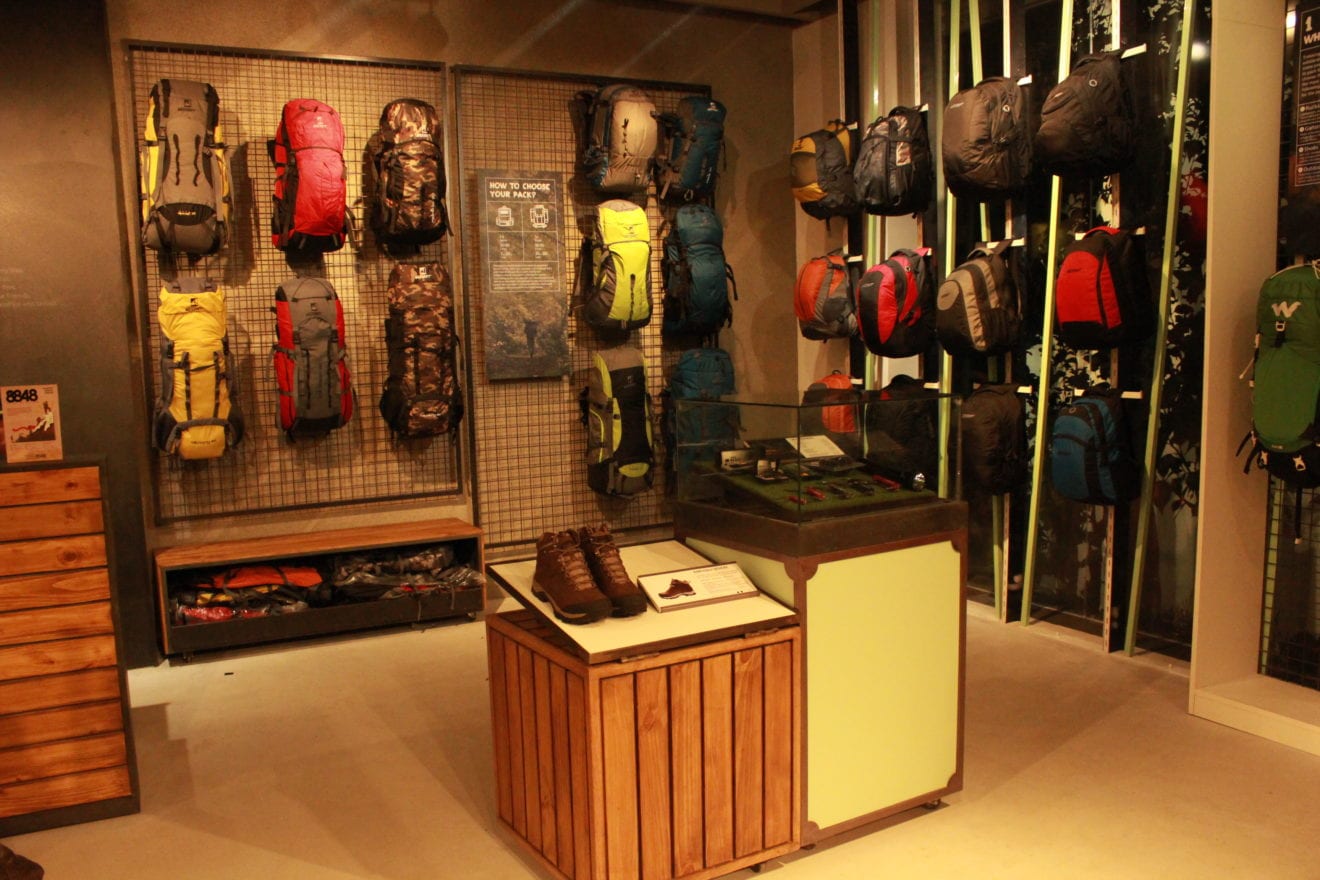
    As a first step toward growing its international presence, Indian fashion brand Wildcraft has launched into the Middle East and Southeast Asia.

    It has formed partnerships for its foray into the UAE, Oman and Muscat markets, and online partnerships for Hong Kong, Indonesia, Malaysia, Singapore and Taiwan, reports ETRetail.com.

    Wildcraft unveiled a new brand identity last year while expanding its product portfolio into clothing and footwear. It has also added 130 retail outlets in more than 50 cities across India, giving it more than 3000 distribution points in more than 400 cities in India.

    In Southeast Asia, the brand has partnered with Zalora, part of the Global Fashion Group, giving Wildcraft access to the Hong Kong, Malaysia, Singapore and Taiwan markets. It will use this alliance to initially sell its outdoor gear products.

    Co-founder Gaurav Dublish says the international expansion “is just the start of our growth plans”.

    “The focus, at this point, is to reach countries with similar climatic conditions and geo-proximity.”