Tag: Hong Kong

  • Did The Hong Kong Property Market Just Burst? 2 Stocks That May Be Affected

    Did The Hong Kong Property Market Just Burst? 2 Stocks That May Be Affected

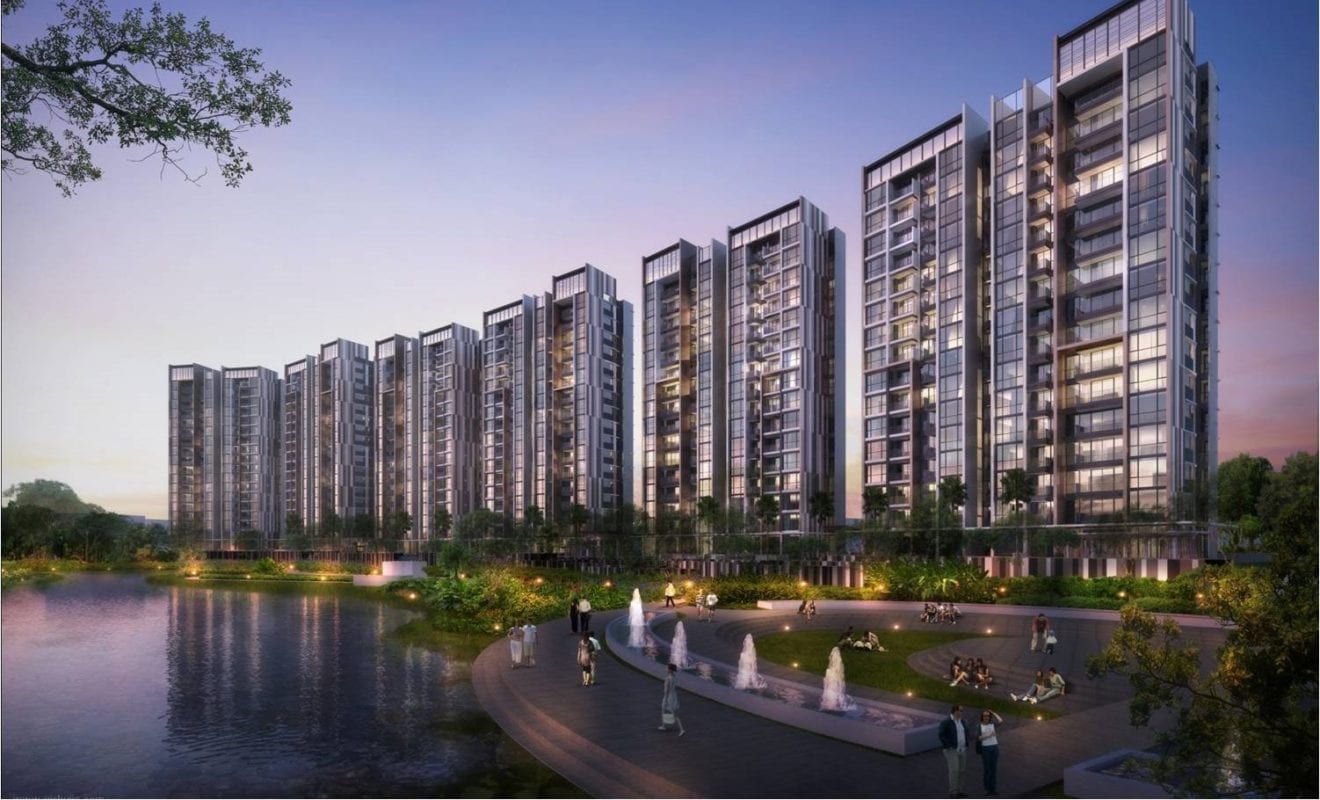
    Hong Kong property prices have been surging over the past few years. A report from Swiss bank UBS indicated that Hong Kong property prices have appreciated around 340% from 2003 to 2015.

    But, 2016 might not be such a good year for Hong Kong real estate.

    Based on January 2016 data, monthly home sales in the city had reached its lowest levels since such data was first tracked in 1991. More alarming is that a recent government-released land parcel in Hong Kong’s New Territories area was sold at a price (on a per square foot basis) nearly 70% lower than a similar transaction that took place in September 2015.

    Piling on the pressure is the government of Hong Kong – it is planning to increase the amount of housing supply to the market over the next five years due to high property prices which has made housing unaffordable for the city’s residents.

    Will these developments be the trigger to mark the start of a prolonged slump in Hong Kong’s property market? Will any potential troubles that may arise in the residential real estate market hit other real estate sectors such as commercial and retail?

    In Singapore’s stock market, there are a few companies and trusts that are exposed to the Hong Kong real estate market. Two of the bigger entities in that category would be Hongkong Land Holdings Limited (SGX: H78) and Fortune Real Estate Investment Trust (SGX: F25U).

    Stock Market capitalisation (15 February 2016)
    Hongkong Land Holdings US$13.6 billion
    Fortune REIT HK$14.7 billion

    Source: S&P Global Market Intelligence

    Hongkong Land is one of the largest property owners in Hong Kong’s Central district, owning many premium commercial office towers there. Meanwhile, Fortune REIT is a real estate investment trust that invests mainly in retail malls located in Hong Kong. At the moment, the REIT has 17 properties in its portfolio.

    With the possibility of a slump in property prices in Hong Kong – at least for the residential real estate sector – what does the near term future hold for both Hongkong Land and Fortune REIT?

    Hongkong Land might have an advantage over Fortune REIT when it comes to withstanding any downturn in real estate.

    With Hongkong Land’s strong balance sheet (it has a net debt to equity ratio of only around 9%), it has flexibility and is facing lower financial risks even if its properties are revalued to a much lower level.

    That said, if there’s a prolonged slump in Hong Kong, the rental rates for Hongkong Land’s properties might still take a hit in the future, hurting its earnings going forward. Before that becomes a reality, it seems that the market is already punishing the company. Hongkong Land is currently valued at just 0.48 times its tangible book value; that’s a valuation last seen back in 2011.

    Fortune REIT is also facing a similar situation. But, given that a REIT tends to have much tighter restrictions on its debt level (whereas companies are given free rein), a huge drop in the value of its properties might have a big impact on the trust.

    Moreover, as Fortune REIT has a weaker balance sheet as compared to Hongkong Land – the REIT has a gearing ratio (total debt over total assets) of 30.1% – a sharp drop in the value of its properties might increase the REIT’s leverage to onerous heights, thereby raising the possible need for the REIT to raise equity capital and thus cause its investors to face dilution risks.

    How the Hong Kong property market will play out is still unclear. Although demand seems to be slowing, the eventual impact on property prices is yet to be seen. Moreover, the current slump is mainly in the residential sector, so it is also unclear how it might affect the commercial and the retail sector of Hong Kong’s property market.

    But, it is still wise and prudent for investors here in Singapore to be aware of possible dangers ahead for some Singapore-listed companies as a result of their exposure to the real estate market in Hong Kong.


  • Asian retail outlook: “more cautious”

    Asian retail outlook: “more cautious”

    High operating costs – particularly rents and labor in Asia – will ensure retailers are more cautious this year, concludes real estate specialist CBRE.

    In its annual Asian retail outlook, the company’s research department predicts many retailers will shift their strategic focus from expanding their store networks to rationalisation, improving in-store profitability and upgrading to better locations.

    That trend is expected across the broad Asia-pacific market, including Hong Kong.

    “Leasing activity will diverge across markets, with Australia, Japan and New Zealand the most upbeat, whereas Hong Kong and Singapore will continue to struggle,” CBRE concluded.

    “Driven by ongoing urbanisation and wage increases, Southeast Asia will also see solid leasing activity. Demand across the region will be led by food and beverage retailers, while affordable and niche luxury brands will also be active.”

    CBRE also warns the rise of online shopping will continue to force shopping malls to embrace ‘retail-tainment’ and adjust their trade mix to include more experience-oriented retailers to retain foot traffic. Around 63.8 million sqft of new shopping center supply is scheduled to be completed in 2016. Against the sluggish leasing demand and ample new supply, overall retail rents are forecast to experience a mild correction of below 1 per cent in 2016.

    In a broader property outlook, CBRE forecasts that due to Asia Pacific’s steady economic growth – which will continue to outpace the rest of the world in 2016 – investment activity in the region will remain solid, although activity will be limited by asset pricing and availability.

    “The region’s investment market will continue to see strong demand from real estate funds and institutional investors. Institutional investors will continue to invest in Asia Pacific to increase their exposure to real estate for strategic diversification,” said Dr Henry Chin, head of research, CBRE Asia Pacific.

    “That said, Asia Pacific will enter a period of slower growth in the commercial real estate market with activity likely to moderate over the course of the year as it becomes more challenging to source investable stock able to meet investors’ target returns. Interest rates will remain low in 2016 so yields are largely to remain stable across Asia Pacific. However, we are expecting to see a mild yield expansion in 2017 together with the rise in interest rates.”

    The economic slowdown in China – as well as higher-than-expected US interest hike rates, and currency volatility – will also remain a key concern for investors, given the scale of its impact across the whole region.

    “However, macro trends of urbanisation and the rise of the middle class remain largely unchanged and will continue to drive growth across Asia.

    “There are structural investment-themed opportunities for investors to focus on in 2016, such as the growth of e-commerce, regional tourism and demographic changes. Demographic changes will create opportunities in niche sectors such as self-storage facilities, senior and student housing, and data centers,” said Chin.

    “Regionally, active markets will continue to be led by Australia and Japan, whilst India expects to see a positive year following the relaxation of FDI norms at the end of last year.

    “China will also remain on the radar for most international investors although demand will be largely confined to tier I cities. Overall, the long-term outlook remains positive for the region,” he concluded.

    CBRE’s 2016 APAC Real Estate Market Outlook report can be downloaded here.

  • China’s Ambassador to Qatar takes HIA tour

    China’s Ambassador to Qatar takes HIA tour

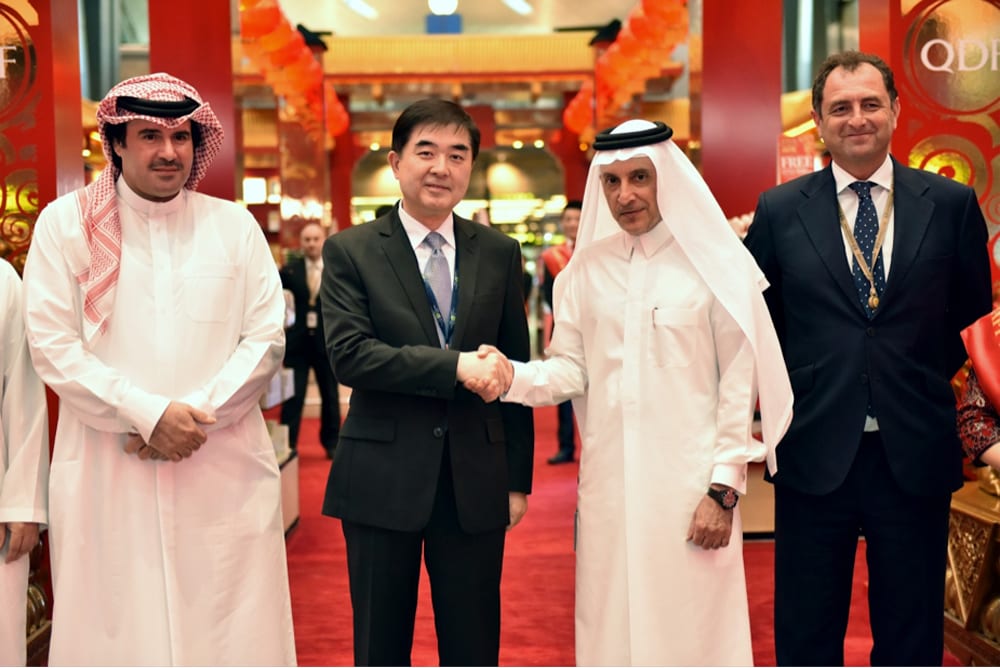
    China’s Ambassador to Qatar, His Excellency Li Chen, and Qatar Airways Group Chief Executive, His Excellency Akbar Al Baker, commemorated  Chinese New Year, with a visit to Qatar Duty Free’s traditional Chinese pavilion on 10 February 2016.

    Hany Al Deeb, UnionPay Regional Country Manager, joined H.E. Mr. Li Chen and H.E. Mr. Al Baker on a tour of a Chinese pagoda located in Hamad International Airport (HIA).

    As reported, the pavilion is offering passengers discounts of up to 20%, spending rewards and an array of enticing promotions to mark China’s Year of the Monkey.

    UnionPay and Qatar Duty Free have also collaborated to offer passengers traditional red envelope retail vouchers worth QR100 for customers who purchase items valued at QR1000 (US $274) and above using a UnionPay payment card.

    H.E. Mr. Al Baker, said: “I am honoured to visit Qatar Duty Free’s Chinese Pavilion with His Excellency Mr. Li Chen. Chinese New Year is an important time for families to gather together and enjoy each other’s company.

    “For many families, this means travelling to see their loved ones, to enjoy the traditional New Year’s feasts and special holiday markets. For those travelling, we wanted to bring a taste of this tradition to their actual travel experience, by again building our version of the holiday market, with special products and promotions.”

    The traditional red and gold pavilion is positioned directly behind the famed Lamp Bear at HIA, serving as a ‘festive attraction’ as well as a ‘starting point for bespoke shopping tours’ designed specifically for Chinese passengers. Chinese language-dedicated Qatar Duty Free staff, fluent in Mandarin, Cantonese and other Chinese dialects, are available upon request to lead passengers around HIA showcasing their favourite brands and products, says QDF>

    Passengers will discover an array of specially curated products inside the elaborate Chinese pagoda, which will remain in HIA until mid-March in recognition of the Qatar-China 2016 Year of Culture.

    Savings of up to 20% are being offered on Qatar Duty Free fragrances, cosmetics, skincare, confectionery, luxury watches, fine jewellery, and other gift items in the Chinese pavilion.

    Additional Chinese New Year discounts of up to 10% are also available on brands in selected boutiques in HIA. Passengers can choose from a wide variety of duty free products at amazing prices, including promotions from Tiffany, TAG Heuer, Chopard, and Bulgari. Popular products available within the Chinese pavilion include Godiva chocolates, Prada perfume, La Prairie skin care, Swarovski jewellery, Harrods bags and Marmalade Market gift items.

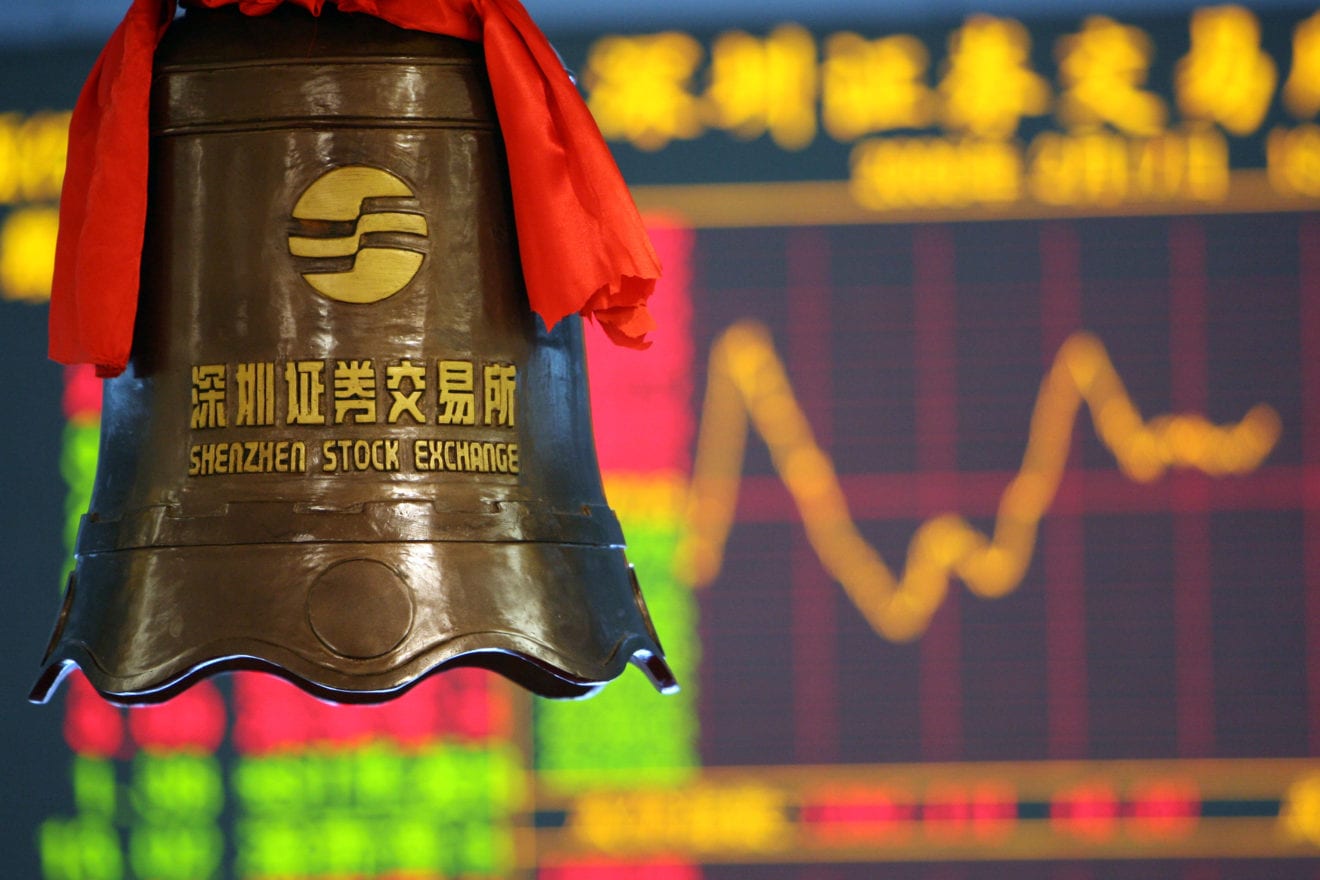
  • Why there is no need to wait for a stable market before launching Shenzhen-Hong Kong stock

    Why there is no need to wait for a stable market before launching Shenzhen-Hong Kong stock

    Beijing should not wait for the market to stabilise to launch the Shenzhen-Hong Kong stock connect scheme and should introduce it as soon as possible to help attract more capital inflow to the mainland China.

    Hong Kong Exchanges and Clearing chairman Chow Chung-kong said last Thursday, on the first trading day of the Year of the Monkey, that the long-awaited stock connect scheme between the Hong Kong and Shenzhen stock markets would definitely be launched but it would need to wait for the stock market to stabilise.

    After the Hang Seng Index lost more than 700 points on Thursday in the biggest fall on the first trading day of a Lunar New Year since 1994, brokers interpreted his remarks as meaning the scheme would be launched in the second half of this year at the earliest.

    But that would not be appropriate because any broker will tell you investors like to trade when the markets have big movements instead of in quiet markets. Even in a falling market, people like to buy when the share prices drop to more reasonable levels.

    It should be left to investors and not the regulators to decide when it is appropriate to enter the market

    As such, the mainland regulator should launch the new scheme whenever the platform and regulatory measures are ready and not when the market is stable. It should be left to investors and not the regulators to decide when it is appropriate to enter the market.

    Then there’s the capital flow issue. The depreciation of the yuan, which dropped more than 5 per cent against the US dollar last year and is expected to fall further this year, has led to many mainlanders rushing to buy US dollar or Hong Kong dollar investment products and life insurance policies to hedge their risks.

    The launch of the Shenzhen-Hong Kong stock connect would not worsen the situation because most mainland investors have accounts in both the Shanghai and Shenzhen stock markets. Investors who want to trade Hong Kong stocks could already have done so by trading via the Shanghai-Hong Kong stock connect.

    The launch of the Shenzhen-Hong Kong stock connect would, however, open a new leg and new market for northbound trading – with international investors able to trade Shenzhen-listed companies in addition to Shanghai A shares.

    A recent survey by the Hong Kong Investment Funds Association found international investors were interested in the Shenzhen stock markets because it is home to many potential high growth companies. Retail brokers in Hong Kong would also like to see Hong Kong investors allowed to trade Shenzhen stocks because it would boost their commission income.

    That means the launch of the Shenzhen-Hong Kong stock connect is likely to result in new capital inflow to mainland China from both international fund houses and Hong Kong retail investors.

    More importantly, many fund managers believe that a precondition for A shares to be added to MSCI’s benchmark emerging markets index is giving them the ability to trade in the Shenzhen stock market.

    MSCI said in June last year that its decision to defer the inclusion of A shares in its global emerging market benchmarks for a second year reflected lingering investor concerns over market accessibility.

    If Beijing allows the Shenzhen-Hong Kong stock connect to be launched soon, it would boost the chances of A shares being included in MSCI indices. And that would lead to more exchange traded funds buying A shares, further boosting capital inflow.

    There is really no need to wait for the market to stabilize before launching the Shenzhen-Hong Kong stock connect.

  • Grana, Online Retailer Offering Luxury Apparel at Disruptive Prices

    Grana, Online Retailer Offering Luxury Apparel at Disruptive Prices

    Grana (grana.com), an online clothing retailer creating luxury fabrics and wardrobe essentials at guilt-free prices, announced today it has secured an additional $3.5 million U.S. dollars in seed funding. The lead investor is Golden Gate Ventures, along with investments from MindWorks Ventures and Bluebell Group, bringing their total funding to date to $6 million U.S. dollars, with additional Series A funding pending. Grana recently launched in the U.S. market, and the additional funding will help the brand continue its international growth and expansion.

    Grana offers timeless wardrobe essentials created from fabrics found around the world, including Chinese Silk, Mongolian Cashmere, Irish Linen, Japanese Denim, Peruvian Pima Cotton, French Poplin, Chinese Cotton Twill, Italian Merino Wool and Japanese Chambray. Grana designs its merchandise in-house and works directly with fabric mills in order to bring the highest quality clothing to customers at the best possible prices.

    Grana has grown extensively since its March 2014 beta launch, during which the brand sold 2,000 Peruvian Pima Cotton t-shirts in three weeks, shipping to eight countries directly from Hong Kong. Month-over-month sales are currently increasing by 40 percent since Grana launched in October of 2014.

    The new round of funding will expand Grana’s shipping to new markets as well as aid the entry into the U.S. and China markets. The funds will play a critical role in new product category launches such as leather goods, undergarments and activewear.

    “We’re pleased to receive financial backing from Golden Gate Ventures and MindWorks Ventures,” said Luke Grana, CEO and co-founder of Grana. “The support is critical to our U.S. expansion, a priority market that already represents 20 percent of our global sales. This new investment allows us to further disrupt the online clothing market and provide consumers with luxury-quality wardrobe essentials without the luxury price point.”

    Since launching, Grana has brought a number of “Fitting Rooms” to consumers across Sydney, Singapore, and Hong Kong, and mostly recently opened a U.S. location in San Francisco in December 2015. Designed as a showroom instead of a retail shop, customers can experience the brand personality in the space, interact with Grana Cheetahs (customer service representatives), and discover the website. Retail showroom spaces are increasing in popularity, and Grana’s Fitting Room model is helping to lead this global trend. The new funding will also allow Grana to open additional Fitting Room locations in the U.S. and provide support for a technological upgrade to the shops, reinventing the way people buy clothes in-store.

    “In a world were startups are disrupting established industries, Grana is disrupting how to build a global brand with bottom-up marketing from their biggest fans, city by city,” said Vinnie Lauria, Managing Partner at Golden Gate Ventures.

    “We envision Grana’s model of providing the highest-quality modern essentials at revolutionary price points as the future of retail,” said David Chang, Partner at MindWorks Ventures. “This investment round provides Grana with greater capacity to expand its growing Fitting Room network, and product range and develop its omnichannel strategy.”

    As part of its international expansion and growth in existing markets, Grana will also use the newly acquired funds to build out a global world-class team. Currently, Grana has more than 40 employees in Hong Kong, and most recently has added team members in San Francisco.

    ABOUT GRANA

    Grana is a global ecommerce brand delivering luxury-quality wardrobe essentials made from the world’s best fabrics at guilt-free prices. Grana operates online and deals directly with their fabric mills, cutting traditional middlemen costs. Once the fabrics have been selected, Grana’s in-house product team designs the collections. With a focus on the perfect fit, Grana’s wardrobe essentials are designed to last far beyond the season.

  • Disney’s Hong Kong park posts loss as Chinese visitor numbers skid

    Disney’s Hong Kong park posts loss as Chinese visitor numbers skid

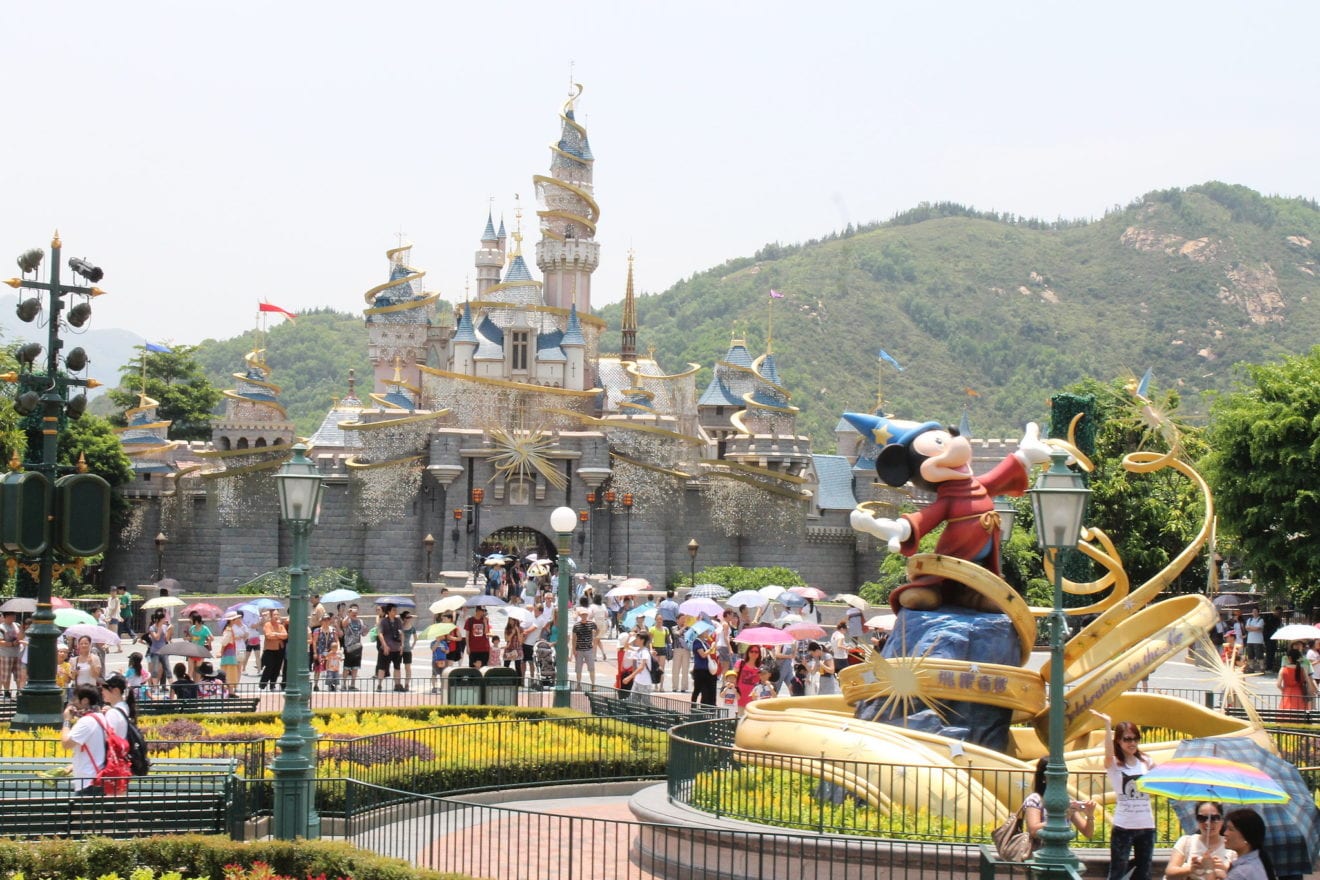
    The park posted a net loss of HK$148 million ($19 million)for the year, dropping into the red after three straight years of profits, Hong Kong’s Legislative Council Panel on Economic Development said in a report released on Monday.

    Hong Kong has been hit hard by slowing economic growth in China, which has battered the number of big-spending Chinese tourists traveling to the city. Its retail sales saw their worst annual decline last year since 2002.

    Hong Kong tourist arrivals fell 2.5 percent in 2015 to 59.32 million, the first decline since 2003 when the city lifted travel restrictions for some mainland Chinese. Mainland visitors account for about three quarters of visitors.

    “The tourism industry of Hong Kong was greeted with great challenges due to external factors as well as overall market condition and sentiment,” the report, posted on China’s Tourism Commission website said.

    The Hong Kong Disney park saw revenues of HK$5.1 billion in 2015, a decrease of 6 percent against a year earlier, the report said, the first revenue drop for the park since 2009. Visitor numbers also fell nearly 10 percent, the first decline since at least 2008, driven by a steep drop in mainland guests.

    “Lower visitation from mainland China and the region largely contributed to softer overall theme park attendance,” Disney said in a statement emailed to Reuters.

    The opening of the larger Shanghai resort could dent the fortunes of the Hong Kong park further, the panel said in the report, adding the park was looking at how to stay competitive in light of “intensifying competition” and “the opening of the Shanghai Disney Resort in June this year”.

    Disney’s $5.5 billion Shanghai resort, a joint venture between the U.S. entertainment giant and Chinese state-backed consortium Shanghai Shendi Group, is slated to open on June 16. It had previously been set to open in late 2015.

  • Victoria Beckham is opening a store in Hong Kong

    Victoria Beckham is opening a store in Hong Kong

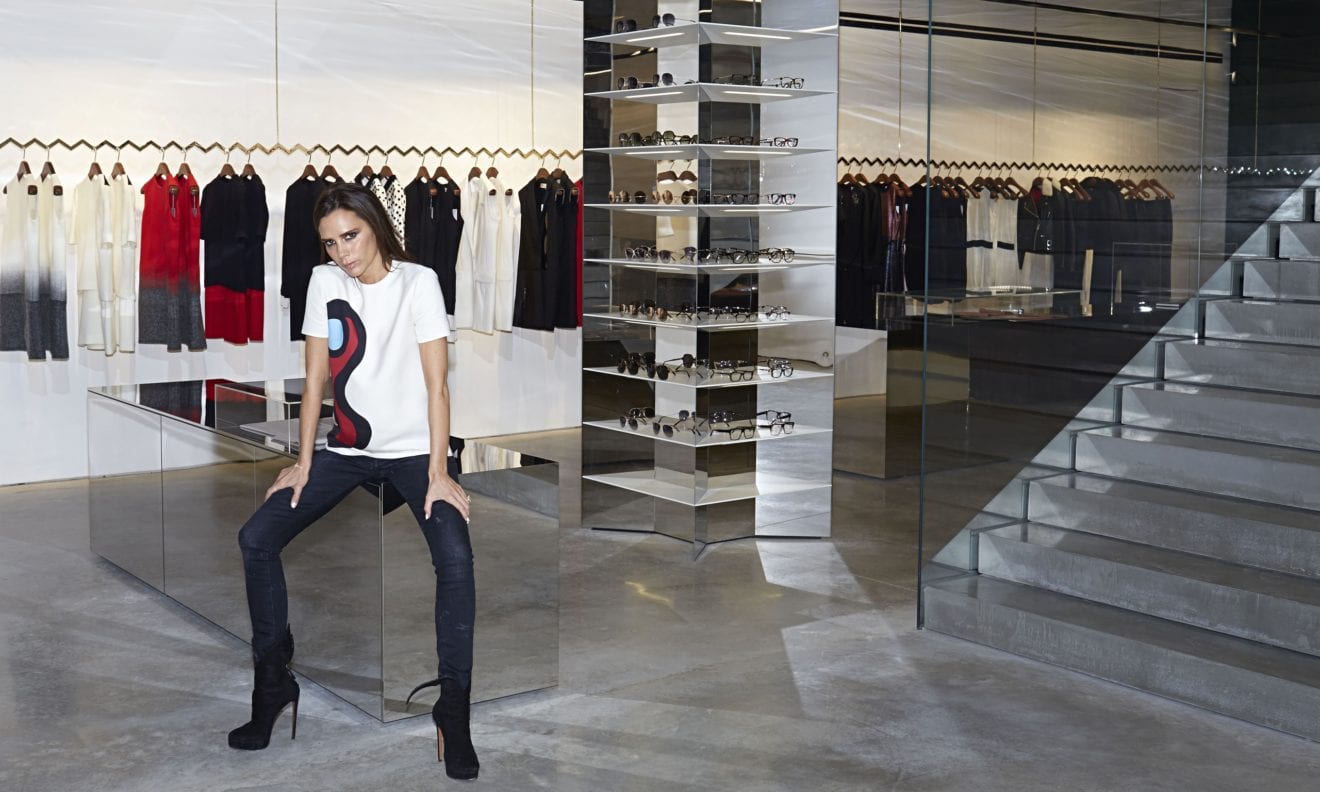
    Earlier today, minutes after taking a bow at her autumn/winter ’16/’17 show during New York Fashion Week, Victoria Beckham announced that her burgeoning retail empire is officially on the rise with a Hong Kong storefront scheduled to open in March.

    “The women in Asia really know how to dress,” Beckham said to BagSnob founder Tina Craig on a video that appeared on Vogue China’s Instagram account. During Art Basel last March, the designer (and apparent celebrity wedding dress consultant) told the South China Morning Post that she was in the process of scouting potential brick-and-mortar locations in the metropolis.

    Beckham, who showed a thoroughly modern collection of contrasting stripes, tuxedo jumpsuits and one particularly sophisticated take on an evening wear kilt, opened her first freestanding boutique on London’s Dover Street in September 2014. The Hong Kong shop marks Beckham’s first freestanding location in Asia and second in the world.

    “Super chic sophisticated, understand and appreciate fashion…” continued the former Spice Girl and mother of four on her newest customer base. Her brood — along with newly-minted photog son Brooklyn and dashing husband David — sat, as usual, in the front row of her runway show near Anna Wintour. “They love getting dressed up.”

  • How DBS Is Fronting And Doubling Down On The Push For Entrepreneurship In Singapore

    How DBS Is Fronting And Doubling Down On The Push For Entrepreneurship In Singapore

    We’ve all heard of DBS — after all, it’s the largest bank in Singapore and Southeast Asia. And, it has 280 branches all over the rest of Asia, including China, Hong Kong, Taiwan, India and Indonesia. Other than its extensive coverage, the bank recently launched a set of new initiatives to support entrepreneurs and the startup community here in Singapore.

    DBS Bay Area Series

    ernestine fu

    Venture Capitalist and DBS Advisor Ernestine Fu. Photo Credit: DBS.

    DBS kicked off their initiatives in late 2014 with a visit from Ernestine Fu, a venture capitalist and partner at Alsop Louie Partners in Silicon Valley. She has advised DBS on venture debt and their entrepreneurship programs. With her presence, DBS launched its inaugural entrepreneurship event and kicked off its prestigious “Bay Area Series” event.

    For those unfamiliar with Ernestine, she has been heralded as Silicon Valley’s youngest venture capitalist. She joined VC firm Alsop Louie Partners as a 20-year-old associate in March 2011 and has been making waves as a young VC in the bay area since.

    tim draper

    Third-Generation Venture Capitalist Tim Draper. Photo Credit: DBS.

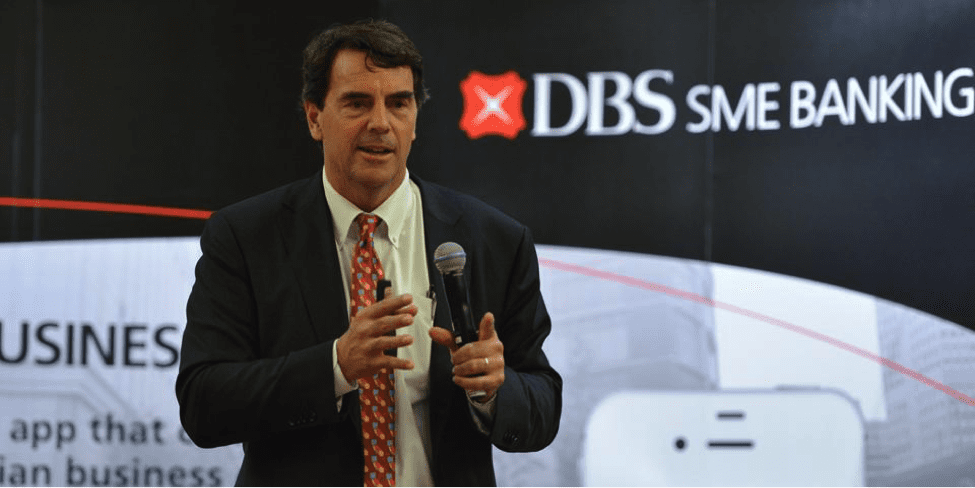
    Tim Draper, founder and managing director at Draper Fisher Jurvetson (DFJ), joined the Bay Area Series in January of 2015. Tim Draper is a third-generation venture capitalist, and is well known for being one of the early investors in Skype, Baidu, Tesla, Theranos, Hotmail, Twitch.tv hundred of others. His grandfather co-founded one of the first venture capital firms in Silicon Valley. He shared with local entrepreneurs his visions and insights on venture investing when he was in Singapore too.

    The Bay Area Series provide an excellent opportunity for local investors and entrepreneurs to hear and learn from successful individuals from Silicon Valley.

    Disrupt @ The Bay Series

    disrupt bay

    Food & Beverage Event for Disrupt @ The Bay. Photo Credit: DBS.

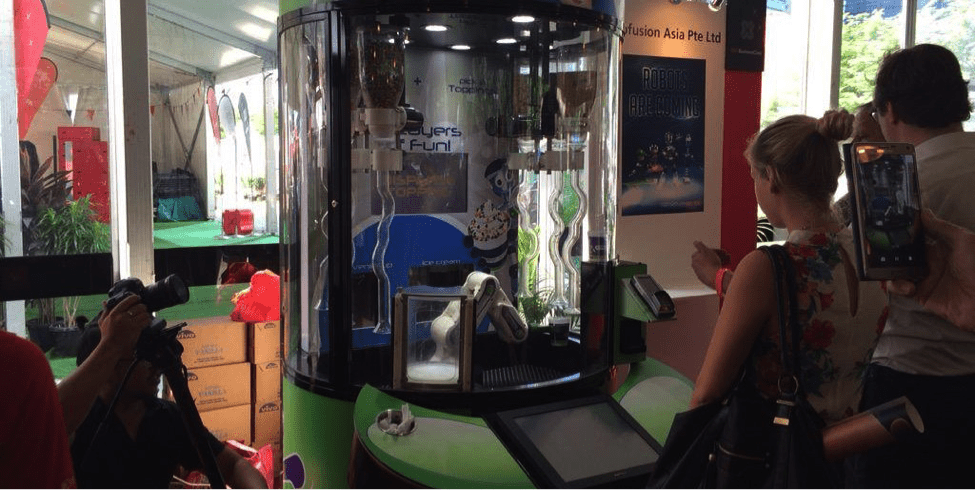
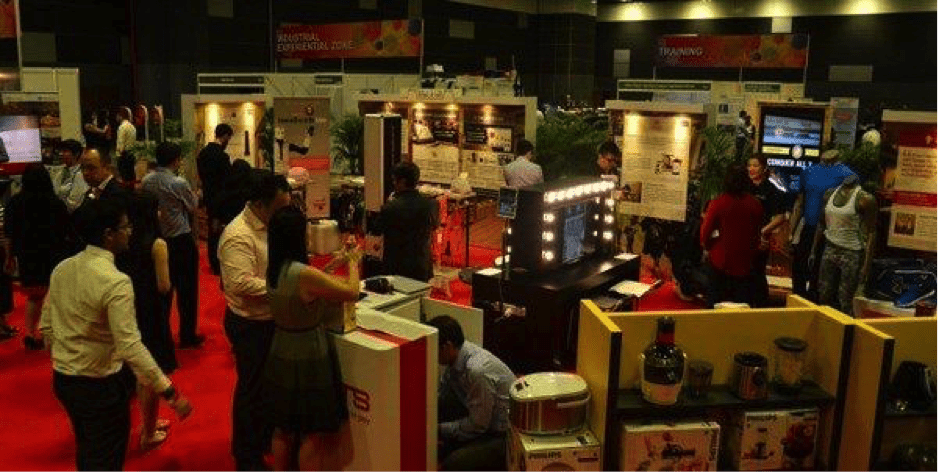
    DBS also launched a series of events called “Disrupt @ The Bay” in 2015. The goal of these events is to foster relationships and synergies among local entrepreneurs and investors. We need to re-think how we “disrupt” current industry norms, and create exponential growth through new technologies and business ideas. Some of the events organized last year include the F&B Disrupt @ The Bay, Future of Retail Disrupt @ The Bay, as well as Future of Automotive Disrupt @ The Bay.

    future of retail

    Future of Retail Event for Disrupt @ The Bay. Photo Credit: DBS.

    disrupt automotive

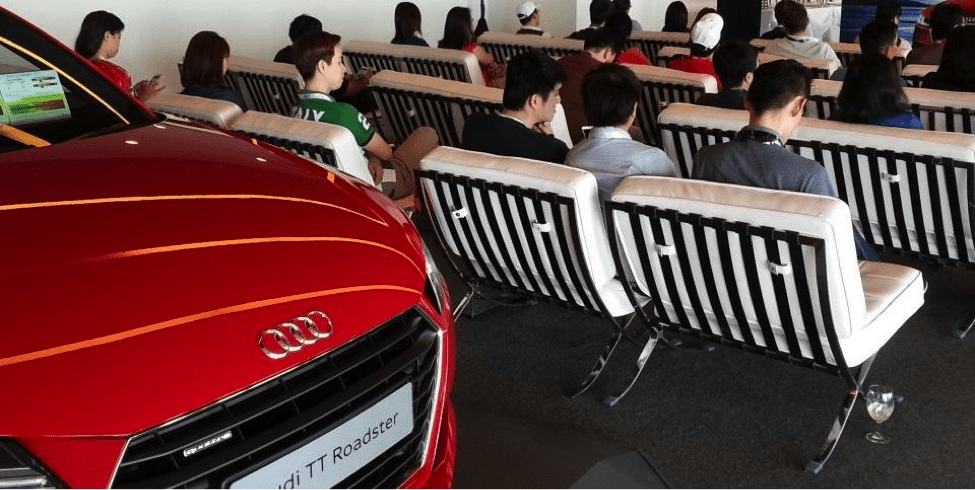
    Future of Automotive Event for Disrupt @ The Bay. Photo Credit: DBS.

    The Disrupt @ The Bay events have attracted multiple large corporations, small businesses and startups, and venture capital firms. These organizations include: StarHub, StoreHub, Golden Gate Ventures, iChef, The French Cellar, Reimagine Food, The Oddle Company, Mobikon Technologies Pte Ltd, and Robofusion Asia Pte Ltd.

    The Disrupt @ The Bay Series is a good platform for like-minded business owners, investors, and entrepreneurs to connect. They can share information, exchange ideas, and form new partnerships.

    DBS Venture Debt

    venture debt

    DBS and Venture Debt. Image Credit: DBS.

    As part of these initiatives, DBS also introduced venture debt financing and is the first bank is Southeast Asia to do so. Venture debt is a way for the bank to financial support tech startups in the growth stage.

    Currently, venture debt applicants need to be Singapore-based, with primary operations in Singapore. The startup should have also raised at minimum of $1 million SGD in Series A funding.

    Image credit: Kauffman FellowsImage credit: Kauffman Fellows

    This initiative provides a unique later stage funding option to encourage the growth of technology startups in Singapore.

    DBS Mobile App

    dbs business class

    Image Credit: DBS.

    DBS also launched a mobile app called “DBS BusinessClass” to provide a networking platform for local entrepreneurs, investors, and advisors in Asia. Available on both iOS and Android, members can post questions, gain advice on their businesses, and join online discussions on startups topics.

    Since launching a year ago, the app grew to over 15,000 members and over 300 discussion topics.

    Overall, these new initiatives by DBS show great promise. The bank received the Asian Banker’s Best Social Media Engagement Project Award, along with multiple other awards. DBS has taken a comprehensive approach to positively impacting the local entrepreneurship ecosystem in Singapore.

    We are optimistic that DBS has a strong platform to expand and connect entrepreneurs and investors across the rest of Asia.


  • Hong Kong’s Stocks Tumble to Three-Year Low After Trading Break

    Hong Kong’s Stocks Tumble to Three-Year Low After Trading Break

    Hong Kong stocks tumbled after a three-day holiday as a global equity rout deepened amid concern over the strength of the world economy.

    The Hang Seng Index plunged 4.3 percent at 9:31 a.m. in Hong Kong, heading for its lowest close since June 2012. The MSCI All-Country World Index dropped 2.1 percent since the city’s markets closed last week. Energy producers led declines after crude slumped 11 percent during the holidays. The Hang Seng China Enterprises Index retreated 5 percent, poised for its biggest loss since August.

    Hong Kong’s benchmark equity gauge tumbled 12 percent this year through Friday amid concern that capital outflows, a slumping property market and China’s economic slowdown will hurt earnings. Some speculators have been betting on an end to the city’s currency peg to the dollar. Tuesday’s riots in the shopping district of Mong Kok threatens to deter mainland visitors and worsen a drop in retail sales, according to UOB Kay Hian (Hong Kong) Ltd.

    “You can’t avoid a drop because everywhere has come down so much during this time and the same concerns are still there – oil price, global recession,” said Steven Leung, an executive director for institutional sales at UOB Kay Hian. “The image of Hong Kong as a metropolitan city has been hurt quite seriously” by the rioting, he said.

    Plunges in crude and concerns over the perceived creditworthiness of European banks has fueled uncertainty over the strength of the world economy this week. Oil fell to $26.91 a barrel in New York, compared with $31.72 a barrel at the close on Feb. 4. Kyle Bass, the hedge fund manager who successfully bet against mortgages during the subprime crisis, said China’s banking system may see losses of more than four times those suffered by U.S. banks during the last crisis.

    “The general tone of other markets has been quite soft,” said Tony Hann, who helps oversee about $270 million as head of equities at Blackfriars Asset Management in London. “It’s difficult to be optimistic” about Hong Kong, he said.

    The Hang Seng Index’s price-to-book ratio fell below one last month, a level unseen since the Asian financial crisis roiled regional markets and popped a domestic property bubble in 1998. All but two stocks on the 50-member gauge are down this year. Mainland financial markets remain closed for holidays until Monday.

    Police fired warning shots in Kowloon’s Mong Kok district early Tuesday after an effort by officials to clear illegal food stalls morphed into a riot. Almost 90 officers were injured, according to the police commissioner, and more than 60 people have been arrested, after protesters hurled bricks and set fire to barricades in the densely populated area. The clashes were more violent than anything seen during the “Umbrella Movement” of 2014, where protesters paralyzed downtown Hong Kong for more than two months to demand the right to pick the city’s leader.

    “This time the situation was quite different from Occupy Central: there was no peace and a lot of people were injured,”  UOB Kay Hian’s Leung said. “Overall it shouldn’t have very big impact but, of course, it will weigh on related sectors like retail, tourism.”

    Still, weaker global growth may reduce the likelihood of future interest-rate increases in the U.S., which raise borrowing costs in Hong Kong due to a currency peg, Leung said.

    While investor attention may shift toward corporate profits as companies unveil quarterly and annual results, analysts see little scope for optimism. They’re predicting a 12 percent drop in the Hang Seng index’s earnings per share over the next 12 months, according to data compiled by Bloomberg.

    The People’s Bank of China pumped four times as much cash into the financial system in the run-up to the lunar new year holidays than it did in 2015 as capital outflows added to pressure on the money market. Outflows increased to $158.7 billion in December, the most since September and were $1 trillion last year, according to estimates from Bloomberg Intelligence. That’s more than seven times the amount of cash that left in 2014.

    Should the Chinese banking system lose 10 percent of its assets because of nonperforming loans, the nation’s banks will see about $3.5 trillion in equity vanish, Bass, the founder of Dallas-based Hayman Capital Management, wrote in a letter to investors obtained by Bloomberg. The world’s second-biggest economy may end up having to print more than $10 trillion of yuan to recapitalize banks, pressuring the currency to devalue in excess of 30 percent against the dollar, according to Bass.

  • Cross-border deals, connected shoppers, and mobile payments

    Cross-border deals, connected shoppers, and mobile payments

    Black Friday, the day after the Thanksgiving holiday in the US (celebrated on the fourth Thursday in November), and Cyber Monday, the first Monday after Thanksgiving, mark the start of the year-end holiday shopping season.

    Figures from the United States National Retail Federation shows that over 151 million consumers made purchases online and in physical stores during the most recent Black Friday and Cyber Monday shopping seasons.

    The trend, however, is becoming global. In Asia, where connected shoppers are constantly searching for the best deals, often crossing physical and geographical boundaries, Black Friday and Cyber Monday have been integrated into the retail experience. This, despite the popularity of China’s own Single’s Day online shopping festival that is also being adopted by many retailers across the region.

    Warren Hayashi, President, Asia-Pacific, Adyen, said this is partly due to the growth of cross-border e-commerce, which is giving Asian consumers access to both US and European retailers, who market Black Friday and Cyber Monday promotions in the region and ship to Asia.

    The trend has also been driven by the growing reach of US e-commerce giants like Amazon, which has meant that e-commerce companies based in other markets, such as Lazada, Qoo10, Rakuten, Alibaba, and Zalora, are rolling out similar promotional periods.

    “An interesting effect of this trend is that rather than adversely affecting transactions during the non-promotion period, we are seeing that seasonal shopping promotions actually expand the size of the market. They provide consumers with even more opportunities to shop,” he explained.

    Ayden’s data shows that in Asia, sales volumes increased by 170 percent in a year-on-year comparison over the course of the Black Friday weekend. Meanwhile, shoppers in China spent twice the amount during Black Friday 2015 as compared to the same period in 2014. In Japan, the average transaction value increased by 50 percent.

    Interestingly, the payments industry for online and offline retail is also innovating to keep up with these developments in the retail scene. Ayden sees that companies are also going global with a payments first approach.

    “For example, we have Asian merchants expanding into Europe with their English-language website and local payment methods, such as iDEAL in the Netherlands (which accounts for over 60 percent of transaction volume in that market), SOFORT in Germany, and so on,” Hayashi shared.

    “Likewise, we have global customers selling in Asian markets from their global website, but offering targeted payment methods such as Alipay, which are dynamically offered at the checkout stage according to the shopper’s geographical location. This is a huge opportunity for retailers to expand globally,” he added.

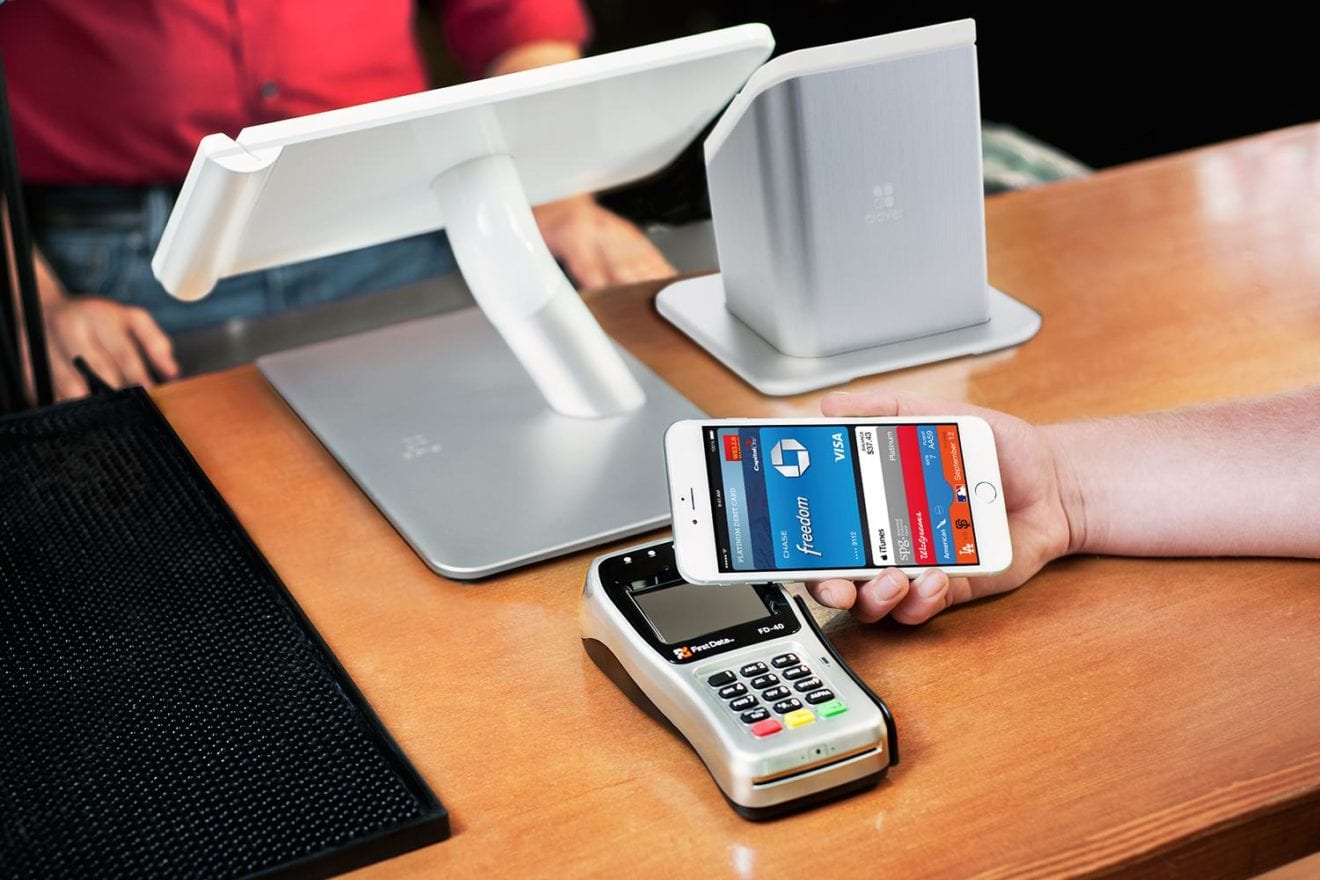
    Interestingly, he said one of the most innovative payments technologies that is changing the user experience is the zero-click transaction – which takes place in the background, without any action required by the customer. An example is how Uber is accepting payments.

    “When passengers take an Uber, they do not need to take any specific action for the payment to be made, everything happens in the background. This kind of frictionless connectivity brings businesses closer to their customers and will spread rapidly,” he explained.

    In 2016, Hayashi sees the retail landscape in the region as going more on mobile, especially in the area of payments.

    Citing Ayden’s own data – tracked quarterly through the Mobile Payments Index – shows that Asia-based payment methods such as Alipay, UnionPay, and JCB have among the highest proportions of mobile payments globally.

    “With everything they do around payments, retailers should simply be asking themselves, how does this improve the customer experience? One key goal should be to provide a frictionless payment experience across channels,” he said.

    “For mobile, along with optimizing the size of the page, many merchants find that a “less is more” approach drives conversion increases, with page layout minimized to ensure the smoothest possible payment flow,” he continued. “It’s also important to remember that the checkout stage of the shopper should be the beginning of an on-going relationship with the consumer. Merchants that have created a frictionless checkout experience, regardless of the channel, see sustained increases in their repeat customers and purchases.”

  • Ferrari Store Junior flagship for Asia

    Ferrari Store Junior flagship for Asia

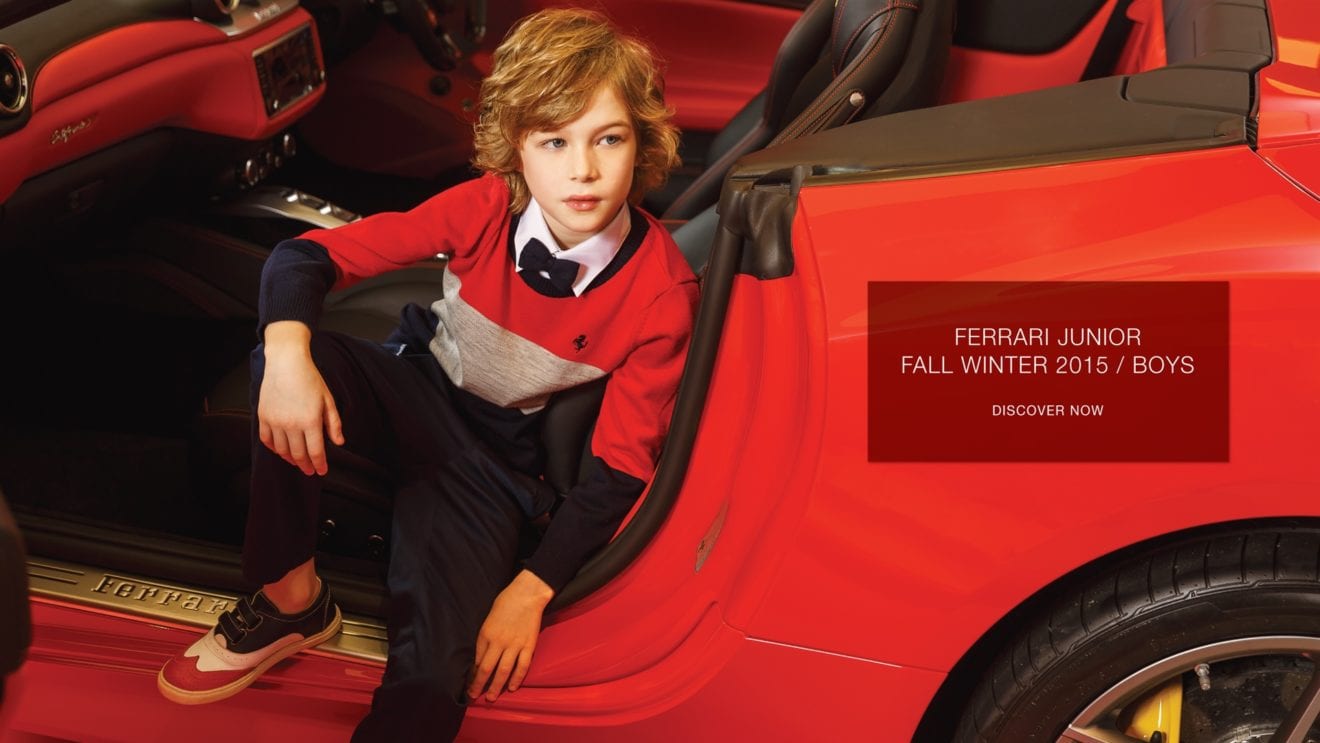
    Greater China has its first Ferrari Store Junior, at theFestival Walk shopping mall in Hong Kong.

    This flagshop store not only offers a range of children’s apparel and lifestyle accessories, but also features the Atelier custom-made studio where children can create clothing that matches their tastes.

    Ferrari Store Junior has been launched by Berlinetta (Asia), a subsidiary of Nicholas & Bears.

    A variety of toys and accessories are also available at the store, such as bicycles, ride-on cars and remote-control cars.


    Atelier offers a choice of fabrics and accessories such as metal plates, buttons and rivets for the made-to-order clothing.

    A ribbon-cutting ceremony for the store was hosted by Nicholas & Bears executive chairman Joey Tong, and a fashion collection was showcased by four child models.

    Ferrari-Junior-Collection-Hong-Kong-300x197Ferrari Junior Collection Hong Kong 1

    Ferrari Store Junior has also opened in Kuala Lumpur, with more to follow in such cities as Beijing, Hangzhou, Macau, Nanjing, Seoul, Shanghai, Taipei and Tokyo.

  • Hong Kong retail sales plummet

    Hong Kong retail sales plummeted 8.5 per cent year on year in December, ending a dismal year for retailers.

    It followed a revised 7.8 per cent fall in November.

    For the full 2015 year, Hong Kong retail sales fell 3.7 per cent in value and 0.3 per cent in volume according to data released by the Census and Statistics Department (C&SD).

    The value of total retail sales in December 2015 was provisionally estimated at $43.7 billion.

    And a government spokesman, commenting on the data, warns there is little chance of respite in the short term.

    “Apart from the continued slowdown in inbound tourism, the uncertain economic outlook and asset market corrections may also have dented local consumption sentiment.

    “Looking ahead, the near-term outlook for retail sales will still be constrained by the weak performance of inbound tourism,” he said.

    “The negative spillovers on consumer sentiment from the consolidation of asset markets in recent periods, as well as from external headwinds including dimmer global economic prospects amid the US interest rate normalisation, also need to be closely watched.

    “The government will continue to monitor the performance of retail business and its repercussions on the wider economy and the job market.”

    After netting out the effect of price changes year on year, the volume of total retail sales in December decreased by 6.1 per cent. The revised estimate of the volume of total retail sales in November 2015 decreased by 6 per cent.

    Sales of jewellery, watches and clocks and valuable gifts decreased by 17 per cent. This was followed by sales of wearing apparel (down 12.1 per cent); commodities in department stores (down 12.3 per cent); medicines and cosmetics (down 7.5 per cent); electrical goods and photographic equipment (down 9.3 per cent); miscellaneous consumer durable goods (down 10.6 per cent); footwear, allied products and other clothing accessories (down 8.7 per cent); furniture and fixtures (down 3.3 per cent); books, newspapers, stationery and gifts (down 1.6 per cent); Chinese drugs and herbs (down 6.1 per cent); and optical shops (down 3.8 per cent).

    The only categories to improve year on year in December were groceries: Sales of commodities in supermarkets increased by 3.6 per cent and of food, alcoholic drinks and tobacco by 1.1 per cent.

    On a full year basis, the value of sales of jewellery, watches and clocks and valuable gifts decreased by 15.6 per cent. This was followed by sales of wearing apparel (down 7.2 per cent); commodities in department stores (down 4.1 per cent); medicines and cosmetics (down 1.9 per cent); footwear, allied products and other clothing accessories (down 4.1 per cent); books, newspapers, stationery and gifts (down 2.6 per cent); furniture and fixtures (down 1.8 per cent); Chinese drugs and herbs (down 5.5 per cent); and optical shops (down 3.6 per cent).

    Supermarkets sales rose 1.3 per cent; food, alcoholic drinks and tobacco rose 5.9 per cent; and electrical goods and photographic equipment by 3 per cent.

    The C&SD says the retail sales statistics measure the sales receipts in respect of goods sold by local retail establishments and are primarily intended for gauging the short-term business performance of the local retail sector. They cover consumer spending on goods but not on services (such as those on housing, catering, medical care and health services, transport and communication, financial services, education and entertainment) which account for about 50 per cent of the overall consumer spending. Moreover, they include spending on goods in Hong Kong by visitors but exclude spending outside Hong Kong by Hong Kong residents. Hence they should not be regarded as indicators for measuring overall consumer spending.

  • Samsung’s 18.4-inch Galaxy View taps rise of OTT content

    Samsung’s 18.4-inch Galaxy View taps rise of OTT content

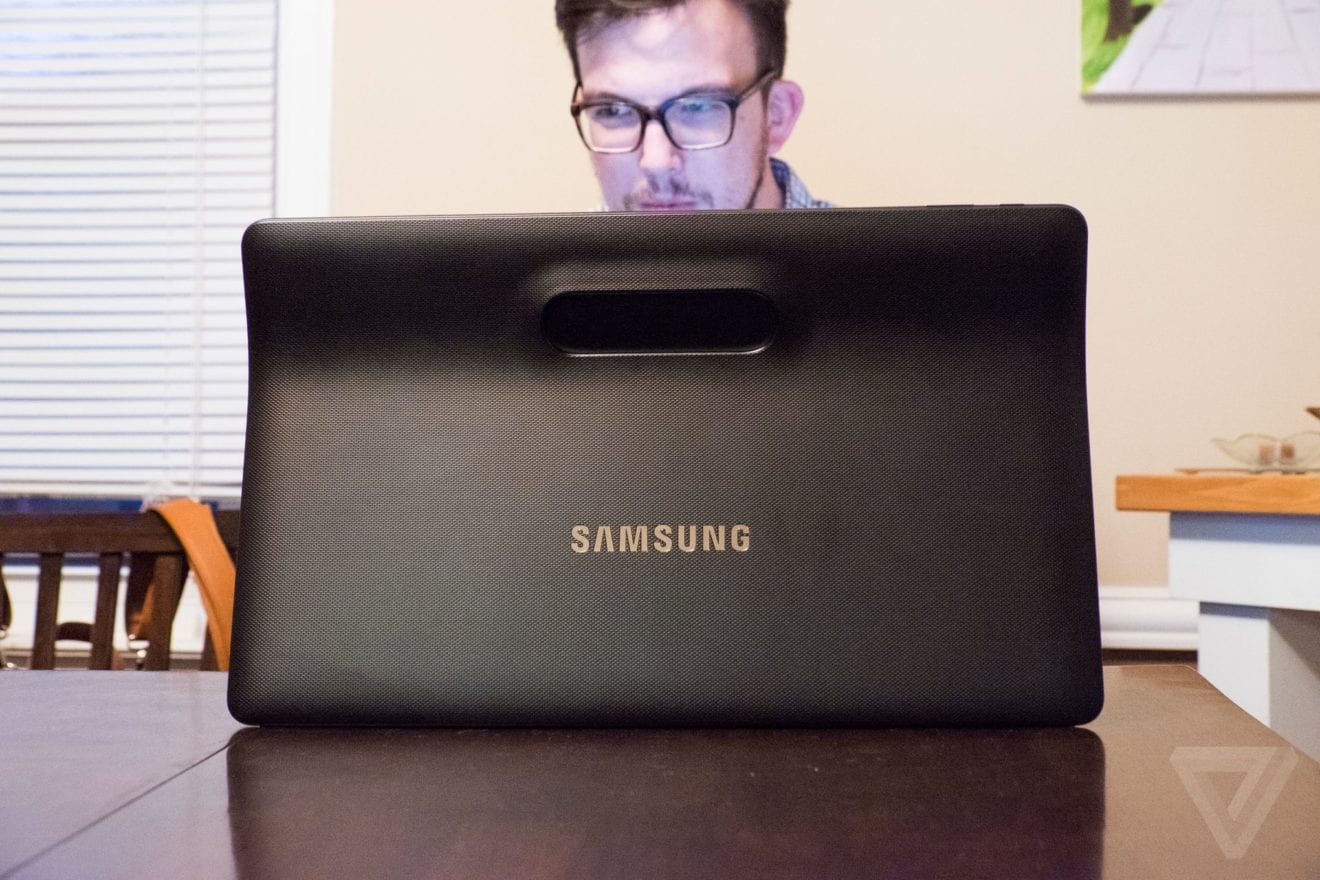
    With global demand rising for online video streaming on over-the-top (OTT) devices, Samsung Electronics expects consumers to welcome its new 18.4-inch tablet as a new means to consume streaming content – especially users in Hong Kong.

    “Hong Kong people are moving from broadcast and cable television to on-demand video services,” Paulona Cheung, associate director of Samsung Hong Kong’s telecoms business, said on Wednesday.

    “Hybrid devices like our new Galaxy View are more suitable in this changing market,” she added at a product launch event Wednesday, referring to gadgets that fall somewhere between a tablet and television.

    The device will go on sale in the city from January 29 with a retail price of HK$4,598 (US$587), the company said. It went on sale in the United States in November.

    It weighs 2.7kg, three times that of Apple’s newest MacBook laptops. This could make it cumbersome for travelling, but certainly light enough to traipse around the home or office with.

    “Portable devices have small screens, and big-screen TV limits where and how we watch video,” said Alfred Tsang, one of Samsung’s product managers.

    “The Galaxy View eliminates these problems.”

    It could also find a special place in the hearts of Hongkongers given their relatively cramped living conditions.

    “Hong Kong is so small and many families do not have room for a big-screen TV or additional TV for different family members,” said Cheung.

    Samsung is not the first tech titan to make super-sized hybrid tabs. US personal computer maker Dell and Taiwan’s ASUS have also both done so.

    But “those all-in-one computers are for sophisticated users”, said Cheung.

    “The Galaxy View aims to satisfy the entertainment needs of average users.”

    Local and global streaming services are expanding quickly in Hong Kong.

    Viu, an online streaming service owned by Hong Kong’s telecom giant PCCW, started streaming free TV dramas and animations through its website and mobile app last October.

    Moreover, China’s Letv entered Hong Kong in 2014. It snapped up the broadcasting rights for English Premiere League football matches as well as the popular US drama House of Cards in 2015.

  • Louis Vuitton Hong Kong problems ‘cyclical’

    Louis Vuitton Hong Kong problems ‘cyclical’

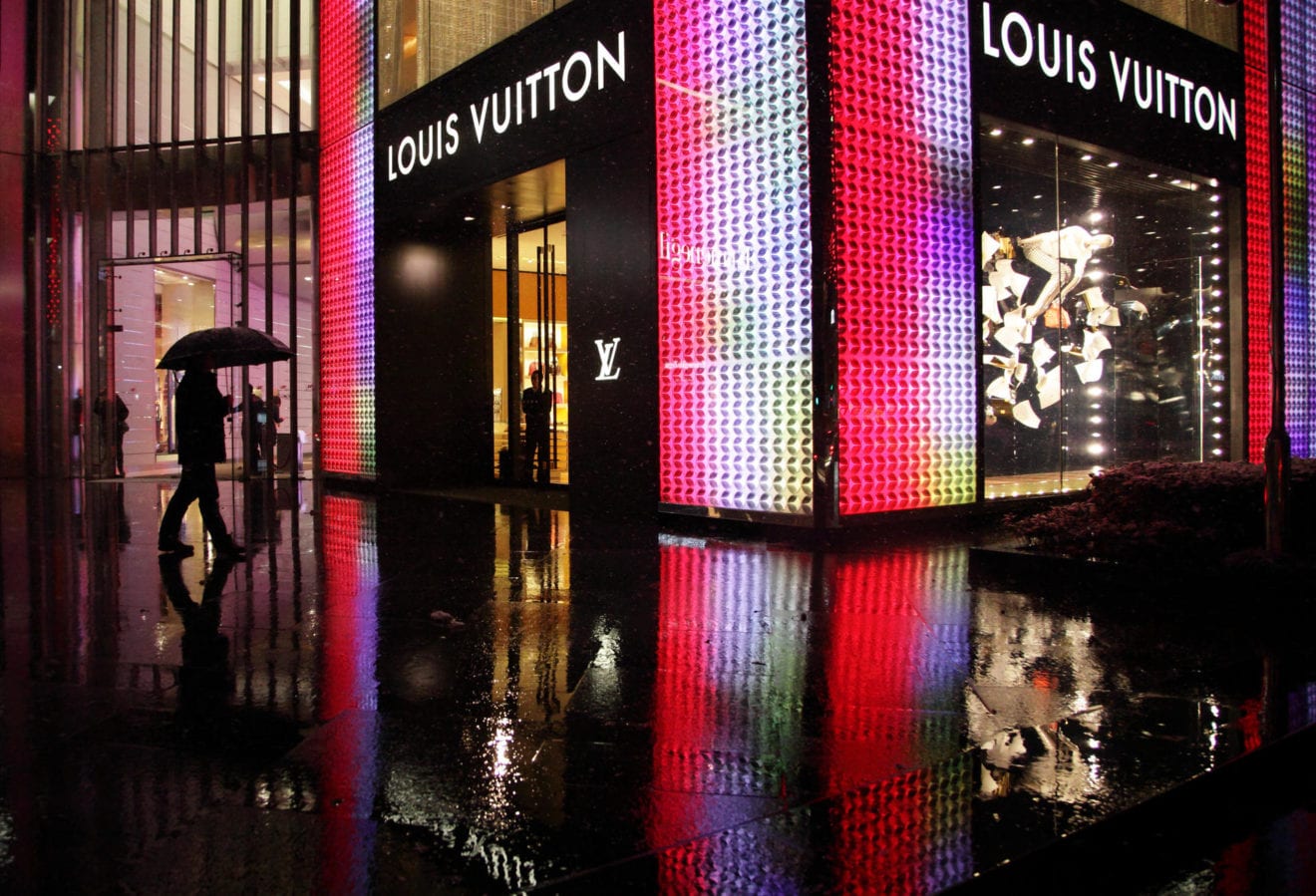
    Louis Vuitton is committed to the Greater China market and the company’s chief believes Hong Kong’s challenges are of a short term nature.

    And the company has announced it will soon commence renovations of its Louis Vuitton Hong Kong flagship store at Landmark Central.

    Chairman and CEO Bernard Arnault told the company’s annual meeting in Pairs that the current downturn in Hong Kong is just a “cyclical” problem.

    He said the luxury retailer will be keeping all of its stores in the territory, apparently referring to all the group’s brands which also include Celine, Loewe, Kenzo, Givenchy, Fendi, Donna Karan and Marc Jacobs.

    “In Hong Kong, [there] is no question of closing the few shops that we have,” he said.

    “Hong Kong is a cyclical city. As you know, you have ups and downs there. Right now, Hong Kong is going through a trough,” Arnault told shareholders.

    “Hong Kong will remain one of the high points in Asia and one of the drivers of our growth.”

    In the mainland, where Louis Vuitton has been culling about one in five of its stores, the company was planning to maintain the same number of stores – just in different locations.

    “If we [close stores], it is only because Louis Vuitton will open shops elsewhere,” he said.

    “The retail picture is evolving rapidly in China, you have some areas of the country that may be attractive one day, less attractive the next day.”

    The company will continue to close stores which were not performing when their leases came up for renewal.

    “When new malls are built, the leases are very attractive.”

    Arnault said it often made sense for the brand to leave a mall where the business was not performing well in order to open in another centre where the company might secure two or three years free rent.

    “Of course we will take the opportunity” he concluded.

  • Hong Kong stocks extend sell-off as banking giant HSBC tumbles to 7-year low

    Hong Kong stocks extend sell-off as banking giant HSBC tumbles to 7-year low

    Hong Kong stocks closed at their lowest level since mid-2012 on Friday, extending steep declines from the previous day in a holiday shortened week, as index heavyweight HSBC tumbled to a seven-year low after the company decided to scrap a pay freeze plan aimed at cutting costs due to staff protests.

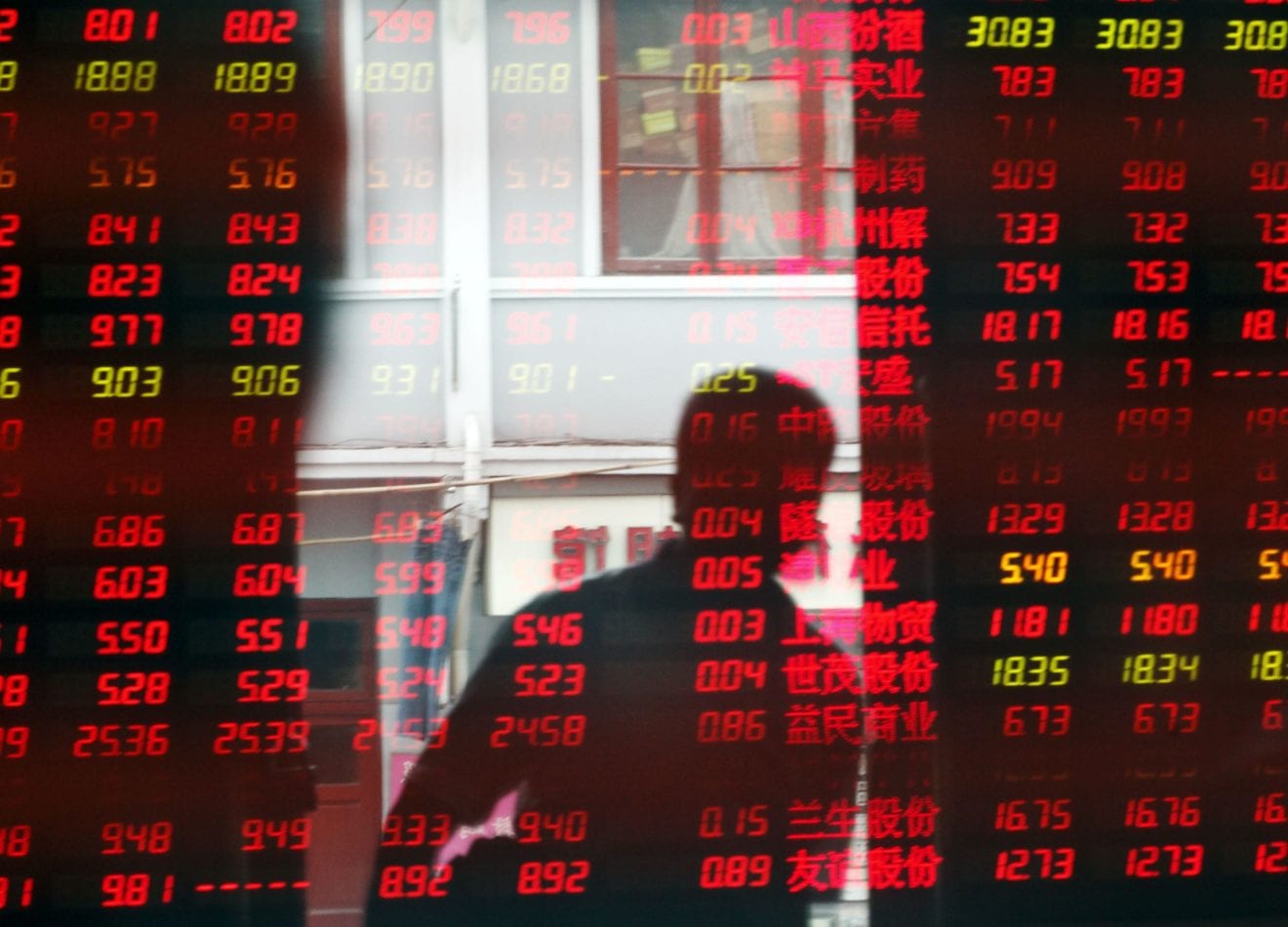
    The Hang Seng Index was down 1.2 per cent or 226.22 points at 18,319.58, the lowest close since June 2012. The index fell 3.9 per cent on Thursday after returning from the three-day Lunar New Year break, posting the worst loss to start a Chinese new year since 1994.

    For the week, it was down 5 per cent.

    So far this year, the Hang Seng Index has plunged more than 16 per cent, already more than doubling the annual loss of 7.2 per cent it rang up in 2015.

    The Hang Seng China Enterprises Index, or the H-shares index, settled 2 per cent lower at 7,505.37.

    Sino-British banking giant HSBC Holdings, one of the most-widely held stocks by Hong Kong retail investors, tumbled 2.7 per cent to HK$48.1, the worst level it has seen since April 2009.

    HSBC’s chief executive Stuart Gulliver wrote Thursday in a memo that the company would drop a pay freeze announced recently to cut costs, following feedback from its employees.

    Gulliver said the company would use the cash from the 2016 bonus pool to fund the pay rises, while also expressing his concerns for the bank’s revenue outlook in 2016 due to uncertainty around the global growth outlook and the interest rate environment.

    Among other market movers, Asian life insurer AIA Insurance fell 2.4 per cent to HK$37.25, and Chinese online major Tencent Holdings dropped 1.9 per cent to HK$133.3.

    Ben Kwong Man-bun, executive director and head of research of KGI Asia, said the Hong Kong market lacked clear direction and was taking its cue from hobbled overseas markets.

    “The global equity market is still under selling pressure. It’s because of the fearful sentiment of investors. They prefer to hold cash rather than assets,” Kwong said.

    The broader weakness in regional markets also added to the selling pressure on Hong Kong stocks. Japan’s Nikkei Average finished below 15,000 for the first time in 16 months, down 4.8 per cent at 14,952.6, as the yen, a traditional safe-haven currency, soared against the US dollar.

    On Thursday, global stocks entered a bear market, as the MSCI All-Country World Index, a gauge of global stock markets, had fallen more than 20 per cent from its most recent high in May 2015. US and European equities both took a hard hit, spurred by heavy selling in the banking sector on worries negative interest rates and low economic growth could hurt banks’ earnings.

    Going forward, analysts said stock markets still face a battery of threats ranging from slow growth, interest rate uncertainty, emerging market turmoil and heightened bad loan risks.

    “The global economy is really weak. Even after they did quantitative easing, it seems the central banks have failed to stop the slowdown,” Kwong said.

    However, Macau casino stocks bucked the weak trend, after Wynn Macau reported its operating revenues dropped by a less-than-expected 37 per cent in the fourth quarter of fiscal 2015. Shares of Wynn Macau jumped 3.6 per cent to HK$7.77, rival Galaxy Entertainment climbed 3.1 per cent to HK$23.25, and Sands China advanced 2 per cent to HK$24.75.

    Offshore oil producer CNOOC also recovered 0.4 per cent to HK$7.48 after crude futures bounced back in international markets.

    Chinese stock markets were still closed for the holiday on Friday and will reopen on Monday.

    However, some analysts expressed concerns A-shares may catch up with the global stock rout and fall sharply when they start trading next week.

    “It’s concerning,” said Li Tao, an analyst for Citic Securities. “The external markets were quite volatile during the Chinese new year break, particularly in the US, where stocks continued falling. The depressed state of the global economy may have a negative impact on the A-shares market.”