Tag: Hong Kong

  • H&M expected to account for 10 per cent of Hang Lung Properties

    H&M expected to account for 10 per cent of Hang Lung Properties

    Fast fashion chain H&M is estimated to contribute 10 per cent of Hang Lung Properties’ rental income in Hong Kong this year but the developer faces a decline in retail rents in the mainland.

    The US investment bank estimated the developer’s rental income in Hong Kong would edge up 4 per cent to HK$3.7 billion this year.

    H&M alone would boost Hang Lung Hong Kong rental income by 3 per cent, it said.

    The Swedish fast fashion chain opened two outlets at two shopping malls owned by Hang Lung Properties in three months.

    The chain opened its largest flagship store in Asia, with shop area of 47,000 square feet, at Hang Lung Centre in Causeway Bay at a monthly rent of HK$11 million, or HK$213 per square foot in early November, according to market sources.

    The chain also opened a 55,000 square feet shop at Gala Plaza in Mong Kok in January at an estimated monthly rent of HK$9 million, or HK$194 per sq ft, people familiar with the deal say.

    However, the developer, which owns eight shopping malls on the mainland, would see its retail rental on the mainland fall 7.3 per cent from last year to HK$3.88 billion this year, Morgan Stanley said. It owns shopping malls in Shanghai, Shenyang, Wuxi, Dalian, Tianjin and Jinan.

    Morgan Stanley attributed the fall in mainland rental income to negative rental reversions in second-tier malls and said renovation of Hang Lung’s two Shanghai malls could affect sales.

    In Shanghai, renovation at Plaza 66 started in September and is scheduled for completion by mid-2017, while Grand Gateway 66 will start refurbishment later this year.

    “The two Shanghai malls accounted for 50 per cent of mainland rental income in the financial year 2015,” Morgan Stanley said in a report.

    No new mall opening until 2018 would also affect short-term revenues and earings per share growth.

    The next mall due to open will be Spring City 66 in Kunming, which is scheduled for completion in 2018.

    In addition, rental income at Forum 66 in Shenyang fell 21 per cent year on year in the second half of 2015 and Center 66 Wuxi registered a fall of 37 per cent.

    Both malls saw negative rental reversion and retail sales declined 3 per cent year on year , it said.

    Morgan Stanley said it expected Hang Lung Properties’ core earnings would fall 6.6 per cent to HK$4.09 billion this year.

  • Airport Authority Hong Kong opens Midfield Concourse retail outlets

    Airport Authority Hong Kong opens Midfield Concourse retail outlets

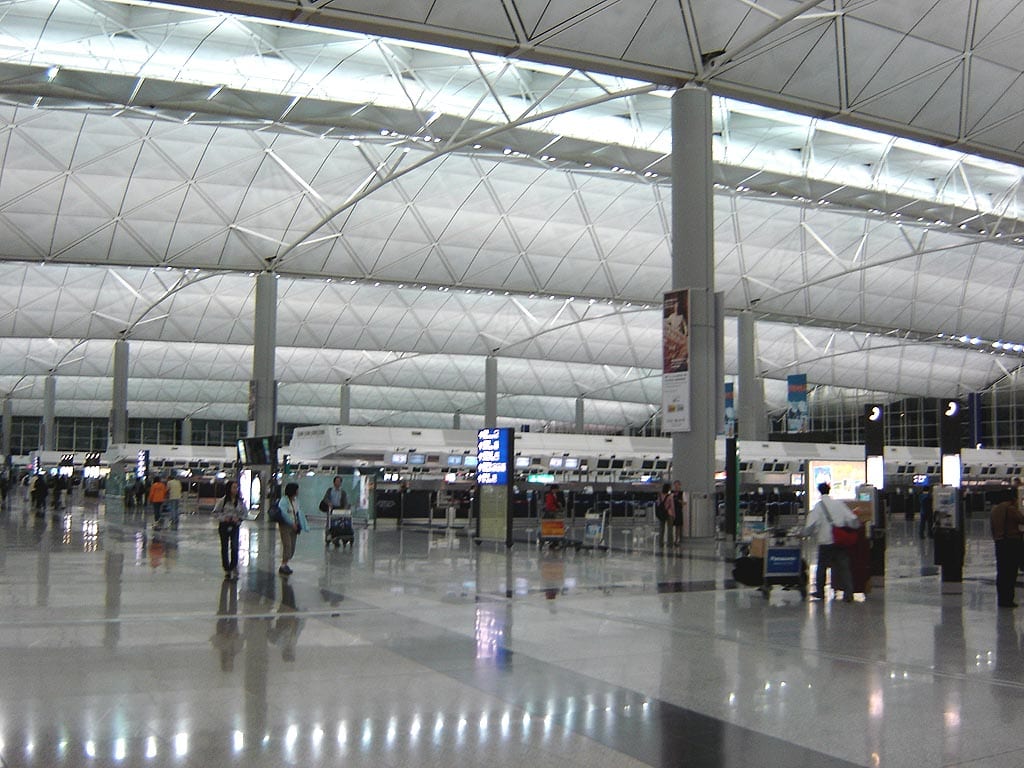
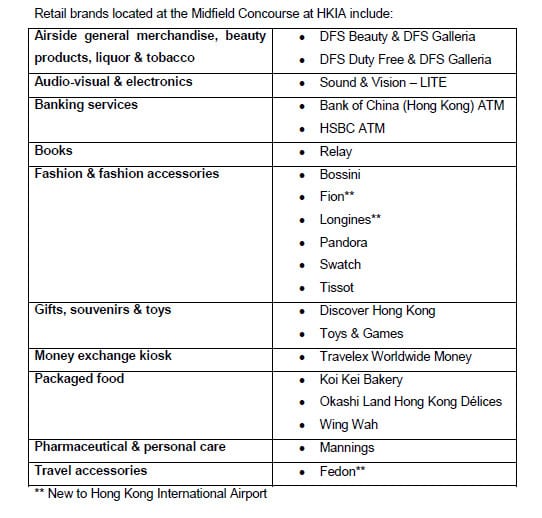
    Airport Authority Hong Kong (AAHK) has welcomed nine newly-opened retail shops and a café to the recently-inaugurated Midfield Concourse at Hong Kong International airport. In addition to the new shops outposts there are also outposts and a money-exchange kiosk.

    Positioned as a one-stop shopping destination, the Midfield Concourse offers a range of products and services catering to travellers’ needs. Travellers can find liquor and tobacco; beauty products; fashion and fashion accessories; audio-visual and electronics; packaged food; gifts, souvenirs and toys; and pharmaceutical and personal care items in the 105,000 sq m concourse.

    Soon to be opened are eight retail and three catering outlets. DFS Group will introduce a new multi-category store concept. These new DFS outlets at the Midfield Concourse will offer an abundance of brands for better shopping convenience, according to AAHK. The catering outlets will offer café and casual-dining options to departing passengers who have limited time before boarding. The Midfield Concourse also marks fast-food company MX’s first entry to HKIA.

    “The Midfield Concourse will be able to serve an additional 10 million annual passengers in order to meet the increasing passenger volume at HKIA,” said Airport Authority Hong Kong executive commercial director Cissy Chan. “We are proud to offer extended retail and catering options throughout the concourse, which will let the passengers have a pleasant and enjoyable last-minute shopping and dining experience.”

    Photo of

  • BrewDog launches Hong Kong bar and eatery

    BrewDog launches Hong Kong bar and eatery

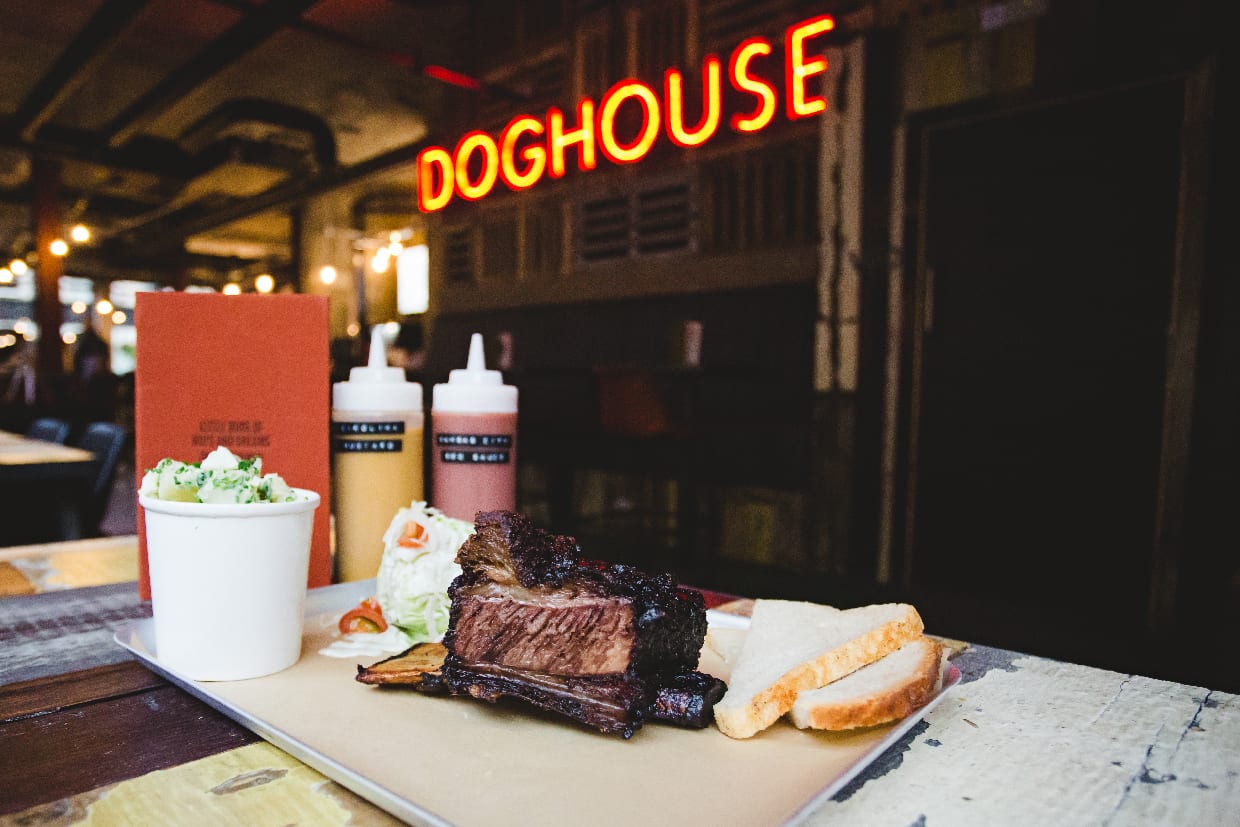
    Maverick beer maker BrewDog has opened the doors to its latest bar, promising Hong Kong residents and visitors a “mega soul food menu” alongside a line-up of craft ales. The Aberdeenshire brewer, founded in 2007 by business partners James Watt and Martin Dickie, now runs more than 40 bars in the UK and overseas, as well as exporting to 55 countries.

    The opening of the Hong Kong outpost marks BrewDog’s second bar in Asia, following the launch of BrewDog Rappongi in Tokyo.

    Locally sourced beers from artisan brewers Young Master, Moonzen and Kowloon Bay Brewery will feature alongside BrewDog stalwarts such as Punk IPA.

    Watt said: “Hong Kong is an incredibly multicultural, fast-paced assault on the senses.”


  • Hang Lung Properties’ net profit sinks 56 per cent on lower property sales in Hong Kong

    Hang Lung Properties’ net profit sinks 56 per cent on lower property sales in Hong Kong

    Hang Lung Properties chairman Ronnie Chan Chichung said on Thursday the developer cut its final dividend for the first time in 16 years amid weak sales in Hong Kong and the poor retail outlook in China would be a headwind over its prospects going forward.

    On Wednesday, Hang Lung said core earnings plunged 56 per cent last year -the largest fall in terms of percentage points since 2011 – to HK$4.38 billion.

    It owns a portfolio of eight shopping malls in the mainland which are occupied by high to mid-end retailers such as Apple, Prada, Louis Vuitton.

    “The cut in dividend was not because of the question of cash flow as we have cash reserve of more than HK$30 billion. The board wanted to send out a message to our shareholders about the grim market outlook,” he said.” We do not know when spring will come back.”

    The cut in dividend will only save HK$44 million.

    His remarks come a day after Apple forecast its first revenue drop in 13 years and reported the slowest-ever increase in iPhone shipments as the critical Chinese market showed signs of weakening.

    IPhone sales were expected to fall for the current quarter compared with the same quarter last year, chief executive officer Tim Cook said on a conference call with analysts on Wednesday.

    Hang Lung is the first to kick off result announcement among developers and analysts said its performance could provide a guide for the prospects of the retail industry in the months ahead.

    Other major developers who own and operate shopping malls in China include Sun Hung Kai Properties, Wharf (Holdings) and Henderson Land Development.

    Mainland Chinese rents account for 54 per cent of Hang Lung’s HK$8.94 billion revenue, down 47 per cent from 2014. It declared a final dividend of 58 HK cents, 2 per cent lower than 59 HK cents in 2014.

    The last time it cut its dividend was in 1999.

    Chan said he was told by clients that sales in the second half were worst than the first-half of last year.

    “It is not an encouraging sign as the track record shows sales in the second half year used to be better,” he said. Many high-end brands in the second-tier cities were facing difficult operating environments with decreasing sales.

    “Some even exited from the market entirely, causing occupancy of our Forum 66 in Shenyang and Center 66 in Wuxi to retreat to 87 per cent and 72 per cent , respectively,” the company statement said.

    Its mainland portfolio recorded a revaluation loss of HK$266 million mainly due to lower valuation of the malls at Forum 66 and Center 66 in Wuxi.

    Thomas Lam, head of valuation and consultancy at Knight Frank attributed the lower revaluation reflected the malls generated less rental income from previous year.

    “Landlords of mainland malls are reeling from a double whammy,” he said.

    During the year, Hang Lung said property sales plunged 88 per cent to HK$1.19 billion from the sale of 63 apartments and some car parking spaces.

    Chan, however, said Hang Lung gross rental income in Hong Kong and on the mainland still edged up 7 per cent to HK$7.75 billion last year due to the benefitting from various asset enhancement.

    Net profit declined 56 per cent to HK$5.09 billion as a result of smaller revaluation gains on investment properties.

  • Hong Kong sales slump as mainland shoppers stay home

    Hong Kong sales slump as mainland shoppers stay home

    Hong Kong retail sales posted a second straight annual decline despite sharp discounting, the Census and Statistics Department said, reflecting a sustained decrease in visitors from mainland China and the diminished buying power of a weaker yuan.

    Retail sales fell 3.7 percent to HKD475 billion (USD61 billion) last year, while volume dropped 0.3 percent. In December, when the tourism board counted nearly 11 percent fewer visitors, retail sales value fell 8.5 percent from a year earlier, worse than the 4.3 percent drop projected by analysts. The slump widened from 7.8 percent in November and was the largest since last January.

    Sales of jewelry, watches, clocks and valuable gifts were among the hardest hit, slumping 17 percent in December and 16 percent for the full year. Clothing and department store sales also declined. Erwan Rambourg, a retail analyst at HSBC Holdings Plc in Hong Kong, said high-­end watch and jewelry sellers suffered as shoppers from mainland China avoided lavish purchases and falling currencies in other Asian nations reduced prices for goods bought elsewhere.
    Hong Kong Tourism Board Executive Director Anthony Lau said late last month that same-day visitors to Hong Kong were “a bit weaker” than the same time last year, portending an inauspicious start to the Chinese New Year holiday next week.

    The Lunar New Year celebration is a peak season for tourism in Hong Kong, bringing in more than 5 million monthly visitors compared with about 4.5 million in an average month. Day trips before the holiday usually account for more than half those visits.
    Visits from the mainland fell 16 percent in December from a year earlier, the tourism board said last week. Total visits to Hong Kong fell 2.5 percent last year to 59.3 million.

    Hong Kong retail sales are down on an annualized basis every month from March through December, according to data compiled by Bloomberg Intelligence. The Hong Kong dollar has strengthened against the yuan, making it more expensive for mainlanders to shop.

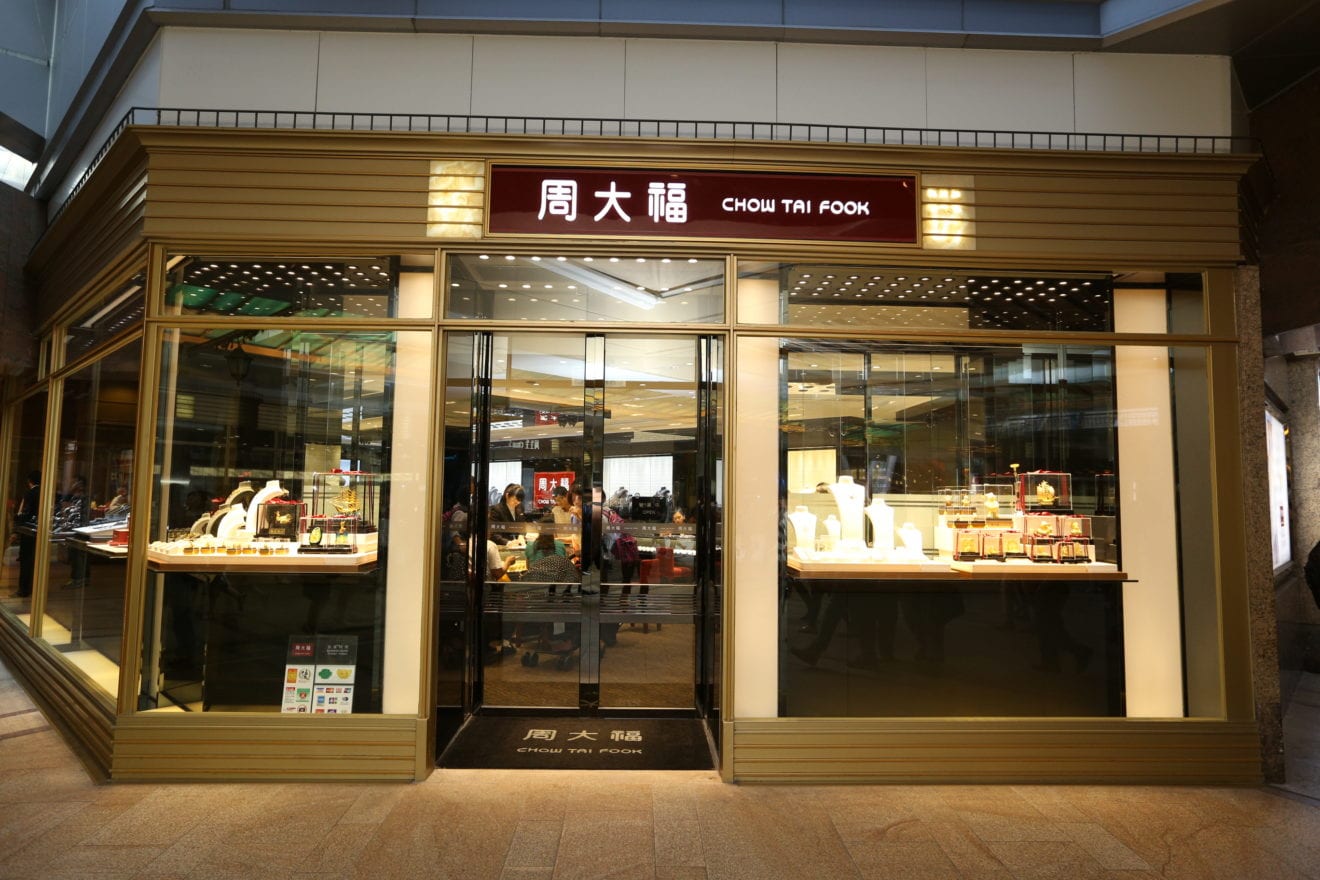
    Chow Tai Fook Jewellery Group, the world’s largest listed jewelry chain, said last month that sales during Chinese New Year would be challenging. Emperor Watch & Jewellery Ltd blamed a preliminary 2015 loss on a drop in foot traffic caused by the strong Hong Kong dollar, high rental pressure in the city and austerity initiatives in mainland China.

  • Short term lease boom

    Short term lease boom

    Growing ranks of Hong Kong landlords are renting out retail space for as little as 90 days to ride out the downturn.

    The number of short term Hong Kong leases has risen sharply since November, according to property agent Midland IC&I.

    The trend began in the lead up to the Christmas-New Year retail peak when landlords opted to have tenants for a short term in preference to forgoing any rent at all.

    Now, in the lead-up to Lunar New Year, the trend has continued as retailers look for opportunities to optimise sales in a peak spending season – and landlords are happy to achieve a return on otherwise empty space.

    The most likely retailers to sign up are jewellers – the hardest hit by the changing demographic of Mainland Chinese tourists – and apparel brands creating pop up stores.

    Retailers are securing space for as little as three months while landlords are achieving about 70 per cent of the normal rent they would have received prior to the retail downturn kicking in.

    Midland IC&I CEO Wong Hon-shing told the Hong Kong Economic Journal retail tenants liked the flexibility of being about to exit the space with as little as seven days’ notice.

    The HKEJ said brands to take advantage of the new environment include Bossini, Tse Sui Luen Jewellery and Colombia. It reported TSL was paying about $350,000 a month for space in a three month lease set to end in February after the Lunar New Year.

  • 50 year Valentine’s Day pledge

    50 year Valentine’s Day pledge

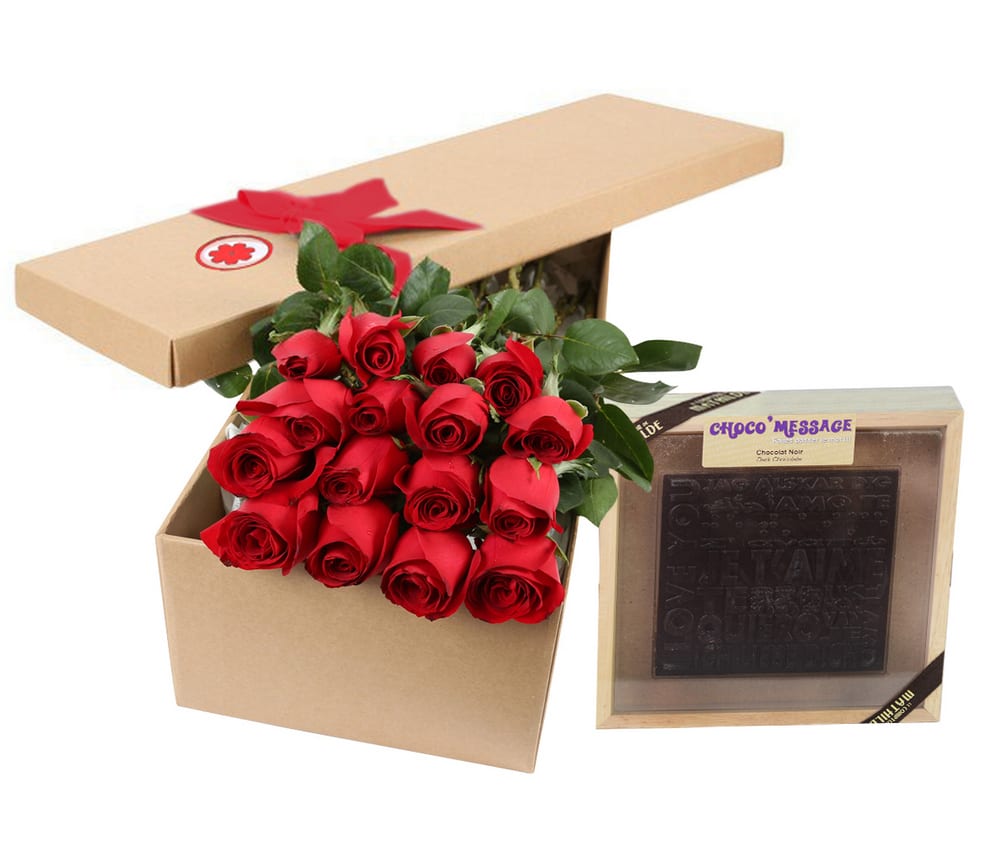
    In a bizarre retail initiative, Gift Flowers Hong Kong is willing to plan the next 50 Valentine’s Days in advance for everyone.

    The Hong Kong online florist says it will deliver roses to their loved ones “for the rest of their lives, even when they are not around”.

    “Each year, they will receive roses ordered from deceased loved ones. It will serve as a reminder of the love that has not died, even after all this time has passed.”

    The service comes at a price – all paid in advance, of course: Ranging between $10,000 (for a single rose each year) and $100,000 (for a dozen).

    Gift Flowers HK describes the initiative as a first for Hong Kong, saying it gives peace of mind to customers who want to ensure their loved ones receive flowers each year for the rest of their lives.

    “Just like the movie ‘P.S. I Love You’, romantics will be able to send personalised messages to their lovers for ‘almost’ forever,” the company explains.

    “True romantics will find comfort in Gift Flowers HK’s new service. Even for those who cannot spend Valentine’s Day with their significant other, Gift Flowers HK will allow those romantics to make an impression that shows the absent be present in spirit.

  • Hong Kong sees worst retail sales since 2003

    Hong Kong sees worst retail sales since 2003

    Retail sales fell 3.7 percent in value last year, the biggest decline since the SARS outbreak in 2003, Hong Kong Retail Management Association chairman Thomson Cheng said.

    Cheng also said the value of retail sales this year is forecast to fall by at least 3 percent, the Hong Kong Economic Journal reported on Wednesday.

    Last year’s figure was further dragged down by the abnormally warm weather in December when sales slipped back to the level four years ago, Cheng said.

    Sales in 2015 reached HK$475.2 billion, with the figure for December down 8.5 percent year on year to HK$43.7 billion, government data showed.

    For last year, sales of luxury items, including jewelry and watches, posted the biggest drop of 15.6 percent among all categories while consumer durables recorded the highest gain of 6.1 percent.

    Cheng also said Lunar New Year sales could see a high single-digit fall over a year ago.

    Nonetheless, downsizing, wage cuts and shop closures are not expected to be widespread after the holidays, he said.

  • Lawsgroup’s journey from Hong Kong to Myanmar

    Lawsgroup’s journey from Hong Kong to Myanmar

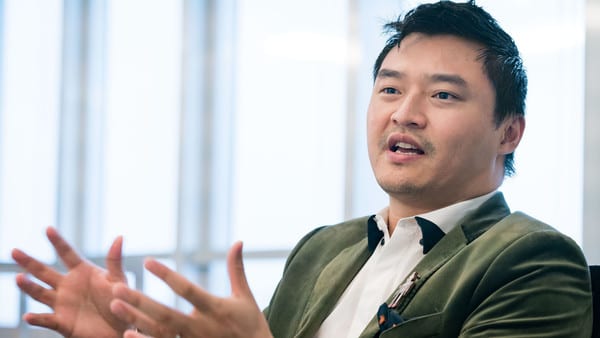
    ‘I run the business just like a hobby’: says Bosco Law, Lawsgroup chief executive. Before his death in 1996, the Hong Kong textile tycoon Law Ting-pong handwrote a letter of wishes in which he expressed the hope that “those who are careful at the beginning would also be careful to the end”.

    Unfortunately, the lack of careful wording in the informal will sparked a court battle between his six children over his HK$1bn estate that dragged on until 2011.

    Now, with the row settled, his 37-year-old grandson Bosco Law is trying to live out the exhortation to cautious living in his role as chief executive of Lawsgroup, the family’s mini-conglomerate, which spans clothes manufacturing, retail and property.

    'I run the business just like a hobby': Bosco Law, Lawsgroup CEO

    “My grandfather had a saying that we should be very conservative but also aggressive,” says Mr Law, speaking at the company’s headquarters in a busy commercial area of the Kowloon district in Hong Kong.

    He explains the apparent conflict: the phrase means eschewing complicated financial products such as currency derivatives but taking an adventurous approach to expanding the core business of sewing T-shirts and knitting sweatshirts for retail customers including Gap, JC Penney and Uniqlo. “The manufacturing environment is ever changing so you always have to have a changing mindset to survive,” he says.

    He declines to release any figures indicating the size of the company but as evidence of its ambitions, cites its recent expansion into Myanmar, which has attracted much attention but where few investors are willing to take the plunge.

    Always searching for cheaper labour, Lawsgroup opened its first factory there last year and employs more than 2,000 people making T-shirts two hours’ drive north of Yangon, the commercial capital. “Opening a new factory is always tough,” says Mr Law. “Everything is new in Myanmar. Even if you talk to the [government’s] commerce department, they don’t really know the policy . . .  everything is a guess, everything is grey.”

    Politics is a further uncertainty, with talks about forming a new government taking place between opposition leader Aung San Suu Kyi and the ruling military after her party won November’s election. “Who knows what will happen? But still, if we have a 70 per cent chance [of success] we will go for it.”

    While the business is much smaller than the conglomerates built by Hong Kong tycoons such as Li Ka-shing and Lee Shau-kee, Lawsgroup’s combination of entrepreneurial endeavour and conservatism is typical of the approach that built the city’s dominant family businesses. Many started with humdrum businesses such as small-scale factories or retail stores before parlaying profits and connections into diversified business empires.

    You can make decisions faster and you can follow your will and passion, but you have to take full responsibility because it’s also your money

    Lawsgroup, which employs about 20,000 people in Bangladesh, China, Hong Kong, Myanmar and Vietnam, was founded as a textile manufacturer by Law Ting-pong in 1975 in the heyday of the “made in Hong Kong” boom. Like other Hong Kong clothes makers, it soon moved into the mainland to take advantage of low wages, a huge workforce and the opening-up of China from the late 1970s.

    Its expansion there took off only after 2005, when quotas on imported textiles in Canada, the EU and the US finally ended. That year, Mr Law joined the family business after studying architecture in Toronto and working for an architects’ firm and a bank.

    Lawsgroup was listed in Hong Kong in 1987 and a separate property and retail arm spun off into their own listings before the main holding group was taken private in 1998.

    Mr Law, who describes his management style as “firefighting” when necessary, rather than micromanaging, says his main interest is fashion. That much is clear from his quirky outfit of flowery sneakers, grey trousers and a green blazer with a robot-shaped brooch.

    A laid-back figure who rarely gives interviews, Mr Law insists he was not parachuted into his job by dint of some family succession plan but he notes that running a family-owned company has advantages.

    “You can make your decisions faster and you can follow your will and passion, but you have to take full responsibility because it’s also your money.” Yet, pushed on whether he feels pressure to maintain and enhance a rich legacy, as in many Chinese family-owned companies, he brushes off the question. “I run the business just like a hobby,” he says. “I’m pushing my vision and I like doing branding and marketing.”

    Perhaps he does not feel the weight of family expectations so heavily because his father’s siblings run their own businesses, from Crystal Group, a leading clothing manufacturer, to the Park Hotel group and Bossini, the low-cost clothing retailer that made his grandfather famous in Hong Kong.

    Mr Law’s focus is on managing Lawsgroup’s moves into new markets. With factory workers in the manufacturing heartland of Guangdong taking home more than $500 a month, Lawsgroup is expanding in countries where wages are less than half the cost, such as Myanmar, Vietnam and Bangladesh.

    Mr Law’s responses are sometimes so relaxed it is hard to tell if he is blasé, unflappable or evasive

    The death of basic manufacturing in China has long been prophesied, but Mr Law believes big producers will keep a presence there because of the scale and infrastructure advantages, as well as technical expertise.

    “Most of our research and development is in China, where we do our industrial engineering and have developed our own IT system for quality control,” he says. “We do our factory line planning and training videos in China and then have the whole package sent overseas for them to follow.”

    Mr Law’s responses are sometimes so relaxed it is hard to tell if he is blasé, unflappable or evasive.

    Asked if he worries about his safety after his cousin Queenie Law was kidnapped for ransom last year, he says “it’s just a single case”. Is he concerned about the disappearance of five Hong Kong booksellers whose store sold works critical of China’s top leaders? “It’s just a single case”.

    Like most Hong Kong businessmen with interests in mainland China, he is reluctant to be drawn into discussions about politics but his attitude might also point to a deeper self-confidence. Free from the vicissitudes and pressures of equity markets, conservative family companies such as his find it easier to endure difficult times.

    On the day of the interview, Chinese stock and currency markets were again ridden with turbulence, and global investors were jittery about the prospects for the world’s second-biggest economy. Unlike some other manufacturers, Lawsgroup has not taken out hedges against renminbi volatility but Mr Law prefers to concentrate on the fundamental business.

    “We’ve been doing this for 40 years. It’s a downtrend right now so we have to buckle up. I’m still confident about Hong Kong and China in the long term.”

  • Chow Tai Fook invited to open second shopping mall in Shanghai Free Trade Zone

    Chow Tai Fook invited to open second shopping mall in Shanghai Free Trade Zone

    Two months after jeweller Chow Tai Fook set up its first shopping mall selling Hong Kong products in the Qianhai free-trade zone, it was offered opportunities by several mainland cities, including Shanghai, inviting it to build such malls in their free-trade zones, a senior management official at the company said.

    Chan Sai-Cheong, Executive Director of Chow Tai Fook and who overlooks the company’s mainland operation, told the Post in a phone interview that “ [officials of] several free-trade zones of mainland cities have approached us, asking us to open a shopping mall there.”

    This fulfilled the wish made by Adrian Cheng Chi-Kong, the third-generation heir of billionaire Cheng Yu-tung’s family, at the opening ceremony of its Qianhai shopping mall – HOKO, when he said if Shanghai offered an opportunity, he will consider opening such malls in their free-trade zone.

    Unlike other traditional shopping malls, CTF’s HOKO mall provides two ways for customers to check out – the traditional “grab pay and go” model or and the online channel, under which customers order through a smartphone app and have the goods delivered to their home.

    Hong Kong retailers, such as Sasa, Chow Tai Fook, ISA, G2000 are among the 21 tenants.

    Retail prices of the online channel are typically cheaper than the traditional channel, as the Chinese government only applies a special “postal tax” for imported goods brought from the so-called cross-border e-commerce channel.

    Otherwise, customers need to pay three types of taxes if they purchase imported goods from traditional channels, which are usually higher.

    Despite the olive branch extended by the mainland free-trade zones, Chan said CTF will take its time before it decides on opening a second mall in other cities.

    The business performance of its second phrase mall in Qianhai, which is set to launch before May, will be a testing ground, said Chan.

    “We won’t rush in a hurry,” Chan said, adding the company didn’t have a timetable at the current stage.

    Located in the same area in Qianhai, the second phase HOKO mall will double the size of its first one, occupying a 12,000 sq m area.

    Chan said tenants would be more diversified compared to those in phase one as restaurants, supermarkets, automobile parts, electronics and furniture stores could be expected there.

    But only 50 per cent of the spaces would be used for retail, Chan said. The other half would be reserved for projects that enhance customers’ experience.

    He emphasised that the company won’t let too many milk powder retainers in just because their sales performances were among the best in its phase one mall.

    Beside, a bauhinia garden featuring Hong Kong characteristics will be added to CTF’s Qianhai complex, outside its shopping mall, with a group of selected art pieces on display. He said the idea was initiated by Adrian Cheng Chi-Kong, who also added art pieces to Hong Kong’s K11 mall.

  • L’Occitane China sales rise, the other drop by 14.5pc

    L’Occitane China sales rise, the other drop by 14.5pc

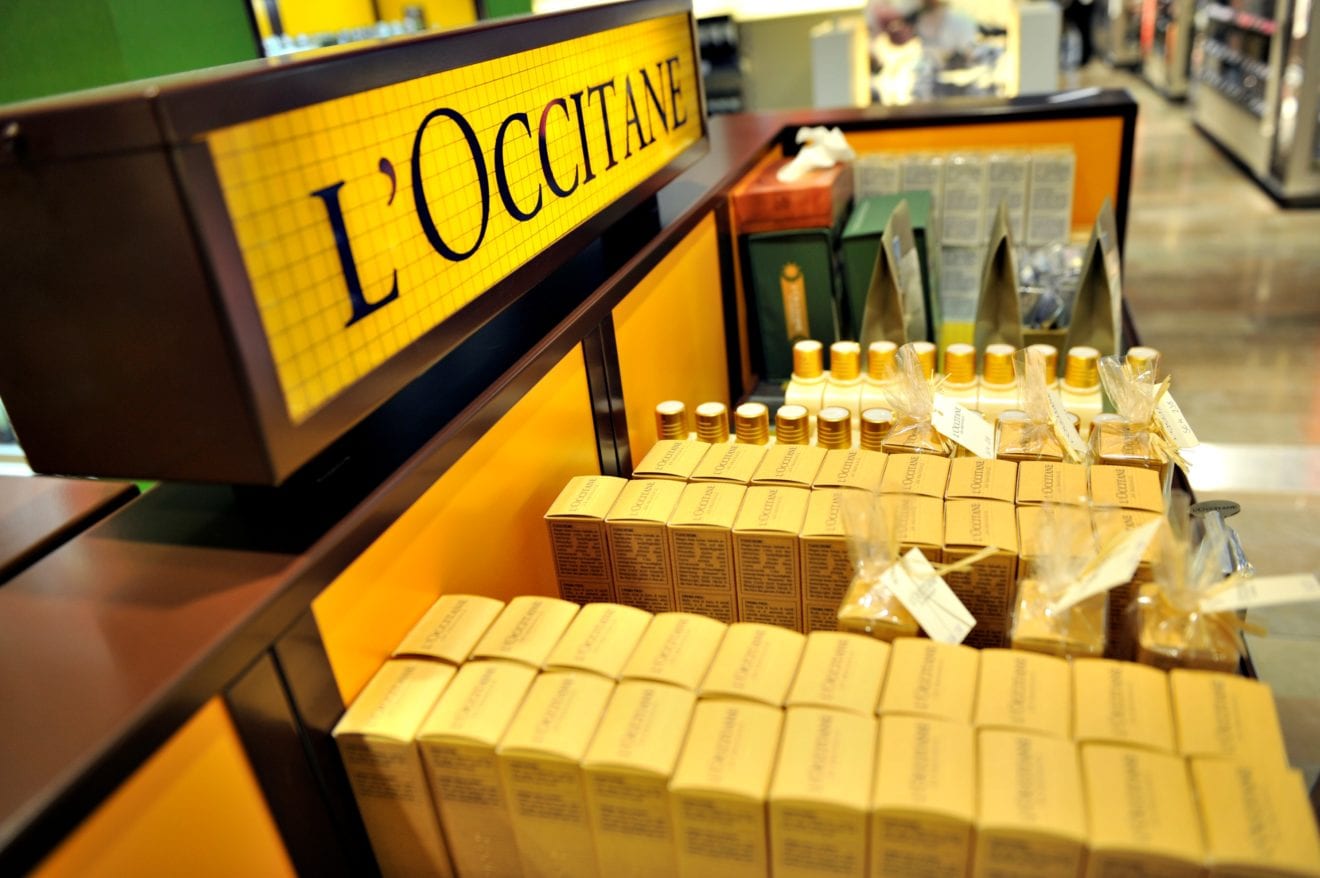
    Cosmetics and skincare products company L’Occitane International reported China was the main driver of sales in the nine months ended December 31. But Hong Kong and Macau retail sales dropped by 14.5 percent.

    Hong Kong travel retail business also suffered from the lower traffic in the Greater China region. In local currency terms, sales in China recorded the highest growth of 19.1 percent, the company announced.

    Overall net sales in China amounted to 94.8 million euros in the nine months. China remained the fastest growing country and the primary contributor to overall growth, followed by France, Brazil, Russia and Japan, the company reported. Overall group net sales were up by 11.6 percent to 984.7 million euros for the nine months of the financial year 2016. At constant exchange rates, the growth was 5.8 percent, L’Occitane said.

    China, France, Brazil, Russia and Japan were among the countries with highest sales growth in local currencies. Overall same store sales growth was 1.8 percent. Sales through the group’s e-commerce channels grew by 17.7 percent at constant exchange rates.

  • Hong Kong feels squeeze of slowing China, rising rates

    Hong Kong feels squeeze of slowing China, rising rates

    AS a premier Asian financial center parked at the doorstep of one of the fastest-growing economies on the planet, Hong Kong has long lived a charmed life.

    The former British colony’s Western-style legal and regulatory system made it a magnet for global investors interested in buying listed Chinese stocks on the Hong Kong Stock Exchange.

    Its banks, insurance companies, ports and cargo carriers have made a nice living off their powerful neighbor. An added bonus: Since 2008, low global interest rates in the post-financial crisis era have powered a property market that has kept the $300-billion economy humming.

    Yet, now China’s economy is decelerating and just turned in its weakest full-year economic growth since 1990. Global investors are no longer gravitating to Hong Kong—they’re scrambling for the exits.

    The Hang Seng Index has slumped 13 percent so far this year. Housing prices have fallen 8 percent from their September peak and are poised to drop as much as 30 percent this year, according to Bocom International Holdings Co. analyst Alfred Lau.

    The Hong Kong dollar peg is under pressure and short-term interest rates have spiked. Exports are falling and big-spending Chinese tourists are staying away.

    “Hong Kong is facing a wave of pressure,” said Kevin Lai, chief economist for Asia excluding Japan at Daiwa Capital Markets in Hong Kong, who likens the growing storm to the market gyrations of the Asian financial crisis. “The situation right now is potentially worse” than the regional turmoil in 1997 and 1998.

    Lai is particularly concerned about the rapid credit expansion over the past five years, as Chinese companies rushed to borrow in Hong Kong, leaving the city’s banks “massively leveraged and exposed.” Daiwa estimates that $237 billion in broad inflows has poured into Hong Kong since 2005.

    Capital flows accelerating

    For Hong Kong, the worst-case scenario could play out like this: A sustained dive in the Hang Seng Index and heavy downward pressure on the local dollar triggers a massive departure of capital, squeezing liquidity in the banking system and driving up interest rates. That, in turn, sparks a speculative attack on the local dollar peg, forcing the Hong Kong Monetary Authority to defend it by spending its foreign-currency reserves. Or abandon the peg altogether.

    Capital flows out of Hong Kong appear to be accelerating. The Hong Kong dollar has traded at the lower side of its trading range against the US dollar, and recently touched a seven-and-a-half year low versus the greenback. Local interest rates have also surged: The three-month Hong Kong Interbank Offered Rate (Hibor) has jumped 30 basis points to 0.697 since the end of last year, exceeding the London Interbank Offered Rate on January 20.

    A sustained spike in Hibor could push mortgage rates higher, further hurting housing affordability, Morgan Stanley analysts led by Derrick Y. Kam wrote in a note. The bank said it cut its price targets for Hong Kong property stocks by an average of 17 percent.

    While global investors can quickly withdraw money from this Westernized financial center, local banks and investors face a tougher time pulling their cash out of the mainland economy.

    “It could take a matter of seconds for the rest of the world to draw money out from Hong Kong—but it would be a lot more difficult for Hong Kong to do the same from China,” Lai said.

    If the US Federal Reserve (the Fed), which raised rates last December for the first time in almost a decade, pushes up rates again as expected later in the year, it could pull the rug out from housing prices that have surged more than 350 percent from their low in 2003. To maintain its peg with the US dollar, Hong Kong must match interest-rate hikes by the Fed, increasing borrowing costs to homeowners.

    “The property market in Hong Kong is going to go down the tubes when eventually the Americans will continue to increase interest rates,” said Andrew Freris, CEO of Ecognosis Advisory, a Hong Kong-based economic and financial consultancy.

    Meantime, Hong Kong developers with significant yuan-denominated cash holdings face greater currency risks from the yuan’s increasing volatility, according to Bloomberg Intelligence.

    Retailers paying heavily

    Hong Kong retailers are also paying heavily because of Hong Kong’s peg.

    The city is losing its luster as a shopper’s paradise for mainlanders, who are instead flocking to Japan and South Korea in search of better bargains for Louis Vuitton handbags and Patek Philippe watches, thanks to those countries’ weaker currencies.

    Retail sales fell 3.1 percent in the first 11 months of 2015, with jewelry, watches and clocks, especially hard hit with a 15.4-percent decline. There have been other disappointments, too. The Shanghai-Hong Kong Stock Connect, a program allowing individual investors on either side of the border to invest in each other’s stock markets hasn’t delivered the boost to Hong Kong shares its architects had envisioned.

    Since its launch in November 2014, Chinese buyers have only reached the 10.5 billion yuan daily buying quota on two days, and total ownership has never reached the 250-billion yuan limit.

    That said, Hong Kong does have a track record of weathering market storms, and its bourse isn’t the only one suffering losses. The MSCI Asia Pacific Index is down 10 percent this year as oil’s slide and concerns over China’s economic outlook dents shares around the world.

    The city also has deep resources to respond to any attack. During the 1997-1998 Asian financial crisis, the Hong Kong Monetary Authority spent HK$120 billion buying up Hong Kong stocks, and successfully defending the dollar against speculators.

    In 2003 after the severe acute respiratory syndrome virus epidemic leveled the economy, Beijing created a free-trade deal with Hong Kong through the Closer Economic Partnership Agreement that gave its businesses a leg up over rivals in China. Easing of travel restrictions unleashed a flood of Chinese visitors and buoyed retail sales.

    Hong Kong’s $358.8 billion in foreign exchange reserves as of the end of December and a budget surplus give local authorities room to maneuver.  “The speculators right now want to make Hong Kong just like 1998,” said Banny Lam, cohead of research at the Agricultural Bank of China International Securities Ltd. in Hong Kong.

    Lam reckons that a key difference between now and the Asian financial crisis is that the system is flush with interbank liquidity, which means the speculators will be proven wrong.

    Yet, even if Hong Kong can pull through the current market turmoil, it faces bigger challenges ahead. David Dodwell, executive director of the Hong Kong Asia-Pacific Economic Cooperation Trade Policy Group, says that going forward the city has to move beyond its position as the gateway to China by having its banks and professional services help Chinese companies establish their global operations using the city as their base.

    “For me, the litmus test is the flow of headquarters to Hong Kong,” Dodwell said.

  • Foodpanda Hong Kong partners with OpenRice

    Foodpanda Hong Kong partners with OpenRice

    Foodpanda Hong Kong has partnered with OpenRice Hong Kong, the city’s most comprehensive platform for sharing dining experiences through reviews and ratings.

    This cross-platform collaboration will allow Hong Kongers to order directly from Foodpanda’s partnered restaurants via OpenRice’s iOS, Android App or mobile-friendly website.

    openrice foodpanda

    “The strategic partnership with OpenRice has begun in other markets in Asia and now it’s finally in Hong Kong,” said Alexander Roth, MD of Foodpanda Hong Kong.

    ‘’We hope to provide an enhanced consumer experience by leveraging the strengths of both platforms in this partnership.”

    OpenRice MD Jan Wong said with her company’s app being the most popular dining guide in Hong Kong and Foodpanda a global player in online food delivery, it was a natural marriage.

    “With Foodpanda’s extensive coverage and services, up-to-date dining info and various dining services would be all-in-one in OpenRice, which greatly enhances gourmet dining experience”, said Wong.

    Launched in June 2014, the Foodpanda app has generated over 250,000 downloads in Hong Kong across iOS and Android platforms. The majority of users are aged 20 to 40, with an even split of  male and female professionals and families in Hong Kong. Foodpanda is also planning a new app release focused on enhancing user experience and usability.

  • Berrybenka beefing up eCommerce

    Berrybenka beefing up eCommerce

    With demand from Hong Kong, Brunei and Malaysia, Indonesian fashion brand Berrybenka is taking steps to beef up its eCommerce services.

    It will also be opening more pop-up stores outside Jakarta, its main stronghold, The Jakarta Postreports.

    CEO Jason Lamuda says the brand is also aiming improve customer relations through digital media. It aims to step up customer interaction this year through messaging apps, improve its mobile app, and partner with convenience store ChainIndomaret on a possible new payment mechanism.

    He says this will help promote Berrybenka as a national fashion eCommerce platform. “Our goal in the end is to not only become the most notable fashion brand in Indonesia, but to also help promote the creation of local brands.”

    Berrybenka has 1.5 million subscribers in its database, with demand from Hong Kong, Brunei and Malaysia through sister company Hijabenka. Berrybenka has partnered with around 1000 small and medium enterprises.

    In Indonesia, the company plans pop-up stores in Medan, North Sumatra, Makassar in South Sulawesi, Yogyakarta, Semarang in Central Java, Manado in North Sulawesi and Balikpapan in East Kalimantan. Medan will have the first of the new outlets, opening on Thursday.

    Also being considered are eCommerce hubs for Surabaya, East Java and Bandung, West Java.

    About 90 per cent of Berrybenka sales comprise local products. Between 2013 and 2014, the company had 150 to 200 per cent revenue growth, with a further 200 per cent growth between 2014 and 2015.

  • Nakheel to showcase USD4.6bn real estate in Dubai Property Show in Hong Kong

    Nakheel to showcase USD4.6bn real estate in Dubai Property Show in Hong Kong

    Dubai-based real estate master developer Nakheel , creator of some of the world’s most famous landmarks including Palm Jumeirah, is heading east to showcase new projects with construction values of over US$4.6 billion at the Dubai Property Show in Hong Kong this week.

    Nakheel , whose projects already span more than 15,000 hectares and provide homes for over 200,000 people, is the biggest developer at the show, which will highlight Dubai’s unrivalled opportunities for real estate investment. Nakheel will exhibit a diverse range of new master developments, residential properties and retail and hospitality projects at the three-day event.

    Investors from Hong Kong and other parts of the Far East and South-east Asia have already bought around 500 villas, apartments or land plots from Nakheel , spending a combined US$245 million in the process. Chinese investors account for nearly 80 per cent of these purchases: 390 properties worth US$212 million. The biggest group of overseas investors with Nakheel is Indians (4,400 properties worth US$2.5 billion).

    Thousands more Chinese people have invested in Dragon Mart, Nakheel ‘s sprawling, recently-expanded retail and trading complex in Dubai. Dragon Mart is the world’s biggest Chinese trading hub outside mainland China, with more than 4,000 shops, restaurants and entertainment outlets welcoming an average 80,000 visitors daily.

    Nakheel Chairman, Ali Rashid Lootah, said: “The Dubai Property Show is the ideal platform from which to highlight how investors in Hong Kong can be part of the Dubai real estate success story, as end-users or with a view to renting out.

    “Dubai’s excellent transport, education, trade and leisure facilities act as a magnet for people to live and work in the emirate. These people need accommodation, meaning a huge demand for rental properties, which offer substantial investment returns. We look forward to further strengthening our relationship with investors in this part of the world through this exciting event.”

    Nakheel ‘s projects on show in Hong Kong include the 15.3 square kilometre Deira Islands coastal city; luxury high-rise apartments in the 52-storey Palm Tower and high-end waterfront units at Azure Residences at Palm Jumeirah; and spacious three-bedroom townhouses at Warsan Village, a new, gated community located near Dragon Mart and Nakheel ‘s biggest master community, International City. Warsan Village and International City are already home to 300 investors from China and the Far East.

    Deira Islands

    Deira Islands, Nakheel ‘s new, 15.3 sq km waterfront city, is set to transform Dubai’s Deira district into a world-class hub for tourism, retail and entertainment, adding 40 km, including 21 km of beachfront, to Dubai’s coastline in the process.

    The project will contribute significantly to the Government of Dubai’s tourism vision by paving the way for the development of hundreds of new hotels, serviced apartments, mixed-use buildings and residential waterside developments.

    Nakheel itself is developing a significant amount of the 4.5 million square metre south island, creating a unique creek side destination with an array of retail, entertainment and hospitality attractions including Deira Mall; Deira Towers and Boulevard and Deira Islands Night Souk. Nakheel is also developing five hotels at Deira Islands, with planned joint ventures already announced for three of them with Spain’s RIU Hotels & Resorts, Thailand’s Minor Hotel Group and Thailand-based Centara Hotels & Resorts.

    The Palm Tower Residences, Palm Jumeirah

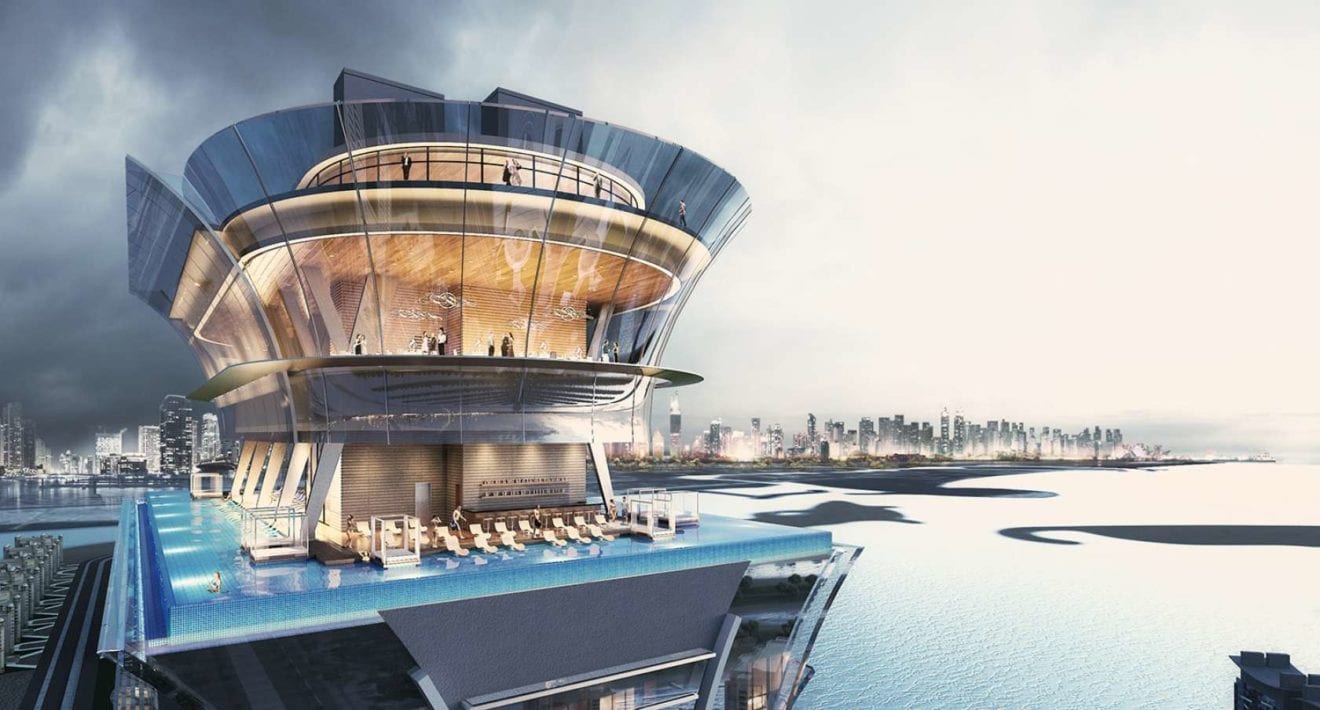
    The 52-storey Palm Tower, currently under construction at the heart of Palm Jumeirah, is a landmark development with 504 luxury residences and a five star, 290-room hotel – to be managed by Starwood Hotels & Resorts under the luxury St Regis brand – with an array of dining and leisure facilities, including a rooftop infinity pool, restaurant and viewing deck

    The Residences, on sale from around US$460,000, comprise furnished studios and one, two and three bedroom apartments with uninterrupted, panoramic views of Palm Jumeirah, the Arabian Gulf and the Dubai skyline.

    The Palm Tower is adjacent and linked to Nakheel Mall, also under construction, meaning residents will have more than 300 shops, cinemas, medical facilities, fitness centres and a roof terrace with fine dining outlets on their doorstep. Palm Jumeirah’s beach clubs and other retail and entertainment outlets are within easy reach, too.

    Azure Residences, Palm Jumeirah

    Azure Residences is a new collection of beachfront apartments and dining outlets on Palm Jumeirah’s eastern shoreline. With spectacular views of the Arabian Gulf and Dubai’s skyline, Azure Residences includes 170 one and two bedroom apartments – which will ready for occupation by summer – and nine restaurants, including the Breakwater signature restaurant with 360 degree water and city views. There is also a sea-facing infinity pool, rooftop gym, 266 car parking spaces and mooring facilities for water taxis.

    Apartments come with an equipped kitchen and private terrace. Prices start from approximately US$690,000 for one bedroom units and US$1.28 million for the two bed option. All two bedroom units have a maid’s room. Azure Residences is close to a wide range of Nakheel retail, dining and entertainment developments on the island, including the newly-opened Golden Mile Galleria and the upcoming Nakheel Mall, The Pointe, Palm Tower, Boardwalk and Palm Promenade.

    Warsan Village

    Warsan Village is a new gated, mixed-use community with over 1,300 quality, three-bedroom townhouses, a sprawling souk with 1,170 shops, a mosque and a sports and recreation centre.

    Currently under construction, Warsan Village is set on a 47.5 hectare site close to the recently expanded Dragon Mart retail hub.

    Each town house covers 2,000 square feet and comes with a maid’s room, three bathrooms, powder room, two balconies, private garden and parking for two cars. Prices start at around US$480,000.

    At the heart of Warsan Village will be a recreation centre with swimming pool, sports courts and gymnasium; a mosque with car parking; and extensive shaded, green space including a large park with a 1.7km jogging track. The community also features Warsan Souk, a vibrant retail and dining hub with 1,170 shops, two department stores and 30 cafes and restaurants with indoor and outdoor dining. The souk, designed as a modern take on a traditional Arabic souk is already fully leased.

    Nakheel is also offering investment opportunities at a diverse selection of large-scale retail, dining and entertainment hubs in Dubai. Among them are Nakheel Mall and The Pointe on Palm Jumeirah; Deira Mall on Deira Islands and Al Khail Avenue and the Circle Mall at Jumeirah Village.

    Nakheel and its projects,was in stand D8 at the Dubai Property Show, Hong Kong Convention and Exhibition Centre, 28-30 January 2015.