Tag: Hong Kong

  • Aquazzura’s First Asian Store Opens In Hong Kong End Of 2016

    Aquazzura’s First Asian Store Opens In Hong Kong End Of 2016

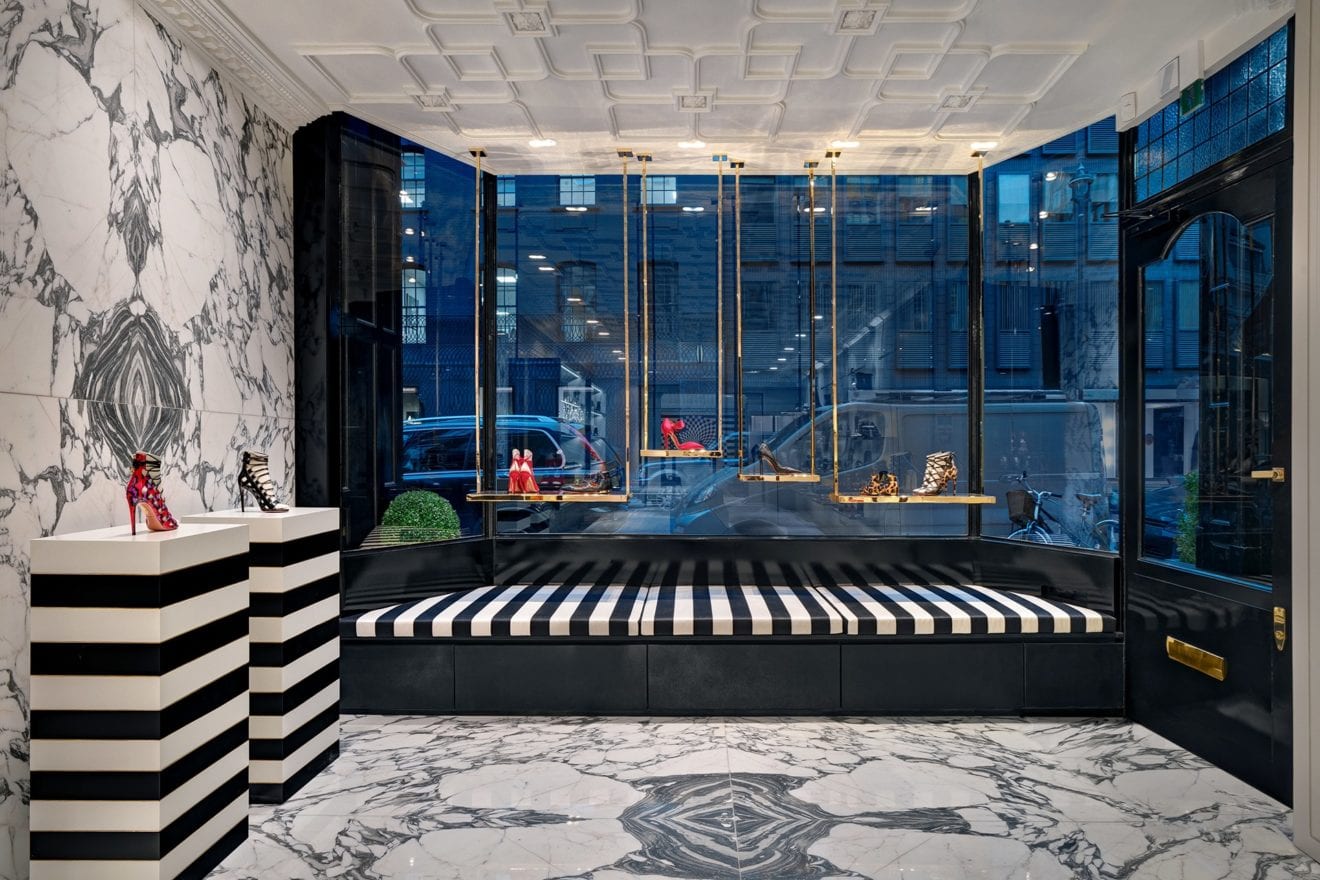
    Florence-headquartered luxury shoe brand Aquazzura plans to open its first Asian store in Hong Kong at the end of 2016.

    Edgardo Osorio, co-founder and creative director of Aquazzura, said that Hong Kong is a window to Asia and an excellent place to start the brand’s business expansion in Asia. Though Osorio refused to provide a detailed sales figure, he said that the brand is doing amazing things in the Asian market already.

    He added that they have been expanding and their stores maintain good sales performance.

    The luxury shoe brand Aquazzura was founded by designer Edgardo Osorio in 2011. Its products combine Italy’s traditional craftsmanship with luxury designs, which are popular among fashionable women.

  • The EcoChic Design Award 2015/16 winners announced

    The EcoChic Design Award 2015/16 winners announced

    Environmental NGO Redress concluded their week long programme of sustainable fashion activities in Hong Kong, the epicentre of Asia’s fashion industry, further cementing emerging designers’ power to drive positive change and pushing the global agenda to reduce waste in the fashion industry.

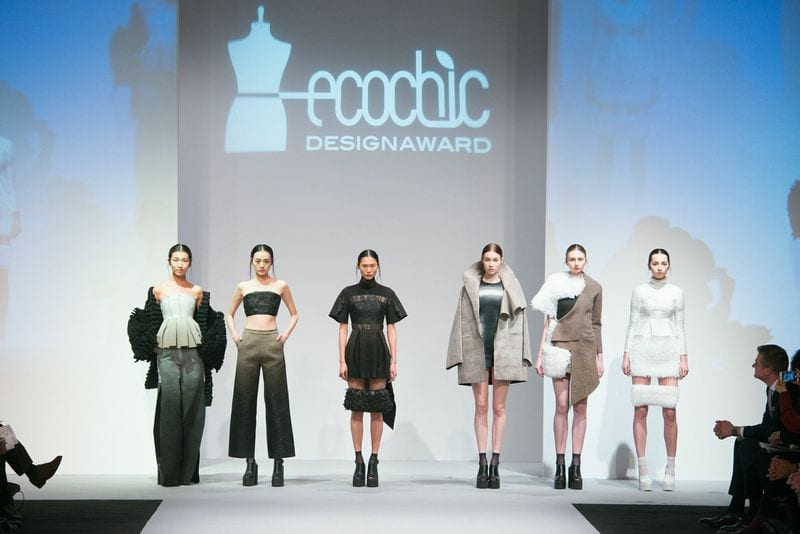
    The week included a design challenge, two workshops and an industry seminar before culminating at the grand final fashion show of the world’s largest sustainable design competition for emerging designers, The EcoChic Design Award 2015/16.

    Here ten finalists from Asia and Europe united to command Hong Kong Fashion Week’s runway, and the influential industry onlookers, with their textile-waste-reducing collections, having already out-designed an unprecedented level of competition entries from designers living in 40 countries across Asia and Europe. Two winners, from Poland and Spain, were crowned winners.

    Christina Dean, Founder of Redress said, “We must face the pressing reality that the fashion and textile industry, as the world’s second biggest global polluter, can’t carry on as-is without crippling our planet. Change is not happening fast enough. In contrast to the majority of the industry, emerging fashion designers are demonstrating that they, as tomorrow’s leaders, are more in tune with solutions and they are creatively cashing in on the environmental and economic opportunities within reducing and re-using textile waste. These designers are cementing a positive future for fashion”.

    Leading up to the grand final, the ten finalists collaborated with multi-stakeholders to the find collaborative solutions and to share their expertise in sustainable design techniques.

    The Redress Forum: Ford Design Challenge saw them up-cycle Ford’s sustainable materials into statement pieces for the runway; the reconstruction workshop set their creativity free in a huge discarded clothing warehouse; and their zero-waste workshop saw them travel to China to rub shoulders and share ideas with one of the region’s pioneering apparel manufacturers.

    Further influencing, Redress co-organised a widely-attended panel discussion on circular business models with HKTDC.

    Mr Jerry Liu Wing-leung, Head of Create Hong Kong, the competition’s major sponsor, said, “Sustainability is a global issue, and with a global perspective sustainable fashion design can transcend technicalities and become a way to the future. The EcoChic Design Award makes a significant impact on the way people view fashion.”

    Prizes to fuel the new force of design talent

    Three panels of judges, including influential personalities Susie Lau, Orsola de Castro, Johanna Ho and Nadya Hutagalung, were tasked to shortlist and identify the competition’s fifth cycle winners, which had neck-to-neck scores, the closest in the competition’s history.

    Patrycja Guzik won the 1st Prize: The EcoChic Design Award 2015/16 with Shanghai Tang and she will spend three months in Hong Kong designing an up-cycled collection for China’s leading luxury brand’s global retail using their surplus textiles. Her winning collection was created using the up-cycling and reconstruction design techniques and she made her fabrics by tufting damaged textiles and unraveled secondhand garments.

    “As the curators of modern China chic, it says a lot to the rest of the industry and our consumers that Shanghai Tang is translating Redress’ international search for emerging sustainable design talent into an up-cycled collection for our global customers. Our experience working with the last cycle’s winner inspired us about how business can do the right thing”, said Raphael le Manse de Charmont, Executive Chairman, Shanghai Tang.

    “This week has been life changing and a real eye-opener for me that us designers really can design the future we want! Winning amplifies everything I’ve dreamt of about using my passions to prove that a more sustainable fashion industry can be a reality,” said Patrycja.

    Cora Maria Bellotto won 2nd Prize: The EcoChic Design Award 2015/16 with Orsola de Castro and she will receive a tailored mentorship to propel his/her career in sustainable fashion design forwards.

    Judged solely by supermodel Janet Ma, Patrycja also won The EcoChic Design Award 2015/16 Special Prize and she will design a sustainable outfit for Janet to reveal at a high profile public event and in a fashion photoshoot to redress consumers’ attitudes towards sustainable fashion.

    In addition, a ‘Hong Kong’s Best’ recognition was given to Esther Lui to commend her achievements for leading Hong Kong’s pool of creative emerging designers.

    Competition legacy lives on

    With five cycles already behind them, Redress now celebrates over 100 talented alumni, who are previous semi-finalists and finalists, who are increasingly forging sustainable fashion careers, with some expanding their sustainable brands’ retail footprint.

    As part of the week’s activities, Redress exhibited five alumni’s sustainable brands in The EcoChic Design Award Alumni Booths at HKTDC Hong Kong Fashion Week, attracting some of the region’s top buyers and driving more orders and expansion of the alumni’s stockists.

    The booths form part of Redress’ over-arching The EcoChic Design Award Alumni Network, a platform to support this growing collective of sustainable designers with industry collaborations so as to magnify the designers’ momentum way beyond the runway. An additional retail and business development prize was awarded to Wan and Wong Fashion and Clémentine Sandner by Hong Kong’s retail store, kapok.
  • Kipling launches exclusive collection for Asia

    Kipling launches exclusive collection for Asia

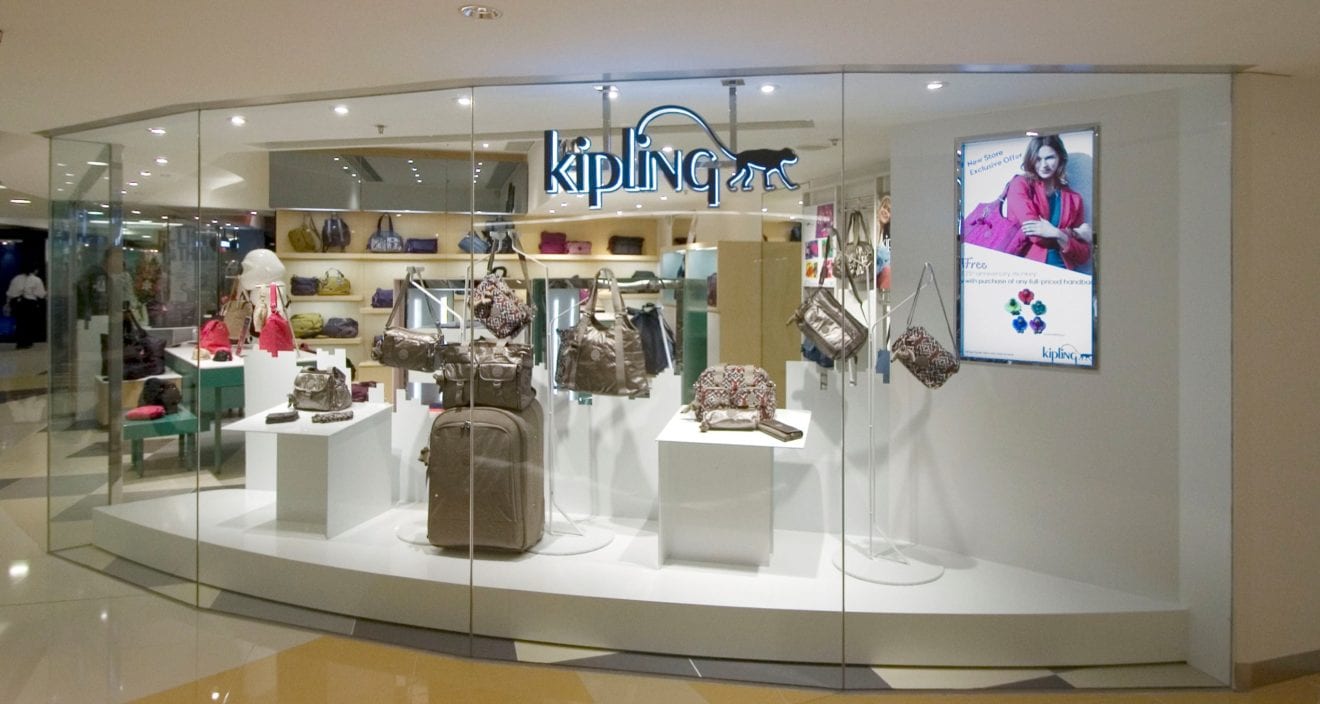
    Kipling-Asia-range-lead Kipling has introduced an Asia exclusive collection, which celebrates individual style with ‘optimism and functionality’ and has been specially designed for the Chinese Zodiac’s Year of the Monkey.
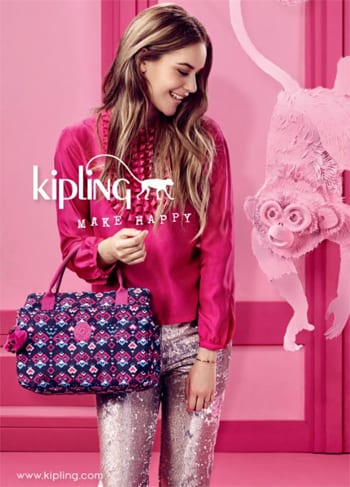
    The monkey plays a key role in the Kipling accessories, as it is said to represent the smart, adventurous and playful spirit of the brand.

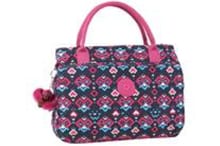
    Kipling-Asia-range-pinkThis season, Kipling’s Asia limited edition range offers ‘classic’ handbags and ‘functional’ backpacks, to ‘small and fun’ purses.
    Made for the ‘modern day’ woman the Monkey print collection showcases a collection of carry-ons that features monkey designs in shades of purple and hot pink.

    Kipling’s Monkey Print Collection has been launched exclusively in China, Hong Kong, Taiwan and Singapore, and is currently available in stores.

  • Hong Kong Suffering From China Visitor Drop

    Hong Kong Suffering From China Visitor Drop

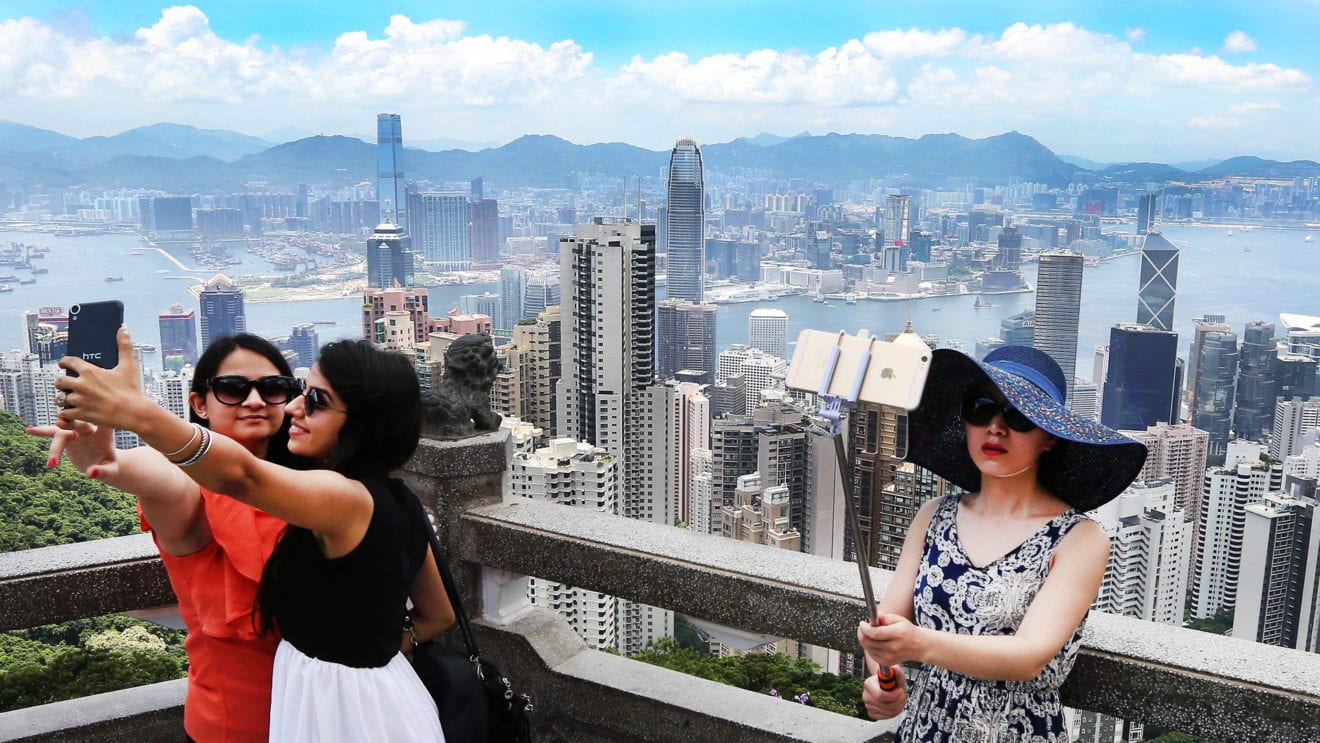
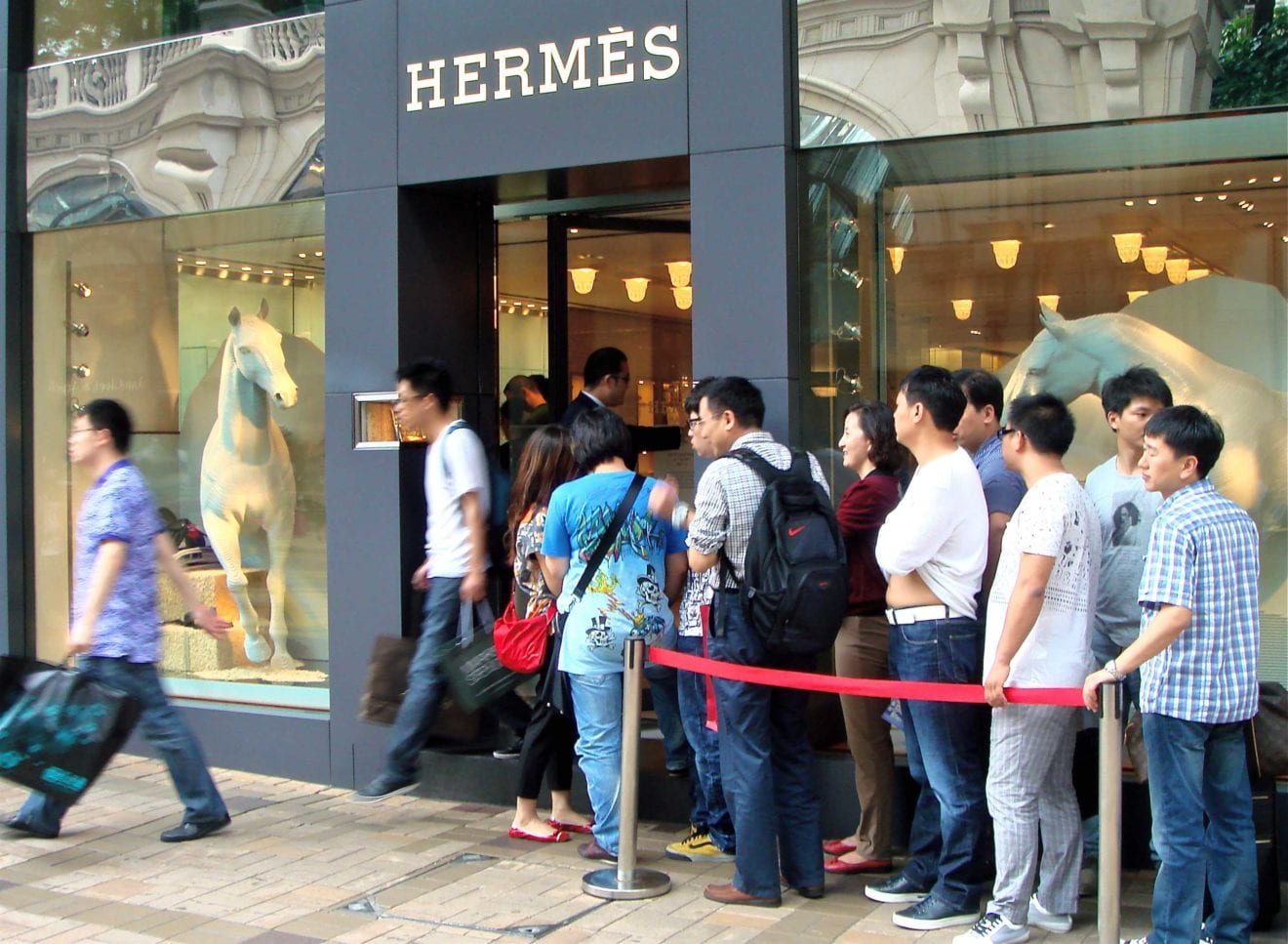
    Tour groups from mainland China to Hong Kong could shrink by two-thirds in the first half of this year, dealing another blow to retailers and an economy facing pressure from slowing growth in China.

    China accounts for almost three-quarters of all visitors to Hong Kong, which relies on tourism for about 5 percent of its GDP.

    Tourism numbers, however, fell last year for the first time in more than a decade and Ricky Tse, chairman of the Hong Kong Inbound Tour Operators Association, said he expects a further decline this year as the strong Hong Kong dollar continues to drive mainland Chinese to comparatively cheaper destinations such as Japan and South Korea.

    “The drop will continue for sure. The winter has just begun,” Tse said, adding that he expected the number of tours by Chinese visitors to fall by 60 percent in the first half of this year after halving in 2015.

    Government data shows tourist arrivals to Hong Kong fell 2.5 percent year-on-year in 2015 to 59.32 million, the first decline since 2003 when the city was hit by an outbreak of Severe Acute Respiratory Syndrome (SARS).

    This decline has hit luxury retailers, with the latest available data showing overall retail sales falling for the ninth consecutive month in November, the longest period of decline in 13 years.

    Brokerage CLSA, forecast trips by mainland Chinese to Hong Kong and the nearby gambling hub of Macau to average 3 percent growth over the next five years, compared with 16 percent growth for all other markets.

    “The move away from pure shopping trips is one of the main reasons that led to the slowdown in Hong Kong,” CLSA said in a recent report. “Looking into 2016, we believe the trend will continue.”

    (Reuters)

  • Chinese luxury spend abroad soars in 2015

    Chinese luxury spend abroad soars in 2015

    Mainland Chinese shoppers increased their spending on luxury goods overseas by 10 per cent last year according to new research from Bain & Company.

    The increase comes as a surprise given the significant slowdown in China’s economic growth, the much-publicised clampdown on gift-giving and the struggle of Hong Kong watch and jewellery retailers over the past 12 months.

    Bain & Company’s report, the 2015 China Luxury Market Study says mainlanders are shopping more on cross-border eCommerce and travelling to new destinations to indulge.

    In 2015, they shunned Hong Kong and Macau in favour of places like Japan, where spending soared 200 per cent.

    Bain’s research, which included a survey of nearly 1500 Chinese consumers, found a sizable shift in shoppers’ geographic preferences for luxury shopping in 2015. Japan, South Korea, Europe and Australia were all popular shopping destinations, due to favourable exchange rates and competitive pricing on luxury goods in these markets.

    As overseas travel among Chinese shoppers increased – up an estimated 32 per cent from 2014 – consumer reliance on Daigou, or overseas personal shoppers who buy and send luxury goods to customers in China – contracted. The growing channel choice in 2014, Daigou decreased to an approximately 43 billion RMB market last year.

    Bain attributes the drop to several factors including price adjustments by key brands that reduced Daigou margins, government efforts to tighten control over imports, including Daigou, a weakened RMB, and an increased reliance on other purchase channels – notably cross-border and overseas websites, which accounted for 48 billion RMB of the 293 billion RMB luxury spend overseas.

    The report highlights the increasing popularity of cross-border and overseas websites as luxury shopping channels: nearly half of those surveyed said they purchased luxury goods via these sites last year.

    According to Bain, increased international tourism, and growing comfort and trust in some business-to-consumer (B2C) overseas websites among China’s shoppers helped stimulate overseas purchases. This resulted in a slowdown in China’s overall luxury market, which dipped 2 per cent to 113 billion RMB last year, driven by a decline in watches, men’s wear and leather goods.

    Luxury brands seeking to overcome the economic slump and reinvigorate consumer spending domestically must employ a more tailored, localised marketing strategy, with high fashion content and adjust their pricing to reduce disparities across geographies.

    “We saw notable changes in where and how Chinese consumers acquired luxury goods last year,” said Bruno Lannes, a Bain partner based in Shanghai and author of the report.

    “Buying overseas has been a trend for years, but destinations have changed, and Daigou is declining because of multiple and converging drivers from major industry players, including the government,” he said.

    “Our research found that the industry is quickly adapting to these challenges in an effort to drive more luxury consumption at home through strategies such as global pricing and a greater focus on fashion.”

    A corollary to the drop in domestic sales is a reduction of the store footprint by most brands, with a greater focus on fewer, larger and better located stores. Many brands realise they need to regain their exclusive image, which has been somewhat blurred by over extension.

    As in 2014, the research shows the greater importance of fashion and exclusive designs to win domestically. Brands with a strong fashion heritage and stronger emphasis on original design did well in 2015.

    The survey reveals that nearly 80 per cent of respondents said they normally get information on luxury brands from the internet or apps, and a full 60 per cent identified social media channels Weibo and WeChat as their online source for information on luxury goods. As a result, brands spend, on average, 35 per cent of their marketing budget on digital, and it is growing.

    Looking ahead, Bain expects these and other 2015 trends to continue this year, prompting further challenges, opportunities and requirements for brands:

    • Macro environment expected to remain similar while the rising middle class becomes more sophisticated and knowledgeable about luxury.
    • Overseas channels will stabilise (daigou will decline). Global pricing by leading brands and government efforts to localize consumption will spur domestic growth. Global pricing, will likely spread further to other brands.
    • Luxury brands should strengthen both digital platform building (e.g., Weibo WeChat, apps) and digital content creation, with an emphasis on localisation to reflect local market preferences.
    • Luxury brands must place greater emphasis on making their brand “younger” and more fashionable to capture the next generation of trendy customers. There will also be an increased focus on “exclusivity,” both in product design and store footprint.

    “Despite persistent macro, economic and industry challenges in China, all hope is not lost for luxury brands,” said Lannes.

    “There are plenty of growth opportunities for those with more exclusive and fashion collections, digital platform engagement and digital content creation, as well as with pricing that encourages Chinese consumers to spend locally.”

  • Stelux sales slide in third quarter

    Stelux sales slide in third quarter

    Stelux Holdings International has reported a 12.7 per cent slide in sales in the three months to December 31.

    A large component of the decline was the exchange rate – on a fiscally neutral basis, sales fell a more modest 8.8 per cent, the company has reported to the Hong Kong stock exchange.

    Turnover totalled HK$850.8 million for the quarter, down from the $974.6 million of the same period last year.

    “Our Mainland Optical 88 operations saw turnover growth of around 8 per cent in local currency terms, and the growth momentum from our eGG business in Greater China was sustained, but other business units within the group generally saw turnover decline,” the company reported.

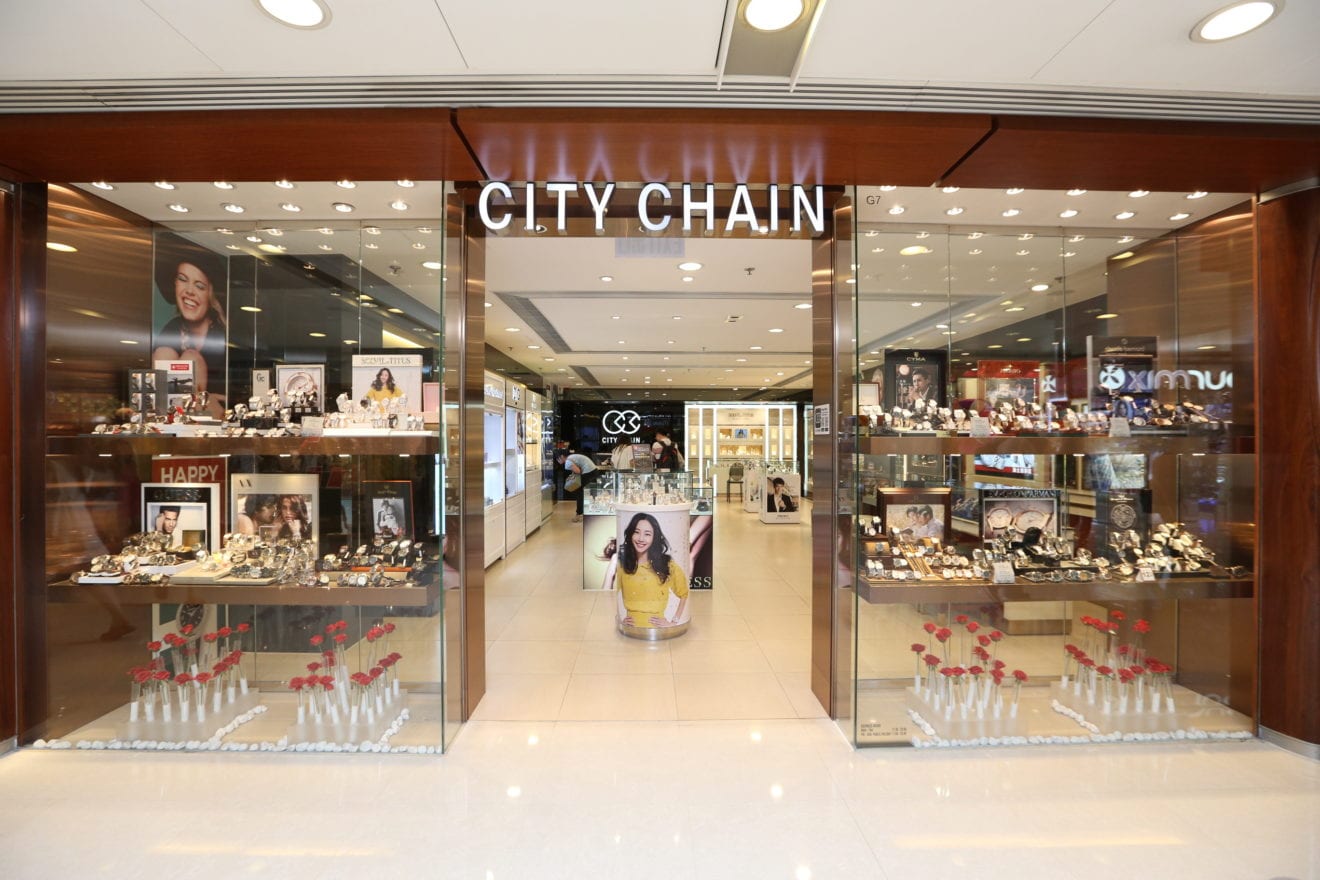
    The main contributor of the decline would appear to be the City Chain jewellery and watch operation which has been hit by changing tourist spending patterns in Hong Kong and weak consumer sentiment in Malaysia, Singapore and Thailand. Stelux did not release figures for that subsidiary.

    The unaudited consolidated turnover of the Group for the nine months to December 31 was HK$2.637 billion, a decrease of 11.4 per cent, or 8 per cent on a foreign exchange neutral basis.

    “The group maintains stable liquidity with reduction of inventory by around 7 per cent and 15 per cent against that as at the end of September 2015 and March 2015 respectively,” the statement concluded.

  • Top art dealer David Zwirner looking to open gallery in Hong Kong

    Top art dealer David Zwirner looking to open gallery in Hong Kong

    David Zwirner, one of the most powerful art dealers in the world, is looking for a place in Hong Kong to open his first Asia gallery.

    “A couple of years ago, we thought we would just come to the art fair. Now, I’m convinced we need a gallery here,” said the founder of the eponymous New York and London gallery during a whirlwind visit to meet local clients.

    Christopher D’Amelio, senior partner in the gallery, said it wanted to have a permanent presence in Hong Kong “as soon as possible” after witnessing a steady growth in its Asian business.

    To cultivate awareness of the 51 artists it represents, and demand for their works, the David Zwirner Galllery wants to be able to put on exhibitions in Hong Kong and engage in dialogue with Asian clients outside of the art fairs.

    The arrival of Zwirner, named the third most influential person in the contemporary art world by ArtReview magazine, would be a big vote of confidence in the long-term prospects of the Hong Kong art market amid economic uncertainty and growing competition from other cities in the region. Among the artists he represents are Jeff Koons, Yayoi Kusama and Richard Serra.

    The years 2011 and 2012 saw a flurry of major international galleries, such as Gagosian Gallery and White Cube, open in Hong Kong after auction sales in the city doubled from 2009 to 2010. But there have been few additions since Pace Gallery opened in 2014.

    One reason is the dearth of good gallery space, especially compared with what Zwirner is used to. In New York, for example, he had a new, five-storey building with 30,000 square feet of floor space put up in 20th Street three years ago so that he could put on museum-quality shows.

    “We are spoilt. We have large galleries that in some instances we’ve built from the ground up. What I’d like to have is a space that inspires artists. But that is difficult in Hong Kong, so we might start with something modest,” Zwirner said.

    He said he had yet to find a suitable space and was prepared to wait for Hong Kong’s retail rents to fall further.

    It is only because Hong Kong is by far the easiest place to trade that he would put up with the high cost of opening a gallery in the city and the space restrictions. The gallery believes it can find much better properties in Beijing and Shanghai, with the latter becoming more attractive in recent years because of the proliferation of private museums and the establishment in 2013 of a tax-free zone. But opening a branch in China is less urgent than setting up shop in Hong Kong.

    “For now, both us and our clients find it much easier to transact in Hong Kong than in mainland China. But for us, I know we’d like the sort of space that we can find in the mainland,” said Zwirner.

    Singapore, another Asian city where there’s been a proliferation of art market activities, is not yet on Zwirner’s radar. “It’s a perfectly interesting market but to us, it’s a secondary market,” he said.

    The art market veteran predicts 2016 will be “complicated”.

    “America has an election – that’s not good, there’s instability there. The auction houses are very weak right now. Chinese economy is decelerating. All kinds of external pointers suggest we will have a rougher year,” he said.

    This was a good time for the art market to focus on quality again, he said. “One problem in the art market is too much art that maybe is not of the greatest quality, but fetches too high a price,” Zwirner said.

    Artists who had relied on the support of auction results alone would see their works become less popular compared with those who had “real careers”, he said. “If you get a show at the Museum of Modern Art in New York or the Tate Gallery in London, and they acquire your work, then one can assume that your career is real. That’s an objective criteria,” he said.

    As an example, he cited Ai Weiwei as an artist who has a “real” career. “He really hit international fame as a dissident. When he was put into prison he became a worldwide celebrity and then people discovered his art. Be that as it may. He is widely collected by major museums and he just had a major show at the Royal Academy. I think it’s a healthy career,” he said.

    Zwirner will bring a wide selection of works by their artists to this year’s Art Basel Hong Kong. The gallery is presenting a group of artworks by Isa Genzken, a major name in Germany, in the “Encounters” section of the art fair. The works are free-standing sculptures she made in 2015 for her Schauspieler (Actors) series.

    The gallery’s booth will feature, among others, new works by Belgian artist Michaël Borremans, who will also visit Hong Kong during the fair.

  • Lane Crawford Fetes Lunar New Year With Visual Art Installations

    Lane Crawford Fetes Lunar New Year With Visual Art Installations

    Lane Crawford has big plans to celebrate the upcoming Lunar New Year — also called the Chinese New Year — which kicks off in early February.

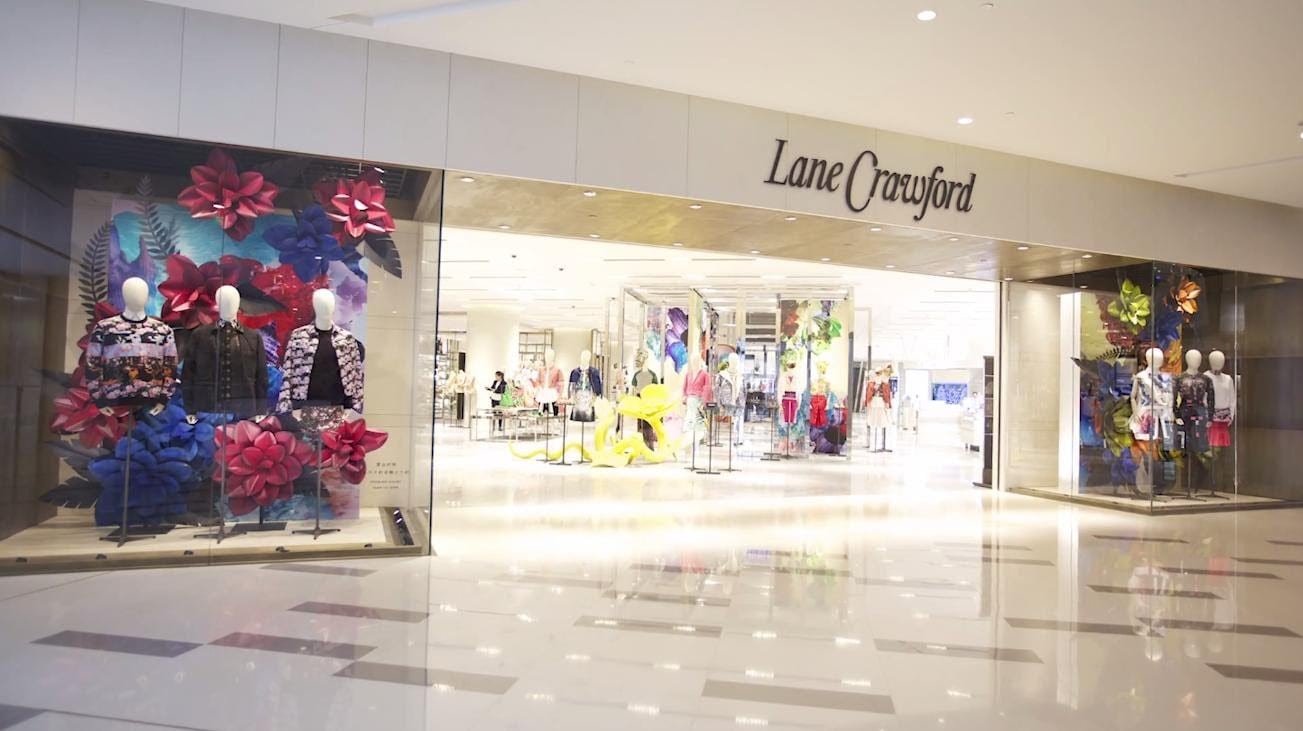
    According to the Chinese zodiac tradition, this will be the year of the monkey. Lane Crawford has tapped nine artists to create a series of visual installations for the luxury retail company’s stores in Hong Kong and China. 

    Participating artists include Andrea Minini, Angel Chen, Desmond Leung, Hui Hoi Kiu, Huijun Guan, Mosaic Art Projects (which is led by visual artists Karen Pow and Chao Harn Kae), Jan Zhou and Yeli Gu — WWD reported. 

    Pow and Kae created a massive, papier-mâché sculpture of a monkey, which references the traditional Chinese art of paper-cutting. 

    In related news, British luxury brand Burberry is also celebrating the Lunar New Year in February.

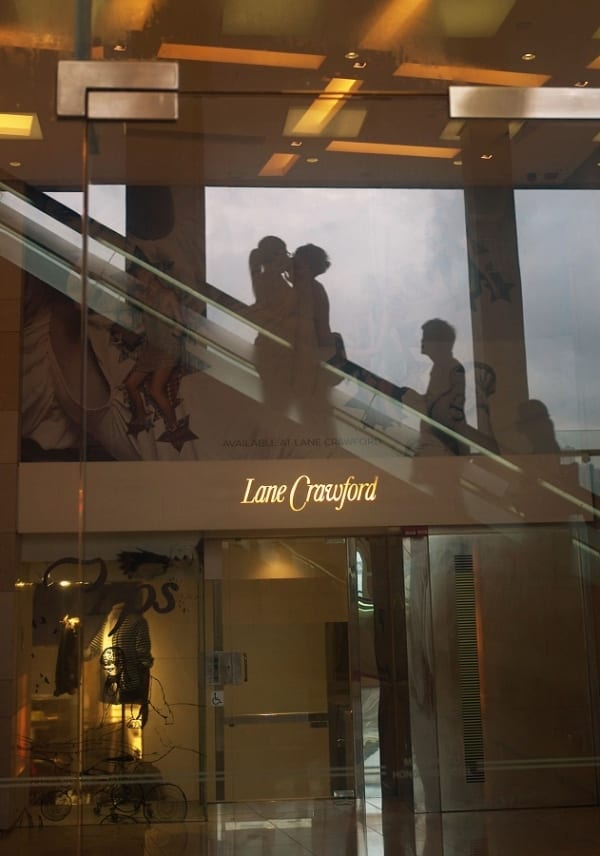
    Shoppers viewed through a window of the Lane Crawford store in Hong Kong

    Beginning at the start of the Chinese New Year, Burberry fans will be able to use WeChat, a popular Chinese social messaging platform, to reveal gifts from the label and send personalized celebratory envelopes to family and friends.

    Additionally, users in China will have the opportunity to win limited edition physical Burberry Lunar New Year envelopes.


  • Hong Kong airport launches Chinese New Year promotions

    Hong Kong airport launches Chinese New Year promotions

    Hong Kong International airport (HKIA) is to offer various promotions including cash redemptions of up to HK$5,000 ($640)  in celebration of the upcoming Chinese New Year.

    From February 4 to February 15, travellers spending over HK$2,000, HK$5,000, HK$10,000 and HK$50,000 by electronic payment can redeem HKIA cash-coupons of HK$100, HK$300, HK$700 and HK$5,000 respectively. During the campaign period, designated retailers at HKIA will also offer free red packet redemption on a first-come-first-served basis.

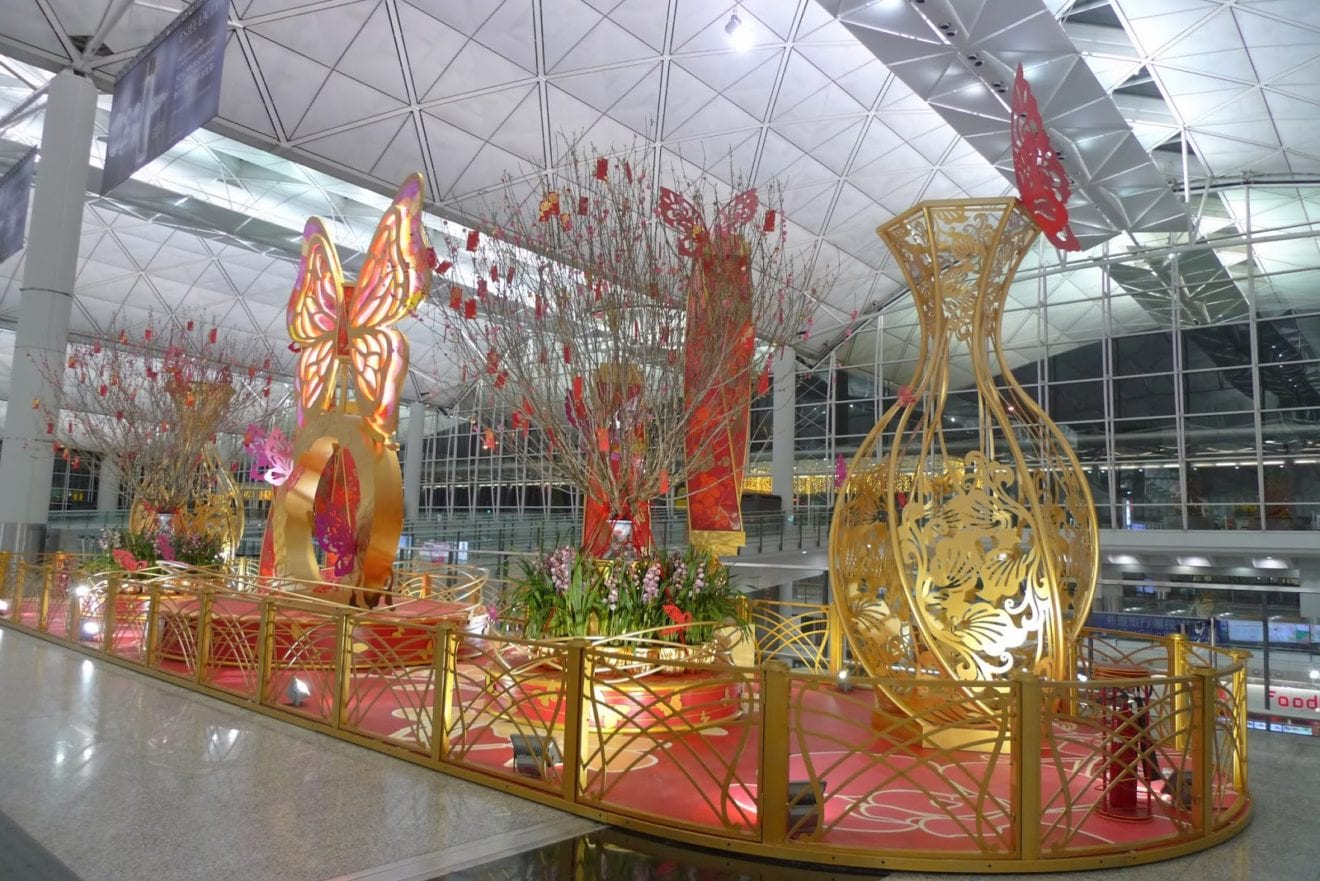
    HKIA’s mascot will dress in the Year of the Monkey costume at T1 and distribute specially designed Fai Chuns for free.

    In departures east hall level six, travellers will find a grand display box with a selection of Chinese New Year products and an interactive-game booth. Passengers with boarding passes and any purchase receipt from HKIA can participate in the game. Among the 12,000 prizes are suitcases, massagers and necklaces, along with HKIA cash-coupons and HKIA red packets.

    Travellers spending over HK$1,000 in a single transaction at HKIA can enjoy free local delivery service. Free delivery service to Mainland China, Macao and Taiwan is also offered to travellers spending over HK$2,500 on clothing bags and accessories in a single transaction.

    Those interested in Chinese New Year traditions will also be treated to various music performances during the festive period including the lion dance.

  • Should We Worry About The Hong Kong Dollar?

    Should We Worry About The Hong Kong Dollar?

    Winter is coming to Hong Kong. The Hong Kong dollar breached its 2007 low today, down to as low as 7.8226, just haircuts away from the 7.85 level that would prompt the Hong Kong Monetary Authority to intervene.
    After China decoupled its loosely pegged yuan from the dollar last August, we Hong Kong residents are understandably worried Hong Kong may de-peg its currency as well.

    But really, rather than the Hong Kong dollar, we should worry about the Hong Kong economy instead.

    First of all, it is highly unlikely Hong Kong would want to rock the boat even though Hong Kong’s economy is more closely tied to China (and so should its monetary policy be). After all, this is the government that lets its citizens kidnapped across the border without consequences.

    Second, HKMA has enough gun power to defend its currency when it comes to it. Hong Kong’s foreign reserve is currently at $359 billion, which covers 1.75 times its monetary base. See my last week’s blog for Credit Suisse‘s commentary on the possibility of Hong Kong de-pegging.

    But what this means is that Hong Kong has to raise its interest rates to compensate for the Hong Kong dollar outflow, estimated to be around 300 billion Hong Kong dollars, or $38 billion. This certainly is not good news for the Hong Kong economy, especially when it is already in the downturn. In 2015, Hong Kong retail sales, a growth engine in recent years, is expected to slump over 5%, even worse than the SARs epidemic in 2003.

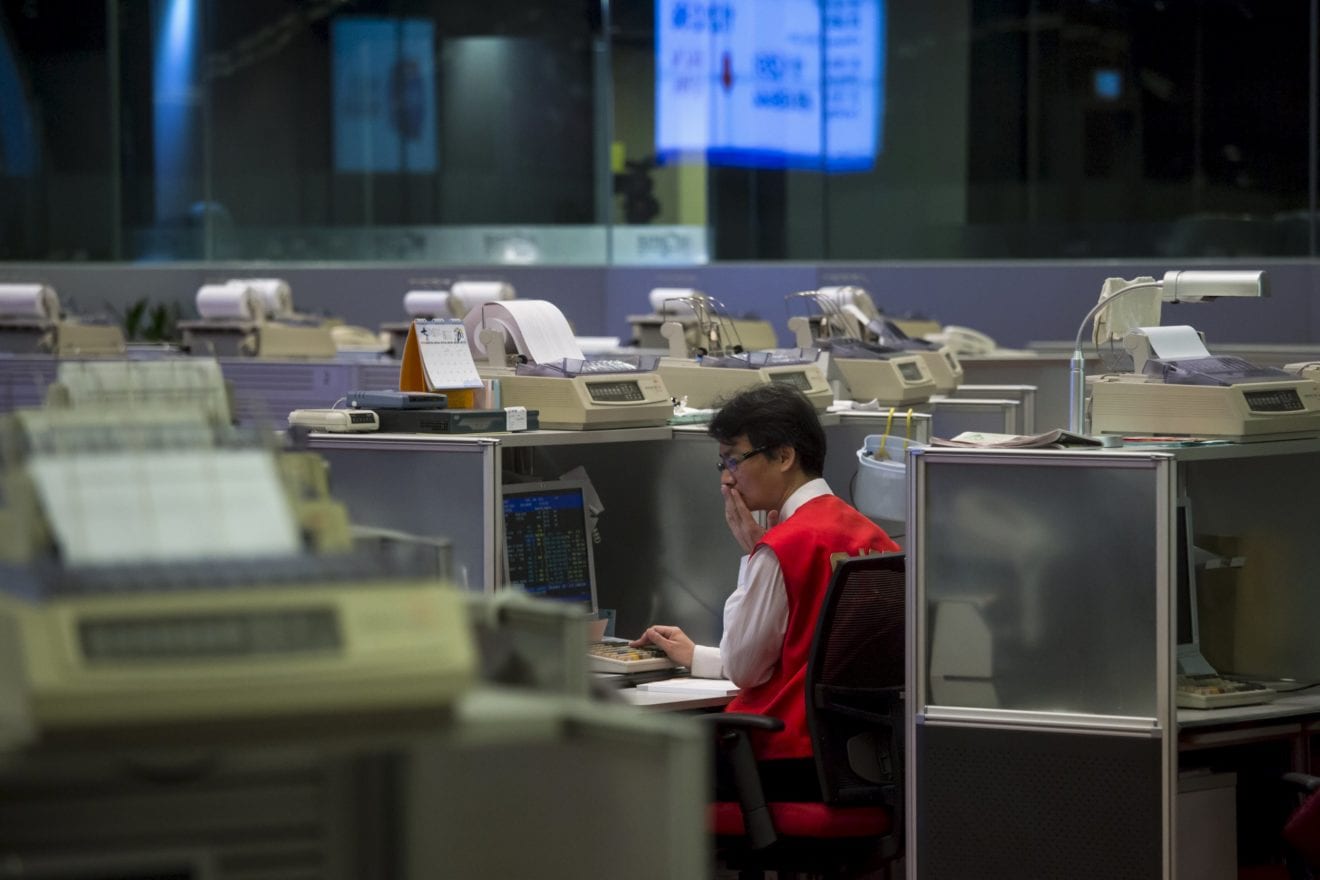
    Hong Kong investors are catching up to reality today, sending the Hang Seng Index down 3.1% a new 40-month low. No surprise, Hong Kong property developers tumbled today. Cheung Kong Property fell 5.6%, Wheelock dropped 4.8%, Wharf Holding was down 3.7%.

    Year-to-date, the iShares China Large-Cap ETF (FXI) fell 13.5%, the iShares MSCI China ETF (MCHI) fell 13.4%, the iShares MSCI Hong Kong ETF (EWH) was down 10%.

  • Is It expensive to enjoy Rambler Channel?

    Is It expensive to enjoy Rambler Channel?

    How much would you be willing to pay for a stay at a Li Ka-shing hotel? Well, how about just a tad over HK$90?

    No, we’re not kidding! This is exactly what some mainland tourists are paying this month for a night at a Tsing Yi hotel owned by the Hong Kong billionaire. 

    According to rates quoted by Qunar, a popular mainland travel portal whose name means “Where to go?”, one can get a double bedroom at the Rambler Garden Hotel for as little as 73 yuan (HK$86.7).

    Adding the tax, you get an all-in price of 76.65 yuan (HK$91.1) for a night’s stay at the Cheung Kong Group property. That was price offered for January 28, a date that falls less than two weeks before the Lunar New Year.

    Who says Hong Kong is an expensive destination? Of course, not everyone can get a room with a splendid view of the Rambler Channel and the nearby container terminal.

    To be eligible for the offer, you have to be a mainlander. So, if you hold a passport of any other country or region — even those of Taiwan or Macau — count yourself out.

    Next, you can only check in after 5pm. Meanwhile, you would also have to put up with another problem: there won’t be in-room wi-fi.

    All these point to a typical mainland group tour package as Hong Kong’s hospitality and retail sectors grapple with a decline in visitor numbers from across the border.

    Tourism workers, meanwhile, are also faced with tougher rules as the Travel Industry Council has unveiled measures such as refund protection scheme for visitors and curbs on “forced shopping”.

    As new regulations have basically killed “zero fee” tours, travel operators and related firms have been forced to readjust their marketing strategies.

    It is possible that mainland operators are securing extra-low rates from hotels by offering firm commitments on the occupancy volume.

    As for the hotels, guaranteed bookings for a portion of their inventory, even it means selling the rooms at cost, will help them remain on the radar of cross-border tourists.

    A sub-HK$100 rate per room puts the clock back to the 70s when a breakfast at Cafe de Coral used to cost less than HK$10 and the Hang Seng Index was around 1,000.

    This makes it a screaming bargain for visitors, helping them forget the outdated TV sets in the rooms and the absence of modern communication facilities.

    Well, we should also bear in mind that January is a non-peak travel season this year given the gap between Christmas and the Lunar New Year.

    Seizing the low-season fares and hotel room rates, many people have booked trips to Hong Kong this month.

    A friend who came to Hong Kong this week for medical check-up paid merely HK$500 per night in a four-star Causeway Bay business hotel.

    He kept saying it was a bargain – although the yuan devaluation made him pay slightly more than what he used to earlier – because he remembered the same hotel was charging over HK$3,000 yuan per night during a Lunar New Year season previously.

    Mainland visitor arrivals were down 1.7 percent to 42.1 million in the first eleven months of 2015, according to Hong Kong Tourism Board data.

    Things could get more challenging this year as the weaker exchange rate will make mainlanders think twice before making their usual trips across the border.

    But if more Hong Kong hotels step up discounts and offer rooms at bargain-basement prices, the story could well turn out different.


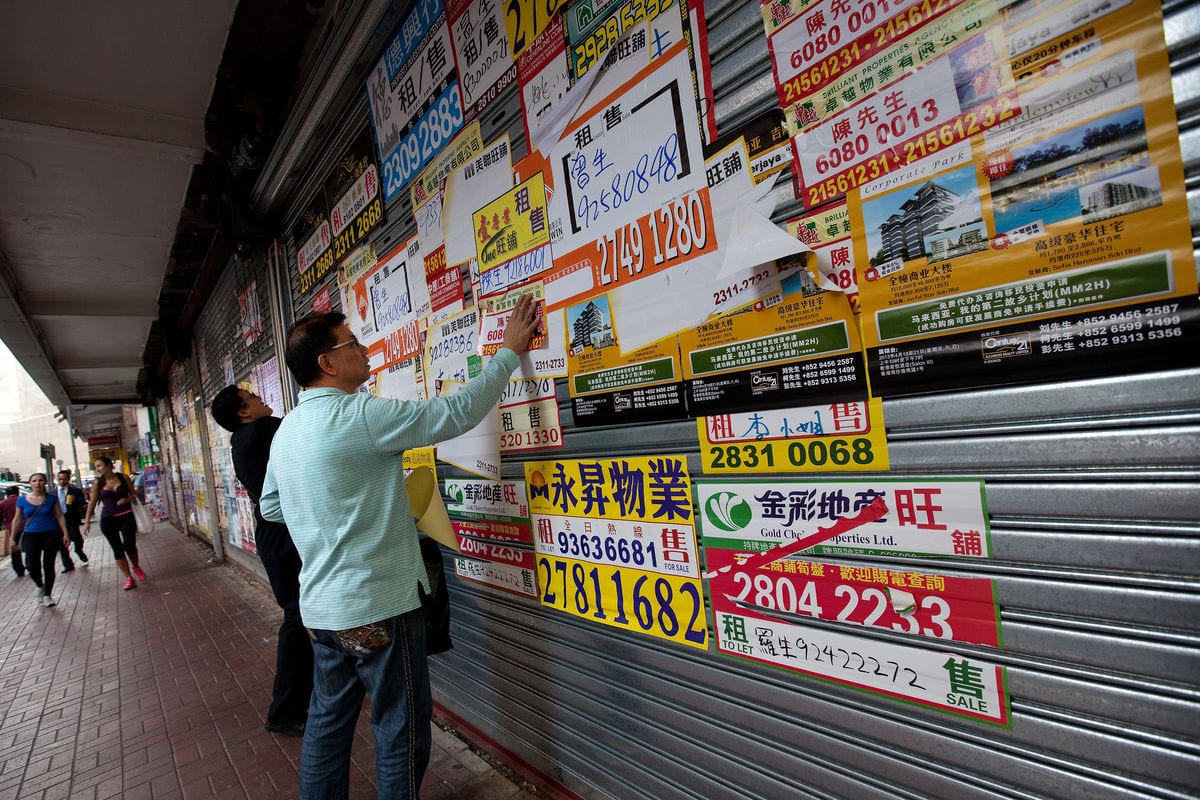
  • Hong Kong bets on Chinese demand to drive property market

    Hong Kong bets on Chinese demand to drive property market

    Mainland China’s influence continues to grow across the four core sectors of the Hong Kong property market, according to the latest research from JLL.

    Demand for office space is increasingly being underpinned by mainland corporates, while a persistent slowdown in inbound tourism from China has put a large dent in retail sales growth of late.

    Cross-border trade remains the lynchpin of the city’s warehouse sector, while mainland participation in the residential market is slowly transitioning from a buyer to that of a developer.

    Office market

    New mainland policy initiatives, including the development of the offshore renminbi market, the expansion of CEPA and the roll-out of the Stock-Connect Pilot Programme, have played a leading role in driving demand for Hong Kong office space.

    In 2015, mainland Chinese firms were among the most active in the market, accounting for about 36 per cent of all new leasing transactions in Central. Their share of new lettings in the Grade A office market has doubled over the past five years and today accounts for about 21 per cent of all floor space leased in Central.

    Denis Ma, Head of Research at JLL, said, “With China’s economy starting to slow and its financial markets showing increased volatility, there is growing concern whether demand from the mainland will be sustained. But looking ahead we remain confident that mainland companies will continue to play a pivotal role in the short- and long-term growth of the city’s office market.

    “Government policies will play a large part in growth and help to attract more foreign companies to establish or grow operations in Hong Kong. We estimate that up to 28 per cent or 7 million sq ft of the tenant base in the Central Grade A office market will be mainland corporates by 2021.”

    Retail market

    Hong Kong’s retail sector flourished at the same time mainland tourist arrivals increased three-fold between 2006 and 2015, accounting for more than three quarters of all tourist arrivals last year.

    Latest figures show mainland tourists spent an estimated HKD 178 billion on shopping in Hong Kong last year, accounting for about a third of all retail sales and spending an average of HKD 3,900 per visit. Despite the growth of mainland arrivals slowing since their peak in 2014, some of the causes that have led to a retail sales slump of late can be reversed through policy changes.

    “If the restrictions placed on multi-entry visas were eased and the Individual Visit Scheme (IVS) programme was expanded as proposed in 2012, up to HKD 21 billion in sales could be added to Hong Kong’s retail market. But the type of tourists would likely be more focused on mass market goods rather than luxury items,” said Mr Ma.

    Industrial market

    Since China’s economy has slowed, Hong Kong’s logistics market has shown signs of vulnerability. In 2015, trade with China retreated for the first time since the Global Financial Crisis, dropping 1 per cent y-o-y through the first 11 months. With external trade accounting for about 70 per cent of all warehousing demand in the city, the slowdown has led to an easing of new warehousing demand.

    But as Pearl River Delta (PRD) industries move up the value chain, they have increasingly turned to Hong Kong’s logistics market to move their goods, taking advantage of the higher quality provisions and security offered by warehouse in the city.

    Other positives for the sector include the completion of new infrastructure that will bring the Western PRD within a 3-hour commute of Hong Kong and permit cargo flowing from the Western PRD to be moved through export facilities at Hong Kong International Airport (HKIA) and the Kwai Chung Container Port.

    Mr Ma said, “According to HKIA Master Plan 2030, cargo handled by HKIA will increase at an average of 4.2 per cent per year, with the bulk of growth being driven by the movement of goods in and out of mainland China.

    “Based on our estimates, the increase in cargo volumes at HKIA translates to about 300,000 sq ft of additional warehousing demand per year. Hong Kong’s status as a key logistics and trading hub will further be cemented by the ‘One Belt, One Road’ policy initiative, while the demand for warehouse will increase.”

    Residential market

    Mainland homebuyers had accounted for as much as 40 per cent of all sales in individual projects in the primary market before retreating to 10 per cent in 2015, largely as a result of the government’s stiff Buyer’s Stamp Duty introduced in 2012.

    Today, attention has shifted to the growing participation of mainland developers. Mainland developers have bid on over half of all residential land sales tendered by the government in 2015, winning about a quarter of awarded tenders and elbowing aside local developers that had long enjoyed an entrenched position.

    They are also setting new benchmarks for the market. The bid prices of mainland developers exceeded market expectations in 73 out of 100 instances between 2013 and 2015, compared with 59 out of 100 for local developers.

    Mr Ma said, “We expect mainland developers will continue to expand in the city. Hong Kong’s traditional developers are still expected to dominate the market but will face increasing competition in acquiring residential plots from a larger pool of bidders.

    “Based on JLL’s supply forecasts, residential units built by mainland developers will account for up to 8 per cent of the overall private housing supply between 2016 and 2019, with the majority delivered in the New Territories (56 per cent) and Kowloon (35 per cent).

    “With around 119,000 new households expected to be formed between 2016 and 2019, about one in ten new families opting for primary homes in the private market could end up living in properties developed by mainland developers.

    “Whether mainland developers are able to grow their business in the city to a point where they can influence market direction remains to be seen and will be dependent on the response to the first wave of their units that come to the market.”

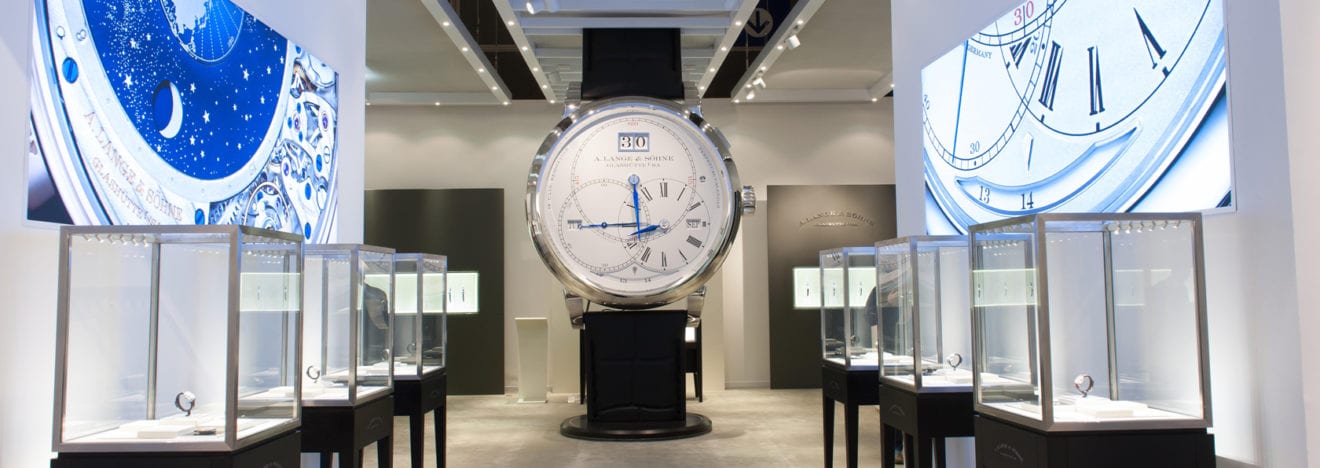
  • Tight market hits Watches & Wonders

    Tight market hits Watches & Wonders

    With sales slipping in the industry’s largest market, the annual Watches & Wonders exhibition in Hong Kong may be cut back to every two years.

    High-end watchmakers are looking at a shift in strategy in Hong Kong in the face of the most severe downturn the industry has faced since the 2008-09 financial crisis, reports Reuters.

    Branching out from the two biggest trade shows in Switzerland, the Salon International de la Haute Horlogerie (SIHH) in Geneva and Baselworld, Watches & Wonders was launched in 2013 by theFondation de la Haute Horlogerie, which is now talking with exhibitors about the show’s future format, according to Richard Mille, CEO of independent watchmaker Richard Mille.

    Watches & Wonders mainly showcases Richemont-owned brands like Cartier, Montblanc and Vacheron Constantin, as well as some independents, reports Bloomberg.

    “Some brands have been fighting to get out, completely out, to stop Watches & Wonders,” Mille said at this week’s SIHH in Geneva, the industry’s first event of the year.

    “Some of the brands want to do it every two years, some say every year. It’s a negotiation.”

    A decision will be made after this week’s show, according to foundation chairwoman Fabienne Lupo.

    The event also competes with the annual Hong Kong Watch & Clock Fair, which had nearly 800 exhibitors last year.

    China’s crackdown on extravagant spending plus currency fluctuations have hit the demand for expensive timepieces in Hong Kong, with Swiss watch exports to the island city plunging 23 per cent in the first 11 months of 2015, and facing the first annual decline since 2009. TAG Heuer closed one of its Hong Kong stores in August.

    Mille, whose watches sell from about 70,000 Swiss francs ($70,000) upward, says the objective of exhibiting in Watches & Wonders is to make contact with clients who are unable to attend the boutique shows. “It’s not cheap, but it’s worthwhile.”

    Meanwhile, high-end watchmakers are considering expanding their range of more affordable products. Executives at the Geneva event say the industry is having to adapt to a market with fewer Chinese, Middle Eastern and Russian buyers than a year ago, an outcome of record low oil prices and signs of economic weakness in China.

    Cartier, Richemont’s leading brand and main source of profit, is presenting more models than ever at more accessible prices at this week’s SIHH. Among them is Cartier’s new Drive model, a steel-cased men’s watch priced at a little more than 5000 euros ($5430). Previously, Cartier would offer only new models in gold and leather, with prices starting at more than 10,000 euros.

    Sister brand Piaget, generally starting no lower than 10,000 euros, has re-launched a women’s line starting at about 7000 euros, while Richemont stablemate Montblanc has introduced a wide range of lower-priced models.

    Montblanc CEO Jerome Lambert says that whatever happens, his company will stay active in Hong Kong with major exhibitions.

    “There is a different price awareness among customers now… and less price elasticity,” Piaget chief executive Philippe Leopold-Metzger told Reuters at the fair. “Times are difficult.”

    Several watchmakers have cut staff numbers in recent months, including Kering‘s newly acquired Ulysse Nardin and privately owned Parimigiani and Christophe Claret. Piaget closed a boutique in Shanghai last month, and Parmigiani plants to cut back its global outlets to about 250 from around 300 by the end of the year.

    Van Cleef & Arpels, one of the fastest-growing brands within the Richemont group, has also seen a slowdown in Hong Kong, Macao and the US. It is looking at new growth opportunities in such markets as Australia, Canada and Thailand, where it has just opened a store.

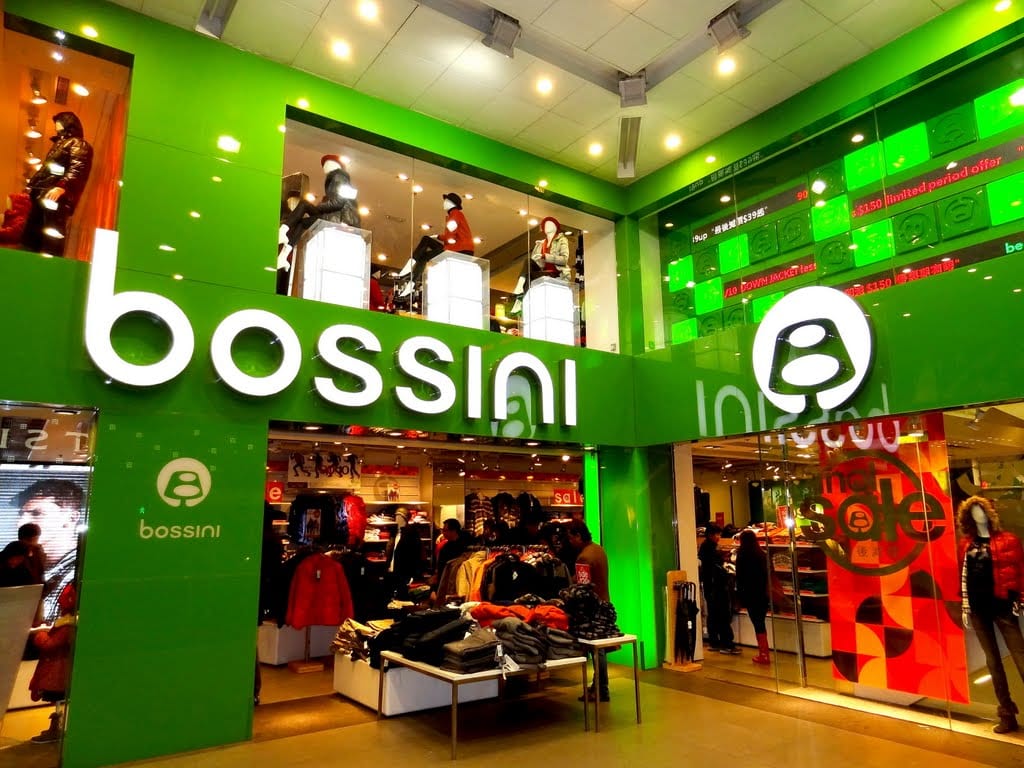
  • Bossini profit decimated

    Bossini profit decimated

    Fast fashion retailer Bossini has warned shareholders its profit for the six months to December 31 will be down by between 80 and 90 per cent.

    Based on the comparable trading period to December 31, 2014, when Bossini reported a profit  of HK$665 million, that suggests a profit in the range of $66.5 million to $133 million.

    In a profit warning issued to the Hong Kong stock exchange, the company says the profit plunge “was mainly caused by the significant decrease in revenue and gross profit attributable to (i) less visitors and strong Hong Kong dollar which led to less consumption from them in Hong Kong and Macau, and (ii) weak local consumer sentiment, unseasonal warm winter weather and intensified competition in several core markets where the group operates”.

    “As the company is still in the course of preparing and finalising its interim results for the six months… the information… is only based on a preliminary assessment on the information currently available.”

    The full financial details, including the final Bossini profit, will be revealed in late February.

    While Bossini is not the first Hong Kong based retailer to warn of or report profit declines, most of the others are operating in the luxury end of the market, where sales of watches, jewellery and luxury fashion goods and apparel are down by up to 20 per cent year on year.

    But Bossini has no exposure to that market – its business is based on selling t-shirts and casual clothing at low price points.

    Data from GfK shows the number of Mainland Chinese visitors to Hong Kong in 2015 – up until November, at least – rose by 37 per cent. As previosuly reported by Inside Retail Asia, the issue for Hong Kong retailers is not that there are fewer tourists visiting the city – but there are fewer wealthy tourists visiting the city. So Bossini, and other retailers targeting the lower end of the market, are not managing to capture the imagination of the more profilgate shoppers now coming to the territory.

    Even more puzzling is that Bossini has been one of the few retail brands to stand out over the last 12 to 18 months as bucking the broader retail trend.

    In September, the company revealed its results for the year to June 30, reporting a mere one per cent decline in sales to HK$2.523 billion, and a three per cent decline in gross profit to HK$1.264 billion with gross margin down one per cent to 50 per cent. Profit attributable to shareholders fell nine per cent.

    “During the fiscal year 2014/15, despite facing challenging retail conditions in Hong Kong and Macau, its segmental business, which includes the export franchising operations, registered record-high sales with flat same-store sales growth for the directly managed stores,” the company said at the time.

    “The operations in mainland China, Taiwan and Singapore all experienced improvements in segment results, resulting from the continuously improving shop productivity and stringent cost control measures. Mainland China segment achieved six per cent same-store sales growth and also recorded nine consecutive quarters of positive same-store gross profit growth. Taiwan segment saw a same-store sales growth of seven per cent, representing seven consecutive quarters of positive same-store sales growth.”

    In the half year to December 31, 2014, Bossini reported a revenue increase of four per cent year-on-year to HK$1,319 million (then US$170,056,190) and gross profit for the period under review was HK$665 million (then US$85,737,200).

  • H&M Hong Kong plans new flagship

    H&M Hong Kong plans new flagship

    A newly built full-concept flagship store for H&M (Hennes & Mauritz) will officially open in Mongkok on January 29.

    The new H&M Hong Kong store spans three floors at Gala Place, a shopping destination known for young and trendy fashion. It will be the largest H&M store in Kowloon, offering a wide range of items for women, men, teenagers and children, as well as a home collection featuring Scandinavian designed bed linen, tableware, cushions and decorations.

    It is the second H&M home store for Hong Kong, and its LED facade will echo the neon lights of Mongkok.

    On its grand opening day, the first 100 customers in line will be rewarded with $100 gift cards and a limited-edition giveaway. Shopping hours will be extended until midnight, with normal hours (11am to 11pm) resuming from February 1.