Tag: Hong Kong

  • Hong Kong McDonald’s Next delivers world first

    Hong Kong McDonald’s Next delivers world first

    Forty years after the franchise entered Hong Kong, a taste of the future is offered by the new McDonald’s Next concept store – a world first.

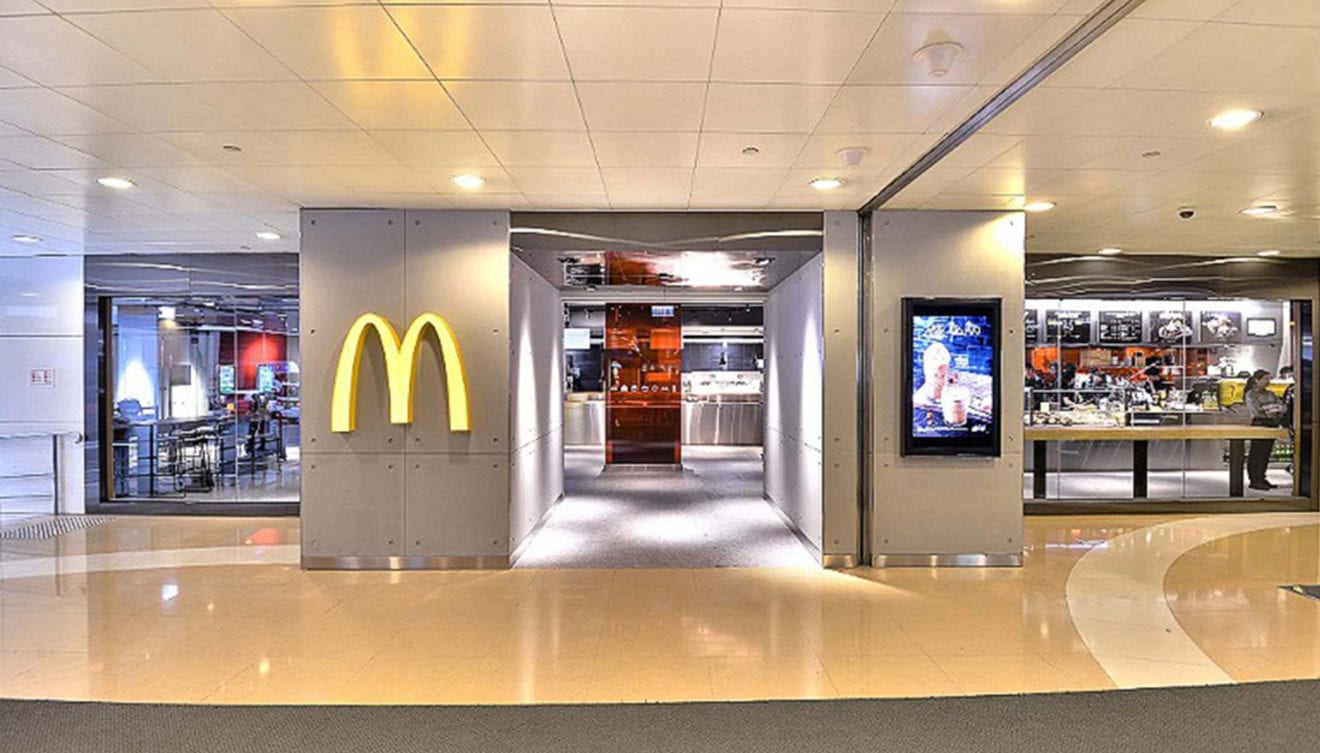
    In Admiralty Centre, the store has replaced the red-and-yellow colour palette with a black-and-white logo, ambient lighting, and glass and metallic interiors. There is not a clown to be seen – and the biggest surprise is a salad bar with 19 ingredient options including two choices of base greens, two types of cheese and three sauces.

    Also new for McDonald’s is table service after 6pm and premium coffee blends. Customers can also charge their mobile devices, use free Wi-Fi and can use self-ordering kiosks. For diehards, the regular menu is still available, plus there is the brand’s new Create Your Taste (CYT) concept, allowing touch-screen customisation of burgers. Launched last year, CYT has been rolled out in locations in Australia, China, Hong Kong (nine outlets), the UAE and the US.

    McDonald's Next Hong Kong salad

    McDonald’s Next combines the restaurant, CYT and McCafe all in one, offering a variety of exclusive products, says the company in a press release.

    Since CYT was introduced in Hong Kong in July, it was noticed that customers increasingly opted for healthy options, which led the brand to extend the concept to salads. Salads can also be matched with grilled chicken, chopped eggs, crayfish and cous cous or quinoa. The burgers are served on wooden boards.

    Also in response to local tastes, both coffee and desserts have been upgraded. Its new McCafe Premium House Blend single-origin beans are being packaged for customers to take home, and the restaurant serves traditional Belgian berry waffles.

    McDonald's Next Hong Kong burger on board

    A new “theatre kitchen” features bright lights and glass counters displaying ingredients. Customers may also watch the food preparation process. The restaurant decor includes a large screen displaying continually changing “interesting food patterns”, while there is “carefully selected” background music and adjustable LED lights to create atmosphere.

    McDonalds Next Hong Kong people eating

    As well as having new uniforms, the staff have had 720 hours’ of training for table service, offered from 6pm until the restaurant closes at 1am.

    “It’s friendlier, and feels more like a cafe than a McDonald’s,” French businessman Nicolas Cottard has told CNN. “I think it’s increased the value of the brand.”

    McDonald's next Hong Kong counter

    The introduction of the new concept follows McDonald’s announcing a major turnaround plan in May after both revenues and customer numbers tumbled internationally. CFO Kevin Ozan said the restaurant’s performance reflected the ongoing pressures of the business – not only competition in the fast-food market, but also the growing awareness of health issues around the world. Half of the global respondents to a Nielsen Global Health & Wellness survey last year said they were trying to lose weight, while 75 cent of them said they were changing their diets to focus on more natural, fresh foods.

    The McDonald’s Next restaurant was designed by Australian company Landini Associates, which told Dezeen magazine the grey-walled restaurant is “an experiment in non-design”.

    McDonald's Next Hong Kong interior

    “The colourful graphic environments that became the signature for McDonald’s internationally are replaced with a more simple, quieter and more classic approach,” said the Sydney-based architectural practice.

    “The intention is to hero the food, the service and the people who come to enjoy it, and to create a ‘recognisable neutrality’ that allows this to happen.”

    Landini Associates is now working on similar stores in Australia, China and Singapore.

    McDonald's Next Hong Kong bagged coffee

  • Chengdu IFS challenge to Hong Kong

    Chengdu IFS challenge to Hong Kong

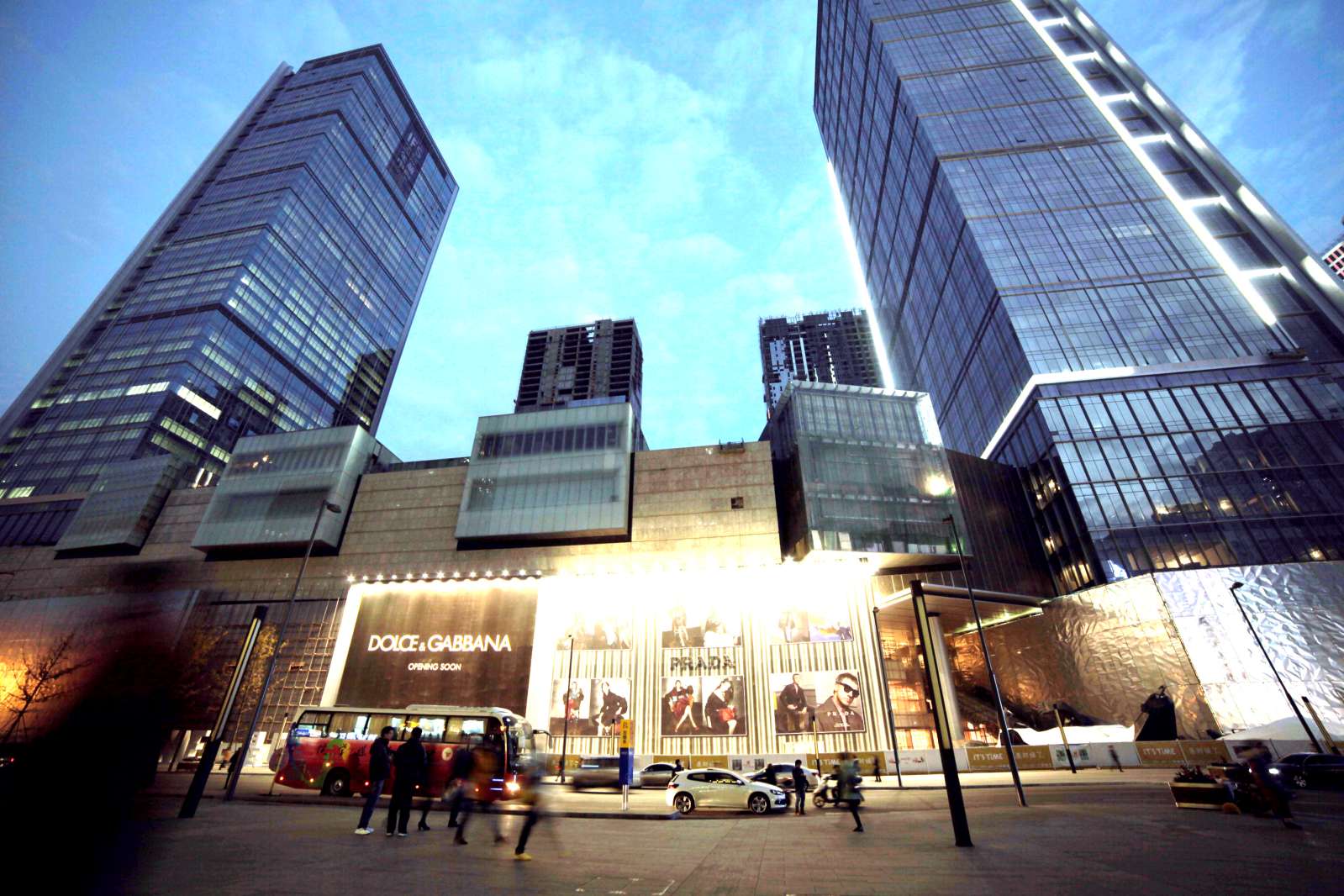
    To mark its second anniversary, Chengdu IFS has launched the “All In Here – World Fashion Tour” to introduce the south-west China city’s latest initiative to be part of the global fashion scene – and a direct challenge to Hong Kong’s Harbour City on Canton Rd.

    A key event of the Jinjiang Shopping Festival, the tour was organised by the Chengdu municipal government and Jinjiang district government in a move toward transforming the city into an international travel and shopping destination. It has been supported by trade representatives from France, Italy and Switzerland as well as Elle magazine.

    Chengdu IFS opened in 2014, and with its architecture, brand collections and international-standard management has become a landmark in the city. As the first major world-class, high-end mixed development in urban Chengdu, it brings together about 300 top brands, 90 of which are new to the region. Multi-level flagship stores featuring international brands line Hongxing Road as part of the 530 metre. ‘International Fashion Walk’”.

    Chengdu’s city fathers announced an action plan in July to build Chengdu into an international shoppers’ paradise as a key element of its development as a new first-tier city. Officiating at the launch ceremony of the “All In Here – World Fashion Tour” were Chengu Business Committee deputy-director Wen Feng, Jinjiang district deputy-head Wu Wenhui, Wharf Holdings vice-chairman Doreen Lee Yuk Fong and Wharf China Estates GM Christina Hau.

    Speakers also included Italy’s consul-general Sergio Maffettone, France’s consul-general Olivier Vaysset, Milan’s general director of creative programs Alessandro Pollio Salimbeni, Swiss Chinese Chamber of Commerce GM Rolf Studer, and Elle China publisher Chris Hu.

    Taking on a carnival atmosphere, the opening brought together art, fashion, tradition and style with performances including a mid-air fashion show, a parade of orchestral musicians and a VIP gala dinner at the Niccolo by Marco Polo. Guests at the dinner were surprised when Hong Kong artiste Carina Lau wore her own Anirac creations to present the brand’s first-ever catwalk show.

    Since its “I Am Here” promotion in 2014, Chengdu IFS has increased its turnover and traffic flow by 50 per cent. The number of VIP members doubles last year, with sales up 50 per cent. As the first of five IFS projects in which Wharf Holdings has invested RMB 46 billion (US$6.9 billion), Chengdu IFS has set a solid foundation for the development of Chongqing IFS, scheduled to open next year as a boutique version of Harbour City, and also Changsha IFS, which will be the largest of the group.

    Featuring panda sculptures as an external feature, Chengdu IFS has become a benchmark for urban fashion as well as a favourite spot for young people to meet.

  • Nakheel to showcase portfolio in Hong Kong

    Nakheel to showcase portfolio in Hong Kong

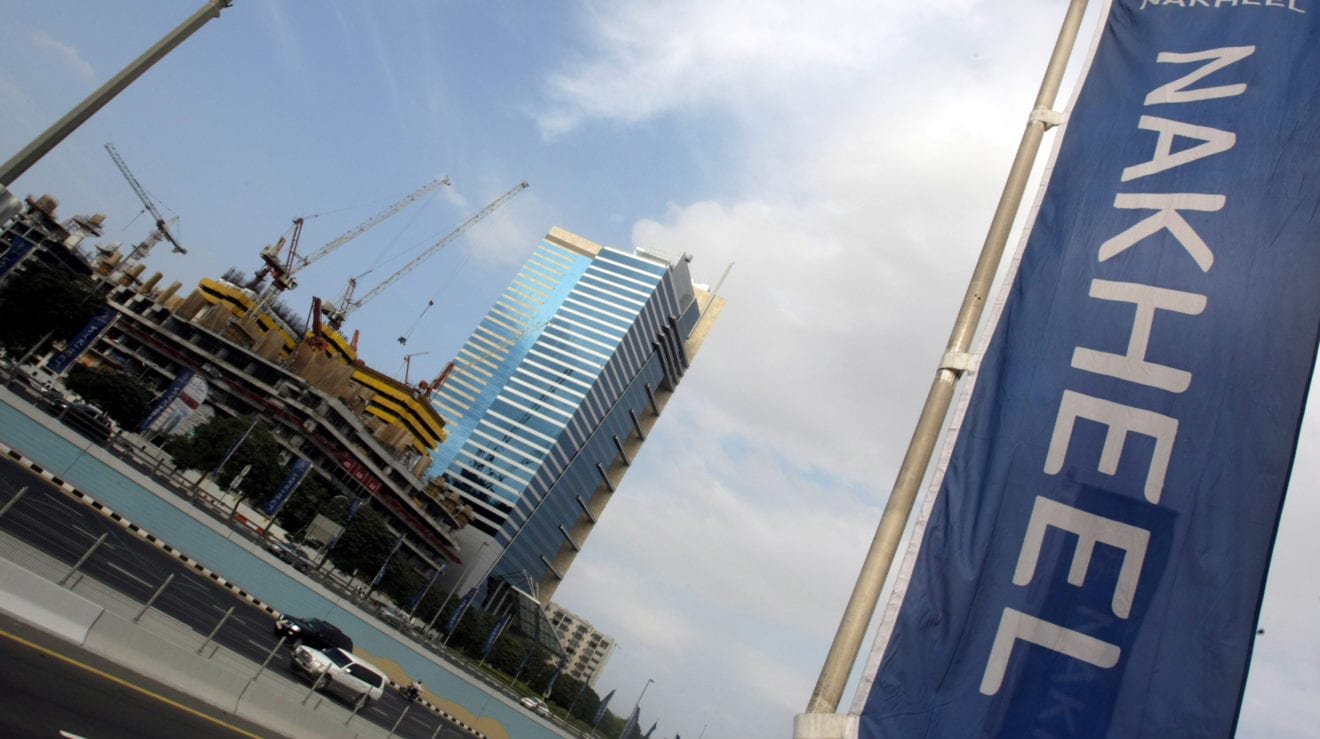
    Nakheel will exhibit a diverse range of new master developments, residential properties and retail and hospitality projects at Dubai Property Show in Hong Kong.

    Dubai-based real estate master developer Nakheel is heading east to showcase new projects with construction values of over $4.6 billion at the Dubai Property Show in Hong Kong this week.

    Nakheel, whose projects already span more than 15,000 hectares and provide homes for over 200,000 people, is the biggest developer at the show, which will highlight Dubai’s unrivalled opportunities for real estate investment.

    Nakheel will exhibit a diverse range of new master developments, residential properties and retail and hospitality projects at the three-day event.

    Investors from Hong Kong and other parts of the Far East and Southeast Asia have already bought around 500 villas, apartments or land plots from Nakheel, spending a combined $245 million in the process.

    Chinese investors account for nearly 80 per cent of these purchases, with 390 properties worth $212 million.

  • 200m Chinese to travel by 2020 as HK/Macau slow

    200m Chinese to travel by 2020 as HK/Macau slow

    Credit Lyonnais Securities Asia (CLSA) is maintaining its long-standing forecast of 200m Chinese overseas trips by 2020. However, it warns that mainland Chinese travel to Hong Kong and Macau is likely to average only 3% growth in future, while Chinese trips to other locations will grow much more strongly by an estimated 16%.

    CLSA’s latest report says Hong Kong simply has too few new attractions, increased competition, capacity constraints, a strengthening HK$, tension against mainlanders and it also faces a reduction in import tariffs in China.

    This unpalatable cocktail resulted in inbound Chinese tourist numbers to Hong Kong declining by -2% between January and November 2015, compared to the much healthier 16% to 26% annual growth rates experienced in better years between 2010-2014.

    Hong Kong airport large

    CLSA’s highly-anticipated report – ‘2016 Chinese Tourists: Expanding Cultural Horizons’– is the independent brokerage and investment group’s third annual appraisal of the key growth drivers to Chinese outbound travel, as well as the destinations, sectors and stocks set to benefit the most.

    As part of its central Chinese tourist theme it remains bullish on its long-standing forecast of 200m Chinese overseas trips by 2020, despite its prediction that Chinese outbound tourist growth will slow to 9% over the next five years from 17% over the past five.

    Of this 9%, the authors say that travel to Hong Kong and Macau will average 3% growth, whereas trips to other locations will grow on average by 16%. Improved affordability, easing travel restrictions and the increasing desire to travel remain the key drivers underpinning Chinese outbound tourism growth, says CLSA.

    Within its proprietary survey of more than 400 outbound Chinese travellers it found that experiencing foreign cultures, enjoying nice environments, relaxing, and broadening horizons are increasingly more important goals for Chinese tourists compared to shopping. This also supports CLSA’s general structural negative on the future for Hong Kong’s tourism and retail sectors.

    001 aa Chinese Tourism Research Australia

    “…IF MONEY WAS NO OBJECT, THE MOST HIGHLY DESIRED DESTINATIONS FOR CHINESE TOURISTS ARE ACTUALLY THE USA, FRANCE, MALDIVES AND AUSTRALIA – IN THAT ORDER.”–CLSA REPORT.

    Chinese travellers looking for ‘unique cultural experiences’ are most likely to head to South Korea, Japan, Thailand, or the USA in the next three years, says CLSA. South Korea is attractive for its relatively cheap luxury goods and cosmetics, whereas Thailand offers beaches and other cultural destinations.

    CLSA also reveals that if money was no object, the most highly desired destinations for Chinese tourists are actually the USA, France, Maldives and Australia – in that order.

    The report adds that ‘the key risks to growth of outbound Chinese travel figures’ are safety, lower income growth and a weaker Yuan. Within its survey, CLSA said that 75% of survey participants confirmed that safety was the clear number one factor influencing their choice of destination in 2015 – up from 63% in 2014 and 41% in 2013.

    By contrast, mainland Chinese respondents said that lower income growth in China this year could also impact upon their travel plans. Some 60% admitted that they would reduce their outbound trips and 68% adding that they will cut back their travel-related shopping if family income drops.

    Chinese shoppers. Source Global Blue

    “…A WEAKER YUAN WILL ALSO AFFECT TRAVEL PLANS, WITH 43% INDICATING THEY MAY REDUCE THE NUMBER OF TRIPS THEY TAKE IF THE YUAN DEPRECIATES BY 10% IN THE NEXT YEAR. MEANWHILE, 35% SAID THEY WOULD CUT SHOPPING SPENDING…” CLSA REPORT.

    The research also confirmed that a weaker Yuan will also affect travel plans, with 43% indicating they may reduce the number of trips they take if the Yuan depreciates by 10% in the next year. While 35% said they would cut shopping spending. Only 14% said there would be no impact to their travel plans.

    More positively, the report adds that China is the number one contributor to global outbound travel with a worldwide share of 10% and CLSA predicts that this share will reach 14% by 2020. In the current report, it also expects this tidal wave of Chinese tourists to drive major structural growth in the airline, gaming, luggage, retail and internet industries over the next few decades.

    Melbourne Chinese NY activation

    THE OUTLOOK FOR TOP FOUR CHINESE/ASIAN DESTINATIONS:

    AUSTRALIA: In Australia, mainland Chinese visitor numbers are soaring, with this nationality of tourists now accounting for the second-largest source of inbound arrivals to Australia. There were more than one million Chinese tourists visiting Australia between Jan-Nov 2015, surpassing the one million mark for the first time – an increase of 21.6% over the same 12-month period in 2014.

    This has been aided by the removal of constraints to airline-seat capacity growth and the easing of visa requirements (‘albeit on a regional basis that they still appear relatively strict’, says CLSA).

    Chinese tourists spent A$7.7bn ($5.4bn) in Australia over the 12 months to September 2015, more than double the A$3.5bn ($2.4bn) level two years ago, according to Tourism Australia’s estimation. China is Australia’s biggest spending inbound nationality, with expenditure more than double that of the UK – the next most important country.

    Interestingly, the CLSA survey found that Australia ranks as a ‘top-four destination’ for Chinese tourists ‘if money was no object’.

    JAPAN: Chinese visitors to Japan doubled in 2015. Inbound arrivals soared from 2.4m in 2014 to 5m and CLSA is predicting this number will more than double again by 2020 to 11.4m Chinese became the biggest contributor of all foreign tourists in Japan last year, aided by the fact that three out of five of the world’s most popular theme parks are located in Japan.

    Average spending per tourist in 2015 was JPY187,165 ($1,583) but Chinese were the biggest spenders, with an average of more than JPY280,000 ($2,368).

    King Power International Group's downtown Bangkok Srivaree Complex ©

    SOUTH KOREA: According to the research, South Korea is still regarded by Chinese as both a shopping and cultural heaven and CLSA now expects Chinese inbound traffic growth to rise by 28% year-on-year in 2016 due to natural organic growth following the eradication of the Mers virus.

    South Korea is one of the top three destinations for Chinese tourists for the next three years according to CLSA since it meets one of Chinese tourists’ major interests – shopping. CLSA also adds that its appeal to Chinese tourists is considerable, since it is safe, with moderate travel costs and rich in culture and sightseeing.

    THAILAND: One in four tourists visiting Thailand is Chinese, as inbound tourist numbers continue to grow, with visitors from China having grown at an annualised rate of 47.7% over the past five years, outpacing the non-Chinese tourist annualised growth of 7.6%.

    Bangkok continues to be the most popular destination, followed by Phuket, Chonburi, Chiang Mai and Krabi. Thailand is also one of the top three destinations for future outbound trips, according to CLSA’s survey.

  • Where Chinese tourists are spending their shopping dollar

    Where Chinese tourists are spending their shopping dollar

    Mainland China has become one of the main global suppliers of tourists, and that has been paying dividends for retailers globally.

    But as the Chinese are roaming further afield, Hong Kong and Macau retails have seen their sales dropping.

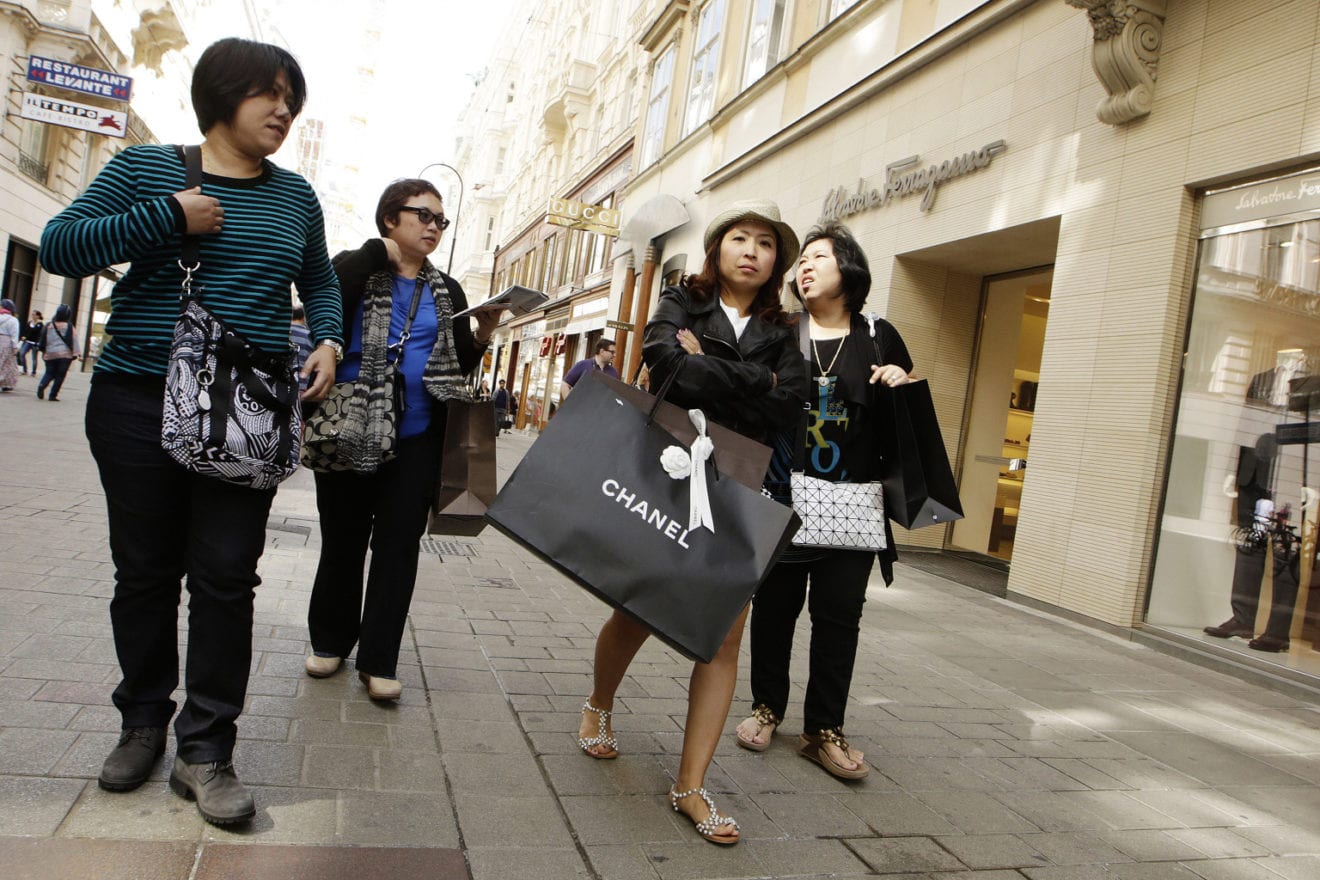
    A fresh analysis from international market research company GFK shows China had 109 million outbound tourists last year… and they spent US$229 billion in retail stores. These statistics consolidate China as one of the main global sources of tourists, both in terms of number of trips and money spent while travelling internationally.

    “At the same time, there have been profound changes in the behaviour of the typical Chinese traveller, with millennials firmly established as the core drivers of spending,” says GFK.

    Because of its cultural similarity, accessibility and lower travel costs, Hong Hong was the preferred destination for Chinese tourists up until 2013. Shopping was a big motivation for visiting. However, since 2014, says the report, more Chinese tourists have been opting for other destinations offering historical and cultural experiences – as well as shopping.

    Air travel and accommodation statistics show that at the start of November, the top five favourite destinations for Chinese travellers were South Korea (visits up 112 per cent since 2011), Thailand (up 263 per cent), Japan (up 157 per cent) and Taiwan (up 54 per cent. Surprisingly, given its loss of retail sales, Hong Kong had 37 per cent more Chinese visitors. This is explained by the new emerging middle class – consumers who do not have enough disposable income to travel further abroad, nor to spend on high-end purchases.

    Europe is the most popular destination outside Asia for Chinese tourists, with 97 per cent more visits in the past four years. This is followed by North America (up 151 per cent) and the Middle East (up 177 per cent).

    “China’s tourists remain strategic to Hong Kong and its businesses, as other destinations are jumping ahead in winning their favour,” says GFK global head of travel and hospitality Laurens van den Oever.

  • Hong Kong foreign trade undergoes structural change

    Hong Kong foreign trade undergoes structural change

    Growth in Hong Kong’s import and export trade exceeded the world average for a long time.

    However, things started to change early last year.

    There is a “new normal” in the city’s foreign trade, which may have a far-reaching impact on its future economic growth.

    Hong Kong’s trade maintained an annual growth rate of 9 percent between 1990 and 2008, compared with an average of 6 percent in world trade.

    The city’s trade managed to grow 3.6 percent even in 2014, versus a 2.8 percent rise around the world.

    However, Hong Kong’s trade volume dropped 3 percent in the first 11 months of last year, and it’s heading for its second annual decline since the financial crisis.

    By contrast, global trade is expected to have grown 2.8 percent last year, World Trade Organization figures show.

    Hong Kong registered a contraction in trade only during the Asian financial crisis.

    What’s the underlying reason for the recent decline in trade?

    Over the last 15 years, the city’s exports to Asian cities jumped threefold, compared with 170 percent growth in the city’s overall exports.

    However, Hong Kong’s exports to other Asian cities dropped 1.7 percent between January and October last year.

    That dragged down overall export growth by 1.56 percentage points.

    Also, it’s a sign that the city’s export destinations are undergoing a structural shift.

    That is closely related to the relocation of the processing trade of multinational companies.

    These firms built a processing trade manufacturing chain in Asia centered around China for several decades.

    Hong Kong benefited from the model of “stores in front and factories behind”.

    However, many multinational companies have moved their factories to low-cost countries because of surging labor costs in China.

    It’s a persistent and structural change. That’s the key reason behind Hong Kong’s falling exports.

    Meanwhile, China is shifting from an export-led economy to a consumption-driven model.

    The country won’t maintain the rapid growth in import and export trade of the past.

    Instead, it will emphasize the service sector.

    As a result, trade between the mainland and Hong Kong will also suffer.

    In addition, the number of inbound travelers to Hong Kong is growing more slowly, and their consumption habits have changed.

    That would exert a huge impact on the city’s retail sales.

    Hong Kong’s exports to the mainland soared 3.4 times over the last 15 years, representing 76.8 percent of the city’s export growth to Asia and 65.8 percent of its overall export growth.

    Now, the city will face challenges in maintaining its role as a trade hub, since the region’s processing trade chain has gone through structural changes.

    Also, Hong Kong’s trade-related service exports surpassed HK$500 billion (US$63.9 billion) in 2014, accounting for half the city’s total exports of services.

    Slower growth in trade will therefore weigh on the exports of services.

    Declining trade growth will also affect economic growth and employment.

    In 2013, the trade and logistics sectors contributed 23.9 percent of the city’s gross domestic product, or nearly 30 percent if related services are included.

    The trade and logistics industries have created 770,000 jobs, or nearly 1 million jobs, including related services.

    Easing trade growth will mean the creation of fewer jobs.

    Nevertheless, the “One Belt One Road” strategy is expected to create several hundred billion dollars of incremental trade for the city.

    And Hong Kong is also involved in regional trade talks in an attempt to open up new markets.

  • Sales lose sparkle for Luk Fook

    Sales lose sparkle for Luk Fook

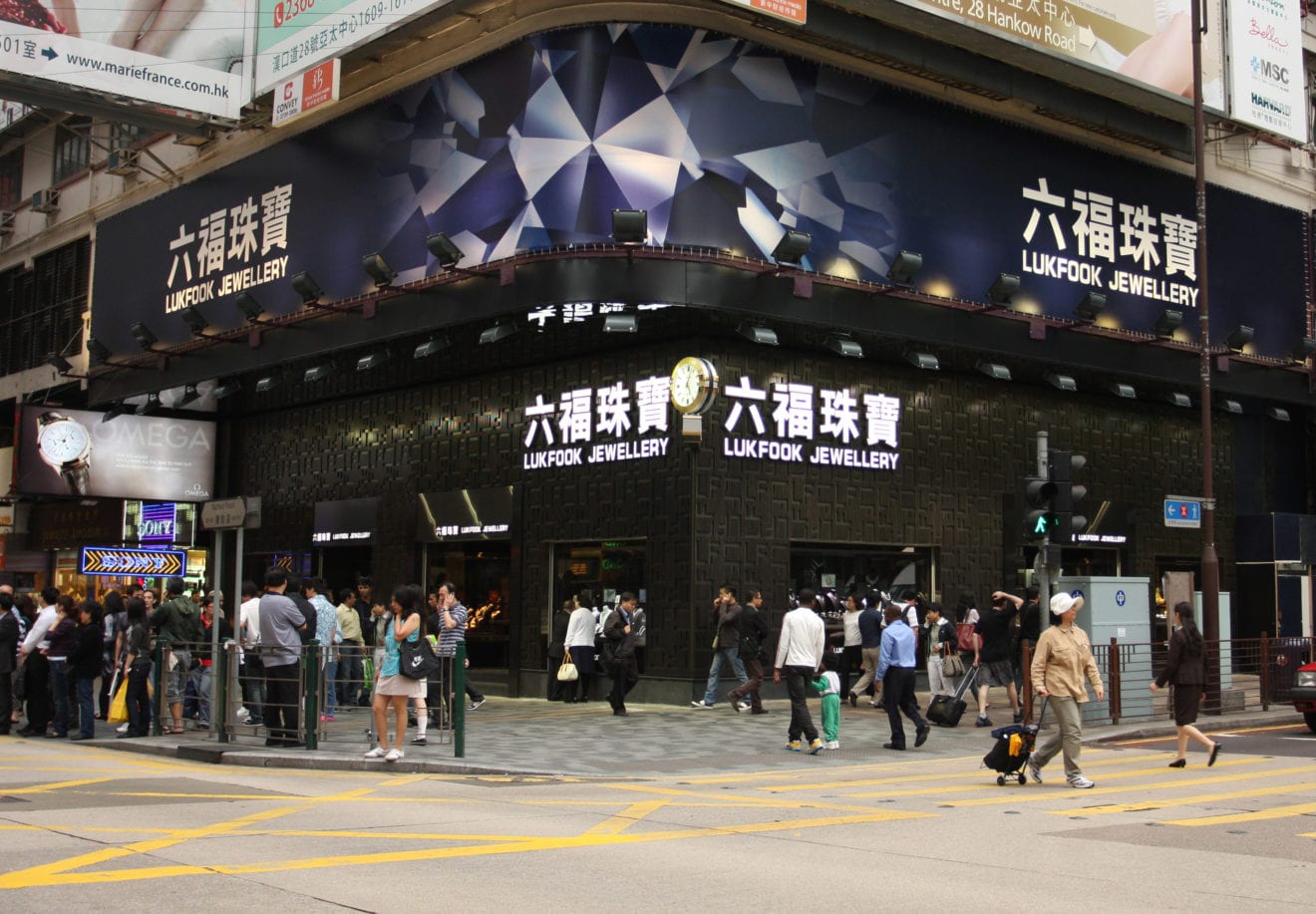
    In the face of a continuing sluggish market, Hong Kong-based Luk Fook Jewellery posted a 25 per cent drop in overall sales in the three months to December 31 against the previous two quarters.

    Its same-store sales growth (SSSG) for mainland China was down 10 per cent, despite its gemset jewellery products gaining 2 per cent grown. The SSSG of the Hong Kong and Macau market dropped 26 per cent.

    As at December 31, the group had 159 self-managed shops – 96 in China, 47 in Hong Kong, 10 in Macau and six overseas, one being established in Toronto, Canada, in the current quarter. There were 1260 licensed shops in China with one in Korea. Altogether, there were 1420 Luk Fook shops worldwide, including 1356 in China and outlets in Australia and the US.

  • Taste Hong Kong lineup revealed

    Taste Hong Kong lineup revealed

    IMG, organisers of the inaugural Taste Hong Kong in March, have revealed a star studded initial lineup of participating restaurants.

    A lucky eight Michelin stars have been accrued by the restaurants combined! Taste of Hong Kong will take place on the Central Harbourfront from March 10-13, with limited edition, early bird tickets on sale from today.

    The festival itself will host 12 of Hong Kong’s latest, greatest and hottest restaurants, transforming the Central Harbourfront into a foodie wonderland for four days of eating, drinking and entertainment. Founding Restaurants at Taste of Hong Kong include Aberdeen Street Social, Amber, Arcane, Chino, Duddell’s, Serge et le Phoque, Tin Lung Heen, Tosca, Yardbird and Ronin, with yet more to be revealed. The festival will also see international celebrity chefs and visiting restaurants engaging with the Hong Kong gourmet community.

    Taste of Hong Kong chef

    Guests will see top chefs create spring dishes in live demonstrations, get hands on with interactive masterclasses, indulge in Champagne, wine and sake tastings and sample exceptional ingredients and artisanal products amongst the producers market. Three signature dishes will be served-up by each participating restaurant alongside one ‘Icon Dish’- an exclusive item created especially for the festival.

    Taste of Hong Kong Early Bird tickets are on sale from today (January 14) on Ticketflap. Tickets start at HK$108 on weekdays and HK$138 for weekend sessions. VIP pass holders enjoy fast track festival entry, exclusive access to the VIP enclosure, HK$300 worth of the official festival currency “Crowns” and three complimentary premium beverages.

    International banking group Standard Chartered is the presenting partner of the premium dining event, adding to its longstanding support of dynamic, citywide events.

  • Lagardère Travel Retail renews Relay concession at Hong Kong Airport

    Lagardère Travel Retail renews Relay concession at Hong Kong Airport

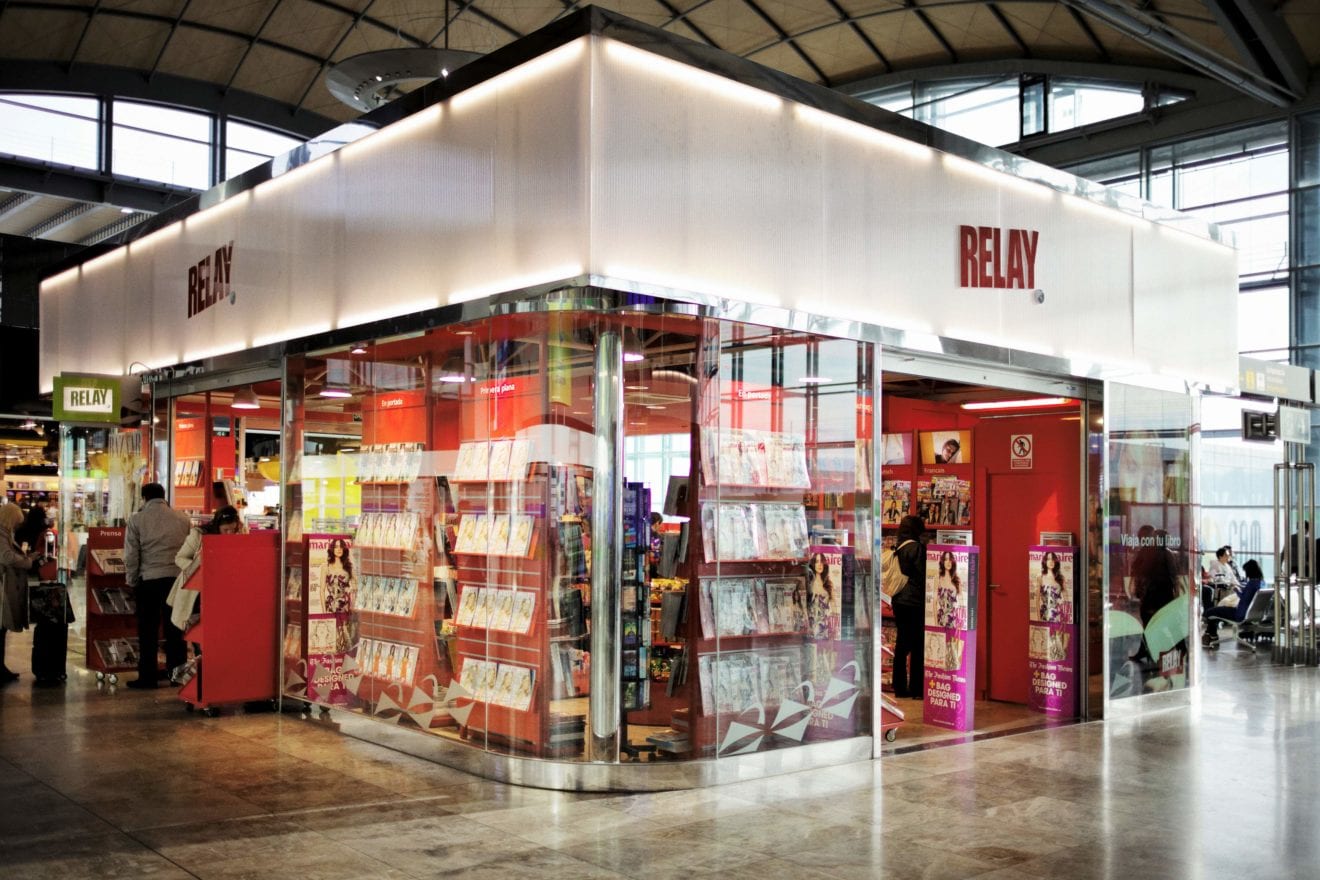
    Lagardère Travel Retail has renewed its news concession at Hong Kong International airport (HKIA) with its Relay concept, being awarded five stores in the existing and new concourses.

    This win follows soon after Lagardère Travel Retail was recently awarded the luxury fashion and souvenir stores at HKIA, with Kate Spade, Pandora, CK Platinum, and Paul & Shark, as well as three Discover Hong Kong stores. “This diversification demonstrates the group strength and capability to operate in different business lines and confirms our development strategy with HKIA” said the travel retailer.

    With the new contract, Lagardère Travel Retail will take the opportunity to launch the Relay brand’s latest global evolution and roll out its updated brand logo and store features. Relay will continue to offer to the HKIA traveller the great range of books and magazine that it has become famous for and a good range of other stationery, souvenirs & gifts.

    The retailer said Relay has been a trusted landmark at HKIA with more than a decade in operations and will “proudly continue to operate following the latest tender process”.

    The Relay stores sets itself apart through its attractive design and clear accessible zoning allowing travellers the ease to search and manoeuvre as they travel on their journey and within the different sections of offer, according to the retailer.

    Offering travellers a tailored selection of books, magazine, stationery, souvenirs & gifts to facilitate and enrich the journey, the brand’s tagline states: “Rely on RELAY: upgrade your journey”.

    Lagardère Travel Retail operates more than 1500 Relay stores within more than 120 airports and 700 train stations. The Relay brand is the global market leader within this category and continues to evolve to meet the changing needs of passengers worldwide, said the company.

    Lagardère Travel Retail general manager Louis Dambrine said: “We value our collaboration with HKIA where we have operated for 10 years. Relay renewal is a great achievement and we are ready to deliver our commitment in terms of innovative concept and operational excellence.

    “Since more than 65 million passengers will pass by our new stores every year, special attention has been placed towards creating an inviting shop front, understandable offer, visible display and coupled with an effective cashier system to ensure a seamless experience.

    “While we continue to operate Relay, we will be able to reinforce our partnerships with the airport, the brands and the distributors, supporting our common goal to develop the business to the benefit of the final consumer. We have been continually investing in order to always meet or exceed our promise on service level; the 25 service awards in 2015 alone including “Best Of The Year Customer Service Award” is a testament to our ability to deliver.

    “Moving forward, we will definitely continue to grow our business, expanding our footprint in Travel Essential as well as in Duty Free & Luxury and Food Service. We thank Hong Kong International airport for supporting our vision and partnering us on these exciting projects.”

    Airport Authority Hong Kong executive director, Commercial Cissy Chan said: “It is our pleasure to continue our strong partnership with Lagardère Travel Retail.  We look forward to the new Relay stores and new products that will be brought into HKIA.”

  • Hong Kong Bar uses ‘Drink Exchange’ to set beer prices

    Hong Kong Bar uses ‘Drink Exchange’ to set beer prices

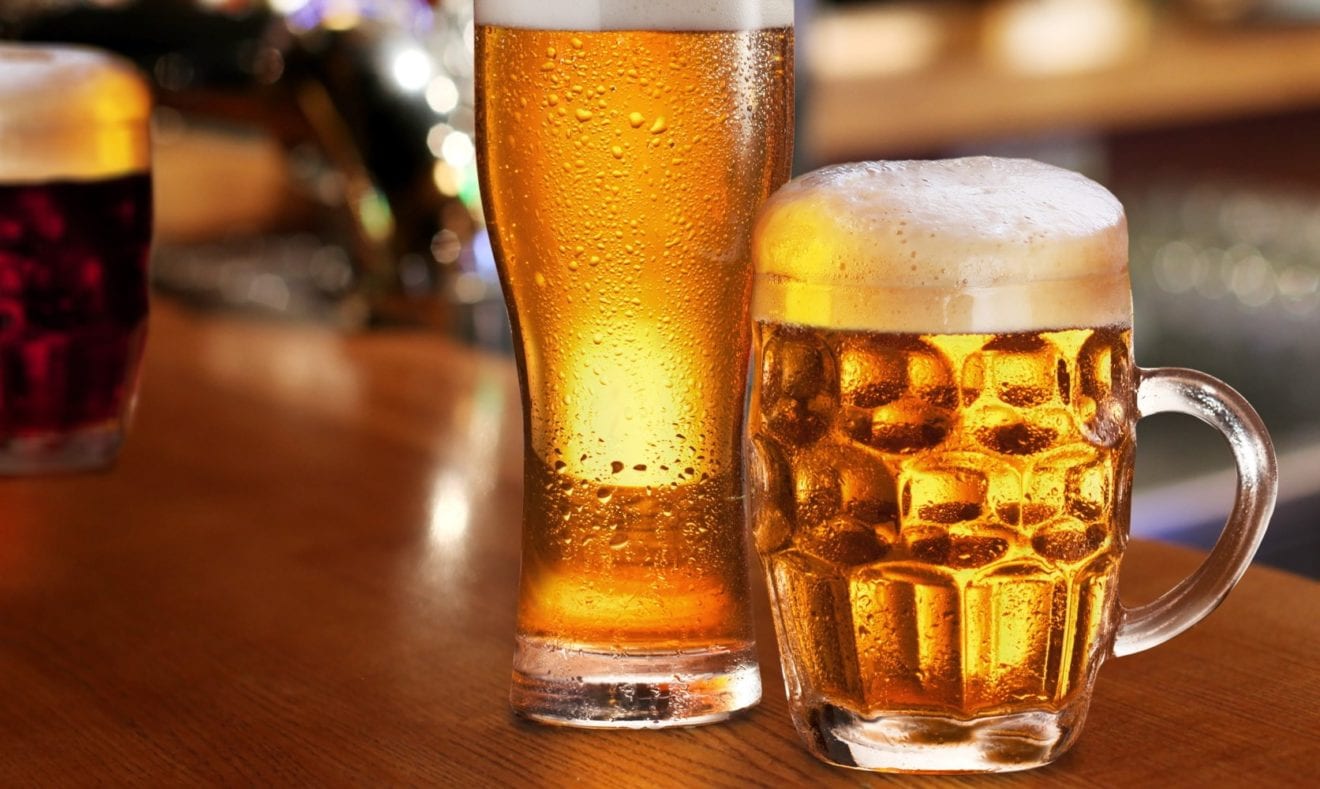
    Patrons of Hong Kong’s Rude Bar and Lounge can now experience the rush of Wall Street in a unique experience where demand sets market price for their beers.

    The Rude Bar Stock Exchange – or RBSX for short – lets customers looking for a drink engage in over-the-bar trading.

    The RBSX was created thanks to a software program known as the Drink Exchange, which simulates the experience of a stock market in a bar or restaurant setting. For example, when a certain drink becomes popular among patrons, the software will raise the price of the brew automatically. On the other hand, if a certain brand or drink is unpopular, then the software will reduce the price. The television screens of Rude Bar and Lounge display current brew prices as well as daily highs and lows. This allows the customers to gauge how prices may fluctuate throughout the evening.

    Amanda Folcarelli, marketing manager of Rude Bar and Lounge, is enthusiastic about the new software.

    “We wanted to defy the norm and offer our clientele something new,” Folcarelli said.

    “Something exciting. Something they’d never seen in Hong Kong before. Some of our  regulars had seen the concept in place in New York and Barcelona, and they were massively excited to see it here.”

    A bar that uses the Drink Exchange software can offer promotions in a very unique manner. They can simulate a market crash, where the prices of all drinks drop dramatically. Bar owners can link drinks to each other, so that when one goes up, the prices of others fall automatically. Suppliers can offer new products to the bar and have price parameters set low to test its popularity.

    And as is true with the real stock market, the RBSX allows for patrons to use certain strategies to stay ahead of the market and avoid price spikes or even anticipate a fall in drink costs.

    “Unlike the regular stock market, we actually encourage insider trading,” Folcarelli said. “If a group orders a specific drink, then yes, the price will go up, but rest assured that the other drinks will go down in price. At the moment, we only offer beer on the RBSX, but we’re definitely going to expand on that list in the future.

    “The RBSX has definitely added to the community spirit that we have. When our rugby and football teams come in after their Saturday matches, there are players who drink only Asahi, or only Estrella, or only Magners’ all night, so the prices end up staying fairly steady so everyone is happy. And, of course, if someone is looking for something new, or the price is counting down to the next update, or we’re hinting at a market crash, our staff is happy to tease them a little.”

    Rude Bar and Lounge is located in the Upper Basement of 79 Wyndham St, with doors opening to the top of Pottinger St.

  • Empty shops ahead, says DTZ Hong Kong

    Empty shops ahead, says DTZ Hong Kong

    Higher vacancy rates in prime retail sites in Hong Kong are expected after the Chinese New Year holidays, reports property consultancy DTZ.

    This could potentially lead to a 5 to 10 per cent drop in rental rates in the first half of this year, whereas rents are likely to rise for prime office space in the Central district.

    Vacancy rates of prime storefronts in the city’s four major districts – Causeway Bay, Tsim Sha Tsui, Central and Mongkok – are in the 2.4 to 6.8 per cent range, says DTZ Hong Kong head of business space Kevin Lam.

    He has told the Hong Kong Economic Journal that many short-term tenants will move out after the Chinese New Year.

  • Hang Lung’s Chan Says Hong Kong Property Market Healthy

    Hang Lung’s Chan Says Hong Kong Property Market Healthy

    Hang Lung Group Ltd.’s Chairman Ronnie Chan said Hong Kong’s property market, which began a correction last quarter, is the “healthiest” he’s seen in 25 years.

    Speaking in an interview Monday with Bloomberg Television, Chan said a price decline of 10 percent to 20 percent in Hong Kong’s housing market is “no big deal.” Chan also said the residential property market in mainland China is getting “healthier and healthier,” after data showed that home-price gains are spreading to more Chinese cities, especially smaller ones.

    Chan’s optimism on the Hong Kong market comes against a backdrop of slumping prices in the city. Secondary residential prices in Hong Kong dropped 6.9 percent in the fourth quarter of 2015, the biggest quarterly slump in seven years, according to data from Centaline Property Agency Ltd. Home sales in December fell 32 percent to HK$29.8 billion ($3.8 billion) from a year earlier, the Hong Kong Land Registry said Jan. 5.

    Hang Lung, which is listed on the Hong Kong Stock Exchange, invests in property in Hong Kong and mainland China through its subsidiary.

    Chan’s outlook for the China retail market was less bullish. He said a combination of falling rents, a weakening domestic economy and the slowdown in retail sales, especially for high-end luxury, created a “triple whammy” for Hang Lung’s shopping malls in the mainland.

    He said that retail outlets in Shanghai and Beijing will weather the storm better than in second and third-tier cities, which “are being hit pretty hard.” One of those cities is Dalian, where Hang Lung just opened a new 2.4 million square foot shopping center.

    Still, Chan said the longer-term prospects for China retail are good.

    “If anything in the economic world is sure, it’s going to be consumerism in China,” he said. “In the long run we are okay, it’s just in the short run it is very very difficult.”

  • Burberry Christmas sales miss expectations in Macau, Hong Kong

    Burberry Christmas sales miss expectations in Macau, Hong Kong

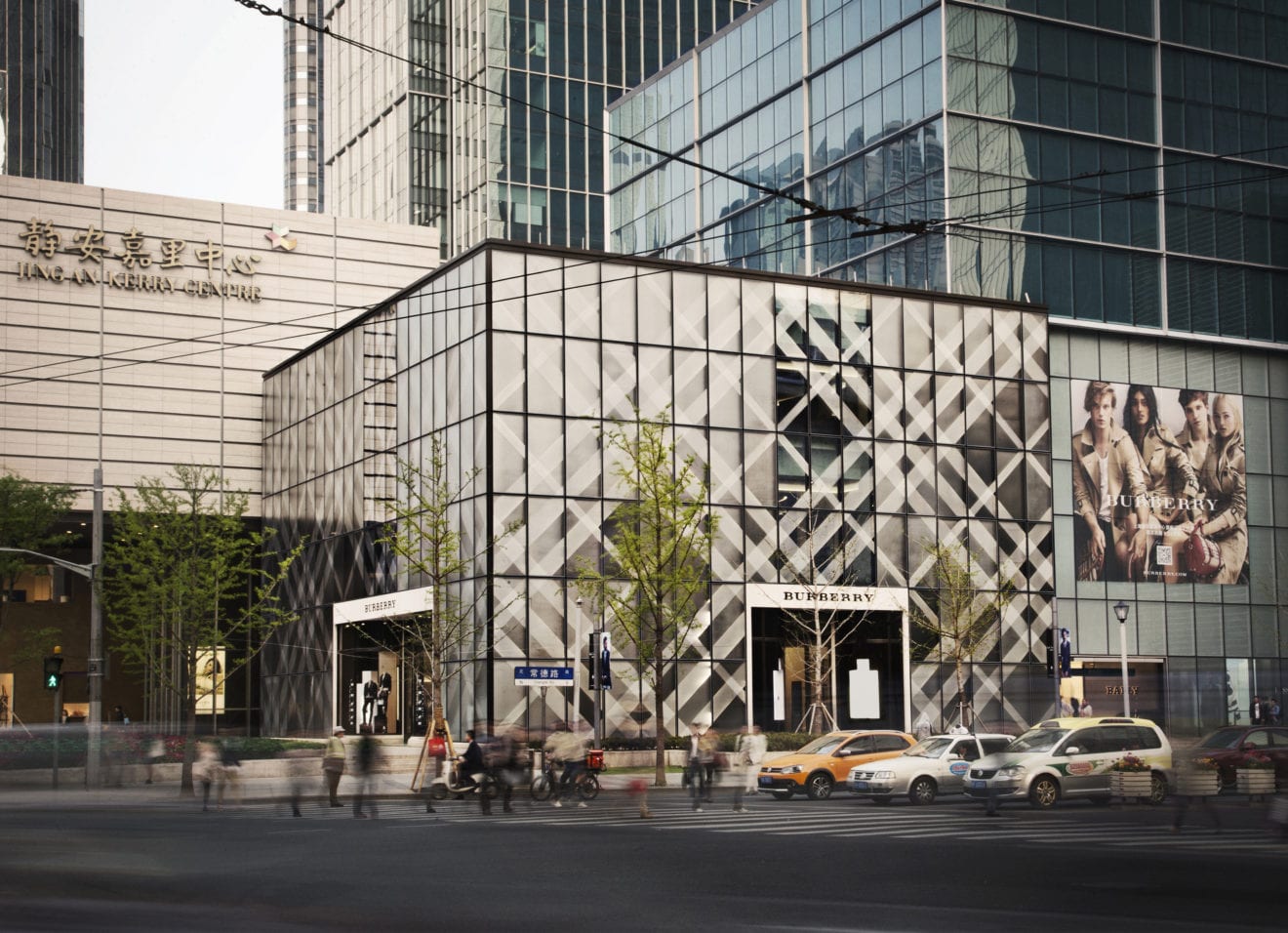
    British trenchcoat maker Burberry Group Plc reported Christmas revenue that trailed its own forecast, hurt by a slump in demand in Macau and Hong Kong.

    Retail revenue fell to 603 million pounds (USD869 million) in the three months through December, London-based Burberry said yesterday in a statement. Analysts predicted 606 million pounds, based on the median of estimates compiled by Bloomberg. Sales were unchanged on a comparable basis, missing internal expectations, compared with a 4 percent decline in the second quarter, Burberry said.

    Hong Kong sales fell more than 20 percent. The U.K.’s largest luxury-goods maker is scaling back stores, cutting bonuses and consolidating products under one label after forecasting earnings will probably fall for a second straight year. Richemont reported Christmas season sales declined for the first time since 2008 .
    Tourist bookings to Europe have declined following the terror attacks in Paris and an unseasonably warm winter has added to challenges facing luxury companies. Burberry is also more exposed than peers to spending by Chinese clients, which is cooling as that country’s stock market slumps.

    The company anticipated in October a return to growth in last part of 2015, driven in part by new products such as lightweight cashmere trenchcoats and ponchos, and new styles of scarves. Bloomberg

  • Sa Sa feels pinch of Chinese policy

    Sa Sa feels pinch of Chinese policy

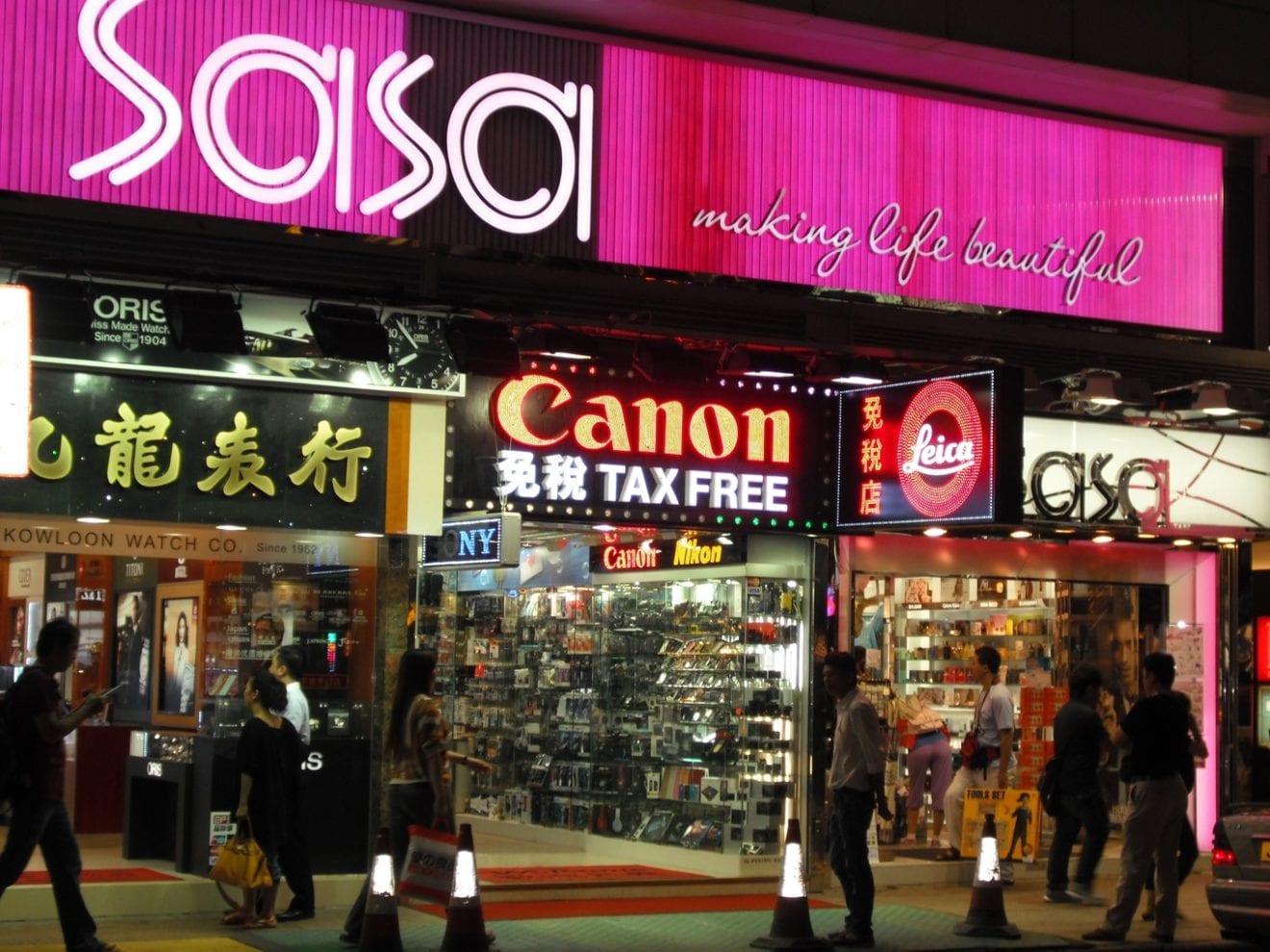
    China’s policy of one trip a week for mainlanders plus the strength of the Hong Kong dollar against a weaker yen have gouged sales for cosmetics retailer Sa Sa International.

    Both its retail and wholesale turnover dropped 14.2 per cent for the third quarter (October 1 to December 31), the company has announced. Turnover declined by 15.8 per cent in the Hong Kong and Macau markets, where same-store sales dropped 12.2 per cent.

    Overall, transactions were 7 per cent weaker, average sales per transaction fell 9.1 per cent and there was a 12.1 per cent dip in same-store sales. The group’s total turnover in other markets, including Mainland China, Malaysia, Singapore, Taiwan and online, dropped 6.7 per cent.

    Chairman/CEO Dr Simon Kwok says the impact of the “one-trip-per-week” policy had gradually gained momentum, leading to a notable year-on-year decline in the number of same-day visitor arrivals.

    “We expect the negative trend will continue to influence the local retail market.”

    In response, he says the group will optimise its product offering and enhance the shopping experience for its customers.

    Back in October, Sa Sa International Holdings already warned that its net profit for the six months to September 30 would be slashed in half because of the sluggish retail scene.

  • Hong Kong entrepreneur Ricky Wong plans HK$100m ad campaign boost for online shopping

    Hong Kong entrepreneur Ricky Wong plans HK$100m ad campaign boost for online shopping

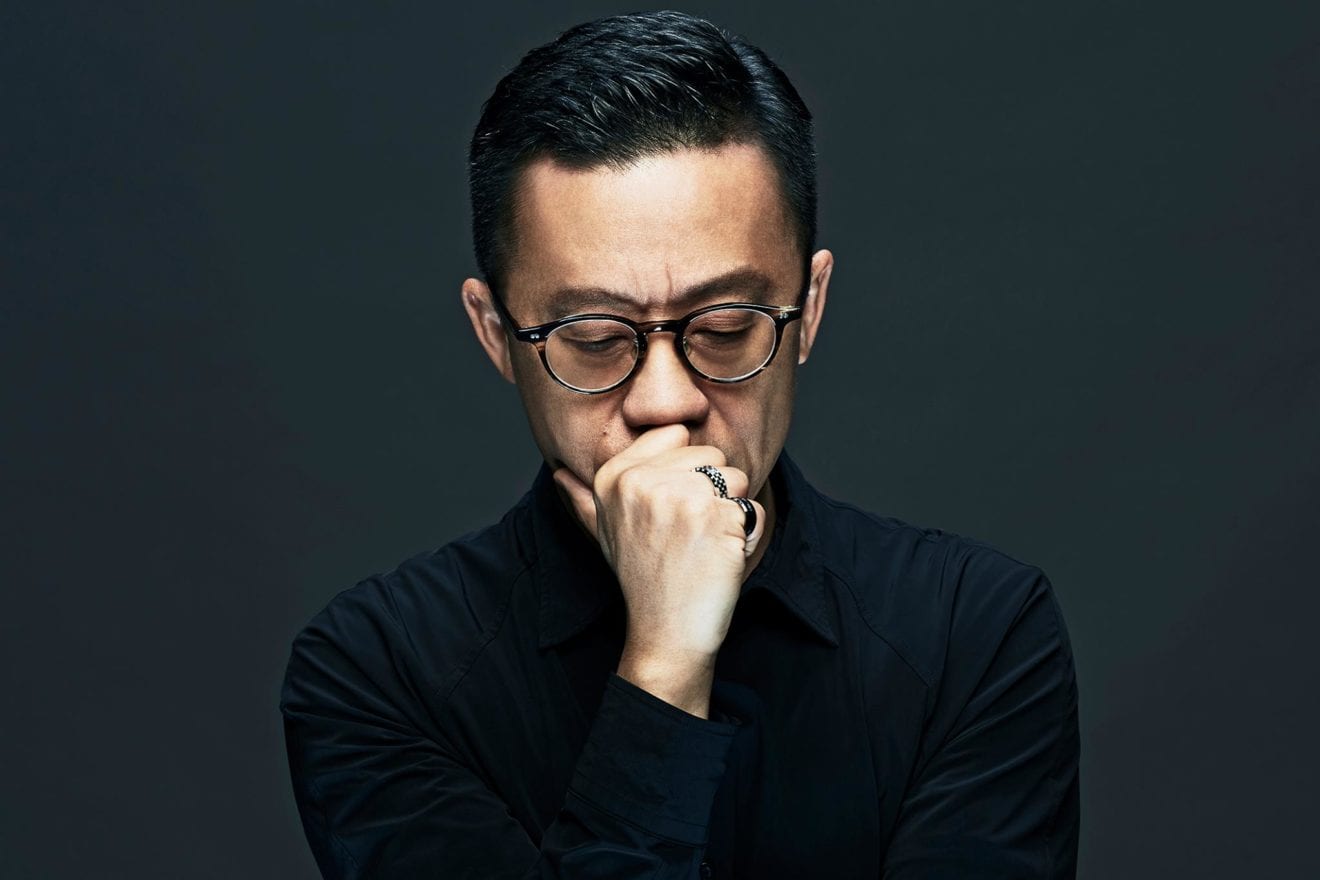
    Ricky Wong Wai-kay has ambitious plans to boost his online shopping venture with a HK$100 million ad campaign and staff expansion despite a grim economic outlook and still being a long way from breaking even.

    The HKTV boss said that a year after the official launch of his online shopping mall, it had recorded an average of 700,000 to 800,000 unique visitors per month and the number of customers had doubled in the last two months to tens of thousands.

    He said each customer placed orders ranging between HK$400 and HK$1,000.

    “We will broaden the range of goods available. We will soon offer fresh seafood, chicken and vegetables among some 99,000 items available in our online store.”

    Wong said the company had set aside a HK$80 million to HK$100 million advertising budget for e-commerce in the coming year.

    READ MORE: HKTV and boss Ricky Wong win HK$1.3m libel payout from ATV and ex-director James Shing

    He also planned to expand the logistics team from around 300 to 800 or 1,000.

    “The cost will still be much lower than operating a physical shop,” he said. “High rent is killing Hong Kong’s retail sector.”

    Wong cited a recent report from CBRE Research, which named Hong Kong as the world’s most expensive retail market.

    According to the report, rent for retail spaces in Hong Kong had reached US$4,334 per sq ft per year – 3.3 times more than in Paris, ranked at No 3, and 3.6 times more than in London.

    He said some Hong Kong retailers spent nearly 50 per cent of turnover on rent.

    “Tourists who come to Hong Kong won’t shop here. They would rather shop in London or Paris,” he said.

    But he admitted there was still a long way to go before breaking even.

    Wong initially intended to develop a TV business that operated alongside his e-commerce venture with HKTV. But HKTV did not get a free TV licence from the government and his internet TV business did not take off due to lack of advertising.

    But he has not given up his TV dreams completely. He said he was still negotiating with the government on mobile TV development, and a multimedia centre under construction in Tseung Kwan O was expected to be completed by the end of this year.

    However, Wong has no concrete plans to revive any TV productions.