Tag: Hong Kong

  • Hong Kong retail sales worse than expected in November

    Hong Kong retail sales worse than expected in November

    Hong Kong’s retail sales by value declined for a ninth consecutive month in November, falling by a worse-than-expected 7.8% from a year earlier as inbound tourism slowed further, the Census and Statistics Department said Monday.

    The decline deepened from October’s 3.0% fall, and was more severe than the median forecast of a 6.5% decrease from three economists surveyed by The Wall Street Journal.

    Hong Kong’s 2015 retail sales are expected to suffer their biggest annual decline since the outbreak of severe acute respiratory syndrome, or SARS, in 2003. Retail sales by value for January-November fell 3.1% from a year earlier, steeper than the 2.3% decline recorded in 2003 when tourists shunned Hong Kong for several months during the SARS outbreak.

    Hong Kong’s retail sales by volume fell 6.0% in November from a year earlier, reversing October’s 1.2% rise, and worse than the survey’s median forecast of a 3.2% contraction.

    A government spokesman said retail sales dropped amid weak tourism. “The increased downside risks to the economic outlook and recent stock market corrections might also have resulted in more cautious local consumption sentiment,” the spokesman added.


  • Hong Kong must boost efforts to weed out malpractices that hurt city’s tourism industry

    Hong Kong must boost efforts to weed out malpractices that hurt city’s tourism industry

    Blacklisting unscrupulous operators in an industry is a common practice. But convenience and inadequate supervision mean the bad apples can easily reinvent themselves by re-registering under a different company name. Amid growing concerns over mainlanders tricked into signing up for compulsory shopping trips to Hong Kong, the Guangdong authorities have rightly introduced an unprecedented measure – honouring good travel agencies by putting them on a “red list”. This has also prompted the local travel industry to put its own house in order. Starting from last Friday, tour guides are required to wear identify badges at work. More spot checks at tourism and shopping outlets will also be carried out, followed by warnings or points deduction under the existing licensing regime.

    Against the backdrop of a deepening decline in tourist arrivals from across the border, the measures are essential. But they are not a panacea. The so-called “forced shopping” and “zero-fee” tours are supposed to be banned under regulations adopted by the national tourism authority in 2103. But lucrative returns means some are willing to risk acting outside the law. The use of “coupons” to attract customers to sign up for low-cost tours is just one of the many tricks to get around the ban.

    The red list scheme is a first on the mainland. To succeed, accreditation needs to be stringent. It would be meaningless if every travel agency made it to the list.

    Forced shopping would not be possible without the help of tour operators and stores in Hong Kong. The local retail and tourism industries should also do their part to help weed out such malpractices. But this is easier said than done because the financial and business interests of so many are at stake.

    But what is most at stake is the lifeline of the city’s tourism industry. Growth in arrival numbers has already slowed as mainland tourists venture into more exotic foreign destinations. The red list will not necessarily boost our tourism industry. But transparency can help consumers make informed choices and malpractices can hopefully be confined to the dustbin of history.

  • International Housewares profit slumps

    International Housewares profit slumps

    Hong Kong listed retailer International Housewares has reported a 52.6 per cent slump in profits in the first half year, despite improved sales in key markets.

    The company reported a seven per cent same store sales growth in Hong Kong in the six months to October. Macau revenue rose 16.6 per cent to HK$18.7 million, with same store sales up 2.5 per cent.

    But despite a healthy 6.6 per cent increase in total group sales to $960.4 million, the listed retailer reported a 52.9 per cent fall in profit attributable to shareholders, to just $21.1 million (down from $44.8 million during the same period last year) – a decline flagged in a profit warning in early December.

    It said the decrease was mainly the result of increasing operating costs across the group, weak consumer sentiment in Singapore and Malaysia and an exchange loss arising from the depreciation of the Renminbi fixed deposit.

    International Housewares trades under the retail banners Japan Home Centre (JHC), City Life and Epo Gifts and Stationery. It ended October with 368 stores worldwide, in Hong Kong, Singapore, Malaysia, Mainland China, Macau, Cambodia, Indonesia, Saudi Arabia and New Zealand.

    Despite Singapore’s stagnant retail market, International Housewares reported growth there of 9.6 per cent on a local currency basis, compared with a 6.9 per cent fall in the corresponding period last year. Same store sales grew 0.3 per cent compared with a 6.9 per cent decline last year, reflecting “conservative consumer spending patterns”.

    In Mainland China, sales decreased 11.6 per cent in local currency terms to HK$2.28 million, but comparable store sales growth was a healthy 40.4 per cent, reflecting the closure of underperforming stores.

    And in west Malaysia, revenue was down 46 per cent in local currency; same store sales were down 19.3 per cent.

  • How Much For A Hong Kong Wedding?

    How Much For A Hong Kong Wedding?

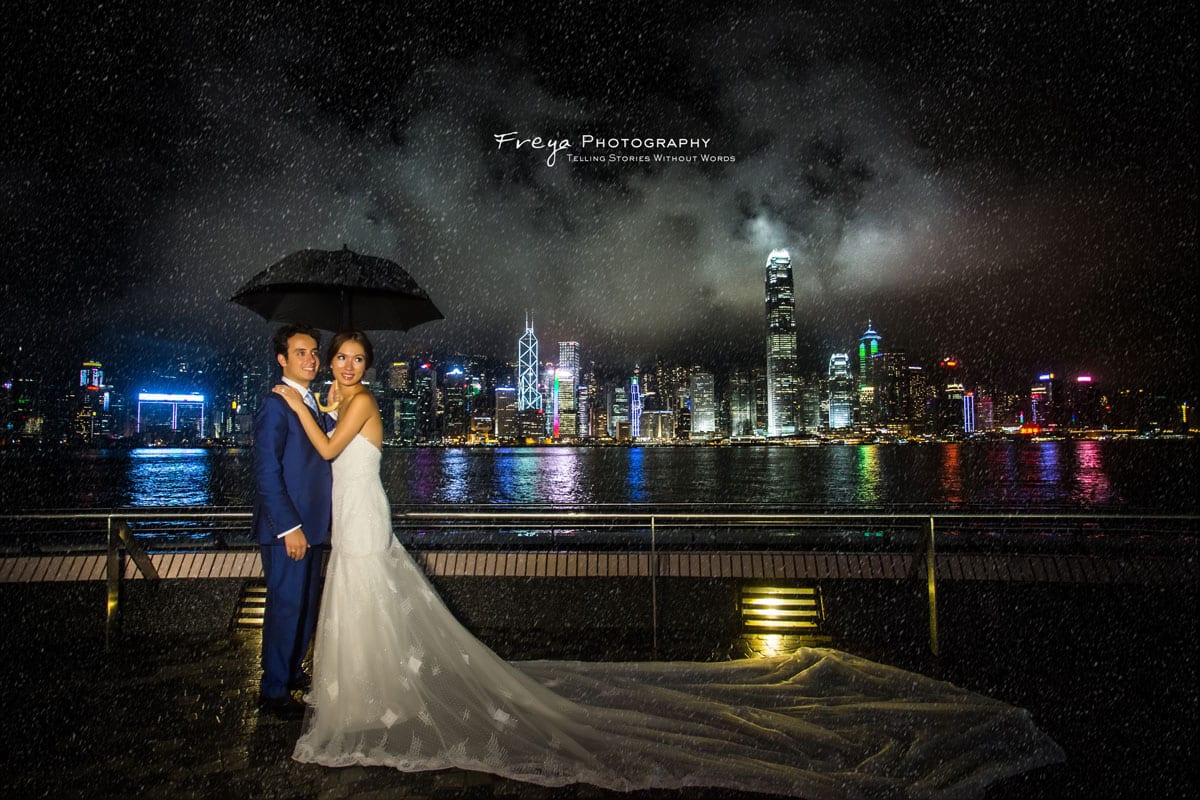
    Couples planning to walk down the aisle in Hong Kong better have some deep pockets. Even as consumer prices generally have dropped on the Chinese island, the average cost for a wedding is up to 314,000 Hong Kong dollars (about $40,000).

    Retail sales in Hong Kong have been falling for the last eight months, in part because of fewer Chinese tourists arriving, but weddings costs have curiously spiked. Receptions alone now cost on average the equivalent of $21,000, and rings and jewelry around $6,500. The average honeymoon now sets couples back $4,900, and the rest of the budget covers the photo shoot and all additional expenses, according to a study on the ESDlife ecommerce website for brides.

    The flipside is that this expensive reality is mitigated by cultural tradition. Wedding guests tend to arrive at the celebration feast with red envelopes stuffed with cash that generally cover the cost of their meals. In Hong Kong, the envelope is known as a “favor.”

    Everybody knows exactly how much to put in their “favor.” If invited to a reception at a top-class hotel, a guest would give between, say, $130 to $150. But if the invitation is to a standard restaurant, the “favor” would only be about half as much.

    Chinese pragmatism also dictates that there is no such thing as a wedding registry, and cash is a sign of sincerity. It is for this reason that any invitation to a wedding is colloquially known as a “red bomb.”

    Unlike in the West, where people generally marry in spring or summer, the favored time for Chinese weddings is the New Year. The rush to the altar is from November to February, so any unmarried girl in March knows she’s going to have to wait one more year. At least.

  • $1.3bn Midfield terminal inaugurated at HKIA

    $1.3bn Midfield terminal inaugurated at HKIA

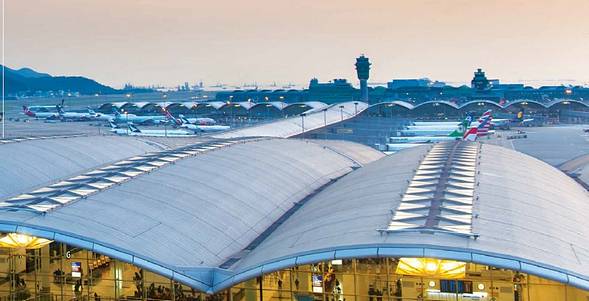
    Hong Kong International Airport (HKG) officially opened its HK$10bn/$1.3bn Midfield Concourse (MFC) and auxiliary facilities on Monday as scheduled – with the retail offer to be “gradually introduced” next year.

    The 105,000sq m, five-storey MFC is located between the airport’s two existing runways to the west of terminal one and is connected to it with an automated people mover. It has 20 parking stands and a capacity of 10m pax.

    On Monday, Jack So, Chairman of HKG’s operator, Airport Authority Hong Kong (AA), and Zhang Kui, President of Hong Kong Airlines, accompanied by CK Ng, Executive Director, Airport Operations of the AA and Ben Wong, Chief Operating Officer of Hong Kong Airlines officiated at the opening ceremony, and also welcomed the first batch of passengers.

    On the retail offer, AA says: “The concourse will gradually introduce restaurants, coffee shops and retail outlets to provide passengers with a one-stop shopping and dining experience.”

    On the significance of the concourse, So says: “The MFC is an important development as it will help the airport meet increasing passenger traffic demand. In the past 12 months, Hong Kong International Airport handled 68.2m passengers, marking a year-on-year increase of +8.3%.

    “With its capacity to serve an additional 10m passengers every year, the MFC will be able to increase the number of flights using airbridges to board and disembark, enhancing the overall passenger experience.”

    AA plans to gradually increase the usage of the MFC in the next few months. It is expected to serve about 20% of daily passenger flights from HKG when operating at full capacity by next March.

  • Study reveals Asian dining spending trends

    Study reveals Asian dining spending trends

    One in three millennials in Asia are eating at fine dining restaurants at least once a month – more often than those aged over 30.

    The surprise finding is one of a list of revelations uncovered by a MasterCard survey of Asian dining trends away from home. It featured consumers in 17 Asia Pacific markets: Australia, Bangladesh, China, Hong Kong, India, Indonesia, Japan, Malaysia, Myanmar, New Zealand, Philippines, Singapore, South Korea, Sri Lanka, Taiwan, Thailand and Vietnam.

    The most frequent fine-diners in Asia Pacific are millennials (18-29 year olds) from China – on average they visit more expensive establishments two or three times a month. This is higher than the average for millennials across the region and higher than any other age group.

    When choosing where to eat, consumers in Asia Pacific still prefer to rely on word of mouth and recommendations from friends and family (50 per cent). This was applicable for all consumers, regardless of age group, with even millennials trusting word of mouth recommendations (52 per cent) more than online reviews (38 per cent).

    This is despite the fact that more than a third of millennials (36 per cent) post comments and reviews of their dining experiences online. This is especially true of Chinese (61 per cent) and Thai (52 per cent) millennials, where more than half of the young people polled regularly post reviews after a meal.

    Beyond millennials, people in Thailand (39 per cent) and China (30 per cent) are also the most likely to spend more on dining over the next six months with around one in three indicating they plan to eat at more expensive establishments.

    But while consumers may be enjoying fine dining, they are still cost conscious. Sixty-four per cent of consumers in Asia Pacific regularly check for discounts or dining deals from coupon websites, mobile applications or credit card promotions. Sixty-eight per cent of millennials regularly look out for deals before choosing a place to eat.

    Eric Schneider, regional head, Asia Pacific, with MasterCard Advisors, said Asia has always had a strong dining out culture and so it is not surprising that affluent millennials in the region are ‘foodies,’ with many sharing their dining experiences on social media and posting reviews online.

    “While the survey has shown that people are increasingly moving from the hawker centres and into restaurants, young people are still cost conscious, taking a practical and savvy approach by looking for discounts and deals. Young people also still rely on word of mouth recommendations, despite many posting online reviews of dining spots. As Asia’s economies continue to grow, and with technology and social media revolutionizing the dining experience, people will increasingly demand top quality experiences when dining out,” he said.

    Other findings from the survey included:

    • Overall, consumers in Asia Pacific are not looking to make any significant changes to their dining out plans with 61 per cent of all consumers indicating they will look to eat out at the same frequency in the next six months. Twenty per cent plan to eat out more and 19 per cent plan to eat out less in the next six months.
    • The most popular dining option for consumers in Asia Pacific are mid-range restaurants and cafes, followed by fast food outlets and then hawker centres and food courts.
    • Consumers in the Philippines (44 per cent) are looking to tighten their belts with close to one in two planning to eat at less expensive venues in the next six months. Forty-nine per cent also plan to eat out less regularly.
    • A significant proportion of older consumers are going online to check for dining discounts whether on coupon websites/applications or credit card promotions. More than one-third of consumers aged 55 years old and above (36 per cent) indicated they regularly do so before deciding on a dining option.
    • Consumers in China (58 per cent), Taiwan (44 per cent) and Thailand (44 per cent) are the most likely to book dining deals on coupon sites or coupon applications; while consumers in Bangladesh (1 per cent) and Indonesia (11 per cent) were least likely to do so.
    • Diners in Thailand (60 per cent) and China (57 per cent) are most likely to post comments or reviews on social networking sites like Facebook and Twitter with about one in two respondents in these markets reporting that they regularly post comments online following their dining experience.

    The results are based on interviews with 8698 individuals aged 18 to 64 years-old.

  • The McDonald’s of the future has opened in Hong Kong

    The McDonald’s of the future has opened in Hong Kong

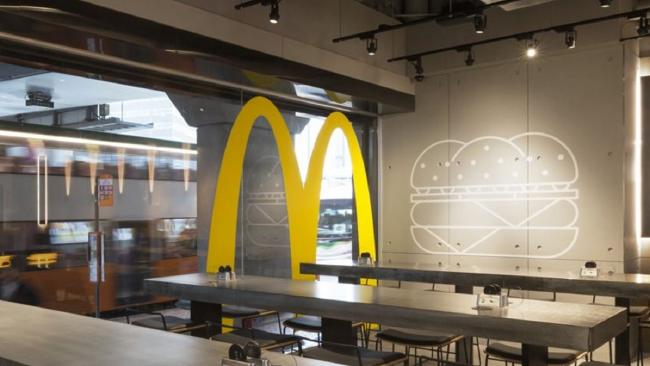
    Neutral, modern look … inside the McDonald’s Next store in Hong Kong. With mood lighting and a much more modern menu, this restaurant has been hailed as the McDonald’s of the future.

    The fast food chain has opened a new concept store in Hong Kong located near Admiralty Station known as McDonald’s Next.

    The new eatery has been designed by Landini Associates, an Australian-based company, and is said to be “an experiment in non-design” with more neutral colour tones.

    It has moved away from the former design of McDonald’s, which was historically characterised by bold and bright red and yellow colours.

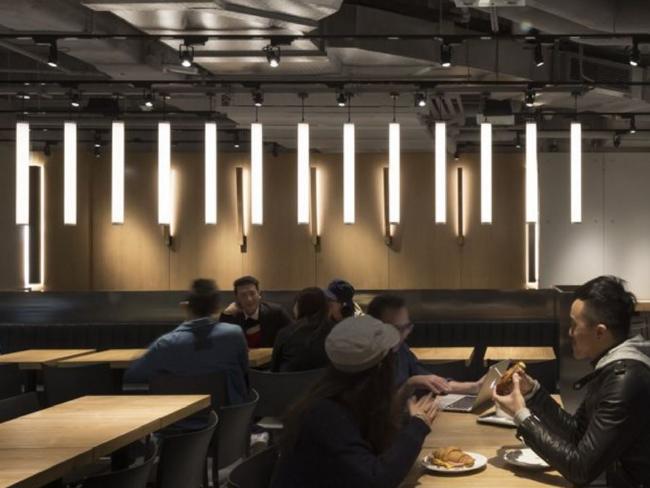
    Instead, the new concept store features concrete tables where diners can enjoy their meals in booths, and on bar stools with communal bench tops.

    “The colourful graphic environments, that became a signature for McDonald’s globally, are now replaced with a simpler, quieter and more classic approach,” Landini Associates posted on Instagram.

    “An experiment in ‘No Design’, the intention is to hero the food, the service and the people who come to enjoy it.”

    New way to dine ... what the new McDonald’s store looks like. Picture: Landini Associates website

    New way to dine … what the new McDonald’s store looks like. 

    The new design has also transformed the kitchen, which is now open for customers to see.

    Staff uniforms have been revamped and the walls are plain and covered in simple graphics including a white outline of a burger.

    Open kitchen ... customers can see food being made. Picture: Landini Associates website

    Open kitchen … customers can see food being made. 

    There are also multiple ways that customers can order a meal. They can order through a member of staff at a counter, use a computerised kiosk, or order at their table.

    The restaurant has the popular Create Your Taste option, where customers can build their own burgers.

    There is also a bar where salads, desserts and drinks can be bought.

    Customers can also access wireless charging for their devices including laptops and smartphones at the tables inside the eatery.

    News of the new concept store being introduced comes after the world’s biggest Macca’s — located in Orlando, America — is set to close its doors in 2016.

    A new 19,000 square-foot McDonald’s building will replace the current premises that was built in 1976 and features a bowling alley.

    The new building will feature a two-lane drive through and a self-order kiosk for customers to build their own burgers. It will also boast an exclusive open design pizza and pasta area, and a wood-fire oven.

    The restaurant will continue to sell the famous McDonald’s items, as well as its popular gourmet options.

  • Hong Kong Retail Slows as Mainland Tourists Stay Away

    Hong Kong Retail Slows as Mainland Tourists Stay Away

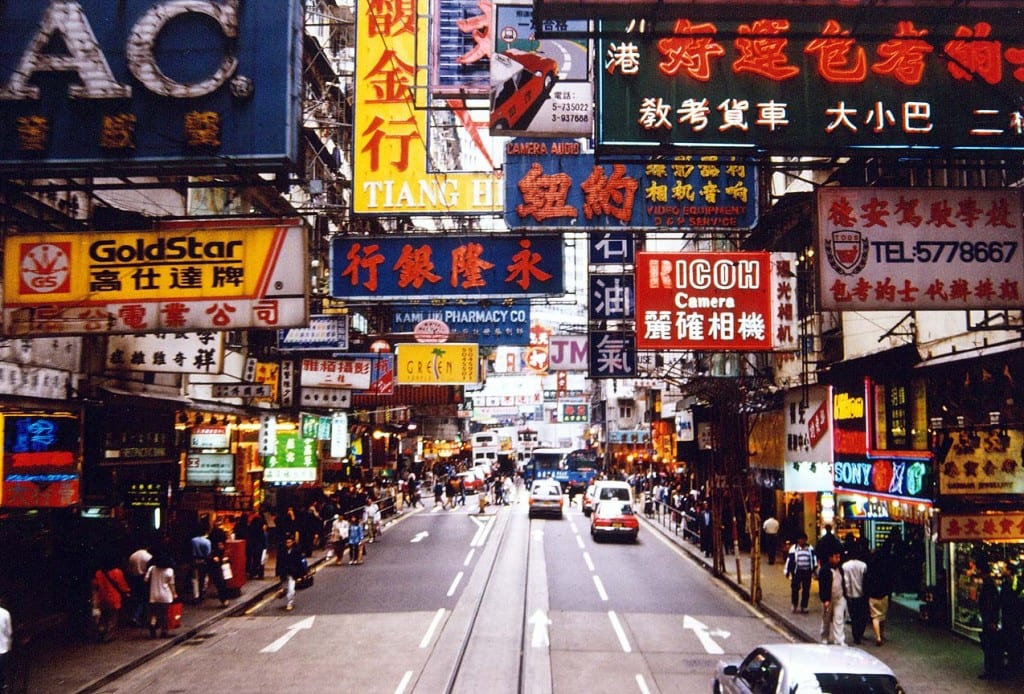
    Hong Kong, once a shopping mecca for mainland Chinese seeking Swiss watches and luxury handbags, is on track to record its biggest annual decline in retail sales since the outbreak of Severe Acute Respiratory Syndrome, or SARS, in 2003.

    The city may also post the first annual decline in mainland tourists since it started allowing individual visitors from China, also in 2003, prompting calls for extensive diversification of the tourism trade—a key pillar of the city’s economy.

    Chinese tourism spending has been the main driver of retail and commercial property-sector strength in Hong Kong in recent years, as the number of mainland tourists shot up. During the boom, long lines outside the city’s numerous Louis Vuitton, Chanel and Gucci shops were commonplace, as luxury goods sold in Hong Kong were up to 40% cheaper than in China.

    Those lines have largely disappeared as inflows of Chinese tourists slowed. The number of Chinese tourist arrivals was 15.4% lower in November compared with a year ago, the steepest decline all year, extending the year-to-date fall in Chinese visitors.

    Hong Kong’s tourism commission acknowledges that the city’s tourism industry has “entered a consolidation period” after a decade of growth, and says it is now targeting “high-spending overnight visitors” from other markets to help fill the city’s myriad shopping malls and hotel rooms.


    ENLARGE


    Meanwhile, retail sales in the formerly-bustling shopping hub have fallen for eight straight months on lower tourist spending, with total retail sales down 2.7% year-over-year for the first 10 months of 2015. That is steeper than the 2.6% decline recorded in 2003, when tourists shunned Hong Kong for several months during the SARS outbreak.

    In October, Hong Kong saw a 38.5% drop in sales of Swiss watches, said the Federation of the Swiss Watch Industry. Other brands, like Chanel, went the unusual route of slashing the price of an iconic bag by over 24% in Hong Kong, among other rare discount offers, in a sign of the trying times.

    “The ‘luxury supermarket’ image is no longer attractive” for Hong Kong, said Clement Kwok, chief executive at The Hongkong and Shanghai, owner of the city’s iconic Peninsula Hotel. The Peninsula Hotel saw occupancy rates drop 3% in the third quarter from a year earlier.

    “There is an urgent need for a new marketing campaign to rebrand Hong Kong as a dynamic, exciting and relevant modern city,” said Mr. Kwok.

    Luxury sales began their decline in late 2013 after Beijing started cracking down on corruption and conspicuous consumption. The slump has spread to mass market retailers this year as the Chinese economy slowed. Milan Station, a vendor of secondhand handbags, said revenue in its Hong Kong shops fell over 28% in the first half of the year, while cosmetic retailers Sa Sa and Bonjour reported revenue declines of 10.6% and 14.4% in the six months ended September and June, respectively.

    Though shop rents and retail prices have dropped, they are still some of the highest in the world and could continue diverting tourist shoppers away from Hong Kong to cheaper prices elsewhere.

    “The city has been very focused on Chinese tourists and shopping, and underinvesting in building new tourist attractions and experiences,” said Mariana Kou, an analyst at brokerage CLSA.

    “Hong Kong needs to transform into a more diversified tourist destination,” she said.

    China’s increasingly mobile and affluent middle class has meant big business for travel-related companies including airlines, travel agencies and luggage makers. And despite a slowing economy and a stock-market collapse this summer, they are projected to spend over $200 billion abroad for 2015.

    While many countries have relaxed visa requirements to attract Chinese tourists, Hong Kong this year tightened visa limits for Chinese visitors from neighboring Shenzhen to one rather than multiple visits a week, amid heightened tensions between the local population and Chinese tourists. Mass protests against Beijing’s encroaching rule last year also kept visitors away.

    The stronger U.S. dollar has also made traveling to Hong Kong more expensive, as the local currency is pegged to the dollar. Destinations with weaker currencies such as Japan and Europe have attracted Chinese vacationers there instead.

    For its part, the Hong Kong government plans to host more large-scale dining and sporting events to boost tourism. It has already committed billions of dollars to develop new cultural and arts venues, and plans new waterfront attractions. It is also in talks to build a second Disneyland theme park.

    But their construction could take years, and it could take a long time for the sites to attract a new, varied crowd. Until then, analysts say Hong Kong retail will likely continue its slump and companies will need new ways to attract business, as they can no longer depend on mainland tourists.

    When Gao Hang, 26, first visited Hong Kong in 2013 she found it a “flourishing, great city.” She visited again in 2014, but this year, the customer service professional from the port town of Dalian opted for a vacation in Europe instead.

    “There’s not that much to do in Hong Kong. One trip is really enough,” she said.
  • Why luxury sector woes could be a blessing in disguise

    Why luxury sector woes could be a blessing in disguise

    Hong Kong’s retail sector can bounce back from the current sluggish phase, as it did in the past in the wake of the 2003 SARS crisis and the 2008 global financial meltdown, an industry chief says.

    “Hong Kong retailers are smart; it might take time but the sector will definitely recover,” says Thomson Cheng, the new chairman of the Hong Kong Retail Management Association.

    “Tomorrow will be a better day,” he told the Hong Kong Economic Journal.

    To counter headwinds like a stronger local currency and fewer mainland visitors, Cheng urges retailers to upgrade their services and provide more unique products.

    Hong Kong should not focus too much on Chinese tourists, but should try to attract people from across the world, he said.

    As an executive director of Lane Crawford Joyce Group, Cheng has been involved in luxury retailing for years.

    The industry veteran expects the luxury segment to continue to be the worst performer in 2016.

    “I don’t see much of a rebound next year.”

    But one good thing about the shrinkage of luxury sales is that it will unlock retail space to other shops. During the heyday, high-end stores had crowded out the smaller brands and retailers of other products.

    Many major luxury brands have already announced downsizing plans in Hong Kong amid the current downturn in sales. Some firms are looking to cut their store number by as much as a fifth.

    Shopping malls should consider diversifying and bringing in more retailers that offer goods and services related to everyday living, Cheng said.

    The retail ecosystem will be healthier if there is wider variety and more brand diversity, rather than the present situation in which there are too many jewelry shops, cosmetics retailers and drug stores chasing mainland tourists, he said.


  • Tourism Slows Hong Kong Retail

    Tourism Slows Hong Kong Retail

    While Hong Kong has traditionally been the favored shopping destination of Chinese mainland consumers looking to grab up luxury items, it looks like 2015 may see the biggest drop in retail sales since 2003.

    The drop 12 years ago was an outgrowth of the SARS outbreak that cause a global health scare. This year’s issue seems to be tamer and tourism based. This year saw the first annual decline in tourists from mainland China since 2003. The number of Chinese tourists in Hong Kong decline 15.4 percent between November of 2014 and November of 2015 — the biggest drop in a year where falling figures have been a norm.

    Hong Kong has drawn high rolling consumers for some time with its luxury good shops with Gucci, Louis Vuitton and Chanel on sale for 40 percent less than is the norm in China.

    For the last eight months, however, retail sales have been in decline — down 2.7 percent year-to-year — a bigger drop off than even SARS managed in 2003.

    “There is an urgent need for a new marketing campaign to rebrand Hong Kong as a dynamic, exciting and relevant modern city,” Kwok said.

    There is also the reality that China’s affluent middle class is increasingly likely to search further abroad for luxury goods — aided by several nations that have relaxed visa requirements for visiting Chinese tourists. Hong Kong, on the other hand, has strengthened its visa requirements and disallowed visitors from the neighboring Shenzhen province to visit Hong Kong more than once a week.

    In an attempt to turn things around, Hong Kong is looking to develop more experiential attractions including a second Disney theme park, sporting events and dining venues. But those ventures will take time. The more immediate challenge for local merchants is to fill the hole left by distracted mainland Chinese consumers in the meantime.

  • Burberry Hong Kong deep discounts for Christmas

    Burberry Hong Kong deep discounts for Christmas

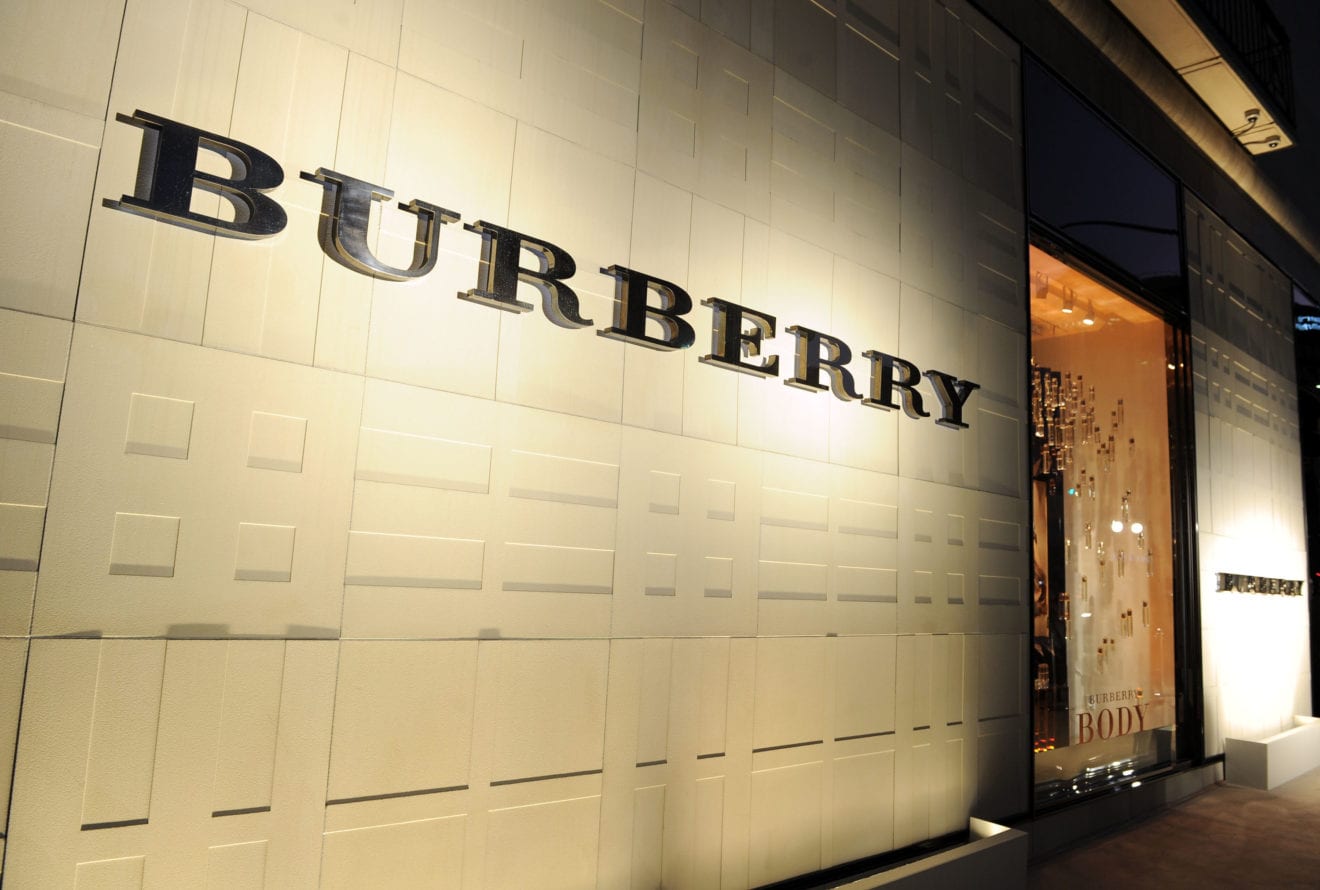
    Luxury fashion retailer Burberry Hong Kong has launched an unprecedented deep discounting campaign to move stock in the peak Christmas retail period.

    The British brand has reduced the prices on some lines by 50 per cent, the biggest reductions since the Individual Visit Scheme for Mainland Chinese tourists was launched in 2003.

    Typically, the highest discounts in the pre-Christmas sale is 30 per cent on limited lines.

    It is rare for high end brands like Burberry to offer such large discounts – but rivals Gucci and Prada have already discounted lines by similar amounts in Hong Kong, where such retailers lack an outlet channel for surplus or end of line stock.

    Industry observers say the level of discounting in such a peak retail period reflects the serious challenge faced by luxury retailers since the clampdown on gift giving in the Mainland took effect and the exchange rate fluctuations made it affordable for big spending Chinese travellers to travel to Japan and Europe to shop instead of Hong Kong and Macau.

    “A 50 per cent discount is unusual for big luxury brands like Burberry” Hayman Chiu, associate director at Cinda International, told the South China Morning Post.

    “The whole luxury industry is doing the same thing right now.”

    Burberry’s discounts apply only to a limited proportion of its stock, specifically about 10 styles of handbags and some clothing.

  • Shortage of warehouse space in Hong Kong likely to continue

    Shortage of warehouse space in Hong Kong likely to continue

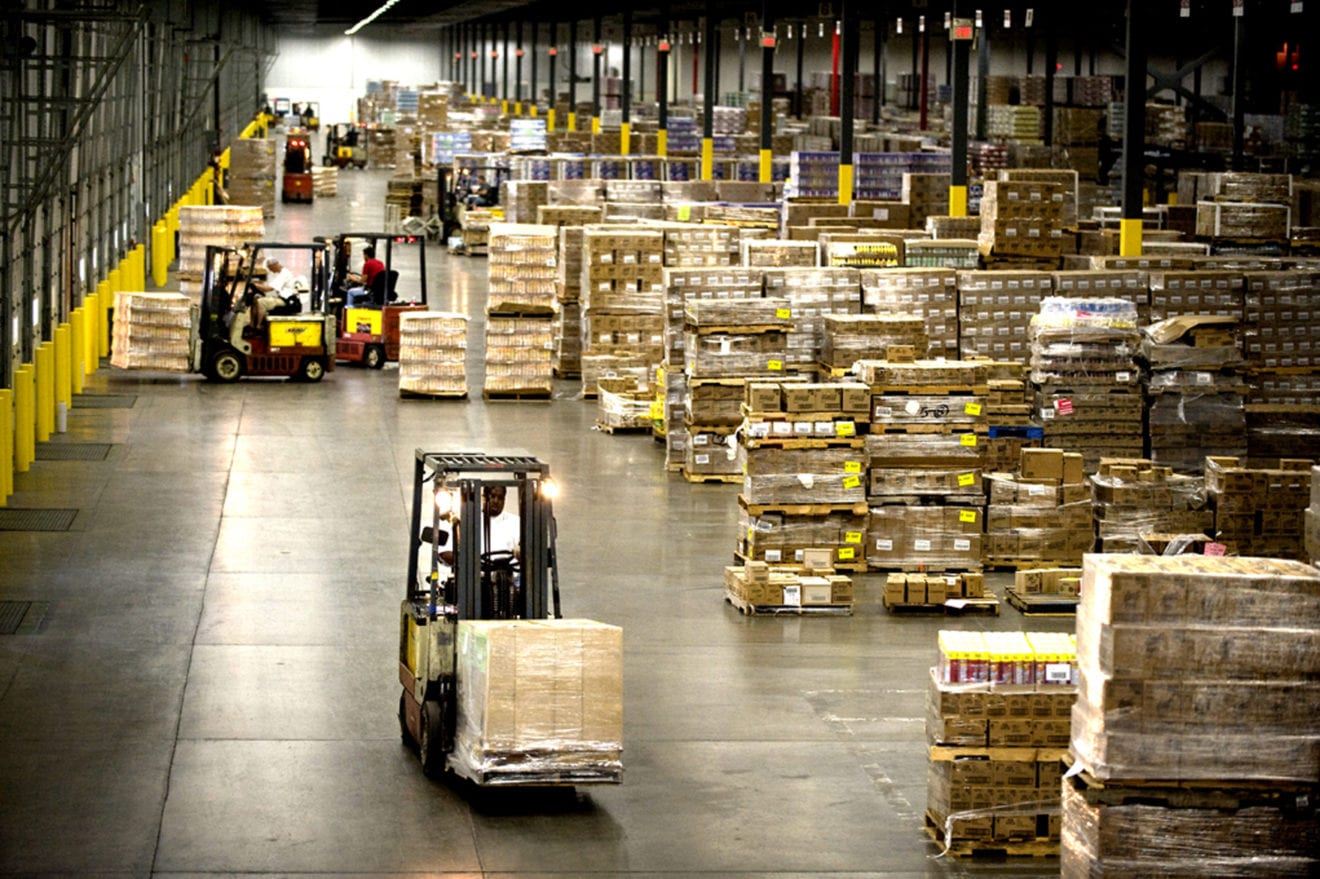
    Despite its position as a regional logistics hub, Hong Kong’s lack of industrial land and a resulting warehouse shortage have long been headaches, with the warehouse vacancy rate remaining below 2 per cent and unlikely to improve much next year.

    A slowdown in retail sales led to a slight easing in demand for warehouse space this year, but new supply is extremely limited.

    Warehouse vacancy ratesdeclined to 1.7 per cent in the third quarter of this year, from 1.9 per cent in the second, according to property consultancy Savills, picking up from near zero last year.

    No industrial site is listed for auction or tender on Hong Kong government’s 2015-16 land sale programme and only one of the 36 plots sold in 2014-2015 was industrial land.

    “There will be no large supply of industrial land in the next two to three years; the shortage will continue,” said Thomas Lam, head of valuation and consultancy at Knight Frank.

    Lam said a softening in retail sales due to a decline in demand from mainland visitors had only had a limited impact on the demand for storage space.

    There will be no large supply of industrial land in the next two to three years; the shortage will continue

    Thomas Lam, Knight Frank

    “Luxury brands are closing stores but others such as fast fashion brands are opening new shops, and the latter is a heavier user of stock space,” he said.

    Modern warehouses in prime locations are eagerly sought after and close to full occupancy.

    Goodman, a leading modern warehouse operator and Hong Kong’s largest industrial landlord, owning 14 properties, recorded a 99.6 per cent occupancy by the end of September.

    Although trading and logistics is one of Hong Kong’s four pillar industries and accounts for roughly 26 per cent of gross domestic product, the government has been less motivated to turn over land for logistics use because its main focus is to increase the supply of land for housing.

    Meanwhile, vast amounts of industrial stock have been replaced by residential and commercial developments under the government’s industrial revitalisation scheme since 2010, further depleting the options available to industrial occupiers.

    The authorities have noticed the problem in recent years and have earmarked 10 hectares of land in Tuen Mun for industrial use, but researchers said it was unlikely to come onto the market by the end of 2020.

    Hong Kong Logistics Association president Stephan Chan said he expected the vacancy rate would remain flat in 2016, but rents could be cheaper.

    Chan said two new warehouse projects in Tsing Yi were scheduled to be launched in the first quarter of next year, but demand would be solid because more cross-border e-commerce operators were looking for industrial space in Hong Kong to build up distribution centres.

    “The rent is already too expensive so there is room to decline a bit,” Chan said, adding that some older warehouses in the New Territories had cut monthly rents from HK$13.50 to HK$10 per square foot.

    Hong Kong’s warehouse rents have surged 59 per cent since 2010, according to data from global real estate adviser CBRE.

  • Adidas Plans New Super Brand Center In Hong Kong In 2016

    Adidas Plans New Super Brand Center In Hong Kong In 2016

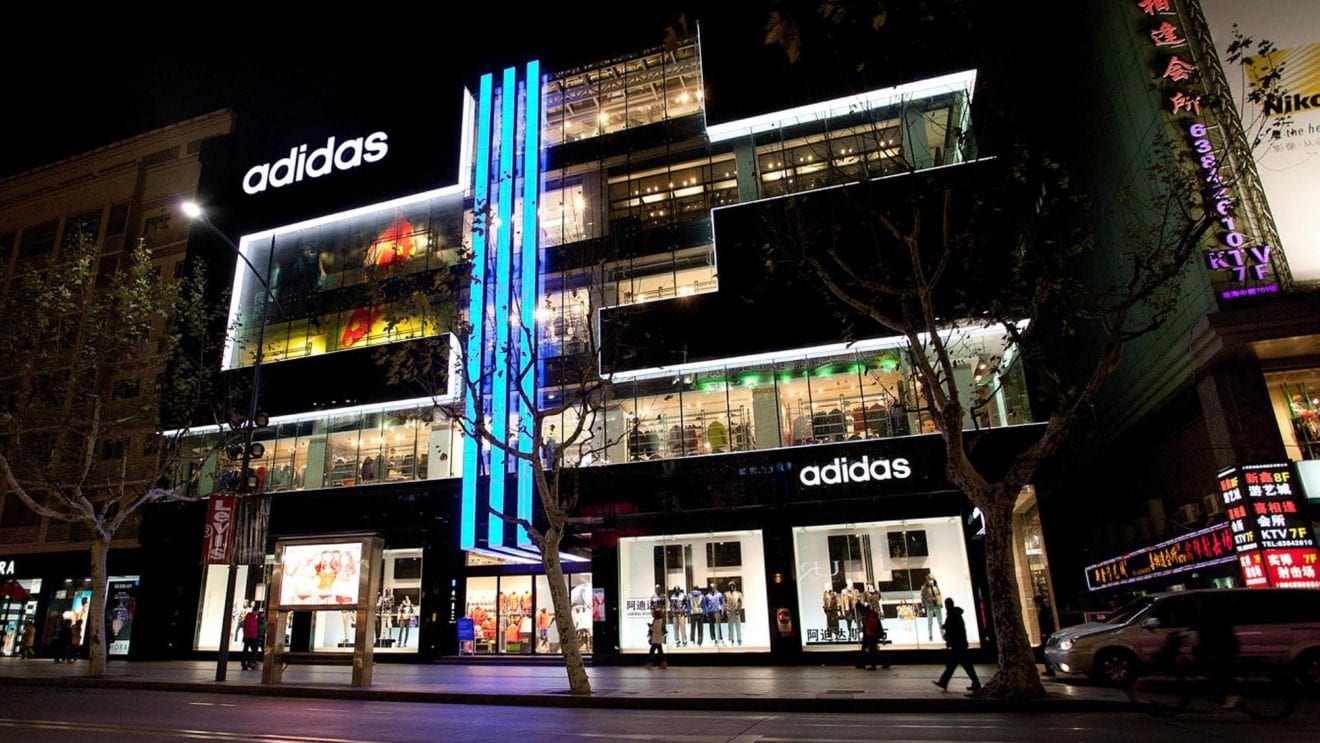
    International sportswear provider Adidas announced that they will open their sixth Adidas Brand Center in the world in Hong Kong’s Central district during the first half of 2016.

    In addition, the company will open their first Hong Kong Sport Performance flagship store in Causeway Bay and the second is expected to open in Tsim Sha Tsui.

    Located at No.36 Queen’s Road Central, the new Adidas Brand Center has an area of about 1,600 square meters. This site was formerly rented by Coach and closed due to the declining luxury market prospects in Hong Kong. However, Adidas said they are optimistic about Hong Kong’s sports fashion market and this location. The company hopes the new Adidas Brand Center, along with the two Sport Performance flagship stores, can be Hong Kong’s new vigorous sports landmarks.

    Prior to this, Adidas’ chief executive officer Herbert Hainer said the year of 2016 would become the brand’s record setting year.

    Financial details of Adidas’ investment in Hong Kong were not released.

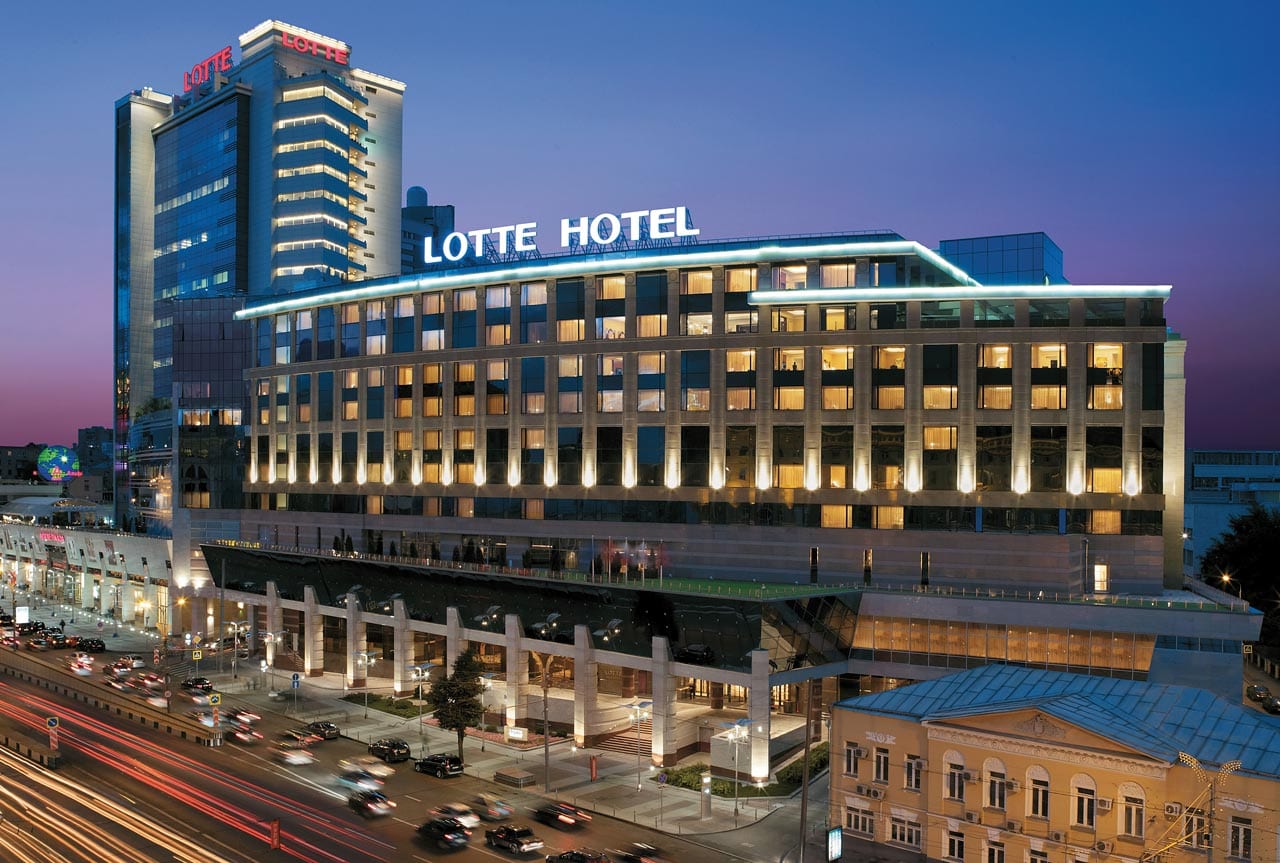
  • Lotte celebrates topping-out of Korea’s tallest building

    Lotte celebrates topping-out of Korea’s tallest building

    South Korea’s retail giant Lotte Group held a symbolic topping-out ceremony Tuesday afternoon to mark the approaching completion of the Lotte World Tower, the tallest building in the country located in Jamsil, southeastern Seoul.

    Lotte Corp. placed the last crossbeam on the top floor of the 123-story skyscraper amid much fanfare with some 200 high officials in attendance, including Lotte chairman Shin Dong-bin and Seoul City mayor Park Won-soon.

    The Lotte World Tower currently stands at 508 meters as the world’s fifth tallest building in the world. It will reach 555 meters in height once the spire is placed and the interior construction is concluded next year.

    “Offering panoramic views of Seoul, the Lotte World Tower will be able to attract some 2 million tourists every year,” said the Lotte chairman in his congratulatory speech.

    Mindful of public concerns about safety, Shin emphasized that Lotte would “work to ensure that the tower becomes a safe location that can welcome all visitors” and to “successfully wrap up the remaining construction procedures.”

    The supertall skyscraper stands at the center of Lotte’s 3.8 trillion won ($32 billion) project envisioned by Lotte founder Shin Kyuk-ho to build an unparalleled legacy for the company in Jamsil.

    Located adjacent to the tower is the Lotte World Mall, a mega shopping complex featuring shops, restaurants, a movie theater and aquarium. The tower is set to house a six-star hotel, office space and an observatory once it is completed next year.

    “The Lotte World Tower has been constructed in line with my father’s wish to establish a landmark building in Korea,” said the Lotte chairman, also the eldest son of the Lotte founder.

    “The tower will become a structure beloved by people from all over the world.”


  • Esprit just made a lot of money? Look again

    Esprit just made a lot of money? Look again

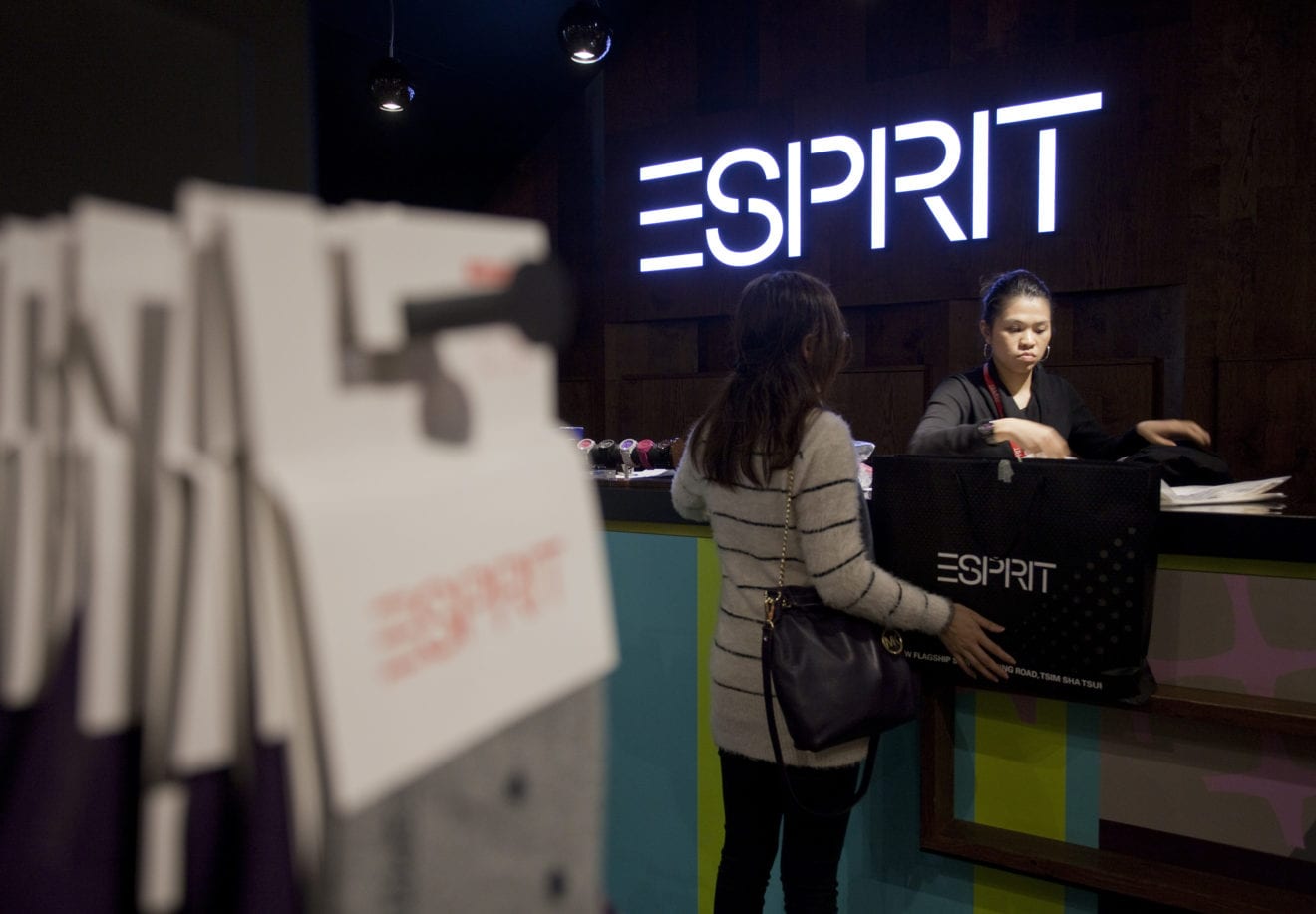
    Fashion icon Esprit is making headlines again, this time for the profitable sale of its Hong Kong headquarters.

    The struggling retailer said it made a profit of HK$725 million (US$93.53 million) from the sale of the premises — five floors in Enterprise Square in Kowloon Bay — to Phoenix Property Investors for HK$918 million.

    The buyer plans to lease the space back to Esprit for HK$2.43 million a month. That’s equivalent to a gross yield of about 3 percent on the deal, or 4 percent, assuming the additional one floor will be leased to Esprit at the same rate.

    The lease, which starts after the deal closes in March, will be for three years, renewable at a 20 per cent premium after the third year.

    The money would have been nothing to Esprit, once owned by Michael Ying, in its heyday when it churned out HK$5 billion in profits. In the financial year to June 30, 2015, Esprit made a net loss of HK$3.7 billion, or HK$1.90 per share.

    Esprit bought the property in 2004 for HK$200 million during the so-called “golden decade of retail” as mainland tourists began arriving in Hong Kong in great numbers.

    At the end of the heady run, apparel retail sales were up 126 per cent, with the biggest chunk going to three global fast fashion retailers — Japan’s Uniqlo, Sweden’s H&M and the Spanish giant Zara.

    Apple Daily reports that the three retailers have more than 80 outlets in Hong Kong combined.

    Most of its rivals did not disclose their sales figures but H&M said it recorded HK$1.29 billion in the first three quarters ended August.

    Where was Esprit in all of this?

    The Hong Kong flagship was embroiled in one of the greatest collapses in the competitive fashion industry.

    Sales from Hong Kong were down 8.4 per cent to HK$386 million, with its store network shrinking to 15 shops from 46 in 2006.

    Among the big winners were small designers such as Bauhaus, I.T. and low-end retailers such as Bossini, although Giordano lost market share.

    Altogether, local brands had 460 shops last year, according to Apple Daily, but their market share fell to 14.5 per cent from 18 per cent in 2006. Now we know why Esprit had to sell its headquarters.

    Yet, this is only one chapter in a painful restructuring that has already lasted more than five years.