Tag: Hong Kong

  • 1 in 4 Hong Kong consumers shop via mobile

    1 in 4 Hong Kong consumers shop via mobile

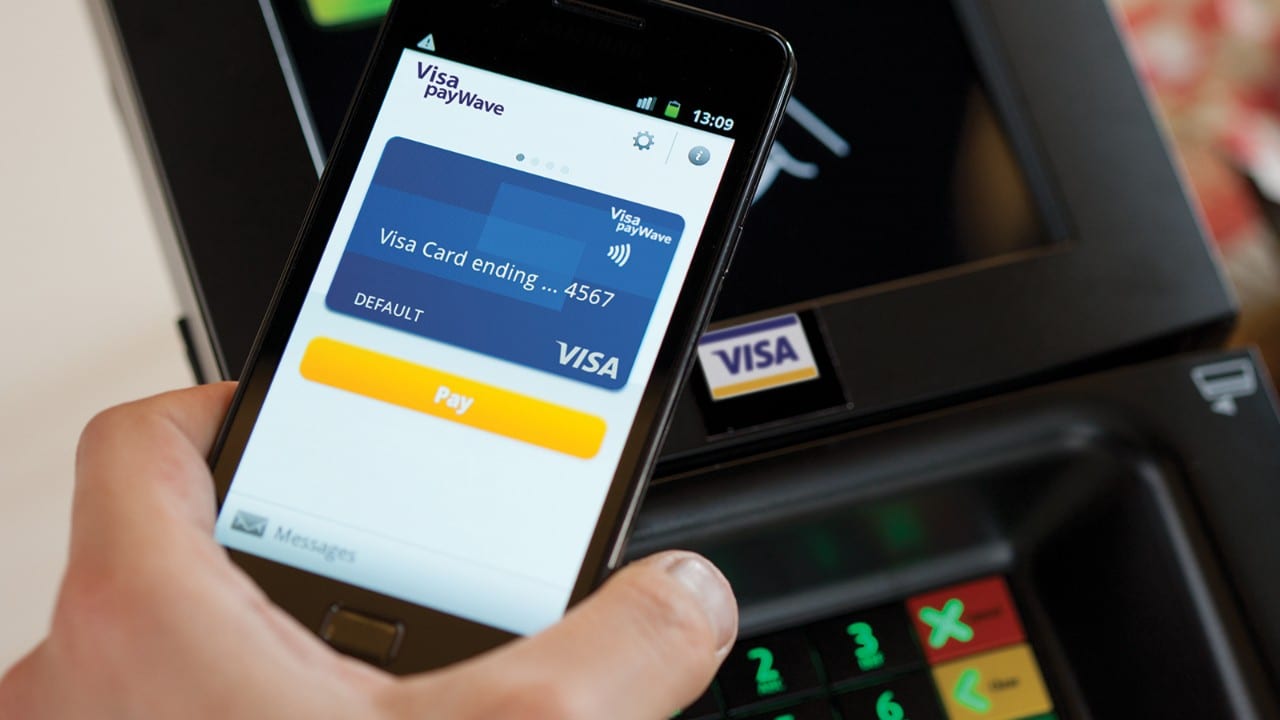
    More than one in four Hong Kongers (25.5 percent) shopped online via their mobile phones in the past six months, but the majority are concerned about security and identity theft.

    These are among the findings of a recent online survey conducted by Zogby Analytics and commissioned by TransUnion.

    The online survey of 500 adults, conducted by Zogby Analytics and commissioned by TransUnion, revealed that two in three Hong Kongers have shopped online more than three times in the past six months, including 20.9 percent who have shopped more than 10 times.

    While the far majority (76.8 percent) still preferred to make online purchases from a PC or laptop, 42.6 percent also used other devices, including mobile phones (25.5 percent) and tablets (17.1 percent). Most of them (65.3 percent) spent or would spend less than HK$1,000 on a single item.

    Even with online shopping becoming increasingly popular, 53.3 percent said security and identity theft is their main concern when shopping online, followed by 22.1 percent who worry that the item they purchase will not be as it appears on the website.

    “Hong Kongers are more and more comfortable shopping online and e-commerce offers a popular way to buy gifts during the hectic holiday period. However, our research demonstrates that consumers in Hong Kong might not be as aware of online security threats as they ought to be,” said Samuel Ho, chief executive officer for TransUnion Hong Kong.

    Ho said it is essential for holiday shoppers to protect their personal and financial data online.

    Besides creating strong passwords, setting a unique one for each shopping account and device, and only making purchases at encrypted shopping websites, consumers should also monitor their credit reports often so that unauthorized purchases won’t go unnoticed.

  • Hong Kong a drag on Prada

    Hong Kong a drag on Prada

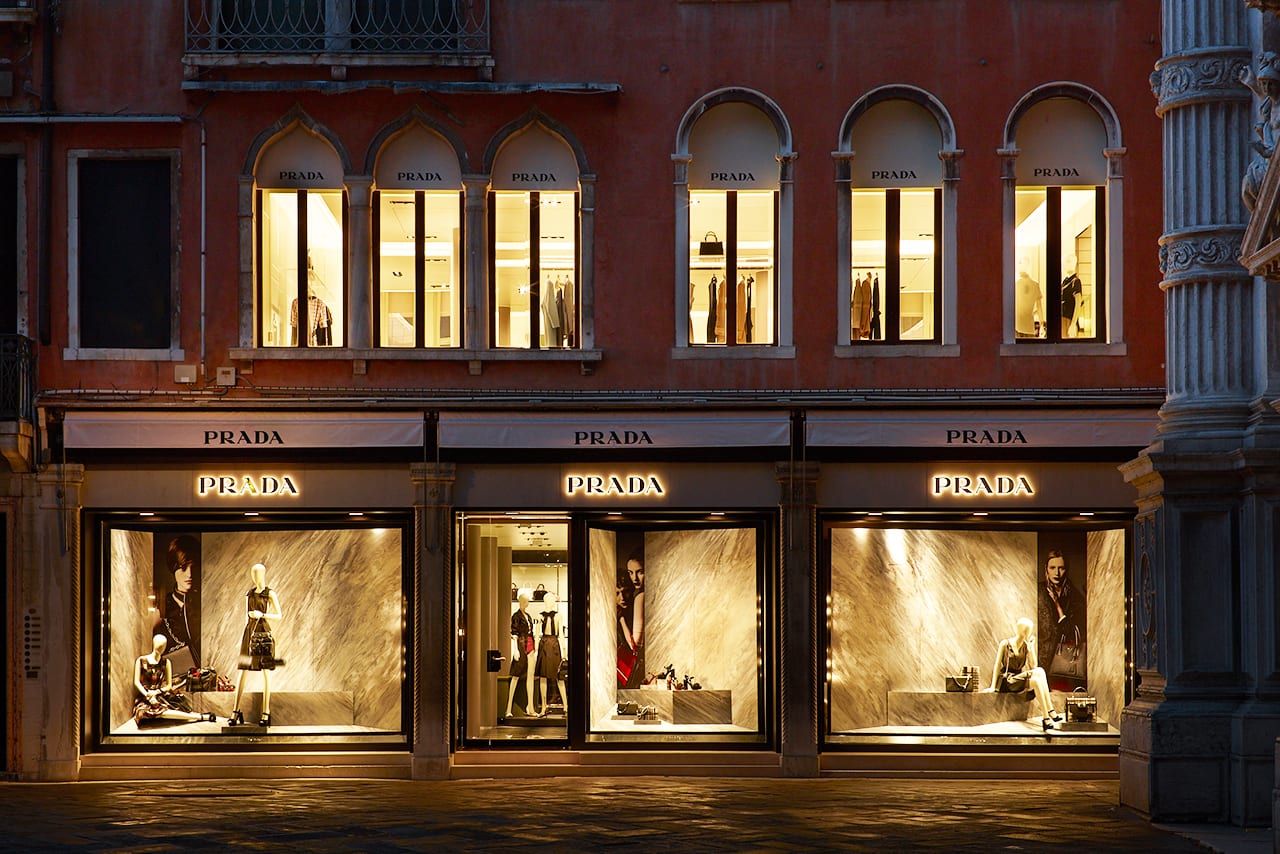
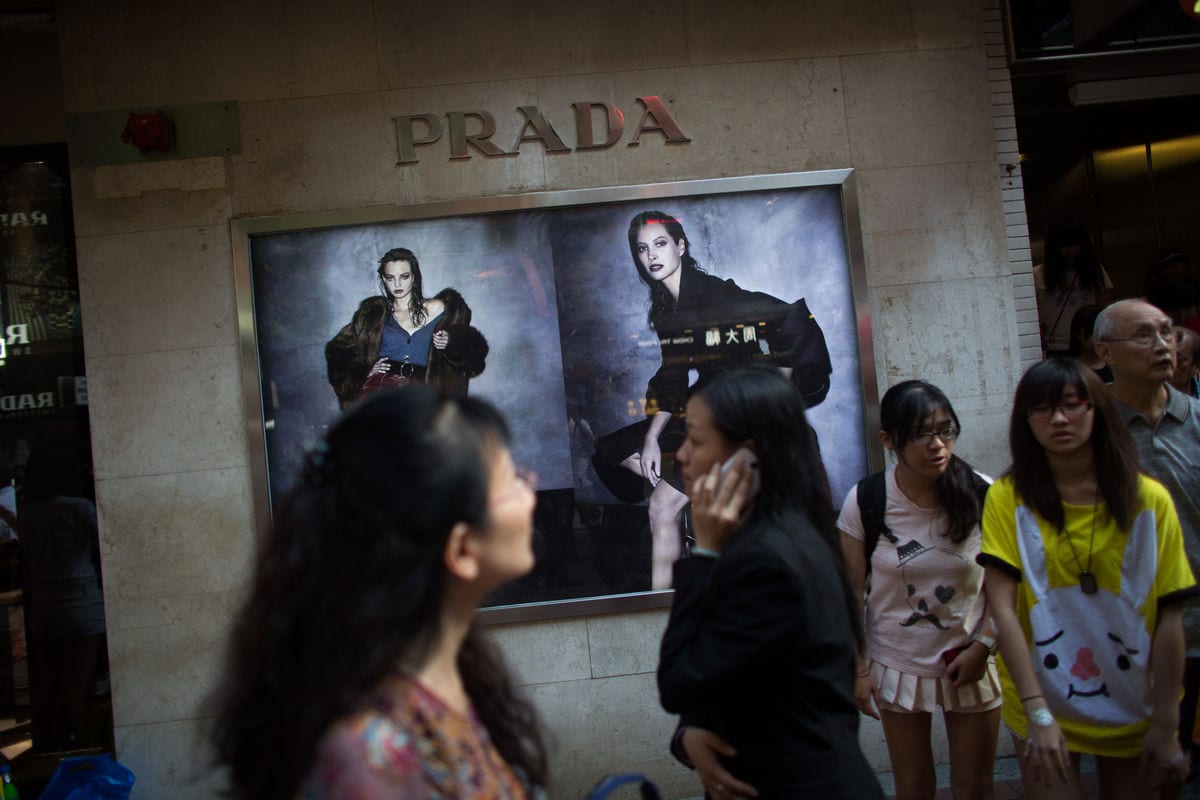
    Luxury fashion group Prada says the Asia Pacific market continued to decline during the first nine months of the new financial year.

    And Hong Kong and Macau have taken the blame – again.

    During the last three quarters, sales in the region fell 4.9 per cent at current exchange rates.

    “This is due to reductions in both local consumption and tourist flows within the region, with Hong Kong and Macau particularly affected,” Prada said in its results statement.

    But Japan helped ease the pain. Prada sets Japanese sales apart from Asia Pacific sales, reporting a 10.4 per cent increase in sales at current exchange rates and 4.6 per cent at constant exchange rates, driven largely by the rising number of Chinese tourists – many of whom in previous years would have visited Hong Kong to shop for luxury goods.

    In Europe, too, the influx of Asian tourists boosted sales, which rose 8.6 per cent at current exchange rates and 7.6 per cent at constant exchange rates. The Italian market continued to stand out among the various European countries and recorded growth rates well above the average for the area.

    On the American market sales increased at current exchange rate by 8.5 per cent, but showed a negative underlying trend, down 7.6 per cent at constant exchange rates.

    “The significant strengthening of the US dollar over the period had an adverse impact on tourism, mainly from China and South America, but, at the same time, it encouraged a shift in American consumer spending towards Europe,” Prada said.

    By brand, Prada recorded a 2.1 per cent global sales  increase which was entirely attributable to the exchange rate effect. Miu Miu has grown with revenues up at both current exchange rates (+11.8 per cent) and constant exchange rates (+1.9 per cent). Church’s has also achieved sales growth (+17.6 per cent), a positive trend also on a like-for-like base.

    The licensing business (eyewear and fragrances) performed very well, with royalties for the nine months to October 31, totalling Euro 33.5 million, a 16.2 per cent increase, in large part thanks to the launch of the first Miu Miu fragrance.

    Prada Group’s consolidated revenue for the nine months was Euro 2.583 billion. This represents a 1.2 per cent  increase at current exchange rates on the corresponding period in 2014, entirely thanks to directly operated store sales. Wholesale revenues decreased as the group continues to reduce its presence in that channel.

    Net profit was Euro 235.1 million or 9.1 per cent of net revenue.

  • Foodpanda HK axes Foodora after just two months

    Foodpanda HK axes Foodora after just two months

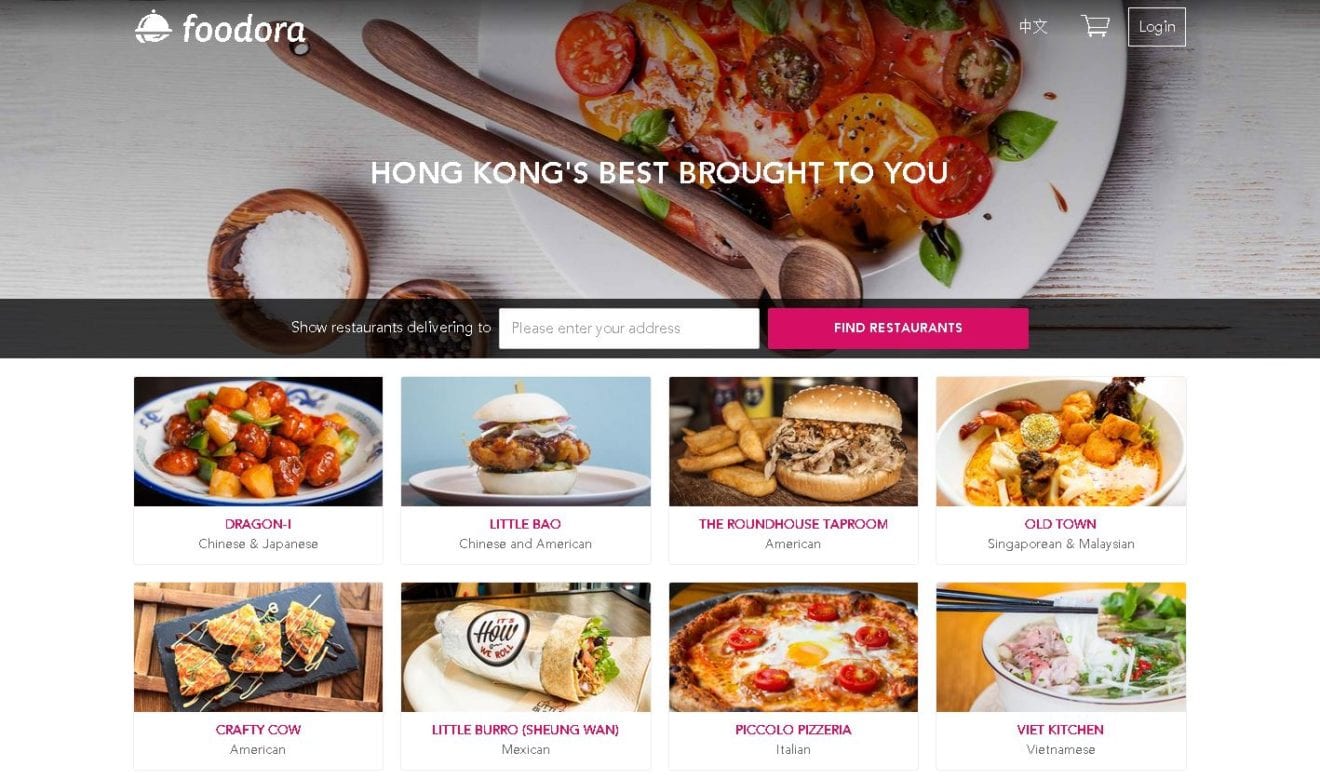
    Just two months after its launch, Foodora, the upmarket sister site of Foodpanda Hong Kong has been axed.

    Inside Retail Hong Kong broke news of Foodora’s launch in late September and the company officially unveiled the concept in early October, saying it had 100 restaurants signed up after a trial in two suburbs: Central and Sheung Wan.

    “The company has set itself apart from traditional delivery services by working with big names in the restaurant scene, including the likes of Dragon-i, Iberico, Check-In Taipei,The Boss and Social Place. Restaurants such as Little Bao will for the first time offer hungry Hong Kongers an alternative to waiting in a queue for superior eats,” Foodora said at the time.

    But today, Foodpanda said those restaurant brands will now be listed alongside fastfood brands like Pizza Express on the parent site.

    It disguised the axing of the two month old project in a media statement proclaiming it has “drastically reduced delivery time” of all its orders to “an average” of 30 minutes, a key marketing plank of Foodora.

    “Sister company Foodora, launched in October this year, is also now integrated into the Foodpanda business, in order to have natural synergies and premium expertise. This new integration is an additional step to reinforce Foodpanda’s philosophy and expertise on providing the best food delivery services,” the statement said.

    The company says it has developed proprietary rider and restaurant software technology, using an advanced algorithm to optimise delivery courier routes and restaurant operations.

    “The company is now able to ensure that steps in the food ordering process occur faster than ever, bringing average delivery down to 30 minutes after the order confirmation.”

    Announcing the addition of Pizza Express, Oolaa, Mana Raw and Nosh by Secret Ingredient, among others, to its offer, Foodpanda Hong Kong MD Alexander Roth said it is Foodpanda’s mission “to deliver the best meals from the best restaurants to our customers as quickly as possible”.

    Foodpanda is encountering increasing difficulties rolling out its business model in Asia. Last month it closed its Vietnam operation after failing to make a dent in the market share of more efficient, established rivals (subsequently selling its database to one of them).  In Kuala Lumpur it is struggling to win customer confidence after buying up its rivals and shutting them down and operating a monopoly widely criticised for delivery times of often more than an hour, complaints of cold food and poor customer service.

  • Apple Hong Kong store gets an extra floor

    Apple Hong Kong store gets an extra floor

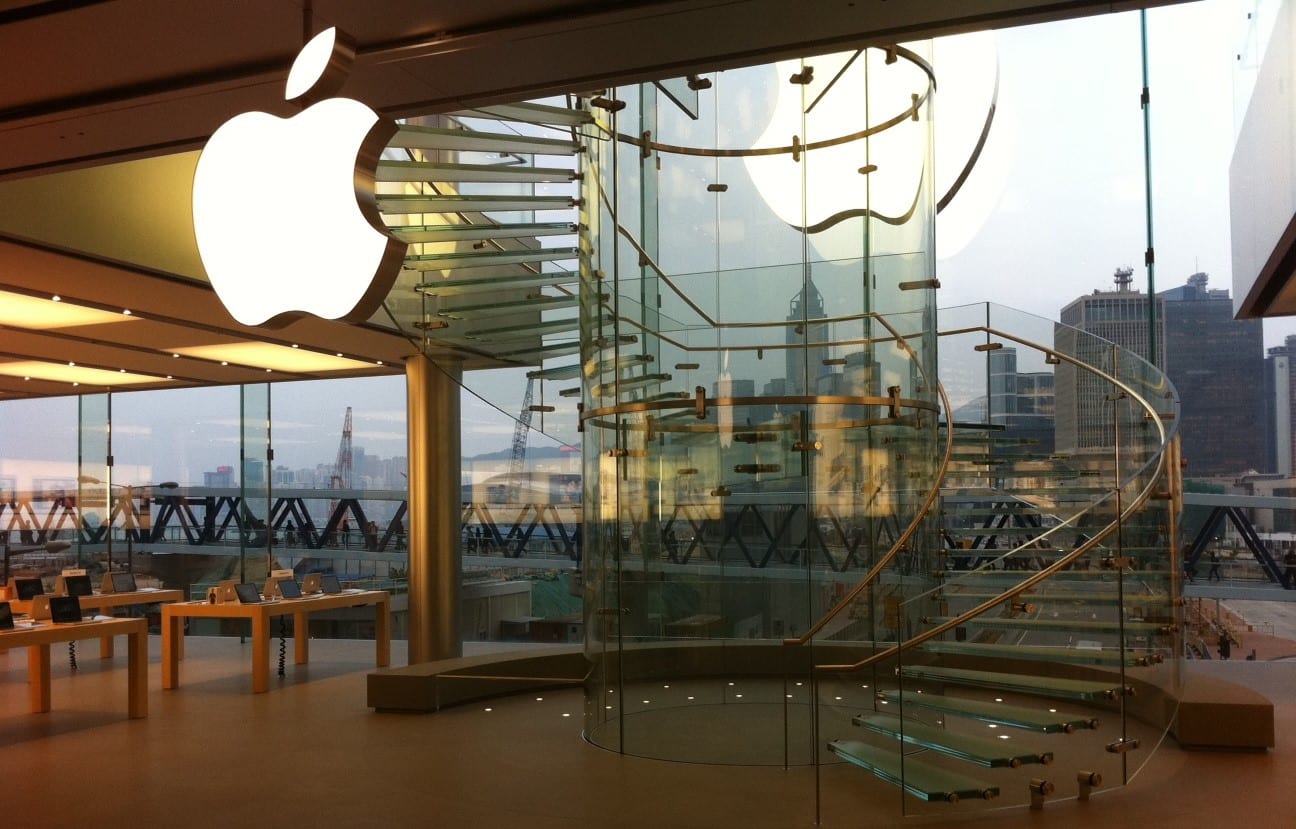
    Apple’s first retail store in Hong Kong is expanding with the addition of a third floor.

    The store, located in IFC Mall, opened its doors in 2011. Three more have since opened across the territory, but demand for Apple’s products still caused frequent congestion inside the IFC Mall location.

    Apple Hong Kong store 1 ( Apple Insider)

    In a catchy promotion announcing the expansion, Apple has mounted signs with the slogan: “We’re taking things up a level”.

    According to AppleInsider, construction of the extra floor is nearly complete. The store will feature a new, separate staircase to access the new zone.

    Apple Hong Kong store 2 ( Apple Insider)

    Apple opened its 28th store in China last week, with plans to have a total of 40 retail locations in Greater China by mid-2016.

  • HKIA to create one-stop shop in West Hall

    HKIA to create one-stop shop in West Hall

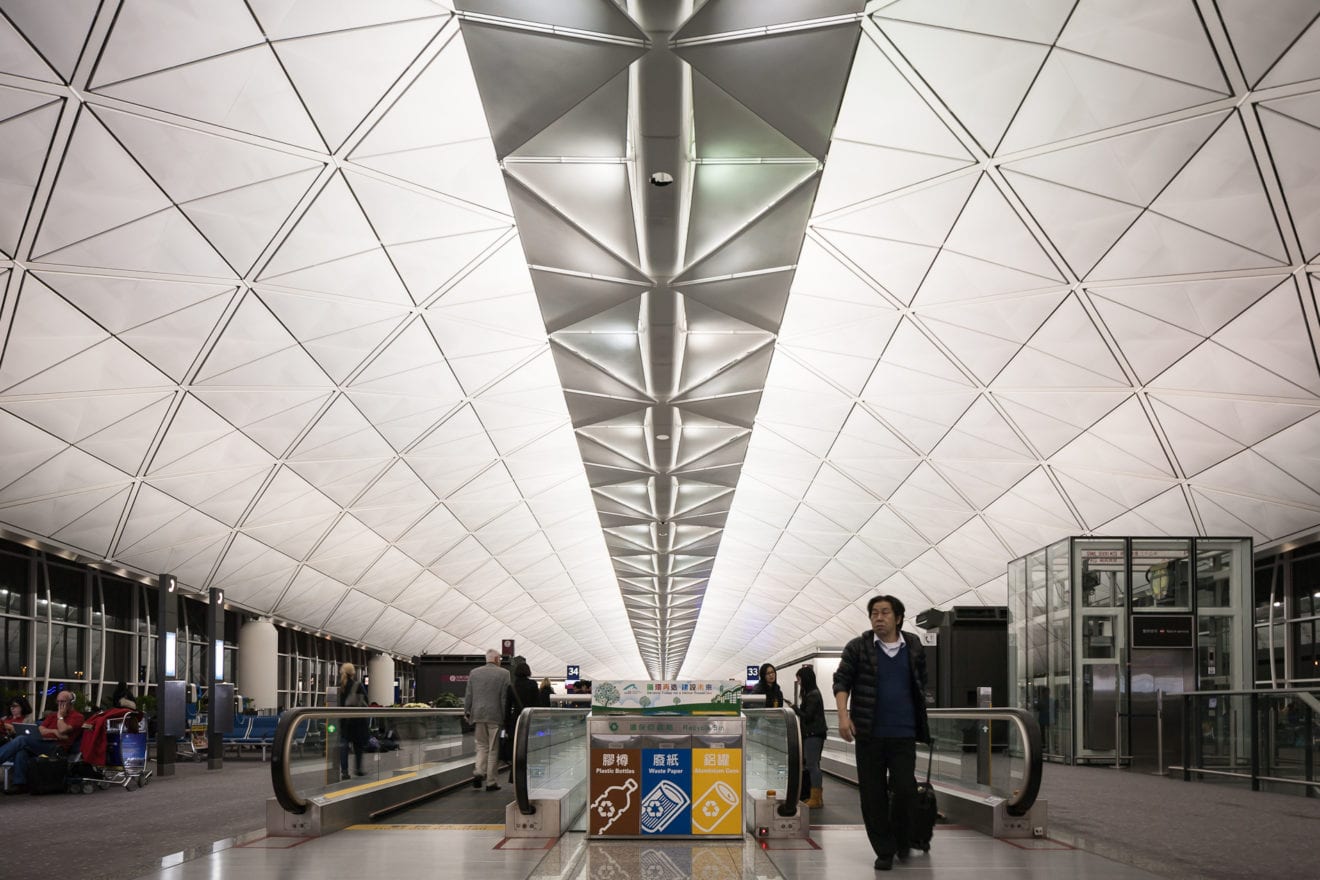
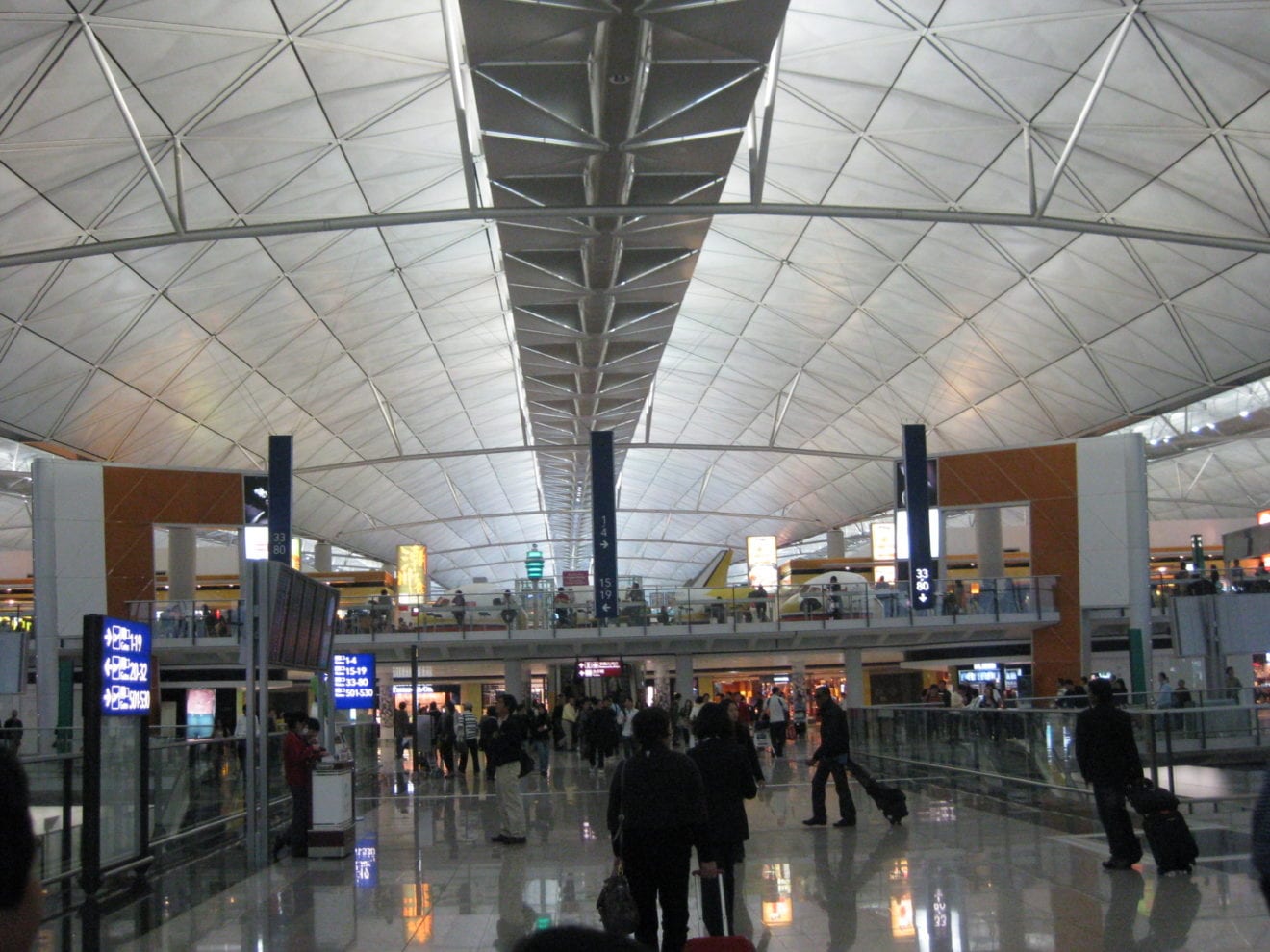
    Retail performance in 2015 at Hong Kong International airport (HKIA) has been shaped by a growing portfolio of leading brands and strong passenger growth, an Airport Authority Hong Kong spokesperson told DFNIonline.

    HKIA now plans to reinvigorate the retail facilities at the West Hall to be more of a “one-stop shop” and dining destination. HKIA has added two new brands to the facility, Hermès and MCM, both of which will make their introduction from the middle of 2016. So far over 50% of the stores are currently open as part of the West Hall redevelopment programme.

    After launching a local free delivery service in February 2015, where customers spending over $1,000 can enjoy free postage within Hong Kong, HKIA has extended its service within Greater China. Launched last month, customers spending over $2,500 on clothing, bags and accessories are offered free delivery to mainland China, Taiwan and Macau.

    The airport is also embarking on substantial retail change where several tenders have been issued. The spokesperson confirmed the airport is undergoing an evaluation process.

    In keeping with its uplifting retail experience the airport installed an “I Love Hong Kong” zone this year, located on Level 7 of the East Hall comprising an “East meets West” culture. Fourteen local brands for fashion, Chinese dried goods, Chinese bakery, optical shops and tea houses now carry the prominent logo on shop-design, merchandise and packaging, as well as Hong Kong Disneyland and Giordano.

  • Lane Crawford gives brand fresh Facesss

    Lane Crawford gives brand fresh Facesss

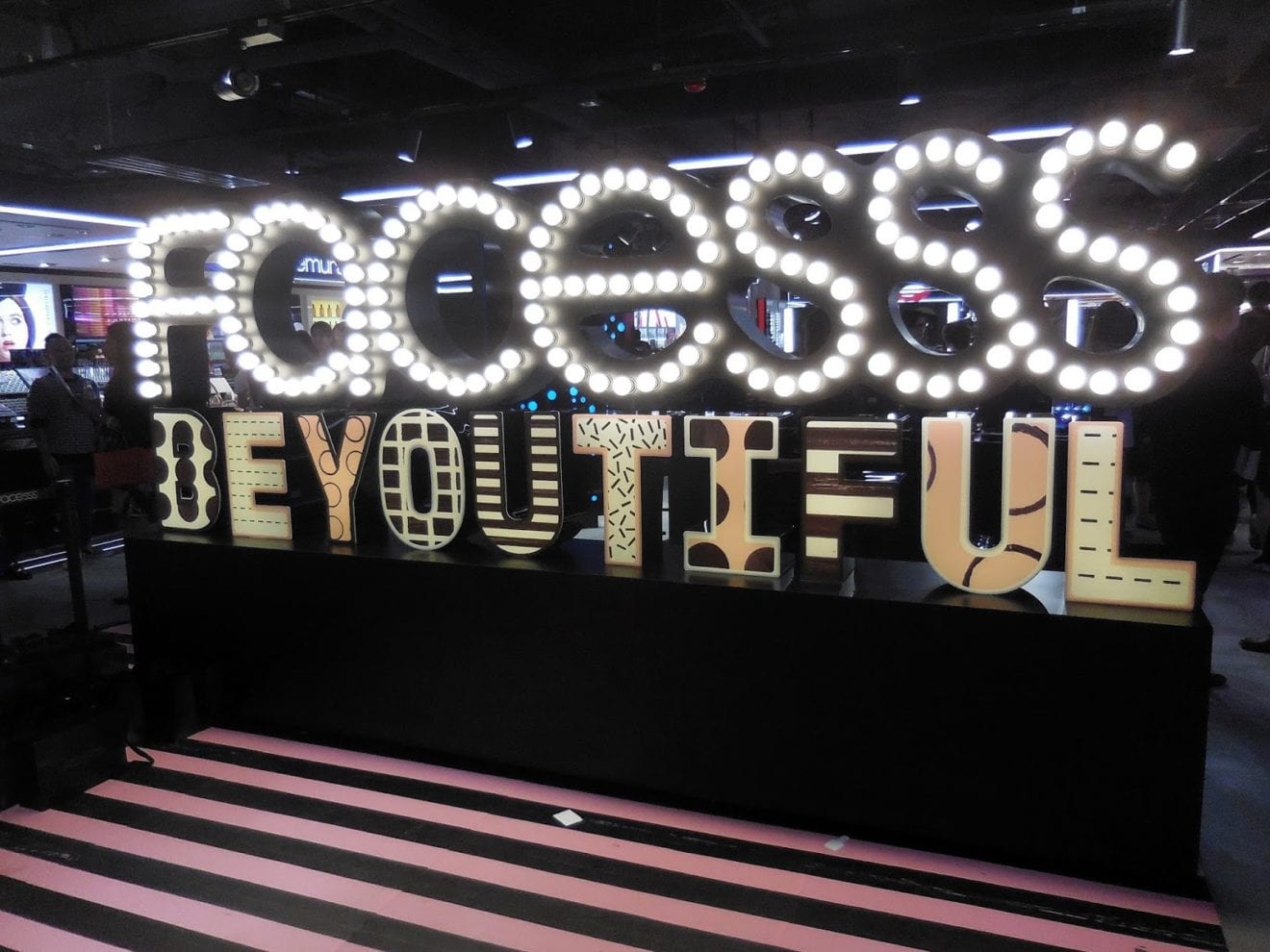
    Hong Kong department store Lane Crawford has given its beauty brand Facesss a whole new look and direction.

    Facesss, with stores in Admiralty and Harbour City has been given a makeover by independent creative consultancy Constant aimed at appealing to millennials and a more diverse local audience.

    Constant said until now Facesss has been a popular beauty destination, catering to a myriad of different demographics, but it lacked a strong voice of its own.

    The consultancy took a roots to branch approach, focusing on the in-store shopping experience, branding and location within Lane Crawford. Staff uniforms were redesigned and a new in-store music soundtrack compiled, and a new mobile app developed.

    “Since Facesss allows everyone to discover the beauty that works for them, we wanted to hero individualism and self-expression across the communication strategy”, Tem Hansen, partner & strategy director said.

    “We see the beginning of that in the identity and tone of voice, but it will be explored further in the next phase of the brand development.”

    While Facesss now has a new logo, the Constant team took pains to retain “the most definable assets” of the brand.

    “Starting from the logo, the new branding came naturally as we expanded with more geometric shapes and a series of patterns that allows the identity to both be fluid and recognisable across all platforms,” explains Tim Ho, Constant partner and creative director.

    “You see that strongest in the animated GIFs that are used across both LED panels and on social media channels.”

  • Olivia Burton launches first stand-alone retail presence in Hong Kong

    Olivia Burton launches first stand-alone retail presence in Hong Kong

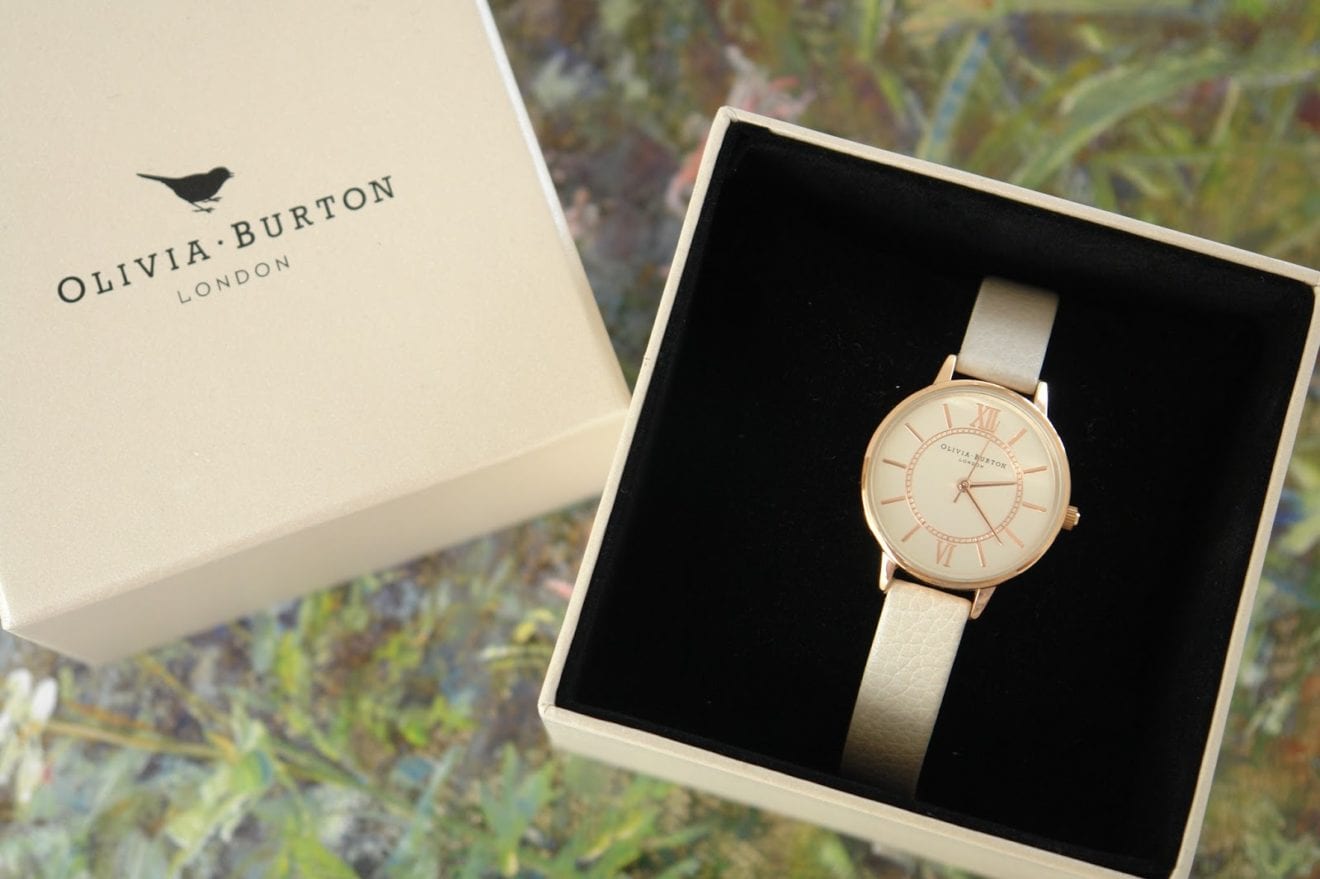
    British watch brand Olivia Burton has launched its first stand-alone retail presence in Hong Kong.

    The move comes as a partnership with the company’s Hong Kong distributor – Working Unit – and has seen three Olivia Burton-dedicated ‘watch corners’ open across the city in Kapok retail stores.

    The company said it launched the stores in December 2015 in an effort to capitalise on the Christmas shopping period.

    Located in prime locations that offer “high traffic and consumption”, the Olivia Burton watch corners are based in the LCX store in Tsim Sha Tsui, the apm mall in Kwun Tong and the New Town Plaza in Shatin.

    Jemma Fennings, brand founder and managing director of the brand, said the launch of the retail corners mark a “huge milestone” for the brand and its international presence.

    She said: “The label has proved extremely popular with the Asian market since we started trading internationally and to be able to offer a dedicated retail space that is designed and merchandised by our in-house team is really exciting.

    “We’re looking forward to increasing our brand awareness and product offering within the Asian market and hope to add additional retail spaces to the current portfolio in the coming year.”

    The stand-alone corners will stock a wide range of Olivia Burton styles and new collections will be added every two months.

  • Marks & Spencer Hong Kong plans giant new store

    Marks & Spencer Hong Kong plans giant new store

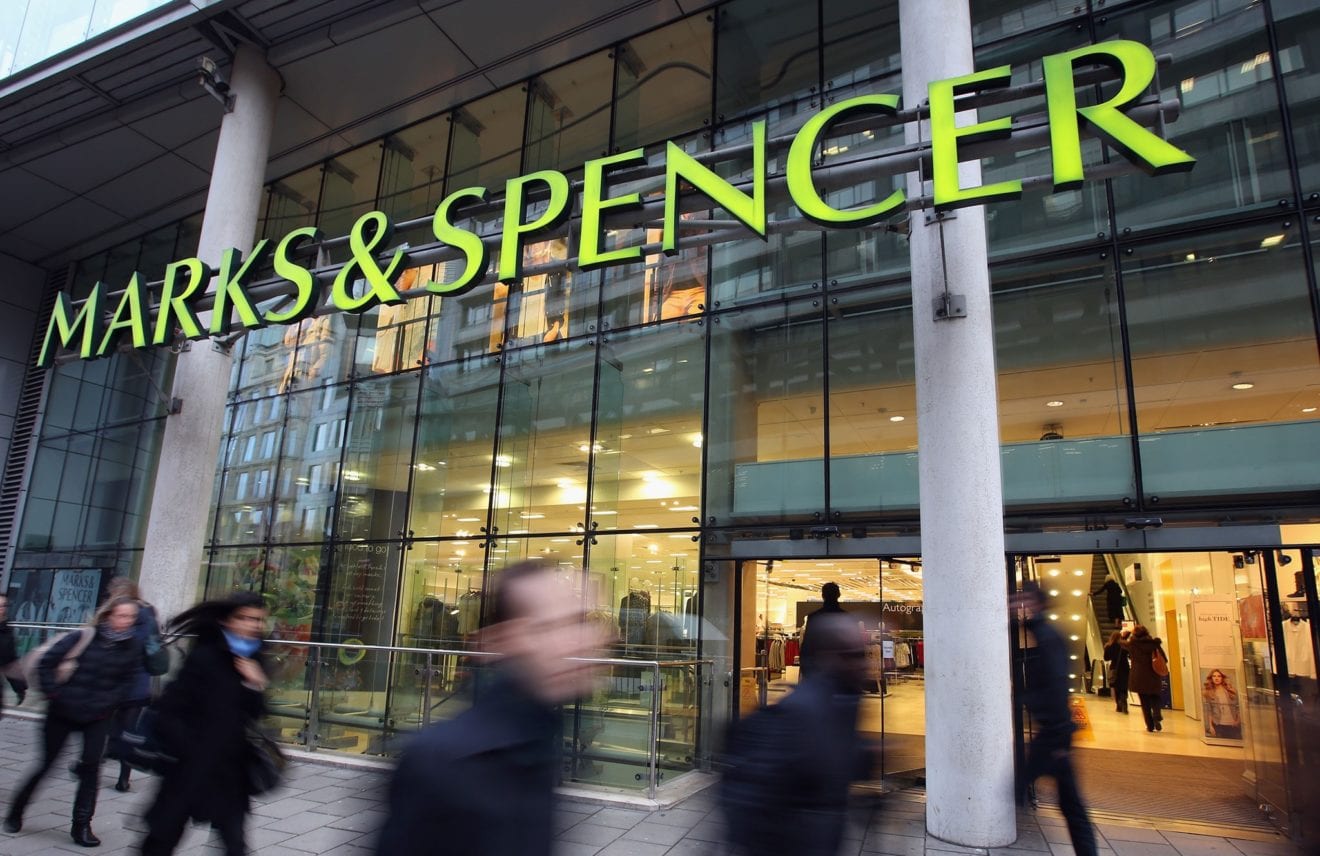
    UK department store Marks & Spencer is planning to open one of its largest stores in Hong Kong early next year in Cheung Kong Property’s Wonderful Worlds of Whampoa centre in Hung Hom.

    According to a report in the South China Morning Post, California Fitness is vacating its space in the centre to make way for the new Marks & Spencer Hong Kong store, which will take up at least 40,000 sqft (3700 sqm). Other smaller tenants will also be moved to make way for what will be M&S’ 24th store in the territory.

    Helen Mak, senior director of retail services at Colliers International, told the SCMP Whampoa has been “a missing district for international brands” in the past.

    “With the new MTR station in place very soon, the landlord sees more chances for retail business.

    “It is more of a consideration of adding diversity to the existing mall, from landlord’s point of view,” Mak said.

    The Whampoa MTR station, part of the Kwun Tong extension line from Yau Ma Tei, is currently under construction and scheduled to open late next year.

    Fast fashion brands Uniqlo and H&M recently opened in the Wonderful Worlds of Whampoa centre and Mak says she expects more international brands to follow as the mall morphs into more of a regional mall.

  • Cafe de Coral Group plans 20 new restaurants

    Cafe de Coral Group plans 20 new restaurants

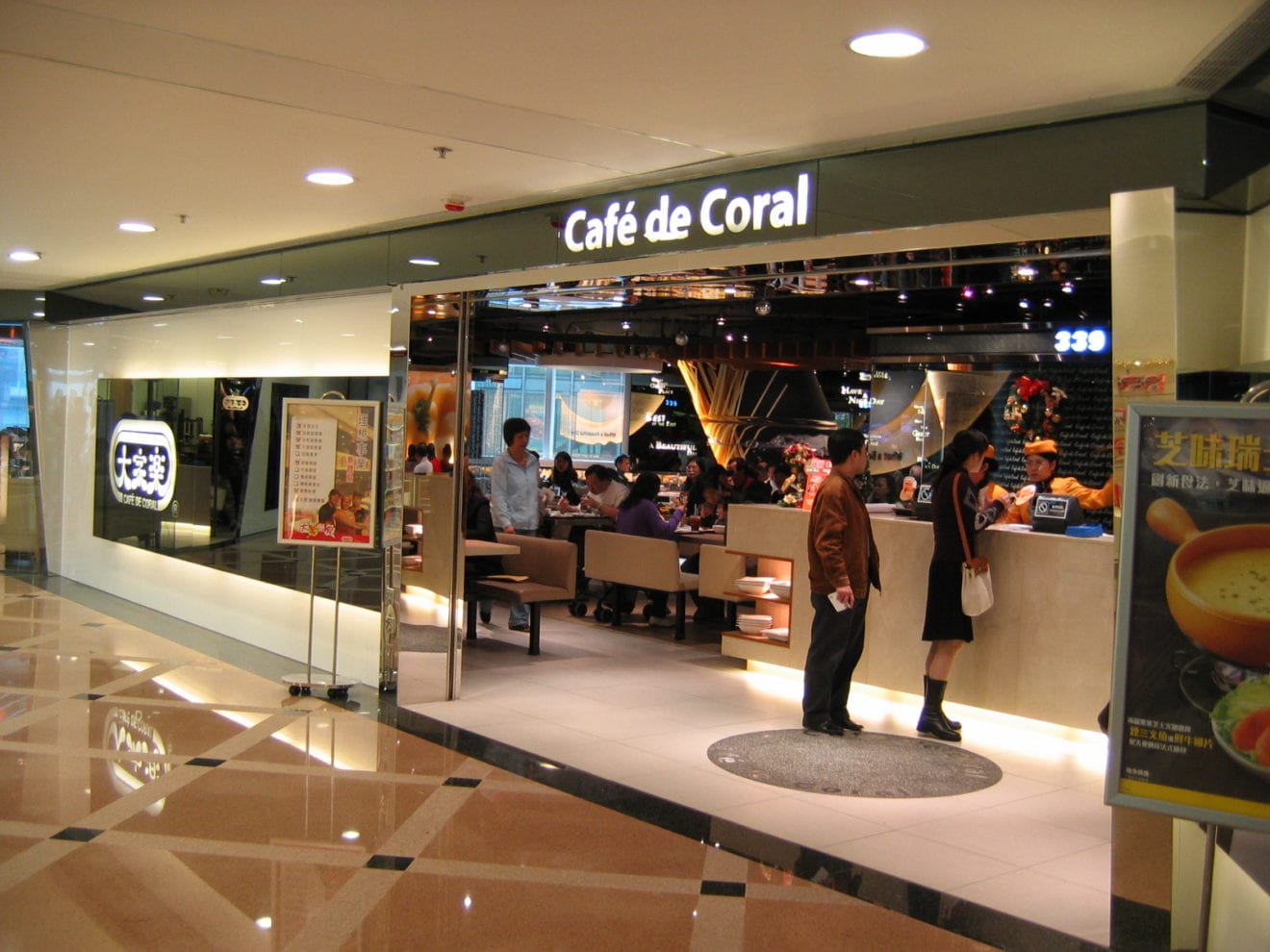
    Quick Service Restaurant giant Cafe de Coral Group says it plans to open at least 20 new outlets in Hong Kong in the current financial year as it seeks to revive profit growth.

    The company this week revealed a three per cent increase in sales to HK$3.73 billion in the first half of the year, but a 14.7 per cent decline in profit to $207 million.

    “Seizing the opportunity of a softer leasing market, our Cafe de Coral and Super Super Congee & Noodles chains will be more proactive in further expanding its network,” the company said in its stock exchange filing.

    “Our team has been working on building greater network for our QSR platform with opening more than 20 shops in FY2015/16. We will also steer our current and new QSR concepts to

    further drive a bigger market share in this segment. Lifestyle cafe kiosk Just About Food and new innovative take-away concepts in key commercial hubs are tailored to target the needs of busy working crowds. These new QSR concepts have also led us to higher efficiency in the backdrop of high rental cost and persistent labour shortage.”

    Cafe de Coral Group’s QSR business in Hong Kong recorded a healthy turnover growth during the first half.

    “Performance of our fast casual and casual dining business was, however, held back by the significant investment we ploughed in to support our continual expansion in this segment. The group’s overall performance for the period has, to some extent, reflected a downturn in retail sentiments, driven by the weakening economy. Some of the group’s restaurants in the major shopping precincts saw a slow recovery in the aftermath of the community disruptions since the last quarter of 2014.”

    Despite the prevailing challenges, the group’s Hong Kong operations recorded turnover growth of four per cent to $3.12 billion. The Café de Coral chain saw its sales from comparable stores increase four per cent from the same period last year. The Super Super Congee & Noodles chain’s sales grew three per cent.

    In the fast casual and casual dining sector, Oliver’s Super Sandwiches continued to generate positive comparable store sales growth.

    “The Spaghetti House and Spaghetti 360˚, despite being affected by the temporarily weakened customer spending during the period, seized the opportunity to rejuvenate and strengthen our presence in the Italian dining sub-sector with The Spaghetti House re-launching its flagship store in Cityplaza, Hong Kong.

    “Shanghai Lao Lao and Mixian Sense, our home-grown brands that underscore the group’s diversification strategy, reported an encouraging performance. During the period of review, both chains continued their trajectories of steady growth and reinforced our solid leap into the Chinese dining sub-sector.

    Leveraging on the franchising model in our Japanese and Korean dining sub-sector, The Cup and Don Don Tei restaurants have opened in Hong Kong.

    Mainland China ‘flat’

    In Mainland China, Cafe de Coral’s fast food business growth was flat compared with last year and its casual dining business saw a steeper decline, “due to the rising tide of consumer reluctance to spend on higher priced meals”.

    “We made the deliberate move to slow down our growth in scale and pace in the country.

    “A balanced business portfolio with the right mix of our QSR, fast casual and casual dining and Mainland platforms will provide us with a greater room for expansion – a cornerstone of sustainable growth for the Cafe de Coral Group,” the company said.

    “Business in Mainland China has remained stagnant and consumption patterns are changing. Aware of the market deteriorations, the group has carefully gauged local consumption behavior, with a prudent approach towards operating its business there, primarily the Cafe de Coral and The Spaghetti House chains. We have deliberately adjusted our expansion pace and consolidated our operations, closing underperforming stores as well as strengthening our infrastructures, systems and teams in pursuit of a viable, future-oriented growth strategy.”

  • Prada shares hit all-time low as China’s slowdown hits sales

    Prada shares hit all-time low as China’s slowdown hits sales

    Prada shares have fallen sharply in Hong Kong, after analysts reacted negatively to the fashion company’s latest financial results which came in well below expectations.

    The Italian fashion house, which specialises in leather fashion and fashion accessories, shoes, luggage, perfumes, and watches, reported third -quarter sales of €747.7 million, down 6% from €792.3 million a year earlier, as sales in China deteriorated further and US sales were hit by the strength of the dollar which crimped tourist spending.

    The sales were well below analysts’ expectations of about €816 million, while earnings before interest, tax, depreciation and amortisation of €155 million came in below expectations of €170 million. Prada’s efforts to improve the efficiency of its supply chain boosted gross margin, but this was then more than offset by higher operating costs associated with its retail expansion.

    Retail sales were down 4% overall, with wholesale sales down 26%. Retail sales fell 17% in China, which the company blamed on the volatility in the Chinese stock market in August and September, and were down 4% in the Americas, offsetting rises of 2% in Europe and 8% in Japan. Middle East sales were down 3%.

    Those sales were flattered by the weakness of the euro, and were even worse at constant exchange rates. Chinese sales were down 26%, Americas sales down 13%, and Middle East down 4%. Japanese sales were only up 4%.

    Prada’s growth in Europe was also a marked slowdown from the 10% and 12% growth reported in the first and second quarters of the year, respectively.

    “Prada also commented that the recent attacks in Paris have deterred tourist traffic from Europe. Some improvements in mainland China were noted, but trends are difficult to extrapolate at this point, while the US sees continued weakness, with a promotional market into the seasonal period a further headwind,” writes Nomura Analyst Christopher Walker.

    He notes that Prada has pledged to better harmonise its global prices, with a target of reducing the price gap between China and Europe to about 10% to 15%. Prices of some new products in Europe have already been raised, but Walker thinks Prada “may need to take more immediate action on Asia pricing”.

    Nomura is retaining a Reduce rating on the stock, and has lowered its target price for the stock to 26 Hong Kong dollars.

    Prada’s shares fell 6.6% to HKD24.85 a share in Hong Kong on Wednesday, marking a new all-time low for the stock and meaning they’re down 42.9% so far in 2015.

    J.P. Morgan Cazenove has cut its earnings estimates for the year as a whole by a further 6% on the back of Prada’s third quarter report, and has reduced its target price for the stock to HKD33. The broker has a Neutral rating on the stock.

    Its analysts think Prada is compounding a tough environment for the luxury sector with brand-specific issues and high operating expenditure that it’s only just getting under control.

    They also think that Prada’s warning of a further deterioration in European sales since the terrorist attacks in Paris bodes ill for the luxury sector as a whole, although Prada looks like being among the worst hit. Most of the sales luxury goods companies make in European cities like Paris and London come from tourists.

    “The further deterioration in the trend is not a surprise: tourists are critical to the luxury goods sector and the Paris tragic events dent tourist flows (note that Japan Airlines announced that it was stopping its Paris-Tokyo Narita routes today until March after a 60% slump in bookings),” they write. “Peers though seem to have noticed mainly an impact in Paris and Brussels and not in other European capital cities.”

    The analysts think the fourth quarter of 2015 will be weak for the whole luxury sector, as the Paris attacks weigh on European sales. They think sales will remain strong in Japan; improve in South Korea; be slightly improved in Asia Pacific due to weak comparative figures from a year earlier; and remain weak in the US.

    Nomura and J.P. Morgan Cazenove weren’t the only analysts to cut target prices for Prada’s stock on Wednesday. Bryan Garnier slashed its target price to HKD41, from HKD52, and Bernstein cut its price to HKD25 from HKD26.50. Bocom International Securities reduced its rating to Sell, from Neutral.

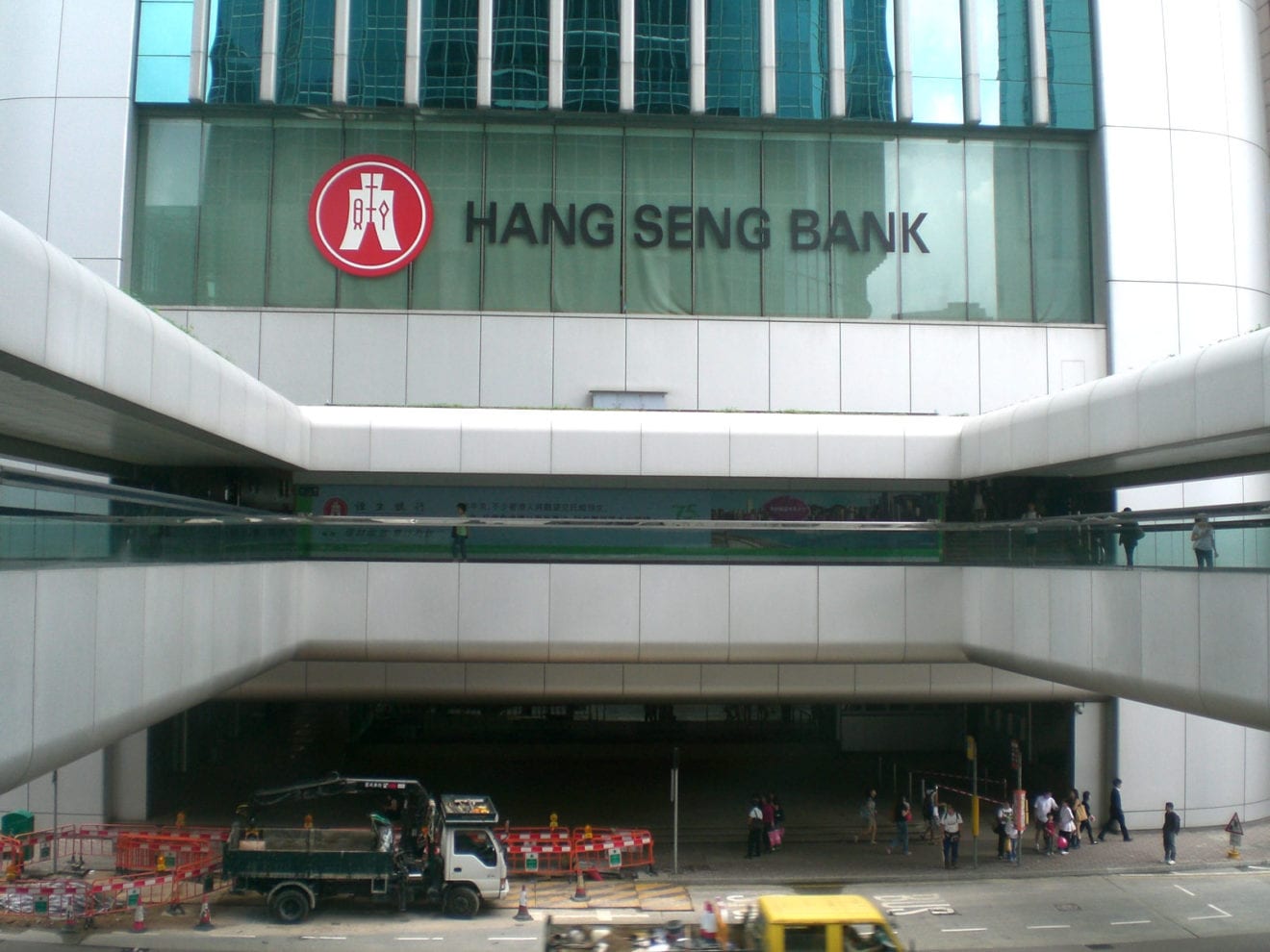
  • What if…HSBC sold Hang Seng for BoCom deal?

    What if…HSBC sold Hang Seng for BoCom deal?

    Companies of China are increasingly focused on international expansion, at the exhortation of Beijing. Its desire to expand has helped support the international ambitions of local insurers such as Anbang and Fosun International, or securities firms such as Citic and Haitong. But one vital part of this sector has yet to demonstrate such assertiveness: China’s banks.
    Chinese individuals are remarking upon their meekness. The South China Morning Post reported that Li Ruogo, former chairman of the Export-Import Bank of China and now an executive vice-president at the International Financial Forum, claimed the international capabilities of China’s banks is not suitable for the needs of the nation’s outbound investments and acquisitions.

    Similarly, the newspaper reported that Ma She, deputy director of European affairs at the Ministry of Commerce, as criticising the banks for “underdeveloped” overseas branch networks and poor data sharing management.

    To date China’s banks have embarked on tentative acquisitions offshore, in South Africa and South America. But these have been small, and piecemeal.

    It looks unlikely the banks would ever unveil grandiose plans to buy a Deutsche Bank, or a Standard Chartered. Instead, for a truly transformational purchase they would be most likely to seek targets close to home.

    Hong Kong would be the most obvious immediate candidate, boasting geographic, financial and cultural ties. However, the city has relatively few decent-sized candidates that are obvious acquisition prospects.

    Bank of East Asia might be the most obvious potential target. However, the bank recently issued an exchangeable bond in its shares to Sumitomo-Mitsui Financial Group, effectively raising its stake to around 17.5%. That, combined with the Li family’s 11%, might make a takeover bid highly challenging, particularly given the likely reluctance of the Li family to sell out.

    But there is another possibility: Hang Seng Bank.

    Appealing acquisition

    Hang Seng’s biggest shareholder is HSBC. It bought a 51% stake in Hang Seng in 1965, after the latter was tottering following a bank run, and has subsequently raised this stake to 62.14%.

    As a result HSBC, which is by far Hong Kong’s largest retail bank, was responsible for 52% of Hong Kong loans (HSBC 40% and Hang Seng 12%) and 55% of deposits in 2014 (HSBC 44% and Hang Seng 11%), according to a report by Dagong Securities, published in May.

    The UK-headquartered bank holds Hang Seng at arm’s length, no doubt in order to avoid accusations of monopolistic practices. But it would be very reluctant to sell it. Understandably so; Hang Seng reported a profit of HK$20.05 billion ($2.59 billion) for the first half of 2015, had total assets of HK$1.3 trillion, while it was trading at 1.93 times price to book value on Wednesday, according to Bloomberg. It enjoys strong retail banking and insurance businesses and is growing in wealth management too.

    Acquiring Hang Seng would make a potentially appealing addition to a Chinese state-owned bank. It would offer the lender immediate scale in Hong Kong, North Asia’s leading financial centre. More importantly, Hang Seng would provide expertise in international banking practices and customer services.

    For Hang Seng, the backing of mainland lender with international aspirations would offer it the opportunity to flourish into commercial and retail banking outside of Hong Kong.

    Getting a sale done

    Hang Seng’s strength and financial stability means HSBC would be very reluctant to part with it. Yet it might be persuaded to do so for a large enough incentive.

    As it happens, Beijing could give HSBC what it may want most of all:  ownership of a local nationwide bank.

    The most likely is Bank of Communications. HSBC has owned around 19% of BoCom for years, and hoped to eventually get majority control, but these plans are currently impossible due to China’s 20% foreign ownership limit in its banks.

    Beijing could offer HSBC an exemption to its foreign ownership limits (potentially utilising the idea that HSBC’s local Hong Kong bank unit, The Hong Kong & Shanghai Banking Corporation, is applicable to buy larger stakes in China banks). Then it could sell HSBC enough shares to give it a controlling interest at a competitive rate (following, no doubt, a very thorough audit).

    In return, HSBC would agree to relinquish Hang Seng to a local bank for a similarly competitive valuation.

    The biggest challenge would be building enough political support for such a deal.

    It would likely require sanctioning by the State Council, plus the Ministry of Finance, State-owned Assets Supervision and Administration Commission and the China Banking Regulatory Commission. Additionally, the Chinese bank would need to agree to the purchase of Hang Seng Bank.

    However, if the political will could be found, it should be relatively straightforward to sell shares in BoCom to HSBC. The Chinese government owns 46.3% of BoCom, with the National Council for Social Security Fund owning another 4.78% and Sasac holding a further 4.66%, according to 4-traders.com.

    Securities fast track

    HSBC might ask for another favour in return for giving up BoCom: rapid approval of its new securities joint venture.

    The bank HSBC agreed to establish a joint-venture securities company with Shenzhen Qianhai Financial Holdings, of which it would own 51%, on November 2. However, the deal is subject to regulatory review and approval, which can take a long time – some JV players have been waiting years to get final approval on certain licences.

    Therefore HSBC would likely want fast-tracked approvals that gave its JV full underwriting, trading and wealth management access to China’s local capital markets.

    In addition to offering HSBC incentives, Beijing could also – if it so chose – place pressure on it to divest Hang Seng via the compliant politicians who run Hong Kong’s government.

    For all the operating separation of HSBC and Hang Seng, the fact remains the two comprise a dominant percentage of Hong Kong’s retail banking sector. In most countries this would cause antitrust concerns.

    Coincidentally, Hong Kong’s government introduced a new Competition Ordinance on December 14. International law firm Linklaters noted “the impact of the new law will grow over time, but it will ultimately lead to a more mature marketplace in which consumers will benefit through enhanced competition.”

    Costly acquisition

    Aside from political will, the biggest sticking point of any deal over bank acquisitions would be cost.

    Neither purchase would be cheap. BoCom had a market capitalisation of Rmb416 billion, or $64.13 billion, as of Thursday, giving it a price-to-book valuation of 0.94 times. Assuming BoCom’s balance sheet didn’t raise any major concerns, HSBC might spend $21.8 billion to raise its stake from 19% to 51%, assuming it paid on a par price-to-book valuation.

    Hang Seng is a bit cheaper. Its market capitalisation was HK$281.4 billion ($36.3 billion) on Thursday, giving it a price to book valuation of 1.98 times. At that valuation, a Chinese bank would need to pay $18.5 billion to gain a simple 51% majority stake from HSBC.

    To put those price tags into perspective, the largest banking M&A on record in Asia-Pacific, Westpac Banking Corporation’s $17.9 billion purchase of St. George’s Bank in 2008. Malaysia’s CIMB, RHB and Malaysia Building Society did discuss a three-way merger worth $22.3 billion in 2014, but the plan was scrapped early this year.

    Beijing would need to have a truly unshakeable desire to get one of its banks to expand internationally to sanction such an expensive M&A. And it would be hard for the Chinese government to cajole HSBC into such a sale without giving it in return the sort of local bank control it has thus far been unwilling to allow.

    But China appears keen to get its banks to support the expansion of its companies and the usage of its currency overseas. And HSBC really wants more mainland access.
  • More than half of Hongkongers surveyed say they plan to buy no Christmas presents

    More than half of Hongkongers surveyed say they plan to buy no Christmas presents

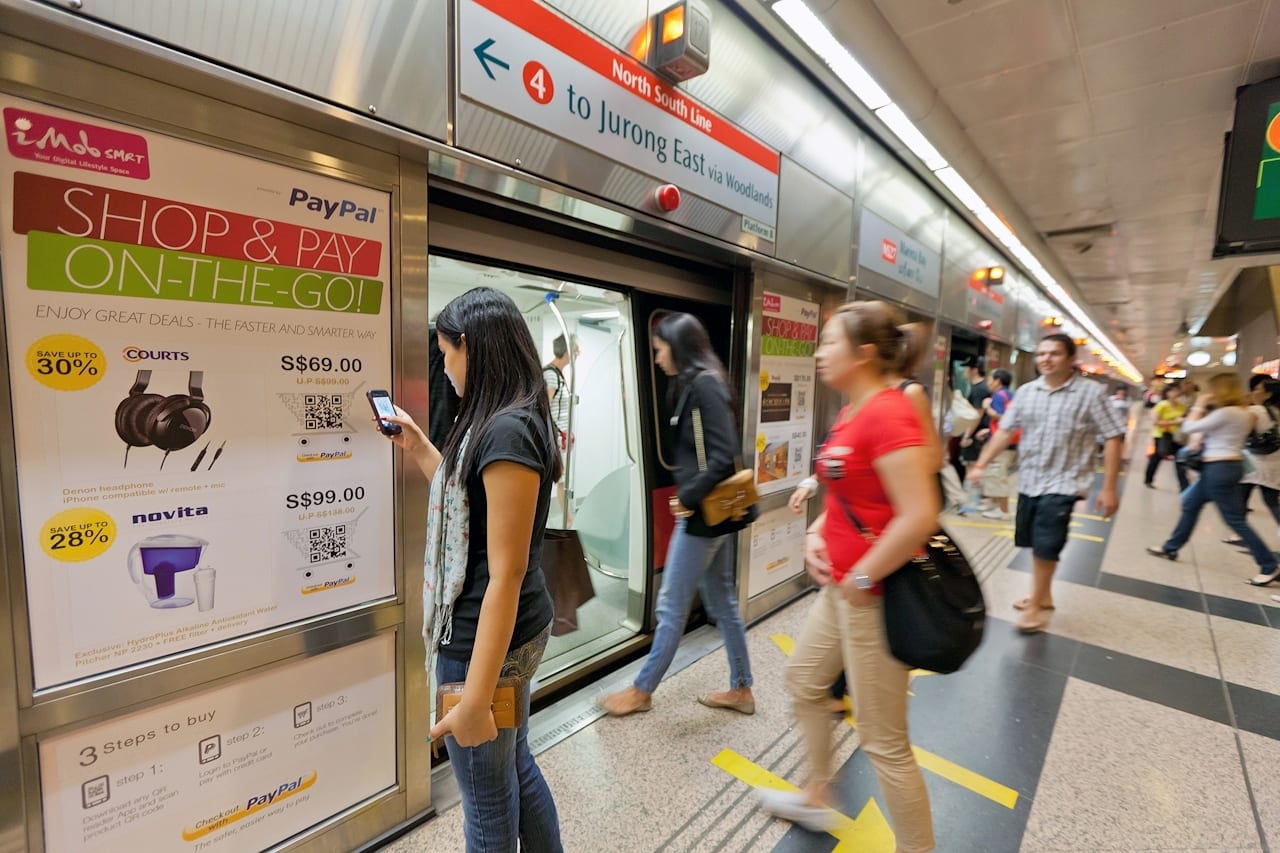
    Christmas holidays are usually the peak consumption season for both tourists and local residents, but this year retailers are expecting a grimmer picture amid the economic downturn affected by the slowdown in China and strong local currency.

    A study shows that Hong Kong people are cutting their Christmas budget to tackle the difficult economic environment this year, with 64 per cent people saying they won’t spend more than HK$1,000 on Christmas shopping and 52 per cent saying they won’t buy any Christmas gifts this year.

    The survey, conducted by Hong Kong Research Association, found Hong Kong citizens are rather cautious about this year’s Christmas consumption, as only 16 per cent of 1,084 interviewees expect spending more money than last year, while 23 per cent said they would reduce spending .

    Adding to the problem, it seems that even if Hongkongers do plan to go shopping for Christmas, they prefer to buy overseas.

    “Even local people wouldn’t buy stuff in Hong Kong ,” said Mariana Kou, retail analyst at brokerage CLSA, adding consumer products are much cheaper in Japan and Korea, as they benefited from weaker local currencies.

    She expected the poor consumption this year will further dampen sales during Christmas, the traditional shopping season, which has already been challenged by the declining tourist arrivals in last six months.

    “The Christmas sales this year will decline for sure” she said, adding the luxury sector would be the one suffering the most.

    Even though most Hong Kong people are cutting their Christmas shopping lists to save money for rainy days, the enthusiasm for shopping is still running high among top earners in the city.

    The same research showed that the wealthiest social class was the only one among the four that has responded with growing budgets for shopping this Christmas, with 13 per cent more interviewees planning to increase Christmas consumption this year than those who plan to reduce spending.

    “Despite the volatilities in the financial and property markets, rich people still have a decent wealth base.” said Wyman Ng, research officer at Hong Kong Research Association, adding “ their behaviour is less affected”.

    Meanwhile, holiday shoppers in Causeway Bay who looked up yesterday would have seen seven people climbing above the huge screen in Times Square to make a statement against the fashion of wasteful consumption during holiday seasons.

    The Greenpeace activists unfurled a huge banner across a big television screen at the iconic shopping mall, featuring the message “Buy Smart Buy Less”.

    The group said Hongkongers trash garments at an alarming speed, which has put a heavy burden on the environment. It urged shoppers to step up and break the cycle of overconsumption

    The Census and Statistics Department also revealed yesterday that the Consumer Price Index (CPI) figures for November rose by 2.4% over the same month a year earlier, the same as that in October 2015.

  • Hong Kong tourism industry better off as a vegetarian

    Hong Kong tourism industry better off as a vegetarian

    The influx of mainland visitors to Hong Kong has been easing in recent months with many preferring other destinations such as Japan and Korea where the exchange rate is more appealing.

    Still, some pro-Beijing loyalists and businessmen blame the localist campaign in Hong Kong for the decline in mainland tourist arrivals.

    The situation offers a chance for Hong Kong to reposition itself as an international tourist destination. It’s an opportunity to erase the image, built over the past decade, that the city is nothing more than a shopping mall for mainlanders in the past decade.

    We often hear leaders of our tourism industry, such as Hong Kong Tourism Board chairman Peter Lam Kin-ngok, blaming Hong Kong people’s unfriendly attitude toward mainlanders for the loss our competitive edge over other tourism destinations in the region.

    But what Lam seems to be forgetting is that Hong Kong shouldn’t rely on a single tourist market to contribute to the growth of our tourism sector.

    He also seems to be forgetting that the true value of Hong Kong as a tourist destination lies in its unique history as a former British colony, a community that melds the influences of western and eastern cultures, and an international gateway to China.

    In a press conference on Tuesday, Lam, who is also an entertainment and property tycoon, made these remarks about the tourism industry: “The China market is a fat meat. Other countries surrounding us are fighting for it. However, Hong Kong people don’t like to eat meat, they are vegetarians. [Hong Kong] will get slim if it just eats vegetables but no meat. Once Hong Kong gets thin, our pockets will also shrink. Mainlanders know Hong Kong people do not welcome them and so they turn to other destinations.”

    If that’s what he thinks, well and good. But let’s take another look at our tourism sector.

    Contrary to the gloom and doom scenarios painted by the industry captains, the situation is actually improving in recent months — at least from the point of view of the general public.

    Overall arrivals in November fell by 10.5 percent, mainly as a result of a 15 percent drop in the number of mainland visitors to 3.54 million.

    Surprisingly, however, the number of visitors from other overseas markets rose by 7.6 percent to 1.16 million, according to figures released last week by the Secretary for Commerce and Economic Development Gregory So Kam-leung.

    The government and the Tourism Board seem to have different goals as regards the city’s tourism sector.

    While Lam stressed the importance of the Chinese clientele, So is looking at a wider market.

    So said the tourist mix has been changing in the past two months, with the number of non-mainland Chinese visitors continuing to grow as Chinese visitors go to other destinations.

    He said this is becoming the “new norm” for industry, and the government will focus on the quality, not quantity, of Hong Kong’s tourism sector.

    It’s a fact that some Hong Kong people, especially the localists, took a hostile approach in dealing with mainlanders, specially with parallel traders, as their massive purchases of daily necessities are disrupting our normal life.

    But that couldn’t be the only reason for the decline in Chinese visitors. It is also partly due to the implementation of a “one trip per week” policy for Shenzhen residents, which has resulted in a 40 percent drop in the number of arrivals from the southern city.

    It’s good to hear that the number of non-Chinese visitors are growing over the past two months, although they are still behind the mainlanders by about two million.

    A balanced mix of tourists should be a key consideration in reviewing our current tourism policies and strategies.

    The tourism board, in fact, is already shifting its promotional activities toward attracting high-value-added overnight visitors, MICE (business meetings, incentives, conferences and exhibitions) and cruise tourists to offset the decline in the number of same-day visitors.

    Such a change in direction is a realistic move to drive quality growth for our tourism industry, especially since Hong Kong ignored other aspects of the business in the past decade as it focused its resources on welcoming mainland visitors.

    Several months ago, top Hong Kong officials including Chief Executive Leung Chun-ying and Secretary So blamed the localists’ anti-mainland campaign for the decline in Hong Kong tourism and retail industries.

    But now, So’s remarks indicate that the government is realizing that Hong Kong shouldn’t rely solely on China to support its economy.

    It seems that our officials are beginning to realize that the massive influx of mainland tourists made us fat quickly, but not in a healthy way.

    Perhaps, Peter Lam is right about his analogy. We have eaten too much fatty meat in the past 10 years. It’s about time we went vegetarian. It’s healthier.

  • HKIA celebrates Xmas with shopping rewards

    HKIA celebrates Xmas with shopping rewards

    Hong Kong International Airport (HKIA)is marking the Christmas run-up with series of festive special offers and promotions, including cash coupon redemptions up to HK$5,200 ($671) alongside more than 2,000 surprise gifts for travellers.

    The new promotion begins this Thursday (17 December) with travellers spending more than HK$2,000 ($258) by electronic payments qualifying for redemption coupons. HKIA adds that passengers using their UnionPay cards stand to reap even more rewards.

    HKIA Xmas od=ffers Dec 2015

    A ‘glamorous gift-themed exhibition’ will also be featured on Level 6 of the Departures East Hall allowing travellers to experience the spirit of Christmas, while prompting them with gifting ideas.

    Various music performances will also take place here and there will also be miniature installations on display showing how different countries around the world celebrate Christmas.

    Xmas at Hong Kong Dec 2015
    Travellers spending over HK$1,000 ($129) in a single transaction at HKIA can also enjoy free local delivery service. Free delivery service to Mainland China, Macau and Taiwan is also offered to travellers who spend over HK$2,500 ($322) on clothing, bags and accessories in a single transaction.

    At the same time, HKIA is partnering with its retailers to provide travellers with shopping and dining offers. More details are available at: https://www.hongkongairport.com/eng/shopping/special-offers.html

  • Hong Kong Regulates Mobile and Contactless Payment Systems

    Hong Kong Regulates Mobile and Contactless Payment Systems

    Hong Kong recently introduced a new regime to regulate stored value facilities (SVFs) and retail payment systems (RPSs) offered by non-financial institutions. The primary new legislation is the Payment Systems and Stored Value Facilities Ordinance (“Ordinance”), which amends and replaces the previous Clearing and Settlements System Ordinance. The Hong Kong Monetary Authority (HKMA) is now responsible for supervising the activities of non-financial institutions operating in this area.

    Issuers of multiple purpose SVFs must now obtain a specific approval and license from HKMA for such SVFs, regardless of whether these are operated through a device or not. However, an SVF which is used only for purchases from a single retailer remain exempt from this requirement. In addition, while there is no automatic approval and license requirement for RPSs, HKMA is entitled to decide on which RPSs will be subject to its regulation.

    The new regime seems to track the increasing use and proliferation of such new payment systems, as well as the increased risk of data loss and theft and fears that unnecessary personal data may be embedded and accessible within the chips in contactless cards.

    Companies operating in this area should check whether the new requirements apply to them and commence applications for licenses if necessary. While there is a grace period until November 2016 before penalties can be imposed, it is unclear how long the administrative processes will take in practice and there is a risk of significant fines or suspension of business for failure to meet the deadline.