Tag: Hong Kong

  • Alibaba Group Acquires Major Hong Kong Newspaper

    Alibaba Group Acquires Major Hong Kong Newspaper

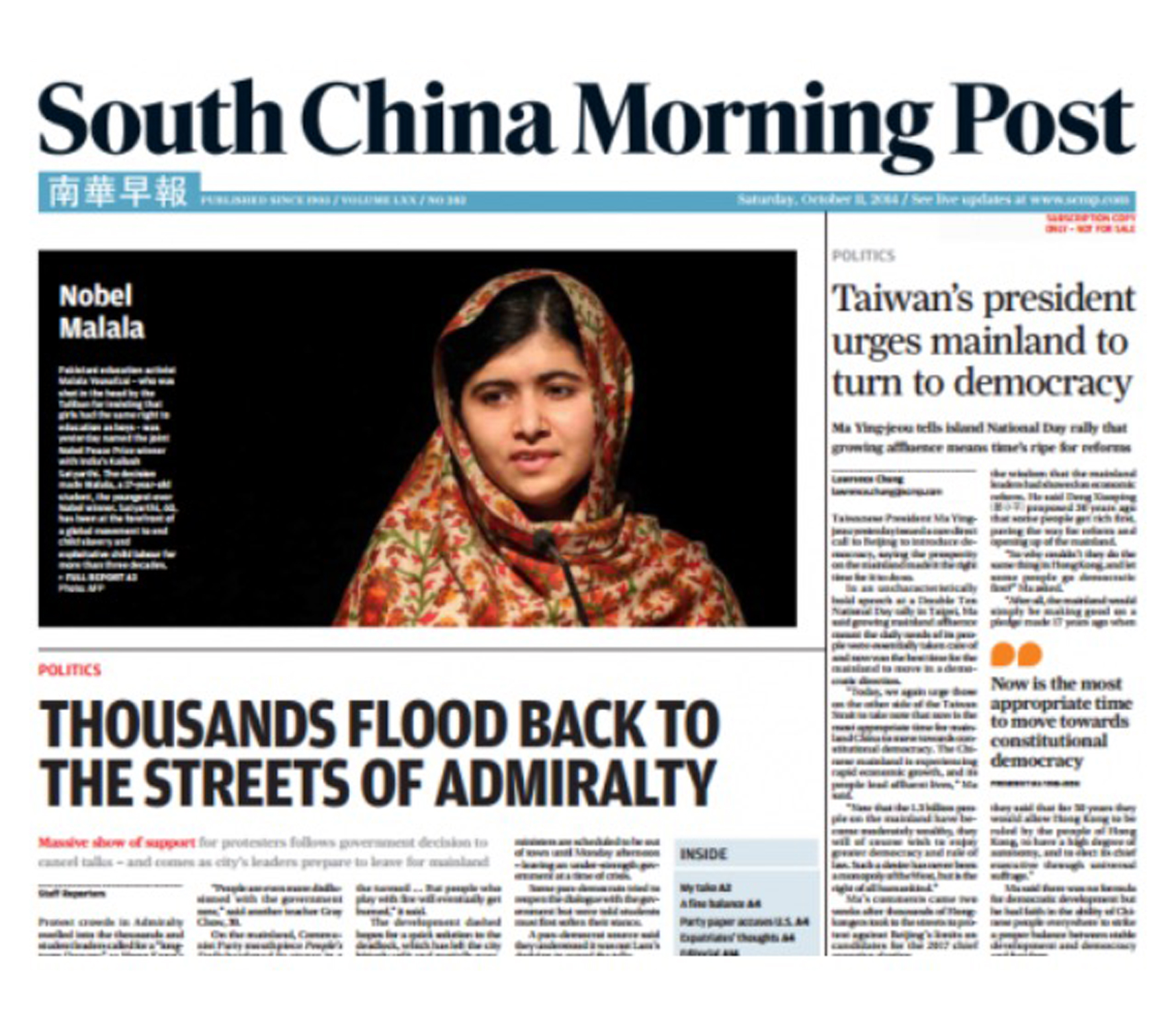
    The Alibaba Group has announced that will acquire the South China Morning Post, one of Hong Kong’s most influential English language newspapers, and other media assets of SCMP Group Limited.

    The move is reportedly part of an effort to improve China’s image in the West and combat what company executives call the “negative” portrayal of China in the Western media.

    “The South China Morning Post is unique because it focuses on coverage of China in the English language. This is a proposition that is in high demand by readers around the world who care to understand the world’s second largest economy,” said Joseph Tsai, executive vice chairman of Alibaba Group.

    The South China Morning Post has long reported on subjects that state-run publications have been forbidden to cover, such as political scandals and human-rights violations. The paper has a relatively small circulation (at about 100,000). Despite the paper’s size, it has significant influence in the West because of its proximity to China and English language format. However, critics have recently taken aim at the paper, claiming that it has become increasingly pro-Beijing.

    The acquisition is an ambitious move that sees Alibaba taking a significant stake in print journalism, with an eye to developing its digital potential.

    “Like many print media the SCMP faces challenges amid the dramatic changes in the way news is reported and distributed. But these changes play to Alibaba’s strengths, which is why we believe the two companies complement each other well,” said Tsai in an open letter to the readers of the South China Morning Post.

    As part of the changes, Alibaba will remove the pay wall on SCMP.com, allowing readers to access content for free on the internet and mobile.

    Other assets included in the acquisition are SCMP’s magazine, recruitment, outdoor media, events and conferences, education and digital media businesses. Besides the flagship South China Morning Post, other titles include SCMP.com and related apps, and Nanzao.com and Nanzaohinan.com, as well as the Hong Kong editions of Esquire, Elle, Cosmopolitan, The PEAK and Harper’s Bazaar.

    The acquisition represents a relatively minor investment on the part of Alibaba, with SCMP valued at an estimated US$100 million, a drop in the ocean compared with Alibaba’s multi-billion yearly revenue.

    It’s unclear at this point what degree of editorial control Alibaba will exercise over the controversial publication. While Hong Kong operates with a relatively free press, at least compared with mainland China, some are concerned that Alibaba will seek to water down the paper’s political stance to curry favour with Chinese leadership and advance its (Alibaba’s) own agenda, which is reportedly closely aligned with the Communist Party.

    Willy Lam, a political commentator and former editor at the South China Morning Post, said an Alibaba takeover would most likely exacerbate a trend at the paper toward self-censorship on sensitive political issues, reported the New York Times.

    The company has been quick to address this. “Some have suggested that ownership by Alibaba will compromise the SCMP’s editorial independence,” said Tsai. “This criticism reflects a bias of its own, as if to say newspaper owners must espouse certain views, while those that hold opposing views are ‘unfit’.

    “In fact, that is exactly why we think the world needs a plurality of views when it comes to China coverage. China’s rise as an economic power and its importance to world stability is too important for there to be a singular thesis.

    “In reporting the news, the SCMP will be objective, accurate and fair. This means having the courage to go against conventional wisdom, and taking care to verify stories, check sources and seek all viewpoints. These day-to-day editorial decisions will be driven by editors in the newsroom, not in the corporate boardroom,” said Tsai.

    “Alibaba and Jack Ma have done a good job maintaining good relations with the power structure and not getting involved in politics,” Orville Schell, a director at the Asia Society, told the New York Times.

    “But buying a newspaper, particularly in Hong Kong, could be hazardous,” he said, adding, “China is always tempted when things go wrong to take control.”
  • Moiselle flies in customers as sales slide

    Moiselle flies in customers as sales slide

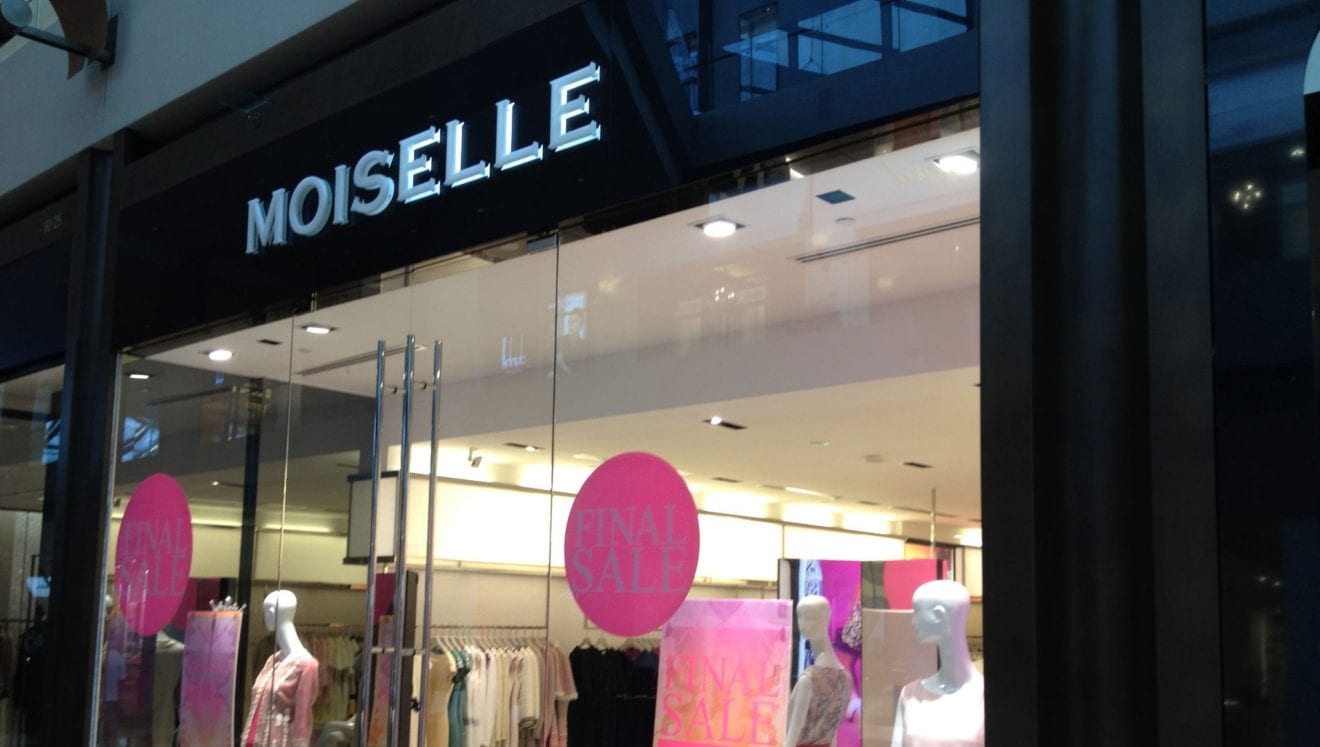
    Hong Kong luxury fashion retailer Moiselle has revealed a raft of innovative strategies to restore flagging sales.

    Hit by a $31.9 million loss for the first half of the trading year due to declining spending by Mainland Chinese tourists, Moiselle is introducing new ranges and even flying in loyal customers for exclusive product displays.

    The company has reigned in its store openings and is putting the squeeze on landlords to reduce rents.

    Last week Moiselle revealed its sales had fallen by 21 per cent to $161.2 million mainly due to weak consumer sentiment and sluggish retail sales in its Hong Kong home market, which accounts for 55 per cent of its turnover. Gross margin fell from 82 per cent in the first half of last year to 76 per cent in the latest period.

    The group operated 92 retail stores and counters in Hong Kong; first- and second-tier cities of China; Macau, Taiwan and Singapore as at September 30 – three fewer than at the end of March. It closed five stores in hong Kong during the six month trading period.

    Moiselle – which sells under the Moiselle, Mademoiselle, Coccinelle and French-influenced Germain brands – has shifted focus to a more tailor-made sales model in Hong Kong, targeting members of its VIP customer club, and has formed partnerships with several Mainland Chinese online shopping websites.

    The organised shopping visits by customers from Mainland China, Taiwan and Singapore to its product showrooms in Hong Kong target its most loyal customers with high spending power. The tours began in May and started generating income in July.

    Meanwhile, Moiselle forged ahead with a strategy of diversifying its product offer to target different segments of the high-end and upper middle markets for women’s fashion apparel and accessories. It expanded its Moiselle and Germain ranges into menswear. It launched European accessories labels Sequoia and Coccinelle into the apparel market through exclusive distribution agreements to add impetus to its business development.

    In its stock exchange filing, Moiselle said it did not expect Hong Kong’s retail market to turn around “any time soon”.

    “China’s economy has shifted to a lower gear and the growing trend towards a higher proportion of the Mainland Chinese visitors with weaker spending power in Hong Kong seems irreversible. Moreover, the Hong Kong dollar, which is pegged to the greenback, is poised to enter a phase of appreciation against many other currencies as the US Federal Reserve Bureau looks set to raise the benchmark interest rate in the foreseeable future. These developments are likely to weigh on both the shopping tourism and average purchase value in Hong Kong, where the group derives most of its revenue.”

  • Modern Beauty Salon Holdings posts profit plunge

    Modern Beauty Salon Holdings posts profit plunge

    Modern Beauty Salon Holdings has reported an 87.4 per cent plunge in first half profits as consumers restrain their discretionary spending.

    Modern Beauty runs 42 service centres in Mainland China, Hong Kong and Taiwan, 16 in Singapore and three in Malaysia. The company’s 17 retail stores trade under the banners Pen and Be Beauty Shop across Hong Kong, Kowloon and the New Territories.

    Modern Beauty Salon

    Group revenue across the markets fell 12.2 per cent to HK$402.7 million year on year, while gross receipts from the sale of prepaid beauty packages decreased from $387.5 million to $350.4 million. That produced a profit attributable to shareholders of just $5.7 million, compared with $45.5 million for the same period last year.

    The company said a volatile financial market and weakened Hong Kong economy made people more conservative on their spending.

    “Our beauty, slimming and wellness service business in Hong Kong was inevitably affected. Nevertheless, leveraging on our excellent service management that facilitate greater quality assurance, our management is confident of the further prospects of our business.”

    The company says despite the retarded economic growth in Mainland China, it still believes the beauty, slimming and wellness market there will continue to prosper with a growing demand because “as a larger portion of the population moves up to the bourgeoisie”.

    “Our brand name has secured a presence in the Mainland China with a solid foundation that we have established for years in Beijing, Shanghai and Guangzhou. Plans to open more stores in the Mainland China are afoot.”

    In Singapore and Malaysia, receipts from sales of prepaid beauty packages amounted to $37,768,000, while revenue from services rendered amounted to $55,673,000, down 35 per cent and 36.6 per cent respectively.

    “The drops are mainly due to the new government policies in Singapore and Malaysia. For Singapore, from June 2015, if a local person’s aggregate interest-bearing outstanding balance on all credit cards and unsecured credit facilities exceeds 24 times his monthly income for three consecutive months, his credit lines will be suspended. This means that he will not be allowed to charge new amounts to his existing credit cards and/or unsecured credit facilities. For Malaysia, from April 2015, a GST of six per cent was imposed on local services providers, including beauty services. These policies have hurt the local consumption sentiments significantly.

    “The group will continue to carry out its local business development prudently and we believe that the local people will accustom to the new policies and the consumption sentiments will recover as time goes by.”

    Modern Beauty says it plans to launch an eCommerce website during the next six months.

  • Hong Kong’​s Seafood Appetite Threatens Marine Species

    Hong Kong’​s Seafood Appetite Threatens Marine Species

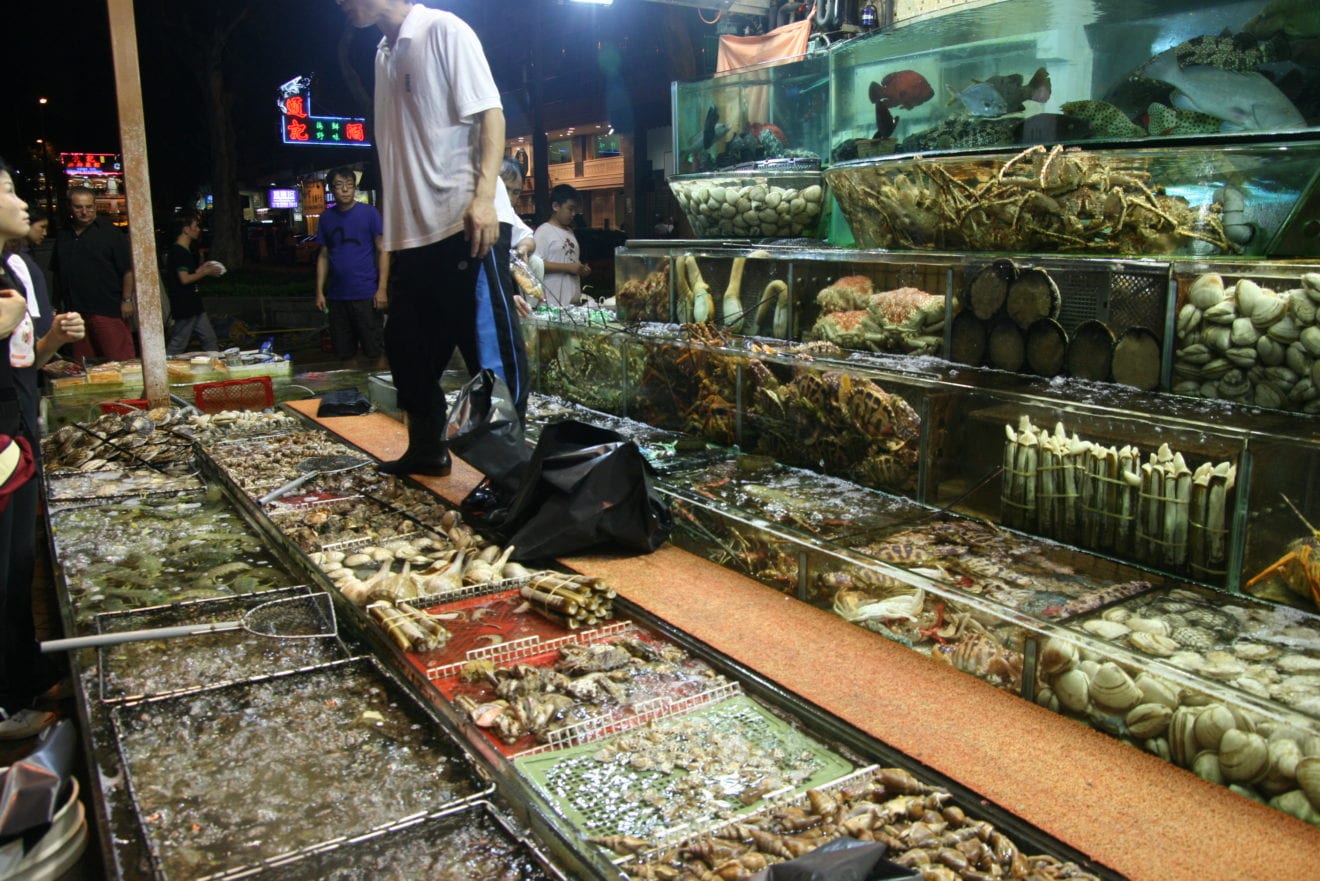
    Hong Kong’s enormous appetite for seafood and its role as a hub for the global seafood trade is having an unfortunate impact on endangered fish species.

    Chinese cuisine prizes seafood, so it’s perhaps not surprising that per capita seafood consumption in Hong Kong averages 70 kilograms a year, about four times the global average. But the city is also a hub for trade into mainland China, where consumption is on the rise. All of that is putting a strain on endangered marine life and driving an unexpected sustainability push.

    On a busy Saturday morning at Hong Kong’s giant Aberdeen Fish Market, traders are milling around buying seafood for restaurants and the city’s retailers. One of the dealers here is Betty Chu, who runs a distributor called Family Care Ltd., which imports seafood from all over the world.

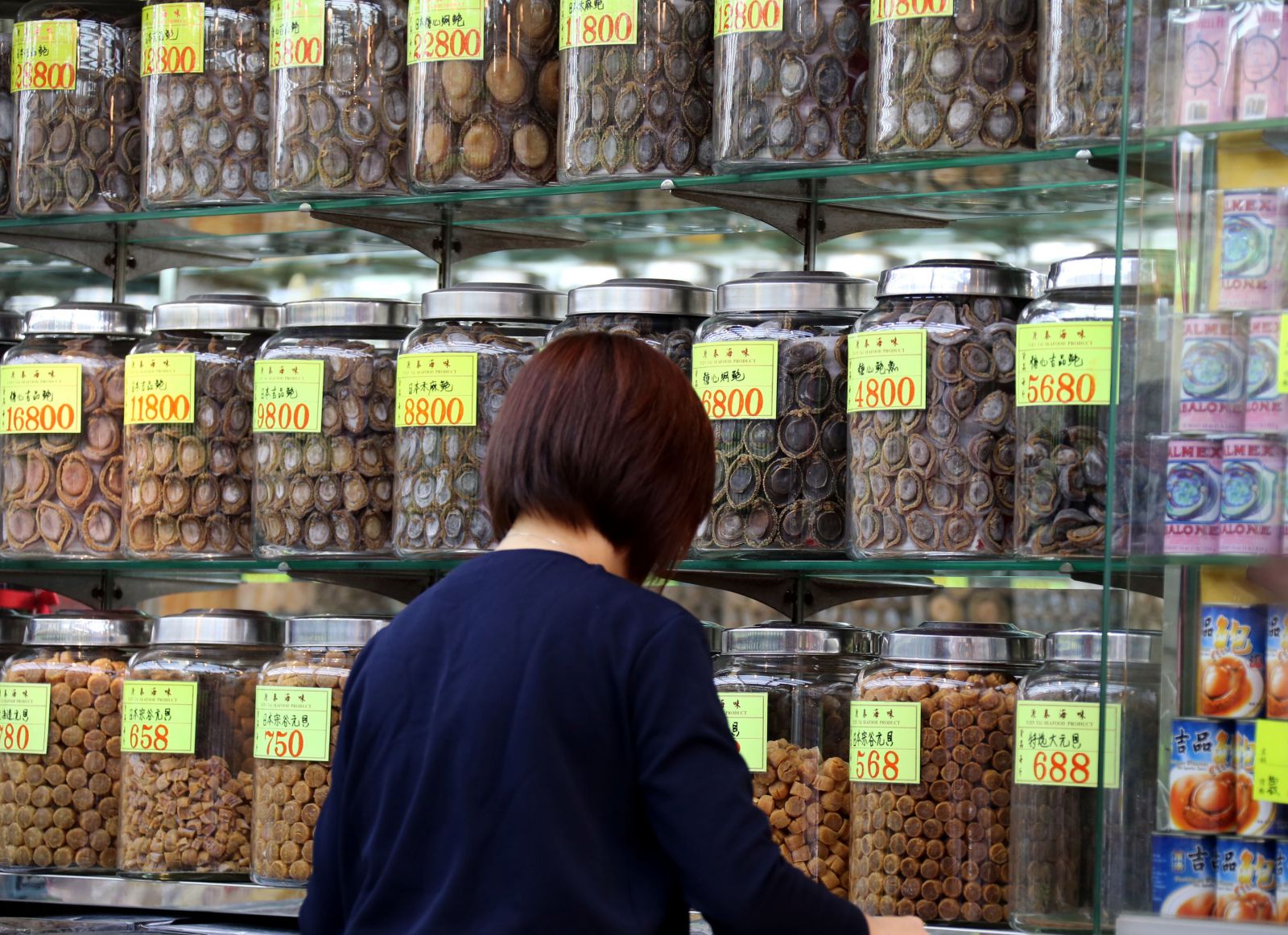
    “The market is really good,” Chu says. “People are looking for prime products, they’re health conscious, and they’re willing to pay more for better food. We import globally lobster, scallop, abalone, shrimp, crabs and more. It’s a lot! My business is good and growing every year.”

    But while business is booming, some of the city’s seafood traders are switching to sustainable seafood. Wong Ping Chai, who runs the Hoi Kee Ho Fresh Seafood import company, began seeking out sustainable seafood several years ago when a Dutch supplier explained to him that many fish species were becoming scarce. It led him to join Fish and Season, a global fish trading network that trades only sustainably caught seafood.

    “Fish and Season is an organization originally from Holland that started around 1992,” he says. “They found out in Europe the fish are getting fewer and fewer, and if it goes on it will be disastrous.” He learned that the same thing was happening in Asia.

    Ocean impact

    Activists have been trying to educate consumers, and are encouraging them to be more careful about the seafood they buy. Allen To, who works in the Hong Kong offices of the World Wildlife Fund, monitors local imports and consumption of endangered seafood species. He says per capita consumption of seafood in Hong Kong is second in Asia and seventh in the world.

    “That’s why in Hong Kong we do have the responsibility to try not only to reduce our own ecological footprint but to try to reduce our impact on the ocean of many other countries,” he says. “We believe if we can push sustainable seafood in Hong Kong, then eventually we can help at least to reduce our impact on fish resources, particularly in the Asia Pacific region.”

    But price is an issue. Keith Tsui, managing director of New Bon Marine, another Hong Kong seafood company concentrating on sustainable products, says education and government awareness campaigns are helping turn consumers onto sustainable seafood. But so far the focus has been on high-value species such as black cod, salmon and shellfish.

    He wants to get lower-income groups switching to sustainable seafood too. “We are trying to get more products for the budget class,” he explains. “A couple of years ago, we did a good job with a fastfood chain in Hong Kong. They use sustainable seafood for breakfast for the budget class. This is a great leap forward for us.”

    Campaigners want consumers to make sustainable choices, but they’re also calling on Hong Kong’s political leaders to clamp down on illegal catches. The WWF’s Allen To says illegal fishing has depleted stocks of rare wild fish such as grouper from the coral reefs of Southeast Asia.

    “Hong Kong and China are the main trading and consumption areas for live reef fish, including grouper and the humpback wrasse,” To says. “Many of the grouper species are already overexploited, and some of them are threatened species.”

    Seafood trader Keith Tsui, meanwhile, wants to bring more sustainably produced seafood products to Hong Kong by focusing on an innovative new approach in the retail sector and in schools.

    “We will try to liaise more with school lunch boxes and let them tell the kids they are using sustainable food,” Tsui says. “This customer group is the future. “They are the biggest influencers on their parents.”

    And Hong Kong wants to ensure there will be fish in the sea for future consumers.

  • Geox plans 350 China stores with Hong Kong partner

    Geox plans 350 China stores with Hong Kong partner

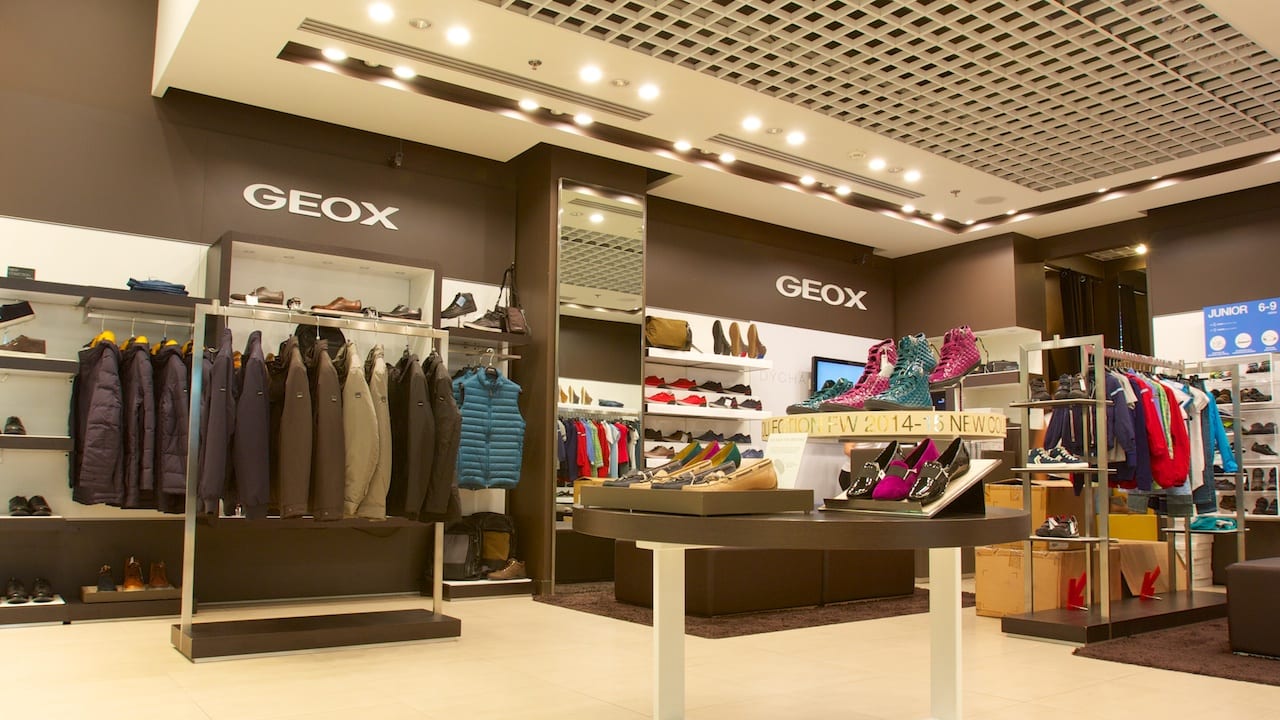
    Italian shoemaker Geox has signed a distribution agreement with Hong Kong listed Pou Sheng International to set up 350 stores in Mainland China by 2020.

    The two companies will target China’s rising middle class – 109 million newly affluent, quality-conscious and brand-happy Chinese consumers.

    Geox is one of the leading brands worldwide in the lifestyle footwear market, listed on the  Milan stock exchange and Pou Sheng is one of the leading retailers in China in the lifestyle and sportswear market, retailing brands such as Converse, Rockport and Keds with 4586 retail outlets and another 2691 sub-distributors across China.

    The Geox agreement includes the exclusive distribution of Geox adult collections in China and the opening of 350 new stores in the first five years – including mono brand stores and  shops-in-shops in high end footwear specialist retailers, shopping malls and department stores.

    Mario Moretti Polegato, chairman and founder of Geox, said the strategic agreement is aimed at “developing properly our brand distribution in China where, in our directly operated stores in Shanghai and Beijing, Geox has already demonstrated to have strong potential”.

    “I believe the partnership with Pou Sheng is extremely relevant as it merges the Geox mission of improving everyday life of our endorsers, through our breathable innovations, with a partner whose enlightened mission is providing services and products that promote high quality of living and healthy lives and whose goal is to be the customer’s number one choice and the brand’s best partner in China through the strongest and most innovative multichannel retail network”.

    Geox CEO Giorgio Presca describes China’s emerging middle class as “definitely the best thing” that could have happened to his company.

    “On one hand, the rise of the middle class will boost the economy. On the other, it is the perfect thing for brands like us.”

    Geox is already expecting same-store sales growth in China of 17 per cent or more this year – its highest growth rate globally. But China still comprises just two per cent of its total sales.

  • eGG Optical continues stellar growth

    eGG Optical continues stellar growth

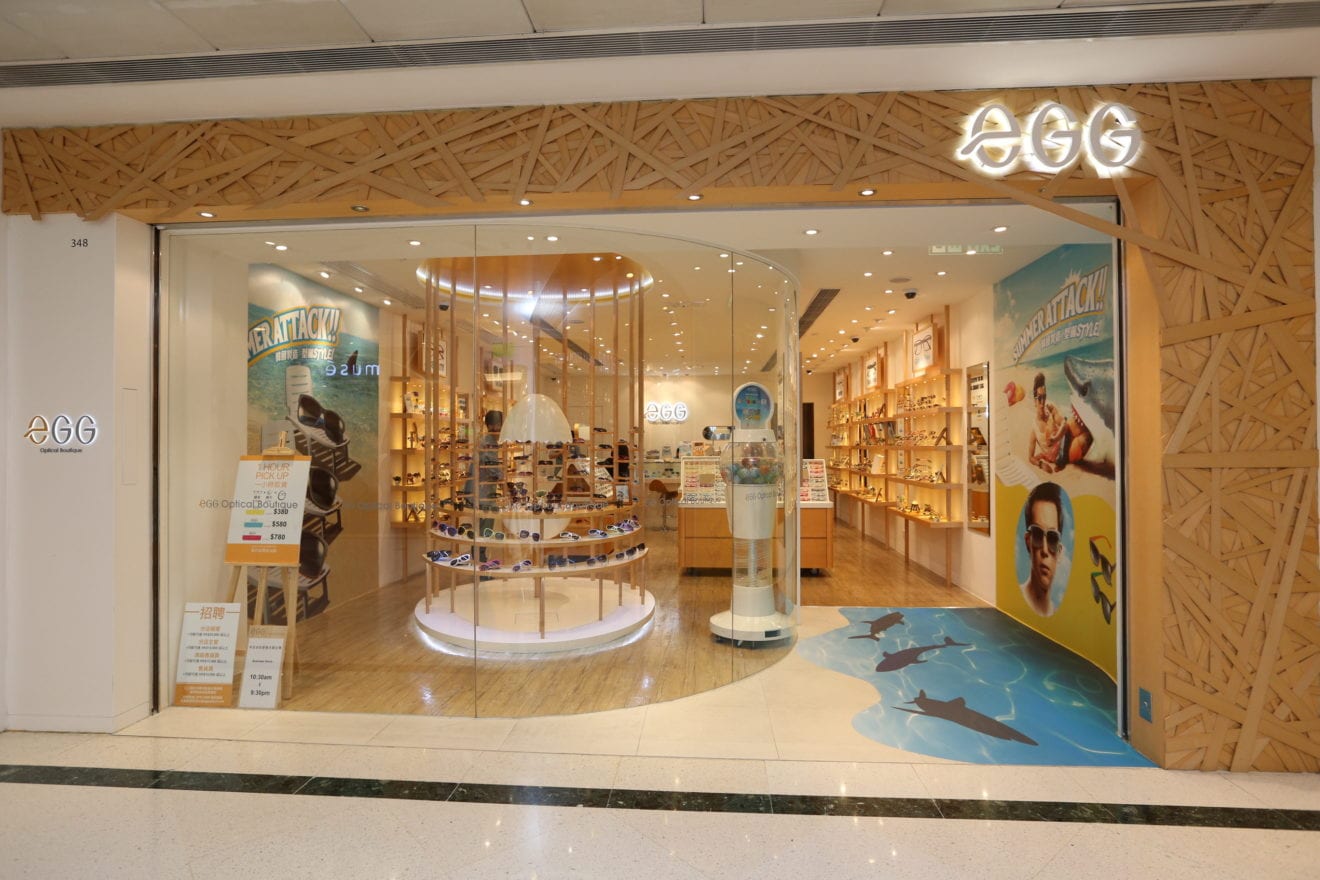
    Hong Kong based fashion eyewear chain eGG Optical Boutique is continuing its stunning growth trajectory.

    According to parent Stelux, the chain’s sales increased by 46.4 per cent to HK$80.5 million in the six months to September 30.

    Its 21 Hong Kong stores have now reached breakeven point and the 34 Mainland China stores cut their operating loss to just $3.3 million. Same store growth in all markets continued to grow.

    A further three stores have recently opened in Southeast Asia.

    Stelux believes the eGG Optical Boutique fast fashion eyewear concept has found favour with shoppers because it captures consumer preference for trendy and fancy optical eyewear.

    In the first half of last financial year the Hong Kong operations lost $500,000 and in the second half $200,000, finishing the year with just 15 stores. That a further six have been opened in the first six months of this year demonstrates the confidence Stelux has in the new brand. Its Hong Kong stores improved sales by 45 per cent due to both network expansion and increasing same store sales.

    In the mainland, eGG Optical’s sales rose 48.8 per cent to $31.0 million.

    “The loss was reduced to $3.3 million owing to significant operating improvements in Northern China and close to breakeven achieved in Southwestern China through turnover growth,” reported Stelux.

    “Combined with eGG’s attractive and eye-catching shop visual merchandising and ability to attract consumer traffic appreciating lifestyle and fashion design, the group will capture the opportunities in the current soft leasing market to further expand into Mainland China.”

  • JV plans 20 Pizza Hut Myanmar stores

    JV plans 20 Pizza Hut Myanmar stores

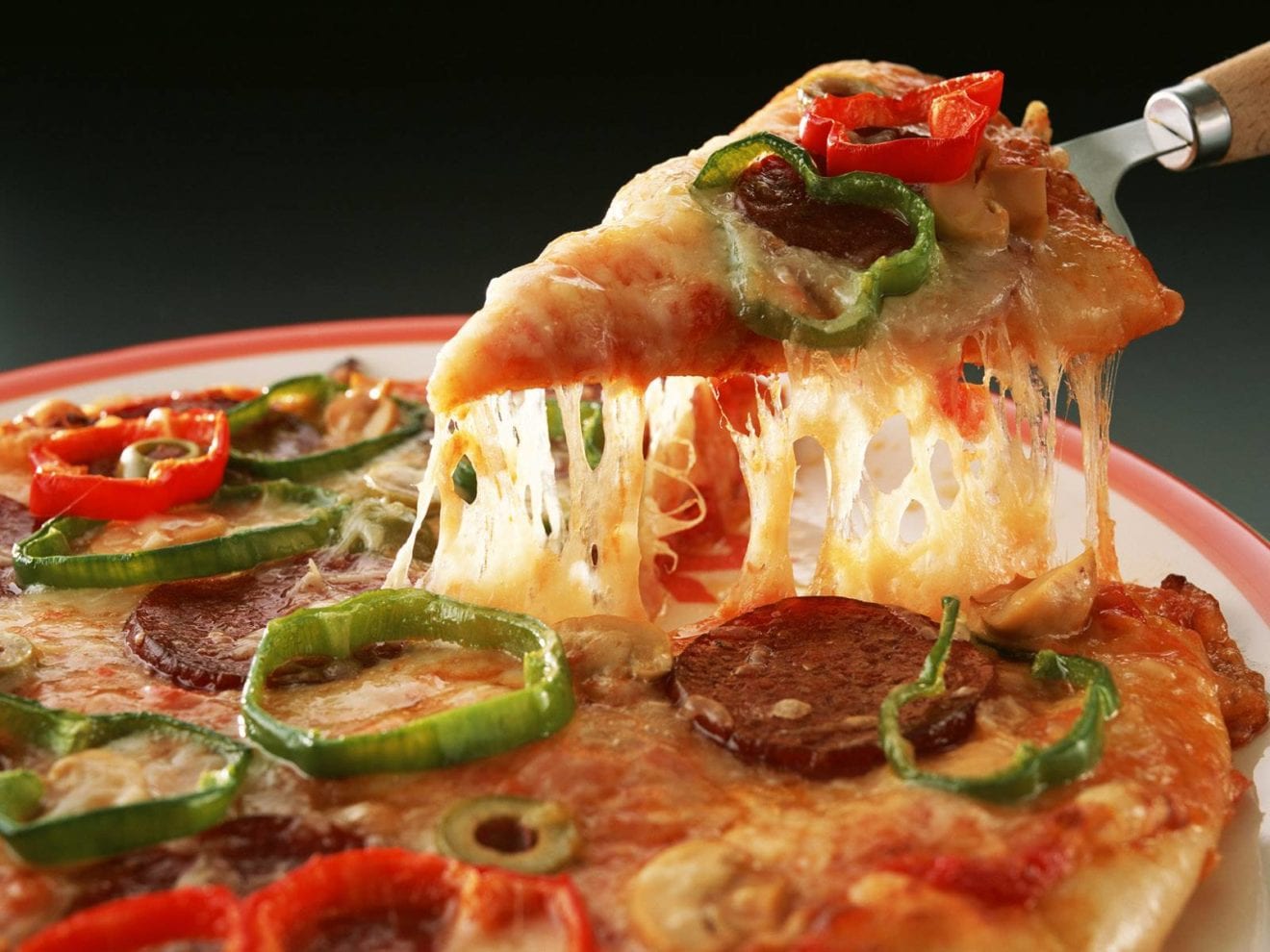
    Hong Kong’s Jardine Group says its Myanmar joint venture will open up to 20 Pizza Hut restaurants across the new market within five years.

    With the first outlet just opened in Yangon, the Jardine CM Restaurant Group plans a second in early 2016 with a gradual expansion thereafter as it tests the market. If sales are high, the rollout may be sped up, according to a company spokesman.

    Jardine CM Restaurant Group is a joint venture between Jardine Restaurant Group Myanmar and City Mart Holding, which owns the Pizza Hut Myanmar franchise.

    Simon Arnold (left), Daw Win Win Tint, UMFCCI chair U Win Aung, Henry Yip and Vipul Chawla (right) hold up pizzas at the launch of Pizza Hut Myanmar.

    Vipul Chawla, MD of Pizza Hut, Asia for parent Yum! Brands, says the company sees huge potential across Asia.

    “Pizza Hut has 25 restaurants for every million people in the US. In Asia we have 11 restaurants per million people. Myanmar has huge potential with a population of more than 50 million,” he said during the opening ceremony for the first restaurant.

    Jardine Restaurant Group operates more than 680 Pizza Hut and KFC restaurants across Vietnam, Taiwan, Hong Kong and Macau.

    Henry Yip, Jardine Restaurant Group CEO, says 97 per cent of the first store’s staff are local and a majority of its ingredients are sourced locally.

    “We are also investing heavily in training and career development to ensure global best practices.”

    Recipes in the restaurant have been tailored to the local palate without removing options which those who have dined in Pizza Huts elsewhere in the world will find familiar.

    “We have researched the tastes preferred by local customers, and tailored our recipes accordingly,” said Simon Arnold, Pizza Hut Myanmar GM.

    Jardine will not be taking KFC into Myanmar – that franchise partnership was secured by Yoma Strategic Holdings, chaired by Serge Pun.

  • Optical 88 struggles

    Optical 88 struggles

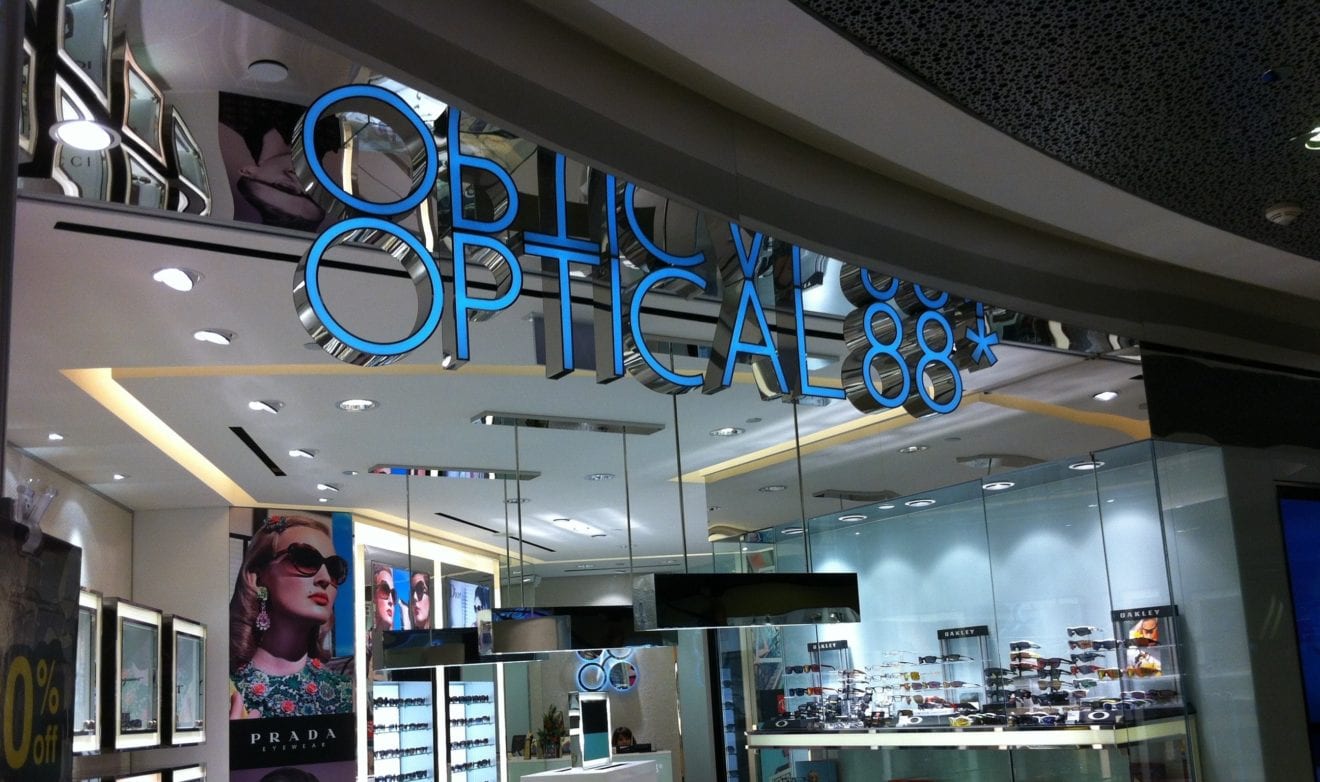
    Eyewear chain Optical 88 has suffered a 10.5 per cent slump in sales in the first half, with profit down 53.2 per cent.

    According to the trading announcement of its parent company Stelux International, sales reached HK$579.1 million and EBIT $18.0 million.

    The company says exchange rate fluctuations and the subdued Hong Kong and Macau markets contributed to the downturn, although the business remains profitable.

    In Hong Kong and Macau turnover decreased by 8.9 per cent and profit by 32.6 per cent, despite efforts in cutting operating costs (other than shop rentals) by around 7.4 per cent. “The turnover performance was impacted by the softened demand from local customers and tourists but gross profit margin remained healthy and stable,” Stelux said in its filing.

    In Mainland China, sales declined by a modest 5.3 per cent. The company says it is building on Optical 88’s professional and healthcare positioning, and will continue to expand the store network in Mainland China in the second half of this year. It aims to accelerate network expansion in the Southern and Southwest regions to further strengthen its market share, paving the way for further expansion into other parts of China.

    Optical 88’s turnover in Southeast Asia dropped by 17.8 per cent (or by 7.1 per cent on a constant currency basis), and a loss of $11.5 million was recorded.

    The introduction of GST in Malaysia in April caused turnover to slip in the first quarter, but the company made up the lost ground in the second quarter.

    Store consolidation and productivity enhancement measures in Singapore paid off this year, with the loss narrowing by 10.7 per cent to HK$7.5 million through reduced operating costs.

    The Thai operations are still profitable, but recorded a drop in turnover by 19.1 per cent caused by the significant decline in consumer confidence and purchasing power in Thailand.

    “Severe competition driven by widespread sales promotions in the market has also led to narrowed margin. The tough market is expected to continue in Thailand, and we will… close non performing shops and continue with our cost control measures, which have reduced our operating costs by 15.7 per cent in the first half,” said Stelux in its filing.

  • Eslite China makes debut in Suzhou

    Eslite China makes debut in Suzhou

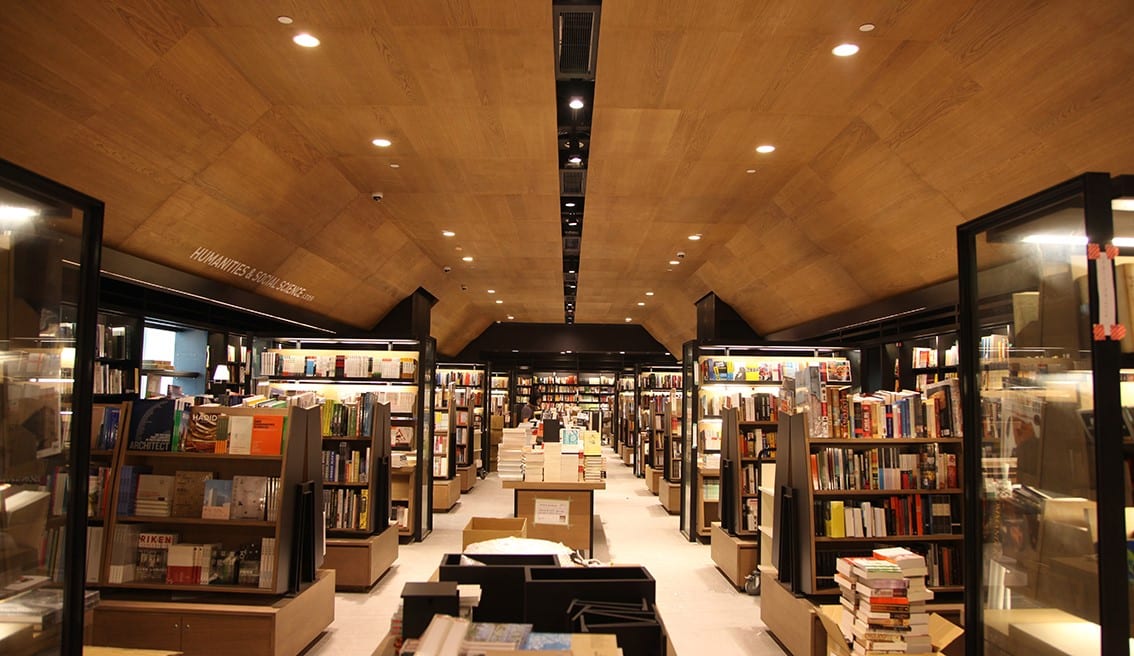
    Taiwanese bookstore operator Eslite Corporation has opened its first shop in Mainland China.

    The Eslite China store has opened in Suzhou in a high profile event featuring some of China’s most famous writers and artists, including Lin Hwai-min.

    Eslite has opened two stores in Hong Kong, redefining the nature of the bookshop in the territory.

    Featuring prominently in the store – which merges art and books with exhibitions and curated collections of gift lines, is a painting by Cai Guo-Qiang in Taipei in 2009, titled Day and Night.

    The Eslite Corporation operates 43 retail bookstores in Taiwan. The Chinese store is its third overseas.

    Despite the brand being new to the mainland, there is a surprisingly high level of local awareness, in part due to Chinese visiting the Hong Kong flagship stores.

  • Hong Kong retail sales figures released

    Hong Kong retail sales figures released

    At last: some “relative improvement” in retail sales data to encourage embattled retailers.

    Hong Kong retail sales in October fell three per cent year on year, provisionally estimated at $37.2 billion.

    A government spokesman said retail sales showed “some relative improvement in October, helped mainly by the visible growth in the sales of certain consumer durable goods amid the launch of new smartphone models”.

    “Yet the fall in the sales of jewellery, watches and clocks, and valuable gifts remained notable, reflecting the drag from the slowdown in tourist spending.”

    October’s fall was less than half the revised estimate of September’s sales which were down 6.3 per cent.

    Year to date sales are down 2.7 per cent on last year.

    After netting out the effect of price changes over the same period, the volume of total retail sales in October increased by 1.2 per cent from a year earlier. The revised estimate of the volume of total retail sales in September decreased by three per cent. For the first 10 months of 2015, retail sales rose 1.1 per cent in volume year-on-year.

    As expected, it was the jewellery, watches and clocks sector, the most valuable category, which fell the hardest – down 17 per cent in October. Apparel sales were down 5.7 per cent, electrical goods by 10.9 per cent, medicines and cosmetics by 2.4 per cent, Chinese drugs and herbs by 5.9 per cent, furniture by 4.2 per cent and department store sales by 2.2 per cent.

    Supermarket sales rose 1.5 per cent, food, alcohol and tobacco by 3.7 per cent and miscellaneous consumer durables by 36 per cent.

    “The outlook for retail sales will likely be still constrained by the lacklustre performance of inbound tourism. The possible impacts of the dimmer global economic outlook on local consumer sentiment also need to be watched over,” the spokesman said.

  • Veeko International flourishes despite downturn

    Veeko International flourishes despite downturn

    While its peers suffer from Hong Kong’s lacklustre market, one retailer has achieved a stunning sales boost.

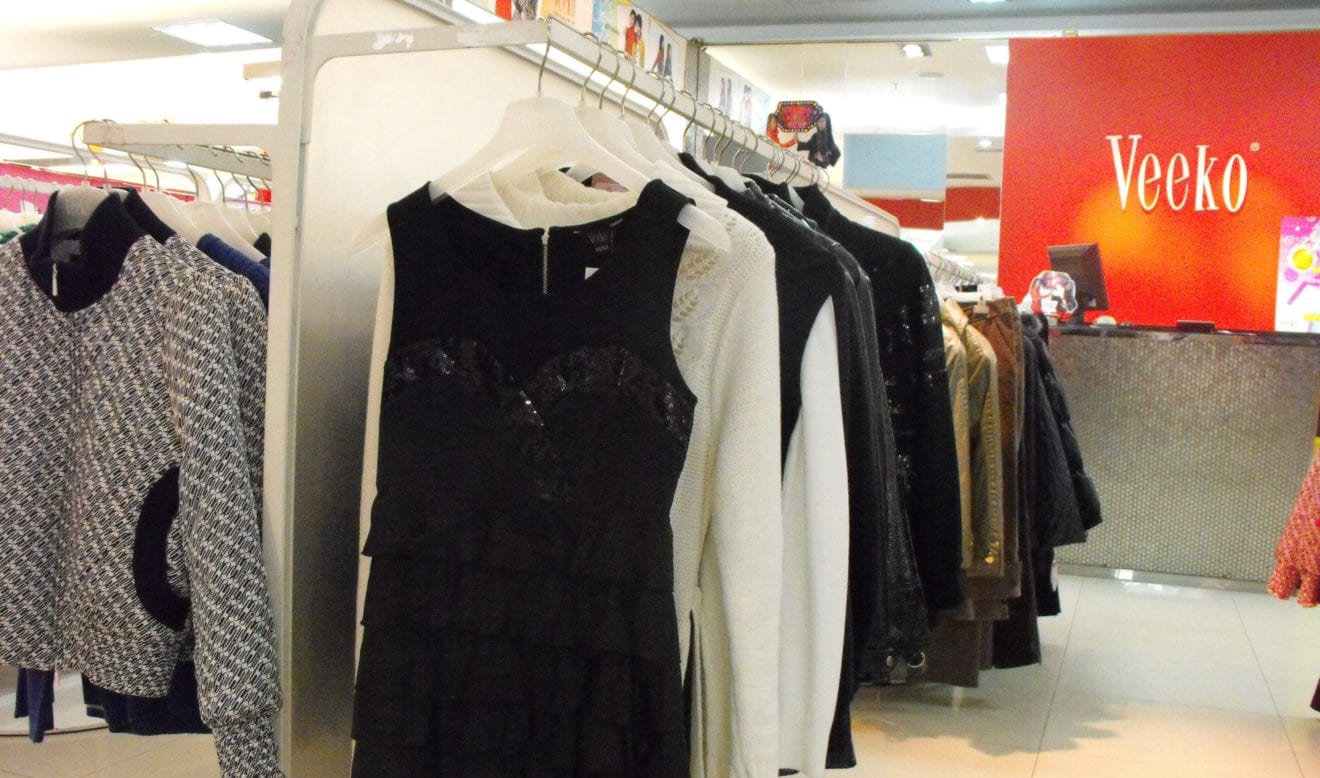
    Veeko International operates 82 Colourmix and one Morimor cosmetics stores and 155 fashion stores in Hong Kong, Macau, Taiwan, Singapore and Mainland China under the Veeko and Wanko brands.

    For the six months to September 30, Veeko International recorded a turnover of HK$1.066 billion – an increase of 23.6 per cent on the corresponding period of last year. Its cosmetics business increased sales by 33.7 per cent over the same period last year, accounting for 77.6 per cent of Veeko’s turnover. Sales in the fashion business slipped two per cent.

    Profit attributable to shareholders reached HK$41.488 million – up 14.9 per cent on last year, driven by a 56.2 per cent increase in profit from the cosmetics business. The fashion business, meanwhile, recorded a $2.68 million loss, a 133.6 per cent downturn on the profit of $7.97 million for the same period last year, largely due to exchange rate losses from overseas markets including Taiwan, Singapore and Mainland China. At constant exchange rates the division would have recorded a profit.

    Veeko says it will continue to expand its Colourmix store network, having added six in the first half.

    A large part of the success of its cosmetics operations is an increase in the average sale from $358 per transaction for the same period last year to $377 per transaction for the current period, – a year-on-year increase of 5.3 per cent. The gross profit margin of cosmetics business for the

    period was relatively unchanged at 35.7 per cent.

    Veeko’s fashion store network was down by a net 19 stores due to a revision of its store networks in Singapore, China and Taiwan.

    Veeko says Hong Kong and Macau accounted for 78.8 per cent of the group’s total fashion retail turnover. Sales in the two territories rose 6.2 per cent year on year, but gross profit margin decreased by 1.7 percentage points to 71.8 per cent.

    Taiwan fashion sales fell 24.9 per cent, due to the closure of eight stores, leaving it with 25 in the market. But same store sales grew by 6.4 per cent.

    In Singapore, sales slumped 26.6 per cent, largely due to the closure of four stores, leaving it with just nine there. Same store sales in local currency slipped 2.6 per cent.

    And in China, turnover fell 19.4 per cent, due to a net reduction of 10 stores, leaving it with 41.

    Veeko says it expects the challenges faced by the retail business will continue during the next half year, with cautious consumption sentiments.

    “The group… believes that opportunities exist alongside with challenges. In an environment which is full of challenges, the best policy is to uplift our competitiveness and lay a good foundation for sustainable growth in the future by maintaining healthy growth of the core business in the long run.”

  • New York-Style Jazz Venue ‘STUDIO’ Launches in Central

    New York-Style Jazz Venue ‘STUDIO’ Launches in Central

    New York-style jazz club STUDIO is opening its doors for the very first time in December 2015 in Central, Hong Kong.

    STUDIO has been styled for a discerning late-night crowd of aficionados of premium whisky, champagne, cocktails and all that jazz.The exclusive club is headlining live jazz and late-night DJs at a hidden-away 2,000 square foot venue in On Hing Building at 1 On Hing Terrace, neighbouring Lan Kwai Fong.

    STUDIO’s ‘LOUNGE’, ‘LIVE’ and ‘LATE’ format will see each evening kick-off with a chilled-out ‘lounge’ vibe  from 5pm to 9pm ideal for after-work drinks. The ‘LIVE’ sessions will start each evening at 9pm and will include sets by the resident jazz band, showcasing the best of funk, soul and Latin jazz. Each night will then crescendo into a ‘LATE’ set at 11:30pm, featuring local and international DJs spinning the very best of old and new hip hop and RnB on weeknights and funk, soulful and disco-infused House on Fridays and Saturdays.

    The ideal venue for intimate gatherings and events, STUDIO will hold bespoke industry nights for professionals working in the property, law, finance and fashion sectors in Hong Kong during the ‘LOUNGE’ session on Wednesday evenings.

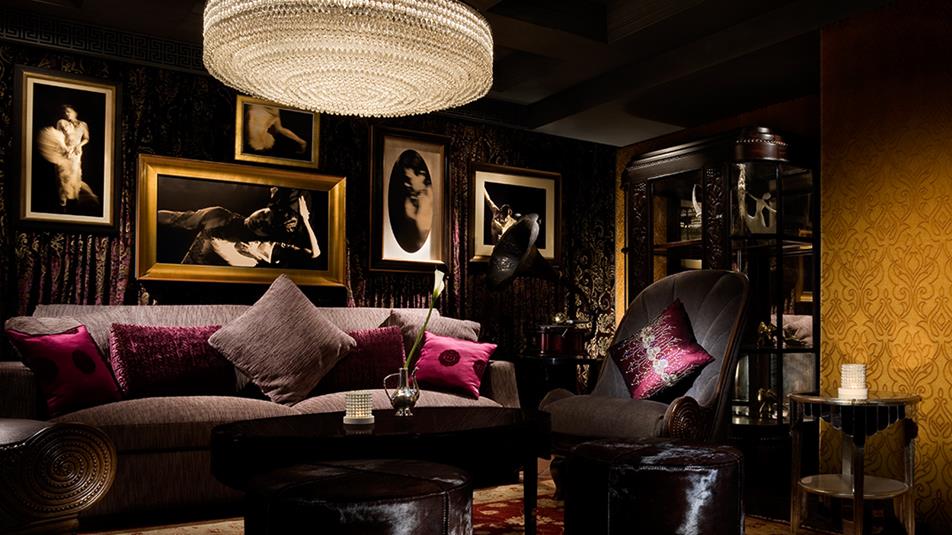
    A nondescript door gives way to glamorous interior design featuring comfortable leather seating, warm walnut textures and copper tones inspired by sultry 1950s New York jazz lounges. Guests will be personally greeted and escorted to their tables, with the assurance of attentive personalised service and the knowledge that what happens in STUDIO, stays in STUDIO.

    Highlighting the drinks menu is an extensive, carefully curated whisky selection from the world’s finest distilleries along with premium champagne’s including Krug. A mix of classic and creative cocktails will also be available.

    Xuan Mu, STUDIO founder, says, “Our guests have seen everything Hong Kong has to offer. We are bringing them something totally new – a tucked away gem focused on live music and an intimate vibe.”

  • More Hong Kong shop closures likely, say retailers after Burger King outlets shut doors

    More Hong Kong shop closures likely, say retailers after Burger King outlets shut doors

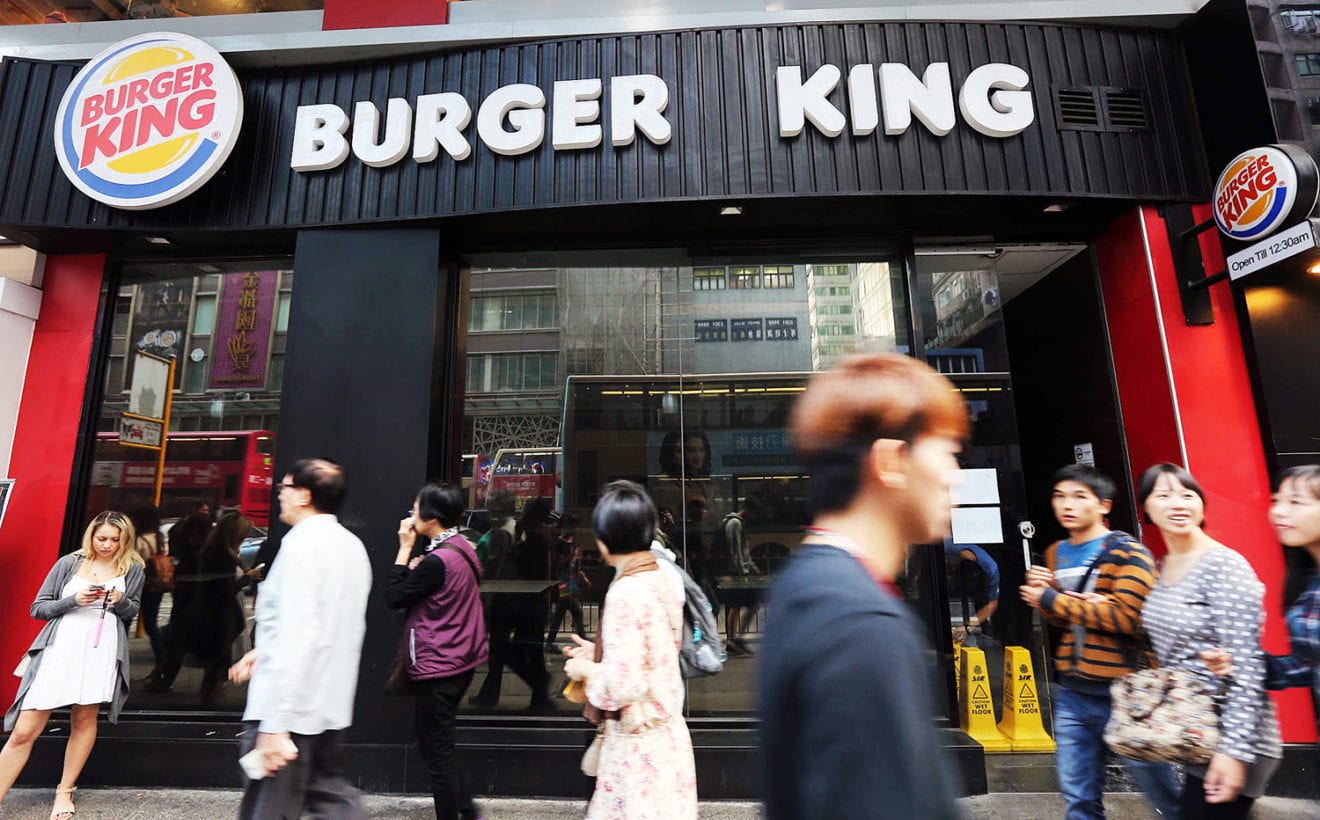
    The franchisee of the five restaurants, Perfect Combo, was taken to court several times this year over unpaid rental payments and other fees involving several outlets. Two of them – in Tsim Sha Tsui and Yau Ma Tei – were located in tourist hot spots.

    “Conducting business in Hong Kong is not easy these days” said a manager of a medicine shop on Nathan Road, just 10 metres from the shuttered Yau Ma Tei Burger King outlet.

    Nathan Road, known for its numerous jewellery and medicine shops, has been one of the favourite shopping spots for mainland tourists.

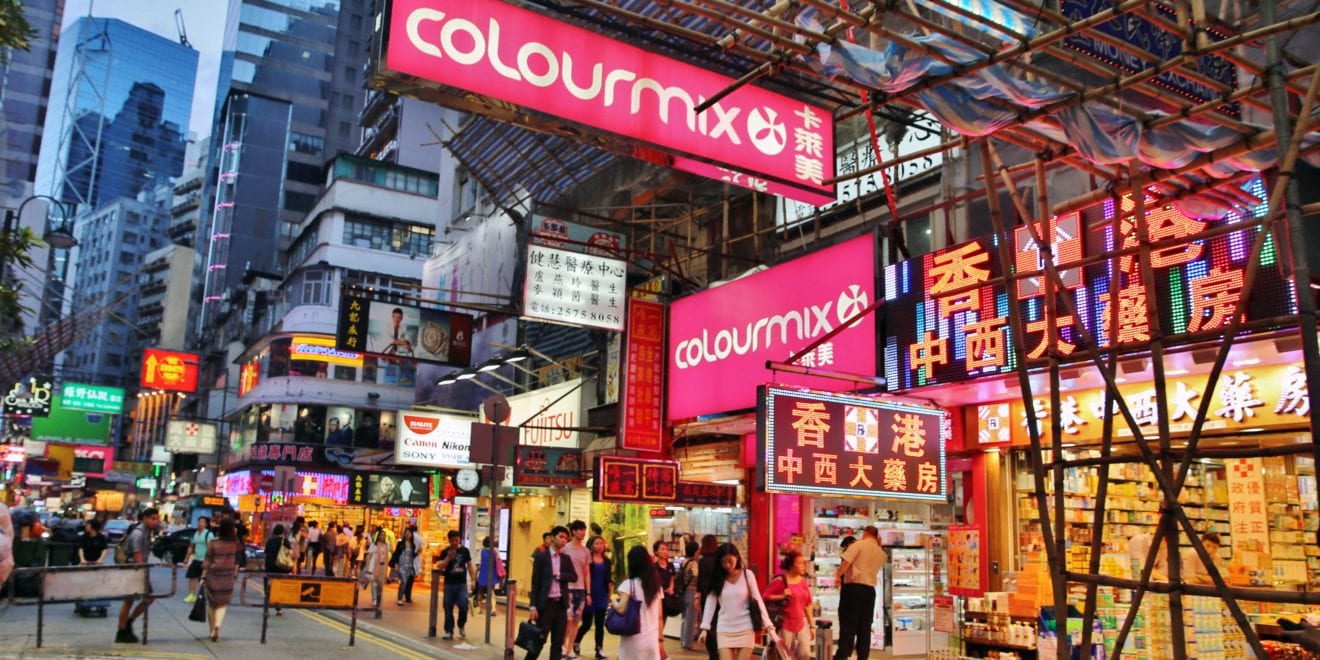
    However, eight shops on a 500-metre stretch from Yau Ma Tei to Mong Kok are currently closed or vacant. The shops used to sell jewellery, watches, handbags, medicine and beef jerky, according to staff of nearby shops, and three closed just last month.

    Mr Hui, the manager of a medicine shop on Nathan Road, said his boss might close the shop next year if his rent is not cut enough.

    “This shop hasn’t made a cent in profit since it opened two years ago”, he said, “ Mainland tourists used to buy more health care products. Now they go for ordinary milk powder.” The shop makes more money from health care products.

    “Custom has dropped one-third after the protests against parallel trading earlier this year” Hui said.

    With Hong Kong’s GDP growth expected to slow to about 2.4 per cent this year, local consumers also tend to be more conservative in spending their hard-earned money.

    “It’s not just mainland tourists. Local consumers have also been buying less this year,” said Mr Ng, a salesman in a sports shoe shop on Nathan Road. Ng said the shop had been offering heavier discounts this year – with prices 10 to 15 per cent lower than in the same period last year.

    Other than shutting down stores completely, some retailers chose to cut the size of their shops to save rental costs. Zhongxing Watch, a Hong Kong luxury watch chain, cut the size of its Nathan Road store by one-third this year, said an employee of a nearby jewellery store. No one rents the vacant area.

    Hong Kong retail sales dropped 3 per cent in October year on year despite the National Day Golden Week holiday. In the first 10 months of this year, retail sales shrank 2.7 per cent from the same period last year.

  • Anchor’s Seafood & Beer House Launches in Tsuen Wan this December

    Anchor’s Seafood & Beer House Launches in Tsuen Wan this December

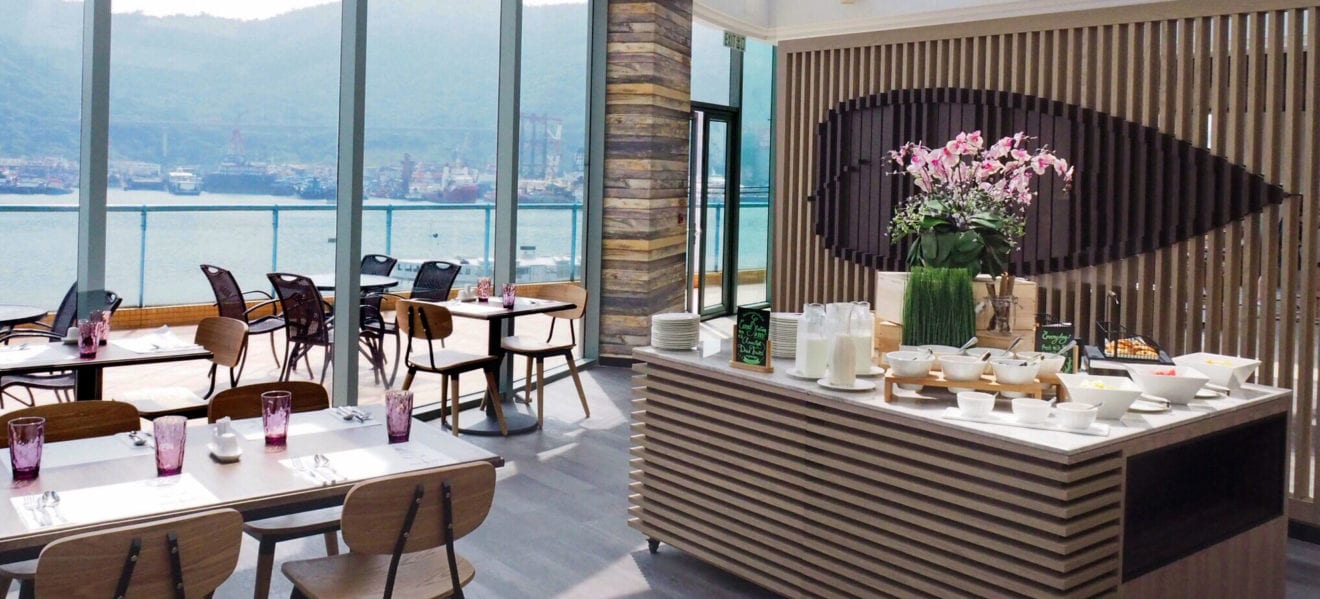
    Just in time for the winter season,  opens today on the picturesque Tsuen Wan waterfront. The 116-seat eatery features an indoor restaurant and bar area, as well as outdoor seating on a terrace overlooking the South China Sea.

    Complete with contemporary décor, a stunning sea view and a relaxed ambience, Anchor’s Seafood & Beer House is ideal for causal all-day dining, weeknight dinners, post-work drinks and weekend brunches, all set at affordable prices.

    Welcoming diners throughout the day, Anchor’s Seafood & Beer House offers daily buffet breakfast & dinner and a semi-buffet lunch, in addition to an extensive a la carte menu. A special brunch buffet menu will also be available on weekends and public holidays perfect for a mini getaway from the busy city life. The restaurant will also remain open throughout the day serving a selection of classic menu items such as sandwich, burgers, salads, pizza and specialty Asian dishes- all of which will be available for take-away.

    Diners are invited to start their mornings at Anchor’s Seafood & Beer House with a breakfast selection consisting of Western breakfast items including cereals, fresh bakery items, seasonal fruit, fresh juices, along with Hong Kong favourites such as congee and crispy buns.

    logo-color

    The semi-buffet lunch is a convenient option for those working in the Tsuen Wan area and features a selection of antipasti, classic salads and a dessert corner. Diners may also choose hot a la carte items such as Thai or Chinese noodles, wantons or pizza.

    From Monday through Saturday evenings and all-day on Sunday, the dinner buffet will feature a cold starter selection comprised of sushi, gourmet salads and a charcuterie selection. Interactive cooking stations will serve hot items including a soup counter, noodle bar, hot pot station, pizza oven, and a barbeque carving counter. A bakery corner will feature classic desserts as well as a chocolate fountain and ice-cream selection. In addition to the buffet selection, special sharing plates will be available for the whole table, including Western and Asian classics such as, roast chicken, grilled US sirloin steak, stir fried clams with spicy sauce, sweet and sour fish, deep fried grouper and tom yum gong soup served tableside on a burner.

    The restaurant also houses a Beer Bar, boasting a large selection of draft and bottled beers, along with novelty Beer Towers- ideal for casual after-work drinks and social gatherings.

    To celebrate their launch, Anchor’s Seafood & Beer House is pleased to offer diners a buy-one-get-one offer during brunch and dinner buffet purchases in the first 3 month starting from December 2015. Additionally, guests will enjoy a 15% discount per person on 24th-25thDecember, provided the reservation is made before 20th December.

  • City Chain to close stores

    City Chain to close stores

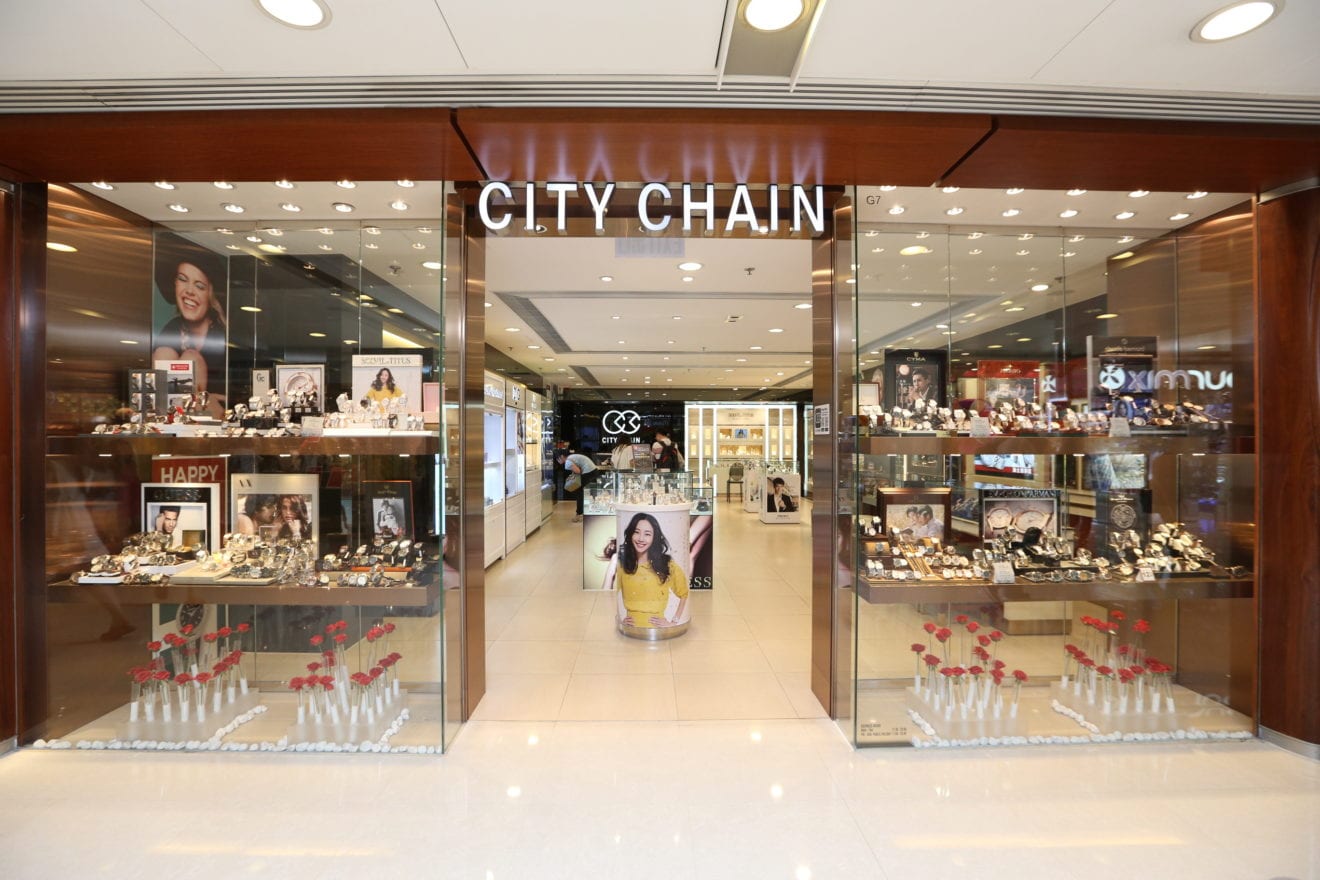
    Hong Kong headquartered watch retailer City Chain plans to close more stores as sales slid 12.1 per cent and profits crashed by 86.4 per cent in the first half year to just HK$15.7 million.

    Parent Stelux says turnover was “sluggish” in Hong Kong, Macau and Southeast Asia, with a narrowed gross margin. But inventory reduced by 16 per cent compared with the end of March.

    The City Chain Group operates stores in Hong Kong, Macau, Mainland China, Singapore, Thailand and Malaysia together with online stores at City Chain Tmall and Titus Tmall. Turnover for the six months to September 30 was $957.9 million.

    “We are rationalising our store portfolio based on shop profitability when considering shop renewal or relocation to achieve lower rental to turnover ratios,” the company said, without providing any indication of how many stores are likely to be culled.

    Already stores have been closed in Singapore and Thailand.

    Sales in Hong Kong and Macau fell 14.2 per cent to $646.6 million due to reduced tourist spending, shop consolidation measures and a high comparable base last year, when the group achieved record breaking monthly sales. That triggered a 56.5 per cent drop in pre-tax earnings to $67.9 million.

    “A combination of factors, namely, a decrease in turnover, narrowed gross profit margin due to stock rationalisation and the time lag in containing operating costs such as shop rentals led to the decline. Operating costs other than shop rentals decreased by around eight per cent despite inflationary pressure. The group continues to tighten operating expenses to adapt to existing turnover levels to improve performance,” Stelux said in its earnings statement.

    It was a rosier picture in Mainland China, now considered “a key market” for the group, which is pursuing a long term growth strategy there.

    First half sales rose 11.2 per cent to $113.2 million despite the slowing economy, driven mostly by positive same store sales growth especially in the Eastern (around 27 per cent) and Southwest regions (around 40 per cent).

    “Due to aggressive price cuts by competitors and a change in stock management strategy, gross profit margins came under pressure. Stock clearance initiatives have proven successful and we are on track towards maintaining a healthier and more competitive inventory balance. Losses, standing at $28.6 million, remained similar to that of last year since most of the uplift in sales was offset by the drop in gross profit margin. Notably, the loss posted by existing operations in Northern China fell by around 57 per cent compared to the same period last year due to restructuring efforts taken in Quarter 2,” the company said.

    “We expect to accelerate network expansion, increasing penetration in regions where we have a presence, and also setting up in multiple second and third tier cities where we do not yet have a presence to achieve economies of scale.”

    Southeast Asian first half sales were adversely affected by weakening economic fundamentals, with poor consumer sentiment and weak local currencies. Turnover dropped by 15.7 per cent to $198.1 million. But in local currency terms, turnover dropped by just four per cent.

    The Southeast Asian operations recorded a loss of $23.6 million, but a large part of that was attributed to the sharp depreciation of the Malaysian ringgit. On an exchange neutral basis the loss would have been $13.2 million, compared with $12.5 million during the same period last year.

    “The retail sector in Malaysia was severely affected by the introduction of GST in April 2015 and the depreciation of Malaysian ringgit. Despite this, turnover in local currency terms remained stable due to successful restructuring and re-merchandising measures adopted.

    “In Singapore, store consolidation and productivity enhancement measures have been very successful and we have seen sales per shop month improving significantly by 22.5 per cent and at the same time operating costs have fallen by 19.6 per cent. This has helped to narrow the loss by 33.6 per cent to $8.3 million.

    “The unstable political situation in Thailand and high household debt ratio has resulted in very low consumer confidence which has continued to fall since January 2015. Due to this, our Thai operations, posted a 24.2 per cent (FX neutral: 18.8 per cent) decline in turnover. We have implemented aggressive store consolidation measures with over 10 non-performing stores closed, and these store consolidation efforts will continue in the second half. Cost control measures were also implemented reducing our operating costs by 22 per cent.”