Tag: Hong Kong

  • Singaporeans love to shop overseas

    Singaporeans love to shop overseas

    Never mind that Singapore is renowned globally as a shopping destination.

    Singaporeans want to shop elsewhere.

    A survey by insurance company AIG conducted back in April found 36 per cent of the 1205 polled go on holiday solely to shop.

    When they take a holiday for retail therapy, Singaporeans spend an average of S$336 a day.

    The three most popular overseas shopping destinations are Bangkok, Hong Kong and Taiwan.

    AIG says it had received 7500 insurance claims between November 2014 and October 2015 for baggage lost on trips home from – in order – Thailand, Taiwan and Hong Kong.

    The insurer says people should keep receipts or photographs of their overseas purchases to ensure a smooth claims process.

    Other reasons for non-business travel by Singaporeans rated far lower than retail therapy, including a weekend getaway (21 per cent), to see somewhere exotic (12 per cent) or to indulge in a luxury break (four per cent).

  • Perfect Shape plans more China stores

    Perfect Shape plans more China stores

    Listed slimming and beauty services chain Perfect Shape plans more stores as demand soars in Greater China.

    Perfect Shape provides slimming and beauty services and sells slimming and beauty products in Hong Kong, the Mainland and Macau. The company provides medical beauty services under the brand name of Dr Face, including injection treatments such as Botox, Restylane and Sculptra, as well as laser treatments for hair removal, skin rejuvenation and depigmentation. The company operates more than 60 stores or service centers.

    In the six months to September 30, the group recorded revenue of HK$457.1 million, up 41 per cent year on year. Profit attributable to shareholders was $75.1 million, up $4.1 million year on year.

    The company says combined Hong Kong and Macau revenue soared 85.9 per cent, with Macau sales up 134 per cent.

    The company attributes its success to tapping into the high technology beauty segment in Hong Kong soon after listing in 2012, which is now bearing fruit.

    “Moving forward, management remains optimistic about the group’s prospects in the principal markets of Hong Kong and the PRC, despite modest economic growth anticipated on both sides of the border,” the company said in its stock exchange filing.

    “While the group’s development in Hong Kong remains promising, its business prospects in the PRC shows even greater potential. With an increasingly large number of people who are obese, and generally more and more individuals who are overweight, the need for slimming services will continue to rise. And given that there is a growing middle class, particularly women who care about their appearance, the demand for high technology beauty and slimming services will grow further.”

    Perfect Shape plans to replicate its high tech model in the Mainland market, and thereby provide one-stop services to local customers.

    “Part of the group’s development road map will involve further expansion of its store and business network in Greater China in the coming period. In addition, we will invest still more in our workforce, including enhancing the service quality delivered by our frontline staff through ongoing training and information sharing.”

  • Yue Yuen sales rise on retail rollout

    Yue Yuen sales rise on retail rollout

    The world’s largest branded athletic and casual footwear manufacturer and retailer Yue Yuen Industrial says retail and wholesale sales of sportswear in Greater China rose 19.6 per cent in the first nine months of this year, due to an expanding store network.

    Yue Yuen operates more than 6000 retail stores and concessions across Greater China under its own name as well as the international brands it manufactures for.

    Total sportswear sales reached US$1.7 billion compared to US$1.456 billion in the same period last year. Other factors in the growth were the company’s efforts to increase efficiency and a better merchandise selection.

    Sales of athletic shoes were up by 3.4 per cent and sales of casual shoes were down by 5.6 per cent. The total volume of shoes sold increased by just 1.1 per cent to 231.4 million pairs for the period.

    Hong Kong listed Yue Yuen designs and makes shoes for brands including Nike, Crocs, Adidas, Reebok, Asics, New Balance, Puma, Timberland and Rockport as well as operating its own network of retail stores under the YY Sports brand, through subsidiary Pou Shen.

    The increased athletic shoes and sportswear sales helped boost Yue Yuen’s overall revenue by 5.8 per cent to US$6.3 billion and gross profit by 9.1 per cent to $1.422 billion. Total net profit attributable to owners of the company was $285.6 million, up 36.6 per cent year on year, according to figures filed with the stock exchange.

    Pou Shen, which opened 771 new points of sale during the nine months, increased its gross profit by 32.5 per cent to $566.5 million due to management’s strategy to concentrate on the retail business, improved operating efficiency, and better procurement of inventory.

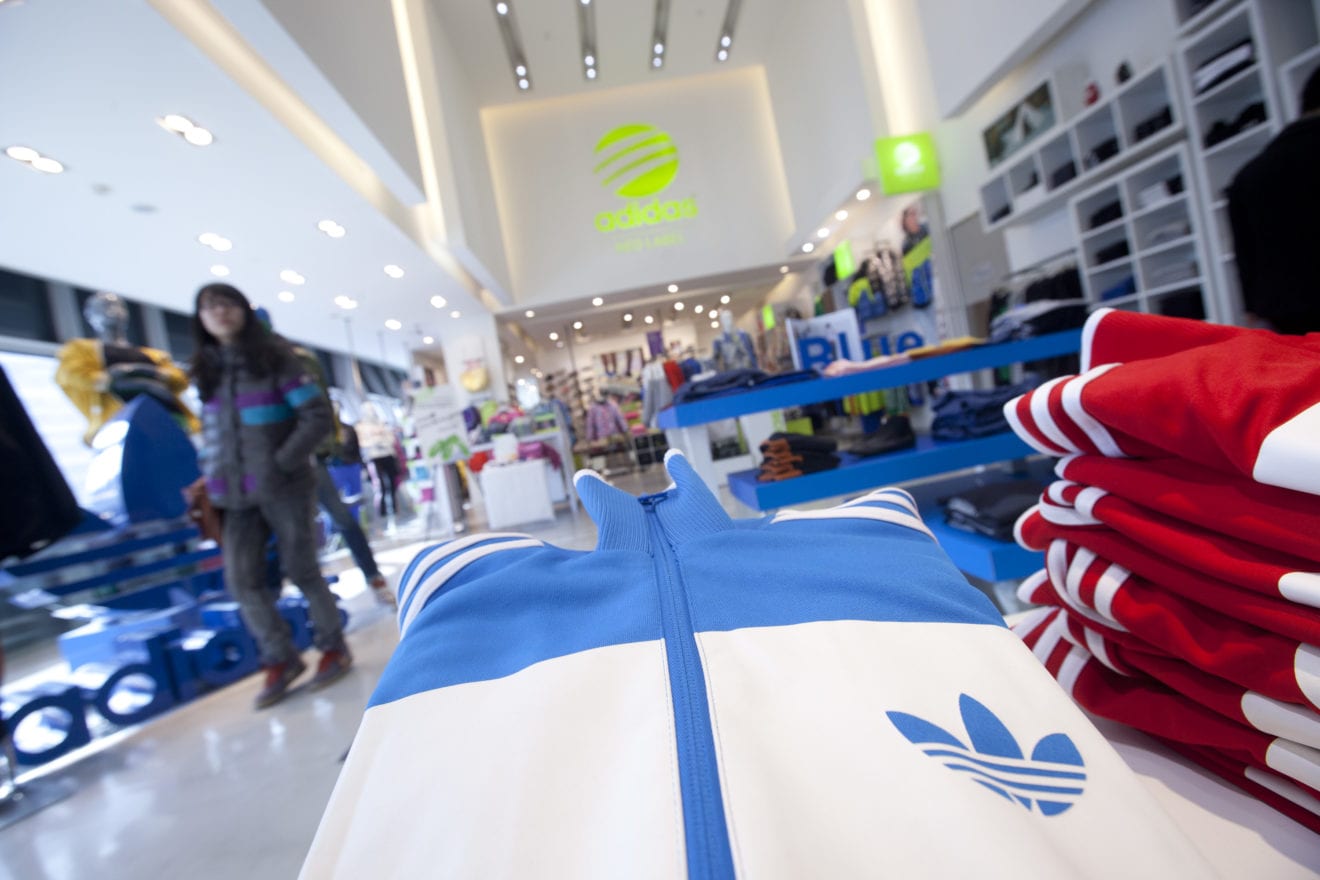
    YY Sport instore wide

  • Honeybunch Handmade opens in Hong Kong

    Honeybunch Handmade opens in Hong Kong

    New Zealand handmade soap company Honeybunch Handmade has opened its first own brand store in Hong Kong.

    Honeybunch Handmade is a brand owned by Soap Opera Productions, which has been supplying a Mainland China retailer with products for several years. Such is the popularity of the products, that retailer has grown from a single store to more than 20.

    Now the New Zealand company wants to trial marketing its products under its own brand and has chosen Hong Kong as the launchpad.

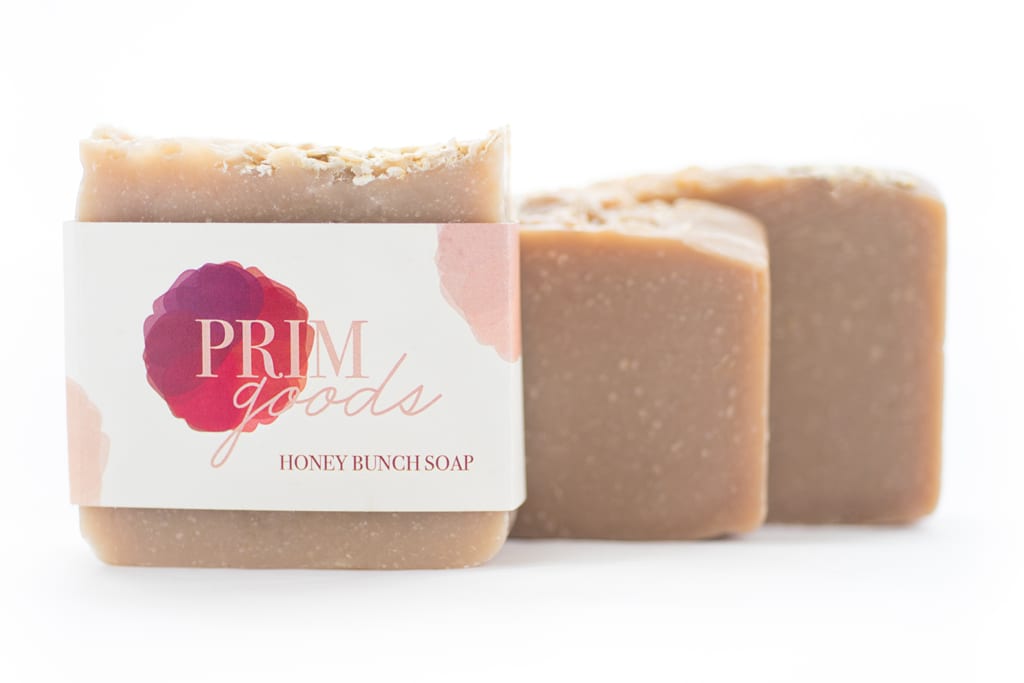
    The new retail store at Aberdeen St in Central sells handmade soaps, body care products and floral bouquets. The company claims its soap and bodycare products are 100 per cent handmade, using natural ingredients from New Zealand, and infused with pure Manuka honey and goat’s milk.

    Honeybunch Handmade

    MD Lisa Jolly says through the Mainland business partnership, her company gained the know-how and expertise in developing soap products that are suitable for the Chinese market.

    “Therefore we decided to launch our own brand in Hong Kong. Hong Kong is an international city famous for its breadth of retail choices. It gives new brands great exposure to residents, business traders and visitors. It is the best place from which to promote our New Zealand handmade gift and floral concepts to the world,” Jolly said.

    “I am impressed with Hong Kong’s fabulous logistic services. It offers exciting opportunities for us to extend our customer reach beyond Hong Kong through eCommerce. Our online store supports delivery to worldwide customers.”

    Associate director-general of investment promotion, Dr Jimmy Chiang, said Soap Opera Productions has extended its business model from a manufacturer to a retailer and InvestHK  is happy the company has chosen Hong Kong as its first overseas location.

  • Hong Kong Retail Rents Remain Sky-High Despite Slowdown

    Hong Kong Retail Rents Remain Sky-High Despite Slowdown

    Even as slumping sales force luxury brands renegotiate retail rent prices and close stores in Hong Kong, a new report finds that it’s still the second-priciest place in the world to open up shop.

    According to Cushman & Wakefield’s newly published “Main Streets Across the World” report, Hong Kong’s Causeway Bay area retained its second-place rank after New York’s 5th Avenue as the most expensive retail location globally this year. Causeway Bay retail rent cost an average of US$2,399 per square foot a year, an amount far above the next-highest cost on Paris’ Avenue des Champs Élysées, which came in at US$1,372 per square foot. However, a continued retail sales slump driven by fewer mainland tourists could drop its ranking next year as top luxury brands rethink their Hong Kong strategies.

    The listing comes in spite of several Hong Kong store closings by luxury retailers over the past year that include Coach’s Queens Road Central flagship and TAG Heuer’s Causeway Bay store. Many companies such as Burberry—which is reducing the size of its largest store in Hong Kong—have said they are attempting to renegotiate their rent prices. These include Kering, Prada, and Chow Tai Fook, and more store closings may follow depending on negotiations.

    The report notes that “downward pressure on rents is becoming increasingly evident on the back of weaker retail sales and the slowing in tourist arrivals.” As a result, rents in Causeway Bay fell by 12 percent year-on-year for the period ending in June 2015, while Central, Tsim Sha Tsui, and Mongkok fell by between 11.9 and 13.9 percent.

    Shanghai was the only other location in Greater China to make the list of 65 locations, with West Nanjing Road moving up to 11th place from 12th place last year. Tokyo’s Ginza district and Seoul’s Myeongdong area—both top destinations for Chinese tourists—also ranked high on the list at 7th and 8th, respectively.

    Mainland China is on course to become the world’s largest retail market by 2018, although brick-and-mortar growth is slowing as e-commerce becomes more popular. The report notes that retailers in both Shanghai and Beijing are testing out ways to become “lifestyle destinations” through strategies such as the introduction of food and beverage options. They’re also embracing O2O marketing with special mobile shopping apps and free in-store WiFi. Retail growth is expected to be especially strong for retailers geared toward the middle class as the luxury market remains in slowdown mode, according to the report.

    Because of Tokyo’s success from the influx of Chinese tourists, the report predicts that rents are likely to go up for luxury retailers in the coming year as brands like Burberry, Moncler, and Brunello Cucinelli have pursued store expansion in key shopping districts. In addition to the posh Ginza district, retail rent went up by 20 percent in the Omotesando area over the past year.

    There is a silver lining to the Hong Kong slump, according to the report. It states that Hong Kong’s retail scene is now becoming a “more tenant-friendly environment,” and lower rent levels “will create opportunities for luxury brands and high street retailers to enter the market such as Monica Vinader, Sotheby’s Wine, Claudie Pierlot, Rebecca Minkoff, Perrin Paris, and Filson.”

  • Burberry Hong Kong downsizes flagship

    Burberry Hong Kong downsizes flagship

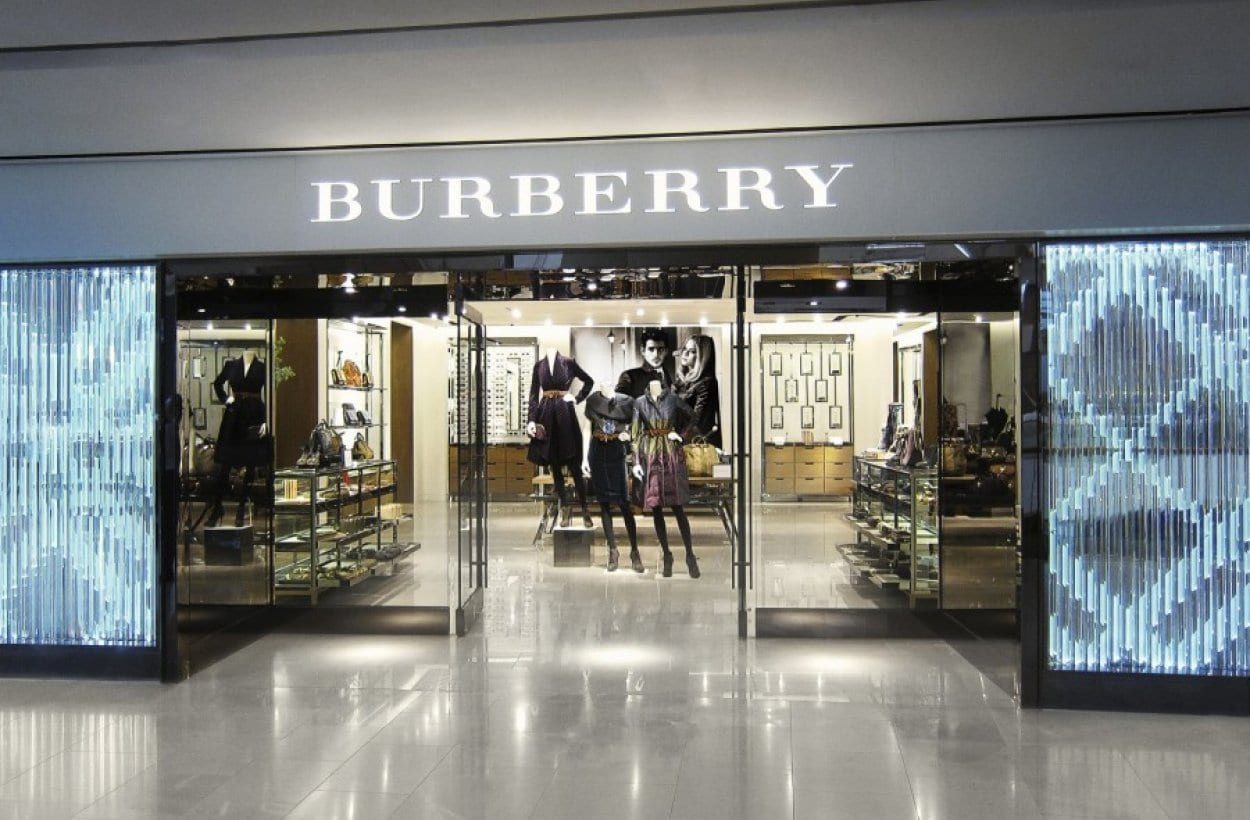
    Burberry Hong Kong is giving up a whole floor of its Pacific Place flagship as part of a range of initiatives to respond to the declining luxury market in the territory.

    Burberry CFO Carol Fairweather said in a conference call the company had reached an agreement with landlord Swire to give up the second floor part of the flagship, saying it “will enable us to drive increased sales per square foot and profitability in that store”.

    The luxury brand has 17 stores in Hong Kong, all impacted by the declining number of big spending Mainland China tourists shopping in the territory this year. Fairweather said rents had been renegotiated in a number of those stores but stressed all of them were profitable.

    “We are committed to being in Hong Kong,” Fairweather said, adding that sales have improved in recent months.

    The news coincides with the company’s release of its profit for the first half year, which beat analysts forecasts.

    Adjusted combined retail/wholesale profit was up five per cent on a same stores basis, with a planned decrease in licensing profit from Japan resulting in adjusted profit before tax of £153 million, up three per cent underlying from last year.

    “In the context of flat revenues, this result is better than expected,” commented Anusha Couttigane, senior consultant at Conlumino.

    She says Burberry is fully aware of its heavy reliance on interest from the Chinese consumer. The economic slowdown and the impact on Chinese demand is now cited as Burberry’s biggest risk.

    “In the light of these challenges, it is clear that, while Burberry continues to invest in elements that are essential for growth, it also has to make significant savings and it will take a combination of drastic measures to do so. On the one hand, this means aligning its brands under one label and its manufacturing staff under one roof. On the other, it means stripping back the privileges of a generous travel and expenses account.”

    Those cost savings are expected to deliver some £20 million to the business’ bottom line over the next 12 months.

  • Fubon Bank Hong Kong first bank in Greater China to introduce NCR Interactive Teller

    Fubon Bank Hong Kong first bank in Greater China to introduce NCR Interactive Teller

    NCR Corporation, the global leader in consumer transaction technologies, today announced that Fubon Bank (Hong Kong) Limited (“Fubon Bank”) has become the first bank in Greater China to introduce NCR Interactive Teller to transform its traditional branch banking and enhance customers’ banking experiences. NCR’s software-based Interactive Teller technology allows live tellers at the customer service centre to take remote control of an ATM inside a branch to assist customers with up to 95 percent of transactions typically completed by tellers at counters.

    The NCR Interactive Teller units are now available at Fubon Bank’s recently remodeled branch at Queen’s Road East in Wanchai and will also be available in a new branch to be opened in the Western District in late November. The new solution allows Fubon Bank customers to execute branch banking transactions such as cash deposits, cheque deposits, cheque encashment, cash withdrawals, setting up time deposits, and account transfers.

    “Fubon Bank always strives to delight our customers with a service-centric approach by leveraging innovative technologies to enhance our customers’ banking experiences. With the high cost of running bank branches in Hong Kong, NCR Interactive Teller technology is the premier solution to help redefine our branch banking experience and transform our retail network strategy,” said Carmen Yip, Executive Vice President & Head of Retail Banking Group, Fubon Bank. “NCR Interactive Teller puts a human touch to technology, mixing efficiency with ease-of-use. From now on, Fubon Bank is able to offer teller service to customers in a smaller footprint.”

    With the NCR video teller technology, a live teller located at Fubon’s Customer Service Centre takes control of an ATM at the branch and instantly serves customers over two-way video, which helps to provide a more personalized experience. NCR Interactive Teller offers similar services as a teller over the counter offers. For instance, customers can withdraw money from their bank accounts without using a traditional ATM card and passwords, and like branch tellers, remote tellers can introduce bank products and services to customers after completing bank transactions. In addition, customers can have private conversation with the remote teller by using a handset.

    “In Hong Kong, branch space is precious. NCR Interactive Teller allows banks to transform their branch locations into more effective service and sales environments, and release in-branch staff to better focus on sales and services,” said Keith Au, general manager of Hong Kong & Taiwan, Financial Services, NCR Corporation. “NCR Interactive Teller software offers a powerful combination: live video teller transactions for an interactive, personal experience or an unassisted ATM transaction for fast, always-on service. Fubon Bank customers will appreciate the increased convenience and the flexibility of choice on how they interact at this flexible channel.”

    Fubon Bank has plans to bring NCR Interactive Teller technology to additional branches in 2016.

    An internal study done by NCR showed that implementation of NCR’s Interactive Teller resulted in a 33 percent reduction in transaction time and the cost-per-transaction is 40 percent more economical compared to a branch teller transactions.

    Since introducing the technology in 2013, NCR Interactive Teller technology has been deployed by more than 200 financial institutions around the world.

  • India’s Bindaas restaurant opens in Hong Kong

    India’s Bindaas restaurant opens in Hong Kong

    Indian restaurant operator Mayo Hospitality HK Limited has opened its first outlet in Hong Kong – Bindaas restaurant.

    The Indian tapas bar and restaurant, its full name Bindaas – Bar + Kitchen – marks a plan to use Hong Kong to leverage the city’s favourable location to expand its business in the broader Asia region.

    Located at the corner of Hollywood Road and Aberdeen St in the Soho area, Bindaas – Bar + Kitchen offers a modern style of traditional Indian food alongside craft cocktails and fine wines.

    Mayo plans to open more restaurants in the city before expanding into the Mainland market, according to Bindaas MD Sanat Patel, who has won prestigious Times Food Awards twice for his restaurants in India.

    “Indian tapas is getting famous in India but we can’t find a similar place in Hong Kong. Doing business in Hong Kong is very easy and efficient, so that is also why we decided to start our first venture in the city to introduce our new food culture,” said Patel.

    “Hong Kong has a very large expat base and people here love dining and entertainment. The restaurant and bar scene in the city is thriving. Also, it is close to the huge food and beverage markets in the Mainland. Therefore, Hong Kong is the ideal starting point for us to develop our business.”

    Associate director-general of investment promotion Dr Jimmy Chiang said with Hong Kong renowned as “the culinary capital of Asia” with a large number of international and Mainland Chinese visitors, it is an ideal place to showcase and develop exciting food and beverage concepts like Bindaas.

    “We wish Bindaas – Bar + Kitchen every success in the city.”

    “Bindaas” is Hindi slang meaning “chilled out and carefree”. Bindaas restaurant uses the “bindaas” style to provide traditional Indian food with a unique contemporary twist. Its signature dishes include NaanZa, which is an Indian version of pizza, Chingri Malai curry, Boti kabab, Bindaas tandoor chicken and cocktails like the Kala Khatta margarita, the Sheikh Chili and more.

  • MTR railway Hong Kong duty free tender(s) open

    MTR railway Hong Kong duty free tender(s) open

    Hong Kong’s MTR Corporation has published its duty free prequalification tender invitation(s) for Hung Hom and Lo Wu railway stations and/or Lok Ma Chau – either as separate bids, or as part of a three-strong station package.

    The current business comprises Hung Hom Station serving the Guangzhou-Kowloon through train service; Lo Wu, which is the primary connection for rail travellers between the two territories and Lok Ma Chau which ultimately connects with the Longhua Line leading into Shenzhen.

    Anway – the sister company to Sky Connection in Hong Kong – currently operates separate Hong Kong-China duty free railway business at both Lo Wu and Lok Ma Chau stations.

    The existing MTR contract commenced on January 1, 2013, with the Lo Wu duty free shop historically accounting for more than 90% of combined gross revenues back in 2010, but this share has since changed. [The existing contract covers Lo Wu, Hung Hom and the onboard Hong Kong-Guangzhou train duty free shops-Ed].

    HK station commercial HY1 2015

    Hong Kong MTR DF ad

    Right now, MTR is requesting that qualified bidders should apply for the prequalification process before the end of January 2016, with invitations to tender expected to be issued ‘tentatively’ in April 2016.

    The various requirements for each offer can be found at the MTR site here [https://www.mtr.com.hk/en/corporate/tenders/Q043332.html]

    Basic requirements include bidders to submit their shareholding and financial information, along with audited financial statements for the past three years, references from landlords and annual gross sales turnover data spanning the last six years.
    Exif_JPEG_PICTURE

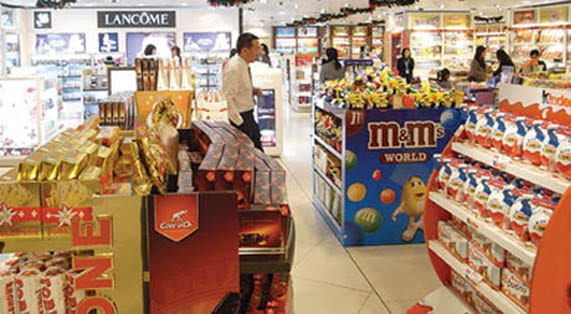
    The Lo Wu duty free railway station shop run by Anway has been substantially improved, with a wider range of merchandise on offer than ever before.©

    MTR is also asking for information relating to the number of years in duty free; number of sales outlets in Hong Kong and/or elsewhere; and operational capability and relevant experience of operating duty free businesses involving cross-boundary and international borders.

    As reported many times before, Lo Wu and Lok Ma Chau stations feed railway services directly into Mainland China as part of the estimated 100m-plus cross-boundary travellers who use these facilities each year.

    Historically, tobacco formed a very big element of the group’s port and railway store business. However, this received a big blow in August 2010 when the Hong Kong SAR Government’s cigarette allowance entitlement for ‘incoming’ travellers to Hong Kong was cut from three packs to 19 cigarettes as part of its public health programme.

    Following this, Anway has done a remarkable shop in trading customers up at Lo Wu and Lok Ma Chau shops by mitigating tobacco losses by pushing more spirits and other alcohol beverages – including offerings below 30% alcohol content like wine, where excise duties in Hong Kong were abolished in 2008.
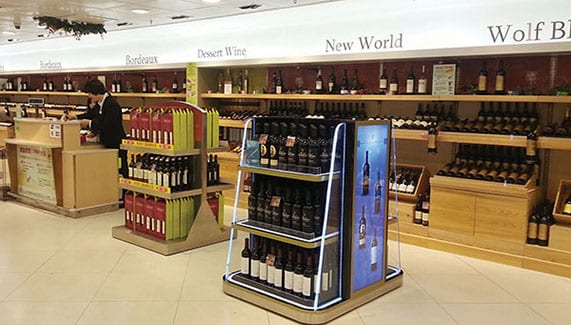
    Lok Mau Chau Anway

    Anway/Sky Connection have upgraded the retail offer impressively and substantially in recent years. Shown here: the quality wine offer at Lok Mau Chau.©

    The retailer also made very positive efforts – along with MTR – to try and find ways to increase the retail space at Lo Wu in particular to help the operation. As a result of these efforts, Anway/Sky Connection Ceo Baker Salleh told TRBusiness at the time that the loss of tobacco sales proved surprisingly less damaging than the company had originally envisaged.

    Currently, MTR has a ‘total’ average weekday patronage of over 5.4m passengers across its entire network and is one of the busiest railway systems in the world.

    Revenue from its Hong Kong station commercial businesses in the half year ended 30 June 2015 up 8.5% to HK$2,579m ($332m) while the cross-boundary service to Lo Wu and Lok Ma Chau grew by 3.2% to 56.2m passengers for the six-month period to the end of June 2015.

    According to MTR’s accounts, the increase was driven mainly by higher rental income from station shops, resulting from rent renewals and increased turnover rents.
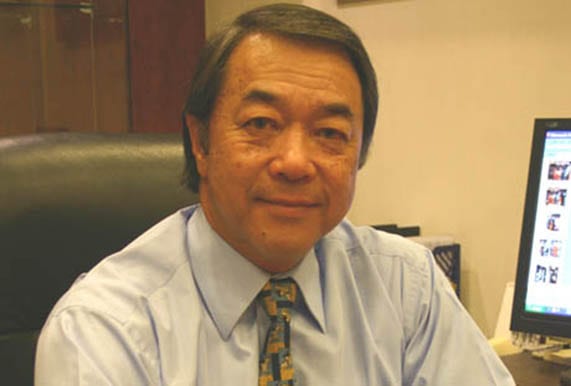
    Baker Salleh CEO Anway and Sky Connection

    Anway and Sky Connection CEO Baker Salleh and his team have improved Hong Kong’s railway duty free business impressively in recent years, despite significant challenges, including developing the Lok Mau Chau business from its infancy.©

    Station retail revenue for the period increased by 11.2% to HK$1,743m (224.8m). MTR says that the increase reflected rental increases and higher turnover rent, particularly from the Lok Ma Chau Station Duty Free Shops, as well as rent earned from shops in the new stations of the Western extension of the Island Line.

    Interested operators are being asked to express interest by submitting the relevant correspondence to the MTR Corporation Limited, 20/F, MTR Headquarters Building, Telford Plaza, Kowloon Bay, Hong Kong.

    Correspondence should be addressed to the Purchasing Manager – Property & Marketing, quoting ‘Expression of Interest for the Tender no. Q043332 – Operation of Duty Free Business at Hung Hom Station, Lo Wu Station and Lok Ma Chau Station” – on or before 15 January 2016.

  • Chow Tai Fook in profit plunge

    Chow Tai Fook in profit plunge

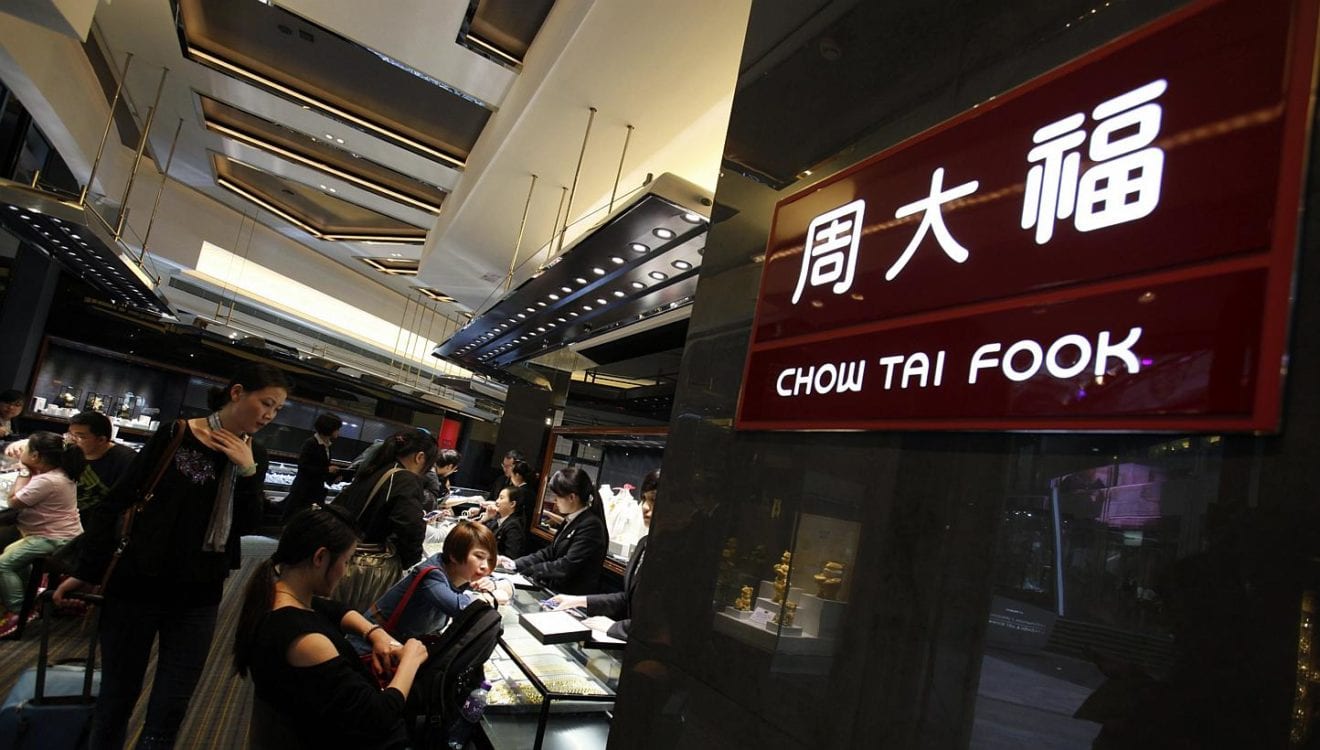
    Listed Hong Kong jeweller Chow Tai Fook has warned shareholders its first half profit is likely to be 50 per cent less than for the same period last year.

    In a statement filed with the stock exchange, the board said the decrease is mainly attributable to the year-on-year decline in revenue brought about by weak consumer sentiment in Hong Kong and Macau and a tighter gross profit margin.

    The margin was impacted by both a change in the product mix with increased sale of gold products and unrealised hedging losses on gold loans for the period contrasting with an unrealised hedging gain in the same period last year.

    “As the company is in the process of preparing the interim results of the group for the six months ended 30 September, the information contained in this announcement is only based on the preliminary review of the company’s management accounts which have not been reviewed or audited by auditors of the company.”

    The size of the decline comes as something of a surprise, given the company revealed a four per cent increase in sales in the quarter to September 30 just four weeks ago.

    Back then Chow Tai Fook described the Hong Kong and Macau retail market as “continuing lacklustre”.

  • Giordano Hong Kong sales rise in soft market

    Giordano Hong Kong sales rise in soft market

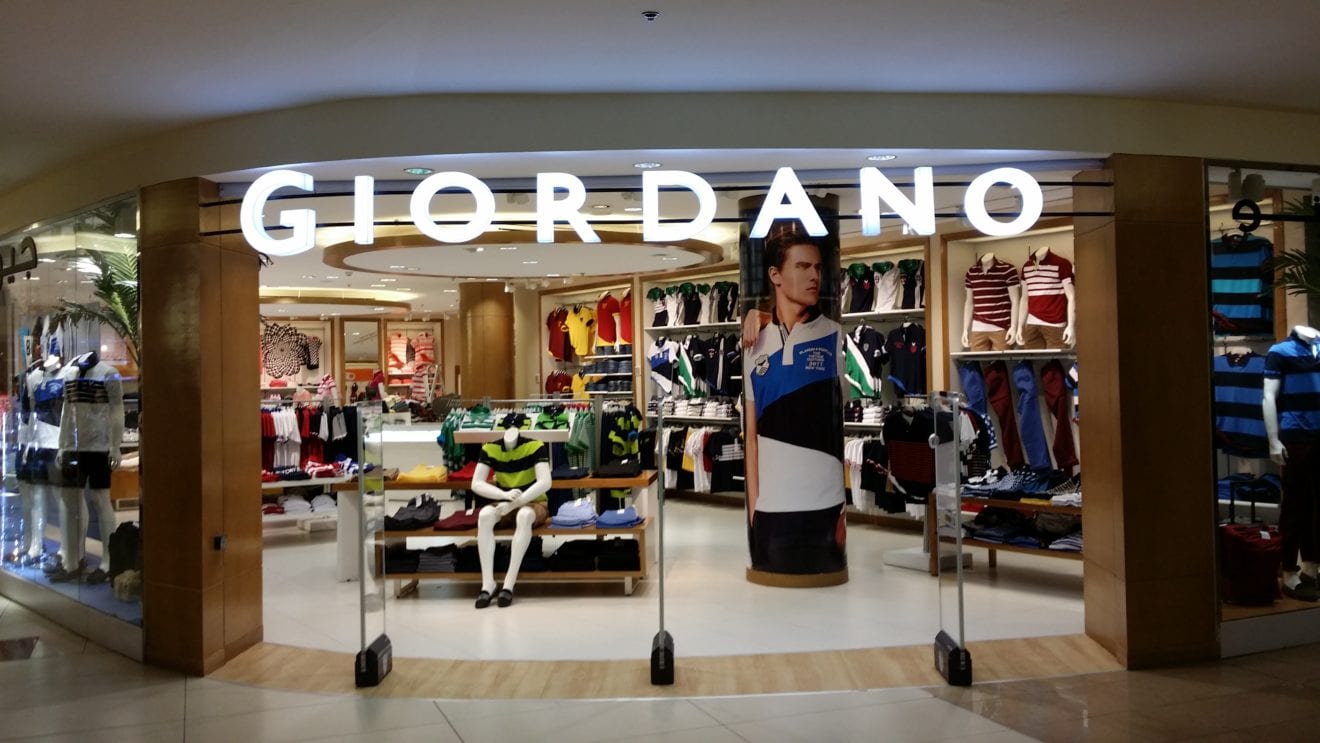
    Giordano Hong Kong sales increased by four per cent in the last quarter, with same store sales up a staggering 12 per cent in a stagnant retail market.

    The company says with the decline in Mainland China visitors to Hong Kong and Macau, the company has repositioned its product range to focus on more basic essential products. “This resulted in strong volume growth compared to the same period last year.”

    Total sales for the quarter to September 30 were HK$1.240 billion, three per cent lower than the same period last year. On a constant currency basis, sales increased by two per cent.

    Despite encouraging results in its home market, Giordano reported the depreciation of local currencies against the US dollar in Southeast Asia, Taiwan and Australia is depressing reported sales growth at the group level, and pushing costs up in those markets.

    In the first half of 2015, the company completed the acquisition of its franchisees’ operations in Kuwait and Qatar. Excluding these transactions, sales would have decreased by four per cent and on a constant currency basis, sales would have increased by one per cent

    Brand sales for the quarter were flat compared to the same period last year. Comparable store sales for the quarter increased by four per cent, mainly due to improving performance in Mainland China, Hong Kong and Singapore.

    The total number of stores in the group declined by 19 to 2359 primarily due to the closure of unprofitable stores in Mainland China.

    Gross margin for the quarter grew by 0.1 percentage point to 58 per cent, despite higher purchase costs due to weak overseas currencies, which reduced gross margin by 1.4 percentage points.

    Gross profit for the quarter was HK$719 million, a decline of three per cent over the same period last year.

    Sales in Southeast Asia declined by seven per cent, reflecting the impact of weak local currencies which on average depreciated by 16 per cent against the Hong Kong dollar in the last 12 months. However, on a constant currency basis, sales grew by nine per cent. Comparative store sales grew by eight per cent in the quarter with strong recovery from last year in Singapore and Thailand in particular.

    Sales in the Middle East have climbed by 11 per cent with strong growth in the UAE.

    Giordano’s new budget brand “Beau Monde” is still under development.

    “At the end of the period we had 14 shops and we expect to increase this to 25 shops by the end of the year. As we improve the merchandise for this new brand, we expect to reach break even profitability in the fourth quarter of 2015 or the first quarter of 2016. This will enable us to develop this brand faster in 2016,” the company said in its stock exchange filing.

    “As we reposition our brands through the exit of non-performing shops and poor quality locations, we are also investing in store upgrades, and by December we expect to have upgraded two thirds of our store portfolio in the past two years. During the third quarter, we upgraded/opened 39 self-managed stores and 51 of our franchisees’ stores. By the end of 2015, we expect to have upgraded/opened 200 shops in the year. This compares with 397 shops renovated in 2014.”

  • Billionaire lifestyle of Hong Kong’s coloured diamonds collector

    Billionaire lifestyle of Hong Kong’s coloured diamonds collector

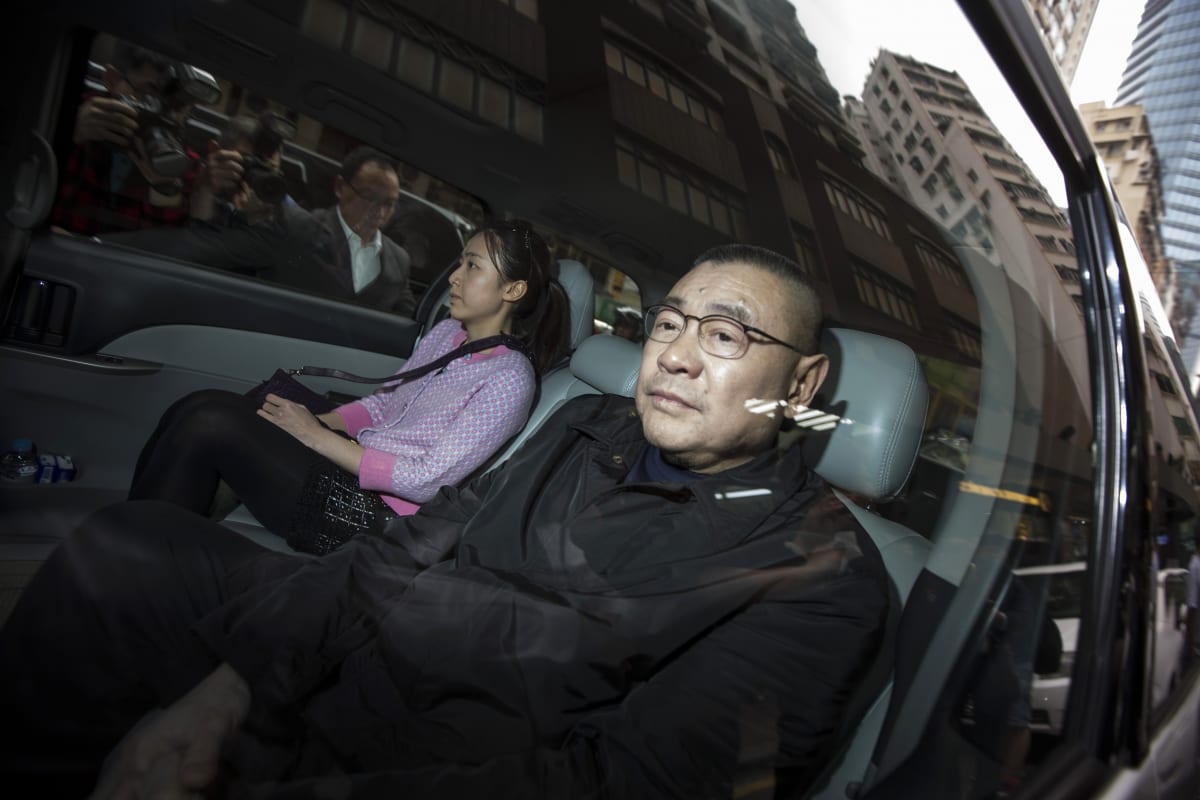
    Hong Kong property tycoon, Joseph Lau, has snapped up two rare diamonds this week for his seven year old daughter, Josephine.

    Joseph Lau is now the proud owner of the record breaking auction jewel, the Blue Moon sold at Sotheby’s Geneva, and the 16.08ct fancy vivid pink diamond auctioned at Christie’s.

    The billionaire made his fortune as the founder of the property firm Chinese Estate Holdings.

    Lau paid £19m for the rare, pink diamond on sale at Christie’s on November 10 and named the stone Sweet Josephine. It seems the pink gem wasn’t enough though and a day later he paid a record breaking £32m for the 12.03ct blue diamond which he has now christened the Blue Moon of Josephine. These stones will join a 7.03ct rectangular blue diamond named the Star of Josephine which was purchased for his daughter in 2009 when she was just a year old.

    Blue diamonds certainly seem to catch Lau’s eye as last November he bought a $33m (£21.6m) 9.75ct blue diamond for another daughter, Zoe, 13. This stone has been named Zoe Diamond and joins a $8.4m (£5.4m) ruby and diamond brooch weighing a total of 10.10cts called Zoe Red.

    For his eldest son, Lau Ming-wai, 34, his jewels come in the form of the family business. After studying at the London School of Economics at King’s College London, Lau Ming Wai took over as non-executive chairman of Chinese Estate after his father was convicted for crimes of money laundering and bribery in 2014. Although sentenced in Macau to five years, he was saved from jail time as Hong Kong does not have an extradition treaty with Macau.

    Lau is known as one of Asia’s richest men. In addition to a large diamond collection Lau is the proud owner of a Boeing 787 Dreamliner, over 10,000 bottle of fine wines, a wide range of fine art (including a £11.4m Andy Warhol portrait of Mao Zedong) and a £70m home in Belgravia, West London, complete with a gold-lined swimming pool. Lau also owns three quarters of Chinese Estates and is one of Hong Kong’s largest real estate investors.

    In Hong Kong Lau constantly makes the headlines, often referred to as Big Lau. He is known in the media for building Hong Kong’s tallest retail complex and charming several actresses and beauty queens following his divorce from his wife in 1992. Lau is the father of six children and is currently with his former assistant, Kimbie Chan.

    According to Forbes, Lau is the 114th richest person in the world with an estimated net worth of $9.8 billion.

  • Genting adds premium cruise brand solely for Asia

    Genting adds premium cruise brand solely for Asia

    Malaysia-listed leisure and hospitality group, Genting, best known for its resorts and casinos, is setting up Asia’s first regionally-based premium cruise brand.

    Within its Genting Hong Kong operation [one of five public companies] which was formerly called Star Cruises, the company has announced the launch of Dream Cruises for Asia, which is one of the fastest growing markets in the world according to cruise association CLIA.

    The region also delivers strong duty free and travel retail spending says analyst CiR. According to its Asian Cruise Travellers report, 73% of Asian cruisers make DF&TR purchases, with almost half (46%) buying fashion/accessories.

    Genting – valued by market capitalisation at over MYR94bn ($22bn) at 31 August – is expected to take full advantage of the high-spending nature of Asian passengers – particularly the Chinese – with a large shopping offer on board Dream Cruises’ first vessel, Genting Dream when it sets sail in November 2016. It will carry 3,400 guests and 2,000 crew, a very high crew-to-guest ratio.

    A sister ship World Dream will follow in November 2017. Both were ordered by Genting Hong Kong and are under construction.

    THATCHER BROWN NAMED PRESIDENT

    The company has appointed cruise veteran, Thatcher Brown as President of Dream Cruises. Brown had been with Crystal Cruise Lines – which Genting bought in May 2015 – since its formation in 1988.

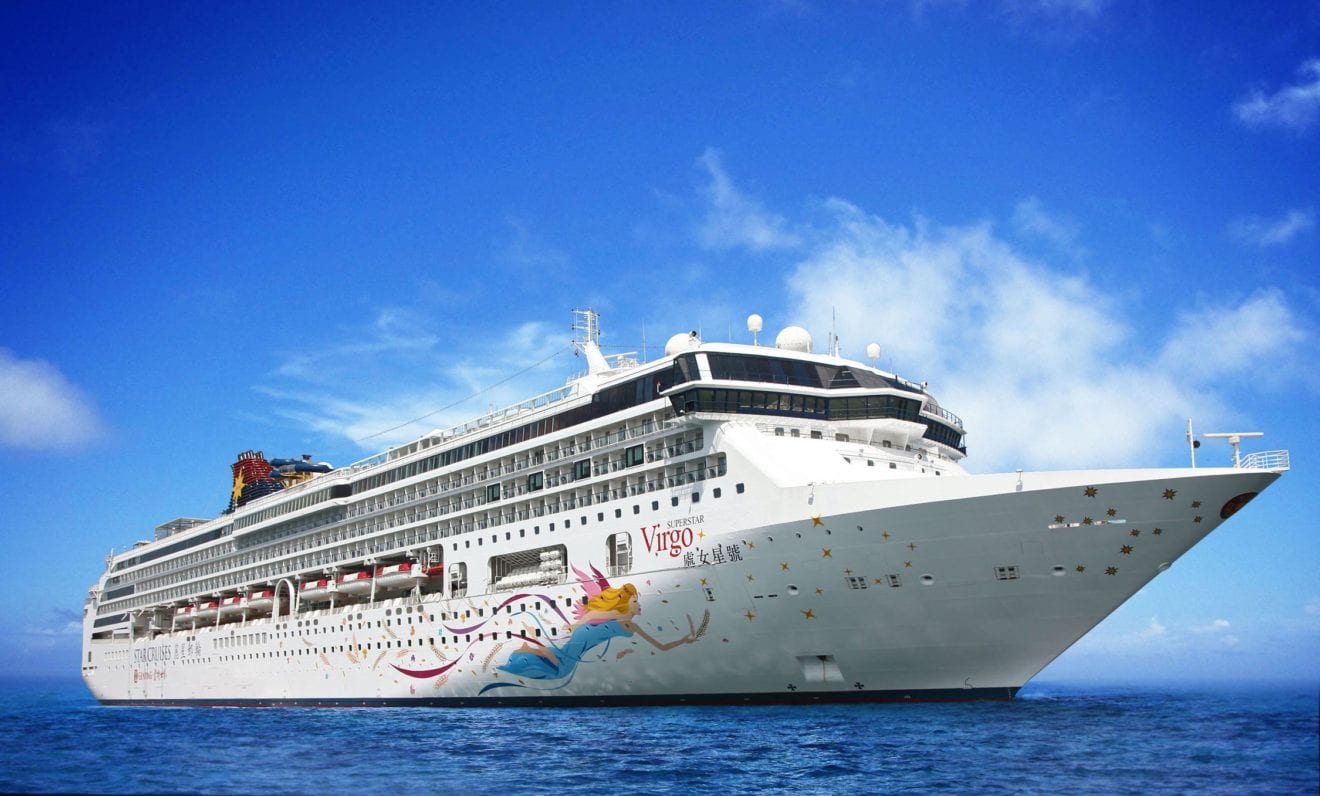
    “The launch of Dream Cruises completes the company’s mission of having a brand for each of the three major cruise market segments: Crystal Cruises for the luxury market, Dream Cruises for the premium market, and Star Cruises for the contemporary market.”At the launch event aboard SuperStar Virgo, a Star Cruises vessel, Genting Chairman and CEO, Tan Sri Lim Kok Thay, said: “Being the first company to offer cruises in China over 20 years ago with Star Cruises, we conceived Genting Dream three years ago to be the only purpose-built premium category new build for the Asian, and specifically Chinese, market.

    THREE CHINESE HOMEPORTS

    Genting Dream will have two exclusive floors of Dream Suites from 32sq m to 183sq m in size with butler services. Around 70% of Genting Dream’s staterooms will have private balconies.

    From next November, Genting Dream’s homeports will be in Guangzhou (Nansha Port), Hong Kong and Sanya and the ship will serve a bih catchment in the Pearl River Delta and Hainan. It will also cater to international guests flying into the airports of Guangzhou, Shenzhen, Zhuhai, Macau, Hong Kong and Sanya.

    Itineraries from Guangzhou will offer a year-round, two-night weekend cruise that calls at Hong Kong and a five-night weekday cruise calling at Halong Bay, Danang and Sanya.

    The Hong Kong homeport will feature a seven-night itinerary calling at Guangzhou, Halong Bay, Danang, Sanya and either Shenzhen or Zhuhai using Nansha Port. The Sanya homeport will also feature a seven-night itinerary calling at Guangzhou, Hong Kong, Shenzhen or Zhuhai using Nansha Port, Halong Bay and Danang.

  • Cosmoparis opens first Hong Kong store

    Cosmoparis opens first Hong Kong store

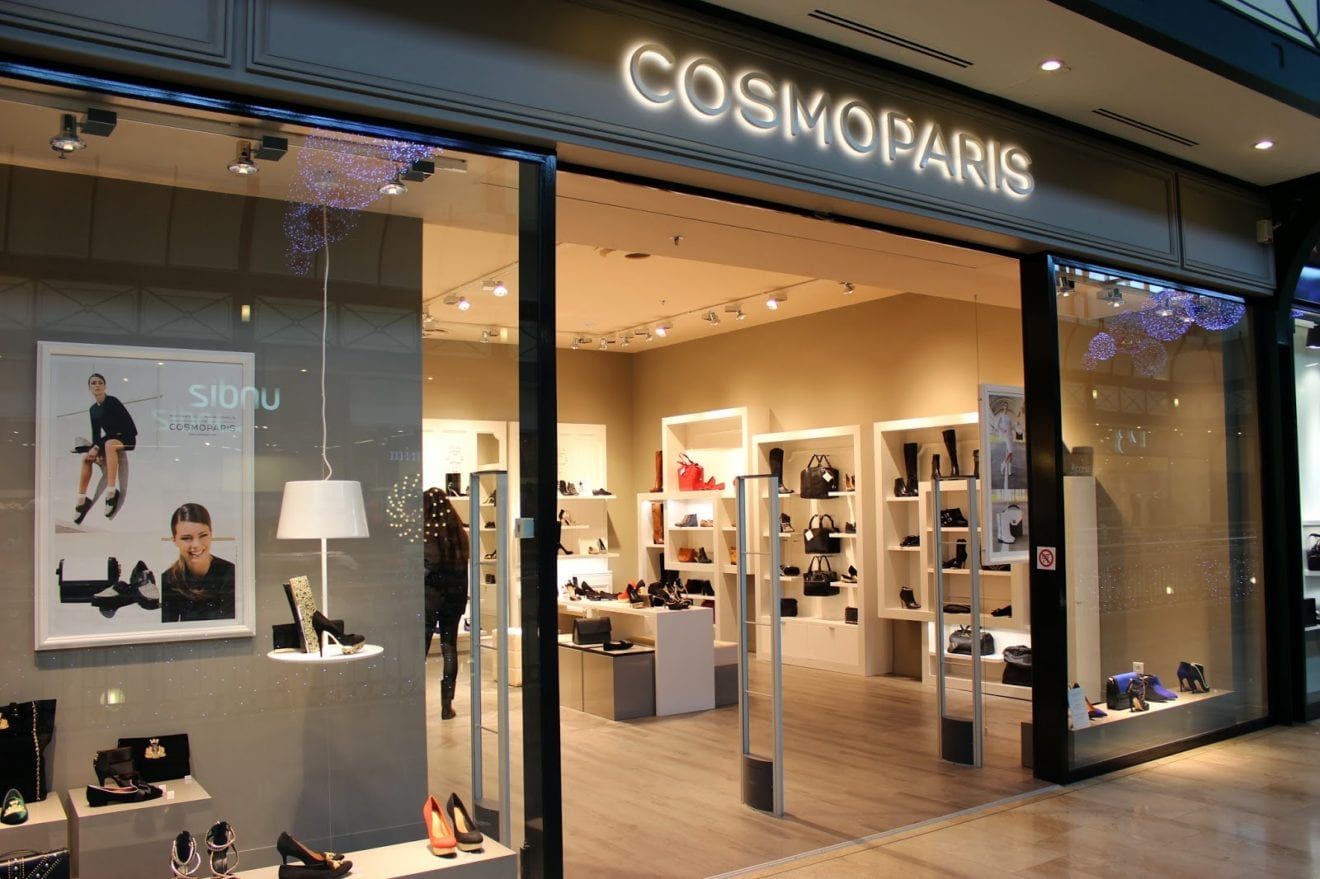
    French luxury footwear brand Cosmoparis has opened its first Hong Kong store at Pacific Place.

    Cosmoparis was founded in 2008 by Axelle Mathery and Hong Kong fashion blogButterboomdescribes the brand as making “stylish footwear designs that are always contemporary, glamorous and feminine for sophisticated ladies”.

    Cosmoparis Hong Kong Pacific Place

    The boutique, located on the first floor of Pacific Place, is a “bright cheerful place with gold table finishing with velvet-like beige coloured stools,” says Butterboom.

    “There are quite a few quirky designs including chic heels with fur, winter boots in different lengths and our favourite – the Angrycat heels that we would like to add to our shoe collection this winter.”

  • LeSportsac to expand China footprint

    LeSportsac to expand China footprint

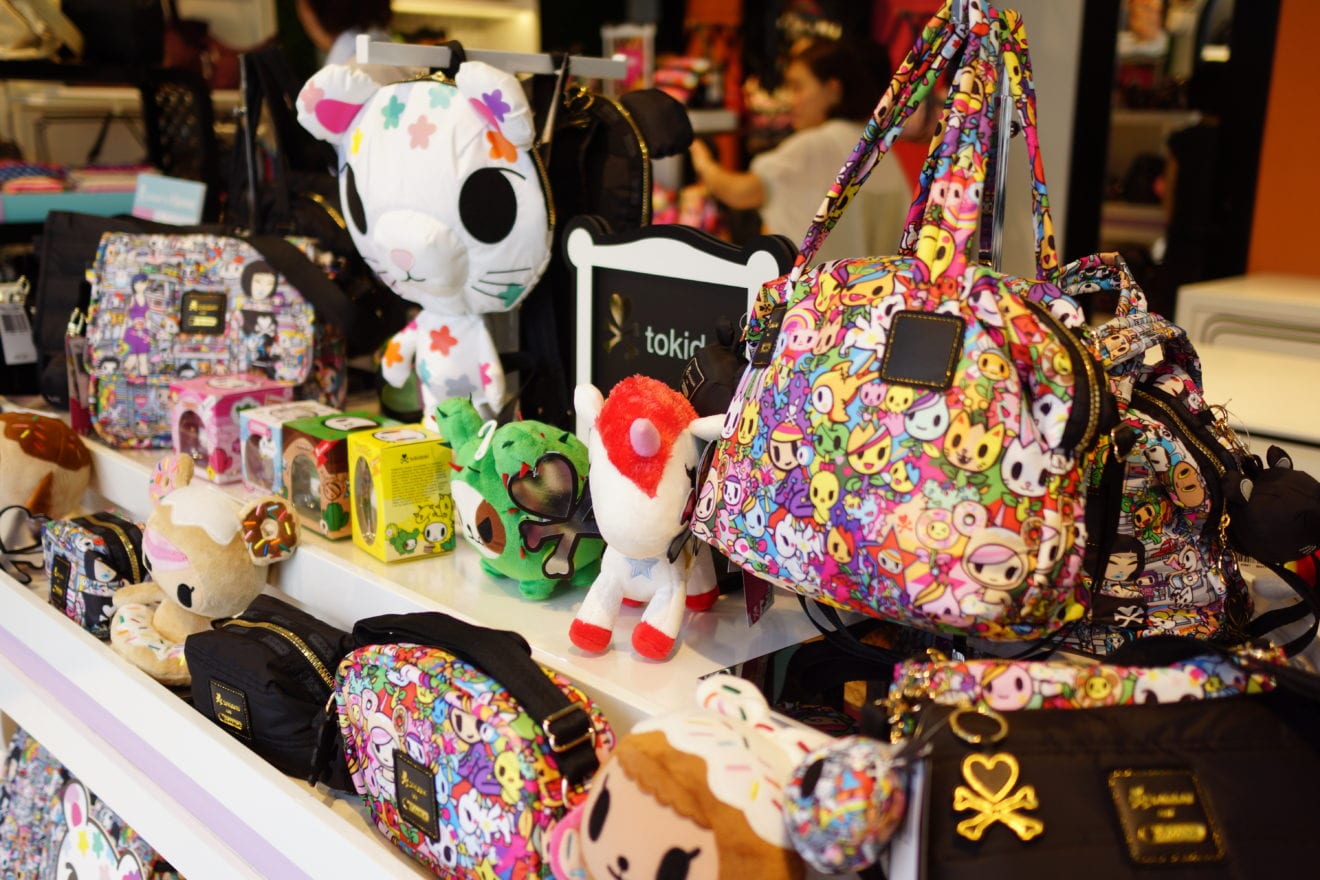
    Japanese trading house Itochu has formed a joint venture with Hong Kong based Novo Fashion Retail Group to ramp up the LeSportsac retail presence in Mainland China.

    Itochu signed an exclusive distribution agreement with Novo back in 2007 to supply LeSportsacs to outlets in major department stores and other retailers.

    This month, the two companies will launch a joint venture, its name not yet revealed,

    to focus on the LeSportsac range of casual nylon bags. Standalone stores are a possibility, given the brand’s strong appeal and name recognition in China.

    Itochu distributes the US-founded LeSportsac brand in 35 countries and Novo specialises in marketing western brands in Greater China.

    Initial plans are to double the network of stores selling LeSportsac to about 100 over the next three years, with a concentration on larger cities, and to broaden the bags’ online availability.

    The new venture is also likely to work on expanding the range to include products designed specifically for the China market, based on customer feedback.