Tag: Hong Kong

  • Dufry Asia aims to double business

    Dufry Asia aims to double business

    Dufry Asia sees huge growth opportunities in the Asia region despite the current softness in the Hong Kong, Macau and Singapore markets.

    In an interview with TRBusiness the CEO of Dufry Group, Julian Diaz, said the company plans to double its sales in Asia Pacific within five years. Currently, the region accounts for just nine per cent of its total business.

    “The situation right now in Asia and in other parts of the world is not going to stop Dufry from going ahead with development,” he told TRBusiness.

    “The reality of the passenger growth over the next 10 years in Asia is that it is going to grow more than any other region in the world.”

    Díaz said Asia presented challenges given it comprises different markets, but Dufry has overcome that in other regions, and is confident it can break through in Asia.

    “I think this is a challenge, but this was also a challenge when we started in the Americas, when we started in Europe, when we started in North America.

    “All these businesses presented their own challenges. I know one thing, we are going to pool resources and the team in order to really develop the company in Asia,” he said.

  • Chinese account for 31% of global luxury sales

    Chinese account for 31% of global luxury sales

    Chinese shoppers now account for 31 per cent of the world’s annual luxury sales.

    According to Bain & Company’s 2015 Worldwide Luxury Report, the overall luxury industry will surpass €1 trillion in retail sales value in 2015.

    The market delivered healthy growth of five per cent year on year (at constant exchange rates), driven primarily by luxury cars (eight per cent), luxury hospitality (seven per cent) and fine arts (six per cent).  Aided by global currency fluctuations and continued jet-setting of “borderless consumers,” the personal luxury goods market ballooned to over a quarter trillion euros.

    That sector – including leather accessories, fashion, hard luxury and fragrance & cosmetics – reached €253 billion in 2015. This represents 13 per cent growth at current exchange rates, while real growth is significantly slowing to between one and two per cent.

    But the report warns that luxury brands will need the right pricing model to win against hard to predict currency volatility in the year ahead, which has impacted heavily on luxury retailers especially.

    While global tourists flocked to Europe and Japan to capitalise on a weak euro and yen, the Americas region, stagnant in real terms, was strongly inflated by the super dollar, thus capturing more than a third (34 per cent) of the global market spend in 2015.

    Meanwhile, Asia registered the worst historical performance (at constant exchange rates), driven by the lacklustre trend of Mainland China and the sharp drop in sales in Hong Kong and Macau.

    “For the last several years, we’ve referenced ‘luxury’s new normal’ with a deceleration of the personal luxury goods market. Now, we are starting to feel the impact of that slow-down,” said Claudia D’Arpizio, a Bain partner in Milan and lead author of the study.

    “The challenge for luxury brands in this environment is how to successfully navigate through hard-to-predict volatility.”

    According to Bain’s research, Chinese consumers continue to spend the largest share of luxury purchases (31 per cent) globally, followed by Americans (24 per cent) and Europeans (18 per cent).

    Chinese consumers are flocking to mature markets in droves, especially Europe, where an analysis of European tax-free shopping data, conducted in partnership with Global Blue, shows Chinese tax-free purchases increased by 64 per cent, particularly among the accessible and aspirational luxury segments, thanks to a weak euro.

    Americans also increased their tax-free spending in Europe by 67 per cent, aimed largely at the high end of the luxury spectrum.  Meanwhile, Russians cut their European spending by 37 per cent, and spending among the Japanese in Europe withered by 16 per cent.

    “Undoubtedly, Chinese consumers play a primary role in the growth of luxury spending worldwide,” said Federica Levato, principal at Bain and co-author of the study.

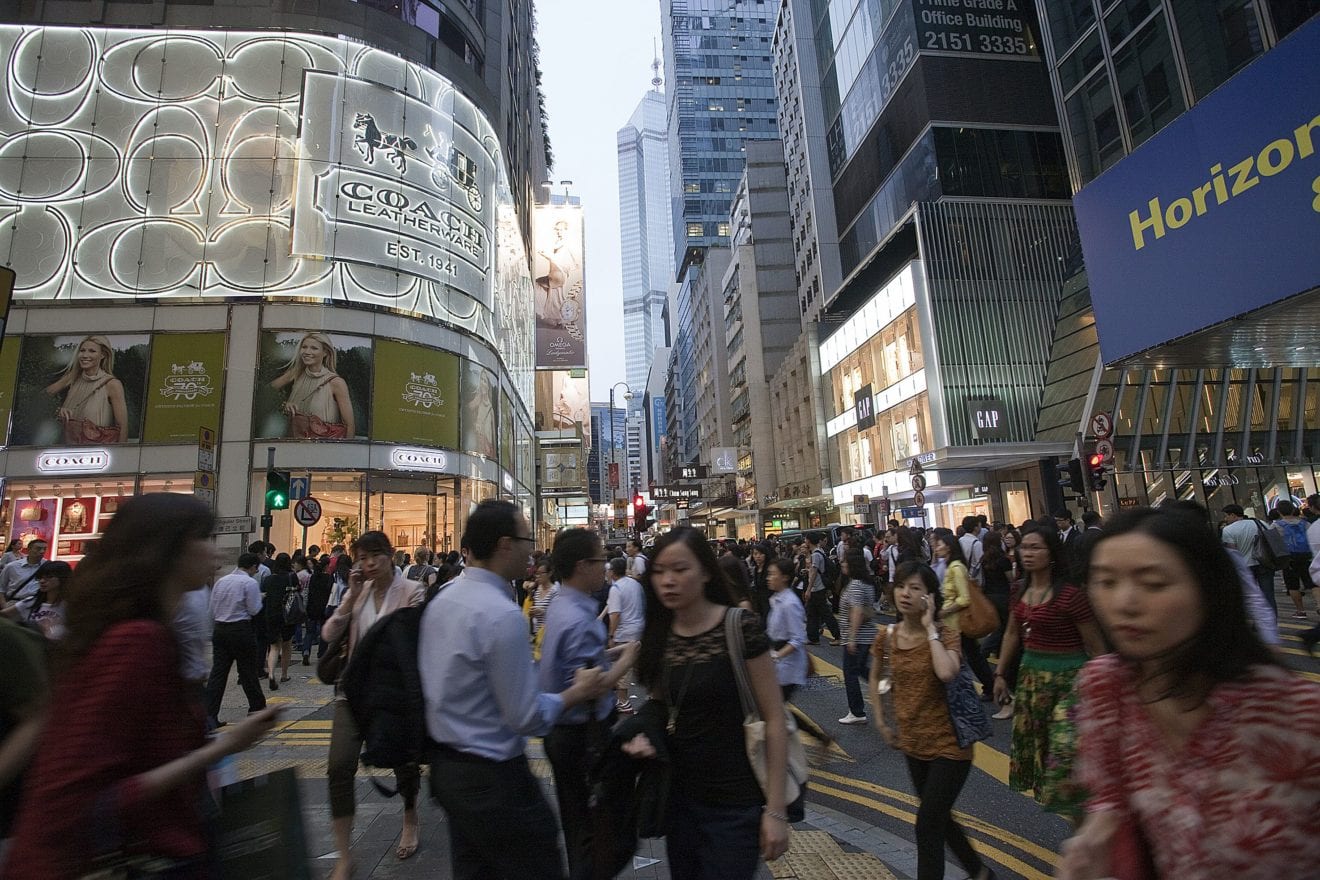
    “For years, we have known that they spend far more abroad than in Mainland China, but what’s changing is that they’re spending little money in historically popular destinations, such as Hong Kong and Macau, and are instead gravitating to new locales, such as Europe, South Korea or Japan, to benefit from currency fluctuations that drive favorable price gaps.”

    In terms of constant exchange rates, the US market did not deliver.  The “super dollar” was too expensive for many global tourists and though local consumption is growing, it was barely sufficient to offset the lost tourism revenue. Nevertheless, the US is the confirmed largest luxury market in terms of global luxury value, reaching €79 billion; New York City alone outweighed all of Japan.

    Another trend evident this year is the impact of eCommerce, which grew to seven per cent market share in 2015, nearly double its penetration since 2012. Luxury globetrotters have also fuelled the performance of airport retail, which posted 29 per cent growth in current exchange rates (18 per cent in constant exchange rates) and now accounts for six per cent of the global luxury market.

    With the growing middle class in economies such as China seeking good quality and good value, the off-price channel has more than doubled to nearly €26 billion.  Mark-downs are also increasing in prevalence across more than 35 per cent of the luxury market, with a strong relevance in department and specialty stores, as well as online.

    The Price of Luxury

    According to Bain, the number one challenge facing most luxury brands is establishing the right pricing model.

    The rise of eCommerce and global tourism growth create greater transparency around international price differentials. Additionally, price-conscious luxury shoppers are struggling to reconcile the price of luxury products with their real value. As a result, luxury brands must assess how to mitigate volatility and how best to deliver at local and global levels. This includes managing inventory to accommodate fluctuations in tourism and coordinating pricing and mark-downs across markets and channels.

    Luxury brands also face a host of tough issues such as rethinking their store footprint and the role of their stores in a world of growing digitalisation, as well as figuring out how to delight local customers even as masses of tourists flock to stores in mature markets.

    “Relentless price increases over the last decade, aimed at creating a more exclusive position in the market and maximising touristic flows are now starting to backfire on luxury brands,” said D’Arpizio.

    “They face the long-term challenge of rebuilding credibility and trust among consumers, rather than simply making shortsighted, tactical pricing adjustments to benefit from market fluctuations.”

  • Hong Kong ‘centre of whipsaw’ says Crocodile Garments

    Hong Kong ‘centre of whipsaw’ says Crocodile Garments

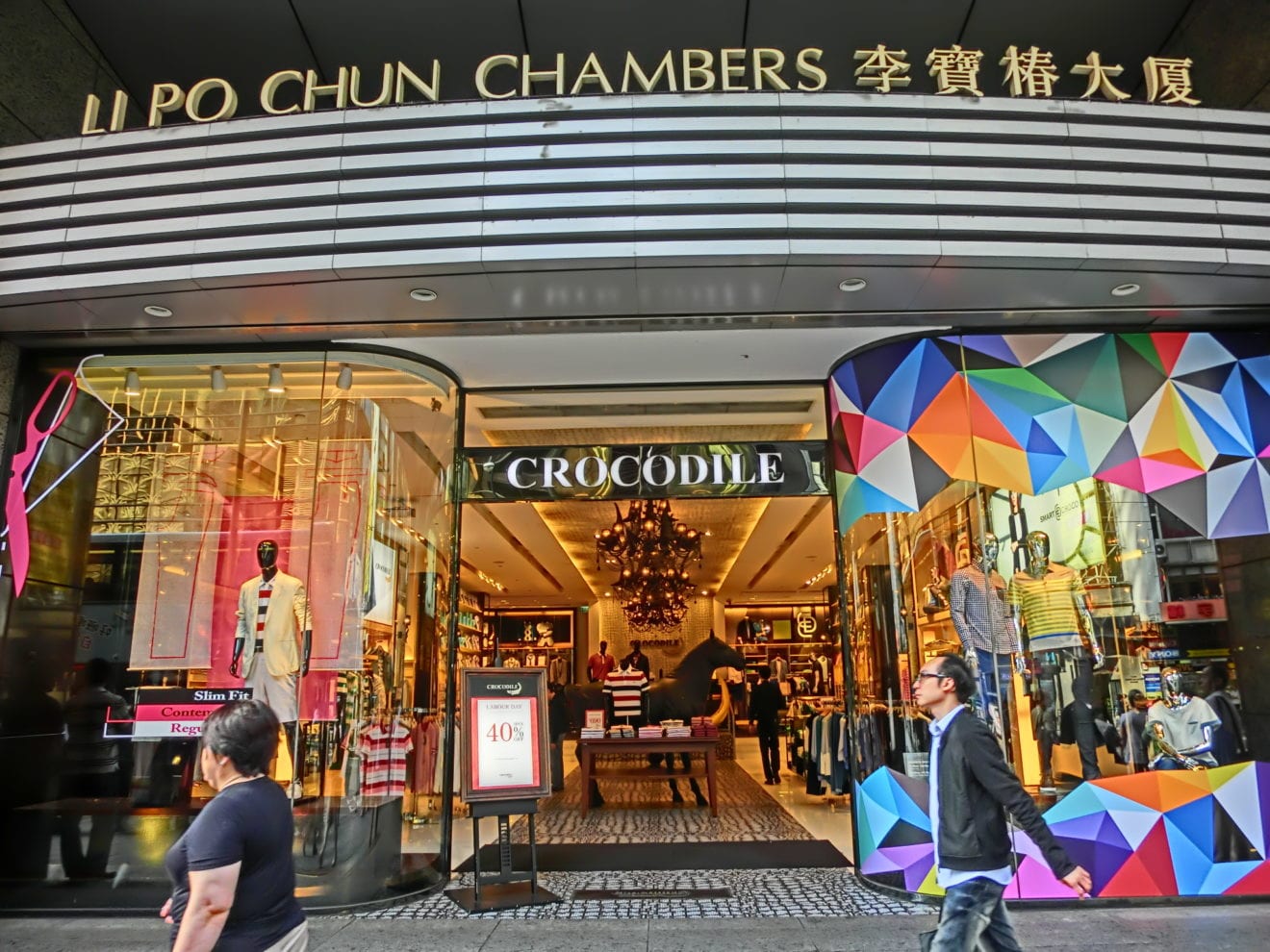
    Crocodile Garments’ profit has plunged as the apparel retailer was caught in “the centre of whipsaw’’ in Hong Kong and a depressed Mainland China market.

    Revenue in the year to July 31 fell from HK$502 million in 2014 to $405 million this year; gross profit was $252 million, down from $303 million.

    Retail sales revenue slid by 22 per cent to $354 million, with a loss of $44 million.

    “Against the backdrop of poor market sentiment, deep sales discounts offered by competitors to grasp the already-underwhelming retail market and protracted sales network restructuring taken by the group, the Garment and Related Accessories Business segment plodded on through a nadir in the year ended July 31,” the company said in its stock exchange filing.

    With the property Investment and Letting Business figures added in, the total income attributable to the owners of the company was $49 million – less than half 2014’s figure of $106 million.

    Crocodile Garments has 87 shops in the Mainland (35 fewer than a year earlier), including 21 self-operated shops (down 27) and 66 franchisees (down four).

    “The Garment and Related Accessories Business segment was operating under an extremely intricate environment in the mainland. The economy was facing an accelerating downside risk as evidenced by the deteriorating data released. To balance the slump of growth in exports and productions, the mainland government planned to boost domestic spending through the wealth effect created by a prosperous stock market; however, it was derailed by the abrupt plunge. The consequential murky economic ambience battered the retail market sentiment and the consumption power of general public further, which materially curbed the sales and gross profit margins of the segment,” the company explained.

    “As a cushion against the above tailspin, the group had rationalised its sales channel to ratchet up the brand presence and, at the same time, constrain rental expenses. Stringent inventory discipline had been enforced to keep the stock on hand relevant and fresh.”

    Hong Kong, the group’s home base, is “at the centre of whipsaw” the company said.

    “On one side, Hong Kong economy is vulnerable to the stumbling investment and consumer spending whereas on the other side, at the heels of a strong US dollar, the appreciation of the Hong Kong dollar under the pegging mechanism could kindle savage corrections in asset markets. Needless to mention the persistent social disputes, the business environment for the group in Hong Kong is formidable. To mitigate the above negative impact, the group will hasten the restructuring of its shop portfolio to enhance the operating efficiency.”

    Crocodile Garments said the outlook of the global economy is bleak in the wake of loss in momentum of the mainland, the world’s major growth engine for the past decade.

    “Giving the beleaguered retail sector, the group has reined back sales channel inventory [in the mainland] and fortified supply chain management. Moreover, the group will reorganise its sales channels and merchandise mix.”

  • Hong Kong tenders five new retail contracts

    Hong Kong tenders five new retail contracts

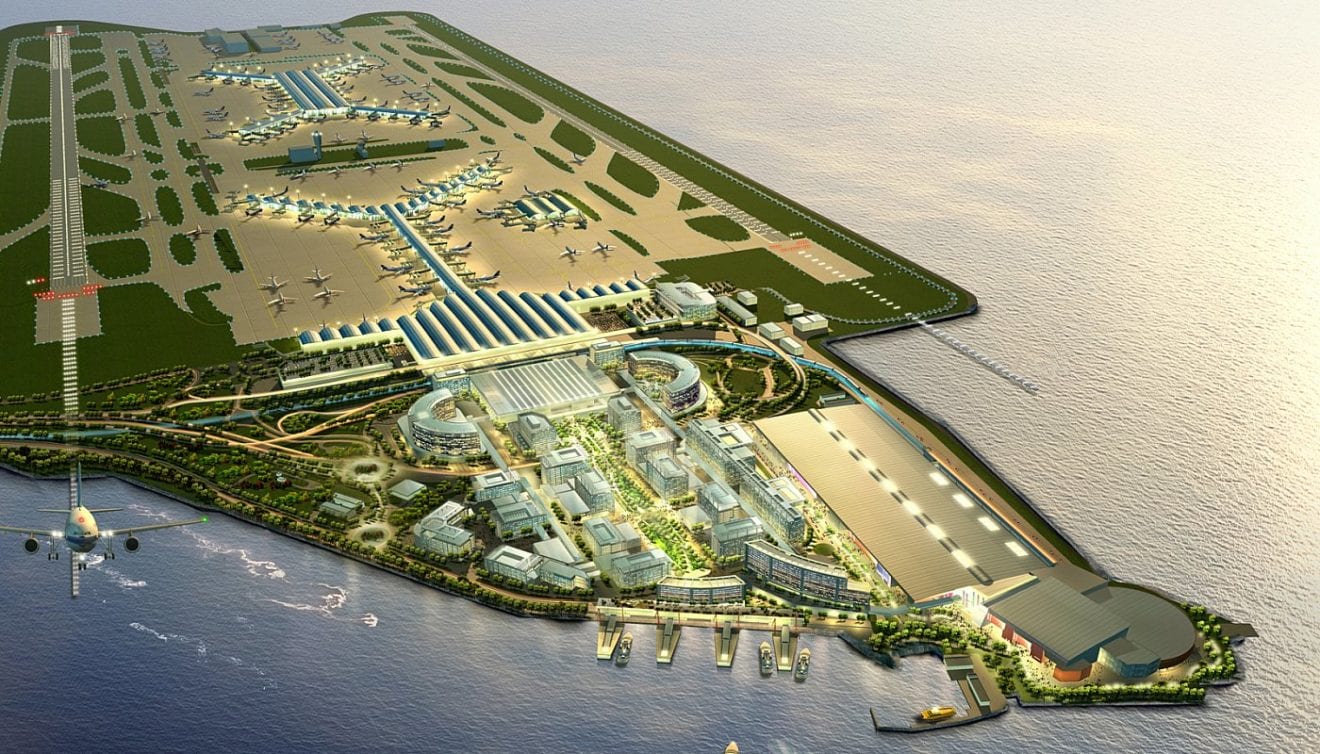
    Hong Kong International Airport is currently tendering three retail contracts in the merchandise areas of fashion accessories, audio visual/electronics and gifts/souvenirs and toys.

    The first consists of a fashion or fashion accessories shop opportunity comprising 50sq m on Level 5 Departures in the North Satellite Concourse restricted area, where bids close on December 3.

    Another tender process is for an audio visual/electronics concession consisting of five shops, with four located on Level 7 in the Departures Check-in Hall, Terminal 1 non-restricted area. These outlets vary from between 18 to 70sq m in size.

    Another outlet comprising 48sq m which falls under the same contract is also located on Level 5 Arrivals in the Pre-Immigration Hall, Terminal 1 restricted area. The date for submission for offers for this five-outlet contract is December 10, 2015.

    Tenders also close for a small 48sq m gifts/souvenir/toy concession at Hong Kong Airport tomorrow afternoon. This is located on Level 5 Departures in the North Satellite Concourse restricted area.

    The airport describes all of these opportunities as ‘extraordinary’ and in ‘premium locations’.

  • L’Oreal sales soar 13.2% to $20.4bn in first 9 months

    L’Oreal sales soar 13.2% to $20.4bn in first 9 months

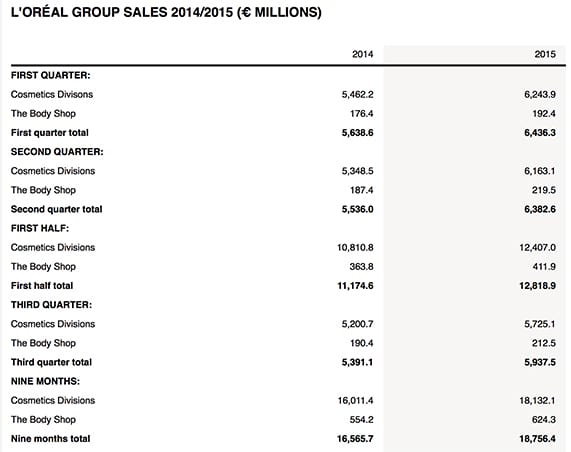
    L’Oréal has released its nine-months sales results pointing to strengthened growth in the North American Consumer Products Division; maintained growth in Western Europe; a temporary third quarter slowdown for L’Oréal Luxe in Asia; strong e-commerce sales (projected at +€1bn in 2015); a slowdown in travel retail; and ‘significant’ sales and profit growth.

    Commenting on the figures – including the top line €18.76bn ($20.4bn) in total 9-month sales – Jean-Paul Agon, Chairman and CEO of L’Oréal, said: “At the end of September, the Group’s reported growth is strong, at +13.2%, still supported by a very positive currency effect.

    “In the third quarter, the Consumer Products Division is confirming the gradual strengthening of its growth, notably through strong momentum in make-up with its three brands: Maybelline, L’Oréal Paris and NYX. The Active Cosmetics Division continues to forge ahead and the Professional Products Division keeps outperforming a lacklustre market.

    “L’Oréal Luxe experienced a temporary slowdown as a result of market turbulence over the summer in Asia, in Hong Kong and in Travel Retail. By geographic zone, North America’s growth is gradually increasing and Western Europe confirms its positive trend. In the third quarter, the New Markets have been hampered by the difficult Brazilian market, market turbulence in Asia and the taking over of agents’ contracts in the Middle East. In China, sales growth is in line with earlier quarters.”

    Loreal 9m sales 2015

    Agon, added that ‘despite a global context that is still volatile’ the company remains confident for the year as a whole. He said: “The beauty market remains dynamic. In each Division, our brands are pushing forward with successes such as Maybelline and NYX in the Consumer Products Division, Yves Saint Laurent, Kiehl’s and Urban Decay at L’Oréal Luxe, Redken in the Professional Products Division and La Roche-Posay at Active Cosmetics.

    “Finally, the acceleration of our digital transformation is making us stronger, in particular with the rapid increase (+40%) of our e-commerce sales which should significantly exceed one billion euros this year. We are confirming our ambition to outperform once again the beauty market in 2015 and to achieve significant growth in both sales and profits.”

    Looking at the first nine-months sales to September 30, the company said that on a like-for-like basis and based on a comparable structure and identical exchange rates, sales growth of the L’Oréal group would have been +3.7%. It adds that the net impact of changes in scope of consolidation was +1.2%, while growth at constant exchange rates registered +4.9%.

    The company said that currency fluctuations actually had a positive impact of +8.3% and if September-end exchange rates (€1 at $1.12) are extrapolated up to December 31, then the impact of currency fluctuations would be +6.7% for the whole of 2015.
    L'Oreal 2014 2015 sales

    Turning to the product divisions, L’Oréal said that at the end of September, the Professional Products Division posted growth of +3.2% like-for-like and +13.4% based on reported figures.

    The company said: “Hair care is the largest contributor to growth, powerfully driven by the latest innovations, such as Thérapiste by Kérastase, Pro Fiber by L’Oréal Professionnel, and Frizz Dismiss by Redken. The dynamic trend in hair colour is continuing across all brands.

    “Professional skincare with Carita is expanding rapidly in Western Europe. All the geographic Zones are growing. Eastern Europe is accelerating, while Brazil is slowing the growth rate in Latin America.”

    L’Oréal Consumer Division

    As for the Consumer Products division, the beauty giant recorded a rise of +2.3% like-for-like and +11.2% based on reported figures. The company commented that gradual improvement growth trend continues and thanks to the new momentum of Maybelline, the strong expansion of NYX, and the success of L’Oréal Paris, this division is strengthening its leadership in the make-up market.

    L’Oréal also notes that hair care is winning market share, thanks notably to L’Oréal Paris. For Garnier, the Ultimate Blends’ successful launch process has continued in many European countries. At the same time, the division is outperforming the markets in Eastern Europe, Asia, Pacific, Africa and the Middle East, while the ‘strong make-up dynamic’ is said to be accelerating the division’s growth in the US, while e-commerce is growing fast across all Zones.

    Meanwhile, L’Oréal Luxe posted growth of +5.8% like-for-like and +17.9% based on reported figures. Within the more detailed picture, Yves Saint Laurent grew strongly, driven by make-up, men’s fragrances with L’Homme and women’s fragrances with Black Opium. L’Oréal added that Giorgio Armani remained dynamic across all geographic Zones.

    The company added: “Urban Decay is accelerating worldwide with the high-profile launch of the Naked Smoky palette and is building a global beauty offering with initiatives in foundations and lipstick. Kiehl’s is launching Daily Reviving Oil Concentrate and continuing its double-digit growth.

    “Growth at Lancôme is being driven by market share gains in Europe, the success of the fragrances La vie est belle, Miracle and the newly released La Nuit Trésor; Grandiôse and Hypnôse Volume à Porter mascaras; and the acceleration of its Génifique facial skincare.”

    L’Oréal adds that despite a market that slowed in the third quarter in Asia and in Travel Retail, L’Oréal Luxe has strengthened its worldwide position with significant gains in Western Europe, in Asia, Pacific, in the Middle East and in Latin America.

    Active Cosmetics division

    The company’s Active Cosmetics division also improved its performance further with strong growth of +7.3% like-for-like and +9.7% based on reported figures. L’Oréal reported that Vichy is innovating with Neovadiol Substitutive Complex Serum, a formula that acts on skin changes linked to menopause.

    At the same time, Roche-Posay is renewing its expert franchise for oily skin with the launch of Effaclar K(+). The company adds that the brand is continuing to post double-digit growth in all geographic Zones, with ‘outstanding performances’ in France, Brazil and China. The successful international roll-out of SkinCeuticals is continuing.

    The beauty company also reported that all geographic zones continue to contribute to growth, with sales accelerating in the third quarter and new markets maintaining growth at more than 10%.

    Western Europe recorded growth of +2.1% like-for-like and +4.5% based on reported figures, with L’Oréal Luxe is continuing to act as a growth driver. Garnier is also said to be winning market share in hair care and skincare, while L’Oréal is continuing to outperform the market in Germany and the UK thanks to L’Oréal Luxe.

    In North America L’Oréal posted growth of +3.0% like-for-like and +25.4% based on reported figures. Both the Active Cosmetics and Professional Products Divisions drove growth and notably thanks to the La Roche-Posay and Redken brands.

    Kiehl’s and Urban Decay also contributed to the development of L’Oréal Luxe, while the Consumer Products Division also grew with good make-up contributions from L’Oréal Paris, Maybelline and above all NYX, which is described as ‘growing at a remarkable pace’. Meanwhile, the Body Shop recorded growth of +2.0% like-for-like and +12.6% based on reported figures.

    Commenting on other markets, the company reported a mixed picture, beginning with the Asia and Pacific territories: “At the end of September, L’Oréal posted growth of +4.4% like-for-like and +21.9% based on reported figures. Kiehl’s, Yves Saint Laurent and Giorgio Armani are contributing to the dynamism of L’Oréal Luxe, in a context of slower third-quarter growth in Hong Kong and Travel Retail Asia.

    “The Consumer Products Division is performing well in India, Australia and Thailand. In China, growth at L’Oréal Paris is accelerating, while Magic is undergoing a transitional period. The Active Cosmetics Division is growing strongly, thanks to the success of La Roche-Posay.”

    Tough Brazilian market

    By contrast, in Latin America sales grew by +5.5% like-for-like and by +4.7% based on reported figures. Excluding Brazil, sales achieved double-digit growth, thanks to L’Oréal Paris, Maybelline and Lancôme, although the company says that the Brazilian market is being held back by a very difficult economic environment and by the reform of the IPI (Tax on Industrialised Products).

    Looking at Eastern Europe, L’Oréal said that the zone posted figures of +9.5% like-for-like and -4.1% based on reported figures. The Consumer Products and Professional Products Divisions recorded double-digit growth, boosted by Russia, Turkey and Ukraine.

    As for Africa and the Middle East, sales growth amounted to +9.8% like-for-like and +28.1% based on reported figures. L’Oréal said: “The reorganisation of part of our distribution network in the Gulf States caused a temporary growth slowdown in the third quarter. The Group is strengthening its positions at a time when most markets in the Zone are seeing their growth rates decelerate.

    “Egypt and Saudi Arabia are still posting strong performances. L’Oréal Paris and Garnier are gaining market share. Yves Saint Laurent, Giorgio Armani, Kérastase and La Roche-Posay are also recording solid growth rates.”
  • Saturation hits luxury retail, but new trends provide hope

    Saturation hits luxury retail, but new trends provide hope

    The Asia Pacific region is experiencing a slowdown in the luxury retail sector, but new emerging trends are set to provide the retail sector with a solid new stimulus for demand in the coming years, according to the CBRE’s special report, ‘The Future of Luxury Retail in Asia Pacific: New Demand Drivers and Shifting Occupier Requirements’.

    Most major luxury retailers are now well established in Asia Pacific with China and Hong Kong being two of the most penetrated markets at 89 per cent and 81 per cent, respectively. However, following several years of rapid expansion, these markets are approaching saturation point.

    “Accounting for one-third of personal luxury goods sales globally in 2014, Asia Pacific is a key region for international luxury brands with key markets including China, Hong Kong, Japan, Singapore, South Korea and Taiwan. However, the high growth period for luxury retailers in the region is gradually coming to an end,” said Dr Henry Chin, Head of Research, CBRE Asia Pacific.

    ”Over-saturation, surging operational costs and weaker retail sales – especially in Hong Kong due to the slowing mainland China economy – have prompted retailers to consolidate their existing store networks and slow their rate of entry into new markets focusing on operational efficiency,” said Dr Chin.

    CBRE has identified three emerging trends which will partially offset some of the negative effects arising from the slowdown and compensate for the loss of demand: Emergence of Affordable Luxury, Inclusion of F&B and Growth of Luxury Childrenswear.

    “With the momentum behind these trends, this will account for a bigger slice of leasing demand for prime retail space,” says Joel Stephen, Senior Director, Head of Retailer Representation, CBRE Asia. “Retailers and landlords can benefit from the projected growth in these market segments,” he adds.

    Emerging retail trends are already impacting luxury retailers’ real estate requirements, resulting in new, and in some cases, weaker demand for different types of retail property, the report said.

    Some of the key trends that CBRE have identified include weaker interest in department stores despite continued interest in prime locations; stronger focus on flagship stores; increased popularity in short-term opportunities for brands to set up exhibitions, pop-up and concept stores, and workshops, to generate greater consumer awareness; affordable luxury brands continuing to drive demand; and more interest in upper floor retail space, but limited to top-tier malls and driven by F&B and childrenswear segments.

  • Jenny Bakery Singapore opens doors

    Jenny Bakery Singapore opens doors

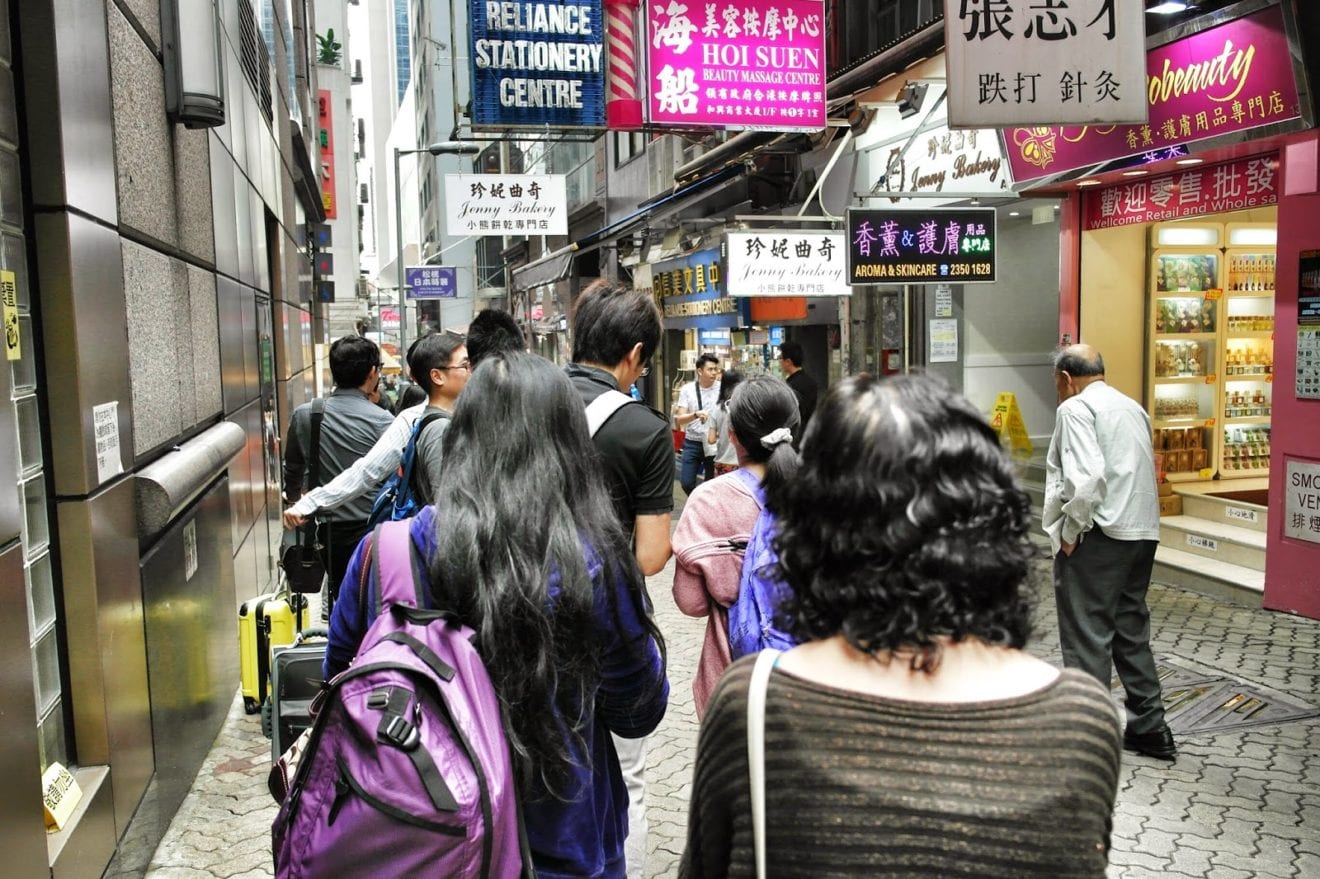
    Scam-struck Hong Kong biscuit maker Jenny Bakery has opened in Singapore.

    And unlike the Shanghai store which opened last week, it’s the real deal, not a copycat.

    The new Jenny Bakery Singapore store is located at Block 422 Ang Mo Kio Avenue 3. Like its real parent in Hong Kong, the store offers handmade butter cookies in tins adorned with teddy bear pictures.

    The store will be run by members of the same family which launched the original Hong Kong bakery, which is gaining a growing following around Asia for its unique taste and packaging. Which is perhaps why a copycat was launched under the same brand name in Shanghai, raising the ire of city officials, not to mention hundreds of customers who queued on opening day only to discover the shop was not genuine.

    Jenny Bakery Hong Kong has two stores – one in Tsim Sha Tsui and the other in Sheung Wan.

    Jenny Bakery Hong Kong

    Jenny Bakery Singapore MD Lawrence Lim says the cookies are flown in from Hong Kong weekly. The main reason for opening an official store was to protect the brand’s trademark and discourage copycats… like the Shanghai store, whose cookies are actually baked in a factory in Shenzhen.

  • Hong Kong airport to offer deluxe promotions to travellers

    Hong Kong airport to offer deluxe promotions to travellers

    Hong Kong International airport (HKIA) is to offer a series of deluxe promotions to travellers including HKIA cash coupons of HK$5,000 ($645) and free delivery service to Greater China. Travellers spending over HK$50,000 in no more than two electronic transactions on the same day until December 16 can redeem the HKIA cash coupons.

    In addition, travellers spending over HK$1,000 in a single transaction can enjoy a complimentary local delivery service. Those spending over HK$2,500 on clothing, bags and accessories in one transaction can benefit from the free delivery service to mainland China, Macao and Taiwan.

    An HKIA statement said: “During the promotion period HKIA will also join hands with its retailers to provide travellers with an array of fabulous shopping and dining offers, as well as an exciting selection of special complimentary gifts.”

  • FeedMe Guru plans Asia city rollout

    FeedMe Guru plans Asia city rollout

    FeedMe Guru, a technology platform that analyses professional reviews to shortlist the Top 600 restaurants in every major city, has been launched in Hong Kong.

    The app, developed by two Harvard Business School students, was revealed before an audience of over 400 influential bloggers, chefs, restaurateurs and media personalities in Hong Kong this week.

    High profile sponsors for the event including Drawing Room Concepts, Jouer, Maximal Concepts, andBlack Sheep Restaurants among others.

    Guru, the name of the company’s proprietary tech engine and algorithm, analyses restaurant reviews across hundreds of magazines, blogs and food guides to shortlist the most critically acclaimed and popular restaurants in town. Shortlisted restaurants are organised by keywords so users can use this free platform to easily find good food and satisfy their cravings, whether it is for old school dim sum or a fancy French meal.

    “People eat out all the time. There are so many meals to eat but so little time to plan. Existing solutions do not make this any easier. Review sites are plagued with fake reviews. Googling through multiple magazines and blogs is time consuming. In contrast, FeedMe Guru is a free mobile app currently available on the iOS store that gives users handy shortlists of the most popular and highest rated restaurants within seconds. Users can just sit back and let the guru crawl for good food,” says Kelvin Lam, co-founder of FeedMe Guru.

    Fellow co-founder Dominic Law, adds: “We are focused on serving the young professionals in town. This generation is used to discovering everything lifestyle-related on social media, through pictures and short comments. We have specifically designed our app to feature the Instagram pictures and comments of our partner food bloggers for each shortlisted restaurant.”

    The co-founders, passionate foodies with a keen interest in entrepreneurship, started incubating this food-tech idea while at business school, and have both moved back to Hong Kong to work on the venture. They were selected at Rise, the largest tech conference in the city, to exhibit as part of the Alpha program, and to pitch at Breakthrough HK. They have also been enlisted into IBM’s SoftLayer Catalyst Incubation Program.

    With strong backing by their school and various incubators, as well as deep relationships with influencers in the food and beverage scene, the co-founders are looking to launch FeedMe Guru across major cities in Asia in the coming months. Their vision is to be the go-to restaurant discovery platform for users globally.

  • HKIA launches ‘deluxe shopping rewards

    HKIA launches ‘deluxe shopping rewards

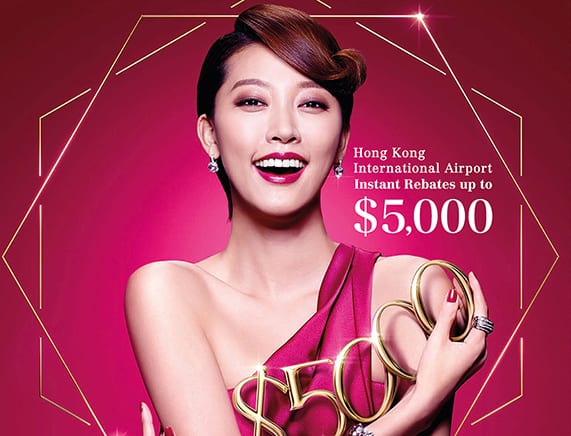
    Between now and December 16, Airport Authority Hong Kong is incentivising passengers with ‘deluxe promotions’ which include a coupon for HK$5,000 ($645) and a complimentary delivery service to all addresses in the Greater China Region.

    The offer is open to all travellers spending more than HK$50,000 ($6,450) in no more than two electronic transactions on the same day. Customers spending more than HK$1,000 ($129) in a single transaction at Hong Kong International Airport (HKIA) can also benefit from a new free local delivery service during the promotion period.

    Those customers that spend more than HK$2,500 ($322) on clothing, bags and accessories in a single transaction can also receive free delivery to Mainland China, Macau and Taiwan.

    HKIA Deluxe Rewards Ad

    As part of this promotion AAHK is also working closely with its retailers to provide its customers with what it describes as ‘fabulous shopping and dining offers’, as well as ‘an exciting selection of special complimentary gifts’.

    HKIA says travellers can discover more by scanning the QR code on the promotional materials, or by visiting its website at the following address: https://www.hongkongairport.com/eng/shopping/special-offers.html

    Meanwhile, newly-opened shops at Hong Kong International airport between September and November, include (T1) Bee Cheng Hiang; China Mobile; Discover Hong Kong; Gift & Take by Nobletime; and millie’s. (T2) ARKA; and Living Plaza by AEON.

  • Jeweller Malabar to expand in Asia, Gulf

    Jeweller Malabar to expand in Asia, Gulf

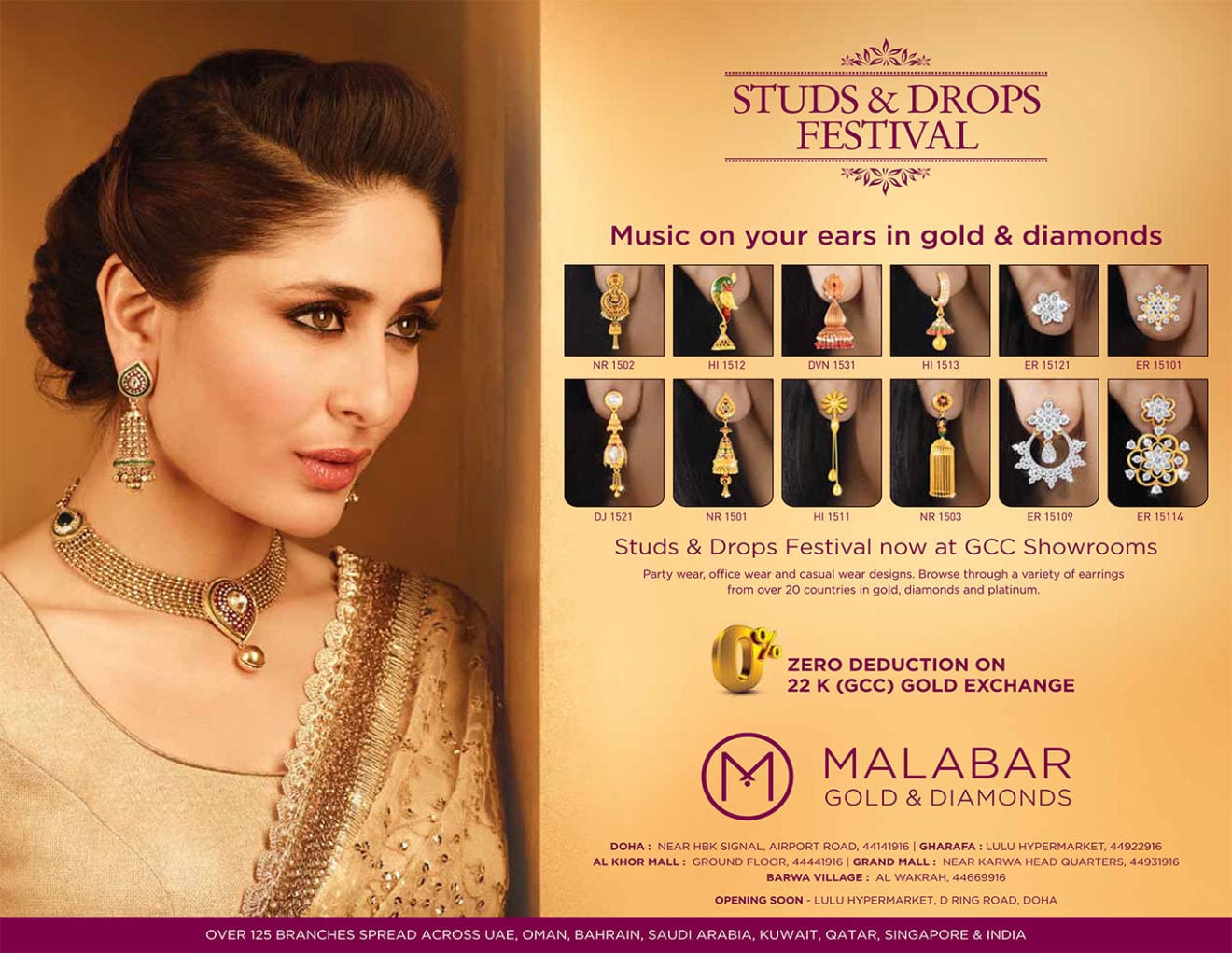
    Indian retailer Malabar Gold and Diamonds says it will open 22 new stores in India, the Gulf and ‘the Far East’ over the next six months.

    New showrooms will be opened in Hong Kong and Indonesia as part of the plan, but there are no details as yet on timing or exact location.

    To help stock the expanded store network – 155 after the openings – a new gold processing unit will be opened in Dubai and a diamond processing facility in Mumbai.

    “The new showrooms will be opened in major cities across India, the Gulf region and the Far East in next six months,” Malabar group chairman M P Ahammed said in a statement.

    The rollout is a further step towards Malabar’s goal of reaching 300 stores by 2020.

    “In response to the government’s ‘Make in India’ initiative, we are setting up new processing units at Kinfra industrial park in Kerala and at other industrial parks in Andhra Pradesh, Gujarat and West Bengal,” Ahammed said.

    “We are also building an advanced gold manufacturing unit on a five-acre land in Dubai with the support of the UAE government.

    “As more Indians are buying diamond jewellery due to changing lifestyle, higher disposable incomes and for being trendy, the diamond processing unit will be in Mumbai, which is a major centre for diamonds business,” Ahammad said.

    The group’s retail network is already spread across nine countries, including Bahrain, Kuwait, Oman, Malaysia and Singapore.

  • BNP Paribas Quits Hong Kong Private Trading Platform

    BNP Paribas Quits Hong Kong Private Trading Platform

    BNP Paribas is shutting down a private trading platform in Hong Kong, according to a note sent by the French bank to its clients. The platform was what’s called a dark pool – a place where institutional investors can engage in private securities trades.

    December Will See Tougher Legislation, Higher Costs

    The move by BNP is believed to be a result of tougher financial market regulation in Hong Kong, which should come into effect from December and will substantially increase the costs and risks associated with running dark pools, as the local regulator, like its counterparts across the world, strive for greater transparency in the industry.

    BNP is studying alternative solutions for its clients

    In the note to clients, obtained by Bloomberg, the French lender explained: “In view of the changing client needs and the evolving regulatory environment, BNP Paribas Securities (Asia) Ltd. in Hong Kong decided to stop running the internal dark liquidity pool trading services, BNP Internal Exchange (BIX), from December 2015.” It added that it is considering alternative solutions for its dark pool clients but all current orders will be transferred to the Hong Kong exchange, it said in the note.

    It seems that the new regulation is the final blow to BNP’s dark pool in Hong Kong, after the bank was fined almost $2 million by the local regulator, the Securities and Futures Commission, in August for failing to comply with dark pool operating rules. The violation consisted of BNP assigning equal priority to all orders processed in the pool over the three years between 2009 and 2011, when operations were suspended.

    Watchdog Wants Transparency

    The new Hong Kong regulation has stipulated a ban on retail orders in dark pools, a requirement that will see dark pool operators treat priority client trades over proprietary orders, plus a host administrative regulatory and administrative controls aimed to cast some light on these non-transparent platforms. As a result, such businesses are likely to become uneconomical.

    There are 16 dark pool operators in Hong Kong at the moment, accounting for 2 percent of the market, according to Reuters. In comparison, in Europe and the US, these platforms account for around 10 percent of trade turnover.

  • Five Manchester City online stores launched in Asia

    Five Manchester City online stores launched in Asia

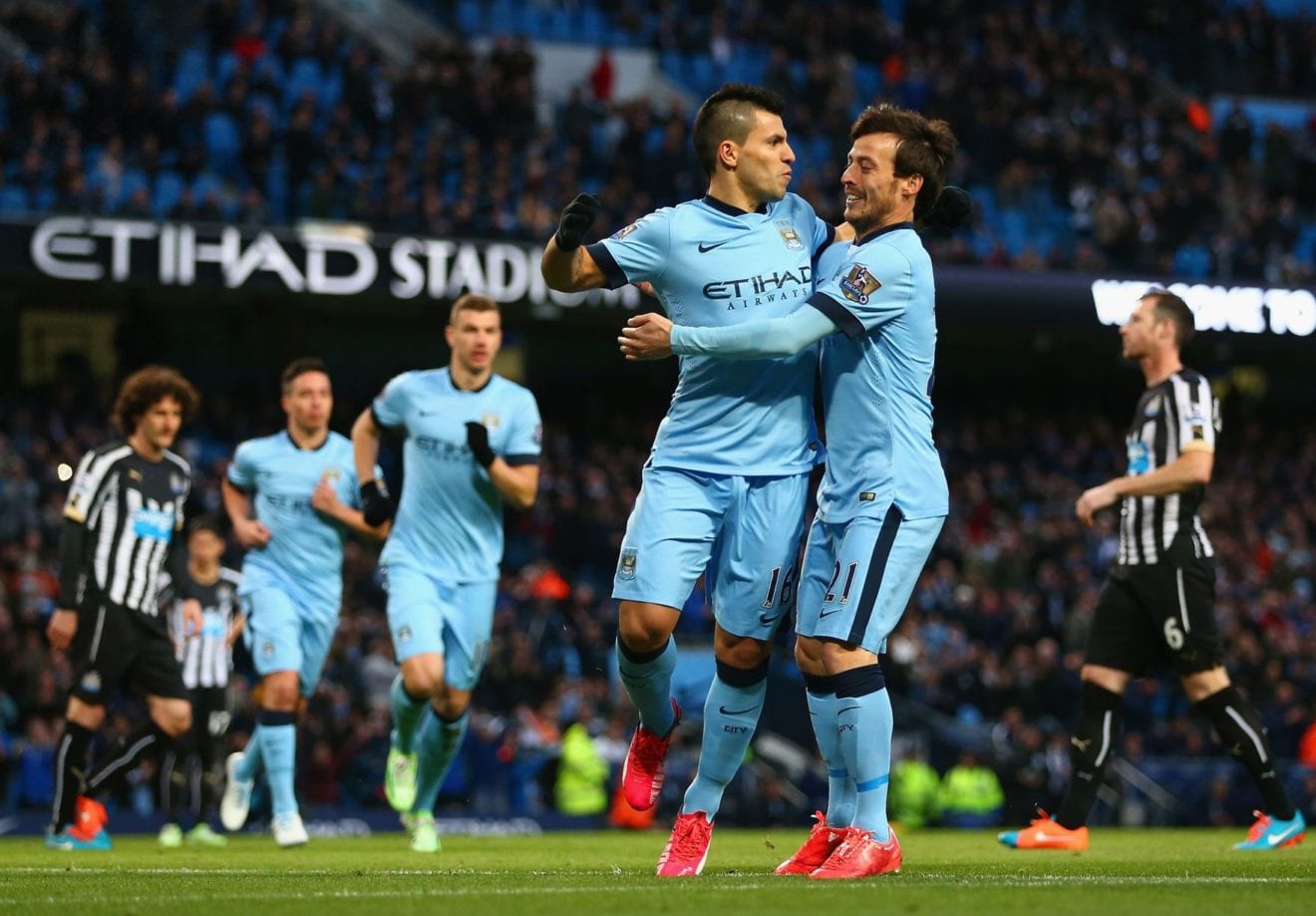
    English Premier League club Manchester City has partnered with EZ Shopnet to launch five online stores serving Asian fans.

    Manchester City online stores will be launched for customers in China, Hong Kong, Japan, Korea andSoutheast Asia.

    As the club’s new online retail partner for Asia Pacific, Hong Kong-based EZ Shopnet will help to meet fast growing demand across Asia Pacific for official Club merchandise. Each of the five stores operates in local languages and currencies, with local customer support enabling the club to get official merchandise to its fans quickly and cost effectively.

    Manchester City is following the lead of rivals Manchester United and Chelsea in cashing in on the growing fan base for EPL across broader Asia. It recently opened a regional management office in Singapore.

    Omar Berrada, group commercial director for City Football Marketing, which brokers Manchester City’s commercial partnerships and manages all of its retail and licensing, said that through EZ Shopnet, the club can get even closer to its growing fan base across Asia Pacific and deliver them a better and quicker service.

    “We have seen an enormous growth in our followers in the region and we are extremely happy that they will have easier access to official City kits and our wide range of merchandise than ever before.”

  • I.T. Limited sales rise despite Hong Kong

    I.T. Limited sales rise despite Hong Kong

    Apparel business I.T. Limited has boosted sales by 5.1 per cent to HK$3.393 billion in the first half year despite a slowdown in Hong Kong.

    But the company recorded a net loss of $31 million due to a non-recurring foreign exchange losspreviously reported totaling $79.6 million. Without that, profit would have increased by 32.8 per cent to $48.6 million.

    Gross profit increased by 1.4 per cent to HK$2.026 billion at a gross profit margin of 59.7 per cent, slightly down on the 61.9 per cent of a year ago.

    In Hong Kong, retail sales slipped 3.6 per cent to $1.571 billion, but I.T. Limited noted that was a lesser fall than the broader apparel market in the city. Same store sales fell by 0.9 per cent.

    But in China, where it has more than 580 stores, the company increased sales by 19.1 per cent to $1.336 billion.

    Total Macau sales rose 6.2 per cent to $101 million despite lower than expected tourist traffic.

    And Japan continued to outperform with total retail sales of HK$222.4 million, representing 6.9 per cent increase in Hong Kong dollars, or 27.5 per cent in local currency.

    The company said in the Hong Kong market, a slow economic recovery alongside diminished inbound tourist traffic growth (from Mainland China in particular), which was attributed predominantly to the strength of the HK dollar and the easing of immigration in multiple tourist destinations such as Europe, Japan and Korea, has placed “unprecedented challenges on the consumer retail market”.

    “Similarly, Mainland China, where domestic headwinds continued to cause considerable impact on consumer appetite and maintained lingering concerns about the economic prospect of the country, demonstrated by the depression of external import demand, has created a challenging economic environment for retailers in the region,” I.T. Limited said in its filing.

    “At this juncture, consumer sentiment across these regions remained weak, and retail sales growth was largely boosted by sales promotions.”

    The company said having a multifaceted business model with “inherent flexibility” will allow it to remain resilient in the face of the market challenges.

    “We also believe that innovation and differentiation are among the most relevant tools to support our position as a fashion leader across our operating regions and allow us to adapt to the rapidly changing fashion markets. To that end, the group continues to focus and invest in further strengthening its fashion platform through a combination of international brands assortment upgrades and new fashion concepts establishment within the in-house brands segment.

    “Today, we have a balanced portfolio showcasing a collection of the latest distinctive international brands alongside multiple innovative in-house brands, all of which have their own unique identities that complement each other well.”

    In the first half year, I.T. Limited’s house brands accounted for 56.8 per cent of its revenue.

  • L’Occitane China sales soar

    L’Occitane China sales soar

    L’Occitane Hong Kong and Macau sales are still falling, but in the mainland they soared 20.4 per cent in the last six months.

    Unveiling its results for the half year to September 30, L’Occitane said worldwide sales rose 12.5 per cent to US$546.7 million. In local currency, sales rose 5.8 per cent.

    But in Hong Kong, the retail operation remained impacted by the weak market sentiment and a drop in Mainland Chinese tourists.

    “During the second quarter, Hong Kong travel retail sell-through was sluggish due to the lagging effects of Mers in Korea and a drastic drop in traffic in Hong Kong and Macau,” the company said in its filing.

    China was the fastest growing country with 20.4 per cent growth in local currency, mainly contributed by new stores opened last year and in the first half of this year. Sales via T-mall also contributed to the sell-out growth in China.

    Japan, its third fastest growing market behind France,  posted a sales growth of 8.2 per cent at constant exchange rates with same store sales growth at 6.9 per cent.