Tag: Hong Kong

  • Asia travel spending trends revealed

    Asia travel spending trends revealed

    Hong Kong consumers continue to be the most well-travelled tourists in Asia Pacific, with 84 per cent of respondents having travelled internationally for leisure during the past 12 months.

    That’s well above the regional average (41 per cent) and ahead of Singapore (80 per cent) and China (74 per cent).

    According to the latest MasterCard survey on Consumer Purchasing Priorities, during international leisure travel, Hongkongers spent an average of around HK$12,895 per person per trip, compared to $13,412 in the second half of 2014. The biggest share of travel expenditure remains transportation (26 per cent), followed by accommodation (23 per cent) and eating out (17 per cent). Despite a drop in travel spending, more than eight in 10 international travellers (86 per cent) planned to travel more or the same level in the next 12 months, second only to China (92 per cent) in the region.

    Dining out is a common habit among local consumers in Hong Kong. Almost all respondents (99 per cent) ate out in the past six months, while 94 per cent  intended to dine out the same or more in the next six months, ranking number one in the region together with China (94 per cent). Before dining, they tended to seek credit card promotions (44 per cent), feedbacks from acquaintances (44 per cent) and online reviews of dining outlets (43 per cent) while more than two-thirds of respondents (69 per cent) asked if there was any credit card promotion when paying the bill.

    Hong Kong consumers are big fans of luxury shopping, with 75 per cent of respondents planning to spend more or the same on luxury goods in the coming year, ranking number two in Asia following China (77 per cent). While China ($38,126) remains the biggest spender on luxury goods, Hong Kong secures its fourth place in the regional chart with an average intended spending of $23,845 in the next 12 months, after Japan ($32,253) and Korea ($25,771). While designer clothes and leather goods (29 per cent) are the most desirable items among local consumers, there is also significant preference for jewelry (23 per cent) as well as designer accessories and footwear (23 per cent).

    The survey also studied the saving behavior of Hongkongers, among whom 91 per cent intended to save the same or more in the next six months. Although spending on overseas holidays (48 per cent) was claimed to be the first item cut back in the event of a loss of household income, it is also the top spending priority of local households if they receive additional monthly income. Compared to Taiwan (86 per cent) and Singapore (83 per cent), only 74 per cent of local parents in Hong Kong regularly saved for their children’s education while the average proportion of monthly household income saved to serve this purpose was 12 per cent, slightly below the regional average (13 per cent).

    Other findings about Asian travel spending include:

    • Japan (67 per cent), South Korea and Taiwan (both 44 per cent) remain the top three travel destinations in the next 12 months.
    • Airline websites (54 per cent), travel agents (52 per cent) and coupon sites or applications (40 per cent) are the most preferred sources of travel information and deals among local travellers.
    • The most visited dining places among local consumers are fast food restaurants (79 per cent), mid-range family restaurants (76 per cent) and food courts (73 per cent).
    • Cash is generally used for purchases at fast food restaurants and food courts where meals tend to cost less than $300.
    • Millennials (18-29 years old) from China intend to spend on average $34,024 on luxury goods over the next year, significantly more than the Asia Pacific average of $20,155.
    • Promotions play a significant role among online shoppers in Hong Kong, with 74 per cent of respondents claiming to buy luxury goods on websites that offer discounts.
    • Hongkongers (32 per cent) are less interested in attending education courses in the next 12 months than those in China (42 per cent) and Taiwan (36 per cent).
  • Beauty e-tailer JD.com plows ahead with strengthening its Asia reach

    Beauty e-tailer JD.com plows ahead with strengthening its Asia reach

    The Hong Kong office is intended to help JD.com expand its local market presence and warehousing capabilities, enabling it to better engage with brands and retailers across Singapore and major Southeast Asian markets, who are looking to tap the online retailer’s 118 million active users in Mainland China.

    The company plans to employ a team there to focus on targeting and attracting new retail partners from around the region.

    We have seen rapid growth in demand from our customers for Asian brands and products, and from leading brands and retailers across the region who want to reach our huge base of upwardly mobile customers,” says JD.com’s chief human resources officer, Rain Long. 

    “This new office will expand our ability to attract and service brands from around the region, and ultimately to ensure that we continue to bring our customers the most exciting and diverse selection of international products.”

    To help with warehousing, customs clearance and shipping services from Hong Kong to Mainland China, JD.com has teamed up with logistics provider, Cosco Logistics.

    “This partnership gives our customers easy access to more of the best Asian and international products, and allows more regional and global retailers to target our unrivaled base of Chinese consumers directly from Hong Kong,” said Carol Fung, Vice President of JD.com.

    Sa Sa also jumps on board..

    As part of its efforts in Hong Kong, JD.com also announced that Asian cosmetics retailer Sa Sa will launch a flagship store on its platform offering a range of international cosmetics brands and products available online in China.

    It will be synchronized with the company’s global ecommerce portal, Sasa.com, to ensure that JD.com’s customers have easy and immediate access to the full range of products available on Sa Sa’s global site.

    “We’re excited to partner with JD.com and to give Chinese consumers more extensive access than ever before to Sa Sa’s huge selection of globally renowned cosmetics brands. JD.com has an unmatched reputation for guaranteeing quality, convenience, and service, and we’re looking forward to working with them to deliver a premium online shopping experience to consumers throughout China,” said Sa Sa Chief Financial Officer, Dr. Guy Look.

  • Rents tumble on HK shopping strip that was world’s priciest

    Rents tumble on HK shopping strip that was world’s priciest

    “Landlords have to face the reality, no matter how reluctant they are,” Lawrence Wong, a director at property agent Sheraton Valuers Ltd., said in a telephone interview Saturday. “It’s still better than leaving their property empty.”

    Russell Street has lost its claim as the most expensive shopping street on the planet to New York’s Fifth Avenue, according to broker Cushman & Wakefield Inc. in November. A July research report by Jones Lang LaSalle Inc. predicted prices for space in prime locations will drop 15 percent to 20 percent in Hong Kong this year.

    Retail rents were down 12 percent in Causeway Bay and 3 percent in Central at the end of June, Oriental Daily reported earlier this month, citing data from CBRE Group Inc. The broker said in a report that the decline came after rents for shops at prime locations in Hong Kong’s four shopping districts, including Tsim Sha Tsui and Mong Kok, increased by 213 percent from 2003 to 2014.

    Hong Kong’s retail property market has slumped with China facing its slowest growth in a quarter-century. The world’s second-largest economy will announce a growth objective of 6.5 percent to 7 percent for 2016, according to eight of 15 economists in a Bloomberg News survey conducted Sept. 17-22. All of those surveyed said they expect next year’s target will fall short of the about 7 percent set by Premier Li Keqiang for 2015 growth.

    The Hong Kong government is closely monitoring developments in the city’s property market and will make policy changes if necessary, Financial Secretary John Tsang told reporters on Sunday.

    Hong Kong’s property prices are being affected by an increase in supply and volatile external factors such as a high probability that the U.S. may raise interest rates, Tsang said.

    Colourmix, run by Veeko International Holdings Ltd., will rent a 1,000 square-foot space in Causeway Bay for almost HK$1 million ($129,000) per month, 43 percent lower than what luxury Swiss watch brand Jaeger-LeCoultre is currently paying, said Wong, whose company handled the transaction.

    In Central, Hong Kong’s business district, Adidas Hong Kong Ltd. will pay 23 percent less for the space being vacated by Coach Hong Kong Ltd., according to Land Registry data. The sports brand’s rent is HK$4.34 million a month, down from HK$5.6 million paid by Coach, the designer handbag maker.

    Hong Kong’s residential market is also experiencing weaker sentiment. “Housing market outlook will likely become more cautious amid increased volatility in the global and Hong Kong’s financial markets,” the Hong Kong Monetary Authority said in a report released Friday. “The risk of downward adjustment has picked up steadily.”

  • HKIA experiments with home delivery service

    HKIA experiments with home delivery service

    Hong Kong International Airport (HKIA) is launching a new trial local delivery service for passengers who spend more than HK$1,000 ($129) in its shops at the airport.

    Cissy Chan, Executive Director Commercial, HKIA said Airport Authority HKIA also plans to experiment with trial deliveries to the homes of a few individuals in two other countries as a trial run.

    In a session entitled ‘Future Positive’ at this month’s Trinity Forum 2015 in Hong Kong, she said HKIA is engaged in concentrating on the passenger experience, utilising the four ‘Es’ which she qualified as eating, entertainment, ease and engagement.

    The airport is now on a mission to try and make the environment more exciting after research showed that most people only enter the shops because they are bored.

    As a result – and in addition – the airport is installing interactive amusements in relevant shops to build up interest, while pop up stores will feature more regularly.

    Chan added that the airport is also working on building in entertainment facilities like a virtual golf zone, as well as employing food court ambassadors. These new recruits will find seats for passengers who are already holding trays of food, alongside a service pledge of 15 minutes.

  • Esprit ‘on the right track’

    Esprit ‘on the right track’

    Hong Kong listed fashion group Esprit says its full year financial loss masked a positive phase of its turnaround program.

    Full year turnover fell 11.5 per cent (or 19.8 per cent in Hong Kong dollars) and the company posted a loss of HK$3.683 billion, largely due to impairments.

    In its profit announcement the company described the year as “exceptionally challenging” with trading affected by both internal and external factors.

    “Nevertheless, from a strategic perspective, it has been a year of significant achievement as the group completed the most vital and demanding phase of our turnaround plan. We have successfully installed the foundation enabling us to enhance our products and optimise sales performance across all channels (online, offline, retail and wholesale).

    “It is encouraging to see the first signs of a positive sales trend for our new Vertical Products’, which gives us confidence we are on the right track to restoring the competitiveness of Esprit.”

    The group blamed the sales decline on reduced store numbers (down 8.8 per cent), an unusually warm winter in Europe which impacted on Autumn/Winter sales volume and prices; declining apparel sales in Germany (the total market shrunk in nine of 12 months);  internal restructuring and unfavourable exchange rates.

    Group CFO Thomas Tang said that although the challenging market had considerable impact on Esprit’s turnover, its gross margin remained stable and savings were achieved in most cost lines of our regular operations.

    “With our priority on cash preservation over the past two years, the Group is on a sound financial footing, with a healthy balance sheet that we intend to leverage to decisively execute the strategies that shall drive top line growth in the near future.”

    Esprit is debt free.

    Tang said the last financial year was devoted to the implementation of the most demanding, yet vital, part of the group’s strategic plan: the ‘Transformation’ phase. During this phase, a vertically integrated business model (‘Vertical Model’) was introduced within Esprit to enhance the speed and efficiency of its product development and supply chain processes, and thereby significantly improving the design and value for money of its products.

    More specifically, the following have been implemented:

    • Lean supply chain management (from over 350 to below 230 suppliers).
    • Category management teams (all product divisions transformed).
    • New merchandising model (buying and merchandising fully centralised).
    • Reduction in product range (30 per cent to 40 per cent reduction of options).
    • Seasonal product calendar (from 12 monthly collections to four seasons).
    • Fast-to-market product development (two to three months lead time in the Trend Division and the fast-reaction capsules in all other divisions).
    • Stock management optimisation (pending additional stock replenishment capacity and capabilities in the central distribution center).

    “More importantly, the group has observed progressively positive developments in terms of product sales performance following the introduction in February 2015 of the Spring/Summer 2015 collections, the first ones developed under the Vertical Model: Retail turnover decline has narrowed consistently over each subsequent quarter during the year (Q1 -15.0%; Q2 -10.3%; Q3 -8.3%; Q4 -6.8%).

    Same store sales rose 4.1 per cent in the quarter to August and sales in Germany, its largest market, outperformed the market in each of the last three months.

    Retail sales of the Esprit Women divisions recorded 5.3 per cent year-on-year growth for the last three months and the Trend Division (representing 2.6 per cent of group turnover), reported full year turnover growth of 29.7 per cent.

    Esprit chairman Raymond Or said the group maintained a clear focus to execute the most complex and critical phase of its transformation in the year past, and made good progress despite a difficult operating environment.

    “The growth phase that we are now embarking upon is not without its challenges, but there is much hope and excitement across all levels of our organisation as we leverage the strong foundation that we have laid over the last two years. Every successful journey takes time, and we believe that we are nearing our final destination – which is to restore the long term competitiveness of our group.”

  • Lao Feng Xiang plans 20 Hong Kong stores

    Lao Feng Xiang plans 20 Hong Kong stores

    Lao Feng Xiang, the Chinese jewellery brand few in the west have ever heard of, is planning to open 20 stores in Hong Kong.

    Lured by the prospect of cheaper rents in high profile locations as Hong Kong’s luxury sector enters a decline, Lao Feng Xiang sees the foray as an opportunity to build its brand awareness outside the mainland.

    Lao Feng Xiang, controlled by the Shanghai Government, has a 167 year history in the mainland – and has a 3000 strong store network. It entered Hong Kong in May and now has two stores trading. Marketing manager Wang Ensheng told Bloomberg that as many as 20 will be trading within a few years.

    “The fact that Lao Feng Xiang opened stores in Hong Kong boosted our reputation,” Wang told Bloomberg in a telephone interview. “Mainland consumers know that we are now a player in this international jewelry hub.

    “This year is the best time to enter Hong Kong, an opportunity that we have waited for years.”

    The first Lao Feng Xiang store opened in Tsim Sha Tsui, an 80sqm boutique which sold more than HK$100 million of jewellery on its opening day.

    Shanghai flagship store in the year 1999

    “Hong Kong is a key market in our internationalisation strategy. We provide more diversified selections at the Tsim Sha Tsui store than any of our 2800 stores on the mainland,” said Wang at the time of the opening.

    “The logic is simple – we want to attract more young people to our fold,” he said.

  • Chinese millennials: the new big spenders

    Chinese millennials: the new big spenders

    Chinese millennials – China’s new rich – are looking to spend double the Asia-Pacific average on luxury items in the next year.

    The millennials – those aged 18 to 29 – are already China’s biggest spenders on luxury goods in Asia Pacific, followed by those in South Korea and Hong Kong.

    According to research from MasterCard, the most popular luxury items are high-end tech gadgets, with 25 per cent of millennials in Asia Pacific planning to buy an item such as a smartphone or tablet computer in the next year. This is followed by designer clothes and leather goods (17 per cent) and jewellery (17 per cent).

    Overall, most millennials in the region take approximately a month to consider and research their luxury purchases. More millennials in Asia Pacific (a quarter) buy on impulse than those aged over 30 (a fifth).

    Meanwhile, over a third of millennials in the region prefer Western brands over regional or local, however there is a marked difference across the region. While more than half of millennial shoppers in China, Vietnam, South Korea and Hong Kong prefer Western brands, the majority in India and Indonesia would rather buy local. The top three reasons for preferring Western brands were reliability of quality, followed by value for money and brand loyalty.

    When choosing where to buy luxury goods from, the majority of millennials still prefer purchasing from local brick and mortar stores (64 per cent), instead of local eCommerce sites (nine per cent). Meanwhile a fifth prefer to buy luxury items in-store when travelling overseas, this is especially true of Chinese millennials, 51 per cent of whom are most likely to buy a luxury item in-store while travelling.

    The results are based on interviews that took place between May and June 2015 with 2272 millennials across 14 Asia Pacific markets.

    More findings:

    • Millennials from China intend to spend on average US$4362 on luxury goods over the next year, nearly double that of the Asia Pacific average of US$2584. South Korea (US$2638) and Hong Kong (US$2584) round off the top three.
    • Overall, the majority of millennials in the region will take under a month to research and consider a luxury item before buying it (44 per cent), led by those in India (64 per cent), China (51 per cent), South Korea (48 per cent) and Taiwan (48 per cent).
    • Thai (60 per cent) and Indonesian (50 per cent) millennials are the most impulsive shoppers in the region with at least half buying luxury goods on impulse, above the regional average of 26 per cent.
    • The most careful millennial shoppers are from Vietnam – the majority will only buy a luxury item after two to six months of extensive research (45 per cent), more than the regional average of 20 per cent.
    • Over one-third of millennials across the region prefer western brands to local and Asian brands. More than one in two millennials in China (66 per cent), Vietnam (60 per cent), South Korea (59 per cent) and Hong Kong (52 per cent) would pick a western luxury brand over a local or Asian luxury brand. However, in Indonesia (61 per cent) and India (50 per cent), a large majority of millennials would rather buy luxury goods from a local brand.
    • Most millennials in the region purchase luxury goods in-store rather than online – this is especially so when they are on sale locally (43 per cent) compared to when they are at full price (23 per cent). Only a small percentage of millennials in the region shop for luxury goods on local (nine per cent) and overseas sites (four per cent).
    • Chinese millennials are the most likely to buy luxury goods in-store when travelling overseas (51 per cent), whereas the majority of consumers in India (81 per cent) and Indonesia (50 per cent) buy luxury goods locally in-store at full price.
    • Millennials in Indonesia are the most likely to spend more on luxury goods in the next year than the year before (47 per cent). Across Asia Pacific, most consumers (40 per cent) intend to spend the same amount as they did the year before, 22 per cent plan to spend less while 19 per cent plan to spend more.
  • Denim brand joins Global Brands portfolio

    Denim brand joins Global Brands portfolio

    Hong Kong-based Global Brands Group has signed a 10 year licensing agreement covering two North American denim brands.

    In a joint venture between Iconix Brand Group and Buffalo International Global for the Buffalo David Bitton and i Jeans by Buffalo labels.

    Under the agreement, Buffalo David Bitton and i Jeans by Buffalo will join Global Brands’ portfolio of fashion and lifestyle brands, with Global Brands to design, produce and distribute products across both brands’ core categories.

    Global Brands CEO and vice chairman Bruce Rockowitz said with the addition of the Buffalo brands, “we have taken another significant step to establish Global Brands as a leader in the denim category”.

    “We are focused on categories where we want to be a key player and achieve scale.  Denim is one such category which we are excited about and where we see excellent potential for growth. We’re seeing a revival of denim as a fashion essential and believe that it will continue to trend strongly,” he said.

    Founded in Montreal, Canada and with a 30-year heritage, the Buffalo brands are known for a long-standing tradition of trend right, quality clothing and accessories. The brands are leaders in their respective channels of distribution, offering multiple denim styles and a full fashion collection that spans a range of men’s, women’s and children’s products, including denim jeans, pants, shirts, sweaters, jackets, dresses and other apparel, as well as accessories, suits, bags, sleepwear and small leather goods. The products are distributed through multiple channels, including better department stores, as well as fine specialty stores throughout North America.

    Gaby Bitton, chairman, Buffalo International, said: “This long term strategic partnership with Global Brands will strengthen the Buffalo David Bitton and i Jeans brands around the world. The JV will continue its extensive marketing support that have helped make the brands leaders in the category.”

    This is the second long-term licensing agreement signed by Global Brands in the denim space, following a similar agreement with the Joe’s brand this month.

  • End near for HMV Singapore?

    End near for HMV Singapore?

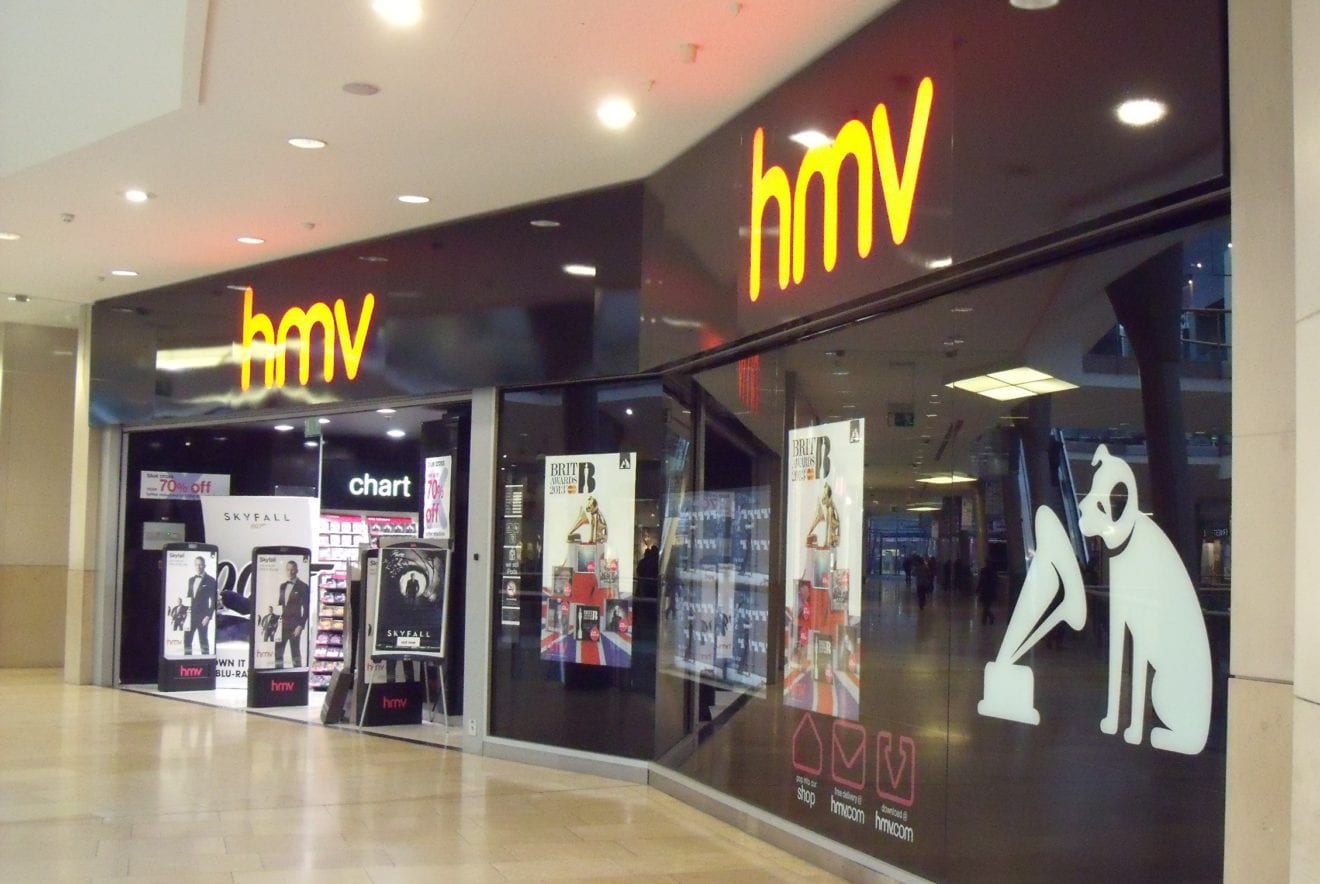
    In Hong Kong, HMV is enjoying a renaissance. But HMV Singapore appears about to become extinct.

    The last surviving store bearing the brand in the city state will close on September 30 after the company decided not to renew its lease on the Marina Square shopping mall.

    On its website the company says it plans to “re-open a new store in the near future”, but retail commentators aren’t so certain the brand will survive offline.

    The Straits Times newspaper reports the company held discussions with centre management for several months on renewal terms but has now confirmed terms to vacate the premises.

    HMV was once Singapore’s largest music retailer but has become a victim of the digital age and high retail rents which made it uneconomic to continue selling music CDs and movie DVDs.

    HMV Singapore GM Michele Tan told the Straits Times she was not authorised to reveal the location and opening date of the new store.

    The Singapore business is operated by Hong Kong-based AID Partners which is enjoying success reinventing the brand in Hong Kong. New concept stores there include cafes and an expanded product range including a focus on headphones, DJ equipment, apparel and gifts – along with a more curated offer of music and DVDs.

    HMV opened its first store in Singapore in 1997, a 25,000 sqft two-level superstore at The Heeren. That store relocated to a smaller space at 313@Somerset, which was replaced by a Sony store in 2013. At its peak there were at least three stores in the city.

  • Hong Kong plans upgrade to industrial estates

    Hong Kong plans upgrade to industrial estates

    Alan Ma Kam-sing, chief executive of Hong Kong Science and Technology Parks told that the first phase will see multi storey factories build by 2020, with a focus on “high value-added” clients such as robotics, pharmaceuticals and biomedical manufacturers.

    Ma’s company runs three industrial estates in Hong Kong and has already updated its policies to attract more technology related tenants, he said.

    These tenants will not be using “labour-intensive production, but rather modern manufacturing fueled by science and technology. This will create new industries and job opportunities throughout the advanced manufacturing value chain,” Ma said, speaking ahead of a conference on science parks and “areas of innovation” in Beijing.

    Reindustrialisation through innovation and technology is needed to counter Hong Kong’s reliance on finance and real estate, Ma said.

    Hong Kong can attract tenants due to its strong technology infrastructure, rule of law and intellectual property protection.

    Hong Kong based technology expert Paul Haswell of Pinsent Masons, the law firm behind Out-Law.com said: “High rental prices for tenants as well as an infrastructure that is built more for finance companies and retail has meant that whilst there is an abundance of tech innovation in Hong Kong, those innovators can find it hard to find a base from which to build a business.”

    “Hong Kong’s Science and Technology Park offers excellent space and facilities, as well as attractive terms for tech startups, but those startups find it hard to survive once the time comes to expand beyond the Science Park. As such, any plan to utilise Hong Kong’s warehouse and disused industrial space to build an environment where technology business should be encouraged,” Haswell said.

  • Hong Kong and Macau – Bundy’s new export destinations?

    Hong Kong and Macau – Bundy’s new export destinations?

    BUNDABERG Regional Council continues to engage with senior representatives of the Hong Kong Food Association with a view to establishing trade links to supply Hong Kong and Macau with locally grown produce.

    A delegation from the Hong Kong Food Council, Hong Kong Food Hygiene Administrators Association and Food Professionals Association visited Bundaberg from September 9 to 11 at the invitation of Mayor Mal Forman to meet with local horticultural experts and educators.

    Acting Mayor David Batt said the Bundaberg Horticultural Forum provided an exceptional opportunity to showcase the regions extensive produce portfolio.

    “The meeting in Bundaberg has since been followed up by a presentation in Hong Kong with the Hong Kong Trade and Investment Queensland (TIQ) Commissioner, Angela To presenting a detailed overview of opportunities in the Bundaberg Region.

    “It is important that as a region, we access every opportunity that comes our way regarding promoting our potential for investment, development and export.”

    Cr Batt said discussions would be ongoing between the two parties.

    “Hopefully, a further meeting may be organised for later in the year to build on the momentum these recent meetings have established,” he said.

    “The connections we have established with Nanning through our sister city relationship and now the opportunities that are being presented through this growing association with Hong Kong certainly add an exciting dimension to the expansion of horticultural activities through the Bundaberg region.”

    According to Cr Batt any return visit would be held in November to coincide with the 2015 Hong Kong Food Fiesta which runs from November 27 to December 1.

    “This would present an incredible opportunity for local producers who may wish to display their products in such a vibrant marketplace environment,” he said.

    Council economic development spokesman Greg Barnes said council’s economic development unit will continue to nurture the emerging relationship and work closely with TIQ to assist businesses interested in export opportunities with Hong Kong.

    “Anyone interested in promoting their products to the retail and wholesale sectors of the Hong Kong food industry can contact Council’s Economic Development team on 1300 883 699 or email info@investbundaberg.com.au.

    “Alternatively, contact Dion Taylor (0448 197 835) who has been instrumental in co-ordinating and organizing the business to business meetings between local producers and Hong Kong food industry professionals,” said Cr Barnes.

  • Apple IPhone 6s, IPhone 6s Plus To Be Available At Retail Stores From Friday

    Apple IPhone 6s, IPhone 6s Plus To Be Available At Retail Stores From Friday

    Apple Inc. said Monday that its latest smartphones, the iPhone 6s and iPhone 6s Plus, will be available at the technology giant’s retail stores at 8 a.m. local time on Friday, September 25.

    The company also noted that more than 50 percent of existing devices have upgraded to iOS 9, its newest mobile operating software that was rolled out last week, marking the fastest iOS adoption ever.

    Apple said its retail stores will have the new iPhones available for walk-in customers, who should arrive at a store early. Both models will also be available on Friday from AT&T Inc. ( T ), Sprint Corp. ( S ), T-Mobile US Inc. ( TMUS ), Verizon Wireless, additional carriers and select Apple authorized resellers.

    Philip Schiller, Apple’s senior vice president of Worldwide Marketing said, “Customer response to the iPhone 6s and iPhone 6s Plus has been incredibly positive, we can’t wait to get our most advanced iPhones ever into customers’ hands starting this Friday. iOS 9 is also off to an amazing start, on pace to be downloaded by more users than any other software release in Apple’s history.”

    In early September, Apple unveiled its iPhone 6s and iPhone 6s Plus smartphones with a faster processor, new 3D Touch capabilities and an improved camera, seeking to woo customers ahead of the holiday season and to assuage investors that its flagship device still has the mojo to sustain growth.

    The phones, which look like their predecessors, are powered by A9 chip, have a new feature called 3D Touch that lets users make commands as well as avail shortcuts and menus by pressing down on the screen.

    Last Monday, Apple said it is on track to beat last year’s record for first weekend sales of iPhone 6 and 6 Plus, when sales breached the 10 million mark within just three days of its sales launch on September 19, 2014.

    The iPhone 6s and iPhone 6s Plus will be available in gold, silver, space gray and the new rose gold metallic finishes for $0 down, with 24 monthly installment payments that start at $27 and $31 respectively, from Apple’s retail stores in the U.S., Apple.com, select carriers and Apple authorized resellers.

    Both the smartphone models will also be available from Friday in Australia, Canada, China, France, Germany, Hong Kong, Japan, New Zealand, Puerto Rico, Singapore, the UK and the U.S. The iPhone will be available by reservation only in China, Hong Kong, Japan and U.S. stores in tax-free states.

    Starting this Saturday, September 26, customers will be able to visit Apple.com to reserve their iPhone for pick-up at their local Apple Store, based on availability. Apple noted that most Apple stores will also have iPhone available for walk-in customers each day.

    Every customer who buys an iPhone 6s or iPhone 6s Plus at an Apple retail store will be offered free Personal Setup to help them customize their iPhone by setting up email and show them new apps from the App Store.

    Apple-designed accessories, such as leather and silicone cases in different colors and Lightning Docks in color-matched metallic finishes, will also be available.

    While unveiling the iPhone 6s and iPhone 6s Plus earlier in September, Apple had said that the devices will come with iOS 9, which would be available as a free software update.

    iOS 9 brings more features to iPhone with a Proactive assistant that is similar to Android’s Google Now service, powerful search and improved Siri features, along with an improved security feature.

    Built-in apps on iOS 9 feature redesigned Notes app, detailed transit information in Maps, and a new News app that displays news from several sources.

    AAPL is trading at $114.33, up $0.88 or 0.78 on a volume of 4.44 million shares.


  • Eslite Hong Kong adds second store

    Eslite Hong Kong adds second store

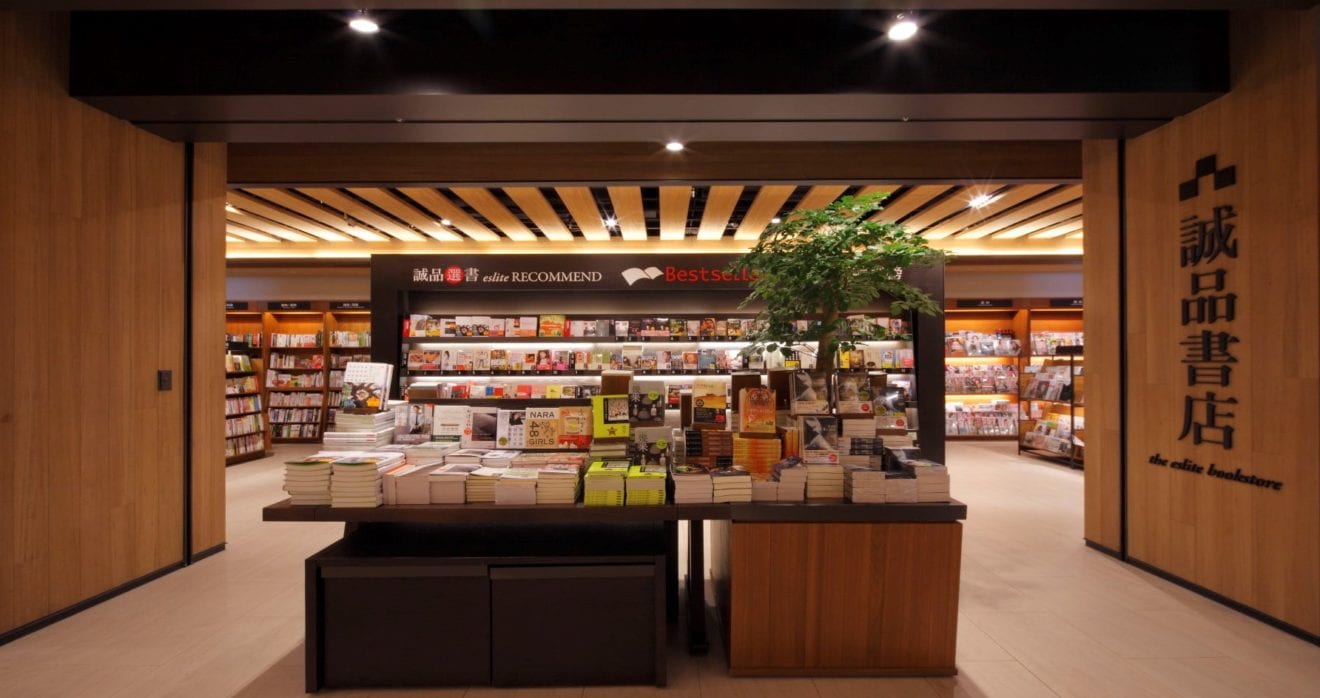
    The ranks of English language bookshops in Hong Kong may be dwindling, but someone forgot to tell Taiwanese retailer Eslite.

    The second store will be themed ‘Travellers, Taiwan, Diversity and Culture’, spread over two floors of Star City at 3 Salisbury Rd. It will feature more than 25,000 titles in Chinese and English and trade 12 hours a day, from 10am to 10pm.

    The doors will open on October 1 with an official launch planned for October 9.

    Eslite has enjoyed huge success with its Hysan Place store, a multi-storey venue which is as much a place to dwell as to buy books. While it cut back its trading hours from 24-seven to a late night closing, its customer numbers and sales turnover have clearly proven there remains a place for the megastore format. Reports suggest the store sold 706,000 books last year and on average its customers buy three books per visit.

    Smaller rivals like Australian chain Dymocks have closed the doors of at least three stores since 2014 and the iconic design and arts-focused Page One closed its Times Square branch last February after 18 years.

    Eslite, which has 48 stores in Taiwan, has a strategy in overseas markets of building a small number of large format stores with broad selection in major cities. It opened in Causeway Bay in August 2012. Besides books, it sells stationery and gift wares created by Taiwanese artists, and includes a cafe.

  • Counterfeit Hong Kong-brand mooncakes found in Shenzhen

    Counterfeit Hong Kong-brand mooncakes found in Shenzhen

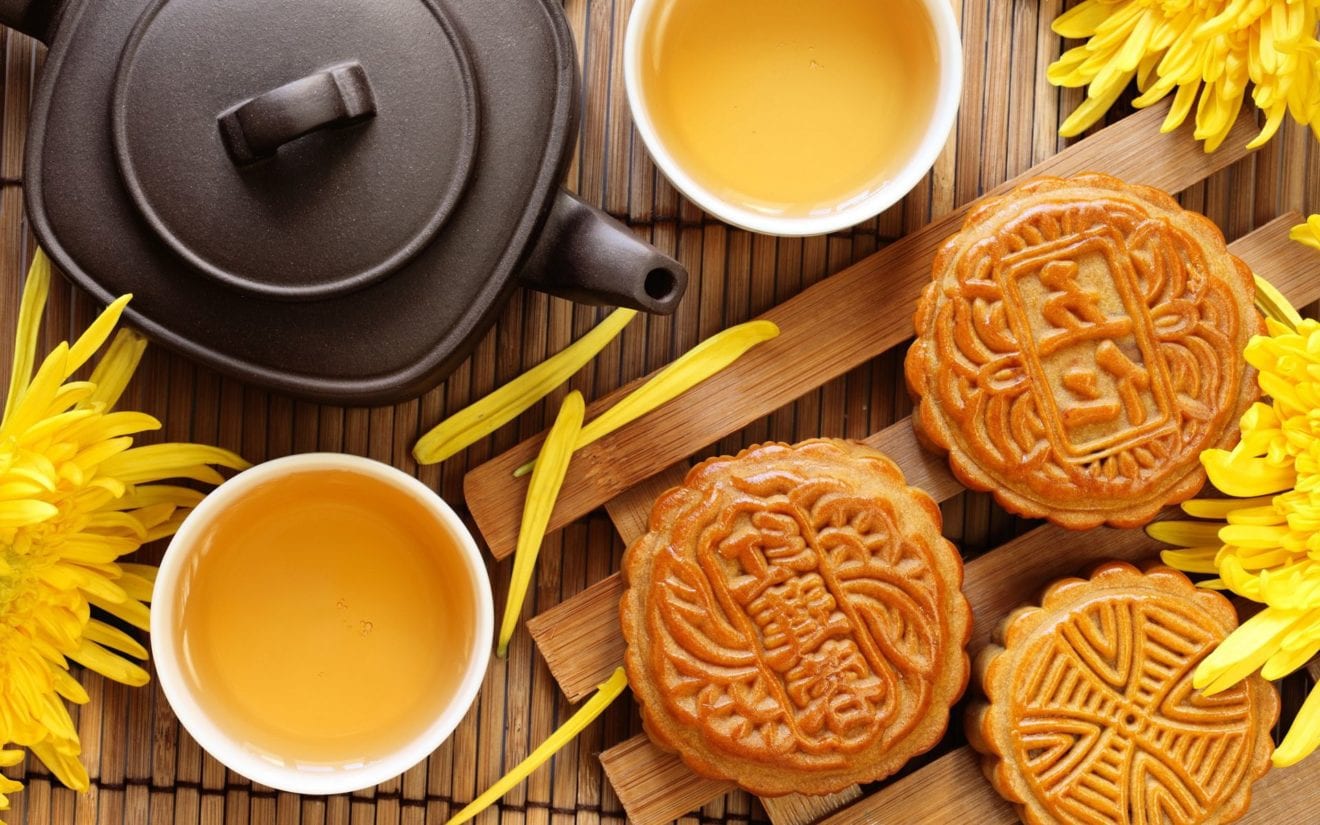
    As the Moon Festival on Sept. 27 draws near, Hongkongers who buy mooncakes of well-known local brands or receive them as gifts need to be careful, because they might be imitations from the mainland, Apple Daily reported Friday.

    At the Longxi market in Shenzhen’s Longgang district, reporters from the newspaper found hawkers still selling counterfeit mooncakes masquerading as products of Hong Kong’s Maxim’s Group and Wing Wah Food Manufactory Ltd., despite a recent crackdown by local authorities.

    The hawkers claim the mooncakes were imported from Hong Kong.

    However, they cost as little as HK$100 (US$12.90) per box of four, about half the price of the genuine mooncakes in Hong Kong. The counterfeits’ packaging bears the correct QR codes, but it doesn’t have the anti-fake codes that only the original products have. Maxim’s said it is aware of such imitation products and reserves the right to pursue legal action.

    It called on consumers to refrain from buying its mooncakes in grocery stores or at hawker stalls. Hong Kong-made mooncakes are popular among mainland Chinese, who buy an estimated 20 billion yuan (US$3.14 billion) worth of them a year. One reason counterfeits are rampant this year may be the official ban on mooncakes imported from Hong Kong that contain egg yolks, on the grounds of disease prevention.

    The ban has resulted in a serious shortage of the genuine mooncakes in the mainland, leading to big price hikes, the report said.

    On Taobao, the online shopping mall operated by Alibaba Group Holdings Ltd., Hong Kong-made mooncakes are much pricier than at retail stores in the city, some being offered at as much as HK$100 more per box.


  • Issey Miyake opens in Hong Kong

    Issey Miyake opens in Hong Kong

    Japanese luxury fashion designer Issey Miyake has opened its first store in Hong Kong.

    The Issey Miyake Hong Kong boutique is located on level 1 of the Ocean Centre at Harbour City on Canton Rd in Tsim Sha Tsui.

    Bao Bao Issey Miyake - Habour city 1

    Womenswear, menswear accessories, shoes – and, of course, the brand’s famous fragrances – are all on sale in the boutique which also offers shoppers a unique outlook across the harbour.

    The brand is known for it minimalist designs and the new Hong Kong boutique captures that philosophy in its design with merchandise displayed in a gallery like setting and simple black and white LED signage at the front.

    BaoBao Issey Miyake - Habour city


    Issey Miyake was born in Hiroshima and studied graphic design in Tokyo before working in Paris and New York. He returned to Tokyo in 1970 and founded the Miyake Design Studio to produce high-end women’s fashion.

    Over the years he has developed spin-off brands and expanded into fragrances in 1992.

    His flagship store is in Osaka.