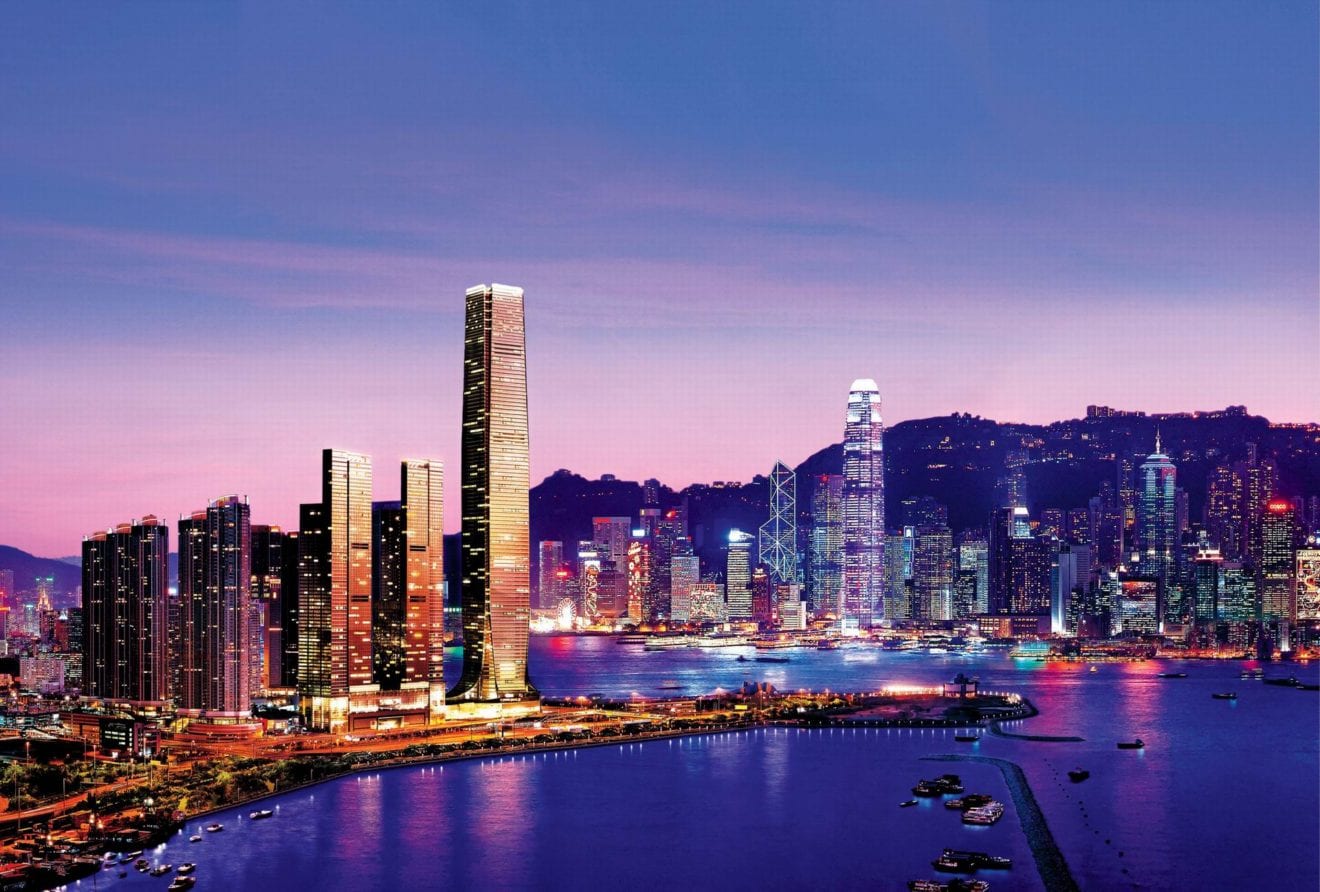
Tag: Hong Kong

  • Swiss Skin Care Product K.Diamond Now Available in China

    Swiss Skin Care Product K.Diamond Now Available in China

    K.Diamond is a revolutionary skin care product that comes from the house of Swiss Lausanne Research and Development Center, which is a world leader in cell technology research. Recently, the Switzerland based lab decided to distribute and sell its products directly through its authorized agent in China. The product has reached China and it can be found in retail stores. The creators of the breakthrough skin care product have maintained that they have reinvented fundamentals of skin care that were used during ancient times.

    Swiss Lausanne Research and Development Center bears a 53 year old legacy of manufacturing skin care products. A lot of their skin care products are used in the five-star hotels of Switzerland. However, the manufacturers have always focused on research and innovation rather than marketing and promotion. In 2010, the research lab came up with a series of micro-plastic applicators that were introduced in the Chinese market. The creators have claimed that K.Diamond is a value-for-money product which is gradually picking up in popularity across Chinese mainland. The developers have claimed that the skin care products that are now being available in China can have miraculous effects.

    One of the senior researchers from Swiss Lausanne Research and Development Center recently met the press here in Beijing and he talked about the future plans and objectives of his lab at great length. He said, “We are more of a research and innovations lab than a skin care products manufacturer. We know consumers in China have always been waiting for a truly beneficial product like K.Diamond and we must say that the huge demand in Chinese market can now be successfully met by our China based general suppliers. All products are shipped directly from our Switzerland based lab and our local supply chain managers and distributors are doing a commendable job in taking the products to the Chinese retail market.” He also indicated that the K.Diamond product distributor network would be expanded in the near future.


  • David Morris to open second Hong Kong boutique

    David Morris to open second Hong Kong boutique

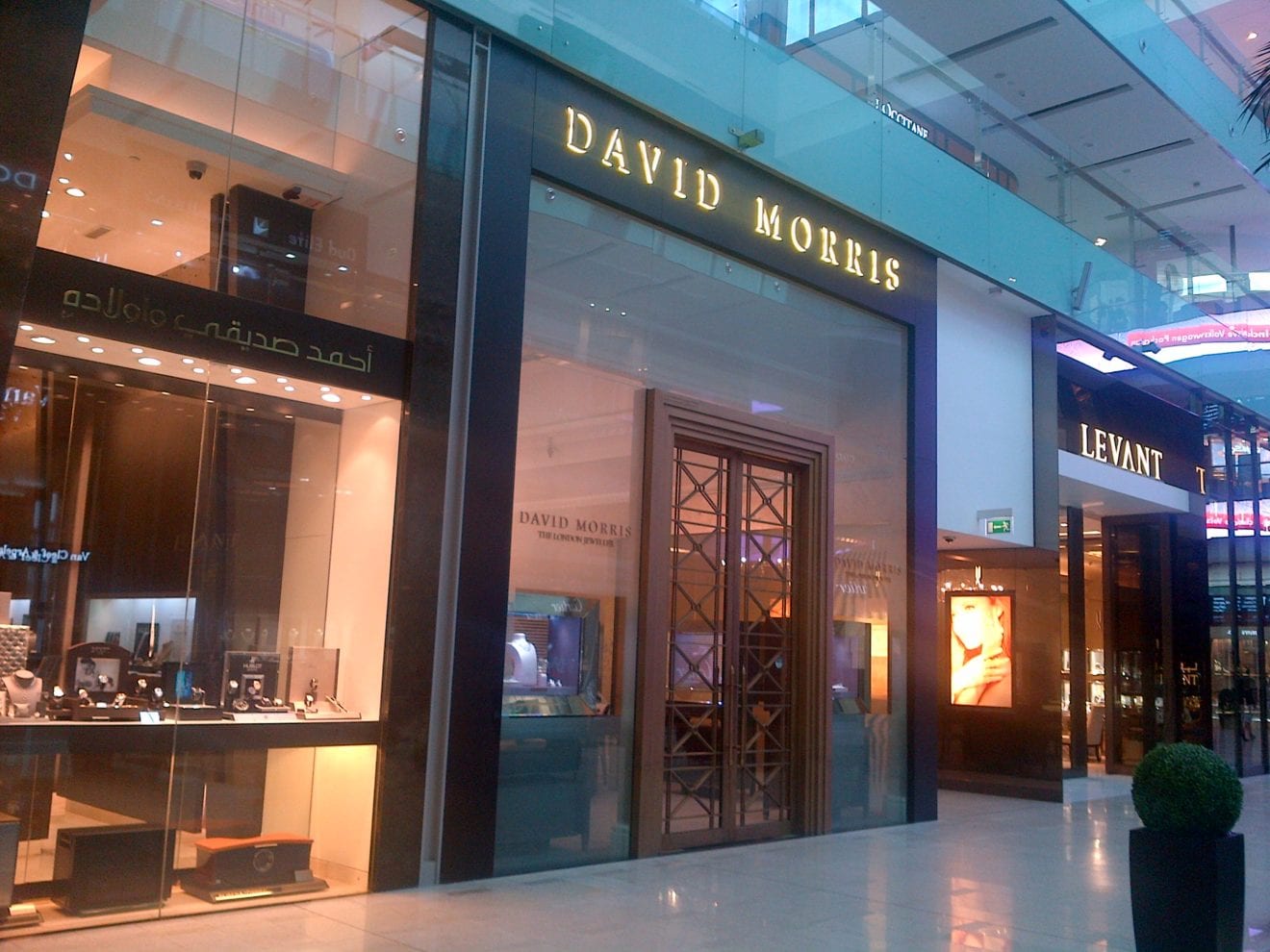
    British jewellery brand David Morris will open its second Hong King boutique at The Galleria on 9 Queen’s Road Central at the end of July.

    Jeremy Morris, son of founder David Morris and managing director of the eponymous brand, said: “Hong Kong has two markets; the local Hong Kong residents and the international market. To truly serve the local market it’s important to have a base in the Central District, where they are based.

    “Our designs are extremely sought-after by our locally based clients and our additional expansion in the area will enable us to enhance our service to our burgeoning international clientele.”

    Since Morris assumed the role of marketing director several years ago, he has expanded the brand’s presence to Dubai, Abu Dhabi, Moscow, Baku and Riyadh.

    The boutique joins the brand’s first flagship boutique, which opened at The Peninsula, Kowloon, in 2011.

    The family-run jewellers has served its clientele of royalty, including Princess Royals Margaret and Ann and the Eighth Earl Spencer and international collectors from its London flagship on Bond Street for more than 50 years.

    A further David Morris boutique is scheduled to open in Doha later this year.

  • Using WeChat to Grow Your Business in China

    Using WeChat to Grow Your Business in China

    In the world of mobile commerce, all eyes are on China.

    Even as China’s economy and overall retail sales growth drops, business-to-consumer (B2C) online sales are growing by 25 per cent each year. Data gathered from iResearch in a March 2015 report states that China’s gross merchandise volume (GMV) of the mobile shopping market reached 929.71 billion RMB in 2014, increasing by 239.3 per cent from the previous year.

    The growth was significantly larger than that of the overall GMV of the online shopping market. China has the world’s largest digital marketplace, and is predicted to grow three times faster than overall retail. The industry is primed for growth not only in the first-tier cities, but also in the third-tier and lower cities with an estimated half of total online sales coming from the lower tier cities by 2018.

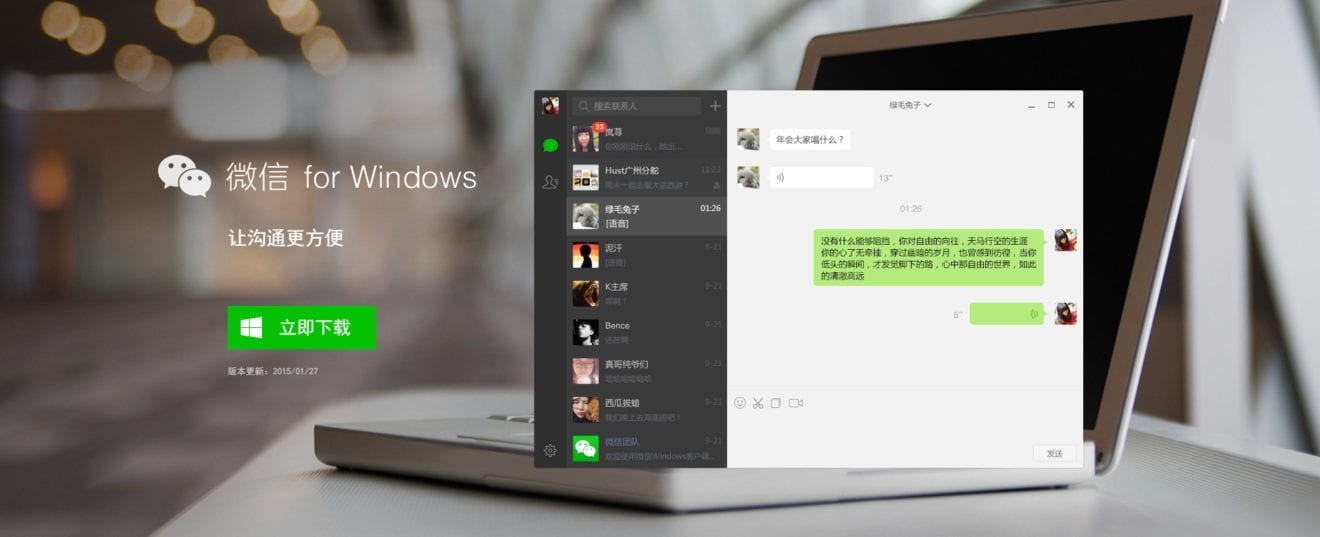
    When considering the mobile commerce industry in China, one name stands out: Tencent’s WeChat has long been impacting the lives of Chinese consumers, and with its move to digital payment systems it now has the ability to revolutionise the mobile commerce industry in China.

    WeChat has a massive scale, with over 468 million monthly active global users and 25 per cent of users checking WeChat over 30 times a day. Last year, users spent US$15.3 billion on mobile data using WeChat.  As the fastest growing social media platform in the world, and the primary source of interaction between brands and Chinese consumers, foreign investors looking to be successful in China should take note. Chinese consumers actively embrace mobile commerce due to its easy to use, cost-effective payment and delivery system.

    There is huge potential for foreign investors to take advantage of WeChat payment systems for their Chinese consumers and to maximise their profits. WeChat allows foreign investors to interact with their consumers in a way that has not reached the same scale in the Western world.

    Fewer than 20 per cent of internet users in the US have used their mobile phones to pay for services and goods while more than half of users in China have done so. Multiple incentives exist for Chinese consumers to make their purchases through WeChat; enabling businesses to use these schemes to generate profit. Loyalty cards, membership schemes and discounts for paying online all compel cost-effective shoppers to make a purchase.

    In addition to this, due to the convenience of paying through WeChat, there is a higher chance of impulse purchases. However, this ease does not simply apply to the consumer. Brands are able to bridge the gap between attracting new consumers and engaging with paying consumers, which has already begun to change the face of shopping and retailing worldwide. Businesses utilising WeChat payment systems are already experiencing huge profits, and Tencent has stated that several official accounts are now making over US$1 million.

    Not only can consumers purchase items, but can also purchase services inside WeChat. Businesses with service accounts can take advantage of WeChat’s online-to-offline (O2O) business model. Both online and offline purchases are available to consumers. Customers can either pay for services or items by scanning the QR codes of products provided by offline retailers, or pay on web pages inside the app.

    All vendors, from big name brands to small and medium-sized enterprises are able to create service accounts in WeChat. Big name companies like McDonalds, Starbucks, Xiaomi, Watsons, and Pacific Coffee have all created service accounts. WeChat allows all vendors the potential for success and the ability for SMEs to create accounts is an important aspect for foreign investors to capitalise on.

    Certain industries, such as food, beverage and retail, tend to generate more profit as they are more primed for mobile commerce. That being said, taxi companies, airlines, newspapers, government organisations, and pharmaceutical companies are all using WeChat payments to their advantage.

    Tencent has now enabled users to pay their utility bills through WeChat, and more and more businesses are finding a way to use WeChat mobile payments to grow their business and attain a competitive advantage.

    It is crucial for foreign businesses entering a new market to take advantage of domestic trends in order to be competitive in that marketplace. Mobile commerce in China is constantly evolving and businesses like WeChat are revolutionising how business is conducted. WeChat allows both big name brands and SMEs to compete in the same market space which has the ability to change the entire industry. Entering the Chinese market has its difficulties, but applications like WeChat make it easier for foreign investors to communicate effectively with their Chinese consumers.

  • Apple Is Building A New Store In Hong Kong

    Apple Is Building A New Store In Hong Kong

    As part of a huge push to own the Chinese market, Apple is opening up a new store in Hong Kong.

    It will be located on Canton Road, which is known for shopping, on the Kowloon side of Hong Kong. The company has yet to announce an opening date, but work is already underway behind the barricade pictured above.

    Apple currently has 19 stores in China, and the Hong Kong location will be its 20th in the country, and the fourth in that region. Shanghai, Beijing, Tianjin, Chengdu, Wuxi, Hangzhou, Shenyang, Shenzhen, Zhengzhou, and Chongqing already have at least one Apple store.

    Hong Kong is one of the more shopping-focused markets in China, and Apple currently has three stores in the area. Canton Road, however, is one of the more highly trafficked shopping streets in China and the world, and the new store should prove to be one of the biggest on the island.

    Apple has been heavily focused on building out its presence in China.

    First quarter earnings in 2015 showed that China represented sales of $16.144 billion, which is an increase of 157 percent from the quarter before and 70 percent from the previous year. Retail is a huge part of that push, and a store in Hong Kong only makes sense.

    Apple has no word on when the store will open, but you can likely expect to see more and more of a retail push in China as Apple continues to climb the charts in that market.

  • Nuance wins 13 awards for ‘green’ HKIA stores

    Nuance wins 13 awards for ‘green’ HKIA stores

    Thirteen Nuance Group (HK) stores have been recognised for their environmental performance and commitment out of a total 23 at Hong Kong International Airport’s Environmental Management Recognition Scheme 2014/15.

    Essentially, the Airport Authority Hong Kong-backed scheme is aimed at encouraging retailers to adopt green initiatives and take active responsibilities for the environmental management of their stores. The scheme is co-organised by the Hong Kong Productivity Council (HKPC), which conducts on-site assessments of retail F&B premises at HKIA.

    Nuance is a wholly-owned subsidiary of Basel-based Dufry AG and the 13 stores which were recognised for their efforts this year include the following: (Silver awards) Sound & Vision store reference numbers 6E102, 6E150 and 6W520; Bally 6E125; Longchamp 6W544.

    Bronze awards went to the following Nuance stores: Taste & Delights 6W572; Amazing Grace 7E192; Bags Unlimited 5P084; Best of…Stores      5P103; Fortress 7T096 & 7T097; Fortress 5P028A; Scent & Beauty 5P065; and The Peninsula Boutique 7T040.

    Commenting on the initiative, Alessandra Piovesana, Regional Managing Director of Nuance Asia and Regional COO (ad int) Asia & Middle East of Dufry Group said: “My team and I are delighted for our 13 winning stores at the latest HKIA Environmental Management Recognition Scheme, underlining our widespread corporate commitment in environmental conservation and protection across all our stores as part of our mission of ‘Enriching Travel, Enriching Life’.

    “We believe that environmental management succeeds only through continuous engagements and stewardship with a consistent attitude acted on a united front. Since we took a lead in this area to kick off our first corporate green initiative ‘Save & Preserve’ to reduce the use of plastic bags as early as in 2007, we have continuously nurtured our staff to take ‘green’ as an everyday approach, making ‘green’ practices part of their daily working lives.

    “Every year, we organize different activities to optimize ‘green’ awareness among travellers at HKIA. Our on-going environmental management programmes reflect our passion for life and our will to demonstrate that performing business and environmental actions can surely co-exist. With our concerted efforts with the Airport Authority and other stakeholders, our team is determined to leverage our presence within the airport to continue raising travellers’ consciousness of the need for a sustainable future.”

    ENVIRONMENTAL MEASURES TAKEN BY NUANCE

    The retailer adds that its continuous efforts at environmentally sensible stewardship and customer engagement include the following: minimizing the environmental impact of shopping bags by choosing certified biodegradable materials and by administrative measures; having agreements with suppliers or service providers to reuse containers or materials in goods delivery; installing energy efficient lighting; regularly maintaining air-conditioning systems; establishing ; Green Procurement Policy; using of state-of-the-art sustainable technologies, such as paperless PO system, use of Radio Data Transfer for stock logistics, Electronic Business Process Management and Digital Filing, etc.

    Most importantly, Nuance management says it provides regular training in environmental management to its employees.

    THE SIX KEY CRITERIA USED FOR JUDGING

    The judging criteria for the HKIA Environmental Management Recognition Scheme was based on six aspects, i.e. waste management, energy efficiency, waste water management, air pollution control, noise pollution control and overall environmental management.

    The judging panel consisted of representatives from the Airport Authority Hong Kong, Environmental Protection Department, Hong Kong Waste Management Association, Friends of the Earth (HK) and Academia (Professor C.S. Poon of HK Polytechnic University).

    Nuance adds that in 2012 it received five Gold Awards in the first-ever HKIA Environmental Responsible Retail Recognition Scheme held by AAHK. The retailer also received a Green Management Bronze Award from the Green Council Hong Kong in 2011.

  • Mothercare takes Peoplevox partnership into Asia

    Mothercare takes Peoplevox partnership into Asia

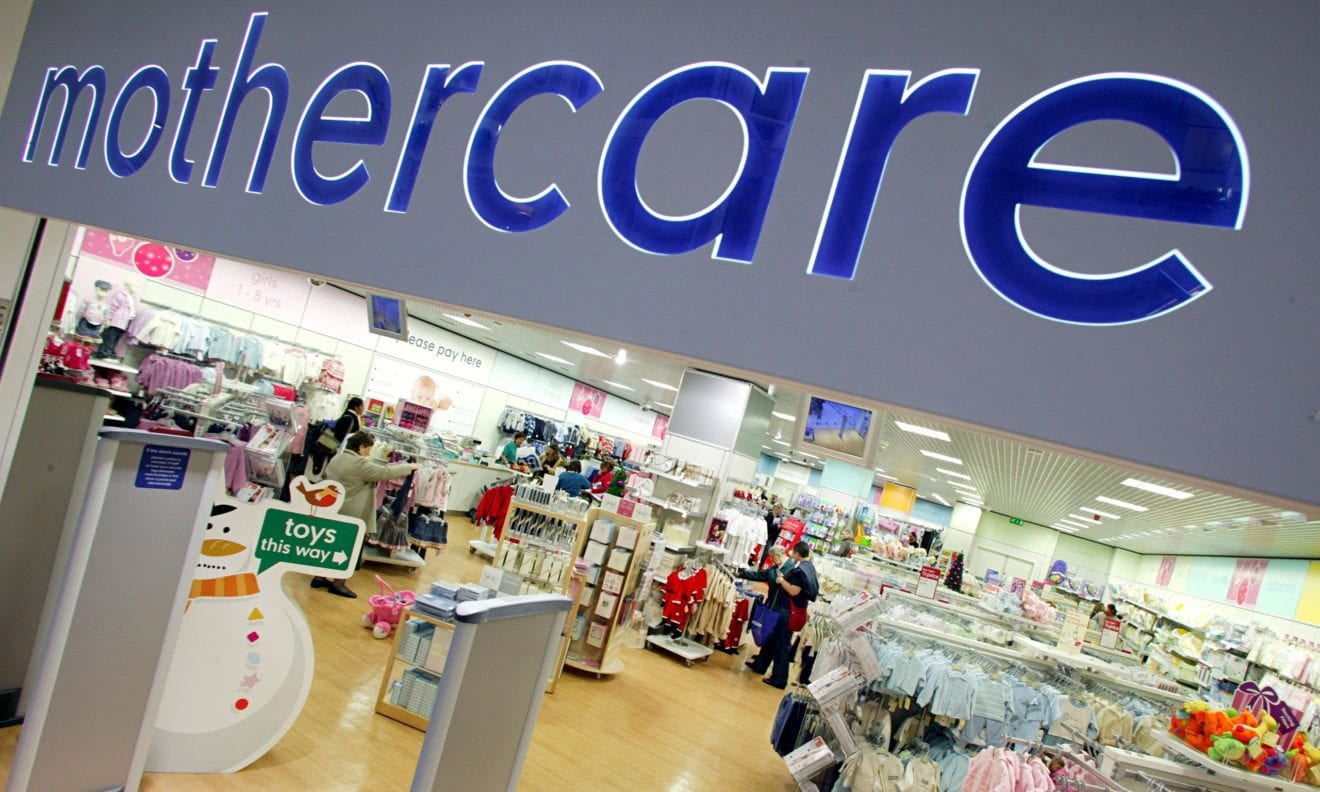
    Baby and maternity products retailer Mothercare is implementing warehouse platform Peoplevox in Asia, following initial success with the system in its Irish business.

    The vendor’s dedicated eCommerce warehouse management system is to be implemented in Mothercare’s Singapore, Hong Kong, Macau, and Malaysia operations, with the retailer hoping to benefit from the company’s “deep functional expertise” as it develops its online presence on a global scale.

    The move comes after Mothercare announced in February that it was among a number of retailers and brands, including country fashion players Barbour and Country Attire, looking to Peoplevox’s self-proclaimed Amazon-style logistics platform to help them compete with the pure-play giant on a global scale.

    Founded by Jonathan Bellwood on the understanding that traditional warehouse management systems are not necessarily the ideal fit for eCommerce operations, Peoplevox has developed a solution that optimises pick routes, eliminating mis-picks, and effectively allows retailers to outsource their stock management processes when entering new territories.

    Elaine Khoo, general manager for eCommerce at Mothercare Singapore, commented: “Peoplevox is an eCommerce warehouse specialist, with impressive pick rates and accuracy levels.

    “We chose them for the software’s capability to support multiple inventory levels and logistics providers, which is important for us operating across different countries.”

    Other Peoplevox clients include fashion retailer Blue Inc, gifts and jewellery business Oliver Bonas and eye-care products supplier Vision Direct.

  • HKIA retail growth halves to 10.8% but still flies high

    HKIA retail growth halves to 10.8% but still flies high

    The retail licences and advertising revenue segment at Hong Kong International Airport (HKIA) rose by a respectable +10.8% to HK$6,820m/$880m in 2014/15, with an upswing that was lower than the year before when it shot up by +23%, largely reflecting a full year of contributions from DFS Group as its anchor tenant.

    The segment now represents 41.7% of turnover – a marginal share increase on the previous year. Retail was a key component that allowed operator Airport Authority Hong Kong (AAHK) to generate record revenue of HK$16,367m/$2,111m (+10.5%) and rocketing profit of HK$7,254/$936m – a rise of +12.4% (see chart below and click to enlarge).

    Retail licences and advertising contributed nearly half of the rise in AAHK’s turnover for the year and the authority specifically highlights higher retail concession revenue as a major contributor to the above figures.

    AAHK does not split out its retail and advertising income, but from its comments it seems that the shopping units – in particular its well-trodden high-end boutiques – have delivered good gains. They have also been more of a focus in FY2014/15.

    STILL SEEING GOOD LUXURY DEMAND
    AAHK says: “This increase (of +10.8%) was a result of the commencement of new luxury retail licences; better sales performance for luxury brands, liquor and tobacco, perfumes and cosmetics, commercial catering and financial services categories; higher advertising revenue from new clients and categories; and joint promotional initiatives with major brands and China UnionPay.”

    Other terminal commercial revenue grew +5.2%, to HK$1,160m/$150m and mainly represents income from leasing offices and airport lounges to airlines and other tenants.

    HKIA enhanced its shopping experience in 2014/15 with the opening of 33 new luxury boutiques, with 10 new brands making an entry at T1.This latest luxury cluster includes the first Harrods store in Hong Kong, plus Balenciaga, Blancpain, Bulgari, Christian Dior, Givenchy, Jaeger Le Coultre, Miu Miu, Moncler and Tory Burch.

    HKIA is still attracting Chinese passengers in big numbers

    With a strong Chinese PRC mix at the airport and numbers in the last fiscal year up +22% (bettered only by passengers from southeast Asia) HKIA has, so far, managed to leverage high-end sales to this group. Whether the authority can maintain that successfully this year, in the light of the luxury downturn being seen in the local Hong Kong market, remains to be seen.

    Looking ahead, AAHK believes that traffic demand will continue to grow, but at a slower pace. “As a result, some of HKIA’s facilities, such as aircraft parking stands and other terminal facilities will soon reach capacity in the existing two-runway system,” it warns.

    MIDFIELD TO THE RESCUE

    To meet immediate needs, the expanded west apron is now fully operational with 28 aircraft parking stands. The Midfield development, which includes a five-level concourse and 20 aircraft parking stands, will provide added capacity when it enters service later this year for up to 10m passengers.

    AAHK expect profits to grow at a slower pace this year largely due to its current capacity constraints. Nevertheless, it has its eye firmly fixed on increasing non-aeronautical revenue “by optimising HKIA’s retail space, revamping the overall retail experience for our passengers, introducing innovative marketing, and supporting our business partners while they expand their operations”.

    HKIA is the world’s third busiest international hub after Dubai International and London Heathrow – and in FY 2014/15 it handled 64.7m passengers, up +6.6%.

  • Foreign visitors giving Hong Kong’s ‘shopping paradise’ a miss

    Foreign visitors giving Hong Kong’s ‘shopping paradise’ a miss

    The days of double-digit sales growth seem like a mirage now.

    Not long ago retailers were blasé about such numbers when mainland visitor arrivals were at their peak. Now, of the 10-odd shops in a prime stretch of Yee Wo Street in the Causeway Bay shopping district, three premises lie vacant. Prime outlets are also a lot less affordable because of Hong Kong’s rising dollar.

    High-spending tourists are disappearing in droves. Retail bosses and hoteliers are feeling the effects of weak demand and fear the challenging business environment will weigh on them even more in the months ahead.

    Many say that the tourism and retail sectors are affected inevitably by external factors. But few in either industry can predict when the downturn will end. As they wait for the next boom, an increasing number of companies are trying to identify their weaknesses and problems and shift their business focus to adapt to the changing environment.

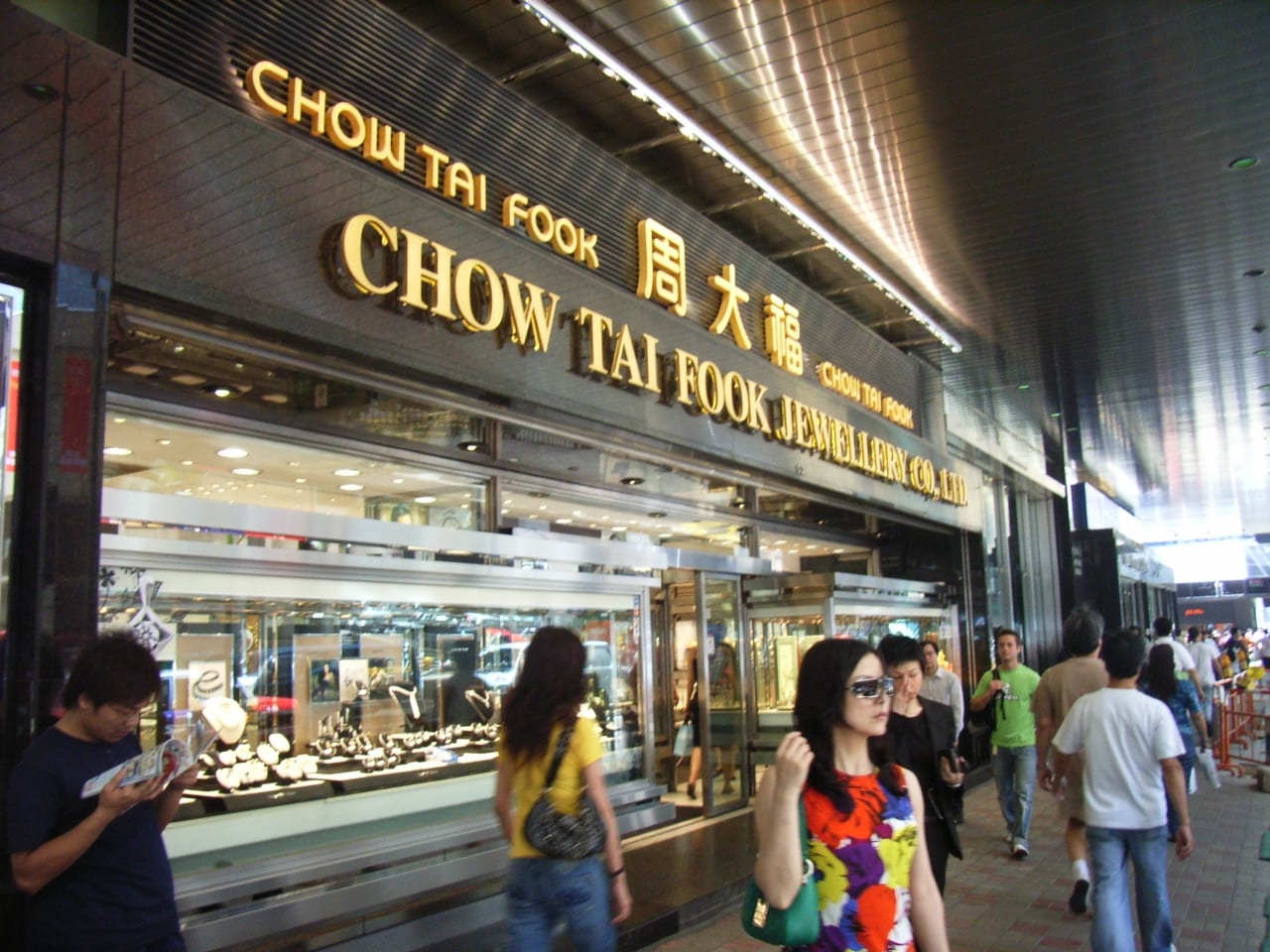
    Chow Tai Fook Jewellery, the world’s largest jewellery retailer, says in its annual results announcement that relatively weak consumer sentiment in Hong Kong and Macau is reflected in decreasing customer traffic.

    In the financial year ending March 31, customer traffic at its outlets in tourist areas shrank by around one-third year on year.

    It says mainland tourists may be opting for other destinations, and the possible change in inbound tourism from mainlanders “may pose structural changes to the retail industry in Hong Kong and Macau and arouse uncertainty” over its business.

    To adjust to the changes, the retailer will focus on enhancing the operational efficiency of its outlets and consolidate them.

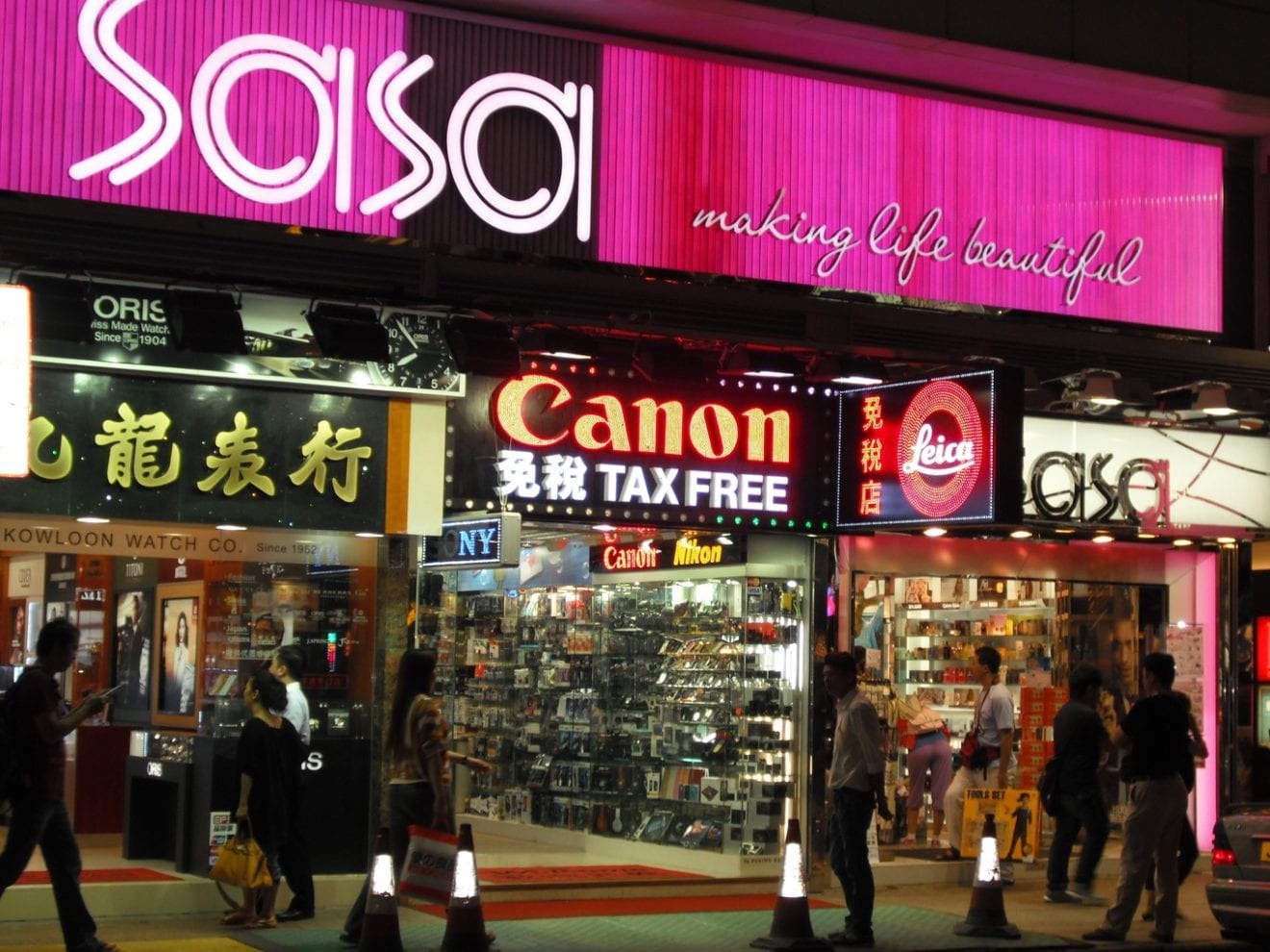
    Cosmetics chain SaSa says the average spending per head mainland tourist customers dropped about 11 per cent in the past fiscal year owing to the weaker purchasing power of tourists from lower-tier cities.

    Another reason was the increasing demand for cheaper products, such as Korean goods, which dilutes sales growth even though it may drive store traffic, the company says.

    It rues the appreciation of the US dollar and the ensuing difference in the relative strength of the yuan and Hong Kong dollar, saying it is encouraging more mainland tourists to travel to markets with weaker currencies, such as Europe and South Korea.

    “The ongoing anti-corruption campaign on the mainland is impacting demand for high-priced items and gift sets,” SaSa adds.

    But the group has identified some new opportunities, such as cross-border e-commerce facilitated by the development of free trade zones on the mainland.

    Oriental Watch, a leading retailer in the city, notes the impact of rising social tensions and conflicts between Hong Kong and mainland China, saying these social events have further dragged down Hong Kong’s sluggish luxury sector.

    The company says it has opted for stringent cost-control measures to prepare itself for the challenges that lie ahead.

    “By closing down non-performing retail stores on their lease expiry, resources could be better allocated in fine-tuning our existing retail network,” says Oriental Watch.

    It points out that the pace of rent increases in Hong Kong has slowed down in the past few months, given the fragile economic outlook.

    “This positive sign suggests a perfect juncture for the group to negotiate for a reasonable rental rate,” it adds. It says rental costs for the year ending March 31 accounted for 39 per cent of the group’s operating expenses.

    Many retailers have long blamed high rents for pushing up the cost of doing business in Hong Kong.

    CBRE, a real estate services company, points out in a research report that Hong Kong was still the world’s most expensive retail market in terms of rent in the first quarter of the year. The average annual rent reached US$4,334 per sq ft. But rents are softening.

    Daniel Wong Hon-shing, chief executive at commercial property agency Midland IC&I, says shop rents are under pressure as sales of consumer goods continue to decline.

    He says rents at prime locations in major shopping districts such as Causeway Bay and Tsim Sha Tsui have fallen as much as 25 per cent year on year.

    “Cosmetics chains and jewellers have started consolidating business and stopped expansion,” Wong says. “The vacancy rates are rising.”

    He says even international brands are less willing to pay a high premium for shops in key retail areas, given the sluggish growth in the number of high-spending mainland visitors coming to the city.

    Neither are Hongkongers in a mood to go shopping.

    Caroline Mak Sui-king, chairwoman of the Retail Management Association, says an increasing number of high-earning Hongkongers are more likely to holiday in cheaper neighbouring destinations, such as Japan and South Korea.

    “It’s good value to travel to such places and have fun as the Hong Kong dollar remains strong,” she explains. “Hong Kong’s reputation as a shopping paradise has been put to the test.”

    CLSA, a brokerage and investment group, says in a research report that shopping is a key reason for mainlanders to visit Hong Kong.

    It believes the mainland’s decision to cut import tariffs will also hit Hong Kong’s retail sector, because the price gap between the two markets is narrowing.

    Its study found that 70 per cent of experienced mainland travellers surveyed said they would prefer to buy domestically if prices were lowered by 25 per cent.

    The firm says import tariffs and consumption taxes on the mainland add up to as much as 40 per cent for cosmetics and 25 per cent for apparel, adding that a reduction of taxes in such times would narrow the price gap between the mainland and Hong Kong markets and discount the city’s price advantage.

    The total value of Hong Kong’s retail sales in May, provisionally estimated at HK$39 billion, was down 0.1 per cent compared with the same month last year. It was the third monthly decline in a row, despite a smaller drop than the revised decrease of 2.1 per cent in April.

    The jewellery, watches and valuable gifts category continued to record a double-digit fall, with sales value declining 14.9 per cent to HK$6.7 billion.

    Mariana Kou, senior investment analyst at CLSA, says the retail sector in Hong Kong is facing “a structural decline”. She says the city lacks new tourist attractions and anti-mainland sentiment is hurting tourist spending.

    “Even luxury brands are struggling,” she says. She expects some retailers to cut costs by closing shops and laying off staff in the coming months.

    Meanwhile, the Hong Kong Tourism Board, in reply to queries from the Post, says it “continues to focus its resources on 20 key markets” in promoting the city as a tourist destination.

    A spokesman says the board “is investing most of its marketing budget in the international markets, especially short-haul ones. One hundred per cent of our marketing budget in international markets is used to draw overnight arrivals”.

    It has joined hands with hotels, airlines and other trade partners to roll out tourism products and accommodation offers.

    For the rest of the year, the board plans to stage a number of mega events to highlight Hong Kong’s tourism strengths. They include the “Hong Kong Wine & Dine Festival” in late October and “Hong Kong WinterFest” in December.

    “Through staging a series of mega events, the [board] hopes to uphold Hong Kong’s image as the events capital of Asia, enrich the visitor experience, and provide a business platform for the travel and related trade,” the spokesman says.

    The numbers will tell soon enough if the strategies work. If not, a rough ride lies ahead for Hong Kong’s much vaunted tourism and retail scene.

    This article appeared in the South China Morning Post print edition as They’re not buying it

  • Pandora partners with DFS in major Hong Kong Airport promotion

    Pandora partners with DFS in major Hong Kong Airport promotion

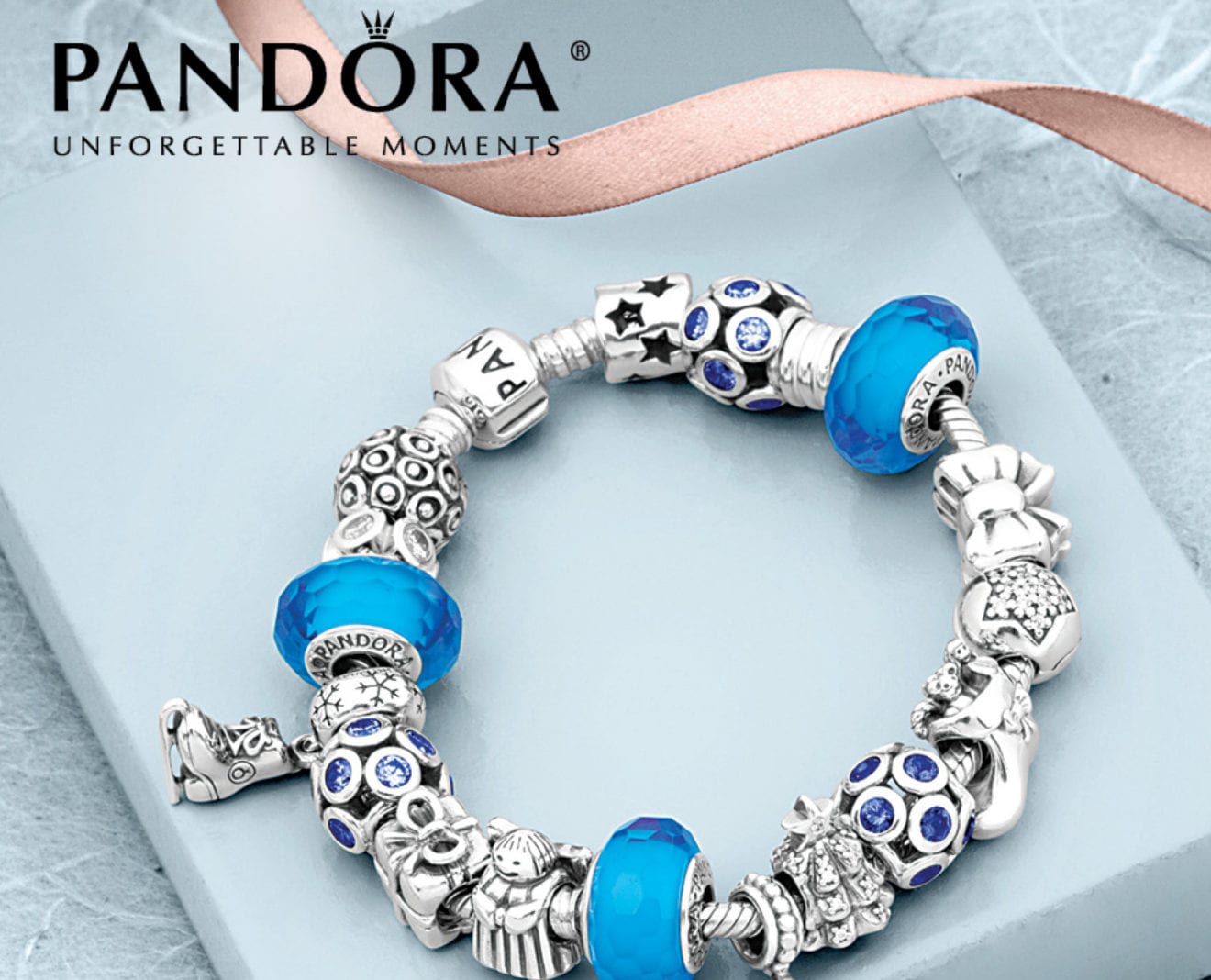
    Danish jewellery brand Pandora has opened a dedicated 13.5sq m promotional area at Hong Kong International Airport (HKIA) in partnership with DFS Group.

    The zone is a celebration of ‘Explore, Dream & Discover’, involving a pre-launch of Pandora’s new travel charms, which will launch in other selected stores on 30 July.

    The use of a 6sq m video wall creates a multi-media experience to highlight the pre-launch.

    “We are extremely proud and excited about opening stores at prestigious locations together with DFS,” said Pandora VP Travel Retail Julian Mullins.

    “Here at DFS we aim to be the world traveller’s preferred destination for luxury shopping and developing fantastic brand partnerships is key to delivering on that promise,” said DFS Group Director of Merchandise-­‐ Sunglasses, Fashion Watches and Jewellery Jason Blejwas.DFS and Pandora have worked in partnership for just over a year, opening stores in Abu Dhabi, Honolulu, Guam, Saipan and Hainan as well as DFS Group’s downtown Hong Kong locations and the retailer’s main store in HKIA’s East Hall.

    “We’re excited to expand on our relationship with Pandora and bring their unique brand aesthetic to the traveling consumer at HKIA.”

  • Chow Tai Fook Quarterly Retail Sales Fall 6% on Hong Kong, Macau

    Chow Tai Fook Quarterly Retail Sales Fall 6% on Hong Kong, Macau

    Same-store sales fell by 7 percent in mainland China, and were down 24 percent in Hong Kong and Macau in the fiscal first quarter ending June, the jeweler said in a statement Thursday.

    Hong Kong-based Chow Tai Fook has been hurt by China’s slowing economic and a government-led austerity campaign, which prompted shoppers to cut back on luxury purchases. The jeweler saw net income plunge 25 percent for its fiscal year ending March as stores in mainland China, Hong Kong and Macau suffered.

    The jeweler had cut prices for some of its diamond-set products by as much as 30 percent in June, in a bid to reduce inventories bloated by weaker-than-expected sales in the city.

  • Hong Kong retail gross sales stabilise

    Hong Kong retail gross sales stabilise

    Authorities figures for Hong Kong retail gross sales in Might recommend the worst of the tumult seems to be over.

    The whole worth of retail gross sales in Might 2015, provisionally estimated at HK$39 billion, edged down by zero.1 per cent in contrast with the identical month in 2014. The revised estimate of the worth of complete retail gross sales in April 2015 decreased by 2.1 per cent in contrast with a yr earlier.

    For the primary 5 months of 2015, the worth of complete retail gross sales decreased by 1.eight per cent in contrast with the identical interval in 2014. As earlier reported, complete gross sales for the primary three months fell 2.three per cent.

    Higher but: After netting out the impact of worth modifications over the identical interval, the quantity of complete retail gross sales in Might 2015 elevated by four.6 per cent over a yr earlier. And for the primary 5 months of 2015, complete retail gross sales elevated by 1.three per cent.

    As anticipated, gross sales of jewelry, watches and clocks fell – by 14.9 per cent. Attire gross sales have been down simply 1.9 per cent.

    Division retailer gross sales rose 7.6 per cent and electrical items and photographic gear by 14.6 per cent.

    A authorities spokesman stated the figures confirmed relative enchancment in Might.

    “However, the drag from the slowdown in vacationer spending remained notable, because the gross sales of jewelry, watches and clocks, and helpful presents continued to register a double-digit yr on yr decline.

    “The near-term outlook for retail gross sales will nonetheless rely a lot on the efficiency of inbound tourism. But, the secure job and revenue circumstances ought to render some help to native shopper sentiment.”

  • Sa Sa gross sales up, revenue trimmed

    Sa Sa gross sales up, revenue trimmed

    Hong Kong-based magnificence merchandise retailer Sa Sa has elevated gross sales regardless of the home market challenges.

    The group’s complete turnover elevated by 2.7 per cent from HK$eight.756 billion to HK$eight.993 billion within the yr to March 31.

    Retail gross sales in Hong Kong and Macau elevated by three.three per cent to HK$7.259 billion. However revenue slipped 10.three per cent to HK$838.eight million.

    The high-profile chain added a internet seven shops through the yr taking its community to 287, including only one in Hong Kong.

    In a telling signal of the problem dealing with Hong Kong retailers, because the demographic profile of Mainland Chinese language guests modifications, the variety of transactions in Hong Kong and Macau shops rose by 6.eight per cent, however the common ticket worth fell three.three per cent.

    “To put these figures in context, the variety of transactions of Mainland China vacationers elevated by 17.four per cent, whereas common gross sales worth per ticket decreased by 11.three per cent,” Sa Sa stated in its annual outcome.

    “The variety of transactions by native shoppers declined barely by 2.four per cent with a mean spending improve of four.three per cent. Briefly, gross sales progress for as soon as lagged behind the market.”

    In 2014, Mainland vacationer arrivals rose by a gentle 16 per cent. Similar day customer arrivals have been nonetheless the main engine of progress with a rise of 19.1 per cent, elevating gross sales in non-tourist areas, notably within the New Territories close to the border with the remainder of China.

    “Nevertheless, this was offset by an 11.three per cent drop within the common ticket gross sales of Mainland vacationer clients, which in flip was attributable to the weaker buying energy of vacationers originating from decrease tier cities and having much less spending functionality. One other issue was the growing demand for lower cost level merchandise, similar to Korean merchandise, which nonetheless diluted gross sales progress though driving retailer visitors.”

    Sa Sa stated, as well as, there was a better gross sales combine from day trippers whose spending is usually decrease than in a single day vacationers.

    “The change in consumption patterns was additional exacerbated by the rise of cross border eCommerce, which facilitated a lot quicker market penetration of cheaper and quick to market Korean merchandise with ideas which might be nicely appreciated by Asians, and particularly the more and more prosperous Chinese language shoppers.”

    Whereas Sa Sa reported 10.2 per cent retail gross sales progress within the first half of the fiscal yr, gross sales have been dragged by weaker shopper sentiment within the second half. Gross sales progress slowed within the third quarter and additional deteriorated within the fourth quarter with March 2015 being particularly weak due to anti-parallel items merchants incidents in residential areas, turning an in any other case constructive January to February two months’ interval into destructive territory for the fourth quarter.

    “As well as, the appreciation of the US greenback and the relative power of the Renminbi and Hong

    Kong greenback inspired extra Mainland vacationers to journey to markets with weaker currencies resembling Europe and South Korea. The relief of visa insurance policies by different nations strengthened their

    attractiveness to Mainland vacationers, whereas robust outbound travelling led to weaker native spending.”

    Sa Sa stated the Occupy Motion and anti-parallel items merchants incidents in Hong Kong broken Hong Kong’s profile and discouraged vacationers whereas additionally inflicting a drop in gross sales to native clients.

    Sa Sa’s general gross revenue margin dropped from 46.6 per cent to 44.eight per cent resulting from extra promotions being launched to drive gross sales in a slower market.

  • Melco Crown delists from Hong Kong Exchange

    Melco Crown delists from Hong Kong Exchange

    Australian gambling operator Melco Crown has issued a corporate statement, confirming that conditions for its delisting from the Hong Kong Stock Exchange had been met as of 26 June.

    Today will represent the last day of trading by Melco Crown, as the operator expects to be fully withdrawn from the Asian exchange by 4pm Friday 3 July.

    In January Melco Crown governance had submitted the application to voluntary delist from the Hong Kong Exchange, citing reasons of cost and utility and stating that the company had not found a lack “appropriate opportunities to raise additional equity in Hong Kong” and the “very limited” volume of trading in its shares on the exchange.

    Melco Crown operator of casino enterprises in Macau and the Philippines, stated that it would allow its investor the option to transfer their stock onto its primary listing on the US Nasdaq exchange. The operator will further bear the costs of holding shares in a depositary bank for a period of 60 days following its last day of trading.

    Melco Crown further announced last week that it had entered an amendment of its loan facilities, which entitled the business to a total $1.75 billion credit facility supplied via a syndicate of banks.


  • Buffalo Wild Wings critical about Asia

    Buffalo Wild Wings critical about Asia

    US informal eating chain Buffalo Wild Wings is within the means of securing grasp franchisees in at the very least six extra Asian nations as its first foray into the area pays off.

    In January BWW opened its first restaurant within the continent, in Manila, in partnership with Philippines grasp franchisee The Bistro Group. That restaurant, in Estancia Mall at Capitol Commons in Pasig Metropolis, proved so profitable inside its first few months two extra websites are beneath improvement already because the rollout plan is accelerated. These eating places will open in Glorietta and Uptown Mall.

    Buffalo Wild Wings CEO, Sally Smith informed Inside Retail Asia in an interview the corporate will probably be signing a grasp franchise settlement in Vietnam in a fortnight with the primary BWW outlet scheduled to open there someday subsequent yr.

    A separate franchise settlement has been concluded for a area in India with the primary restaurant there more likely to be buying and selling inside as little as six months.

    Smith was in Hong Kong this week for talks with suppliers and potential companions and advised Inside Retail Asia the corporate is already speaking with potential companions in Singapore, Malaysia, Thailand and Indonesia. She has additionally been taking a primary hand take a look at the Hong Kong eating scene with a view to contemplating enlargement there, too.

    However she gained’t be dashing into any of those markets.

    “One of many issues that’s necessary to us is discovering the fitting associate, so we’re going to take our time. We need to ensure that our associate understands our enterprise, that they perceive our model and that they share the identical values as we do.

    “Once we choose a companion, they go to us within the US, they practice within the US they usually go to a lot of shops in order that they see how we function – that’s all earlier than they turn out to be a associate.

    “We’re in search of nice franchise companions,” stated Smith. Not simply anybody with a cheque guide.

    Native challenges

    Smith says when getting into a brand new market, BWW understands the necessity to tailor its menu and pricing factors accordingly. Concentrating on locals relatively than expats or vacationers, Smith says the model is lifelike and trusts its franchise companion to work with it on each fronts.

    In Manila, probably the closest Asian market when it comes to dietary habits to North America, BWW has added rice to its menu and it’s contemplating a steak sandwich to satisfy native demand.

    “We definitely work to think about native flavours locals are in search of. However others nonetheless need that genuine Buffalo Wild Wings expertise,” Smith stated.

    In Vietnam, the place the ‘center class’ by definition is on an revenue as little as US$500 a month, BWW is about for an extended, affected person progress cycle.

    “I used to be in Vietnam final yr and I used to be very excited. The overall inhabitants is rising and there’s some nice information on the financial entrance. However we’ll take our time constructing out Vietnam and we’ll attempt to not overbuild.”

    Smith says the franchise companion there’s already evaluating actual property choices.

    A key think about BWW’s portability into new markets is that hen is an accepted a part of the weight-reduction plan in most elements of the world – and sport captures the eye too.

    A key element of the BWW idea is stay sport, with giant screens within the eating places encouraging dwell time. Within the US and the Philippines, American Soccer, basketball and ice hockey are staples on the sports activities menu; in Southeast Asia it is going to be English Premier League. Smith stated in the course of the Superbowl remaining early this yr the Manila restaurant opened early and queues shaped of locals eager to eat and benefit from the match.

    The corporate can also be testing know-how options that may allow clients in its eating places to take part in on-line social gaming, enjoying towards clients of different eating places in the identical nation.

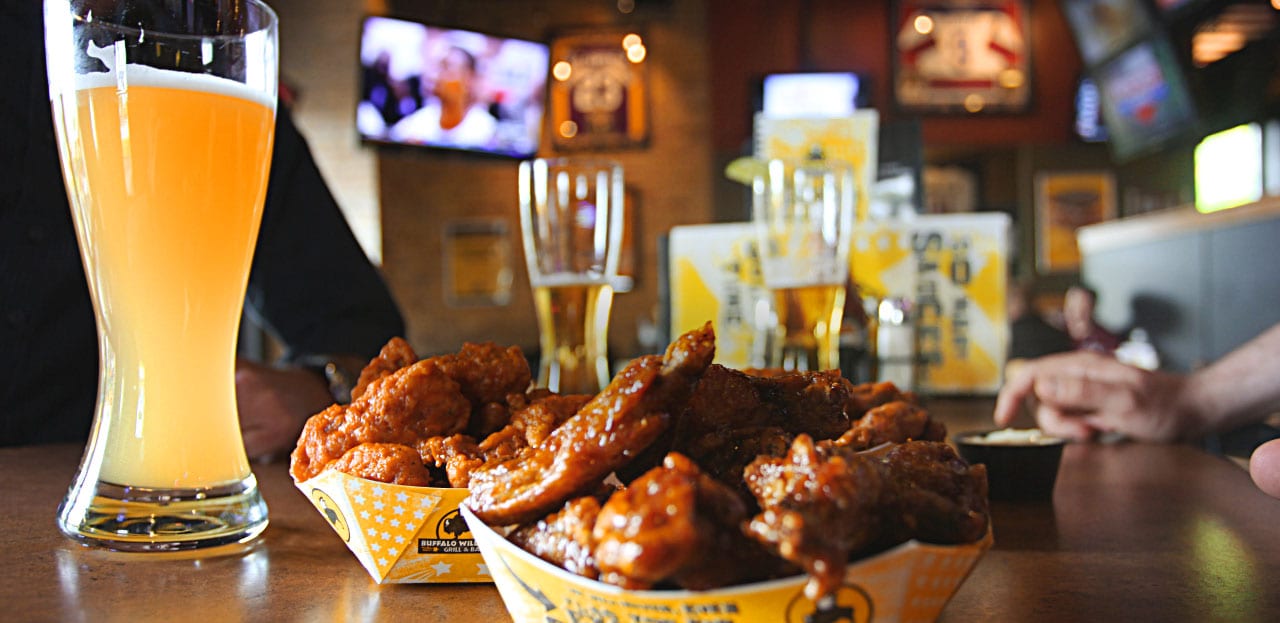
    Buffalo Wild Wings already boasts 1094 eating places serving 21 signature flavors of Buffalo, New York-style hen wings. Its foray into the Philippines was its first step outdoors the Americas.

  • Smartac Group and HGC Intend to Build “Smart Travel Cloud” in Hong Kong

    Smartac Group and HGC Intend to Build “Smart Travel Cloud” in Hong Kong

    Smartac Group China Holdings Limited (“Smartac Group” or the “Company”, together with its subsidiaries, the “Group”, stock code: 395) announces that its wholly-owned subsidiary Solomedia Asia Limited (“Solomedia Asia”) has signed a Memorandum of Understanding (“MOU”) with Hutchison Global Communications Limited (HGC), the fixed-line division of Hutchison Telecommunications Hong Kong Holdings Limited regarding the collaboration to research on and establish “Smart Travel Cloud – Hong Kong Stop”, a mobile internet service that will enable visitors to receive travel and shopping information in Hong Kong.

    Hong Kong is Smartac Group’s first stop to develop its “Smart Travel Cloud” in an overseas market, aiming to resolve the problems encountered by mainland travellers regarding the use of Wi-Fi networks while travelling abroad. By integrating with an Online to Offline (O2O) business model, “Smart Travel Cloud” will provide visitors with real-time travel and shopping information, and will help drive traffic and users to traditional offline businesses.

    Pursuant to the MOU, HGC will leverage its optical fibre network and Wi-Fi network in Hong Kong to provide visitors with stable and reliable Wi-Fi internet access. Solomedia Asia will deploy its innovative technology of O2O big data platform (combining Wi-Fi, bluetooth Beacon, smart interactive screen) to provide visitors with personalised and interactive information for hassle-free travel abroad.

    Solomedia Asia and HGC intend to research on the introduction of mobile commerce, mobile payment platform, and commercial smart data platform, to popularise O2O mobile commerce and introduce a new business model to the retail, hotel and other tourism-related service industries in Hong Kong. Meanwhile, both parties will further carry out feasibility study and explore opportunities to establish and operate a big data platform for Hong Kong travelling.

    Jason Kwan, Executive Director of Smartac Group, commented: “The collaboration on establishing ‘Smart Travel Cloud’ via a Wi-Fi network will assist Hong Kong retail and tourism industries to effectively connect with and serve the visitors and consumers in Hong Kong. We are glad to join hands with HGC, the largest Wi-Fi service provider in Hong Kong1, in initialising ‘Internet + Tourist Consumption’. Such collaboration will incorporate the strength of each party to seize development opportunities in mobile internet services. This also caters to the current global trend of transitioning to the big data era and adds impetus to Hong Kong tourism and retail industry.”

    Jennifer Tan, Chief Operating Officer of HTHKH, said: “HGC is the largest Wi-Fi service provider in Hong Kong1. We are pleased to work with Smartac Group and are going to provide its subsidiary Solomedia Asia high-speed wireless internet services in order to develop ‘Smart Travel Cloud’ services in Hong Kong. Our extensive Wi-Fi network provides over 16,000 hotspots in large shopping arcades, at coffee shop chains, fast food outlets, popular restaurants, commercial buildings, large residential estates, tertiary institutions and car parks. This will enable ‘Smart Travel Cloud’ users to obtain the latest travel information anytime, anywhere in Hong Kong.”