Tag: Hong Kong

  • Jeweller Plukka to list Down Under

    Jeweller Plukka to list Down Under

    Hong Kong jeweller to celebrities Joanne Ooi is heading to Australia to raise cash to expand her jewellery retail brand Pukka internationally.

    Pukka is set to be listed on the Australian Stock Exchange in October and Ooi is in Sydney and Melbourne this week drumming up institutional support for her high end, handcrafted jewellery designs which have already caught the eye of celebrities such as Lady Gaga and Miranda Kerr.

    Ooi, a former creative director at Chinese-inspired luxury fashion brand Shanghai Tang, created Pukka back in 2011 in partnership with Hong Kong restaurateur Jai Waney. It has a limited range of core designs in stock and a catalogue of made-to-order lines.

    Ooi and Waney work directly with renowned designers – including names like Bernard Delettrez and Sidney Chung – to create exclusive pieces for sale on Pukka’s online stores.

    One third of the shares in Pukka will be listed in Australia, raising an anticipated AU$10 million which will be used to fund expansion into the US.

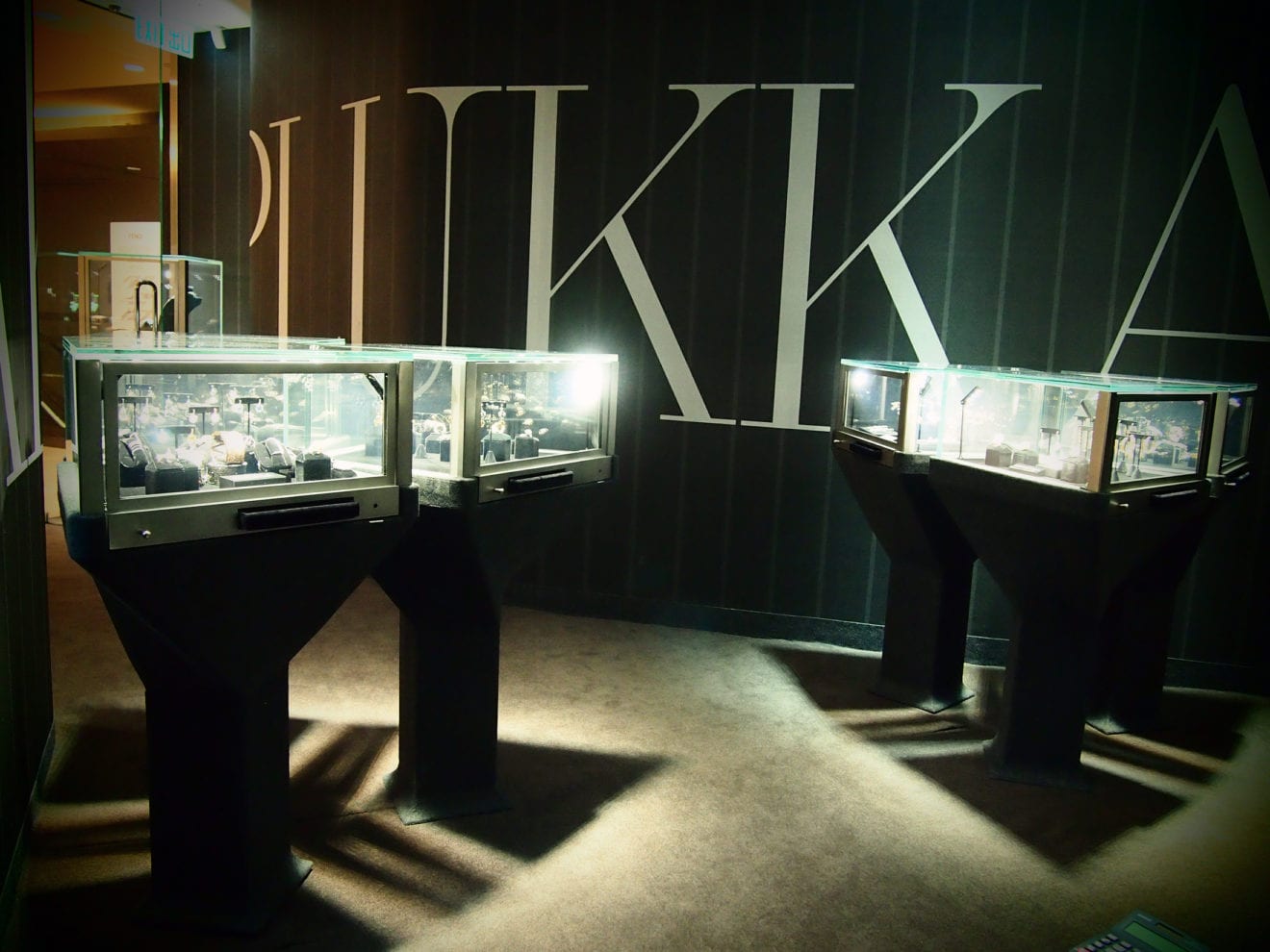
    While the brand has focused online for its first three years, it opened a single retail outlet in Hong Kong’s Landmark Atrium earlier this year.

    “There is no substitute for a woman to be able to see and touch fine jewelry in person,” Ooi said in a recent interview with CNBC. “[We found that] offline transaction values are much higher than online purchases.”

    Unlike many Hong Kong based design and retail businesses, it is targeting expansion in the west, rather than Mainland China.

    “[Expanding into the United States] is the most economically efficient mode of branding and marketing a global luxury brand,” Ooi told CNBC.

    “Branding among fashion opinion leaders in the United States confers a level of credibility and authority, which is difficult to achieve by just marketing in the Asian market.”

    Pukka’s jewellery does not come cheap. Its most affordable line is $300 and its most expensive circa $150,000.

    The Australian IPO is fully underwritten by advisers KTM Capital.

  • Hong Kong Retail Sales Growth Slows More Than Expected In July

    Hong Kong’s retail sales growth eased at a faster-than-expected pace in July, preliminary figures from the Census and Statistics Department showed Monday.

    The retail sales volume rose 1.9 percent year-over-year in July, much slower than previous month’s 4.3 percent climb, revised from the 4.4 percent gain reported earlier.

    Economists had expected a 2.8 percent increase for the month. Sales have been rising since February.

    Meanwhile, in value terms, retail sales declined 2.8 percent annually in July, exceeding economists’ expectations for a 1.3 percent drop. In June, sales had fallen 0.4 percent.

    On a seasonally adjusted basis, the value of total retail sales decreased by 1.4 percent in the three months ended July compared with the previous three-month period and the volume of retail sales also fell by 0.9 percent.

    The value of sales of jewellery, watches and clocks, and valuable gifts decreased by 5.0 percent in July from a year ago, while sales of commodities in supermarkets grew by 0.4 percent.

    “Retail sales growth in volume terms moderated in July, partly dragged by the further slowdown in inbound tourism and partly also due to the impact of stock market correction on consumer sentiment,” a government spokesman said.

    “The near-term performance of retail sales will continue to hinge on inbound tourism growth and on whether there would be any negative spillover from the increased stock market volatility of late.”

    “The Government will monitor closely how the rapidly changing external environment may affect the retail business going forward.”


  • Coach to exit landmark location in Hong Kong

    Coach to exit landmark location in Hong Kong

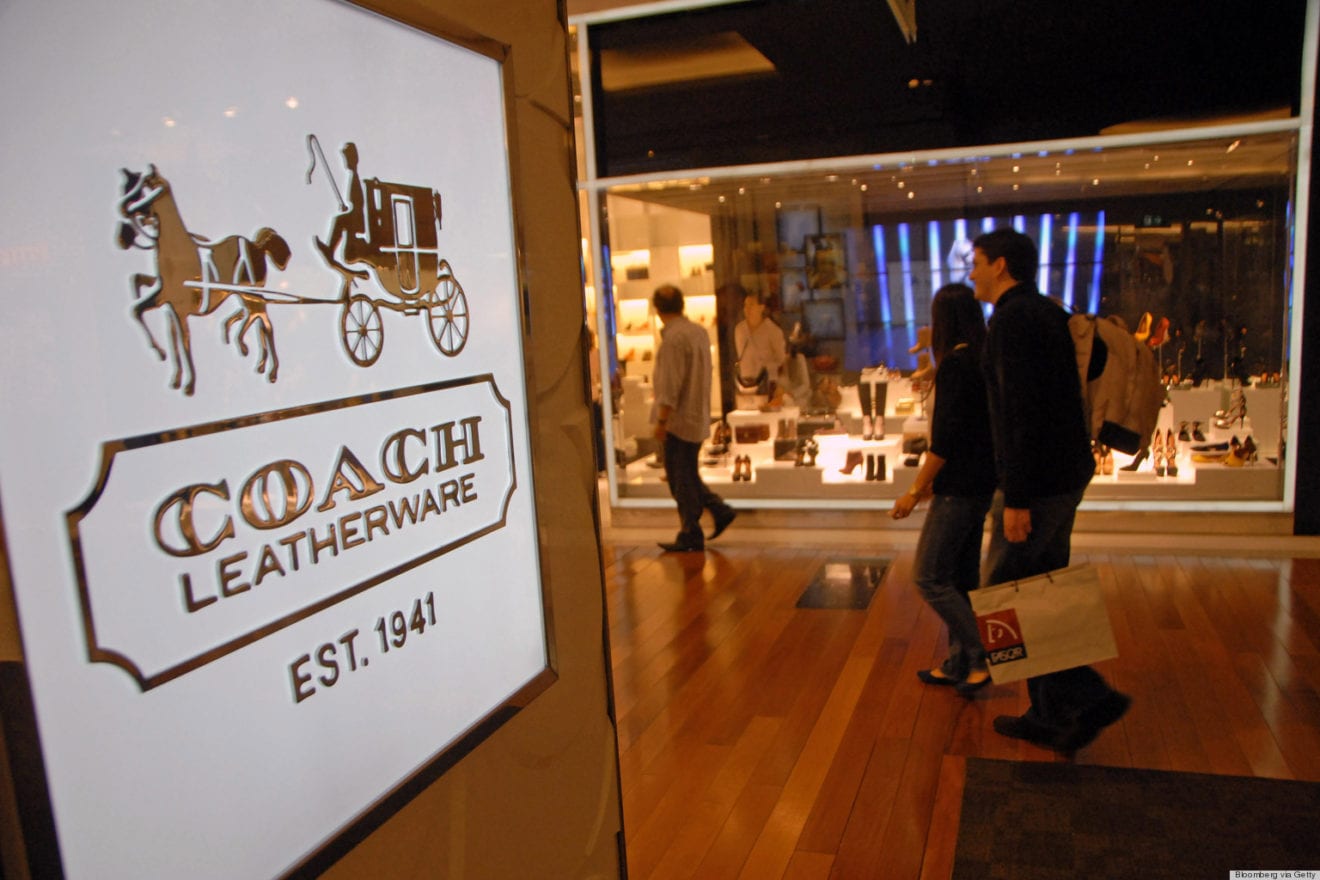
    Leather goods maker Coach Inc. is shutting one of its three flagship locations in Hong Kong, the latest retailer to be hit by the drop in the number of mainland Chinese visitors to the city amid a slowing economy and weaker yuan.

    The store towers above Queen’s Road Central in the central business district of a city where high rents and labour costs, as well as slowing sales, have hit other retailers.

    Coach said the store would close on August 31 but said it remained committed to the Hong Kong and China markets. Earlier this month, Coach said its mainland China sales grew 9 per cent year-on-year to $595 million in fiscal 2015, but growth in Hong Kong and Macau was slower.

    “Sales growth in China was driven entirely by the mainland, as Hong Kong and Macau continued to experience traffic declines from a decrease in PRC (People’s Republic of China) tourists,” Chief Executive Victor Luis said.

    For this fiscal year, China sales growth is forecast to slow to about 5 per cent, the company said. Chinese tourists have been the main customers of Hong Kong’s luxury retailers, but the slowing economic growth and the recent devaluation of the yuan have dented their once voracious appetite for goods ranging from cosmetics to luxury watches.

    Tighter visa rules and a flare up of anti-Chinese sentiment in Hong Kong have also contributed to the decline in mainland visitors. Hong Kong’s retail sales fell for the fourth straight month in June.

  • America’s bebe stores to enter Greater China

    America’s bebe stores to enter Greater China

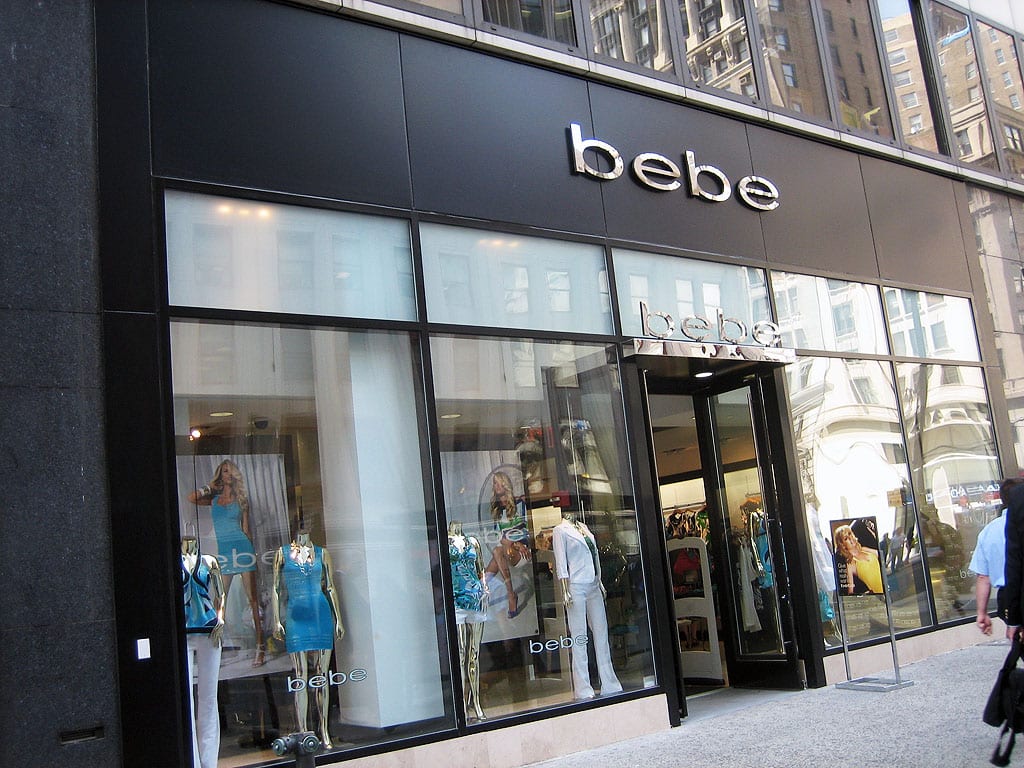
    US-based global specialty retailer of contemporary women’s apparel and accessories – bebe stores, inc. has announced that it has signed a strategic cooperation agreement with Longgoal LLC, a leading Shanghai-based agency of international high-end brands.

    In a press statement, it said the agreement includes a five-year exclusive license to open between 60 and 150 retail and wholesale bebe points of distribution in Greater China, Hong Kong, Macau and Taiwan. The first boutique is expected to open in the summer of 2016.

    “As we continue to expand our international footprint, our entrance into Greater China is a significant opportunity to accelerate that growth and reinforce bebe as a global lifestyle brand for women. We look forward to working closely with the Longgoal team, who have a proven track record of success and operational experience in introducing high profile retail brands to this key market,” said Jim Wiggett, CEO of bebe stores, inc.

    As a part of the agreement, Longgoal will open a minimum of 60 points of sale in Mainland China, including free standing boutiques and bebe shop-in-shops and identify third party retailers in certain provinces of China to sublicense the brand for retail operations. Longgoal is currently identifying potential locations in Shanghai and Beijing, including flagship boutiques. After the five-year exclusive term, Longgoal retains an option for an additional 10 year partnership with bebe based on performance.

    “bebe is truly an iconic affordable luxury brand and one that we are honored to have the opportunity to introduce to women across Greater China in a variety of ways. As style and design are among the top priorities for sophisticated woman in China, we are confident that bebe’s bold design and contemporary fashion will appeal to the ever-changing lifestyle of the confident and sexy modern Chinese woman,” said Madam Celine Chen, Chairwoman of Longgoal LLC.

    bebe plans to locally design and develop up to 30 per cent of the product for China to create trendy fashion styles to reflect the local fashion and suit the bebe woman’s lifestyle in China. In addition, the company anticipates expanding further into licensing agreements for handbags, shoes and intimates in the initial partnership phase.

    bebe complements Longgoal’s current portfolio of retail brands, including GANT, the original American Sportswear brand launched in China nearly a decade ago, and Thomas Pink, the luxury British shirt brand under the LVMH Group.

  • Tim Ho Wan Bangkok opens

    Tim Ho Wan Bangkok opens

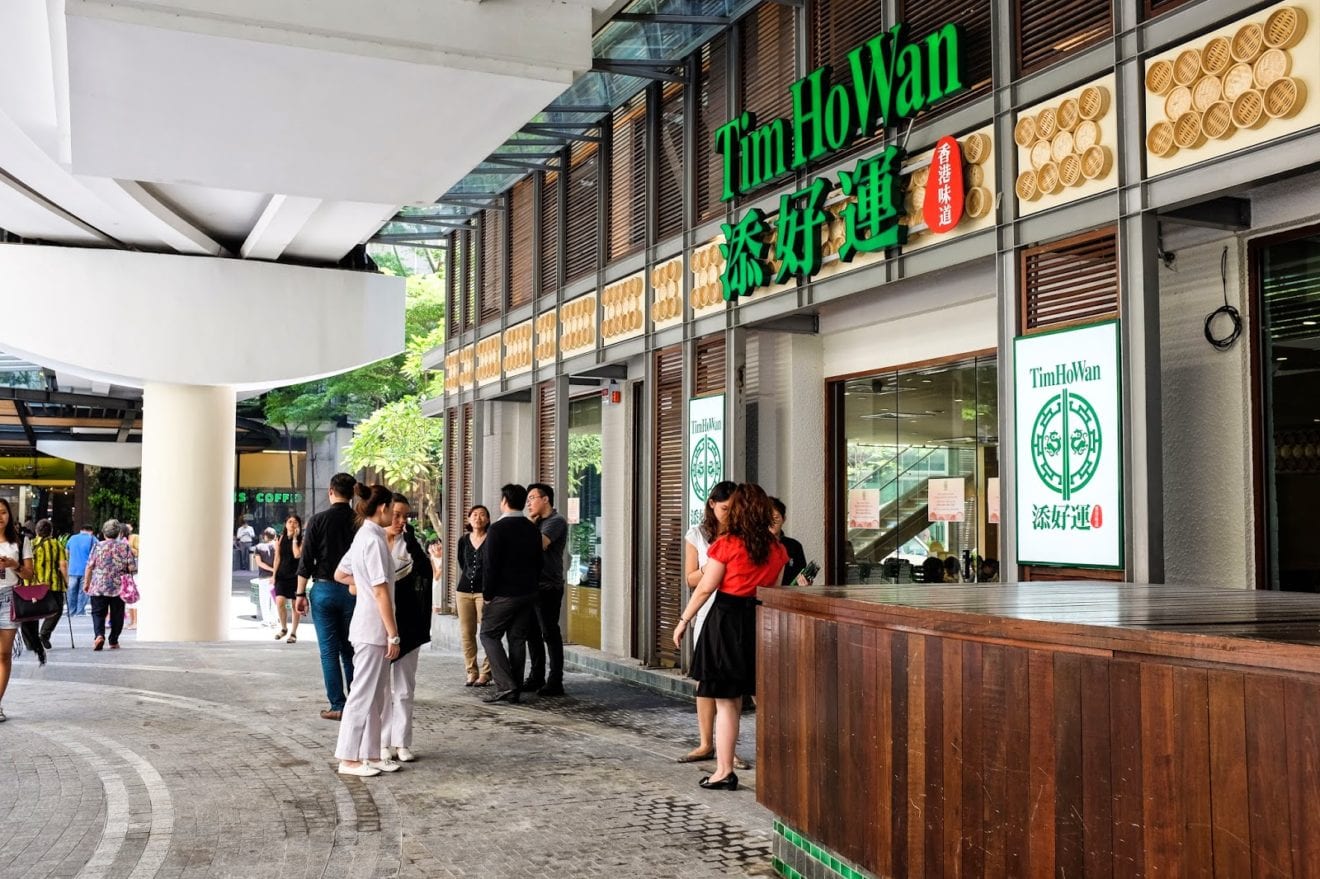
    Famous Hong Kong dim sum restaurant Tim Ho Wan has opened its first Thailand eatery – in downtown Bangkok.

    Tim Ho Wan Bangkok is located in the Terminal 21 shopping centre at Asoke. When it opened its doors this week it drew queues of hundreds of people eager to try the famous dim sum creations of founder Chef Mak.

    Affectionately referred to as “the world’s cheapest Michelin-starred restaurant”, Tim Ho Wan Bangkok is offering meals it says are even cheaper than at its original branch.

    The restaurant features a menu of 25 dim sum dishes, including the four most popular: baked bun with barbecue pork, pan fried radish cake, fluffy steamed egg cake and vermicelli roll with pig’s liver – all priced between 80 and 120 baht ($2.20 and $3.35).

    Chef Mak opened the first Tim Ho Wan in Mongkok in 2009, a small eatery with just 30 seats located in a virtual back alley. It was later awarded a one star Michelin rating.

    He launched the venture after turning his back on a career with a three star fine dining restaurant at the Four Seasons Hotel in Hong Kong called Lung King Heen.

  • K11 mall founder to build 17 more centres

    K11 mall founder to build 17 more centres

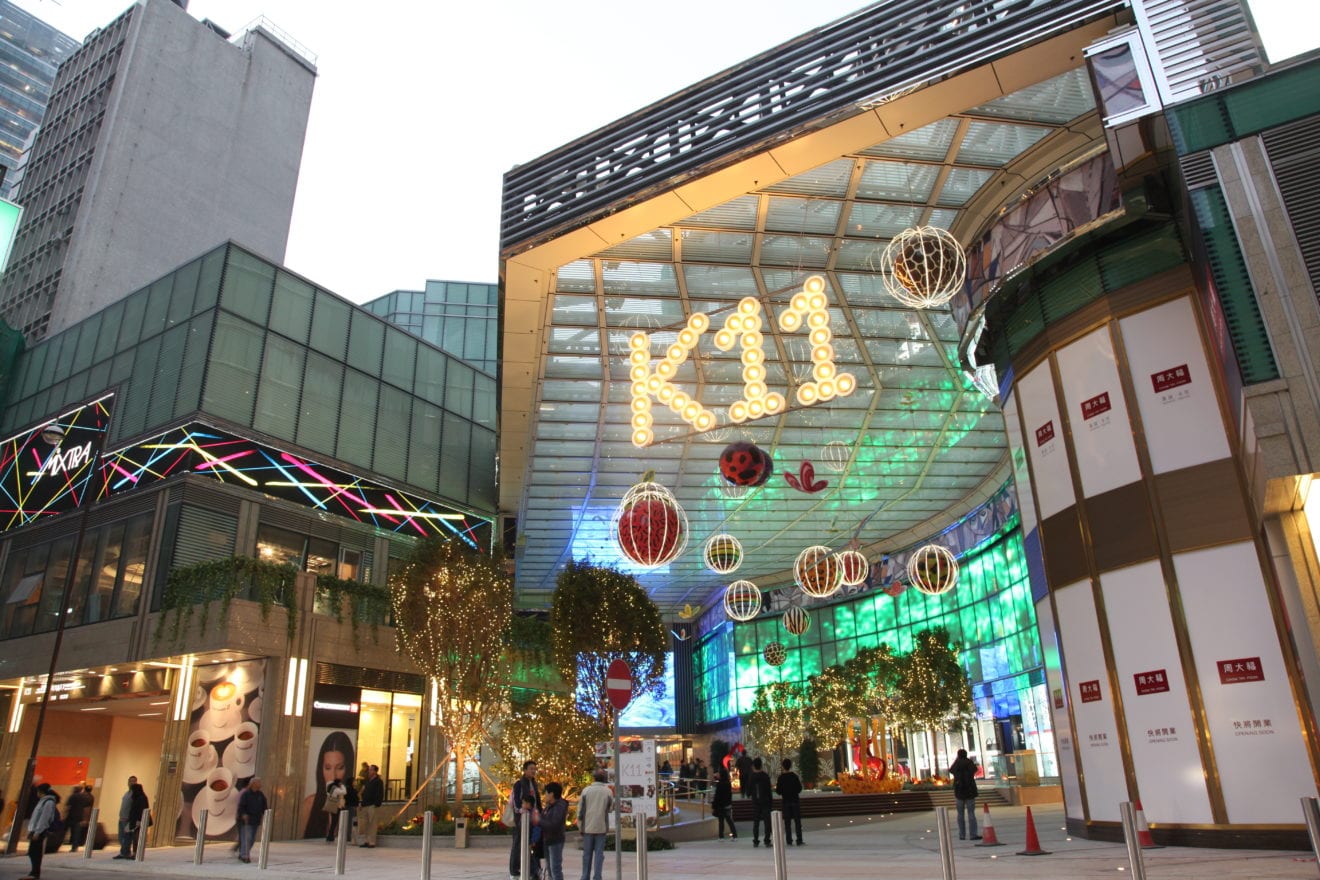
    The founder of the K11 mall concept which debuted in Hong Kong and then was replicated in Shanghai is now planning 17 more centres in Mainland China.

    Chinese billionaire Adrian Cheng founded the nonprofit K11 Art Foundation in 2010,  and subsequently opened the K11 shopping centre in the heart of Kowloon, atop the Tsim Sha Tsui railway station.

    Like its successor in Shanghai, the K11 mall features frequently-changing art installations and exhibitions, merging art gallery with a retail and dining space. Works by artists including Olafur Eliasson, Damien Hirst and Yoshitomo Nara can be found in the malls.

    A spokesman for Cheng’s business New World Development Company says the grand plan is to have 19 K11 spaces – mostly retail centres but also offices.

    Cheng is ranked among the world’s top 20 billionaires aged under 35 with an estimated worth of US$1.4 billion.

  • Johnny Rockets to focus on Southeast Asia

    Johnny Rockets to focus on Southeast Asia

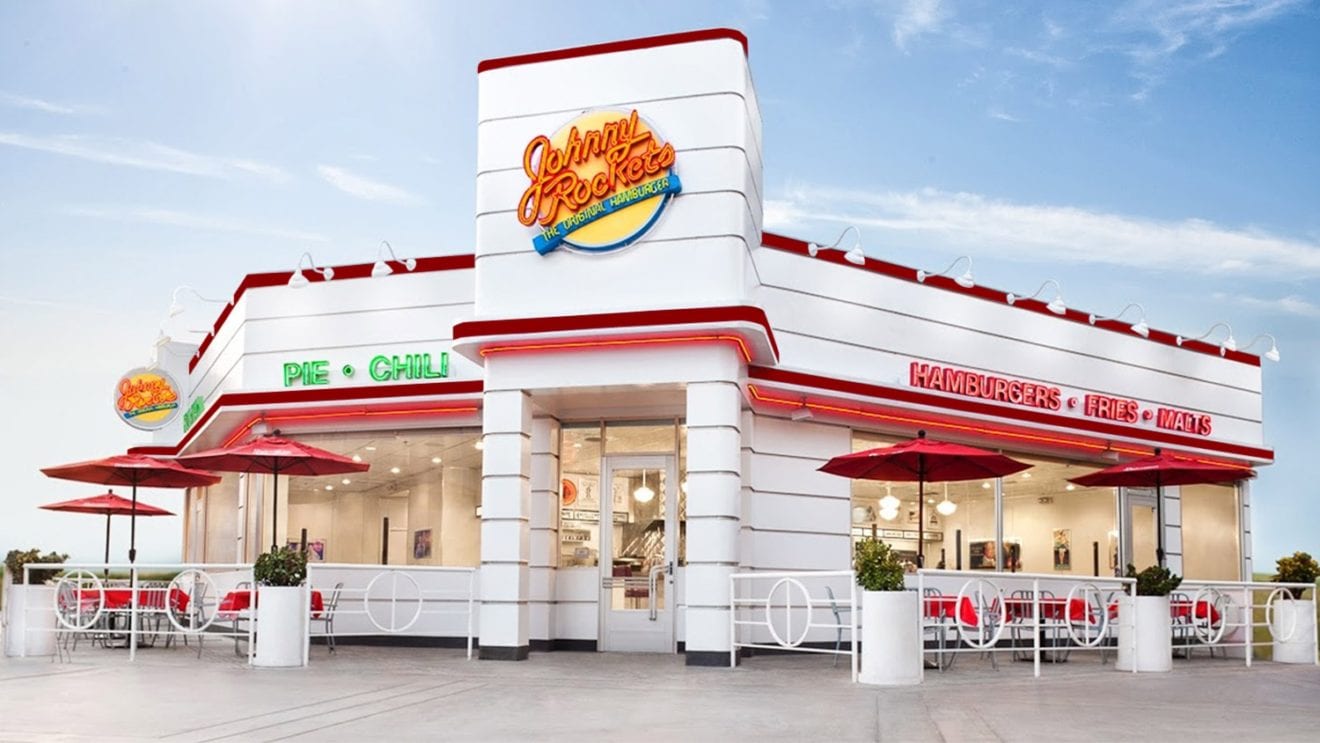
    US burger chain Johnny Rockets says Southeast Asia – particularly Vietnam and Thailand – will be the focus of its global expansion in the short term.

    Based on Johnny Rockets’ “all-ages appeal and current success in the region” the company is seeking area developers for expansion into both new markets.

    “The popularity of American culture and cuisine in Southeast Asian countries is the driving force behind our current success and growth in these markets,” said James Walker, president of operations and development with Johnny Rockets.

    “Due to Thailand’s and Vietnam’s customer base and proximity to other Southeast Asian countries where we operate, we see huge potential for the brand in those countries, and we are actively seeking franchise partners looking for development opportunities.”

    In addition to its Southeast Asia strategy, Johnny Rockets is also seek a partner in entering Hong Kong. Earlier this year, Johnny Rockets announced a 100-restaurant agreement in mainland China, the largest expansion in the company’s history.

    Walker says Southeast Asian consumers have “enthusiastically embraced” American restaurant franchises for years, and that has proven true for Johnny Rockets. The brand currently operates in Indonesia, the Philippines and Malaysia through 14 restaurants and has eight more in development.

    He says Johnny Rockets’ signature American menu, including cooked-to-order hamburgers, crispy fries, hand-spun shakes and sandwiches, coupled with its “Americana experience” appeals to Asians.

    “What we have found is that as the region’s middle class booms, that population segment is looking for and willing to spend more on premium burger concepts. They certainly find that with Johnny Rockets. They also discover and relish our experience and entertainment value.”

  • Roche Bobois to open in Hong Kong

    Roche Bobois to open in Hong Kong

    French luxury furniture retailer Roche Bobois is to open its first store in Hong Kong.

    The store will be the company’s eighth in Greater China and comes soon after the brand’s debut in the southern Chinese city of Chongqing.

    The new showroom will open in September in the ground floor of Horizon Plaza at 2 Lee Wing St.

    Roche Bobois works closely with renowned designers such as Ora Ito, Cédric Ragot, Sacha Lakic, Christophe Delcourt and Stephen Burks and with Haute Couture fashion houses such as Jean Paul Gaultier, Sonia Rykiel Maison and Missoni Home.

    It offers a broad range of exclusive made-to-order designs, manufactured with a high level of customisation in small European workshops. Its collection includes premium-quality furniture, including sofas, armchairs, cocktail tables, dining chairs, sideboards, beds, wardrobes, storage and accessories including lighting, cushions and rugs.

    The company has 250 showrooms worldwide.

    In Chongqing, Roche Bobois opened in the high-end furniture mall Redstar Macalline in the Yubei district, in the city’s northeast.

    In a taste of what Hongkongers can expect, the fit out features marble floors and a Paris skyline on the wall.

  • Hong Kong pop-up mall aims to ease tensions over mainland shoppers

    Hong Kong pop-up mall aims to ease tensions over mainland shoppers

    From London’s trendy Shoreditch to a downtown revitalisation project in Las Vegas, pop-up shopping malls have become all the rage among urbanites keen to sample craft beer and buy designer sneakers.

    But, in Hong Kong, plans for the first temporary mall are designed to assuage popular anger with visiting shoppers from mainland China — derided by locals as “locusts” — rather than cater to the whims of hipsters.

    As political tensions between Hong Kong and Beijing have risen, the semi-autonomous Chinese territory has seen a growing backlash against the thousands of “parallel traders” who come from the mainland every day in search of cheap baby milk, jewellery and other goods they can sell back home for a profit.

    Now two of Hong Kong’s biggest property developers have teamed up with lawmakers to turn a car park near the Chinese border into a mall made out of shipping containers that is meant to serve mainland visitors attracted by the city’s low-tax shopping.

    Wong Ting-kwong, one of the legislative council members promoting the project, said it would “reduce the nuisance brought by excessive mainland tourists and relieve the traffic inside the city”.

    Mr Wong is a member of the main pro-Beijing political party in Hong Kong, which has frequently come under attack for failing to defend residents’ interests in the face of pressure from the central government in China.

    He hopes that the mall, which will be about the size of two football pitches, according to a recently submitted planning application, will open for business early next year.

    The land for the pop-up mall is jointly owned by Henderson Land and Sun Hung Kai Properties, which are controlled respectively by Hong Kong billionaires Lee Shau-kee and the Kwok brothers.

    SHKP said that if the plan was approved by the government, they would lease the land for a nominal HK$1 ($0.13) per square metre to a charitable foundation, which would run the pop-up mall on a non-profit basis for two years.

    After that period, the developers expect to remove the shipping containers and start construction of a permanent mall on the same site.

    The initiative has succeeded in grabbing the headlines in Hong Kong, but those who have organised protests against mainland shoppers are far from convinced it will solve their problem.

    Ray Wong, a member of HK Indigenous, a group that campaigns against mainland Chinese influence in Hong Kong, said that while the pop-up mall could alleviate some pressures, it could also disturb local residents if it generated too much traffic.

    “I think the root of the problem is that mainlanders don’t trust Chinese goods so they have to turn to Hong Kong for guaranteed quality,” he said.

  • Chinese shoppers feel safer online

    Consumers across Southeast Asia and Greater China feel safer paying in a brick and mortar environment as opposed to online; sole exception is China

    According to the inaugural MasterCard Safety and Security Index, consumers across Southeast Asia and Greater China cited identity theft and ATM-related fraud as the top two security concerns when it comes to electronic payments.

    Some 42 per cent of consumers in Southeast Asia (Indonesia, Malaysia, Philippines, Singapore Thailand, and Vietnam) were most concerned with ATM-related fraud such as a stolen card, card cloning or skimming. In the Greater China markets (China, Hong Kong and Taiwan), this figure was 31 per cent.

    But the biggest surprise was in confidence in shopping online. The Index showed that in general, consumers across Southeast Asia, and the markets of Taiwan and Hong Kong still feel safer paying in a bricks and mortar environment than buying online. China differed, being the only market where consumers felt paying online was safer than in a physical store; even more so than in Singapore.

    Almost every consumer polled in the Greater China markets had made an online payment in the past year. Consumers in China (62 per cent) particularly favored the use of digital wallets in online electronic payments over those in Hong Kong (14 per cent) and Taiwan (29 per cent).

    Consumers across Southeast Asia (35 per cent) and Greater China (32 per cent) were almost as equally concerned about identity theft in relation to data breaches. This includes personal data such as bank details, personal IDs, addresses, and signatures that are stolen or compromised through websites. In both regions however, it appears that these concerns do not directly stem from consumers’ own personal experiences but rather, as a result of the perceived severity of fraud based on what was reported in the media.

    MasterCard chart1

    Meanwhile, the Index also reinforced that banks continue to play a critical role in ensuring payment safety and security for consumers in Southeast Asia. This is both, because of the high levels of trust consumers place in banks as well as the reliance that consumers have on banks to help them resolve issues that crop up in this area.  Banks are often the first line of defense and recourse for the affected consumer – nearly half of all consumers in Southeast Asia who experienced ATM fraud first approached their card-issuing banks for advice.

    “The fact that most cardholders have a primary relationship with their banks, has an obvious and deep-rooted correlation to their sentiment, around who they trust most when it comes to ensuring the safety and security of electronic payments,” said Ari Sarker, oo-president, Asia/Pacific, with MasterCard.

    “This was emphatically reflected in the feedback from all the markets in Southeast Asia and Greater China. However, in Singapore in particular, in addition to banks, consumers also placed significant trust in the government, which is a natural outcome given the country’s strong regulatory environment and overall reputation around safety and security.”

    None of the respondents surveyed in Southeast Asia placed any trust in local websites, suggesting that there is still a lot of work to be done by local eCommerce merchants to ensure that they meet global security standards for payments and build consumer confidence on this front.

    In Greater China, aside from banks and governments, merchants were also seen to have a growing responsibility in ensuring payment safety and security, with 28 per cent of consumers in these markets going to merchants as their first recourse in seeking resolution for payment safety and security issues. Furthermore, merchants in these markets were instrumental in solving 40 per cent of all online electronic payment disputes.

    These and other key findings of the MasterCard Safety and Security Index will be discussed at the MasterCard Global Risk Leadership conference in Singapore on August 26 – 27. The 20th edition of this conference will gather global payment risk leaders to share best practices in fighting fraud together, as an industry. The conference demonstrates MasterCard’s commitment in helping partners and customers fight fraud using the latest tools, processes, and technologies so there is no one weak link in the payments ecosystem.

    The survey was carried out across in six markets in Southeast Asia (Indonesia, Malaysia, Philippines, Singapore, Thailand, and Vietnam) as well as three markets in Greater China (China, Hong Kong, and Taiwan). A total of 6600 consumers and 100 merchants were polled online and face-to-face between January and May 2015 on questions relating to the payments security landscape, payments in brick and mortar and online, safety and security payment concerns and experience with payment fraud, among others.
  • RedMart Singapore raises $26.7m

    RedMart Singapore raises $26.7m

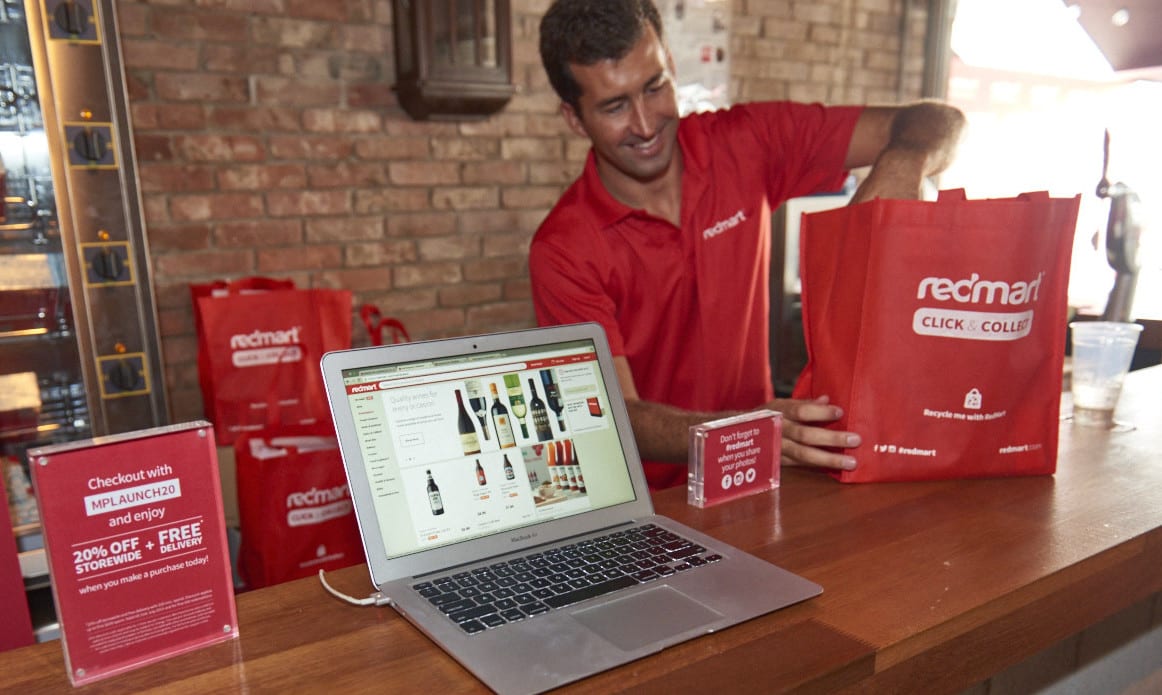
    Singapore online grocer RedMart has raised more capital and appointed a former Amazon executive to drive regional expansion.

    RedMart Singapore has previously indicated an interest in expanding into Vietnam, Thailand, Manila, Hong Kong, Indonesia, Malaysia and Taiwan – but it has not disclosed which markets it sees as a priority with its newly secured funds.

    RedMart has secured US$26.7 million in a round of funding tapping existing shareholders Garena, Softbank Ventures Korea, Visionnaire Ventures and Facebook co-founder Eduardo Saverin. It has also attracted a new investor – Far East Ventures, part of Singapore property developer Far East Organization which is diversifying its investment portfolio eyeing startups and tech ventures.

    The funds will be used to expand into regional markets outside Singapore, a move to be led by new recruit Colin Bryar, a former VP of US eCommerce giant Amazon.

    RedMart Singapore increased sales to US$9.43 million in 2014, but massive investment in infrastructure saw its losses balloon to $29.4 million – a not uncommon scenario of eCommerce startups.

    Bryan will oversee engineering, marketing and operations, taken over from co-founder Vikram Rupani, who takes on the title of President of RedMart.

  • Telent to open Malaysia stores

    Telent to open Malaysia stores

    Chinese outdoor apparel brand Telent says it plans to set up retail points of sale in Malaysia as a first step in a broader Southeast Asian push.

    Telent specialises in the design, manufacture, marketing, brand management and distribution of branded outdoor apparel, footwear and equipment. It is China’s second largest outdoor wear brand measured by retail sales value.

    Telent is undertaking an IPO in Malaysia, issuing 103.39 million new shares at ten US cents each.

    The first new store will open in Kuala Lumpur with other Southeast Asian stores will follow as early as the third quarter of this year, in part funded with the funds raised in the IPO

    Telent Group executive director Hui Tang Tat says the product sales mix percentage in outdoor apparel and outdoor footwear respectively posted 43.8 per cent and 49.5 per cent sales growth last year, while equipment products grew by a more modest 6.7 per cent.

    As of October, Telent had 817 retail points of sale and 23 network distributors across China.

    “The Malaysian market is competitive and building our presence there will offer us a platform and opportunity to expand in this region,” Hui said during a media conference.

    “Perhaps in the next five to 10 years, we can go down the road to tap other Asian markets as we want our brand to be globally recognised,” he said.

  • London retailers revel in Chinese influx

    London retailers revel in Chinese influx

    Hong Kong retailers wondering where those cashed up, big spending Mainland Chinese tourists have been unzipping their wallets… here is your answer: London.

    According to the Retail Gazette, spending by Chinese Visa card holders rose 44.5 per cent in the UK in July – outstripping spending by tourists from France and Australia.

    Inbound tourists from China now account for more spending than those from any country except the US which retains top spot.

    Retail Gazette reports the growth in Chinese spending was strongest in supermarkets (up 79 per cent) and in high street stores (up 40 per cent).

    Shopping accounted for 40 per cent of Chinese tourists’ spending in the UK

    “China is one of the fastest growing sources of tourism income for the UK and it looks set to become an important driver of growth for the sector,” said Kevin Jenkins, UK & Ireland MD with Visa Europe.

    “Spending on cards has seen a significant boost as Chinese tourists travel to the UK, confident in the use of plastic overseas.

    “With shopping a top attraction for Chinese travellers, UK retailers are likely to consider additional ways to appeal specifically to this audience,” Jenkins said.

    “Pre-travel marketing, multilingual staff and new product lines in store may be three things we see more of.”

  • Global Brands in talks with Alibaba, JD.com

    Global Brands in talks with Alibaba, JD.com

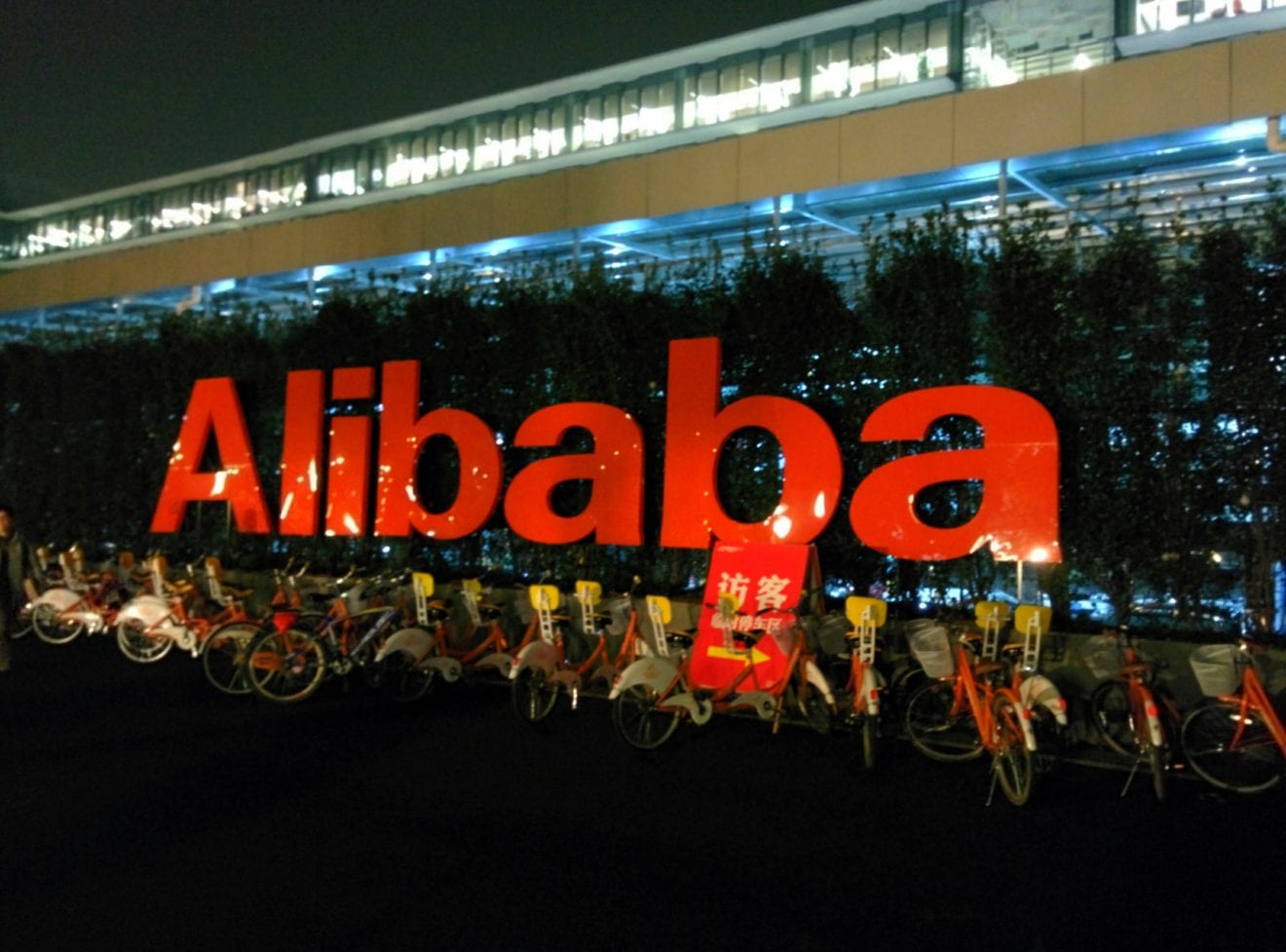
    Global Brands Group is discussing a possible “strategic alliance” with Chinese eCommerce companies Alibaba and JD.com.

    The two e-tailers are declining to comment on the matter, but based on comments by Global Brands CEO Bruce Rockowitz, Bloomberg reports the alliance “could involve online sales of brand-name children’s wear, among other products, through Alibaba’s Tmall and JD.com, and co-operation offline”.

    Rockowitz said a formal announcement is likely later this year.

    “We are working with JD and Alibaba on a strategic alliance, joint venture,” he said. “It’s a relationship or joint venture together that can create a solution online, offline and mobile that none of us can do by ourselves.

    “Both of them want to do something. They don’t have the content, just platforms, but they want to go to the next level.”

    The comments came in the wake of Global Brands’ first full year results announcement earlier this week when it reported stronger margins as it continues to shed non-performing brands in favour of higher end products.

    Last December, Global Brands announced a joint venture with David Beckham and his business partner Simon Fuller. The joint venture, Seven Global, focuses on the continued development of the brand around David Beckham as well as on creating large scale brands in partnership with a select number of high‐profile sports and entertainment icons. The venture will cover all major consumer product categories.

  • The Lanesborough Reopens After 18-Month Renovation

    The Lanesborough Reopens After 18-Month Renovation

    The Lanesborough, the latest masterpiece hotel of Oetker Collection, has opened its doors following an extensive 18-month renovation project by late interior designer Alberto Pinto. Located just moments from Knightsbridge, Buckingham Palace and Hyde Park, The Lanesborough is London’s finest residence and one of the city’s most iconic hotels. The new hotel emulates the style and impeccable service of its French sister Le Bristol while staying true to the hotel’s strong British roots.

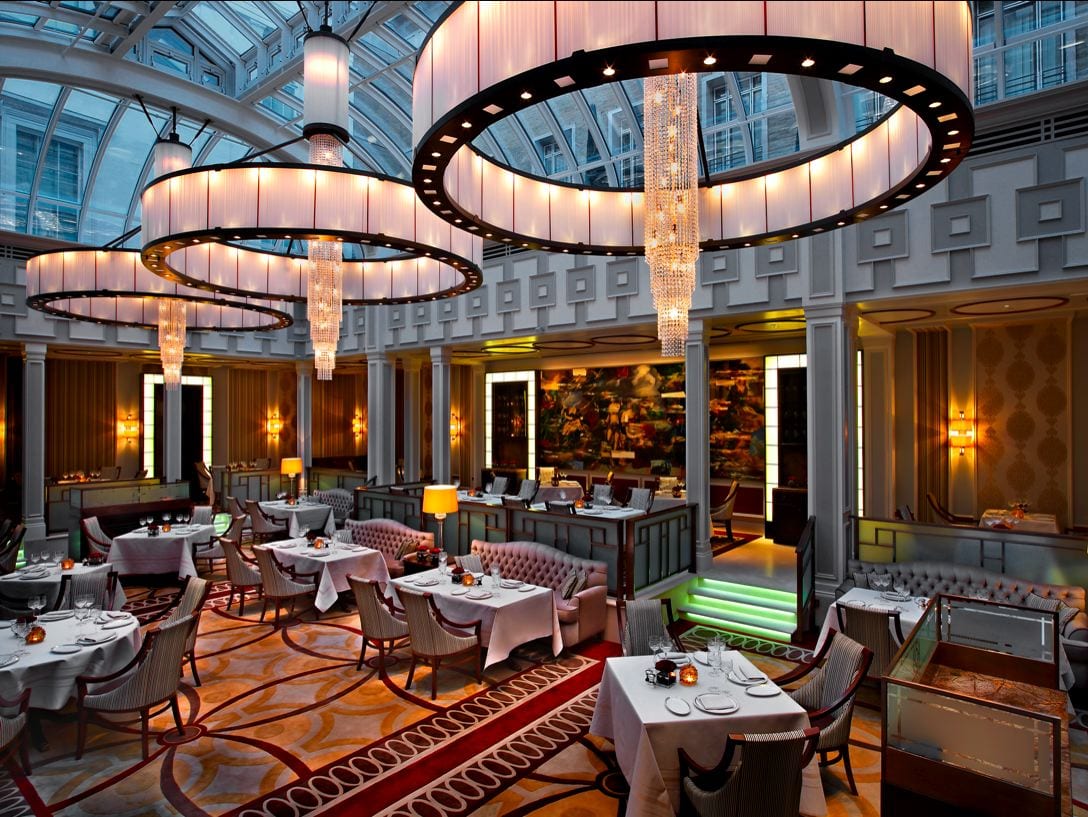
    Having closed its doors on 20th December 2013, the Grade II* listed building was taken back to its shell and has been totally transformed by Cabinet Alberto Pinto. The renovation honours the building’s architectural heritage as one of London’s most revered Regency landmarks. The hotel comprises 93 rooms and suites including The Royal Suite, which extends to seven bedrooms. Executive Chef Florian Favario oversees The Lanesborough’s new restaurant, Céleste, hailing a new culinary era for the hotel. Strengthening the relationship with Le Bristol, Favario is the former Head Chef of Le Bristol’s three-Michelin starred restaurant Epicure and the protégé of Chef Patron Eric Frechon who will oversee the menu. French inspired, the cuisine is modern and imaginative, using only the best of British ingredients. Daily afternoon tea is a traditionally British affair, with a Tea Sommelier on hand to guide guests through an extensive tea menu.

    To add to the extensive services offered to all guests, 23 private butlers are on call day and night to care for the individual needs of every guest, while a fleet of 14 luxury cars including a Rolls-Royce Phantom can chauffeur residents around London in impeccable style. Each one of The Lanesborough’s seven new private dining rooms possesses a character and atmosphere of its own – from the intimate feel of The Wine Cellar to the palatial setting of The Belgravia.

    With a sizable collection of Cuban and pre-Castro cigars as well as rare Cognacs dating back to 1770, The Garden Room is the ideal setting for a night of relaxed sophistication. With a celebrated walk-in humidor and knowledgeable team, this garden terrace is a favourite amongst cigar connoisseurs. For cocktails, The Library Bar offers a touch of grandeur in a warm and welcoming setting. A live pianist plays each night from 6-9pm creating an intimate, club-like atmosphere.

    A team of artisans using age-old techniques, often used in decorating Palaces, were entrusted to deliver a distinctive form of luxury, befitting for The Lanesborough. The craftsmen were all specialists in their fields and include embroiderers, crystal specialists, cabinetmakers, bronzers, lacquerers, gilders, mirror specialists, and makers of decorative trimmings. Over 300 people were involved in the day-to-day transformation of the hotel’s 93 rooms, allowing for exceptional time and care to be taken into each detail. Everything is handcrafted to perfection, with over 2,000 hours of stenciling in the public areas of the hotel as well as 5,500 original stencils showcased throughout guest rooms and within The Library Bar.

    Particular focus has been paid to the ceilings through restoring original detailing such as ceiling roses, coffering, cornicing and fresco painting. Award-winning British artisans in plaster produced a unique plasterwork design for each room upon Cabinet Alberto Pinto’s request and control. 2,100 books of 23 ¼ carat gold leaf were used to elaborately dress the ceilings of public areas and guest rooms, reimagining the Regency period and reflecting the heritage of the building. The majority of suppliers used for the renovation are British with over 95% made bespoke for The Lanesborough. Every trimming and finishing is made to measure, before going through specialist procedures to meet hotel safety standards.

    The Royal Suite has been reinstated as The Lanesborough’s largest suite, extending across 4,485 square feet, with seven bedrooms and bathrooms, two living rooms and a dining room exuding exquisite taste, impeccable British craftsmanship and attention to period detail. The Lanesborough Suite carries every hallmark of its distinguished designer, with four bedrooms and five bathrooms, two living rooms and a dining room as well as a kitchen and private entrance for the butler.

    Cabinet Alberto Pinto imagined guest rooms being grouped into five design schemes, reflecting the Regency period, with each group consisting of three rich jewel colour ways to create warmth, harmony and comfort. 14 different types of bed canopies hang within the rooms, with over 3 million hand stitches and bespoke tailoring using the highest quality fabrics. Each marble block for the new bathrooms was individually chosen and acute attention was given to ensure that each slab was perfectly book matched. World-renowned British perfumer Roja Dove has created bespoke fragrances and bathroom amenities for every guest room.

    The Lanesborough is recognised as a building of special architectural and historic interest with a Grade II* listed status.  ReardonSmith acted as Lead Design Consultant and Architect with responsibility for coordinating the renovation of the hotel in close collaboration with the interior designer, Cabinet Alberto Pinto.