Tag: Hong Kong

  • Bossini strong in retail storm

    Bossini strong in retail storm

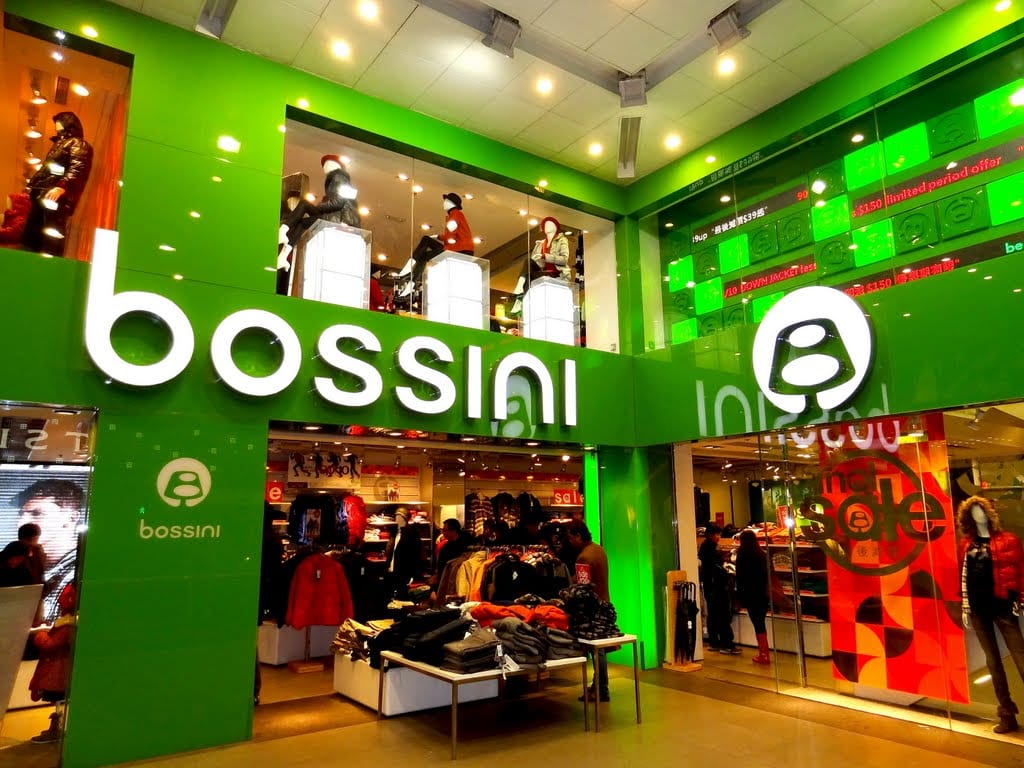
    Apparel retailer Bossini has weathered Hong Kong’s retail downturn by achieving strong growth offshore.

    The Hong Kong based company has revealed its annual results in the year to June 30, reporting a mere one per cent decline in sales to HK$2.523 billion, and a three per cent decline in gross profit to HK$1.264 billion with gross margin down one per cent to 50 per cent. profit attributable to shareholders fell nine per cent.

    “During the fiscal year 2014/15, despite facing challenging retail conditions in Hong Kong and Macau, its segmental business, which includes the export franchising operations, registered record-high sales with flat same-store sales growth for the directly managed stores,” the company said.

    “The operations in mainland China, Taiwan and Singapore all experienced improvements in segment results, resulting from the continuously improving shop productivity and stringent cost control measures. Mainland China segment achieved six per cent same-store sales growth and also recorded nine consecutive quarters of positive same-store gross profit growth. Taiwan segment saw a same-store sales growth of seven per cent, representing seven consecutive quarters of positive same-store sales growth.”

    Bossini ended the year with a presence in 35 countries and regions and a store count of 938 (down 24). Of those, 257 were directly managed stores and 681 were franchised.

    One factor in the group’s improved operational efficiency was a small reduction in inventory turnover timetable from 84 days to 83.

    Looking forward, CEO Edmund Mak said the group will benefit from lower production cost if US dollar remains strong versus Renminbi.

    “Besides, it is estimated that rents will fall in certain areas in Hong Kong as retailers are generally suffering from sales downturn, which could help partially offset the group’s ongoing difficulties. The group will be proactive in taking stringent measures to control costs, including rental costs, and continue to improve shop productivity. The group aims to remain flexible and responsive to changing market conditions.”

    Mak said Bossini sees grounds for “considerable optimism” in its overseas operations.

    “Therefore, we will focus more on expanding operations outside Hong Kong and Macau, in order to achieve a more balanced portfolio. Furthermore, we will continue to expand kids’ line, particularly in Mainland China, while launch co-branded and licensing programmes of clothing and accessories via partnerships that reinforce the core brand value ‘be happy’, striving to build “bossini”’s reputation as a vibrant, valued and competitive go-to brand.”

  • Smiggle speeds Asian expansion

    Smiggle speeds Asian expansion

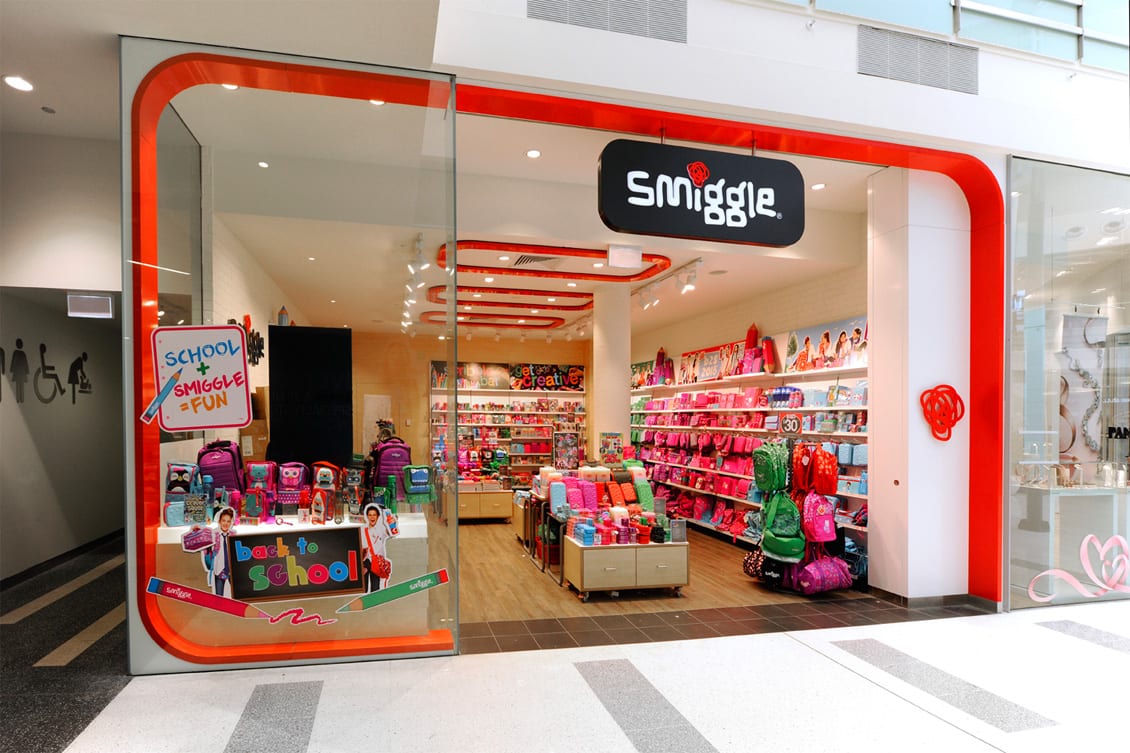
    Smiggle, the trendy, stationery retail concept from Australia, is to open stores in Hong Kong and Malaysia within 14 months.

    Smiggle – popular with students and people seeking gifts – has proven an enormous success in Singapore for its parent, Melbourne-based Premier Investments. During the announcement of the company’s trading results yesterday (read about Premier’s year here) founder and chairman Solomon Lew outlined plans to expand into Hong Kong, Malaysia, Wales and Scotland over the next 14 months.

    Based on trading figures from the company’s Singapore store network, Lew said management expected Hong Kong and Malaysia to support 50 stores within five years.

    “I am pleased to announce the expansion of the Smiggle footprint in Asia through entry into two new markets, Malaysia and Hong Kong.”

    Smiggle’s worldwide sales rose 26 per cent. The company opened 24 stores in the UK during the last trading year and expects to have another 16 open before Christmas.

    Lew says both Smiggle and its sleepwear chain Peter Alexander performed beyond expectations in the year past.

    The company opened eight new Peter Alexander stores in the first half of the current year and plans as many as 15 more over the next two years in Australia and New Zealand.

  • Hong Kong retail ‘moves to the middle’

    Hong Kong retail ‘moves to the middle’

    Hong Kong retail is moving from its traditional luxury focus to the mid market and the demographics of shoppers change, according to a report from CBRE.

    Mid-market retail brands are set to overtake luxury brands  as the main driver of retail demand in the territory, according to the report, The Changing Retail Landscape: How to Survive the  Slowdown in Hong Kong?.

    The Hong Kong retail sector outperformed over the last decade with strong sales growth for high-end products. This generated an increase of 213 per cent in average rents from 2003 to 2014 for core street shops in Causeway Bay, Tsim Sha Tsui, Mong Kok and Central.

    “But the tailwind for luxury retailers has slowed since 2014 hindered by a range of factors including Chinese government’s anti-corruption measures, milder GDP growth in China, weakening Asian currencies and the loosening of policies on travel for mainland Chinese,.” says CBRE in a summary of the report.

    These are all unfavorable factors for Hong Kong’s tourism and retail sales. The total retail sales in Hong Kong from January to July 2015 edged down by 1.8 per cent year on year, while sales of watches and jewellery plunged 15 per cent in the first seven months of this year.

    “Despite the gloomy outlook  for the retail sector, opportunities are emerging for mid-market retailers.”

    “The retail sector is experiencing a structural change,” said Joe Lin, executive director, retail services, CBRE Hong Kong.

    “Over the past decade, high-street shop landlords have reaped the benefits of strong demand from luxury retailers and massive rental growth. Landlords must now be more realistic on rental negotiations, as luxury retailers are adjusting their leasing strategies to save costs, and more mid-range brands are looking to tap into prime locations at relatively affordable rental levels. This opens the door for mid-market brands to expand. In the last quarter, we saw prime street shops leased to mid-market brands following the lease expiry of the previous luxury goods retailers.”

    To cope with the slowdown, luxury retailers are consolidating their second-tier shops, which will increase space availability in the market. Some high-end fashion, cosmetics and watch and  jewellery retailers have either stopped renewing leases or surrendered spaces well ahead of  expiry. However, they will still strive to secure flagship premises in strategic locations with  prominent addresses and good visibility, which means a higher marketing value. They may also introduce secondary lines at accessible prices, targeting young consumers with a growing  demand for mid-market products.

    Consolidation by luxury retailers in Hong Kong implies that the tenant composition in some prominent retail locations will gradually change. Meanwhile, mid-range retailers previously not able to afford to lease a space in prime locations are now looking to take up vacant space  surrendered by luxury brands. Landlords are more willing to negotiate with tenants for more  affordable terms. While rents are generally falling, shops in the most strategic locations with  good footfall and visibility are not expected to run into high vacancy risks as long as landlords are prepared to be flexible in leasing terms.

    “The sales performance of luxury products is heavily reliant on the external factors mentioned,” said Marcos Chan, head of research, CBRE Hong Kong, Macau and Taiwan.

    “In contrast, the demand for mid-market goods from both tourists and local consumers is relatively steady.”

    CBRE foresees three trends in the next five years:

    • The main driver of demand for retail space are shifting from high-end consumer goods to mid-market brands;
    • Local demand will gradually regain a bigger share in total retail sales compared with tourist spending; and
    • Decentralised areas will provide a significant proportion of new retail space, offering more leasing options.

    “These trends suggest that retail market stakeholders, including  luxury and mid-market brands, and street shop and shopping mall landlords, will have to reconsider their business strategies,” said Chan.

    “Structural changes in the retail landscape will ultimately result in a more balanced and sustainable retail market in Hong Kong,” added Lin.

    “The tenant mix of both core areas and sub-markets will become more diverse, enabling both high-end and mid-market brands to offer a broader range of products to consumers. Domestic spending will get retailers’ attention and the mid-market sector will see healthy growth potential.

    “We would recommend mid-market retailers to continue to explore opportunities in emerging districts. This will ensure they obtain first-mover advantage. Meanwhile, street shop landlords should lower their rental expectations and consider leasing to mass-market brands to avoid long-term vacancy.”

    The lack of supply in the market is another reason for pushing retail rents to a high in past years. CBRE believes that supply in the next five years will ease some pressure on retailers on rental expense but new options in the core shopping districts will continue to remain limited.  The development of several new towns in more remote districts will result in substantial growth  in residential and working populations that will need to be served with by shopping facilities.

    CBRE estimates that in the next five years, 70 per cent of the new supply will be in non-core districts and 5.6 million sqft of retail space will be shopping arcades for residential estates.

    “This will provide opportunities for mid-range retailers to expand their store networks targeting the mid-to-high income households. Government statistics suggest that the catchment areas of these regional malls usually have an above-median household income.”

  • Grana opens first permanent store

    Grana opens first permanent store

    Online fashion startup Grana has opened its first permanent physical store as it tries a new way of ensuring clothes fit the customers who order them.

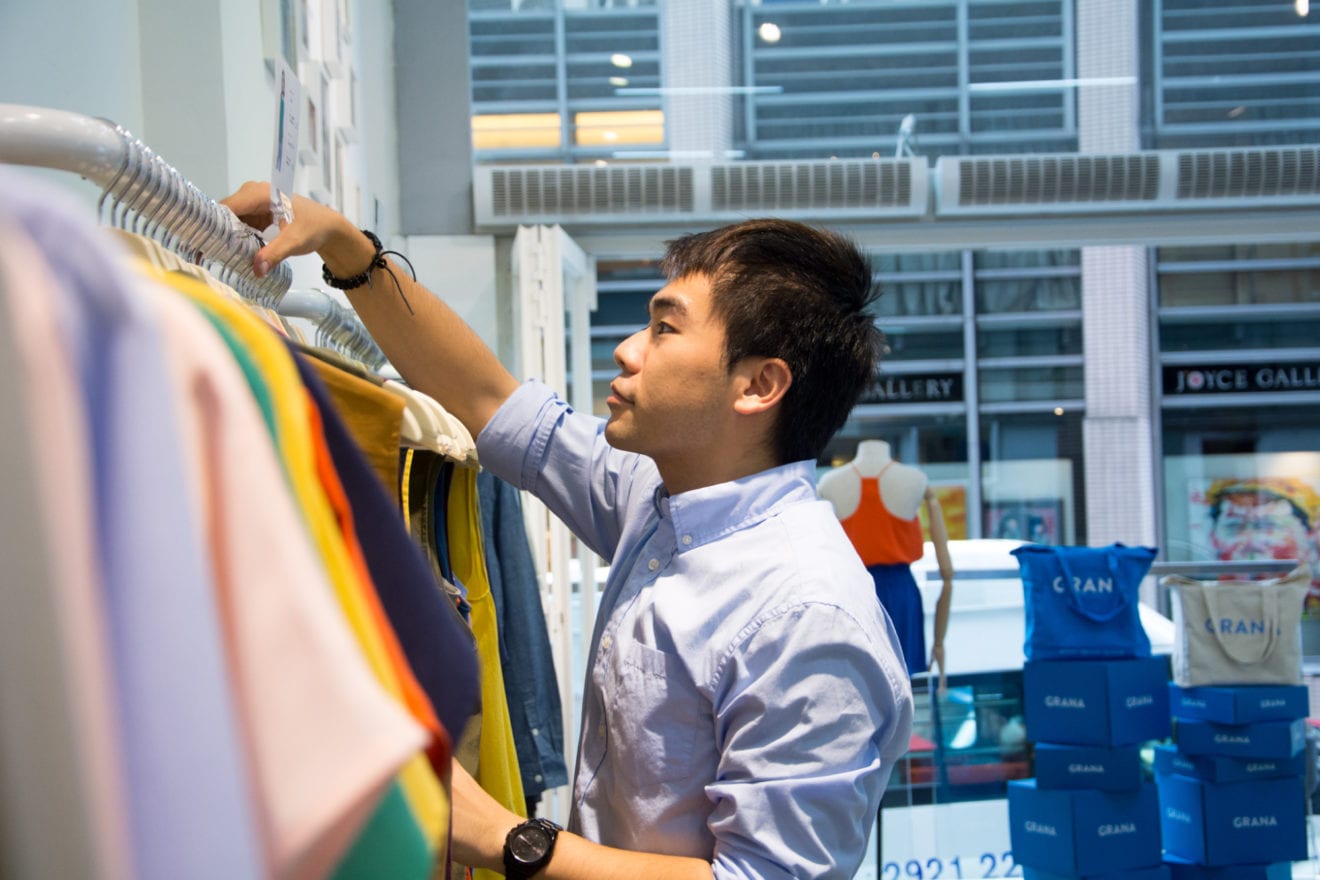
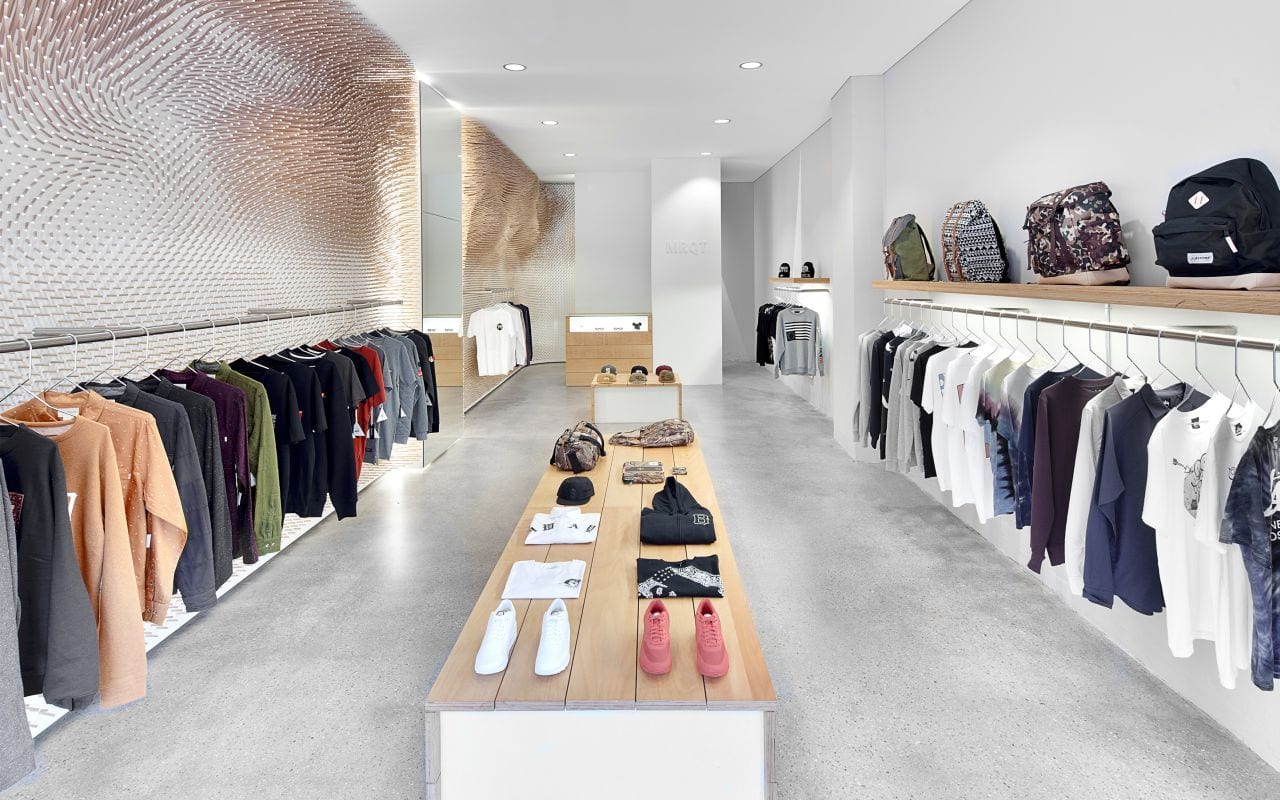
    The new 1300 sqft store in Sheung Wan is branded The Fitting Room. It’s a unique hybrid retail concept, allowing customers to try a garment on, then buy clothes online instore for delivery to home or collection later in-store.

    While customers can try clothes on and see the styles first hand, they cannot purchase clothes from the store and take them home immediately.

    It aims to address the problem of online shoppers returning goods because they don’t fit, or because they don’t consider their purchase matches the colour or style of what they saw online.

    Grana is the creation of Australian Luke Grana, who was inspired by the high quality of t-shirts he came across during a trip to Peru. The site was developed with a unique business model in mind – in Grana’s own words “high-quality fashion at disruptive prices”.

    “Our business model is a little bit different; we deal directly with fabric mills instead of going through distributors or agents. Also, by operating online, we don’t have to pay rent. So when fashion retailers put in mark-ups along the way, our pricing is really simple: each of our shirts cost US$6, we retail that for US$12; jeans are US$20, we sell that for US$40. It’s a really honest and transparent pricing model and I think that’s what our, Generation Y customers prefer.”

    Of the new Sheung Wan store, Grana observes: “We bring together the best of two shopping worlds for a unique hybrid experience. Our customers can receive the tailored customer service and interaction that only a bricks-and-mortar location can provide, but with the ease of online purchasing.”

    Grana says similar hybrid stores are now being considered for Australia and the US.

    The new store is located at 108 Hollywood Rd, Sheung Wan, Hong Kong.

    Grana Hong Kong store inside

  • Sino Land Named ‘Best Developer Overall in Hong Kong’ by Euromoney for the Second …

    Sino Land Named ‘Best Developer Overall in Hong Kong’ by Euromoney for the Second …

    Sino Land Company Limited has been named the ‘Best Developer Overall in Hong Kong‘ at the eleventh annual global Euromoney Real Estate Survey, the second consecutive year it has received the coveted award, in addition to being voted the best in all other eight developer categories, namely, ‘Best Residential Developer in Hong Kong‘, ‘Best Retail Developer in Hong Kong‘, ‘Best Office/Business Developer in Hong Kong‘, ‘Best Leisure/Hotel Developer in Hong Kong‘, ‘Best Mixed Developer in Hong Kong‘, ‘Best Industrial/Warehouse Developer in Hong Kong‘, ‘Best Advisor & Consultant Overall’ and ‘Best Advisor & Consultant for Agency/Letting Hong Kong’.

    Conducted by leading global finance magazine Euromoney, the annual poll is widely considered as the benchmark award for the global real estate industry. According to Euromoney, senior executives of real estate bankers, developers, investment managers, corporate end-users and advisory firms around the world have been invited to participate in the survey this year and over 1,700 valid responses were received, representing a 10.6% increase from a year ago. The awards are a testament to the Group’s continuous efforts and commitment to delivering premium projects.

    “Quality is the guiding principle of our business. We are honoured that our efforts in delivering products and services of the highest possible standards have been recognised. We would like to express our heartfelt gratitude to our business partners and those who have voted for us, their support is an encouragement for us to work even harder to deliver exceptional ‘Sino Experience’ to our customers,” remarks Mr Daryl Ng, Executive Director of Sino Land.


  • Luxury Brands Leave Hong Kong as Rental Prices Skyrocket

    Luxury Brands Leave Hong Kong as Rental Prices Skyrocket

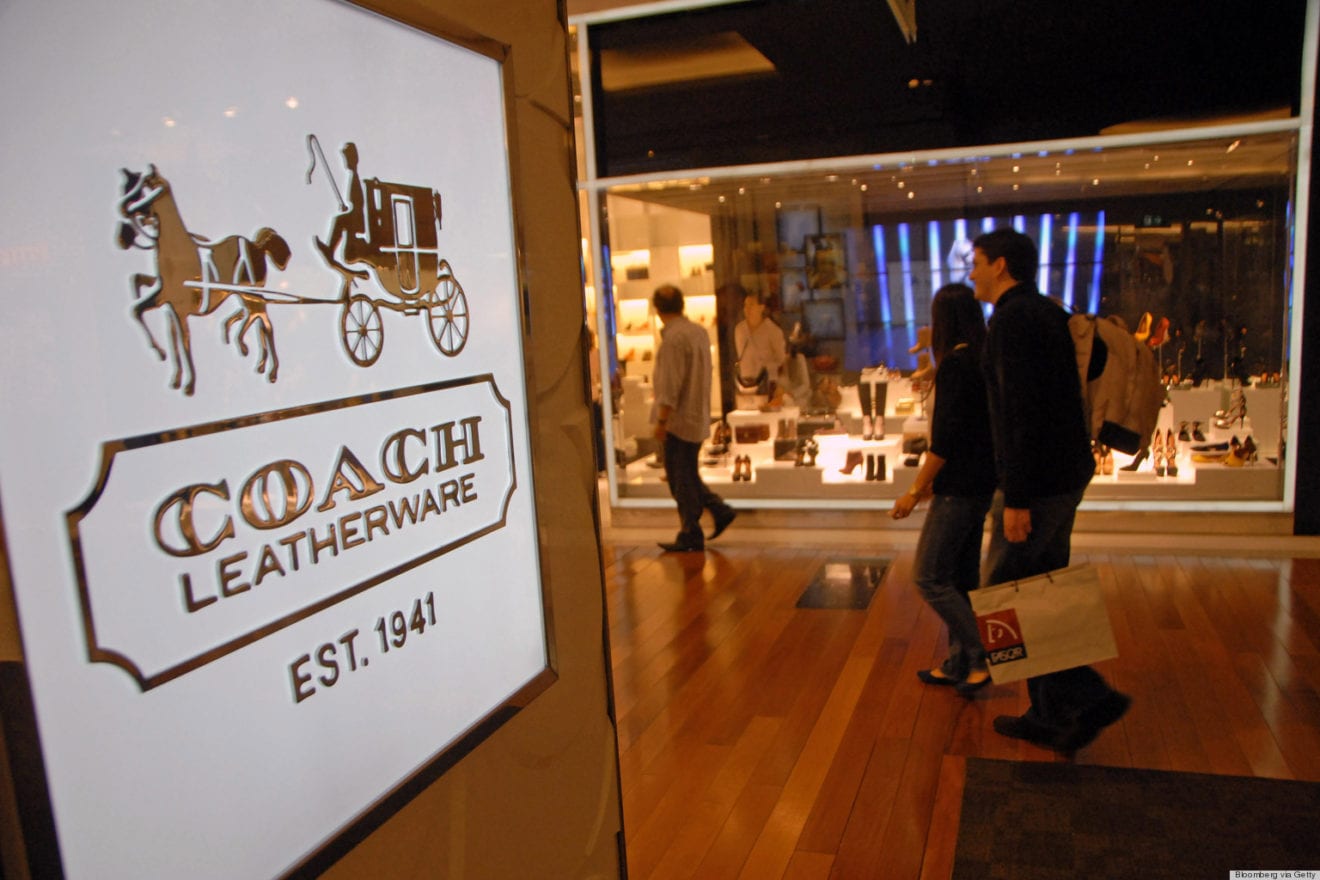
    Following TAG Heuer’s exit, luxury fashion brand Coach pulled out its flagship store in the Central District of Hong Kong on Aug. 31, two years before its lease expires.

    Women’s shoe retailer Belle International in Tseung Kwan O also closed on the same day, while Hong Kong jeweler Emperor Watch & Jewellery Limited also announced plans to terminate its store’s lease early.

    The Guangzhou-based paper said that the exodus of luxury brands from Hong Kong has raised concerns about whether the trend may spread into mainland China.

    High rental fees were one of the reasons for the closures, the report said. Store rentals in Causeway Bay in the first quarter of 2014 stood at HK$43,310 ($5,580) per square meter, making it the most expensive in the world next to New York’s Fifth Avenue shopping district.

    With its store’s closure in Central, Coach will save HK$180 million ($23 million). It had been paying rental fees of $7.2 million ($930,000) per month.

    TAG Heuer ultimately decided to close shop after negotiations for a rent reduction with its landlord fell apart.

    Hong Kong is gradually losing its appeal to mainland Chinese shoppers, who are becoming more inclined to go to Europe, the U.S., Japan and South Korea to shop.

    Total retail sales in the city in 2014 have decreased 0.2 percent from the previous year to HK$493.3 billion ($63.65 billion), its first negative growth in the retail sector since the Hong Kong government launched the individual visa scheme for mainland visitors 11 years ago.

    Between March and July, the region’s retail sales fell even further, posting a 0.4-percent decline year-on-year in June and 2.8 percent in July.

    But despite increasingly poor sales of luxury goods such as jewelry and watches in Hong Kong, medium- and low-priced goods, including food stuffs, liquor, and tobacco, have been growing steadily. According to Southern Metropolis Daily, foodstuff sales rose 7 percent year-on-year in July, an indication that shoppers visiting Hong Kong are shifting from luxury items to daily necessities.

  • Richemont Revenue Beats Estimates on Japan, Europe Demand

    Richemont Revenue Beats Estimates on Japan, Europe Demand

    Richemont, the world’s biggest jewelry maker, said sales growth accelerated as weaker currencies attracted big-spending tourists to Japan and Europe, spurring the stock’s steepest intraday gain in more than two years.

    Sales increased 4 percent excluding currency shifts in the five months through August, the Geneva-based company said in a statement Wednesday. Analysts expected a 1 percent gain, according to the median estimate in a Bloomberg survey. The shares climbed as much as 7.5 percent.

    Sales rose 48 percent in Japan and 26 percent in Europe, offsetting an 18 percent decline in Asia-Pacific. The results mirror comments by peers in the luxury business, such as Hermes International SCA, which reported higher first-half sales, fueled by an acceleration in Japan. LVMH Moet Hennessy Louis Vuitton SE in July posted strong revenue growth in Europe and the U.S., which helped offset a decline in China, Macau and Hong Kong.

    “Japan and Europe more than compensate for the weak development in Hong Kong,” said Rene Weber, an analyst at Bank Vontobel AG in Zurich. “The strong performance of those markets mean the Swiss watch industry can weather the Asian weakness, at least this year.”

    Shares in the Swiss owner of the Cartier jewelry brand, whose full name is Cie. Financiere Richemont SA, rose 6.4 percent to 76.65 francs as of 11:40 a.m. in Zurich. The report bolstered shares in the luxury-goods industry, with Hermes up 4.8 percent and LVMH gaining 3.5 percent.

    Richemont said sales in Hong Kong and Macau were “significantly lower,” while mainland China returned to growth with retail sales growing at a “strong double-digit rate.” The company reports five-month sales figures each year on the day of its annual meeting with shareholders.

    “Part of the crisis in confidence in the watch industry in Asia-Pacific is fragile confidence by independent retailers amid the problems in Hong Kong and Macau,” said Jon Cox, an analyst at Kepler Cheuvreux in Zurich, adding that Richemont’s comments about China were reassuring.

    Still, Richemont said its wholesale business continues to be weighed down by weakness in the Asia-Pacific region, which is still “extremely challenging.”

    Luxury spending in Hong Kong has been suffered since late 2012 when the Chinese government has been discouraging exuberant spending among officials. Political protests in Hong Kong last year forced some stores to shut and weighed on tourism.

    Among other luxury stocks, Swatch Group AG, the maker of Omega watches, rose 3 percent, and Kering SA, which owns Gucci, rose 4.4 percent.

  • Swisse bought by Hong Kong company Biostime

    Swisse bought by Hong Kong company Biostime

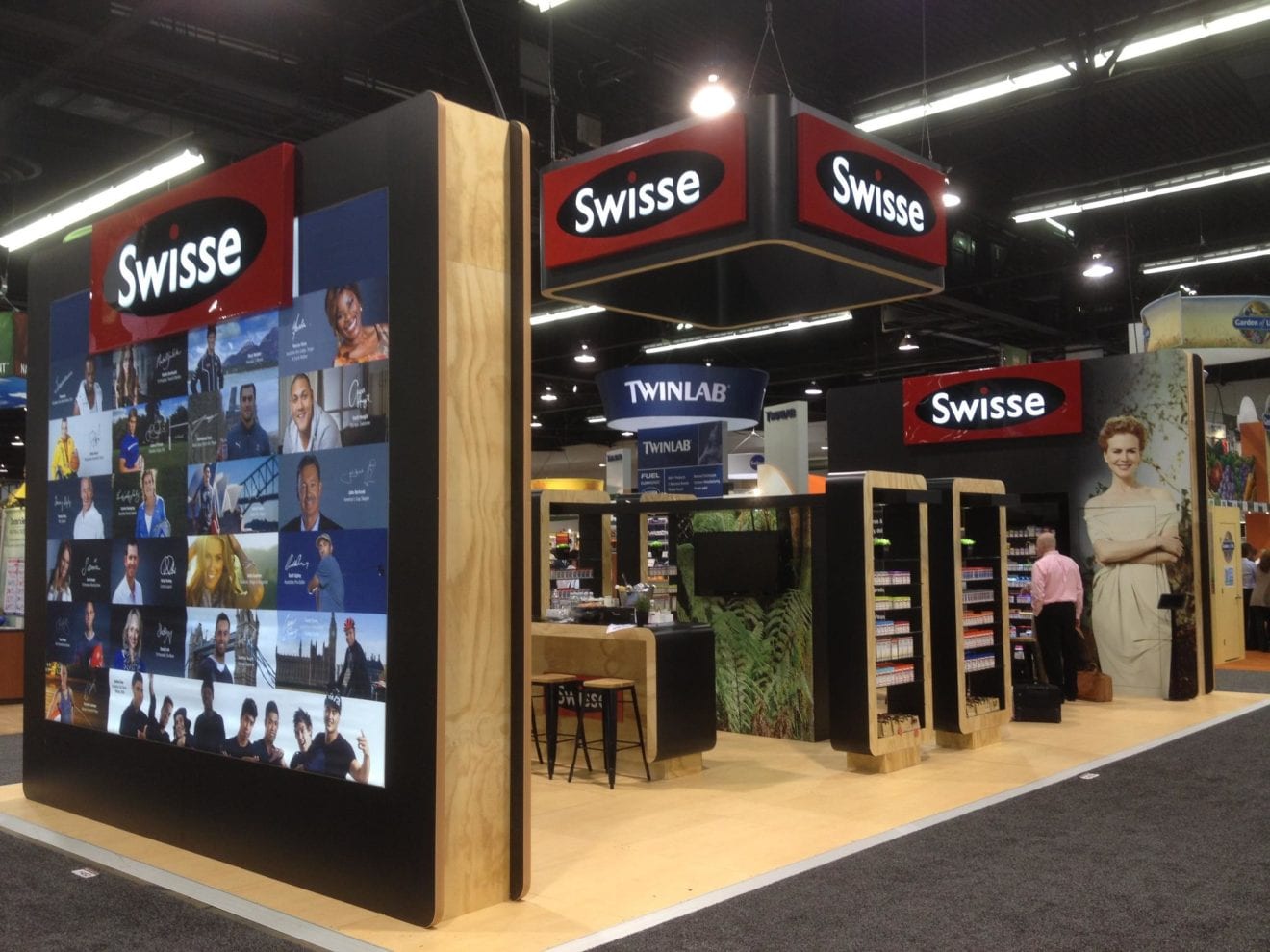
    The first 'Suisse' shop in Airport West in Melbourne in the 1970s.The first ‘Suisse’ shop in Airport West in Melbourne in the 1970s.

    It was the brainchild of organic baker Kevin Ring, who started selling pollen tablets from his St Kilda naturopathics shop back in 1972.

    Ring’s hand-made vitamin tablets, inspired by a trip to Switzerland in the late 1960s, were soon doing better than the bread, and a little shop under the Suisse brand was opened in Melbourne’s suburbs in the early 1970s.

    Later changed to Swisse for legal reasons, that little shop blossomed into the country’s biggest wellness company, and has just been sold to overseas buyers for an astonishing $1.67 billion.

    Hong Kong-listed company Biostime International Holdings on Thursday won the auction to buy Swisse, beating out two Chinese companies, Hony Capital and manufacturer Shanghai Pharma, on the way. Swisse will remain based in Melbourne, with a head office in Collingwood, but 83 per cent of the company is now in the hands of Biostime.

    The deal will lift the fortunes of Kevin Ring’s son, Stephen, and his business partners Radek Sali and Michael Saba. All become some of Melbourne’s richest men, with estimated net worths in excess of $250 million each.

    It’s a long way from the company’s first outlet back in the 1970s, a “naturopathics” shop in working-class Airport West.

    The Swisse deal highlights the demand for Australian brands and products in China, which are regarded as “clean and green” when compared with domestic produce. The share price of rival Australian vitamin maker Blackmores has more than quadrupled in the past year, from $31 a share on the ASX to in excess of $137.50 during trade on Thursday, on the back of massive sales growth in China.

    Australian infant formula brands, such as Bellamy’s Organic and A2 Platinum, have notched windfalls sales thanks to huge demand from China.

    Much of the success has come from internet and grey market sales, with gangs of Chinese students buying up stock from Australian chemists and supermarket shelves to send back home.

    One milk industry CEO recently suggested Australian domestic sales of infant formula were now more than double the actual consumption by Australian babies.

    A2’s Australian chief executive, Peter Nathan, admitted the success of his infant formula was partly based on shoppers sending his product to China.

    “We have had significant growth on online sites such as Alibaba, and also at retail level at grocery and pharmacy where Chinese tourists and nationals are often buying products on trips and taking it back with them,” he said. “We are clearly demonstrating that we are having enormous traction with Chinese nationals. There is no question about that.”

    The deal at Swisse justifies the big-spending strategy of CEO Radek Sali, a former executive at Village Roadshow. His father, Avni Sali, helped to develop the men’s and women’s Ultivite range of multi-vitamins for Swisse, which have been the mainstays of the company for the past decade.

    When Radek became CEO in 2005, he embarked on a massive marketing push. Nicole Kidman and Ellen De Generes were signed as ambassadors, along with a galaxy of sports stars including Cadel Evans, Ricky Ponting and Mark Webber.

    Lavish parties at the Birdcage at Flemington helped push the glamorous image.

    Such was the extent of the marketing push, at one point Swisse’s $50 million annual marketing spend was almost 40 times the cost of the ingredients used in vitamin production. It was all part of Radek’s plan to make vitamins “fashionable and fun”.

    That has paid off.

    “We have grown from small, family-owned business in the suburbs of Melbourne to become Australia’s number one wellness brand,” Sali said after the deal was inked. “We have done it on the back of an unwavering commitment to the highest standards of quality, safety and product efficacy.”

    Founding shareholder Stephen Ring was equally happy after the deal.

    “I am incredibly proud to have been part of Swisse’s journey so far,” he said. “The strength of the business is testament to the hard work, passion and energy of the entire Swisse team and I thank them for their ongoing commitment.”

  • Fortress Hong Kong flagship opens

    Fortress Hong Kong flagship opens

    Electronics chain Fortress has opened a 10,000 sqft flagship at Times Square.

    The AS Watson Group subsidiary, sells mobile phones and consumer electronics across Hong Kong and Macau. Its new Times Square store is spread over two floors – eight and nine – and split into themed areas.

    Fortress Times Square Hong Kong2

    A dedicated home theatre and TV zone is dominant and there is an area dedicated to demonstrating 3D printing technologies.

    There is also a dedicated Apple space.

    Fortress Times Square Hong Kong1

    Another unique feature of this Fortress Hong Kong store is a cafe serving fresh coffee and offering free WiFi.

    The store was opened by Hong Kong actor and singer Andy Hui.

    It’s been likened to “a digital theme park”.

  • Hong Kong Expo And Symposium Open In Jakarta

    Hong Kong Expo And Symposium Open In Jakarta

    Chief Executive of Hong Kong CY Leung and Minister of Tourism of Indonesia Arief Yahya officiate at event promoting closer ties

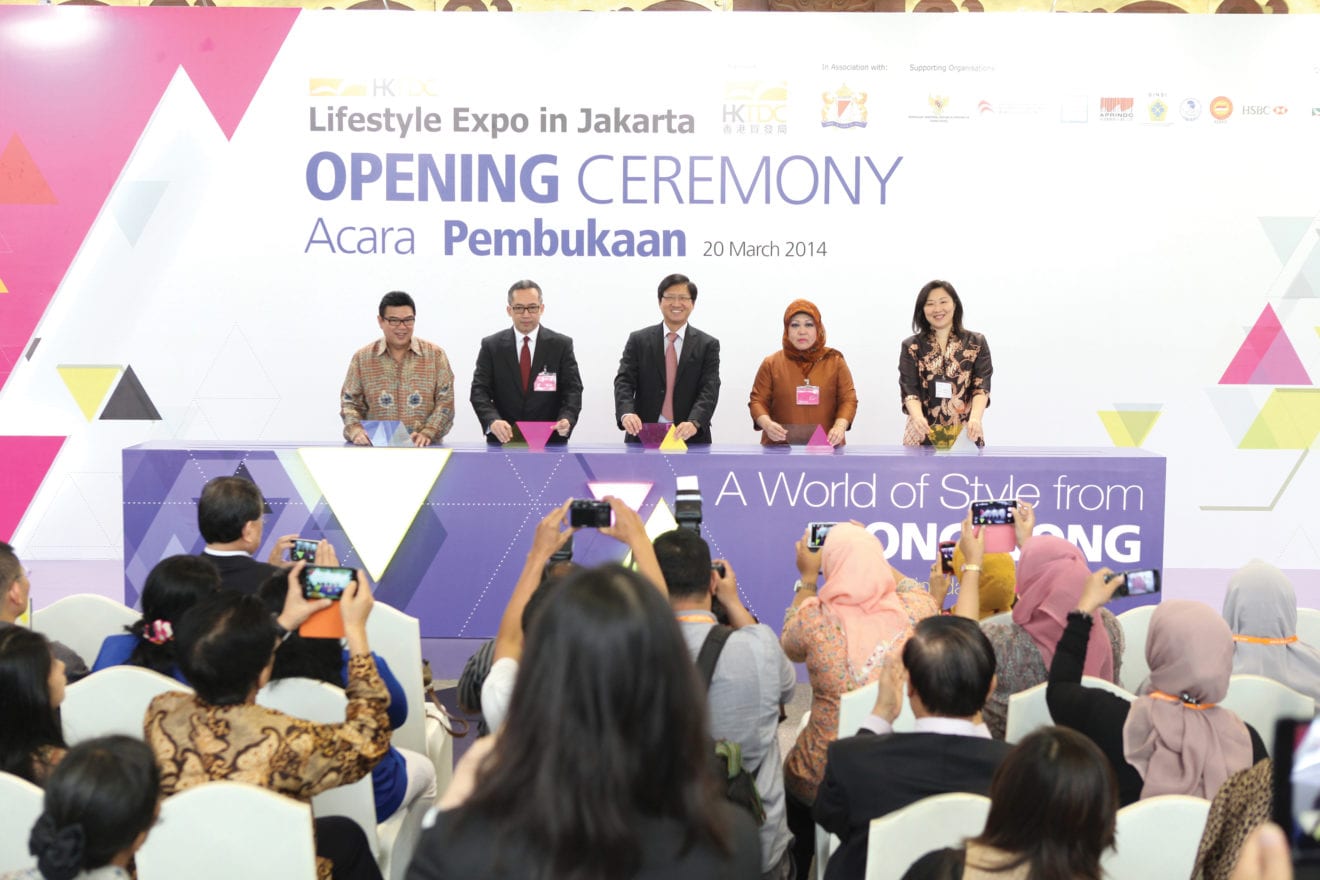
    “In Style – Hong Kong”, organised by the Hong Kong Trade Development Council (HKTDC), opened today at the Jakarta Convention Center in Indonesia. Chief Executive of the Hong Kong Special Administrative Region (HKSAR) CY Leung and Minister of Tourism of the Republic of Indonesia Arief Yahya officiated at the joint opening of the one-day business symposium and the products expo, which continues through 19 September.

    Speaking at the opening reception, Mr Leung highlighted Hong Kong’s role as a gateway for trade between the Chinese mainland and the ASEAN region, adding that a Hong Kong-ASEAN Free Trade Agreement (FTA) would be concluded within the coming year. “It (the FTA) will, I know, strengthen economic ties and cooperation between Hong Kong and Indonesia,” said Mr Leung. “With our [Hong Kong’s] help, it will encourage more Indonesian exports to the mainland of China. Inevitably, more Hong Kong and mainland investment will also find its way to Indonesia.”

    Meanwhile, Mr Yahya said “In Style – Hong Kong” was an important business gathering for Indonesia. “It is enhancing the partnership between Indonesia and Hong Kong, especially in trade, investment and tourism,” he said.

    Chairman of the HKTDC Vincent HS Lo explained that “In Style – Hong Kong” is an expansion of previous expo’s organised by the HKTDC in Jakarta. “This event is bigger and better. In addition to products, we have added today’s business symposium where you can find and network with core business leaders and find out how to take advantage of Hong Kong’s world-class services to grow your business,” said Mr Lo.

    Also speaking at the opening reception, Secretary, Ministry of Cooperatives and SMEs of the Republic of Indonesia Agus Muharram said Hong Kong was a gateway for Indonesian companies, “not only to the Hong Kong and China markets, but also the global market as well as [providing] potential for Indonesian cooperatives and small and medium-sized enterprises products.”

    “By maintaining a good relationship between Indonesia and Hong Kong, we hope that this will present good results in export market expansion and promotion of Indonesian cooperatives and small and medium-sized enterprises products,” said Mr Muharram.

    Services under the spotlight

    The services symposium features five thematic sessions highlighting ways Hong Kong services, including financial services, legal and arbitration, design and branding services, digital marketing and ICT services, can help Indonesian companies expand their business in Asia, and especially the Chinese mainland.

    Product expo features lifestyle themes

    In addition to showcasing Hong Kong’s services, more than 190 participating companies are also presenting Hong Kong lifestyle products in four major themed zones; fashion and fashion accessories, jewellery and watches, gifts and houseware, and consumer electronics. There is also a display of award-winning pieces.

    An invitation-only gala dinner will be held this evening for some 500 businesspeople from Hong Kong and Indonesia. The “In Style – Hong Kong” citywide campaign continues through 20 September, the centerpiece of which is a Hong Kong galleria at the Skybridge in Grand Indonesia Shopping Town.

  • ST by Olcay Gulsen Hong Kong opens

    ST by Olcay Gulsen Hong Kong opens

    Dutch fashion brand ST by Olcay Gulsen has made its debut in Hong Kong.

    ST by Olcay Gulsen Hong Kong opened a pop up store to raise brand awareness at Level 1 of Pacific Place on August 31, a prelude to the opening of its first standalone store in the territory, which will open on the lower ground level of Festival Walk at the end of this month.

    ST by Olcay Gulsen was created by designer Olcay Gulsen whose vision was a label offering “affordable luxury clothes” that were keeping up to date with fast fashion trends.

    In just 11 years, Gulsen has developed a significant reputation, not just at home but internationally.

    ST is short for ‘SuperTrash’, her original brand shortened to ST for various ranges including STenim and ST. Girls. The SuperTrash brand specialises in dresses, tops and pants. Her creations are sold in more than 2000 stores worldwide.

    Hong Kong fashion blog Butterboom.com was impressed by the offer in the pop up store.

    “We spotted quite a few dramatic sexy dresses from their fall collection and some great long jacket in teal that we would like in our wardrobe so we are hopeful this brand will make it to fashionista’s list of must-visit shopping stops.”

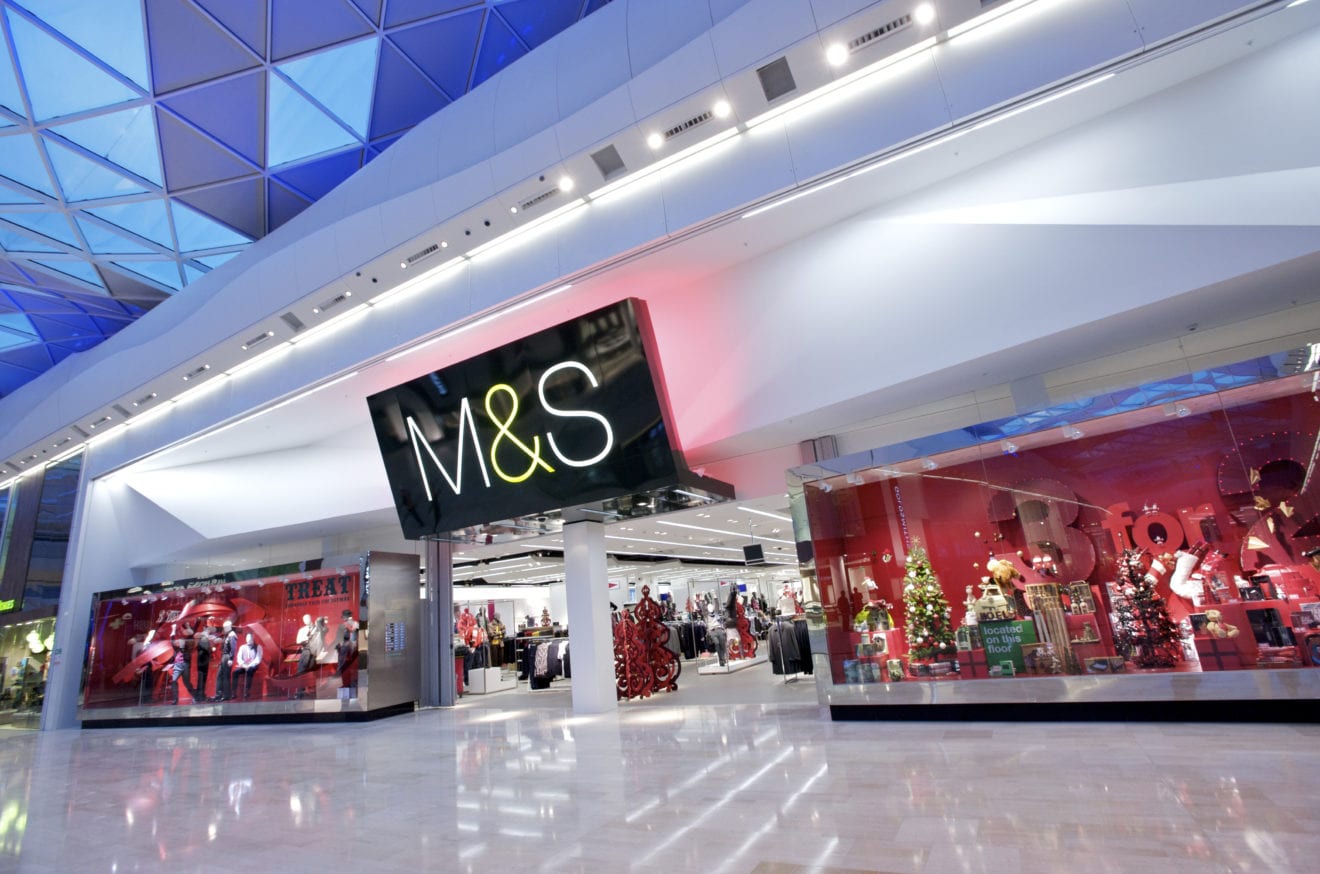
  • Marks & Spencer to slow China expansion

    Marks & Spencer to slow China expansion

    UK department store chain Marks & Spencer says it will slow its expansion plans in Greater China due to the economic and political turmoil in the two markets.

    The British retailer currently has 20 stores in Hong Kong and 10 in China and had been planning significantly more.

    Back in 2014, CEO Marc Bolland set a target of opening 250 new overseas stores within three years – an ambitious goal even in favourable economic climate.

    This week, M&S’s executive director of marketing & international Patrick Bousquet-Chavanne told news agency Reuters in an interview that while the company remained committed to both markets, the 2014 targets were unreachable.

    “The world has shifted, is a different place… The Syrian situation was very different from what it is today… Putin had not invaded Ukraine and China was growing at close to nine per cent,” he said.

    “It’s reasonable in that context that you would expect a different outlook on the next three years for the company.”

    Last March M&S said it would close five underperforming stores in China to focus on flagship stores and online – and expanding its food offer in Hong Kong.

    He told Reuters M&S still planned a Beijing flagship store during the 2015-16 financial year and that it still planned to open in the cities of Guangzhou and Dalian, but gave no timetable.

    He said the company had seen a softening in its store sales in China as the economy slowed, but no dramatic effect.

    “The sectors in which we trade are not luxury, so we haven’t seen the same dramatic slowdown as some might have,” Bousquet-Chavanne said.

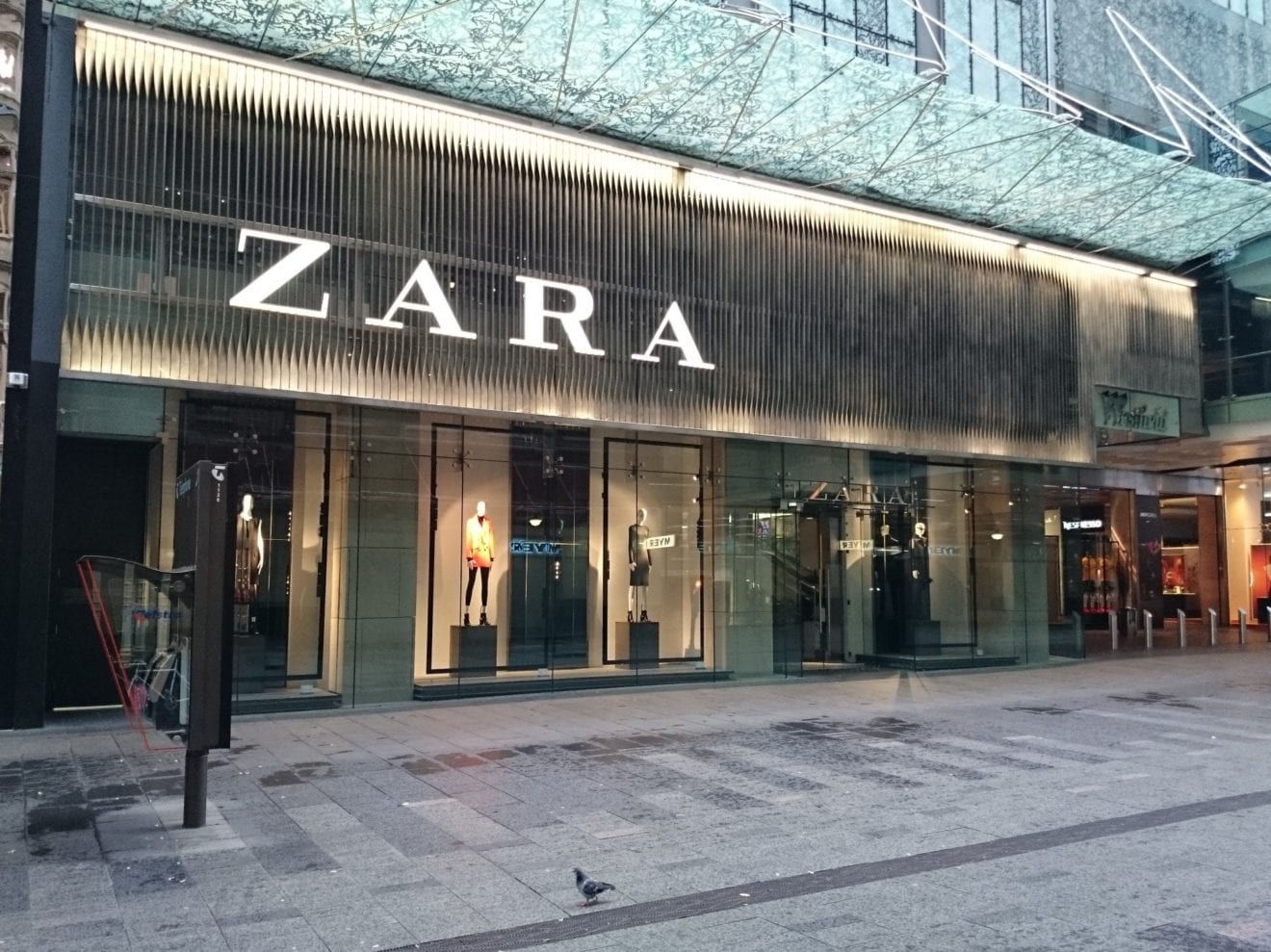
  • Zara’s online store opens in Hong Kong and Taiwan

    Zara’s online store opens in Hong Kong and Taiwan

    Zara’s online store opens today, September 9, in Hong Kong. The brand also offers online shopping in Taiwan since last week.

    Zara’s online store opens today, September 9, in Hong Kong. The brand also offers online shopping in Taiwan since last week. Both websites, www.zara.com/hk and www.zara.com/tw offer online shoppers the same full range of ladies, men and kids wear as the brick and mortar stores, supplied twice a week with new merchandise.

    In both markets, items sold online display the same price as they do in Zara’s brick and mortar stores. Customers of the online platform can choose between home delivery and the pick up at the ZARA store.

    Zara launched its ecommerce service in 2010 in several European markets, following the footsteps of Zara Home, which began its online platform in 2007. Other major markets followed, such as the US, Japan, China or South Korea. Zara’s customers can currently shop online in 27 markets.

  • “In Style – Hong Kong” Promotion Opens in Jakarta

    “In Style – Hong Kong” Promotion Opens in Jakarta

    The mega “In Style – Hong Kong” campaign kicked off in Jakarta today with the launch of a citywide promotion at the Grand Indonesia Shopping Town mall, showcasing a range of Hong Kong fashion, food and lifestyle attractions until 20 September.

    Organised by the Hong Kong Trade Development Council (HKTDC), “In Style – Hong Kong” also includes a Hong Kong branded product expo (17-19 September) for trade buyers and a services symposium (17 September) featuring business insights, networking, business matching and consultation services. An invitation-only gala dinner will be held on 17 September for 500 members of the business community.

    The multilayered promotion aims to enhance the already strong trade links between Hong Kong and Indonesia. Hong Kong is consistently rated as the world’s freest economy by the United States-based Heritage Foundation while Indonesia is the world’s fourth-most populous nation. In 2014, bilateral trade between Hong Kong and Indonesia reached US$5.16 billion.

    “In Style – Hong Kong” is an expansion of the successful Lifestyle Expos held by the HKTDC in Jakarta over the past three years, whereby Hong Kong’s innovative and quality products were featured to Indonesian buyers. This year’s event will highlight ways Indonesian companies can partner with Hong Kong to capitalise on the new business opportunities in Asia, especially China. It also showcases Hong Kong’s unique, vibrant lifestyle trends to local consumers through the citywide promotion.

    Citywide promotion – connecting with Indonesian consumers

    The centerpiece of the citywide promotion is a Hong Kong galleria at the Skybridge in Grand Indonesia Shopping Town (14-20 September), spotlighting Hong Kong fashion, food and lifestyle products. Some of these offerings were showcased at two product parades during today’s on-site press conference.

    A unique combination of Indonesian batik and Hong Kong design will also be on display at the Skybridge from 18-20 September. Under the title of “Batik Crossover”, and sponsored by leading Indonesian textile and garment company Sritex, this innovative programme features six batik fashion collections by renowned Hong Kong designers; Lulu Cheung, Walter Kong and Jessica Lau, Walter Ma, Aries Sin, Harrison Wong and Cecilia Yau.

    The citywide promotion also includes retail and gourmet specials at venues across Jakarta. A “Hong Kong Gourmet” campaign, with a webpage featuring more than 10 Hong Kong-style restaurants in Jakarta, has been launched on OpenRice Indonesia’s portal. The “OpenSnap Photo Competition” (www.opensnap.com/hktdc) is also being organised to encourage patrons to dine at participating restaurants.

    Indonesian-operated bistro chain Hong Kong Cafe is offering a three-course gourmet menu created by Hong Kong celebrity chef Walter Kei for “In Style – Hong Kong”. Dim sum specialist Tim Ho Wan is offering complimentary desserts while traditional Hong Kong-style milk tea is also available at the Chatime Indonesia takeaway beverage chain. The tea is brewed using blended tea leaves from Hong Kong beverage company Kampery.

    Meanwhile, a “Hong Kong Lifestyle Products” promotion is underway in Jakarta, with Hong Kong fashion brands such as G2000, Giordano and Staccato offering discounts and other consumer incentives.

    Main events to open 17 September

    The Chief Executive of the Hong Kong Special Administrative Region (HKSAR), Mr C Y Leung and Vice President of the Republic of Indonesia Mr H M Jusuf Kalla are expected to be guests of honour at the Opening Ceremony of the “In Style – Hong Kong” expo and symposium on 17 September.

    The expo is expected to attract about 10,000 trade buyers, importers, distributors, retailers, brand agents, franchisees, department stores and specialist vendors. It will be held at the Jakarta Convention Center from 17 to 19 September, presenting myriad opportunities for buyers to source the hottest styles and trends from Hong Kong.

    More than 190 participating companies will feature Hong Kong lifestyle products in four major themed zones as well as a display of award-winning pieces. The four themed zones are; fashion and fashion accessories (including Bossini, Cocomojo and Mastermind), jewellery and watches (including Chow Tai Fook, TSL Jewellery, Memorigin, Cosi Moda, Saga, Edwin and Charles Hubert), gifts and houseware (including Lexington, PO: Selected, Biba Toys, Kid Galaxy and Kinox), and consumer electronics (including Goodway, Gold Peak and SAS Lighting). Meanwhile, the Hong Kong Design Award Display Zone, titled “Fame – In Style” will showcase a range of award-winning products to highlight Hong Kong’s creative and design capabilities, while buyers can place low-volume orders of five to 1,000 pieces at the hktdc.com Small Orders display.

    Symposium provides global business insights

    The day-long symposium will be held at the Jakarta Convention Center for an expected 1,000 participants, mainly Indonesian businesspeople. It will feature a main symposium and five thematic sessions highlighting ways Hong Kong services, including financial services, legal and arbitration, design and branding services, digital marketing and ICT services, can help Indonesian companies expand their business in Asia, and especially the Chinese mainland.

    Distinguished speakers at the symposium include the Secretary for Justice of the HKSAR, Mr Rimsky Yuen SC; Armando Tolomelli, CEO, Prada Asia Pacific; Y K Pang, Director, Jardine Matheson Holdings Ltd; Royce Yuen, Founder & CEO, New Brand New Ltd; Kent Wong, Managing Director, Chow Tai Fook Jewellery Group Ltd; Peter Lo, Chief Country Officer, Deutsche Bank AG Hong Kong; Tommy Li, Creative Director, Tommy Li Design Workshop Ltd; Peter Mack, Executive Director, Marketing, Landor Hong Kong; and Jason Chiu, CEO, Cherrypicks.

    The symposium will also feature a mini-exhibition where 18 Hong Kong services providers and trade organisations will provide on-site business consultations. The CreateSmart Initiative*, administered by Create Hong Kong of the HKSAR Government, sponsors the participation of some of these exhibitors from various creative sectors in the symposium and their market visit in Jakarta on 18 September.
  • Pedder Red Launches E-Commerce Site

    Pedder Red Launches E-Commerce Site

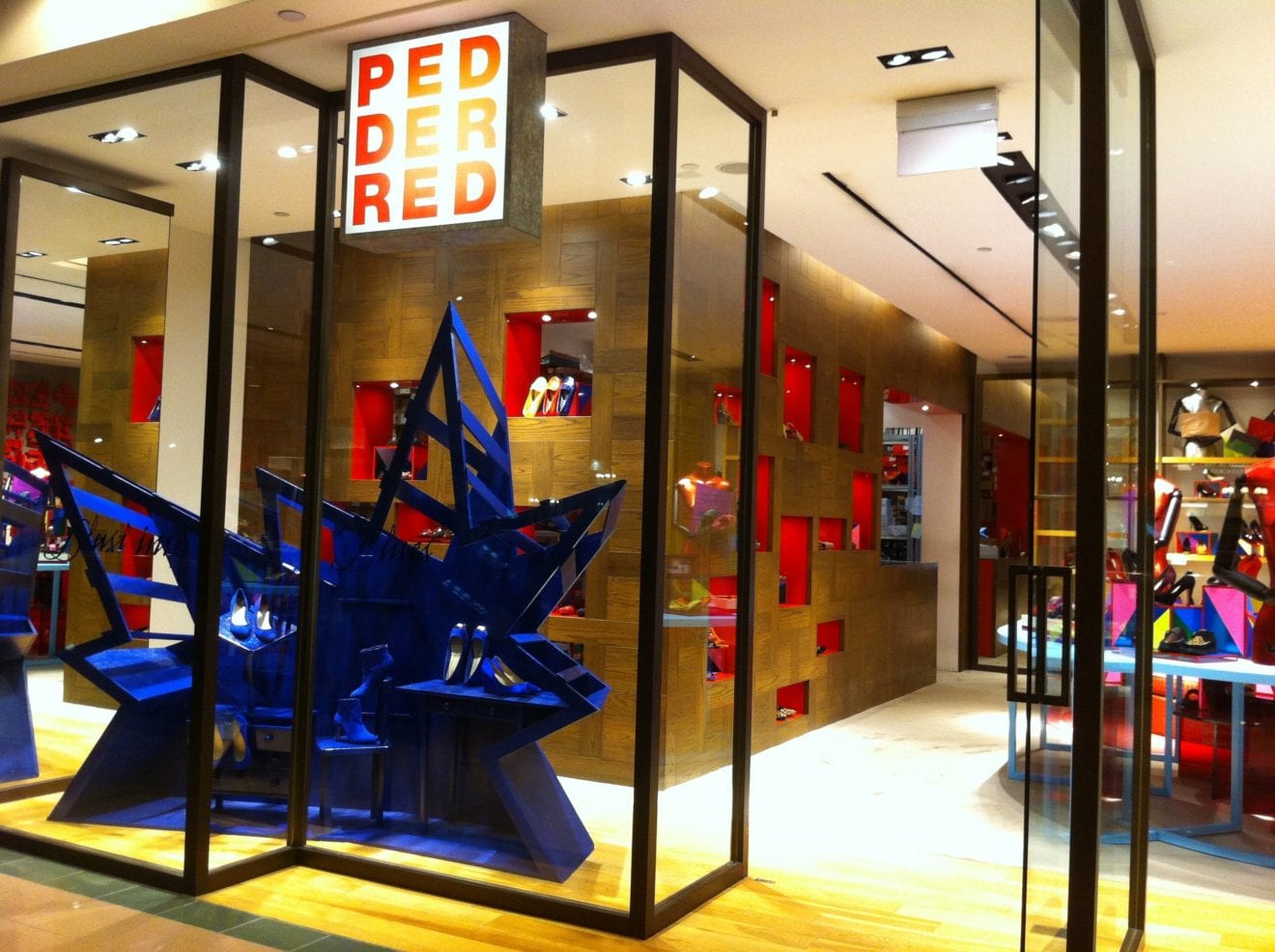
    Pedder Red, Pedder Group’s in-house private-label that specialises in contemporary shoe fashion, is proud to announce the launch of its e-commerce site, pedderred.com, offering free shipping & returns to customers in Hong Kong, Macau and Singapore.

    The site will carry all Pedder Red releases including more than 70 styles of edgy pumps, popular skater slip-ons, stylish booties and handbags. The “TRENDS” section will display a frequently refreshed, curated selection of popular and best-selling items; while the “SHOE WANTED” section highlights the season must-haves. Pedderred.com also offers online-only pre-ordering on key items and special promotions.

     The online store launches with Pedder Red’s Autumn/Winter 2015 collection titled “Who Cares”. Celebrating modern femininity with a salute to the rebellious, carefree attitude and style of street fashion, the collection includes exquisitely designed shoes using materials such as studs, zippers, crystals, neoprene and tweed as well as modern and chic prints like leopard and plaid.

    “Pedder Red fans can now shop anytime, anywhere,” said Peter Harris, President of the Pedder Group. “It is with great enthusiasm that we launch pedderred.com, extending our brand access from our store network to the wider world of omni-channel retailing, connecting to our existing and new audiences, continuously growing the Pedder Red community of shoe lovers.”