Tag: Hong Kong

  • Asia driving L’Oreal growth despite market turbulence

    Asia driving L’Oreal growth despite market turbulence

    Asia is driving huge growth for cosmetics giant L’Oreal, despite a slowdown in Hong Kong.

    At the end of September, L’Oréal posted growth of 4.4 per cent on a like-for-like basis – and 21.9 per cent based on reported figures as the company expands its retail network and wholesale operations in the region.

    Kiehl’s, Yves Saint Laurent and Giorgio Armani contributed to dynamic growth of the L’Oreal Luxe division, despite the context of slower third-quarter growth in Hong Kong and Travel Retail Asia.

    The Consumer Products Division is performing well in India, Australia and Thailand. In China, growth at L’Oreal Paris is accelerating, while Magic is undergoing a transitional period. The Active Cosmetics Division is growing strongly, thanks to the success of La Roche-Posay, L’Oreal reported in its quarterly filing.

    Jean-Paul Agon, chairman and CEO, said at the end of September, the group’s reported growth is strong, at 13.2 per cent, still supported by a positive currency effect.

    “Despite a global context that is still volatile, we are confident for the year end. The beauty market remains dynamic. In each Division, our brands are pushing forward with successes such as Maybelline and NYX in the Consumer Products Division, Yves Saint Laurent, Kiehl’s and Urban Decay at L’Oréal Luxe, Redken in the Professional Products Division and La Roche-Posay at Active Cosmetics,” he said.

    “Finally, the acceleration of our digital transformation is making us stronger, in particular with the rapid increase (40 per cent) of our eCommerce sales which should significantly exceed 1 billion euros this year.

    “We are confirming our ambition to outperform once again the beauty market in 2015 and to achieve significant growth in both sales and profits.”

  • Restaurant operators regain a presence in Hong Kong

    Restaurant operators regain a presence in Hong Kong

    Restaurant operators have regained their presence in Hong Kong’s retail market where an increasing number of top-end retailers have surrendered their spaces in the wake of weakening spending on luxury items and a decline in tourist arrivals.

    JLL said that in 2013 food and beverage operators accounted for only 29 per cent of the leasing deals it handled. This year, that figure has increased to more than 50 per cent.

    “There are in discussions with a number of overseas restaurants to open their first outlets in Hong Kong as part of their their Asian expansion plans,” said Michelle Chiu, an associate director at JLL’s retail department. “They come from the United States, Europe and Southeast Asia.”

    A new trend of incorporating food and beverage elements into their retail businesses has been seen among luxury fashion brands, including Franck Muller and Vivienne Westwood. And then, there is the lifestyle concept, such as the collaboration between Mercedes-Benz and Maximal Concepts, which has led to the creation of Mercedes Me.

    At more than 4,000 square feet, Mercedes Me has taken the space formerly occupied by Porsche Design and Geox on the ground floor of Entertainment Building in Central at an estimated monthly rental of HK$4 million. Meanwhile, Vivienne Westwood opened its first cafe in Tsim Sha Tsui and Swiss luxury watch maker Frank Muller has launched a fine-dining restaurant in Causeway Bay.

    To capture growing leasing demand among restaurants, JLL has formed a seasoned food and beverage team to cater for the industry.

    Terence Chan, head of retail at JLL, said the team will offer specialist services to local operators, international restaurant groups and new-to-market entrepreneurs alike.

    “Apart from the traditional F&B agency services including site introduction, lease negotiation, location analysis, tenant representation and market entry strategy and analysis, we also provide project coordination services. We will assist the clients in liaising with the interior designers, licensing consultants, contractors and maintenance vendors for set-up of their restaurants,” Chan said.

    Helen Mak, the retail services group head at Colliers International, believes the softening retail leasing market will provide more opportunities for the return of restaurants given the high rents the international brands could afford to pay just a few years ago.

    “With a restaurant inside the shop, it will also help to retain customers inside longer as well as serving as a venue for promotional events,” Mak said.

    She said shopping centres intend to allocate more space for restaurants in view of the difficult retail market.

    But the rapid expansion of restaurants could increase direct competition as most shopping centres plan to devote more space for food and beverage operators.

  • Luk Fook profits slump 42% on weak Hong Kong, Macau sales

    Luk Fook profits slump 42% on weak Hong Kong, Macau sales

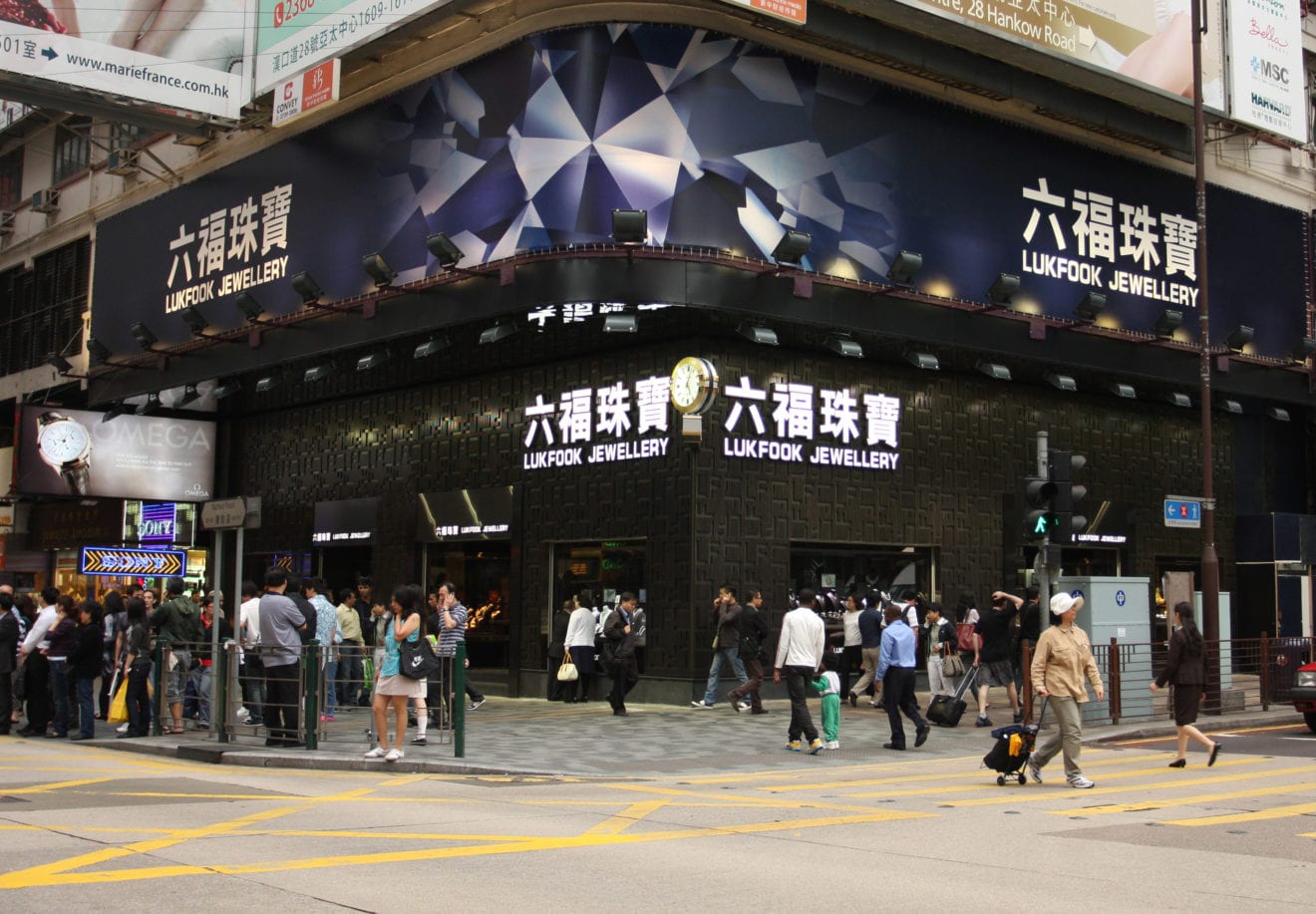
    Jeweller Luk Fook Holdings is looking to Mainland China to restore growth after a heavy drop in profits due to the Hong Kong and Macau market slump.

    Lukfook Group says its sales declined 7.7 per cent to HK$6.965 billion in the half year to September 30 and profit attributable to shareholders slumped 42.4 per cent to $463 million.

    Same store sales across the business fell 11.6 per cent, largely due to falling sales of gem‐set jewellery products in Hong Kong and Macau. Sales fell 16.2 per cent in Macau alone.

    However in Mainland China, gem-set jewellery sales rose 17.5 per cent, marking the 10th consecutive quarter of positive growth in that market.

    Wong Wai Sheung, chairman and CEO of Lukfook Group said the slowing economic growth in Mainland China, relaxed visa requirements and currency devaluation in Europe, Japan and Korea as well as a strong Hong Kong dollar against other currencies had caused Mainland tourists to switch to overseas for consumption.

    “These adversely affected the retail industry in Hong Kong and Macau and hindered the recovery of the retail business of the group.”

    Hong Kong rents also took their toll on Luk Fook profits.

    “The decrease in revenue, together with the increase in total rental expenses mainly contributed by the high rental of the loss‐making new shops in certain Hong Kong prime locations, resulted in the increase in the total operating expenses to revenue ratio to 14.6 per cent (2014:13.0%),” the company said in its filing.

    The company opened a net total of 29 Lukfook shops (including 23 licensed shops and six self‐operated shops), and four 3D‐Gold self‐operated shops established by the new joint venture (the group has 51 per cent equity) with a licensee in Mainland China. The number of shops in Hong Kong and Macau and overseas remained unchanged. As at September 30, the group had 1412 Lukfook shops globally in Mainland China, Hong Kong, Macau, Singapore, Korea, the US, Canada and Australia; and four 3D‐Gold shops operated in Mainland China.

    Mainland Chinese visitors remained the primary customer group for the Hong Kong retail business, which contributes 60 per cent of the group’s turnover.

    Wong Wai Sheung said with continuing uncertainty in the global economy, the overall operating environment will remain challenging in the short term.

    “However, in the long run, as the per capita income in Mainland China increases, the group believes that there will still be strong customer demand for jewellery products, therefore the group remains positive about the mid‐ to long‐term business prospects. The group will continue to optimise the retail network, maintain the expansion strategy of focusing on the development in the Mainland China market, and further strengthen the cooperation with eCommerce platforms to expand our distribution channels, and also offer more fashionable and affordable jewellery products which are suitable for wearing in workplace, in order to attract middle‐class consumers.”

  • Monica Vinader Hong Kong opens at Harbour City and Sogo

    Monica Vinader Hong Kong opens at Harbour City and Sogo


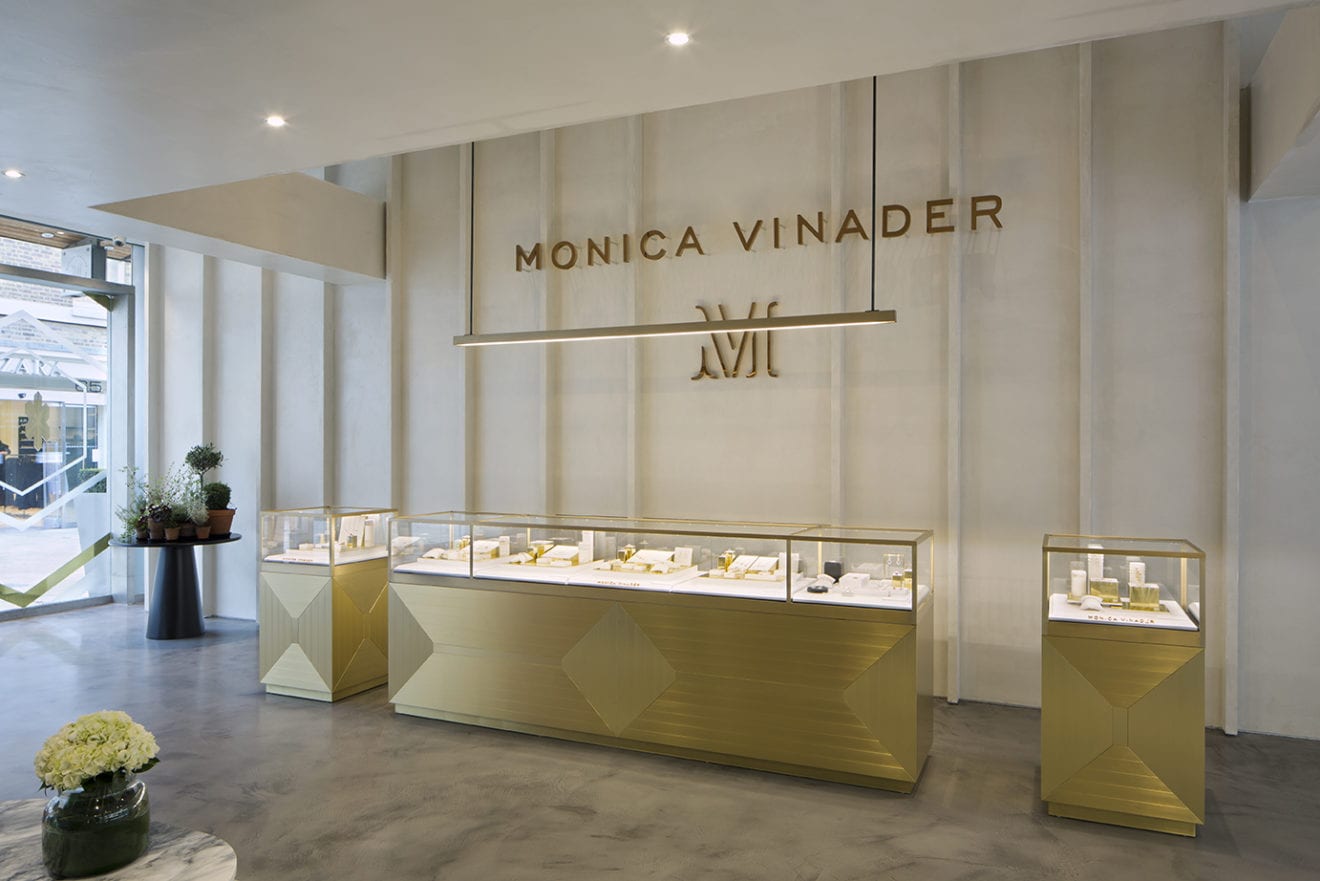
    A year since the opening of its first store at IFC Mall, jeweller Monica Vinader has opened a second store at Harbour City in Kowloon and a counter at the prestigious department store Sogo.

    Monica Vinader Hong Kong

    “I am honoured that the brand has been so well received in Hong Kong, which is such a sophisticated, international city,” said Monica Vinader, CEO & founder of the brand.

    The new Monica Vinader Hong Kong store’s interior features custom fixtures and fittings that create a vibrant and welcoming luxury shopping environment.

    Monica Vinader Hong Kong 1

    It offers all the Monica Vinader collections, from the recognisable Friendship bracelets, to bespoke cut gemstone jewellery and contemporary diamond collections.

    The retailer’s complimentary, same-day engraving service, offered in Monica Vinader stores around the world, will also be available from the Harbour City boutique. Customers will be able to engrave personal messages, motifs or hand-drawn doodles onto bracelets and pendants to make them truly unique.

    The store is located on Level 3 of Ocean Terminal and trades from 10am to 10pm.

    Monica Vinader Hong Kong 2

  • Swarovski partners with DFS on in-store styling

    Swarovski partners with DFS on in-store styling

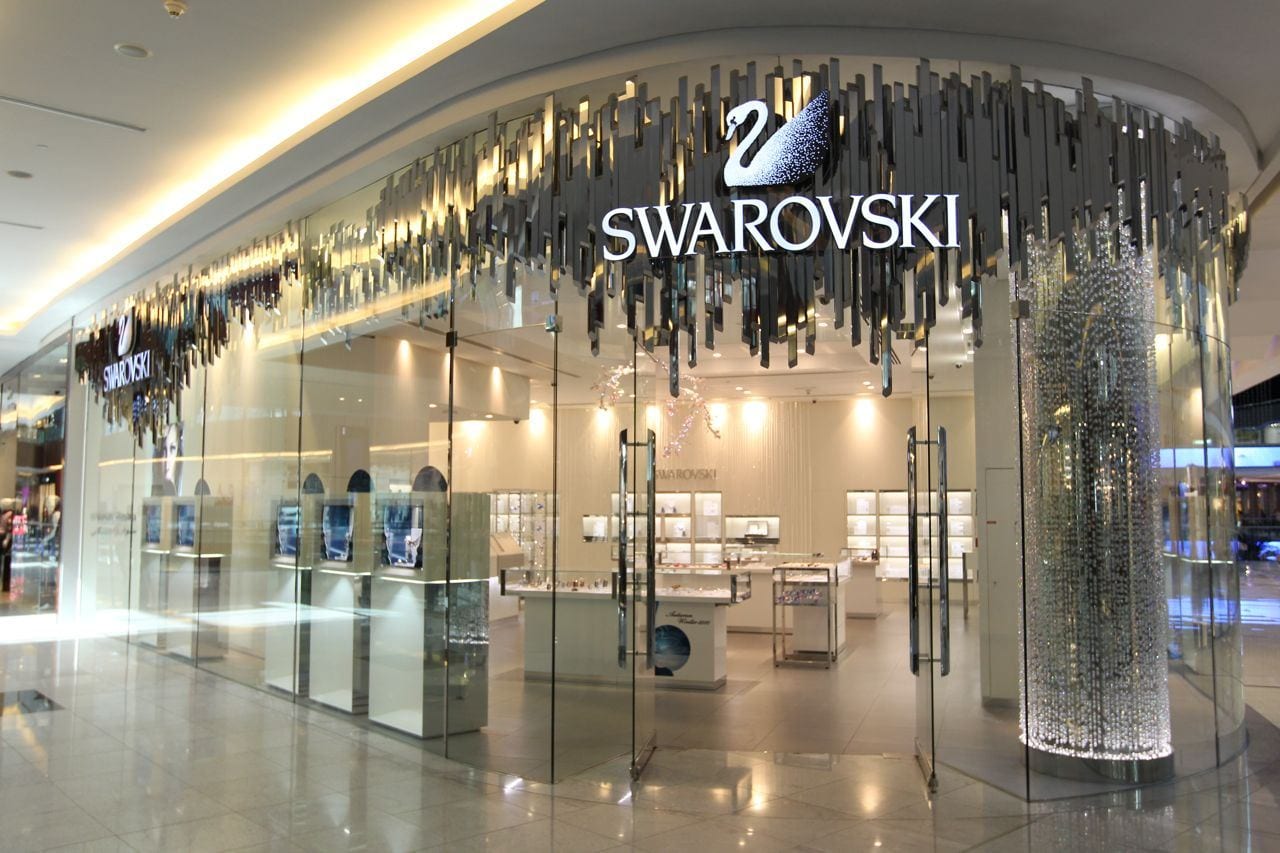
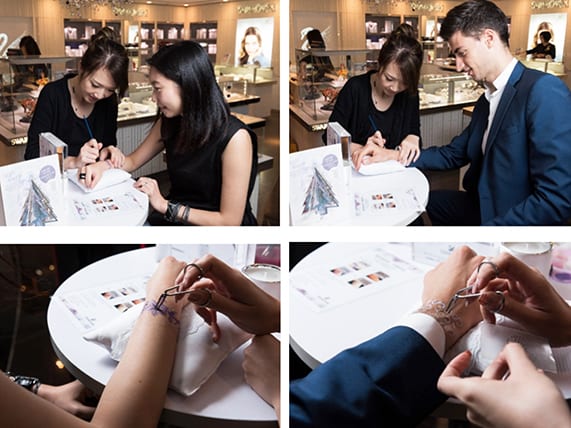
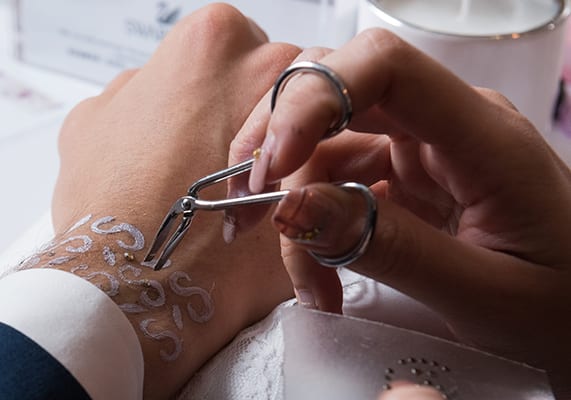
    Swarovsiki and DFS in Hong Kong and Macau are partnering this Christmas with Asia’s first in-store styling service offering customers complementary hand decoration.

    The new service was launched on 21 November in T Galleria by DFS stores in both territories, with Swarovski stylists providing the exclusive consultation on the Swarovski crystal designs.

    The new ‘exclusive service’ is being made available during selected times within DFS’ stores in Canton Road and Tsim Sha Tsui East in Hong Kong, as well as at the City of Dreams and Shoppes at Four Seasons in Macau.

    Swarovski partners with DFS

    Commenting, Karen Tse, Director, Travel Retail Asia Pacific, at Swarovski, said: “Swarovski empowers women to make their every day extraordinary and this is an example of how we bring our mastery of crystal cutting and passion for jewellery design to life.

    “We are excited to partner with DFS Group for this very first in-store styling experience that brings travellers an extra touch of Swarovski sparkle when visiting T Galleria by DFS in Hong Kong and Macau.”

    Swarovski DFS up close

    A close up-view of the hand decoration process.

    Adding his comments, DFS Group’s Jason Blejwas, Director of Merchandise, Sunglasses, Fashion Watches & Jewelry, Global Merchandising said: “DFS is excited to partner with Swarovski in presenting this premier tailor-made activation in our T Galleria by DFS Hong Kong and Macau Swarovski boutiques.

    “Through exclusive events such as Swarovski’s holiday hand decoration activation, we are able to create a dynamic and delightful experience for our customers and continue to deliver on our promise to be the world traveller’s preferred destination for luxury shopping.”

  • Hong Kong and Shenzhen should improve transport connections

    Hong Kong and Shenzhen should improve transport connections

    Hong Kong and Shenzhen are key points on China’s planned “Maritime Silk Road”, and the emergence of east and south axes in the Pearl River Delta bay area will help to realize Beijing’s bigger strategy.

    However, the existing transport infrastructure, based on the “stores in front and factories behind” model, is no longer sufficient for the deepening interaction among cities in the region.

    In recent years, both Hong Kong and Shenzhen have planned new metropolitan areas in the western Pearl River Delta.

    For example, the focus of development in Shenzhen has shifted from its commercial hub in Lo Wu and administration and finance centre in Futian to Qianhai and Houhai, while the financial and technology industries are also moving to the bay area.

    The western part of the city is now turning into a new central business district.

    Meanwhile, the future development of Hong Kong will center around Lantau Island, which will become a new centre for retail, business, tourism and exhibitions.

    Also, the soaring number of passengers commuting between Hong Kong and Shenzhen requires a review of the existing transport system, which focuses on moving goods rather than people.

    The “one-hour living zone” — where home, office, shopping and leisure venues are within an hour’s traveling time of one another — has increased cross-border living and consumption among residents of both cities.

    Leisure travel and visits to families and friends have increased rapidly in recent years.

    Shenzhen Bay Port was designed for daily traffic of 50,000 vehicles and 60,000 passengers.

    However, vehicle traffic is around 10,000 a day at present, while passenger traffic has already surged to 160,000.

    Emerging cross-border e-commerce will push both cities toward a three-level transport system, which includes a national high-speed railway, regional intercity rail and connecting subway systems.

    First, the authorities should push and further improve the high-speed railway network between Hong Kong and Guangdong.

    Rail transport is fast, convenient and green.

    China’s nationwide high-speed railway network is in the midst of developing a link between Shenzhen and Hong Kong.

    The Guangzhou-Shenzhen-Hong Kong high-speed railway will shorten the travel time from Hong Kong to Guangzhou to 48 minutes.

    The high-speed railway link will bring Hong Kong into China’s ambitious nationwide high-speed railway network.

    It will become a key route for Hong Kong to connect with the mainland, as well as connect with the intercity railway network in the Pearl River Delta region.

    In addition, as Shenzhen gradually becomes one of China’s key high-speed transport hubs, Hong Kong will also benefit from the six main high-speed railway lines connecting Shenzhen with other parts of the country.

    The six lines will be the Shanghai-Shenzhen coastal high-speed railway, the Ganzhou-Shenzhen high-speed railway, the Beijing-Guangzhou-Hong Kong high-speed railway, the Guangzhou-Guiyang-Chongqing high-speed railway, the Guangzhou-Nanning-Kunming high-speed railway and the coastal high-speed railway in western Guangdong.

    Also, both cities should strive to create an integrated intercity railway link, which would enhance goods and passenger transport in the region.

    Lantau Island will be a gateway and new metropolitan area for Hong Kong after land reclamation and construction of the Hong Kong-Zhuhai-Macau bridge.

    The area will become the city’s third major business area, as well as a key hub connecting Hong Kong with Shenzhen.

    Hong Kong should also improve the connection of its metro system with that of Shenzhen.

    The MTR Lok Ma Chau Station already connects with Line 4 of Shenzhen’s metro system, and the MTR Lo Wu Station connects with Line 1 of Shenzhen.

  • Asian eCommerce boom reshaping logistics sector

    Asian eCommerce boom reshaping logistics sector

    The Asian eCommerce boom is driving major changes in logistics developments and networks across the region, according to CBRE’s latest Global & Emerging Logistics Hubs report.

    “With a trickle-down effect to inventory management, this is leading to changes in the global supply chain network,” said Dennis Yeo, regional head, industrial & logistics services with CBRE Asia.

    “Speed-to-market is more important than ever. The service demands brought about by eCommerce – for example, shorter delivery times to consumers – has changed the entire retail supply chain of getting goods to consumers, including regional distribution strategies. The technical ability of locations and buildings to support the ever-increasing demands for both scale and speed of output is an ever-more important determinant of market position.”

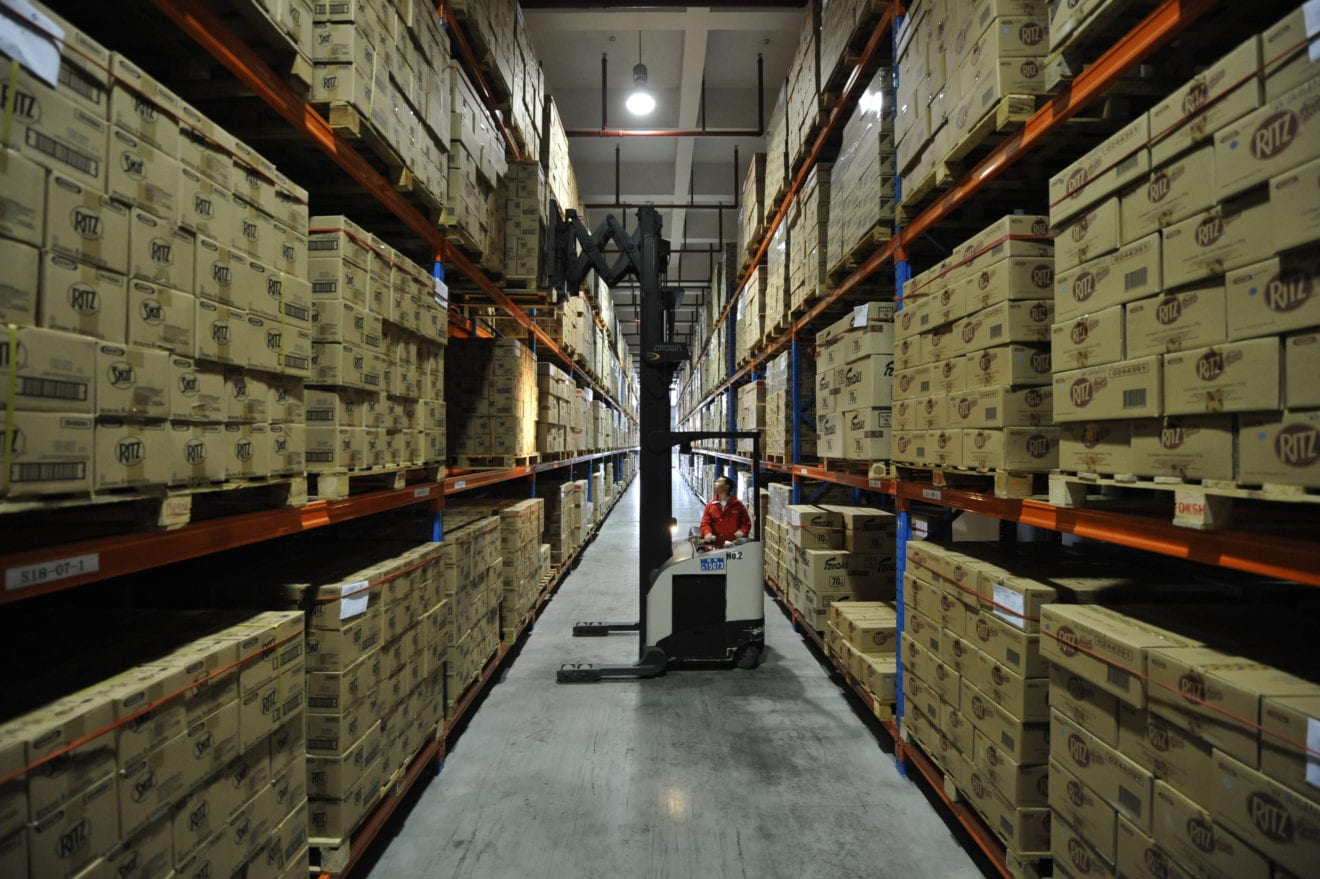
    In Asia, the eCommerce and e-tailing market has been particularly strong, with eCommerce upending the traditional bricks-and-mortar distribution networks, forcing retailers and third-party logistics firms to adapt to an increasingly demanding consumer.

    “eCommerce shipments are smaller in size and require more technology and expertise to execute efficiently. As a result, modern logistics facilities are being developed in the traditionally strong logistics hubs of Tokyo, Seoul and Taipei. Besides the developed markets, the new consumer class in the emerging markets is creating opportunities for logistics development in in China, India and Vietnam,” said Yeo.

    Hong Kong under threat

    Meanwhile, the report concludes that while Hong Kong will remain one of the top global logistics hubs in the world, for the next decade, the territory will be in strong competition with several emerging Asia hubs including China’s Beijing, Hangzhou, Nanjing, Suzhou, and South Korea’s Busan.

    “Hong Kong has maintained its global logistics hub status due to its efficient transportation network and highly developed logistic services. It ranks third in the World Bank’s Logistics Performance Index,” said Darren Benson, executive director, industrial & logistics, brokerage services, CBRE Asia.

    “As the traditional global gateway to China, Hong Kong is likely to remain the hub for global distributors, due to its local trade and transport regulations and its ease of connectivity via seaports.“

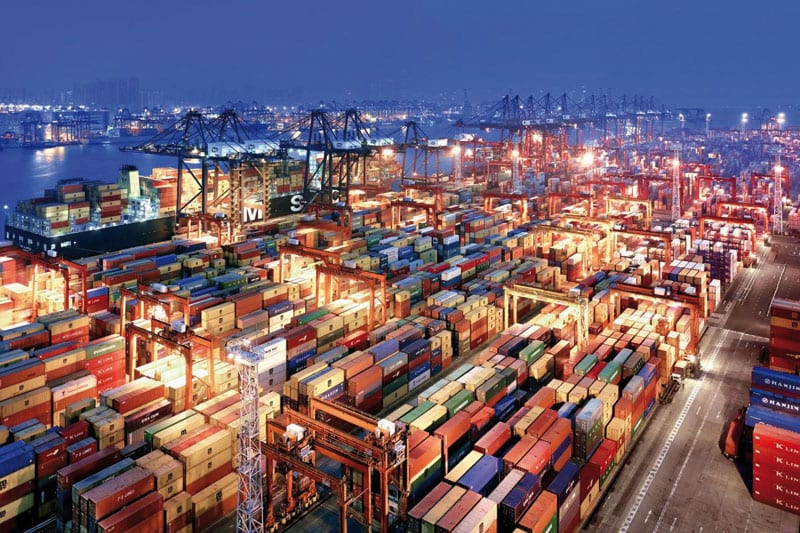
    Hong Kong is currently the fourth largest global seaport by container volume, while emerging hubs such as Shanghai, Shenzhen and Busan rank first, third and fifth respectively. These emerging locations share a number of characteristics, including significant investments in infrastructure, new trade policies and agreements, and more advanced supply chains and technologies. As these cities continue to improve their regional transportation infrastructure so their viability for international trade increases.

    The shift in global supply chain dynamics and creation of new logistics hubs in Asia may also be spurred by China’s plans to revive the Silk Road trade route.

    In 2013, China launched a new strategic initiative, known as “one belt, one road,” which aimed to revive the importance of the Silk Road. The new Silk Road has two parts: the Silk Road Economic Belt, a land-based route that will connect central China to the Middle East and Eastern Europe, and the Maritime Silk Road, a sea-based path that will link South China to Southeast Asia, East Africa and Europe.

    In Asia, low-end manufacturing – such as garment and textiles production and electronics component assembly – has steadily been moving from Southern China to Western China and Southeast Asia. Southern China, encompassing the Pearl River Delta, has traditionally been the light industrial manufacturing center of the world, however, as wages continue to rise and China attempts to move up the manufacturing value chain, there has been a shift to more sophisticated heavy industry manufacturing.

  • Sa Sa plans new store concepts

    Sa Sa plans new store concepts

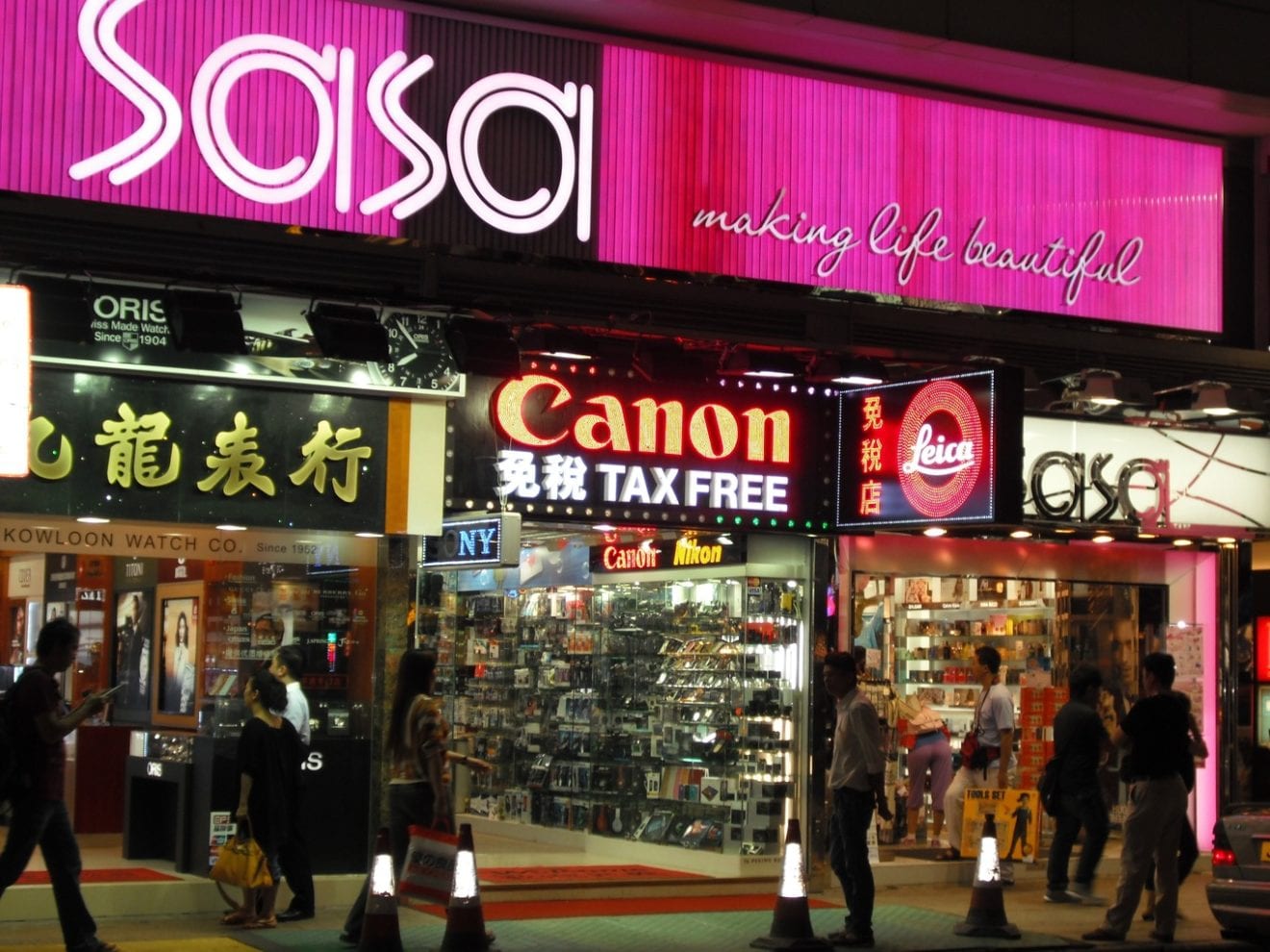
    Hit by falling sales in the tourist downturn, Hong Kong beauty retailer Sa Sa plans new store concepts and diversification to restore growth.

    Reporting a 10.6 per cent decline in sales to HK$3.778 billion in the first half of the current year, and a 55 per cent plunge in profit to $153 million, Sa Sa revealed a strategy to “develop other businesses beyond traditional operations”, including tapping the opportunities of O2O and cross-border eCommerce.

    “The group’s O2O initiatives will initially launch in Hong Kong and gradually extend to mainland China. For the China market, the O2O initiatives will significantly broaden product offerings in its physical stores through online sales and cross border fulfillment. The group aims to use different channels and to leverage a variety of online partners to increase online exposure, including operating physical stores to promote O2O in Free Trade Zones, and cooperating closely with major China online operators, all with their unique positioning and correspondingly different opportunities,” the company said in its interim report.

    New store concepts are also on the drawing board.

    “The group’s strategy for new store concepts includes introducing more trendy and lifestyle concepts to attract young and trend-setting customers, much improved product display, and more emphasis on enhancing the shopping experience.”

    Sa sa says it also aims to place more emphasis on the unique shopping experience with Sa Sa through improved product displays, while changing the mindset of its beauty consultants to one that is more receptive to consumer preferences.

    “In addition, the group will substantially strengthen its online marketing efforts, including the use of social media channels to improve interactivity.”

    Hong Kong & Macau

    Sa Sa says its first half year was marked by pressure from a series of negative factors in the retail market of Hong Kong during the first half of the year. Retail sales in Hong Kong and Macau decreased by 11.1 per cent to $3.010 billion.

    “The cosmetics market in Hong Kong continues to face strong headwinds due to the slowing of mainland China tourist arrivals, their reduced spending, and weak local consumption sentiment. The one-visit-one-week policy for mainland visitors is gradually taking its toll on the market, while the strength of the Hong Kong dollar and depreciating yuan will continue to make shopping overseas more attractive for both mainland China and local consumers. Intensifying competition within the cosmetic industry is a further challenge, with ongoing discount and promotion programmes having an ongoing impact on profitability,” the company reported.

    “Although rental pressure is expected to moderate in a slowing market, rental reductions still lag behind weak sales performance. In the face of these challenges, The group rationalised its retail network from 287 to 281, a net decrease of three stores each for both “Sasa” stores and single-brand counters.”

    Mainland China

    In Mainland China, the stores’ profitability continued to improve, but weak operational and product management led to a decline in turnover, as well as an increase in the inventory provision. Overall turnover for Mainland China operations decreased to HK$148.9 million, a decrease of 8.7 per cent in local currency terms, while same store sales growth in local currency decreased by 9.8 per cent for the period. Loss for the period amounted to HK$24.5 million. The group has recognised the need for more management resources to improved management, and is currently using external management resources on a contract basis to allow for more time to develop its own management structure and training. The group is also seconding experienced staff from Hong Kong to improve attractiveness of product offerings and inventory management.

    Taiwan

    Turnover in the group’s Taiwan business decreased to HK$130.2 million during the period, representing a drop of 2.2 per cent in local currency terms. Same store sales fell 8.7 per cent in local currency. The number of mainland China consumers in Taiwan is expected to increase in view of the country’s enhanced infrastructure and retail space, and the introduction of unlimited visa quotas for high-end Mainland Chinese tourists who have greater spending capacity. The group has already opened stores in tourist locations to tap the potential of increasing in mainland Chinese tourist arrivals.

    Singapore & Malaysia

    Flat sales across the Sa Sa Singapore network has prompted a rethink of the brand’s local network.

    In the first half year, Sa Sa reported turnover of HK$112.8 million (S$20.445 million) in Singapore, remaining flat in local currency terms over the same period last year.

    “The group will continue to build scalability and profit potential by closing inefficient stores and opening stores in new malls with good potential,” the company said in its interim trading statement.

    Meanwhile, turnover for Sa Sa Malaysia was HK$141.9 million, an increase of 2.5 per cent in local currency terms over the same period last year. However, same store sales decreased 8.5 per cent in local currency.

    “Sales and profit growth were restrained by the implementation of GST [on April 1], which adversely impacted store productivity during the transitional period. This effect is expected to be normalised in the second half.”

    Chairman’s view

    Chairman and CEO Dr Simon Kwok put on a brave face on the results:

    “Sa Sa has a long track record of delivering outstanding success in all economic climates and in the face of the most severe headwinds and difficulties. We firmly believe that in spite of the current difficult business environment we are now facing, we can still turn challenges into opportunities and further consolidate our competitive advantages. The flexibility of our business model, with an ability to rapidly adapt to new circumstances, markets and trends, will continue to support our position as a leading provider of beauty products in the Asia Pacific. We also believe that the resilience and adaptability of our loyal staff and the forward vision of our outstanding management team will ensure that we deliver sustained, satisfying growth for many years to come.”

  • The Peninsula to expand its luxury retail network with Hong Kong airport opening

    The Peninsula to expand its luxury retail network with Hong Kong airport opening

    While Hong Kong’s hotel sector faces a drop in mainland travellers this year, The Peninsula is pushing ahead with plans to open a retail shop at the city’s airport on Sunday. Paul Tchen Pao-shan, the group general manager of operations of Hongkong and Shanghai Hotels, which operates The Peninsula, says he is upbeat about the venture, even as the luxury retail sector been under pressure in recent times, forcing a number international brands to close in Hong Kong.

    “When customers do not come to us, we will go out to them,” Tchen said, adding that the 644 square foot shop will expand its product range to include customers who would not normally stay at the hotel.

    “The airport is a good location for retail business. It is a place guaranteed to have a lot of traffic. There are many tourists who want to get rid of their local currency and they will shop at the airport for souvenirs,” he said. “Food items such as chocolate are popular among tourists.” Tchen said the inspiration to diversify into luxury chocolates, teas and other gift items began during the height of the Japanese tourism boom in the late 1980s.

    At the time, Japanese visitors accounted for the majority of room bookings. A culture of gift giving, however, meant that many guests needed to stock up before their return journeys, creating a demand for products that over time would become an integral part of the hotel’s business. When the Japanese stock market imploded in the early 1990s, signalling an end to a long period of economic growth, visits by Japanese to Hong Kong began to decline, forcing The Peninsula to branch out with what had been an in-house business.

    In 2001, the hotel signed a licensing agreement with Nuance-Watson under which Peninsula-branded food products were sold at a dedicated counter under the retailer’s duty free network at Hong Kong International Airport. Business was so good that the Peninsula’s products were also sold under licence at a stand alone shop in 2003. The shop operated for 10 years until it was closed owing to rezoning of the airport retail area.

    The retail outlet set to open on Sunday will be directly owned and operated by The Peninsula, according to Tchen.

    “When we first started to sell products at the duty free shop in 2001, we did not have any retail experience. But now we have an experienced team of retail staff and we can operate our own shop at the Hong Kong airport,” he said. During the past 14 years, the company has opened 27 retail outlets worldwide, including Taiwan and Singapore, where the company has no hotel presence.

    “We consider running a retail shop in cities without a [Peninsula] hotel is like having an ambassador in that city,” Tchen said.

    “When they travel to Hong Kong, some of these retail customers may consider staying with us. Also, when we open hotels in these cities in the future, the retail shops will have played an important role in building up the brand.”

    The Peninsula also established retail shops in Japan in 2004, three years before it opened a hotel there. The retail business contributed 2.8 per cent of Hongkong & Shanghai Hotels’ turnover last year. Plans to take the retail concept online are underway with a launch tentatively set for March or April.

    “The new generation of customers is growing up with shopping through their mobile phones or desktop computers. We have to offer what customers want,” Tchen said.

  • Aqua Spirit Presents Hong Kong’s First New Year Nude Noir Party

    Aqua Spirit Presents Hong Kong’s First New Year Nude Noir Party

    This New Year’s Eve, guests to aqua spirit are invited to a themed dress-up world of lace, leather and sensual festivities at Hong Kong’s best location to view the world-renowned fireworks – One Peking in Tsim Sha Tsui.

    An underground-style, countdown event oozing with sex appeal – aqua spirit’s New Year Nude Noir Party is a first for Hong Kong. The sensual evening calls for guests to don leather, lace and hide behind sexy masks for a night of ultimate naughtiness.

    Doors open at 9pm. Tickets start at HKD$1,500, for early bird, which includes entry to aqua spirit, free-flow champagne as well as free-bar for premium spirits such as Tanqueray and Ketel One.

    Throughout the night, free-flow gourmet Italian and Japanese canapés will be served. DJ Abel Rogers will be on the decks mixing upbeat sounds and sexy tunes – adding to the risqué atmosphere.

    $2000 per person including free-flow drinks from 11pm and canapés from 1-3am

    $1500 early bird price until 15 December

  • Bauhaus posts loss as margins squeezed

    Bauhaus posts loss as margins squeezed

    Fashion retailer Bauhaus has reported a net loss of HK$26.6 million for the first half year after sales tumbled in key markets.

    In Taiwan, where it has 95 stores and counters, stagnant retail sentiment and weak consumption presented great challenges, with same-store sales tumbling 18 per cent.

    In Mainland China, where the group has self-managed shops in Beijing, Shanghai, Guangzhou, Nanjing and Suzhou and a franchise network focusing on the second-tier cities, turnover dropped by 4.9 per cent to about $58.4 million and same store sales slipped two per cent.

    And in Hong Kong and Macau, same store sales declined by seven per cent in the first half year.The two territories account for about 73 per cent of the locally listed company’s sales through 90 stores, less than half its total network of 228.

    The group’s turnover is mostly from its major in-house labels like Salad, Tough and 80/20, and licensed brands including Superdry.

    Bauhaus opened seven new stores in  in Hong Kong and Macau in the six months to September 30 as it “continued to enrich its shop portfolio to be more attractive, efficient and competitive”.

    “However, retail performance in many sectors across the region deteriorated, possibly due to less spending from both inbound tourists and local citizens as a result of the growth slowdown in Mainland China, strong local currency and volatile finance markets. In addition, the operating costs in the region still remained high in general, particularly rentals, further cutting profit margin of the retailers.”

    Profit before tax in the two territories dropped by 57.2 per cent to about HK$24.1 million (compared with $56.3 million in the same period last year).

    Bauhaus said in its half yearly results filing that gross profit across the whole business decreased by about 11.1 per cent to $353.9 million, with gross margin declining by two percentage points to about 60.5 per cent.

    “Global economic performance was weaker than expected during the six months. The slowdown of growth in Mainland China together with the strengthening US dollar, which in turn resulted in a strong Hong Kong dollar against most Asian currencies, gradually had an obvious negative impact on inbound tourism and local retail consumption,” the company said.

    However, the group says its sales and results are greatly affected by seasonality, with the first half of the year traditionally less important than the second.

  • Alibaba launches Taiwan, Hong Kong venture funds

    Alibaba launches Taiwan, Hong Kong venture funds

    China’s Alibaba has announced two venture funds to help entrepreneurs with projects who can leverage the resources of Alibaba’s ecosystem.

    A HK$1 billion (US$130 million) venture fund – named Entrepreneurs Fund for Hong Kong – will be managed by venture capital firm Gobi Partners.

    A second – Entrepreneurs Fund for Taiwan – will have initial capital of NT$10 billion (US$316 million) and be managed by CDB Capital, a division of China Development Industrial Bank (CDIB).

    As well as cash, the two new funds will offer 200 internship opportunities annually for graduates and final year students of local tertiary educational institutions. Successful applicants will be able to work for between six and 12 months at Alibaba Group companies in Mainland China.

    Andrew Lee, the former CFO of EnTie Bank will act as executive director of the Taiwan fund, with directors including Charles Yen, co-founder and principal of the AAMA Taipei cradle program and Joseph Tsai, senior EVP of Cathay Financial.

    The fund will be headed by Cindy Chow as executive director. Other directors include Dr Allan Zeman, founder and chairman of the Lan Kwai Fong Group, and Savio Kwan, an independent business consultant who served as president and COO of Alibaba from 2001 to 2003.

    The funds are intended to help entrepreneurs and position Hong Kong and Taiwan as business hubs engaged regionally and globally, with a mandate to invest in qualifying companies in the startup, growth and expansion phases. Selected ventures will be able to leverage the platforms in the Alibaba ecosystem to offer products and services to mainland China and globally, given that Alibaba operates in eCommerce, logistics, mobile platforms, cloud computing and financial services.

    Said Joseph Tsai, executive vice chairman of Alibaba Group: “At Alibaba, our mission is to make it easy to do business anywhere. We are passionate about fostering entrepreneurial spirit and hope the resources provided by the fund will help unleash potential for innovation and entrepreneurship.”

  • 759 Store Hong Kong closes four shops

    Just three months ago Hong Kong supermarket retail concept 759 Stores was boasting a 48 per cent increase in sales and the opening of 57 new shops last financial year.

    This month the chain says it will close four Hong Kong stores citing the lacklustre retail climate in Hong Kong.

    The four stores are all located in shopping centres owned by The Link REIT which according to 759 Stores has refused to grant rent reductions during negotiations over lease renewals.

    759 Store Hong Kong, the trading brand of listed business CEC International Holdings, positions itself as in between convenience stores and supermarkets, its primary point of difference its ‘self-import model’ of stock and uniform margins.

    Its 759 Store and 759 Supermarket concepts have evolved since the brand’s launch in 2010 from just selling sweets and snacks into a broader range of low margin, high turnover lines across many categories, including rice and grain, non-staple food, frozen food, alcohol, pet snacks, household goods, kitchenware, household electrical appliances, personal care supplies, cosmetics, supplies for babies, toys, novelties and accessories.

    Now CEC is planning to further diversify from its core snack and beauty products businesses, seeking a Chinese medicine license allowing it to sell packaged traditional soup in 100 of its stores.

    There are 260 759 branded shops across Hong Kong. Some of these will be expanded from the smaller store model into larger supermarkets, according to a report in today’s Hong Kong Economic Journal, which quotes 759 Stores chairman Lam Wai-chun.

    Lam said the company’s online business has already broken even and on Singles Day the company sold a record $20 million of products.

  • Causeway Bay retail rents remain expensive

    Causeway Bay retail rents remain expensive

    New York’s Upper Fifth Avenue is the most expensive retail street in the world with rents rising to US$3500/sqft. in 2015.

    That’s nearly 50 per cent expensive than Causeway Bay in Hong Kong, which has held its second place on Cushman & Wakefield’s latest global rankings, despite the decline this calendar year of 14 per cent.

    Cushman & Wakefield’s Main Streets Across the World report tracks over 500 of the top retail streets around the globe, ranking them by their prime rental value using Cushman & Wakefield’s proprietary data. The 27th edition of the report shows that rents have risen in 35 per cent of streets around the world – despite the increased global uncertainty experienced over the past 12 months. The report also includes a ranking of the 65 most expensive streets – the top one per country.

    New York’s Fifth Avenue retained its position as the most expensive global retail location with rents up an average 3.6 per cent year on year and 46 per cent above the second-placed Causeway Bay in Hong Kong ($2399/sqft).

    The top 10 Global high street retail destinations by rent (in US$/sqft/year):

    1 Fifth Avenue (New York) – $3500.

    2 Causeway Bay (Hong Kong) – $2399.

    3 Avenue des Champs Élysées (Paris) – $1372.

    4 New Bond Street (London) – $1321.

    5 Via Montenapoleone (Milan) – $1035.

    6 Bahnhofstrasse (Zurich) – $895.

    7 The Ginza (Tokyo) – $882.

    8 Myeongdong (Seoul) – $882

    9 Kohlmarket (Vienna) – $478.

    10 Kaufinger / Neuhauser (Munich) – $459.

    In Asia Pacific, there has been a downward pressure on rents on the back of weaker retail sales and slowing tourism in China, particularly. This has resulted in lower rents, which is creating incentives for more international luxury brands and high street retailers to move in. However, interest rate hikes by the Chinese government could impact consumer spending power. Elsewhere, high-profile international retailers are targeting both Australia and New Zealand and Metro Manila.

    Theodore Knipfing, head of retail, Asia Pacific at Cushman & Wakefield, said the outlook for Asia’s overall retail market is largely positive, with retail sales growth averaging 8.5 per cent over the next five years (in US dollar terms).

    “Rising tourist numbers are spurring robust and sustained retailer demand – albeit firmly focused on prime, well-located space. Although the growth of eCommerce is notable across the region, physical stores will remain important, although landlords will need to focus on improving the shopping environment and customer experience in order to compete for retailer demand.”

    Europe

    Avenue Champs Élysées in Paris retained its crown as the most expensive retail location in EMEA, followed closely by London’s New Bond Street. Strongest rental growth this year was recorded in Dublin’s Grafton Street and Covent Garden in London, as well as in top high streets in Milan and Rome. However, high streets in Russia and Ukraine experienced sharp declines linked to the conflict between the two countries that yielded slowdowns in economic growth and retail sales.

    Justin Taylor, head of EMEA retail at Cushman & Wakefield, said: “Improving employment prospects, rising real wages and healthier consumer confidence in advanced economies are set to offer more positive momentum for the retail sector. From an EMEA perspective, despite any economic and political uncertainties in certain countries, the retail market is expected to see further improvements. Indeed, a strong retail sales growth forecast, robust occupier demand and a lack of supply in many locations mean rents will keep rising in the most popular high streets.

    “Indeed, tight availability is shaping the retail landscape, pushing the geographic boundaries of well-established high street markets outwards,” Taylor concluded.

    The Americas

    The US represents seven of the Top 10 most expensive cities in the Americas, with Toronto, Rio de Janeiro and Vancouver at sixth, seventh and eighth, respectively. Seattle posted the highest rent growth in the US, up 27.3 per cent to $70 per sqft, while Los Angeles’ Rodeo Drive corridor posted the highest retail rents outside New York at $800 per sqft, a 23 per cent increase. Strong tourism and a vibrant local economy make San Francisco’s Union Square a market to watch with its 1.1 per cent vacancy, $650 per sqft rents and 13 per cent rent growth, which follows 21 per cent rent growth for the same period through mid-2014. Similarly, Chicago’s Michigan Avenue posted 8.2 per cent rent growth with average retail rents of $525 per sqft.

    At $320 per sq. ft., Toronto’s Bloor Street retail corridor was the most expensive high street in Canada, while Edmonton’s Whyte Avenue was the most affordable in the Americas at $45 per sq. ft.

    Gene Spiegelman, vice chairman, head of retail services, North America at Cushman & Wakefield, said: “The Americas region is expected to sustain a positive trajectory going forward into 2016, bolstered by a steady consumer sector benefiting from a material reduction in energy costs and stable employment expectations, especially in the US.

    “Retailers will continue to add physical stores to support their expansion plans while at the same time optimising their footprint to respond to the ongoing evolution of ‘clicks and bricks.’

    “International luxury brands will continue to dominate the high street, providing a boost to the key destination cities with high exposure from tourism and strong foot traffic.”

  • Vertu eyes China

    Vertu eyes China

    Luxury phone brand Vertu says its new Hong Kong investor will allow the brand to embark on its next growth phase – into Mainland China.

    Vertu will continue to operate its global business from its UK Headquarters with new partner, Godin Holdings, a Hong Kong based company backed by a group of international investors. This move will support accelerated growth for Vertu and maximise its ‘Luxury Tech’ market leadership position.

    Since shipping its first phone in 2002, Vertu had sold around 450,000 devices worldwide, with an average selling price of around £5000 per handset last year.

    “Godin brings with it a significant understanding of the world’s fastest developing luxury market, China, as well as an ability to help with the technical development of a future range of industry leading Vertu products,” the company said in a statement.

    Vertu runs 70 of its own boutique retail stores and is sold through 430 partner stores in 66 countries. It is not yet clear if the brand will expand in China through its own store network of partner with an existing retailer.

    The new investment has led to a management shakeup with CEO Massimiliano Pogliani stepping down after three years

    As part of the new investment, a number of changes have taken place within Vertu’s management, replaced by Billy Crotty. Justine Rouch, COO and Davide Vassena, VP product and marketing, have both also left the company.

    Crotty says the company has a clear vision for the next phase of its growth.

    “Vertu is regarded as the clear leader in the luxury mobile category; a company with a strong USP, brand equity, product roadmap and established retail network; the ‘Handmade in England’ aspect of Vertu is appreciated globally as a particularly valuable, fundamental brand strength.

    “Godin Holdings’ investment will allow Vertu to maintain its leadership position within the luxury technology industry and to expand its already world class product portfolio.

    “Mainland China is a key market for Vertu, alongside its other pan-Asian and European business. All in all, the Godin team are perfectly placed to offer both investment into the company, as well as mobile technology industry expertise and contacts. Godin believes that significant growth opportunities lie ahead for Vertu, within specific markets as well as through new product developments.”

    A key part of Vertu’s future is the launch of Vertu Club, explains Crotty.

    “Vertu Club will be the umbrella for the evolution of our on-device and off-device services. Our aim is to ramp up the already very close relationship we enjoy with our customers through Concierge, Life and Certainty apps, in order that it can inform, to an ever increasing degree, not only the portfolio of services we offer, but the manner in which we do so, in order that we create a world class personal service, unattainable in any other format than that which can be achieved by being a member of the Vertu Club.”