Tag: Hong Kong

  • Hong Kong Government Collaborates With China In Phasing Out Ivory Trade

    Hong Kong Government Collaborates With China In Phasing Out Ivory Trade

    This week, animal rights activists in Hong Kong are celebrating a huge win as their plea to eliminate global ivory trade has been heard. Hong Kong’s Chief Executive Leung Chun Ying announced in his annual policy address that the country will phase out on ivory trading in collaboration with China.

    CNN reported that Hong Kong was allegedly the world’s largest retail market for ivory and a facilitator of illegal ivory transport into mainland China.

    “The Government is very concerned about the illegal poaching of elephants in Africa,” Leung said in his speech, “It will kick start legislative procedures as soon as possible to ban the import and export of elephant hunting trophies.”

    Hong Kong’s government has also vowed to impose heavy penalties against those who partake in illegal ivory trade and importation

    China reportedly has better laws regarding ivory trade compared to Hong Kong.

    According to Huffington Post, 30,000 African elephants are killed every year for their tusks, hence putting the species at a risk of extinction.  The government has reportedly begun a crackdown on the illegal trade, and the action is already making a difference.

    Earth Torch News Network asserted that the activist group initially began pinning down perpetrators three years ago, although the government was not so keen on doing the same. Additionally, reports indicate that the import and export of ivory have been banned in Hong Kong since 1989. However, there have been loopholes in the enforcement of such prohibition, thus allowing the trade to propagate.

    Meanwhile, an estimated 16.7 tons of ivory have been confiscated in Hong Kong for the past three years.

    In other news, animal rights activists are calling other Southeast Asian countries, including Thailand, to emulate China, Hongkong and the United States in banning the domestic trade of ivory.

    Wild Life reported that new fears arise as South Africa is planning to propose the re-opening of a regulated trade of rhino horn. Once the bill is passed, elephant poachers are likely to venture into rhino poaching to supply investors.

  • Savoir Beds Hong Kong showroom opens

    Savoir Beds Hong Kong showroom opens

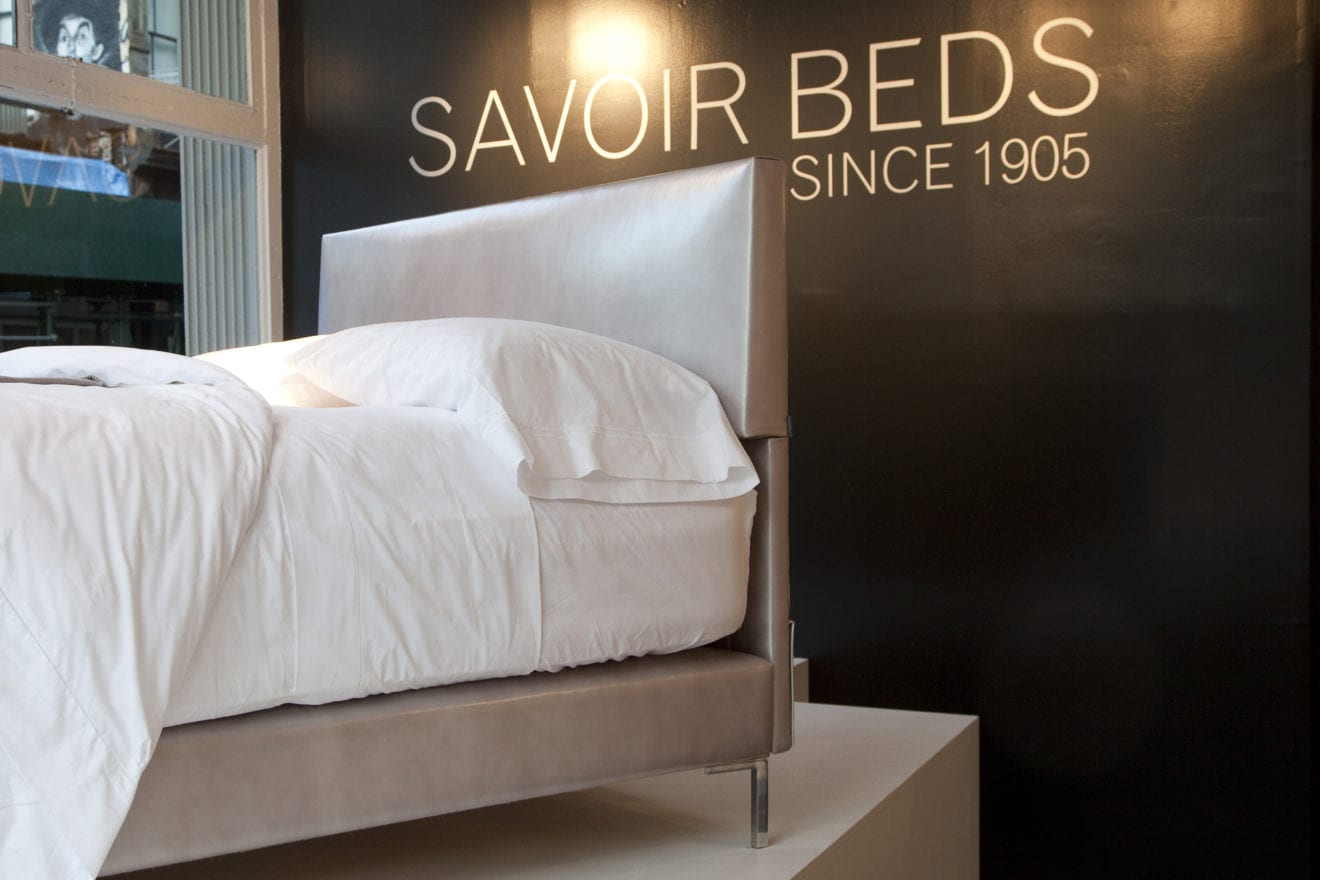
    Luxury British bed maker Savoir Beds has expanded its Asian footprint, opening its first showroom in Hong Kong.

    Savoir already has a presence in Asia in Korea, Taiwan, Mainland China and India.

    The new 150 sqm showroom in Ap Lei Chau, Aberdeen Island, is located in the Horizon Plaza, a multi-storey mall featuring high end furniture, furnishings and fashion.

    Savoir Beds’ Hong Kong partner is Brandon Chau, described as a flamboyant local businessman and socialite.

    The fitout features signature Savoir Beds touches, including subtle hints of gold, contrasted with traditional craft displays. Six beds feature in full display.

    Savoir Beds


    “We’re thrilled to have continued our worldwide growth to Hong Kong – which is known as one of Asia’s most thriving shopping destinations,” said Alistair Hughes, founder and MD of Savoir Beds.

    “We are delighted to be working with Brandon, someone so well connected with the city’s movers and shakers. We have every faith that this new venture will be very prosperous for the Savoir brand and hope its fantastic location continues to flourish.”

    The Hong Kong store takes Savoir’s global network to 14 showrooms.

  • Chow Tai Fook sales slide continues

    Chow Tai Fook sales slide continues

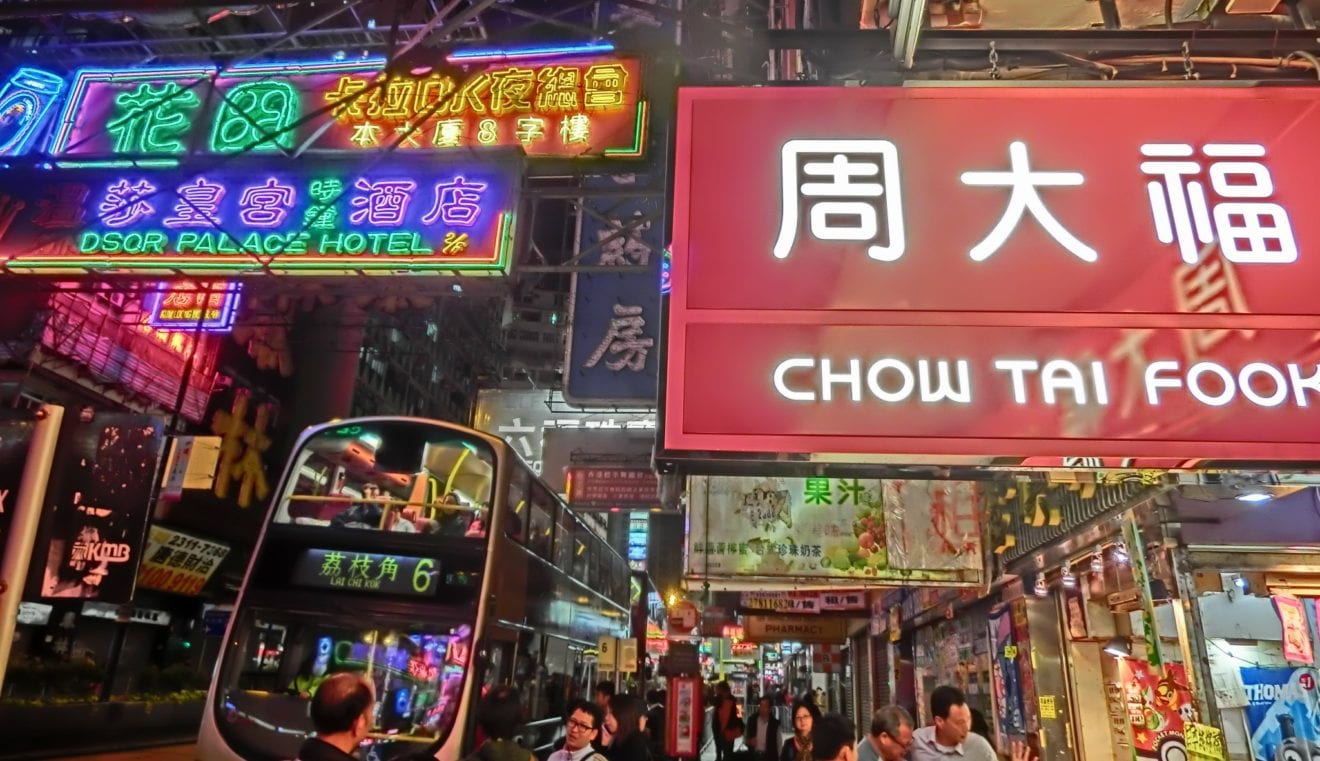
    Jeweller Chow Tai Fook continues to be battered by the declining number of wealthy Mainland Chinese tourists visiting Hong Kong and Macau.

    The Hong Kong listed retailer has revealed its same store quarterly sales slumped 23 per cent in Hong Kong and Macau in the three months to December 31 and by 6 per cent in Mainland China. It said those figures were “similar to the same store sales sales performance” of the preceding quarter.

    In total value, after currency effects were taken into account, total sales fell 11 per cent, compared with 10 per cent in the preceding quarter. Mainland sales, on a constant currency basis, were down two per cent.

    The group opened a net 31 points of sale during the quarter, including 28 jewellery outlets and two watch stores in Mainland China, and a net one store elsewhere, taking its total point of sale count to 2317 as at December 31.

    Meanwhile, Chow Tai Fook MD Kent Wong said on a conference call that the company expects to close five or six stores in Hong Kong during the next three months as it adjusts its network to reflect the changing shopper demographic.

    He said the domestic market remained challenging with the local currency pegged to the US dollar which is widening the gap between the Hong Kong dollar and China’s renminbi.

  • Hong Kong Airport tenders fashion concession

    Hong Kong Airport tenders fashion concession

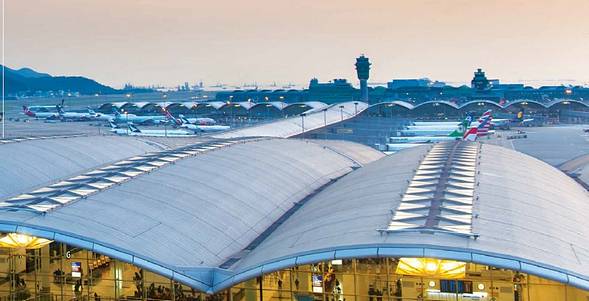
    The Airport Authority of Hong Kong (AAHK) is inviting interested companies to tender for a shoes, fashion accessories and sports concession at Hong Kong International Airport, in Terminal 1.

    The tender is due to close on 25 February 2016, at 14:30 (Hong Kong Time) for the 57sq m concession space.

    As the airport authority has been keen to communicate in recent years, HKIA presents a ‘unique business opportunity ‘for retail operators at this aviation hub in Asia. Taking this into consideration, AAHK believes this to be another ‘extraordinary business opportunity in a premier location’.

    The new shop will be erected on Level 7 of the East Hall Departures lounge.

    “HKIA is a world-class international transport hub with extensive air, sea and land links as well as round-the-clock facilities, serving over 100 airlines and 63.3m passengers in 2014 with an annual growth of 5.8%,” adds HKIA.

    “HKIA’s affluent mix of passengers come from all over the world, with over 45% being executives, professionals and proprietors.”

    Interested companies, who wish to receive the tender documents are asked to send a cashier’s order of HK$500 (non-refundable) made payable to ‘Airport Authority’, along with a written request on company letterhead paper specifying the tender number, company name, contact details and trading name to the following address.

    Ms. Dorothy Tan
    Assistant General Manager
    Retail & Advertising
    Airport Authority Hong Kong
    5/F, HKIA Tower, 1 Sky Plaza Road
    Hong Kong International Airport
    Lantau, Hong Kong

  • Shibuya109 opens in Hong Kong

    Shibuya109 opens in Hong Kong

    The Japanese department store Shibuya109 has opened its first outlet outside its home market – in Market City in Kowloon, Hong Kong.

    Owned by Tokyu Hands, Shibuya109’s first Hong Kong store is described as a ‘mini-mall’ offering just a curated collection of brands from Japan to test the broader Asian market.

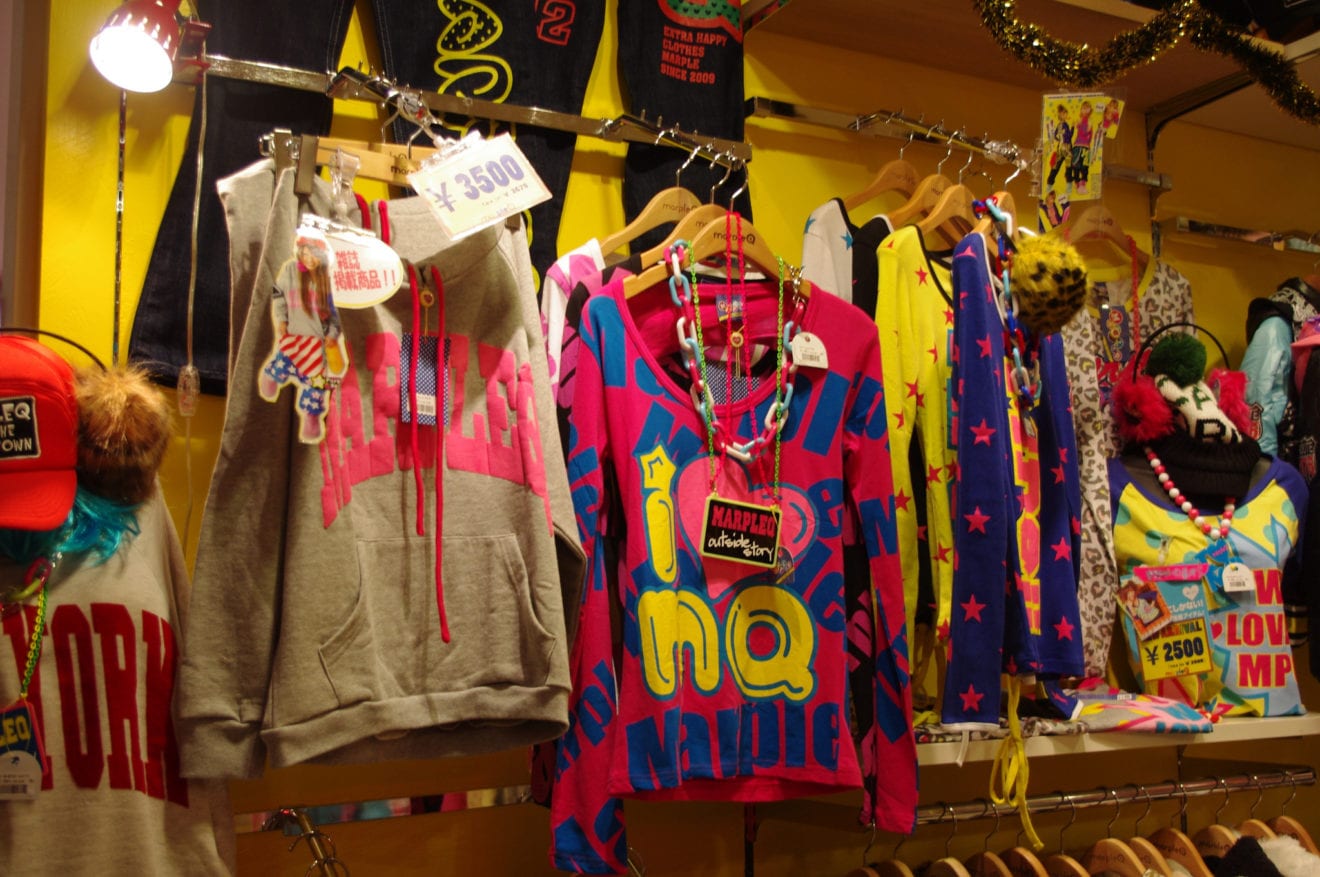
    The store opened quietly during the Christmas season lead-up taking up an 800sqm space on the third floor of Gateway Arcade at Harbour City in Tsim Sha Tsui. It is home to 13 retail brands from the Tokyo stores: Ank Rouge, Duras, Esperanza, Ki La Ra Girl, Liz Lisa, MLR, Rady, Redyazel, Regalect, Samantha Vega, Secret Honey, SLY and Wego Tokyo. For six of these brands, it will be their first launch on an overseas market.

    There is also a space tagged Shibuya109 Stage, dedicated to incubator brands.

    Shibuya109 takes its name from the popular shopping district in Tokyo.

    The concept of the mini mall is to highlight Japan’s fashion culture.

    Tokyu Malls Development Corporation says it chose Hong Kong because of its popularity with tourists – some 50 million people a year visit the territory.

    If the Hong Kong store proves a success, Tokyu will consider similar such outlets in Singapore and other Asian cities.

  • Largest Licensing Show and Conference Open in Hong Kong

    Largest Licensing Show and Conference Open in Hong Kong

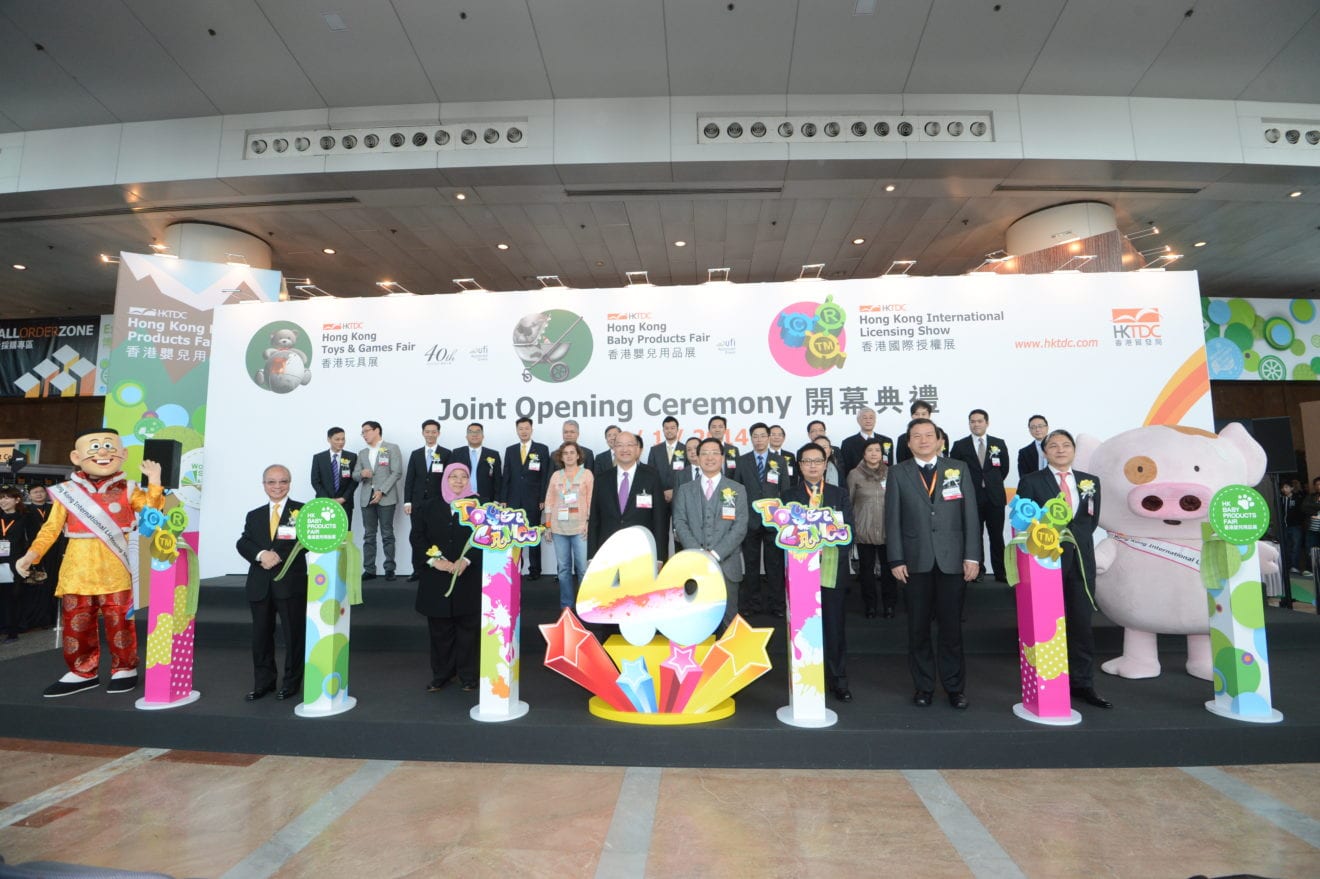
    The world’s leading licensors have gathered at the Hong Kong Convention and Exhibition Centre (HKCEC) for the 14th Hong Kong International Licensing Show and fifth Asian Licensing Conference which opened today. Organised by the Hong Kong Trade Development Council (HKTDC), the twin events explore partnership and licensing opportunities in Asia, and especially the Chinese mainland.

    Among the international brands taking part in the International Licensing Show (11-13 January) are BBC Worldwide, Chelsea Football Club, Hasbro, Hearst Magazines International, Sanrio, The Palace Museum in Beijing, The Wiggles, Warner Bros., 20th Century Fox and Ali-the-Fox. This year, the show features a record number of more than 340 exhibitors from 15 countries and regions, showcasing more than 860 brands and properties across such categories as animation and edutainment, art and design, fashion and lifestyle, and food and beverage.

    HKTDC Executive Director Margaret Fong said the global licensing industry is valued at more than US$158 billion, with Asia accounting for 12.2 per cent of the global market and the Chinese mainland being the main driving force of such sales. She also noted that Asia is not only a key market for licensing, but also the origin of dynamic and indigenous brands developed by the region’s young creative talents and backed by strong local government support, as evidenced by the strong Asian participation at the International Licensing Show.

    Ms Fong also pointed out that Hong Kong, with its strategic location, robust protection of intellectual property (IP) rights, an independent legal system, deep and broad pool of IP professionals as well as close business links with the Chinese mainland and the rest of the region, is the best place from which to tap into licensing opportunities in Asia, and especially the mainland.

    Licensing is a type of intellectual property trading. The HKTDC supports and promotes IP trading, including by developing and enhancing the Asia IP Exchange (AsiaIPEX), a free online intellectual property trading platform and database. The Character Brand Licensing Association (CBLA), organiser of the Japan Pavilion at the Licensing Show, this morning (11 January) formed a strategic partnership with the HKTDC to foster IP trading between Hong Kong and Japan through the AsiaIPEX.

    Besides the Japan Pavilion, other international pavilions include those from the mainland, Korea, Taiwan, Malaysia, Thailand, Australia and the United Kingdom, which together enrich the show with more region-specific content.

    China’s Ministry of Culture brings a large delegation

    China’s Ministry of Culture is leading a delegation of more than 60 companies, including over 30 from Guangdong, Zhejiang and Szechuan, making the Chinese mainland pavilion the largest in the Licensing Show’s history. Among the key enterprises and organisations are The Palace Museum, Beijing Dream Castle Culture Co. Ltd with its brand Ali-the-Fox and the animation enterprise Zhejiang Zhongnan Animation Co.

    Dynamic prospects for lifestyle sectors

    Among the wide range of licensing categories spotlighted are character, animation, edutainment, art and culture, fashion and lifestyle as well as the newly added food and beverage licensing category.

    The Art and Culture Licensing category features well-known brands showcasing their properties and merchandise, including The Palace Museum (China), National Museum of History (Taiwan), Van Gogh Museum (Netherlands), ink colour paintings by Master Lam Tian Xing and three Japanese manga culture museums, namely The Osamu Tezuka Manga Museum, Kawasaki City Fujiko F. Fujio Museum and the Anpanman Museum.

    Under the Fashion & Lifestyle Licensing category, classic and stylish brands such as Smiley, Ducati, Paris Saint-Germain FC, AC Milan, Chelsea Football Club, FC Barcelona and Manchester City Football Club are on display. The “Harper’s Bazaar Lounge”, sponsored by Hearst Magazines in the Chancellor Room of the newly expanded show venue, offers a taste of lifestyle licensing. Also, The Royal Touch created by Carolyn Robb, former Executive Chef to Prince Charles and Princess Diana and world-famous food critic, has joined hands with Dining Plus, a premier business food and beverage platform, to present Food and Beverage Licensing.

    Hong Kong Creative Gallery, promoting home-grown creativity, returns with around 60 original characters created by young Hong Kong designers and illustrators. Hong Kong’s Leisure and Cultural Services Department presents cross-over merchandise from Hong Kong museums and local designers under the theme “Bring Me Home – the Story of Hong Kong Culture, Art & Design”. Hong Kong Creative Gallery also features award-winning brands from the inaugural Hong Kong Licensing Awards 2015, organised by the Asian Licensing Association.

    Business matching sessions foster collaboration

    The HKTDC has organised 63 delegations, welcoming more than 1,000 business representatives from some 20 countries and regions to participate in the Licensing Show. To connect more buyers with exhibitors, a dedicated business matching session is organised in collaboration with Hong Kong’s industry associations (Federation of Hong Kong Brands, the Hong Kong Association of Amusement Parks and Attractions, Hong Kong Apparel Society, the Hong Kong Exporters’ Association, Hong Kong Watch Manufacturers Association Limited, Hong Kong Toys Council, the Federation of Hong Kong Watch Trades & Industries Ltd, Hong Kong Retail Management Association and Hong Kong Publishing Federation) covering sectors including toys, garment, watch and clock, publishing, retail and travel. More than 500 business matching meetings will be arranged at the fairground to create more business opportunities for the show’s participants.

    Interactive events generate business exchange

    The Licensing Show includes interactive events to create more business matching opportunities for visitors. The ink colour painting Master Lam Tian Xing presented art demonstrations today during the show. Activities tomorrow include “Kumamon Exercise” organised by Kumamoto Prefectural Government of Japan, a presentation by actor Jim Chim entitled “Jim Chim x PLAYCORNER x dr jim jim: Reaching out to the world of licensing”, “Junior Chef Go! Go! Go!” delivered by Dining Plus as well as a series of activities presented by Warner Bros.

    Asian Licensing Conference explores opportunities in the region

    Held alongside the Licensing Show, the Asian Licensing Conference (11-12 January) welcomes more than 30 global licensing experts to speak at the conference. During this morning’s plenary session, Maura Regan, Sesame Workshop’s Senior Vice President & General Manager of International Media Business, spoke about the company’s strategic collaborations with mainland broadcasters and top digital platforms in expanding to Asia, in particular the Chinese mainland market. Another speaker Shinichi Murata, Vice Governor of Kumamoto Prefectural Government Japan, demonstrated how the Japanese prefecture uses the licenses of Kumamon to promote Kumamoto’s tourism and culture. Senior executives from BBC Worldwide and Michelin Lifestyle also discussed licensing opportunities and their corporate strategies in Asia.

    Meanwhile, three Breakout Sessions today explored brand extension through licensing in areas of “entertainment and new media”, “fashion, lifestyle and branded services” as well as “art, culture and tourism”. Speakers included representatives from Disney, Harley Davidson, Hearst Magazines, Kodak Worldwide, Taiwan’s Jimmy S.P.A., The British Library, The Palace Museum, The Wiggles and Tezuka Productions.

    The main theme of the conference tomorrow will be the Chinese mainland market, with senior executives from Hasbro, JD.com, Guangzhou’s HccartoonAnimationTechnology (GZ) Company Limited and Alpha Animation Brand Management Company Limited discussing how licensing can help companies tap into the mainland market. Two workshops will introduce the basics of licensing and hear from experts on legal and intellectual property (IP) issues related to licensing. The Intellectual Property Department of the Hong Kong Special Administrative Region (HKSAR) Government is a strategic partner of the IP and legal workshop.

    Concurrent events add new business dimension

    Taking place in parallel with the Licensing Show and the Asian Licensing Conference are the Hong Kong Toys & Games Fair, Hong Kong Baby Products Fair and Hong Kong International Stationery Fair. Together these events, which each have significant licensing elements, will generate new business opportunities and attract more industry professionals and buyers to the fairs.

  • Stronger HK dollar a turn-off for tourists

    Stronger HK dollar a turn-off for tourists

    The sharp decline in the yuan and volatile stock markets have exacerbated retail and tourism woes in Hong Kong as a weak currency means it is no longer attractive for mainland visitors to shop and dine in the city.

    Experts fear the falling yuan will further discourage mainland tourists. A total of 38.6 million visited the city in the first 11 months of 2015, accounting for about 77 per cent of all arrivals to Hong Kong.

    “Mainland tourists will turn to places with weaker local currencies,” says Charlie Chen, head of Asian consumer research at French bank and financial services company BNP Paribas.

    Although the yuan is falling against the US dollar, Chen says it is not necessarily depreciated when converted to other major currencies, like the South Korean won and Japanese yen. But the Hong Kong dollar is pegged to the US dollar, which means higher prices when converted to yuan.

    “The luxury sectors will be hit the most if the yuan continues to depreciate,” Chen notes. He says people tend to buy expensive goods in places with weaker currencies than their own, as they can save more money in absolute terms.

    Jewellery, watches, clocks and valuable gifts are already ranked the worst performer among all retail outlets in Hong Kong, with sales down 20.6 per cent in November on a yearly basis.

    However, one of the city’s biggest jewellers, Chow Sang Sang, says it has not felt much of the heat from the fluctuation of the yuan since August, though it has constantly adjusted the exchange rate of the two currencies if customers want to pay in yuan instead of Hong Kong dollar in a bit to protect its profit margins.

    “Mainland consumers still have a reason to buy gold in Hong Kong,” says Lau Hak-bun, the company’s director of Greater China, adding that the same item still costs at least 20 per cent more on mainland China despite the recent devaluation. But if the yuan falls a further 10 per cent from last year’s level, he “needs to look at the strategy again”.

    Ricky Tse, chairman of the Hong Kong Inbound Tour Operators’ Association, also seems to be at ease. He says the impact of the yuan’s devaluation has already been “hedged” by the falling hotel rates and retail prices in the city in the past year.

    Tse says that he has observed a drop of “at least 20 per cent” in hotel rates compared with a year ago.

    “Cheaper hotel rates and more discounts to retail prices will attract more tourists to the city,” he says.

    Despite the recent contraction of tourists from mainland China in – with arrivals of tour groups dipping by about 20 per cent last year – Tse notes that more hotel rooms have been booked by overseas tourists.

    “Foreigners are very practical,” he says, adding that the number of tourists from Southeast Asia has remained stable despite the local currencies falling against the Hong Kong dollar.

  • Hong Kong Retail to Reshuffle as Sales Remain Lackluster

    Hong Kong Retail to Reshuffle as Sales Remain Lackluster

    Hong Kong retailers are far from optimistic about sales during next month’s Lunar New Year holiday as retail sales fell for nine months in a row, with a 7.8 percent plunge last November compared to a year ago.

    At the same time, the tourism industry and retail sectors have been adjusting their strategies in the hope of finding a way forward.

    The year-end period is the traditional high season for retailers, however, the latest government data shows that in November last year, sales in most categories recorded a significant drop, with jewelry, watches and clocks, as well as high value gifts continuing to be the hardest to hit.

    This is in line with sluggish inbound tourism, which dipped by 10.4 percent over the same period.

    Hong Kong’s wholesale and retail lawmaker Vincent Fang believes it’s bound to affect employment and the retail landscape.

    “For example, is it possible that I just hire three salespersons instead of four? For chain stores, if the lease expires, and I cannot afford to keep five or six shops, maybe I’ll close one down.”

    Hong Kong Retail Management Association chairman Thomson Cheng is estimating a single-digit percentage sales drop during the coming Lunar New Year holiday.

    “If people in Hong Kong ask for two days off, they’ll have a nine-day holiday, I think they’ll travel overseas. So local consumption won’t be ideal. At the same time, The Hong Kong dollar remains strong, which also makes the price unattractive to tourists.”

    A total of 10 million Hong Kong dollars have been allocated to ten local attractions to help promote them to overseas markets during winter period, but according to tourism lawmaker Yiu Si wing, the measure is not proving effective.

    “The Retail sector has been through a hard time. Tourists from the mainland are selective when consuming, they have a smaller appetite for luxury goods, as well as high-end restaurants. The government is hoping to attract tourists with higher spending capability to fill the gap, but it seems that it is failing to achieve the desired results. ”

    But it is not all bad news. Skyrocketing rents in Hong Kong are declining following disappointing retail performance, which is enabling some stores to expand their network. Digital products and home appliance provider Hong Kong Suning Commerce Groups is one of them. Kim Li is the Operations Director of the company.

    “We have entered the retail winter, but property owners also realize that they cannot keep the current rent based on how many customers we receive. So they reduce rents significantly, some drop by 40 percent. We think we still have opportunity to develop and expand our market with lower costs.”

    To better protect tourists’ interest, Hong Kong’s Travel Industry Council has asked operators to take tour groups only to the pre-registered shops, but industry practitioners are not cooperating and some say they’ll boycott the list.

    For CRI, this is Li Jing in Hong Kong.

  • Hong Kong retail sales figures fall for 12th straight month

    Hong Kong retail sales figures fall for 12th straight month

    Hong Kong retail sales fell 7.8 per cent in November – a drop worse than expected that prompted retailers to draw parallels to 2003, when the city was hit by Sars.

    Thomson Cheng Wai-hung, the chairman of the Retail Management Association, predicted the full-year figure for 2015 would have fallen at least 3 per cent “for sure”.

    When severe acute respiratory syndrome hit in 2003, the city’s full-year retail sales decreased 2.3 per cent. The first 11 months of last year saw a drop of 3.1 per cent year on year.

    And retailers can see no light at the end of the tunnel.

    “We couldn’t see any positive signs that retail would turn around in 2016,” said Cheng. He said most members surveyed by the association expected single-digit declines this year.

    The Hong Kong government also expects a gloomy year ahead. A spokesman said the retail sector would remain weak due to low numbers of inbound tourists.

    Most retail categories saw sales fall in November, with only three areas recording growth.

    Jewellery, watches, clocks and valuable gifts ranked worst, with sales down 20.6 per cent. They were followed by department store goods and clothing, with sales declining 4.8 per cent and 8.6 per cent respectively.

    Supermarket sales did better, rising 1.4 per cent – a rise matched by food, alcoholic drinks and tobacco. Motor vehicles and parts saw a rise of 7.8 per cent.

    Cheng said tourists from the mainland were “crucial” to the city’s retail sector, as they spent substantial portions of their travel budgets on shopping.

    While there has been a steady increase in visitor arrivals from overseas in recent months, Cheng said foreign tourists spent more of their budgets on leisure activities such as sightseeing and food, rather than shopping.

    “They wouldn’t help much on retail sales,” said Cheng.

    Retailers at the Hong Kong Brands and Products Expo also received disappointing sales results yesterday, with total sales standing at HK$900 million, unchanged from last year’s figure.

    Sales at the popular Macau ­baker Koi Kei Bakery declined 20 to 30 per cent compared to last year, according to the man in charge of its booth, Arthur Lee. He said tourists from the mainland used to contribute one-third of the baker’s sales at the expo, but this year had been responsible for less than 10 per cent.

    Meanwhile, the number of visitors to Hong Kong during the Christmas and new year holidays shrank compared to last year. The Immigration Department said visitor arrivals for December 24-27 and December 31-January 3 dropped to 1.46 million, down 2.53 per cent from last year.

    Tourists from the mainland were down 5.45 per cent and overseas visitors fell 1.28 per cent.

  • Retail sales slumps 7.8 per cent in HongKong

    Retail sales slumps 7.8 per cent in HongKong

    Hong Kong retail is going on its year-long downturn, with an estimate of total retail deals drooping 7.8 percent to HK$38.1 billion last November contrasted to figures a year before. This is the most noticeable bad month to month execution since January previous year ago, denoting its twelfth consecutive month of turn down.

    The city’s once blasting retail area is on its voyage to record its most exceedingly bad year since 2003 when SARS hit as the value of retail sales in the initial 11 months a year ago fell by 3.1 percent contrasted to the same period in 2014.  Among all the retail classifications, jewellery, watches and clocks and other gifts positioned most exceedingly bad, with deals down 20.6 percent. They were trailed by commodities in retail chains and attire, with deals declining 4.8 percent and 8.6 percent for each.

    Most retail classifications saw sales retreat in November, with just three outlets recording growth: sales of grocery stores; food, mixed beverages and tobacco; and motor vehicles and parts. They extended 1.4 percent, 1.4 percent and 7.8 percent respectively. Alongside the estimation of retail deals, November volumes additionally diminished by six percent contrasted to a year before.  A government representative said the “distinctly” slack retail deals were for the most part tottered by the lull in inbound tourism. Local utilization conclusions were prone to be influenced by a troubling financial viewpoint and late securities exchange remedies, he said.

  • Hong Kong e-money ordinance to boost retail payment market

    Hong Kong e-money ordinance to boost retail payment market

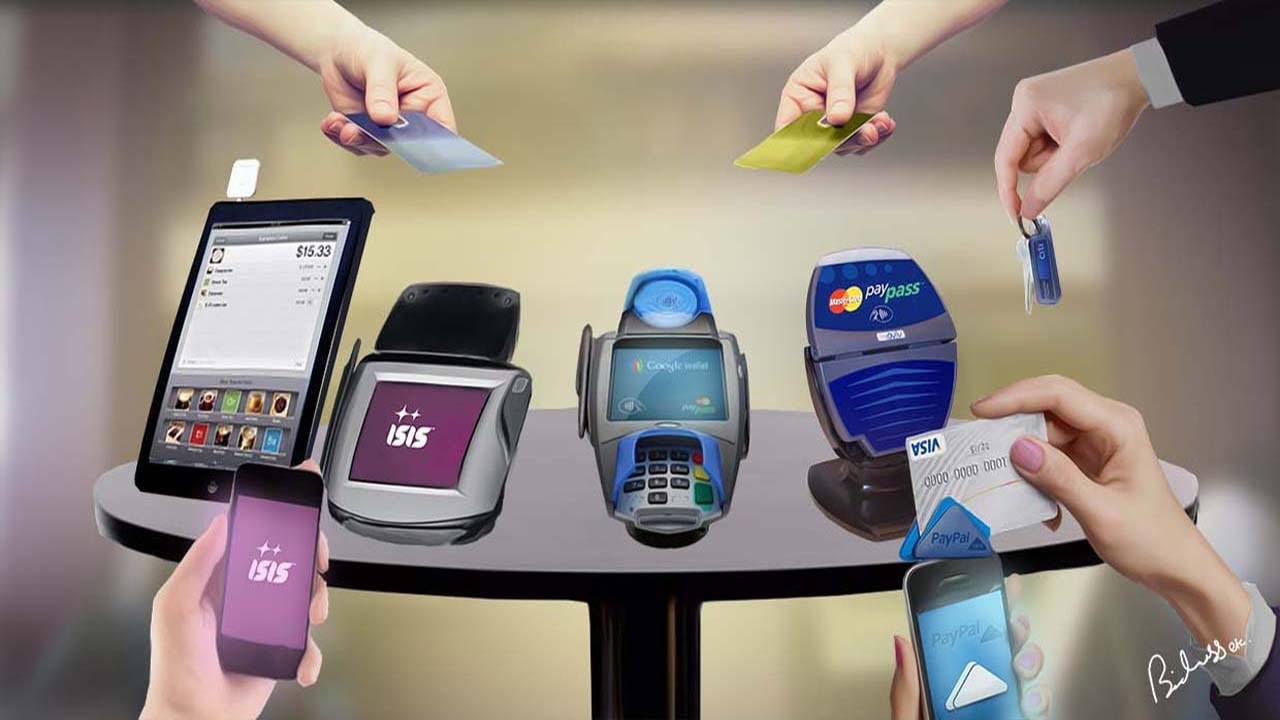
    Hong Kong’s new e-money ordinance will help further develop the retail payment services market in the SAR and enhance public confidence in using such products, according to experts in the banking, financial and legal sectors. However, the high capital requirement for a licensed operator may be a barrier for startups to enter the market.

    The global retail payment landscape is changing rapidly as we see a growing number of new and innovative payment products and services. E-money or stored value facilities (SVFs) is one of them. It allows users to store pre-paid money on smart cards, mobile phones or Internet-based payment accounts and use them to pay for goods or services.

    Apart from banks, non-banks like telecom operators, e-commerce companies, technology solutions providers, FinTech startups and alike are moving into the retail payment market especially in the Internet and mobile spaces.

    New e-money regulatory framework

    Enacted on November 13, the Payment Systems and Stored Value Facilities Ordinance (PSSVFO) puts into effect a new regulatory framework for stored value facilities (SVF) and retail payment systems (RPS).

    Compared to RPS, SVF has aroused interests and concerns among industry players and the public.

    Under the Ordinance, the Hong Kong Monetary Authority (HKMA) is empowered to implement a mandatory licensing system for multi-purpose SVFs. One-year grace period is allowed for existing SVF issuers or new market operators to apply for a license from the HKMA.

    From 13 November 2016 onwards, it will be illegal for any issuers, unless exempted, to issue or operate any SVFs without a license.

    The Ordinance covers both device-based (card-based or physical device-based) and non-device based (Internet-based or mobile accounts) multi-purpose SVFs.

    The only device-based SVF that is already regulated is the Octopus card, which is licensed under the Banking Ordinance. Banks licensed under the Banking Ordinance will be deemed to be licensed to issue and operate SVFs.

    Exempted SVF types include single-purpose SVF such as prepaid cards or loyalty cards; bonus and loyalty point schemes such as airline mileage programs; and SVFs used for purchasing digital products through electronic devices.

    “We started seeing a lot of e-money products — online and mobile, but they were not captured by our regulatory regime. We saw the need to expand the scope to cover those products,” said Li Shu-pui (photo left), head of financial infrastructure development division at the HKMA at the Hong Kong International Computer Conference last November.

    He added, “We carried out consultation with industry players. They wanted us to expand the scheme because they can see the benefit of being regulated by HKMA. It provides confidence to users. As a result we expanded the Clearing and Settlement Systems Ordinance to an amended ordinance which is now called PSSVFO.”

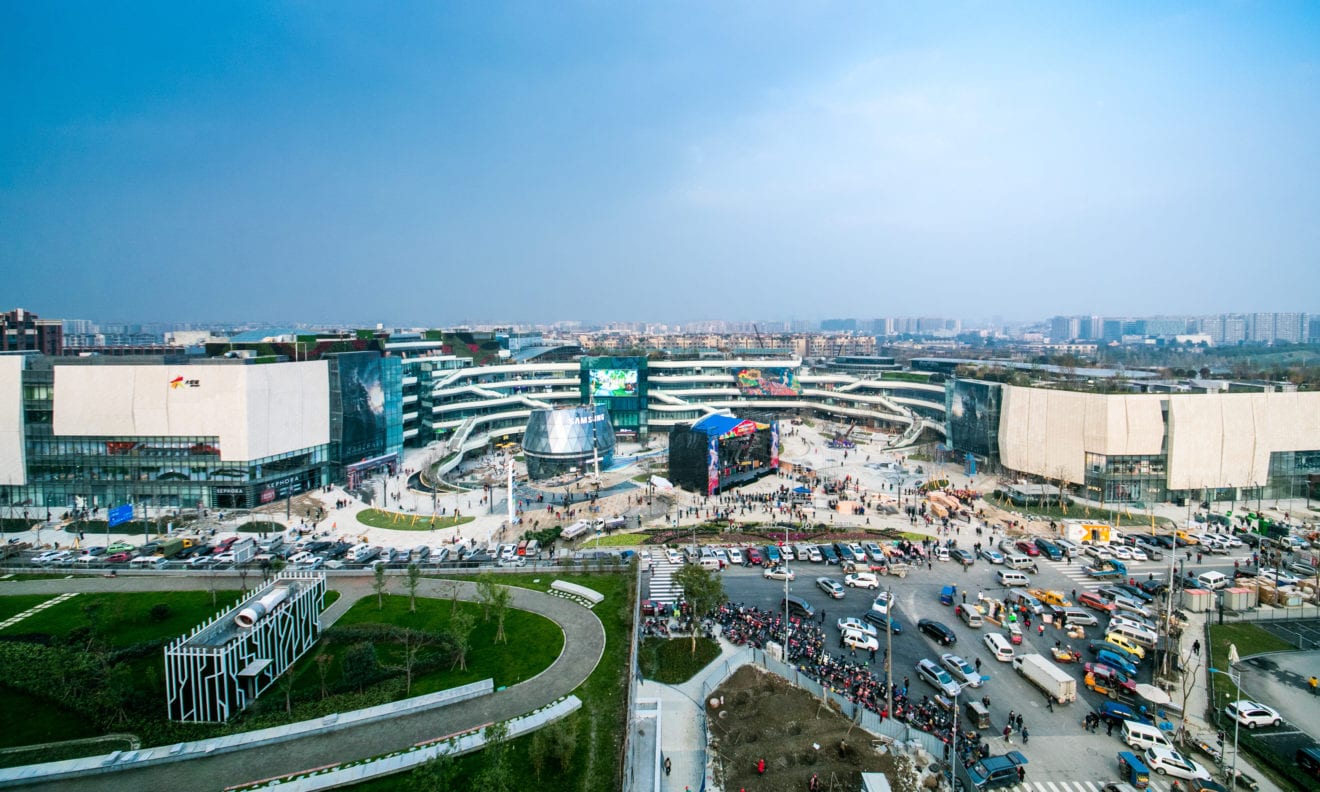
  • The opening of Joy City Chengdu

    The opening of Joy City Chengdu

    Hong Kong-listed Joy City Property has opened its newest Mainland China mall – Joy City Chengdu.

    The new 400,000 sqm mall opened its doors on Christmas Eve – five days after the opening of sister mall, Joy City Shanghai.

    Joy City Property describes the Chengdu development as China’s “first experiential recreation-cum-shopping park”.

    Located in the Wuhou District of Chengdu, Sichuan Province, Chengdu Joy City is also the company’s first Joy City project in the southwestern part of the country. Chengdu Joy City’s main building is comprised of a grade-A office building, shopping centres and themed indoor pedestrian streets.

    “Inspired by the scenery of the renowned Jiuzhai Huanglong, the architectural design of Chengdu Joy City incorporates elements of Chengdu’s lifestyle and culture, and showcases Joy City Property’s innovation in creating unique modern shopping spaces,” the company said.

    In Joy Street, a round-the-clock themed commercial district of Chengdu Joy City, consumers can enjoy various activities including bars, a mini-theatre, KTV, a video game arena, a studio for creative arts, boutiques, restaurants offering Chengdu cuisine, the largest indoor playground for children in southwestern China and a farm themed adventure park. In addition, there is the Gulu School for original living which consists of 44 creative boutiques in various styles. Serving as a landmark for leisure and social life, the Gulu School fills the gap in the regional market for shopping space.

    Zhou Zheng, VP of Cofco and chairman of Joy City Property, said the development marks his company’s “great stride in expansion of the domestic market”.

    Chengdu Joy City Dec 2015 2

    “This experiential recreation-cum-shopping park is expected to become a landmark for a new style of living and consumption among the locals. Overall, the earlier successful opening of Shanghai Joy City and the grand debut of Chengdu Joy City on Christmas Eve this year mark a milestone in Joy City Property’s development.”

  • Esprit sells Hong Kong offices to free cash

    Esprit sells Hong Kong offices to free cash

    Embattled apparel retailer Esprit has sold its Hong Kong office block on a leaseback arrangement to free capital for its continuing reform plan.

    The transaction will deliver Esprit an estimated one-off net gain of HK$725 million.

    The company said in a statement the  proceeds will be used by the group as general working capital, including funding any future investment opportunities that may arise.

    “The lease of the Hong Kong offices will better reflect the cost of the local operation, and hence help management efforts to streamline the actual current cost structure.”

    The property has been sold to Phoenix Property Investors for $918 million.

    The offices comprise five floors and 16 car park spaces at 39 Wang Chiu Rd in Kowloon, with settlement scheduled for March 21 next year.

    Four of the floors will be leased back and 13 of the car park spaces for six years initially, representing a 20 per cent contraction of the group’s office space requirement.

    In the year to June 30, Esprit reported a net loss of $3.7 billion, largely due to impairments.

  • Ginza West Hong Kong store is first outside Japan

    Ginza West Hong Kong store is first outside Japan

    Japanese confectionery company Confectionery West (Ginza West) has opened its first overseas store in Hong Kong, leveraging the city’s international platform to expand its business outside its home market.

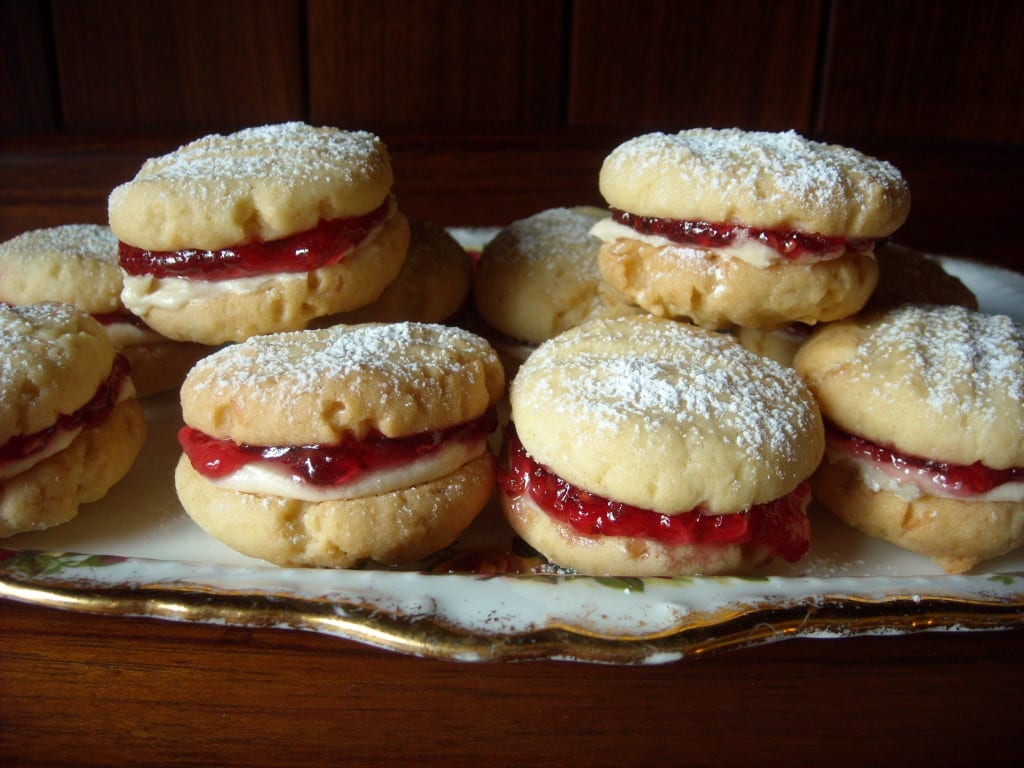
    Ginza West Hong Kong is located at Lee Tung Avenue, a new shopping mall in Wan Chai and sells handmade biscuits imported from Japan.

    Director and representative of the Hong Kong office of Confectionery West, Baniel Cheung, said the company hopes to gain access to the upmarket cookies sector with the store in the city.

    Ginza West 1“Hong Kong is a major business hub in Asia as well as an international city with a good mix of local Hong Kong people, Mainlanders and foreigners. It is the best place to showcase our high-quality confectionery products to the world,” he said.
    “Hong Kong people are very open to trying and accepting new products, and in particular Japanese food. They are also willing to spend more for high-quality confectionery products. Therefore, the new store in Hong Kong is a strategic step for us to build up our brand and expand outside our home market.”

    Associate director-general of investment promotion Dr Jimmy Chiang said Hong Kong has a large number of visitors from around the world, offering excellent brand exposure for foreign investors.

    “A range of advantages like a skilled workforce, a business-friendly environment and world-class transportation and logistics makes Hong Kong the ideal place for companies that aim to expand their business globally.”

    Founded in 1947 and headquartered in Ginza, Confectionery West (Ginza West) is a luxury confectionery store offering high end confectionery products. Currently, the company has three luxury cafes in the Ginza, Aoyama and Yokohama areas and 19 handmade biscuit counters in major department stores and the Narita and Haneda airports.

  • Nature Republic shutters TST flagship

    Nature Republic shutters TST flagship

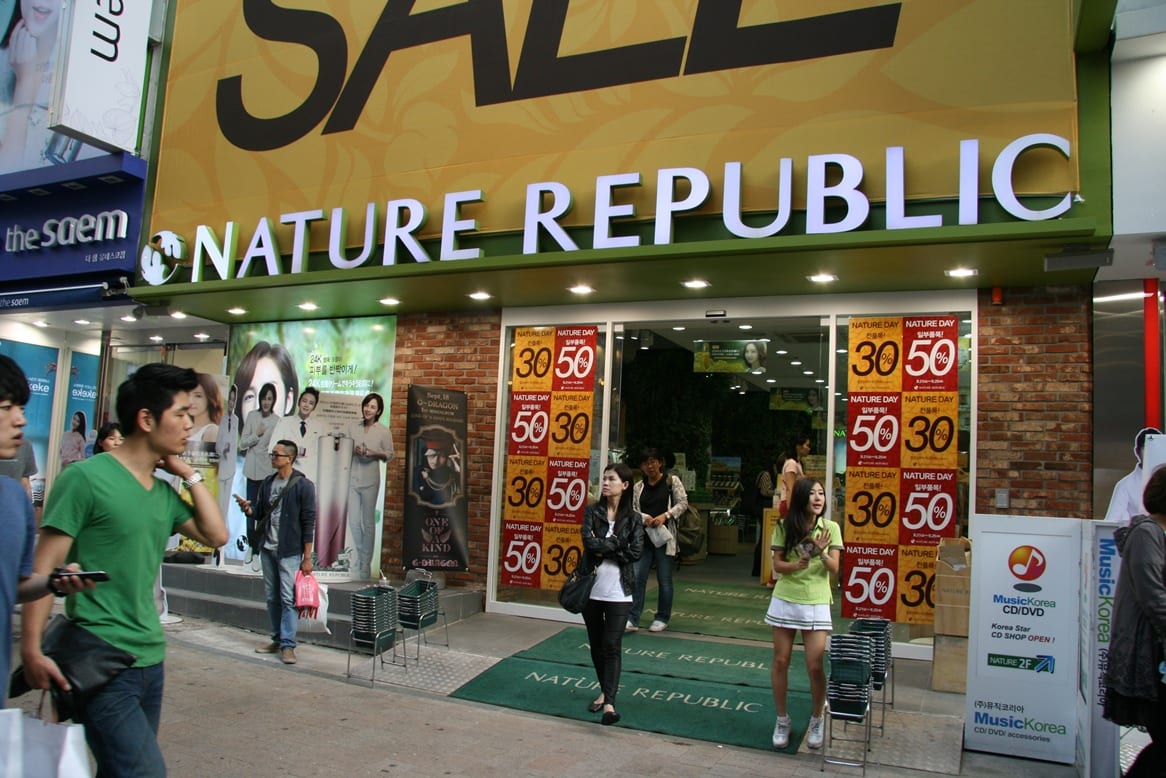
    Korean cosmetics retailer Nature Republic has shuttered its Tsim Sha Tsui flagship store – seven months before the end of its lease.

    According to a report in the Hong Kong Economic Journal, Nature Republic was paying a monthly rent of $950,000 for the 1640 sqm store which spanned three units in front of The One shopping mall on Granville Rd.

    While property industry sources are blaming declining spending by affluent Mainland Chinese tourists for the downturn in retail sales generally, Nature Republic’s move is more likely the result of over ambitious sales targets in Hong Kong, given the store has only been trading since last summer.

    While Korean brands are commanding fast growth in Greater China, it is difficult to see how a store of this size with such high rent could be commercially viable in a retail category which is hugely competitive, and dominated by listed chains Sa Sa and Bonjour.

    The space is now being offered at a 5.3 per cent discount on the previous rent, according to the HKEJ report.

    Centaline Commercial COO Stanley Poon said other retailers had ended leases prematurely after lacklustre Christmas sales – but they’d been paying monthly rentals of up to $300,000, for smaller footprints.

    Nature Republic is not the first Korean cosmetics retailer to strike trouble in Hong Kong. Exactly a year ago the local partner of Missha closed all of its 20 stores overnight before the brand returned to the territory in June with a new partner.