Tag: Hong Kong

  • HKIA celebrated the new Year of the Monkey

    HKIA celebrated the new Year of the Monkey

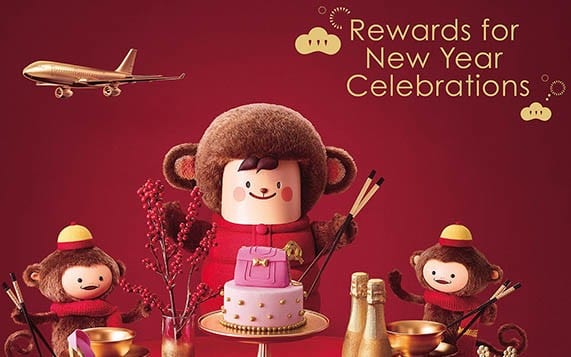
    Hong Kong International Airport (HKIA) is celebrating the Year of the Monkey with a series of promotional activities and offerings, including cash coupons for shoppers of up to HK$5,000 ($642).

    From today through to February 15, travellers spending over HK$2,000, HK$5,000, HK$10,000 and HK$50,000 by electronic payment can redeem HKIA cash coupons of HK$100, HK$300, HK$700 and HK$5,000 respectively.

    Airport Authority of Hong Kong adds that during this period ‘designated retailers’ will also offer free red packet redemption on a first-come-first-served basis.

    Commenting on the promotion, Airport Authority stated: “To spread the festive joy, HKIA’s mascot will dress in the Year-of-the-Monkey costume at Terminal 1 of HKIA and will send warm blessings to travellers by giving out specially-designed Fai Chuns [traditional decorations-Ed] for free.

    “The joyous atmosphere can also be experienced on Level 6 of the Departures East Hall, where travellers will find a grand display box with a special selection of Chinese New Year products and an interactive-game booth.

    “Passengers with boarding passes and any purchase receipt from HKIA can participate in the game. Among the top of [more than] 12,000 prizes are suitcases, massagers and necklaces, while others include HKIA cash coupons and HKIA red packets.”

    Chinese New Year traditions that will also be celebrated include lion dances and various musical performances over the two-week period.

    In addition, HKIA is also offering a free local delivery service for all travellers spending over HK$1,000 in a single transaction at HKIA. Free delivery also applies to Mainland China, Macao and Taiwan for travellers spending more than HK$2,500 on clothing, bags and accessories in a single transaction.

  • $100m deal for RedMart?

    $100m deal for RedMart?

    A $100 million investment aimed at funding pan-Asian expansion is on the cards for Singapore’s online grocer RedMart.

    Discussions involving the Series C investment are said to be at an advanced stage, reportsTechCrunch, citing two sources. While closure is expected in this first quarter, the grocery company has not issued any public comment on the development.

    Launched in late 2011 by Vikram Lupani, Rajesh Lingappa and Roger Egan, the venture introduced online and on-demand shopping in Singapore. So far, the company has raised $55.1 million from 19 investors. These include, according to Crunchbase, gaming company Garena, SoftBank Ventures Korea, Visionnaire Ventures and Facebook co-founder Eduardo Saverin.

    In August, RedMart raised a $26.7 million bridging round from its investors.

    Potential targets for RedMart’s expansion include Hong Kong and Jakarta, reports DealStreetAsia. However, the firm wants to establish its market leadership in Singapore, where Egan estimates the grocery market to be worth $16 billion a year. The company’s strategy is to maintain its own logistics system and warehouses so as to have greater control of the customer service cycle and enable rapid expansion later into other verticals.

    RedMart’s Asian competitors, HonestBee and HappyFresh, have raised significant equity financing and have adopted a model relying on third-party logistics and delivery services while expanding across South-east Asia and establishing a presence in Hong Kong and Taiwan, says DealStreetAsia.

  • Coach China leads transformation

    Coach China leads transformation

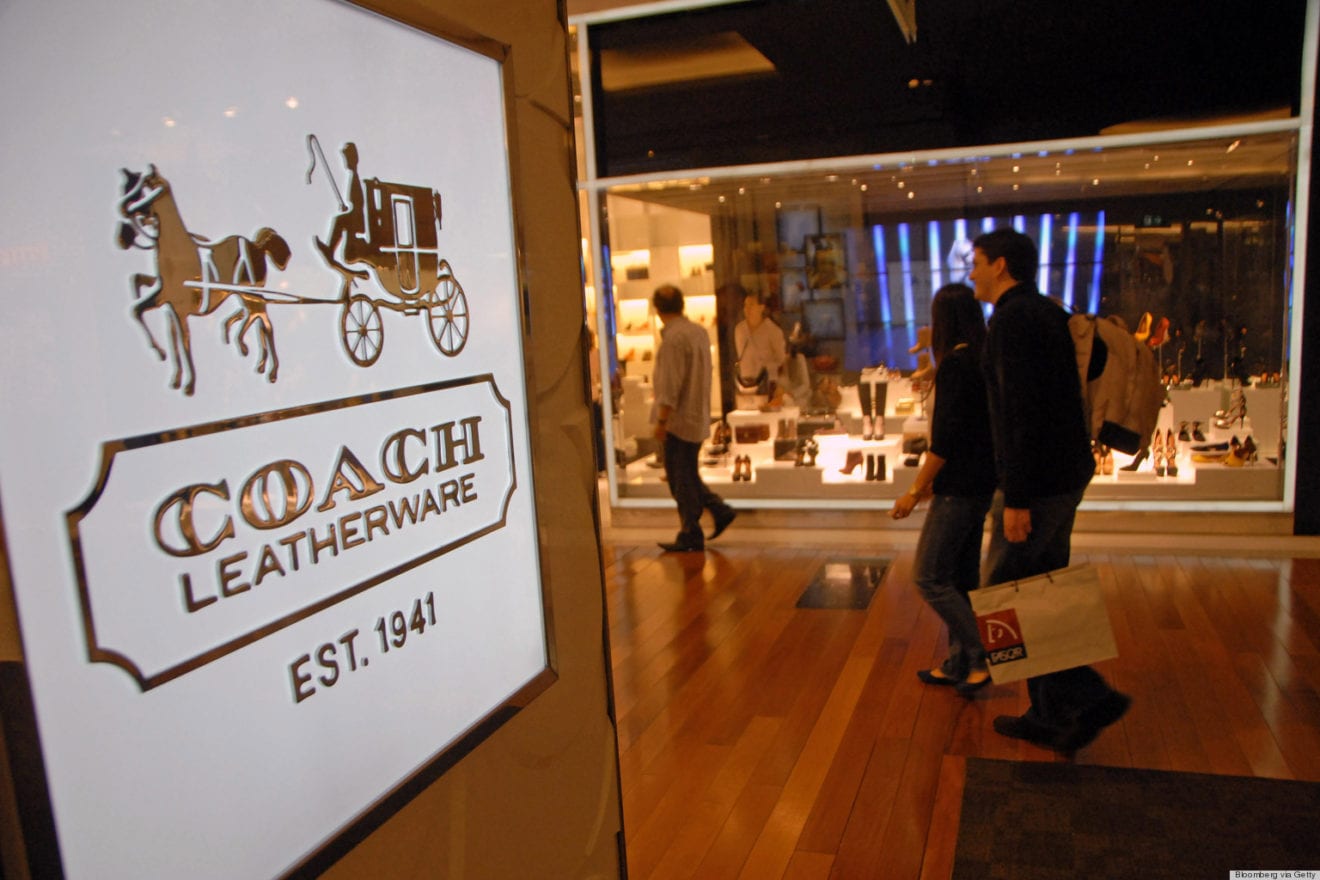
    Coach Inc says its net sales totalled US$1.27 billion for the second fiscal quarter – up 4 per cent year on year, and up 7 per cent on a constant currency basis.

    China was a primary driver of the increase in the three months to December 26, with sales up in the double digits and Japan also performed well for the New York based luxury accessories and lifestyle brands, which also owns Stuart Weitzman.

    Gross margin slipped from 68.9 per cent to 67.4 per cent, but gross profit rose $18 million to $859 million.

    Total Coach China sales rose 2 per cent in dollars and 5 per cent in constant currency with double-digit growth and positive comparable store sales on the Mainland offset in part by continued weakness in Hong Kong and Macau.

    In Japan, sales rose 2 per cent on a constant currency basis, despite a decrease in square footage and consistent with expectations, while dollar sales declined 3 per cent, reflecting the weaker yen.

    “Sales for the remaining directly operated businesses in Asia grew modestly in constant currency but declined in dollars, while Europe remained very strong, growing at a double digit pace in both total and comparable store sales,” the company said in its earnings statement.

    CEO Victor Luis said the result reflects “the most significant progress to date” on the company’s transformation plan despite the difficult retail environment globally.

    “We drove further sequential improvement in our North America bricks and mortar business – led, as expected, by our retail stores, while our outlet store channel also strengthened against a backdrop of lower tourist traffic and a highly promotional environment.

    “Our international businesses posted strong growth on a constant currency basis, highlighted by double-digit increases in Europe, and Mainland China, as well as sales gains in Japan. Overall, our results continue to give us confidence that the cumulative impact of our actions will result in a return to top line growth this fiscal year and positive North American comps by our fourth quarter.

    “We were also excited about Stuart Weitzman’s results during the quarter, which exceeded expectations. Importantly, we are effectively integrating Stuart Weitzman to Coach Inc while continuing to successfully execute the Coach brand transformation,” said Luis.

    “At points of sale, sales in international wholesale locations increased slightly, driven by strong domestic performance offset in large part by relatively weak tourist location results. Net sales into the channel grew significantly from prior year positively impacted by shipment timing to ensure appropriate inventory positions for Chinese New Year,” the company said.

  • Hong Kong stocks fall in worst start to CNY since 1994

    Hong Kong stocks fall in worst start to CNY since 1994

    Hong Kong stocks fell in their worst start to a lunar new year since 1994 as a global equity rout deepened amid concern over the strength of the world economy.
    The Hang Seng Index slumped 3.9 percent at the close in Hong Kong as markets reopened following a three-day trading closure, during which the MSCI All-Country World Index dropped 2.1 percent. The last time the gauge fell so much on the first day of the lunar new year, investors were worried about the health of former Chinese leader Deng Xiaoping. Lenovo Group Ltd. led declines while energy companies dropped after crude slumped 11 percent during the holidays. Jeweler Chow Sang Sang Holdings International Ltd. slid after riots in the Mong Kok district.

    Hong Kong’s benchmark equity gauge tumbled 12 percent this year through Friday amid concern that capital outflows, a slumping property market and China’s economic slowdown will hurt earnings. Tuesday’s violence in the shopping district of Mong Kok threatens to deter mainland visitors and worsen a drop in retail sales, according to UOB Kay Hian (Hong Kong) Ltd.

    “You can’t avoid a drop because everywhere has come down so much during this time and the same concerns are still there – oil price, global recession,” said Steven Leung, an executive director for institutional sales at UOB Kay Hian. “The image of Hong Kong as a metropolitan city has been hurt quite seriously” by the rioting, he said.

    PetroChina Co. tumbled 5.1 percent, while Cnooc Ltd., China’s largest offshore oil company, dropped 5.3 percent. HSBC Holdings Plc slid 5.4 percent to a six-year low. The Hang Seng China Enterprises Index retreated 4.9 percent, its biggest loss since August. Mainland financial markets remain closed for holidays until Monday. Plunges in crude and concerns over the perceived creditworthiness of European banks has fueled uncertainty over the strength of the world economy this week. Oil fell below USD27 a barrel in New York, compared with $31.72 a barrel at the close on Feb. 4. Kyle Bass, the hedge fund manager who successfully bet against mortgages during the subprime crisis, said China’s banking system may see losses of more than four times those suffered by U.S. banks during the last crisis.

    “The general tone of other markets has been quite soft,” said Tony Hann, who helps oversee about $270 million as head of equities at Blackfriars Asset Management in London. “It’s difficult to be optimistic” about Hong Kong, he said. The Hang Seng Index’s price-to-book ratio fell below one last month for the first time since the Asian financial crisis roiled regional markets and popped a domestic property bubble in 1998. All but one stock on the 50-member gauge are down this year.
    Chow Sang Sang dropped 0.9 percent, while Luk Fook Holdings (International) Ltd., a jeweler that gets more than half its revenue in the city, declined 4.7 percent.

    Police fired warning shots in Mong Kok, the city’s most densely populated area, early Tuesday after an effort by officials to clear illegal food stalls morphed into a riot. The clashes were more violent than anything seen during the “Umbrella Movement” of 2014.

    “This time the situation was quite different from Occupy Central: there was no peace and a lot of people were injured,” UOB Kay Hian’s Leung said. “Overall it shouldn’t have a very big impact but, of course, it will weigh on related sectors like retail, tourism.” Still, weaker global growth may reduce the likelihood of future interest-rate increases in the U.S., which raise borrowing costs in Hong Kong due to a currency peg, Leung said.

  • The new globetrotters Hong Kong and Macau work to rekindle their tourism spark

    The new globetrotters Hong Kong and Macau work to rekindle their tourism spark

    A stroll down Queen’s Road Central reveals the changes that the drop-off in mainland Chinese tourists has wrought in this once-exclusive shopping area.

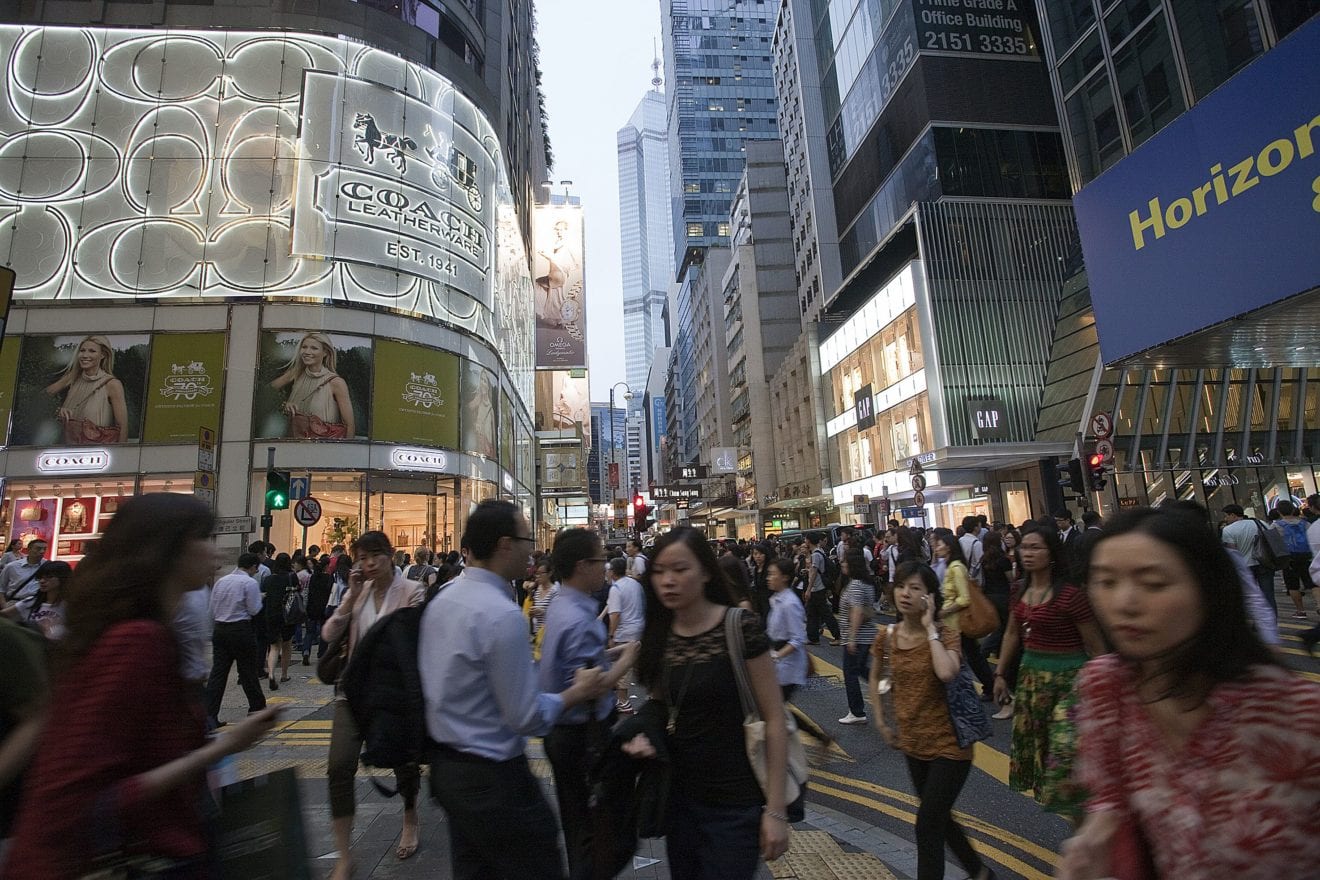
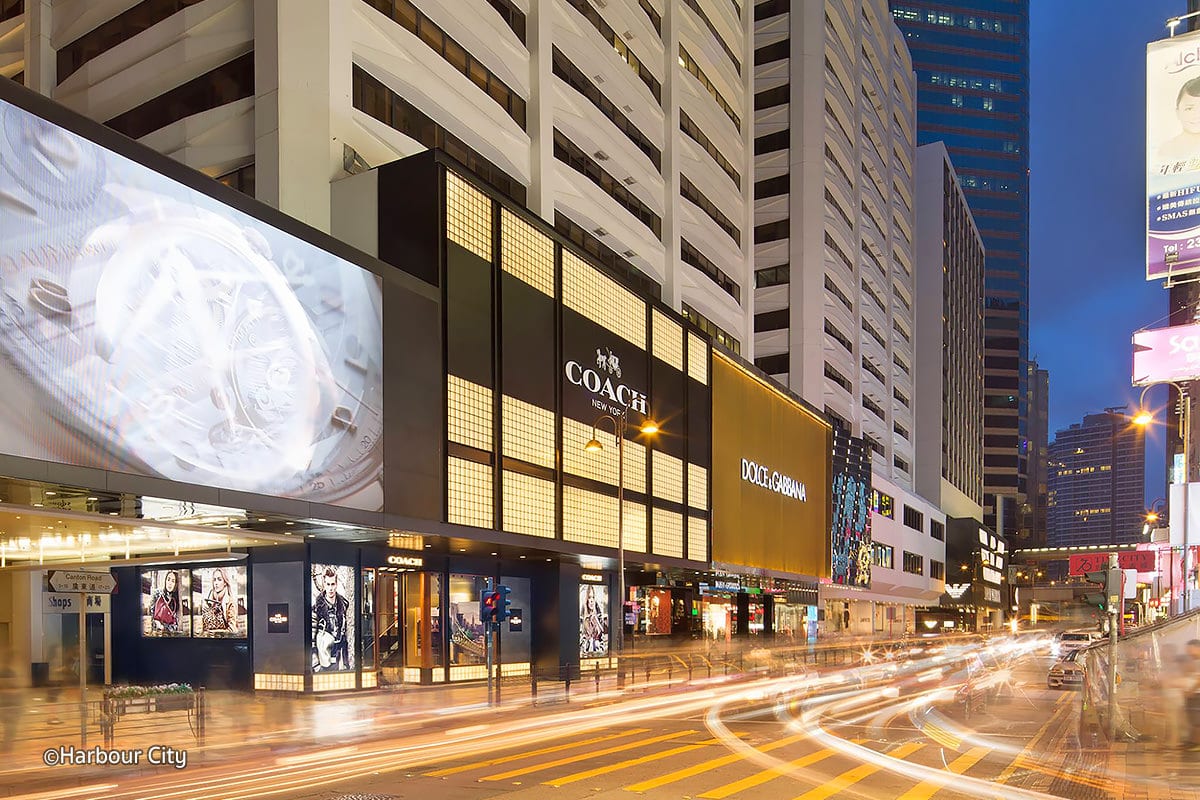
    U.S. luxury handbag maker Coach shut down its four-story shop here last August, and its place was soon taken by Adidas, which is preparing to open its first Hong Kong flagship store by June. The German sports brand has also rented a two-story space in Causeway Bay, a prime shopping district, for 3.5 million Hong Kong dollars a month ($449,000), some 30% less than what analysts say the previous tenant paid.

    Mass-market brands like Adidas are fast filling up the space vacated by luxury brands. Spanish fast-fashion chain H&M Hennes & Mauritz opened a four-story outlet in Causeway Bay in October, and a few streets away, HMV has rented a 40,000-sq.-foot (3,716-sq.-meter) space for a crossover music store/cafe.

    PERVASIVE GLOOM

    Hong Kong and Macau have long been the top destinations for mainland Chinese going abroad. With those visitors keeping a tighter hold on their purse strings, the two markets have had to adapt on a dime.

    The change in tourism trends comes against the wider backdrop of China’s economic slowdown, the weakening of the yuan against the U.S. dollar, and Chinese President Xi Jinping’s anti-corruption campaign. In the last two years, China has also tightened rules on the frequency of visits to the two cities, their use as transit stops and visitors’ use of mainland payment cards. Protests in Hong Kong against cross-border bulk shoppers and the death of a visitor during a tour group stop at a jewelry store have put off some would-be travelers from the mainland, as well.

    Three-quarters of Hong Kong’s visitors come from the mainland, but their arrival numbers last year fell almost 3% from 2014. Macau, similarly dependent on China, saw a 4% drop.

    Chinese tourist traffic to the two cities began to soar in 2003 after Beijing opened up the flow of individual visitors from designated mainland cities to compensate for a decline in arrivals related to that year’s outbreak of severe acute respiratory syndrome. Most mainlanders were previously required to travel with tour groups. A year later, the opening of the Sands Macao casino launched an era of gambling competition in Macau.

    Soon, luxury goods stores, pharmacies and other tourist-oriented shops were crowding out those serving local needs. Real estate services company Jones Lang LaSalle estimates mainland visitors now account for a third of Hong Kong retail sales and that they spent an average of HK$3,900 per visit in 2015.

    HARD REVERSE

    The recent downturn is hitting luxury retailers hard because it comes after years of booming sales that saw them open ever more and bigger stores. Burberry said its Hong Kong sales in the October-December quarter fell 20% from a year earlier. The British fashion brand plans to shrink its largest store in Hong Kong from two floors to one.

    Overall sales of jewelry, watches, clocks and similar gift items in the city fell 20.6% in November, according to government figures, while retail sector employment has fallen by 2,663 positions since peaking in late 2014.

    “Christmas sales were already worse than expected,” said Thomson Cheng, chairman of the Hong Kong Retail Management Association and executive director at retailer Lane Crawford Joyce Group. “It will be worrying if we don’t see much recovery during the Chinese New Year [in February], which is a traditional shopping season.”

    Chow Tai Fook Jewellery Group reported that sales in stores in Hong Kong and Macau that have been open for at least a year fell by a quarter in the October-December period. This compares with a drop of 6% for outlets in the mainland. Managing Director Kent Wong Siu-kei said retail conditions will remain “very challenging” and that as a result, the company will close six regular stores and open three discount outlets in Hong Kong and Macau. “Opening outlets will be our future strategy,” he said.

    One factor behind the fall in spending is that prices in Hong Kong and Macau are no longer competitive, due to the Hong Kong dollar’s peg to the U.S. dollar and the link, in turn, of the Macau pataca to the Hong Kong dollar. According to brokerage CLSA, a popular Louis Vuitton handbag costs about 20% more in Hong Kong than in Japan and South Korea and 40% more than in France or the U.K. And unlike those countries, Hong Kong doesn’t levy any sales tax.

    “Hong Kong is not as attractive as I thought,” said Huang Danqin, who was visiting the city for the first time from her hometown of Ningbo, in China’s eastern Zhejiang Province. “Hotels are expensive. The diversity of shopping is also not very interesting compared with Japan and South Korea. I’d rather shop online for handbags these days for better deals.”

    Growing tension between locals and mainland tourists is another headwind for retailers. Protesters in Hong Kong have complained that visiting shoppers cramp the city’s already crowded streets and transport system.

    “This is a capacity issue because of the limited space we have,” said Qiu Hanqin, a tourism professor at Hong Kong Polytechnic University. A slowdown in mainland tourist arrivals could be a chance for Hong Kong to “take a break” and rethink its tourism policies, she said.

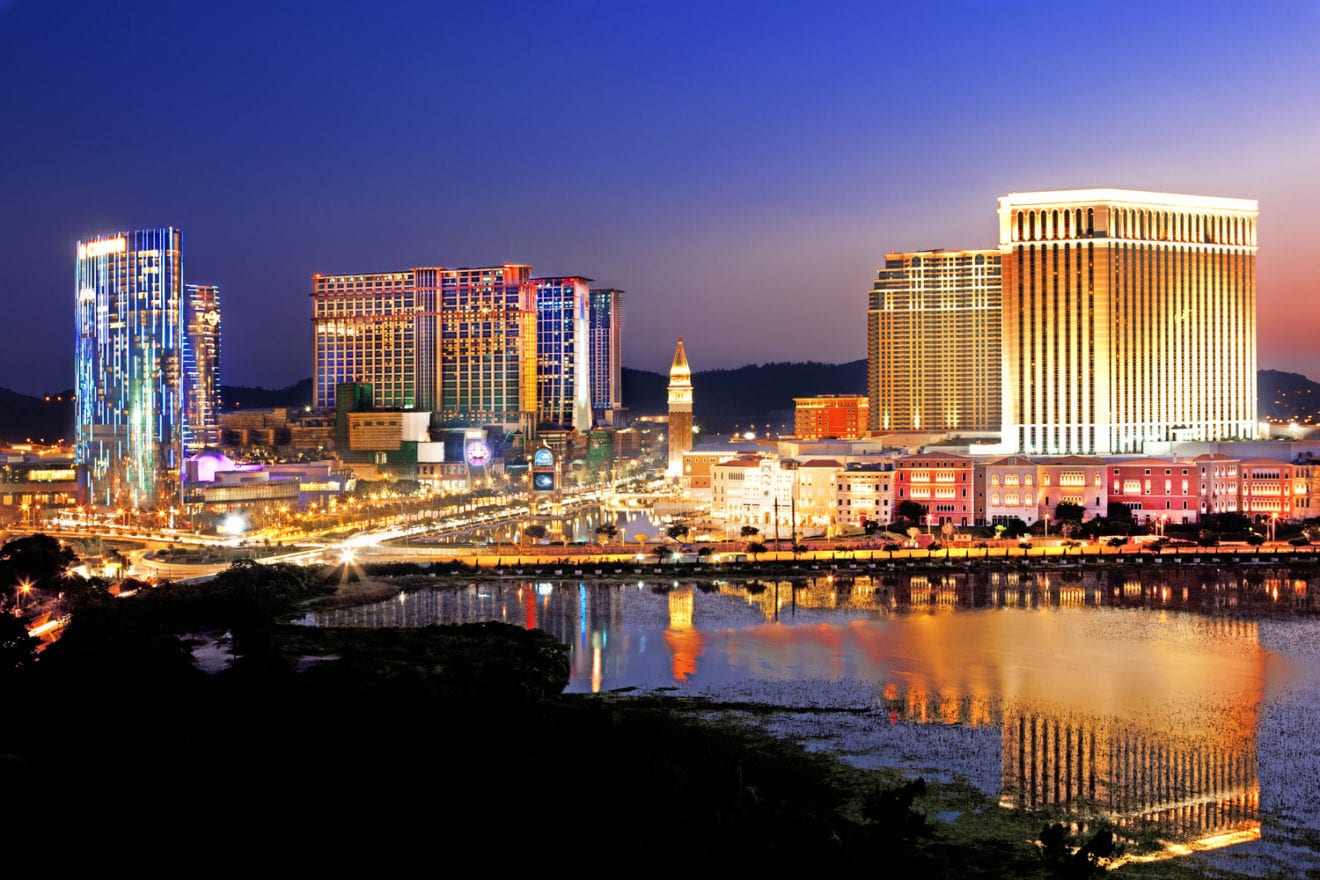
    Just an hour’s ferry ride west, Macau, too, is suffering. Gaming revenues declined for the 20th straight month in January and were down nearly a third for all of 2015, to 230.8 billion patacas ($29.6 billion), according to official data.

    With mainland high rollers staying home or heading elsewhere, many of the so-called junket companies that handled their trips to Macau have closed up shop. The government, which depends on casino taxes for most of its income, announced budget cuts of 5-10% on most spending in September, and officials reported a 24.2% decline in third-quarter real gross domestic product from a year before. Li Gang, China’s top representative in Macau, has signaled Beijing is preparing measures to support the city’s economy once again.

    MORE TO OFFER

    Analysts expect the heavy declines in gambling revenue to continue through the first half of 2016. But some think new openings could help stem the slide.

    “We feel like a lot more happening in Macau will attract tourists,” said Aaron Fischer, regional head of consumer and gaming research at CLSA. He expects year-on-year monthly gaming revenues to turn positive by June and ultimately grow 1% for the year.

    The brokerage has a “buy” rating on the Hong Kong-listed shares of Wynn Macau. The developer is set to open the $4 billion Wynn Palace this year, its second casino resort complex in the city.

    In addition to Wynn Palace, three other casino resorts are scheduled for completion this year. But this time, the mantra of “build it and they will come” may not hold true.

    On a weekend visit in January to the newly opened $3.2 billion Studio City casino resort, operated by Melco Crown Entertainment, dealers beckoned visitors to take a seat at one of the many empty baccarat tables. Spots on ferries to and from Hong Kong, which previously needed to be booked in advance, were available on demand.

    Some analysts think Hong Kong could use new draws, especially once the mainland’s first Disneyland theme park opens in Shanghai in June, potentially dampening interest in Hong Kong’s smaller park. “Policymakers in some other destinations have been more active in trying to grab a larger piece of the Chinese tourism pie,” said Mervyn Tang, associate director of Asia-Pacific sovereign ratings at Fitch Ratings in Hong Kong.

    Instead, Financial Secretary John Tsang Chun-wah has signaled that he will include measures to support the local tourism industry in the city’s annual budget to be unveiled Feb. 24.

    Not everyone is discouraged about Hong Kong’s prospects. Tokyo-based Tokyu Malls Development in December opened a HK$20 million Shibuya 109 department store in the tourist district of Tsim Sha Tsui. The company projects sales volume of HK$100 million this year, as it expects Chinese tourist traffic to remain heavy even after recent declines.

    “There is still ample room for selling Japanese brands [in Hong Kong],” said Hiroyuki Wada, president of Tokyu Malls. “Hong Kong will keep its position as Asia’s shopping capital in the long term.”

  • Ofee jewellery enters Asia

    Ofee jewellery enters Asia

    Established in 2006, French jewellery brand Ofee has launched its first boutique store for Asia, in Hong Kong.

    Ofee Earring Bar - Hong Kong boutique

    Featuring gold and diamond creations, the store has more than 30 outlets in its home country. The opening of its flagship store in Causeway Bay was attended by its designer and founder, Anne Bougon-Scelo, who built the brand alongside Valerie de Mazieres, who has a background in interior design.

    Ofee Hong Kong - Grace and Anne

    Bringing a touch of Paris to Hong Kong, the store has a facade of charcoal grey with white moulding. A feature is an earring bar where women can buy single earrings rather than pairs, offering up to 8000 potential combinations.

    Ofee Hong Kong - jewelry

    Often encrusted with pure white diamond, Ofee jewellery uses 18-carat gold in four rare colours: yellow, rose, white and black.

    Ofee has 50 retail outlets worldwide.

  • H&M Mong Kok flagship opens doors

    H&M Mong Kok flagship opens doors

    Fashion fans formed a queue outside the new H&M Mong Kok flagship store before it opened its doors for the first time on Friday.

    H&M Gala Place Mongkok HK-Ribbon Cutting - Fish Chan, Magnus Olsson, Anna Rathsmann (Left To Right)

    And as our photos show, it’s an eye-catching design for the fast fashion giant.

    H&M Gala Place Mongkok HK-Ladies Department (1)

    H&M Gala Place Mongkok HK-Ladies Department (2)

    Staff members of the Hennes & Mauritz store gathered outside to welcome the early visitors, who applauded as Greater China country manager Magnus Olsson cut the ribbon to open the 3700 sqm store. In attendance were regional sales manager for Hong Kong, Taiwan and Macau, Anna Rathsmann, and Gala Place Mong Kok store manager Fish Chan.

    H&M Gala Place Mongkok HK-Ladies Department - Divided

    To mark the grand opening, the three-level H&M Mong Kok store’s opening hours have been extended from 10am until midnight on Friday, and 11am until midnight on Saturday and Sunday. Normal hours (11am-11pm seven days a week) resume from Monday.

    H&M Gala Place Mongkok HK-Mens Department

    H&M Gala Place Mongkok HK -Kids Department (1)

    The second and largest H&M home store for Hong Kong, if offers not only clothing but also Scandinavian-designed homewares such as bed linen, tableware, cushions and decorations.

    H&M Gala Place Mong Kok Flagship Store-Home Department (1)

    H&M Gala Place Mong Kok Flagship Store-Home Department (2)

    The first 100 customers in the queue on Friday were awarded a HKD100 ($12.85) H&M gift card and a limited-edition giveaway.

  • Monkey See, Monkey Do

    Monkey See, Monkey Do

    The Chinese New Year – the Year of the Monkey – has passed. The Gregorian calendar year has gotten off to a somewhat inauspicious start – certainly as far as commodities are concerned (although diamonds seem to have bucked that trend somewhat), so what is in store over the next 12 months?

    People born in the Year of the Monkey are characterized as quick-witted, curious, innovative and mischievous – all important traits (yes, including the mischievous) in running successful businesses. However, and this information might not be welcome news, it is also considered one of the unluckiest years in the Chinese calendar – if only we could go back to the Year of the Dragon, considered the luckiest of all the Chinese signs.

    The Chinese New Year comes at a bit of a crossroads as far as retail is concerned, both in mainland China and on the island city of Hong Kong. Recent stock market turbulence and a devalued yuan, which has hit retail sales in Hong Kong, causing a second consecutive annual decline, have contributed to a degree of uncertainty.

    Hong Kong has seen its dollar strengthening against the yuan, making it more expensive for mainlanders to shop there, with sales of jewelry and watches slumping 16 percent over the year. The Lunar New Year celebrations herald peak tourism season – with as many as 5 million visitors during the month =  with day trips from the mainland accounting for more than half of those.

    However, despite what might seem like slightly gloomy economic news, a growing middle class and increased disposable income has led to projections of Chinese consumption topping $2.3 trillion by 2020. A recent Forbes article estimated that according to the Hong Kong Trade and Development Centre (HKTDC), China’s share of diamond consumption is expected to increase 20 percent to 25 percent over the next 10 years.

    The HKTDC also said that more than 50 percent of jewelry sales are driven by weddings, with the bridal market being a unique segment in the jewelry retail industry. A surprising statistic also emerged from a recent De Beers survey; that 67 percent of men in China between the ages 30-44 said that they wanted to own diamonds. There is an opportunity here if brands can not only tap into the existing market, but push the idea of his and hers wedding bands. Interest and receptivity is already high, and perhaps it only needs a gentle nudge to really expand the bridal market further.

    In general, as Chinese consumers are increasingly exposed to luxury goods they have become more discerning about brands and the message they project – with exclusivity being a big selling point. According to a LuxuryDaily report, Hermès is considered the most exclusive brand, measured by a range of factors including the consistent quality of goods, brand prestige, valuation of the brand’s customers and its ability to justify a high price point. Although Hermès was considered the most exclusive brand, Chanel was thought to be the most desirable – a result that may have been influenced by Chanel’s brand exhibitions within China.

    So, with positive predictions about Chinese consumption and growing brand awareness and appreciation for luxury goods, perhaps the Year of the Monkey will turn out alright in the end. Its lucky colors can all be found in diamonds and jewelry – blue, gold and white. Famous monkeys include Julius Caesar, Charles Dickens and Elizabeth Taylor and if their successes can be mirrored, the Year of the Monkey won’t be half bad at all.

    Happy belated Chinese New Year.

  • Sales slide worst in 13 years for Hong Kong

    Sales slide worst in 13 years for Hong Kong

    Hong Kong retail sales fell 3.7 percent last year the worst in 13 years, including the 2.3 percent slide during the 2003 SARS epidemic with a gloomy outlook also forecast for this year.

    Retail sales fell to HK$475 billion, with volume slipping 0.3 percent, a second straight annual decline, the Census and Statistics Department said.

    In December, when the tourism board counted nearly 11 percent fewer visitors from a year earlier, total sales value fell 8.5 percent much worse than the 4.3 percent drop projected by analysts. The slump widened from 7.8 percent in November, and was the largest since January 2015.

    Sales of jewelry, watches, clocks and valuable gifts were among the hardest hit, slumping 17 percent in December and 16 percent for the full year. Clothing and department store sales also declined.

    Hong Kong Retail Management Association chairman Thomson Cheng said the situation, which fell back to the level seen in 2002, is “worrying.”

    Cheng expects a high single-digit slump in retail sales for the first quarter this year, and full-year retail sales to drop at least 3 percent.

    Erwan Rambourg, a retail analyst at HSBC in Hong Kong, said high-end watch and jewelry sellers suffered as mainland shoppers avoided lavish purchases, while falling currencies in other Asian nations reduced prices for goods bought elsewhere.

    Visitors from the mainland fell 16 percent in December from a year earlier, the tourism board said last week. Total visits to Hong Kong fell 2.5 percent last year to 59.3 million.

    ANZ noted visitor spending made up a large portion of more than 42 percent of retail sales in 2014.

    “Given the depreciation of the yuan and other currencies against the Hong Kong dollar, the tourism and retail sector will continue to face headwinds in 2016,” ANZ said.

    Retail sales were down on an annualized basis every month from March through December, according to Bloomberg data.

    Chow Tai Fook Jewellery Group (1929) said last month that sales during Lunar New Year would be challenging.

  • Criteo notes eCommerce spike

    Criteo notes eCommerce spike

    In the two weeks leading up to the Chinese New Year, eCommerce sales in Asia grew by 40 per cent with 25 per cent more consumers shopping online.

    Three in 10 transactions were completed on a mobile device, according to performance marketing technology company Criteo in Hong Kong. Its findings are based on an analysis of 174 million online transactions in Hong Kong, Malaysia, Singapore, Taiwan and Vietnam.

    “Because of the traditional practice of wearing new clothes to symbolise a new beginning, consumers are doing a tremendous amount of online shopping two weeks before Chinese New Year,” says Criteo South-east Asia/Hong Kong/India/Taiwan MD Yuko Saito. “Based on 2015 data, sales on mobile devices in particular have hit record numbers.”

    In its eCommerce Industry Outlook 2016, Criteo cites three trends impacting Asian shoppers during the Chinese New Year season…

    Smartphone shopping will keep gaining ground: Smartphones are the first point of internet access or brand interaction for many consumers. In South-east Asia, Hong Kong, India and Taiwan, on aggregate, more than 45 per cent of online transactions are happening on mobile devices, compared to 29 per cent in the second quarter of last year. Indonesia was the highest at 56 per cent, followed by Singapore at 45 per cent.

    Retailers will see a high web influence on their in-store sales: Most consumers are researching online before or while visiting a store. According to Google, 80 per cent of 10 shoppers use a smartphone inside the store to help them with product research and price comparisons. Criteo says retailers can acquire a better view of customer behaviour by connecting with them via branded apps or beacon technology, before matching each customer’s email ID with loyalty programs at in-store POS terminals.

    Instant delivery services will become common: Order fulfilment will be a big focus for retailers this year, with many offering delivery options to match Amazon’s Prime Now service. Both online and “click-and-brick” retailers will be trying this strategy through specialised third-party eCommerce logistics providers. Faster delivery at lower charges will also drive growth of cross-border shopping.

    “During special occasions like Chinese New Year, we observe instances of intensive, last-minute shopping, where consumers take less time to consider a purchase and require products to be delivered on short notice for personal use or gift-giving,” says Saito. “Taking a three pronged approach – engaging consumers on the mobile web or on mobile apps, leveraging consumers’ web-browsing data to deliver personalised in-store and mobile shopping experiences, and investing in instant delivery services will be crucial to increasing sales conversions.”

  • Harley-Davidson Hong Kong opens new flagship

    Harley-Davidson Hong Kong opens new flagship

    Harley-Davidson Hong Kong has unveiled a new showroom in Chai Wan as part of its expansion plan in the city.

    The new showroom, covering about 9000 sqft (840 sqm), showcases the latest Harley-Davidson motorcycles, clothing and related services and products. Harley-Davidson Hong Kong is intended as a lifestyle concept store that “fully presents the value of the brand” to its customers, according to its principal, David Neilsen.

    Harley-Davidson Hong Kong Chai Wan 5

    Harley-Davidson Hong Kong Chai Wan 1

    The company describes the new outlet as “unlike any motorcycle dealership yet built in Hong Kong in quality and design”.

    Harley-Davidson Hong Kong Chai Wan

    “Hong Kong is one of the most vibrant cities in the world,” said Neilsen. “It was an exciting opportunity for us to bring Harley-Davidson’s authentic full service to the community. We believe that there is great potential, especially in the affluent youth market, for this legendary brand here in Hong Kong.

    Harley-Davidson Hong Kong Chai Wan 6

    “We are already looking for the right moment to introduce Harley-Davidson’s new Black Label line which the company has developed to suit the taste of the young generation. We believe that the new line is a great fit for the Hong Kong market and in line with the company’s global expansion plan,” Neilsen concluded.

    Harley-Davidson Hong Kong Chai Wan 3

    Harley-Davidson Hong Kong Chai Wan 4

    InvestHK advised and assisted Harley-Davidson Hong Kong with its expansion in the territory.

    Harley-Davidson Hong Kong Chai Wan 2

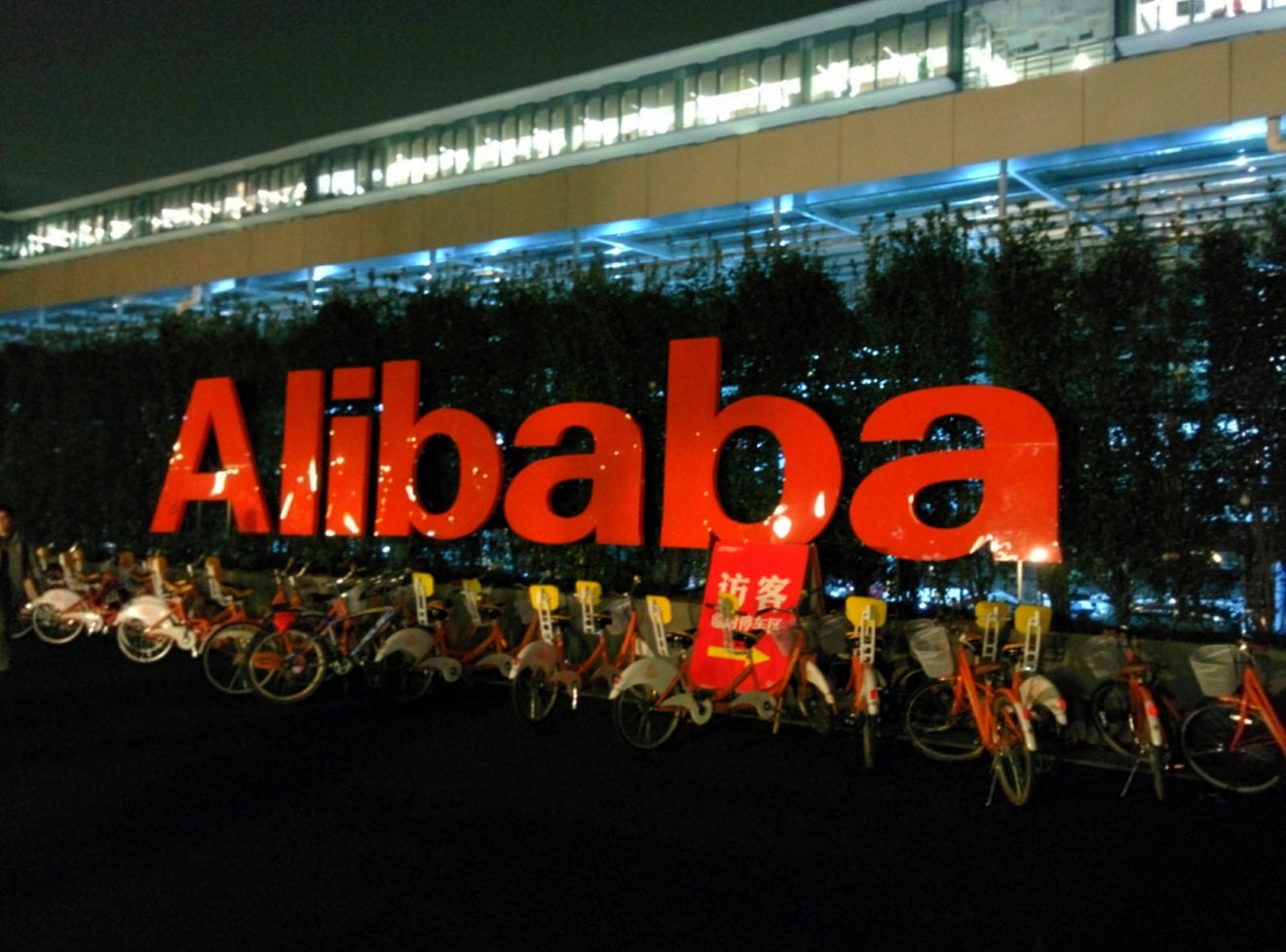
  • Alibaba Group conquers China slowdown

    Alibaba Group conquers China slowdown

    Going into this quarter the main concern for Alibaba was that a slowdown in Chinese economic growth would damage its performance.

    Fortunately, this has not materialised with very solid uplifts in its Chinese retail marketplace proposition underpinning a respectable 32 per cent rise in overall revenues.

    Some of this uplift was undoubtedly aided by the company’s very strong performance over the Singles Day shopping festival in November. During this time, it attracted over 115 million visitors to its marketplaces and processed some 467 million orders across all of its platforms during a 24-hour period. The fact that its systems and infrastructure coped well with this volume, which is around 10 times more than the usual daily average, is a testament to Alibaba’s technological prowess, especially in areas like cloud computing.

    This focus on technology is also helping Alibaba to understand the habits and preferences of Chinese consumers as they browse and navigate the group’s various sites, news feeds, and entertainment options. This understanding puts Alibaba in a prime position when it comes to helping Western brands expand into China. In many ways Alibaba and its marketplaces are the ideal conduit through which foreign retailers can target and reach appropriate audiences. In our view this remains one of the main sources of commercial advantage for the company.

    Despite its success at home, Alibaba has struggled to gain traction in already established markets like the US. While this was once a stated ambition, and perhaps remains a long term goal, it is clearly not the main agenda for the year ahead. Indeed, over the latest quarter the proportion of revenue from international operations shrunk by 1 percentage point and the growth rate of 17 per cent, while respectable, was well below that of the Chinese operation.

    As much as this will no doubt come as a relief to many Western retailers, it is the right decision. Despite its dominance in the country, Alibaba’s growth potential in China remains enormous – especially as it expands operations into more rural areas. As such, chasing lower margin, profit eroding international gains for the sake of vanity makes little sense.

    That noted, over the longer term Alibaba would like to become more international. The route it will take, however, is likely to be one of investing in, and partnering with, local players in order to grow its share and presence. The company clearly has the financial muscle to undertake such corporate activity and we expect to see more of this in 2016 and the years beyond.

  • Super retail network adds speed for Pizza Hut Hong Kong

    Super retail network adds speed for Pizza Hut Hong Kong

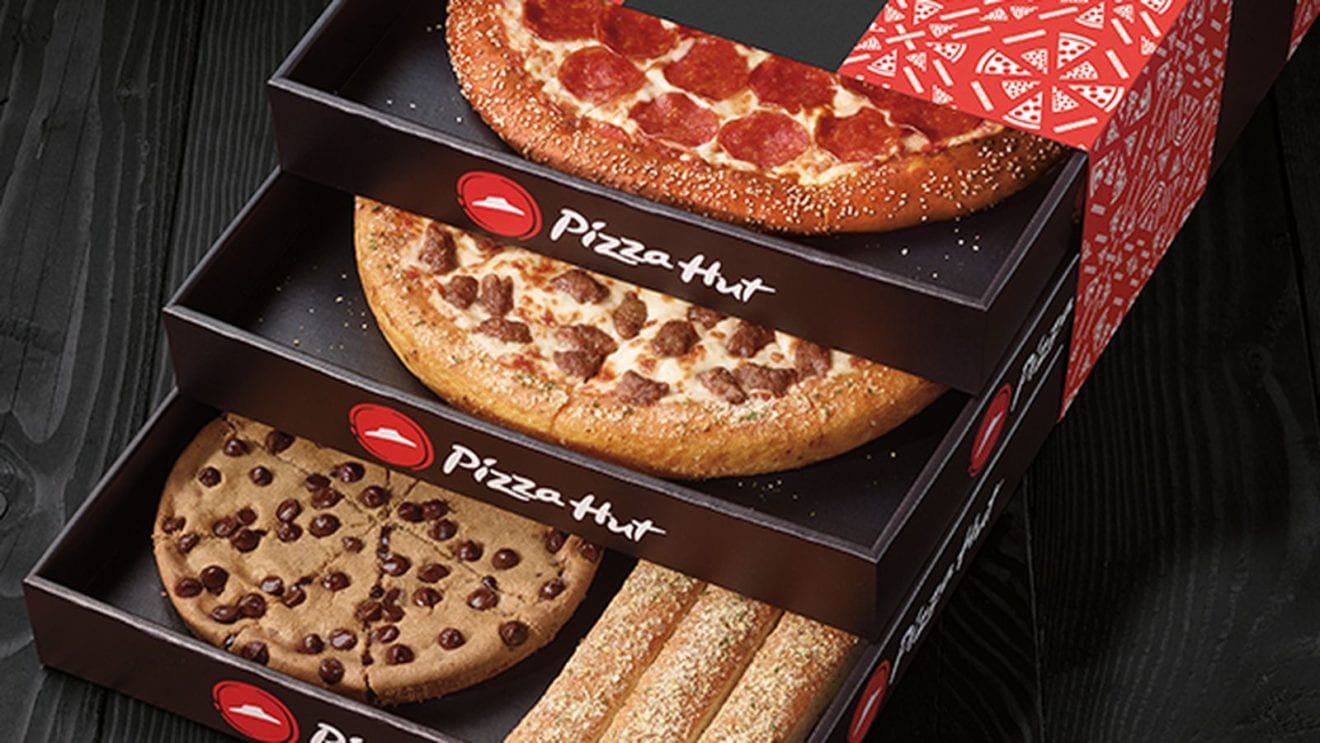
    Pizza Hut Hong Kong has is implementing a super retail network solution from Hutchison Global Communications to connect more than 100 outlets to the company’s data centers.

    Pizza Hut says the solution – a next generation metro Ethernet data capability characterised by bandwidth of up to 10Gbps and super-low latency of less than one millisecond – has enabled it to accelerate online ordering via mobile apps, the website and phone calls.

    The orders are sent to HQ which then tasks outlets closest to delivery locations.

    Super retail network (SRN) runs over a dedicated optical private network, eliminating bandwidth bottleneck issues.

    MPLS and VLAN technology and automatic network-level failover, provide high level security.

    Based on a dual-core network design, SRN delivers full core network resilience and allows quick access to company applications such as those for point of sale and online catalogue functionality.

    Howard Wong, Pizza Hut information technology director, says deployment of HGC’s SRN enabled the company to shorten the time it takes to process online ordering and boosts the restaurant’s overall operational efficiency.

    The offering also provides the capacity to expand the company’s armoury of in-store applications.

    Hutchison Telecommunications Hong Kong Holdings, of which Hutchison Global Communications is the fixed line division, says it is creating vertical retail solutions based on the next generation network’s capabilities.

  • Is HK still a ‘cool’ place for luxury shopping?

    Is HK still a ‘cool’ place for luxury shopping?

    Retailers in Hong Kong preparing to welcome Chinese mainland tourists over the Lunar New Year festive period face a real crisis: Canny shoppers don’t think the special administrative region is cool enough.

    HSBC’s global co-head of consumer and retail research, Erwan Rambourg, said luxury goods are now cheaper in other markets, bringing the wealthy, sophisticated Chinese travelers to places such as Japan, Korea, and Australia.

    “There were a lot of attractions in Hong Kong for mainlanders to come in and purchase here,” Rambourg told CNBC’s “Squawk Box”. “It used to be cheaper than a lot of other places in the region. That’s not the case anymore, given the strength of the Hong Kong dollar.”

    The Hong Kong dollar is pegged to the U.S. dollar, which implies if the latter strengthens, the former follows.

    “Price arbitrage doesn’t work anymore [in Hong Kong],” Rambourg said. “It’s actually cheaper to buy in Seoul, in Tokyo, and elsewhere.”

    Between Hong Kong and Japan, and the strength of their respective currencies, he said “the difference is you reclaim VAT [Value-added tax] when you go to Japan,” which makes luxury goods slightly cheaper there.

    Retail sales were also battered in Hong Kong as a result of lower consumer spending, mostly from mainland Chinese tourists. Sales were down 8.5 percent on-year in December to HK$43.7 billion ($5.62 billion) in value terms, the biggest percentage decline since January 2015. In volume terms, sales declined by 6.1 percent.

    Hong Kong’s lack of entertainment and diversity outside of shopping is also an issue as it sends wealthy tourists to other, more exciting locations, added Rambourg.

    A quick look at tourism numbers in Hong Kong show tourist arrivals fell 2.5 percent in 2015 to 59.32 million.

    Chinese mainlanders, who comprise a bulk of Asia’s luxury consumers, purchase mostly personal items such as handbags and apparels, according to David Dubois, an assistant professor of marketing at business school INSEAD.

    “This is because of the importance of luxury as a social signal, which puts focus on a product’s conspicuous features – example, it’s logo,” Dubois told CNBC by email. “The strong gift-giving culture also fuels such a drive for highly recognizable goods.”

    Rambourg noted in a recent report there are several factors that propel Chinese shoppers to make their luxury purchases abroad, instead of at home. Consumption taxes, moves in the foreign exchange market, and price differences in different geographies for a single product are motivations for travel.

    Most luxury companies have wide pricing discrepancies, the report noted, and on average, prices in mainland China are at a 37 percent premium compared to euro zone prices.

    For example, data compiled by HSBC show a Hermes plain silk twill tie costs 160 Euros ($177.69) in France and Italy; it costs 1,600 Yuan in China ($243.37) – a 36.9 percent premium -, $180 in the United States, 25,920 yen ($219.74) in Japan, and HK$1,650 ($211.79) in Hong Kong.

    HSBC also calculated how different products cost across regions relative to the euro. Here’s how a few of them stack up:

    Many brands are dealing with price gaps through new products whose prices will not vary much among regions. “The Prada brand, for instance, is set to launch collections for the spring, which will have prices in mainland China at a [estimated] 10 [percent] premium to Italy vs. a current [estimate of] 40 [percent],” the HSBC report said.

    There are non-economic considerations too.

    Easing of travel regulations, authenticity of the product, validation – such as buying a Hermes tie in Paris instead of Kunming – and perception that in-store experience will be better also factor in, the HSBC report noted.

    But overall luxury consumption in China, Dubois said, has slowed in the last two years over weaker growth prospects while luxury consumers from newer engines of growth such as Malaysia, Vietnam, and Thailand are emerging with better access to luxury products.

    “This was expected as there is a well-known correlation between GDP growth and luxury consumption,” he said.

  • Amber Road and USFIA Facilitate Educational Seminar in Hong Kong

    Amber Road and USFIA Facilitate Educational Seminar in Hong Kong

    Supply chain leaders and service providers will convene again on March 1, 2016 in Hong Kong to provide major brands, manufacturers, retailers, agents and suppliers insight into the challenges and strategies to prepare for increased globalization of supplier bases and retail channels – spurred by many factors including preferential trade agreements.

    “We chose Hong Kong as the location for this event again this year because of its prominence as Asia’s major sourcing hub,” said Thomas Ng, General Manager, Supply Chain Solutions for Amber Road.

    This year’s keynote speaker is Therese Randazzo, U.S. Customs and Border Protection Attaché, Hong Kong. Ms. Randazzo will share her deep customs and trade expertise with the attendees, but also focus in her presentation on the progress of the ACE Single Window initiative for US customs entry.

    Amber Road and US Fashion Industry Association have teamed to deliver a full-day agenda with six panel discussions that address global trade policy, product testing regulations, China customs, social compliance and supply chain visibility. Each panel will include speakers from industry organizations along with of the industry’s leading service providers and consulting firms. Along with the support of USFIA, PwC Worldtrade Management Services (Shanghai), Worldwide Responsible Accredited Production (WRAP), APL Logistics, Asia Inspection, and Amber Road are sponsoring this educational forum.

    The event is open to any retailer, brand, manufacturer or supplier working in the compliance, global trade, logistics, sourcing, commercialization and management team for a cost of $1,600/HKD and lunch will be provided.

    Amber Road is offering limited discounts and free passes to its customers and its close connections in the industry.