Tag: Hong Kong

  • Hong Kong Television Network: A Rare Combination Of Growth And Net-Net

    Hong Kong Television Network: A Rare Combination Of Growth And Net-Net

    HKTV has a very interesting story and background. The company’s original name was “City Telecom” which was built by CEO and founder Wong Wai Kay in 1992.

    Mr. Wong was born and graduated in Hong Kong, worked in IBM and later became an immigrant of Canada. In 1992, he started City Telecom, conducting long distance telephone business at the beginning. At that time, international long distance phone call was very expensive and was under monopoly by Hong Kong Telecom. Wong started his discounted phone call plan and had success in reducing the rate significantly.

    Since year 2000, he started an ambitious plan to build broadband internet for local residents in Hong Kong. At the beginning, many investors thought that plan was crazy, and the company indeed had many years of large losses, but eventually he successfully built the first broadband network and covered 90% of the Hong Kong families by 2010.

    After this success, he sold all the broadband network and telecom business to CVC Capital Partners, a global private equity firm, for HK$4.87 billion in 2012, and then he changed his focus to building a TV program business, the current HKTV. Since the company was then rich in cash after the sale, he issued a HK$2.5 special dividend or HK$2 billion to shareholders in 2012.

    However, after 2012, a new drama began as the company was trying to apply for TV broadcasting license. Rumor says that because Wong had offended the local government, Hong Kong government rejected the license application from HKTV. Many Hong Kong residents apparently thought this was totally unfair, since between 36,000 and 80,000 protesters gathered and protested the government’s decision. Later, HKTV also filed a lawsuit against the government and actually won the lawsuit in some sense with the Hong Kong High Court ordering the Executive Council to reconsider the proposal. However, it seems that Executive Council filed another lawsuit after that and the decision is still pending with no expected date of resolution.

    Since HKTV failed the application for traditional TV broadcasting, it tried to turn into digital mobile TV broadcasting, but that was again getting into trouble since the government claimed that it has to require a license too if it uses DTMB (Digital Terrestrial Multimedia Broadcast) transmission standard to do broadcasting. HKTV then filed another lawsuit to this claim but failed in court this time in late 2015. Now the company is trying to consider other transmission standards to do broadcasting, but whether it will get government approval is still highly uncertain.

    Since the path to build a good TV programme business is at least temporarily blocked, Wong suspended the TV programme activities and turned his focus to building the first large scale online retail platform in Hong Kong: HKTVMall.

    Online Retail In Hong Kong

    Unlike mainland China and many other developed countries, online retail never got very popular in Hong Kong. The primarily reasons are:

    1. Shipping cost is high.

    Shipping cost from overseas such as Japan, US and Europe is too high. The shipping cost from mainland China is relatively cheaper, but it is still cross boarders and not as cheap as shipping within the mainland China.

    With shipping cost high, returning a product becomes even harder and uneconomical.

    2. Lack of trust in products from sellers in mainland China.

    Some official report from China says only 41% of sample online purchases meet the quality standards when buying from online sellers in mainland China. It might not be a big problem for people who live in China since they might be experienced enough to know a few tricks to identify the best sellers (relying solely on reviews and ratings usually don’t work), but for Hong Kong residents, it might not be that simple. Personally, I had a few purchase experiences a couple years ago when purchasing on TaoBao, and the experience was very bad, nothing comparable to the experience in Amazon, but this might have changed in the recent years.

    Also, a lot of the “trust” problems are not just with the online sellers, but also with the producers of the goods. As IP is not widely respected in China, good brand names often get copied without severe punishment, which in turn discourages any effort/investment on building a good brand.

    3. Small local area.

    Hong Kong is a fairly small city with a lot of retail shops. Therefore, shopping in local retail store is pretty convenient and doesn’t require much traveling at all. However, people might still need to wait in lines from time to time though.

    4. Small market.

    With about 8 million people, it is a small market. Therefore, it is not very attractive to big corporations such as Alibaba (NYSE:BABA).

    For the reasons above, large scale online retailing was virtually non-existence in Hong Kong before HKTV tried to enter this market.

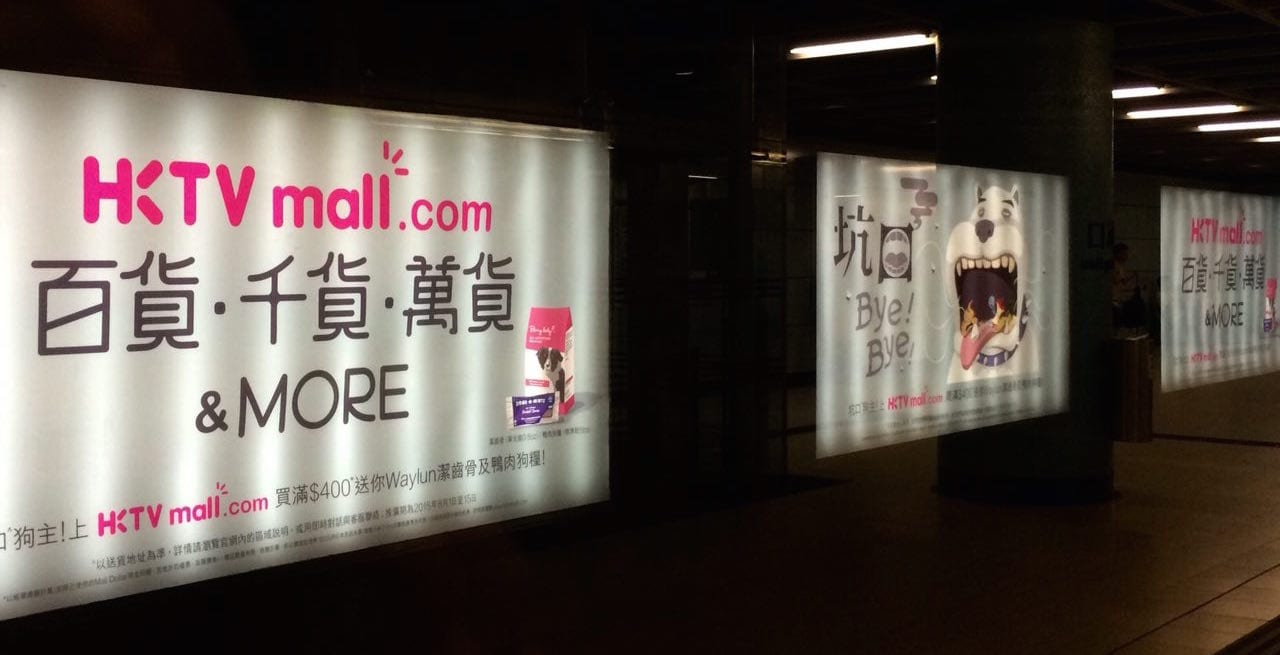
    HKTVMall
    Click to enlarge

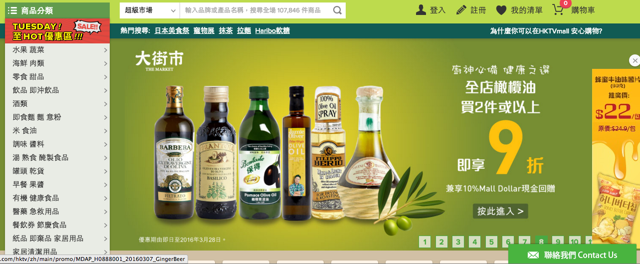
    HKTVMall started the online retail platform in late 2014. The platform invites product listings of many local merchants and the delivery services are also sometimes provided by these local merchants. For merchants without resource to prepare listings, the company would help them on that and the company has its own delivery team for fast and high quality delivery service.

    Serious marketing campaign didn’t start until Summer 2015. Due to the large scale local campaign and promotion activities, the web site was very popular at that time.

    However, the real high organic growth probably didn’t start until late 2015 or early 2016. As Wong said, comparing to November 2015, the sales volume had gone up 100% by January 2016, and he planned to expand the delivery team by tripling its size by the end of 2016. He also said the growth of sales had been in double digits every month.

    At the same time, the web site also got much better over time. Not only it became much prettier, it also got easier to search products. Recently, there are more and more reviews with the listed products, which can provide good information for consumers.

    Since it is called HKTVMall, along with the shopping, customers can also view TV programs online or on mobile, as well as the promotional TV ads for the products on sale.

    So far, HKTVMall has about 1 million active users, or about 12% of Hong Kong population.

    Advantages of online retail

    To better understand HKTV’s business model, it might be good to have a review on the advantages of online shopping:

    1. Convenience.

    For people who don’t really enjoy shopping by itself, but need to buy needed products anyways (like me), online shopping can become an almost exclusive shopping method. After all, considering all the time to drive to store, search for products in a physical store, wait in lines to check out and drive back, a few clicks on a web site or a mobile app can save a lot of time. This time saving provides a lot of intangible value to consumers.

    It should be mentioned that the increasing popularity of mobile devices also helped online shopping.

    Although this advantage may be less obvious for Hong Kong residents (since they live pretty close to the retail shops), it can still save them the time for waiting in line or walking over.

    2. Low cost.

    Online retailers can save the expense of renting a physical store. This saving can be especially significant in Hong Kong as the local rent has gone up significantly in the last few years. According to Wong, rental expense is about 25% of the retail price for those local retail stores.

    So far, HKTVMall has not achieved a cost advantage over local stores yet, due to its present small scale. However, as the scale gets bigger, there is likely a cost advantage later.

    3. More selection and easy to search.

    One big advantage for online shopping is the vast selection of products which is very hard to achieve in a local store. It is also much easier to search products online.

    4. More information transparency.

    Information transparency should be considered as a new source of efficiency, since this reduces the waste on marketing, and increases competition on price and real quality of the products. Because of information transparency, consumers can easily compare prices between retailers and producers, and can get feedbacks about the product quality through ratings and reviews.

    Many shoppers go online to shop because they can get these feedbacks to help them find the best product.

    Of course, there are also some disadvantages in online shopping:

    1. Shipping cost.

    It depends on the item’s price and size, but shipping cost is generally significant for many products.

    2. Time delay.

    Again, it depends on the products. Some are very time sensitive, others are not.

    3. Not able to see or try the products.

    For a well-known brand and product, this might not be a problem, but generally this is an issue that stops online shopping for many products.

    4. Difficult for returns.

    This might be less of a problem in Hong Kong and China than in US, since it is my impression that it is pretty difficult to return products there in local stores too, but maybe Hong Kong is quite different from China.

    Overall, some products are more suitable for online shopping, but some others are not. But in general, online shopping should be on the trend to get much more popular, even in Hong Kong, mostly it is a habitual behavior that will be gradually changed. Also, online retail has significant networking effects, so its attractiveness will increase over time too as the network gets larger.

    Why It is Cheap

    1. Burning cash

    Since the TV programme business has failed (at least temporarily), and the new online retail platform is still being built, the business is burning cash at a fast rate.

    Recently, the company’s earnings warning announcement indicated that the loss in year 2015 increased 200% relative to the 16 months in 2014. This means the second half of 2015 may have a loss of about HK$460 million, or about twice of the first half of 2015. Considering that this company only had a $1.4 billion market cap at the current price, there is no doubt that this is a very big loss that will scare many people away.

    However, when we take a closer look at the announcement, we can find that the “cash loss” may be much smaller:

    The increase in loss for the Year is mainly attributable to:

    1) the impairment loss on certain assets resulting from the uncertainties on the media business; and

    2) the increase in programme costs charged to the profit or loss over the showing period while the revenue from licensing of programme rights and net advertising income was not increased proportionally; and

    3) the e-commerce business was officially launched on 2 February 2015 and is still in its early investment stage to be financially material to the Group.

    As we can see, the impairment loss may be related to the HK$370 million intangible asset which includes the right of using network capacity of former subsidiary, which should be a non-cash charge. There is also HK$132 million programming cost on balance sheet as a part of current asset which should be charged off as the company suspended all TV programs. So the actual cash loss may be just HK$200 million or less in the 2nd half of 2015. However, this is just my estimate, and we will have to find out the fact in the coming annual report of 2015.

    2. Unproven business model

    Although HKTVMall has achieved fast growth recently, the business model is still not fully proven and there is still a lot of uncertainties associated with it.

    The same can be said about the movie and mobile TV businesses. As Mr. Wong invests into these two new businesses, there are a lot of uncertainties ahead.

    3. Small market cap.

    The current market cap is about HK$1.415 billion, which is less than $200 million. This small market cap will not bring much interest from many professional large investors.

    Protection From Downside

    The stock is currently trading at a discount to its liquidation value, but it might not be obvious if someone uses a screener. This is because a large part of the asset is in the long-term financial asset (which is counted as non-current asset).

    According to the semi-annual report, the company currently has HK$1.66 billion financial assets. Most of that asset is in debt securities. Since it is level 2 asset valued at market quoted prices, it is likely to be some relatively illiquid corporate debt. $1.28 billion of this is long term (more than 1 year maturity date), so it is classified as non-current asset, and won’t be showing in the net current asset in a screener. However, it should certainly be considered as liquid asset in the consideration for liquidation value.

    Below is a summary and classification of all assets on the balance sheet:

    Number in HKD millions
    Current asset 1106
    Programming asset (part of current asset) 132
    Long term financial asset 1285
    Investment properties 230
    New media center 450
    Current liabilities 477
    Click to enlarge

    Since the programming cost should be charged off over time, it shouldn’t be a part of the liquidation value. The value of investment properties is calculated from 20 times of rental income listed in the annual report. If we assume half of the real estate value for liquidation purpose, the net liquidation value should be the following:

    1106 – 132 – 450 + 1285 + (230 + 450)/2 – 477 = HK$1672 million.

    Here we excluded HK$450 million from current asset as the contracted cost to build the 31,777 square meter media center, which is expected to finish by October, 2016.

    Notice that this is based on the figures on 6/30/2015. As shown above, the recent earnings announcement may indicate another HK$200 million cash loss in the second half of 2015, if we count this in, the actual liquidation value may be $1472 million, just a little above the current market cap ($1415 million).

    The net cash is 1106 – 132 – 450 + 1285 – 477 – 200 = HK$1132 million. Here, I have included the HK$200 million cash loss in 2nd half 2015, and treated the debt securities as “cash” asset since it can be liquidated or used as collateral to borrow bank loans.

    Enter the Movie Industry

    Since the company failed to acquire mobile TV license, the decision to continue the suspended construction of the large media center seemed to be surprising to many. The CEO said the following in the semi-annual report:

    I remain my belief that Hong Kong needs its own creativity, as well as local dramas and movies. Therefore, we would consider to invest and participate in movie production, contributing to the movie industry of Hong Kong.

    Given the fact that existing TV programs were generally welcome by the local residents and considered as high quality programs, it is hopeful that the new movie production and/or mobile TV production can also be promising. However, in any case, there will likely be significant cash drains at least at the beginning of those developments.

    Checking the details in 10k, I found that if HKTV doesn’t finish the construction by February 2017, it will have to give up the construction completely and lose the existing investment of HK$150M on it. So maybe Wong didn’t really want to enter movie industry any time soon, but need to finish the construction by the deadline and prepare for the future needs.

    Recently, there is also more news about the TV license front. The company expected to get another final decision from the government 1-2 months later. The CEO also mentioned his intention on continuing TV program development in the future.

    Competitions

    As I mentioned above, online retail is likely to get more popular in Hong Kong since online shopping has many advantages. However, it doesn’t mean competitors can’t get popular later or squeeze the margin of HKTVMall to make its success less attractive.

    Still, I believe there are several advantages of HKTVMall over the potential competitors:

    1. Scale advantage.

    Although its scale can’t be compared with online retail giants like Alibaba, at least in the local area, it can achieve a large scale, which can allow it to beat other local online retailers, and achieve a low-cost advantage in the local area.

    Again, there is significant networking effects and first-mover advantage here.

    2. Local delivery of grocery products.

    Many online retailers in US and China have been trying to get into the grocery business such as vegetables and meat, but without much success. Looking at the recent HKTVMall activity, it seems that a lot of the sales were actually on frozen meat and seafood. This can work maybe because local stores have more significant rental expense, or because the city has high density, or both. If it can actually work in a larger scale, it will be a significant barrier for outside competitors.

    3. Focus on quality, service and trust.

    Recently, the company had an official announcement that all merchants who sell on its platform have to use authorized suppliers. This is to assure the quality and genuineness of the products. This could be an attempt to differentiate from TaoBao. Although it might affect the chance of getting super-cheap supplies, I consider this as a positive move, since differentiation is important here.

    Also, comparing to TaoBao, customers buying from HKTVMall may enjoy the convenience of returns for some returnable products which is nearly impossible when buying from TaoBao, due to the shipping cost and logistics.

    4. Familiarity to local culture.

    Hong Kong has its own local culture due to its unique history, language and territory. This can help many of its marketing efforts. Local residents may also be more acceptive to local merchants.

    5. Support from local residents.

    There is evident support to the company from local residents in Hong Kong. Many people have expressed their supports in comments and reviews, along with sympathy to the CEO regarding the denial of TV license.

    Why I Like It

    1. Good management.

    The most attractive part here is the CEO’s ability and ambition. On one hand, he might be brave and takes more risks than usual; on the other hand, he may also bring a lot of upside potential to the investment.

    The CEO also has the track record of achieving something others would think very hard or even unbelievable. For example, a local online retail platform looked very hard to many and nobody was even thinking about trying, at least not on a big scale. So as I was following the company since 2014, I was surprised by the fact that Mr. Wong could actually pull it off and achieve today’s success.

    Since the CEO owns 44% of the stock (the top two insiders own 50%), this is also a typical owner-operator stock, with the management’s interest aligned with shareholders. The CEO also has a track record of returning value to shareholders through large special dividend, not like some other family businesses which often hoard on cash.

    The CEO also has a focus on customer experience. Using his words, he doesn’t like to outsource the customer support to 3rd parties because he wants to control what could affect customer experience.

    2. Good business model.

    The track record of the CEO shows that the businesses he created brought a win-win situation to all parties, including shareholders, customers and employees. This is exactly the kind of entrepreneur our society needs. The long distance calling plan reduced cost for consumers. The broadband internet brought high speed internet to local residents.

    The recent business plan on HKTVMall may also bring a brand new way for local shopping, therefore bring a lot of value to Hong Kong residents.

    As mentioned above, online retail platform tends to have significant networking effect and scale advantage, therefore can potentially create a barrier for new entrants.

    Online retail platform also has high ROIC since it has much less fixed cost comparing to the traditional retailers (almost no working capital needs, and no operating leases for store rentals).

    3. Downside protection.

    Since it is a net-net stock, there is some downside protection. However, given the significant cash burn, this protection is not as strong as the other net-nets.

    4. Huge growth potential.

    Given today’s small market cap, if the online retail business or the TV/Movie business can be successful, the upside is very big. Looking out for 3-5 years, the upside could well be 3-10 times of the current price. In some sense, this is the main benefit of investing in small-cap growth opportunities.

    5. Active stock.

    Although it is a small-cap stock, it is pretty active too, especially when there is news about it. This is because the company has good visibility and support from local residents. An active stock is generally a good thing for value investors.

    6. Support from local residents.

    As mentioned, many local residents have shown their support to the company and the CEO. This could be a strong plus in terms of marketing and attracting talents.

    7. Clean accounting.

    Due to the background of the CEO and announced cash transaction for the sale of City Telecom business, the balance sheet should be clean and trustable. This may be less of a problem when investing in US, but I think this added assurance can be more important when investing overseas.

    8. Relatively cheap stock market in Hong Kong.

    In general, due to gloomy outlook of Hong Kong economy and mainland China’s economy, the Hong Kong stock market has many more cheap stocks than US. This makes selecting good value stocks much easier and much less risky in the Hong Kong market.

    Risks

    The main risk is the uncertainties associated with the new businesses in online retailing and movie/mobile TV. If these fail, the cash burn may reduce the liquidation value pretty fast, so the downside protection may be not that good. In other words, the current net cash may only last 3 years. With each year passing, the liquidation value will be reduced.

    Another risk comes from the fact that this is a Hong Kong stock in retail and media businesses. Many of the shareholders are likely more familiar with the business, and therefore may have an information advantage over overseas investors like me.

    Conclusion

    HKTV is a unique opportunity as it presents significant growth potential, but also has some downside protection from liquidation value.

    Although the downside risk is still large because of the cash burn and still immature business model, I believe the growth potential is much bigger than the downside risk, and therefore, it should be attractive to growth investors and quality-value investors.

    Although this is an OTC stock, the liquidity is not too bad, since it was once listed in major exchanges. Investors who have access to Hong Kong stock market may also consider purchase in Hong Kong market too (Symbol 1137).

    Disclosure: I am/we are long HKTVY.

    I wrote this article myself, and it expresses my own opinions. I am not receiving compensation for it (other than from Seeking Alpha). I have no business relationship with any company whose stock is mentioned in this article.

    Editor’s Note: This article discusses one or more securities that do not trade on a major U.S. exchange. Please be aware of the risks associated with these stocks.

  • QNB chosen ‘Best Retail Bank in Qatar’

    QNB chosen ‘Best Retail Bank in Qatar’

    QNB has been recognised as the “Best Retail Bank in Qatar” by the Asian Banker Magazine.
    The prestigious award was received during The Asian Banker’s International Excellence in Retail Financial Services Awards 2016 ceremony held recently in Hong Kong.

    The awards ceremony was held in conjunction with The 15th Annual Excellence in Retail Financial Services Convention. It is considered an important financial event in the global retail banking agenda, where regional and global elite retail bankers can come together and enjoy unprecedented networking opportunities.

    According to The Asian Banker, QNB, a leading financial institution in the Middle East and Africa, received the “highly competitive award after successfully undergoing all the stringent valuation” for the international excellence in Retail Financial Services Programme.

    “The award is a true testament to the excellence of QNB’s retail services, given that the programme is considered the most prestigious, comprehensive and anticipated awards programme that recognises excellence amongst the world’s leading retail financial institutions as well as the undisputed performance benchmark of the best retail banks in an increasingly fierce marketplace,” QNB said.

    As a leading provider of strategic intelligence on the financial services industry, The Asian Banker facilitates awards programmes known for their rigor, impartiality and transparency.

    QNB is a previous recipient of these distinguished awards, gaining such recognitions as “Best Transaction Bank in the Middle East & Africa”, “Best Direct Bank”, “Best Cash Management Bank in Qatar”, and “Best Trade Finance Bank in Qatar”.

    QNB Group’s presence through its subsidiaries and associate companies extends to some 27 countries across three continents providing a comprehensive range of advanced products and services.
    The total number of employees is more than 15,200 operating through more than 635 locations, with an ATM network of 1,390 machines.

  • Biggest M&M store in travel retail opens at Hong Kong International Airport

    Biggest M&M store in travel retail opens at Hong Kong International Airport

    International Travel Retail in partnership with DFS Group today opened the largest M&M’S outlet in travel retail at Hong Kong International Airport.

    The 35sqm store is located in Terminal 1 and, according to DFS, is designed to offer “chocolate lovers a unique, entertaining and fun travel experience, driving travellers into the store”.

    Biggest M&M's store in travel retail opens at Hong Kong International Airport
    With interactive retail theatre and a focus on fun, it reveals that the M&M’S shop-in-shop is personalised and unique to Hong Kong.

    It states: “The atmosphere of this vibrant city is brought to life inside the store with a replica of one of Hong Kong’s iconic dragon boats on display, along with localized artwork incorporating the brand’s world famous Red and Yellow characters.”
    Dragon boat
    Additionally, the offer will include items that meet the consumer demand for destination merchandise with “Hong Kong Travel Collection” packs of Snickers, Mars and Twix along with a Hong Kong themed M&M’Sbox featuring the iconic dragon boat.

    While the key focus of the store is on M&M’S,  products from core brands Snickers, Mars, Celebrations and Twix are also offered based on the company’s ‘Laws of Growth’ belief in ensuring that consumers are offered best-selling SKUs at all times.

    Commenting on the opening, Mars International Travel Retail’s regional sales director, Christophe Bouye, says: “By offering passengers outstanding retail experiences that first and foremost will make them smile, we are confident it will increase shopper engagement and encourage conversion.

    “Through placing consumers in a smiling frame of mind, we believe that this will not only benefit the confectionery category, but all sectors of the travel retail offer here in Hong Kong.”

    The new outlet is located close to Gate N28 on the central concourse.

  • Victoria Beckham launches Hong Kong store, her first outside Britain

    Victoria Beckham launches Hong Kong store, her first outside Britain

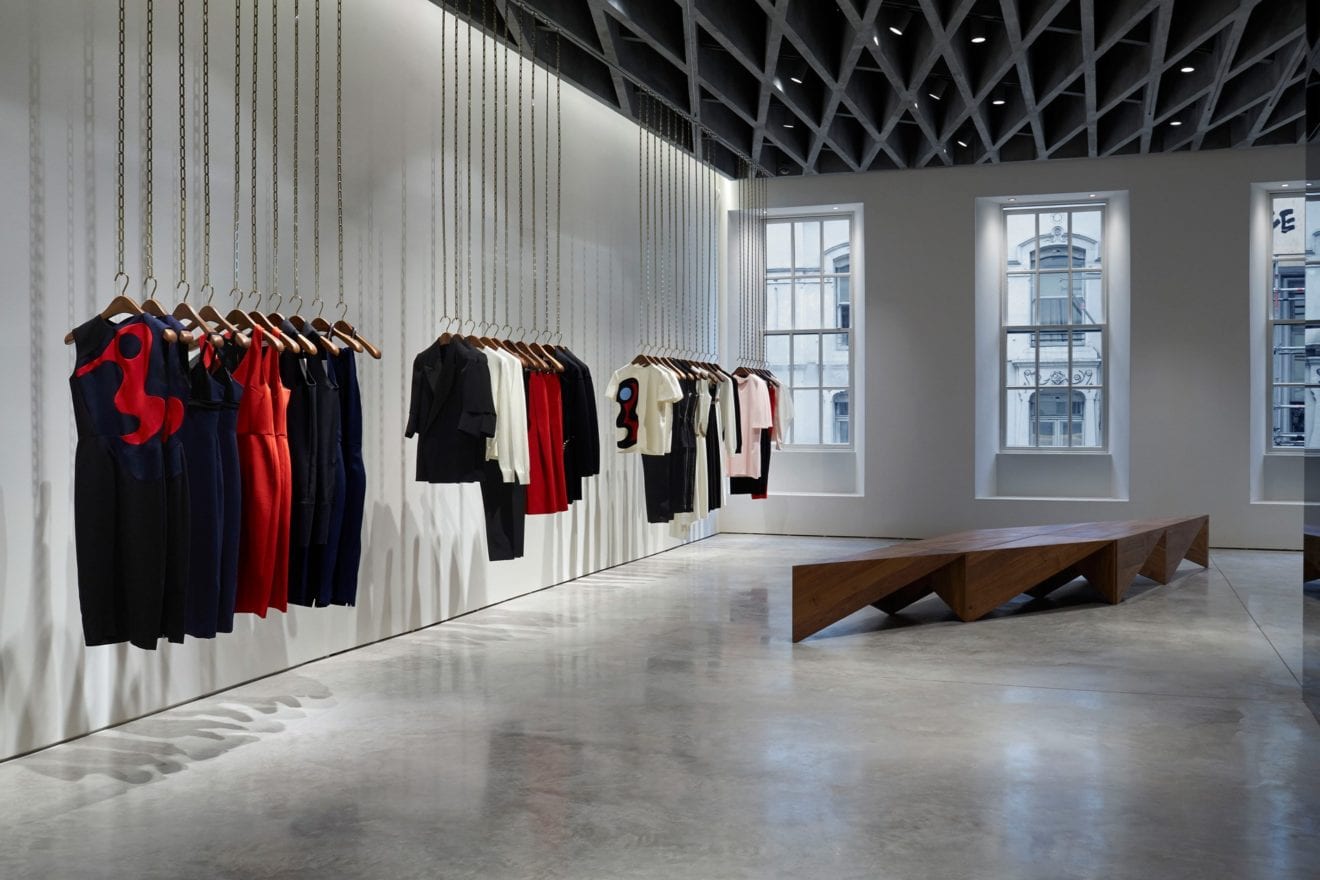
    Today, fashion designer Victoria Beckham launched her first shop outside Britain in Hong Kong as she seeks to tap the Asia market despite a downturn in luxury spending.

    Beckham’s store in Hong Kong’s Landmark building lies at the heart of Central.

    The British designer did a final check of the store this morning as crowds of fans waited outside, before sweeping out in a fitted black turtleneck dress and oversized sunglasses, surrounded by security.

    Beckham’s designs are already available in the region, which is the brand’s fastest-growing market.

    Hong Kong is Beckham’s first bricks-and-mortar store outside the UK, designed by London-based architect Farshid Moussavi.

    “The process wasn’t easy… opening a store is a huge project. Together with my team, I’ve worked really hard to get to this point,” she told the South China Morning Post.

    “I know Asian women really understand luxury, good quality and appreciate when garments are made well – and my clothes are,” Beckham added.

    A photo posted on Beckham’s Instagram feed ahead of the launch showed her posing on a plinth next to a mannequin.

    Beckham will also attend Saturday’s amfAR AIDS research fundraiser in Hong Kong, where stars including Uma Thurman will take to the red carpet.

    The new store has been developed in collaboration with Asian fashion retail brand Joyce, which already carries her collections.

    The brand aims at wearable luxury, from jeans and tailored shirts to dresses and accessories. Shirts sell online for around $400 with dresses selling upwards from a few hundred US dollars.

    “I think she’s going to be very popular here,” said hedge fund manager Sally Zhang, 30, after browsing in the store Friday.

    “Compared to other shops, which are too fancy, not fit for the office, this one is quite different,” said Echo Xu, also a hedge fund manager.

    Beckham, 41, opened her first shop in London’s Mayfair in September 2014.

    But despite Hong Kong shoppers’ warm welcome, Beckham faces challenges after the city posted its worst retail sales decline in 13 years in 2015.

    The slump was fuelled by a drop in tourists from mainland China, which has particularly hit sales of luxury goods.

    The Hong Kong dollar has strengthened against the yuan, making it more expensive for mainland visitors to shop. Growing anti-China sentiment in the semi-autonomous city is also keeping some away.

    Hong Kong billionaire tycoon Li Ka-shing said yesterday that the business environment in the city was at its worst for 20 years, with property and retail “doing worse than during SARS,” referring to the 2003 disease outbreak.

  • U&B supermarket, Hong Kong

    U&B supermarket, Hong Kong

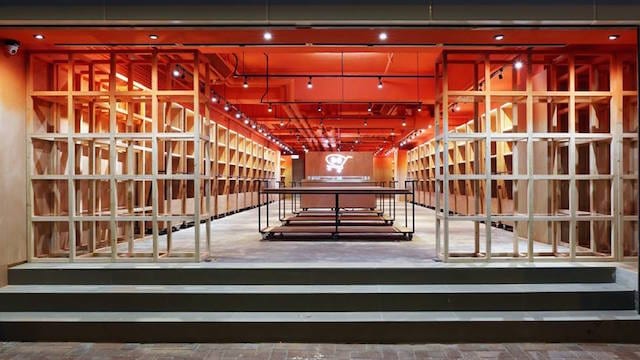
    Within the confines of a limited budget, a Hong Kong design company has created a flexible hybrid space for new local grocery brand, U&B.

    “Low budget doesn’t mean no creativity,” says designer Wesley Liu of award-winning PplusP Designers.

    PplusP Design -U&B grocery store 6

    He used mono materials and colour to transform the space in an engaging way for customers. The store’s interior embraces the elements of U&B’s brand logo, a shopping trolley, and its corporate colour, orange.

    PplusP Design -U&B grocery store 7

    Rather than a traditional white ceiling, it is tangerine and left bare to complement the concrete flooring and generate the feeling of unprocessed surroundings. This is further enhanced by unfinished plywood shelves with black metal highlights, and is in keeping with the store’s non-luxury products.

    PplusP Design -U&B grocery store 3

    PplusP Design -U&B grocery store 5

    PplusP Design -U&B grocery store 2

    All the display units are movable, which gives a great amount of flexibility for layout in the store. Track mounting kits on two sides of the wall panels can be used for suspended display systems.

    Wooden frames at the entrance are used for decoration or seasonal promotions, rather like a window display.

    These unified and simple elements encourage customers to concentrate on the products.

    PplusP Design -U&B grocery store 4

    PPlusP Designers leader Wesley Liu handled the design of the Whampoa Garden, Hung Hum, store. The design company’s team includes architects, interior designers and graphic artists, providing a range of multidisciplinary services for art installations, corporate design, hotels, hospitality, restaurants and retail.

    PplusP Design -U&B grocery store 1

  • Chinese Estates shares falls as much as 11 per cent despite rise in core profit

    Chinese Estates shares falls as much as 11 per cent despite rise in core profit

    Shares of Chinese Estates dropped as much as 11 per cent on Tuesday despite its core profit jumping 3.4 times last year to HK$16.78 billion, mainly driven by asset disposals.

    The company’s shares end the day 8.65 per cent or HK$1.80 lower at HK$19 after hitting an intraday low of HK$18.50.

    The hefty increase in core earnings, excluding revaluation gains on investment properties, folllowed the sale of investment properties including a Tsim Sha Tsui commercial building, The One, and buildings in Chengdu, Chongqing and Shanghai.

    In a filing to the Hong Kong stock exchange, Chinese Estates said a final dividend of 1 HK cent would be paid, down 98 per cent from 50 HK cents a year ago.

    Shareholders received a conditional interim dividend of HK$2 in January. The group will continue to closely monitor the changes in local consumption patterns – Lau Ming-wai, Chinese Estates

    Net profit, including revaluation gains on investment properties, fell 11.67 per cent to HK$7.72 billion last year due to lower rental income after its disposal of Silvercord and The One in Tsim Sha Tsui.

    Turnover tumbled 41.22 per cent to HK$1.54 billion.

    “The group remains cautiously optimistic in the rental income growth from its retail investment properties,” said chairman Lau Ming-wai, who is the son of Joseph Lau Luen-hung, the firm’s controlling shareholder.

    The group’s overall gross rental income from Hong Kong tumbled 35.23 per cent to HK$1.09 billion last year. Rental income from retail properties fell 50.8 per cent, while rental income from non-retail properties rose 7.09 per cent.

    Lau said some retail business sectors had shown indications of reaching their peaks, especially tourist-related business.

    “Although the group’s well-located retail investment properties in Hong Kong leased well during the year, the group will continue to closely monitor the changes in local consumption patterns, refine its tenant mix, boost customer flow and spending for its retail investment properties by organising various marketing and promotional activities,” he said.

    Lau said the disposal of MassMutual Tower in Wan Chai in January would mean the rental income contribution from office buildings would be significantly lower this year.

    Chinese Estates sold the MassMutual Tower to Evergrande Real Estate for HK$12.5 billion.

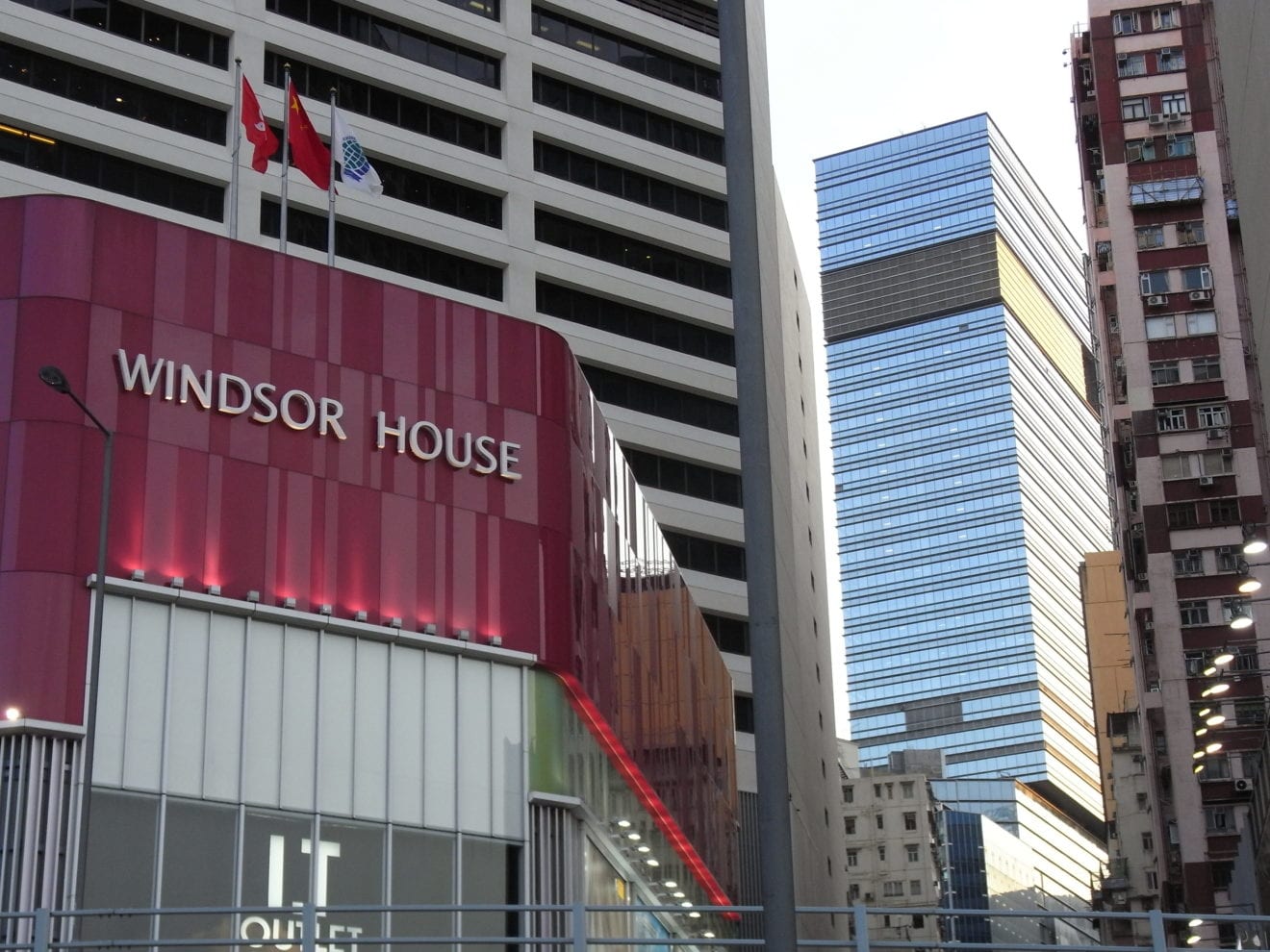
    In December , the firm sold the Windsor House in Causeway Bay for HK$12 billion to a company wholly owned by Joseph Lau. The deal will be completed this year.

    It said the majority of the sale proceeds from the sale of Windsor House would be declared as a dividend.

    This month, it said it had entered into a sale and purchase agreement with an independent party to acquire a London freehold property at St George Street, Mayfair, for £121.7 million (HK$2.33 billion).

  • HKIA passenger numbers grow as new stores open at Midfield Concourse

    HKIA passenger numbers grow as new stores open at Midfield Concourse

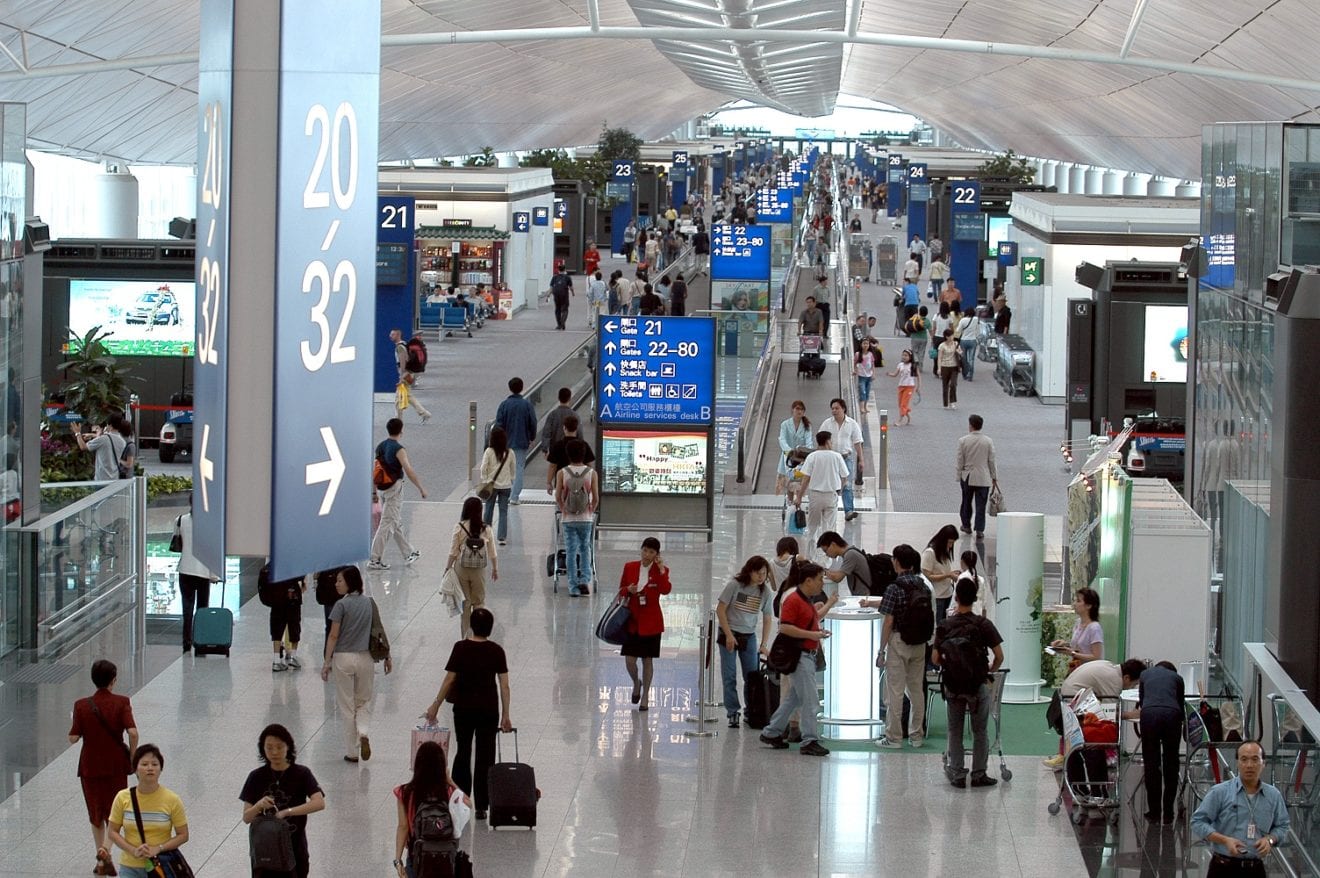
    Hong Kong International Airport (HKIA) recorded steady growth in passenger volume and flight movements last month. During the month, passenger traffic rose 4.9% year-on-year to 5.7 million, while flight movements increased by 4.5% to 32,625.

    The growth in passenger traffic in February was mainly driven by Hong Kong resident travel, which registered a 16% year-on-year growth over the same month last year. Passenger traffic to / from Southeast Asia and Japan increased most significantly.

    In the first two months of 2016, HKIA handled 11.6 million passengers and 67,820 flight movements, up 9% and 5% from the previous year respectively.

    On a rolling 12-month basis, HKIA has handled 69.5 million passengers and 409,255 flight movements, marking year-on-year increases of 8.4% and 3.8%, respectively.HKIA

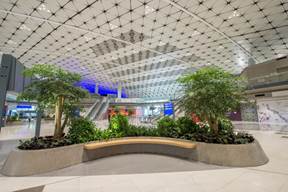
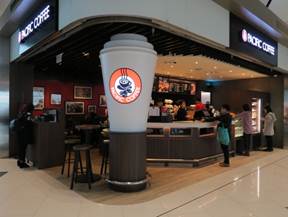
    Last month Airport Authority Hong Kong (AA) opened nine new retail shops and a café in the recently-inaugurated Midfield Concourse at HKIA. Additionally, eight retail and three catering outlets are soon to be opened at the 105,000 square metre concourse, including a new multi-category store concept from DFS. The catering outlets will offer café and casual-dining options to departing passengers who have limited time before boarding.

    “The Midfield Concourse will be able to serve an additional 10 million annual passengers in order to meet the increasing passenger volume at HKIA.

    “We are proud to offer extended retail and catering options throughout the concourse, which will let the passengers have a pleasant and enjoyable last-minute shopping and dining experience,”  said Cissy Chan, executive director, Commercial, Airport Authority Hong Kong.

    The airport has also introduced a mobile application, which provides travel information and says it hopes to explore more advances with airport technology.

    HKIA 2C K Ng, executive director of Airport Operations of Airport Authority Hong Kong, said: “To enhance the travel experience for HKIA’s passengers, we strive to provide customer-centric services by leveraging the latest technology, including the introduction of the HKG My Flight mobile application in 2013 that provides airport information, real-time flight status and more.

    “With the application of iBeacon technology, passengers using the HKG My Flight app can receive push notifications of airport information including dining and shopping offers and promotions at the airport. While arrays of initiatives are in the pipeline, we will continue exploring the application of different technologies in daily operations, aiming to enhance mobility, automation, efficiency and convenience for passengers.”

  • Pop-up space at Hong Kong’s Warehouses on West to host Spanish chef Carlos Garcia Rodriguez

    Pop-up space at Hong Kong’s Warehouses on West to host Spanish chef Carlos Garcia Rodriguez

    Warehouses On West, in Hong Kong’s Sai Ying Pun district, is a commercial and retail community promoting the arts and creative thinking under one roof – well nine roofs, to be precise.

    The brainchild of developer District15, the project – nine ground-floor warehouses repurposed into elegant spaces to house art galleries or restaurants – offers a hip alternative to high-rise retail and office space.

    “We used one of the warehouses as our own office and we realised how great it would be for the spaces to be used as restaurants and art galleries,” says Dinesh Nihalchand, a co-founder of District15.

    Alex Bent, another co-founder, says: “Hong Kong has changed over the past 10 years, with little neighbourhoods opening up all over the city. We want Warehouses On West to be one of those new mini-neighbourhoods.

    The project also features The Warehouse, a 1,762 sq ft space designed to host pop-up product launches, cocktail parties and art exhibitions, and movie screenings.

    Pop-up movement Test Kitchen will be one of the first to try The Warehouse when it brings top Spanish chef Carlos Garcia Rodriguez to Hong Kong for a three-night event that starts on March 24.

    Garcia Rodriguez started his culinary career at one-Michelin-star restaurant Restaurante de Vinis, in Madrid, before honing his skills in London alongside acclaimed chef Alexis Gauthier at one-Michelin-star restaurants Roussillon and Gauthier. Garcia Rodriguez recently opened The Black Pig, in Manila, to rave reviews.

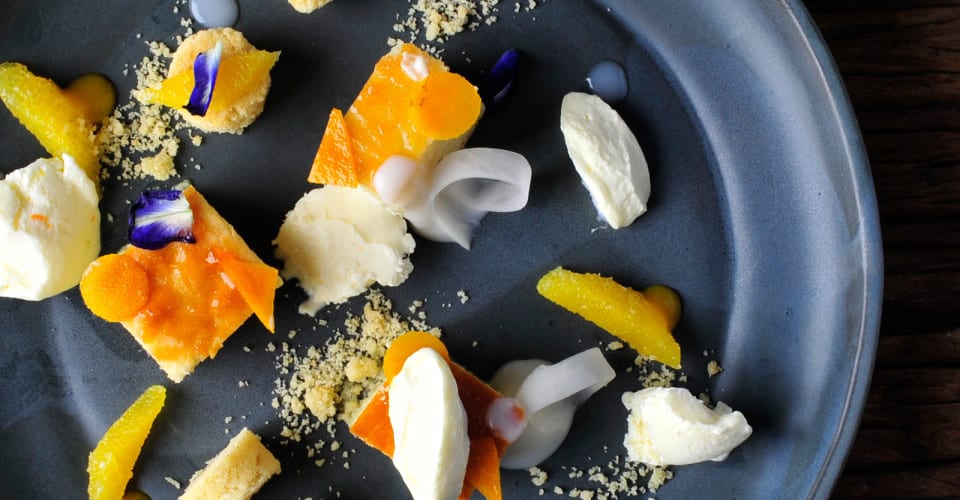
    The pop-up dinner is priced at HK$1,180 (includes drink pairings) per person. For reservations, visit testkitchen_chefcarlos.pelago.events. For details about Warehouses On West, go to warehousesonwest.com

  • Honey Birdette eyes Hong Kong

    Honey Birdette eyes Hong Kong

    Upmarket Australian lingerie retailer Honey Birdette is preparing to open its first retail store in Hong Kong.

    Honey Birdette was founded in 2006 by Eloise Monaghan offering premium lingerie and sex toys and entered a strategic partnership with multi-brand Australian retailer BB Retail Capital in 2011. It now has 45 stores in Australia.

    In what will be the brand’s first international foray, two stores will open in central London within the next six months, the first in Covent Garden.

    Following that, Honey Birdette will open in Hong Kong, Tokyo, Paris and Rome, the company has revealed, before entering the US.

    Separately, BBRC has announced an international expansion of its more mass market chain Bras N Things, with the first two stores opening in South Africa.  That brand has 170 stores in Australia and New Zealand and BBRC is planning on expanding into other international markets as well, but has not specifically referred to any Asian ambitions.

    “Bras N Things has an established and enviable reputation in Australia and the time is now right to expand beyond our shores, taking our expert fit service to new markets and empowering women globally,” said Bras N Things CEO, George Wahby.

    BBRC is best known in Asia as the owner of the Lovisa chain of accessories stores.

    Honey Birdette, meanwhile, is clearly targeting a high income demographic. In the UK retail prices are expected to start at £60 (US$85) for a bra and £30 ($43) for a pair of briefs.

  • Sephora launches online store for Hong Kong

    Sephora launches online store for Hong Kong

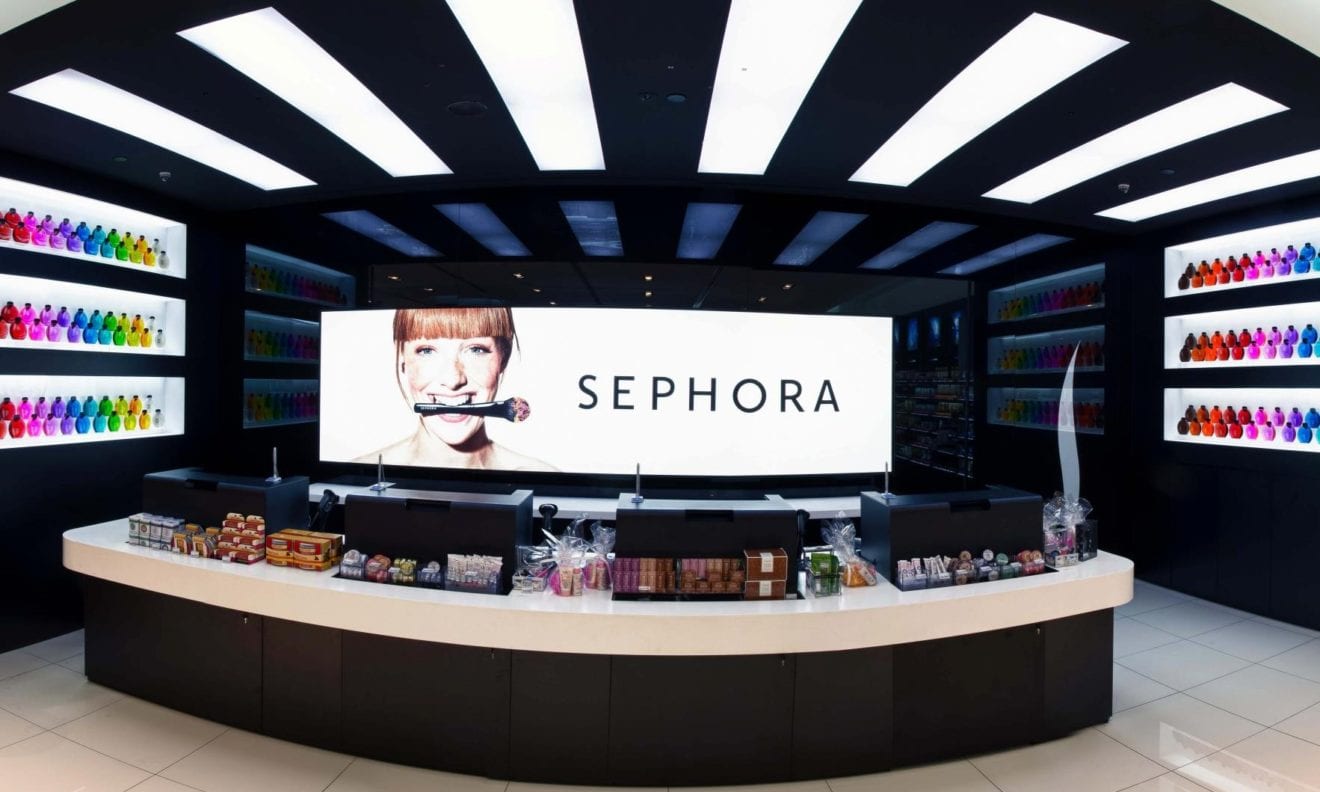
    Sephora has launched an e-commerce platform for the Hong Kong market.

    Part of the ongoing international expansion of its online retail arm, the online store will offer brands unavailable on the ground in Hong Kong, such as Butter London, Skin Inc and Nudestix.

    The LVMH-owned perfumery chain has yet to establish a bricks-and-mortar presence in the country, and commentators are suggesting that the online store will serve as a sounding board to test out the appetite for the retailer’s products and services.

  • Hongkong Land’s 2015 results in line with expectations and support its ratings

    Hongkong Land’s 2015 results in line with expectations and support its ratings

    Hong Kong, March 10, 2016 — Moody’s Investors Service says Hongkong Land Holdings Limited’s (HKLH) results in 2015 reflected lower underlying profit but were in line with expectations and continue to support its A3 issuer rating.

    The results also support the A2 issuer rating of Hongkong Land Company Limited, a wholly-owned subsidiary of HKLH.

    The outlook for all ratings remains stable.

    “HKLH’s overall financial profile remained strong, despite the company reporting lower profitability and weaker financial metrics in 2015 as a result of lower earnings in its property development business,” says Joe Morrison, a Moody’s Vice President and Senior Credit Officer.

    HKLH’s revenues for 2015 grew by 3% year-on-year to $1.93 billion, as both rental income and property development revenue experienced moderate growth during the year.

    However, its adjusted EBITDA fell by around 14% year-on-year to $1.08 billion in 2015 due to an 11% year-on-year drop in the underlying operating profit of its property development business to $354 million. The drop was caused by completion and delivery of lower margin projects along with lower provision write-backs for two residential projects in Singapore during the year.

    Nevertheless, HKLH’s financial profile continues to support the A3 rating level. HKLH ‘s adjusted EBITDA interest coverage — which excludes fair value gains, but includes dividends from associates and joint ventures — was 7.9x for FY2015, down from 9.3x in 2014, while adjusted debt/EBITDA increased moderately to 3.6x from 3.4x.

    “The company’s investment property business remained strong in 2015, and the limited office supply situation in Central will continue to support its rental and occupancy rates over the next two years,” says Morrison.

    HKLH’s office vacancy rate declined to 3.4% at end-2015 from 5.4% at end-2014, while average office rents remained stable. Retail space remained fully let, with average net rent increasing around 3.3% year-on-year to HKD221 per square feet.

    The vacancy rate of HKLH’s Singapore office portfolio remained low at 3% at end-2015 compared to 1.7% at end-2014. However, taking into account the committed area under new leases, the adjusted vacancy would have been 1% at end-2015.

    The company’s rental income grew around 1% year-on-year to $851 million, benefitting from positive rental revisions for its Central office and retail portfolio during 2015.

    Moody’s expects HKLH’s EBITDA interest coverage and adjusted debt/EBITDA to weaken moderately over the next 2 years, as the company raises debt for potential land acquisitions and development projects.

    The impact should be mitigated by the contribution from property development. At end-2015, HKLH had unrecognized contracted sales of USD821 million for its projects in Mainland China, with around 70% scheduled for delivery in 2016.

    HKLH’s liquidity profile remained robust. The company had cash of $1.6 billion and committed unutilized facilities of $2.5 billion at end-2015. These resources are more than sufficient to cover its short-term debt of $169 million over the next 12 months.

    The principal methodology used in these ratings was Global Rating Methodology for REITs and Other Commercial Property Firms published in July 2010.

    Hongkong Land Holdings Ltd is a Bermuda-incorporated holding company engaged in property investment, management, and development. HKLH is 50%-owned by Jardine Strategic Holdings Ltd. (A2 stable).

    The Hongkong Land Company Ltd (A2 stable), incorporated in Hong Kong, is a wholly owned subsidiary of HKLH and holds the group’s portfolio of 5 million square feet of prime office and retail space in Hong Kong, the Central portfolio.


  • Woodland looking at franchising

    Woodland looking at franchising

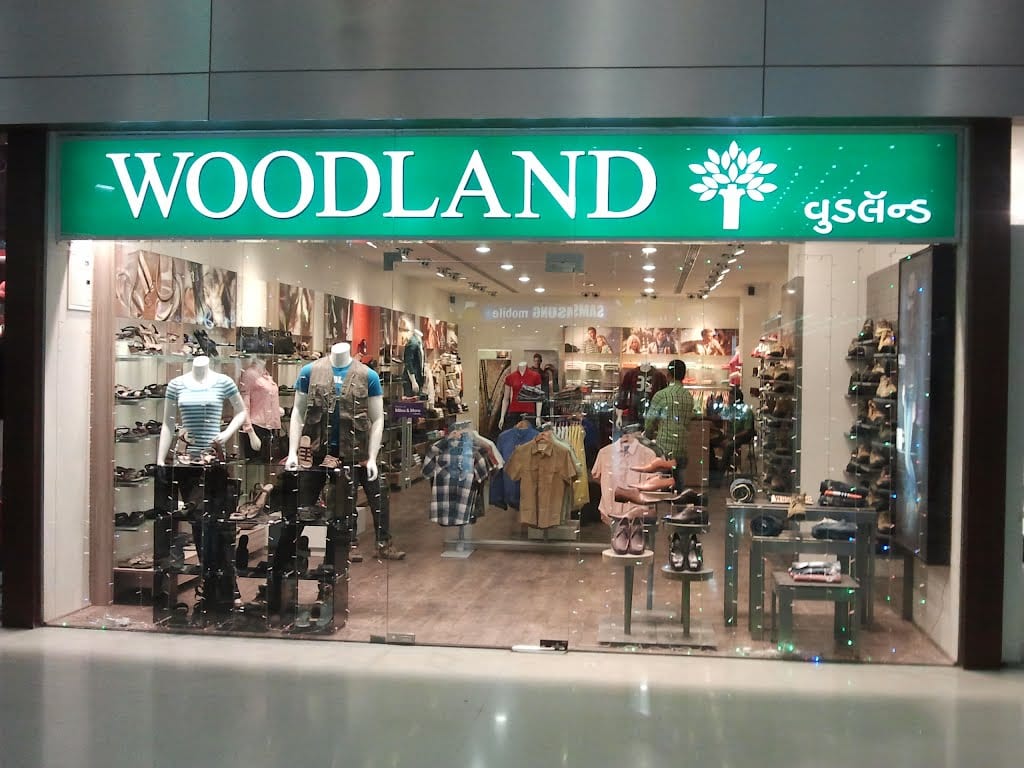
    Indian footwear and outdoor gear brand Woodland is planning to open stores in China, Malaysia and Singapore along with franchising its brand in other markets.

    Woodland is also taking the eCommerce route as part of its expansion, and is hiring social-media teams to run campaigns and online selling platforms in local languages.

    After announcing plans two years ago to launch 25 stores across China, it has subsequently opened “about a dozen stores” in Hong Kong. Its products are available through distributors in Singapore, and the company plans to enhance its global distributor networks. It aims to add at least 10 retail outlets internationally over the next two years.

    While the first few international stores will be company owned, MD Harkirat Singh says Woodland is open to franchisee formats for serious investors. The global stores will be a mix of independent stores and shops in shops.

    Singh says the product line in international markets will be customised to suit the region’s climate. according to the climatic conditions of the region. Woodland looks to tap the fast-growing extreme-weather outdoor gear market both in national and international markets, and claims to already have an 80 per cent market share in this segment in India.

    “While we have grown at an average of 15 to 20 per cent year-on-year in the past two to three years, the outdoor category has grown exceptionally in the past five years, says Singh. “Outdoor gear has become a lifestyle item, making our brand more popular.”

    Founded in Canada in 1992, Woodland is owned by Delhi-based Aero Group, which has its own leather-tanning and production units in Bangladesh, Canada, China, Indonesia, Macau, Malaysia, Sri Lanka, The Philippines and Vietnam, and as well as India.

  • Ensogo mobile marketplace takes wings

    Ensogo mobile marketplace takes wings

    Ten weeks after its launch, the mobile marketplace of Australia-listed Hong Kong-based eCommerce platform Ensogo has reported “exceptional” growth.

    Ensogo connects products for sale to more than 600 million consumers throughout Hong Kong, Indonesia, Malaysia, Singapore, The Philippines and Thailand.

    Ensogo app

    The company says its marketplace’s inventory has rocketed 3000 per cent, with the number of sellers swelling 600 per cent over the first two weeks of January, following a strong fourth-quarter.

    “The introduction of Ensogo’s mobile marketplace represents a game-changing shift for the business,” says co-founder and CEO Kris Marszalek. “Since its launch, we have seen an exponential increase in both new and active sellers, adding hundreds of thousands of products to our offering.

    “Exciting merchandise is a prerequisite to successful customer acquisition and retention, and Ensogo now offers consumers across the region a vastly expanded and truly exceptional range of products at competitive prices.”

    Powerful personalisation technology drives product discoverability while creating individualised shopping experiences on the marketplace, which with its rapid traction underscores the company’s transition away from its legacy services business. Along with changing trends and consumer behaviours in Southeast Asia, the company believes a streamlined offering is critical as the business moves into its next stage of growth. “The eCommerce opportunity in Southeast Asia is enormous, and has immense potential for further growth,” says Marszalek.

  • Big discounts and store closures expected as luxury brand Tonino Lamborghini exits Hong Kong

    Big discounts and store closures expected as luxury brand Tonino Lamborghini exits Hong Kong

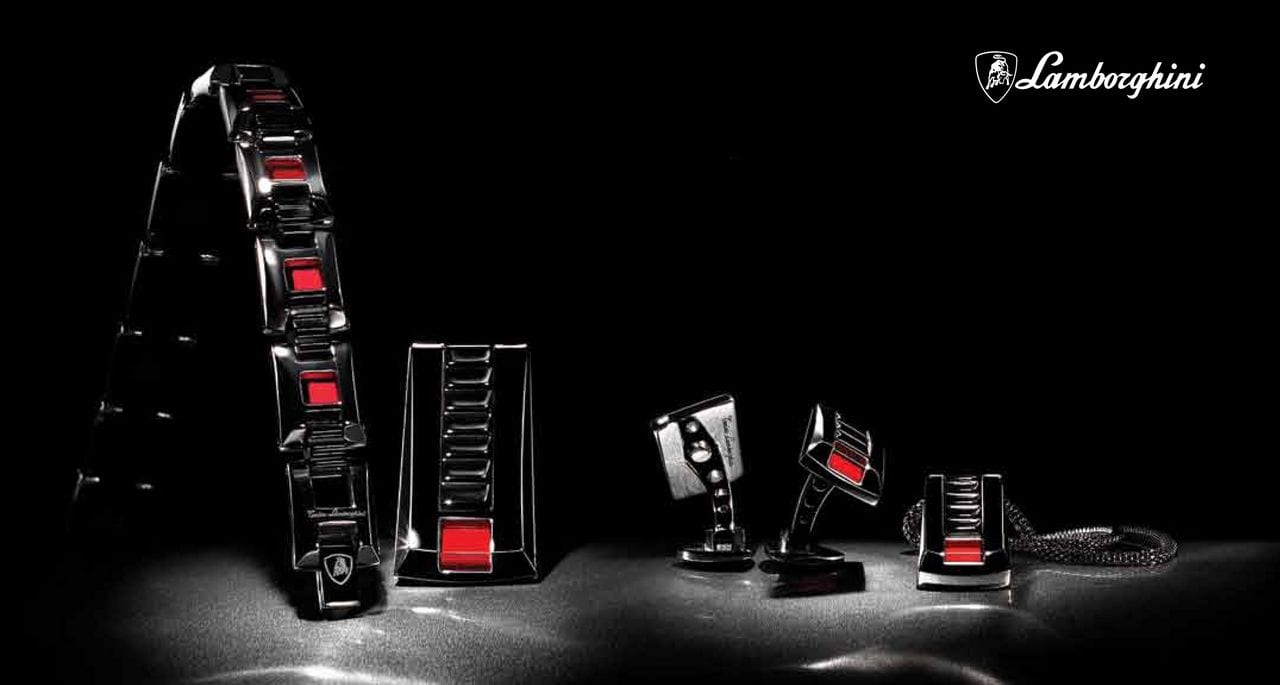
    Luxury brand Tonino Lamborghini, which carries apparel, accessories and leather goods, will exit Hong Kong amid poor sales performance of the city’s luxury market, with more than 10 independent shops and in-store counters shutting down soon.

    A shop assistant at its Tsim Sha Tsui store, who has worked for the company for more than 10 years, told the Post that she and other staff members would soon have to find new jobs.

    “We were told all the stores in Hong Kong would be closed, but the company didn’t say exactly when,” she added.

    This comes as another blow to Hong Kong’s battered luxury goods market, after American brand Coach closed its four-storey flagship store in Central and British fashion house Burberry reduced the size of its Pacific Place store, its largest in the city, by 50 per cent.

    Tonino Lamborghini, an Italian brand, was started in 1981 by the son of sports car maker and industrialist Ferruccio Lamborghini, though the two companies remain separate.

    The brand has retail stores in Hong Kong and Macau which sell a variety of luxury products including apparel, bags, shoes and watches.

    Discounts of as much as 70 per cent were offered to the customers in the retailer’s last battle to empty its warehouses in the city. In one of its shops in Jordan, signs which said “Exit Hong Kong” and “Closing Down Sales” had appeared in the store window.

    According to Tonino Lamborghini’s official website, it has 18 shops and in-store counters all over Hong Kong, with many of them located in tourist districts such as Mong Kok and Tsim Sha Tsui.

    Since last year, the luxury retailer has been quietly closing down some of its stores and in-store counters, said the long-time staff member. She added that only a few stores remain open currently.

    Rebecca Tse So-han, general manager of marketing at Yata department store, where the brand had occupied a counter for more than 10 years, said the counter closed in January after its lease expired.

    “Their sales performance was not particularly good … but it was not too bad either,” she said, adding that the retailer had chosen not to renew the lease, not the other way around.

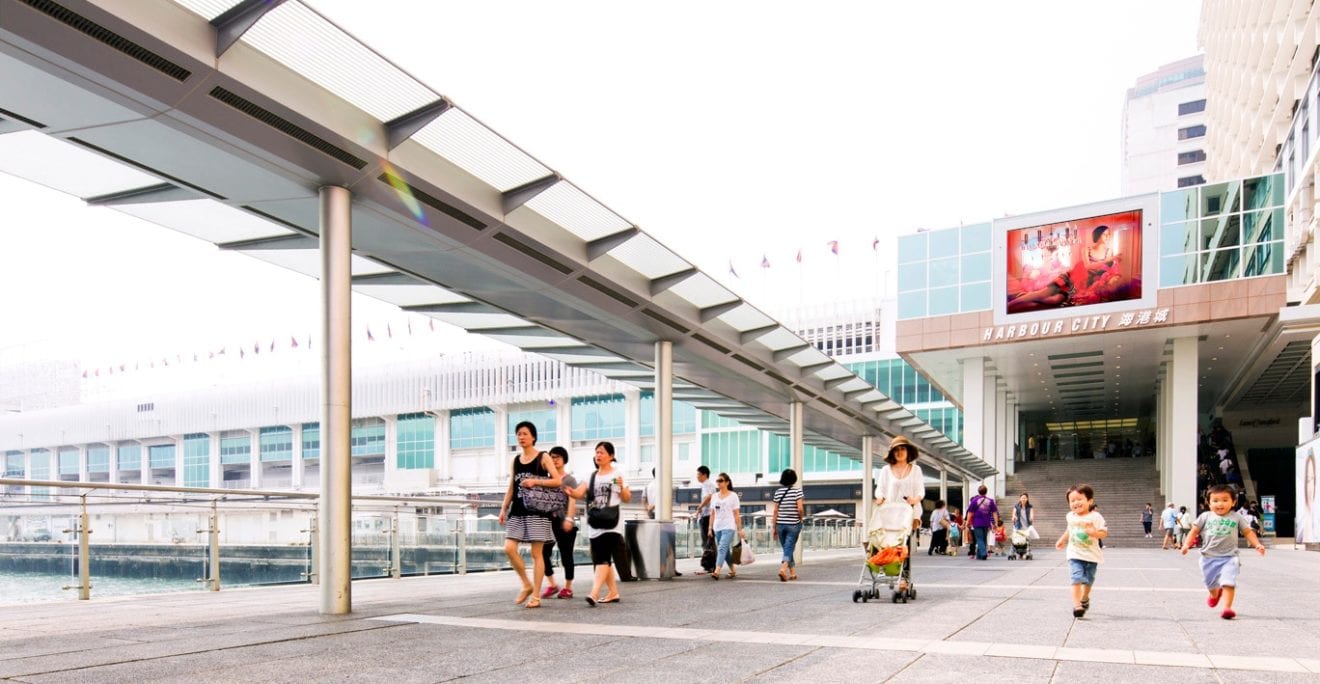
  • Harbour City books HK$5.94b retail revenue

    Harbour City books HK$5.94b retail revenue

    Revenue at Tsim Sha Tsui’s popular luxury shopping mall, Harbour City, (excluding hotels) increased by 6 percent to HK$8.56 billion, Wharf Holdings (0004) reported today.

    Operating profit grew by 6 percent to HK$7.48 billion. Retail revenue increased by 5 percent to HK$5.94 billion.
    The occupancy rate was nearly 100 percent, the company reported today.

    New openings or commitments including Miu Miu (Canton Road), Philipp Plein, J. Crew, Pandora, Sulwhasoo and Rado further improved the tenant mix, the company said. The introduction of various Hong Kong and Kowloon debuts across distinct categories including Maison Margiela, Issey Miyake, Christian Louboutin Men and Tea WG Boutique continued to raise the retail and culinary experience, Wharf said.