Tag: Hong Kong

  • Japanese burger chain Niku Niku Oh! Kome debuts in Hong Kong

    Japanese burger chain Niku Niku Oh! Kome debuts in Hong Kong

    Japanese-style burger chain Niku Niku Oh! Kome – owned by Japanese restaurant chain operator Monogatari Corporation – has launched its first outlet in Hong Kong as part of its broader expansion across Asia.

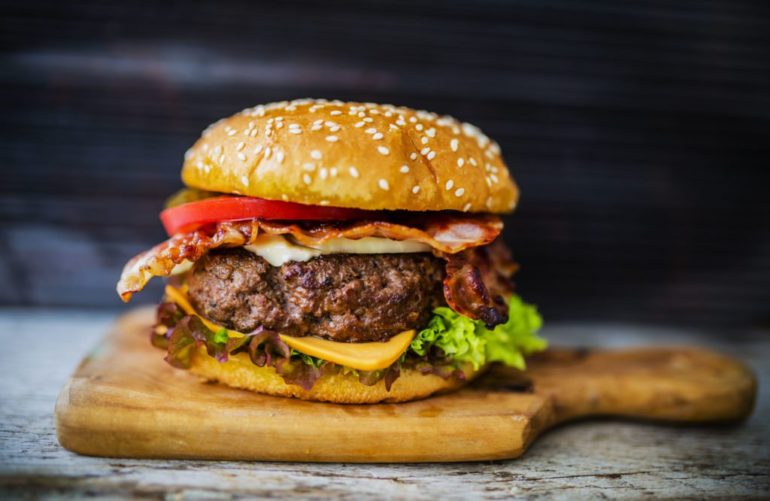
    Located in Sha Tin, the restaurant has 40 bar seats surrounding an open kitchen. It specialises in freshly handmade wagyu burgers seated on hot plates or served on rice with egg yolk for a “classic Japanese experience”.

    The wagyu hamburgers are crafted from a blend of Kyushu black wagyu beef and US beef, while the rice served is Niji No Kirameki, sourced from Japan’s Tohoku region.

    Makoto Hori, senior executive officer, Monotogari Corporation, said that Hong Kong, being an international city close to the mainland, offers the company an opportunity to raise brand awareness in the Asian region.

    “We have already opened 16 restaurants in Mainland China since November 2022, and local customers have well received our food,” he added.

    Established in 1949, Monogatari Corporation has more than 700 restaurants in Japan and overseas, with 15 restaurant brands serving various Japanese foods, including yakiniku, ramen, okonomiyaki, sushi and shabu-shabu.

  • Cathay Pacific cancels 90 flights over aircraft engine issue

    Cathay Pacific cancels 90 flights over aircraft engine issue

    Hong Kong-based airline Cathay Pacific Airways has canceled 90 flights this week due to an engine component issue affecting its Airbus A350 fleet.

    The firm initially canceled 48 flights on Tuesday and 20 on Wednesday before axing another 22 from Thursday to Saturday.

    All the flights canceled this week are for regional destinations except for one long-haul flight on Monday, the airline said.

    The canceled flights on Tuesday and Wednesday included routes between Hong Kong and cities such as Sydney, Osaka, Tokyo, Taipei, Bangkok, and Singapore.

    The airline announced on Tuesday that all affected travelers had been notified and provided with alternative travel options.

    To help passengers adjust their travel plans, Cathay Pacific waived ticket change fees, including charges for rebooking and rerouting.

    The flight cancelations followed a component failure on Monday that led Cathay Pacific to ground and inspect its entire Airbus A350 fleet.

    The inspection found that 15 planes required fuel line repairs, six of which have been fixed and cleared to operate as of Wednesday.

    Cathay Pacific said no further flight cancelations were expected, and all affected aircraft are anticipated to resume operations by Saturday.

    The cancelations have caused confusion and frustration among customers, many of whom had to make last-minute travel rearrangements.

    Lim and his family from Singapore were looking forward to their five-day trip to Hong Kong when their Tuesday flight was delayed and then canceled.

    They were later rebooked on a flight departing 12 hours later than originally scheduled.

    “We’re very disappointed in the way Cathay has handled this issue,” Lim said. “Until now, no one has come to let us know the cause of the delays and cancelations. I had to google media reports to find out what happened. They don’t even have a statement on Facebook.”

    Complaints about canceled flights have also surfaced on the Chinese social media platform Xiaohongshu, where users traveling from Hong Kong to Singapore and other cities voiced their frustration over disrupted travel plans.

  • HKIA reports continuous growth in passenger and cargo volume in May

    HKIA reports continuous growth in passenger and cargo volume in May

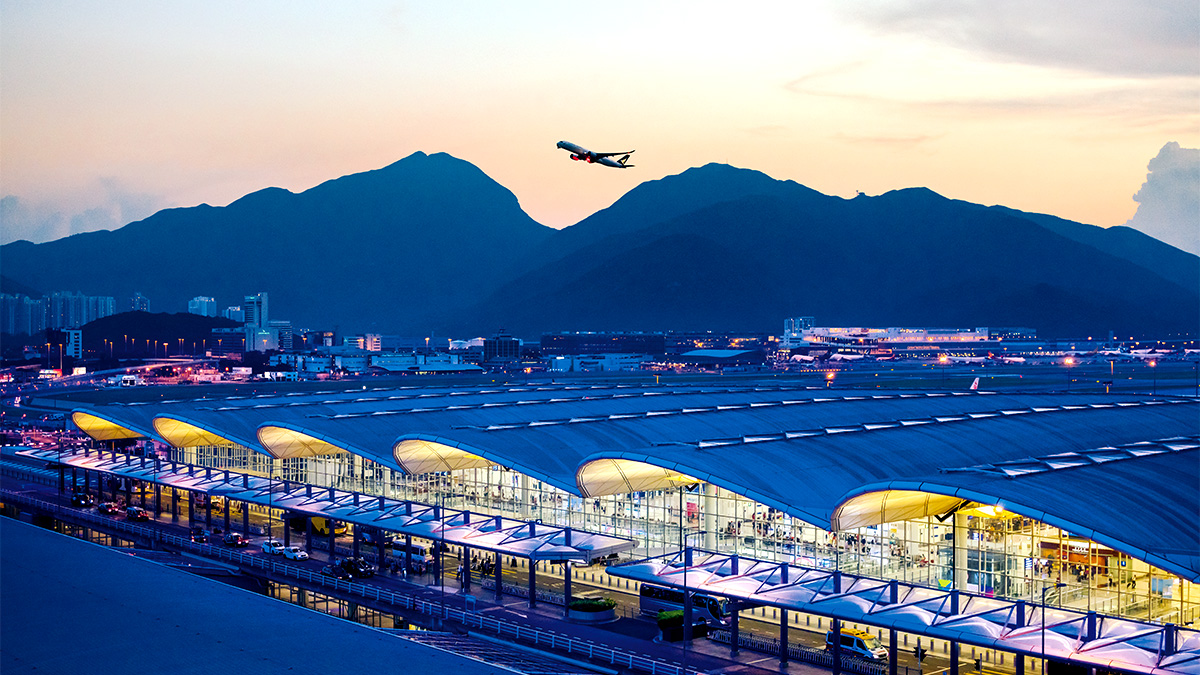
    Airport Authority Hong Kong (AAHK) released the air traffic statistics for Hong Kong International Airport (HKIA) for May 2024. During the month, HKIA handled 4.07 million passengers and 29,855 flight movements, marking year-on-year increases of 30.8% and 34.5%, respectively.

    Mainland China’s Labour Day “Golden Week” holidays starting at the end of April had contributed a significant traffic growth among all passenger segments in May. Traffic to and from Southeast Asia, Mainland China, and Japan recorded the most notable boosts during the month.

    Cargo throughput saw a year-on-year increase of 19.0% to 416,000 tonnes in May. HKIA has continued to record double-digit year-on-year growth in cargo volume each month this year. Export traffic remains the main driver of the growth, recording a 30.1% increase compared with the same month last year. Among key trading regions, cargo traffic to and from North America, Europe and the Middle East increased most significantly during the month.

    For the first five months of this year, the airport handled 21.0 million passengers or 58.9% higher than the low base during the same period in 2023. Flight movements also increased 50.5% year-on-year to 145,140, while cargo volume rose by 18.0% year-on-year to more than 1.9 million tonnes.

    On a 12-month rolling basis, passenger volume was 47.3 million, marking an increase of 157.9% comparing with the previous comparable period. Flight movements increased by 76.3% year on year to 324,805, as cargo throughput also grew 13.1% year-on-year to 4.6 million tonnes.

    In terms of route development, HK Express Airways inaugurated a new direct flight service linking HKIA and Sanya Phoenix International Airport, Hainan on 10 May. With four pairs of flights each week, the new route provides more choices for travellers visiting Hainan.

    Meanwhile, HKIA’s “Marine Ecology and Fisheries Enhancement Strategy” project won the highest Platinum Award in the ACI Green Airports Recognition 2024, in the biggest airport capacity category of over 35 million passengers per annum. Organised by the ACI Asia-Pacific & Middle East, the award recognises airports with outstanding achievements in biodiversity and nature-based solutions.

    Peter Lee, General Manager, Sustainability of AAHK said, “We are honoured to receive this award, which commends our voluntary and continuous efforts to explore and enhance local marine biodiversity and fisheries resources around HKIA and North Lantau waters.  The efforts, namely eco-enhancement of seawall designs, deployment of artificial reefs and shellfish reefs, and fish restocking, were first investigated by experts, with pilot tests following on intended to determine the viability and real-world value of promising enhancements.  With positive biodiversity impacts identified, we are in the process of scaling up these initiatives around HKIA, and importantly, these nature-based efforts will serve as a useful reference for future implementation by others across broader Hong Kong waters.”

  • A Deep Dive into Grade A Buildings in Hong Kong

    A Deep Dive into Grade A Buildings in Hong Kong

    Should you rent your office in a Grade A building in Hong Kong? 

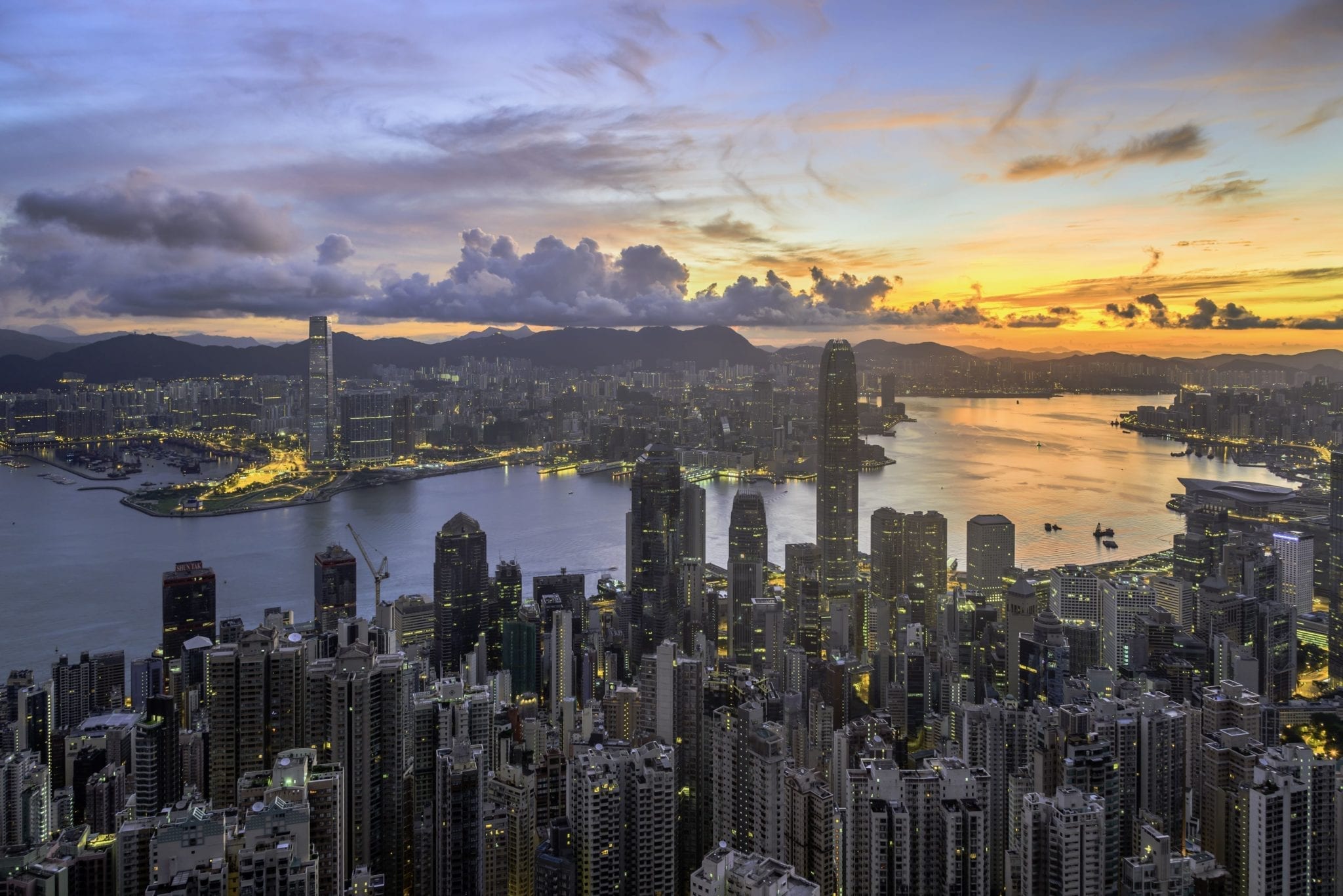
    Hong Kong, a dynamic metropolis known for its towering skyscrapers and lively business scene, is home to some of the world’s most prestigious commercial properties. Among these, Grade A buildings are prominent as symbols of corporate prestige and operational excellence. This article explores the essence of Grade A buildings in Hong Kong, examining their unique characteristics, advantages, and how they stand apart from other grades. Understanding these elite structures is crucial for businesses seeking top-tier office spaces in this vibrant city.

    What is a Grade A Building in Hong Kong?

    In the core of Hong Kong’s commercial landscape, Grade A buildings represent the peak of office real estate. But what makes them special? Their superior quality, prestigious locations, and modern facilities primarily set them apart. These buildings are often located in highly sought-after business districts like Central, Admiralty, and Wan Chai, offering prime access to major transport hubs and city amenities.

    Architecturally, Grade A buildings in Hong Kong are impressive. They feature cutting-edge designs, often by renowned architects, and are equipped with advanced infrastructure. This includes high-speed elevators, robust IT connectivity, and energy-efficient systems. Their interiors are finished to the highest standards, with luxurious lobbies, ample natural light, and wide views of the cityscape.

    The tenant mix in Grade A buildings is another key aspect. These towers usually house multinational corporations, top financial institutions, and prestigious law firms. This high-profile tenant base contributes to the building’s elite status and creates a dynamic business network.

    Moreover, Grade A buildings offer strong security measures and professional management services. They provide a safe and efficient working environment, which is a critical factor for businesses that prioritize security and operational smoothness.

    “In short, Grade A buildings in Hong Kong are more than just office spaces; they are symbols of corporate success, designed to offer an exceptional working environment. Their strategic locations, top-notch design, and comprehensive amenities set the benchmark in the commercial real estate market, making them the top choice for discerning businesses.”, mentions Michelle Tang from Bela Offices. She adds, “At Bela Offices, we strive to exceed our tenants’ expectations by offering Grade A buildings that symbolize corporate success and provide a remarkable working environment.”.

    What are the Advantages of Renting Grade A Offices?

    Choosing a Grade A office in Hong Kong brings a multitude of benefits, vital for businesses who are looking to enhance their corporate image and operational efficiency.

    Firstly, these buildings offer addresses in renowned locations, most likely in CBDs, which is crucial for companies looking to establish a strong market presence. That will provide your business with excellent visibility and accessibility.

    The superior facilities in Grade A buildings also contribute to a better working environment. Modern, ergonomic office designs ensure comfort and productivity for employees. Advanced technology infrastructure supports seamless business operations, which is essential in today’s fast-paced corporate world, especially if your business is done online. These buildings are often equipped with high-end communication tools, fast internet connectivity, and reliable power backups, ensuring that businesses run smoothly.

    Sharing space with other high-profile tenants, including multinational companies and leading financial institutions, opens doors to valuable collaborations and partnerships. This environment fosters a sense of community among top-tier businesses, offering opportunities for growth and innovation.

    Another significant advantage is the level of professional management and maintenance services in Grade A buildings. These services ensure a hassle-free working environment, allowing businesses to focus on their core activities. From regular cleaning to technical support, every aspect of building management is handled efficiently.

    What are the Differences with Grade B and Grade C Buildings?

    Grade A buildings are ideal for businesses who are looking for high standards and prime locations but they come at a higher cost. This makes them a great choice if you frequently meet with important clients. Grade B and C buildings, while more affordable, vary in quality and amenities, suiting businesses with different needs and budget considerations.

    Grade B buildings are a step down from Grade A in terms of location, facilities, and overall prestige. While they are generally well-maintained, they may lack some of the cutting-edge features of Grade A buildings. They are suitable for businesses looking for good quality spaces at a more affordable price point. Grade B buildings may have older designs and fewer luxurious finishes but still provide a professional working environment.

    Grade C buildings, on the other hand, are the most basic in Hong Kong’s office market. They are often older structures located further away from central business districts. These buildings typically have more basic facilities and services, and their maintenance levels can vary significantly. Grade C offices are the most economical option, suited for start-ups or businesses with limited budgets that prioritize functionality over prestige.

    Conclusion

    Grade A buildings in Hong Kong are the gold standard in commercial real estate, offering unparalleled quality, facilities, and prestige. Understanding the differences with Grade B and C buildings helps businesses align their office space with their operational needs and corporate goals, ensuring success in this dynamic city.
  • AEON Hong Kong switches to Vietnamese bananas

    AEON Hong Kong switches to Vietnamese bananas

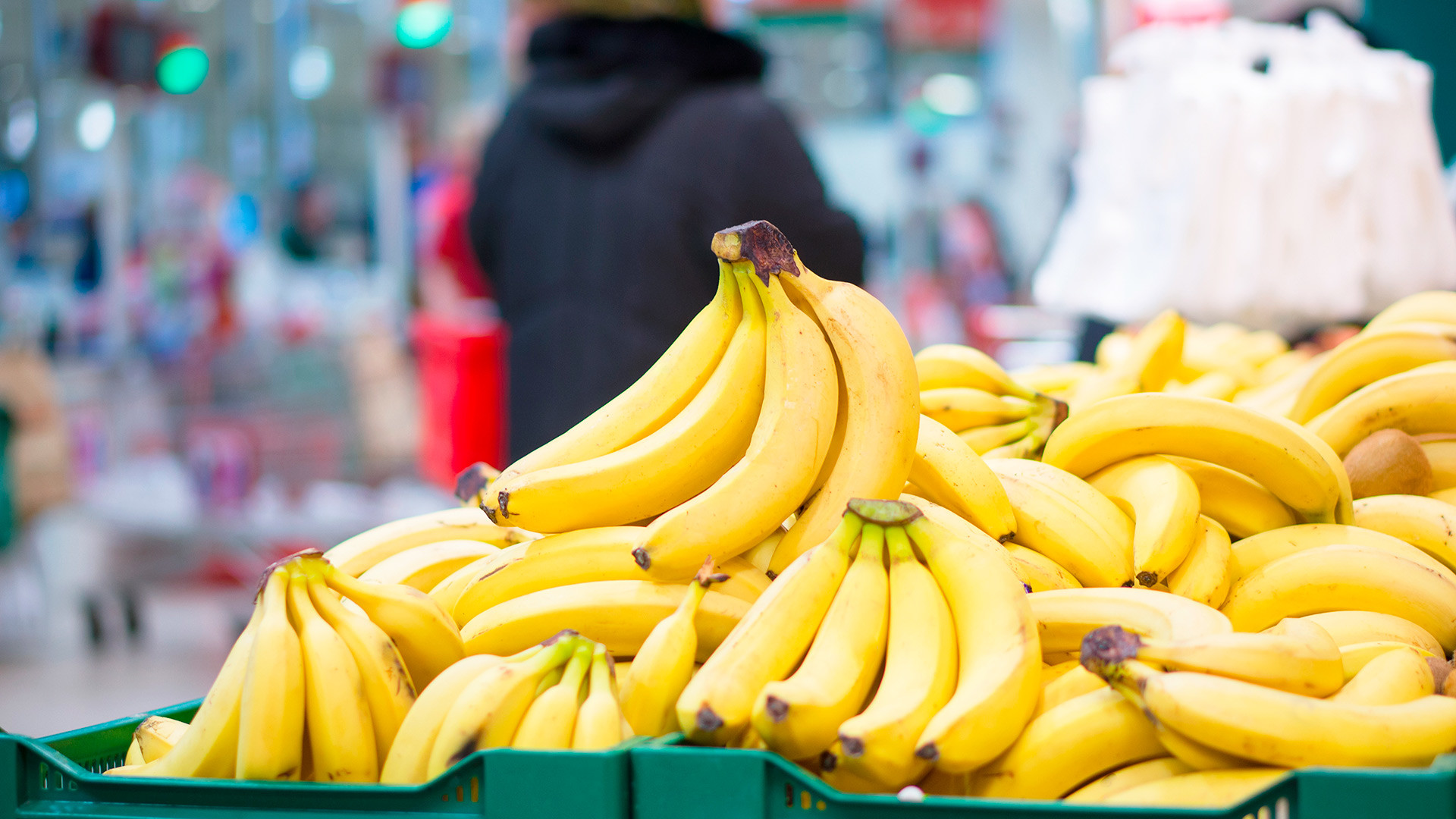
    Japanese retailer AEON has replaced Philippine and Taiwanese bananas with Vietnamese imports at its Hong Kong outlets.

    AEON started selling Vietnamese bananas at its 91 outlets in Hong Kong last year because they are of high quality and grown using a process that does not result in waste, Yuichiro Shiotani, CEO of AEON Topvalu Vietnam, said at a forum Friday.

    “This process meets AEON’s sustainability criteria.”

    Apart from prices, environment friendliness and quick delivery are now top priorities for retailers, he added.

    The company plans to double its purchase of Vietnamese bananas this year and also switch exclusively to Vietnamese mangoes instead Thai and Philippine varieties.

    Mirash Basheer, CEO of May Exports Vietnam, a division of LuLu Group International, a major retailer headquartered in the United Arab Emirates, said there is increasing demand for Vietnamese goods, especially those that meet green production requirements.

    May Exports Vietnam plans to buy more cashew from Vietnam, along with other products such as canned fruit juice, coconut juice and canned tuna.

    U.S. retailer Walmart said it buys from around 500 suppliers in Vietnam, but most are foreign-owned companies with Vietnamese ones mostly being secondary suppliers.

    More Vietnamese goods could reach American consumers if they meet sustainability criteria, a spokesperson for the retailer said.

    Do Ngoc hung, a trade consultant for Vietnam in the U.S., said Vietnamese businesses should study the requirements of U.S. distributors such as Walmart, Costco and Amazon, who all require green products.

  • Christian Dior postpones show in Hong Kong indefinitely

    Christian Dior postpones show in Hong Kong indefinitely

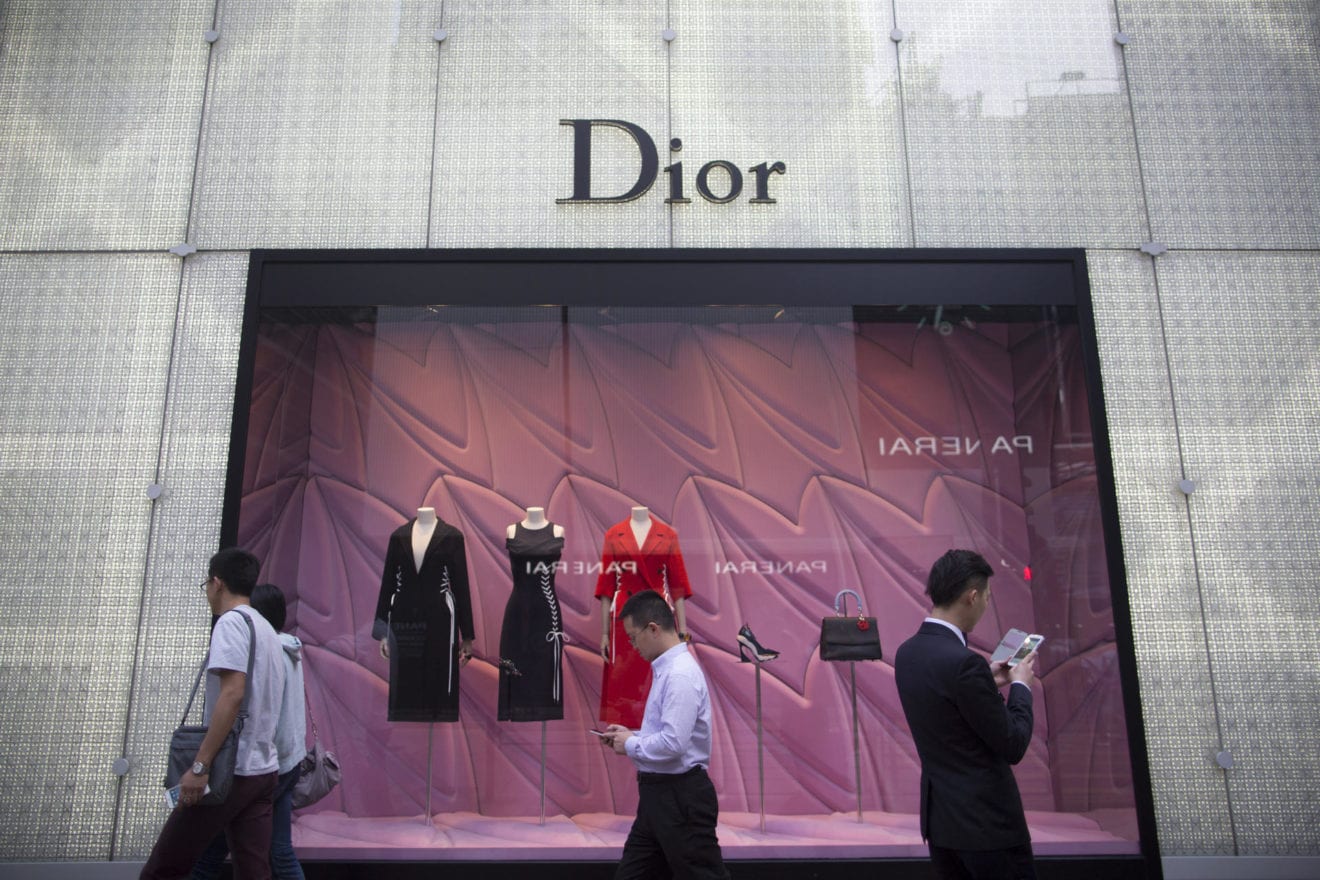
    French fashion label Christian Dior has postponed its planned mega fashion show in Hong Kong due to be held in March, the government said on Monday, without giving a reason for the decision.

    The event was widely anticipated by many in the luxury sector after a high profile show from Louis Vuitton helmed by singer Pharrell Williams last November, which was an attempt to put the Chinese city back on the luxury map and attract wealthy spenders.

    Dior did not immediately respond to Reuters requests for comment on why it postponed the show.

    “We have just received notification from the organiser that the event will be postponed. In fact, postponements of large-scale events often happen. We continue to welcome large-scale events to be held in Hong Kong,” the government said in an email.

    Hong Kong’s luxury retailers are adapting to fewer wealthy Chinese shoppers visiting the city and a shift towards tourists flocking to Instagram-coveted spots in trendy districts rather than splashing out on pricey branded gear.

    Before the pandemic, the Chinese special administrative region had bucked global trends of declining demand for multi-brand department stores and ultra-luxury brands largely due to its attractiveness to high-spending mainland visitors.

    But the rise of competing shopping hubs like China’s Hainan island, changing consumer preferences and a rise in online shopping have fundamentally changed demand for luxury goods in Hong Kong and are starting to reshape the city’s visitor economy, according to industry experts.

  • UBS Serves Up Crypto ETFs in Hong Kong

    UBS Serves Up Crypto ETFs in Hong Kong

    Switzerland’s largest bank is following in the tracks of HSBC by allowing wealthy clients to trade crypto exchange-traded funds in the city.

    A selection of three crypto-ETFs related to Bitcoin and Ethereum were available on a UBS trading platform for wealthy clients as of Friday.

    The funds had been approved by the Securities & Futures Commission (SFC), with the source, who requested to remain anonymous, indicating that clients could access educational material related to the funds. UBS declined to comment on the matter, the news agency showed.

    Hong Kong implemented a new digital licensing regime related to digital assets on June 1 to both promote digital asset trading while also ensuring that investors remain duly protected.

    Zug-based Seba Bank, one of two Swiss crypto-banks, was licensed by the SFC earlier this week. The step will allow it to engage in various activities and advisory services related to securities, OTC derivatives, and structured products related to underlying virtual or digital assets.

  • Hong Kong retail surges

    Hong Kong retail surges

    Continued revival of inbound tourism and private consumption helped Hong Kong’s retail sales notch a 10th consecutive month of growth in September, though it was slower than in previous months, official data showed on Wednesday.

    Sales increased 13 percent year-on-year to $4.06 billion in September, the city government said, but the growth was the slowest pace since January, when it was at 6.9 percent.

    Retail sales rose by 13.7 percent in August and 16.7 percent in July.

    “Continued improvement in household income and the government’s various support initiatives, including the Night Vibes Hong Kong Campaign, should also provide support,” a government spokesman said, adding further recovery of visitor arrivals should benefit the retail sector.

    In volume terms, September retail sales increased 10.1 percent year-on-year. That compared with an 11 percent growth in August and a 14.2 percent rise in July.

    For the first nine months, retail sales value rose 18.6 percent year-on-year while volume grew 16.5 percent.

    Hong Kong’s economy grew 4.1 percent from a year earlier in the third quarter, data showed on Tuesday, accelerating from the 1.5 percent expansion in the second quarter and the 2.9 percent in the first, but missing the 5.2 percent median forecast of economists polled by Reuters.

    In August, the government revised up its economic growth forecast for 2023 to between 4.0 percent and 5.0 percent.

    Visitor arrivals for September were 2.77 million, bringing the total for the first nine months of 2023 to 23.32 million, according to Hong Kong Tourism Board preliminary data. That compared with last year’s 66,037 and 249,699, respectively, when China was still in the grip of Covid restrictions.

    The number of mainland Chinese visitors decreased to 2.16 million in September from 3.43 million in August, the data showed. That compared with 51,282 in September 2022.

    Sales of jewellery, watches, clocks and valuable gifts, which before the pandemic were mostly bought by mainland tourists, rose 27.3 percent year-on-year in September after a 57.2 percent
    jump in August, data showed.

    Sales of clothing, footwear and accessories grew 36.4 percent on the year in September after a 37.4 percent increase in August.

  • UBS Axes More Investment Bankers in Hong Kong

    UBS Axes More Investment Bankers in Hong Kong

    Switzerland’s UBS has reportedly offloaded more investment bankers in Hong Kong amid a slowdown in China.

    UBS has cut about 7 percent of its global banking unit in Asia, according to a report citing unnamed sources, mainly related to China-focused roles based in Hong Kong. This has affected about two dozen investment bankers, including several managing directors.

    The cuts were initially planned for September but were postponed due to the Credit Suisse takeover. The final number of job losses in this current round of cuts has yet to be decided. In 2022, UBS axed half a dozen China-focused staff in Hong Kong.

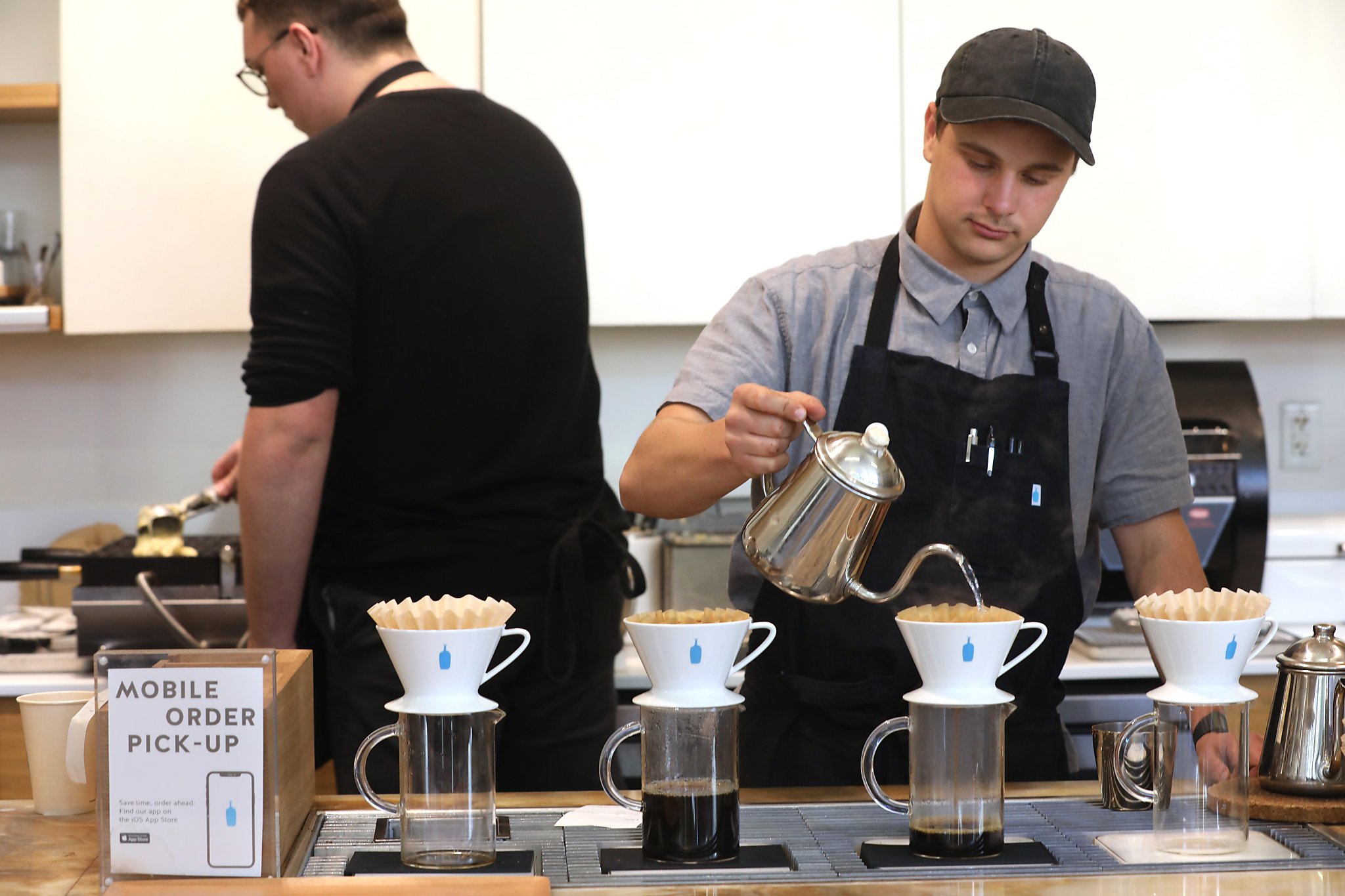
  • Blue Bottle Coffee opens kiosk popup in Hong Kong

    Blue Bottle Coffee opens kiosk popup in Hong Kong

    Coffee brand Blue Bottle Coffee has launched a new pop-up café at Hong Kong International Airport (HKIA) to connect travellers with unique coffee-to-go experience amidst their travels.

    This comes as the brand saw Hong Kong International Airport as a bustling hub for travellers from around the world. By setting up the kiosk at the airport, Blue Bottle aims to cater to a diverse audience of coffee enthusiasts and provide them with a moment of respite and enjoyment amidst their travels.

    Another reason behind the move was Blue Bottle’s ambition to expand its reach in Hong Kong and offer its meticulous craft and care in each cup to travellers passing through the airport. Starting from 5 September 2023, the Blue Bottle  Coffee Kiosk offers travellers enhanced coffee experience ahead of their flights through this coffee-to-go experience from the morning to midnight hours.

    Done in collaboration with local PR agency Dynamic Duo PR (DDPR), the setup of the pop-up kiosk comes along with the brand’s mission of “meeting coffee lovers everywhere so they can experience the best of what coffee has to offer at their convenience”. The pop-up kiosk is promoted via Blue Bottle’s Instagram.

    Fiona Yu, director, global kiosk formats, Blue Bottle, said: “With the opening of our new pop-up kiosk at Hong Kong International Airport, it’s a privilege for us to bring our deep passion for delicious coffee to travellers. At Blue Bottle, our dedication has always revolved around making specialty coffee more accessible, and we’re excited to reaffirm this commitment to connecting people with exceptional coffee experiences with this new location.”

    Founded by James Freeman in Oakland, California, in 2002, Blue Bottle has expanded its footprints across the U.S., Japan, Korea, and Hong Kong over the past 15 years. ⁠Most recently, Blue Bottle Coffee Hong Kong partnered with drinkware brand MiiR to unveil new straw lids to contribute towards sustainability and elevate consumers’ drinking experience. According to Blue Bottle, the flexible silicone straw adjusts to different cup models, while the vacuum-sealed lid ensures spill-free portability. ⁠

  • Hong Kong retail sales rose for the eighth month in a row in July

    Hong Kong retail sales rose for the eighth month in a row in July

    Hong Kong’s July retail sales rose 16.5 percent from a year earlier helped by an increase in visitor arrivals and positive consumption sentiment, government data showed on Thursday.

    Sales increased to HK$33 billion, marking an eighth consecutive month of growth. That compared with a revised 19.5 percent rise in June.

    In volume terms, retail sales increased 14 percent year-on-year in July, compared with a revised 17.4 percent of growth in June.

  • Hong Kong air cargo volumes continue rebound

    Hong Kong air cargo volumes continue rebound

    Cargo volumes at Hong Kong International Airport continued on its path to recovery in July as the airport recorded a year-on-year increase of 3.8 percent over the same month last year at 361,000 tonnes. 

    Month-on-month, this represents an uptick of 1.7 percent over June as flight movements reached 24,030, up 7.4 percent over the previous month. 

    Records say exports contributed the most to the year-on-year increase in cargo volumes in July, up 12.6 percent, with traffic to and from North America, the Middle East and Europe seeing significant growth during the month. 

    Considering the last 7 months, cargo volumes at Hong Kong airport slid 4.2 percent year on year to 2.4 million tonnes, as the airport handled 142,840 flight movements, almost double the flights (94 percent growth) seen over the same 7-month period last year. 

  • Thailand’s Big C to enter Hong Kong

    Thailand’s Big C to enter Hong Kong

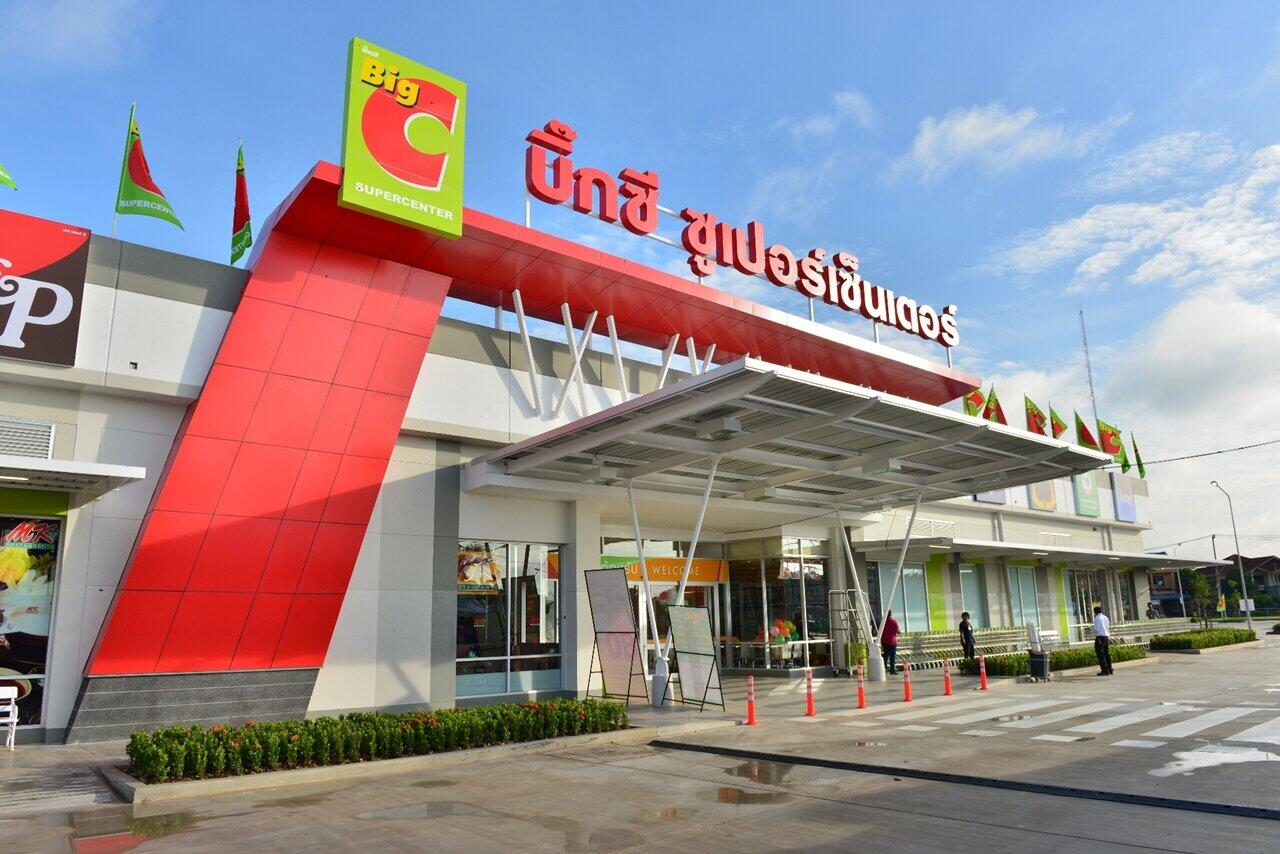
    Big C Supercenter, the Thai supermarket chain owned by one of the richest families in the Southeast Asian nation, will enter Hong Kong next month and also seek a dual listing in the city and Thailand as early as the fourth quarter, according to a top executive.

    The Bangkok-headquartered retailer has acquired grocery chain AbouThai, which operates 24 outlets in the city, and will rebrand them as Big C starting next month, Aswin Techajareonvikul, CEO and president of Big C Retail Corp, said in an exclusive interview with the Post on Monday.

    Aswin also separately met Financial Secretary Paul Chan Mo-po and Hong Kong Exchanges and Clearing (HKEX) CEO Nicolas Aguzin to discuss the group’s listing plan during his visit.

    “We all believe in Hong Kong’s prospects and growth potential,” he said. “Even though there were some challenges during Covid-19, Hong Kong can bounce back quickly. Hong Kong is a leading financial hub in Asia linking Southeast Asian markets with mainland China.”

    Hong Kong is Big C’s first foray outside Southeast Asia, taking on some the city’s retailers including Wellcome and ParknShop. The retailer is part of billionaire Charoen Sirivadhanabhakdi’s business empire, which includes Thai Beverage, the nation’s largest brewer and maker of Chang beer. Aswin is Charoen’s youngest son-in-law.

    Big C operates about 2,000 retail stores under the Big C Supercenter, Big C Market, Big C Foodplace and Mini Big C brands in its home market of Thailand, Laos, Cambodia and Vietnam.

    Big C, which did not disclose the acquisition price for AbouThai, will invest HK$158 million (US$20.2 million) in the next three years to open 25 stores a year for a total of 99 stores by the end of 2026 and hire more than 500 additional staff, Aswin said.

    “Ninety-nine is a lucky number, which means longevity in Chinese culture,” he said. “We also have a very long-term vision in Hong Kong, which is to turn Big C into the best premium Thai supermarket.”

    Big C Supercenter was founded in 1993 by Thai retail conglomerate Central Group and listed on the Stock Exchange of Thailand (SET) in 2012. It was delisted in 2017, a year after it was taken over by trading house Berli Jucker, owned by the Sirivadhanabhakdi family, for over US$6 billion. Berli Jucker’s sales rose 3.4 per cent in the second quarter to 39.4 billion baht (US$1.1 billion).

    Aswin said the group plans to have a dual listing in Hong Kong and Bangkok. Earlier this year it filed an application with SET to list Big C Retail Corp (BRC), the holding company of the Big C Supercenter. It is exploring a listing application in Hong Kong, he added.

    He expects the listings to take place as soon as the fourth quarter, but the final decision will depend on market conditions. Aswin declined to comment on the fundraising, but analysts expect the firm to raise as much as US$1 billion.

    “A listing in Hong Kong will pave the way for future opportunities to cooperate with other leading companies listed in the city,” Aswin said. “Hong Kong’s active trading volumes and exposure to Chinese and global investors make it an ideal location for BRC to list outside our home market.”

    The China Securities Regulatory Commission in March added international firms listed in Hong Kong to the southbound Stock Connect for mainland Chinese investors to trade.

    Aswin said the plan to list in the city was largely because of the active marketing efforts of the Hong Kong government and the HKEX.

    “Last year, when Chief Executive John Lee came to Thailand for the Apec meeting, he held a dinner meeting with a few Thai business executives, where a Hong Kong stock exchange representative invited us to list our company in Hong Kong,” he said. “Which is why we explored opportunities to list here.”

    Big C’s listing will be a huge achievement for Aguzin, a former JPMorgan banker who has helmed the HKEX since 2021, as he has been keen on attracting international companies. Towards that end, Aguzin has overseen the opening of HKEX offices in New York and London and has also visited the Middle East and Southeast Asia to market the city.

    The listing will also boost Big C’s links with mainland China, whose outlets are widely visited by Chinese tourists in Thailand, Aswin said.

    The Sirivadhanabhakdis have been operating a family office in Hong Kong for many years, through which they have been making investments. Aswin said the investments will increase in the coming years after the Hong Kong government in March offered additional benefits, including tax incentives, to encourage wealthy families to expand their family offices.

    “Both my father-in-law and I are of Chinese origin,” Aswin said. “We speak Chinese at home; all my three children speak Putonghua. We always travel to Hong Kong for good food and visit the Wong Tai Sin Temple. It is happy memories in Hong Kong.”

  • Hong Kong burger chain Honbo launches in Singapore

    Hong Kong burger chain Honbo launches in Singapore

    Anew hipster burger joint is coming to Singapore at the end of July 2023. Called Honbo, it was founded in 2017 by former doctor Michael Chan, who named his eatery after the Cantonese name for hamburgers (‘hon bo bao’). The brand has since expanded to six outlets in its native Hong Kong.

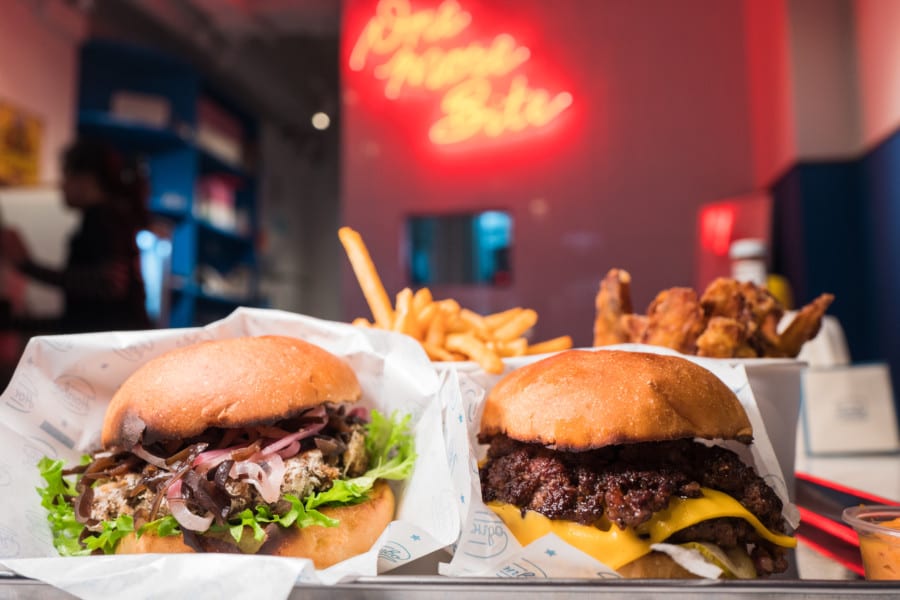
    It specialises in gourmet American-style smashed burgers, with handmade patties and potato milk buns made with a recipe developed in collaboration with famed French baker Eric Kayser.

    The opening date for Honbo’s Singapore outlet is still unconfirmed, though its rep tells 8days.sg that it is estimated to be end-July. The dine-in eatery is located at Chijmes.

    Honbo boasts brisket-and-chuck burger patties made with USDA prime-grade beef from Holstein and Angus cattle reared in Wisconsin. Both breeds are known for their marbling; prime beef has the highest marbling score and is more flavourful compared to beef with a lower USDA grade.

    The patties are ground in-house daily and, upon order, smashed on hot griddles and cooked to medium-rare doneness.

    The patties are then wedged between pillowy potato milk buns made with hand-mashed potatoes. The proprietary Eric Kayser-developed bun is unique to Honbo, who patented the recipe in Hong Kong.

    The burgers are garnished with “sustainably sourced greens, pickles cured in-house from Japanese cucumber and specialty sauces hand-crafted in its very own kitchen, using a closely guarded secret recipe created by the team”.

    The local menu has not been finalised, though Honbu is expected to serve its signatures including the Honbo Burger, modelled after an “old-school fast food-style” cheeseburger. Two beef patties, each weighing about 56g, are layered with two slices of cheddar.

    “The Honbu Burger is paired with our house sauce, a lot of raw onions, pickles, and no lettuce. The raw onions and pickles help cut through the greasiness, and you can really taste the crust and the meatiness. It gives the burger double the crust and double the beef grease, but it is still less juicy than the Cheese Burger, ” says founder Michael Chan (interestingly, the man was a doctor before he became an F&B entrepreneur).

    For big eaters, this burger comes in variations like Honbo 1.5 (three patties) and Honbo 2.0 (four patties), plus a Gold Standard burger with two 113g beef patties, two slices of cheese, a hash of bacon and pickles, onions and lettuce drizzled with house-made sauce.

    Prices start from S$18 for an a la carte burger, with sides offered like fries, sweet potato fries and buffalo wings.

    Beefless options are available too, like a Grilled Chicken Burger with teriyaki sauce-glazed sous vide organic chicken, a Scallop Burger with “extra-large sashimi-grade Hokkaido scallops” and wasabi pico de gallo. There is also a Soft Shell Crab Burger, with a whole fried soft shell crab coated in vodka-infused batter and served with ginger coleslaw. Wash down your burger with beverages like classic lemonade and Apple Pie Iced Tea, described as “apple pie in a glass”.

  • AirAsia expands Asia presence with Penang-Hong Kong route

    AirAsia expands Asia presence with Penang-Hong Kong route

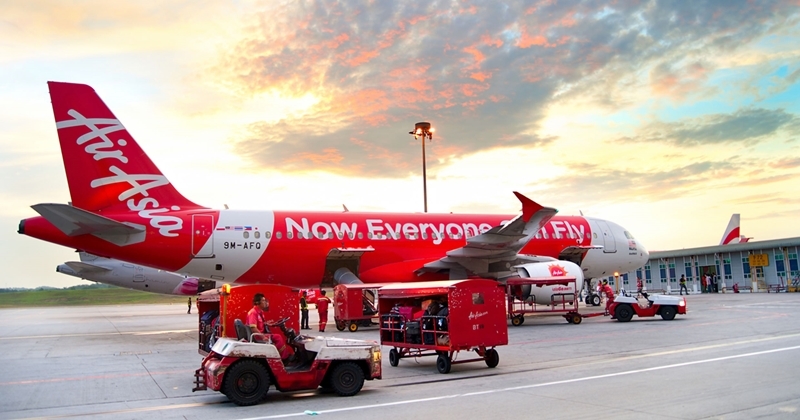
    AirAsia continues to expand its presence in Asia with a route to Hong Kong from its third biggest hub in Penang starting 10 August 2023.

    This route marks the airline’s seventh direct international route from Penang and is set to further boost regional inbound tourism to the state, bolstering an already thriving state tourism industry. The three weekly flights will add to a total of 217 flights weekly from Penang to both domestic and international destinations.

    The route was announced by YB Yeoh Soon Hin, Penang State EXCO for Tourism and Creative Economy (PETACE); Ooi Chok Yan, CEO of Penang Global Tourism (PGT); and Kenneth Tan, Director, Government Relations (Northern Region) at AirAsia at Komtar, Penang.

    YB Yeoh Soon Hin, Penang EXCO for Tourism and Creative Economy (PETACE) said: “We are confident that the addition of three weekly flights from Hong Kong will not only reinforce Penang’s status as a top tourist hotspot in Malaysia but will also contribute significantly to the island’s overall appeal. Hong Kong is part of China’s Greater Bay Area (GBA) which refers to the Chinese government’s scheme to link their rapidly developing regions together into an integrated economic and business hub. By connecting with China’s GBA, it would be advantageous for Penang to attain higher tourism and economic growth.”

    “The Penang State Government firmly believes that through collaborative efforts with industry players such as AirAsia, we can harness the full potential of our local tourism industry.Forging strong partnerships with private sectors, implementing innovative marketing strategies and investing in infrastructure development will undoubtedly boost visitor arrivals, extend their length of stay and enhance their overall travel experience.”

    Riad Asmat, AirAsia Malaysia CEO said: “We are excited to reconnect Penang to Hong Kong after launching it for the first time in 2009 where we established Penang as a hub at the same time. We are also thrilled to be the only low-cost carrier connecting both islands directly, providing more value and greater accessibility to our guests. This is an exciting historical route for AirAsia and we anticipate a remarkable response from both leisure and business travellers alike.

    “AirAsia Group has the largest international connectivity from Penang with a market share of 40%. This expansion not only strengthens AirAsia’s foothold beyond Asean but also reinforces our commitment to fostering economic growth through tourism. We look forward to working closely with the state government to support the tourism industry and stimulate air travel to the Pearl of the Orient.”

    In celebration of the route announcement, the airline is offering incredible promotional fares starting today from RM299 all-in* one-way for travel period from 10 August 2023 to 26 October 2023. Click on the ‘Flights’ icon on the airasia Superapp or website for booking and explore the iconic Hong Kong for a steal!

    AirAsia Group operates 217 flights weekly via ten routes to Penang from Kuala Lumpur (67x weekly), Johor Bahru (28x weekly), and Langkawi (21x weekly) as well as Singapore (35x weekly), Ho Chi Minh City (7x weekly), Jakarta (11x weekly), Bangkok (14x weekly), Medan (28x weekly), Surabaya (3x weekly), and Hong Kong (3x weekly).