Tag: Hong Kong

  • Hong Kong and Shenzhen sign 25 agreements to strengthen cooperation in tech and commerce, as Greater Bay Area cities boost economic collaboration

    Hong Kong and Shenzhen sign 25 agreements to strengthen cooperation in tech and commerce, as Greater Bay Area cities boost economic collaboration

    Hong Kong and Shenzhen plan to strengthen economic cooperation, as cities in the Greater Bay Area accelerate partnerships to rejuvenate growth following China’s easing of Covid-19 restrictions.

    A delegation from Shenzhen’s Futian district signed 25 agreements with the Hong Kong government on Friday to enhance cooperation in a number of fields, including technology, business and commerce.

    “Hong Kong is transitioning to the stage of systematic regulation towards prosperity, while the mainland is also trying to revive every sector,” Huang Wei, the Communist Party head of Futian district, said at a briefing in Hong Kong on Friday. “Across the nation [people and cities] are striving for economic growth.”

    He added that Futian would provide comprehensive support to “our friends in Hong Kong” as the district seeks to attract investment and talent to drive growth.

    Local Chinese governments are encouraging in-person meetings and business trips as they vie for investment and talent to boost economic growth, after the country’s gross domestic product grew by 3 per cent last year, missing the annual target of around 5.5 per cent.

    Hong Kong has also launched a major drive to regain its economic position after three years of stagnation caused by strict Covid-19 curbs, focusing on luring international investment and talent and boosting business with the mainland.

    Futian, an important business and commercial centre and home to large multinational companies such as Walmart and Ping An Insurance Group, aims to innovate its economy with three growth engines – technology and innovation, finance and fashion.

    Officials from Shenzhen-based companies including artificial intelligence drug discovery firm XtalPi and Hong Kong-listed eye clinic C-MER Eye Care present at the briefing said they plan to expand cross-border cooperation and investments.

    The partnership underscores the mutual need to speed up the integration of the 11 cities in the Greater Bay Area, as economic recovery tops the agenda set by Beijing for this year.

    The two cities will undertake joint initiatives to attract foreign investment and companies, said Bernard Chan Pak-li, undersecretary for commerce and economic development.

    “Hong Kong serves as a two-way platform, bringing foreign companies and funds to the Greater Bay Area for on-site tours and connecting them with different companies,” Chan said. “We are also trying to help firms in the Greater Bay Area go abroad and find business opportunities together.”
    Cities in the Greater Bay Area also increasingly engaging with each other following the resumption of quarantine-free travel on February 6.

    On Thursday, Hong Kong Chief Executive John Lee Ka-chiu wrapped up his first official trip to cities in the region.

    Ronald Tam, the chief financial officer of XtalPi, said that his company plans to speed up its expansion in Hong Kong, thanks partly to the government’s policies announced in the budget to attract talent.

    “We are actively planning [to open] our AI dry lab into Hong Kong, and we hope to have 10-30 colleagues relocate to Hong Kong,” said Tam.

  • Cebu Pacific aims to boost demand for Manila – Hong Kong travel

    Cebu Pacific aims to boost demand for Manila – Hong Kong travel

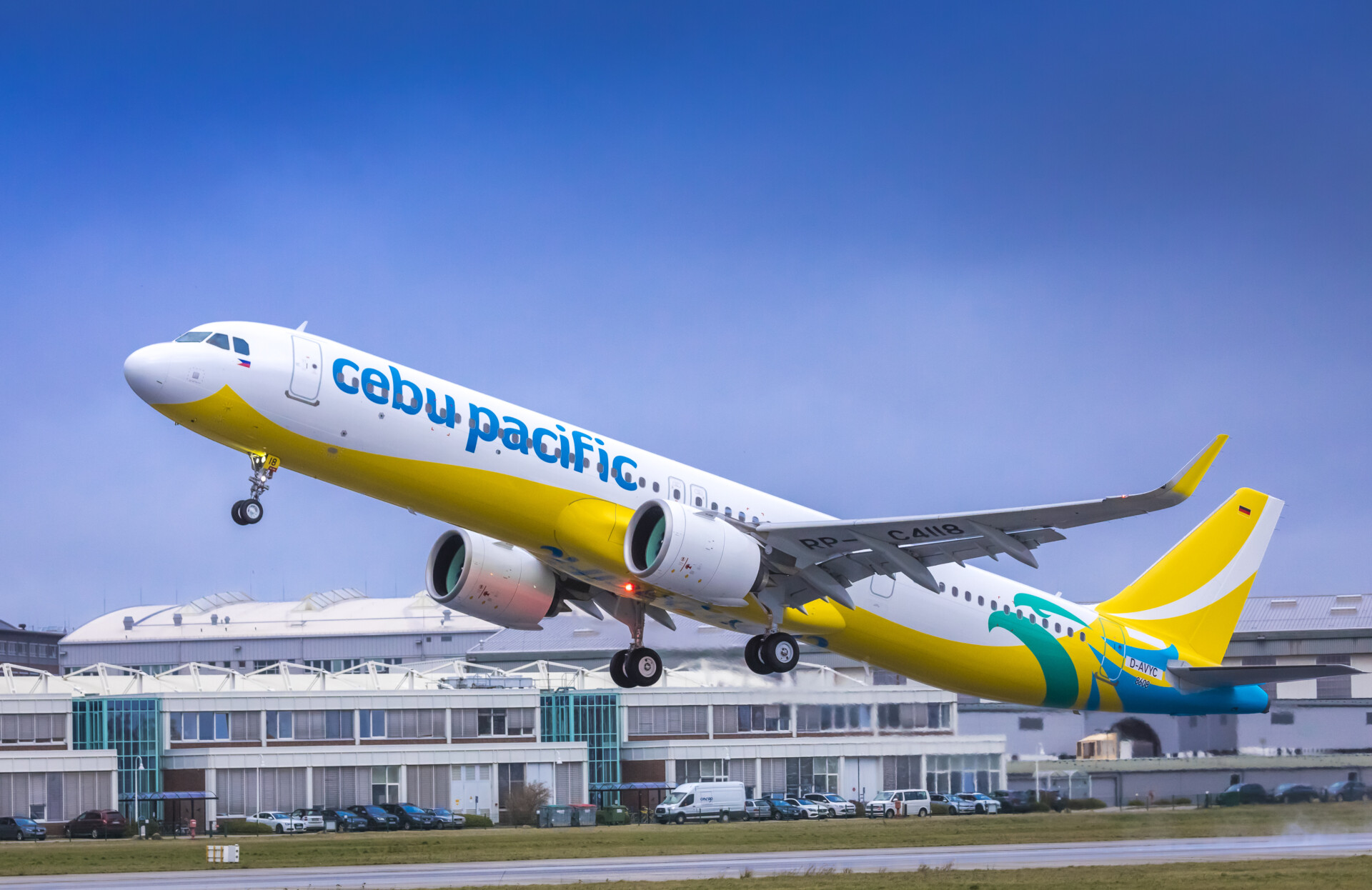
    Cebu Pacific (CEB) said on Sunday it will now fly four times daily to Hong Kong, but hopes to boost demand by offering airfare discounts.

    “After Hong Kong eased requirements for inbound travelers in December, the airline operated Manila-Hong Kong flights 32 times weekly until January due to the anticipated high traffic over the resumption of the destination amid the holiday season,” Cebu Pacific Director for Corporate Communications Carmina Reyes-Romero said.

    Cebu Pacific will fly 28 times weekly for February. The budget carrier hopes Filipinos will “take advantage of the easier travel protocols in Hong Kong,” Cebu Pacific said in an e-mailed statement.

    The airline targets to restore 100% of its pre-pandemic network and capacity in March this year.

    The budget carrier currently flies to 34 domestic destinations and is set to restore all its 25 international destinations in the first quarter.

    “Even better, every Juan can fly to Hong Kong for as low as P499 one-way base fare, made possible by a CEB special seat sale which runs from Jan. 27 to 31, 2023,” the airline said.

    The travel period is from June 1 to Aug. 31 this year.

    “Upon check-in, travelers must present a negative result from an antigen test taken within 24 hours or a negative 48-hour RT-PCR result, and a proof of vaccination of primary doses for non-Hong Kong residents aged 12 or above,” Cebu Pacific said.

    It noted that the test results may also be submitted online through Hong Kong’s health and quarantine information declaration website (https://www.chp.gov.hk/hdf/). Travelers are reminded to keep photos of their test results for 90 days.

    Arriving travelers are also encouraged to take a self-arranged antigen test daily until the fifth day from their arrival.

    Cebu Pacific said that the results of the antigen tests may be reported through the Hong Kong government’s electronic monitoring and surveillance system

  • AirAsia resumes Kota Kinabalu-Hong Kong route

    AirAsia resumes Kota Kinabalu-Hong Kong route

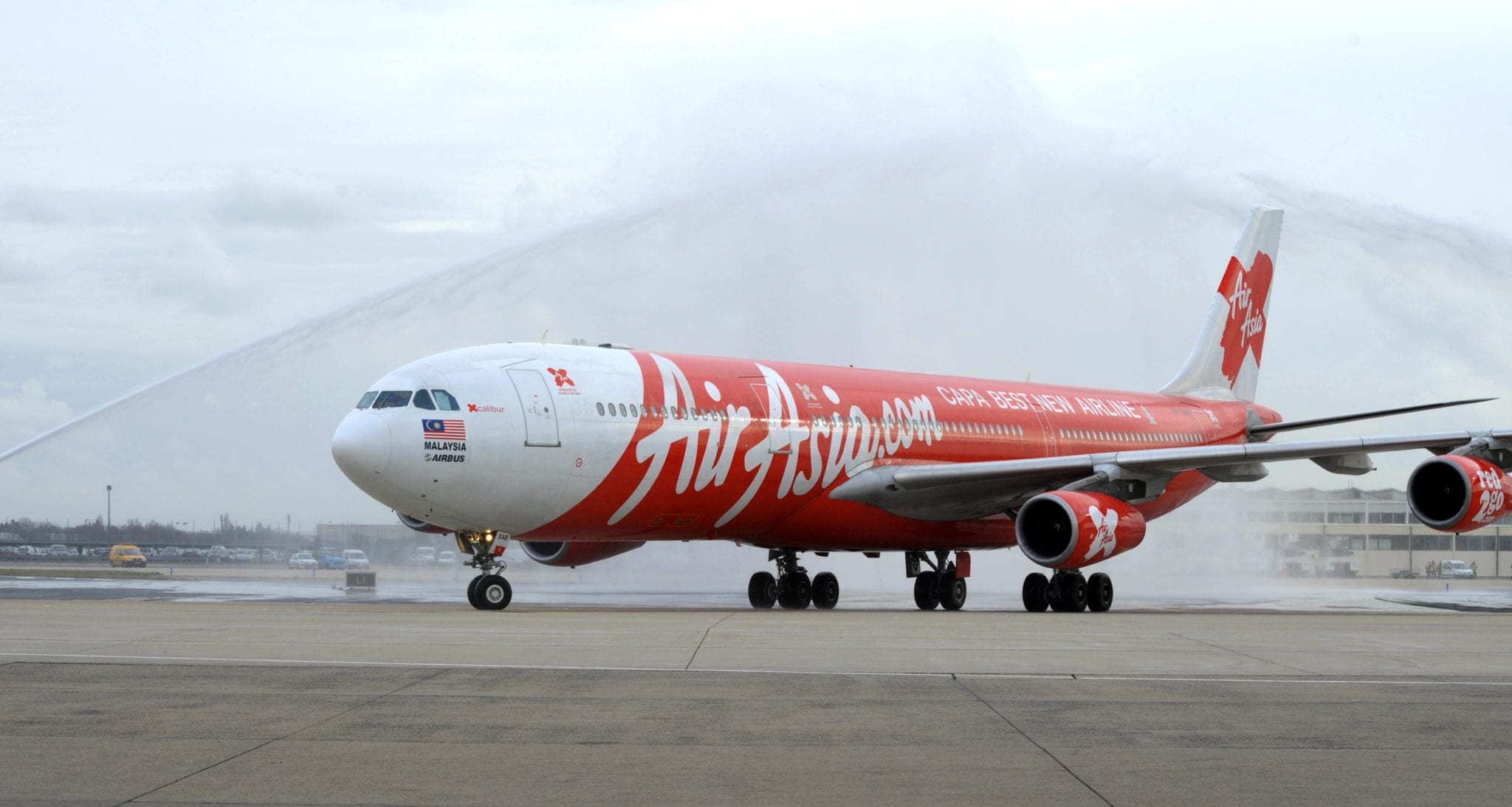
    Sabah tourism got off a great start this year with the resumption of AirAsia’s flights between Hong Kong and here.

    After nearly three years of suspension due to the Covid-19 pandemic, a direct flight from China’s special administrative region touched down at the Kota Kinabalu International Airport yesterday.

    The 138 passengers onboard were given a warm welcome as they arrived after AirAsia reinstated their twice-weekly (Wednesday and Sunday) flights between the two cities.

    Sabah Tourism Board chief executive officer Noredah Othman said reconnecting Hong Kong with Kota Kinabalu would reopen international connectivity to Sabah.

    “Hong Kong is one of our top target tourism markets. This is a great start for our tourism industry in 2023,” she said in a statement.

    “Sabah is blessed with beautiful islands and beaches, making us a preferred destination for Hong Kong travellers.

    “I am glad that finally, AirAsia has reactivated its Hong Kong-Kota Kinabalu route.”

    AirAsia currently connects Kota Kinabalu to five major international cities: Singapore, Manila, Bangkok, Taipei and Hong Kong.

    With the resumption of the Hong Kong-Kota Kinabalu route, Sabah now receives 64 weekly direct international flights.

    Among the flights, 29 are from South Korea, followed by Singapore (14), the Philippines (six), Brunei (five), Taiwan (four), as well as two each from Japan and Thailand.

  • Hong Kong aims for mid-January reopening of border with Mainland China

    Hong Kong aims for mid-January reopening of border with Mainland China

    Hong Kong will reopen its borders with Mainland China by mid-January, city chief executive John Lee said, as Beijing accelerates the unwinding of stringent Covid-19 rules that have battered economic growth.

    Lee, speaking at a press event at the airport in Hong Kong as he returned from a trip to Beijing, said the goal in “gradually, orderly, and fully” reopening the city will be to return the border to its state before the virus outbreak.

    “Our goal is to quickly come to a consensus with the central government, submit our plan to the central government for review and execute on the plan before mid-January,” he said.

    Hong Kong authorities will work with the governments of neighbouring Shenzhen city and Guangdong province to manage the flow of people crossing the border, Lee said.

    Restrictions on travel across the border were imposed in early 2020. The reopening was postponed several times due to outbreaks in Hong Kong or the mainland. Hong Kong and China have lagged most of the world in easing stringent Covid rules.

    People in the Chinese special administrative region of Hong Kong have been able to access the mainland only through the city’s airport or two checkpoints – Shenzhen Bay or the Hong Kong-Zhuhai-Macau bridge.

    Preparations for reopening are underway, including deploying thousands of officers from the city’s customs, immigration and police services, local media say.

    Hong Kong’s government said on December 12 that mainland authorities had allowed cross-border truck drivers to collect and deliver goods directly to their destinations without using designated checkpoints.

    International passengers arriving in Hong Kong since mid-month are no longer subject to Covid-related movement controls or barred from certain venues.

    Arriving travellers may also continue directly to Mainland China or Macau as long as they meet the required criteria, the city government said. Previously they had to wait three days in the city before continuing to the mainland.

  • Hong Kong delivery platform Lalamove doubles growth in Vietnam

    Hong Kong delivery platform Lalamove doubles growth in Vietnam

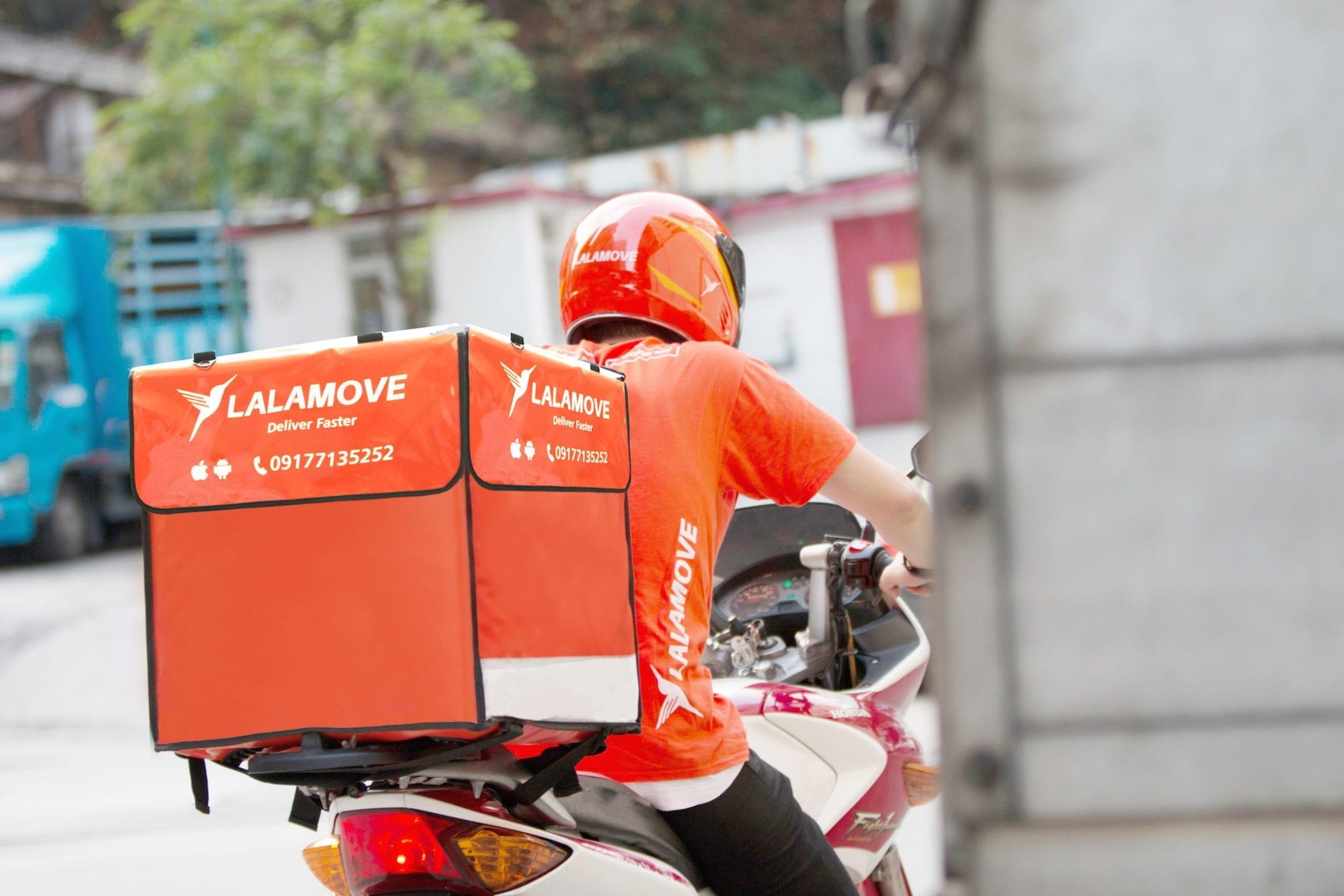
    Hong Kong delivery platform Lalamove has claimed its year-on-year growth in Vietnam doubled in the first 11 months this year.

    But it has not released figures for either year. Vietnam is a key and positive market, its CEO Paul Loo said during a recent visit to the country, and his company has seen opportunities in long-distance delivery grow.

    It now covers 40 localities.

    “Inter-province delivery still accounts for a small ratio of our revenues but it is growing very fast,” Loo said.

    The e-commerce boom has also contributed to the growth, he said.

    Vietnam’s e-commerce market is estimated at $14 billion this year, up 14% from 2021, and is set to reach $32 billion in 2025, according to a report by Google, Temasek and Bain & Company.

    The report said 85% of urban residents use online delivery services. Lalamove, which operates in over 350 cities in mainland China, has a presence in 11 global markets.

    Since entering Vietnam in 2017 it has signed up over 100,000 drivers and 20,000 business partners.

    Businesses are now reluctant to invest in their own vehicles and drivers due to fear of risks amid an uncertain future, which is why they rely on delivery services to transport their products, Loo said.

    His company is investing in technology to improve the algorithm connecting vehicles and customers, he said.

    With $700 million invested in online private transportation companies in the first half of this year, the sector is believed to have high competition.

    There is great potential to increase market share as long as a company meets the needs of its customers and increases the value of its ecosystem, Loo added.

  • E-commerce giant Carousell lays off 110 staff

    E-commerce giant Carousell lays off 110 staff

    Carousell, a Singaporean consumer-to-consumer (C2C) service platform operating across Southeast Asia, is letting go of about 110 employees, or 10% of its total headcount, to reduce costs amid a challenging market condition for the tech industry. 

    The announcement came from the company’s blog on Thursday, posted by co-founder and CEO of Carousell Siu Rui Quek, saying, “I take responsibility for the decisions that have led us here. Parting with teammates, whom we are grateful to for joining us on this mission, is a very difficult decision.” 

    Carousell did not specify which business units or regional offices would be affected by the layoffs. The Singapore-headquartered company operates in Malaysia, Indonesia, the Philippines, Cambodia, Taiwan, Hong Kong, Macau, Australia, New Zealand, and Canada. 

    In the statement, the company’s leaders had discussed finding ways, including moving to an inexpensive rental office and slashing co-founders and executives’ salaries voluntarily to save budgets without cutting staff. But that was “far from enough,” it said.  

    Quek also explained in the blog post that he “was too optimistic” about the recovery from the COVID pandemic and even doubled down on recruitment and investment for its business. “The reality is that we were quick to grow our expenses and hire, but the returns took longer than expected,” Quek wrote. “It is important to act swiftly, course correct, and right-size our investment levels to better align with this new reality.” 

    The affected workers will receive at least three months’ salary and be able to extend their medical benefits and insurance coverage through June next year. According to the statement, the company will also pay out all remaining time off balances and offer career counseling and job search support, letting those laid-off workers keep their office laptop and LinkedIn Learning membership until June 2023. 

    Founded in 2012, Carousell, backed by Sequoia Capital India, Naver, 500 Global and Rakuten Capital, has raised a total of $372.6 million since its inception.

  • Hong Kong Dollar Peg Tests Another Round of Doubters

    Hong Kong Dollar Peg Tests Another Round of Doubters

    US-China decoupling, weak growth, and shrinking reserves have led to fresh doubts about the sustainability of the Hong Kong dollar peg. Will the city’s linked exchange rate system survive this round of doubters?

    Last week, Pershing Square Capital Management founder Bill Ackman announced that he was betting against the Hong Kong dollar and its US dollar peg, citing worsening US-China decoupling as a driver.

    We have a prominent notional short position against the Hong Kong dollar through the ownership of put options. The peg no longer makes sense for Hong Kong and it is only a matter of time before it breaks, Ackman said in a social media post.

    In light of the recent US/China decoupling of recent years, we find it surprising, almost embarrassing, for China to continue to peg the HK dollar to the US dollar, he added in another post that has since been deleted.

    Ackman is not alone in his doubts about the Hong Kong dollar peg. In one of his social media posts, who details concerns about Hong Kong’s shrinking foreign reserve as a reason for the peg to become untenable.

    Call me old fashioned but a government clearly in need of cash and a chunk of assets whose value has probably further fallen make it rather likely that the Exchange Fund’s assets have further to shrink — and that the reasons for that will put still further pressure on the peg, said Cookson.

    However unlikely de-peg may be, the payoff of upwards of 200:1 is comparable to CDS payoffs for the default of co’s like IBM over the same [6-month] horizon, tweeted hedge fund manager and Saba Capital Management founder Boaz Weinstein in support of Ackman’s trade, calling it a smart lottery ticket. Nothing is impossible, but only one of these is at all plausible.

    Since 1983, the Hong Kong dollar has been pegged to the greenback and successfully defended against multiple rounds of attacks. Notable investors against the peg include George Soros in 1998 and Hayman Capital Management founder Kyle Bass in 2020 during the height of political unrest in Hong Kong, in a strategy with 200 times leverage.

    Even for Ackman, this is not his first time wagering against the peg after betting in 2011 that the Hong Kong dollar would appreciate due to being materially undervalued.

    It’s nice to finally have others agreeing with our thesis. Rigid currency pairs harnessed to asynchronous economies are destined to fail, Bass said in report in response to Ackman’s latest bet. One bad day of deposit/currency outflows will likely bring unimaginable stress to the situation.

    Still, banks remain positive that the Hong Kong dollar peg will remain in the foreseeable future.

    Although maintaining a peg could at times bring short-term headwinds to growth, we believe it remains the optimal arrangement for Hong Kong in the longer term, according to a Morgan Stanley research note authored by economists Helen Lai, Jenny Zheng and Robin Xing, highlighting that the yuan was not yet fully convertible.

    Conditions are not favorable for selling Hong Kong dollar which will suffer negative carry, added DBS strategist Carie Li. The Hong Kong government also shows no intention to change the system.

    And as usual, local authorities continue to vehemently defend the exchange rate policy.

    If you bet against the Hong Kong dollar, you are bound to lose, said financial secretary Paul Chan in a speech at the city’s global banking summit earlier this month. You can verify my advice with certain hedge fund managers in the US who have been wrong about Hong Kong dollar time and again.

    Up until moments before a currency peg is lifted, the sovereign always asserts that they will never lift their peg. Peg defense 101, Ackman added.

  • Hong Kong will be ending hotel quarantine on Sep 26

    Hong Kong will be ending hotel quarantine on Sep 26

    It’s a breath of fresh air – almost literally, just in time for our end-of-year travels. While Japan has just announced that visa-free entry will soon open for individual travellers, Hong Kong will end its once-mandatory hotel quarantine from September 26 (next Monday) onwards.

    Now, instead of having to spend three days in a self-paid hotel, you will need to go through a polymerase chain reaction (PCR) test upon arrival. You can then happily head off home or go to a hotel of your choice, but just remember to self-monitor for three days after. This also means that you won’t be able to pop by your local bar or favourite restaurants for the same time period. Hong Kong terms this as the “0+3” scheme.

    There’s now also no longer a need to show proof for a pre-flight PCR test before flying to Hong Kong – instead, it’s been replaced with the more affordable Antigen Rapid Test (ART).

  • UBS Secures New Office Space in Hong Kong

    UBS Secures New Office Space in Hong Kong

    Switzerland’s largest bank will lease 250,000 square feet of new office space in Hong Kong outside the traditional central business district.

    Swiss banking giant UBS will lease 250,000 square feet of new office space in Hong Kong, according to a statement by Sun Hung Kai, the developer of the property. According to them, UBS, as the first anchor tenant, will lease the top nine floors of the tallest tower in the West Kowloon terminus project, which connects Hong Kong and mainland China via high-speed rail.

    The project is expected to be completed by 2025 and UBS is expected to occupy the new premises in early 2026. The Swiss bank plans to relocate staff from four current locations in Hong Kong, including its six-floor main office at IFC, the city’s second-tallest building.

    The new office is located across the harbor from Hong Kong island, where the main central business district is based, and rent is estimated to be around half of that paid by IFC tenants. In addition, it sits atop the high-speed rail station that should keep travel from Hong Kong to southern Guangzhou to under an hour, which is ideal for the bank’s Greater Bay Area growth strategy.

    We are excited to be moving to the workplace of the future with state-of-the-art infrastructure that brings together and empowers all of our UBS colleagues in Hong Kong under one roof, said UBS’s APAC co-head of wealth management and Hong Kong chief executive

  • Hong Kong retail sales growth stalls

    Hong Kong retail sales growth stalls

    Hong Kong retail sales growth stalled in August, down 0.1 percent yearly, following a revised estimated increase of 4.1 percent in July.

    According to the Census and Statistics Department, August’s figures were impacted by a high base compared to a year ago, but for the first eight months of the calendar year, sales are down by 1.5 percent on year.

    Calculated with the impact of price changes removed, August sales were down by 2.9 percent, and July sales were up by 1.1 percent. Sales for the first eight months of the year combined were down by 4.5 percent.

    “Looking ahead, the moderating local epidemic situation, improving labor market conditions and [the government’s] The Consumption Voucher Scheme will continue to support consumption sentiment and demand in the near term, but the increasingly tight financial conditions will pose constraints,” said a government spokesperson. “It is crucial for the community to work in unison with the government to contain the epidemic, to create greater room for the recovery of consumption-related activities.”

    Online sales accounted for 9.1 percent of total turnover in August and were 21.3 percent higher than the same month last year. That followed an increase of 8.4 percent in July, with year-to-date online sales up by 21.7 percent.

    Categories with the largest declines in August were apparel (down by 7.4 percent), shoes and accessories (12.7 percent), and books and stationery (17.4 percent). Categories showing growth included jewelry and watches up by 4.3 percent, and motor vehicles and parts, up by 43.7 percent.

  • Mastercard partners with Buy2Sell in cross-border payment solutions in Asia

    Mastercard partners with Buy2Sell in cross-border payment solutions in Asia

    Buy2Sell, an e-commerce B2B platform in Singapore, has announced a new strategic partnership with Mastercard. For a global orientation to 2025, Buy2Sell is also moving towards expanding its cross-border sales through its e-commerce. Buy2Sell will enable multiple payment types to various delivery channels via a single connection through Mastercard cross-border services. At Buy2Sell’s platform, Mastercard is a payment gateway for services, including purchasing and logistics.

    Mastercard’s cross-border payment solution provides buyers and sellers that transact globally through the Buy2Sell platform an easy and safe payment solution for their purchases via a fast, secure, and traceable cross-border payment trail.

    With this partnership, the Buy2Sell platform optimizes the remittance rate for trade imports into Vietnam. Mastercard cross-border services enable financial institutions and partners to build flexible solutions that support multiple use cases and can reach a variety of payment endpoints nearly anywhere in the world via a single connection.

    Mastercard’s platform plays a key role in improving worldwide connectivity and provides innovative payment applications that give customers a choice to route transactions over card or account-to-account infrastructure. The Mastercard network supports multiple delivery channels, including bank accounts, mobile wallets, cash-out locations, and cards, as well as different payment types such as Business-to-Business (B2B), Business-to-Person (B2P), Person-to-Person (P2P), and Person-to-Business (P2B).

    Buy2Sell, headquartered in Singapore, is a leading B2B e-commerce platform. It operates many import and export B2B transactions, mainly on high-end goods supplied between Vietnam, Singapore, Hong Kong, and South Korea.

    For a global orientation to 2025, Buy2Sell is also moving towards expanding its cross-border sales through its e-commerce.

    Mastercard is a global technology company in the payments industry. With connections across more than 210 countries and territories, Mastercard’s mission is to connect and power an inclusive, digital economy that benefits everyone.

  • Hong Kong-based LF Logistics now part of Maersk

    Hong Kong-based LF Logistics now part of Maersk

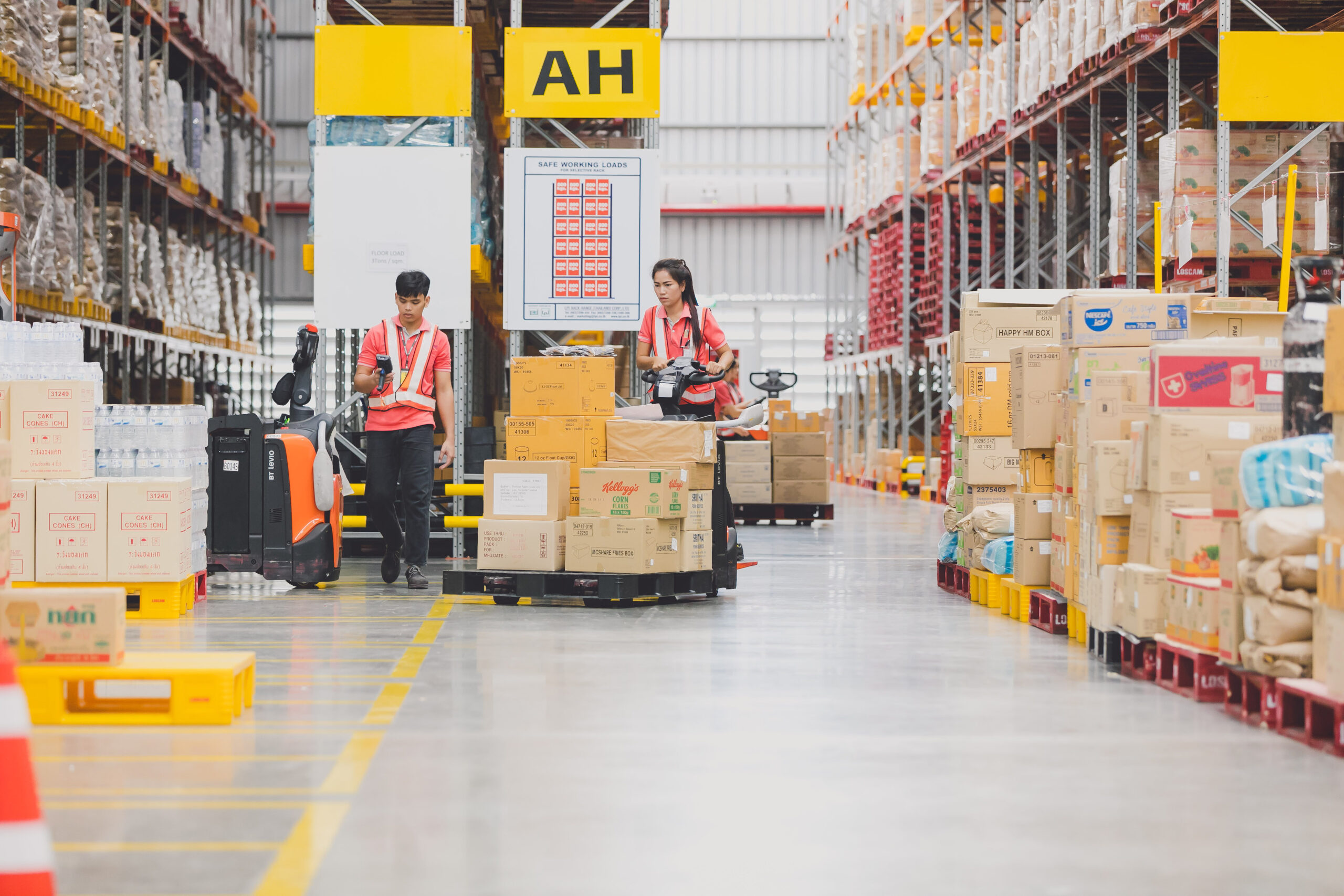
    Maersk completed its US$3.6b acquisition of LF Logistics in late August, taking control of the Hong Kong-based contract logistics company, which will now be rebranded to Maersk.

    Maersk will add 223 warehouses to the existing portfolio, bringing the total number of facilities to 549 globally, spread across a total of 9.5 million square meters.

    LF Logistics, part of supply chain manager Li & Fung, employs 10,000 people, operates an extensive pan-Asia network and specializes in B2B and B2C distribution solutions within retail, wholesale, and e-commerce. It offers premium omnichannel fulfillment services, e-commerce, and inland transport in the Asia-Pacific region.

    As part of the transaction to acquire LF Logistics, Maersk has entered a strategic partnership with Li & Fung to develop a comprehensive range of end-to-end global supply chain services with Li & Fung focusing on the upstream supply chain and Maersk focusing on the downstream supply chain.

    “Historically, our focus has been on origin logistics or exports out of Asia, but now the region has transitioned into a large consumer market in its own right,” said Ditlev Blicher, Regional Managing Director of Asia Pacific at A.P. Moller – Maersk.

    Blicher noted that the combined team will provide strong omnichannel fulfillment capabilities that will enable exports into Asia and connect with the Asian consumer directly.” The parent company of Li & Fung will retain and continue to build its carved-out global freight management or GFM business.

  • Invest Hong Kong highlights e-commerce advantages for growing businesses

    Invest Hong Kong highlights e-commerce advantages for growing businesses

    Hong Kong has been great place to set up an eCommerce business long before the demand for online shopping increased due to the pandemic.

    E-Commerce sales in Hong Kong are expected to grow at an annual growth rate of 8.3% between 2021 and 2024.

    The Hong Kong e-Commerce market has been rapidly growing in the past five years and is expected to grow even more.

    This growth is attributable to the favourable economic environment and advanced technological infrastructure, increasing consumer confidence in online transactions.

    This article outlines the many reasons Hong Kong is a great palace for e-Commerce businesses and why the business-friendly environment in Hong Kong makes such businesses thrive.

    What is an e-Commerce Business?

    E-commerce businesses are those that operate completely online.

    The business model operates by trading goods online through the internet.

    There is no physical store that customers can visit, so there is a huge focus on digital marketing to gain an edge over your competitors.

    You can sell almost anything through an e-Commerce business, such as books, clothes, groceries, furniture or even provide professional services such as legal and accountancy advice.

    Through e-Commerce, business owners no longer have to worry about the costs of maintaining a physical store and simply focus on managing orders and shipping the products to the customer.

    1. Leading eCommerce Market & Business Growth Potential

    Hong Kong has a thriving online market where the market volume for eCommerce businesses stands at nearly US 11 million by 2025.

    This highlights the level of potential growth in eCommerce businesses in Hong Kong. Compared to other countries, Hong Kong is one of the best markets to run an eCommerce business.

    Moreover, if you open up an e-Commerce business in Hong Kong, there is significant potential for your business to rapidly grow as you are not just limited to trading in Hong Kong.

    You can easily carry out your business activities in Mainland China and beyond.

    This is a huge opportunity to grow your business as China currently represents almost X% of the entire global eCommerce market.

    2. Technology Driven / Advanced Technology Infrastructure 

    Hong Kong is one of the world’s leading digital cities where computers, smartphones, and internet usage are consistently higher than anywhere else in the world.

    Hong Kong has been facing a rapid increase in internet usage as nearly 5.9 million people aged ten and above had smartphones in 2019.

    Alongside personal use of technology, businesses are also heavily dependent on technology.

    nother government study highlighted that nearly 38% of companies in Hong Kong had their websites.

    As most businesses and consumers are familiar with technology and use the internet to complete their day to day activities, they are more reliant on doing things online, especially shopping.

    This can be by ordering groceries, clothing, office equipment, school supplies and home furniture.

    This increased demand and reliance on using technology provides a great market for e-Commerce businesses.

    3. Favourable Tax System

    If you are running an offshore eCommerce business, Hong Kong is the best option for you as you can relieve a huge financial burden in terms of taxes.

    Being a highly popular low-tax jurisdiction, Hong Kong has been interesting for many entrepreneurs looking to set up an eCommerce company.

    Incorporating your eCommerce as a company in Hong Kong will allow you to benefit from the following tax requirements:

    • Corporate income tax of only 8.25% for the first HKD 2 million
    • No capital gains tax
    • No tax on dividends
    • No sales tax or value-added tax
    • No tax on any profits derived from outside Hong Kong

    According to the international tax standard set by the Organisation for Economic Co-operation and Development, Hong Kong is a ‘’white list’ country.

    All white list countries have implemented the internationally agreed tax standard, which ensures transparency and security when running your eCommerce business.

    4. Innovative Digital Banking

    Hong Kong is one of the world’s financial hubs, has more than 70 of the world’s leading international banks present in the country.

    Moreover, Hong Kong banks can easily approve applications relating to e-Commerce businesses.

    While you can always open a local bank account, there are more convenient alternative fintech platforms in Hong Kong which you can use as a business bank account.

    Consumers are also increasingly opting for more innovative digital banking means when shopping online such as paying through digital wallets and mobile banking applications.

    Merchant Solutions highlights that more and more consumers prefer to shop on their mobile phones due to the ease that comes with online banking.

    This trend is expected to grow, and e-Commerce businesses that take advantage of this and offer digital wallets that their customers use will gain popularity and continue to grow.

    This is a huge benefit as it is expected that nearly one-third of all e-Commerce purchases in Hong Kong will be digital wallet transactions within the next five years.

    Hong Kong is a country that is already taking the lead with digital banking and offering innovative alternative banking solutions which increase the demand and preference for online transactions and purchasing from e-Commerce businesses.

    5. Strong Logistic Infrastructure

    Hong Kong has a strong logistic infrastructure set up to meet the increasing demand for online transactions.

    The surge in e-Commerce businesses can only be successful if logistics support such businesses.

    Hong Kong can meet such demands as it currently ranks high in the World Bank’s global ranking of logistics capabilities and quality.

    Moreover, Hong Kong has a well-developed transportation system and infrastructure, ensuring that shipments can be easily made when orders are made from an e-Commerce business.

    These seamless supply chains have allowed Hong Kong to develop a great reputation within the eCommerce industry.

    6. Easy Company Formation

    The process of incorporating a company for your e-Commerce business in Hong Kong is extremely simple, easy and affordable.

    All you need to do is gather the necessary documents and make an online application.

    As long as you complete your application correctly, you should be able to incorporate your company in no time!

    7. Easy Investment Opportunities 

    Due to Hong Kong’s strong business reputation due to its transparent regulations and tax system, investors are more confident to invest in e-Commerce businesses incorporated within the country.

    Having easy access to such investment opportunities is a major reason why e-Commerce businesses thrive in Hong Kong.

    Funding your business, especially in its early stages, is one of the hardest struggles for businesses.

    Hong Kong provides a great business-friendly environment that gives investors the confidence that they will get a return on their investment.

  • Retail sales in Hong Kong rebound after two months of decline

    Retail sales in Hong Kong rebound after two months of decline

    Hong Kong’s retail sales jumped 11.7% in April from a year earlier, ending two consecutive months of declines, with the rebound helped by a receding COVID pandemic and the disbursement of government’s consumption vouchers.

    The retail sector has been under pressure particularly after the financial hub imposed stringent restrictions to curb the coronavirus, although the government expects the sector to pick up as cases decline and measures are eased.

    Retail sales in April jumped 11.7% from a year earlier to HK$30.2 billion ($3.85 billion), official data released on Wednesday showed. That followed a 13.8% drop in March.

    “The retail sector should continue to recover provided that the local epidemic situation remains stable,” a government spokesman said, adding that a consumption voucher scheme and other government measures would lend more support.

    In volume terms, retail sales in April rose 8.1% from a year earlier, compared with a 16.8% decline in March.

    For the January to April period, the value of retail sales fell 3.1% from the year-ago period while volume dropped 6.1%.

    At the beginning of this year, Hong Kong implemented its strictest anti-virus measures. The Omicron variant triggered a dramatic spike in infections, with businesses hit hard by widespread closures.

    The city’s economy contracted 4% in the first quarter from the same period a year earlier, ending four quarters of recovery.

    The unemployment rate rose to 5.4% in the February-April quarter, the highest since the April-June quarter in 2021.

    The government has revised down Hong Kong’s 2022 economic growth forecast to 1% to 2%, from an earlier 2% to 3.5%.

    Sales of jewellery, watches, clocks and valuable gifts, which before the pandemic relied heavily on tourists from the mainland, rose 13.9% in April following a revised 35.9% drop in March, the data showed. The border with mainland China remains largely closed due to COVID.

    Clothing, footwear and related products increased 1.6% in April against a revised 41.4% drop in March.

    Tourist arrivals in April fell 17.8% from a year earlier to 4,692. That compared with a 73% plunge in March.

    Online retail sales were a bright spot, surging 34.8% year-on-year in April in value terms after a revised 31.2% growth in March.

    Hong Kong eased COVID restrictions further in May as cases eased, reopening beaches and swimming pools, and extending hours for bars, while restaurants are allowed to serve eight people per table, up from four.

  • HKT Posts First-Half Results

    HKT Posts First-Half Results

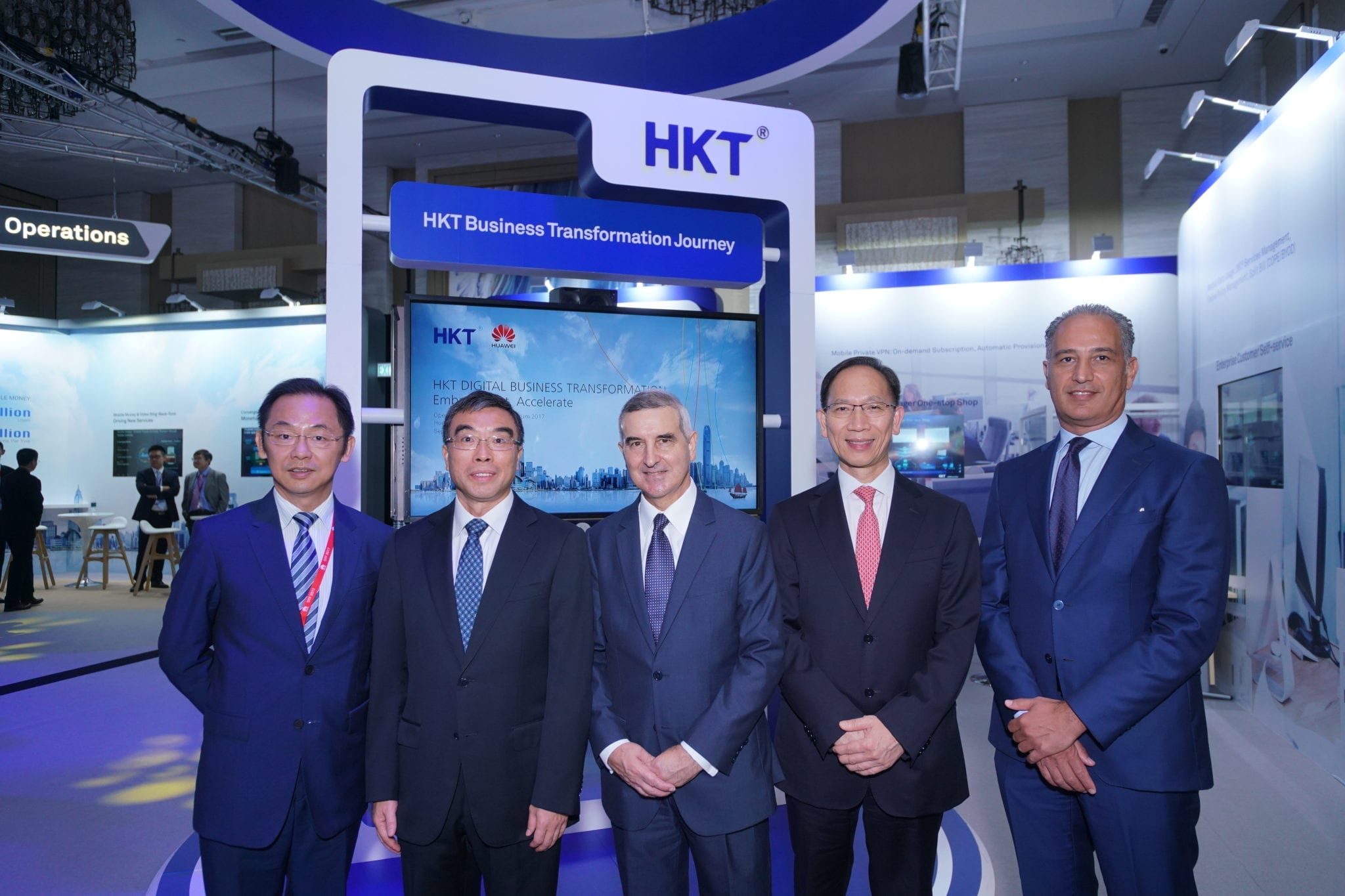
    HKT announced a 3% increase in its total revenue for the first half of the year, amounting to HK$16,157 million, while total revenue excluding mobile product sales grew by 5% to HK$14,868 million.

    The company cites continued strong demand for high-speed broadband services alongside the growing adoption of its 5G services by both consumer and enterprise customers as the reason for their revenue growth.

    According to HKT’s press release, total EBITDA increased by 2% to HK$5,834 million, while adjusted funds flow increased by 2% to HK$2,377 million, and profit attributable to holders of Share Stapled Units increased by 1% to HK$1,910 million.

    Despite the pandemic’s negative impact on the Hong Kong economy, HKT said it remained focused on its strategic priorities in serving both the consumer and business segments and thus managed to achieve steady growth during the period.

    With the subdued consumer sentiment in the first half, its mobile business recorded a 2% growth in services revenue to HK$3,647 million for the six months ended 30 June. Local core revenue grew by 2%, benefiting from continued 5G adoption, growth in the company’s post-paid customer base, as well as higher revenue contribution from mobile enterprise solutions.

    Comparatively lower mobile product sales were recorded by HKT during the period as a result of elevated sales in the first half of 2021 following the delayed launch of popular handset models and the adverse impact of supply chain disruptions.

    EBITDA from the mobile segment increased by 2% to HK$2,122 million during the period, in line with growth in mobile services revenue.

    As individuals, households and enterprises returned to hybrid arrangements during the onset of the fifth wave, the Telecommunications Services (TSS) business continued to benefit on the back of its reliable and extensive fixed network, with revenue growing by 5% to HK$11,596 million.

    The consumer broadband business, meanwhile, witnessed further uptake of its high-speed fiber-to-the-home (FTTH) services and home Wi-Fi solutions, helping to lift average revenue per user (ARPU). The enterprise segment continued to demonstrate robust growth as both private enterprises and the public sector accelerated their digital transformation and smart city initiatives. As a result, the local data services business registered a solid revenue growth of 6% during the period.

    The International Telecommunications Services business achieved 9% growth in revenue, driven by increased global voice revenue, resilient data revenue supported by recent cable projects and      the growing adoption of our Console Connect platform. Total TSS EBITDA increased by 2% to HK$4,104 million, reflecting further operating efficiencies.

    HKT’s group managing director, Susanna Hui, said, “This May, together with PCCW Limited and in partnership with The Sandbox, HKT became the first Hong Kong-based integrated communications, media and technology organisation to join the metaverse. We aim to leverage our digital ecosystem to explore opportunities presented by Web3 by connecting the physical world with the virtual.”

    Hui added, “As we capitalise on our resources for the good of the public and our business, we shall continue to closely observe the macroeconomic environment for effective contribution and efficient business judgement, to ensure our capabilities and resilience yield sustained returns for unitholders.”