Tag: Hong Kong

  • Foodpanda Hong Kong donates HKD3m to Covid-19 community support

    Foodpanda Hong Kong donates HKD3m to Covid-19 community support

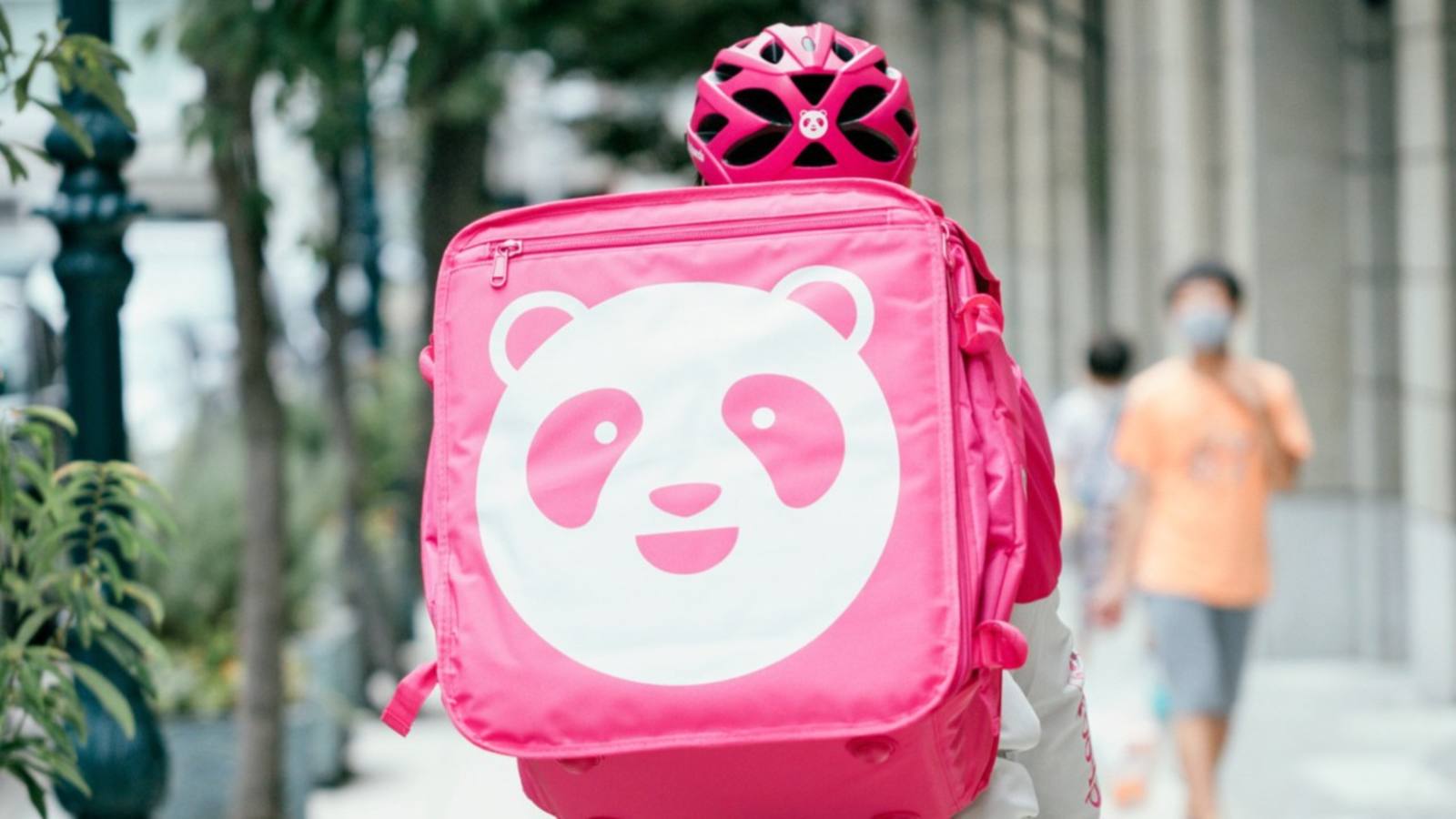
    While we all wait for the rollout of the city’s anti-pandemic fund to support residents and businesses affected by the ongoing public health crisis, some of Hong Kong’s biggest companies have also stepped up to help. In a recent announcement, foodpanda, the largest food and grocery delivery platform in Asia, is also rising up to assist those that have been affected by the pandemic.

    Foodpanda is launching a series of support measures, amounting to a total of $3 million, including a donation of 12 thousand food vouchers ($1 million worth) for people in need and investment on initiatives for their restaurant partners, shop vendors, and foodpanda fleet.

    By mid-March, foodpanda food vouchers will be donated to 15 local charities, including Food Angel, Foodlink Foundation, ImpactHK, Hong Chi Association, Concern for Grassroots Livelihood Alliance, Tuen Mun District Women’s Association, Hong Kong Single Parents Association, Hong Kong Women Worker’s Association, Hong Kong Community Network, Chain of Charity Movement, Social Development Practice and Research Centre – Family Mutual Hub, among others. These vouchers may be redeemed on the foodpanda platform for food delivery or pick-up.

    Foodpanda restaurant partners will get a waived monthly listing fee until March 31 and 50 percent discount off paper bags and foodpanda sustainable packaging. Meanwhile, their shop partners will get up to 28 percent reduced commission rate for new small-medium sized local vendors that sell locally produced fresh produce and food ingredients. New vendors to foodpanda mall will get an expedited onboarding process of seven to ten days. The company’s delivery fleet will get free access to 7,000 rapid COVID-19 rapid antigen test kits, an extension of Covid-19 insurance plan coverage, as well as free face masks, hand sanitisers, and durable medical-grade self-sanitising photocatalyst coating for couriers’ thermal bags. The platform is also setting up a dedicated express registration link for F&B staff hard hit by the pandemic who want to apply and join the foodpanda fleet as couriers to gain extra income.

    “As members of the Hong Kong community ourselves, our entire team is dedicated to rallying together to find ways to give back to the local public and support our stakeholders, providing temporary relief measures for some,” shares foodpanda Hong Kong’s managing director Ryan Lai. “Apart from providing additional support through various initiatives, we hope that we can also encourage others within the industry to roll out support measures too, as we all fight to overcome the pandemic together,” he adds.

  • Deliveroo invests HK$2m to fund sustainable plastic-free packaging

    Deliveroo invests HK$2m to fund sustainable plastic-free packaging

    Deliveroo HK is taking steps to reduce food packaging waste generated by its restaurant partners. The delivery giant is investing HK$2 million to incentivize a scheme that will encourage restaurants to use plastic-free packaging for their delivery orders. It comes as the government considers a move to ban single-use plastic tableware.

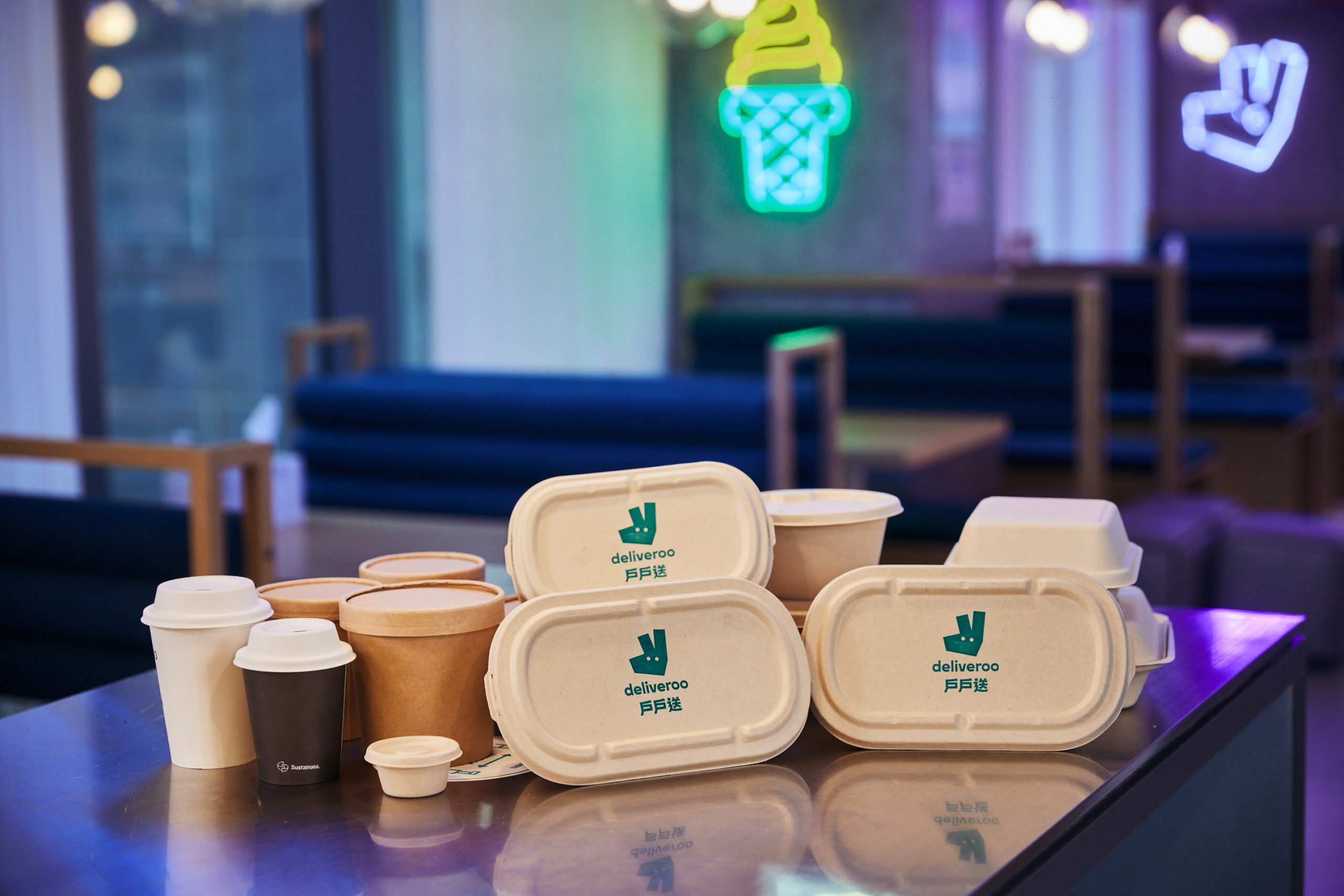
    Investment from Deliveroo HK will allow restaurants to buy suitable food containers at a discounted rate, from zero waste company Sustainable. Independent restaurants and small F&B providers will be offered a 50 percent reduction in packing prices. Large chains will receive a 30 percent discount. Both will be applicable for the first six months of the initiative.

    Deliveroo HK claims to have made sustainability a priority. Its collaboration with Sustainabl. will allow it to promote plastic-free, home-compostable, or recyclable packaging options to restaurant partners. Platform users will be able to search specifically for restaurants that offer eco-packaging solutions, in the future, making early adoption a potentially business-critical decision.

    “With sustainability being one of our priorities here at Deliveroo, we knew it was time to take the crucial step of launching a sustainable packaging scheme that would be of value to our partners in Hong Kong and make an impact to the environment and we’re thrilled to partner alongside Sustainable. to do so,” Andrew Hui, general manager of Deliveroo HK said in a statement.

    “We hope that our eco-minded steps can benefit our restaurant partners as they help create a greener future with us, and by extension, offer the same to their customers. With that said, we understand that integrating sustainable practices will come with new operational costs for our restaurant partners, especially since they are just suffering from the impact of the pandemic. That’s why we are here to provide solutions and financial support, as we leverage our community fund.”

    The HK$2 million subsidy scheme will support locations that want to make a switch to sustainable materials and, potentially, greener delivery methods. It will be the first Hong Kong initiative to be supported by the Deliveroo Global Community Fund. Subsidised packaging solutions will include around 20 products, supplied by Sustainabl., to account for the different needs of various restaurants.

    Sustainabl. is engaged in providing low-carbon, zero-waste packaging supplies that make a F&B circular economy possible. Everything supplied to Deliveroo restaurant partners will either be home compostable or recyclable, with bio-coatings for water resistance. The company uses renewable materials to create its ranges including sugarcane and wheat processing waste, bamboo and recycled paper.

    “At Sustainabl., our vision is to enable businesses and families to access ‘truly’ sustainable packaging products that do not damage the environment,” Richard Oliver, CEO of Sustainabl. said in a statement. “We have created cost-effective, functional solutions to enable F&B vendors and other businesses to stop using single-use plastics and reduce unnecessary waste and their carbon footprint. We are thrilled to partner with Deliveroo on this meaningful initiative and look forward to supplying our zero-waste packaging solutions to Deliveroo restaurant partners. With the new scheme in place, we expect to see a greener and more sustainable F&B industry in Hong Kong in 2022 and beyond.”

    Deliveroo has already witnessed the success of a similar scheme, in France. Launched in 2021, the partnership between the delivery leader and barePack saw 60 restaurants trial reusable packaging supplies, in a bid to garner a circular model. Launched in Paris,  the scheme is expected to roll out to other parts of France and possibly London.

    Tackling the grocery side of things, Dutch startup Pieter Pot bagged €9 million in December last year for its reusable container-powered home delivery service. The company aims to make zero waste shopping as competitive and convenient as regular grocery buying. New investmemt has been raised to expand into wider Europe, including the U.K.

  • Hong Kong flags tax breaks, handouts for Covid relief

    Hong Kong flags tax breaks, handouts for Covid relief

    Hong Kong will offer tax breaks, handouts, and subsidies to small businesses and residents, to mitigate the impact of a new wave of social restrictions to curb Covid-19 infections, Finance Secretary Paul Chan said in his 2022-23 budget speech.

    The measures were announced as hundreds of bars, restaurants and small retailers warned they were months away from closure, following the imposition of the strictest restrictions since the pandemic began in 2020.

    “Our economy and people’s livelihoods have been under immense pressure in recent months”, Chan told legislators via videoconference on Wednesday. “Economic performance in the first quarter is not optimistic.”

    Chan said “countercyclical measures” in the budget to support the economy totaled more than HK$170 billion ($21.79 billion), with anti-epidemic measures alone worth more than HK$54 billion.

    The global financial hub has doubled down on its “dynamic zero Covid” strategy, which aims to eradicate all outbreaks, following mainland China’s lead even as the rest of the world adjusts towards “living with the virus.”

    Given the city is facing thousands of infections a day and the numbers are growing, some analysts predict at least one or two-quarters of economic contraction after recovering last year from the city’s most prolonged recession in 2019-2020.

    Bars, gyms, beauty parlors and 12 other types of venues are closed, while restaurants cannot operate beyond 6.00 pm. Apart from grocery stores, most shops are deserted as residents are back working from home. The border is virtually shut with the finance sector complaining this has caused an exodus of talent and made operating a regional hub out of Hong Kong difficult.

    The new measures announced on Wednesday include a 100 percent reduction in salaries tax, capped at HK$10,000, handouts of HK$10,000 consumption vouchers, financial aid for the unemployed, and subsidies for directly impacted businesses.

    Hong Kong’s economy is expected to grow 2.0 percent to 3.5 percent this year after expanding 6.4 percent in 2021, Chan said.

  • Hong Kong fund to sell Japan, South Korea Burger King business

    Hong Kong fund to sell Japan, South Korea Burger King business

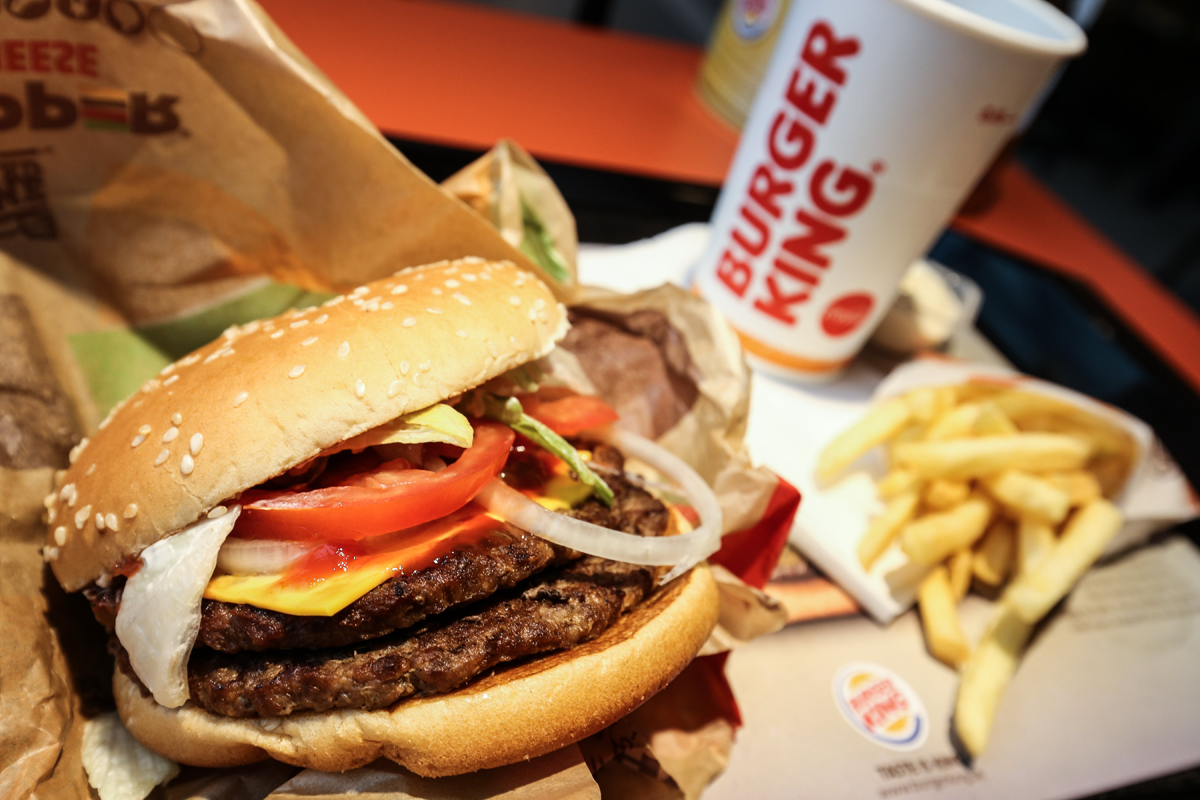
    Private equity firm Affinity Equity Partners is this week launching the sale of its Burger King fast-food businesses in South Korea and Japan, in a deal that could fetch more than US$1 billion, a person with knowledge of the matter told Reuters.

    Hong Kong-based Affinity has appointed Goldman Sachs to run the sale, which is targeting both private equity investors and strategic buyers, said the person, who declined to be identified as the information is confidential.

    The bank declined to comment.

    Affinity bought full control of Burger King South Korea in 2016 for about US$170 million and a year later acquired the American fast-food brand’s Japan franchise.

    The South Korean business reported 680 billion won (US$572 million) in revenue in 2021, with adjusted earnings before interest, taxes, depreciation, and amortisation (EBITDA) at 80 billion won, said the person, adding its adjusted EBITDA in 2022 is expected to reach 100 billion won.

    Burger King Japan’s adjusted EBITDA in 2021 was 700 million yen (US$6 million), the person said.

    Global fast-food chains such as McDonald’s and Yum! Brands are trading at 20 to 30 times their EBITDA, Refinitiv Eikon data showed. Burger King India is trading at about 25 times of its EBITDA.

    Affinity and Burger King Japan did not immediately respond to a request for comment.

    An official at BKR Corporation, the operator of Burger King in South Korea, declined to comment.

    The Nikkei business daily first reported the sale on Monday (Jan 17).

    It comes as the consumer and retail sector faces tremendous challenges and disruption caused by the coronavirus pandemic.

    In South Korea, businesses have adapted by relying more on deliveries, which has prompted exponential growth for its food delivery apps.

    Burger King Korea said on Monday the number of monthly active users on its mobile app in December exceeded 1.4 million, the highest since the app was launched in May 2016.

    Since Affinity’s acquisition, Burger King has been in an expansion mode in South Korea and Japan.

    Burger King runs 440 outlets in South Korea, more than its rival McDonald’s.

    The Japan franchise said on Monday it would open three new outlets in January, bringing the total there to 149, with plans to open more “aggressively” in 2022.

  • Hong Kong Sends Bankers Home

    Hong Kong Sends Bankers Home

    Tighter government COVID-19 restrictions from Saturday already prompted UBS and other banks to re-impose workplace limits.

    The Hong Kong government yesterday announced a raft of new COVID-19 restrictions yesterday following a number of untraceable Omnicron variant cases, a step that is already prompting UBS and other banks to ask bankers to resume working from home.

    The government says on its website that the enhanced restrictions will take effect from January 7 and last for 14 days. Group gatherings of more than four people will be prohibited and restaurants will have to close at 6pm.

    All leisure and sports facilities, gyms and bars will be fully closed. It has also suspended all flights from Australia, Canada, France, India, Pakistan, the Philippines, the UK, and the U.S.

    UBS is splitting its 2,500 workforces into groups, with one working from home and the other in the office in an alternate fashion, according to a report, citing an internal memo.

    Employees have also been asked to curtail movement in the office and sharply limit socialization outside their direct teams, the memo indicates. Other banks taking similar steps include HSBC, Bank of America, and Standard Chartered, the news outlet said.

    Others are expected to follow as the restrictions come into effect.

  • Retail sales in Hong Kong continue to recover slowly

    Retail sales in Hong Kong continue to recover slowly

    Hong Kong’s economy lost some momentum in the second quarter but still expanded by 7.5% from a year earlier, as domestic and global activity continued to recover from last year’s pandemic-induced slump.

    Despite some slowdown in robust export growth, the government said the city’s economic recovery remains on track as global demand picks up and local coronavirus fears ease.

    The preliminary gross domestic product (GDP) estimate released on Friday compares with a revised growth rate of 8% in the first quarter and forecasts of 8.4% by DBS and 8.5% by ING.

    On a quarterly basis, the economy contracted by a seasonally adjusted 1% in April-June, its first decline since the second quarter of 2020. That compared with a revised 5.5% growth in the previous quarter.

    “The global economic recovery should continue to support Hong Kong’s exports of goods in the near term, though there may be some moderation from the exceptionally strong performance in the first half of 2021,” a government spokesman said in a statement along with the GDP figures.

    “Exports of services should likewise sustain growth,” the spokesman said, adding that a stabilized pandemic situation locally and a consumption voucher scheme will help stimulate consumer demand.

    For the first half of 2021, the economy grew by 7.8% over a year earlier. The government maintained its full-year growth forecast at 3.5%-5.5%.

    Analysts caution, however, that the recovery will be uneven. While consumer spending is improving as coronavirus worries ebb, international travel restrictions will continue to weigh on tourism and related retail and services sectors.

    The trade-reliant city is also benefiting from mainland China’s swift recovery from the COVID-19 crisis, though China’s growth rates are slowly returning to more normal levels.

    Hong Kong’s economy fell into its longest recession on record in early 2019, weighed down by huge anti-government protests followed by the pandemic in 2020.

    Seasonally adjusted unemployment slipped to 5.5% in April-June, from 6% in March-May and 6.4% in February-April. Exports jumped 33% in June, their eighth straight month of growth.

    Retail sales rose 10.5% in May from a year earlier, the fourth consecutive monthly gain, but growth lagged pre-pandemic levels as inbound tourism is virtually non-existent.

    Hong Kong reported two new imported COVID-19 cases on Friday, with no local community infections recorded in over 50 consecutive days.

    The government has urged more people to get vaccinated to pave the way for a reopening and broader based economic recovery. About 35% of the population has received the recommended two doses and 47% have had their first dose.

  • WeLab Acquires Indonesian Commercial Bank

    WeLab Acquires Indonesian Commercial Bank

    Hong Kong-headquartered virtual lender WeLab has acquired Indonesia’s PT Bank Jasa Jakarta as part of broader expansion plans across Asia.

    A WeLab-led consortium Welab Sky raised $240 million which will be used to fund the transaction to acquire the Indonesian commercial bank, according to a statement, with J.P. Morgan acting as its financial advisor.

    Welab Sky has entered into a share purchase and subscription agreement with all the shareholders of Bank Jasa Jakarta (BJJ) to acquire the remaining stakes to become the bank’s sole shareholder, pending regulatory approval.

    Welab Sky has already completed a strategic investment for a 24 percent stake in BJJ.

    Since officially launching in 2020 as Hong Kong third licensed virtual bank, Welab has expanded in the region, including in Southeast Asia where it opera rests a licensed online lending app through a joint venture with Astra International.

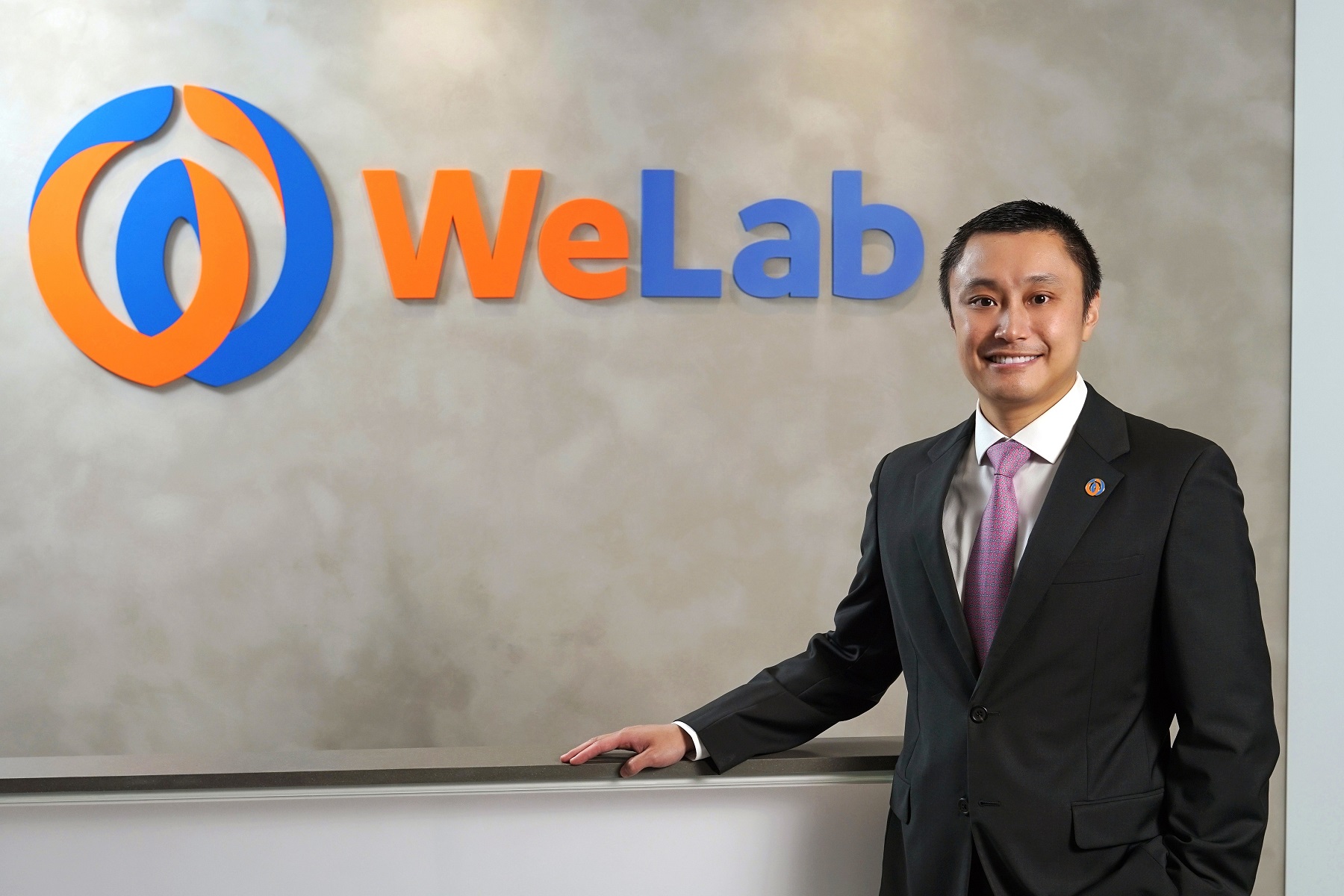
    We continue the journey that we started in 2018 to build one of the first pan-Asian digital banking platforms, first in Hong Kong and now in Indonesia, said WeLab founder and group chief executive Simon Loong.

    WeLab combines its advanced digital banking technology with the BJJ network to further grow the Bank’s business towards a bright digital future.

  • Facebook opens its first pop-up store in Hong Kong

    Facebook opens its first pop-up store in Hong Kong

    Facebook has opened doors to its first pop-up store in Hong Kong to educate consumers on how to personalize their Facebook experience and unlock exciting possibilities while maintaining their online privacy and safety. From December 3 to 7, Preface Coffee & Wine in Central, the F&B and lifestyle concept space, will be transformed into a temporary “Facebook home” to showcase the true benefits of technology and demonstrate the different ways users can personalize their Facebook – the way they want it – through digital experience and AR filters.

    Inspired by the way people customize their homes, Facebook last week launched “Your Profile, Your  Home” a digital consumer experience to educate people on Facebook settings that enable personalization, and to reinforce Facebook’s commitment to protecting the privacy and safety of users.

    Along with Preface Coding, Facebook has transformed Preface Coffee & Wine (Central) into a pop-up store that showcases the app’s privacy control and settings. With the tagline “What makes a perfect home?”, the pop-up store is set to be the newest Instagrammable spot in Central. Renowned local celebrity Alfred Hui attended the kick-off event to demonstrate the customizable settings.

    From December 3 to 7, anyone can visit the “Your Profile, Your Home” pop-up store and play with two fun and interactive AR filters developed by Preface Coding, including photo-taking with an avatar of Alfred Hui. Visitors can also immerse themselves in the “Your Profile, Your Home” digital experience, in which they’ll have tools to build and design their very own home as they explore the exciting possibilities of personalization on Facebook. Visitors can test their knowledge of Facebook’s new privacy settings with an on-site quiz; the first 10 winners of each day will receive Alfred Hui’s autographed gift.

    In November, Meta, also formerly known as Facebook said it plans to remove its detailed targeting options from January 2022 onwards. With this move, advertisers will not be able to target users who have interacted with content related to health causes, sexual orientation, religious practices, political beliefs and social issues, among others.

    While this move limits the way Meta’s targeting tools can be abused, VP of product marketing, Graham Mudd said the company is aware that this change may negatively impact some businesses and organizations. “We have heard concerns from experts that targeting options such as these could be used in ways that lead to negative experiences for people in underrepresented groups,” he explained. He added, “It is important to note that the interest targeting options we are removing are not based on people’s physical characteristics or personal attributes, but instead on things like people’s interactions with content on our platform.”

    According to Mudd, this decision was not simple and required a balance of competing interests where there was advocacy in both directions. While some of Meta’s advertising partners have expressed concerns about these targeting options going away because of its ability to help generate positive societal change, others understand the decision to remove them. He added, “Even after we update our targeting options, people may still see ad content they aren’t interested in, which is why we are also working to expand the control that allows people to choose to see fewer ads about certain types of content. Today, people can opt to see fewer ads related to politics, parenting, alcohol, and pets. Early next year, we will be giving people control of more types of ad content, including gambling and weight loss, among others.”

    Meanwhile, Meta said it will maintain its commitment to helping small businesses, non-profits, and advocacy groups reach their audiences. Meta will be working to expand the control that allows users to choose to see fewer ads about certain types of content, said Mudd. Today, users are able to opt to see fewer ads related to topics such as politics, parenting, alcohol and pets. Early next year, Meta aims to give users control on more types ad content which includes gambling and weight-loss, among others.

  • Uber Eats leaving Hong Kong at the end of 2021

    Uber Eats leaving Hong Kong at the end of 2021

    Food delivery giant Uber Eats revealed on Tuesday it would wind down its Hong Kong operations by year’s end after seeing slower-than-expected growth.

    “Uber Eats has unfortunately not grown as expected in Hong Kong,” the company said in response to a Post inquiry. “This decision has been made independent of the global pandemic, and is in line with our broader strategy on Uber Eats.”

    One of the city’s three main food delivery platforms – along with Deliveroo and Foodpanda – Uber Eats launched in Hong Kong in October 2016 and has seen a sharp rise in orders throughout the coronavirus pandemic over the past two years.

    “After five years of partnering with restaurants and delivery people in Hong Kong, we have made the difficult decision to discontinue Uber Eats in Hong Kong on December 31, 2021,” the company said earlier in the day.

    Uber Eats said its priority was now to support its employees, restaurant partners, delivery people, and customers as it moved towards shutting down, but added it was “more committed than ever” to growing its ride-hailing services in the city.

    “We will keep investing and serve more riders and drivers in coming years by bringing the very best technology to Hong Kong,” the company, which operates in a legal grey area in the city, said.

    The spokesman said the company would continue providing support to customers and partners until the end of January.

    Uber Eats employs 5,000 delivery workers, some of whom signed up after losing their jobs amid the pandemic, and its service covers 16 of the city’s 18 districts.

    In July, Uber Eats launched a campaign in support of the small and medium-sized restaurants that use its platform, snagging celebrity endorsements from singers Alfred Hui and Joyce Cheng.

    In recent months, with almost no local transmission of the coronavirus, Hong Kong’s restaurant industry, along with other businesses such as hotels, have seen signs of recovery, and bookings are healthy for the year-end holiday season.

    Although social-distancing restrictions limiting the number of people permitted at venues such as bars and restaurants remain in place, about a third of the city’s 16,000 restaurants can now seat up to six per table, as long as diners have received at least one dose of a vaccine and use the government’s “Leave Home Safe” risk-exposure app.

    The latest data from SevenRooms, a booking platform used at more than 350 of Hong Kong’s high-end restaurants, showed people were dining out and spending more this year when compared with two years ago, before the pandemic hit.

    Earlier this month, Foodpanda couriers, upset with a cut to their delivery fees and other issues, went on strike for two days.

    The strike ended after the company agreed to make changes to its mobile app and fee calculation system as well as look into other demands

  • DLA Piper Hires New Partner in Hong Kong

    DLA Piper Hires New Partner in Hong Kong

    Over the past couple of years, DLA Piper has welcomed several new partners to its Asia Corporate practice. Now the firm announces another hire.

    Global law firm DLA Piper continues to strengthen Asia capital markets offering with new partner hire in Hong Kong, the firm announced Monday. George Wu was appointed as a capital markets partner in its corporate practice. He joins the firm from Herbert Smith Freehills in Hong Kong.

    He advises on corporate and securities transactions including IPOs, debt offerings, private equity, M&A, and compliance matters. He represents issuers of securities as well as investors, underwriters and placement agents for both public and private offerings.

    Wu has particular experience advising on initial public offerings, follow-on offerings in Hong Kong and U.S. capital markets, as well as debt offering transactions including investment-grade and high-yield bonds, convertible and exchangeable bonds, and medium-term note programs. He also brings in-depth industry knowledge to the table, having advised clients on dozens of corporate transactions in various sectors, including healthcare and life sciences, technology, and consumer goods, among others.

    A native Mandarin speaker, Wu is also fluent in Cantonese and English having lived and worked in Shanghai, New York, and Hong Kong.

    George Wu’s arrival closely follows that of capital markets partner Arthur Tso who joined the Hong Kong office in March 2021. Over the past couple of years, DLA Piper has welcomed several new partners to its Asia Corporate practice including Philip Lee and David Kuo in Singapore, and Samata Masagee in Bangkok.

  • Canada Goose names new Asia-Pacific president

    Canada Goose names new Asia-Pacific president

    Canada Goose has appointed Paul Cadman as its new president for the Asia-Pacific region.

    In his new role, Cadman will oversee the business’ activities including commercial, financial, and marketing across Apac markets, including Greater China, Japan, South Korea, Australia, and New Zealand.

    “Paul is a trusted brand advisor, having consulted for us for years,” said Dani Reiss, president, and CEO of Canada Goose. “His extensive knowledge in the luxury sector and his deep experience in developing brands across the region has provided our team with a valuable perspective.”

    Cadman has more than 30 years of strategic luxury goods experience and held leadership positions with global brands, including Salvatore Ferragamo, Asprey & Garrard, Bvlgari, and Estee Lauder.

    “Paul’s experience, entrepreneurial nature, and regionally-specific industry knowledge make him the best fit for the role as we strengthen our brand presence and further execute against our long-term growth strategy,” said Reiss.

    Cadman also founded PMC Global Hong Kong, a strategic management and business consultancy focused on the luxury goods industry.

    The appointment is in line with Canada Goose’s strategy to deepen its influence in the Apac region, including its recent store openings in Harbin, Nanjing, Ningbo, Beijing, Taipei, and Macau.

  • HSBC Reshuffles Commercial Bank

    HSBC Reshuffles Commercial Bank

    HSBC has reshuffled senior management at its commercial banking arm in Asia and the U.K. Amanda Murphy and Frank Fang have been named co-heads of the APAC commercial banking business, according to a statement, reporting to global commercial banking chief executive Barry O’Byrne.

    The current head of commercial banking for HSBC U.K., Murphy will relocate to Singapore to become head of commercial banking, South and Southeast Asia to oversee the local commercial banking franchises in India, Southeast Asia, Australia, and international markets.

    Frank Fang will maintain his role as head of commercial banking, Hong Kong and Macau.

    Murphy and Fang will also serve on the global and APAC commercial banking executive committees.

    Succeeding Murphy’s role as head of commercial banking for HSBC U.K. is Stuart Tait, subject to regulatory approval, who led the APAC commercial banking franchise since 2016.

    I would like to thank Tait for growing our business in Asia Pacific over the last five years – his customer-centricity will be equally instrumental in his new role, O’Byrne said.

    Focusing on Asia for growth, investment and capital deployment is a strategic priority for our global business. We aim to grow our market share in the Greater Bay Area, India and Southeast Asia, expanding our customer base and digitizing at scale to help our clients and business to capture global opportunities.

  • Citi Adds Prime Brokerage Duo in Hong Kong

    Citi Adds Prime Brokerage Duo in Hong Kong

    Citi has hired two new directors from BNP Paribas and Goldman Sachs for its prime brokerage unit in Hong Kong.

    Drew Kuech and Oliver Law join Citi as directors of the prime services sales trading team, according to a statement, reporting to APAC head of prime services sales trading Daniel Millwood.

    Kuech has 13 years of prime finance and delta one experience, most recently with BNP Paribas. Previously, he also worked for Societe Generale and Santa Fe-headquartered hedge fund Thornburg Investment Management.

    Law has 14 years of APAC prime finance and delta one experience and he joins from Goldman Sachs. Previously, he also worked for RBS and Credit Suisse.

    We are pleased to welcome two strong additions to our Prime Services trading team as we continue to focus on building out our hedge fund trading and client servicing areas, Millwood said in the statement.

  • Talks for Hong Kong-China Border Reopening in Final Stages

    Talks for Hong Kong-China Border Reopening in Final Stages

    Authorities from Hong Kong and China are reportedly nearing a final decision on travel resumption, despite a fresh outbreak on the mainland.

    A second meeting is expected soon between Hong Kong and mainland China authorities to make a final decision on travel resumption, according to a report by local media «Sing Tao» citing unnamed sources.

    The focus of the discussion is on whether or not Hong Kong will adopt the mainland’s health code system which classifies individuals as red, yellow or green – the latter color being the only classification cleared for travel to the mainland.

    Other rules being discussed include initial quarantine-free travel and a «circuit breaker» to immediately suspend the system in the event of an emergency.

    The latest update occurs in the backdrop of growing concerns from the international business community that called for Hong Kong to reopen borders to foreign countries and learn to coexist with the virus.

    Chief executive Carrie Lam responded by reiterating the city’s two major priorities: reopening with mainland China and a zero-Covid policy.

    Meanwhile, China, which has also adopted a zero-Covid policy stance, is reportedly experiencing its worst outbreak since the start of the pandemic with more than 600 local infections recently found in 19 out of 31 provinces.

  • HSBC Singapore Rolls Out Dart Platform for Corporates

    HSBC Singapore Rolls Out Dart Platform for Corporates

    The bank’s new online platform for corporate customers simplifies receivables collection and improves transparency and monitoring capabilities.

    HSBC Singapore is launching another digital solution for corporate customers – Dart, or the Digital Accounts Receivables Tool, which connects businesses to their customers by enabling the exchange of invoice and payment information, the bank said in a statement on Tuesday.

    According to the bank, receivables reconciliation remains a key challenge for treasury functions that receive and process large volumes of payments on a daily basis, particularly when identifying payers and matching with invoices.

    Supply chain resilience has become synonymous with digitization, and the receivables reconciliation process is a prime candidate for transformation, Winnie Yap, HSBC Singapore head of global liquidity and cash management, said.

    Digital Capabilities

    HSBC has rolled out a number of digitally-driven solutions for its corporate customers in recent months, including a multi-currency digital wallet for corporate customers, Omni Collect – a one-stop digital solution for all payment collections needs.

    The bank said it will progressively widen the capabilities available on Dart, as it optimizes its digital services to support customers.