Tag: Hong Kong

  • Cathay Pacific resumes freight service from WTB

    Cathay Pacific resumes freight service from WTB

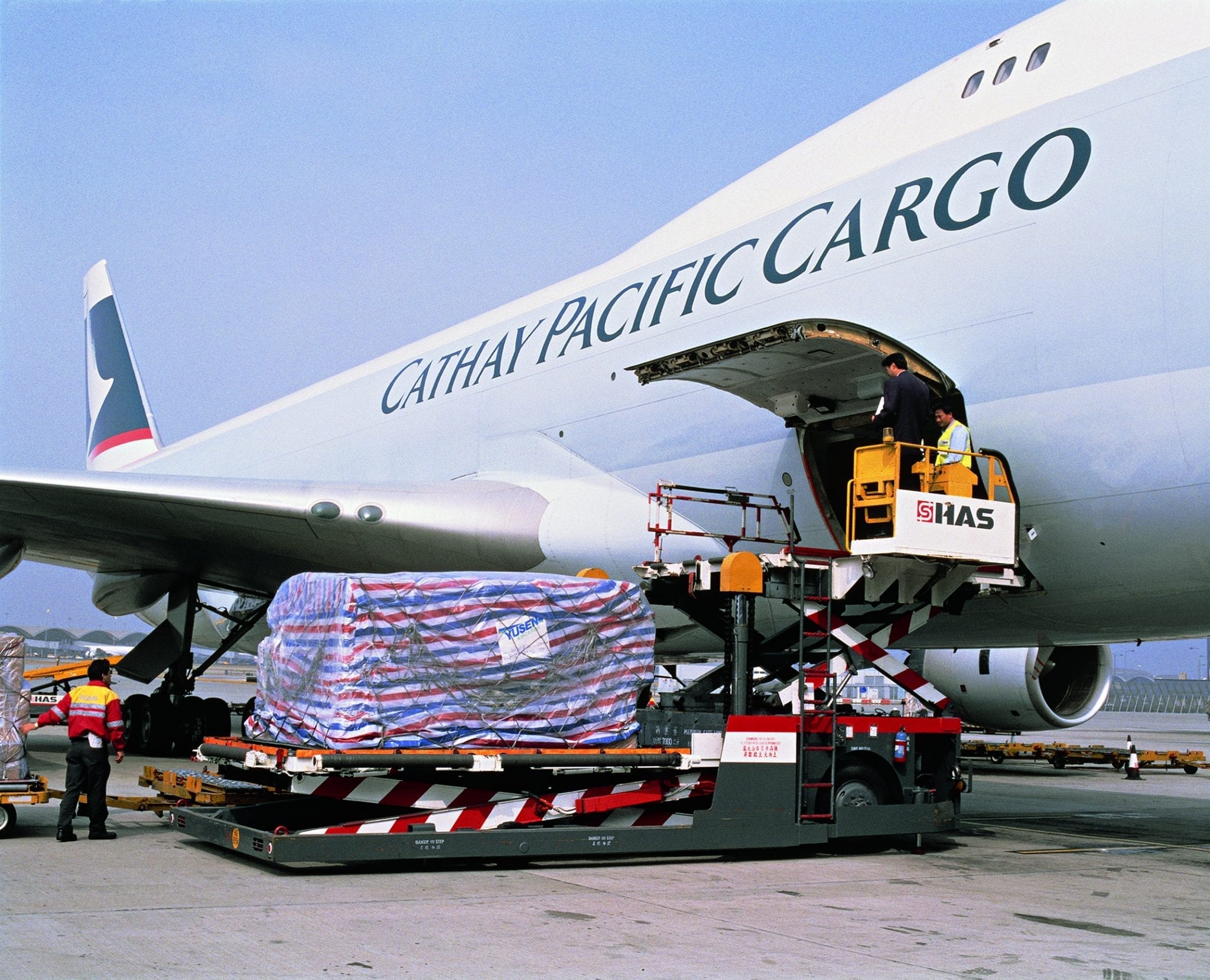
    Cathay Pacific Cargo has resumed its weekly Boeing 747 freighter service from Toowoomba Wellcamp Airport (WTB) in Queensland, Australia to Hong Kong (HKG).

    The carrier said in a LinkedIn post on 4 August the new service will support local producers and exporters of chilled meats, vegetables and more to reach the Hong Kong market and beyond.

    Toowoomba Wellcamp Airport said the freighter service will serve as a gateway for oversize cargo, chilled meat, horticulture-fruit/vegetables, seafood, oil and gas, mining equipment and artwork.

    The airport operates its international air cargo terminal in conjunction with Menzies Aviation.

  • China Tourism seeks $2.16 billion in Hong Kong’s biggest listing this year

    China Tourism seeks $2.16 billion in Hong Kong’s biggest listing this year

    China Tourism Group Duty Free Corp is aiming to raise up to $2.16 billion through a new listing in Hong Kong, according to a term sheet reviewed by Reuters, in what will be the largest share sale in the city so far this year.

    Shanghai-listed China Tourism is planning to sell 102.76 million shares priced between HK$143.50 and HK$165.50 ($18.30 and $21.10) each, the term sheet said.

    The offer has already been fully subscribed, according to two people with direct knowledge of the matter. The sources spoke on condition of anonymity because they were not authorised to discuss the matter with media.

    China Tourism, which has built the largest duty-free retail network in China, did not respond to a request for comment on the deal’s launch or subscription rate.

    The launch of the deal comes as Hainan island, in China’s south where China Tourism has several major shopping outlets, remains under tight restrictions due to an outbreak of COVID-19.

    The price range represents a 29.3% to 38.7% discount to the stock’s 201.19 yuan closing price on Thursday in Shanghai. The Shanghai shares fell 3.1% on Friday after the Hong Kong deal was launched.

    Hong Kong share sales of Chinese-listed companies are typically offered at a discount to entice investors to buy the stock but the flagged discount of China Tourism is higher than normal. The rate was chosen to help ensure the stock trades positively in the secondary market, one of the sources with direct knowledge told Reuters.

    China Tourism’s Shanghai-listed shares have recovered most of their losses since lockdowns across Hainan began to be ordered last week. Its shares are down 11% year-to-date.

    China Tourism plans to set the final price next Thursday, the term sheet said, and the Hong Kong stock will start trading Aug. 25.

    Almost 40% of the stock on offer in the deal has been sold to cornerstone shareholders who will invest about $795 million, according to the term sheet.

    Sanya, a holiday city on the southern end of Hainan island at the centre of the COVID outbreak, reported 1,690 symptomatic and 1,504 asymptomatic cases from Aug. 1 through Aug. 10.

    The duty-free shop operator’s deal, if executed, would surpass Tianqi Lithium’s $1.71 billion deal, which opened in late June, to become the biggest share sale in Hong Kong in 2022.

    Tianqi’s Hong Kong shares were priced at a 50% discount to its Shenzhen stock and are trading only marginally higher since it debuted in mid-July.

    “After the tepid performance by Tianqi Lithium, the only way they could get away with the China Tourism deal was by offering it at a decent discount,” said Aequitas Research director Sumeet Singh, who publishes on Smartkarma.

    “If it does go well other deals should follow as the pipeline for Hong Kong deals is now fairly full and needs to get moving soon.”

    There has been $4.9 billion worth of initial public offerings and secondary share sales in the city this year compared to $34.7 billion at the same time last year, according to Dealogic data.

  • Love, Bonito launches a flagship in Hong Kong

    Love, Bonito launches a flagship in Hong Kong

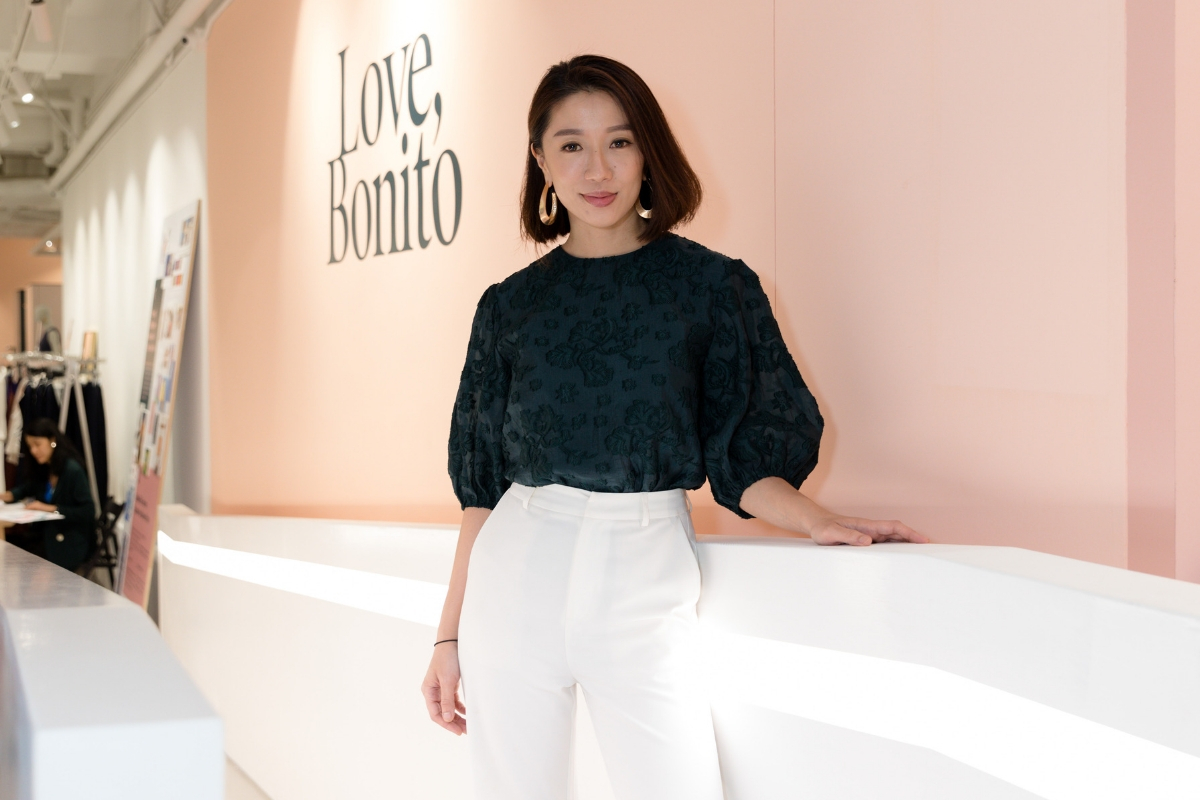
    ​Southeast Asia leading womenswear brand, Love, Bonito, officially opened its Hong Kong flagship store today (July 22), as part of its global expansion plan to capitalise on its growth momentum and develop a stronger presence in the city.

    The new flagship store is located in the heart of Central and measures over 2,000 square feet, offering Asian-centric fit and functional, yet trendy, women’s clothing. Since the brand’s debut in Hong Kong with a pop-up store in 2019, followed by its localised website launched in 2021, Love, Bonito has continued to grow its local customer base, according to the company’s Regional Director of Hong Kong and Taiwan, Ms Christina Wang.

    Ms Wang said, “We have seen tremendous double-digit growth in Hong Kong through our online channels and successful string of pop-ups. Our range is popular amongst local ladies who are financially independent, assertive, and career-focused. With the popular demand for Love, Bonito we are excited to finally have a physical footprint in the city.”

    She added, “Hong Kong as an international city is one of our key target markets. Aside from supporting omni-channel sales, expansion, marketing and retail operations in the city, the team is also looking to explore more experiential hub opportunities with the aim of developing a stronger direct-to-consumer omni-channel presence.”

    Associate Director-General of Investment Promotion Mr Charles Ng, welcomed the opening of Love, Bonito’s flagship store in Hong Kong. He said, “Love, Bonito has steadily grown in the Hong Kong market through creative use of pop-ups and online, and is now expanding their presence with the flagship store. Hong Kong is a great place for brands to reach out to both consumers and potential investors alike.”

  • Alibaba to apply for primary listing in Hong Kong

    Alibaba to apply for primary listing in Hong Kong

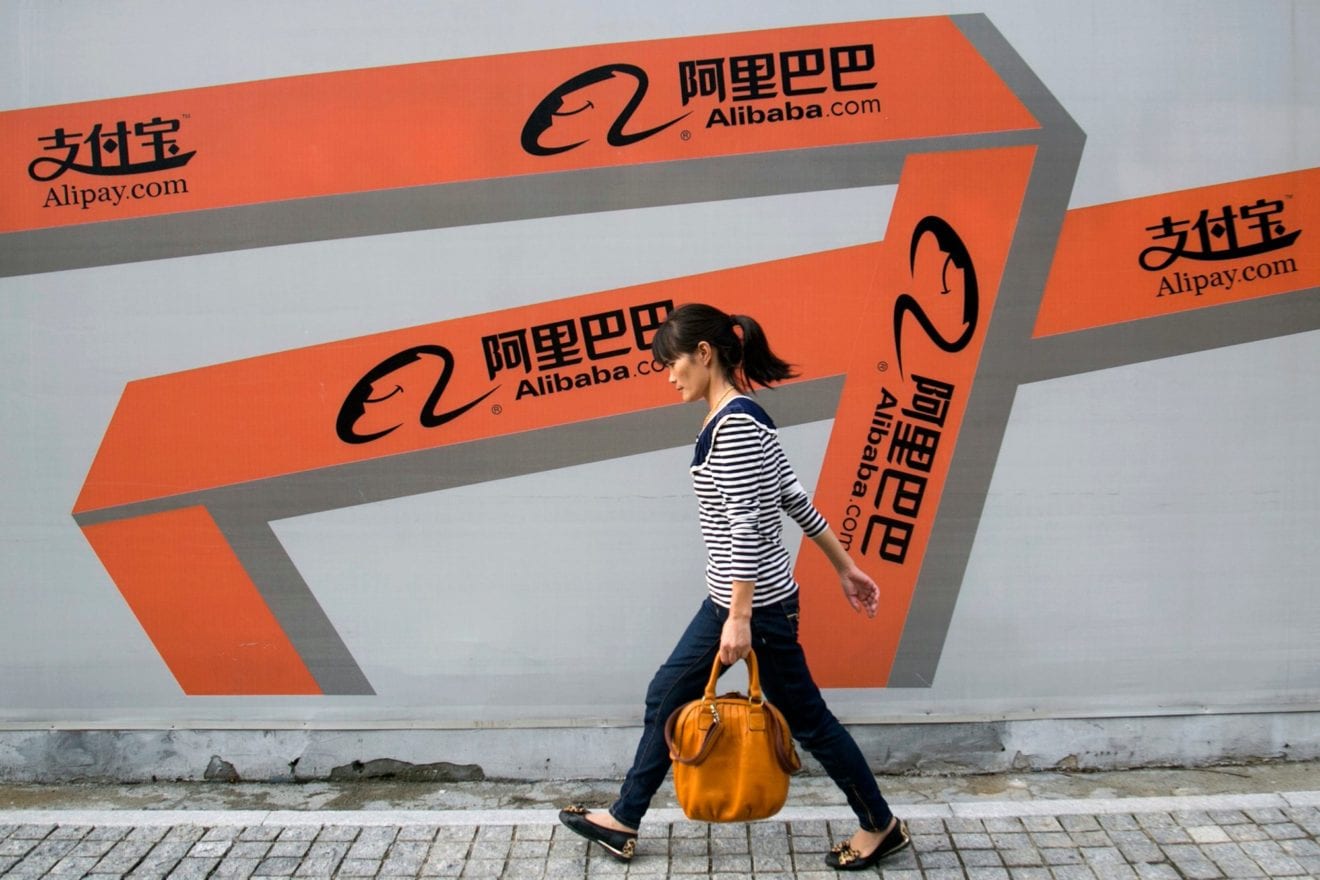
    Alibaba will apply for a primary listing in Hong Kong and keep its US listing, the first big company to take advantage of a rule change allowing high-tech Chinese firms with dual-class shares to seek dual primary listings in Hong Kong.

    Shares in Alibaba rose 4 percent in Hong Kong upon market opening in response to the news.

    Already present on the Hong Kong bourse with a secondary listing since 2019, Alibaba said it expects the primary listing to be completed by the end of 2022. Chief Executive Daniel Zhang said the dual listing would foster a “wider and more diversified investor base.”

    Seeking a dual primary listing will also allow Alibaba to apply for the Stock Connect scheme that will permit Chinese mainland investors to buy the company’s shares more easily.

    The move comes after the Hong Kong Stock Exchange in January changed its rules to allow innovative Chinese companies with weighted voting rights or variable interest entities (VIE) to carry out dual primary listings in the city.

    Under a VIE structure, a Chinese company sets up an offshore entity for overseas listing purposes that allows foreign investors to buy into the stock.

    “Hong Kong is also the launchpad for Alibaba’s globalization strategy, and we are fully confident in China’s economy and future,” Alibaba CEO Zhang said in a statement.

    Alibaba listed on the New York Stock Exchange in September 2014, marking what was at the time the largest IPO in history.

    In order to switch to a dual primary listing, the HKEX said companies had to have a good track record of at least two full financial years listed overseas, and a capitalization of at least HK$40 billion (US$5.10 billion) or a market value of at least HK$10 billion plus revenue of at least HK$1 billion for the most recent financial year.

  • Hong Kong Authorities Eye Quarantine-Free Travel

    Hong Kong Authorities Eye Quarantine-Free Travel

    Hong Kong’s new health chief reportedly spoke about the possibility of quarantine-free travel by November, in time for the city’s global banking summit.

    By the time the Hong Kong Monetary Authority hosts the global banking summit scheduled for November 1 and 2, travelers could experience quarantine-free entry into the city, according to an interview with health chief Lo Chung-mau.

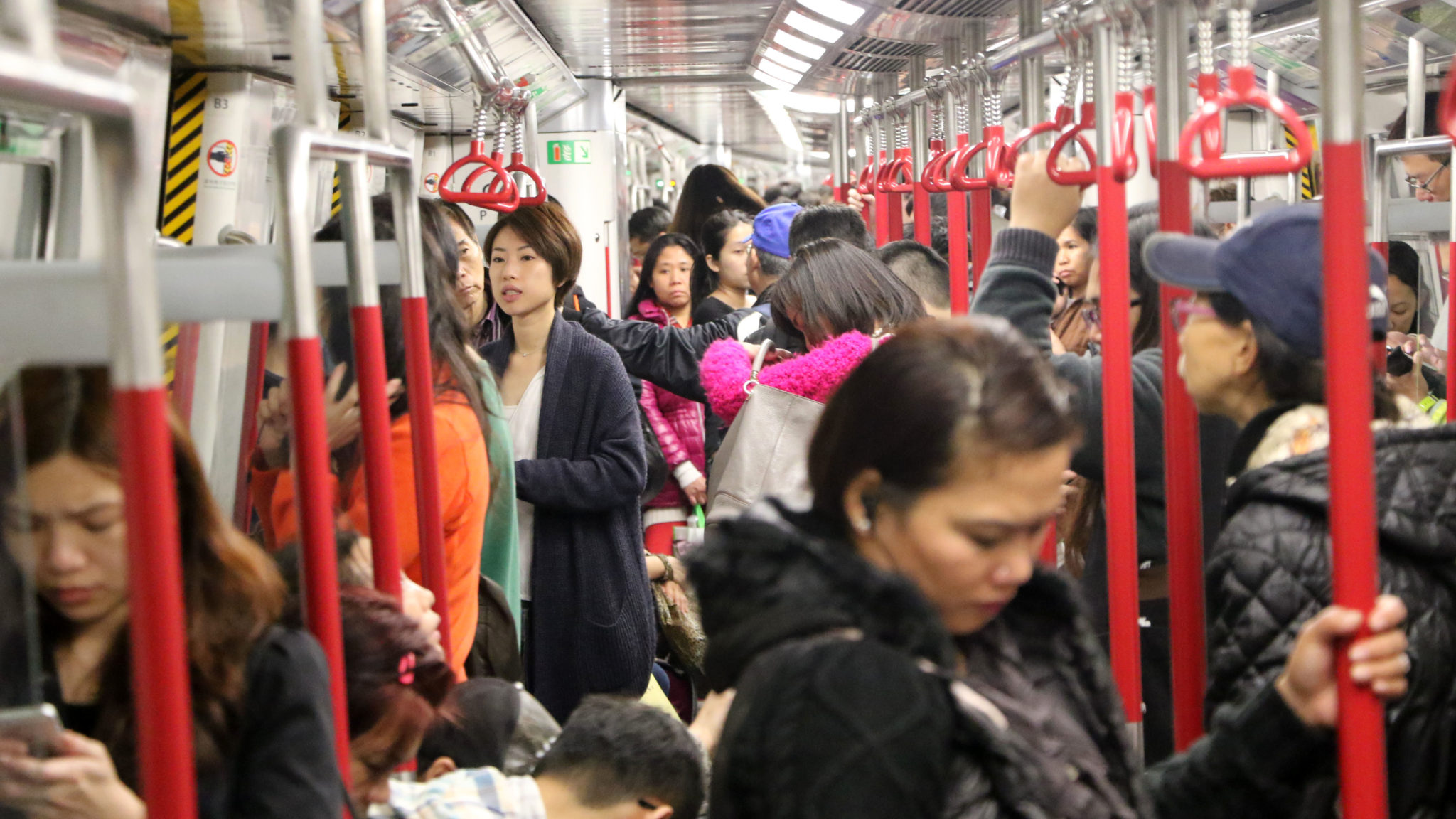
    But this could entail other conditions including a screening test, the use of a medical surveillance app and initial restrictions to high risk venues such as bars. Quarantine locations could also change from a fixed list of hotels to home isolation.

    Listen to what President Xi Jinping said on Hong Kong’s 25th handover anniversary, Lo said. He talked about ‘four necessities’ and the fourth one is very important – he stressed Hong Kong must maintain its own uniqueness and strengths.

    While Lo was seeking to loosen border controls, he was also tightening local conditions including the introduction of registration of a real name for the existing medical surveillance app alongside a new color-based function to bar individuals from local premises, similar to the system used in the mainland China. Hong Kong is also reinstating electronic wristband trackers for those in home isolation.

    On whether or not such systems were designed to curb freedoms, Lo denied such claims and instead said they were used to enhance freedoms.

    We are really acting out of a kind heart and want to help the travelers, Lo said, adding that restricting entry into high risk venues made a reduction in hotel quarantine possible.

    On following mainland Chinese policy, Lo noted differences in Hong Kong’s demographics, medical infrastructure and vaccination rates, underlining that the ‘one country, two systems’ approach also applied to the pandemic. And when asked if Hong Kong was replicating Macau’s model with its color-coded app, Lo said that he «never copied others».

    The whole purpose [of the health code] is not to trap people, we only hope to identify those who are really at risk Hong Kong is a very international city, we are different from Macau, we have different needs, Lo said.

    According to Lo, internal modeling at the Hong Kong government predicted a rebound from the recent fifth wave of Covid and a peak in September with up to 10,000 patients requiring hospitalization. But he also said that actually achieving zero cases of Covid infections was not possible, adding that Hong Kong needs to find our own zero.

  • Luk Fook to add 500 stores this year and expand online

    Luk Fook to add 500 stores this year and expand online

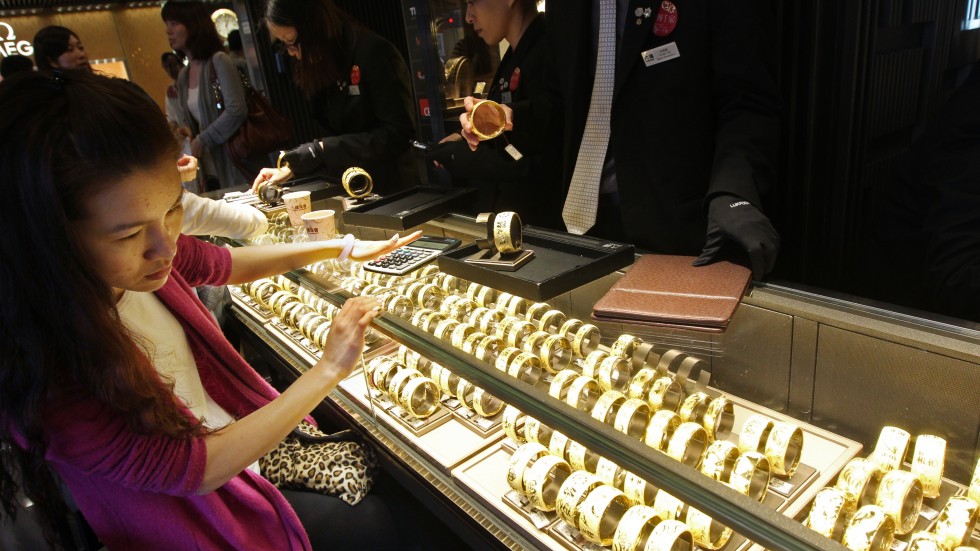
    Hong Kong jeweler Luk Fook’s revenue and profit rose by around 30% to 40% for the full fiscal year that ended March 31, the company estimated.

    A low base of comparison with the previous year — which saw pandemic-related restrictions — is responsible for the increase during the period, Luk Fook said last week. In fiscal 2021, business in China was weak, and Hong Kong and Macau were on lockdown.

    The company’s expansion in mainland China, strong sales of gold products, and the easing of restrictions in Hong Kong and Macau also buoyed sales, it explained.

    The retailer saw an “encouraging recovery of retail atmosphere in the first three quarters of the year,” it noted.

    Reports from other Hong Kong-based jewelers indicated that the fourth quarter of fiscal 2022 and the start of the 2023 financial year had been challenging. Tse Sui Luen said sales had plunged sharply during the period amid the fifth wave of the pandemic, while Chow Tai Fook reported a 13% drop in the first two months of the current fiscal year.

  • New Nike concept store opens in Hong Kong

    New Nike concept store opens in Hong Kong

    The new store has been launched by GMG as part of the company’s plans to ramp up its investment in the Asia market.

    The new Nike store spans over 2171sq ft and is situated in the East Point City shopping mall in Hang Tau district. It is home to sportswear for both men and women, in various categories including running, basketball and training.

    GMG has partnered with Nike in other markets since 1982, and entered the Asia market in 2020 after buying Royal Sporting House, a leading multi-sports retailer and recently purchasing Nike retail stores from SUTL Corporation, expanding its presence in Singapore and Malaysia.

    Mohammad A Baker, Deputy Chairman and CEO, GMG, said: “Asia is propelling the retail industry forward, generating a substantial portion of global growth in the sector and offering immense potential and expansion opportunities for GMG. The opening of our new Nike store in a key market such as Hong Kong, the first in two years, further signifies the recovery of a post-pandemic economy while allowing us to strengthen our physical retail presence in Asia.”

  • Hong Kong Must Reopen to Remain a Financial Hub

    Hong Kong Must Reopen to Remain a Financial Hub

    Outgoing city chief executive Carrie Lam makes frank comments to CNBC before her departure at the end of the month.

    Hong Kong’s embattled chief executive Carrie Lam, who has faced a difficult, tempestuous five-year term that included the 2019 pro-democratic protests, the subsequent introduction of the city’s National Security Law, and the Covid-19 pandemic, appeared to be more forcefully speaking her mind than had previously been the case in an interview with CNBC on Friday.

    She apparently indicated to viewers that the city could not continue to function as a financial hub if the current border controls remain in place, as this has made people impatient.

    The border control measures have really made people very impatient. Of course, they’ve undermined Hong Kong’s status as a hub. If you cannot travel freely to other places and into the mainland, how could you be a hub?

    Despite recent steps to relax some pandemic restrictions, Hong Kong continues to require a 7-day quarantine for any foreign arrivals. It also continues to employ extensive contact tracing and testing requirements city-wide, among other measures.

    Lam discussed the departure of foreigners and expatriates, saying that this was not due to the National Security Law, but the extent and duration of the strict pandemic controls. Other topics that were discussed included the one country, two systems governing principle in Hong Kong, which she believed had been mischaracterized by overseas media.

    I sometimes find it very disturbing that a lot of Western media try to portray Hong Kong as just another Chinese city and have no proper recognition or understanding of one country, two systems, Carrie Lam said.

    She maintained that freedom of expression, assembly and media continued to be upheld in the city.

  • Snack chain Aji Ichiban closes all Hong Kong stores

    Snack chain Aji Ichiban closes all Hong Kong stores

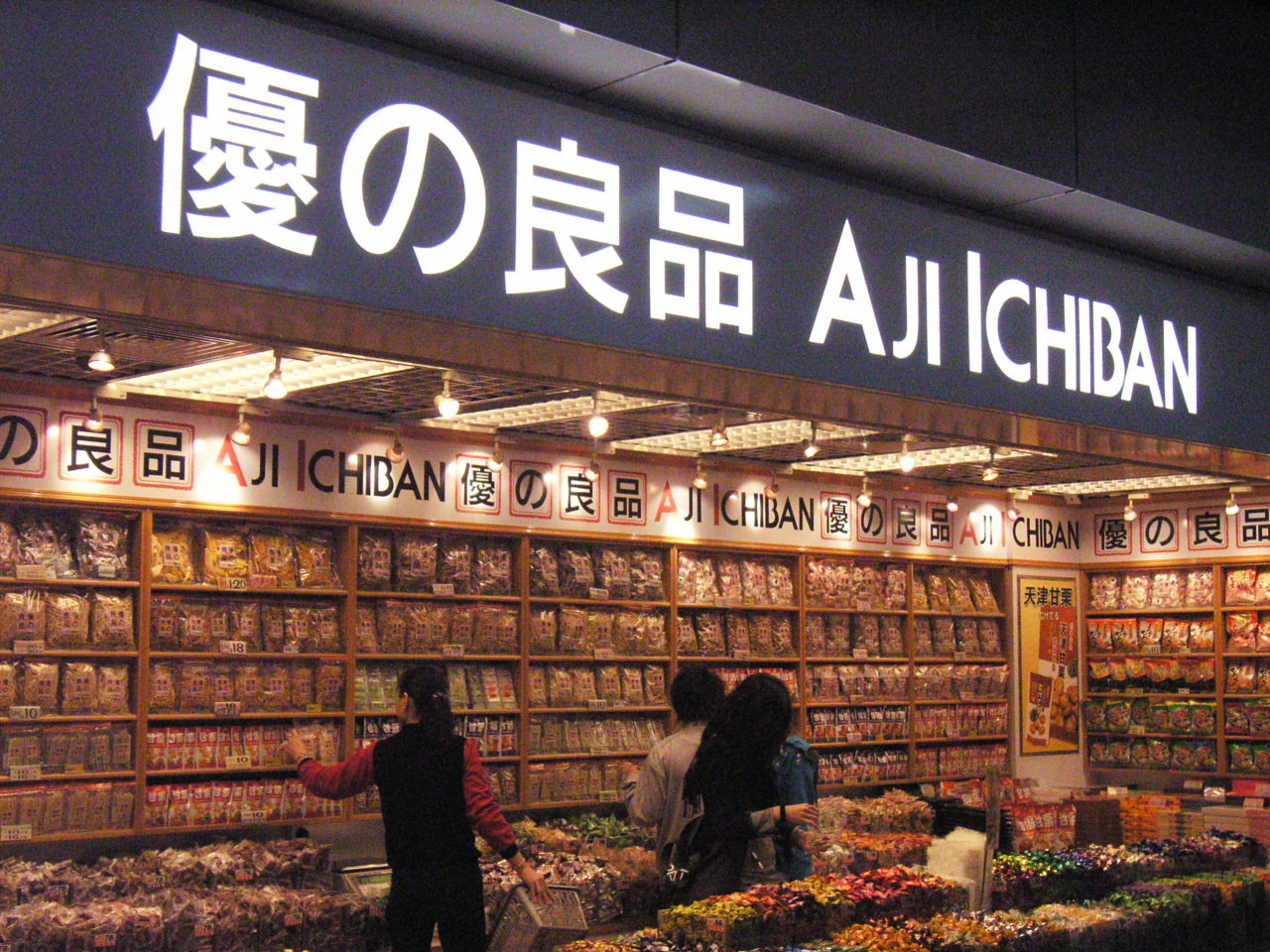
    Hong Kong snack food franchise Aji Ichiban has closed all of its stores in the territory after suffering significant losses as Covid-19 caused a slump in overseas visitors, The Standard reports.

    The company’s website and phone numbers were reported not to be working since Monday, which is presumed to have been the chain’s last trading day. A spokesperson told The Standard the company might resume its operations in future if circumstances change.

    Despite its Japanese name, the snack food chain was established in Hong Kong by Lai Chan Yuk Hing and Lai Hin Tai. The brand opened more than 90 stores in Hong Kong and expanded its business internationally with more than 150 franchised shops, including in the US, the Philippines and Canada. However, most of its international stores have been closed since 2013.

    Aji Ichiban is known among tourists for its wide selection of dried snacks, such as beef jerky, dried apricots, Skittles, chocolates, nonpareils, spicy dried fish, plum tablets, nuts, chilli olives, fried and shredded squid.

  • Watsons and L’Oreal launch Hong Kong-wide recycling program

    Watsons and L’Oreal launch Hong Kong-wide recycling program

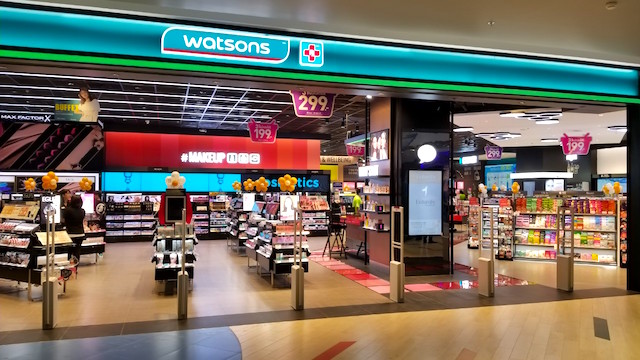
    L’Oreal Hong Kong has partnered with Watsons and recycling social enterprise V Cycle to launch the recycling program ‘Beauty for the Future’.

    The campaign aims to encourage customers to recycle their empty cosmetics and skincare containers – from any brand – at Watsons stores.

    Customers can hand over their washed beauty containers including foundation bottles, mascara wands, skincare tubs, and lipstick tubes, at any Watsons store in Hong Kong in exchange for rewards on the platform MoneyBack.

    People can also return the empties to any of L’Oreal Hong Kong’s more than 100 free-standing outlets or department store counters. V Cycle will break down the wastes, sort them by material, and work with local partners to turn them into new raw materials once they’ve been gathered.

    The scaled-up campaign’s target is to collect 250,000 containers in the year following the formal launch – equal to the height of two Mount Everests when piled.

    “Our goal is to meet it head-on with the first cross-brand recycling programme involving 18 of our beauty brands in 2021,” said Eva Yu, president & MD of L’Oreal Hong Kong.

    “With the scaled-up recycling campaign as part of our ‘L’Oreal for the Future’ sustainability program, we want to further inspire and influence how our consumers think and what they do about packaging wastes – not as something to toss out, but as a resource that can be recycled and used again, and sustainably, reducing the impact on our environment. Our partnership with Watsons and V Cycle will help make this a reality.”

    L’Oreal Hong Kong and Watsons have collected over 6300 beauty containers and diverted them from landfills during the trial program launched between April to May.

  • Omicron restrictions throttled Hong Kong retail sales in March

    Omicron restrictions throttled Hong Kong retail sales in March

    Hong Kong’s retail sales fell in March for a second consecutive month after the city imposed stringent restrictions to curb an outbreak of COVID-19 but the government expected the sector to draw support as cases decline and measures are eased.

    Retail sales in March fell 13.8% from a year earlier to HK$23.8 billion ($3.03 billion), official data released on Thursday showed. That followed a 14.6% drop in February.

    “The improved local epidemic situation of late and thus the progressive relaxation of social distancing measures, along with the disbursement of the first batch of electronic consumption vouchers in early April, will render support to the retail sector,” a government spokesman said.

    In volume terms, retail sales in March dropped 16.8% from a year earlier, compared with a 17.6% decline in February.

    At the start of this year, Hong Kong implemented its most draconian anti-COVID-19 measures as the Omicron variant brought a dramatic spike in infections, with businesses hit hard by widespread closures.

    The city’s economy contracted 4% in the first quarter of this year, breaking four quarters of growth, but the government expects an improving situation with the local epidemic and support measures to help lift domestic demand for the remainder of the year.

    Hong Kong’s economy is expected to grow 2.0% to 3.5% this year after expanding 6.4% in 2021.

    Sales of jewellery, watches, clocks and valuable gifts, which before the pandemic relied heavily on tourists from the mainland, plunged 36.8% in March following a 33.6% drop in February, the data showed.

    Clothing, footwear and related products dropped 41.5% in March against a 39.0% drop in February.

    Tourist arrivals in March plunged 73% from a year earlier to 1,800. That compares with a drop of more than 52% in February.

    Online retail sales were a bright spot, surging 30.9% year-on-year in March in value terms after February’s 50.0% growth.

    Hong Kong will further ease COVID restrictions as cases in the financial hub continue to ease. Beaches and swimming pools reopened on Thursday and restaurants were allowed to serve eight people per table, up from four.

  • Sephora makes Vietnam debut

    Sephora makes Vietnam debut

    Beauty retailer Sephora has entered the Vietnamese market with a dedicated ecommerce store after an initial trial period of five months.

    Local customers can now buy directly from Sephora online, but there is no word yet on whether the global brand will open a physical store.

    About 90% of Vietnam’s cosmetics market is filled with foreign brands, led by South Korean products and followed by European and Japanese names. Market revenue, on the other hand, is pegged at US$514 million.

    Sephora enhanced its Asian presence in 2019 with debuts in South Korea, Hong Kong, and New Zealand. It now has 200 stores in 16 Asian countries.

  • Aeon Hong Kong looks to its Daiso network to restore profit

    Aeon Hong Kong looks to its Daiso network to restore profit

    AEON Stores Hong Kong have lost HK$470 million in 2021, but the retail group is still planning to expand its footprint in the city by launching more retail stores under the brand Daiso Japan.

    In the recent announcement of its annual result for the financial year ended on 31 December, AEON Stores (Hong Kong) said it lost HK$470 million (US$60.04 million), representing an increment of HK$433.2 million (US$55.34 million) compared to 2020. The company said in the year 2021, the group’s revenue decreased by 4.1% year on year to HK$9.56 billion (US$1.22 billion). Moreover, the group received fewer government subsidies from the Hong Kong government and municipal governments in China in 2021. The amount of subsidies decreased from HK$146.4 million (US$18.7 million) in 2020 to only HK$10.0 million (US$1.27 million) last year.

    The group added that as the pandemic was gradually brought under control in 2021, daily social, business and economic activities resumed, resulting in the decreasing sales performance of some merchandise spurred by the pandemic including food and cleaning products. At the same time, due to the prolonged pandemic and its subsequent disruption, the local economy was slowly recovering, and the sentiment among citizens was generally cautious about consumption. As a result, the group’s apparel merchandise demand did not improve significantly.

    In the third quarter of 2021, with the assistance of the launch of the consumption voucher scheme and a relatively stabilised pandemic environment, sales performance recorded a slight improvement but such improvement were relatively weaker in the subsequent rounds of consumer voucher scheme launched in the fourth quarter of 2021. To strengthen this company’s position in the Hong Kong market, in February, AEON Stores (Hong Kong) February 2021, the group partnered with foodpanda mall to provide Topvalu food products, HÓME CÓORDY household products and frozen food products. By June, the whole line of supermarkets was online, offering sales and home delivery services for a variety of supermarket items.

    Moving forward, the group will open stores in accordance with its preset investment plan. In February 2022, the group opened its fourth “AEON STYLE” store at Domain Mall, Yau Tong to meet the demand of customers in the district.

    When it comes to this new store, the company previously said that due to the nature of its retail businesses, the group has to enter into tenancy agreements for the leasing of retail stores from time to time. According to AEON, the retail fronts contribute to and maintains the group’s scale of operation which in turn benefits the group in lowering the overall operation costs. Along with the store space, the company has also rented one internal advertising light box on the ground floor and two outdoor advertising banner spaces outside the building facades for the display of the company’s name and advertising of the company’s business at the premises.

    At the same time, the group will further expand the business of small specialty stores under the brand Daiso. When it comes to digitalisation, to improve operational efficiency and control costs, the group will optimise its mobile assistant for employees and increasing the utilisation rate via “Mobile Assistant”. In addition to strengthening the use of the self service cashier system “POS Express”, the group will further deploy cashiering machines to accept and change cash to customers, reducing the workload of cashiers and using its resources better.

  • Domino’s Pizza China operator applies for Hong Kong listing

    Domino’s Pizza China operator applies for Hong Kong listing

    The operator of Domino’s Pizza in China, DPC Dash, has filed for Hong Kong stock exchange listing to expand its footprint in China.

    However, it was not clear how much the company was aiming to raise in its Hong Kong listing. The company is currently Domino’s Pizza master franchisee in Mainland China, operating 485 stores across 10 cities. More than half of the stores are located in Beijing and Shanghai.

    DPC Dash said it plans to increase its footprint in the country with 120 new stores slated to open this year followed by 180 stores next year.

    “Given the vast number of potential store locations in China, we expect we will continue to open new stores at a rapid pace in 2024 and 2025,” the company said in its online filing.

    DPC Dash recorded 45.9-per-cent year-on-year growth in revenue last year, reaching US$251.5 million. Despite an 18.7 per cent increase in same-store sales, the company has experienced a net loss for each of the past three years, which according to the filing, resulted from extensive store openings, marketing, staff training and technology.

    The company also said operations at some of its stores in Shanghai and Shenzhen have been adversely impacted since mid-March of this year as a result of local governments implementing temporary lockdowns and travel restrictions.

    According to The Frost & Sullivan Report, China pizza market was worth $1.6 billion in 2020 and is expected to reach $9.79 billion by 2025.

  • Sa Sa starts selling 700 products on Foodpanda Hong Kong

    Sa Sa starts selling 700 products on Foodpanda Hong Kong

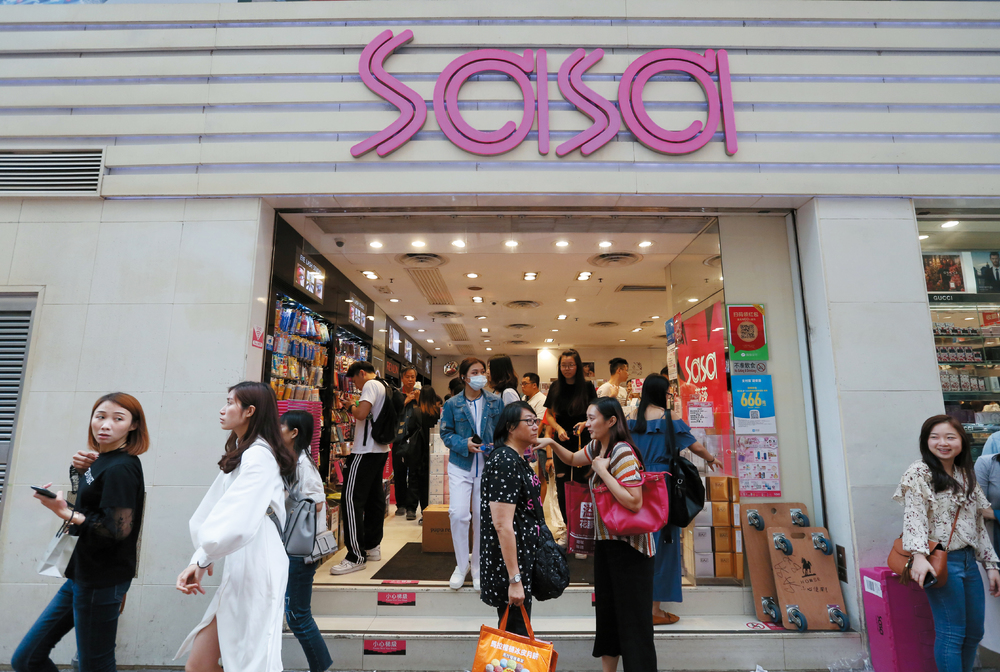
    Sa Sa is pleased to announce today its official entry onto foodpanda mall in Hong Kong, an online grocery and goods shopping mall under foodpanda. Through foodpanda mall’s round-the-clock delivery service, Sa Sa will open up for local customers a more convenient way of shopping to enhance customer experience. The move also marks Sa Sa’s advancement in the development of online-merge-offline (“OMO”) functions.

    Sa Sa is offering about 700 selected products on foodpanda mall, including anti-epidemic products for which Hong Kong citizens have an urgent need, and popular products such as cosmetics, skincare, fragrance, hair care, and body care products as well as health supplements. After customers have placed orders at the online supermarket, foodpanda’s couriers will collect the goods at Sa Sa’s physical stores and deliver them to the customers in as fast as 10 minutes. Customers can thus quickly obtain the products without going out, especially meeting their urgent needs for anti-epidemic products and their favorite items within the cosmetic and personal care categories. This service will initially be piloted at 20 of Sa Sa’s stores and will be rolled out at more stores in the future.

    Following the launch of the “click-and-collect” service, Sa Sa’s partnership with foodpanda mall will further enhance the OMO development of the Group’s physical stores and its online business in Hong Kong. It also provides customers with one more customer-centric and convenient channel for online shopping, complementing Sa Sa’s shopping website.

    Sa Sa and foodpanda mall will be able to manifest their respective advantages in the partnership and generate synergy. As a leading “one-stop beauty product specialty store”, Sa Sa will enrich foodpanda mall’s product assortment with its richly diverse, hot-selling cosmetics, health supplements and anti-epidemic products. Both foodpanda and Sa Sa have large customer bases, which can enable mutual conversion and thus enlarge their respective target customer bases. Sa Sa can also strengthen and expand its own base of young customers by serving foodpanda members who are used to “Quick Commerce”.

    Dr Simon Kwok, SBS, JP, Chairman and Chief Executive Officer of the Group, said, “Sa Sa is honoured to have entered foodpanda’s online platform which is widely popular with consumers in Hong Kong. Online shopping is gaining traction. The trend is especially more pronounced amid the raging pandemic as more consumers would rather stay at home than go out to protect themselves against the disease. We believe that foodpanda’s quick delivery meets our customers’ increasing demand for convenient, fast online shopping service. In the light of the urgent demand for anti-epidemic products, we are offering them at foodpanda mall in the hope of providing citizens one more convenient shopping channel to help fight the pandemic. We also hope to enhance the OMO function at Sa Sa’s operation through the partnership with foodpanda mall so as to provide customers with a more seamless and convenient shopping experience.”

    Ryan Lai, Managing Director of foodpanda Hong Kong, said, “Via our mature logistics infrastructure, our dedicated delivery fleet and ongoing data analysis, we hope to continue to pioneer ‘Q-Commerce’, providing quick and convenient delivery service to meet the needs of Hong Kong people. We are extremely pleased to have Sa Sa as a foodpanda mall retail partner, benefiting from complementary strengths in advancing each other’s OMO business strategy, and elevating customers’ shopping experience for personal care, health and beauty products etc. This partnership also expands and diversifies foodpanda mall’s product offerings, to better satisfy the wants and needs of our customers.”

    To celebrate its partnership with Sa Sa, foodpanda mall launches promotional offers from 15 March to 30 April . Customers will enjoy a HK$50 discount upon spending of HK$400 or above with their first purchase at Sa Sa on foodpanda mall by entering the promotional offer code “SASA” while the offers last.