Tag: Hong Kong

  • HSBC Opens IAM Desk in Singapore

    HSBC Opens IAM Desk in Singapore

    The desk will cater to the needs of family offices and independent advisors managing wealth on the behalf of their clients.

    HSBC’s private banking arm has set up dedicated independent asset management (IAM) in Singapore to expand its reach into a fast-growing segment, the bank announced on Wednesday.

    In the announcement, HSBC noted rapid growth of the IAM industry in wealth management and said growing client awareness and demand for independent advisory services will continue to spur the development of specialized IAM advisors.

    Clients increasingly have more options and by establishing this desk, we are supporting them in their wealth ambition with capabilities underpinned by our international footprint and full private banking suite of capabilities at scale,» Philip Kunz, HSBC’s head of global private banking, Southeast Asia, said.

    HSBC previously said it would place a much greater focus on the family office segment in Asia, following the creation of its newly merged wealth unit in February.

    The bank’s combined wealth business has $1.4 trillion in assets under management, with half of those assets in Asia. Revenue from Asia in the wealth business rose by 12 percent to $5.7 billion last year.

  • Hong Kong’s First Licensed Crypto Platform Goes Live

    Hong Kong’s First Licensed Crypto Platform Goes Live

    Just one week after Singapore saw its first mainstream crypto foray by DBS, Hong Kong mirrors the city-state’s move by issuing a license to BC Technology Group’s OSL Digital Securities.

    The Securities and Futures Commission (SFC) has issued a Type 1 (dealing in securities) and Type 7 (automated trading services) license to OSL, according to a statement, making it the first licensed digital asset platform in the city.

    The platform will provide prime brokerage, custody, exchange and other services for Bitcoin, Ethereum and other cryptocurrencies alongside select security token offerings.

    In addition, OSL also has insured digital asset wallets and an audited digital asset trading platform aimed at institutions and professional investors.

    Following the local government’s call to ban retail investor access, Hong Kong’s crypto market will be focused on institutional and professional investors, those deemed as high net worth individuals (HNWI) with some market knowledge and experience.

    Institutional investment in Bitcoin and other digital assets has rapidly accelerated over the past several years, and has entered a new era of growth in Hong Kong with licensing,” said OSL chief executive Wayne Trench.

    Following in the footsteps of DBS, OSL has also already applied for a digital asset licensed with the Monetary Authority of Singapore under the Payment Services Act.

    Licensed entities are the future of digital assets and capital markets in the digital age and professional investors, hedge funds and family offices are now rapidly increasing portfolio allocations to digital assets such as Bitcoin,» added OSL head of distribution and prime Matt Long.

    According to the statement, the OSL digital asset platform business saw a 47 percent year-on-year revenue increase in the first six months of 2020, driven in part by record-high trading volumes of $28 billion.

  • Kevin Wong Appointed Commercial Director of Deliveroo HK

    Kevin Wong Appointed Commercial Director of Deliveroo HK

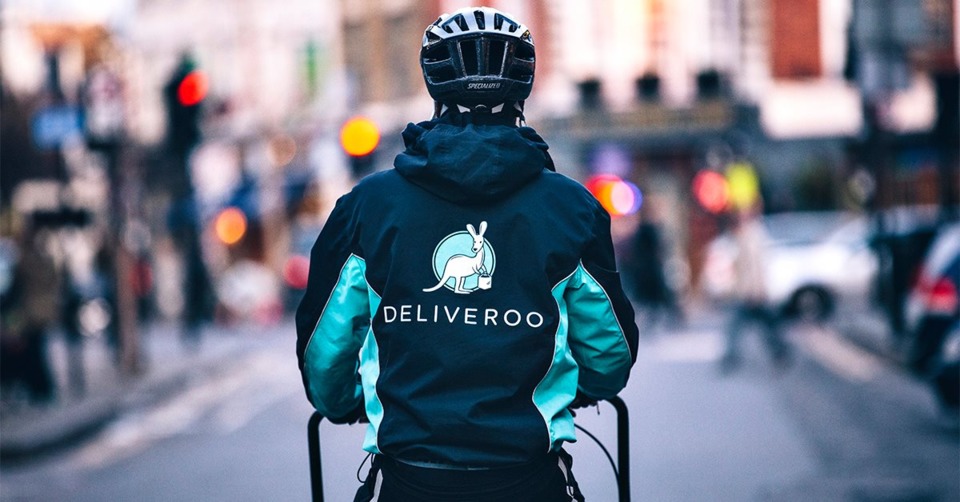
    Hong Kong on-demand platform and food delivery giant Deliveroo has announced the appointment of Kevin Wong Chi Wang as Commercial Director. He will lead the Deliveroo restaurants team, which comprises over 60 account managers, business development professionals, and restaurant operations executives to build the best food delivery partnership experience for restaurants to help them grow their businesses through delivery and establish innovative new ways to drive sales In that context, Kevin will be the face of Deliveroo in the F&B industry to manage a restaurant portfolio of over 8,000 partners and grow Deliveroo’s list of partners in the market.

    Prior to joining Deliveroo, Kevin spent over two decades at The Dairy Farm Group, most recently as the Regional Category Director (Food) in North Asia and as Sales and Merchandising Director for the supermarket leader Wellcome. Immediately prior to joining Deliveroo, Kevin served as General Manager at Asia Wine Service & Education Centre (AWSEC). As the newest member to the Deliveroo Commercial Team, Kevin will utilise his deep understanding of the Hong Kong and Asian food retail markets and current consumer trends, to help the company further its hyper-growth mode. His appointment comes as Deliveroo seeks to boost its commercial team to drive growth ambitions across the city, supporting restaurant and grocery partners, as the company fosters existing relationships and establishes new ones with local favourites, established chains, and homegrown heroes.

    Brian Lo, General Manager of Deliveroo Hong Kong, said: “Kevin is truly a seasoned professional in Hong Kong’s local retail market, and his track record in understanding customers, in-depth industry knowledge, unparalleled merchandising expertise and decades of leadership experience is sure to bring an innovative and thoughtful perspective to the commercial role and the Deliveroo leadership team. He joins Deliveroo at an important time for Deliveroo, as we look to cement the company’s leadership in the on-demand space and amplify recent successes. These include helping steer our ambitious expansion of Deliveroo delivery services, and restaurant partnerships across Kowloon and the New Territories regions, as well as our entry into on-demand grocery delivery. We’re delighted to have Kevin join us here at Deliveroo, and are excited to see what new opportunities and growth he has in store for the business in the coming year.”

    Kevin Wong, newly appointed Commercial Director of Deliveroo Hong Kong, said: “It’s been quite the thrill to see the growth of the food delivery space and the success of Deliveroo in a span of 5 years.Deliveroo is well on its way to becoming the definitive food company here, and I am honoured to be a part of the creative synergy that makes the company uniquely inventive in the on-demand delivery space, especially as we continue to strengthen our relationships with our restaurant partners and help to drive growth here in Hong Kong, while exploring new avenues of growth such as on-demand convenience. I have no doubts that 2021 will be a prosperous year, and look forward to working alongside my passionate team to support more F&B businesses and beyond in Hong Kong to join the thriving Deliveroo network.”

    The expanding Deliveroo team in Hong Kong will support the company’s future ambitions. Following its launch in Hong Kong in 2015, Deliveroo has grown at a record rate and with its accelerated growth and success. Deliveroo is now working with over 8,000 restaurant partners on its platform and has over 7,000 riders. It will continue to invest and expand Editions, which currently has four sites in Hong Kong, supporting 24 kitchens to provide a variety of delicious dishes to consumers. It has attracted significant investment into the HK’s on-demand grocery offerings, partnering with 7-Eleven, Don Don Donki and Marks & Spencer. This year alone, Deliveroo has added more than 3,000 restaurants to its platform, and has opened two new Editions sites within the city, with plans to open more Editions kitchens in Kowloon and New Territories in 2021.

  • Kevin Wong Appointed Commercial Director of Deliveroo Hong Kong

    Kevin Wong Appointed Commercial Director of Deliveroo Hong Kong

    Hong Kong on-demand platform and food delivery giant Deliveroo has announced the appointment of Kevin Wong Chi Wang as Commercial Director. He will lead the Deliveroo restaurants team, which comprises over 60 account managers, business development professionals, and restaurant operations executives to build the best food delivery partnership experience for restaurants to help them grow their businesses through delivery and establish innovative new ways to drive sales In that context, Kevin will be the face of Deliveroo in the F&B industry to manage a restaurant portfolio of over 8,000 partners and grow Deliveroo’s list of partners in the market.

    Prior to joining Deliveroo, Kevin spent over two decades at The Dairy Farm Group, most recently as the Regional Category Director (Food) in North Asia and as Sales and Merchandising Director for the supermarket leader Wellcome. Immediately prior to joining Deliveroo, Kevin served as General Manager at Asia Wine Service & Education Centre (AWSEC). As the newest member to the Deliveroo Commercial Team, Kevin will utilise his deep understanding of the Hong Kong and Asian food retail markets and current consumer trends, to help the company further its hyper-growth mode. His appointment comes as Deliveroo seeks to boost its commercial team to drive growth ambitions across the city, supporting restaurant and grocery partners, as the company fosters existing relationships and establishes new ones with local favourites, established chains, and homegrown heroes.

    Brian Lo, General Manager of Deliveroo Hong Kong, said: “Kevin is truly a seasoned professional in Hong Kong’s local retail market, and his track record in understanding customers, in-depth industry knowledge, unparalleled merchandising expertise and decades of leadership experience is sure to bring an innovative and thoughtful perspective to the commercial role and the Deliveroo leadership team. He joins Deliveroo at an important time for Deliveroo, as we look to cement the company’s leadership in the on-demand space and amplify recent successes. These include helping steer our ambitious expansion of Deliveroo delivery services, and restaurant partnerships across Kowloon and the New Territories regions, as well as our entry into on-demand grocery delivery. We’re delighted to have Kevin join us here at Deliveroo, and are excited to see what new opportunities and growth he has in store for the business in the coming year.”

    Kevin Wong, newly appointed Commercial Director of Deliveroo Hong Kong, said: “It’s been quite the thrill to see the growth of the food delivery space and the success of Deliveroo in a span of 5 years.Deliveroo is well on its way to becoming the definitive food company here, and I am honoured to be a part of the creative synergy that makes the company uniquely inventive in the on-demand delivery space, especially as we continue to strengthen our relationships with our restaurant partners and help to drive growth here in Hong Kong, while exploring new avenues of growth such as on-demand convenience. I have no doubts that 2021 will be a prosperous year, and look forward to working alongside my passionate team to support more F&B businesses and beyond in Hong Kong to join the thriving Deliveroo network.”

    The expanding Deliveroo team in Hong Kong will support the company’s future ambitions. Following its launch in Hong Kong in 2015, Deliveroo has grown at a record rate and with its accelerated growth and success. Deliveroo is now working with over 8,000 restaurant partners on its platform and has over 7,000 riders. It will continue to invest and expand Editions, which currently has four sites in Hong Kong, supporting 25 kitchens to provide a variety of delicious dishes to consumers. It has attracted significant investment into the HK’s on-demand grocery offerings, partnering with 7-Eleven, Don Don Donki and Marks & Spencer. This year alone, Deliveroo has added more than 3,000 restaurants to its platform, and has opened two new Editions sites within the city, with plans to open more Editions kitchens in Kowloon and New Territories in 2021.

  • Hong Kong retail sales fall again in October

    Hong Kong retail sales fall again in October

    Hong Kong’s retail sales fell 8.8% in October, the first single-digit fall since June last year, showing further signs of a recovery after coronavirus restrictions had slammed the brakes on spending and tourism in the global financial hub.

    The drop compared with a revised 12.8% decline in September and a 6.7% fall in June 2019.

    October’s sales plummeted from a year earlier to HK$27.4 billion ($3.5 billion), government data showed on Tuesday, falling for the 21st consecutive month.

    In volume terms, retail sales slumped 9.3%, compared with a revised 13.3% fall in the previous month. It was also the first single-digit decline since June 2019.

    “With the fourth wave of the local epidemic spreading widely and quickly, the business environment of the retail trade may deteriorate again in the near term,” a government spokesman said.

    For the first 10 months of 2020, the value of total retail sales fell 27%, and 28.3% by volume, from the corresponding 2019 period.

    Hong Kong leader Carrie Lam on Tuesday again urged residents to stay at home and avoid unnecessary family gatherings as the global financial hub scrambles to contain a rise in coronavirus cases.

    Games centres, karaoke lounges and swimming pools will close from Wednesday, while the Ocean Park theme park and DisneyLand will also close.

    The worsening situation in the city also prompted the government to extend the postponement of an air travel bubble with Singapore on Tuesday to beyond 2020.

    Hong Kong’s economy shrank 3.5% in the third quarter compared with a year earlier as the coronavirus pandemic hammered consumer spending, trade and tourism, but at a slower pace as the outbreak had eased.

    The city’s tourist arrivals in October plunged 99.8% from a year earlier to 7,817 visitors, the tourism board said, compared with a drop of 99.7% in September.

    Sales of jewellery, watches, clocks and valuable gifts, which depend heavily on mainland tourists, fell 26.6% in October versus a revised 25.6% plunge in September.

  • HSBC Rules Out Full U.S. Exit

    HSBC Rules Out Full U.S. Exit

    A full departure from the largest economy is reportedly no longer being considered but decisions on the retail unit remain unconfirmed.

    A U.S. retail banking pullout could still happen, according to a report citing unnamed sources, though a full exit from the market will not be explored anymore.

    Plans will be outlined by senior managers in the coming weeks alongside suggestions to cut investment banking activities to focus on international clients, especially in Asia and the Middle East.

    HSBC’s decision to downsize its U.S. business is part of a broader overhaul to cut costs and 35,000 jobs globally. According to the British lender, further revisions on plans such as future capital deployment and cost-cutting will be announced during the next annual reporting session.

  • Hong Kong faces tourism bust

    Hong Kong faces tourism bust

    Hundreds of parked tour buses are gathering dust at a northern Hong Kong container port, having been off the road for 10 months since authorities banned non-resident arrivals into the city due to the new coronavirus.

    The area has turned into a “bus cemetery,” said Freddy Yip, president of Hong Kong’s Travel Agent Owners Association. He said the former British colony – which was the world’s leading tourist city destination last year – faces a similar fate at the end of November, when the government ends a wide-ranging wage subsidy program that has helped about 2 million employees in all types of industries.

    The program was introduced in June and renewed in September, but the Hong Kong government has ruled out an extension beyond the end of November citing the high cost, leaving many tourism-dependent businesses on the brink of collapse, unable to find other revenue sources and unable to pay wages.

    “If they cannot see any light ahead of them, they will just stop and cut their losses,” said 70-year-old Yip, who has worked in the trade for nearly 50 years.

    A spokesperson for the Hong Kong government said it would “keep a close watch on the latest situation and respond in a timely manner,” but gave no further details.

    About 56 million people visited Hong Kong last year. The city was ranked number one for arrivals globally last year by research company Euromonitor International. Visitors, most of them from mainland China, are drawn to its vibrant mix of cultures, dramatic harbour views and world-class shopping.

    The Chinese-ruled, semi-autonomous global finance hub makes about 5 per cent of its gross domestic product, or about US$18 billion, directly from tourism, not counting money spent in local shops and restaurants. Hong Kong’s tourism sector directly employs about 260,000 people, according to the government.

    Mainland Chinese visitors typically spend more per day than the average resident on baby formula, cosmetics and luxury goods, driven by a perception that Hong Kong has better quality standards than at home. That source of spending was cut off in early February, when Hong Kong sealed its borders to mainland China, with exemptions only for a small number of business travellers.

    Bubble trouble

    Visitor arrivals have been down 96 per cent to 99 per cent year-on-year every month since February, according to government figures. A travel bubble with Singapore – allowing a limited number of people to move between the cities after being tested for the virus – is due to begin this week, but is not likely to halt that decline, industry executives said.

    The arrangement lets travellers forgo quarantine, but is initially limited to one daily flight of only 200 passengers each way. That is a drop in the ocean for Hong Kong, which set its own record in January last year with 6.8 million visitors, including 5.5 million from Mainland China.

    Tour guide Mimi Cheung, 46, said she was pessimistic about the travel bubble, due to the limited number of people, strict regulations and high costs – around HK$2000 ($260) for mandatory virus tests, plus around HK$6000 ($774) to buy a tour in either city.

    “The government should open the mainland border under safe conditions. It will bring some hope,” said Cheung, who has found temporary work as a night security guard to provide for her parents and two children.

    Hong Kong leader Carrie Lam has said reopening the border with the mainland remains a priority, but Chinese officials have shown no indication they are willing to do so until virus cases fall to zero in Hong Kong.

    The city’s government has been trying to spur local tourism by offering free tours for small groups, but operators say it has been little help.

    Dozens of travel agencies have told staff to take unpaid leave from December, saying they can no longer afford to pay salaries or rent, according to employees interviewed by Reuters, travel associations and local media reports.

    Violent anti-government street protests in the second half of last year discouraged some tourists, leaving many operators without cash buffers to weather this year’s crisis.

    The city’s meetings and conventions business is also likely to see a 90 per cent revenue drop this year, equivalent to about HK$50 billion ($6.45 billion), said Stuart Bailey, chairman of the Hong Kong Exhibition & Convention Industry Association.

    The sector, which employs around 80,000 people, has had to cancel most of this year’s events, he said.

    “People are not optimistic we will be back to 2019 levels for at least 18 months to two years.”

  • HSBC Allows Up to Four-Day WFH Option

    HSBC Allows Up to Four-Day WFH Option

    HSBC is the latest bank to allow extensive work-from-home options for workers as the pandemic continues to deeply uproot traditional business models.

    The British lender has changed its human resources guidelines to allow home-based remote working for as many as four days a week, according to a «Bloomberg» report, depending on an employee’s role and discussions with managers.

    This follows earlier prompting by HSBC chief financial officer Ewen Stevenson who said the bank was considering further digitization of operations and hybrid working models.

    Remote working, according to Stevenson, could help reduce expenses as part of a broader overhaul to cut $4.5 billion of costs by 2022 and ax 35,000 jobs globally.

    According to the new guidelines, a one-off allowance of up to HK$2,500 ($322) to purchase equipment will be made available for employees who commit to work at least two days per week from home for a minimum of 12 months.

    The allowance can be used for items such as ergonomic work chairs, computer monitors and desks.

    The wave of banks considering permanent work-from-home measures is growing due to continued uncertainty regarding the pandemic and growth outlook.

    Earlier this week, DBS said it would allow its 29,000-strong workforce to work from home for up to 40 percent of the time as part of broader hiring and work measures announced. Last week, UOB said it would allow the majority of its 26,000 works the option to work remotely for two days a week. Similar measures are being rolled out at Standard Chartered globally.

    But not all are convinced about the approach in the long-term with some Wall Street heavyweights underlining potential risks.

    A J.P. Morgan spokesperson said that productivity was down and that younger employees could miss out on learning opportunities. The bank’s chief executive Jamie Dimon reportedly said last month that he expected serious social and economic damage from prolonged remote working conditions.

    Separately, Blackrock CEO Larry Fink also expressed concerns about lacking productivity and collaboration.

  • Hong Kong and Singapore Split on Crypto Future

    Hong Kong and Singapore Split on Crypto Future

    Asia’s two marquee global financial hubs have hit a fork in the road of crypto assets and they appear to be heading in different directions.

    Last year, the local chief securities watchdog, Ashley Alder, also chose the FinTech Week to reveal a so-called «opt-in» regime for crypto asset trading platforms, which allowed operators to choose whether or not they wanted to be regulated by the Securities and Futures Commission (SFC). This was due to the fact that some crypto assets cannot be strictly classified as securities.

    This is about to change, Alder said earlier this week, also during the FinTech Week.

    Today, the Government proposed a new licensing regime under the Anti-Money Laundering Ordinance for platforms that trade any type of crypto-asset, even if none are classified as securities. So if they are operating in Hong Kong, or target Hong Kong investors, they would need to apply for an SFC license. Failure to do so would be an offense.

    In addition to licensing, the proposed rules will also ban retail investors from trading crypto assets, limiting access to professional investors which includes the requirement to have a minimum of $1 million.

    Given the risks involved, the proposal is that they should offer their services to professional investors only, at least initially, Alder said.

    Simply speaking, we will require all virtual asset trading platforms to be operating transparently, like working under the sunlight, added Christopher Hui Ching-yu, Hong Kong’s secretary for financial services and the treasury.

    Meanwhile, Singapore continues to take a liberal approach to allow operators to develop more freely and organically.

    Although there were moments when the Monetary Authority of Singapore (MAS) stepped in to rein in on the market – in 2018 it returned funds to Singapore-based investors of an unnamed initial coin offering (ICO) which it considered a security – the regulator has yet to issue licenses to operators nor has it taken a strict stance, unlike Hong Kong, on crypto assets that aren’t classified as securities.

    Even major exchanges like Coinbase and Binance operate in the city-state and have been granted temporary exemptions from holding a license.

    MAS: Investor Responsibility

    On investor protection, Hong Kong authorities made the choice to decide for retail investors when or if access would be appropriate. This is an area where the MAS has also taken a decidedly different route, preferring to promote investor responsibility while encouraging more education and prudence.

    In fact, the MAS’ Capital Markets assistant managing director Lee Boon Ngiap provided a simple and straightforward warning: The public should be aware that there is no regulatory safeguard if they choose to trade on unregulated digital token exchanges or invest in digital tokens that fall outside of the remit of MAS rules.

    And under the MAS’ regulatory, Singapore has rapidly emerged as a global leader in the crypto asset industry.

    It is currently home to 234 entities involved in blockchain including Mastercard, VISA, Ant Financial, Tencent-backed WeBank, Facebook-backed Libra, and more with Ripple now shortlisting the city-state for its headquarter relocation. Even Singapore’s largest lender, DBS, is reportedly cooperating with regulators to potentially launch a cryptocurrency trading with retail access.

    The subsequent outcome has been the rapid establishment of Singapore as a global crypto market leader. Despite having a population of just 6 million, Singapore is second worldwide in the number of ICOs and ICO value ($2.5 billion), according to data from ICObench, only behind the U.S.

  • Couche-Tard acquires Circle K business in Hong Kong

    Couche-Tard acquires Circle K business in Hong Kong

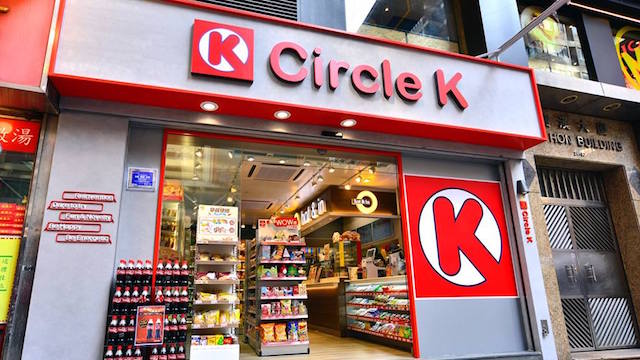
    Convenience Retail Asia Ltd said on Thursday it had agreed to sell its convenience store business in Hong Kong to Canadian convenience store and road transportation fuel retailer Alimentation Couche-Tard Inc for HK$2.79 billion ($359.8 million).

    The Circle K convenience stores and Saint Honore bakery chain operator plans to declare a special dividend of HK$3.85 per share to its shareholders, with the dividend to be paid before the end of 2020, the firm said in a filing to the Hong Kong bourse.

    The convenience store business, with a net asset value of HK$622 million as of end-June 2020, comprises of 340 Circle K stores in Hong Kong, and the net proceeds will be used to pay the special dividend, the Hong Kong-listed firm added.

  • Hong Kong fintech STATRYS secures USD $5M

    Hong Kong fintech STATRYS secures USD $5M

     Statrys, a Hong Kong-based digital payment services platform, has recently accepted a USD $5M funding round to help kick off its newest products to a rapidly growing market. This round was led via a closed-door funding arrangement with an angel investor in the region with the expectation for Statrys to carve out market share in the growing digital payment and remittance space. 

    The global digital payment and remittance market was valued at USD $2.99 billion in 2019 and is expected to continue growing at a CAGR of 27.6%. According to a recent report by MarketWatch, the global digital payments and remittance market is expected to reach USD $16.79 billion by 2025. 

    Statrys is an innovative payments solution alternative geared towards SMEs, startups, and entrepreneurs who require flexible banking and advanced Forex solutions that can enable them to grow globally. The new funding round is a part of Statry’s global growth strategy, starting with a big push into Asia to help support SMEs and entrepreneurs with business accounts, Forex needs, and other payments solutions that larger payment processors charge higher fees for, or banks simply won’t provide. 

    “After a few months of operations, our business has already reached upwards of HKD500mil remittance and HKD200mil FX dealings. This clearly validates our original assumption that there is a big demand for the services we provide at STATRYS. This new financing will help us to accelerate 

    the development of the company both in terms of products, with the addition of local currency accounts, payment card, integration with accounting software, and geographically, as we will target new markets in South-East Asia” said Bertrand Theaud, Founder & CEO of Statrys. 

    The first project the new funding has been used for was the recent September website overhaul that moved to reinforce Statrys’s branding and deliver a better user experience when it comes to site navigation and usability. 

    The main value that Statrys will bring to SMEs specifically in Asia is the ease of setting up a business account in the face of traditional Asia-based banks where creating business accounts with bootstrapped funding or light runway can oftentimes end in failure. By offering a payment platform that can operate with the same functions of a traditional bank while not actually being a bank, Statrys can fill gaps for SMEs and startups that otherwise couldn’t find themselves with a bank or with a bank that restricts smaller businesses in overall services offered. 

    Among other platform features, integrations are the next big goal post for Statrys to cross for clients with other tools at the heart of their operations. The Statrys-Xero integration which is currently in development, is one of many other integrations planned for Statrys, that will help synchronize payments to their Xero account, bridging a gap between payments and accounting software that never existed before with traditional banks. 

    Statrys’s Forex trading features offer payments and trades in 11 different currencies with plans for more to come in the future. The new funding round is intended to also expand the company’s presence, or ability to serve clients, in other ASEAN countries like Singapore, Thailand and Indonesia where competitors have less focus on solutions for SME customers, startups and entrepreneurs. 

    “Flow of business, and therefore flow of payments, between China, Hong Kong and South-East Asia is rapidly growing. We anticipate that this trend will accelerate with the combined effect of the China-US trade war and the changes in global supply chain that will result from the Covid-19 pandemic. We want to position STATRYS to answer the needs of companies present in these regions as they are looking for better solutions to deal with payments and FX. ” says Bertrand 

    Statrys will also be launching its own Statrys Debit Payment MasterCard for Hong Kong so local Hong Kong entrepreneurs can make payments from their Statrys business accounts at all MasterCard participating retailers and vendors, currently in HKD only. 

    Already quickly becoming an office-name in Hong Kong, Statrys aims to take digital payments and Forex to more SMEs globally with the same price-competitiveness. Compliance is at the heart of every transaction and trade on the Statrys platform, where SMEs can feel safe to make the payments they need around the globe in any currency Payments don’t just happen in Asia, so it’s likely that future funding rounds are around the corner with the expectation to take Statrys out of Asia and beyond. 

  • Sa Sa International flags loss as store traffic drains

    Sa Sa International flags loss as store traffic drains

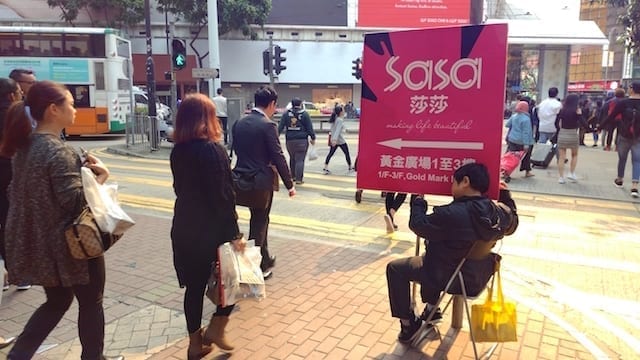
    Plummeting sales and write-downs have led Hong Kong-headquartered beauty-products retailer Sa Sa International to warn of a loss of up to US$38 million in the September half year.

    “The global Covid outbreak has affected the operation of all of the group’s physical stores including its businesses in Hong Kong, Macau, Mainland China and Malaysia,” chairman and CEO Simon Kwok said in a note to shareholders on Friday.

    While cross-border visitor numbers now almost nil in most markets, sales through Sasa stores to local customers were weak for most of the period due to social-distancing requirements.

    “As a result, both the footfall and retail sales at the group’s stores in those markets have fallen sharply. Retail consumption has been very weak,” he said.

    While final results will not be released until late this month, Sa Sa expects a trading loss of and impairments to range between HK$230 million and $300 million, compared to a profit in the same period a year earlier of $35.5 million (US$4.6 million).

    The impairment has arisen from the drastic decline in sales at the group’s retail stores, especially those in Hong Kong’s tourist districts, amid the Covid-19 pandemic.

    However, the group’s cash and bank balances of around HK$590 million as at September 30 are adequate to meet its current business needs.

    Sa Sa has reduced the number of stores in tourist areas, negotiated rent reductions and strengthened its category management to mitigate the decline in customers, along with reducing inventory and managing costs.

    “In addition, the group has accelerated its adaptation to the new retail era by actively developing its e-commerce and online-to-offline (O2O) businesses,” said Kwok.

  • ShopWorn opens its first Hong Kong office

    ShopWorn opens its first Hong Kong office

    Authentic luxury-goods platform ShopWorn has opened a satellite office in Hong Kong ahead of a planned expansion in Mainland China and Asia-Pacific.

    Unlike other online marketplaces, ShopWorn, launched in 2015, sells designer labels at discounts of 50 to 90 percent off the Manufacturer’s Suggested Retail Price (MSRP).

    From Carl F. Bucherer to Graham and more, past season’s luxury watches, jewelry, and other accessories sourced directly from brands and authorized retailers can be found on ShopWorn with authenticity guaranteed.

    The prices are kept low because items have never been worn by the consumer or pre-owned, but merely ‘shop worn’ – an industry term for merchandise that has been used in in-store displays.

    Typically, luxury retailers would either designate specific merchandise to be used in visual merchandising displays, or write-off items that have been lightly handled but are in an unsaleable condition, selling them to staff at a substantial discount or destroy them.

    ShopWorn also launched its first overseas virtual flagship on Tmall Global to target 800 million high-end Chinese consumers, joining other luxury labels from Dunhill to Marc Jacobs as of late – just in time for Singles Day.

    The platform aims to expand to Europe and other markets during the next five years, while a presence on other major Asian marketplaces such as Shopee, Lazada, and JD are already in the works.

  • Impossible Foods launches in supermarkets in Hong Kong and Singapore

    Impossible Foods launches in supermarkets in Hong Kong and Singapore

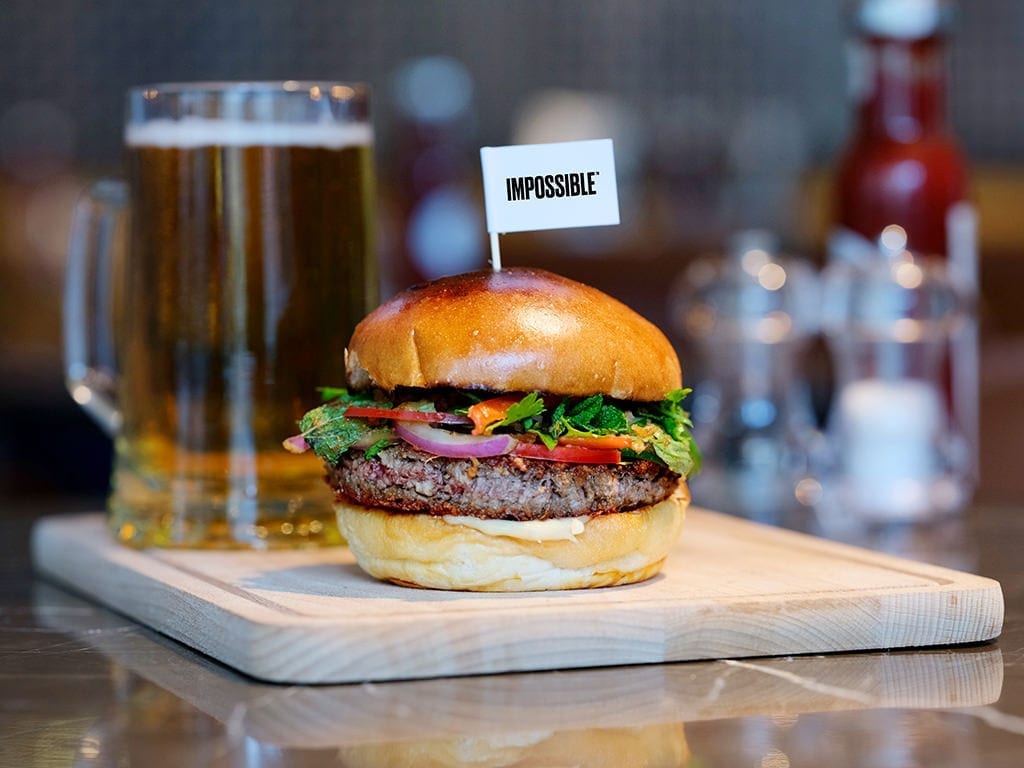
    During an exclusive virtual media conference held today (October 20), which featured the food tech’s senior executives attended by Green Queen, Impossible Foods officially announced the first retail launch of its plant-based products in Asia. From this week onwards, consumers in Hong Kong and Singapore will be able to purchase plant-based Impossible Beef in major supermarket outlets including the biggest chain in Hong Kong, ParknShop, and in Singapore’s FairPrice. It comes shortly after the Silicon Valley startup’s newly debuted Impossible Sausage product made its first foray into the Asian market in a citywide partnership with Starbucks Hong Kong and collaborating restaurants.

    Impossible Foods is establishing its retail footprint in Asia for the first time, launching its Impossible Beef product across nearly 200 grocery stores in Hong Kong and Singapore. In Hong Kong, consumers will be able to purchase the plant-based beef alternative across 100 ParknShop locations, including in its subsidiary brands Fusion, Taste, Food Le Parc and Great Food Hall, as well as via online delivery via the ParknShop website. It will retail at HK$89.90 per 340 gram package. In Singapore, Impossible Beef will be available at close to 100 FairPrice stores and on RedMart, the city-state’s biggest online grocery platform, sold for SG$16.90 per 340 gram retail packages.

    It marks the first time that consumers in the two cities will be able to directly purchase the plant-based beef alternative to cook at home in their kitchens, after the food tech tested the business model amid coronavirus pandemic lockdowns when it gave its foodservice partners the go-ahead to resell their Impossible Beef inventory to customers, firstly in Singapore back in May, then in Hong Kong in August.

    “The world’s most respected chefs consistently tell us that the Impossible Burger blows them away. And we can’t wait for Hong Kong and Singapore’s home chefs to experience the same magic in their own kitchens – whether using Impossible Beef in their traditional family favorites or inventing new recipes that go viral,” said Patrick Brown, Impossible Foods founder and CEO.

    “Hong Kong and Singapore have been great launching pads for us, they have an amazing culinary culture here. It’s been so eye-opening to us and we’ve learned a lot. In the U.S. it’s such a burger heavy market, but here, we can try so many things – meatballs, dumplings, all sides of global cuisines. Just this year, even with such a challenging environment, we’ve seen a huge increase in our restaurant sales. So when we thought about where to launch our international retail, it was clear that Hong Kong and Singapore were going to be the markets,” added Nick Halla, senior vice president of international at Impossible Foods, during the conference.

    Just this year, even with such a challenging environment, we’ve seen a huge increase in our restaurant sales. So when we thought about where to launch our international retail, it was clear that Hong Kong and Singapore were going to be the markets.

    Impossible’s move comes as the firm makes significant inroads into consumer retail as more decide to cook at home instead of dining out. Earlier in June, the food-tech launched its first direct-to-consumer website in the U.S. where customers can order bulk-sized packages for delivery to their doors.

    “We had to pivot quickly to get our consumers to access to retail because of coronavirus and that’s been really successful. In the U.S. we’ve achieved about a 100-fold increase in our retail footprint,” Brown told reporters.

    Soon after, Impossible landed on the shelves of Walmart, the biggest retailer in their domestic U.S. retail market, and has since grown its point-of-sales to over 11,000 outlets nationwide. And according to the company, 92% of sales of its famous bleeding plant-based Impossible Burger is directly displacing animal-derived meats from consumers who are actively shifting away from all meat categories.

    We had to pivot quickly to get our consumers access to retail because of coronavirus and that’s been really successful. In the U.S. we’ve achieved about a 100-fold increase in our retail footprint.

    But with Asian consumers on board – a key market that Impossible has time and again signalled as its target – the environmental impact of more consumers opting for its plant-based alternative could be huge. The brand’s “impact calculator” says that its meatless beef uses 96% less land, 87% less water and emits 89% fewer greenhouse gases compared to conventional beef.

    And if the current rising plant-based and flexitarian trend amongst Hong Kong and Singapore consumers continues, establishing its retail footprint in both cities could be a strong play for the food tech. Since the beginning of this year, sales of Impossible Beef at partnering restaurants have shot up 150% across Hong Kong and Macau and 120% in Singapore.

    Plant-based meat has been a big growing trend, and we’ve begun to introduce more to our shelves and we’ve seen sales triple within just this year.

    “We’re really excited to be the first retailer to launch Impossible Beef. It’s important for us to give that sustainable choice to our customers. In Hong Kong, our ongoing research has shown that they care about the environment, so we’re giving them the choice now. Plant-based meat has been a big growing trend, and we’ve begun to introduce more to our shelves and we’ve seen sales triple within just this year,” Malina Ngai, chief operating officer of ParknShop’s parent company, Watsons Group, said at the press conference.

    Other plant-based brands have too seen their products garner greater shows of support. Take Green Monday’s vegan pork mince analog OmniPork, for instance, which has been added onto the menus of the biggest food players in town, including in all McDonald’s and 7-Eleven locations across the city, no doubt in response to demand from their customers.

    “We’ve seen tremendous growth year-on-year on customers searching for plant-based products, and it’s translated into sales across a number of categories and meat alternatives being one of them. Impossible has been a top search term too, so we know there is enormous demand here in Singapore and it’s exciting to be the first online retailer to launch Impossible Beef in the city,” said Richard Ruddy, chief retail officer at RedMart Singapore.

    When asked about Impossible’s price parity with conventional animal products and Brown was clear that plant-based meats will be cheaper in the short term: “Within a few years, all of the products we make will be less expensive than the animal version,” he predicted.

    One particular highlight during the course of the press conference was when Pat Brown was asked directly about the political turmoil surrounding places like the U.S. and mainland China. He was clear that they don’t get consider politics when tackling new markets: “Would we not launch in a market whose politics we don’t agree with? The answer is no. If we said no, we’re only going into places with whose policies we are in complete agreement, it would thwart our entire mission.”

    “There’s nothing contradictory about us going into a place whether or not we are fully aligned with their politics. We’re not engaged in politics. We’re engaged in an environmental mission, a public health mission,” he added.


  • Crepe Delicious expands Hong Kong footprint

    Crepe Delicious expands Hong Kong footprint

    Crêpe Delicious has opened its first Hong Kong Island branch and a brand new youthful urban café concept in trendy Lee Tung Avenue, Wanchai, presenting the brand’s premium quality, healthy sweet and savory crêpes, hand-crafted gelato, and puff pizzas.

    With a focus on the highest quality ingredients and dishes freshly made to order, Crêpe Delicious has pioneered a global craze for the iconic French cuisine classic since 2004 – expanding worldwide from Canada to Hong Kong, USA, UK, the Middle East, India, and Thailand.

    Following its successful launch in Hong Kong in December 2017 at MOKO in Mongkok, Crêpe Delicious is now continuing the winning recipe with its first Hong Kong Island branch and a brand new youthful urban café concept.

    Among classic savory crêpes such as Hokkaido Scallop and Salmon Deluxe, Big Feast is a new hearty combo of braised BBQ pulled pork, with butter lettuce and red onion. Welcome Hong Kong is an exclusive creation for the Hong Kong market launched in late 2017, topped with truffle scrambled eggs, butter lettuce, cheddar cheese, mozzarella cheese, and truffle mayonnaise dressing.

    Exclusive Hong Kong headliners extend to signature ‘Puff Pizzas’ on light puff pastry, with new creation BBQ Pulled Pork, along with signatures such as Chorizo Supreme, Quattro Formaggi, and more.

    New salads and snacks presented at Crêpe Delicious include Caprese Salad (HK$108), Arancini Ball (HK$88); Baked Beef Meatball Bolognese (HK$88); Crab & Avocado Stack; and Wings Platter chicken wings served in two styles, in honey and spicy buffalo sauce.

    Along with pastas and risotto, new favorites include Grilled Salmon Fillet (HK$188) with lemon butter dill sauce; well-marbled, juicy and savory Grilled Angus Ribeye (HK$218), served with homemade beef gravy; Roast Spring Chicken (HK$138), Sous Vide Beef Cheek with Mashed Potato (HK$188), BBQ Ribs (HK$168) and Creamy Mussels with French Fries (HK$168).

    Enhancing the trendy dining experience, Crêpe Delicious’ home-made gelatos and sorbets are a double dose of refreshing and flavourful goodness. Handcrafted daily with over 20 choices of fresh flavors to mix and match, the brand’s signature gelatos weigh-in at just 95-125 calories, and sorbets 125-155 calories for a healthier, vitamin-rich choice.

    Newly-created Gelato Shakes are an indulgent variation of the signature gelato recipe, including strawberry flavored Pink Lady and The Naughty, with chocolate and hazelnut.

    Along with Instagrammable sundaes and desserts, even more, tempting sweet treats feature Panna Cotta with new daily flavors, Homemade Brownie, and Lava Cake. Dessert Combo combines all three house-made signatures – Panna Cotta, Lava Cake and Gelato for enjoying with friends and family.

    An extensive range of drinks completes the menu at Crêpe Delicious with fresh juices, Brazilian Tierra 100% Arabica Lavazza coffees, and teas, with wine also served exclusively at the newly-opened Lee Tung Avenue branch.

    The new 1,219 sq. ft. Crêpe Delicious (Urban Café) extends over two floors seating 50 in a cozy, warm, and friendly setting at Shop G26 & F26A, Lee Tung Avenue, 200 Queen’s Road East, Wanchai, Hong Kong.

    A visually-stunning ‘Open Bar’ on the ground floor serves convenient ‘grab and go’ of the brand’s signature sweet treats and coffee. Interior design is in white marble with weathered wooden stairs and timberwork, and grey cement walls and floors for a light and spacious street-style ambiance – complete with red and blue columns symbolizing a traditional French-style crêperie and simple, natural designer Scandinavian chairs.

    Crêpe Delicious also makes the perfect healthy meal on-the-go for takeaway; or delivery from November 2020 for a chic dinner at home via Deliveroo, FoodPanda and Uber Eats.