Tag: Hong Kong

  • Former Citi Banker Returns to Head FIG in Hong Kong

    Former Citi Banker Returns to Head FIG in Hong Kong

    A former investment banker with Citi will be returning to the American lender to lead its financial institution’s group for Hong Kong.

    Loretta Ko joins as the head of the FIG unit for Hong Kong from Banco Santander, where she held the same position. In addition to Citi, where she spent 15 years between 1989 and 2004, she had previously also worked for the likes of ANZ and Standard Chartered.

    Hong Kong financial institutions (group) is a significant and growing part of corporate banking in the country as well as a critical contributor to the broader Asia Pacific financial institutions franchise, said a report citing the bank’s statement.

    Not unlike many major competitors, Citi has placed a focus on creating a quantitive gender balance in its workforce which includes a target of having women make up at least 40 percent of assistance vice president to managing director-leveled jobs by 2021-end.

    According to the bank, Asia is rapidly making progress towards that goal with the current figure at 39 percent. In 2019, 14 of the total 45 newly named managing directors (31 percent) in Asia were female, up from eight in the previous year.

  • Hong Kong food-delivery companies join WWF campaign to combat plastic use

    Hong Kong food-delivery companies join WWF campaign to combat plastic use

    Hong Kong food-delivery companies, Deliveroo and Foodpanda, have joined WWF’s Plastic Action Initiative (PACT) to help reduce single-use plastics.

    According to PACT rules, both companies have to follow sustainable requirements including setting up a default opt-out option for single-use plastic cutlery and creating a program for its merchants to improve packaging material.

    “At WWF, we recognize the effectiveness of business at influencing change, so it is really encouraging to see that businesses are taking responsibility to rein in the plastic crisis,” said Laurence McCook, head of oceans conservation of WWF Hong Kong. “PACT is only a starting point to catalyze actions.”

    With the partnership of the two companies, PACT initiative aims to clear unsustainable packaging by 2025 and set up a more circular economy for plastic in the city.

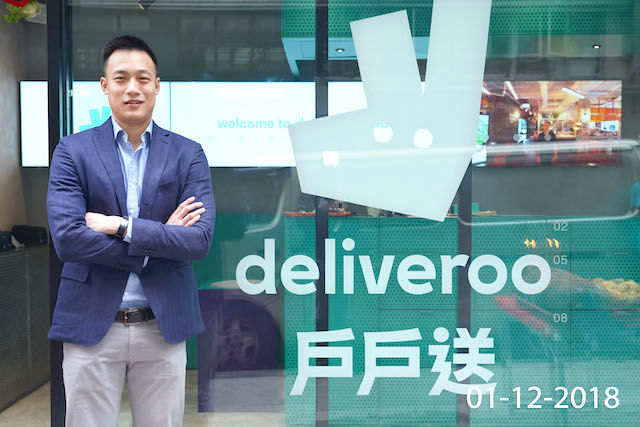
    “We see the commitment to WWF’s PACT initiative to be a crucial step towards building a more sustainable future for the food delivery industry,” said Brian Lo, GM of Deliveroo Hong Kong. “It is fundamental for not only us but the entire F&B industry to rethink our approach when it comes to packaging and products.”

    After the PACT signing, Deliveroo has collaborated with WWF to offer co-branded paper bags for customers ordering from its Editions sites.

    Meanwhile, Foodpanda has committed to activating online formats, promoting the initiatives for PACT. The CEO of Foodpanda Hong Kong, Arun Makhija, said that since 2018, the company has been taking steps towards driving a more sustainable delivery service by having customers opt-out of tableware. “This year we are committed to do more.”

    Both companies have eliminated 60 tonnes of plastic last year and aim to boost that to 130 tonnes in 12 months after joining PACT.

  • Deutsche Bank Split Staff Upon Coronavirus Incident

    Deutsche Bank Split Staff Upon Coronavirus Incident

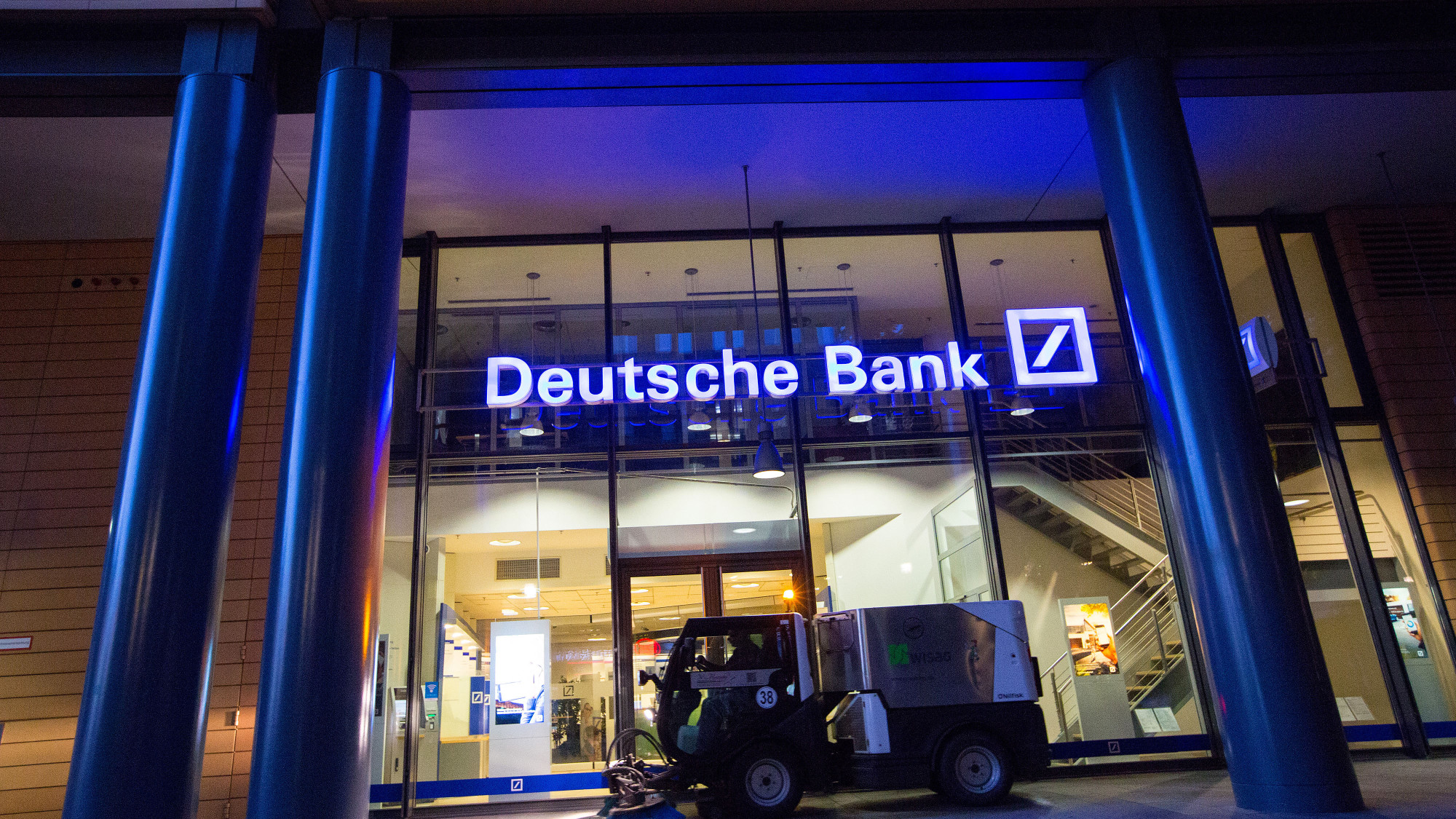
    Deutsche Bank has split up sales and trading teams in Frankfurt after an employee tested positive for the coronavirus, following moves by other global banks which have separated their workforces into different teams.

    The lender intends to divide sales and trading teams into different locations at that office and at a recovery site until 27 March as a precaution, according to the bank’s memo. Some employees may also be asked to work from home.

    All employees who have had contact with the affected colleague were informed directly, and we will undertake deep cleaning on floors N1 and N2 and other areas in DBC. We expect no impact on our ability to operate our full range of services for our clients and recognize that this setup will require extra effort and discipline from all,» Deutsche Bank wrote in its memo.

    The firm added that employees working remotely won’t be allowed at offices where they are not assigned and that staff should avoid meeting socially with any colleagues stationed elsewhere. It is also planning to take other «precautionary hygiene measures. At hubs around the world, global banks have begun separating their workforces into different teams so as to limit the potential that an outbreak disrupts operations key to financial markets. At Credit Suisse and UBS, bankers who return from affected regions such as China, South Korea, Singapore or Northern Italy are confined to working from home for two weeks. Most banks have told staff to reduce their travel to the bare minimum.

  • HKTV Mall sets records as Hongkongers move online during coronavirus crisis

    HKTV Mall sets records as Hongkongers move online during coronavirus crisis

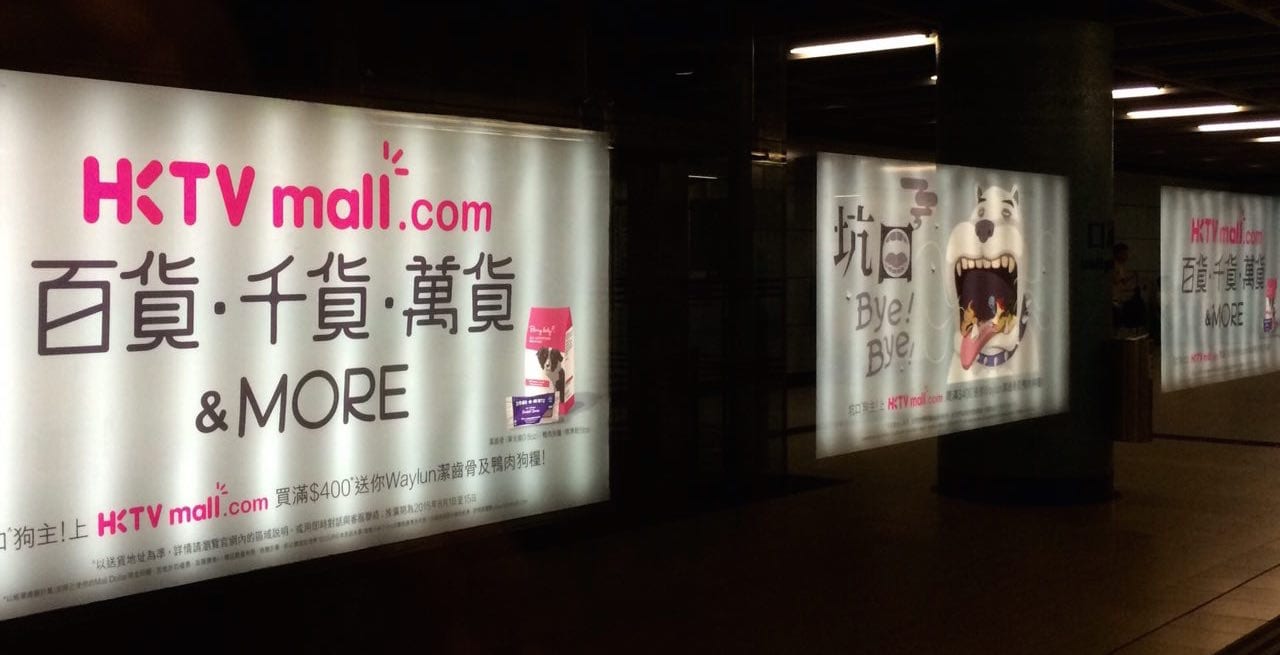
    HKTV Mall has achieved the highest monthly turnover of its six-year history in the wake of the coronavirus crisis.

    In a personal post on social media, HKTV Mall CEO Ricky Wong said the e-commerce company achieved sales of HKD482 million (US$62 million) last month, compared with HKD179 million ($23 million) in February last year.

    As Hongkongers choose to self-isolate and avoid crowds, constantly rising demand for daily essential supplies is fuelling a new wave of online shopping in the territory. Orders have surged year on year from an average of 12,300 a day to 32,600.

    During the initial days of the coronavirus outbreak in January, the epidemic sparked momentum for online shopping with HKTVmall experiencing a 64.7-per-cent uptick in its average orders to 22,400 a day. However, customers were met with prolonged waiting times for both end-to-end delivery and self pick-up, which prompted the retailer to expand its click-&-collect network to more than 100 additional locations in partnerships with various retail chains. This included HKTV Mall’s own O2O shops, its mobile pick-up trucks and other merchants’ pick-up points across the city.

    In a LinkedIn post, Wong said the company’s recent success was attributable to its ability to adapt during moments of crisis and said he hopes “all retailers in Hong Kong will take this opportunity to change their mindset and mode of operation to make more use of technology to alleviate pressure from landlords”.

    HKTV Mall now reigns as the top local operator in the market, despite facing tough competition with Alibaba and JD.com in the past, as local consumers favored cross-border shopping due to its low pricing. And, since the protest movement began last year, many locals have opted to boycott China businesses helping HKTV Mall to rise through the ranks. Wong’s pro-democratic stance helped the brand as well.

    HKTV Mall was one of the first local companies to source surgical masks as the city faced shortages early on in the coronavirus crisis. Wong bought a face mask machine at his own expense, paying four times its normal cost at US$200,000 (HK$1.56 million) and sourcing raw materials from a supplier in Taiwan in order to produce more than 1 million masks in just 30 days.

    The empathy the retailer showed towards Hong Kongers has since earned the brand top spot among local consumers on YouGov’s Brand Index, reflecting positive affiliation.

    Hong Kong has always been slow to adopt e-commerce given the city’s compact nature, rendering online shopping unnecessary, to say the least. Revenue from e-commerce only makes up 11 percent of Hong Kong’s total retail spend (SCMP, 2018) and only a quarter of Hong Kongers shop online (eShopworld, 2018) despite a high internet penetration. However, there is good growth potential in the digital space as it is forecast to expand at a CAGR of 10.2 percent by 2021 (China Daily, 2017).

    The epidemic has propelled changes in consumer behavior and accelerated adoption, although has left many single-channel retailers under pressure due to the absence of a digital presence. However retailers has been alert and responsive to the opportunity as we’ve witnessed many partnerships come to fruition between online platforms and local merchants to achieve quick turnarounds, such as Pandamart’s 15-minute deliveries with local traders, and ticketing system The Gulu, partnering with Sasa and Japan Home Centre in the distribution of masks.

  • Hongkong Land posts record profit, despite protests

    Hongkong Land posts record profit, despite protests

    Property developer Hongkong Land has reported a 4-per-cent rise in underlying profit to a record US$1.076 billion for last year – but warned that the advent of the coronavirus outbreak will dent results this year.

    “The group’s results in 2020 will be impacted by the COVID-19 outbreak, with the performance of development properties in the Chinese mainland and the group’s retail properties expected to be most affected,” said chairman Ben Keswick.

    “The extent of the impact will be dependent on the duration and geographic extent of the outbreak. Stable contributions are expected from the group’s other businesses, although there are expected to be higher financing costs,” he said.

    In Hong Kong, where the company’s high-profile retail portfolio is centred, beneath its Central office towers, all store spaces were fully occupied and delivered “a respectable performance over the Christmas period” following several challenging months for the retail market in the city relating to anti-extradition bill protests.

    “Despite positive base rental reversions, however, the average retail rent in 2019 decreased to HK$222 per sqft from HK$233 per sqft in 2018, due to temporary rent relief and a decline in turnover rent,” the company said in a statement.

    Meanwhile, planning of the group’s 49-per-cent owned prime mixed-use retail and Grade A office development in Bangkok’s CBD, a partnership with local Central Group, continues on schedule. The development is expected to complete in 2025.

  • Most Hong Kong e-commerce businesses are eyeing offshore markets

    Most Hong Kong e-commerce businesses are eyeing offshore markets

    More than half of Hong Kong e-commerce businesses want to develop new offshore markets, according to a whitepaper released by e-commerce platform creator SHOPLINE.

    The report found that about three in five online merchants in the territory want to develop new products and 57.5 percent wanted to expand sales into other countries.

    The most popular destination is Taiwan (45.8 percent), followed by other Asian countries including Malaysia and Japan.

    One in five respondents said they want the O2O business model to be a focus of their future plans, including opening pop-up stores to build brand awareness and drive traffic online.

    “While opening online stores has become a trend, the competition is fierce and the market is increasingly saturated,” the report concluded. “Hence the integrated O2O model has become an emerging concept for businesses.”

    Just over half the merchants using SHOPLINE’s platform in Hong Kong said they operated physical stores as well as an e-commerce portal.

    SHOPLINE, which has offices in Hong Kong, Taiwan, Ho Chi Minh City, Shenzhen, and Kuala Lumpur, says fashion and apparel is the most popular category for Hong Kong e-commerce companies, accounting for 36.7 percent. This is likely to be due to a low barriers to entry, especially in terms of the cost of setting sites up.

    Food and beverage, household items, and beauty products make up about one-third of total sales. However, due to the low entry barrier, the ease of sourcing products, and fierce competition in the category, the conversion rate for fashion and apparel is less than for household products and other categories, ranking about the middle.

    The report also found that discounts and free shipping are the most effective sales promotion strategies to retain customers.

  • Hong Kong retail sales down in January

    Hong Kong retail sales down in January

    Hong Kong retail sales slumped 21.4 percent in January, further than the 19.4 percent of December – but the worst is yet to come.

    The Census and Statistics Department (C&SD) provisionally estimated Hong Kong retail sales at HK$37.8 billion (US$4.86 billion) but cautioned that the timing of Lunar New Year – on January 25 this year and February 5 last year – may have lessened the statistical impact of January’s data.

    “Retail sales continued to record a sharp fall in January, notwithstanding the possible boost from the Lunar New Year, which fell in late January this year but early February last year,” said a government spokesperson.

    This hints at a bleak outlook for February’s Hong Kong retail sales, given the advent of the coronavirus which saw inbound tourist numbers drop by 98 percent in what should have been one of the best trading months of this year.

    The coronavirus hit just as the peak Lunar New Year holiday season kicked off, a time when thousands of mainlanders traditionally head across the border to holiday and shop. Sales during the month were already affected by the anti-extradition protests which had been running since June last year.

    Sales of jewelry, watches, and clocks slumped by 41.6 percent in January, with medicines and cosmetics down 32.3 percent and apparel by 28.9 percent. Department-store sales were down 27 percent, books, newspapers, stationery, and gifts by 25.9 percent and optical goods by 23.9 percent, furniture, and fittings by 22 percent, footwear, and accessories by 21.6 percent and electrical goods by 20.4 percent.

    Sales of Chinese drugs and herbs fell by 16.2 percent and of food, alcohol and tobacco products by 6.8 percent.

    The only categories to buck the downturn were sales in supermarkets, up 10.2 percent, and of fuel, up 12.3 percent.

  • Hong Kong Fashion Week and Spring Fairs postponed

    Hong Kong Fashion Week and Spring Fairs postponed

    Hong Kong Fashion Week and seven other Spring Fairs which were scheduled for April have been deferred until July 25-28, due to the coronavirus crisis.

    “The safety of exhibitors and buyers has always been a priority,” the organizer of the events, the Hong Kong Trade Development Council (HKTDC) said in an email announcing the postponements.

    “Considering the current development of the novel coronavirus outbreak, and in line with the health measures taken by the Hong Kong SAR Government, a decision has been made in consultation with industry representatives to reschedule eight HKTDC trade fairs.”

    The fairs are Hong Kong Fashion Week, Hong Kong International Lighting Fair (Spring Edition), Hong Kong Electronics Fair (Spring Edition), International ICT Expo, Hong Kong Houseware Fair, Hong Kong International Home Textiles and Furnishings Fair, Hong Kong Gifts & Premium Fair and the International Printing & Packaging Fair.

    “As always, the HKTDC will make every effort to provide fair participants with safe, efficient and effective trading platforms in the future, while helping enterprises maximize their business opportunities through multiple global channels,” the statement concluded.

  • Deliveroo Hong Kong doubles virtual restaurant ranks

    Deliveroo Hong Kong doubles virtual restaurant ranks

    Hong Kong food-delivery service Deliveroo has doubled the ranks of virtual restaurants supplying meals through its platform to 200.

    Virtual brands are concepts developed by existing restaurant operators to trial new menu collections or options not available in physical stores, available only through the Deliveroo app. Examples include a Greek restaurant offering healthy protein bowls, or a pizza outlet delivering wraps.

    Brian Lo, GM of Deliveroo Hong Kong, says in other international markets, restaurants launching virtual brands on Deliveroo have seen an average a 70-per-cent increase in sales as a result.

    “In Hong Kong this is higher at 85 percent, thanks to the city’s enthusiasm towards ordering in and eagerness to try new things.”

    At a time when the number of physical restaurants in Hong Kong has fallen by between 1.5 percent and 5 percent due to falling footfall since January, virtual brands offer an opportunity to recover lost ground – all without the overheads of a physical store.

    Deliveroo encourages the development of virtual brands by using its data to identify hotspots for growth and cuisine types which might be missing in some neighborhoods. Lo says the company also helps by offering strong marketing support, access to its global network for more cost-effective ingredient sourcing and new recipes, and the chance to license foreign brands.

    One successful virtual brand Deliveroo has fostered in Hong Kong is Caramba Mexican Cantina, owned by Eclipse Hospitality Group. Caramba was a popular restaurant in Soho for 16 years until rising rents and competition forced it to close its doors in 2016.

    Deliveroo encouraged Eclipse, which also owns Cafe Siam in Lan Kwai Fong, to revive Caramba as a virtual brand because there was a space in the market for Mexican cuisine in Central. Since launching on the app in November, the company’s revenue has grown four-fold.

    “We’re grateful to Deliveroo for coming to us with their expertise and advising us to bring back a part of our history we thought we had to say goodbye to for good,” said William Chan, marketing manager at Eclipse. “The food industry may be changing rapidly but it’s for the better, and bringing back Caramba is a sure sign of it.”

  • Private-equity rivals bid for Hong Kong tag-maker SML Group

    Private-equity rivals bid for Hong Kong tag-maker SML Group

    Private-equity businesses are among firms preparing bids to buy Hong Kong garment-label maker SML Group.

    The companies – Bain Capital, Boyu Capital and MBK Partners – are believed to have already made formal offers for the firm, according to those familiar with the transaction. Although details of the bids remain tightly held, it is expected that the sale could be worth US$400–500 million.

    SML Group has been working with Citigroup since at least January in its attempts to attract a buyer for the business. The company makes hang tags, price tickets, and woven and printed labels, as well as buttons and zippers.

    Founded in a warehouse office in 1985, the company has since expanded both organically and via acquisitions.

    The firm began in a warehouse in Hong Kong more than 30 years ago and now boasts factories or offices in 30 countries, including Indonesia, Spain, the US, and Mexico.

    None of the parties involved in the potential transaction have thus far not issued comments to the media.

  • Deliveroo Adds 100 Virtual Brands, boosting local restauranteurs

    Deliveroo Adds 100 Virtual Brands, boosting local restauranteurs

     Hong Kong’s food delivery service leader, Deliveroo, today announces that they now have 200 virtual brands on the platform, having added 100 VBs in the past few months. Virtual brands expand consumers’ choice of delicious meals and support restauranteurs to bolster their revenue without increasing fixed costs and have become one of the important ways to mitigate risks under this current challenging environment for local Hong Kong restaurants.

    Virtual brands enable existing restaurants to increase revenue and customers by offering new or complementary cuisines, under new branding, exclusively on the Deliveroo app, but without the cost of establishing a new brick-and-mortar location. Appearing as a separate restaurant on Deliveroo, the virtual brand might be a BBQ joint launching a Mexican menu, a Greek restaurant offering healthy protein bowls, or a favourite pizza joint delivering gourmet wraps.

    With Hong Kong restaurants now facing headwinds, including reduced brick-and-mortar visitations and a recent tide of closures, virtual brands support local restauranteurs to stabilise or increase sales while minimising expenditures. Whether preparing the new virtual offerings in their current kitchen, or from a Deliveroo Editions super kitchen hub, restaurants can get more value from their existing staff, ingredients and culinary expertise, without increasing rent or other operating costs.

    Deliveroo uses its data to identify hotspots for growth and missing cuisine types, then helps partner restaurants to create the perfect menu. In addition, Deliveroo provides strong marketing support and access to its global network for more cost-effective ingredient sourcing, new recipes, and the chance to license foreign brands. Deliveroo supports restaurants every step of the way to help them improve their offer for customers.

    Brian Lo, General Manager of Deliveroo Hong Kong, said: “It has been a challenging time for restaurants in Hong Kong as we see closure rate increases from 1.5% to ~5% since January. In markets around the world, restaurants on Deliveroo that launch virtual brands with the company have seen on average a 70% increase in revenues as a result of those brands. In Hong Kong this is higher at 85%, thanks to the city’s enthusiasm towards ordering in and eagerness to try new things. Here at Deliveroo we’re thrilled to have added so many new virtual brands since launch last year, and proud to be a partner to restaurants to help them ride out the recent headwinds. We support our restaurant partners to thrive, and that’s exactly what virtual brands deliver.”

  • Huawei Lawyers Accuse U.S. for Overlooking HSBC Misconduct

    Huawei Lawyers Accuse U.S. for Overlooking HSBC Misconduct

    Huawei’s legal representatives claim that U.S. authorities had knowledge of the bank’s violations against Iran sanctions but chose not to pursue the matter.

    In exchange, HSBC allegedly cooperated to support the American federal prosecutor’s case against the Chinese telecom tech giant.

    The government agreed to overlook HSBC’s continued misconduct, electing not to punish the bank, prosecute its executives or even extend the monitorship,» according to a report citing a letter filed by Huawei’s lawyers. «[In return], HSBC agreed to cooperate with the government’s efforts to depict Huawei as the mastermind of HSBC’s sanctions violations and supply witnesses to the government’s stalled investigation of Huawei.»

    This is the latest development in the legal battle involving allegations against Huawei of bank fraud and Iran sanction violations with more charges coming later this month. In an indictment unsealed last year, Huawei’s chief financial officer Meng Wanzhou – currently fighting extradition from Canada to the U.S. – was accused of defrauding banks by misrepresenting the smartphone maker’s relationship with Skycom Tech Co Ltd, a suspected front company in Iran.

    The timing couldn’t be worse for HSBC’s interim chief executive Noel Quinn who is not only fighting to regain shareholder confidence after 2019 profits plummeted but also for his job, as the bank has yet to name a permanent chief.

  • Foodpanda launches 15-minute grocery-delivery service

    Foodpanda launches 15-minute grocery-delivery service

    Singapore food-delivery service Foodpanda has officially rolled-out its instant grocery delivery service, Pandamart, in Hong Kong after a trial commencing last November.

    Partnering with 1000 retailers and selling more than 14,000 items, Foodpanda has expanded its service from restaurant take-outs to the delivery of groceries and daily necessities such as beauty and baby-care products. Local partners include Li & Fung’s convenience chain Circle K, snack store Okashi Land, Heroes Beer and kitchenware store I Love Kitchen. So far, snacks and alcohol are the most popular categories, comprising two-thirds of all orders. During its promotional launch, delivery is complimentary with a certain minimum spend.

    During testing, Pandamart was been able to deliver within 25 minutes of orders and the service aims to maintain an average delivery time of 15 minutes. During Chinese New Year, which coincided with the coronavirus lockdown, takeaway orders on Foodpanda tripled and the number of new visitors to the platform doubled week on week.

    Jeremy Wong, head of Pandamart Hong Kong, said the company hopes to expand its partnerships to 3000 retailers including supermarkets and to increase product selection to 550,000 items by the end of the year. In an interview with Unwire.HK, Wong said launching Pandamart was not for profit margin, but as “a new business direction and utilizing our existing fleet of drivers to meet more of customer’s demands”.

    Currently, Foodpanda has 4000 drivers and aims to double its fleet size and increase the number of partner restaurants room 7000 currently to 12,000 this year.

    Foodpanda has also announced that for the next month it will help partner restaurants by offering free-delivery discounts in the city to encourage more customers to buy via the app, and compensate for some of the lost walk-ins to restaurants.

    “Over 76 percent of people in Hong Kong are forecast to have used online delivery within 2020. We would like all of them to try Foodpanda for either groceries or food delivery,” said Arun Makhija, CEO of Foodpanda Hong Kong.

    At the same time, Foodpanda has joined Deliveroo in offering a relief fund of HK$25 million, allowing partners to delay commission payments for up to three months to ease their cash flow. Local small-scale restaurants will be given first priority with assistive support from Foodpanda.

  • Chow Tai Fook Launches ‘Frozen II’ New Platinum Collection with Platinum Guild International

    Chow Tai Fook Launches ‘Frozen II’ New Platinum Collection with Platinum Guild International

    The world’s leading jeweller Chow Tai Fook, in collaboration with Platinum Guild International (PGI) and Disney, recently launched the ‘Frozen II’ new platinum collection in Chengdu, Sichuan Province. The new collection features snowflakes as the key design element, a perfect symbol to represent the pure white shine of platinum.

    Chow Tai Fook’s ‘Frozen II’ new collection is the first exclusive collaboration among Chow Tai Fook, PGI and Disney. “Our partners continue to commit to innovation that brings excitement to today’s jewellery consumers. PGI collaborates with the jewellery industry on product design, marketing and in-store activation to drive awareness and boost sales of new-generation platinum jewellery in China.” says Huw Daniel, CEO of Platinum Guild International, “Chow Tai Fook has always been a leader in platinum jewellery, and we are thrilled that they collaborated with PGI and Disney to push the boundaries of platinum innovation and consumer experience.”

    “The new collection is beautiful and unprecedented. We deeply believe there will be more collaboration in the future.” Said Chan Sit Cheong, Executive Director of Chow Tai Fook. “We are continuously innovating to achieve higher quality products, beautiful packaging and exciting brand experience. We will continue to bring better products to the market and contribute to the development of the jewellery industry.”

    The new platinum collection includes ear strings, earrings, necklaces, and bracelets in various styles, inspired by the shape of snowflakes. Pei Xiang, Merchandise Management Platinum General Manager at Chow Tai Fook, said: “Courage and fortitude are the inspirations behind the design of the ‘Frozen II’ platinum collection. Platinum is pure and strong. The enamel embellishing the heart of the snowflake is selected from the rarest blue of the Paraiba tourmaline, a colour that is unique and requires the highest craftsmanship.”

    Aside from the design innovation and craftsmanship, another excitement is the specially designed jewellery box that comes with every purchase. The box lights up in the dark, featuring the silhouette of Frozen II’s characters on its exterior, while the leading character Elsa shines on an engraved crystal above the jewellery compartment. The packaging brings extraordinary delight to the unique offering.

    Chow Tai Fook’s ‘Frozen II’ platinum jewellery collection is currently available in more than 1,000 of its stores across China, as well as e-commerce channels.

  • Hong Kong Customs arrest coronavirus profiteers

    Hong Kong Customs arrest coronavirus profiteers

    Two retailers have been arrested for trying to profit from the coronavirus crisis after spot checks by Hong Kong Customs staff.

    In a territory-wide enforcement campaign dubbed Guardian launched on January 27, customs officers have been inspecting retailers selling surgical masks and other items that consumers might buy to protect themselves from coronavirus transmission.

    After 18 days, the operation has seen more than 1900 officers mobilized to conduct more than 12,000 inspections at retail spots in various parts of Hong Kong to ensure protective items sold in the market comply with the TDO and the Consumer Goods Safety Ordinance (CGSO).

    Last week, officers made a test buy of normal saline solution at a Mong Kok pharmacy following suspicions that some pharmacies in the suburb were suspected of engaging in unfair trade practices. Subsequently, one salesman and a director of the company, both aged 30, were arrested on suspicion of engaging in unfair trade practices, in contravention of the Trade Descriptions Ordinance (TDO).

    The officer was sold normal saline in plastic bottles from a display where it was labeled as “0.9% sodium chloride” and “solution for irrigation”.

    “Each bottled in containers of 1000ml, the normal saline was sold at a price of $25 per bottle and five for $100,” said a customs official in a statement. “A self-added leaflet, claiming that the normal saline could be used for hand and floor cleaning, was put on the carton.”

    Given that the description on the leaflet was not in line with the product description on the bottle, it was suspected to be a violation of the TDO.

    Officers seized 23 bottles of normal saline with an estimated market value of about HK$575 (US$74). The product will be tested at the Government Laboratory to establish its composition and safety.

    Customs said it plans to continue Operation Guardian and will step up enforcement actions to combat activities that are in violation of the relevant ordinances.

    “Customs sternly reminds traders not to take advantage of the current situation and not to sell products using unfair trade practices,” an official said in a statement.

    “They must also not sell products with false origins or false trademarks, nor must they sell unsafe consumer goods. Immediate law enforcement actions will be taken and prosecutions will be made with sufficient evidence.”

    Offenders face a maximum penalty upon conviction of a $500,000 fine and up to five years in jail under TDO regulations.

    Under the CGSO, it is an offense to import, manufacture or supply consumer goods unless the goods comply with the general safety requirements for consumer goods. The maximum penalty for that is a fine of $100,000 and imprisonment for one year on fir