Tag: Hong Kong

  • Sandwich chain Isaac Toast opens in Hong Kong

    Sandwich chain Isaac Toast opens in Hong Kong

    Renowned for being ‘the breakfast staple of Koreans’, sandwich chain Isaac Toast has just opened its second store in Hong Kong – seven months since its debut at Sha Tin’s New Town Plaza.

    The new store is located inside Langham Place shopping center in Hong Kong’s Mongkok district.

    Isaac Toast has been on the radar for many Hongkongers thanks to the Korean culture wave and was met with much anticipation during its launch with long queues. However, customers were vocal with their disappointment on restaurant guide platform OpenRice for long waits and quality inconsistencies.

    Despite that, Isaac Toast looks set to continue to expand in Hong Kong now it has a second outlet trading. The brand currently has more than 800 stores in its home market and has also expanded abroad into Macau, Taiwan, the Philippines, Singapore and Malaysia, to name a few.

    Meanwhile, South Korean coffee chain Tom n Toms went into liquidation in Hong Kong, shuttering all five its stores at the start of the year after succumbing to the depressed Hong Kong retail market.

  • First Deliveroo-owned Virtual Brand “Wing It” Launches in Hong Kong as virtual brands boom

    First Deliveroo-owned Virtual Brand “Wing It” Launches in Hong Kong as virtual brands boom

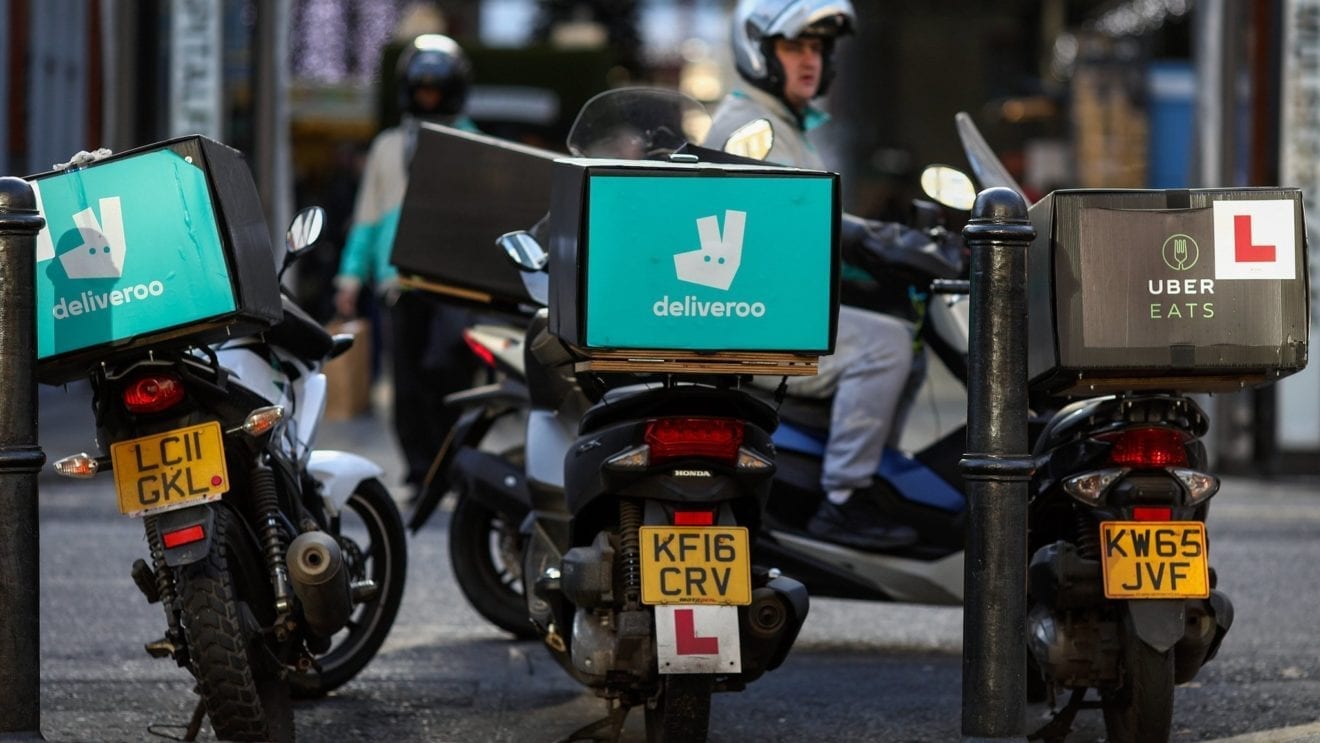
    Deliveroo, Hong Kong‘s leading food-delivery company, has today announced the arrival of “Wing It,” a virtual chicken wings brand developed and tested by the Deliveroo team in London. Renowned for bringing unique F&B concepts to the local market, Deliveroo selected Hong Kong to be the first place outside the UK to experience the Wing It brand. Wing It is licensed by Deliveroo to Cali-Mex Bar & Grill. Already eager to add wings to their menu offerings, Cali-Mex was impressed by Deliveroo’s concept and excited to launch the virtual brand from eight outlets as well as a specially designed catering menu.

    Wing It is the latest non-brick-and-mortar food brand to be offered by Deliveroo, which is now home to over 300 virtual brands – bringing even more variety and delectable choice to hungry people in Hong Kong.

    Always the trendsetter, Deliveroo is bringing Wing It to Hong Kong after two years of tremendous success in the UK. Beginning its operations in London, the menu, ingredients and recipes for Wing It were all developed by the Deliveroo central team, who then launched the brand inside six of Deliveroo’s UK Editions sites in September 2018. Due to the immense popularity and growing demand for new options, Deliveroo then helped Wing It develop and open five separate restaurant sites outside of Editions just six months later, in April 2019. Now, already a smash hit in Hong Kong, Wing It has sold over 15,000 wings, following 1,000+ orders across its eight Hong Kong outlets since soft launch in May.

    Deliveroo is dedicated to working with partners to build and develop their own unique virtual brands, as well as nurturing new business opportunities by hosting Deliveroo’s own virtual brands.

    When Deliveroo helps a partner to develop a Virtual Brand, it does so from scratch, developing everything from its name to recipes for its menu items. For partners, the company will provide:

    • Exact recipes for specific items
    • Ingredients to use for specific menu items and how to source them locally
    • A training package for restaurants to run the brand and help in scoping out how the brand can be run from a specific kitchen
    • Stress testing the product once launched to test food quality and the delivery service
    • Branding and marketing support
    • Identifying cuisine gaps in a specific area based on the company’s data insights, as well as advising on price points for specific items

    Virtual kitchens are developed to provide Deliveroo’s high-value partners with a turn-key solution to grow revenue streams from their kitchens, with brands that have been proven and tested by Deliveroo’s experts, within the delivery-only brand development team.

    Brian Lo, General Manager of Deliveroo Hong Kong, said, “There has never been a more important time in Hong Kong to support our restaurant partners and introduce innovative new concepts to the city, as we overcome the recent challenges together. Collaborating with Cali-Mex was a no brainer for us – our new partner has inspired us with their drive to deliver high-quality dishes in Hong Kong. We’re proud to work alongside them for this exciting new venture. As a life-long Hong Konger, I know first-hand the city’s love affair with well-prepared and delicious chicken wings, so this was certainly an exciting project to be a part of!”

    Jeff Moss, CEO of Cali-Mex Bar & Grill, said, “While Cali-Mex has offered Hong Kongers an expanded menu for some years now, we’re always eager to grow and whip up new offerings that we believe will match the taste palates of our customers. The past few months have forced us to rethink how we can offer an even more varied and delicious dining experience, so when Deliveroo approached us to partner with them for a virtual brand, we were sold almost immediately. We believe that no matter what the occasion is, wings always seem to be the answer! We are impressed by the initial results since the soft launch in May and we’re excited for the upcoming marketing and promotion campaigns as well as the catering offering to bring us to the next level.”

    Already reaching sales numbers of over 15,000 chicken wings, Deliveroo expects to see an ongoing surge of orders in coming weeks, as the food delivery leader works alongside Cali-Mex to develop an exciting array of promotional and marketing strategies. Wing It is the latest among 100 different virtual brands to launch this year on Deliveroo’s app, adding to the existing 200 virtual brands on offer.

  • Covid-19 fuels breakthrough in Hong Kong e-commerce scene

    Covid-19 fuels breakthrough in Hong Kong e-commerce scene

    The popularity of e-commerce has risen in Hong Kong as a result of the coronavirus pandemic, despite the market’s longstanding preference for physical stores.

    Analytics firm GlobalData says its research shows that the e-commerce market in the territory will grow at a compound annual growth rate of 9.9 percent by 2024 to reach US$29 billion. This year, e-commerce payments are likely to show a rise of 13.4 percent as a result of consumers practicing social distancing.

    “While the pandemic led to a decline in consumer spending, this is being partially offset by a rise in online spending, as wary consumers continue to stay at home and use online channels to purchase goods,” said GlobalData banking and payments lead analyst Ravi Sharma. “The pandemic has resulted in a change in consumer buying behavior too as they are avoiding visiting shopping centers and choosing online platforms for their day-to-day purchases.”

    Globaldata expects that the new trend will benefit e-payment software companies such as AlipayHK, WeChat Pay, and PayPal, while bank and card companies will capitalize on the shift in consumer behavior with their own new products. Citibank has already entered into a collaboration with local e-commerce player HKTVmall to establish a co-branded credit card offering exclusive benefits to online shoppers.

    “Hong Kong has a robust e-commerce market with high internet penetration and high preference for online shopping among consumers, especially younger demographics,” said Sharma.

    “The Covid-19 pandemic further accentuates this shift towards online shopping, supporting the payments market growth in the country”.

  • Chow Tai Fook finds sales respite as Mainland China gets back to business

    Chow Tai Fook finds sales respite as Mainland China gets back to business

    Hong Kong jeweler Chow Tai Fook says the reopening of retail stores in Mainland China eased the company’s sales decline in the June quarter.

    But the lack of tourists in Hong Kong and Macau decimated sales there.

    Same-store sales were down by 93.2 percent in Macau and 72.5 percent in Hong Kong. However, an “encouraging sequential improvement” saw the decline on the mainland capped at 11.2 percent.

    The group added a net 49 stores in Mainland China during the quarter, comprising 45 stores carrying its namesake brand, three So In Love stores and four Monologue shops. A net one each of T Mark, CTF Watch and Enzo stores closed. The company closed three stores in Hong Kong during the quarter.

  • Swatch cuts 2400 jobs, speeds up Hong Kong store cull

    Swatch cuts 2400 jobs, speeds up Hong Kong store cull

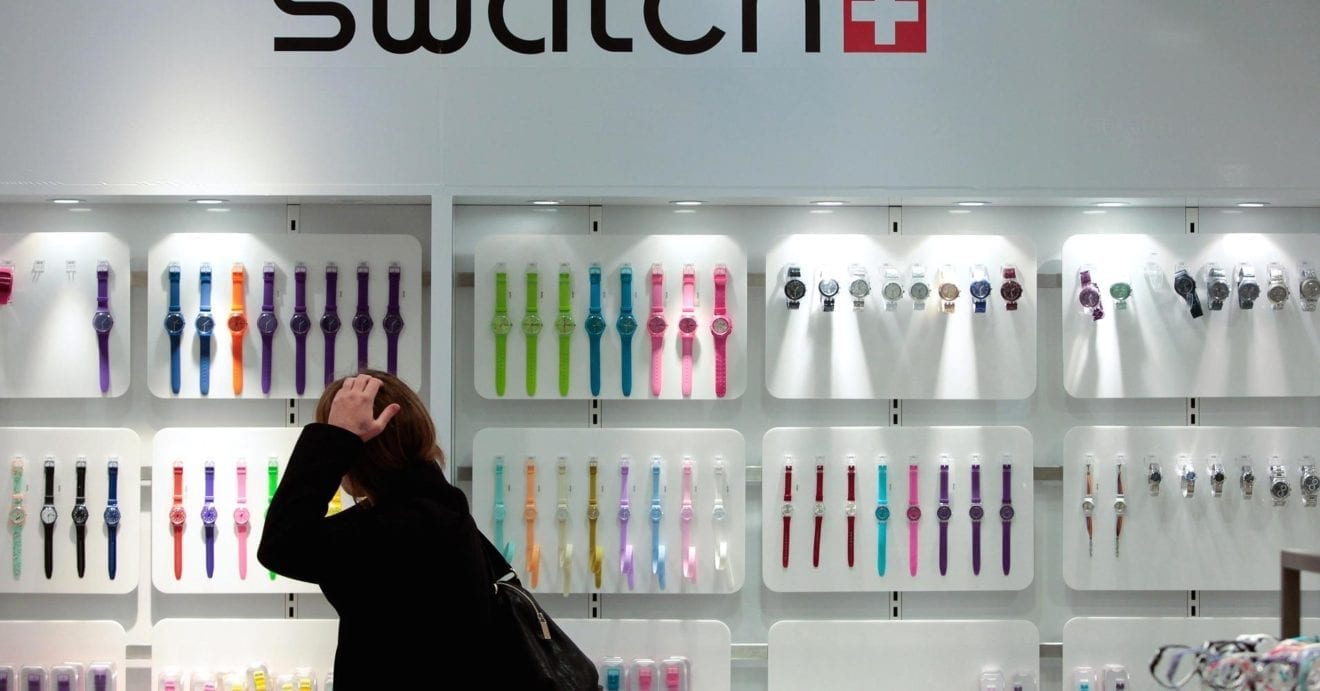
    Swatch Group has cut about 2400 jobs, its biggest cull in at least three decades, and will trim its store network as the Swiss watchmaker recorded its first-ever loss.

    The maker of Omega and Longines timepieces said Tuesday it accelerated plans to shut stores definitively in Hong Kong as well as shops that sell its colorful namesake brand and CK. The loss came as sales in the six months through June plummeted 43 percent due to tot the impact of Covid-19.

    In a break with its strategy during previous crises such as the 2009 financial downturn, Swatch is leaning more on slashing jobs, a signal that this year is different. CEO Nick Hayek has said that during hard times, the problem with cutting jobs is it’s difficult to find qualified staff when the market rebounds.

    “Winston Churchill said ‘never waste a good crisis’, and that’s exactly what we’re going to do, especially in the second half of the year,” Hayek said in prepared video remarks.

    The stock was little changed in early trading, having dropped 28 percent this year.

    The CEO said Swatch expects a profit this year as countries ease lockdown measures that had led to shuttered shops and travel bans amid the coronavirus pandemic. The company’s first-half operating loss of US$347 million was twice as big as analysts expected. In the second half, Swatch plans to introduce new products, including a Tissot smartwatch.

    Swatch announced the end of its 22-year-old contract to sell Calvin Klein watches in October, and many of the closures were related to that decision, Hayek said. The company’s plastic namesake brand is also reducing its reliance on brick-and-mortar stores and will rely more on e-commerce.

    Swatch forecast that the industry will recover quickly as consumers catch up on shopping after lockdowns, as seen in China and Korea. The month of June already was profitable, thanks to pent-up demand in mainland China, where sales rose at a double-digit rate in May and June.

    Still, only about half of its employees in Switzerland have returned to work full-time. Some 6000 employees were on short-time work on average last week, while about 2500 were taking an unused vacation or reducing overtime, according to chief controlling officer Peter Steiger.

    The company had to shut up to 80 percent of its sales outlets around the world during lockdowns. Swatch closed 260 stores definitively and now has about 1800.

  • Lush calls out Hong Kong landlords after flagship closing

    Lush calls out Hong Kong landlords after flagship closing

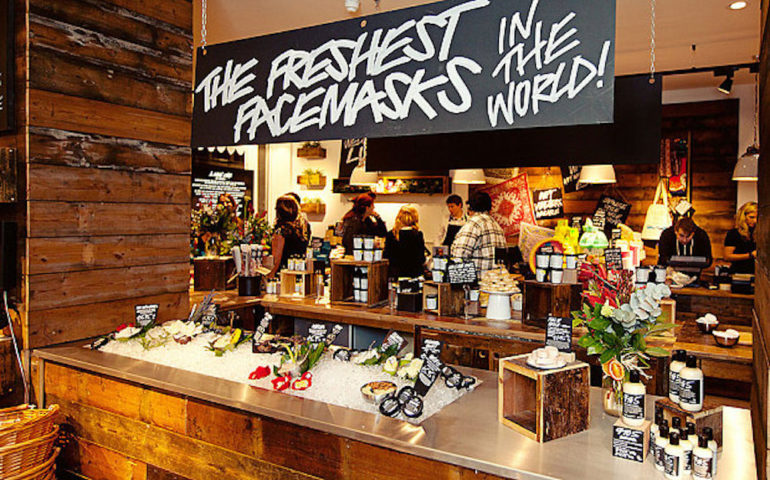
    Lush has taken a positive approach to its future in Hong Kong following the closure of its Central flagship store at the end of last month.

    But it has criticized the city’s landlords generally for failing to share the burden of a decimated retail market in the wake of the pandemic. The beauty products company said the decision to close the five-story flagship store, and its first spa in Asia at the end of its lease took “much consideration”.

    Lush said that all of its other stores in Hong Kong and Macau will continue to trade as usual.

    The Soho Square store’s closure reflected the challenges of dealing with reduced footfall during the Covid-19 crisis, the impact of “previous conditions” and a lack of early response from landlords and the government to help struggling businesses.

    “The pandemic has challenged many businesses around the world. Unfortunately, the measures to help in Hong Kong have been very late. Up until the end of January we had received little support from landlords or the government. However, the measure on salaries is very much needed and we are grateful for this.

    “Even though we are saying goodbye to Lush Soho Square Shop & Spa, we want to highlight the achievement of the team in the past five years and thank them for all their hard work. We have loved bringing the spa experience to customers in Hong Kong and we hope they have enjoyed every moment.”

    Elsewhere in Hong Kong, Lush has been engaging with landlords across the two territories because rent accounts for the majority of costs to businesses of all types.

    “We know it is also difficult for our landlords and as property owners, they also have a vested interest in the future of the retail industry,” Lush said in its email. “We would like to thank our partners who have to date been open to constructive discussion and particularly for those that have given discounts of 50 percent and above.

    “But this isn’t the time for one party to take all and one party left with all the burden. We believe there is collective social responsibility, and landlords and retailers should work collaboratively together to ensure retail survives in Hong Kong, which will benefit the local people and economy that in turn supports property owners that need rental tenants.

    “Some landlords gave us a slight discount on rent in February and March, following negotiations with us. However, this is not reflective of the reality we are facing. We have been in continual negotiations of the rent relief and payment plan with the landlords, and we are confident of keeping things under control with our strategic property plans, and where governments have offered pay schemes and guarantees we are making use of these to ensure staff payroll is protected as much as possible whilst there is little money flowing into the business.”

    Meanwhile, over the past few months, the company has worked to have a positive impact on the local communities during the pandemic.

    Underpinning the message of washing hands to keep the virus at bay, Lush donated more than 8 tonnes of soap to healthcare workers, non-profit organizations and minority groups.

    “We strongly believe that this is the time we have to help each other locally to overcome the unpredictable challenges so that we can support a positive future together.

    “We look to the future with optimism and sincere gratitude to our incredible staff and community. We are doing our best to make decisions and operate the only way we know how: honestly and transparently.”

    Lush founder Mark Constantine said the pandemic may bring many long-lasting changes to the way people live their lives.

    “Lush needs to adapt to these changes, stay agile and relevant, whilst holding true to our principles of being a business that is kind and caring. We will need the help of everyone as we enter this next phase.”

  • Topshop quits Hong Kong

    Topshop quits Hong Kong

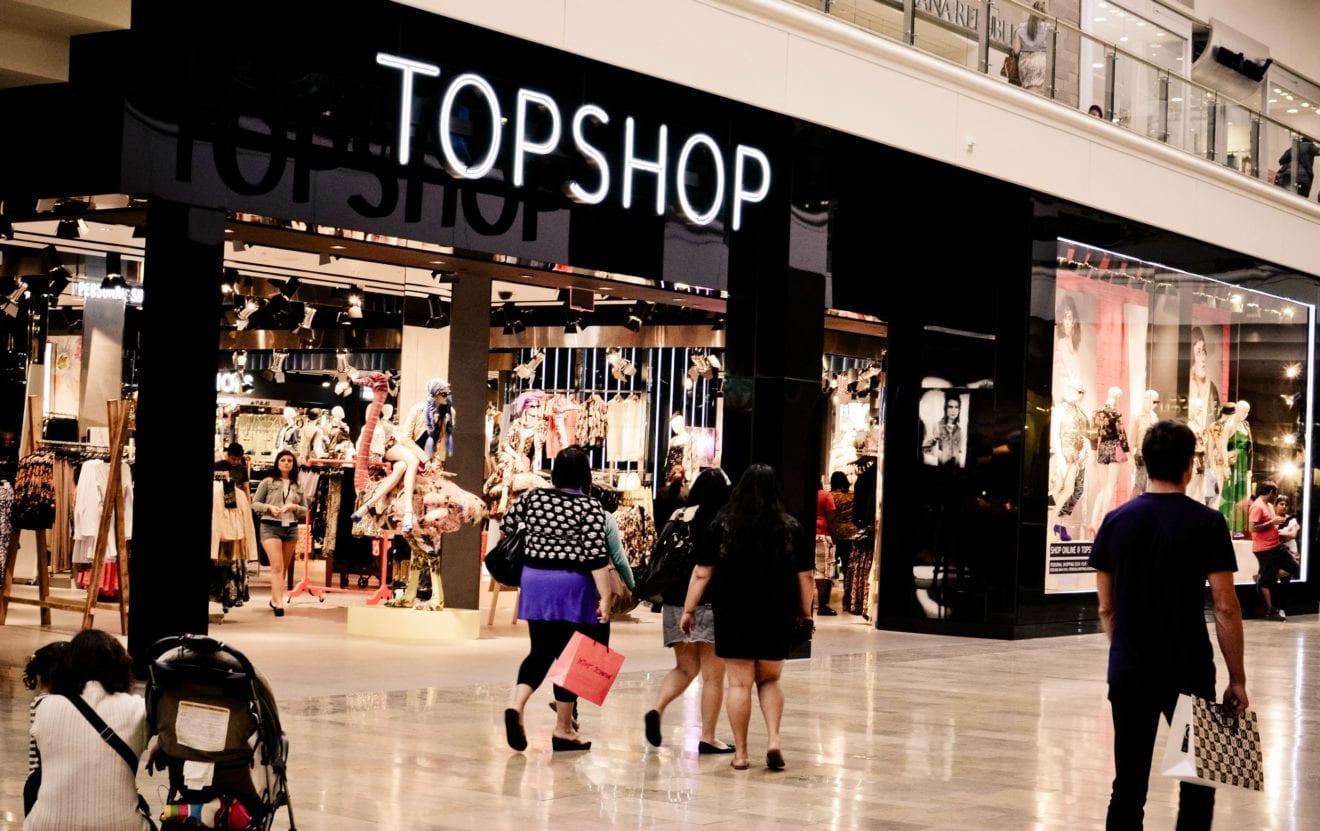
    British fashion label Topshop will close its 14,000sqft flagship in Hong Kong when the lease comes up for renewal in October, the latest in a string of mid-level international retailers to exit the territory.

    And watch brand Swatch has shuttered its prime Central store, which now has a writ apparently seeking unpaid rent taped to its doors.

    In partnership with Lane Crawford, Topshop launched in Hong Kong in 2013, the opening of its Central flagship on the corner of Queens Rd and Pottinger St drawing huge queues. At the time, the company said it was the first step of an expansion program into Mainland China.

    The brand opened a further two stores – in Admiralty and Causeway Bay – but these were short-lived as, despite early excitement from consumers, the brand’s local popularity waned.

    When the flagship store was opened, Topshop reportedly paid about US$384,000 a month in rent, but when it renewed the lease in 2017, it negotiated a rate of half that.

    Topshop will continue to sell online in Hong Kong, despite not retaining a physical store presence.

    Meanwhile, Swatch Group has closed its high-profile store in the heart of Central, apparently owing to the landlord overdue rent.

    A writ has been posted to the front of the shuttered door filed by Vember Lord Ltd and served six days ago.

  • Brooks Brothers enters Chapter 11, seeks buyer

    Brooks Brothers enters Chapter 11, seeks buyer

    Brooks Brothers have filed for bankruptcy in the US, the latest US retail victim of the Covid-19 pandemic. However, analysts are confident the struggling apparel retailer will find a buyer, and the brand will endure along with a scaled-down store network. Brooks Brothers have in recent years invested substantially in stores in Hong Kong. Inside Retail Asia has reached out to the company’s local executive team but had not received a response at the time of writing.

    Like many global retailers collapsing in the wake of the pandemic, 200-year-old Brooks Brothers was facing challenges before its stores were forced to close in core markets as part of government pandemic precautions.

    Neil Saunders, MD at GlobalData Retail, says that while the brand remains well regarded by consumers, Brooks Brothers has long suffered from a failure to decisively adapt to changing trends.

    He said current leadership deserves credit for rebuilding the attributes of quality and design which had waned under previous ownership, but when it comes to tastes and style, “Brooks Brothers has been swimming against the tide”.

    “Its formal, old-school approach found favor among mature and more traditional demographics, but it has become increasingly out of step with a new generation of consumers who are looking for a more edgy approach to smart casual. They increasingly found it in niche brands like Kiel James Patrick or more mainstream players such as Vineyard Vines and even J Crew. This dynamic, along with the increased casualization of workwear which has seen a shift away from suits and ties, has made it increasingly difficult for Brooks Brothers to drive growth.”

    Under Chapter 11 protection Brooks Brothers will continue to operate while it restructures. Bloomberg reports it has assets and liabilities listed of $500 million each and has arranged a $75 million bankruptcy loan to ensure ongoing trading.

    The brand which once dressed Abraham Lincoln has about 250 stores trading in the US, along with its overseas shops.

    Saunders says that although the pandemic has severely eroded the company’s outlook, a review of the business was already underway, which included options for repositioning the brand.

    “However, the pandemic has disrupted this process and sharpened many of the underlying trends Brooks Brothers was already struggling to adapt to. From our data, year-on-year [US] sales of men’s formal clothing fell by 74 percent during April, May and June, while men’s smart-casual apparel sales dipped by 62 percent over the same period. While this deterioration will ease over time, demand will remain suppressed for the rest of this year and well into next as office work, business meetings, and socializing are all reduced. This leaves Brooks Brothers very exposed to a depressed market.

    Saunders expects the company will have to exit expensive city-centre stores that due to the reducing numbers of office workers in downtown locations will no longer be economically viable to run. Some factory outlet stores will suffer due to reduced demand and lower footfalls in the wake of the pandemic.

    “These property problems can most efficiently be resolved through a bankruptcy process. If successful, this will streamline the business and get it into a state that is more attractive to a potential buyer.

    “There will be no shortage of interest in Brooks Brothers. The brand has a solid foundation on which a new owner can build, and it has a good digital business that has the potential for future growth. However, the process of reinvention will not be easy; it will take time, capital and effort to reconfigure Brooks Brothers into a retailer ready to serve the needs of modern consumers,” said Saunders.

  • Little respite likely as Hong Kong retail rents slump to 2003 levels

    Little respite likely as Hong Kong retail rents slump to 2003 levels

    As Hong Kong retail rents slump to levels not seen since 2003, retailers who appeal to domestic shoppers are beginning to have a stronger presence in the market.

    According to retail real estate professionals with property company Savills, brands in categories such as lifestyle products, health-related goods, and affordable family-friendly chains are taking the opportunity to lease space in commercial districts across the city. They are taking over from retailers who appealed primarily to inbound tourists from Mainland China and elsewhere, before social unrest and the Covid-19 led to a record 11-month run of double-digit declines in retail sales in the city.

    Jewelry and watch sales plummeted by more than 69 percent during the first five months of this year.

    Savills senior director, research & consultancy, Simon Smith, says that while prime street-shop and shopping-mall rents seem to have found a floor since their 2013 peak, this may only be temporary.

    “Rising vacancy levels continue to plague the market with mid-range fashion retailers joining luxury retailers in rationalizing store numbers, but rents appear to have stabilized for now.”

    With many luxury and mid-range brands struggling to break even with the desertion of tourists, they are right-sizing their networks and closing underperforming stores.

    “The market has endured a prolonged correction since 2013 but with rents now close to 2003 levels, landlords and tenants are beginning to embrace the new reality and accept new business models and a more creative approach to trade and tenant mix,” adds Nick Bradstreet, MD, and head of retail leasing.

    According to Savills’ research, the quarter-on-quarter decline in Hong Kong retail rents in the three months to June was about 1.7 percent in prime street front sites and 0.8 percent in shopping centers.

    Retailers including Valentino, Tiffany & Co, Coach and Prada have already given up prime sites on Tsim Sha Tsui’s Canton Road and Causeway Bay’s Russell Street, two of the city’s most expensive commercial strips. Victoria’s Secret has closed its multi-story flagship nearby and MCM’s largest store, in Central, has also been shuttered.

    More mid-market retailers including Swatch, SaSa, Lush and Gap have also rationalized their store networks.

    But in their place, new brands are taking the opportunity to increase their street presence, typically brands targeting local consumers rather than mainland daytrippers and tourists.

    “Local consumers are more focused on their “whole of life” needs, prioritizing health and well-being, caring about their family and community, and valuing the local culture and sustainability,” says Savills in its quarterly review of Hong Kong retail rents.

    Examples include Muji and Lululemon, which have both opened their largest stores yet in the city, at Telford Plaza and Harbour City respectively, and UK women’s activewear label Sweaty Betty, is opening its second Hong Kong store, at Causeway Bay this month. Japanese grocer Don Don Donki is opening two more stores, at Causeway Bay and Central, later this year.

    Bradstreet and Smith say shopping-mall footfalls across Hong Kong showed signs of recovery during May and June as locals began venturing out again after Covid-19-related social-distancing measures were eased. A degree of pent-up demand may have helped the trend.

    But rebounding local spending won’t be enough to help brands reliant on tourists, with Savills predicting vacancies on prime streets in traditional tourist districts will soon rise. Topshop, Gap and Adidas are all tipped as unlikely to renew their leases on Central spaces.

    “The post-Covid outlook for Hong Kong’s retail industry remains very challenging,” concludes Savills. “Some structural changes in demand profile and market fundamentals are underway and both retailers and landlords need to adapt and constantly reinvent to stay relevant.

    “A slower-than-expected recovery in the tourism market means that a more balanced approach to local consumers and mainland tourists is warranted moving forwards but the shopping preferences of locals and tourists are of course quite different.”
  • 7-Eleven and Coca Cola launch Hong Kong concept store

    7-Eleven and Coca Cola launch Hong Kong concept store

    7-Eleven has teamed with carbonated beverage brand Coca Cola to open a new themed store in Hong Kong. Located at in Tsim Sha Tsui, the 7-Eleven x Coca Cola concept store is dressed in the distinctive Coke red. As well as the modern Coke livery, the counter features a banner with nostalgic advertising.

    The store features two fridges with Coca Cola’s glass-bottle-shaped doors, displaying a selection of the brand’s items and collectibles.

    “7-Eleven x Coca Cola themed store is a close collaboration with our suppliers leveraging on the brand strength and features to create a themed convenience store with impactful in-store decoration, interesting display, exclusive products, innovative food idea, good value offer to bring customers fun and convenience,” a spokesperson for 7-Eleven Hong Kong’s parent company Dairy Farm Group said.

    The store also features a ‘Hot Shot counter’ where customers can pause and eat snacks (and a Coke).

  • Lush Hong Kong flagship closes

    Lush Hong Kong flagship closes

    Beauty products retailer Lush Hong Kong has closed its five-story flagship store several months before its lease was due for renewal.

    The high-profile store was opened in late 2015, at Soho Square in Central. At the time billed as the brand’s largest store in Asia, it featured the first Lush spa globally.

    Located adjacent to the Mid-levels escalator on Lyndhurst Tce, it featured 6909sqft (642 sqm) of trading space.

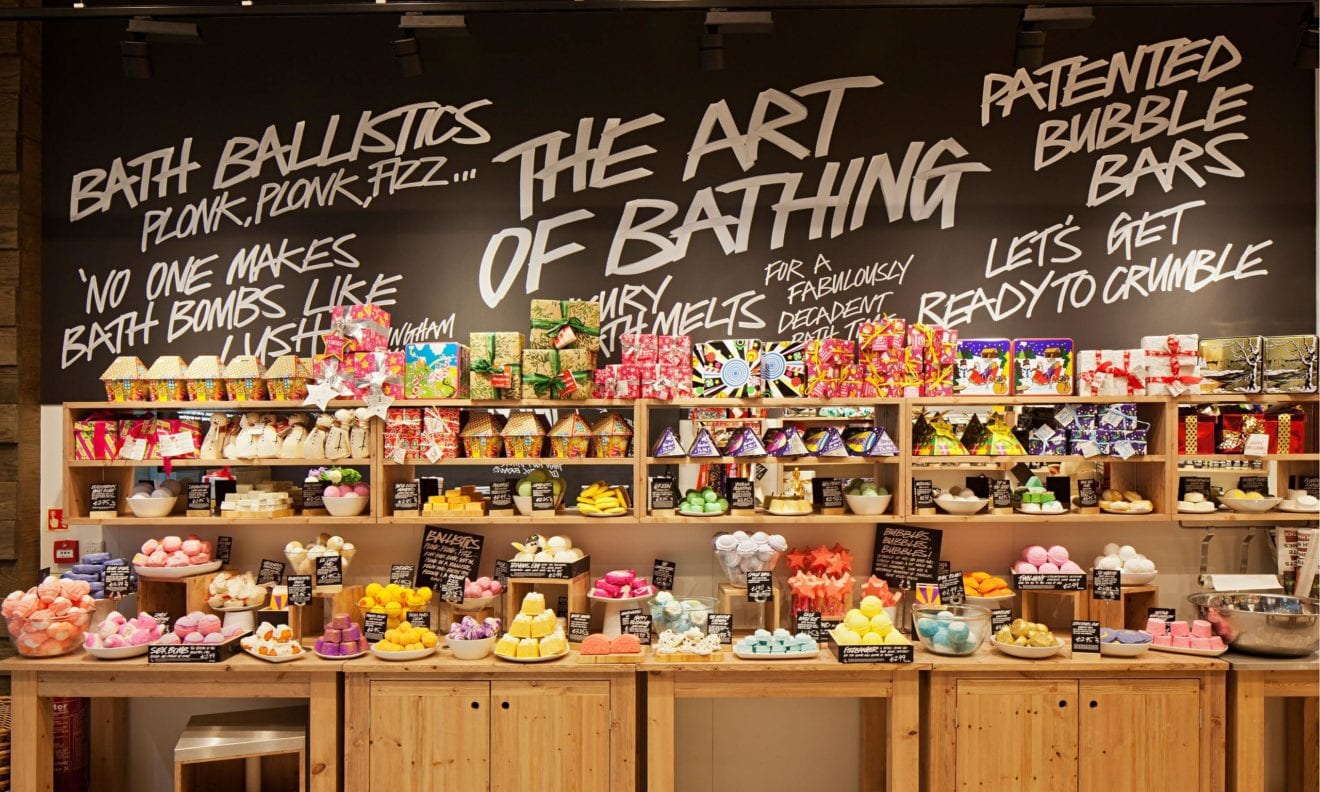
    The ground floor featured the brand’s signature range of handmade soaps, scrubs, shampoos, and cosmetics, while the floor above housed a cafe, with the spa located on upper floors, offering customers scrubs, baths, massages, and facials.

    According to Land Registry records, Lush paid US$196,000 in rent for the latest year.

    Inside Retail Asia reached out to Lush for comment on the closure, but the company did not respond.

    Lush’s closure extends the recent trend of mid-market brands closing stores across the territory in the wake of falling footfall due to borders being closed to tourists during the Covid-19 pandemic. Other retailers including Gap, SaSa, and Swatch have been reducing their store count in the city, along with luxury brands such as Tiffany, MCM, and Prada.

  • Senreve opens first Hong Kong pop-up store

    Senreve opens first Hong Kong pop-up store

    San Francisco-based online bag brand Senreve has opened a standalone pop-up store in Hong Kong, its first foray into a major city mall.

    Founded in 2016, the brand specializes in Italian-made luxury handbags. The new store has opened in the atrium of Pacific Place in admiralty.

    Designed by Hong Kong and London-based Editecture studio, the pop up features what the design team describes as an organic and open space to highlight Senreve’s core products and new lines.

    Operating until August 6, the pop-up will host workshops in collaboration with local female artists and entrepreneurs. Customers who make a purchase above a specific value will be invited to receive custom twilly scarf embroidery, tarot-card readings, and other benefits free of charge.

    Senreve previously opened a pop-up store-within-a-store last summer inside Khromis in Sheung Wan.

    The company also recently raised US$16.75 million in Series A funding for its upcoming Asian expansion.

  • Gap closing retail stores in Hong Kong

    Gap closing retail stores in Hong Kong

    Gap has become the latest retail victim of Covid-19 in Hong Kong, shutting its flagship store in Tsim Sha Tsui and at least one other store.

    The US apparel chain follows in the footsteps of fellow American retailer Victoria’s Secret, which abruptly closed its giant Causeway Bay flagship store last week.

    Gap has launched a clearance sale in Tsim Sha Tsui and its Hysan Place store in Causeway Bay, ahead of their closure sometime during the next few weeks. A notice outside the Tsim Sha Tsui store advises customers they will be able to shop at other stores or on the brand’s website.

    A staff member working at the Gap store reportedly leaked to local media that Gap Hong Kong will shut three more of its eight branches next month, including the recently-opened K11 Musea store. The three shops set to continue trading are at Queen’s Avenue in Central, V City in Tuen Mun and Citygate in Tung Chung.

    The US fashion brand was already struggling before the advent of the Covid-19 pandemic. Last year, Gap said it would close 230 stores worldwide within two years. Global sales recently recorded a 43-per-cent drop in the first quarter, worse than rival apparel retailers, in the wake of the pandemic crisis.

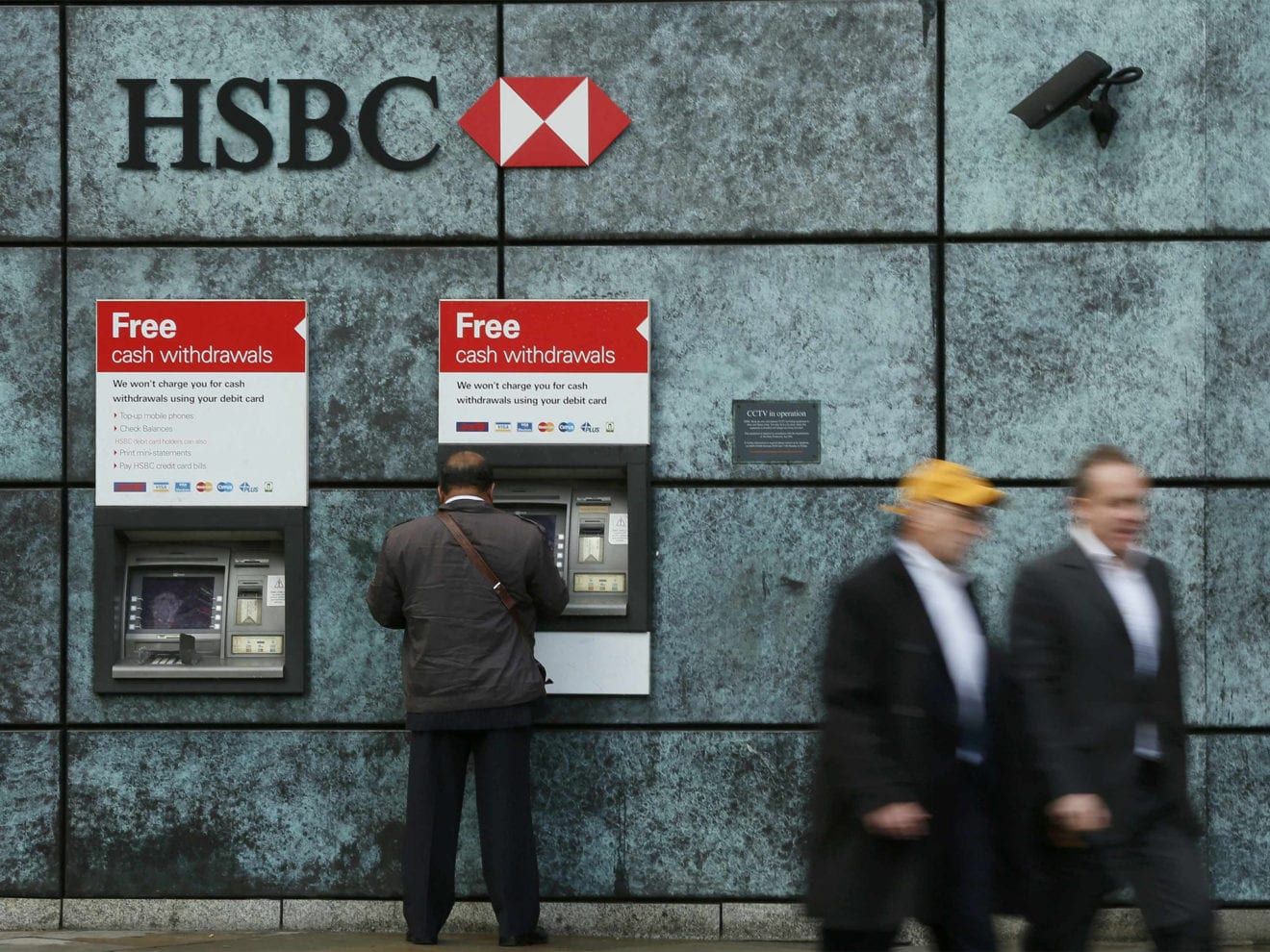
  • HSBC Nets Southeast Asia Equities Duo from Deutsche Bank

    HSBC Nets Southeast Asia Equities Duo from Deutsche Bank

    HSBC bolsters its Southeast Asian equities unit in Singapore with two new hires from Deutsche Bank, furthering its Asia expansion amid a major overhaul. HSBC hires Edward Lee as regional head of equity capital markets and Joy Wang as the head of Southeast Asia equities research, according to a report.

    Lee had over 20 years of industry experience and was most recently with Deutsche Bank as its co-head of investment banking coverage and head of equity capital markets, Southeast Asia.

    Wang was also most recently with Deutsche Bank where she was last its co-head of APAC property equity research in addition to other roles.

    Lee and Wang become the third joiners in less than a year from Deutsche Bank to HSBC in Singapore. In September last year, HSBC named ex-Deutsche Bank regional vice chairman Philip Lee as its new Southeast Asia vice-chairman.

    Restructuring at both HSBC and Deutsche Bank has led to a flurry of talent movement between the two lenders across business divisions. Just last month, Deutsche Bank hired former HSBC private banker Chow Shang-Wei to become the Southeast Asia head of its wealth arm.

    And outside of Asia, HSBC reportedly hired Deutsche Bank’s former co-head of corporate finance for Europe, the Middle East, and Africa Adam Bagshaw as its global co-head of advisory and investment banking coverage.

  • Lego Stem-themed pop-up store launched in Hong Kong

    Lego Stem-themed pop-up store launched in Hong Kong

    Hong Kong shopping destination Olympian City has partnered with global toy brand Lego to launch Lego Technic – a Stem-themed AI concept store.

    The world-first concept store features an array of Lego Technic sets and experiential workshops to promote Stem (science, technology, engineering, and mathematics) education. The product range encourages users to acquire Stem skills – including mechanical movement – through play.

    At the pop-up, children can engage with life-like models of different sizes that can be built with individual parts like gearboxes, pneumatic systems, and motors. It is touted as suitable for both beginners and experienced builders.

    Olympian City is working to promote Stem education opportunities at the malls.

    The project is the first pop-up concept to be featured at the mall’s Pop Gallery, a platform that uses big data technologies to source trending products worldwide. Visitors to the store can access exclusive offers by interacting with AI-enabled Pop kiosks at the store or engage in live games.

    The Lego Stem-themed Technic pop-up runs until July 5.