Tag: Hong Kong

  • Hong Kong International Airport launches online concierge shopping service

    Hong Kong International Airport launches online concierge shopping service

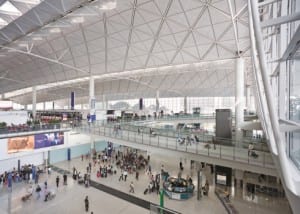
    Hong Kong International Airport has launched an online concierge service called Luxury Reserve.

    The concierge concept allows customers to choose duty-free purchases at home via HKIA’s e-Shop Luxury Reserve and collect it the items at the airport.

    Luxury Reserve features exclusive items and limited editions from more than 40 luxury brands including Alexander McQueen, Breitling, Chloe, Roger Vivier, Saint Laurent, and Stuart Weitzman.

    According to a statement, reservations can be made from two weeks to 48 hours before the customer’s flight departs.

  • Luk Fook sales down with  20 percent

    Luk Fook sales down with 20 percent

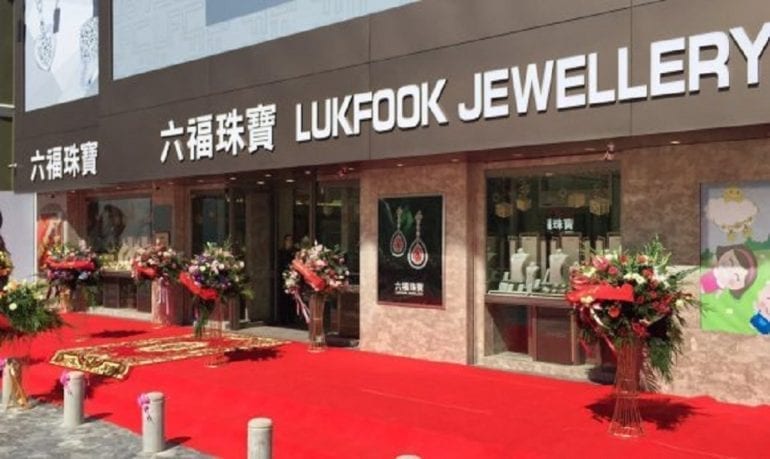
    Hong Kong-listed jeweler Luk Fook sales slumped 19.8 percent in the September half as protests, the trade war, and the Renminbi’s value kept mainland tourists away, and the high gold price muted demand.

    The company reported sales of HK$6.3 billion (US$804.86 million) and profit attributable to shareholders of $496 million, down by 25.4 percent.

    Same-store sales in Hong Kong fell by 24.9 percent during the half-year and in Macau by 15.7 percent.

    Luk Fook ended the half with a net addition of 129 stores, taking its global network to 1957 stores.

    Chairman and CEO Wai Sheung Wong said that given the impact of protests on Hong Kong sales, the high gold prices and the impact of the Sino-US trade war on consumer confidence, the group does not expect trading conditions to improve during the second half. He projected a double-digit drop in annual revenue and profit.

    “The group will reduce the number of shops in areas which are considerably impacted by the social incidents in Hong Kong, and search for opportunities for opening new shops in Macau market. [We] expect to have three net shop additions in Hong Kong and Macau,” he said. Luk Fook will also be looking abroad for opportunities, including on the mainland.

    “In view of the anticipated considerable growth of the middle-class population in Mainland China, the group remains optimistic about the mid- to long-term business prospects, and looks forward to bringing its business to a new height in the near future.”

  • CITIC Launches Robo-Advisor in Hong Kong

    CITIC Launches Robo-Advisor in Hong Kong

    China CITI Bank International launches its robo-advisory offering in Hong Kong which was co-developed with fintech firm Quantifeed.

    The new goals-based advisory offering, «Robo 360» is a goal-based advisory service made available through CITIC’s mobile banking app, «inMotion». Investors will be able to access 8-20 portfolios with a minimum investment amount as low as $100 and fees of just 1 percent. The portfolios are constructed with up to eight funds each by leveraging smart analytics and quantitative research capabilities.

    The launch makes CITIC the first bank in Hong Kong to offer a goals-based robo-investment advisory solution.

    We believe this will revolutionize wealth management in Hong Kong by ensuring that professionally managed investment products, previously only available to a limited wealth segment, are now available to retail customers, said Alex Ypsilanti, CEO, and co-founder of Quantifeed.

    Quantifeed has successfully developed scalable and highly customizable digital wealth and robo-advisory solutions for banks, brokers, insurers and wealth planners across Asia.

    These include DBS’s ‘digiPortfolio’ platform in Singapore, Cathay United Bank’s ‘CathayRobo’ service in Taiwan and Everbright Sun Hung Kai’s ‘EBSHK Direct AI-Portfolio Investing’ system in Hong Kong. The firm has a strong footprint in the region, with offices in Hong Kong, Singapore, and Sydney, and has recently expanded its services into Japan.

  • Davidoff Hong Kong opens cigar flagship

    Davidoff Hong Kong opens cigar flagship

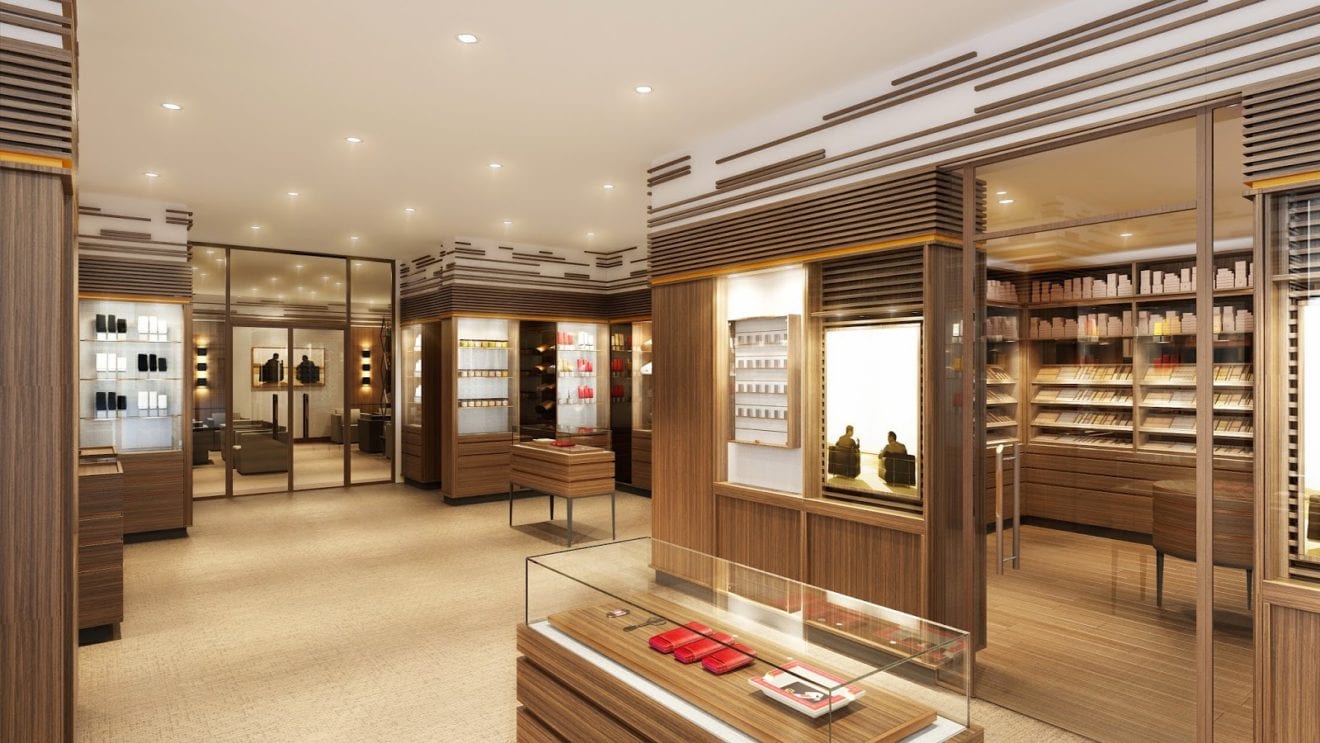
    Swiss tobacco brand Davidoff has launched its Hong Kong flagship in luxury retail complex The Landmark.

    The 580sqft outlet significantly enlarges the brand’s previous space in the mall by more than half its size. The original outlet was the brand’s third best-selling cigar outlet internationally, accounting for more than 25 percent of the brand’s Asian sales.

    “We are delighted to relocate our new flagship store in Hong Kong,” said Davidoff Asia MD Laurent de Rougemont. “The challenge in designing this unique cigar shop was to preserve the company’s history but to continue our mission to delight and surprise our customers worldwide by delivering unique brands and unrivaled retail experiences.”

    “This enlarged new flagship store continues the Davidoff legacy of an inspiring place where aficionados can find exceptionally crafted Discovery Series cigars from different regions, as well as the complex tasting profile of Winston Churchill Collection,” said Davidoff Hong Kong regional manager and store manager Charles Lim.

  • A golden cube houses % Arabica Hong Kong’s newest store

    A golden cube houses % Arabica Hong Kong’s newest store

    Dutch architecture studio OMA has installed a golden cube housing a cafe outside K11 Musea mall in Hong Kong.

    The “Kube” kiosk, housing artisan coffee brewer % Arabica Hong Kong’s newest outlet, also features black marble furniture and is designed to resemble a traditional dai pai dong food stall.

    “The Kube is a multifunction installation to connect people visiting K11 Musea and passersby who share a moment to be fully present to experience the city, and possibilities of encounters,” OMA managing partner David Gianotten said.

    The kiosk is coated in an anodized aluminum cladding that appears to change hue in different light conditions.

    “What David Gianotten and Rem Koolhaas’ Kube adds to K11 Musea is … more than an iconic OMA feature,” said K11 Group founder Adrian Cheng, “but a symbolic space that explores Hong Kong’s waterfront culture, coffee culture and a new way to become part of a larger community.”

    OMA is hoping the installation will be used for public events and performances.

  • California coffee roaster Blue Bottle to launch in Hong Kong’s Central

    California coffee roaster Blue Bottle to launch in Hong Kong’s Central

    Artisanal coffee roaster and retailer Blue Bottle has been rumored to be expanding into Hong Kong since netizens discovered job postings for a brand experience manager and operations director back in August.

    Now, not only is the company seeking a logistics specialist on the ground, but details of a lease deal for a two-story 3000sqft space in Central have emerged.

    Blue Bottle has signed up for the space on Lyndhurst Terrace for six years.

    However, there is still no confirmation of a launch date as yet.

    Blue Bottle Coffee currently has more than 50 cafes in the US, and recently debuted in Japan and South Korea.

    The brand is renowned for its single-origin beans and its cold-brew coffee which prompted consumer-goods giant Nestle to acquire a 68-per-cent stake for US$425 million back in 2017.

  • Tse Sui Luen profits plummet as Hong Kong protests impact sales

    Tse Sui Luen profits plummet as Hong Kong protests impact sales

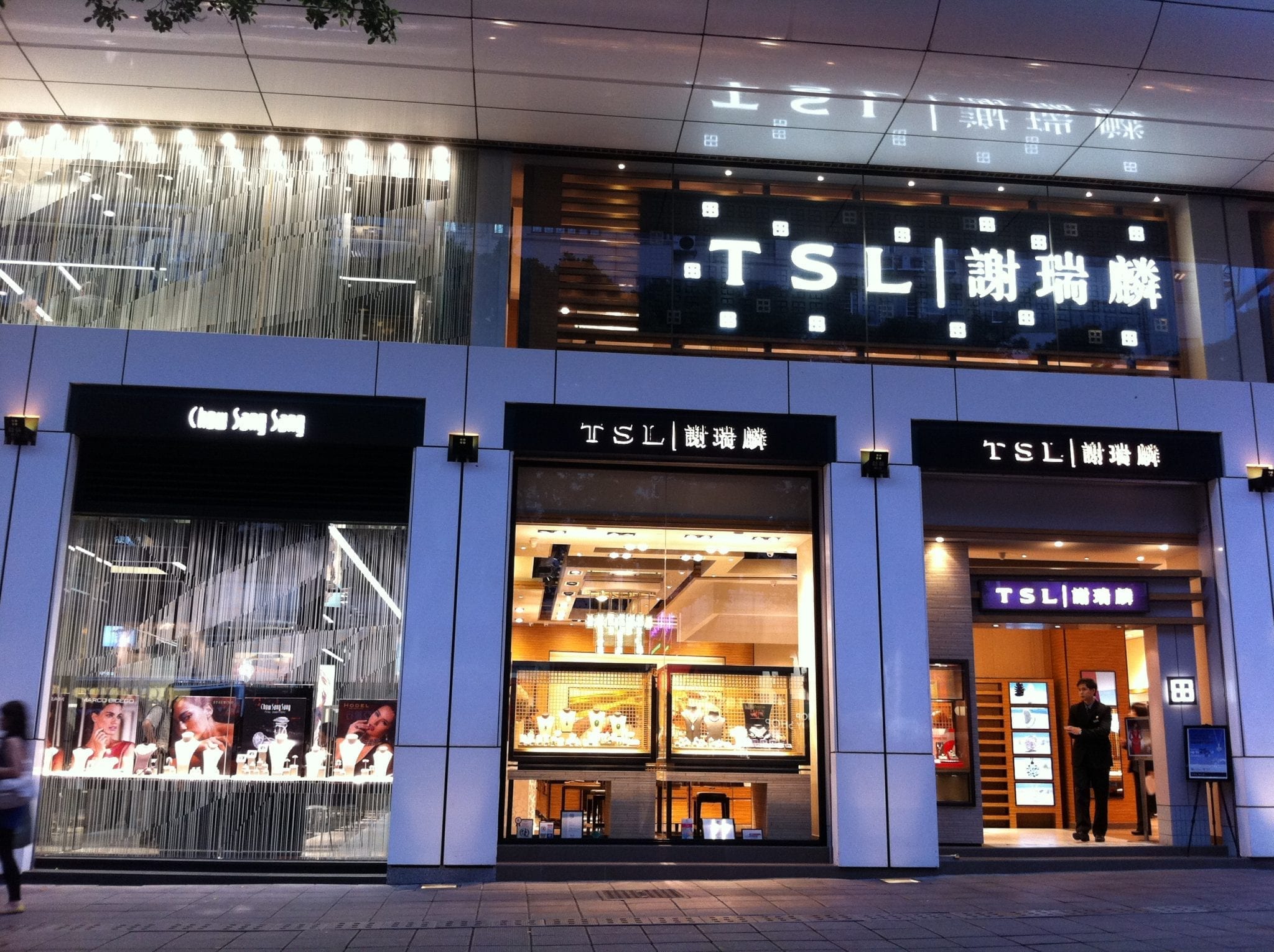
    Tse Sui Luen profits plummeted in the first half as Hong Kong protests took their toll, especially during the September quarter.

    The company, which operates stores under the TSL banner, has reported a 14 percent year-on-year decline in sales to HK$1.6552 billion  ($US211 million) while Tse Sui Luen profits attributable to shareholders fell by 94 percent to just $1.6 million ($204,000).

    Chairman and executive director Annie Lau said the year to date has been challenging for all businesses operating in Hong Kong, where TSL’s sales fell by 23.9 percent in the half-year and same-store sales were down by 26.4 percent.

    “The outbreak of citywide protests and social unrest in Hong Kong in June has, when combined with the downward economic pressure being felt from the protracted US-China trade tensions and Renminbi depreciation, all conspired to devastate our retail business in Hong Kong.”

    She said the depreciation of the Renminbi has reduced spending by mainland visitors, impacting Hong Kong sales, and shrunk earnings from Mainland China businesses in Hong Kong dollar terms, (where the company is listed).

    “While the US and China have resumed trade talks, the economic outlook remains gloomy and shrouded in uncertainties as a trade consensus continues to appear beyond reach.”

    Lau said the social unrest since June has weakened local consumer sentiment and the protests have made it challenging for retailers to operate.

    “The hardship the local retail industry is facing is likely to persist or even worsen in the remainder of this financial year.”

    She said the company was continuing to optimize its store network in Hong Kong and work with landlords to reduce its rental costs.

    In Mainland China, TSL sales through self-operated stores were down by 8.5 percent overall and same-store sales fell by 7.5 percent, “mainly attributed to the protracted US-China trade war with tit-for-tat tariffs”.

    During the six months, seven new self-operated stores and 41 new franchised stores were opened, taking the Mainland China network to 448.

    “Going forward, we will take a cautious approach and optimize our retail network in Mainland China with the volatile market conditions being taken into consideration,” said Lau.

    Meanwhile, TSL has now expanded its Malaysia store network to six after opening at Mid Valley Southkey Megamall in April. Sales there were up 16.5 percent.

    On a more positive note, TSL’s e-commerce business grew by 27.7 percent year on year.

    “We believe that this sector will grow to be a significant source of revenue for the group going forward,” said Lau. “Encouraged by the great response received from the group’s official website for Mainland China, we are working on developing an official website for Hong Kong and establishing our online presence on e-business platforms in order to further facilitate the online-to-offline and offline-to-online retail practice.”
  • HSBC Shuts Protest-Related Account in Hong Kong

    HSBC Shuts Protest-Related Account in Hong Kong

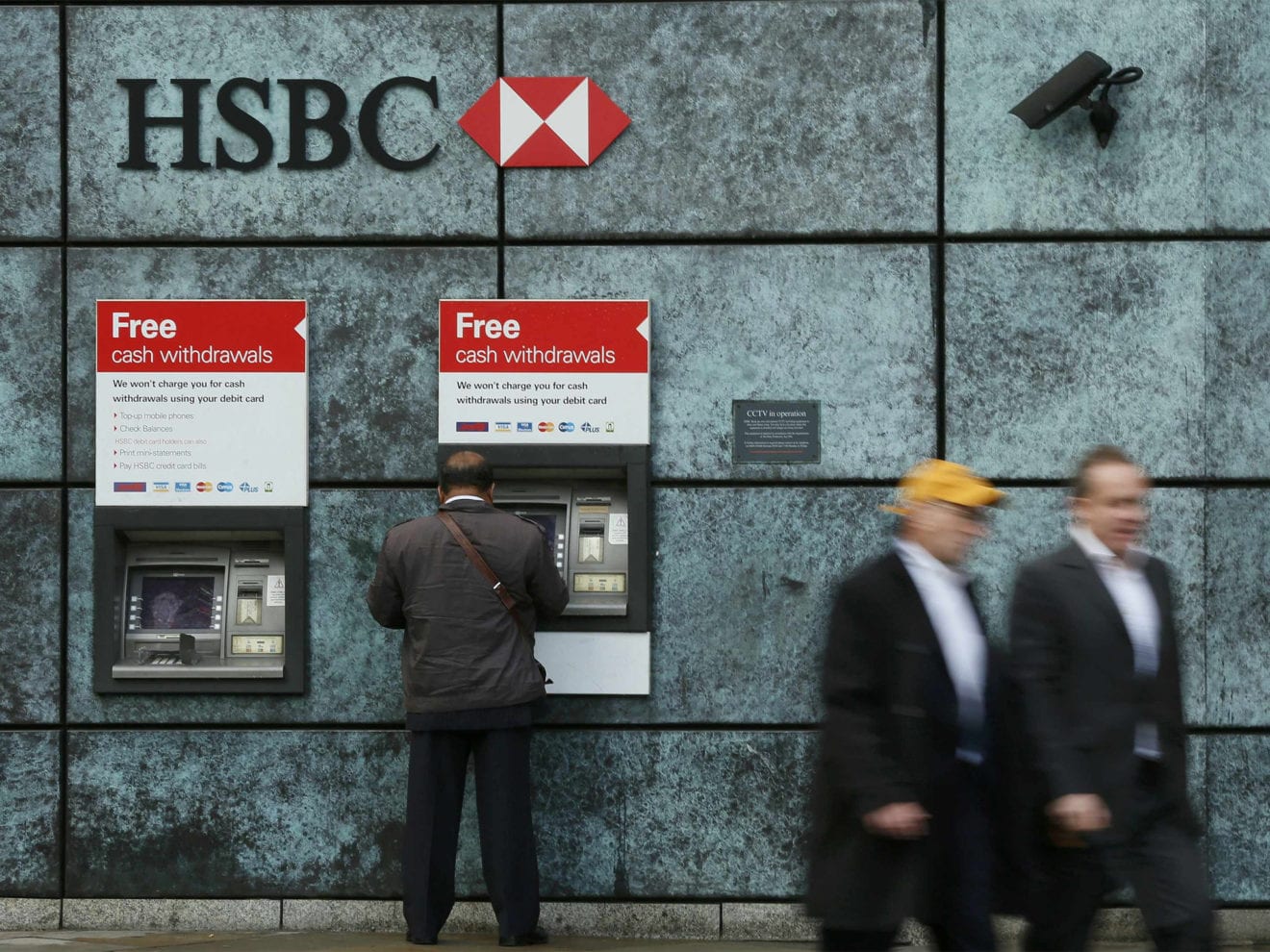
    A corporate account reportedly linked with protest-related activities has been closed by HSBC though it cites regulatory risks.

    The account is reportedly being used to raise funds to support protest-related activities covering expenses such as legal, medical and food, according to a «Hong Kong Economic Journal» report. HSBC has given the account holder 30 days to withdraw all its funds.

    The report noted that it was in fact inconsistency between the holder’s claimed and actual use of the account that led to its closure rather than political motivation.

    As part of our responsibility to know our customers and safeguard the financial industry, we regularly review our customers’ accounts,» said Vinh Tran, a spokesperson for the bank in Hong Kong, without elaborating on the specific matter. «If we spot activity differing from the stated purpose of the account, or missing information, we will proactively review all activity, which can also result in account closure.

    In a separate statement, the Hong Kong Monetary Authority also underlined effect risk assessment regarding banking activities, echoing the emphasis on consistency of stated account purpose and source of funding.

  • Miniso Hong Kong shutters retail stores

    Miniso Hong Kong shutters retail stores

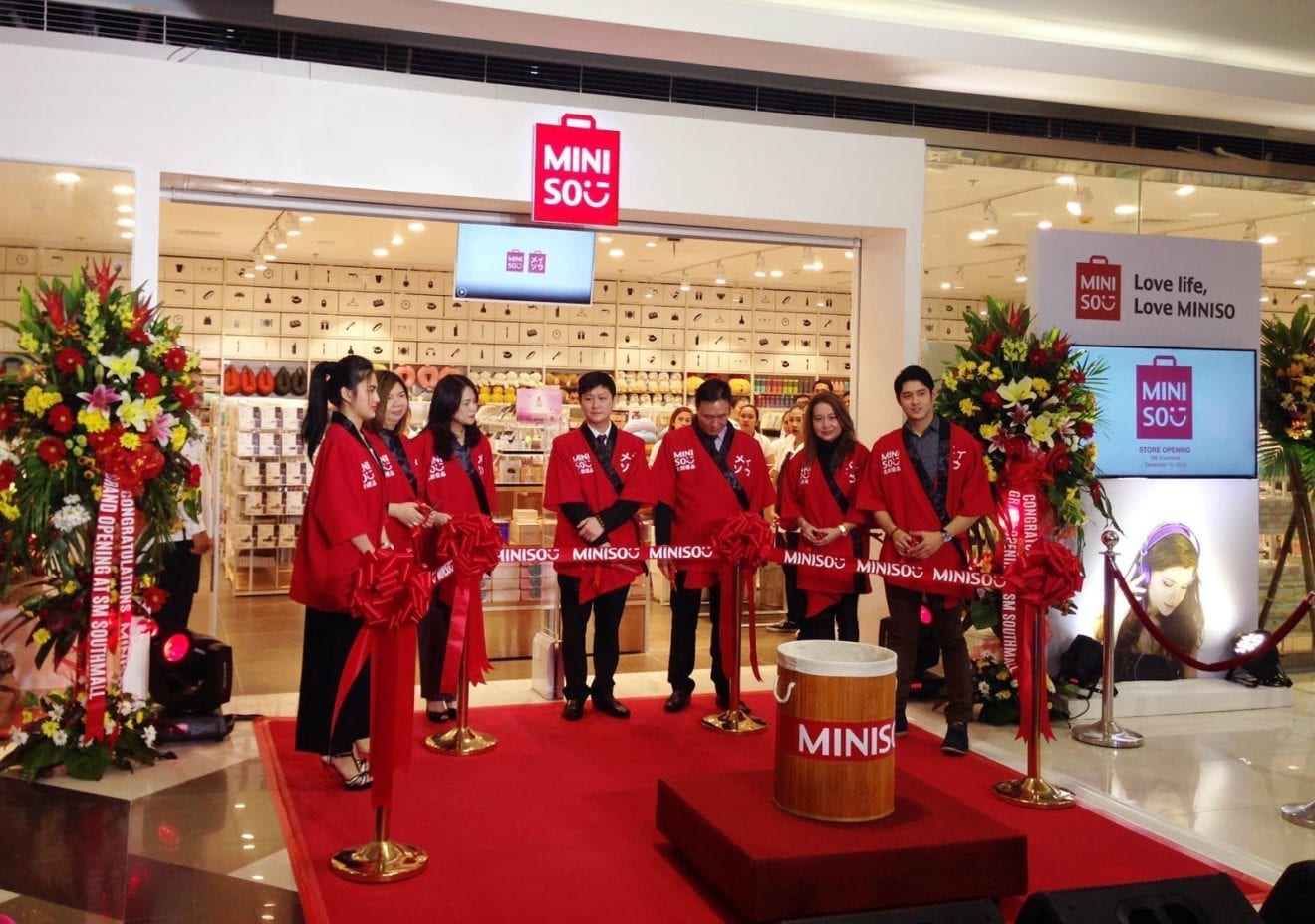
    Miniso Hong Kong has shuttered all of its 50 stores since November 14 citing ongoing protest action – and reportedly won’t be paying staff for the week.

    A leaked internal memo was sent to staff advising them of a seven-day closure and giving them just one day’s notice. According to Apple Daily, the decision was made on the basis of ensuring “employee’s safety”. However, staff members will not be paid for the enforced week off and any days of leave requested and falling due over the period will still be deducted from leave due.

    Miniso Hong Kong is one of the retailers listed by the protest movement which supporters have been asked to boycott. Store brands on the list have been targeted by protestors and graffitied for being China-owned.

    Miniso Hong Kong had already attracted negative consumer sentiment since its launch in the territory, being dubbed a ‘China copycat’ of Japanese labels Muji and Uniqlo, all the while trying to position itself in the market as a Japanese design store.

    During ongoing protests, activists have identified and categorized retailers as ‘blue’ or ‘yellow’ with the majority of the latter being supported as independent local businesses, versus pro-China large corporate chain stores.

    Whilst protestors have been actively boycotting businesses, some chains such as grocer Best Mart 360, have been vandalized. In Best Mart’s case, protestors allege the CEO is associated with the federation behind the Fujian triad gangs which have attacked Hong Kong citizens protesting against the government.

    Another company impacted is Maxim’s Group, a part-owned subsidiary of Dairy Farm International, picked on after Maxim’s founder’s daughter Pansy Ho repeatedly denounced protestors and labelled them rioters. Ho has no management role with Maxim’s Group.

    The company operates the Starbucks franchise in Hong Kong and a number of outlets have been vandalised, including one in Jordan yesterday.

  • HSBC, No Virtual Bank License Required for Digital Supremacy

    HSBC, No Virtual Bank License Required for Digital Supremacy

    HSBC continues to ramp up its digital investments and developments, claiming that a virtual banking license is not necessary for virtual banking supremacy.

    The bank has globally spent $2.2 billion on growth and digital enhancements in the first half of 2019, a 17 percent year-on-year increase. Although it is cutting global headcount, digital talent remains in demand for the bank which hired 1,000 staff for related teams in Hong Kong and the broader Asia Pacific region.

    Despite its digital developments, HSBC has not pursued a virtual banking license and it insists that there is no need.

    HSBC has invested significantly in its digital banking platforms, said Andrew Eldon, HSBC’s Hong Kong head of digital banking, in an SCMP report. There is nothing a virtual bank can do which we cannot offer. We do not believe we must have a virtual bank license to operate digital banking services.

    HSBC is very keen on investment in our digital platform and talent,» reiterated Andrew Connell, the bank’s global head of partnership development and innovation, retail banking and wealth management, citing the success of the PayMe app and a high rate of transactions executed through digital platforms at 90 percent.

    The bank is also placing emphasis on artificial intelligence and robotics to further improve efficiency. It currently has 1,600 robotic devices globally that processed 11.5 million transactions last year, a tenfold increase from 2017, with success stories in mortgage loan applications in Canada (speed up from 22 days to 1 day) and credit card approvals in Hong Kong (from 6 days to 1 day).

    AI is an important area for us to invest in. Banking services that adopt AI technology can be quicker and more accurate than through traditional processes,» Connell said.

  • Davidoff Hong Kong opens cigar flagship

    Davidoff Hong Kong opens cigar flagship

    Swiss tobacco brand Davidoff has launched its Hong Kong flagship in luxury retail complex The Landmark.

    The 580sqft outlet significantly enlarges the brand’s previous space in the mall by more than half its size. The original outlet was the brand’s third best-selling cigar outlet internationally, accounting for more than 25 percent of the brand’s Asian sales.

    “We are delighted to relocate our new flagship store in Hong Kong,” said Davidoff Asia MD Laurent de Rougemont. “The challenge in designing this unique cigar shop was to preserve the company’s history but to continue our mission to delight and surprise our customers worldwide by delivering unique brands and unrivaled retail experiences.”

    “This enlarged new flagship store continues the Davidoff legacy of an inspiring place where aficionados can find exceptionally crafted Discovery Series cigars from different regions, as well as the complex tasting profile of Winston Churchill Collection,” said Davidoff Hong Kong regional manager and store manager Charles Lim.

  • Hong Kong streetwear retailer Popcorn General Store opens in Manila

    Hong Kong streetwear retailer Popcorn General Store opens in Manila

    Hong Kong urban fashion retailer Popcorn General Store has launched in the Philippines at Ayala Mall Manila Bay in Pasay City.

    A PhilStar report lists a range of popular streetwear brands available at the store such as Supreme, ASSC, Chinatown Market, Rip N Dip, Wood Wood, Magic Stick, Ise, FR2, Carrots FDNMTL, and BBC.

    Popcorn also retails lifestyle products such as limited edition phone cases, skateboard decks, lighters, caps and keychains.

  • Burberry shrugs off Hong Kong woes, delivering solid growth

    Burberry shrugs off Hong Kong woes, delivering solid growth

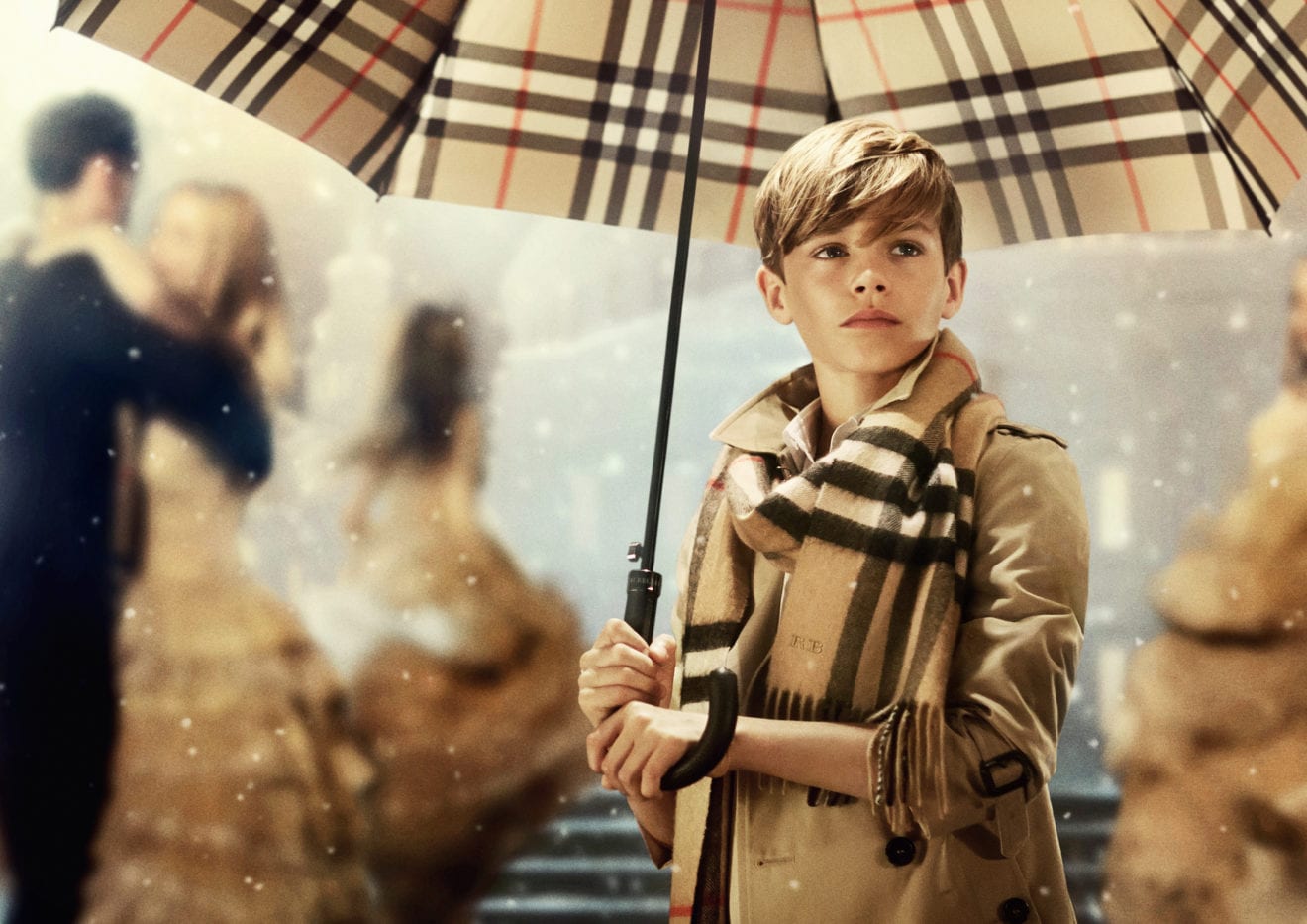
    British fashion house Burberry has reported sales and profit increases in the first half-year, despite the turmoil in Hong Kong, one of its largest international markets.

    “We are pleased with our performance in the half, as we remain on track to deliver the first phase of our strategy,” said Marco Gobbetti, CEO of the Hong Kong-listed fashion company.

    “We delivered financial results in line with guidance despite the decline in Hong Kong and we confirm our outlook for the full year.”

    During the six months to September 30, Burberry achieved comp-store sales growth of 4 percent – or £61 million – to £1.281 billion and adjusted operating profit growth of 15.9 percent to £202 million.

    Gobbetti said customer response to its new products has been positive, delivering strong double-digit growth. “We also continued to strengthen momentum around our brand and transform our distribution.”

    Chloe Collins, senior retail analyst at GlobalData, said credit for Burberry’s turnaround is due to new creative director Riccardo Tisci, as his collections now dominate the product assortment, achieving double-digit growth and now accounting for 70 percent of the range,

    “Tisci’s modern and edgy re-imagining of Burberry’s classic and traditionally British fashion styles, with a heavy focus on the new monogram logo, have transformed the brand, helping it appeal to a younger audience, who will then carry their desire for the brand with them as they age.”

    She said the menswear categories reacted particularly well within the half, with sales lifting by 12.3 percent as Tisci’s new designs incorporate more streetwear elements to capitalize on the athleisure trend. Womenswear performance was also strong, with revenue growing by 7.7 percent, however sales of accessories were disappointing, dropping 2.5 percent.

    “With new styles, including the signature TB bag, reportedly receiving positive reactions, Burberry must heavily promote these via social media and give them prominent positioning in stores to maximise Christmas gifting opportunities and achieve stronger results for the third quarter.”

  • Jollibee Opening Tim Ho Wan restaurants in China

    Jollibee Opening Tim Ho Wan restaurants in China

    Filipino restaurant operator Jollibee Foods Corporation (JFC) has signed a joint venture agreement with Dim Sum to operate Tim Ho Wan restaurants in China.

    JFC’s wholly-owned subsidiary Golden Plate will own 60 percent of the joint venture and Dim Sun will own the remaining 40 percent. The two companies have committed to invest US$13 million in the venture, of which up to US$7.8 million will be contributed by GPPL.

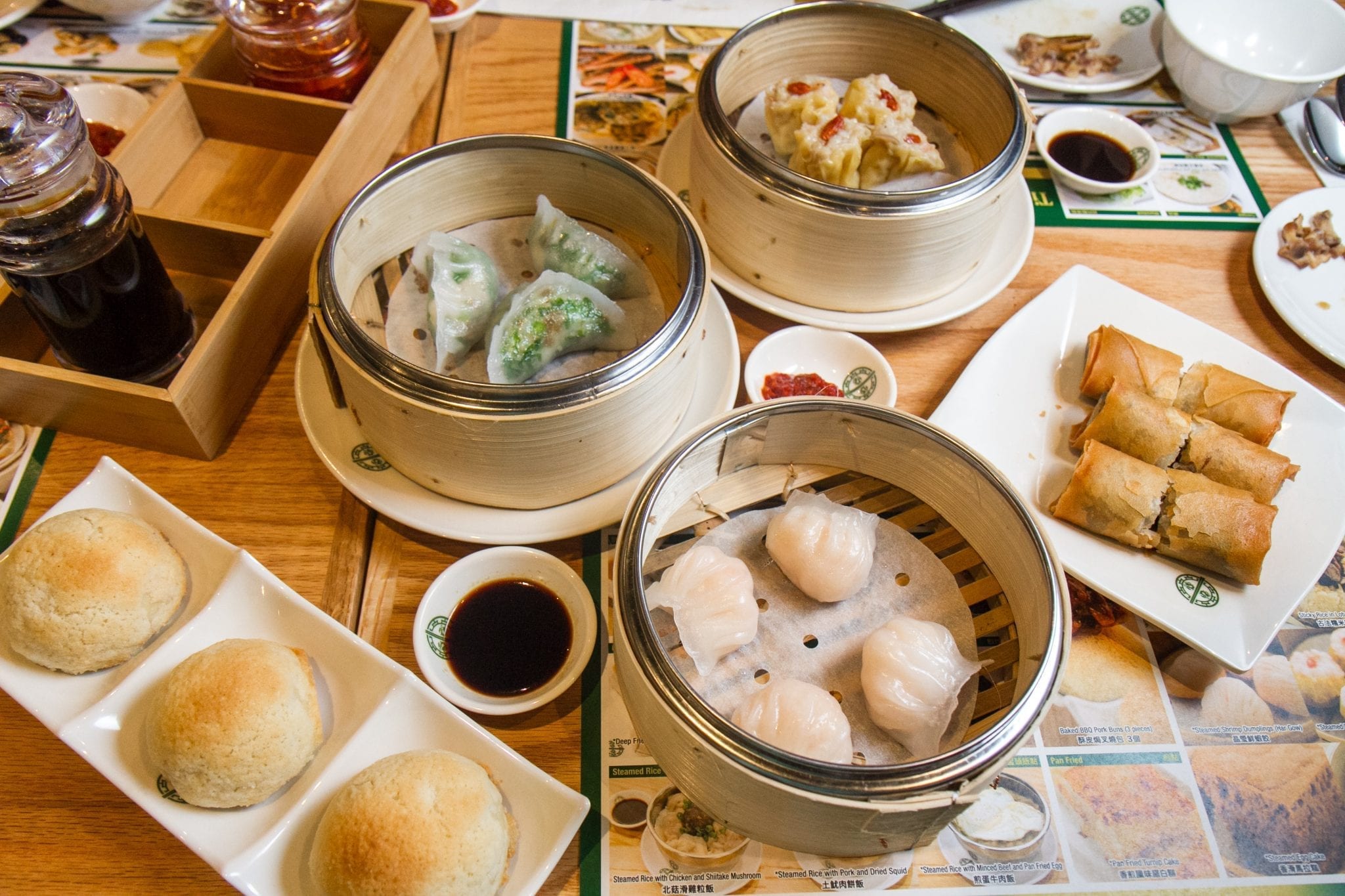
    Tim Ho Wan is a dim sum restaurant chain that originated in Hong Kong in 2009 where its Sham Shui Po outlet at 9 Fuk Wing Street has been awarded one Michelin star since 2010.

    A wholly-owned subsidiary of Titan Dining Holdings, Dim Sun already owns and operates Tim Ho Wan restaurants in Singapore.

    Currently, JFC operates three Chinese restaurant brands including Chowking, Yonghe King and Hong Zhuang Yuan. The company said that the three brands combined account for close to 20 percent of its systemwide sales.

    JFC operates 3238 restaurants across the Philippines, making it the largest restaurant operator in the country. Its brands include Jollibee, Chowking, Greenwich, Red Ribbon, Mang Inasal, Burger King and Pho24

    Overseas, JFC has 1451 restaurants across its brands Yonghe King, Hong Zhuang Yuan, Dunkin’ Donuts, Jollibee, Red Ribbon, Chowking, Highlands Coffee, Pho24, Hard Rock and Smashburger.

    Earlier this year, it has acquired Los Angeles-based The Coffee Bean & Tea Leaf.

  • Chloe opens first Hong Kong travel retail store

    Chloe opens first Hong Kong travel retail store

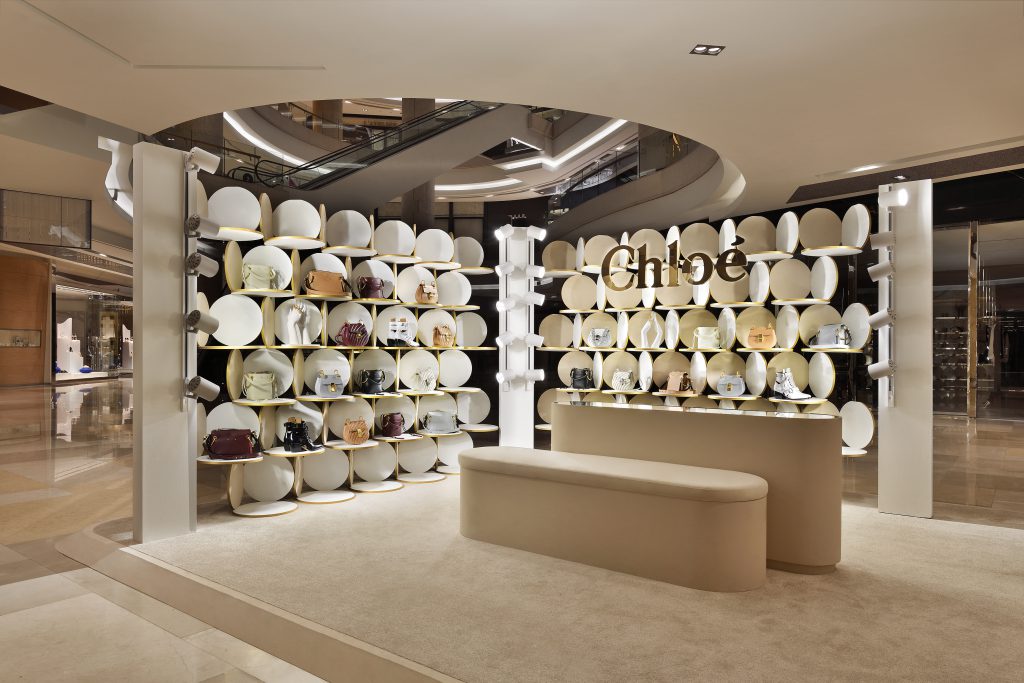
    French luxury brand Chloe has opened its first travel-retail store inside Hong Kong International Airport.

    The opening comes after the brand won a retail concession by the Airport Authority of Hong Kong last year.

    The store offers a selection of accessories including handbags, small leather goods, shoes, sunglasses, and jewelry. It boasts furnishings and decor featuring contrasting soft femininity with touches of burnished brass. The immersive installation is inspired by the brand’s signature atmosphere with a color motif of powdery beige rosé to shades of white and a touch of mustard.

    The store is operated in partnership with global travel retailer Dufry, which has more than 2300 shops around the world.

    Chloe has been accelerating its travel-retail expansion strategy, having opened 10 other stores at other international airports this year so far.

    HKIA is undergoing a transformation in its luxury zone and food court “to heighten and refresh passengers’ shopping and dining experiences”. It aims to further enhance luxury retail brand options, awarding luxury tender contracts to other prestigious brands including Louis Vuitton, Alexander McQueen, Montblanc and Rimowa last year.