Tag: Hong Kong

  • Covid-19 precautions drag Hong Kong retail sales in July

    Covid-19 precautions drag Hong Kong retail sales in July

    The tightening of social-distancing regulations helped fuel a 23.1-per-cent decline in Hong Kong retail sales in July.

    Nevertheless, the decline was sharper than expected given July last year was the first full month when retail was affected by the outbreak of social unrest sparked by the proposed anti-extradition law, creating a lower base for this year’s July figures.

    A government spokesman said that while Hong Kong’s Covid-19 situation has stabilized since July, potentially improving consumer sentiment, the retail business environment will continue to be “very difficult in the near term” with inbound tourism remaining at a standstill.

    The decline in Hong Kong retail sales in July was only marginally less than June’s adjusted 24.7-per-cent drop.

    For the first seven months of this year, Hong Kong retail sales have dropped by 32.1 percent compared with the same period last year. However, on a more positive note, retail sales for the three months to July rose by 16.9 percent over the prior quarter.

    Reflecting on the limitations on restaurant and cafe trading, the value of sales in supermarkets in July surged 26.5 percent over last year’s figures. Sales of fuels rose by 3.8 percent and of furniture and fixtures by 0.3 percent.

    Every other retail category recorded a decline for the month, with the greatest impact on the overall decline being sales of food, tobacco, and liquor, down by 12.9 percent. In descending order of impact, declines were posted of 7.2 percent for miscellaneous consumer goods, 53.7 percent for jewelry and watches, and 5.6 percent for electrical goods and other consumer durables.

    Sales in department stores fell by 28.8 percent, of apparel by 42.5 percent, of medicines and cosmetics by 50.9 percent, motor vehicles and parts by 13.1 percent, books, newspapers, stationery, and gifts by 41 percent, of Chinese drugs and herbs by 26.5 percent, of footwear and accessories by 53.6 percent, and at optical shops by 37 percent.

  • Daphne closing all physical retail stores

    Daphne closing all physical retail stores

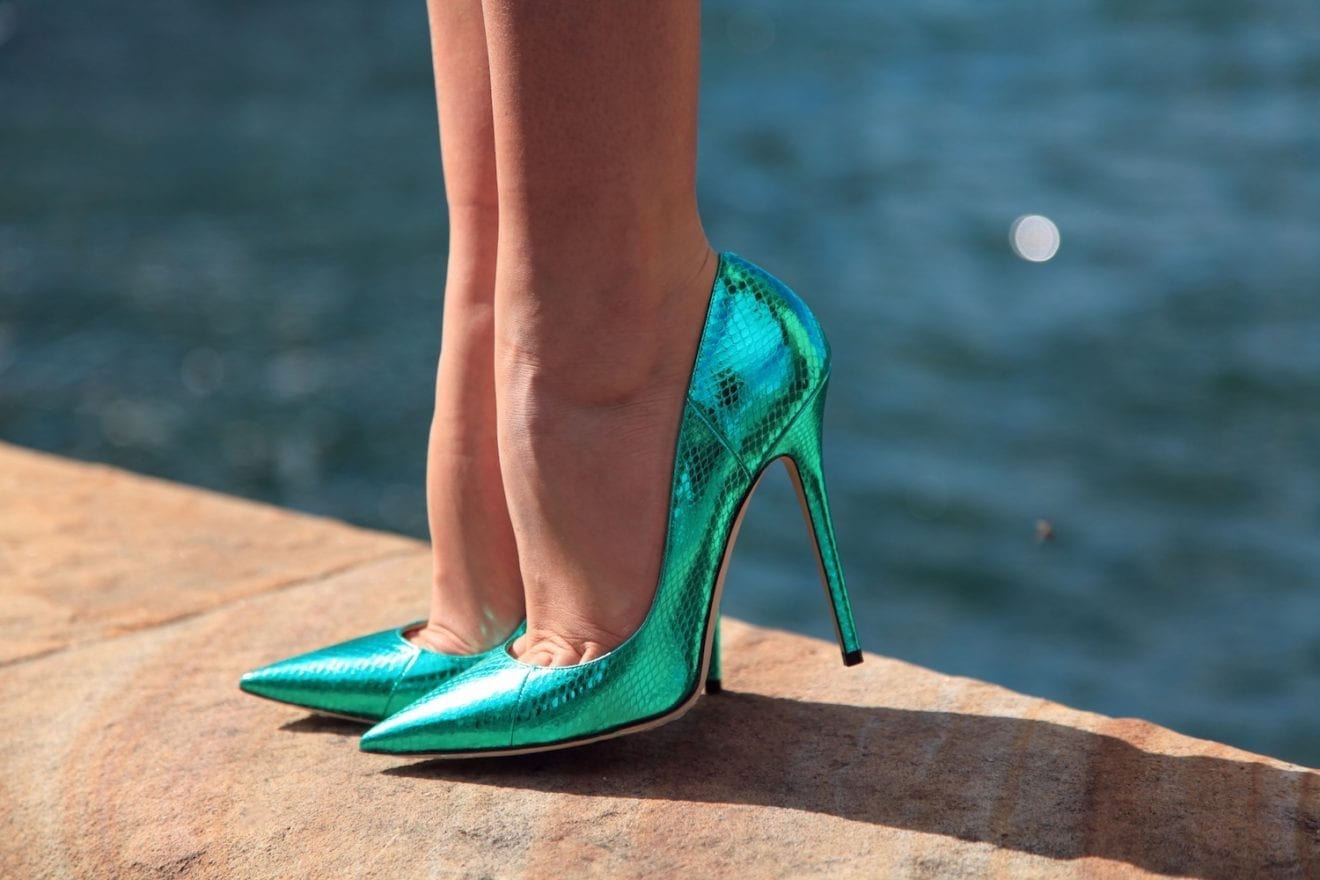
    Hong Kong-listed women’s footwear label Daphne International is withdrawing its physical retail stores from Mainland China and Taiwan in the face of steep losses.

    The brand’s most recent interim financial report shows an 85-per-cent drop in turnover to US$27.35 million and a loss of $18.2 million. The loss reflects the firm’s continuing strategy of closing Daphne and Shoebox-branded sales points, as well as the impact of the coronavirus pandemic.

    The firm has had longstanding issues with its sales performance and had already shuttered 900 stores by March last year.

    Daphne reported 2208 physical stores in June last year, which had dropped to 293 by the same time this year.

  • Hong Kong To Issue First-Ever Crypto Exchange License

    Hong Kong To Issue First-Ever Crypto Exchange License

    Hong Kong’s Securities and Futures Commission is en route to issue the city’s first-ever license to a cryptocurrency firm.

    OSL Digital Securities – a unit within Fidelity-backed BC Group – said that Hong Kong’s securities regulator has agreed in principle to issue a license, according to exchange filings.

    According to BC Group chief executive Hugh Madden, the license will help increase ease of doing business by being able to engage other regulated entities. Final approval is subject to certain conditions, the filing added without providing details.

    In addition to the cryptocurrency business where it generates the majority of its revenue, BC Group also provides business park and advertising services. In the first half of 2020, it posted a net loss of 90.8 million yuan ($13.1 million).

  • Alibaba-backed Best to list delivery business in Hong Kong

    Alibaba-backed Best to list delivery business in Hong Kong

    Alibaba-backed Best Inc is seeking a Hong Kong listing for its express delivery and freight delivery businesses, keen to boost its valuation and establish an investor base closer to China, said three sources with knowledge of the matter.

    The plans by Best, which went public in New York in 2017 and has a market value of US$1.8 billion, are preliminary and the offering size and target valuation have yet to be determined, said the sources, speaking on condition of anonymity as the information was private.

    The Hangzhou-based company, which has been unhappy with its New York valuation, decided not to include smaller units such as its supply chain management and cloud businesses in the Hong Kong listing as seeking a valuation for just the two delivery units would be more straightforward, one of the sources said

    The two units brought in nearly $4 billion in revenue last year, around 80 percent of the company’s overall revenue.

    The move also comes amid escalating geopolitical tensions between the US and China and tightening scrutiny of US-listed Chinese firms. Those uncertainties have prompted a number of Chinese companies to seek a second listing in Hong Kong.

    Best has tapped Credit Suisse and JPMorgan to lead the listing process said the sources. One source said the float could take place as soon as this year.

    Best and the banks declined to comment.

    Alibaba Group Holding, Best’s biggest shareholder, has endorsed the listing plan and would also consider investing in the float, said one of the people.

    The e-commerce giant, which in June increased its stake in Best to 33 percent via a $150 million convertible bond, also declined to comment.

    Alibaba’s interest in the float would mark another effort to gain more say in the world’s biggest logistics market which is rapidly growing but remains highly fragmented.

    Alibaba also has stakes in four other Chinese couriers – STO Express Co, YTO Express Group Co, ZTO Express (Cayman) Inc and Yunda Holding Co

    Best, led by founder and CEO Johnny Chou, a former Google executive, posted a 20.5-per-cent drop in first-quarter revenue from a year earlier and a net loss of $108 million, hit hard by the fallout from the Covid-19 pandemic.

    Goldman Sachs is also an investor in Best, according to the Chinese company’s 2019 annual report.

    Best’s shares have fallen 18 percent so far this year. In contrast, the S&P/BNY Mellon China Select ADR Index, which tracks Chinese firms listed in New York, has gained 16 percent over the same period.

  • HSBC Private Banking Names Southeast Asia Market Heads

    HSBC Private Banking Names Southeast Asia Market Heads

    Less than four months after the exit of single ex-market head of Singapore and Malaysia, HSBC Private Banking promotes two internally to head the respective markets.

    HSBC Private Banking named Ken Ng as market head for Singapore and Gary Goh as market head for Malaysia, replacing the former dual-head Chow Shang-Wei who resigned earlier this year after a four-year stint, according to a statement.

    Ng is an HSBC veteran, joining the British lender in 1995 with experience across wealth management, corporate banking and risk. He joined the private banking arm in 2014 and was previously a desk head.

    Goh has 23 years of experience in the financial industry and joined HSBC Private Banking in 2019 from Standard Chartered Private Bank where he headed the Singapore market. Previously, had also worked at UBS Wealth Management, as a desk head for its Chinese entrepreneur segment, as well as at Credit Suisse and Citigroup.

    Although the bank is running an accelerated global overhaul which includes 35,000 job cuts, it remains in growth mode in Asia especially following a restructuring that created a $1.4 trillion wealth and personal banking unit. The unit has set various expansion targets, including up to 3,000 hires by 2024 in its Guangzhou and Shanghai offices.

    In the latest duo appointments, the bank added that it would seek to double its Singapore wealth and personal banking unit over five years as part of its «efforts to cement Singapore’s role as a prime international wealth center.

    Southeast Asia is home to some of the fastest-growing economies spurring the next generation of wealthy entrepreneurs,» said Philip Kunz, Southeast Asia head of global private banking. «Singapore and Malaysia sit at the nexus as many entrepreneurs look to expand regionally.

    In the last 12 months, HSBC has been actively rostering senior positions in its private bank with a string of hires and internal appointments.

    Last month, the private bank promoted another duo – Jeffrey Yap and Adam Lau – as Southeast Asia head of investment services and product solutions and the newly created role of APAC head of market solutions, respectively. It also expanded to its Greater China product and investment teams in late 2019 with the addition of Lina Lim, ex-J.P. Morgan; Rocky Cheung, ex-DBS; and Simon Hwang, ex-Citi.

    Other senior moves included the hire of ex-Deutsche exec Lavanya Chari as the global head of products, investment and collaboration; ex-J.P. Morgan exec Sharon Oh as chief operating officer; and the appointment of Cynthia Lee as APAC head of private wealth solutions.

  • Hong Kong leads ‘drastic’ drop in sales for Giordano

    Hong Kong leads ‘drastic’ drop in sales for Giordano

    A “drastic” drop in sales has led apparel retailer Giordano International to record a US$22.6 million loss in the six months to June, of which $13.2 million alone was attributable to its Hong Kong operations.

    The company said in a stock-exchange filing that post-June 30, sales have begun to recover, but while it continues to assess the impact of the Covid-19 crisis on its operations it is too soon to project its full-year performance.

    Last year’s first half saw the company report a net profit of $20.8 million.

    Group-wide sales fell by 44.4 percent for the half-year to $182 million, with the impact of Covid-19 beginning in January in Mainland China, leading to a ban on cross-border travel from Mainland China into Hong Kong and Macau.

    Non-cash provisions relating to Hong Kong accounting laws also contributed to the loss.

    Online sales surged 93.8 percent during the six months to $17.9 million, accounting for 9.8 percent of total group turnover, nearly double the share of the same period last year.

    Giordano’s chairman and CEO Peter Lau said the group will continue to focus on third-party online platforms for future growth.

    Giordano operated 2187 stores at the end of June.

  • Christian Louboutin showcasting Hong Kong boutique

    Christian Louboutin showcasting Hong Kong boutique

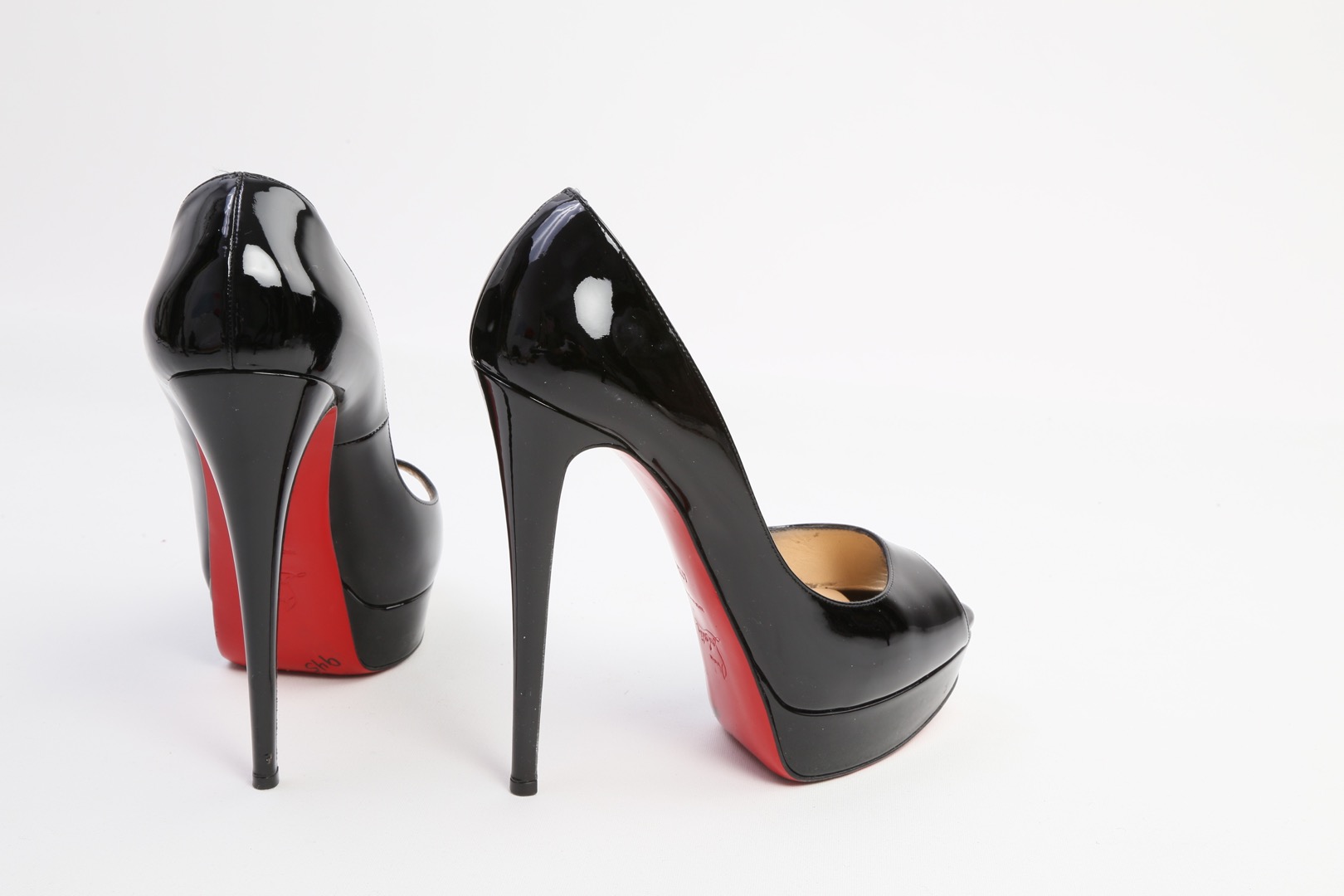
    Christian Louboutin has opened a new boutique in Landmark Prince’s, at Hong Kong’s Central.

    Inspired by the brand’s first boutique in Galerie Vero Dodat, the store facade features red-tiled walls with “petroleum-blue ceramics” and a Christian Louboutin neon sign. The storefront also houses displaying areas behind large glass windows, showing the brand’s latest products.

    The boutique’s interior is decorated in two main colors – red and blue. At the heart of the store is a blue display podium, showcasing women’s footwear.

    Two large red sofas create a lounge for customers with a flower-painted backdrop designed by French artist Alexandre Poulaillon.

    Meanwhile, the men’s room features gold-stained elements together with brown and beige wallpapers, aimed at creating a masculine vibe.

    The boutique reflects the Maison’s signature visual elements while nodding to the designer’s “creativity and eclectic aesthetic,” the company said in a statement.

    The label’s new capsule collection of Cabaraparis is available only at the Landmark Prince’s boutique.

  • Yum China eyes US$2 billion HK stock listing

    Yum China eyes US$2 billion HK stock listing

    Yum China – the operator of KFC, Pizza Hut, Taco Bell, and local restaurant chains – is reportedly preparing to list on the Hong Kong stock exchange as early as next month.

    The IPO, should it proceed, is likely to raise as much as US$2 billion, according to Bloomberg, which cited inside sources who asked not to be identified

    Approval for the listing will be sought from the territory’s stock exchange as early as this month.

    Yum China, controlled by its US namesake Yum! Brands, has been working with Goldman Sachs, China International Capital, Citigroup, UBS and CMB International to prepare for the listing.

    Last month, Yum China marked its 10,000-store milestone, opening a KFC in Bo’ao, Hainan province, and CEO Joey Wat said then that the Covid-19 pandemic will not impact this year’s store rollout plan.

    “With our innovation capabilities, strong digital strategy, and resilient business model, I believe we will emerge from this pandemic stronger than ever, and ready to capture the exciting long-term market opportunity in China,” she said.

    Yum China’s total sales fell 11 percent year on year to US$1.9 billion in the first quarter of this year, while net income fell 26 percent to $132 million.

    Michael Pearson, head of corporate equities at Oak Stone Limited, said the specifics of the deal such as timing and size have not yet been finalized and are likely to change in the coming weeks.

    “New York-listed Yum China is another company who join the growing wave of US-listed Chinese firms seeking a trading foothold in Hong Kong due to the deteriorating relations between the US and China,” added James Burnley, head of wealth management at Oak Stone.

    “Regulators in the US are threatening to restrict the access of Chinese companies to the American capital markets if they refuse to let authorities review their audits,” he said.

  • Hong Kong DTC label Lane Eight launches sustainably made workout shoe

    Hong Kong DTC label Lane Eight launches sustainably made workout shoe

    Hong Kong-based DTC footwear start-up Lane Eight, has just released an all sustainable workout shoe range. Released in three colorways – Electric Neon, Cloud White and Lunar Grey – the brand’s signature AD 1 trainers have been redesigned with all-sustainable and recyclable materials comprising microfibre in replacement of suede; polyester yarn from 11 plastic bottles, and an algae-based midsole.

    With every pair of Lane Eight’s produced, 31.5 liters of freshwater are returned to the environment, and 64 cubic meters of carbon is removed from the atmosphere.

    Launched in 2017, the brand was conceived by James and Josh Shorrock, brothers with a background in Adidas product development and the Hypebeast editorial team. The digitally native brand holds a mass presence in the US and a growing following in Hong Kong, owing to its efforts in building partnerships with local fitness studios and influencers, alongside community workout events with customers.

    The omnichannel retailer currently has one physical brick-and-mortar store located on the trendy premises of Swire Properties-owned Star Street precinct in Wan Chai, its neighbors including lifestyle brands Monocle and Kapok. The store doubles as a distribution hub for online orders and a physical showroom for offline purchases.

    Highly coveted and with a long waitlist, the brand has upped its production and will be releasing new colors every month to meet the growing demand for the signature AD 1 trainers.

  • HSBC Ramps Up China Hiring Despite Tensions

    HSBC Ramps Up China Hiring Despite Tensions

    HSBC stay on course with its China ambitions with the latest target to hire 2,000 to 3,000 wealth planners over the next four years for its mainland business. HSBC’s will seek to broadly expand its count of wealth planners in Asia with much of the growing focus placed on China where it could hire up to 3,000 by 2024. The bank is already housing its first 100 digitally-enabled wealth planners in its Guangzhou and Shanghai offices.

    Our new venture in mainland China, signals not only our commitment but our progress in increasing investments in people, technology, and wealth capabilities over the next few years, said Greg Hingston, HSBC’s APAC head of wealth and personal banking, in a statement.

    This will be central to our ambitions to become the leading wealth manager in Asia.

    While accelerating its global overhaul which includes 35,000 job cuts, the bank continues to hire in the region, most notably for its China business.

    Since 2017, the bank hired 800 people for its wealth management business and opened six Jade Centers – its affluent segment – since the start of 2019. Earlier this year, the bank also reportedly said it had also planned to add another 500 to its private banking and wealth management business by 2022 with a focus on Hong Kong and Singapore.

    HSBC maintains its expansion plans for its newly merged retail and private banking unit despite increasing political uncertainty including, most notably, the British bank’s involvement in the Huawei scandal and its public support for the controversial national security law in Hong Kong.

    On the former, HSBC faces increasingly intense pressures in the mainland over its involvement which most recently included allegations that it feigned ignorance about Huawei’s dealings and even suggested that it took unnecessary risks that resulted in U.S. detection. State-backed media Global Times claimed last month that the bank’s resumption of planned job cuts may mark the beginning of the end for the embattled British bank in China, citing an unnamed Beijing observer that suggested it could be pushed out of the mainland market over the legal scandal.

    In the first half, pre-tax profits at HSBC plunged 65 percent to reach $4.32 billion missing analyst estimates of $5.67 billion. Although its China business posted $1.5 billion of pre-tax profits, the wealth and personal banking business in the country registered a $26 million loss.

  • Hong Kong beauty chain Bonjour warns of another loss

    Hong Kong beauty chain Bonjour warns of another loss

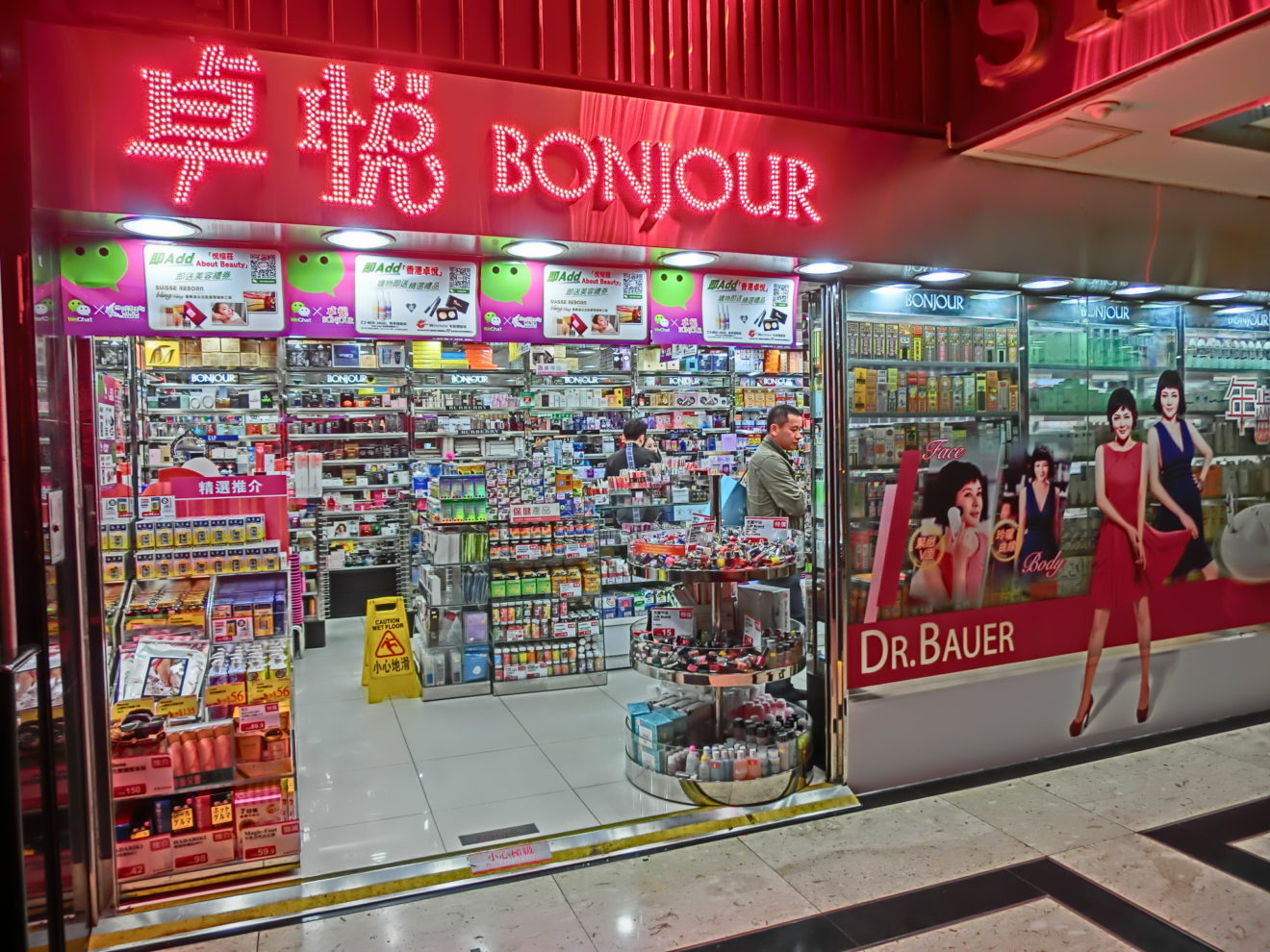
    Bonjour Holdings has warned of a loss as high as US$12 million for the half-year to June as it weighs the impact of protest activity and the Covid-19-driven lockdown of the border with Mainland China.

    In a profit warning, the health & beauty retail group said a preliminary, unaudited review of its results suggests a loss “not less than 300 percent” of that of the same period last year when it finished the period $3.8 million in the red.

    Besides the decline in inbound tourists to the territory, local consumer sentiment weakened during the six months.

    The company has also booked impairment provisions related to assets and property, and inventories resulting from losses at its retail stores, but such provisions are by nature noncash and have no impact on the group’s cash flow or liquidity.

    Confirmed results will be released at the end of this month.

    In April, Bonjour said it was delisting slow-moving products and had trimmed its store network to compensate for falling sales after reporting a full-year loss of $16.7 million.

    In May, the husband-and-wife founders of the company stepped back from their senior leadership roles, with Dr Wilson Ip Chun Heng resigning as chairman and CEO, and his wife, Chung Pui Wan, stepping down as vice-chairman. Both remained on the board.

  • Hong Kong retail sales in June slip

    Hong Kong retail sales in June slip

    Hong Kong retail sales in June slumped by 24.8 percent to US$3.42 billion as the territory’s borders remained all but closed to tourists due to the Covid-19 pandemic.

    The decline was lower than in May when sales were down 32.9 percent year on year and the 33.3-per-cent rate for the six months to June.

    A Hong Kong government spokesman said the slowing rate of the decline reflected the pandemic’s abatement during the month, resulting in more locals returning to the shop.

    However, with inbound tourism remaining at a standstill in July and local consumption hit by the surge in local Covid-19 cases resulting in a tightening of social-distancing measures, the retail trading environment “has turned more austere again” since June, they said.

    June last year was when the social unrest began to impact Hong Kong retail, so the year-on-year declines each month for the rest of this year will likely be less dramatic than in recent months, due to the lower base.

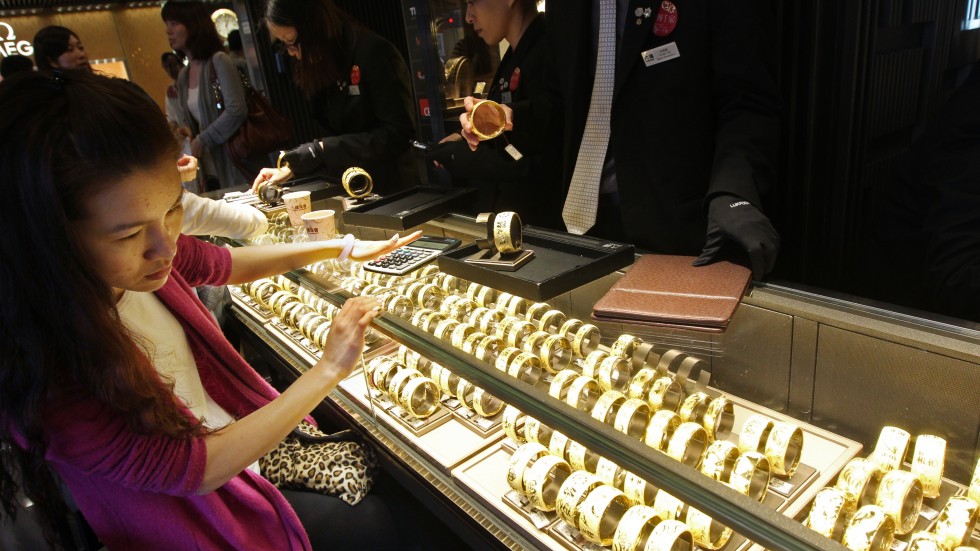
    In order of the category’s impact on the overall figures, the biggest declines were in department-store sales down 7 percent; miscellaneous consumer goods by 10 percent, food, alcohol and tobacco down 13.2 percent; jewelry and watches by 56.5 percent; electrical goods by 8.8 percent; and apparel by 38.8 percent.

    The medicines and cosmetics category was down by 57.4 percent; motor vehicles and parts by 17.9 percent; footwear and accessories by 39.7 percent; Chinese drugs and herbs by 29 percent; books, newspapers, stationery, and gifts by 41.3 percent; and sales at optical shops fell by 32.5 percent.

    The only categories showing growth in Hong Kong retail sales in June were supermarkets up by 4.5 percent, fuels by 8.4 percent, and furniture and fixtures by 0.3 percent.

  • Hong Kong’s Swindon Book Store closes after 100 years in Business

    Hong Kong’s Swindon Book Store closes after 100 years in Business

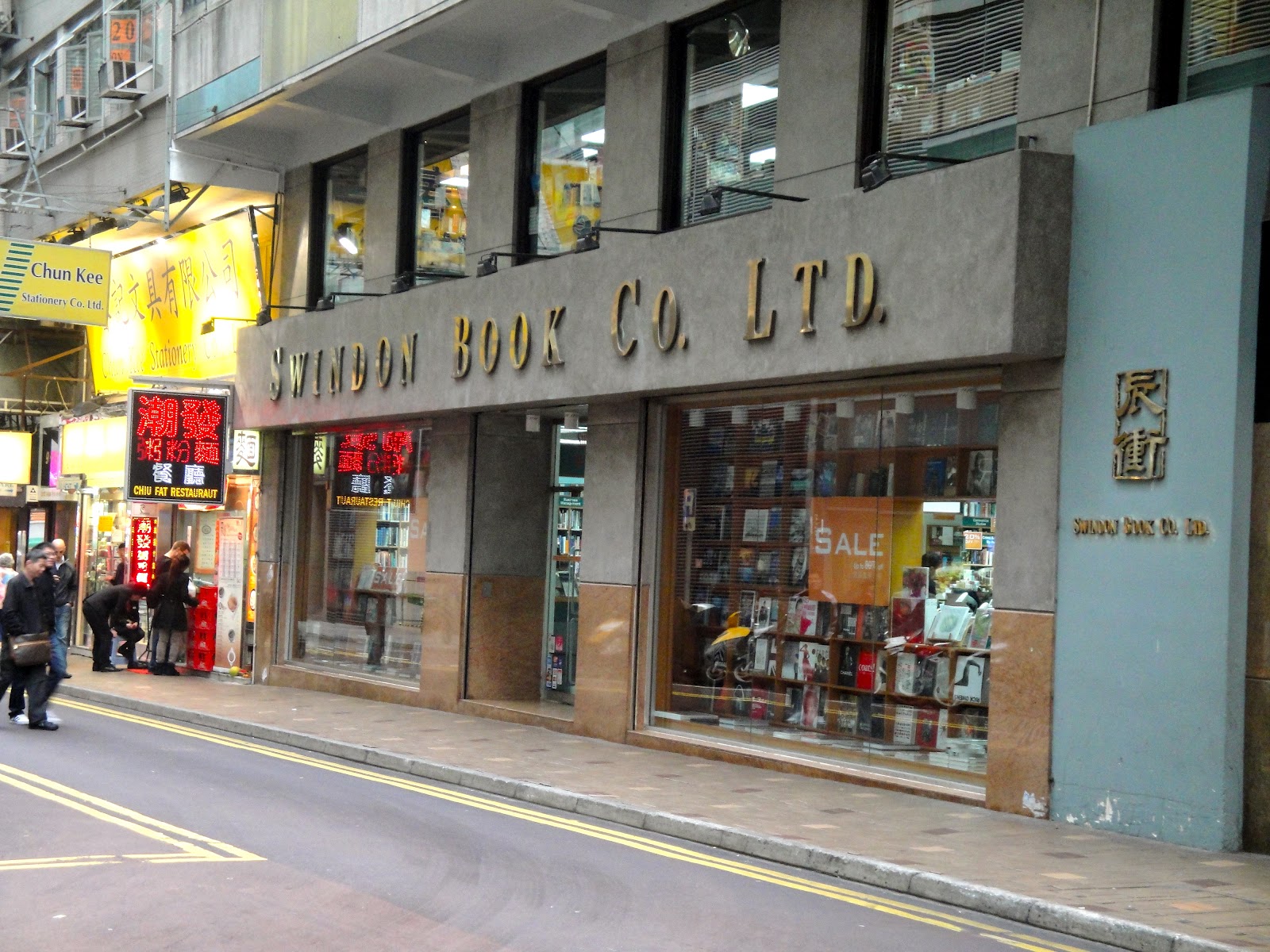
    Swindon Book Co, one of the oldest bookstores in Hong Kong, will permanently close at the end of this month.

    The 5000sqft Tim Sha Tsui venue, with its distinctive vintage storefront on Lock Road, has operated for more than a century. Its closure comes as several other major booksellers exit the Hong Kong market, including all 16 branches of Popular Bookstore, which traded for 40 years in the territory prior to closing in March. Chain stores Dymocks and Page One both departed Hong Kong during the past five years.

    Reports have blamed high rentals and online competitors for the closures.

    A Facebook message posted by the store on Tuesday announced a new chapter in the brand’s journey with a move online, while subsidiary stores Hong Kong Book Centre and Kelly & Walsh will remain open.

    “We deeply appreciate all your support over the years and we are truly honored to have spent time with you at retail,” read the post.

    Swindon Book Co, which distributes school textbooks in Hong Kong, partnered with e-book firm Kobo several years ago as an authorized seller of the device in order to keep up with the times.

  • Why Production Monitoring Makes Sense for Your Business

    Why Production Monitoring Makes Sense for Your Business

    Global quality control company HQTS’ Production Monitoring service helps your supply chain be as efficient as possible. Production Monitoring is an end-to-end service for monitoring the production process. It gives customers greater control and insight into the entire manufacturing process with no unwelcome surprises.

    It’s crucial for importers to ensure product quality during production and reduce the incidences of delayed shipping and quality defects.

    The manufacturing process is becoming fragmented with increased outsourcing which represents a bigger challenge for buyers to manage. The goal should be to minimize quality issues at the start of production and have a sound quality process that detects and resolves defects throughout the production process.

    Production Monitoring is different to inspections in that it is employed throughout the entire production process from sample evaluation to loading supervision. It’s a comprehensive way to ensure products adhere to production timelines and meet shipping deadlines offering a full view into the process rather than the general snapshot that comes with inspections.

    It minimizes the risk of delayed shipments by confirming production schedule, monitoring the full manufacturing process from receiving materials to shipping according to quality requirements.

    The service helps to not only ensure products arrive on time, but also cuts out the chance of reworks, renegotiations, or returns. Problems can be solved at a stage when they are still manageable too and Production Monitoring also offers technical support to improve supplier quality management.

    The seven stages of Production Monitoring are Supplier Selection, Product Development, Production Planning, Initial Production, During Production, End of Production, and Shipping.

    HQTS has also recently expanded its offering to include a new During Production Monitoring service. The new service is based on a three-module customisable structure allowing for a more agile approach.

    The Process Monitoring Module includes Warehouse Monitoring, IQC Monitoring, Critical Components Monitoring, Production Line Monitoring, 4M1E Monitoring, and Packaging Process Monitoring.

    The Sampling Inspection Module (DPI) includes Material Sampling inspection, Semi-finished Product Sampling Inspection, On-Site Test, First Article Inspection, Finished Product Sampling Inspection, and Packaging Sampling Inspection.

    The third part is a Follow Up Module which offers an NPI Follow Up and Corrective and Preventive Action.

    HQTS will begin to work directly with suppliers to ensure clients’ quality needs are clearly communicated and met, allowing them to have more control over their production process.

    About HQTS

    HQTS provides quality control inspections, factory audits, supplier evaluations, consumer product testing, production control and management, and quality control consulting throughout greater Asia. Backed by the industry knowledge and experience of nearly 1,500 professionals, in more than 20 countries, HQTS is well-suited to be your partner in quality.


  • Luk Fook to close five Hong Kong stores as sales continue to fall

    Luk Fook to close five Hong Kong stores as sales continue to fall

    Luk Fook Holdings has reported a 71-per-cent plunge in first-quarter same-store sales due to the impact of Covid-19 on tourist numbers traveling to Hong Kong.

    However, the company said that entering June, as retail sentiment in Hong Kong and on the mainland gradually improved, the overall same-store sales decline of the company’s self-operated shops narrowed from 76 percent in April and May to 58 percent in June.

    With little likelihood of a quick return of mainland Chinese shoppers into Hong Kong, Luk Fook says it will close about five stores in the territory by the end of this year, which would leave it with 44. However, it plans to open two more in Macau and remains on target to open 150 more on the mainland.

    “The sales decline in the mainland market was lower than the Hong Kong and Macau market as most of the shops in Mainland resumed operations during the quarter and the consumer sentiments recovered gradually,” the company said in a stock-exchange filing.

    Same-store sales at self-operated Lukfook stores on the mainland slumped by 43 percent in April and May but by a lesser 32 percent in June.

    Licensed Lukfook shops, which account for around 95 percent of the company’s mainland network, recorded a lower same-store sales decline of 19 percent compared to that of the self-operated shops, which were mostly located in Northern China and Central China which were more severely impacted by the pandemic during the quarter.