Tag: Hong Kong

  • GXG China plans Hong Kong listing

    Chinese menswear retailer GXG has filed for a public offering in Hong Kong.

    The firm, which is controlled by a private equity fund managed by Singapore private equity firm L Catterton Asia (itself backed by luxury giant LVMH Moet Hennessy Louis Vuitton SE), is seeking to raise about US$300 million.

    A statement from the company revealed plans to use the funds to expand its brand and product portfolio via acquisitions and strategic alliances; develop customer-oriented smart stores as an upgrade to its current offline outlets; and establish an advanced logistics centre.

    “Our new retail platform capitalises on online and offline strengths, and increases efficiencies in terms of inventory management, supply chain management, product selection, and logistics by integrating offline retail stores with online channels,” the source said.

    “We intend to maintain and strengthen our position as a leading fashion menswear company and continue to develop our leading position in the broader apparel market in China.”

    Retailer GXG runs more than 2200 stores in China and commands around 3.23 per cent of the Chinese fashionable menswear market, ranking second in China in 2017 in terms of total retail revenue.

  • Hong Kong high-speed rail link to Guangzhou ready to go

    Hong Kong high-speed rail link to Guangzhou ready to go

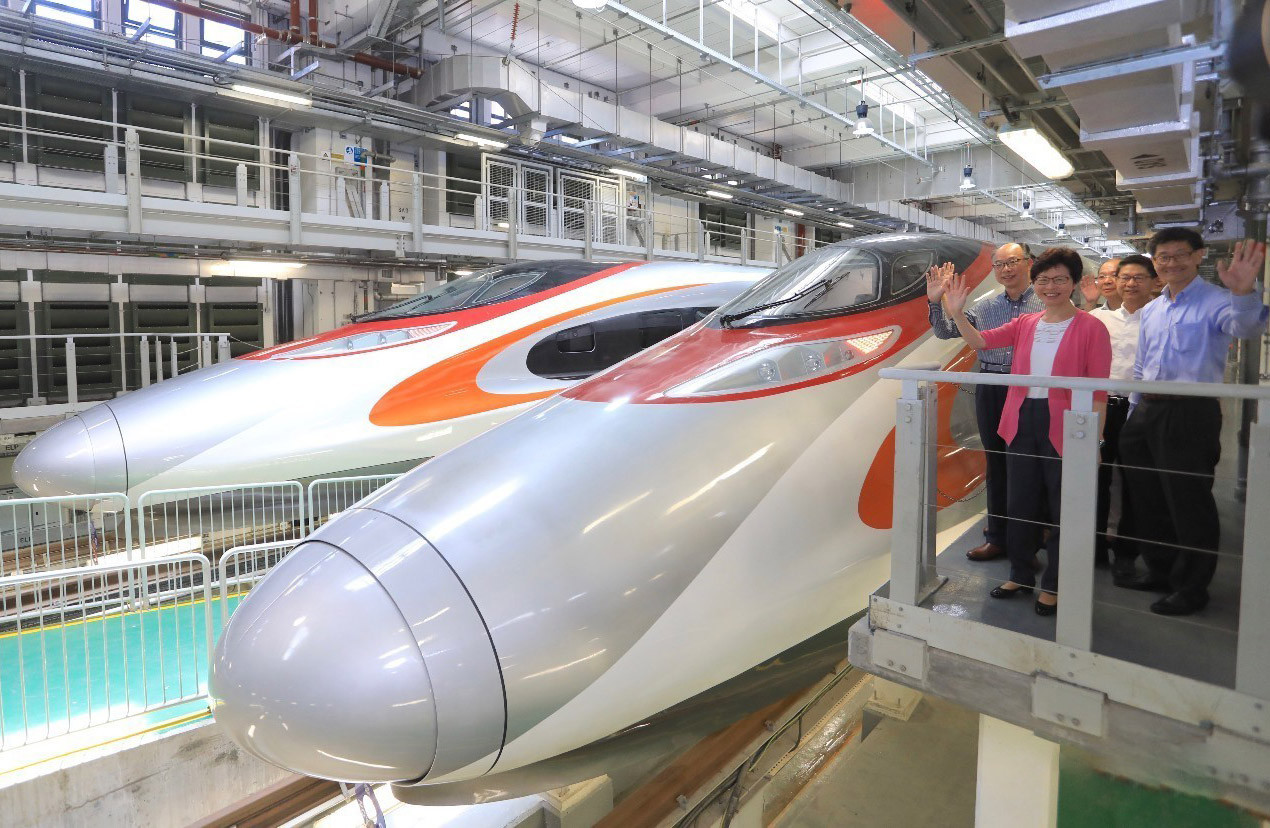
    The 26km Hong Kong section of the Guangzhou-Shenzhen-Hong Kong Express Rail Link is set to debut on September 23, forecasting 80,100 passengers daily. The cross-border service will link the city to 44 destinations on mainland China.

    Last weekend, 20,000 people who obtained tickets last week were poised to catch a first glimpse of the station.

    On the first basement level, 23 counters will sell tickets to 44 mainland destinations, with various modes of payment accepted, such as Octopus, Alipay, WeChat Pay and Samsung Pay.

    Five counters will offer tickets to destinations in mainland China’s rail network or those beyond the 44 stops.

    Passengers can also buy tickets from 39 machines. However, the automated systems only accept home-return permits for Hong Kong and Macau residents as well as second-generation mainland resident IDs. Up to 10 tickets may be bought at a time.

    Those holding other travel documents are required to buy tickets from the counters.

    There are about 40 shops and a large food court located on-site. The nine Hong Kong-owned trains at the terminus do not offer food services in their carriages.

    Other shops will offer banking facilities, as well as souvenirs, fashion products and cosmetics. Brands include Sasa, Asia Favourites, Pocket Noir, Okashi Land, 7-Eleven and Mannings.

    Delayed three years and over budget by one-third of its total costs, the rail line has sparked controversy over a “co-location” arrangement allowing mainland officials to enforce their laws in a port area leased to them.

    A designated zone – including two office floors, a waiting hall for departing passengers, station platforms and connecting passageways and escalators, as well as train compartments – will be subject to mainland jurisdiction and laws.

    Supporters of the joint checkpoint plan have argued the plan would be more convenient for passengers as customs clearance would be consolidated. But critics say the arrangement contravenes the Basic Law, the city’s mini-constitution, which states that mainland legislation shall not apply on Hong Kong soil except in matters of defence, foreign affairs and those “outside the limits” of local autonomy.

    Mainland officials start work at the station today.

    This new connection is part of the bigger plan of interaction in the Greater Bay Area, and will definitely have an impact on the retail industry.

    The long-established business of Chinese visitors going to HK for shopping will now see the same flow of people going from HK to Shenzhen to chill out in the fast-developing so called megacity. Shenzhen is rapidly transforming and working on its infrastructure to welcome visitors, but also its growing population.

  • Biscuit maker Cookies Quartet applies for IPO

    Biscuit maker Cookies Quartet applies for IPO

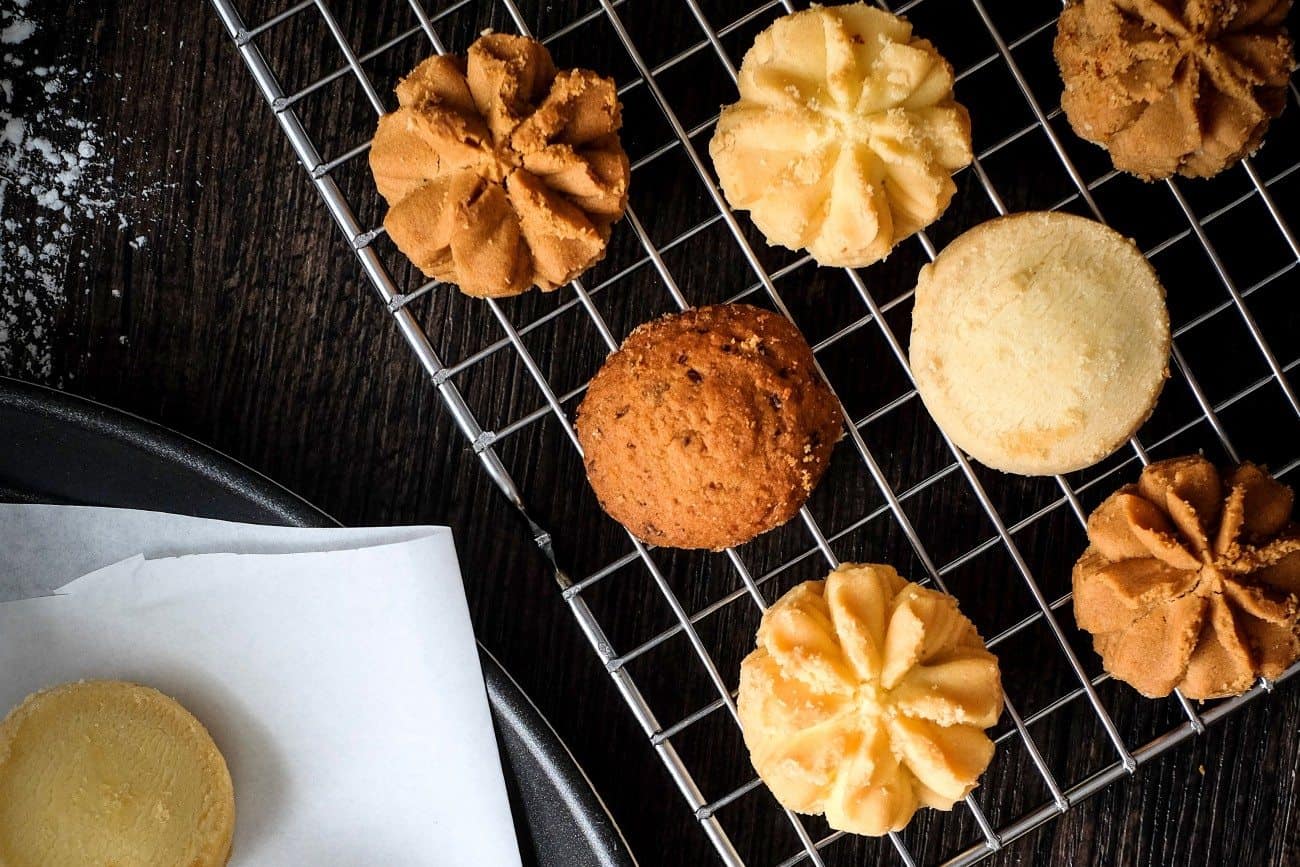
    Hong Kong biscuit maker Cookies Quartet is planning an IPO to raise funds for expansion into Canada and Taiwan.

    The company, founded by former Miss Hong Kong Tse Ning, pastry chef Yiu Man Wong and food writer Yuen Tung Kwan in 2008, now has eight stores in Hong Kong and a bakery in San Po Kong.

    In a filing with the stock exchange, Cookies Quartet said it has an agreement with distributors in both new international markets and also plans to expand distribution in Mainland China where it has been selling online for two years.

    Of Hong Kong’s 32 biscuit retailers, Cookies Quartet claims a market share ranking it second in revenue terms with sales of HK$80.7 million giving it 13.6 per cent of the market.

    The company stated its profits at HK$24.7 million (US$3.1 million) this year, and $29.5 million last year.

  • Meituan Dianping to set Hong Kong IPO valuation at up to $55 billion

    Meituan Dianping to set Hong Kong IPO valuation at up to $55 billion

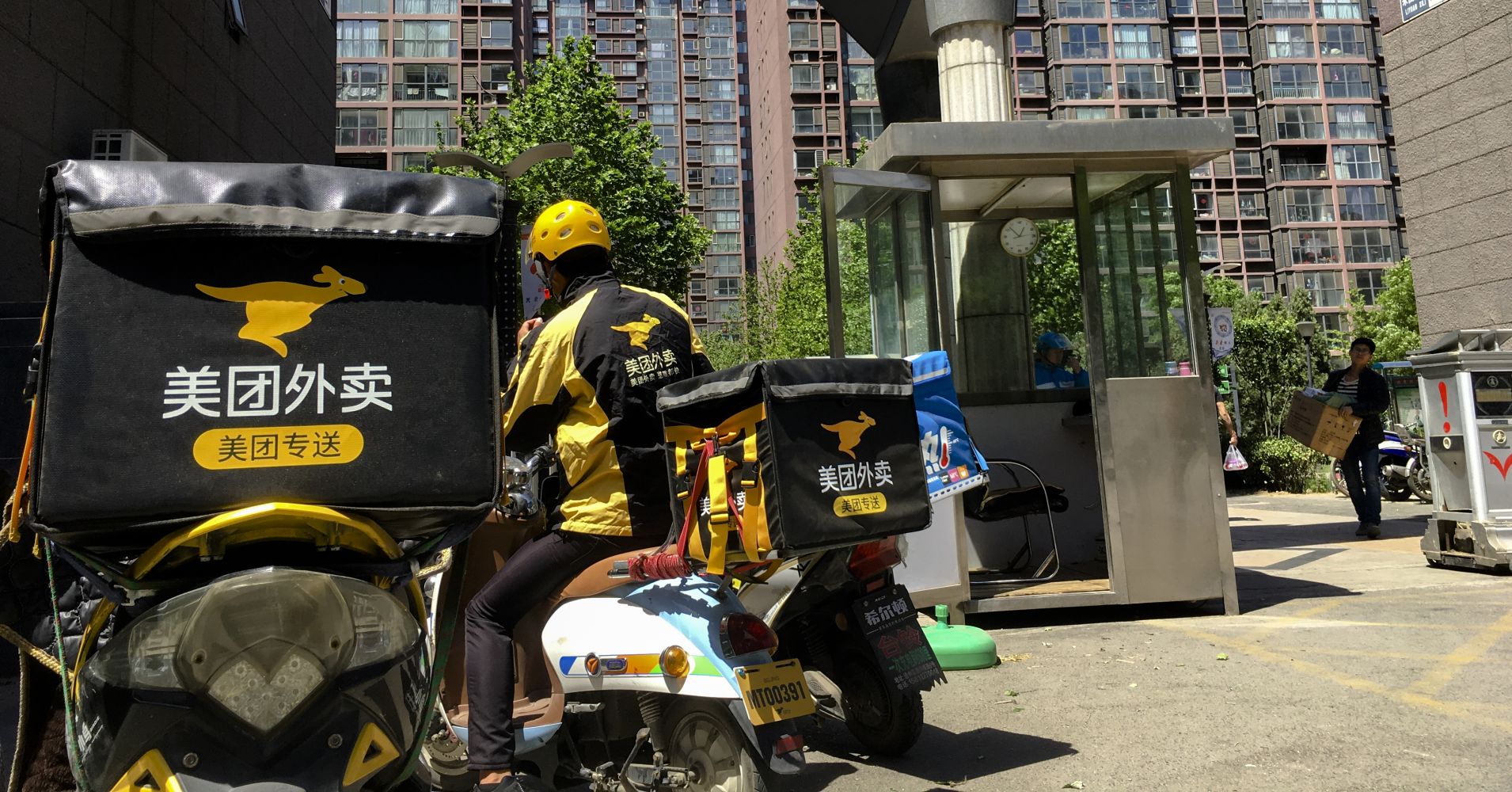
    China’s Meituan Dianping, an online food delivery-to-ticketing services platform, has set an indicative price range of HK$60 to HK$72 ($7.64-$9.17) per share for its initial public offering (IPO) in Hong Kong, valuing itself at up to $55 billion, four people with direct knowledge of the matter said.

    Meituan, already one of China’s most valuable internet firms, could raise as much as $4 billion before the exercise of a “greenshoe” or over-allotment option, whereby additional shares are sold depending on demand.

    The company is discussing a valuation of $46 billion to $55 billion and planning to secure a total of $1.5 billion from five cornerstone investors, including its main backer gaming and social media company Tencent Holdings, and global asset manager OppenheimerFunds, the people said.

    Oppenheimer will commit $500 million and Tencent $400 million, they said.

    Other cornerstone investors include U.K.-based hedge fund Lansdowne Partners ($300 million), U.S. hedge fund Darsana Master Fund ($200 million) and Chinese state-owned conglomerate China Chengtong Holdings ($100 million).

    The five cornerstone investors did not immediately respond to requests for comment. Calls to Darsana went unanswered.

    The Beijing-based firm filed plans for the city’s second multibillion-dollar tech float this year after smartphone maker Xiaomi’s blockbuster IPO of nearly $5 billion.

    It plans to use the process to upgrade its technology, develop new services and products and pursue acquisitions among other things, according to its IPO filing.

    Meituan is also – after Xiaomi – the latest company with a dual-class share structure to file for a Hong Kong listing, under the city’s new rules designed to attract tech companies.

    However, in late July Hong Kong Exchanges and Clearing (HKEX), the operator of Hong Kong exchange, said it would delay changes that would allow companies to hold shares with more voting rights, as more time was needed for investors to become accustomed to recent rule changes.

    Meituan was valued at around $30 billion in a fundraising round late last year.

    Xiaomi started trading in July after a closely watched but disappointing initial public offering that valued it at almost half the $100 billion that industry analysts had initially estimated.

    Meituan has been likened to U.S. discounting platform Groupon.

    Founded in 2010 by serial entrepreneur Wang Xing, it completed a $15 billion merger with Dianping in 2015, akin to U.S. online review firm Yelp Inc. It offers a broad range of services including movie ticketing, food delivery, hotel and travel booking as well as ride-hailing.

    Competitors include food-delivery platform Ele.me, backed by e-commerce firm Alibaba Group Holding, and leading ride-hailing firm Didi Chuxing, backed by Japan’s SoftBank Group.

    Bank of America Merrill Lynch, Goldman Sachs Group and Morgan Stanley are sponsors of Meituan’s IPO.

    China Renaissance is the financial advisor.
  • Into the minds of Hong Kong’s online shoppers

    Into the minds of Hong Kong’s online shoppers

    Consumers in Hong Kong are accustomed to online shopping, with two thirds of shoppers completing purchases within the day if they were to complete the shopping journey, demonstrating decisiveness compared to shoppers in other markets.

    SAP Consumer Propensity surveyed Hong Kong shoppers to gain insights into their online shopping behaviour, including their motivation to purchase online, and their views on how brands can improve the overall customer experience.

    E-commerce companies looking to enhance the online shopping experience for people in Hong Kong should do three things:

    1. Provide easy exchange and return services (free return labels or nearby lockers) (58%)
    2. Include comparison tools to compare prices and specifications (50%)
    3. Offer different sizes or types of the item to try out before deciding which version to purchase (44%)

    Besides the wishlist provided by by customers, Hong Kong shoppers also shared what drive them to make the decision to purchase. The top three drivers are:

    1. Receiving discount or promotion notifications (56%)
    2. Receiving discount with purchase notifications (36%)
    3. Receiving timely response to a query (25%)

    However, when it comes to abandoning virtual shopping carts, 51% of Hong Kong consumers discard their carts sometimes or all the time, just as likely as other shoppers across Asia Pacific (52%) – ahead of the Americas (46%) and Europe (43%) on average.

    When probed further, around two-fifths (42%) of people surveyed said that they abandon carts because they are concerned with shipping costs.

    The second and third most common reasons was the lack of promotions or discounts (39%) and price-savvy customers preferring to use online sites for price comparisons only (39%).

    “Reviewing cart abandonment data provides a starting point for retailers to identify friction points in the consumer journey and make improvements to the overall purchasing experience for Hong Kong’s customers,” said Frank Zhang, General Manager of Greater China, SAP Customer Experience.

    “The results point toward a deeper demand from Hong Kong consumers for engaging yet simplified buying experiences tailored to their individual needs and lifestyles, which extends to ongoing service and support.”

  • HK’s Globber plans global website

    HK’s Globber plans global website

    Hong Kong-based scooter maker Globber has partnered with retail technology specialist Red Ant Asia to develop a visual-led interactive website for 16 markets across Asia-Pacific, North America, and Europe.

    Built using the PrestaShop e-commerce platform, the site is designed to simplify the purchase of a scooter and related products. It features an interactive quiz that links directly to product detail pages; an interactive product comparison feature; recommendations for users, and a product spec comparison page with a drop-down list – allowing comparison of features across two to three products, which has effectively reduced product queries by 95 per cent.

    The site also offers a built-in scooter spare parts form aiming to modernise and simplify the approach to ordering new parts.

    Providing a single platform for Globber’s global team as well as local distributors, the new site supports Globber’s mixed market sales strategy and its international reputation.

    Emma Cox, Globber’s brand manager, said the team at Red Ant Asia understood the markets inside out that the company wanted to target.

    Globber has been selling scooters for toddlers, kids, teenagers and adults since 2014, and now retails in more than 74 countries.

  • CHARLES & KEITH to land in HK

    CHARLES & KEITH to land in HK

    CHARLES & KEITH is the go-to label for accessible designs that are always on the cutting edge of fashion.

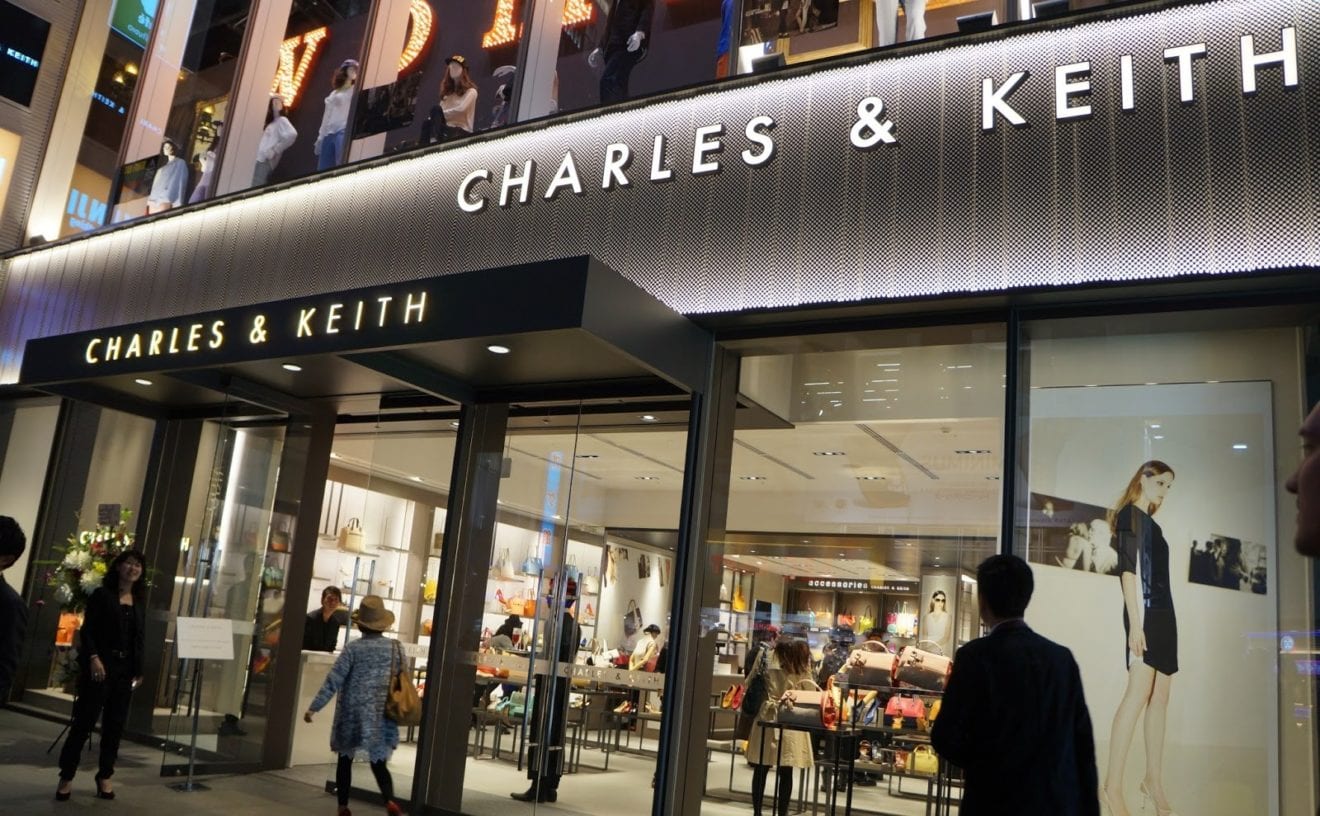
    This October, CHARLES & KEITH is expanding its retail reach by opening two new stores in Hong Kong, an iconic shoppers’ paradise. These stores would be the first to open in the city. The brand’s collections of trend-focused shoes, bags and accessories would be presented and available for purchase at these new stores.

    The new stores are located at Parker House, Central and New Town Plaza, Sha Tin respectively. Parker House occupies a coveted spot in the prime CBD district and houses a selection of premium retail brands, while New Town Plaza is a trendy flagship shopping centre that offers an exceptional array of shopping, dining and lifestyle facilities. Both of these properties are conveniently situated within walking distance of a MTR station.

    The aesthetics of the new CHARLES & KEITH stores is inspired by the brand’s refined design philosophy. They have been thoughtfully designed to be in line with the CHARLES & KEITH brand identity, as well as to enhance the overall shopping experience.

    Featuring limestone fixtures that create a striking contrast with the dark grey powder furnishing, the store’s modern interior design reflects a sophisticated simplicity that perfectly complements the brand’s stylish and covetable collections.

    To provide customers with a curated experience, each section of the store communicates the different stories of the season. From footwear and bags to lifestyle accessories, customers are encouraged to explore the diverse product selection. They would also be able to discover the latest trends and enjoy impeccable service at the stores.

    CHARLES & KEITH is guided by the vision of creating a line of innovative lifestyle accessories with a clear design aesthetic for the chic women. Prompted by the pursuit to be directional and innovative in the global market, the brand works closely with appointed business partners to develop at a sharp pace.

    The panache of the brand being experimental yet integrable to any wardrobe soon saw the accessories line comprising of bags, belts, shades, key chains, tech accessories and costume jewellery run through the collection.

    Today, CHARLES & KEITH is the go-to label for hard to emulate yet accessible designs, available in strategically located stores at prime shopping districts around the world.

  • Hong Kong retail sales experiences grow

    Hong Kong retail sales experiences grow

    The pace of Hong Kong retail sales growth is tapering off.

    The Census and Statistics Department (C&SD) estimates total sales at HK$38.9 billion in July, 7.8 per cent higher than the same month last year. That follows a revised estimate of 11.9 per cent in June.

    For the first seven months of his year, Hong Kong retail sales rose by 12.6 per cent.

    However after netting out price changes year on year, the growth was 5.9 per cent for the month and 9.8 per cent year to date.

    A government spokesman said that while retail sales grew at a decelerated pace there was still solid demand from local consumers as well as visitors.

    The biggest contributing category to Hong Kong’s overall sales – watches, jewellery and valuable gifts – posted a 16.8 per cent increase. Cosmetics rose by 12.7 per cent.

    However there was less movement in more localised categories: supermarket sales rose by just 0.7 per cent, apparel by 3.4 per cent, department store sales by 8.6 per cent, food, liquor and tobacco by 3 per cent, and footwear and accessories by 5.5 per cent. Optical shop sales rose by 2.3 per cent, Chinese medicines by 0.8 per cent and electrical goods and other consumer durables by 5.7 per cent.

    The only category to decline in July was books, newspapers, stationery and gifts, down 1.4 per cent.

  • TUMI pop-up store opens at Pacific Place, Hong Kong

    TUMI pop-up store opens at Pacific Place, Hong Kong

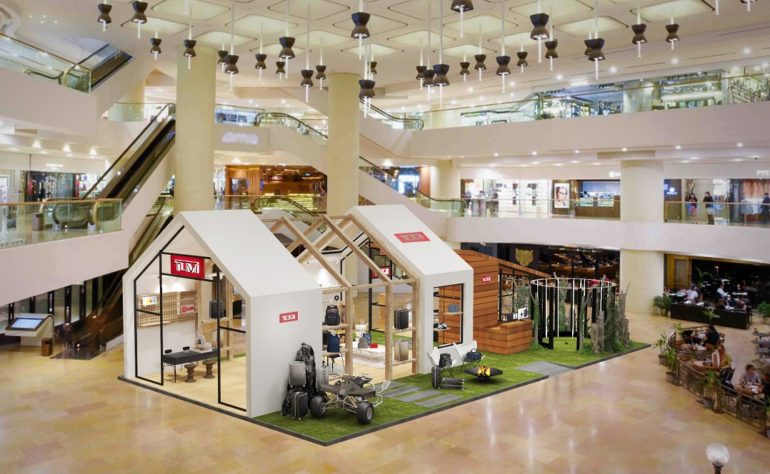
    TUMI unveils the ‘TUMI Scandinavian Lodge’ in the Garden Court of Pacific Place, Hong Kong.

    The pop-up celebrates the brand’s Fall 2018 collection inspired by the Scandinavian landscapes.

    The Scandinavian Lodge welcomed celebrities and fashionistas including Alex Fong, Gaile Lok, Kathy Yuen, Kelvin Kwan, Tsang Lok Tung, Janet Ma, Kayla Wong, Irisa Wong, Huang Xiao Chao, Sean Lee-Davies, Ingrid and Thierry Mandonnaud, Antonia Cruz, Pearl Shek, Sarah Zhuang etc., with an opening celebration on 31 August. Guests had the chance to immerse themselves in the world of the Fall 2018 collection through an innovative and interactive Scandinavian journey.

    A serene retreat amidst the busy city at the Garden Court in Pacific Place, the ‘TUMI Scandinavian Lodge’ showcases not only the latest travel, men and women collections, but also different interactive and tech-driven experiences for guests to explore TUMI’s renowned designs with a Scandinavian-inspired journey.

    The lodge highlights the first-ever personalized fashion ‘My Avatar’ experience to the city, where guests can create their own customized avatars and enjoy a virtual adventure all over the world without setting foot on a plane.

    TUMI lovers can discover more augmented reality (AR) surprises by downloading the interactive TUMI Club App.

    TUMI’s pop-up will be open till September 12.

  • Samsonite Asia sales experiences positive growth

    Samsonite Asia sales experiences positive growth

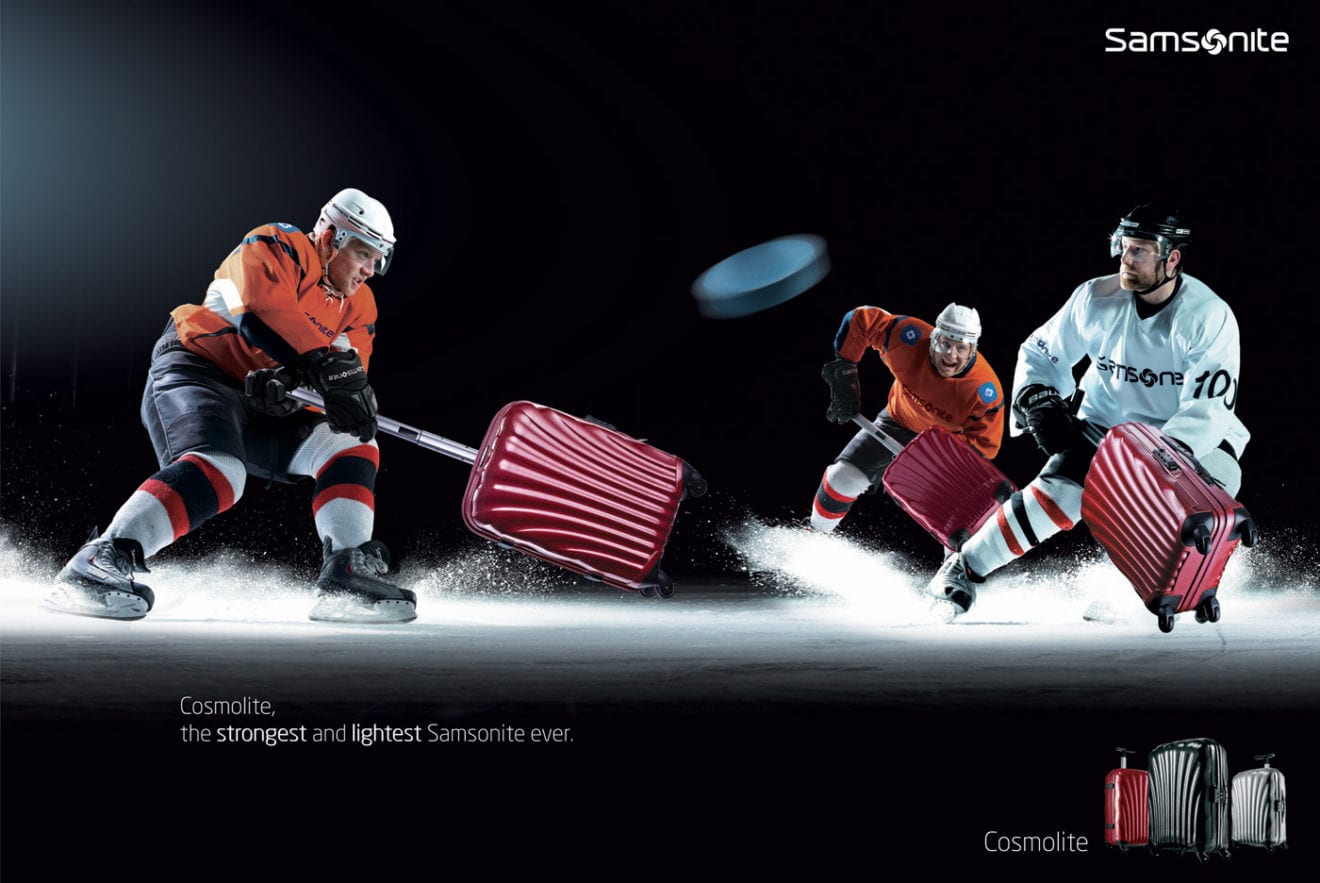
    Strong performances throughout Asia helped Samsonite International lift sales by 12.9 per cent in the first half of this year, to US$1.849 billion.

    Samsonite Asia sales across the group’s entire brand portfolio grew 14.4 per cent year on year, behind Latin America’s 17 per cent, but ahead of Europe’s 11.4 per cent.

    Tumi sales rose 16.6 per cent, with Asia the fastest-growing market where sales rose 39.4 per cent. American Tourister sales rose 24.2 per cent.

    Globally, Samsonite’s namesake brand achieved a stunning 50 per cent increase.

    Chairman Tim Parker said the first half of 2018 saw generally better trading conditions and more favourable foreign currency effects globally, which helped the group achieve what was another new record in total sales.

    In Asia, net sales of the American Tourister brand rose by 17.7 per cent during the first half, largely driven by the Cristiano Ronaldo marketing campaign, while the group’s value-conscious, entry-level Kamiliant brand achieved the fastest growth of all of its brands, up 57.5 per cent.

    In Hong Kong, where the company is listed, net sales increased by 28.3 per cent, driven by net sales of the Tumi brand (which included sales to Tumi distributors in some other Asian markets) and by the Samsonite and American Tourister brands. Those brands also drove an 11 per cent increase in sales in Mainland China.

    Sales in Japan, driven by Tumi, American Tourister and Samsonite, grew 18.5 per cent. India was up 17.8 per cent, South Korea by 2 per cent and Australia by 8.7 per cent.

    Group operating profit grew by 24.5 per cent year on year to $201.8 million and adjusted net income by 19.5 per cent to $119.8 million.

    Parker concluded: “This solid performance is not only a testament to the resilience of our multi-brand, multi-category and multi-channel business model and our devolved management structure, it is above all a reflection of the strength of our people. Our business enjoys strong team management at the top, but we also rely on a community of managers around the world and in different functions to ensure prompt and effective execution in response to changes in the marketplace. This collective effort by the experienced people within our company remains one of the keys to our success.”

  • Okashi Land to launch self-service c-store

    Okashi Land to launch self-service c-store

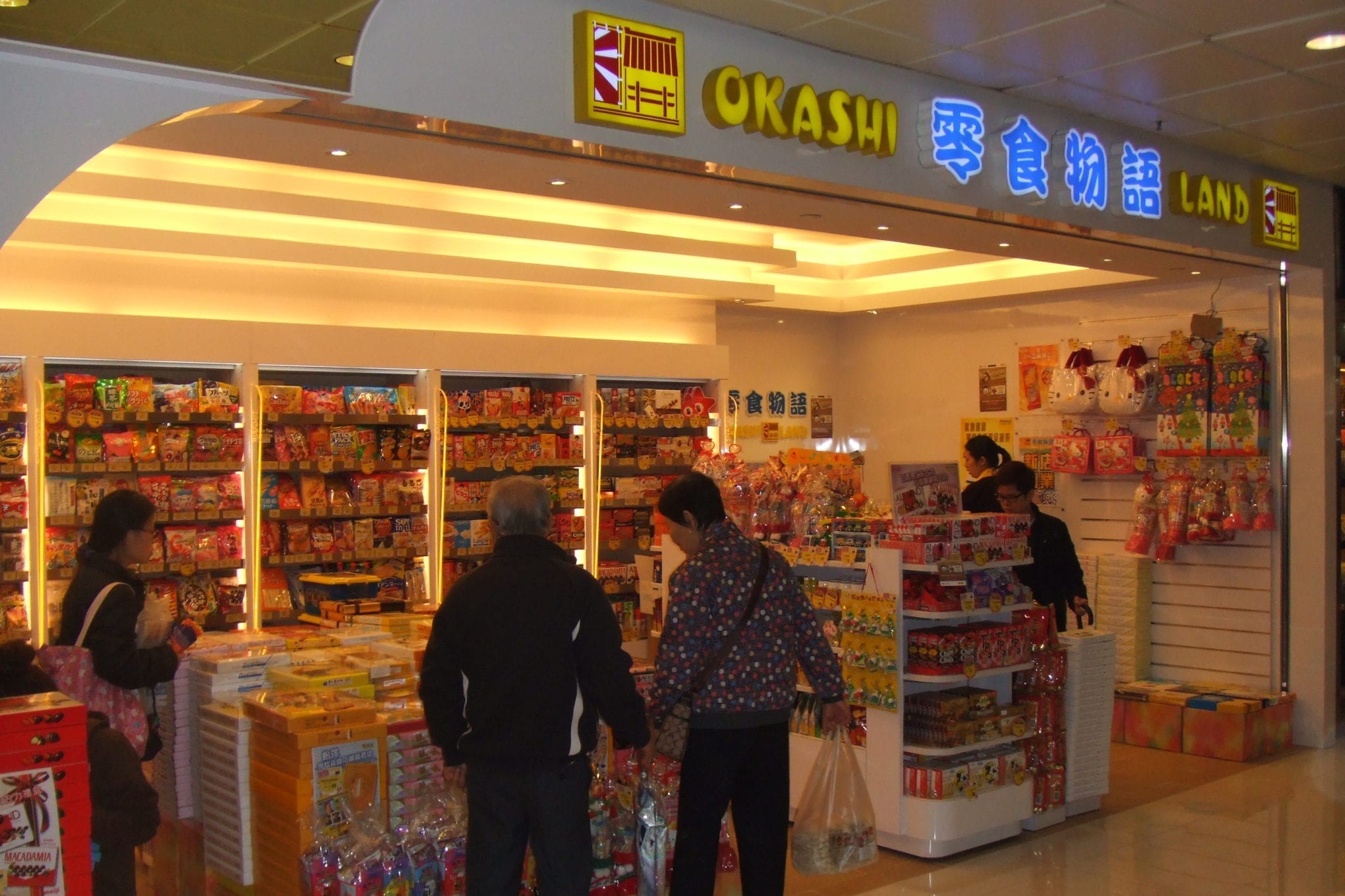
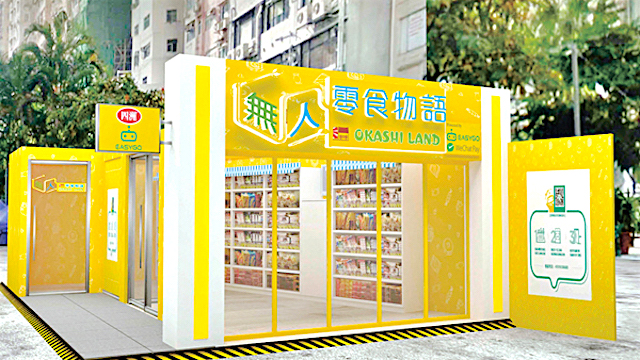
    Japanese snack store Okashi Land is planning to open a self-service outlet in Mong Kok.

    The unmanned store, which opens on September 5 in Gala Place, has been undertaken in partnership with Guangzhou unmanned convenience-store startup EasyGo.

    It will stock more than 100 products marked with radio-frequency IDs. Customers will be able to make their purchases via automatic deductions from their digital wallets.


    Chairman of Okashi Land’s parent company Four Seas Mercantile Holdings Stephen Tai said unmanned stores and digital payments have become the main trend of the retail industry.

    “The company set up Unmanned Okashi Land in the hope of better business and it will bring convenient services for Hong Kong customers.”

  • GEO X HBX launches in HK

    GEO X HBX launches in HK

    First launched as a merchandise project by London based designer in 2016, Geo Owen is very well known for his album art, tour merchandising, and prints for Kanye’s coveted YEEZY Season One.

    After years of experience, Geo Owen has now created GEO, a Ready-To-Wear label that is inspired by the study and understanding of the human and physical geography, locally and internationally.

    The aesthetic of the graphics and configuration of the garments across each collection are the outcome of developing individual case studies.

    GEO is now landing in HK with an exclusive collection designed for HBX, Collection Three, which focuses on the composition of the geographical area that the designer live in and the people surrounded by on a day-to-day basis.

    Arriving with the main line is a collection created exclusively for HBX’s online and retail space in Landmark, Central.

    The official launch is August 25, and Geo Owen will be in town.

  • India’s BuyMore signed agreement with HK company to boost sales

    India’s BuyMore signed agreement with HK company to boost sales

    Indian e-commerce aggregator BuyMore has partnered with retail consulting firm Hong Kong Circle Tech to assist Chinese retailers seeking to sell their products in India.

    The deal will see Circle Tech’s Chinese retail clients listed on BuyMore’s 10 e-commerce websites, a move anticipated to significantly boost e-commerce trade in both countries.

    The partners will initially introduce 450 Chinese brands and US$5 million worth of products to India, which replaced China as the most promising retail market in the world last year.

    BuyMore’s MD & co-founder Sidharth said that more than 80 per cent of lifestyle and electronic products used today originate from China. “This shows that the market has a lucrative opportunity we can enact upon.”

    CEO & co-founder Abhinandan said: “We are hoping to reduce brand monopoly that currently exists in the Indian market. With our leading AI technology we will help Chinese factories streamline their production and cut production costs so that the Indian consumers can benefit from the cost cutting. India is price sensitive and we aim to give quality products at great rates by bringing in Chinese brands.”

    BuyMore will provide free warehousing, listings and cataloguing services to participating Chinese brands.

  • Emperor Watch & Jewellery profit jumps high

    Emperor Watch & Jewellery profit jumps high

    Emperor Watch & Jewellery cites “strong momentum in luxury consumption” as the reason for a massive profit boost in the first half of this year.

    Total sales surged 34.3 per cent to HK$2.454 billion (US$312.6 million), as inbound tourism arrivals from the mainland recovered and Hong Kong retail sales rose.

    Revenue from its core, home market Hong Kong was up 42.8 per cent to $1.908 billion, accounting for 77.8 per cent of total sales.

    “The improvement in consumption sentiment has supported robust demand for watches,” the company said in an announcement. Hence, revenue of the watch segment, the group’s largest revenue contributor, rose 32.1 per cent to $1.942 billion, accounting for 79.1 per cent of total revenue. Revenue from the jewellery segment increased by 43.6 per cent to $512.5 million.

    Gross profit grew 39 per cent to $677.3 million, with gross profit margin rising from 26.7 per cent to 27.6 per cent, due to stronger demand for watches.

    Group net profit more than quadrupled year on year to HK$157.2 million.

    “Given the favourable fundamentals of Hong Kong luxury watch sector, we are cautiously optimistic about our long-term business prospects albeit market volatility,” said Emperor Watch & Jewellery CEO and chairperson Cindy Yeung. “We remain committed to respond proactively to the market dynamics and leverage on our core competencies.” As at June 30, the group operated 84 stores – four more than at the end of last year – in Hong Kong, Macau, Mainland China and Singapore.

    After a successful launch in Singapore in 2013, the group now plans to expand into Malaysia. Yeung said the company will also continue to eye further expansion opportunities globally.

  • Lego Hong Kong embraces its 60th anniversary with positive energy

    Lego Hong Kong embraces its 60th anniversary with positive energy

    Lego Hong Kong operations continue to expand as the iconic toy brand marks its 60th anniversary.

    In an interview, the brand’s regional GM Troy Taylor explained how in such a well-established market as Hong Kong (as opposed to neighbouring regions where the brand’s reputation is still emerging) the company’s strategy is focused on retaining the attention of children and fans.

    “We make sure everything we do benefits children, and they see value playing with our products,” said Taylor. “And I think the educational purpose becomes so much more important now than ever before, because parents are looking for something to get their children away from the screen. We offer something that can help break that, and help children learn, but they are learning through play, so they don’t actually realise they are learning… that’s the value of our brand.”

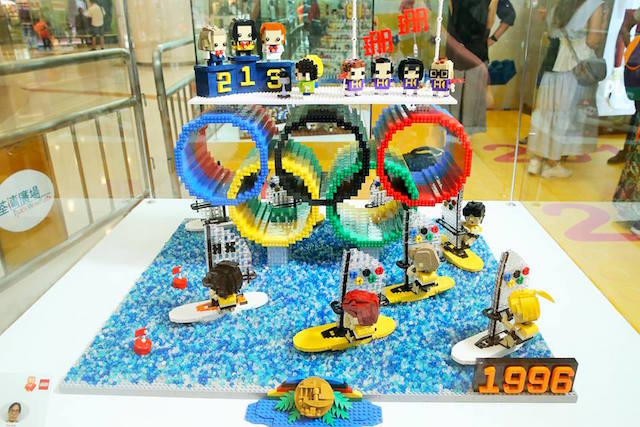
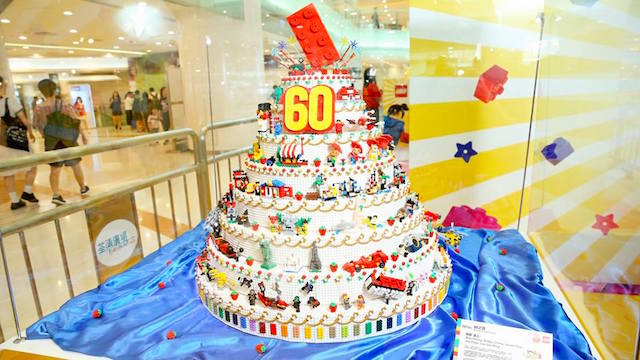
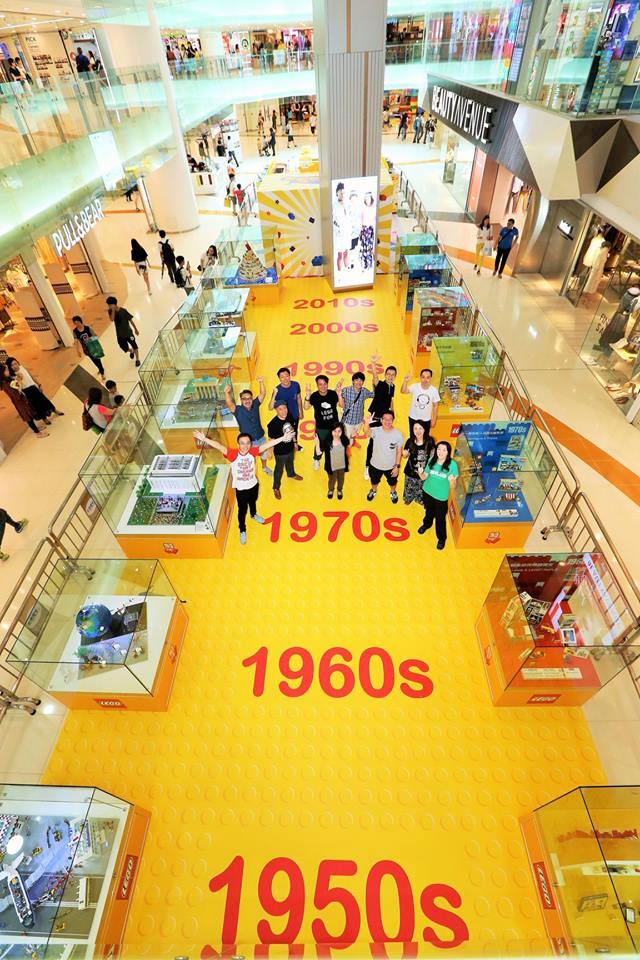
    Anniversary celebrations for Lego Hong Kong were marked with the opening of the Tsuen Wan Plaza X Lego Our Playground.

    The local growth comes in the wake of a decade-long sales boom that came to an end for the Danish toymaker last year. At the time, the company warned it may not achieve growth again for up to two years. The unexpected sales decline followed a slump in growth from 25 per cent in 2015 to just six per cent the following year, and coincided with the dismissal of both its CEO and eight per cent of its workforce.

    Part of the blame for the decline was placed on the unsustainably strong demand for its Star Wars merchandise following the 2015 movie, at a time when the proliferation of smartphones within developed markets was adding a lot of competition for the attention of children.

    Hong Kong is traditionally a particularly strong market for Lego. Three years ago, the local Lego Certified Store reported pulling in the highest spending per square foot of any branch worldwide, according to sole distributor Kidsland International Holdings’ VC Dr William Lo. The store distinguished itself by marketing to adult fans – Hong Kong’s community of adult fans is the most engaged in the world, with the highest number of active fans per capita.

    This year, Lego has focused on grassroots marketing strategies. “We have support from our shopping mall partners,” said Taylor. “Not only do events boost the numbers in the malls, they also allow customer to have ‘brick-in-the-hands’ moments with Lego. It gives family reason to get out of the house, and bond the family.”

    The brand has also embraced technological marketing strategies, including augmented reality, creation-sharing and remote control apps, as well as a Lego Facebook filter.

    “Lego bricks will always be the core of everything we do, but we realised the environment changes, and we adapted,” said Taylor. “We are still true to ourselves, we are still true to who we are as a company. But we have to evolve with the changing ways that people consume.”