Tag: Hong Kong

  • Tao Heung sales improved as visitors increases

    Corporate restaurateur Tao Heung is reporting improved sales in both its core Hong Kong market and on the mainland as people dine out more often and the average tab increases.

    Tao Heung operates 60 restaurants under its own brand, two RingerHut eateries focused on non-Chinese cuisine, and 18 Tai Cheong Bakery stores.

    In the half-year to June 30, consumption sentiment improved both in Hong Kong and Mainland China, the company said. Its strategy to strengthen its culinary portfolio to attract a more diversified customer base, and right-size its operations led to a 5.4 per cent increase in year-on-year sales to HK$2.08 billion.

    “The increase was principally driven by same-store sales growth, in turn the result of the rise in per-head spending particularly for seafood and including late night dining – “all you can eat hotpot”,” the company said in its results commentary.

    Profit attributable to shareholders rose to $51.3 million (from $40.8 million in the same period last year) and would have been up by 53.7 per cent to $62.7 million had it not been for a one-off expense relating to the government-enforced closure of the company’s pig farm during the period.

    In Hong Kong, which accounted for 61.7 per cent of the company’s sales, the company says it faced “fierce competition” rebuffed by several seasonal marketing strategies. “All these helped to further drive same-store sales growth as well as increase per-head spending.”

    Eight Hong Kong restaurants were renovated during the six months, including Tao Heung – The Pier Market Store in Mong Kok which opened in June, specialising in seafood. It is targeted towards affluent customers – “a segment that not only appreciates fine Chinese cuisine but also a suitably sophisticated ambience”. Other restaurants were either closed or right-sized, leaving a net reduction of six outlets since the end of last year.

    As the company looks to diversify its restaurant portfolio, several collaborations were realised, with more partnerships in the pipeline. Du Hsiao Yueh, which specialises in Taiwanese cuisine, which opened its first Hong Kong branch in Tsim Sha Tsui in June last year, now has a sister restaurant in Causeway Bay. Another collaboration involves Flamingo Bloom, a modern, chic Chinese tea salon that opened at IFC mall in July.

    “Management trusts that such collaborations will not only broaden the group’s portfolio, but also provide it with greater flexibility in terms of business development,” the company said.

    Tao Heung is also exploring overseas partnership opportunities for its Tai Cheong Bakery, after achieving success in Singapore.

    “Besides consolidating its bakery network, further efforts will be made at increasing distribution channels through collaboration with different brands and supermarkets.”

    Mainland China operations

    On the mainland, the group operates an integrated complex business model, comprising Chinese restaurant, self-owned supermarket, indoor playground, museum, shops and parking facilities covering over 22,000sqm. The company said the three family-oriented complexes it operates continued to deliver stable income during the period, attracting the patronage of middle-to high-income families.

    The company’s packaged food business on the mainland also experienced strong growth. Sales of frozen food increased by 26.3 per cent, largely due to e-commerce partnerships with online platforms such as Tmall.com and JD, which give the group access to customers nationwide. Takeout services like Dianping.com, Meituan and ele.me also boosted sales.

    As at June 30, Tao Heung operated 46 restaurants in Mainland China, along with 26 Bakerz 180 outlets during the period.
  • L Brands slides as sales slumps for Pink lingerie

    L Brands slides as sales slumps for Pink lingerie

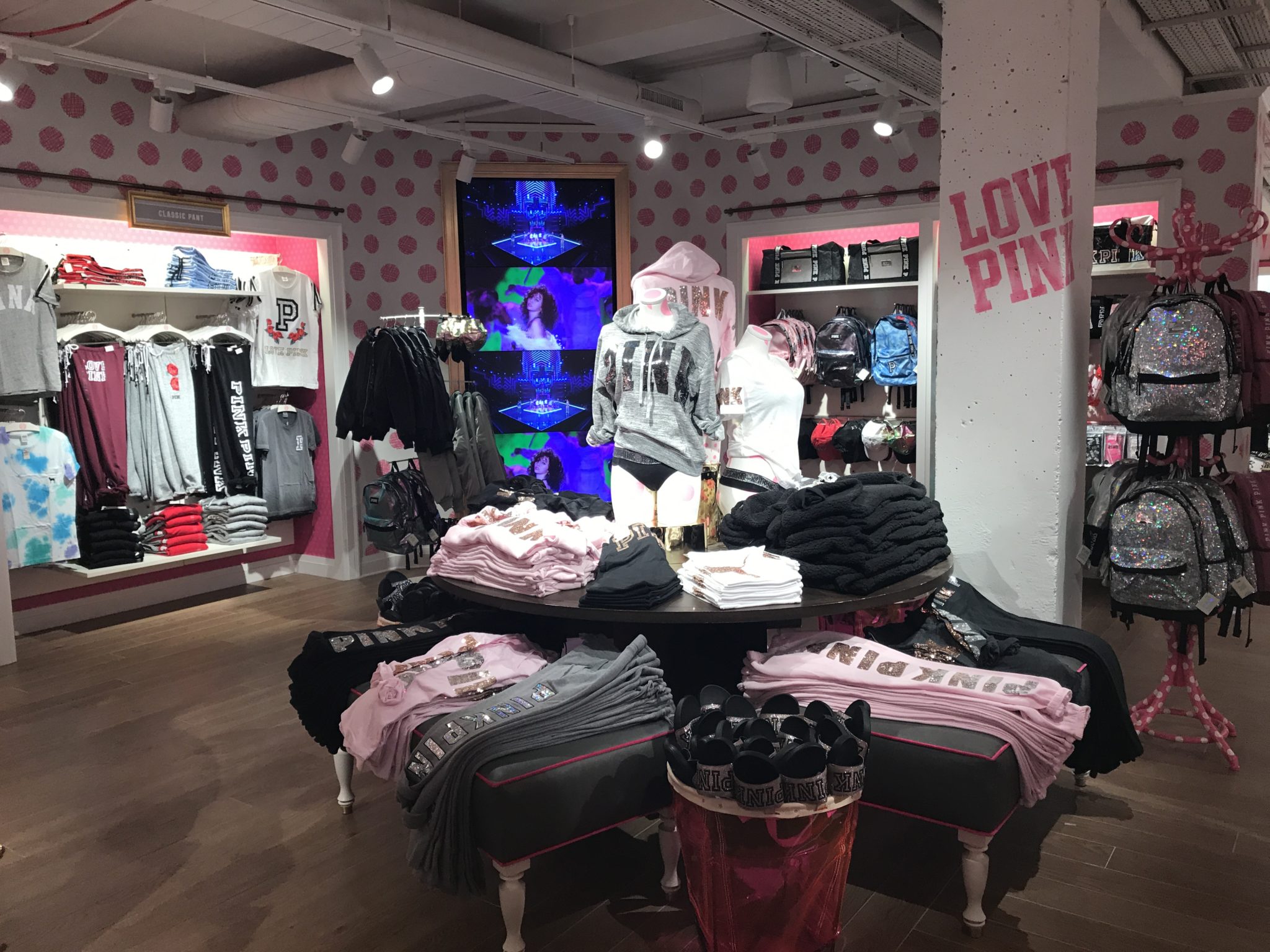
    L Brands, parent of Victoria’s Secret, Pink, La Senza and Bath & Body Works, has reported a drop in sales and earnings for the second quarter.

    Teen-focused diffusion-brand Pink, now a US$3 billion business which achieved $12 billion in sales last year, is suffering from decline in its core US market, where it seems exposed to rival brands like American Eagle’s Aerie and the Adore Me and ThirdLove.

    The company confirmed in an earnings call that Pink’s same-store sales declined by a vague mid-single digits during the quarter to August 4, adding to challenges the company has with its flagship Victoria’s Secret brand, where same-store sales declined 1 per cent. Bath & Body Works restored some respectability to the company’s figures, with sales up 10 per cent.

    Pink CEO Denise Landman announced her retirement after the results were released, and will be replaced on October 1 by Bath & Body Works president for merchandising and product development, Amy Hauk.

    L Brands executives deny that Pink is losing touch with its customers.

    “I do not think nor do I think anyone in this room believes that Pink has lost its ability to connect with customers and drive excitement in our core constituency,” said Landman during an earnings call.

    L Brands’ reported net sales of US$2.984 billion for the quarter to August, down from $2.755 billion in the same period last year. The group’s comparable sales increased by 3 per cent overall. Second-quarter operating income was $228.1 million compared to $300.9 million last year, and net income was $99 million compared to $138.9 million last year.

    After blaming Pink for reducing the company’s full-year earnings guidance, management watched as L Brands’ share price fell to its lowest point since 2011.

    Addressing her retirement, Landman said she felt “incredibly fortunate” to have been part of the brand since its inception and for her nearly 20 years with L Brands.

    “It’s been a privilege to lead and be surrounded by such incredible talent, thinking and creativity. It inspires me every day. I have great respect for Amy and know that I will be leaving the business in good hands.”

    Leslie H Wexner, chairman and CEO of L Brands, said: “Denise has always been a curious student of the business, focused on the customer and driven by her entrepreneurial spirit. Her contagious passion for the brand has built a true “Pink Nation” experience among college-age women and created one of the fastest growing specialty retailers of all time.

    “Amy too is a master merchant with deep knowledge and capabilities. She is well-equipped to lead the Pink team.

    She has a track record of accurately identifying what’s next in the market, is curious and action oriented. She leads with pace and energy. Since joining Bath & Body Works 10 years ago, she has built a solid, talented merchant team which is well prepared to continue the momentum in the business.”

    L Brands operates 3076 company-owned specialty stores in the US, Canada, the UK and greater China, and its brands are sold in more than 800 additional franchised locations worldwide.

  • Bitcoin mining makers plan Hong Kong IPOs

    Bitcoin mining makers plan Hong Kong IPOs

    Three of the world’s largest bitcoin mining equipment makers plan to raise billions of dollars with initial public offerings in Hong Kong, even as other companies report plunging demand for the chips needed to make bitcoin and a halving in the price of the cryptocurrency.

    Soaring cryptocurrency prices last year triggered a boom in demand for specialist mining chips and in developing “mines” – facilities with thousands of machines that create the coins by solving complex mathematical puzzles.

    Yet the U.S. chipmaker Nvidia said this month that second-quarter sales to crypto miners totaled just $18 million, compared with $100 million expected by analysts.

    Nvidia’s chief financial officer, Colette Kress, said she anticipated “no contribution” to revenues from cryptocurrency in coming months.

    That has raised concerns about the upcoming Hong Kong listings by three Chinese manufacturers of bitcoin mining equipment, Bitmain, Canaan and Ebang International Holdings.

    The companies all design high-end computer chips intended for mining cryptocurrencies, particularly bitcoin, and sell mining equipment containing the chips. In addition, Bitmain mines cryptocurrencies on its own account. Companies like Nvidia also sell specialty chips used for mining.

    “The marked decline in the price of bitcoin since the start of the year is likely to weigh on investors’ interest in these companies,” said Benjamin Quinlan, chief executive of financial services consultancy Quinlan & Associates.

    But, he added, “the fall in the price of bitcoin from its peaks has not been matched by an equivalent fall in the numbers of people mining it.”

    Bitcoin is currently trading at $6,699, down 64 percent from its December 2017 peak of $18,690. Daily mining revenue was 77 percent lower than in December, according to Blockchain.info, a data analytics and wallet provider.

    “As the bitcoin price decreases, so does the profitability of mining itself, which decreases demand for mining chips and miners,” said Wang Leilei, a consultant at financial services consultancy Kapronasia.

    It is not just the price of bitcoin that is causing worries.

    People close to the IPOs said regulatory scrutiny and a patchy performance by Hong Kong offerings this year were additional concerns.

    Julian Hosp, president of TenX, a Singapore-based blockchain firm, has also warned that if coins switch mining algorithms, then the machines designed to mine them would become useless.

    “I would be quite wary of investing in these miners,” Hosp said, referring to the equipment makers. “They are not long-term businesses and I think they’ve had their uptrend for now.”

    Canaan and Ebang filed plans in May and June respectively for floats in Hong Kong, while Bitmain is expected to file its plans next month for an IPO in which it aims to raise at least $3 billion, sources close to the deal said.

    Cryptocurrency trading is a global activity, but Chinese chipmakers have led the way in developing the most efficient means to mine the coins.

    Bitmain had three quarters of the market for the specialist chips last year, followed by Canaan on 14 percent, according to estimates by analysts at Bernstein.

    Ebang is aiming to raise up to $1 billion, according to sources, while Canaan is targeting at least $400 million – down from a figure of up to $2 billion touted earlier this year by people involved in the deal.

    While EBang is expected to face Hong Kong’s listing committee in September – a key approval needed for marketing the IPO – Canaan’s offering is taking longer.

    A source close to Bitmain’s IPO said the company was aware about the potential for close regulatory scrutiny.

  • House 99 opens its first pop-up store in Asia

    House 99 opens its first pop-up store in Asia

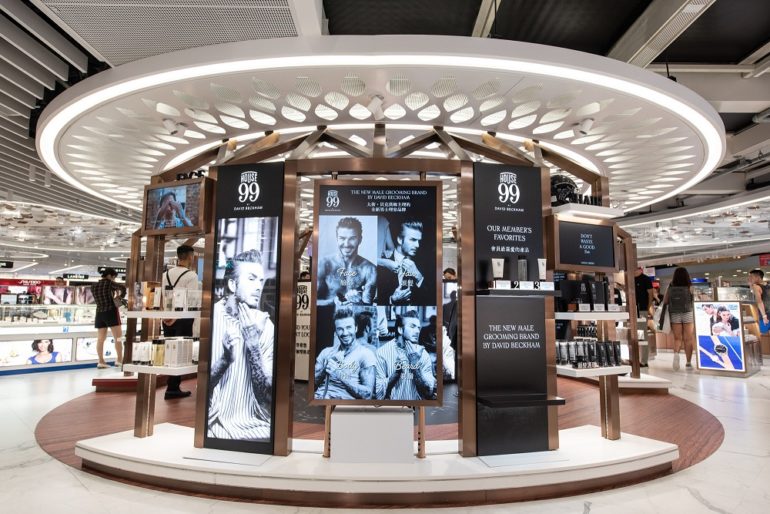
    House 99 by David Beckham, the global men’s grooming and skincare brand, has launched its first-ever pop-up store in Asia, in collaboration with Beauty&You – the new experiential retail concept by The Shilla Duty Free in the Hong Kong International Airport (HKIA).

    Following the brand’s HKIA debut in June, the barbershop-inspired concept – fronted by one of the most recognisable fashion icons in the world – has transformed the Curated Zone at Beauty&You’s largest outlet with an engaging, multi-dimensional brand showcase.

    Highlighting its signature product range together with unique grooming experiences, the Pop-up is designed to attract customers by showcasing Beckham’s personal styling rituals.

    The eye-catching displays and experiential components align with Beauty&You’s Curated Zone concept, where Shilla will collaborate with different brands each month to feature themed selections and fashionable looks of the season.

    Separated into four interactive zones, the Pop-up Store offers customers the opportunity to simulate looks in a magic photo booth, share personal styling experiences with friends and family through House 99’s postcard mailing service, create a new look and receive exclusive grooming tips from expert stylists.

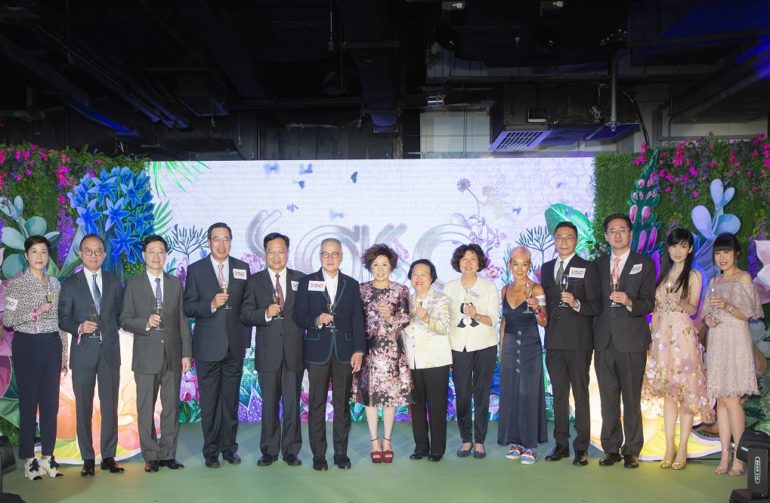
    On Friday, 17th August, the brand held a toasting ceremony at Beauty&You to unveil the Pop-up concept. The lively event was attended by a host of VIPs, including House 99 brand representatives, as well as senior management from Shilla Travel Retail Hong Kong and Airport Authority Hong Kong.

    Among the evening’s guests included influential Chinese KOLs: 萌叔小熊貓, Ethan-007, Danso 旦 and 袁俊川 Aska. Chinese celebrity stylist, Val Lin (林蔚巍) was invited as a special guest to share his own hair and beard grooming experience; each KOL also had the exclusive opportunity of being personally styled by Val.

    Capitalising on the star power of these online influencers, the KOLs conducted live-stream sessions to share personal anecdotes on grooming successes, as well as their experiences within the stylish House 99 Pop-up.

    The event was broadcasted live on the KOL’s social platforms, while they also sent lucky fans postcards, Polaroid pictures and gave away House 99 products over the course of the live-streaming session.

    Several brands have been debuting at the Beauty&You – the new experiential retail concept by The Shilla Duty Free in the Hong Kong International Airport (HKIA). They are using travel retail as a way of testing the market, and eventually decide to go downtown.

  • Sa Sa celebrates its 40th anniversary

    Sa Sa celebrates its 40th anniversary

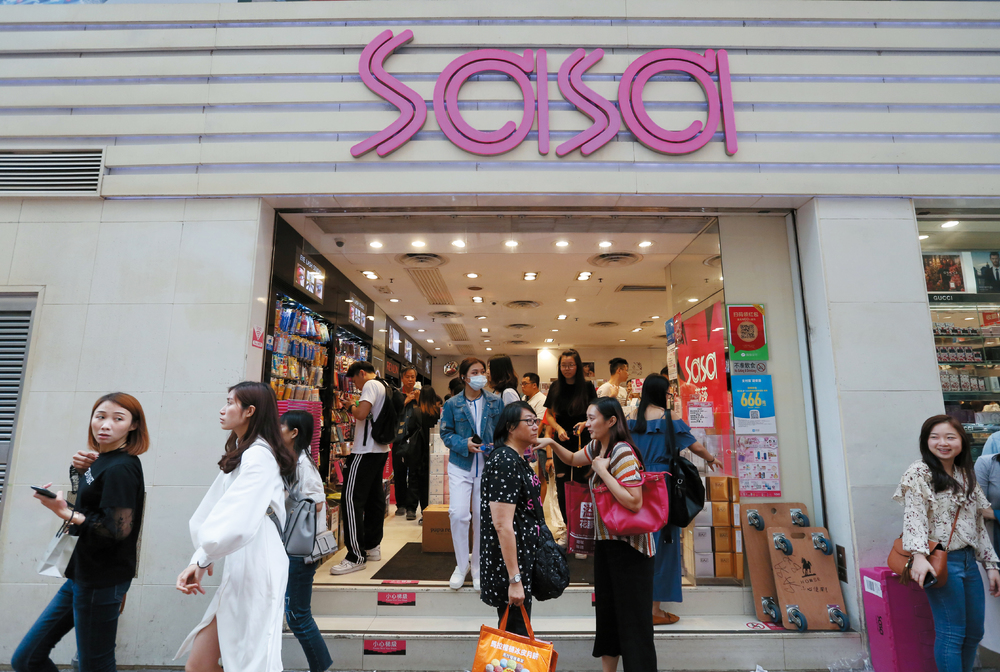
    Sa Sa International Holdings Limited announced its collaboration with Taobao Global to develop a complete loop retail ecosystem with the integration of online and offline platform with the goal to encourage local buyers to start selling as an important role in retail industry.

    This collaboration will enhance shopping experience for mainland Chinese customers. In celebration of the Group’s 40th anniversary, Sa Sa also revamped its store image to offer customers a more comfortable and fashionable shopping environment.

    Sa Sa will join hands with Taobao Global in order to develop a new collaboration model for retail industry.

    The new collaboration will connect Taobao Global buyers, who are familiar with consumption trends, have a unique taste in merchandise selection and able to motivate their followers by adopting innovative retail technology inclusive of Taobao’s marketing tools such as live broadcast to Chinese consumers with diverse characteristics who crave for overseas products.

    Buyers from Taobao Global promote products of Sa Sa’s Hong Kong retail stores on Taobao’s online platform, while mainland customers will be able to purchase Sa Sa’ products through the buyers on the platform. This enhances Sa Sa’s brand exposure and boosts its sales by absorbing the online purchasing power.

    Taobao Global will promote the most popular products in the first-ever “Taobao Global Counter” to be opened in five of Sa Sa’s stores located in Tsim Sha Tsui, Mong Kok and Causeway Bay. The first batch of approximately 70 Taobao Global buyers will be doing in-store live broadcast shopping and recommending the selected products to mainland consumers.

    Mainland consumers can watch the live broadcast and do online shopping at the same time. Taobao Global Counter will be gradually set up in the next batch of around 100 Sa Sa’s stores in Hong Kong, offering shopping convenience and discounts to mainland consumers.

    Dr Simon Kwok, SBS, JP, Chairman and Chief Executive Officer of the Group , said, “Being the leading cosmetics and retail group in Hong Kong, Sa Sa possesses a strong physical retail network. Combining the strengths of Sa Sa’s retail stores and Taobao Global’s huge base of influential buyers, we will broaden our customer base through developing a new retail operation model of online-to-offline collaboration, which will bring more overseas cosmetics and beauty brands to the vast group of Chinese consumers. The Group is looking forward to bringing new cross-border online-to-offline shopping experience to customers, with an aim of catering customers’ purchasing preferences under the trend of “New Retail”. Through strengthening its brand management capabilities and expanding new marketing channels, Sa Sa’s leading position will be strengthened as the best choice of sole agent for overseas cosmetics and beauty brands entering the mainland China. This cooperation also brings more diversified products to the Group and gives impetus to its business growth.”

    Ms Wei Meng, General Manager of Taobao Global , said, “Taobao Global connects active buyers across the globe to mainland consumers and offer different array of unique oversea goods. Through Taobao Global buyers’ online recommendations, Sa Sa’s diversified and trendy products will be able to swiftly meet Chinese customer’s demands for customized goods. We expect that Taobao Global and Sa Sa can develop a new retail model with the joining of online and offline platforms and bring a more personalized and advanced shopping experience to users. The shopping model provides quality merchandise and offers an official regulated place in hope of encouraging more local residents to pursue the role of being buyers and realise their dreams of owning a business.”

    In celebration of the Group’s 40th anniversary, Sa Sa is also going to revamp image of its stores, including the 5,300 sq. ft. Grand Plaza Store in Mong Kok, 3,600 sq. ft. Grandmark Store in Tsim Sha Tsui, 1,200 sq. ft. Metro Town Store in Tseung Kwan O, 1,300 sq. ft. Tuen Mun Town Plaza Store and 1,500 sq. ft. San Hong Street Store in Sheung Shui. Six new stores in Hong Kong slated for opening in the second half of 2018 will also adopt the new design. Sa Sa’s staff will have new uniform, providing professional and attentive services to our customers in a brand new image.

    New Uniform Design
    Sa Sa has invited renowned couture designer Mr. Barney Cheng to design a new uniform for our beauty consultants, creating a vivid “making life beautiful” image.

    Similar to the uniform launched for the Group’s 35th anniversary, the new uniform will continue to adopt black as the major color to maintain Sa Sa’s elegant style and incorporate the latest “athleisure” elements into the chic and stylish 40th anniversary new uniform.

    New Store Image
    With its morale of “making life beautiful”, Sa Sa is in the hope of making every generation pretty and everyone precious eternally.

    Sa Sa’s stores will feature a brand new image, demonstrating modernity and simplicity with black and white to be the theme colors. In the counters of skin care, fragrance, make-up, hair care and body care products, counter edges will be painted in dark and gold-brass colors to have a touch of elegance and uniqueness.

    To enrich the visual, a stark color contrast and simple lines can create a sense of spaciousness and brightness in soft and warm lighting while products presented in vertical style allows a clear view at a glance.

  • Mastermind and A Bathing Ape first concept store opens door

    Mastermind and A Bathing Ape first concept store opens door

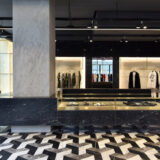
    Mastermind and A Bathing Ape have collaborated to open their first crossover concept store in Hong Kong.

    The store, which opened on Saturday in Causeway Bay, features a streetwear collection from the two Japanese brands.

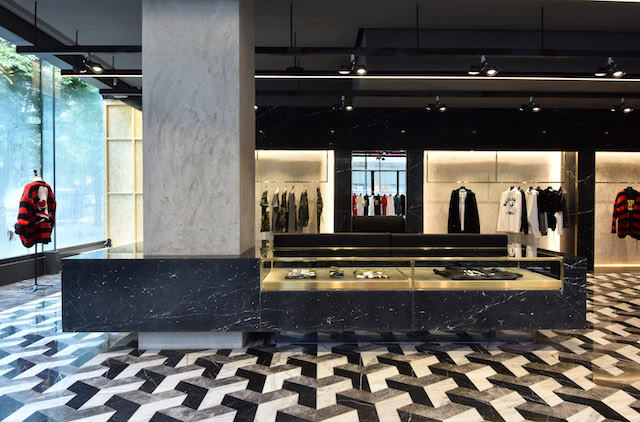
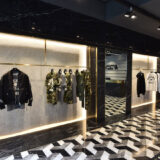
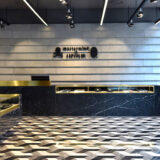
    Decked out in black and white with accents of gold, the store combines the “gothic underworld” of Mastermind with A Bathing Ape’s neon-highlighted fun persona. Marble is used extensively in both the interior and exterior, with metallic racks to create “a sophisticated and imposing atmosphere” according to a spokesperson for the brands.

    “A concrete visual wall embodies the brand’s rebellious spirit while the artfully placed Japanese window blinds add a refined touch from Japan. The op-art style ‘Y’ patterned tile flooring appears to extend endlessly to promote a mysterious and sci-fi sense of scale.” Another highlight is the mastermind x Mobile Suit Gundam Zaku figure in black with the brand’s unique skull and crossbones logo at the entrance.

    Mastermind was conceived by Masaaki Homma in Japan 1997 after eight years as a Yohji Yamamoto sales representative. The name Mastermind Japan stems from ‘M’asaaki and his tribute to his father who is a master hairdresser. The brand’s skull logo “symbolises the battle between good and evil, which underscores the ethos of the brand saying ‘Don’t Give Up Your Dream Until You Die’,” Homma explains.

    Mastermind Japan shut its doors in 2013 with a view to focusing on collaborative projects but later re-entered the fashion scene with the shorter ‘Mastermind’ brand name.

    The military-inspired Mastermind and A Bathing Ape 2018 Fall-Winter capsule collection launched in the new store features a series of hooded sweatshirts, short-sleeved t-shirts, shorts, cap and mask emblazoned with the codes of both brands: camouflage, skull and shark head.

    View the gallery below (5 images) :

  • Aeon Stores Hong Kong posts loss in contrary with good sales

    Aeon Stores Hong Kong posts loss in contrary with good sales

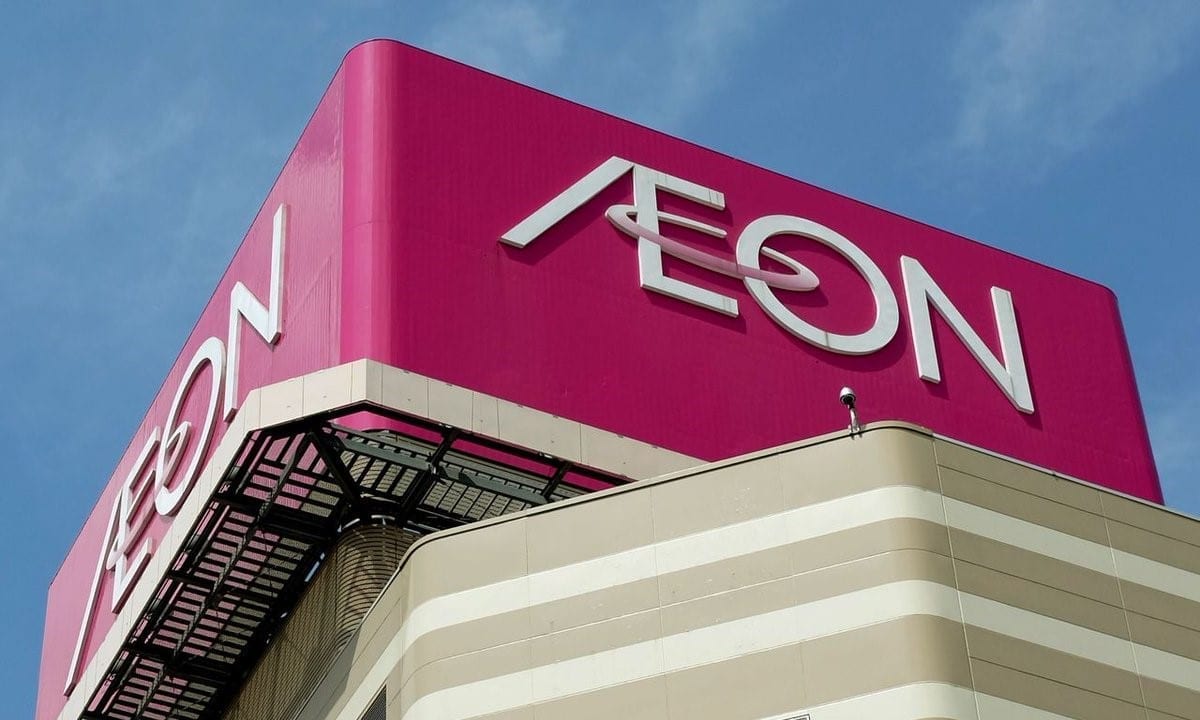
    Aeon Stores Hong Kong has recorded record half-year revenue of HK$4.93 billion ($US628 million) in sales.

    The figure represents a year-on-year increase of 6.7 per cent. The group’s gross profit margin rose by 0.2 percentage points to 30.7 per cent during the period.

    In its report for the June 30 half year, Aeon Stores Hong Kong said the development of new retail store types and O2O e-commerce has intensified competition in the retail market and presented challenges to the group. However, the diversification and personalisation of consumers’ lifestyles has afforded many opportunities.

    During the period, the group continued to actively carry out internal restructuring and cost control, focusing on improving customer experience and operational standards, while at the same time accelerating digital marketing activities to cement its foundation for supporting future growth.

    To address the intensifying competition in the market, Aeon launched a new customer relationship management system last year, introducing big data analysis to strengthen its sales and marketing platform.

    Aeon’s operations in Mainland China reported a loss of HK$13.7 million during the period due to costs associated with cultivating newly-opened stores and the closure of others.

    The expenses contributed to an overall loss attributable to owners of the company of HK$50.48 million ($6.43 million).

    Aeon currently operates 32 stores in southern China.

  • Estee Lauder Hong Kong, China show good numbers

    Estee Lauder Hong Kong, China show good numbers

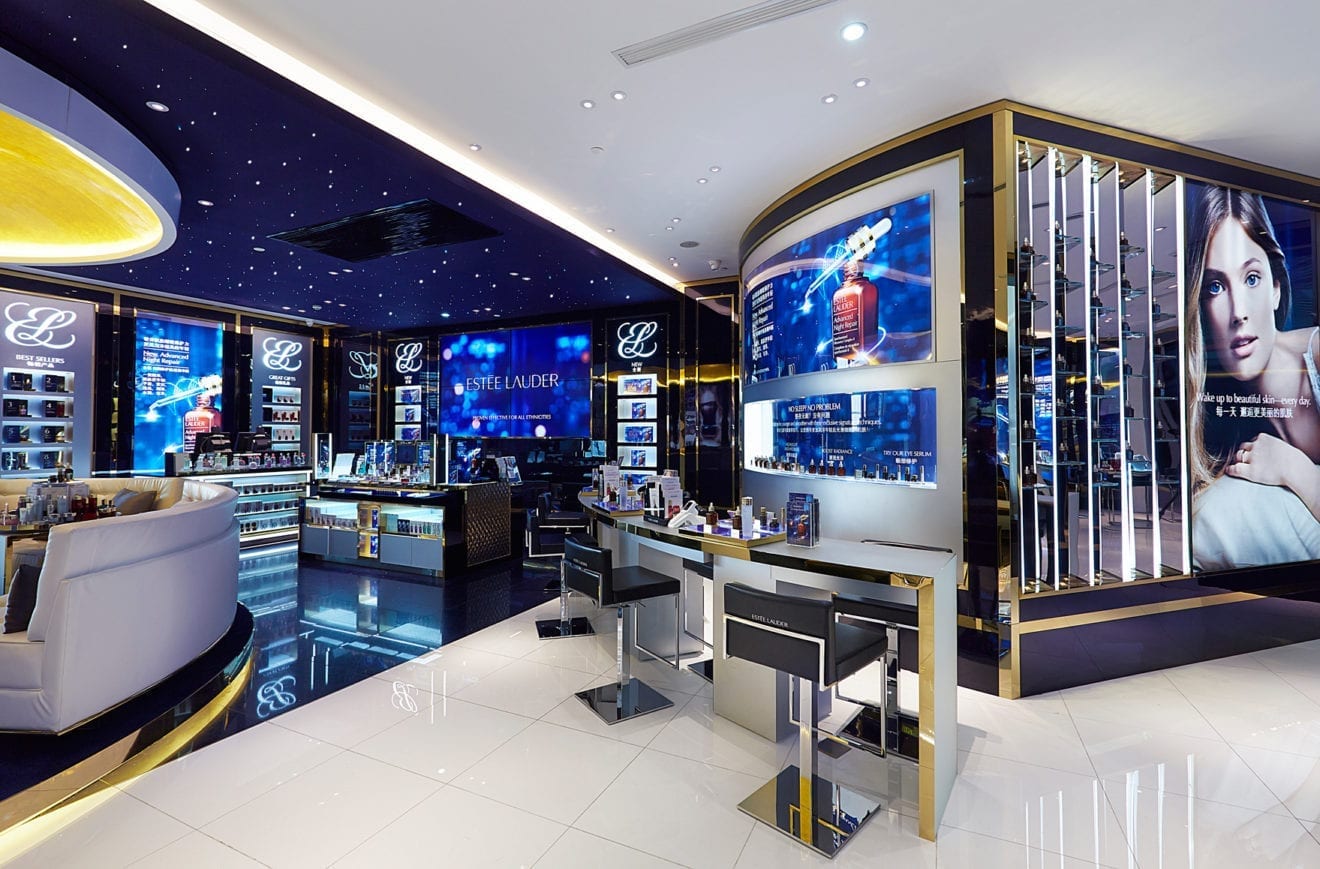
    Cosmetics giant Estee Lauder says it achieved sales growth in every global market last financial year, led by strong double-digit increases in China and Hong Kong.

    Every single category posted growth as well.

    Globally, Estee Lauder sales reached $13.68 billion, a 16 per cent increase on last year.

    Operating income of $2.05 billion, was up 21 per cent from the prior year, while net earnings of $1.11 billion, was down 11 per cent.

    President and CEO Fabrizio Freda said the results reflect, in part, the company’s strategy to drive growth by targeting its investments to shifts in consumer and market dynamics across product categories, geographic regions, brands and distribution channels. That strategy positioned the company well for the resurgence in global prestige skin care growth as well as the strong increase in demand among Chinese consumers.

    “Sales climbed in virtually all our brands and we hit milestones along the way. Among the top four brands, our flagship Estee Lauder brand achieved record global sales and grew 22 per cent in constant currency, demonstrating the amazing equity of the brand. La Mer became the fourth brand in our portfolio to contribute well over $1 billion in net sales, and we increased sales at Mac and Clinique globally.”

    He said product innovation and creativity were strong across brands and boosting investment in digital advertising helped accelerate sales growth.

    Freda concluded: “In fiscal 2019, we will continue to create products that appeal to a more diverse and growing middle class around the world.”

  • DFS stores launches Meitu Magic Mirrors

    DFS stores launches Meitu Magic Mirrors

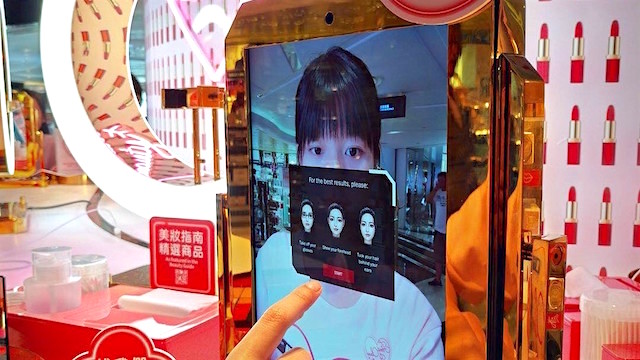
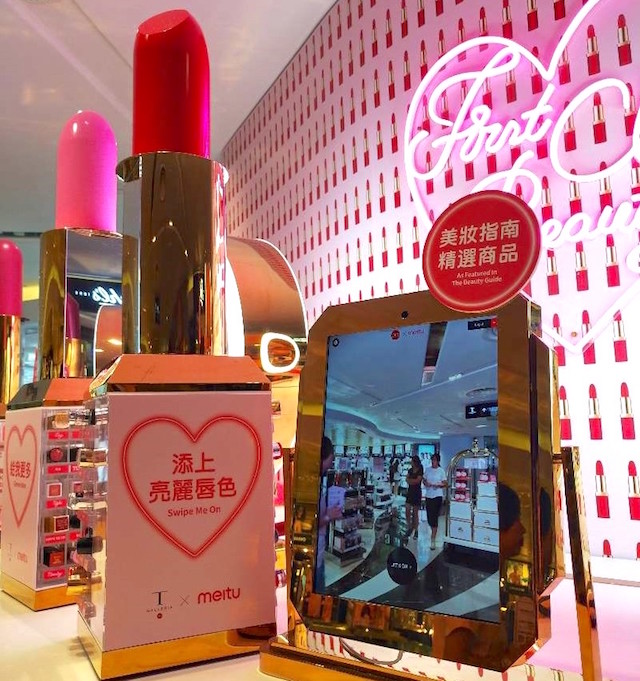
    DFS stores in 16 international cities – including Hong Kong and Macau – will be featuring Meitu Magic Mirrors for the next year.

    The connected device allows customers to see their desired makeup style applied directly to their face, just as if they were standing in front of a mirror. An AI algorithm is used to make personalised recommendations based on customers’ facial features. Photos taken by the device can be shared on social media.

    The Meitu Magic Mirrors will be installed in 22 stores, in cities including Macau, Singapore, Indonesia, Japan, Australia, the UAE and the US.

    According to reports, the effect is true-to-life and product colours and textures are accurately displayed. It is designed to drastically lower the time shoppers spend trying out products, while preventing sanitary concerns that can arise when sampling items in a public venue.

    Previously, the Meitu Magic Mirror has been used to promote Lancome, Nars Cosmetics, Make Up Forever, Sephora, and Dolce & Gabbana.

    Meitu is a Chinese AI-driven photo/video editing and sharing company that also produces smartphones.

  • Circle K Hong Kong sales boosted by digital

    Circle K Hong Kong sales boosted by digital

    Digital and creative marketing strategies have been credited for rising sales at Hong Kong Circle K and Saint Honore stores in the first half of this year.

    Parent Convenience Retail Asia says the combined operations achieved sales of HK$2.574 billion and drove core operating profit up 16 per cent to $81 million in the six months to June 30.

    “The robust results were mainly due to effective eCRM programs for Circle K and Saint Honore as well as encouraging performance in developing businesses, particularly the new fast-fashion eyewear business Zoff,” the company said.

    The group’s O2O business model which synergises Circle K’s OK Stamp It – eCRM app (driving online to offline traffic) and Circle K’s bricks-and-mortar store network (driving offline to online traffic), achieved a significant membership milestone, exceeding 1.1 million people and generated “a strong increase in comparable-store sales”.

    In a commentary accompanying the results, CEO Richard Yeung Lap Bun said Convenience Retail Asia would continued to follow its ‘Three Plus’ strategies to achieve growth: focusing on smartphone-savvy ‘internet+’ customers; delivering the ‘4P’s+’ of exceptional products, promotions, places and pricing; ‘plus’ a great customer experience; and reinforcing its transformation into a ‘brick-and-mortar+’ O2O enterprise.

    The group closed two Circle K Hong Kong stores during the period, and opened two, taking its network to 332. First-half sales for the chain rose 4.4 per cent, contributing total sales of $2.061 billion, largely driven by the OK Stamp It eCRM platform.

    “OK Stamp It uses a special app to deliver promotional deals and loyalty program offers to members. It is a proven tool for marketing the group’s latest products, services, contests and premiums, and a valuable customer loyalty platform that drives online traffic into in-store traffic and repeat purchases. It also enables family members and friends to share their activities on their favourite social media,” he said.

    In April, the group launched a three-stage summer promotion for OK Stamp It members. First was the return of the popular Shake Shake Lucky Star game, which gave members the chance to win one of 100 Samsung Galaxy S9 smartphones; the second was a collaboration with Zoff, which offered free sunglasses for the first 1000 members who purchased all nine selected items of newly imported ice cream brands from Japan and Korea; and the third was a World Cup-themed game with 100 grand prizes of Cathay Holiday coupons valued at HK$10,000 each.

    “Launched less than two years ago, OK Stamp It has already become one of Hong Kong’s leading eCRM platforms,” said Yeung.

    Saint Honore Cake Shop

    At the end of the period, Convenience Retail Asia had 103 Saint Honore stores in Hong Kong and Macau, five more than at the same time a year earlier. It has another 33 in Guangzhou and Shenzhen.

    “Although our bakery operations saw stagnant growth in comparable store sales in Hong Kong over the first six months of the year, total turnover grew on the back of key contributions from the opening of new stores in Hong Kong and an increase in festive product sales,” said Yeung.

    However, gross profit margin was eroded by the appreciation of the renminbi, which caused surges in raw material and labour costs.

    Zoff grows

    Convenience Retail Asia opened its second store operating under the Japanese eyewear brand Zoff during the half year.

    Zoff currently carries more than 1200 SKUs of frames and there are plans to expand this to more than 2000 SKUs, which Yeung says will strengthen product variety and differentiate the brand from competitors even more.

    The second store opened on February 23 at Telford Plaza in Kowloon Bay.

    Meanwhile, the company’s other developing business, FingerShopping.com achieved stable turnover.

    As at the end of June, Fingershopping.com featured some 25,000 SKUs from more than 1700 brands on its e-commerce platform.

    “Beauty and personal care continued to be the anchor category, representing 64 per cent of total gross merchandise volume and the team will continue to build variety within the site’s primary categories and seek strategic partners to boost new traffic,” said Yeung.

  • Australia Expects Free-Trade Deals With Indonesia, Hong Kong This Year

    Australia Expects Free-Trade Deals With Indonesia, Hong Kong This Year

    The Australian government expects to seal free-trade agreements with Indonesia and Hong Kong by the end of this year, its trade minister said on Friday.

    Concluding the two agreements would wrap years of talks, which in the case of Indonesia have dragged on since 2010, stalling along the way as diplomatic tensions between the two sides flared.

    “I think by the end of this year we’ll conclude successfully an FTA with Indonesia, an FTA with Hong Kong,” Trade Minister Steven Ciobo said at a business lunch in Sydney, when asked about the outlook for the next 12 months.

    He gave no further details on timing, though a deal with Indonesia, Southeast Asia’s largest economy but only Australia’s 13th-largest trading partner, could come as soon as next month when Australian Prime Minister Malcolm Turnbull is scheduled to visit.

    Ciobo, who has already sealed Australian trade deals with Peru and with the 11-nation Trans-Pacific Partnership this year, also said United States President Donald Trump’s protectionist rhetoric had made his counterparts elsewhere more willing negotiators.

    Since Trump’s election, there has been a “desire from a number of countries to double down” on trade pacts, Ciobo said, helping him to seal deals.

    He added that he was “hopeful” of also signing Australian agreements this year with the Pacific Alliance, a Latin American trade bloc and with the China-led Regional Comprehensive Economic Partnership.

    A deal with Hong Kong, Australia’s 12th-largest trading partner, has been under negotiation since last year.

    Two-way trade between the pair is worth roughly A$16.3 billion ($12 billion), according to Australian figures, nearly the same as the country’s two-way trade with Indonesia.

  • Sogo store sales rises, helped by tourism rebound

    Sogo store sales rises, helped by tourism rebound

    Sogo store sales on both sides of the harbour surged ahead in the first half of this year.

    Causeway Bay recorded a 20 per cent upturn in sales during the six months to June 30, as inbound tourist numbers rebounded and consumer spending improved.

    The department store’s parent company Lifestyle International, said footfall increased by 7.1 per cent and what it terms the “stay-and-buy ratio” rose by 2.3 percentage points to 34.7 per cent. The average ticket size (excluding Freshmart supermarket sales) rose from HK$1344 in the same period last year to $1482.

    But the store’s greatest growth came in its Sogo Rewards program, with membership rising by 100,000 over the six-month period to reach 480,000. Members accounted for 51.5 per cent of all spending in-store, compared with 45 per cent during the first half of last year.

    Executive director Lau Kam Shim said Lifestyle International will continue to optimise the loyalty program to increase sales in its stores.

    During the half year, the group managed to capitalise on the uptick in consumption by introducing aggressive sales promotions and it streamlined digital payment services. The biannual Sogo ‘Thankful Week’ event held in May drew an overwhelming response from shoppers, achieving record-breaking sales of $1.307 billion, up 19.7 per cent from the previous record achieved in May last year.

    Across the harbour, the Sogo Tsim Sha Tsui store boosted sales by 42.8 per cent, with cosmetics and skin care products the major driver, up 55.4 per cent.

    “Sogo TST extended its robust growth momentum with both average ticket size and traffic footfall increasing from the previous period, thanks to stronger inbound tourism and local demand,” said Shim. “Similar to its counterpart in Causeway Bay, the May Thankful Week event at Sogo TST was well received and achieved record-breaking sales revenue of $429.3 million, up 41.9 per cent from the same event in the previous year.”

    Trade war warning

    While Lifestyle International is bullish about the company’s ongoing prospects, Shim joined the chairman of Lifestyle International’s sister company Lifestyle China, which operates malls on the mainland, warning of potential fallout from the US-China trade war.

    “Looking ahead, escalating Sino-US trade tensions and Brexit negotiations could derail the global economic recovery and undermine business and financial market sentiment,” he said in a commentary on the company’s results.

    “The weakening of the Chinese yuan against the Hong Kong dollar and concerns over a potential slowdown in China’s economy would also make a dent in Chinese tourist spending in Hong Kong and pose challenges to the steady recovery of Hong Kong’s retailing market.

    Notwithstanding the lingering macroeconomic uncertainties, a solid job market, government spending and a still-buoyant property market should continue to render support to Hong Kong’s economy and hence to the local consumption.”

    Combined results

    Overall, Lifestyle International’s department store sales rose 26.2 per cent in the first half.

    The strong growth was mainly attributable to a 35.3 per cent increase in direct sales and a 19.3 per cent increase in commission income derived from concessionaire and APO sales.

    The group’s gross profit margin as a percentage of turnover decreased from 75 per cent to 73.7 per cent, mainly due to higher growth in direct sales relative to concessionaire sales. Net profit attributable to shareholders totalled $882.9 million, down 48.7 per cent on the $1.720 billion of the same period last year. The decline was due to a $56.2 million loss on the group’s financial investments amid a volatile financial market (compared to a $328 million gain last year), profit for a one-off gain in the comparable period of $420.8 million from the sale of its interest in a subsidiary company; and a lower revaluation gain of $108 million compared to the $351.5 million last year in respect of the group’s investment properties, mainly the Kai Tak Land project where it has a development underway.

  • Giordano slows down in Hong Kong, Macau market

    Giordano slows down in Hong Kong, Macau market

    Apparel retailer Giordano says sales growth in its key Hong Kong and Macau market has become “increasingly sluggish”.

    While the year started well, “inclement weather and fierce competition have hindered performance so far,” chairman and CEO Peter Lau said in the company’s half-year results announcement.

    “But we are confident the experienced local management team will continue to reduce costs and devise creative campaigns to outperform our competitors. This market will also continue to serve as a new idea incubator and talent development centre,” he said.

    Group sales for the first half of this year were HK$2.86 billion (US$364 million), up 9.2 per cent on the same period last year. Comp-store sales and comp-store gross profit rose by 5.1 per cent and 3.1 per cent, respectively.

    Post-tax profit was HK$254 million, an increase of 3.7 per cent, with net profit margin easing by half a percentage point to 8.9 per cent.

    Lau said the company was optimistic about its outlook for Giordano’s Mainland China business.

    “Performance in the first half … has been flat and there is some degree of uncertainty surrounding the impact of the Sino-US trade war in the imminent future. That said, our e-commerce business in China continues to perform better than the group’s average and there has also been an improvement in the performance of both our franchisees and our [stores]. We anticipate that our store network will continue to expand, but we will monitor the pace and scale in view of the macroeconomic conditions.”

    Giordano finished the half year with 2444 stores, equivalent to 2.331 million sqft of retail space throughout Asia-Pacific, 1293 of those standalone stores.

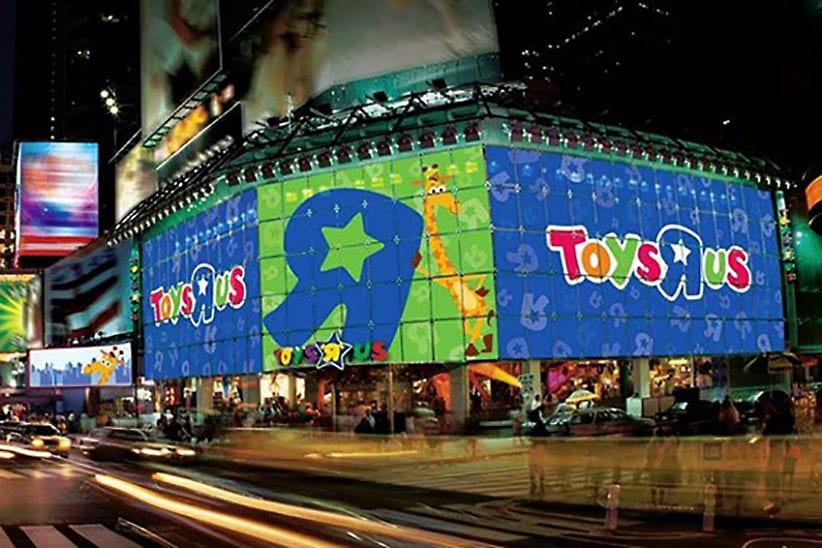
  • Fung Retailing likely to sell Toys R Us stake

    Fung Retailing likely to sell Toys R Us stake

    Lenders owed funds from the collapsed Toys R Us North American business are trying to have a US court force Hong Kong’s Fung Group to sell its stake in the profitable Asian subsidiary.

    According to a report by Bloomberg, for which Fung Retailing did not respond to a request for comment, senior lenders have made an opening bid of US$760 million for Toys R Us Asia, of which Fung Retailing holds 15 per cent. That’s well below the $1 billion the company said in April it was likely to receive for the business several months ago, citing “multiple bids”. But now the company says it has been unable to get any of those bidders to commit, alleging “interference” by Fung.

    The lenders, which include York Capital Management Global Advisors, Barclays Bank and Cerberus Capital Management, plan to essentially swap debt for equity in the Toys R Us Asia business in what is termed a “credit bid”.

    The business goes to auction in a US bankruptcy court next month.

    However, according to Bloomberg, Toys R Us has asked a federal judge to invalidate Fung Retailing’s option giving it first right of refusal to purchase additional shares – and to force the Hong Kong company to sell its stake.

    Toys R Us Asia has repeatedly stressed its business was robust and profitable during the collapse of the US and then UK operations.

    The US toy retailer was unable to restructure its debt after filing for bankruptcy last year and has since progressively closed its operations in North America, the UK and Australia.

    Bloomberg says the liquidation sales may not bring in enough money to cover the cost of the bankruptcy, with suppliers, lawyers and former employees all seeking payment for services they provided after Toys R Us entered Chapter 11 last September.

  • Hong Kong’s Fung Group injects US$35M into India’s B2B e-commerce ShopX

    Hong Kong’s Fung Group injects US$35M into India’s B2B e-commerce ShopX

    The Fung family has invested US$35 million in Indian technology platform ShopX.

    The funds came from Fung Strategic Holdings a member of Fung Investments, the private investment vehicle of the families of Dr Victor Fung and Dr William Fung.

    ShopX is described as India’s leading B2B e-commerce company, connecting India’s consumers and small merchants with brands and suppliers directly to purchase products and services.

    India’s retail market is estimated to reach US$1.1 trillion by 2020, and small-to-medium sized businesses play an important role in the Indian economy, making up about 90 per cent of the retail sector. Until now, they largely remain ‘offline’ in small villages and towns serving the local surrounding population.

    ShopX, founded by Amit Sharma and Apoorva Jois in May 2015, aims to be the preeminent e-commerce platform serving more than 12 million small merchants across India, enabling everything from ordering to delivery, payments and localised customer support. ShopX already covers 50,000 retailers in more than 300 locations across India.

    Nandan Nilekani, a leading entrepreneur, has been an early investor in ShopX, supporting the company from inception with more than $18 million in personal investment and active mentorship.

    “The ShopX model provides small retailers access to the same cutting-edge technology and supply chain solutions as any established e-commerce or organised retailer,” he said.

    “This access provides an onboarding ramp into the formal economy for millions of India’s small retailers and the next 400 million consumers. ShopX has been built on scalable and sound business principles like platform thinking, capital efficiency and a sustainable growth model. We are very excited to welcome the Fung Group into ShopX, and look forward to expanding the platform with their investment and strategic synergies.”

    Victor Fung added: “This is one of a series of investments the Fung Group and its companies are making to advance new, disruptive technologies shaping the future of retail and supply chain. ShopX is combining technology and an innovative business model to transform the traditional retail model in India. Given the country’s sheer population size and rising consumer spending power, not only do we see tremendous opportunity in India, but also the successful application of this model to other parts of the region.”

    Tech focus

    The ShopX investment follows recent Fung Group initiatives and investments in new technologies including:

    • A partnership with Tencent-backed WeDoctor to create an e-commerce platform connecting China’s myriad of hospitals with medical device manufacturers and service providers to centrally procure medical devices, consumables and services.
    • A partnership with JD.com to develop AI-driven retail solutions.
    • A new innovation lab with Shima Seiki, the Japanese company behind the world’s most advanced computerised flat knitting machines, to conduct specialised materials R&D.