Tag: Hong Kong

  • Hong Kong companies see the importance of Wi-Fi

    Hong Kong companies see the importance of Wi-Fi

    “Wi-Fi is critical to deliver multimedia content to a proliferation of connected devices to enable a connected global economy,” said Linda Hui from Ruckus Networks at an early October press conference in Hong Kong.

    “If IT departments need to spend considerable time fixing Wi-Fi issues, this puts severe pressure on the organization to digitally transform, reduce operational costs and hinders their ability to deliver new products, services and revenue models,” said Hui, the firm’s managing director for Hong Kong and Taiwan.

    In the survey of eight Asia-Pacific markets by Ruckus—which was acquired by Arris last year—76% of Hong Kong enterprises said they intend to upgrade their Wi-Fi equipment in the next 12 months. “This is to meet demands for enhanced Wi-Fi security, improve overall user experiences, and provide a stable high-speed connection [that can handle] the rise in multimedia content,” said Ruckus in a statement.

    The firm said “an equipment overhaul is long due in many [Hong Kong] businesses as 35% said they estimated HK$400,000 per year ($51,300) is lost annually due to connectivity issues.

    Survey stats & specs
    This is according to the firm’s first “Asia Pacific State of Wi-Fi Study, which surveyed 1,200 business and IT leaders in Australia, China, Hong Kong, India, Indonesia, Japan, Singapore and Taiwan to identify Wi-Fi usage trends and expectations.” “Respondents ranged from mid- to large-sized organizations and are in decision-making or implementation roles for IT-related initiatives.”

    “From a corporate perspective, implementing Wi-Fi in the workplace meant better productivity (74%), flexibility (55%), and improved collaboration (44%),” said Ruckus. “Yet over half (51%) had experienced at least six instances of connectivity downtime, and 9% indicated they had over 20 instances in the last twelve months.”

    More importantly, Ruckus said their survey indicates that “half of all businesses said a bad Wi-Fi experience can negatively impact a brand image.”

    Wi-Fi security…rock-solid?
    As usual, security concerns top the list. When rating the current state of Wi-Fi security in their organizations, 47% of Hong Kong firms said it was good or very good—compared to 53% across Asia Pacific. However, 61% also said they only used basic usernames and passwords to provide Wi-Fi access, while 16% indicated they have an open Wi-Fi network with no secure log-in measures.

    The survey also found that Hong Kong businesses suffered losses of HK$37 million ($4.8 million) in total over the past year due to Wi-Fi downtime. Apart from monetary losses, 48% of Hong Kong respondents said their IT departments needed to spend about a week or more each month to manage Wi-Fi or network-related issues.

    “Today, Hong Kong people expect a seamless, reliable and fast Wi-Fi experience and accessibility whether at home, at work, on the move or at a public venue,” said Hui. “When there is a connectivity issue or other disruption to the Wi-Fi experience, this dampens accessibility by throttling the ability to work anywhere, at any time with productivity taking a hit.”

    Wi-Fi wonderland
    Ruckus said the survey demonstrates “how ingrained Wi-Fi has become in Hong Kong society,” as 51 percent of respondents said they carry at least four Wi-Fi enabled devices including smartphones, smart watches, laptops, and tablets.

    But work & home setups are preferred by Hong Kongers. Respondents voiced concerns about the Wi-Fi service offered in public places with 81% saying slow Wi-Fi connection speeds top their list of concerns with connection drops and limited coverage area close behind. Only 17% said they had enjoyed a good or very good experience using public Wi-Fi.
  • Security concerns inhibiting m-payment adoption in Hong Kong

    Security concerns inhibiting m-payment adoption in Hong Kong

    More than half (53%) of Hong Kong residents polled during a recent survey conducted by the Hong Kong Internet Registration Corporation (HKIRC) said concerns over cybersecurity and privacy risks are major barriers to greater adoption of mobile payments.

    Other barriers that have been cited in the survey include technical instability and the lack of support for mobile payment from most local merchants in the city

    In speaking about the survey, HKIRC deputy CEO Bonnie Chun allayed the primary fear of using mobile payment, pointing out that the government ‘has already put a lot of regulations in place to ensure the industry strictly follow their guidelines. We suggest the government promote its policies via different channels such as social media among others,” said Chun.

    She added that the government should keep on educating the public about the different ways of maintaining safe online hygiene such as changing one’s passwords regularly, using two-factor authentication, not using public Wi-Fi connections for making payment transaction and downloading mobile apps only from reliable sources.

    “Also, mobile payment providers should increase their transparency on how they handle personal data. They should try not to collect too much personal data during the registration process to increase users’ confidence.”

    Mobile payment gets a foothold in Hong Kong

    The survey polled 1,200 residents in the city between the ages of 18 and 65, who belong to various industry sectors.

    Survey results showed that mobile payment is now gaining a foothold in the city with 23% of respondents using mobile payment and is now in the top three payment methods in Hong Kong after credit cards (37%) and Octopus Card (25%).

    While 93% of respondents between the ages of 18 to 25 have used it before, a high percentage – 77% – of older respondents aged 56 to 67 have also used mobile payments.

    More than a quarter of respondents or 28% have been using mobile payments two to three times a week. About 88% of respondents use their mobile phone for transactions of less than HK$500 ($64).

    The survey showed that respondents want to be able to use mobile payment in three areas: public transport, government bills and clinic,

    “The future of mobile payment in Hong Kong is very positive. When we start using mobile payment in public transport, people will become more familiar with it and the adoption rate will increase,” Chun said

  • Ted Baker Asia sales free falls

    Ted Baker Asia sales free falls

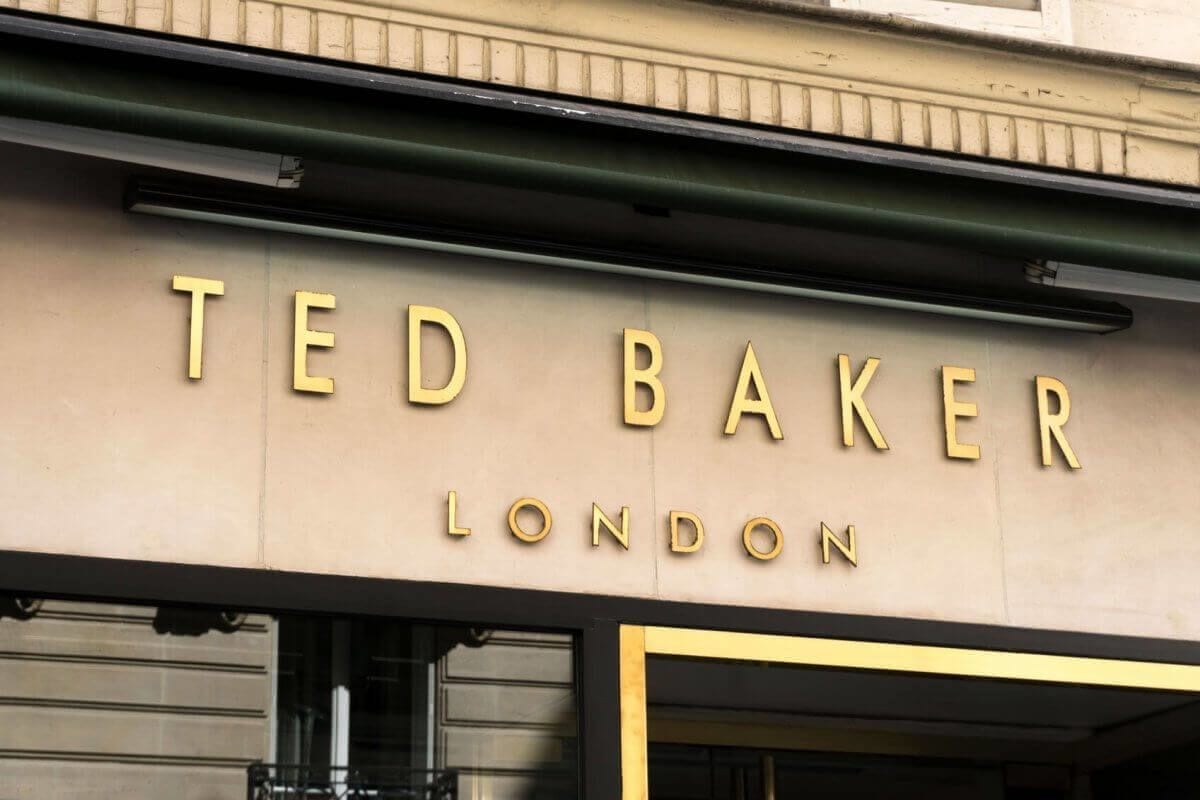
    Ted Baker Asia sales slipped in the 28 weeks to August as the UK brand trimmed its store network in Hong kong and Mainland China.

    According to its latest results filing, Ted Baker Asia sales fell 1.8 per cent in real terms, however in constant currency they rose 1.8 per cent, to £11.2 million.

    Sales per square foot excluding e-commerce sales decreased 4.4 per cent.

    “We continue to refine and develop our strategy for success in Asia,” said chairman David Bernstein.

    In China, Ted Baker closed one store, one concession and one outlet store. It closed another store in Hong Kong.

    But Bernstein said the company’s e-commerce concession businesses in China and Japan performed well with sales of £1.7 million (up by £600,000 compared with last year) which expressed as a percentage of total Ted Baker Asia retail sales came to 15.2 per cent.

    In Asia, Ted Baker licensees opened new stores in India, Malaysia, Singapore and Taiwan during the period.

    Globally, Ted Baker retail sales, including e-commerce, rose 1.1 per cent to £220.1million. Group revenue, including licensing, rose 3.5 per cent to £306 million.

    “Ted Baker has continued to develop and expand as a global lifestyle brand across its markets and distribution channels despite challenging external trading conditions,” said founder and CEO Ray Kelvin. “This continued growth is testament to the strength of the Ted Baker brand, the design and quality of our collections as well as the dedication and talent of our teams.

    “Whilst we believe that the second half of the year will remain challenging due to external factors, we are well positioned to continue Ted Baker’s long-term development. Our flexible business model ensures that our customer has multiple channels to engage with Ted Baker and our global e-commerce business continues to expand, supported by our digital marketing strategy and unique stores that showcase the brand.”

  • Millennials’ love for luxury brands focuses on two brands

    Millennials’ love for luxury brands focuses on two brands

    Millennials feel better about their future earnings than older consumers and spend more on luxury goods.

    That’s according to a survey of more than 3,000 consumers across China, Europe and the US by UBS Group AG. Eighteen to 35 year olds have contributed 85 percent to growth in the luxury market last year and will represent 45 percent of total high-end spending by 2025, according to the report published Friday.

    Gucci and Louis Vuitton are millennials’ favourite brands, according to the survey and social-media data analysed by UBS.

    While the intent to buy online is higher in the age group than among older consumers, physical stores continue to feature highly among preferred places to shop.

    Chinese millennials, a major driving force behind sales growth, allocate about 20 percent of discretionary income to purchasing luxury goods, a similar share as older generations.

    Nearly 70 percent of Chinese Millennials expect their personal financial situation to improve in the next 12 months, compared to 65 percent of Chinese respondents aged 35 or more.

    That is good news for companies selling luxury goods, considering Millennials drove 85 percent of the sector’s growth last year. In fact, luxury fashion labels which have been performing well lately have a high percentage of sales from Millennials.

    For example, UBS estimates 65 percent of Saint Laurent’s revenues to have come from this age group in 2017, while Gucci’s Millennial sales were estimated in 50 percent. Louis Vuittonobtained approximately 33 percent of its profits from consumers aged 21-37, as claimed by UBS.

    Younger people in Italy and the US have higher spending budgets than their elders, according to the report.

  • Tencent, Hillhouse back MINISO

    Tencent, Hillhouse back MINISO

    Tencent and Hillhouse Capital have invested RMB1 billion (US$146 million) into fast-growing Chinese discount retailer Miniso.

    Founded just five years ago, Miniso has already grown to more than 3000 stores worldwide using what it describes as a “high quality, low price” philosophy.

    Three years ago, the China-headquartered retailer which pretends to be Japanese in its brand positioning and marketing, made its first foray abroad. One in three of its stores are now in overseas cities in 70 countries and markets, including Hong Kong, Singapore, Japan, Vietnam, Taiwan, Macau, India, South Korea, North Korea, Indonesia, Malaysia and the Philippines.

    In a statement, Miniso said the strategic investment from Tencent and Hillhouse Capital will enhance cooperation in big data analysis, smart outlets, intelligent retail and digital operations, among other areas.

    “The investment of Tencent and Hillhouse Capital will help the future development of Miniso by improving its ability in terms of information technology, capital operation, corporate governance, etc. The investment will also expand its layout in the field of intelligent retail and accelerate overseas market expansion, so as to help Miniso achieve its medium-term strategic goals.”

    That goal is to have 10,000 stores trading in 100 countries with RMB 100 billion in sales by 2022.

  • Monica Vinader opens in New Town Plaza Mall

    Monica Vinader opens in New Town Plaza Mall

    Monica Vinader is pursuing its expansion into the great city of Hong Kong with the opening of its third store this September.

    Famous for its versatile styling, and loved for its encouragement of women to self-gift, and to give to each other, the British jewellery brand chose the exclusive New Town Plaza mall as location for its latest store.

    Renowned for instantly wearable and contemporary designs, Monica Vinader is a favourite amongst A-list names such as the Duchess of Cambridge, Olivia Palermo and Emma Watson.

    The store is an opportunity for Monica Vinader to bring everyday fine jewellery to more women across China, whilst expanding their presence in Hong Kong.

    Being only 30 minutes away from China, the New Town Plaza mall is a prime destination for Chinese day visitors, while also servicing over 3.69 million residents in Hong Kong’s new territories.

  • Hong Kong yoy August retail sales rose

    Hong Kong yoy August retail sales rose

    Hong Kong August retail sales surged 9.5 per cent ahead of last year according to figures from the Census and Statistics Department (C&SD).

    The figure marked an improvement of the revised 7.8 per cent recorded in July and year to date, growth is running at 12.2 per cent year on year.

    A government spokesman said the increase in Hong Kong August retail sales was buttressed by solid local demand and visible growth in visitor arrivals.

    But the spokesman warned that while favourable job and income conditions and sustained growth in inbound tourism should support the retail sector in the short term, the government will “closely monitor how consumer sentiment will be affected by the external headwinds in the period ahead”.

    After netting out the effect of price changes year on year, Hong Kong August retail sales increased by 8.1 per cent. For the first eight months of this year, inflation-adjusted total retail sales increased by 10.6 per cent, estimates the C&SD.

    Predictably, the growth was fuelled by tourist-driven categories, with jewellery, watches and valuable gifts sales up 21.6 per cent. Cosmetics sales were up 16.3 per cent, footwear and accessories by 13.6 per cent, department store turnover rose 11.7 per cent and Chinese medicines and herbs improved by 9.3 per cent. Apparel sales rose by a more modest 5.7 per cent.

    Categories of goods not affected by tourists fared less well, with supermarket sales up by a mere 0.3 per cent, food and alcohol by 6.3 per cent, furniture sales up 5.5 per cent and eyewear sales by 2.8 per cent.

    The only categories to record a downturn were electrical and consumer durable goods, which fell by 3.5 per cent, and newspapers and books, down 2.3 per cent.

  • Elephant Grounds Is Opening In Manila soon

    Elephant Grounds Is Opening In Manila soon

    Hong Kong coffee shop Elephant Grounds will open in the Philippines.

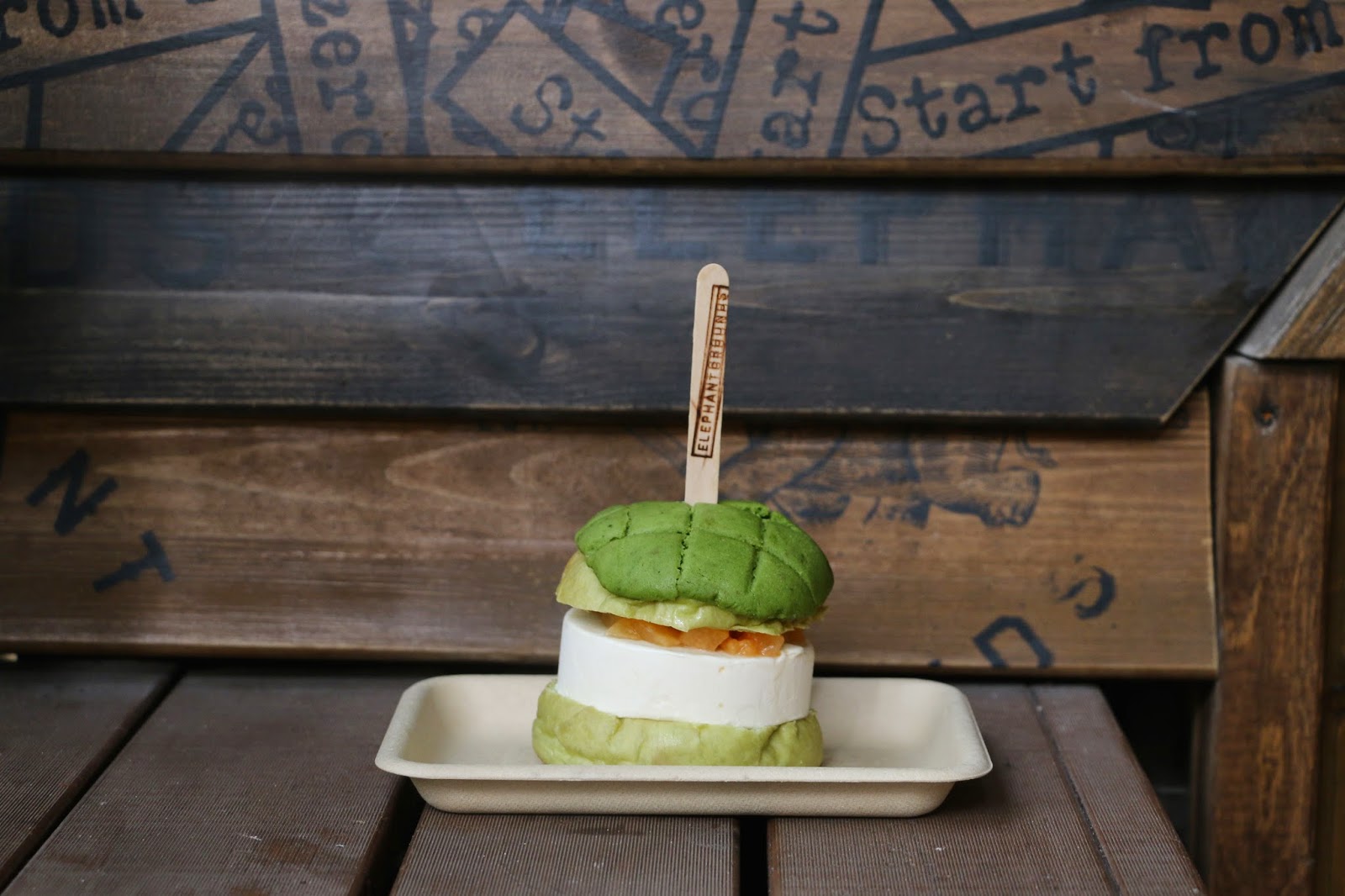
    The popular micro-roaster and cafe, which launched in 2013, has five locations in Hong Kong. It is known for its wooden decor, garden-inspired interiors, bakery items and ice-cream sandwiches.

    The chain will open its first branch in the Philippines at One Bonifacio High Street Mall, Bonifacio Global City, by the end of this year.

  • Luxury brands turn their gaze to increasingly picky millennial buyers

    Luxury brands turn their gaze to increasingly picky millennial buyers

    Multimillion-dollar fashion brands in Hong Kong are transforming themselves to appeal to rich young customers.

    Christine Chen, 27, was looking for a special wedding gift for her best friend. Loaded with cash, she went into one luxury store after another at a mall. Doors were opened obsequiously and staff in tuxedos fawned over her.

    But soon her interest in luxury fashion dissipated, at least temporarily, because of the overwhelming attention she received.

    Fifteen minutes later she was out of the door without completing her shopping.

    Christine’s story epitomes the experience of many young Hong Kong shoppers: They have no problems buying item after item online but quickly lose interest when the very same items are physically displayed in front of them along with an army of sales staff.

    High prices are not a problem, according to Christine, but the shopping experience at luxury stores often makes her and her friends reluctant to buy.

    Hong Kong has seen many changes in buying behavior in recent years. Some have not been kind to sellers as the closure of many Burberry, Coach and Louis Vuiton stores due to lack of patrons testifies.

    Bloomberg presumed that wealthy Chinese, who account for much of the luxury items purchased, are no longer willing to wait in queues for the latest watch or handbag.

    On the other hand, the surge of millennial buyers in the ages of 20-34 is transforming the traditional demographic at shopping malls. Their increasing incomes and family financial support allow the young to shift from fast fashion to posh clothing and accessories.

    Bain & Co has predicted that by 2025 millennials and the Generation Z (people born after 1996) will be the consumers of 45 percent of luxury fashion sold on the planet.

    Then again, it is not easy to make them buy. After being accustomed to middle-aged buyers for long, sellers of luxury goods now have to turn their gigantic marketing machinery toward increasingly younger buyers.

    Chow Tai Fook is one of the top 10 luxury fashion brands and has colossal revenues. It is larger than brands like Hermès, Rolex, and Prada, according to Deloitte.

    Since 2016 Chow Tai Fook has been making over its traditional outlets to make them millennial-friendly. It also has online shopping portal ctfeShop.

    At another of its outlets in Hong Kong, Chow Tai Fook even offers customers the experience of personally wrapping a jewelry gift box with items bought on the spot.Standing out is its branch in Kwai Fong, one of the island’s nightlife hotspots. Guests encounter a pink-themed café inside the store that ensures no one leaves thirsty. The selfie generation also loves the Kwai Fong branch for its check-in area specifically meant for taking photos.

    In each area, stores have their own signature color, with red being a symbol of fortune and light blue and pastel pink representing youth.

    The company came up with the idea of jewelry vending machines in Shanghai inspired by traditional vending machines.

    It also bought copyrights from Disney and rolled out jewelry lines inspired by the latter’s cartoon characters.

    All these are meant to help young buyers feel more comfortable at Chow Tai Fook, Po Liu, its international business director, explained.

    Chow Tai Fook’s range of campaigns for the brands under its umbrella works toward the same goal.

    T MARK is a diamond brand that focuses on the diamond traceabilityand authenticity. diamond is inscribed with a mark that carries a set of unique serial numbers, enabling customers to trace the life journey of a diamond from sourcing to production.

    SoInLove is a jewelry gifting brand with affordable price, young style. Monolgues is an on-trend jewelry brand for trendsetting millennials .

    French luxury brand Guy Laroche recently launched a series of art watches in Hong Kong and China.

    Instead of thin leather straps in classic yellow and brown tones, they come with pastel straps and large faces with imprints of French paintings.

    This personalization was in response to millennials’ need to express themselves, and the watches are a favorite item, especially for online shoppers.

    “Young people have innovative views that help us reach our target audience quickly, while the experience of older executives reduces potential risks.”Elise S.M. Tsui, a distributor of Guy Laroche watches in Hong Kong, said young people were becoming her main customers. So her company also employs young people in managerial positions.

    Vietnam too

    This shift in demographics is also happening in Vietnam.

    Since the beginning of last year Lacoste Vietnam has seen VIP customers aged 24 – 35 years increase by 315 percent. A VIP customer is one who makes a one-time purchase of at least VND27 million ($1,155).

    Bui Thu Phuong, marketing director of Lacoste Vietnam, said in the last two years, amid fierce competition from international and domestic fashion brands and the entry of many global names, Lacoste set out to build strategies to attract millennials and the Generation Z in addition to the middle-aged segment.

    “This is a very promising customer group that many brands are interested in. They were and have been key players in the global workforce. This young group always wants its needs gratified immediately.”

    Concurring with Phuong, Nguyen Thi Minh Thu, marketing director of Precita jewelry, said millennials as a customer group account for a big proportion of purchases of high-end brands.

    They were born in the digital age and live with the digital world for more than 24 hours a week. Health and beauty are their major interests, but they are also very particular about the quality of the products they buy and how practical their spending is.

    Designer Do Long has been in the fashion industry for eight years and runs a design shop. A few years ago his clients started to see younger buyers, aged 25-35, flood in, but now many 18-20-year-olds can afford customized, expensive attires, he said.

    To gain market share, designers and luxury fashion businesses are forced to innovate strategies and technologies to produce esthetic, trendy, cost-effective, and versatile lines while simultaneously their clients offering new experiences.

    For instance, someone who has four Precita earrings can wear them in 20 different ways. The brand personalizes wedding rings by engraving hearts on their inside.

    Earlier this year Precita tweaked its website to enable customers to research products and buy with a few clicks.

    In 2017 and 2018 Lacoste spent its entire marketing budget on digital media like online newspapers and magazines, social networks and outdoor displays in malls and other venues frequented by young people.

    The brand also employs young influencers to promote its items, including models Quang Dai and Helly Song, Miss Vietnam H’Hen Nie and singers Noo Phuoc Thinh and Isaac.

    This marketing ploy has been adopted by many businesses to connect with the millennial customer.

    As for Christine Chen, not only did find jewelry for her friend, but also got to personally enclose it for her in a small, pretty chest.

    “This shop is decorated like a treasure chest and each chest has its own code. All I have to do is pass the code to my friend and she will have a pleasant gift experience.”

  • Hong Kong eyewear retailer Jins makes debut at Kwun Tong

    Hong Kong eyewear retailer Jins makes debut at Kwun Tong

    The first Jins Hong Kong eyewear store opened last Friday – part of the Japanese retailer’s broadening focus on Asia.

    The company said it sees Hong Kong’s “sophisticated retail market” as an idea place to start tapping into the growing eyewear market across the region.

    “We have been extending our presence in the region and Hong Kong is an inevitable choice of base as the city has a fast-growing and vibrant eyewear market,” said Mikiya Yamawaki, GM overseas business development at Jins.

    The Jins Hong Kong store at Kwun Tong takes up about 1000sqft and features a range of more than 1000 frames. Customers are promised finished glasses in about 30 minutes after they select their frames.

    Yamawaki said Jins aims to become the world’s leading eyewear brand by accelerating its global expansion plan.

    “Japanese products and brands are popular with consumers in Hong Kong, and they appreciate high-quality goods and innovative ideas. It is an ideal place from which to expand our business. We hope to provide unique and high-quality glasses and services through our Hong Kong store.”

    Associate director-general of investment promotion Dr Jimmy Chiang welcomed the opening of the first Jins Hong Kong store. “It will not only add new choices of eyewear for local customers, but also bring new designs and technologies from Japan to the local industry.”

    Jins was founded in 1988 and has been developing its eyewear brand since 2001. As of August, the company had 510 stores in Japan, Mainland China, North America, Taiwan and the Philippines.

  • House of Hennessy airport flagship opens in Hong Kong

    House of Hennessy airport flagship opens in Hong Kong

    Hennessy has opened its first airport flagship store at Hong Kong International Airport.

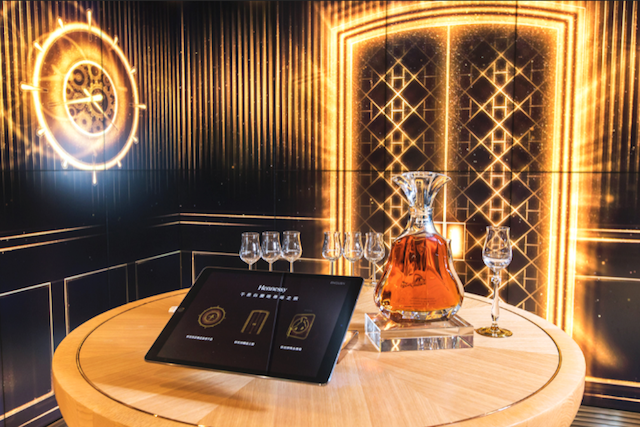
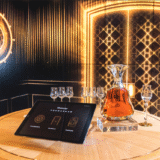
    The new “House of Hennessy” retail concept involves an exclusive selection of products (including a number or rarities) and an “immersive cognac experience” based on a design inspired by a historic French castle acquired by the Hennessys in 1841.

    Guests to the store are invited to taste the products on offer and visit a VIP presentation room for an overall introduction to the brand and its heritage, augmented by interactive technologies.

    Moet Hennessy Global Travel Retail’s president Laurent Boidevezi said that due to the strong demand in the Asia market in recent years, as well as consumer desire to further explore cognac culture, the company has been developing interactive and educational approaches to engage with global travellers at HKIA, which experiences a large volume of traffic.

    “We are also delighted to be working with Airport Authorities Hong Kong and CDF-Lagardere to bring our first-of-a-kind boutique to life in this way. It will definitely strengthen our trinity partnership.”

    Lagardere Travel Retail chairman & CEO Dag Rasmussen said: “Our joint venture – CDF-Lagardere – wanted to give travellers at HKIA something that was truly original and exciting.

    This exceptional House of Hennessy store achieves that. It is more than a boutique: we have created a fully immersive Cognac experience for passengers.”

    The House of Hennessy store is located at Duty Zero by CDF, Departure Hall 1, Terminal 1 of the HKIA.

  • Activewear retailer Lorna Jane expands in China

    Activewear retailer Lorna Jane expands in China

    Australian activewear retailer Lorna Jane is expanding into greater China as more than 10 potential investors are seeking a majority shareholding.

    Around 30 per cent of Lorna Jane’s more than $200 million in annual revenues comes from its online platforms in China. Its sports bra product is the top seller in its category there. It currently has 2.5 million followers on social media.

    The business is currently assessing its options, while announcing last month the hire of KPMG to review the company’s strategies. KPMG has commented that the business is “performing extremely well”.

    The company is facing competition from gym-wear retailers such as Gymshark and the increasing shift in society of people wearing sportswear as streetwear. Co-owner Lorna Clarkson says activewear has now become ready-to-wear. “There’s now a blurred line between fashion and sports apparel.”

    CEO Bill Clarkson said that most likely within the next 12 months “our aim is to eventually open stores in China and Hong Kong,” depending on who the firm’s partner ends up being. It is currently in the process of reducing its physical store network in Australia due to high rental costs.

  • Spring REIT Buys Guangdong Mall from Huamao Property

    Spring REIT Buys Guangdong Mall from Huamao Property

    Hong Kong-listed Spring REIT has agreed to buy the Huamao Place shopping centre, located in Huizhou, Guangdong Province.

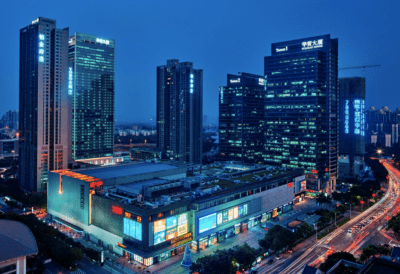
    Spring will pay RMB1.65 billion (US$241 million) for the mall, a seven-storey property, part of the larger integrated development by Beijing Guohua Real Estate, known as Huizhou Central Place (pictured), which also includes three Grade-A office towers, three residential buildings and a serviced apartment complex.

    Located in the Huizhou CBD, the mall is surrounded by major roads, the Huizhou People’s Government complex and other public facilities and attractions, such as the Huizhou Convention & Exhibition Centre, the Huizhou Stadium, the Huizhou Museum and the Huizhou Science & Technology Museum. It is accessible by expressways and intercity railway to the rest of the Greater Bay Area.

    Current tenants include international and local fashion retailers, jewellers, chain restaurants, personal care and cosmetic shops, a supermarket and a cinema.

  • Ogilvy picks up creative work for Pizza Hut Hong Kong as brand targets millennials

    Ogilvy picks up creative work for Pizza Hut Hong Kong as brand targets millennials

    Ogilvy will be tasked with raising the profile of Pizza Hut among millennials after being appointed creative agency of record for the brand in Hong Kong.

    The agency was selected following a competitive pitch. Havas was the incumbent.

    Ogilvy & Mather also won the creative work for Pizza Hut in Singapore at the start of the year, releasing its first work in May. The agency also works with Pizza Hut parent Yum! across several markets in Asia.

    Ogilvy will deliver Pizza Hut’s integrated marketing strategy including creative, brand building and campaign execution with the agency tasked with raising the profile of the brand among millennials while “maintaining its strong heritage in the family segment”.

    In a statement, Pizza Hut Hong Kong marketing director Wendy Leung said: “Our decision to partner with Ogilvy was based on their proven track record of delivering innovative work that resonates with the local market.

    “As we look to elevate the Pizza Hut brand amongst millennials in Hong Kong, it was critical that we chose an agency whose work is grounded in strong, local consumer insights”.

    Ogilvy Hong Kong executive creative John Koay added: “Everyone in Hong Kong grew up with Pizza Hut. We are thrilled Ogilvy can partner with this iconic brand to create effective and famous work that will drive their business forward and connect with Hong Kong people”.

  • Penhaligon’s upgrade stores for better customer experience

    Penhaligon’s upgrade stores for better customer experience

    Luxury British perfumery brand Penhaligon’s relaunches two of its most prestigious stores in Asia.

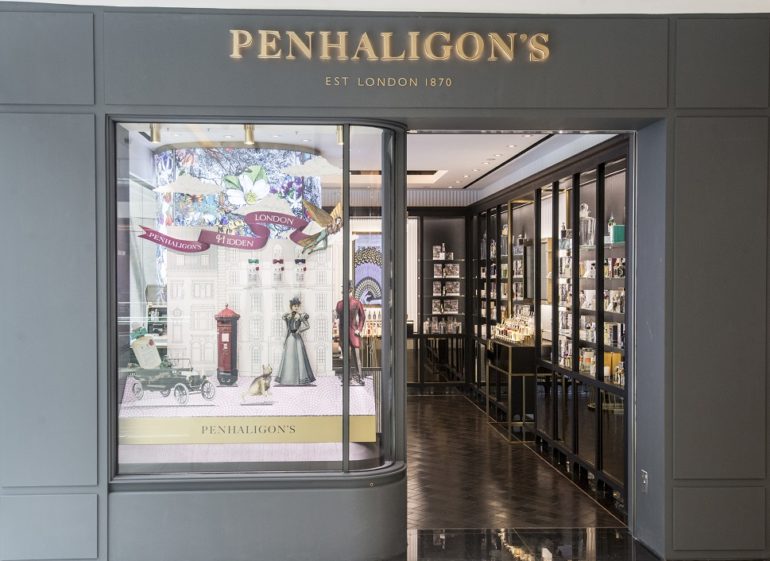
    After extensive renovations, Penhaligon’s at the IFC Mall in Hong Kong, and Penhaligon’s at Marina Bay Sands in Singapore, have once again flung open their doors to the public – unveiling a new design concept and enriched amenities which are sure to intrigue and delight.

    Established in 1870, Penhaligon’s is an iconic British perfume house still adored today for its illustrious scents; born of the finest quality ingredients and whimsically imaginative formulations.

    The distinguished legacy of Penhaligon’s has earned the brand a loyal following around the world, including in Asia where the brand has maintained a presence at the IFC Mall in Hong Kong for five years and The Shoppes at Marina Bay Sands in Singapore for seven years.

    Penhaligon’s quintessentially British history and heritage are reflected in the stores’ refreshed design. The eye-catching exterior detailing draws inspiration from the classical façade of the Penhaligon’s shop at Burlington Arcade, London – architecture dating back to the 1820s. Inside, heritage fluted plaster wall details echo the Penhaligon’s London Flagship store, located on Regent Street.

    Exclusive amongst perfumers, the newly designed Penhaligon’s stores will feature an updated fragrance profiling table inspired by the London Olympic Cauldron, and providing an interactive digital screen for immersive fragrance match-making. Like nothing else of its kind, the digital profiling gives customers a captivating opportunity to define their perfect fragrance, with assistance from Penhaligon’s masterful fragrance consultants.

    In its IFC store, the digital touchpoints in the store facilitate the encounter between customer and brand, narrowing down the selection of fragrances based on personality tests.

    The immersive experience in the new store design takes customers to Britain and tells the story of each fragrance by explaining the relationship with the brand’s country of origin. Each scent is created to remind places, and recall memories. They are designed to appeal to all, but in a different way for each individual. Isn’t it customisation?