Tag: Hong Kong

  • AS WATSON unveils new foodservice-focused concept store in China

    AS WATSON unveils new foodservice-focused concept store in China

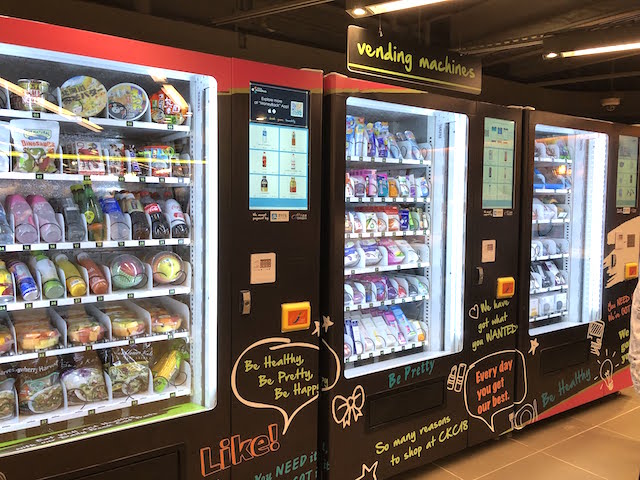
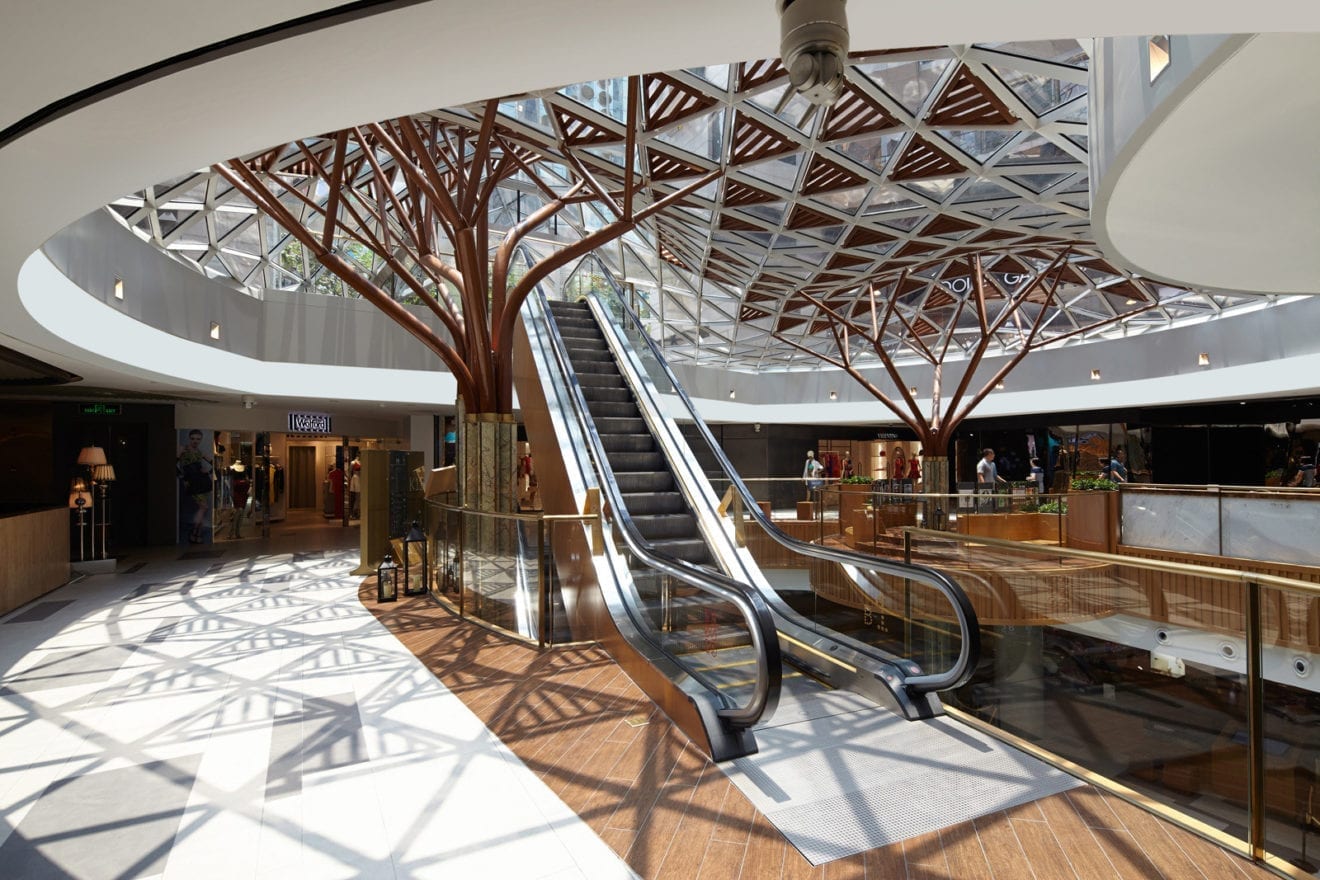
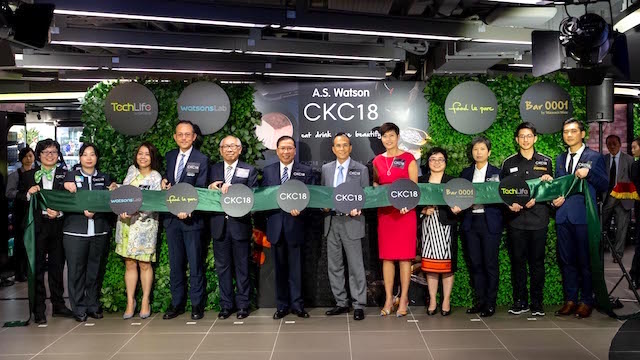
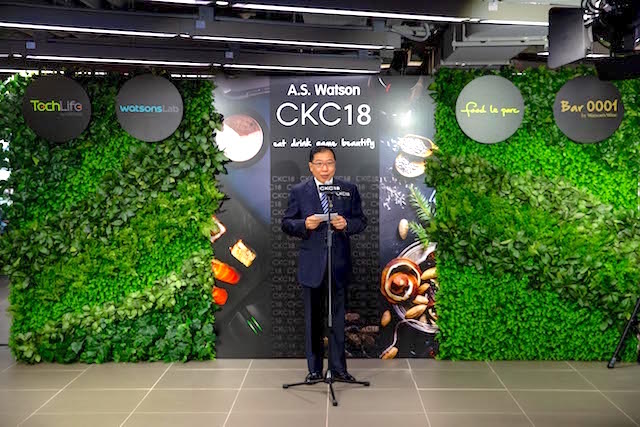
    Located on B2 of the Cheung Kong Center, the store, called CKC18, groups together four AS Watson retail brands in a way which makes each store appear independent, but connected.

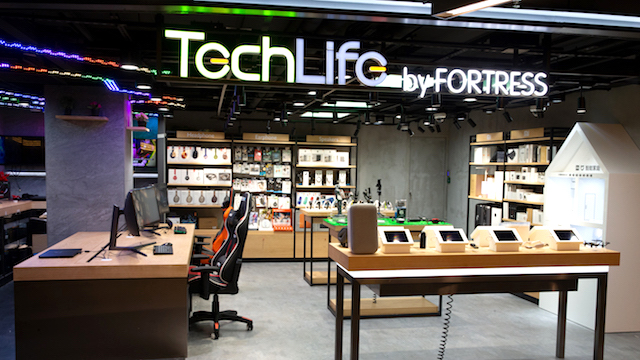
    The 26,000sqft CKC18 is home to international food emporium Food Le Parc, health and beauty outlet WatsonsLab, a TechLife by Fortress and Bar 0001 by Watson’s Wine.

    CK Hutchison Holdings chairman and group MD Victor Li and AS Watson Group MD Dominic Lai led the management team at a grand opening event last week.

    “As one of the landmarks in Hong Kong, Cheung Kong Center is located at the heart of the business district in Central with top notch financial institutions,” said Lai. “The grand opening of CKC18 indicates that Cheung Kong Center will soon become a hotspot for dining, shopping, entertaining and self-pampering.”

    TechLife by Fortress

    The electronics store brings together what AS Watson describes as “the trendiest and most innovative lifestyle gadgets”, eSports products and exclusive products from Xiaomi. There is also a GameZ area that allows customers to try on the international renowned eSports gear.

    Food Le Parc

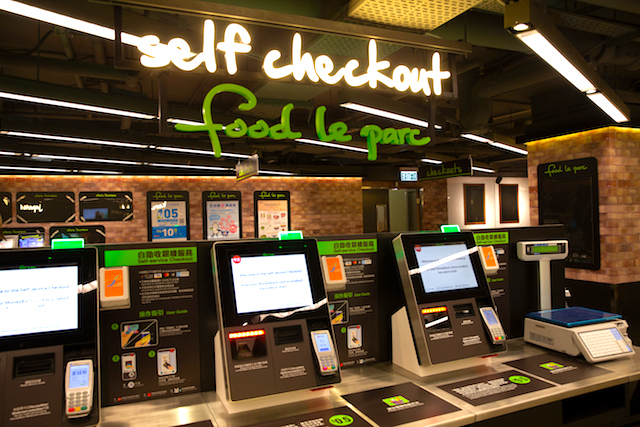
    Food Le Parc – which translates to food park in English, offers 8500 choices of food from around the world, of which 1600 products are exclusive to CKC18.

    WatsonsLab

    A specialised Watsons boutique, WatsonsLab includes a ‘beauty bar’ that carries leading global cosmetics brands. A ‘Style Me’ app available in-store leverages Augmented Reality technology to offer virtual make-up services, offering more than 100 mix-and-match looks.

    Bar 0001

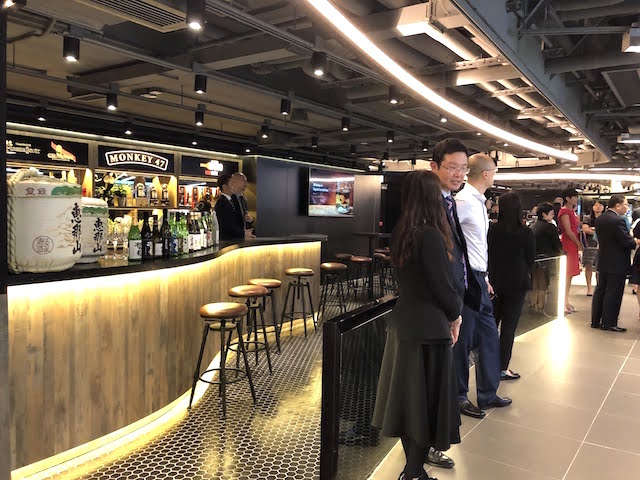
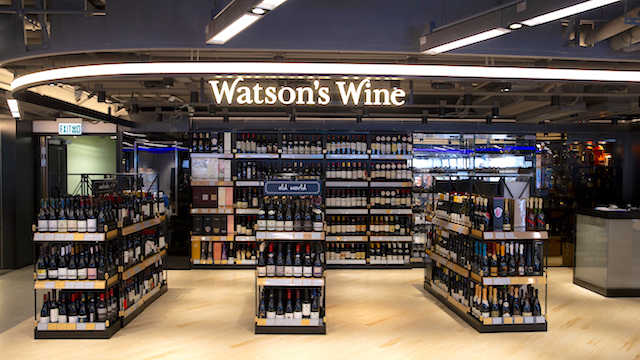
    Watson’s Wine and its in-shop Bar 0001 offers almost 100 wines, sakes and spirits sourced from around the world by the glass and more than 700 wines to take away.


    New technologies

    Lai says the team which created CKC18 wanted the store to demonstrate AS Watson’s determination to speed up digital transformation.

    The Scan & Go function in the app MoneyBack allows customers of Food Le Parc to simply take the products, scan the barcodes with their phones and pay at self-checkout counters. And at WatsonsLab, the Style Me tablet equipped with AR technology instantly and virtually shows customers how they look like when applying different makeup products.

    “We are glad to introduce the latest retail technologies to optimise shopping experience in a convenient and innovative approach. CKC18 applies technologies intensively. Besides the use of Alipay and other mobile payments, unmanned checkout counters are also available at WatsonsLab.

    Customers can simply checkout by placing their shopping baskets on checkout counters that automatically scan and tally up the total, and electronic payments are supported.

    “In addition, customers can use the TasteToGo function in MoneyBack app to reserve their meals in advance at Food Le Parc, minimising their waiting time during rush hours.”

    The store will also host events such as cooking exhibitions, gaming shows by eSports players, sake tasting and personalised make-up designs.

    AS Watson Group is the world’s largest international health and beauty retailer, currently opening a new retail store somewhere in the world on average every seven hours. That equates to 1300 this year, including more in Hong Kong.

  • Shop Online and Roam the City with Mastercard, HKTaxi and HKTVmall

    Shop Online and Roam the City with Mastercard, HKTaxi and HKTVmall

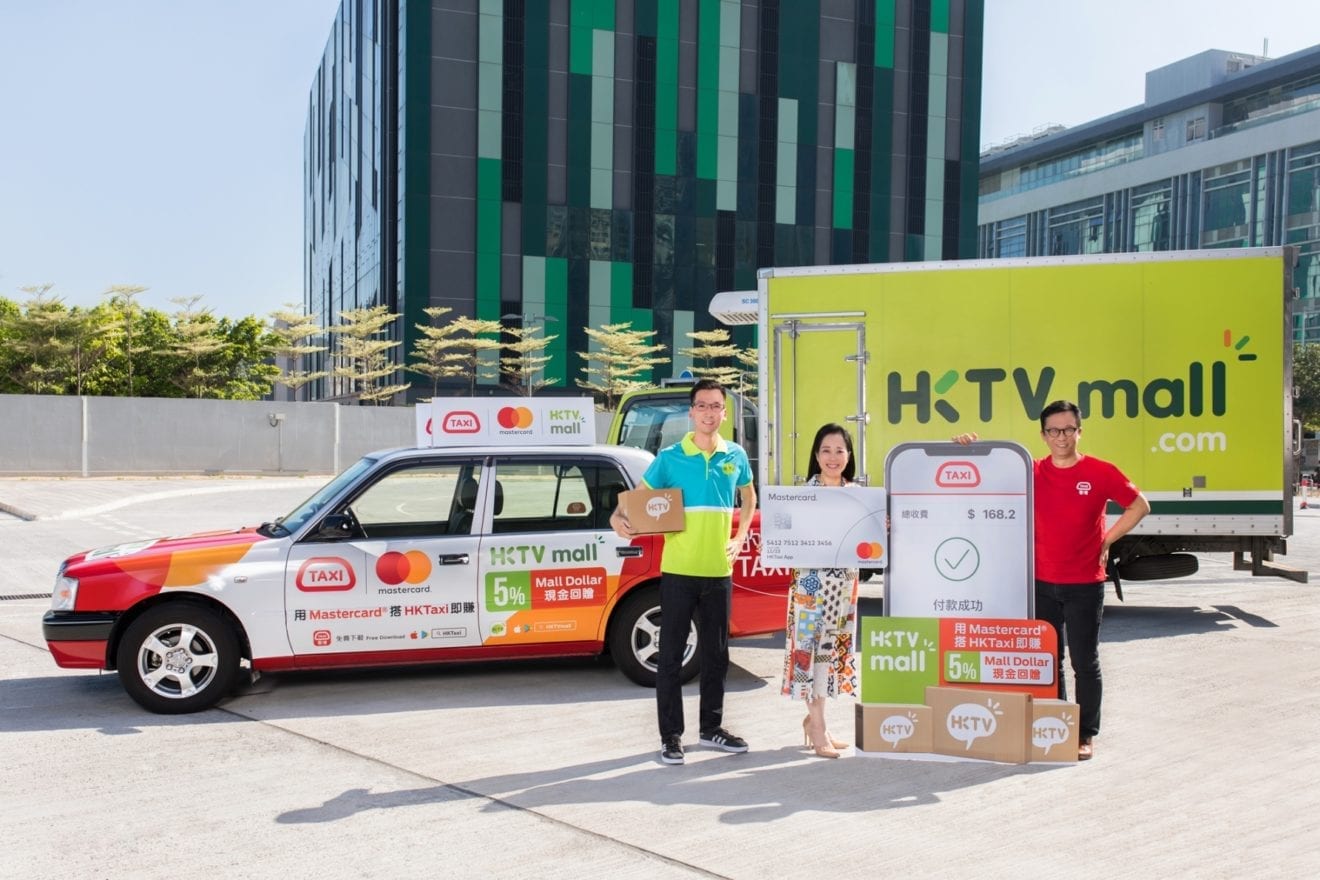
    From worry-free local transportation to hassle-free shopping, Hongkongers’ daily lives are getting more and more convenient! Mastercard has today announced its partnership with local online shopping mall HKTVmall, as well as its strengthened collaboration with the city’s most popular taxi-hailing app HKTaxi, to bring safe, secure and cash-free ways to shop and get around Hong Kong.

    Mastercard is effectively shaping the daily life of Hong Kong people to be more convenient than ever by forming a joint partnership highlighting both HKTVmall’s easy pickup and delivery services and HKTaxi’s 98.4% order fulfilment rate – the highest in the city as tested by the Consumer Council in March 2018.

    As a result of an exclusive privilege for Mastercard cardholders, HKTVmall shoppers can receive rewards to satisfy their daily needs by using their Mastercard to pay for taxi rides via HKTaxi, which recently announced that more than one-fifth of its 50,000 registered taxi drivers now accept Mastercard payments.

    “We at Mastercard aim to take care of all our cardholders’ needs and provide them with the best service every day,” said Helena Chen, managing director, Hong Kong and Macau, Mastercard. “By joining forces with HKTVmall and HKTaxi, we have now fully expanded our services from excellent local transportation to outstanding online shopping services, allowing us to become a truly integral part of Hongkongers’ daily lives.”
    “HKTaxi and Mastercard share the same drive to make Hongkongers’ lives more convenient with technology.

    The collaboration with HKTVmall extends our passion to provide great and beneficial services to every Hong Kong resident,” said Kay Lui, co-founder, HKTaxi. “Our joint partnership is built on convenience, safety and security, utilizing modern technology in responding to the demands of the Hong Kong people. Since the inception of the partnership between HKTaxi and Mastercard in March, the number of taxi rides paid for with Mastercard has been doubling each month and we are very thrilled with the progress. ”

    “We are proud to have partnered with Mastercard and HKTaxi to deliver the best experience in online shopping to everyone in Hong Kong,” said Ricky Wong, chairman, Hong Kong Television Network Limited. “Now, everyone in the city can rest assured that there is an easy way to take care of all their daily needs.”

    From June 1 to August 31, HKTVmall members who hail taxi rides with HKTaxi can receive HKTVmall Mall Dollar valued at 5% of the taxi fare when they pay with Mastercard. Mastercard cardholders who use HKTaxi can also get HK$50 after making three rides every week until July 29.

  • Alibaba shows off automated wine store in Hong Kong

    Alibaba shows off automated wine store in Hong Kong

    Alibaba’s Tmall, China’s leading B2C online marketplace, wants to give wine selection and consumption a 21st century upgrade.

    At Vinexpo Hong Kong this week, Tmall unveiled a host of new technologies for the industry, including an automatic wine store, initiatives far from the grape-stomping and oak barrels of old.

    Tmall showcased a “Future Bar,” which included facial-scanning for entry, a robot waiter, RFID technology to enhance browsing, touch-screen displays for product research and a “Smart Wine Cooler.” The technologies are part of a larger trend in “New Retail,” an initiative in China led by Alibaba to merge the best of online and offline commerce for the benefit of both consumers and merchants.

    Mike Hu, a senior director at Tmall, said the goal of New Retail is to make shopping more personal, more engaging and more convenient – even in traditionally stodgy industries such as wine.

    “China really is at the forefront of consumer engagement right now,” Hu said. “Shopping here is mobile, it’s fun, it’s interactive, and the wall between e-commerce and brick-and-mortar stores is coming down. This kind of comprehensive shopping experience is what Chinese consumers have come to expect, so wine sellers need to adapt if they want to be successful here.”

    Upon arriving at Alibaba’s booth, attendees were greeted by the Tmall Robot Waiter, who asked, “Hey, don’t you want to have a drink?” – in multiple languages. The advanced human-computer interaction offered a glimpse of the future for wine merchants and their customers, Hu said.

    Facial scanning

    Facial scanning, meanwhile, offered entry to the booth and pointed a still-growing but soon-to-be important part of the consumer experience in China: facial-recognition payments, Hu noted. Already, Alibaba’s supermarket chain, Hema, has implemented the technology in one of its Shanghai stores. It is being tested in a cashierless store at Alibaba’s Hangzhou headquarters as well.

    The RFID technology was embedded in the foil wrapping that covers the cork so that when they were picked up from a shelf, their product information was displayed on a nearby screen. So, too, were recommendations for food pairings.

    Touchscreens at the booth allowed visitors to research a wine’s home chateau and place orders through the brand’s Tmall flagship store. This kind of setup would save much-needed stock and shelf space for retailers, Hu said, while providing greater selection for consumers visiting the shop and offering delivery direct to their homes.

    Users of Tmall’s Smart Wine Cooler scanned a QR code to open the cooler door, after which they could choose their favorite bottle and then simply close the door again to pay automatically. Or, as Tmall put it, “close the door, the deal is done.”

    Ecommerce marketplaces, such as Tmall, are playing an important role in China’s wine market, said Guillaume Deglise, CEO of Vinexpo. Not least because the brick-and-mortar retail business is not on par with other markets.

    “It’s very difficult to find very good shops in China, especially in tier-two and tier-three cities,” Deglise said. “So, e-commerce is changing this.”

    Also, younger consumers in China are more used to online shopping than their peers in the US and Europe, he said, “so the distribution will be different in China than the rest of the world.”

    Asia, overall, is driving global growth in the wine market, according to a new report from Vinexpo. And China is leading that trend. The country was the world’s third-largest importer in 2017 by value, at $16.41 billion, behind only the US and UK By 2021, however, China will overtake the UK in the number-two spot with $22.97 billion – a near 40 per cent jump.

    Deglise points to the middle class for these increases, especially those in urban centers, such as Beijing and Shanghai. An uptake among women is also playing a role, as is a general trend toward wellness in China that has people reaching for vino instead of the country’s traditional “baijiu” hard liquor.

    Then, there’s travel to markets where wine is already popular, such as the US, Europe and Australia, which gives Chinese consumers the chance to try new varieties.

    “When they come back home they tend to drink more wine than before,” Deglise said.

    This means that wine-producing countries will benefit, he added. Vinexpo expects almost all producing countries to increase their exports to China over the next five years, making China the only market to prompt such demand.

    “All producing markets are depending on China,” Deglise said. “It’s a huge market with tremendous potential.”

    Alibaba signed two memoranda of understanding at Vinexpo on Wednesday, with governmental organisation Wine Australia and French wine critics Bettane & Desseauve. Tmall will work to market Australian wines on the platform and support Wine Australia’s marketing efforts around major events such as the 11.11 Global Shopping Festival. For Bettane & Desseauve, Tmall will use their reviews to complement its wine listings while also hosting their annual top wine lists as they are released. They will also partner on offline wine events in China.

  • I.T Limited sales goes up in China and Japan, but down in HK

    I.T Limited sales goes up in China and Japan, but down in HK

    Solid growth in Japan and China compensate for subdued sales in Hong Kong for fashion retailer I.T Limited.

    While Hong Kong sales slipped 5.1 per cent to HK$3.28 billion, much of that was related to store network rationalisation, with like-for-like sales down just 0.9 per cent. Mainland China sales rose by 10.9 per cent to HK$3.837 billion and in Japan, sales soared 29.3 per cent in Hong Kong currency, or 31.6 per cent in local currency, to HK$945.8 million.

    Total group turnover was up 4.8 per cent to HK$8.383 billion and net profit by 37.1 per cent to HK$431.9 million.

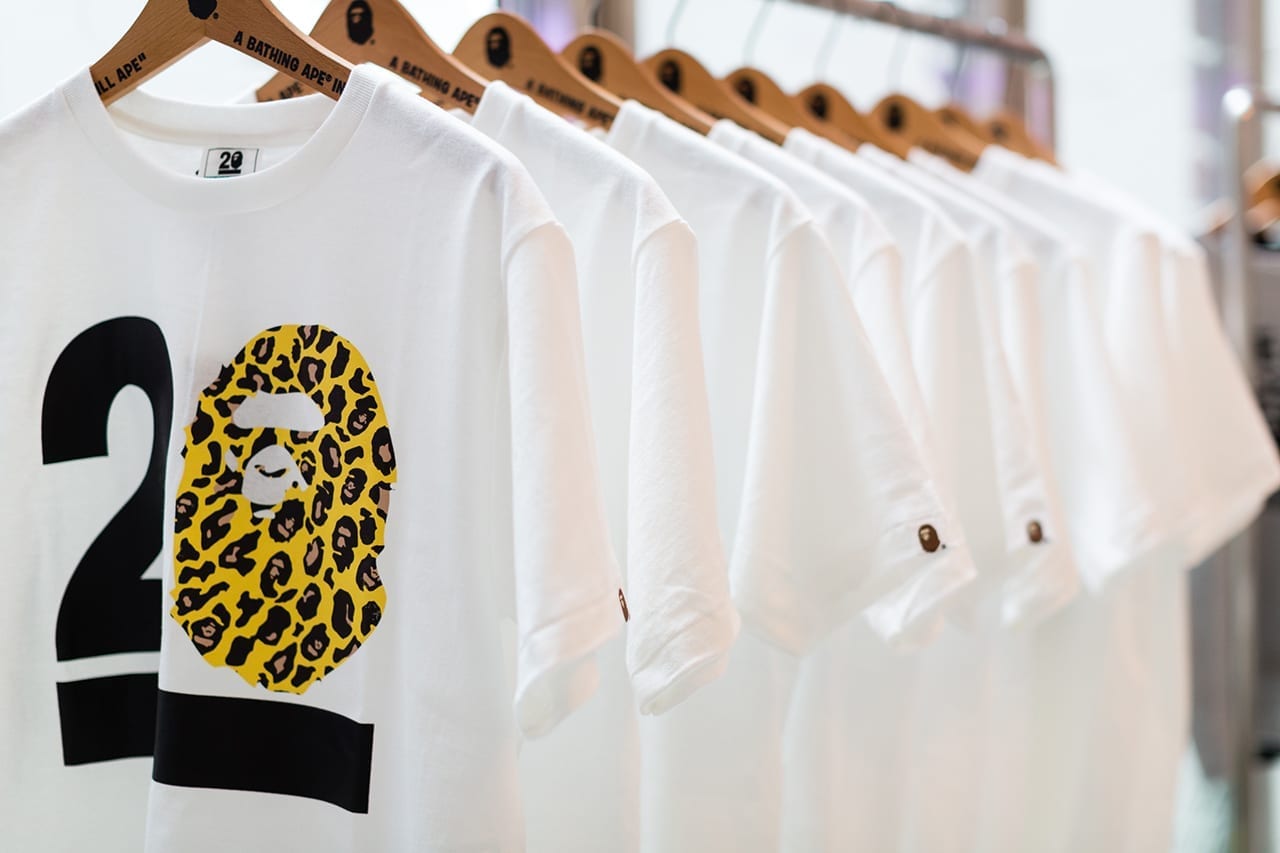
    I.T Group operates its own brands, including Chocolate and 5cm, concept stores Izzue and Double-Park; international brands it has local licences for including Kurt Geiger and Camper; and A Bathing Ape, which the company rescued from Japanese owners in 2011.

    I.T Limited’s total trading area shrunk by just 0.3 per cent in Hong Kong, reflecting the sheer size of its various brands’ network. But the company said the consolidation exercise and controlled discounting initiatives helped profitability. Same-store sales growth turned positive in the second half of the year.

    “The results in our Hong Kong and Macau segment are particularly noteworthy,” said chairman Sham Kar Wai.

    “They are not only due to the fact that Hong Kong is the home of the group and is one of the leading fashion marketplaces in Asia. They also reflected the determined efforts we made to move the business in our Hong Kong and Macau segment into positive territory in the second half of the financial year. We are also particularly encouraged by the recent relevant data showing signs of gradual recovery in the fashion retail industry in Hong Kong.”

    On the mainland, the group now has 492 stores and an online business. While same-store growth of less than 1 per cent was far lower than the previous year’s 17 per cent, it was against an unusually high base.

    I.T Limited is also experiencing solid growth in the US,m where it opened two new stores in Los Angeles.

    “Our business in Japan and the US continued to outperform, and we are particularly gratified that the responses to the two new Los Angeles shops have been overwhelmingly positive.”

  • Rivieras brings South of France lifestyle to HK

    Rivieras brings South of France lifestyle to HK

    The French Riviera has long been the bastion of chic and as such has inspired countless fashion brands that promise to recreate its jet-set look, from Vilebrequin swimwear to K. Jacques sandals and APM Monaco jewellery.

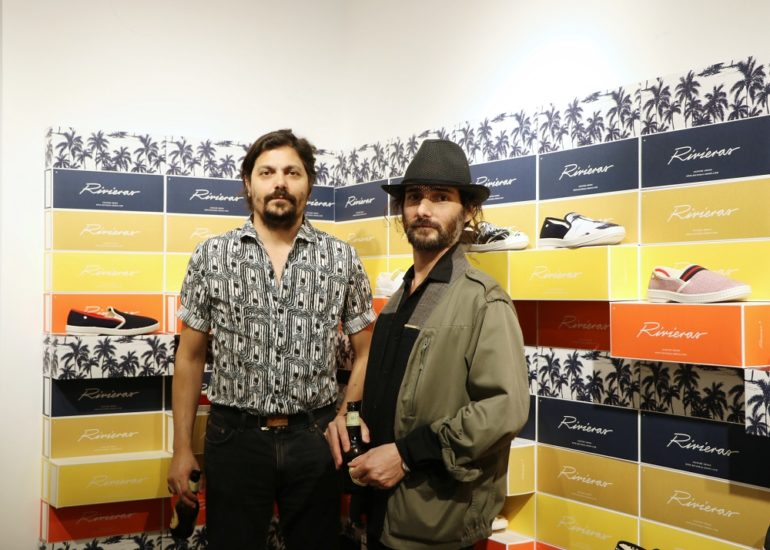
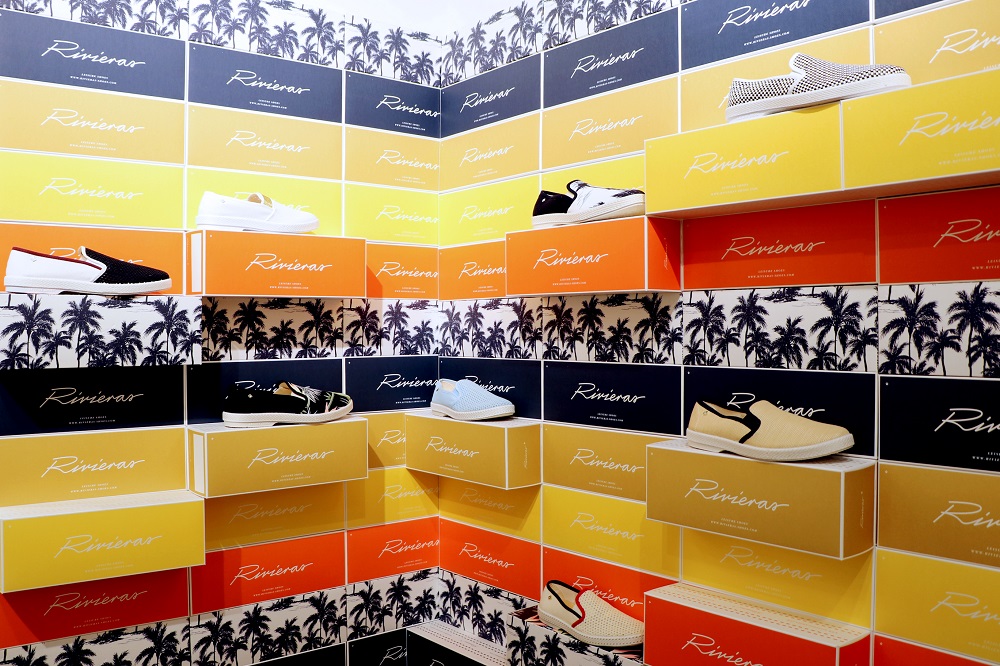
    The one that carries its name, however – a footwear brand that recently opened its first pop-up store at Kapok in Hong Kong – isn’t about emulating the style of its rich and famous residents.

    “It’s more about recreating a lifestyle, or a feeling. Our products are not aspirational – we want our customer to be able to buy more than one pair because it not only looks good, but it’s easy to wear with everything,” Rivieras co-founder Fabrizio Corveddu says.

    Former marketing executive Corveddu founded the brand with his creative director cousin Dan Amzallag almost a decade ago. Interestingly, the inspiration for its first and most popular style didn’t come from France, but from a popular shoe worn in Spain in the 1950s that resembles a moccasin.
    To bring it into the 21st century, the duo altered the silhouette slightly and added functional details including a leather sole, before launching it in three colours. Within a year it was picked up by cult retailers, including Dover Street Market, Colette and Opening Ceremony.

    Since then Rivieras have become a summer essential for hipsters looking for a more stylish alternative to flip-flops. While the simple, no-fuss shape of its shoes is still a major draw, the brand focuses on fashionable details to keep customers coming back.


    For example, the classic comes in single colours as well as three subcategories – called 10°, 20° and 30° – which refer to the amount of foot coverage the shoe provides.

    “The 10° provides full coverage, meaning the back and front of the shoe are made from a solid fabric, while a 30° style will feature an open weave fabric so it looks lighter and more summery,” Corveddu says.

    In addition to the classics, which take up most of the collection each season, the duo has added new series such as the Tour du Monde (Around the World), which plays with different colour blocks inspired by different countries, as well as new silhouettes including the Smoking style, which comes with an adjustable elastic bridle.

    With any specialist brand, however, there is the risk of being pigeonholed, which is why Riviera has collaborated with other brands and designers – including Christophe Lemaire, Clot and St James – on capsule collections. They also experimented with more wintry ranges, before realising that being season specific is what gave their products an edge over competitors.

    “There’s a space for everybody, which is why we stick to our proposal. Fashion is a constant cycle, things come back so quickly then they disappear. Sometimes we lose attention and then people come back. I feel this summer, people are coming back to this look, style and feeling,” Corveddu says.

    That’s not to say that he doesn’t have big ambitions for the brand. He recently launched a small accessories collection in the Paris store featuring summer essentials such as towels, bags, hats and swimming shorts, although his ultimate goal is much bigger.

    “I want to create a Rivieras resort that will completely embody the lifestyle that we represent,” he says.

  • Spanish handcrafted leather brand Lottusse opens flagship store in Hong Kong

    Spanish handcrafted leather brand Lottusse opens flagship store in Hong Kong

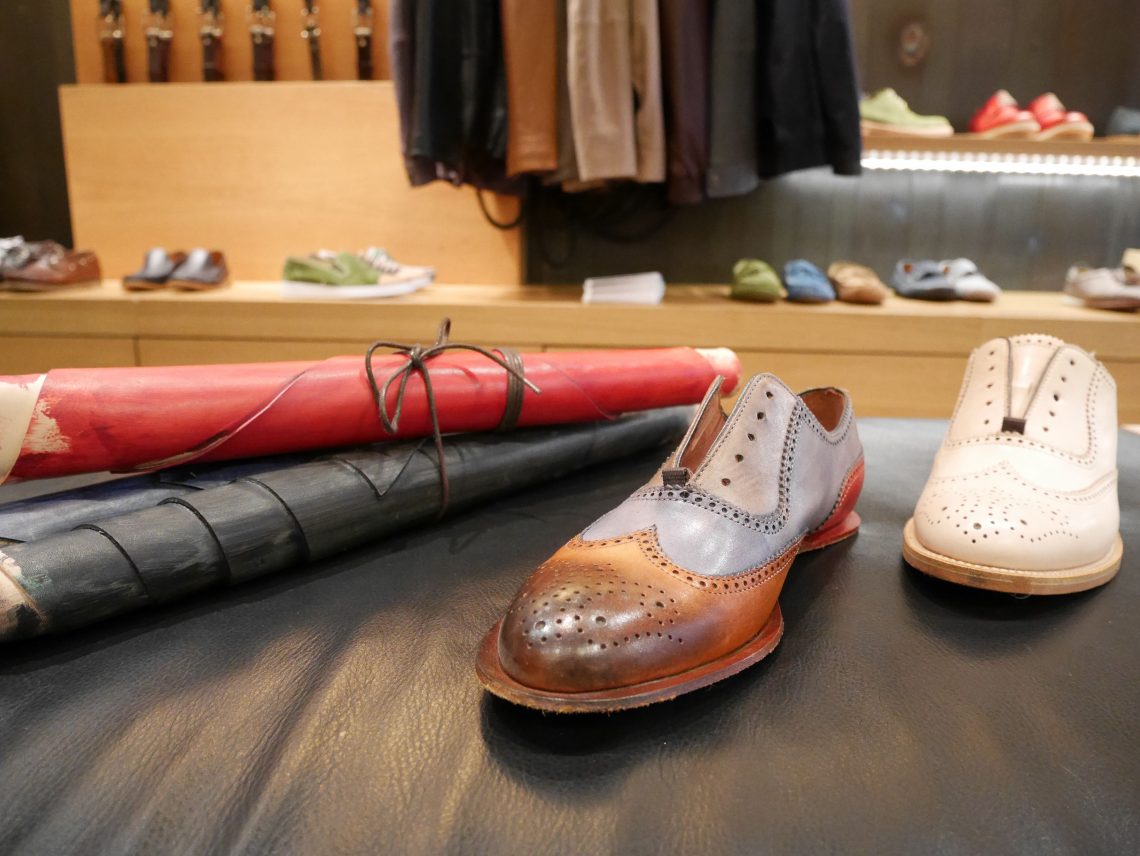
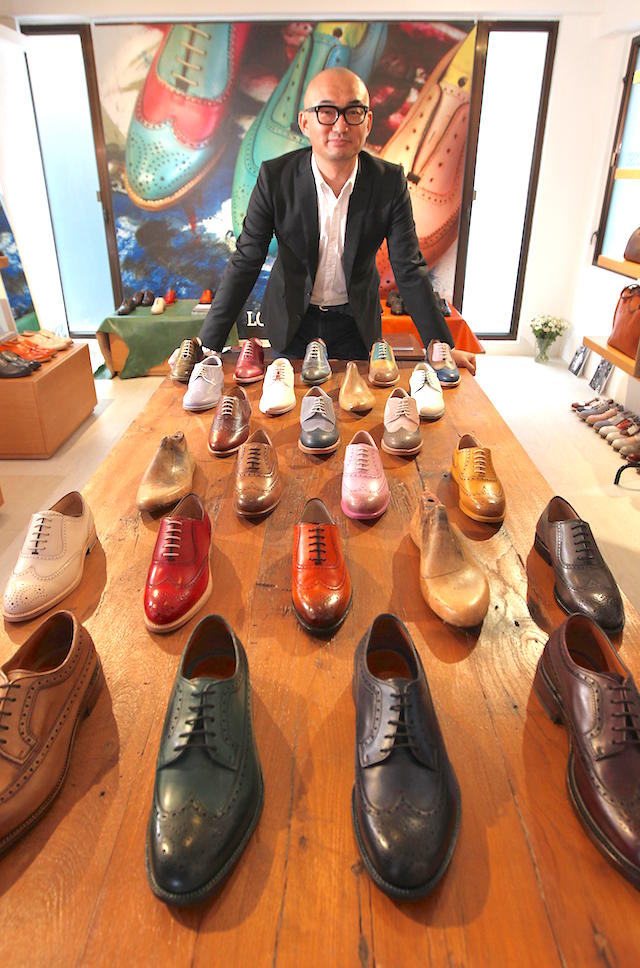
    Spanish footwear brand Lottusse has opened its first flagship store in Hong Kong, at the newly reopened heritage site of the former Central Police Station and Victoria Prison compound.

    Lottusse, with a heritage dating back to 1877, sees the new store as an integral part of a regional business expansion via Hong Kong, following successful showrooms in the city.

    A Fluxa family-owned handcrafted leather brand, Lottusse takes quality at the heart of its business philosophy, according to the company’s Asia area manager, Yuji Yosumi.

    Customers can order Lottusse shoes with personalised options, which will then be handcrafted by masters at Lottusse’s factory in Mallorca, Spain, ensuring the family craftsmanship tradition is strictly followed. Customers can also buy ready-made shoes in a wide range of designs.

    In 2014, the brand opened a showroom in Hong Kong where personalised shoes can be ordered. Yosumi said the company sees good timing now to commence retail operations with the new shop in Central to tap Hong Kong’s growing status as an international retail hub in the region.

    “Hong Kong, as the gateway to Asia, is the ideal place for us to test the markets in the region. We initially set up a showroom in the city four years ago and from there we have developed solid clientele from Japan, South Korea, Taiwan and Singapore through Hong Kong. It is the right time in the right place for us to move to the retail business with this new shop.

    “Hong Kong’s retail industry is sophisticated with a good diversity of discerning clientele in terms of both locals and visitors from around the world. Our Hong Kong retail store not only manages the city’s retail operations but also will develop wholesale business across Asia.”

    Associate director-general of investment promotion Dr Jimmy Chiang welcomed the opening of Lottusse’s flagship store in Hong Kong. “It shows a vote of confidence in our retail industry.

    Apart from participating in the vibrant retail sector in Hong Kong, the brand can also make good use of the city’s advantages including a free port, a low tax base and the absence of sales tax to expand its business in the region.”

  • Impossible Foods chooses HK to go global

    Impossible Foods chooses HK to go global

    The Impossible Foods is launching its award-winning plant-based meat in Hong Kong at some of the city’s most beloved restaurants: Little Bao, Happy Paradise, and Beef & Liberty.

    Started in 2011 by Stanford biochemistry professor and former pediatrician Dr. Patrick O. Brown, Impossible Foods makes meat, fish and dairy directly from plants — with a much smaller environmental footprint than those from animals.

    The company uses modern science and technology to create wholesome food, restore natural ecosystems and sustainably feed a growing global population.

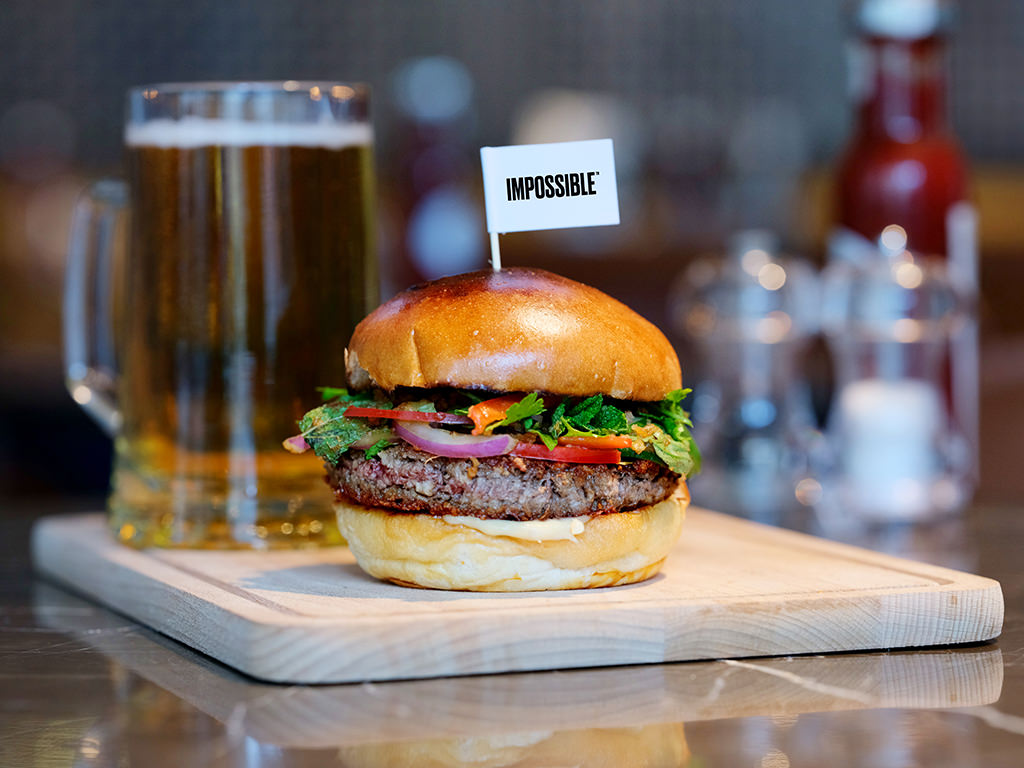
    Ranked one of the world’s top culinary hotspots by Conde Nast Traveler, Hong Kong is the first place outside of the United States to feature the Impossible Burger, which cooks, smells and tastes like ground beef from cows but is made entirely from plants.

    The Impossible Burger is served in more than 1,400 outlets in the United States — from award-winning restaurants to mom-and-pop diners to the nation’s original fast-food chain, White Castle. The vast majority of these restaurants serve the Impossible Burger on a bun with traditional condiments and sides. Starting tomorrow in Hong Kong, diners will be able to try the product as a traditional burger — and as the central filling of savory street food.

    “We’re humbled to launch with spectacular chefs in one of the world’s most dynamic restaurant hotspots,” said Brown, CEO and Founder of Impossible Foods. “We’re confident that Hong Kong — Asia’s crossroads of ideas and influences, both modern and traditional — will be home to the most innovative Impossible recipes yet.”

    Chef May Chow’s Little Bao and Happy Paradise will be among the first to serve the Impossible in Hong Kong, and with a local Cantonese twist. While Chef Uwe Opocensky’s Beef & Liberty becomes the first burger chain outside the United States to serve the Impossible Burger.

    Chef May Chow, named Asia’s Best Female Chef in 2017 by The World’s 50 Best Restaurant awards, heads Little Bao and Happy Paradise — 21st century takes on traditional Cantonese diners.

    Chow is a Toronto native who trained and worked in Bangkok, Los Angeles and Boston. She gained fame in Hong Kong’s renowned street food markets and helped to transform Hong Kong into a foodie destination. Chow has also represented Hong Kong at food festivals such as “Omnivore” in Paris and Shanghai.

    Starting tomorrow at Little Bao, Chow and her team will serve the “Impossible Bao,” a traditional sandwich made with Impossible meat, black pepper teriyaki sauce, salted lemon kombu salad, and fermented tofu sauce, between two house-made steamed buns — on menu for 118 HK$. The “Impossible XinJiang Hot Pocket” — another popular Chinese street snack — will debut at Happy Paradise, served with pickled daikon and XinJiang spices, for 88 HK$.

    “Hong Kongers demand to be on the bleeding edge of global culinary trends,” Chow said. “The Impossible Burger is delicious, versatile and perfectly timed to take this city’s world-class restaurant scene by storm.”

    Another award-winning chef in Hong Kong, Uwe Opocensky earned his culinary reputation working in restaurants such as Spain’s El Bulli, voted the best restaurant in the world. He recently spent a decade as Executive Chef at Hong Kong’s Mandarin Oriental — considered one of the city’s finest establishments — overseeing 10 restaurants and bars and collecting Michelin Stars in three of the venues.

    He left the hotel in 2016 to join Beef & Liberty as Group Executive Chef, now lauded as Hong Kong and Shanghai’s best hamburger, and is also chef at his own restaurant Uwe. The seven restaurant group is a modern homage to 18th century “beefsteak clubs,” reincarnated for modern tastes with a focus on natural ingredients and sustainable operations. Popular with both natives and expats, Beef & Liberty uses only hormone- and antibiotic-free beef from the Scottish Highlands — ground in-house — and also purifies and carbonates its own drinking water to reduce the amount of water imported (and glass bottles wasted) into Hong Kong.

    Beef & Liberty will serve the “Impossible Thai Burger,” with chilli, coriander, mint, basil, spring onion, soya mayonnaise, crispy shallots and garlic, for 135 HK$. The restaurant group will also feature “Impossible Chili Cheese Fries,” with chili, cheddar cheese, spring onion and sour cream over their “Liberty” fries, for 62 HK$.

    “We are obsessed, in a good way, with burgers and doing what we can for the environment. We love the way that the Impossible Burger has created new excitement in the global burger scene and opportunities to be more sustainable,” said Beef & Liberty’s Executive Chef, Uwe Opocensky. “We’re positive that our guests are going to love the Impossible and feel good about eating it at the same time.”

    Starting today, the Impossible will be available in Hong Kong on a limited and exclusive basis through Classic Fine Foods — Asia’s leading importer and distributor of fine foods. The group specialises in sourcing, importation, storage, marketing and distribution, and has been operating throughout Asia and Europe since 2001.

    In development since 2011, the Impossible Burger debuted in July 2016 at Chef David Chang’s Momofuku Nishi in Manhattan. The Impossible Burger is the only plant-based burger to win a 2017 Tasty Award and a 2018 Fabi Award from the National Restaurant Association.

    In addition to the American fast-food chain White Castle, The Impossible Burger is the only plant-based burger featured in America’s most beloved “better burger” concepts Fatburger, Umami Burger, Hopdoddy, The Counter, Gott’s and B Spot, the Midwest burger restaurant owned by Chef Michael Symon.

    The Impossible Burger is made from simple ingredients, including water, wheat protein, potato protein and coconut oil. One special ingredient — heme — contributes to the characteristic taste of meat and is the essential catalyst for all the other flavors when meat is cooked. Heme is an essential molecular building block of life, one of nature’s most ubiquitous molecules. Although it’s found in all living things and in virtually all the food we eat, it’s especially abundant in animal tissues. Impossible scientists discovered that it’s the abundance of heme in animal tissues that makes meat taste like meat.

    To satisfy the global demand for meat at a fraction of the environmental impact, Impossible Foods developed a far more sustainable, scalable and affordable way to make heme and therefore meat, without the catastrophic environmental impact of livestock. The company genetically engineers and ferments yeast to produce a heme protein naturally found in plants, called soy leghemoglobin.

    The heme in the Impossible Burger is identical to the essential heme humans have been consuming for hundreds of thousands of years in meat — and while it delivers all the craveable depth of beef, it uses far fewer resources.

    The Impossible Burger is produced without slaughterhouses, hormones, antibiotics, cholesterol or artificial flavors. It uses about 75% less water, generates about 87% fewer greenhouse gases, and requires around 95% less land than conventional ground beef from cows.
  • HBX first-ever street X luxury fashion pop-up with Loewe

    HBX first-ever street X luxury fashion pop-up with Loewe

    After Virgil Abloh was named Creative Director for Louis Vuitton Menswear, the blend between luxury and streetwear emerged as a confirmed upcoming trend.

    We had seen earlier luxury brands launching athleisure and sneakers to delight younger generations, and HBX forseeing this was planning its first-ever street X luxury collaboation recently unveiled in its pop-up in HK.

    After launching a series of successful pop-ups in Hong Kong, HBX took a step
    further to unveil the first collaboration with luxury brand LOEWE, launching Paula’s Ibiza II collection for SS2018.

    Consists of Men ́s & Women ́s Ready-to-Wear and accessories, the Paula’s Ibiza collection fuses bohemian coastal dressing with the legendary Ibiza boutique Paula’s iconic prints and designs, chosen by LOEWE’s creative director Jonathan Anderson.

    The collection’s playful colours and whimsical icons are re-imagined to a series of vivid, retro beach-inspired installations, drawing attention to the pop-up store. The youthful installation is complemented by digital and printed displays of LOEWE Paula ́s Ibiza Publication shot in New Orleans, a refreshing photography series by Gray Sorrenti, the daughter of Mario Sorrenti.

    A launch event was held to celebrate the first street-meets-luxury HBX pop-up with cocktails, DJ performances and more.

  • Flont and Adrian Cheng to launch Asia’s jewellery rental service

    Flont and Adrian Cheng to launch Asia’s jewellery rental service

    Chow Tai Fook has partnered with Flont and Adrian Cheng’s venture capital firm C Ventures to launch a jewellery rental service in Asia.

    Flont, which touts itself as the pioneer of the ‘Jewellery as a Service’ concept, describes the deal as a “massive expansion” of its jewellery-sharing platform creating an “unparalleled luxury network” across Asia, including 2500 Chow Tai Fook stores and Cheng’s growing network of K11 art malls.

    Flont, headquartered in New York, enables consumers to discover and wear high-end jewellery they may not be able to afford to buy. Its sharing model targets millennials and Gen Zers, and has been likened to the Uber or Airbnb concepts merged with e-commerce. Consumers can borrow, experience and even buy fine jewellery, with insurance and shipping included, through rental or membership subscription services.

    Cheng, who is executive director of Chow Tai Fook, orchestrated the partnership through C Ventures, which he co-founded with Clive Ng. Besides the retail and mall networks, Flont gains a gateway to more than 9 million VIP members of the Chow Tai Fook and K11 organisations.

    Flont will open a standalone lounge in Hong Kong’s in Victoria Dockside, where customers can view new pieces added to the catalogue, return rented pieces or exchange them for new ones.

    “In our first year, Flont surpassed 10,000 members in the US, by forging meaningful partnerships with brands and businesses in the fashion, beauty, travel and retail industries,” said Cormac Kinney, founder and CEO.

    He describes C Ventures and Chow Tai Fook as the best-possible partners in the region. “Their consumer relationships, retail network, logistics and luxury heritage, will enable Flont to grow rapidly, and provide exceptional service.”

    Cheng says Flont’s jewellery-as-a-service offer has “amazing potential in China and the rest of Asia, where luxury rental is still at its infancy”.

    Through Chow Tai Fook, Flont will gain rapid access to consumers in China, Hong Kong, Macau, Singapore and Taiwan.

  • Henderson to buy Japanese retailer FamilyMart’s Hong Kong stores for US$38 million

    Henderson to buy Japanese retailer FamilyMart’s Hong Kong stores for US$38 million

    Property developer Henderson Land plans to acquire the Hong Kong unit of FamilyMart UNY, Japan’s second-largest convenience store chain, for HK$300 million (US$38 million) through its investment subsidiary, it announced on Thursday.

    UNY (HK) owns and operates three outlets in the city – described as hybrids of merchandise stores and supermarkets – under the brand names Apita, UNY and Piago, respectively in Taikoo Shing, Lok Fu and Kowloon Bay, as well as a discount store named Watashi to Seikatsu in North Point, which is due to close when the lease runs out in September.

    The acquisition is expected to strengthen the company’s position in the local retail market, expand its store coverage to Hong Kong Island and enhance its reach to the city’s middle-class households, according to a statement from Henderson Investment, a subsidiary of Henderson Land Development. Henderson Land is the property flagship of real estate tycoon Lee Shau-kee, Hong Kong’s second richest man according to Forbes magazine.

    The companies expect to complete the transaction by May 31, after which Henderson will be granted the use of certain trademarks of UNY for 10 years.

    UNY’s Hong Kong stores have been rooted in the local retail scene for around 30 years with a focus on offering Japanese food and fresh produce. UNY HK reported a net income of HK$31 million in the fiscal year ending November 2017, down 22.5 per cent from the same period a year ago.

    Henderson Investment’s presence in Hong Kong’s retail landscape includes its operation of local department chain, Citistore, which the company acquired for HK$934.5 million from its parent company in 2014. Citistore currently has six department stores, in Tsuen Wan, Yuen Long, Ma On Shan, Tuen Mun, Tseung Kwan O and Tai Kok Tsui.

    Listed in Hong Kong, Henderson Investment halted its trading in the local bourse on Thursday morning with its shares at 68 HK cents, and expected to resume trading on Friday.

  • K11 gets HK$200 million renovation

    K11 gets HK$200 million renovation

    In celebration of its 10th anniversary this year, K11 announced a HK$200 million major renovation project for Hong Kong K11 Art Mall, targeting 2019 year-end for completion in phases.

    The 340,000 square foot mall will redesign its interior zoning, using wood, plants and stone as primary materials to evoke the feel of its “Art – People – Nature” brand proposition. The tenant mix will also be updated along with a re-zoning of the interior space.

    For instance, “Timepiece Avenue” on the ground floor will introduce more international fashion jewellery, accessories and apparel brands and K11 will also work with local designer Chi Kuen Victor Chu to incorporate additional art elements into the ground floor and first floor, highlighted by a collection of metallic installations entitled “ONE OF”. The third floor concierge area will be transformed into an open café area with electrical outlets to make it more convenient for customers who need to use their computers or charge devices. As part of the renovation, a new K11 exit will be added to the MTR Tsim Sha Tsui Station, making a visit to K11 Art Mall even more convenient.

    Since its opening in 2008, turnover and footfall have increased by 150% and 100% respectively, and the renovation aims for an additional 30% in both footfall and sales by 2020. In the past six years alone, some 20 million visitors attended various exhibitions and talks.

    The mall also launched what it calls “K11 Natural Corporate packages”, a new business offering that can host customised events and workshop solutions for business functions, private events and workshops, with activities and catering provided by K11 tenants.

    Rebecca Woo, Director, Operation (Hong Kong), K11, said, “In 2017, we curated a disruptive business innovation for millennial entrepreneurs by launching K11 Natural, a first-of-its-kind themed retail and F&B space for millennial entrepreneurs looking to establish their first physical store or brand new concept store. The project won extensive recognition by receiving 10 awards locally and internationally within its first year after launch.”

    To further promote and celebrate its 10th birthday, K11 has a slew of programmes planned for the rest of 2018 – highlighted by WONDER POP, a pop-art exhibition, a fashion x body art exhibition featuring tattoo artists, public art jams and more topped off with K11’s birthday exhibition.

  • Giordano faces backlash over ‘sexist’ clothing line

    Giordano faces backlash over ‘sexist’ clothing line

    Hong Kong fashion brand Giordano is scrambling to remove an advertising campaign slammed as “sexist” on social media.

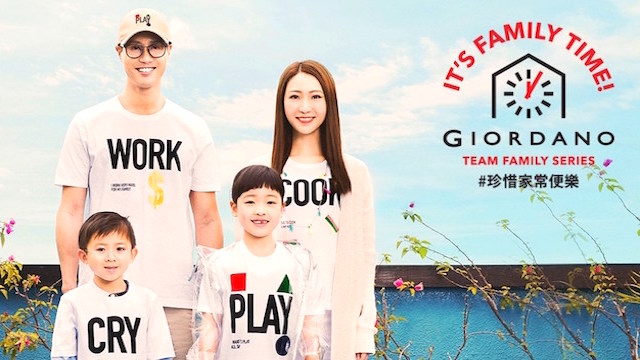
    Promoting the “Team Family Series”, the advert shows a family posing together with the man wearing a t-shirt emblazoned “Work” while the wife’s shirt proclaims “Cook”. When posted on social media last week, it outraged dozens of users, some of whom threatened to boycott the store.

    One user wrote that it was an “absolute disgrace” and unforgivable for a modern brand to stereotype men and women.

    Giordano has responded with a statement on social media saying the advertising materials would be removed “where physically possible”.

    “The spirit of the campaign is to celebrate the power of the family, with the corresponding merchandise using words to depict different, random aspects of life,” says the statement.

    “Stereotyping and sexism, or any kind of prejudice, however unintentional or passive, has no place at Giordano or in society.”

    Removing the ads is unusual for Hong Kong, which does not have any laws against sexist or gender-specific advertising.

    Lisa Moore, senior research and advocacy manager at Hong Kong-based non-profit The Women’s Foundation, says the city is overloaded with examples of such advertising. “Whether on billboards, buses, in print or on television, gender stereotyping in advertising is still quite prevalent in Hong Kong,” she says. “From financial loan commercials to ads for household products, women are often depicted in domestic roles.”

  • Turning point for Hong Kong retail space

    Turning point for Hong Kong retail space

    For the first time in five years, the demand for retail space in Hong Kong has not declined.

    Results from the RICS (Royal Institution of Chartered Surveyors) Hong Kong Commercial Property Monitor for this year’s first quarter indicate that the demand for retail space has not changed from last year’s fourth quarter.

    The Occupier Sentiment Index (OSI) increased modestly to 14 from 10 the previous quarter, while the Investment Sentiment Index (ISI) grew six points to 19.

    There was a moderate increase in the number of retail properties available or rent, with respondents reporting an increase in landlord incentives for retail space.

    “Occupier demand continued to rise at a headline level for the first quarter,” says RICS Hong Kong external affairs committee member Frank Wong.

    There was a minor decrease in foreign demand for retail properties.

  • Asia helps boost Richemont sales

    Asia helps boost Richemont sales

    Double-digit growth in Mainland China, Hong Kong, Korea and Macau have helped boost sales for Swiss luxury goods group Richemont.

    Results for the year to the end of March show Richmont sales grew by 3 per cent at actual rates and by 8 per cent at constant rates to €10.9 billion (US$12.8 billion).

    Richemont’s brands include A. Lange & Sohne, Baume & Mercier, Cartier, Chloe, Dunhill, IWC Schaffhausen, Lancel, Jaeger-LeCoultre, Montblanc, Officine Panerai, Piaget, Purdey, Roger Dubuis and Vacheron Constantin.

    Excluding the impact of exceptional inventory buy-backs, sales grew by 7 per cent at constant rates, with a strong retail performance reflecting solid jewellery and watch sales.

    An improved macroeconomic environment, steady progress on Richemont’s transformation agenda and a mixed currency environment marked the year, says the company.

    Sales were driven by high single-digit growth in retail and double-digit growth in Asia Pacific, with particular strength in the main markets of China, Hong Kong, Korea and Macau.

    Strong overall retail performance reflected solid jewellery and watch sales, says chairman Johann Rupert.

    Asia Pacific sales were strong, with the region accounting for 40 per cent of group sales.

    Japan had a 6 per cent rise in sales, thanks to more tourism purchases.

    Also beneficial were softer comparative figures and the full-year contribution from the reopened Cartier and the new Piaget and Van Cleef & Arpels flagship stores, all in Ginza.

  • Angie Lau X Isabella Wren

    Angie Lau X Isabella Wren

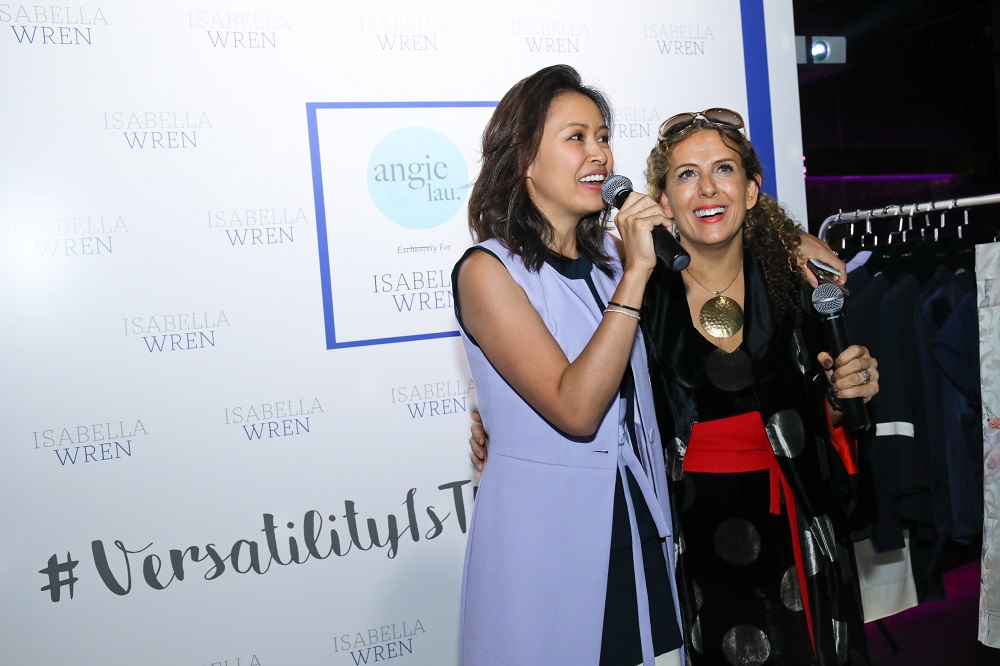
    More than 200 of Hong Kong’s most fashion forward women (and their supporting men) crowded into CÉ LA VI, in the heart of Hong Kong, to celebrate the launch of Isabella Wren’s first capsule collection ever.

    Collaborating with Angie Lau, former TV anchor and style star, Isabella Wren launched the exclusive luxury line Angie Lau x Isabella Wren for Spring/Summer 2018.

    Angie has made an impressive career in television fraternity with being an anchor with an experience of over 16 years. She is an award-winning anchor who has hosted several top personalities, business leaders and influential figures like Li and Fung Chairman, William Fung, Chairman of the Franklin Templeton Mark Mobius, Chief Secretary of Hong Kong’s Bloomberg Anson Change among much more.

    A launch party that offered fashion-seeking crowd its pop-up fix; complete with a measurement station, pieces from the exclusive Angie Lau x Isabella Wren Capsule collection, and of course goodie bags complete with a $100 USD gift certificate to use on www.isabellawren.com for a tailored, made-to-measure, bespoke pieces from Angie’s collection.

    As Angie remarked to the crowd, “This was inspired by all the women I know, at every stage of their lives: mother, mid-career, fresh graduate, jet-setter, traveler.This collection is all about versatility and colour. It’s powerful!”.

    Sarah Chessis, CEO of Isabella Wren, couldn’t agree more, “It’s why I didn’t think twice about working with Angie. Isabella Wren is all those things to women and more! We use innovation to make it easy for our clients to always look good, because it fits perfectly.”

    Fashion sustainability was also top of mind for the socially-minded guests in the crowd.With unique innovation, Isabella Wren whips up each piece only as it is ordered.

    That means there is no waste, no excess inventory, and no guilt.This was welcomed wholeheartedly by Hong Kong’s fashion industry leaders who also came out to support the collection: Clover Group, Under Armour, HKTDC, Lane Crawford, Li & Fung, just to name a few.Some of Hong Kong’s top stylists along with media friends were also on hand to check out the collection which all go together that highlighted the philosophy behind the line: #VersatilityIsTheNewBlack.

    In exquisite Italian wool, jackets lined in silk, beautiful silk jacquard prints — the pieces are as comfortable as they are glamorous. In short: all the things a well-dressed woman wants for Spring/Summer for any and every occasion. It’s luxury redefined: bespoke, stylish, versatile, and sustainable.