Tag: Hong Kong

  • Queensland strawberries shine in Asia

    Queensland strawberries shine in Asia

    A delegation of Queensland strawberry growers and industry representatives recently returned from Hong Kong and Indonesia.

    The delegation visited 17 different retail outlets, from high-end supermarket chains such as Great Food Hall in Hong Kong and Ranch Market in Jakarta, right through to suburban wet markets and local street stores.

    While encouraged by the opportunity they saw to ship fruit into these markets, the delegates also gained an impression of the competitive environment they are entering.

    “Hong Kong is a very competitive market with strawberries from the US available in every market type,” said Luigi Coco, chairman of the Queensland Strawberry Growers Association and a strawberry grower from Elimbah. “US strawberries are also available in Jakarta with locally-grown Indonesia strawberries also available.”

    The delegation coincided with a number of trials involving Queensland strawberry exports.

    Coco, from A&E Coco and Sons, Charmaine Davey from Berry Patch Marketing, and Brendon and Ashleigh Hoyle from Ashbern Farms all collaborated to trial shipments to both Hong Kong and Jakarta.

    “Within 24 hours of picking the strawberries on our farm, they can arrive at the importer’s distribution centre in Hong Kong” said Brendon Hoyle. “The Hong Kong cold chain is very sophisticated and strong relationships between these businesses and the retail and food service industry has been established”.

    The supply chain to Jakarta is slightly more complex than Hong Kong, with no direct flights from Brisbane currently available. There is also a requirement for pest treatment.

    Despite these challenges, Queensland strawberries were exported and available for purchase by consumers.

    “It was a highlight seeing strawberries from our farm being sold and purchased in Ranch Market in Jakarta,” said Davey. “The colour and size of the Queensland-bred strawberry varieties, including Red Rhapsody, are very attractive to the consumer.”

    Jennifer Rowling, the development officer for Queensland Strawberry Growers, and Clinton McGrath and Bronwyn Ford, both from the Queensland Department of Agriculture and Fisheries, were also part of the delegation.

    The travel was part of a project funded by the Queensland government’s Growing Queensland Food Exports programme, which was also supported by the Queensland Strawberry Growers Association.
  • HKD6 Million Parking Spot Sets New Record in Hong Kong

    HKD6 Million Parking Spot Sets New Record in Hong Kong

    What would you do if you had over USD760,000? Some might purchase a house or travel around the world, but in high-cost Hong Kong, one buyer just used that amount to buy a 15-square-meter parking spot.

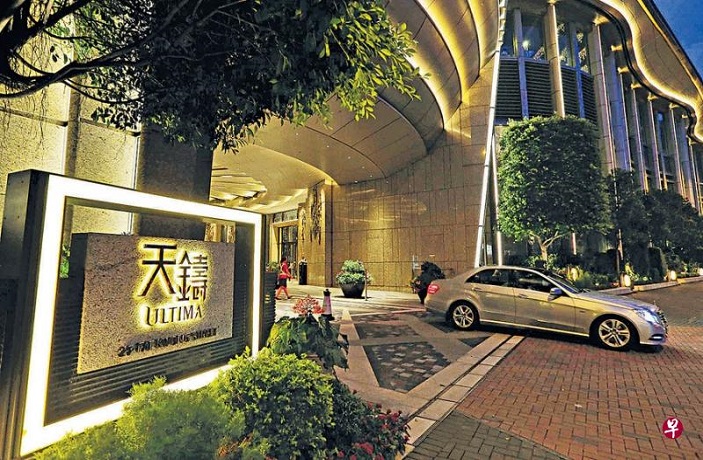
    The parking spot is located in Sun Hung Kai Properties’ Ultima apartment complex in Kowloon District, and sold for HKD6 million (RMB4.86 million) last week.

    The average price of parking spaces in Ultima costs over HKD40,000 per square meter, well above an average of HKD15,000 across the whole city and HKD16,000 in Kowloon District, as measured by local real estate company JLL.

    Based on official documents, the seller was a Hong Kong couple who paid HKD3.4 million for the parking spot last September. Since then, the value has risen by about 76.5 percent.

    The deal set a new record in Hong Kong, one of the most unaffordable cities in the world. The Special Administrative Region also previously made headlines as being the most expensive place to shop, as well as rent offices and retail space, on Earth.

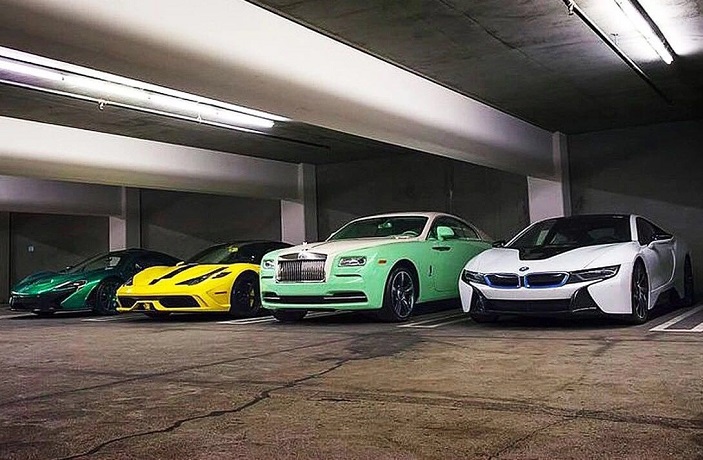
    As the graphic above shows, the previous highest price for a parking spot in the city was HKD5.18 million, set one year ago. The Ultima apartment complex has 527 units and only 370 parking spots, which makes parking cars very difficult.

    Sandia Lau, a director at Centaline Property Agency, explained more about the ‘luxury residential area.

    “The residents have a lot of cash and simply do not care about a few million dollars when a flat costs about HKD100 million,” she said, “Their convenience is more important.”


  • HSBC targets wealthy Asians in $15-17bn cash injection

    HSBC targets wealthy Asians in $15-17bn cash injection

    HSBC has announced plans to invest between $15-17bn in improving its technology and businesses in Asia where it anticipates significant growth, particularly in the wealthy middle class and high-net worth sectors.

    The global financial and banking giant said on Monday that it targets a return on tangible equity (RoTE) of over 11% by 2020.

    Speaking to journalists in Hong Kong, recently appointed chief executive John Flint said that the growth of the Asian middle class sector has led the company to invest in the region to cope with what he believes with be an increased demand for financial services products.

    Flint, who took over from outgoing CEO Stuart Gulliver in February said that the group will target the fast-growing wealth in Asia, particularly China, in a bid to get back into “growth mode” and will invest in retail banking and wealth business, particularly in Hong Kong, he said via a conference call.

    Asia ex-Japan is predicted to account for 28% of the $223trn private financial wealth globally, according to a BCG Global Wealth 2017 report, with the middle class in Asia predicted to rise 2.5 times to 3.5bn by 2030 from 2015.

    Significant

    This latest move is a significant change of strategy as it follows on from years of restructuring and cost-cutting at the financial giant, but it is one that Flint believes will keep rewards.

    “In dollar terms, the biggest opportunity by customer group will come from retail banking and wealth management,” Flint said. “Wealth creation in Asia, particularly in Hong Kong through [China] is significant.” The biggest opportunity by customer group will come from retail banking and wealth management, he said.

    HSBC said that is is now targeting revenue growth of over $3bn from its Hong Kong business including retail banking, wealth management and others by 2020, and another U$1bn+ revenue growth from its wealth management business elsewhere in Asia.

    In Hong Kong, it will target investments in growing its millennial client base and non-resident Chinese customers.

    Technology

    Looking at technology, the majority of the group’s investment will be in new digital banking capabilities, such as those used in its wealth management and trade finance businesses. In the UK, HSBC will also invest in a mobile banking app that relies on artificial intelligence and data analytics.

    Flint also said on Monday that the group has been rebuilding its credit card business over the last 12 months. In October 2017 it launched its own branded credit card in the US, adding that the right model to operate in the country was one backed by universal banking.

    “[We] need to get all components of the business growing in the US. Without exposure in unsecured credit business, it is difficult to achieve the industry level of profitability if you just take deposits and [offer] mortgages using your balance sheet. So we need to build back unsecured, bank originated [consumer] credit business in the US,” Flint added.

  • China, Hong Kong boost up L’Occitane sales

    China, Hong Kong boost up L’Occitane sales

    China and Hong Kong were among the key contributing markets to overall growth in L’Occitane sales for its year to the end of March.

    The Hong Kong-listed, French fragrance group’s net sales were €1.31 billion, up 4.6 per cent at constant exchange rates and a slight decrease of 0.3 per cent at reported rates. Gross margin remained high at 83.3 per cent.

    Operating profit and net profit were €141 million and €96.5 million respectively, both down on last year thanks to unfavourable foreign-currency translation rates and tax reform in the US. However, the operating margin was strong at 10.7 per cent.

    Net sales in sell-out and sell-in segments (representing 74.9 and 25.1 per cent of total net sales respectively) increased by 4.8 and 4 per cent.

    The company increased the total number of retail locations by 8.2 per cent to 3285 as at March 31. It grew its own retail stores to 1555, up 2.7 per cent.

    During the year, the company added 41 own stores, including 10 in Japan (seven of them Melvita stores). China had five closings (including three Melvita stores) because of lease end and underperformance. There were four net closings in Taiwan.

    Marketplace driver

    The sell-out segment contributed 78.4 per cent to overall growth, mainly driven by the marketplace platforms in China and Korea. Web channels (including own e-commerce and marketplaces) grew 19.2 per cent at constant exchange rates.

    The group’s same-store sales growth was mainly driven by the strong market in China together with stabilisation of same-store sales in Hong Kong.

    The sell-in business segment, at €331.6 million, was primarily driven by dynamic growth in travel retail, B2B, web-partner and distributor channels.

    Japan’s net sales, at €218.9 million, were down 8.3 per cent, impacted by a sluggish retail market in the second half of the financial year, plus the closing of two large underperforming stores.

    Japan also closed its mail-order business, which was more than offset by double-digit growth in web sell-out channels.

    Hong Kong’s net sales were up 8.3 per cent at constant exchange rates, reaching €124.6 million and contributing 17 per cent to overall growth. Sell-in sales grew by 15.6 per cent at constant exchange rates, driven by the region’s dynamic travel retail business.

    China’s net sales at €159.1 million grew 14.5 per cent, or 20.5 per cent at constant exchange rates, contributing 46.6 per cent to overall growth. Sell-out sales growth was 21.6 per cent at constant exchange rates, with same-store sales growth at 15.1 per cent and marketplace growth at 75 per cent.

    At the end of the period there were 197 stores, five fewer than 12 months earlier.

    Taiwan’s net sales fell 5.1 per cent to €39.4 million against the backdrop of a challenging and competitive retail market. Four stores were closed during the year.

    However, says the company, Taiwan is one of the markets with highest repurchase rates in the group.

  • The Artist House, Hong Kong’s newest lifestyle hub

    The Artist House, Hong Kong’s newest lifestyle hub

    Retail Mixer goes experiential at the Hong Kong’s newest lifestyle hub. Discover the new The Artist House and why it epitomizes retail experience.

    The premium segment of the beer industry is gaining tremendous interest across Asia with double digit annual growth thanks to urbanization and rise in disposable income, translating into a shift in consumer demand towards premium beers and unique consumer experiences.

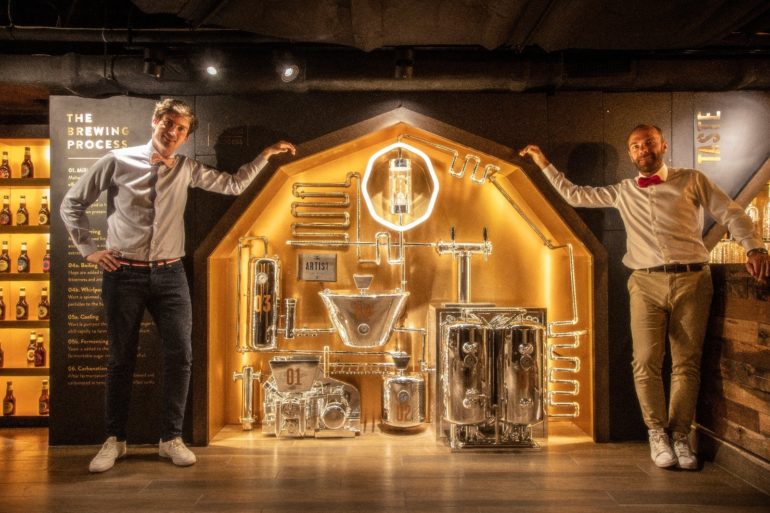
    Catching momentum, in 2015, Olivier Gilson and Benjamin Cox, two cousins with a strong entrepreneurial, operational and financial expertise, launched The Artist, a premium craft beer company.

    The Artist has brought to Hong Kong a unique craft beer brewed in the main barn of a 14th century farm (1343) in the South of Belgium by a Belgian Master Brewer who was one of few brewers in the world to traditionally brew beer in an abbey alongside monks.

    Belgian style beers are recognized worldwide as symbol of quality and authenticity, and The Artist’s mission is to engage beer appreciators in a journey into the brewing tradition.

    Since 2015, The Artist been has been delighting craftsmen and women’s palates with a collection of craft beer including Blonde, IPA, White and Raspberry available in high-end F&B concepts in HK, corporate events, and launching parties, its own .com with customization options, and through a wholesale distribution in selected point of sales.

    In March 2018, Oliver and Benjamin embarked into a new adventure. They created The Artist House, a physical extension of 14th century farm (1343) in the South of Belgium, where the beer is brewed.

    The Artist House finds its home in Fashion Walk, Causeway Bay, Hong Kong. The softly-lit venue has a décor to impress with a stunning combination of light and dark wooden panels consistently echoed throughout the venue.

    The Artist House is an educational journey into brewery tradition built on sensorial experiences. The 3,800 sq.ft retail space is designed to bring the visitors into a craft beer world through a series of experiential touchpoints aimed to engage the 5 senses and create a learning experience and a memory as takeaway.

    The Artist House features a 8 meters bar, a coffee corner and a kitchen for the creation of menu for beer pairing. A built-in hydroponic farm is there to grow herbs, spices and edible flowers for beer infusions and craft beer cocktails.

    A micro-brewery to tailor make infused beer, edible perfume bar to pair unique fragrances with craft beers, a 360VR tour of the brewery in Belgium, the chance to personalize beer and gadgets, make The Artist House a unique retail space, which offer customer to take part into the artistic process of brewing beer.

    The Artist House believes that each individual is an artist. In the process of brewing beer, starting from the artisans who brew the beer, the buyers who curate the beers for a specific markets, the visual merchandiser who places them in a display, the bartender serving them, and finally the consumer, they all take part in this creative journey.

    Oliver and Benjamin strongly believe that “today’s consumers have the desire to live unique experiences rather than simply purchase goods”. As such, their key pillar is to constantly focus on innovation to offer customers unforgettable experiences.

  • @Cosme arrives in Hong Kong

    @Cosme arrives in Hong Kong


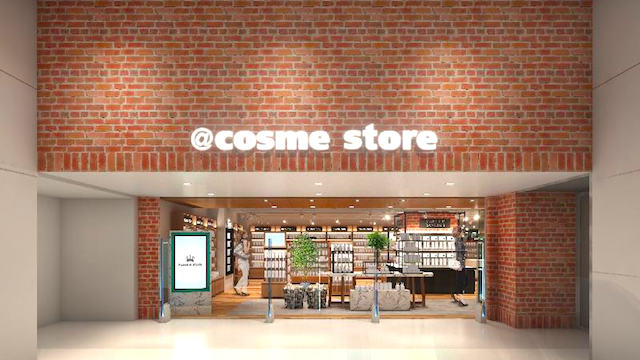
    Japan-listed cosmetics review media and retail company Istyle Inc today opened its first cosmetics @cosme Store in Hong Kong.

    In Tsim Sha Tsui, the outlet offers Japanese cosmetic brands with rankings and testers for almost all products.

    Istyle executive officer Hajime Endo, who is also president of Istyle Retail (Hong Kong), says the Hong Kong store follows the model of Japanese stores with event and salon space allowing for makeup demonstrations and the opportunity for customers to meet with the brand owners.

    Founded in 1999, Istyle Inc owns the @cosme beauty portal sites and cosmetic stores. The first @cosme Store opened in Shinjuku, Tokyo, in 2007. Istyle Inc has 25 outlets in Japan and four outlets offshore. Its move into Hong Kong was made possible through Invest Hong Kong.

  • Devialet Hong Kong flagship store is officially open

    Devialet Hong Kong flagship store is officially open

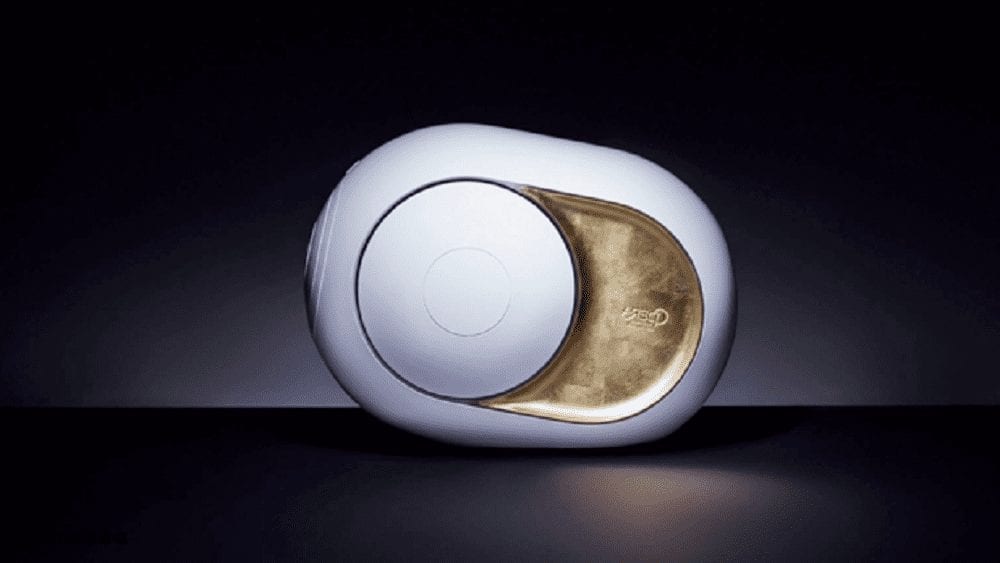
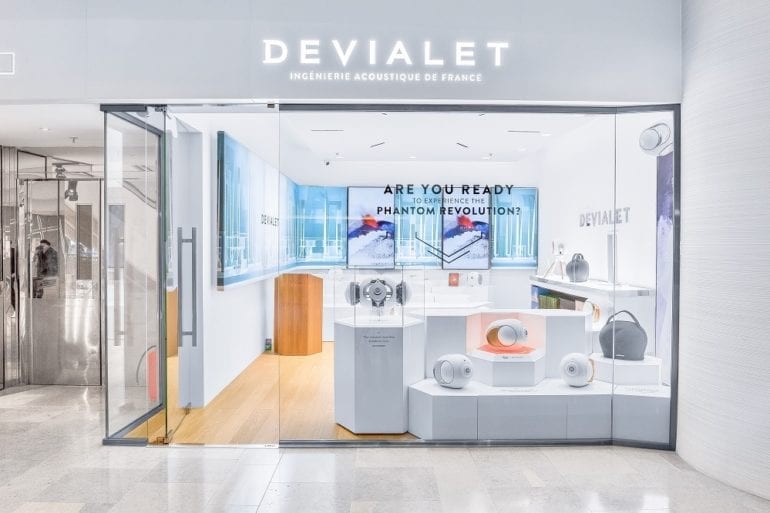
    Devialet, the French innovator in breakthrough sound technology, has officially opened its new Hong Kong flagship in Pacific Place located at Shop 134 on Level 1.

    Following a successful soft launch period and extensive three-phase remodel and renovation, Devialet Hong Kong customers can now fully experience the best sound in the world at new Immersive Rooms located within the 732 sq foot flagship in this iconic Hong Kong retail destination.

    As one of Hong Kong’s premier lifestyle hubs and purveyors of contemporary luxury, Pacific Place is the ideal fit for the new Devialet flagship and its iconic Phantom.

    The new opening marks the latest addition to Devialet’s fast-growing retail presence in Hong Kong, spanning the Devialet store at Harbour City in TST, an Immersive Room at Elements in West Kowloon, the Devialet Private Lounge (By Appointment Only) in Lee Garden Causeway Bay, and authorised dealers.

    The new store opening coincides with the launch of the new album of The Lost Recordings by Devialet and Fondamenta, a truly remarkable set of five previously unreleased recordings by piano maestro Emil Gilels.

  • Hong Kong Airport invites bids for two retail contracts

    Hong Kong Airport invites bids for two retail contracts

    The international transport hub – which serves over 100 airlines and 72.9m passengers a year (2017) – is looking for a company to operate its 27sq m toys concession on Level 7, Departures Check-in Hall, Terminal 1 (non-restricted area). This tender will close on 5 July.

    The airport is also looking to award a contract for the operation of an athleisure/sportswear concession on Level 6, Departures, West Hall, Terminal 1 (restricted area) and will close this tender on 13 July.

    This store is expected to have a footprint of around 164sq m.

    Companies interested in either opportunity are asked to send a cashier’s order of HK$500 (non-refundable) made payable to “Airport Authority”, along with a written request in person to: Ms. Carrie Choy, Assistant General Manager, Retail & Advertising, Airport Authority Hong Kong, 5/F, HKIA Tower, 1 Sky Plaza Road, Hong Kong International Airport, Lantau, Hong Kong

  • China’s import tariffs cut and how it affects Hong Kong retail

    China’s import tariffs cut and how it affects Hong Kong retail

    China will cut import tariffs on nearly 1500 consumer products from July 1 – a move likely to have a modest impact Hong Kong retail sales.

    According to Reuters, China’s import tariffs for apparel, footwear and headgear, kitchen supplies and fitness products will be more than halved to 7.1 per cent from 15.9 percent.

    Cosmetics, such as skin and hair products, and some undefined “medical and health products”, will also benefit from a tariff cut to 2.9 per cent from 8.4 per cent.

    Some tariffs on luxury goods have been trimmed as well, although the effect of that on retail prices appears to be marginal. Other goods which Chinese consumers would not source from Hong Kong, including household appliances and packaged foods, will also become cheaper.

    Pascal Martin, partner at OC&C Strategy Consultants, says that by definition, whenever price differences between Hong Kong and China shrink, Hong Kong retail faces a negative impact.

    “However, given the relatively small scale of the drop relative to the goods retail price (a 7 per cent average drop in duty on imported wholesale price may only enable a 2-3 per cent drop in retail price), Hong Kong retailers may not find it that difficult to reduce their operating costs to maintain their comparative price attractiveness versus China – for now. Therefore, we believe the impact will be more psychological than tangible.”

    Encouraging domestic consumption

    Martin says the reduction of import tariffs is an indication of the Chinese government’s effort to attract and retain more domestic consumption.

    “It may displace some sales from domestic brands to international brands, and secondly it may shift sales from cross-border purchases (online or during travel, such as in Hong Kong) to domestic purchases of international brands. Some global players have launched global price harmonisation already, even before the tariff change, so the trend should point to more domestic consumption.

    “However, lower prices may also grow the total pie by making these brands somewhat more accessible to a broader population of shoppers.”

    Martin describes the reduction of import tariffs as “helpful” but cautions that the total price from landing goods in China to their retail price includes both VAT and consumption taxes.

    “Based on OC&C consumer research, consumers start hesitating to buy international brands in China when the difference between these brands’ China price and their home market price is more than 15 per cent of the home price. This means that the impact of the cut in import tariffs will be highest for brands that were just above this 15 per cent price difference threshold and they will likely see their China price get into the “non-hesitation” zone below 15 per cent.

    “The impact of a lower tariff will vary by categories. For some categories like high-end watches where the import tariff is 50 per cent of additional tax and tariffs, the impact will be high. On the other hand, for jewellery, 7-15 per cent out of 50-60 per cent tax and tariffs is not a lot.”

  • Cainiao-led Joint Venture to Build New Logistics Hub at HK International Airport

    Cainiao-led Joint Venture to Build New Logistics Hub at HK International Airport

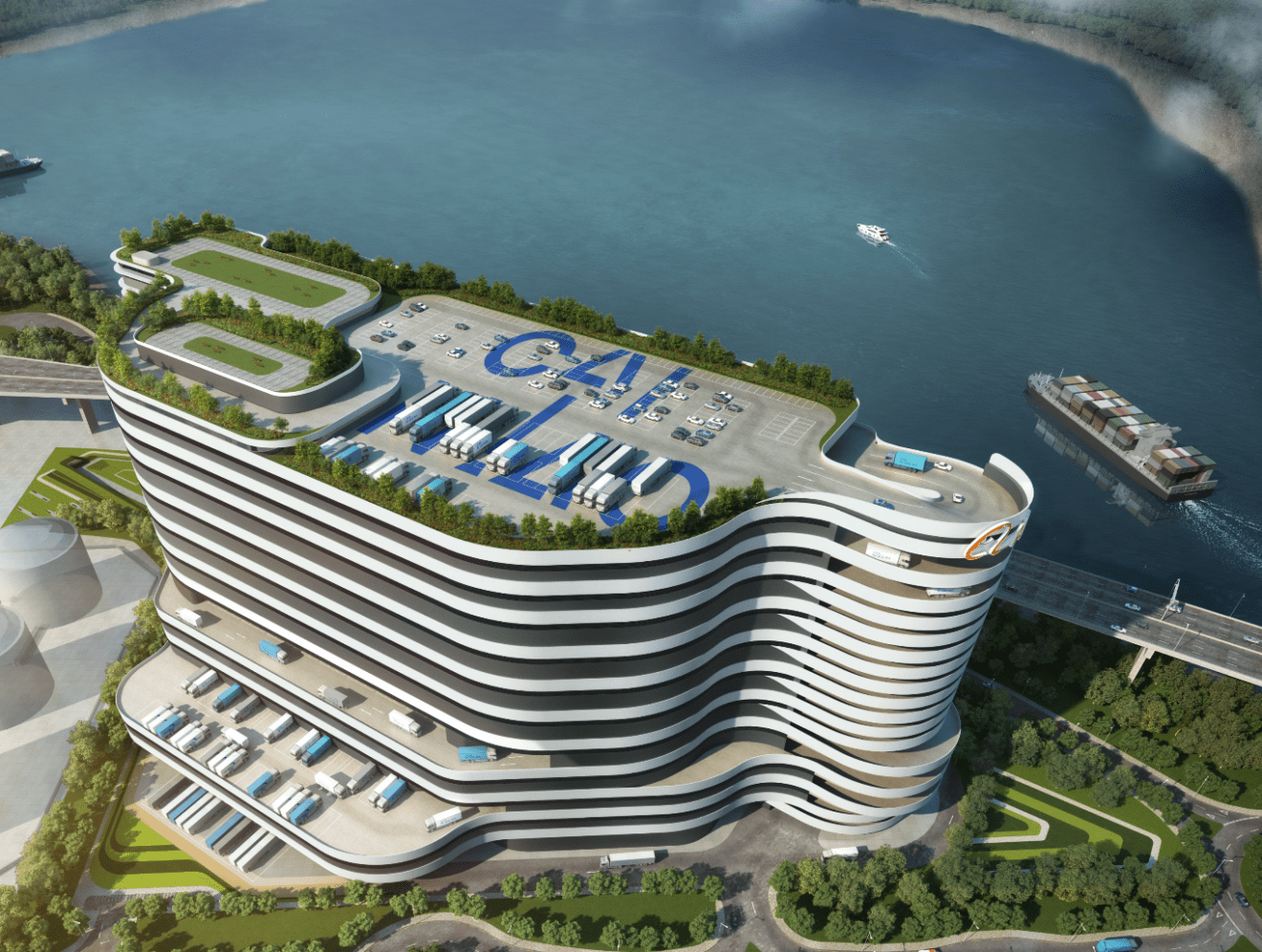
    Cainiao Network (“Cainiao”), the logistics arm of Alibaba Group, announced today that it will lead a joint venture to invest approximately US$1.5 billion (approximately HK$12 billion) to build a world-class digital logistics center at Hong Kong International Airport, the world’s busiest cargo airport.

    Cainiao will lead the project through its controlling joint venture with China National Aviation Corporation (Group) Limited and YTO Express. The companies hold a 51%, 35% and 14% stake in the joint venture respectively. With advanced environmental protection standards and state-of-the-art technologies, such as automated warehousing and temperature-control solutions, the center will be put into operation in 2023 with an estimated gross floor area of 380,000 square meters. It will include air cargo processing center, sorting center and order fulfilment center, among other functions. The center will handle tens of millions of parcels every year to meet the surging cross-border e-commerce needs of global SMEs, bringing an incremental cargo volume of approximately 1.7 million tonnes per annum to the Hong Kong International Airport when the center operates in full capacity, and reinforcing the city’s position as a key gateway in the global logistics chain.

    The move forms part of Cainiao’s broader effort to expand and strengthen its global logistics network. Just last week, Cainiao unveiled plans to open five hubs in five cities around the world – Dubai, Hangzhou, Kuala Lumpur, Liège (Belgium) and Moscow. The new Hong Kong hub will mark another enhancement to this network. It is also part of Alibaba’s commitment to invest more than 100 billion yuan in an efficient smart logistics network that drives 24-hour delivery in China and 72-hour delivery to the rest of the world.

    “The Hong Kong hub will be yet another milestone on our way to achieving our goal of 72-hour global delivery, and will further empower SMEs locally and globally to more readily tap the benefits of more inclusive globalization through cross-border e-commerce,” said Wan Lin, President of Cainiao Network. “The Hong Kong International Airport has been the world’s busiest cargo airport for many years. As an important gateway for global goods to enter the mainland China market and vice versa, Hong Kong is of strategic importance to Cainiao and we have a strong commitment to help the city address the surging needs of the future.”

    Cainiao already has three Global Fulfillment Centers in Hong Kong which are operated by its partners. As well, Cainiao opened an airfreight route between Hong Kong and Belgium last month. This is its second such international airfreight route specially for e-commerce parcels following the opening of its HangzhouMoscow route earlier this year.

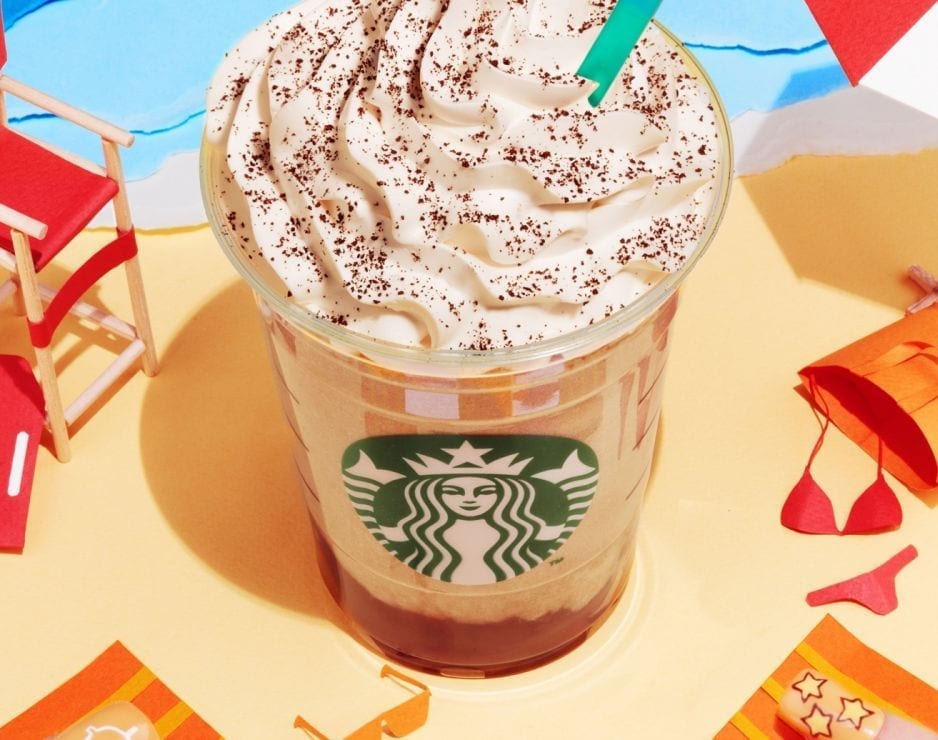
  • Starbucks Hong Kong to ban plastic utensils

    Starbucks Hong Kong to ban plastic utensils

    Starbucks Hong Kong will stop displaying disposable plastic utensils in all stores from July 4 and will launch the policy at its new Causeway Bay store this month.

    All disposable plastic utensils will be removed from the condiment bar and will be provided only upon request. The new sustainable living policy will apply to both in-store and takeaway orders.

    Meanwhile, Starbucks is billing its new Lee Garden store as the territory’s first flagship.

    The 5500sqft ‘Third Place’ experience will open on June 22 in Lee Garden Three. It will be the largest single-story Starbucks cafe in Hong Kong, featuring the city’s first Teavana Bar, an expanded food menu and Starbucks Reserve coffee selection.

    The Teavana Bar is described as “a modern tea experience re-interpreted by Starbucks through an artful combination of the finest tea and botanicals”.

    The broader store’s interior design has been inspired by a coffee plantation.

    Following the successful launch of coffee-infused craft beers at the Starbucks IFC Mall store in March, a coffee-inspired cocktail will make its debut at the flagship-exclusive Mixology Bar.

    From June 21-27 a Starbucks cup installation will be set up at Lee Garden One on the ground floor facing the pavement by the taxi station. Limited-edition dock coasters will be given away at the pop-up.

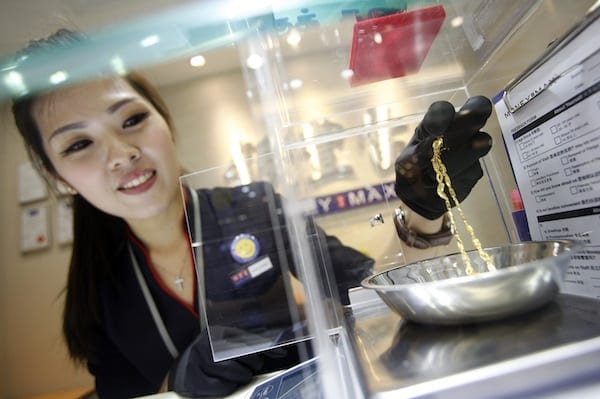
  • Watches, jewellery boosts Hong Kong retail sales growth

    Watches, jewellery boosts Hong Kong retail sales growth

    Booming trade in watches, jewellery and gifts are flattering the overall performance of Hong Kong retail sales this year.

    For the first four months combined, retail sales are up 13.9 per cent year on year.

    But while the consistent double-digit increases in sales over the first four months of this year serve as an encouragement for the broader retail market – not to mention nervous landlords – high-price goods are dominating the numbers.

    Due to their sheer value, fluctuations in sales volume of the “jewellery, watches and clocks and valuable gifts” category, (as defined by the Census and Statistics Department), always has the greatest impact on the overall figure. Thus it is difficult to get a sense of the more mainstream, locally driven retail sales market.

    April’s 12.3 per cent rise in total Hong Kong retail sales followed an 11.5 per cent rise in March and a 15.7 per cent gain in combined January-February, traditionally combined to allow for true year-on-year comparisons due to the timing of Lunar New Year.

    In January-February, jewellery, watches and valuable gifts sales rose 21 per cent, in March by 23.1 per cent and in April by 24.6 per cent. So that category is growing by a faster rate each month so far this year.

    Arguably, apparel sales may well be a better bellwether of the broader market, despite being influenced by the climate. In January-February, apparel sales rose 19.5 per cent, in March by 11.2 per cent and in April by 6.3 per cent – figures which paint a very different trend to watches and jewellery.

    Medicines and cosmetics, usually one of the other categories with strong influence over the total figures, grew by 17.4 per cent in January-February, by 16.5 per cent in March and by 17.9 per cent in April: very stable growth.

    Clearly, Hong Kong’s overall retail sales growth is being driven by the rising number of mainland visitors, after a significant lull in that market for the three years or so until mid last year.

    A government spokesman says the sustained double-digit increases this year have been underpinned by strong local consumer spending as well as buoyant inbound tourism. There is every indications those tourist numbers will hold up in coming months.

    Other categories with a strong performance in April included electronics up 17.1 per cent, department stores up 12.6 per cent, footwear and accessories up 9.4 per cent, and optical shops by 8 per cent.

    But it was a far less spectacular month for supermarkets, where sales rose just 1.1 per cent, furniture stores – up 1.4 per cent – and books and stationery retailers who pretty much stood still at 0.3 per cent.

    So while the luxury sector is booming again, the golden era has not yet returned for many retail categories.

  • OnTheList lands in Hong Kong

    OnTheList lands in Hong Kong

    OnTheList is a pioneer concept of Members-Only Flash Sales in Hong Kong, wherpremium and luxury brands offer past-seasons items at exclusive prices for a limited number of days.

    After delighting its customers in Central since March 2017, this June, OnTheList is popping up right in the heart of Tsim Sha Tsui.

    OnTheList strives to offer members an authentic premium flash sale experience in just 2-5 days from 8am-8pm, just like a treasure hunt,  a wide range brands and amazing fashion finds will be available in both locations in HK.

    Members will have the option to shop on either side of the harbour and many shoppers in Tsim Sha Tsui will be able to experience a new style of shopping at OnTheList.

    First brand to kick-off the Spanish Desigual.

  • Hong Kong’s Tsui Wah eatery to open in Singapore

    Hong Kong’s Tsui Wah eatery to open in Singapore

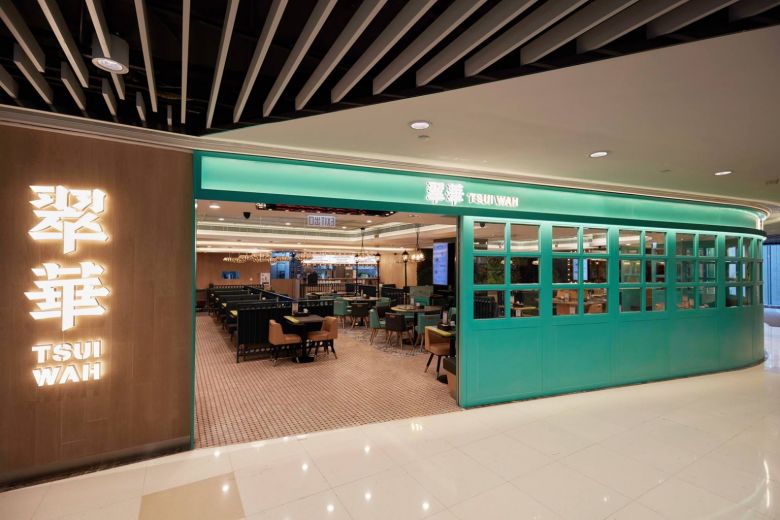
    Hong Kong chain Tsui Wah’s first outlet in South-east Asia will open in Singapore on June 15, in partnership with Jumbo Group.

    The cha chan teng (coffee shop-style) outlet in Clarke Quay will seat more than 140 customers and serve signature items including milk tea, crispy bun with condensed milk and curries, say the partners.

    For months, chefs from Tsui Wah in Hong Kong have been training staff in Singapore, and some of the chefs will stay on.

    Tsui Wah in Singapore is a franchise by Vista F&B Services, a JV between Tsui Wah Holdings and Jumbo Group, which is behind Jumbo Seafood restaurants.

    Funded in Mong Kok in 1967, Tsui Wah has 70 outlets in Hong Kong, Macau and China, and is known for its Cantonese-style comfort food.

  • Pret A Manger sold to Krispy Kreme owner for £1.5bn

    Pret A Manger sold to Krispy Kreme owner for £1.5bn

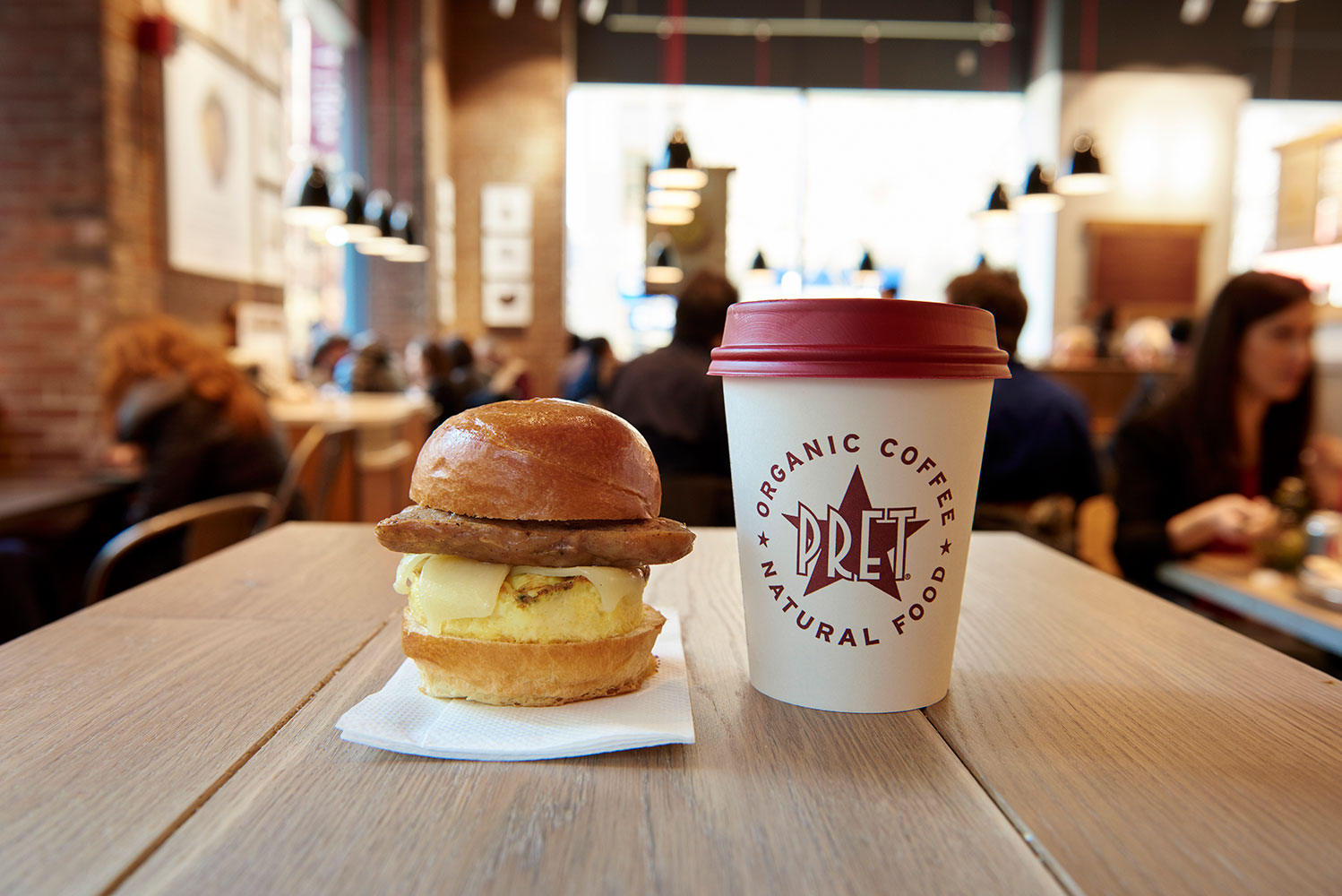
    Pret A Manger’s global business, including Hong Kong and Singapore, has been sold to global investment firm JAB.

    Flush with cash from the sale of Jimmy Choo and a controlling interest in Bally, JAB is refocusing its core business investments on consumer goods and cafes. The company, majority owned by Germany’s secretive Reimann family – has controlling stakes in US coffee brand Keurig Green Mountain, European coffee supplier Jacobs Douwe Egberts, cafe chains Panera Bread, Peet’s Coffee & Tea, Caribou Coffee Company, US bagel chain Einstein Noah Restaurant Group, Krispy Kreme Doughnuts, and Espresso House, Scandinavia’s largest branded coffee shop chain. It also owns shares in makeup giant Coty and consumer goods company Reckitt Benckiser.

    UK-headquartered Pret A Manger, which has 530 stores globally, including 26 in Hong Kong, one in Singapore and two in Mainland China, serves 300,000 customers daily with global revenues of £879 million (US$1.166 billion).

    JAB will pay nearly $2 billion for the business (including taking over debt) to private equity investor Bridgepoint and an assortment of minority shareholders. According to BBC News, all 12,000 staff globally will receive a bonus of about US$1200. Bridgepoint bought the business in 2008, including a 33 per cent stake then held by fast-food operator McDonald’s Corporation, paying €500 million for the business, or US$584 million at today’s exchange rate.

    Pret A Manger CEO Clive Schlee described the sale announcement as “a day of celebration at Pret”.

    “This agreement recognises the hard work of all our amazing teams around the world. Bridgepoint has been a wonderful owner of the business for more than a decade. All of us at Pret believe JAB will be excellent long-term strategic owners.”

    He said JAB supported Pret’s growth plans, suggesting further expansion in Asia is on the cards as the company refines its offers in Singapore and China.

    “I am really looking forward to this next chapter of Pret’s story.”

    The deal follows a ninth successive year of like-for-like sales growth for Pret A Manger.

    “The brand continues to thrive around the world thanks to our simple recipe of freshly prepared food, served by genuinely engaged teams,” said Schlee.

    JAB partner and CEO Olivier Goudet said his company plans to continue Pret’s “extraordinary growth story”.

    “Management’s proven track record and commitment to customer service, investment in innovation and approach to freshly prepared food position Pret well as it capitalises on evolving consumer taste and lifestyle preferences. We look forward to working with Clive Schlee and his management team, while promoting the Pret brand and supporting Pret’s impressive culture for the next phase in the company’s growth with JAB.”

    Last year, Philippines fast-food operator Jollibee was linked to a bid for Pret A Manger at a value exceeding $1 billion and Bridgepoint was also reportedly considering an IPO for the business.

    It would appear from the published reactions of Pret A Manger management private ownership is a more comfortable fit with the business.