Tag: Hong Kong

  • Etam Sells China Ready-to-Wear Operations to Hong Kong Investor

    Etam Sells China Ready-to-Wear Operations to Hong Kong Investor

    The majority of the crippled Etam China retail business has been transferred to a Hong Kong investor.

    While the terms of the sale agreement have not been disclosed, French media refer to the Chinese business as being “ceded” and financial incentives may have been included to help offload the business.

    The deal includes the local businesses of brands Etam Weekend, ES and E & Joy, as well as a license agreement for the use of trademarks using the name Etam. However, the French textile company will retain its lingerie business, which is trading well, internationally, including in China.

    Etam China’s sales slumped 28.7 per cent in the second quarter of last year, to €48.4 million. Globally, Etam’s turnover for the first half of last year was €600 million, down 5.3 per cent. Since then, the company has delisted from the Paris stock exchange, so the current status of the business is unclear.

    Zhou is the founder and CEO of Jaoboo Fashion Group and is described as “a distribution expert in China,” according to French newspaper Le Figaro. He takes control “with immediate effect”.

    In a statement, Etam Group said the transaction reflects its strategy to focus on its core business internationally, the development of its lingerie brand.

    “Thanks to Mr Zhou’s experience, Etam’s ready-to-wear brands will continue to grow and win new customers throughout China,” said Laurent Milchior, CEO of Etam Group.

    Zhou added: “The Etam RTW brands are well known to consumers across China and I am excited to have reached an agreement with Etam Group to take the brands and business forward. With Etam’s strong customer base, its brand heritage and our expertise in China, I am confident we have a bright future ahead of us.”

    The transfer follows the an “exceptional” action plan implemented in July last year to put Etam China back on track, including closing outlets, reorganising logistics to a single warehouse, cutting costs and accelerating the sale of off-season products.

    Etam China closed 154 shops in the first six months of last year, leaving it with 2442 points of sale.

  • Rare bottles of whisky fetch record US$1m each at HK auction

    Rare bottles of whisky fetch record US$1m each at HK auction

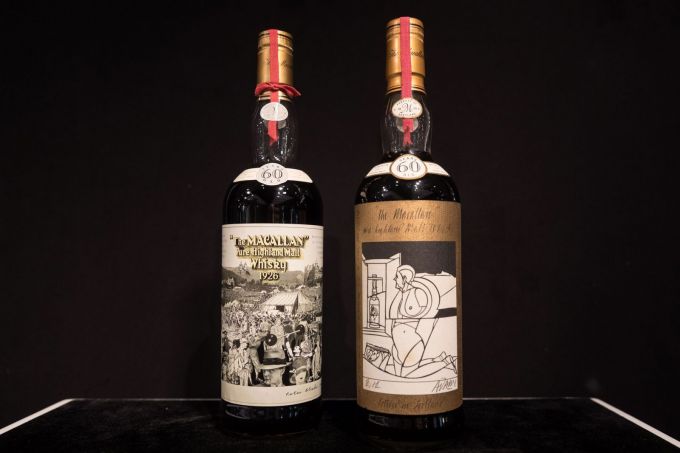
    Two bottles of rare 60-year-old Macallan whisky fetched a total of more than US$2 million under the hammer on Friday in Hong Kong, Bonhams said, with both sales shattering the previous world auction record for the spirit.

    One bottle, bearing a label designed by British pop artist Peter Blake – who helped create the sleeve of The Beatles’ album “Sgt. Pepper’s Lonely Hearts Club Band” – was sold for HK$7.96 million (S$1.36 million).

    The other bottle, whose label was designed by Italian artist Valerio Adami, went for HK$8.63 million, a new world record for whisky sold at auction.

    Both 750-milliliter vintage bottles were distilled in 1926 and matured in a sherry hogshead cask until being bottled in 1986. Only twelve of each Macallan were ever produced.

    “These two bottles are not meant for sale. They were given to some of the Macallan’s most loyal business partners or clients,” said Daniel Lam, head of wine and whisky at Bonhams in Hong Kong.

    In 2014, a bottle of malt whisky – Macallan ‘M’ Decanter 6-litre Imperiale – set the last record of HK$4.9 million at a Sotheby’s auction in Hong Kong.

    The value of Macallans 18 years and older has doubled in value over the past year, Mr Lam said in an interview.

    While new whisky tends to be more industrialised, in the ’80s and before that it was handcrafted, Mr Lam said, adding that well-kept whisky can last forever.

    In April, two other 60-year-old Macallans from 1926 were sold at a Dubai airport retailer for US$600,000 each, breaking the record for the most expensive whisky sold in retail.

    There is growing interest in whisky in Southeast Asian countries such as Vietnam, Thailand and Indonesia, as well as in China, Bonhams said, especially among a younger generation of collectors.

    “Whisky is more like a young generation drink now, compared to cognac or even red or white wines,” Christopher Pong, wine and whisky specialist at Bonhams said.

    Wealthy Asian buyers have shown frenzied interest and deep pockets at art auctions in recent years, with sales of paintings, diamonds and ancient ceramics shattering world records.

  • Italy’s Ermanno Scervino comes to Hong Kong

    Italy’s Ermanno Scervino comes to Hong Kong

    Ermanno Scervino has opened its debut store in Hong Kong, with inauguration of an Ocean Centre Harbour City store last Saturday.

    Partnering with retail distributor Requing for the launch, the store is located inside the luxury mall and carries the Italian brand’s ready-to-wear and accessories collections, for men and women.

    “Over the years, customers in the Far East have learned to fully appreciate that Italian unique artisanal luxury which I offer with my collections,” Ermanno Scervino creative director Ermanno Daelli, told the press at the opening.

    “I’m happy to be in Hong Kong to attend the inauguration of this important boutique — Hong Kong is a dynamic city with an international soul, it’s the ultimate place-to-be for those who like me consider fashion a way to break national boundaries.”

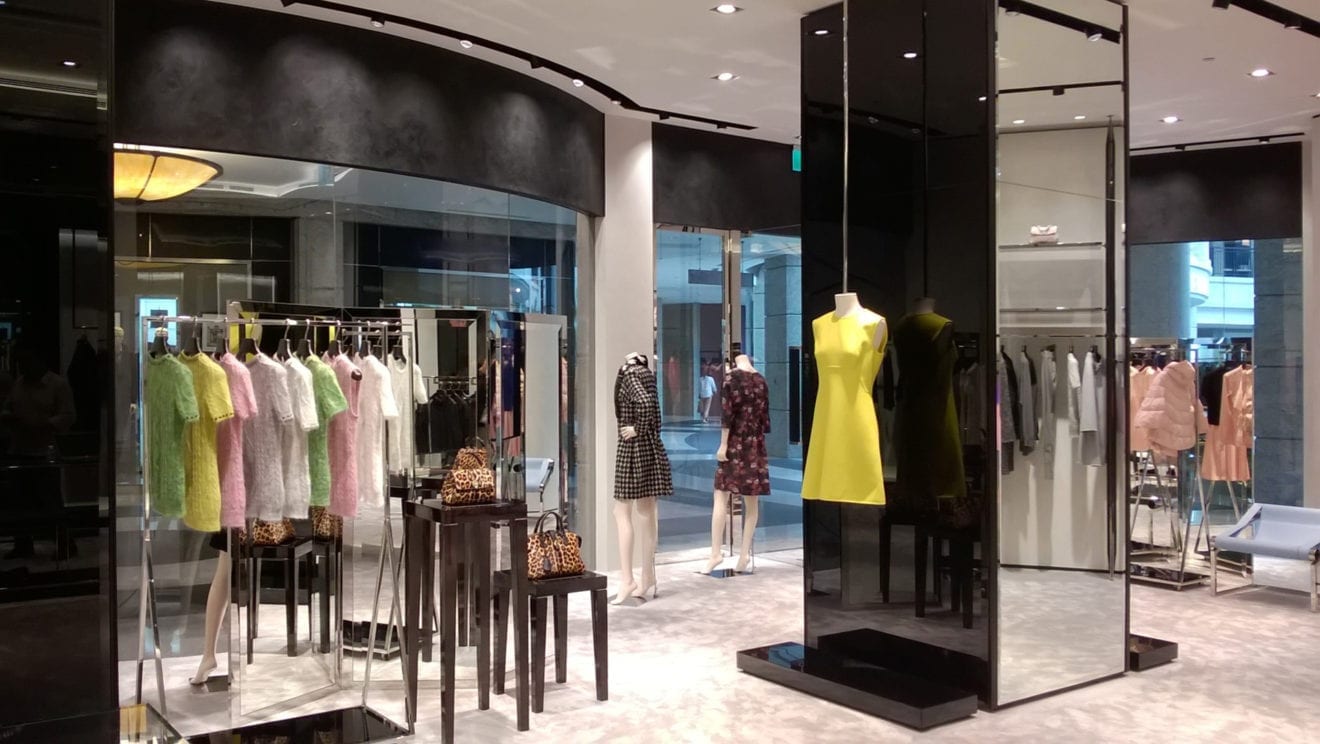
    The store boasts the brand’s retail design codes, described as “refined and elegant.” This translates distinctively into tinted windows, mirrors, grey stucco and black Belgian marble.

    Ermanno Scervino founded his namesake brand in 2000. In 2016, the Florentine brand recorded revenues of 100 millions euros, with 70% of total sales witnessed overseas.

    The company operates 48 stores globally. In Asia, it has outlets in Tokyo, Japan and Shanghai, China, as well as in mega cities outside the region such as Paris, Paris and London. It most recently opened a store in the ritzy Monte Carlo.

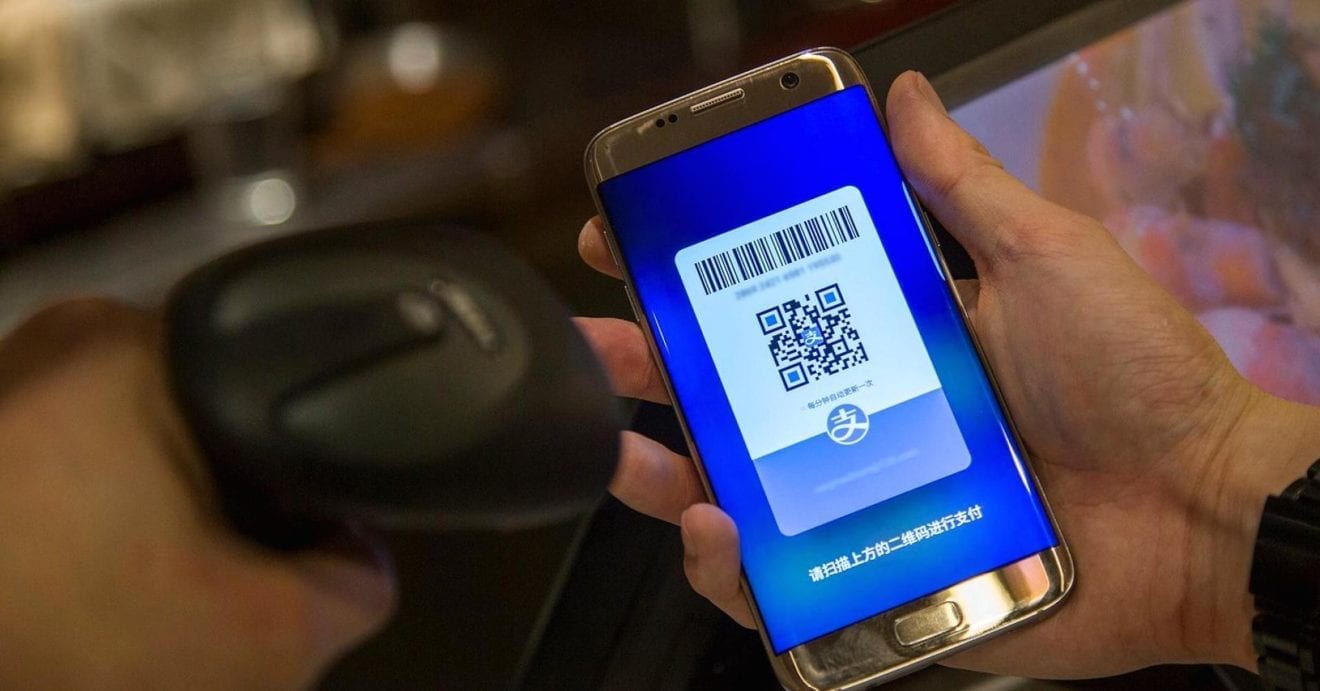
  • Overseas Alipay transactions grew fivefold over Labor Day

    Overseas Alipay transactions grew fivefold over Labor Day

    Transaction volumes in Hong Kong grew sevenfold over the previous year, Alipay said.

    Asian markets dominated the list of the top destinations by transaction volumes during the year, accounting for nine of the top ten spots. Thailand, South Korea, Japan, and Macau rounded out the top five. This was followed by Taiwan, Australia, Singapore, Malaysia and the US.

    But the fastest growth was recorded in Canada (16 times), the Netherlands (12 times) and the Czech Republic (11 times).

    Meanwhile average total spend per user increased by 59% over last year to 1,508 yuan ($237), with European destinations accounting for half of the top 10 countries in terms of total per user spend. The highest average was in Spain (7,965 yuan), followed by France and Italy.

    Alipay’s data also show that just over two thirds of users of Alipay overseas were female, while 85% were born in the 1980s or the 1990s.

    Finally, among the 29 countries that support tax refunds via Alipay, South Korea recorded the highest amount in RMB terms, followed by France and Germany.

  • The history of Sasa

    The history of Sasa

    Simon Kwok Siu-ming, chairman and CEO of Hong Kong’s biggest retailer of cosmetics and skincare products, does not hide his tricks to look younger than his 64 years.

    He said: “I use masks [on my face] when I’m watching football. I care about my hair, as hair loss worries men the most. I use quality shampoo, conditioner, and face and body wash, which make me look younger,” says Kwok, who is also a daily user of eyebrow pencils, concealer, sun block and moisturising foundation.

    Kwok is not alone. “Thirty per cent of our eyebrow pencils are bought by men,” he says. This growing obsession with appearances and rising affluence mean Sasa’s customer base now includes, well, almost everyone.

    “In the past, mothers brought their 17- and 18-year-old daughters to our shops, but only allowed them to buy lipsticks and rouge. Eye shadow and heavy make-up were forbidden. Forty- to 50-year-olds did not even use make-up. But now, 11- to 12-year-olds come to buy nail polish themselves, and everyone from teenagers to 70-year-olds is wearing beautiful make-up.”

    And that is good news for Sa Sa International Holdings, a HK$14.7 billion (US$1.87 billion) cosmetics empire with 270 stores selling more than 17,000 products in Hong Kong, Macau, China, Singapore and Malaysia.

    Sasa outlets are a cornucopia of colourful make-up, fragrant perfumes and flashy cosmetics bottles, and the flagship is Sasa Supreme, a snazzy, 20,000 sq ft lifestyle concept store that opened in the prime shopping district of Causeway Bay in 2013.

    Sasa Supreme’s glitz and glamour is a far cry from the first Sasa store – a 40 sq ft outlet in the basement of a Causeway Bay shopping mall. Kwok’s wife, Eleanor Kwok Law Kwai-chun, was working in the store as a saleswoman for Japan’s Kanebo Cosmetics in 1978 when the couple were offered the business for HK$20,000.

    Kwok listened to the advice of his wife, and his devotion to her paid off handsomely.

    “Our entire story started from her decision to take over this small shop,” he says. “We lived in the same building above the shop. She got financial help from her mother and, without any experience [in running a business], we bought it. Within six years, we had rented all the shops in the basement to sell cosmetics.”

    So how did the name Sasa come about? It was what the original business was called.

    “We did not do much business at the beginning and we wanted to change the name. But this would have cost HK$1,000, which was a month’s rent at the time, and we couldn’t afford it. But the name turned out to be perfect, as it’s pronounced the same all around the world.

    “Whether you speak Russian, French, Italian or any dialect in China, it is always pronounced ‘sasa’.”

    When Japanese cosmetics brands first went on sale in Hong Kong in the 1970s, they were not seen as chic enough to be sold in the city’s big department stores, and this provided the Kwoks with an opportunity.

    “Three Japanese brands – Kose, Shiseido and Kanebo – took up half the shelves when my wife worked in the store, so she knew Kanebo products very well. When we took over Sasa, the first brand which supported us was Kanebo, so we devoted half our shelves to their products.”

    At first, Kwok helped his wife run the shop until 10pm before going to his regular overnight job as a parking meter repairman for the government. He would care for their baby girl in their store and listen in as his wife sold beauty products to women.

    “I did not have the guts to sell cosmetics [in the beginning] … But my wife asked me to help her out when the shop was busy. At first I blushed [when selling perfumes and cosmetics], but discovered that women valued my opinions,” he says.

    “If I thought a perfume smelled nice, I realised that their boyfriends would like it as well, so I gained confidence. The opinions the customers gave me during the first few years helped nurture my instincts [for this business] – and money can’t buy this.”

    Despite going to bed every night at 3am and only taking a break during the Lunar New Year, Kwok says he was happy working alongside his wife. “I was with her the whole day. We were both workaholics and spent little time with our kids.”

    Sasa is now a household name and shorthand throughout Asia for affordable, discounted cosmetics. It’s a magnet for Hong Kong and Chinese women shoppers in particular, and an essential stop on the itinerary of countless tourists. Kwok attributes the public’s affection for their brand to the company’s sharp eye for a trend.

    “We were the first to introduce Korean brands. My wife and I started watching Korean soap operas a decade ago. We thought the Korean stars were very beautiful, but Korean brands were not popular then.”

    Korean companies now produce some of the world’s most popular cosmetics and, from management and buyers to frontline salespeople, all of Sasa’s 5,000 staff have to keep abreast of the latest Korean make-up trends, identifying the top sellers online and in South Korea’s department stores.

    With the tsunami of e-commerce buffeting bricks-and-mortar retailing, Sasa launched Sasa.com in 2000 and has entered into partnerships with online marketplaces such as Alibaba’s Tmall and JD.com.

    Although Sasa.com has not yet turned a profit, Kwok says losses were reduced last year on the back of improved logistics operations.

    “We have achieved 50 per cent year-on-year savings in logistics costs using big data. We hope [Sasa.com] can break even in two years.”

    With visitors from China accounting for 70 per cent of Sasa’s sales in Hong Kong and Macau, the chain’s fortunes are closely tied to the Chinese government’s tourism policies. The company saw a boom in sales after it introduced the Individual Visit Scheme in 2003, under which travellers from China were, for the first time, allowed to visit Hong Kong and Macau as individuals rather than members of tour groups. This brought an influx of visitors from China to the two special administrative regions.

    Chinese travellers spend an average of HK$700 per store visit, and their spending meant Sasa outlets mushroomed in Hong Kong – its pink and white storefronts dot streets in busy shopping districts like convenience stores.

    The flood of visitors receded in 2015 when it was announced that permanent residents of Shenzhen, the Chinese city bordering Hong Kong, would only be allowed one trip to Hong Kong per week. This led to what Kwok refers to as a “retail slump”.

    However, Kwok sees bright prospects for Hong Kong’s retail sales due to the imminent opening of a cross-border high-speed rail line and the Hong Kong-Zhuhai-Macau bridge – which will make travel from the western Pearl River Delta to Hong Kong much quicker – and the development of the Greater Bay Area, a Chinese government scheme to link Hong Kong, Macau, and nine cities in Guangdong province in an integrated business hub.

    Kwok says that, while the number of visitors from China to Hong Kong has risen in the past few months, as people in China become more affluent they have more travel choices and, during China’s “golden week” national holidays, are more likely to “head to Thailand, Bali and Europe instead” of Hong Kong or Macau.

    However, he believes day trippers, attracted by the improved cross-border transport infrastructure, will boost Hong Kong’s retail industry.

    This is far from the first time Kwok and his wife have faced turbulence. Their first big setback came in 1989 when they lost the original Sasa basement store in Causeway Bay.

    “Our landlord increased the rent from HK$8,500 to HK$45,000. We were earning enough to cover this, but the landlord then rented the store to a business rival. This was around the same time as [the] June 4 [Tiananmen Square crackdown].”

    Dejected, he decided to take a break in Canada, but quickly became bored, and after only three days flew back to Hong Kong to continue the cosmetics business. Then came the true turning point in the Sasa story – Kwok made the risky decision to rent their first street-level shop for HK$120,000 a month.

    “It was a big bet, as the rent was so much higher. We moved into the new place six months before the lease expired on the Causeway Bay shop because we didn’t want to lose our customers to the new tenant. We closed that shop, switched off all the lights, put up relocation notices and stationed part-time staff there to escort customers to the new premises.”

    Business boomed and a stream of street-level Sasa outlets soon followed.

    With global retailers salivating over China, Kwok sees Sasa’s next challenge as conquering the vast Chinese market.

    “We have to combine retail with e-commerce and make good use of technology. Even if Chinese customers don’t come to Hong Kong, we can contact them through WeChat and mail the goods to them. We are doing that now. It’s not very successful [yet], but this is certainly the way to do business in the future.”

  • Stelux Holdings warns of annual loss

    Stelux Holdings warns of annual loss

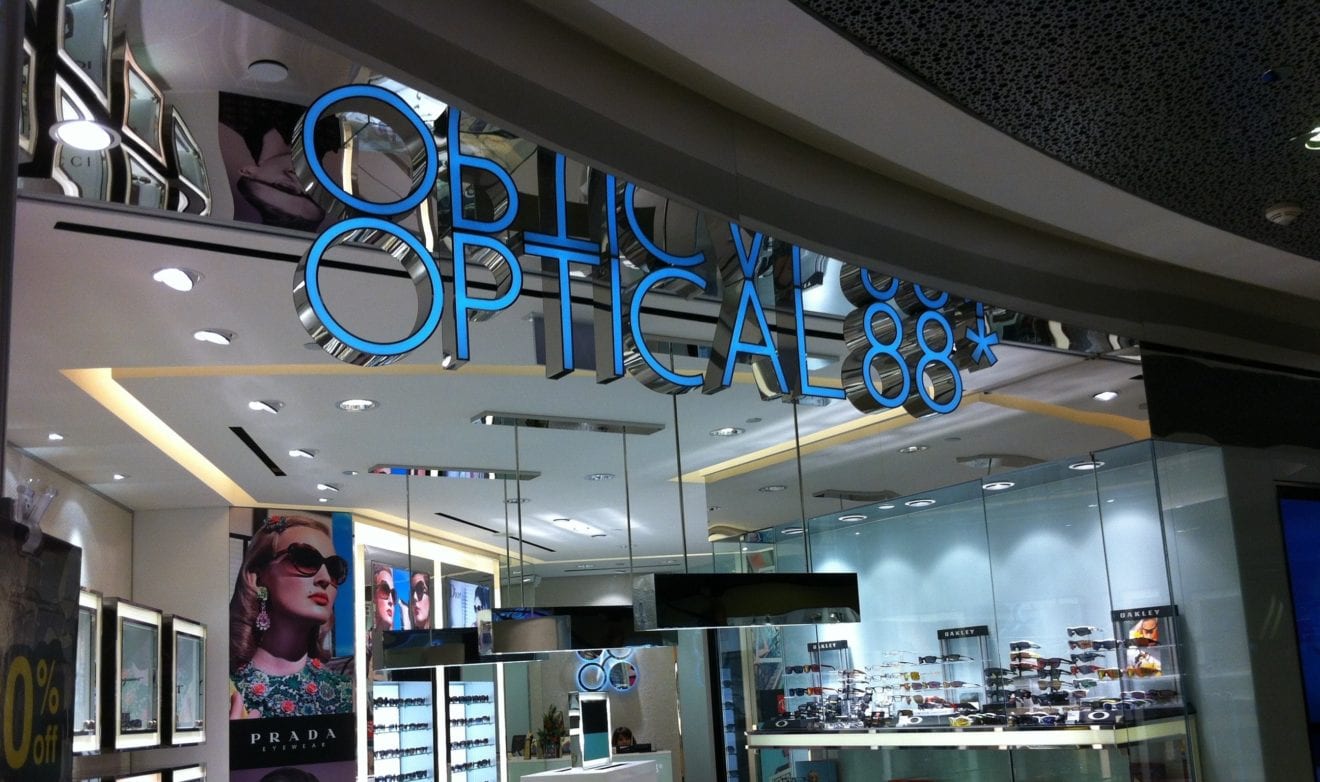
    Stelux Holdings International has warned shareholders of an impending loss due to slow sales through its store network and narrower margins.

    The Hong Kong-listed retail company, which operates the Optical 88 and Egg eyewear chains and City Chain jewellers, said the closure of underperforming stores and a reduction of overheads has eased the loss, which it expects to be less than that recorded last financial year.

    It did not release an estimate.

    In the company’s half-year results, reported last November, Stelux’s turnover was down by 6.9 per cent to HK$1.3 billion (US$166.4 million) and gross profit margin fell from 59.6 to 58.1 per cent. Its first-half loss was down 15.2 per cent to $62 million.

    Stelux says it will report its full, March-year figures on June 21.

  • Hong Kong online shoppers using more tablets

    Hong Kong online shoppers using more tablets

    While Hong Kong’s e-commerce market accounts for less than 5 per cent of total retail sales, the behaviour of those shopping online is changing.

    According to data presented by Nielsen at yesterday’s 2018 Hong Kong Retail Summit, organised by the HKRMA, home computers are now used by fewer than half of Hong Kong online shoppers – 48 per cent last year, down 8 per cent from 2016. They are shifting to mobile phones, where 25 per cent shop (up 8 per cent in a year) and tablets, used by 11 per cent, (up 2 per cent). And 13 per cent of Hong Kong online shoppers say they used work computers.

    Michael Lee, MD at Nielsen Hong Kong and Macau, who moderated a panel discussion at the event, said expanding availability of eWallets was making online shopping easy and secure in the territory.

    “The beauty of e-commerce is convenience, so easy checkout method via eWallet and flexible pick up and return policies are a key to winning.”

    Almost half of Hong Kong consumers (46 per cent) now use an eWallet, with the number of active accounts rising 15.4 per cent in the last quarter of 2017 compared with a year earlier. The value of eWallet transactions in the last quarter of 2017 rose 27.7 per cent, “a significant indication of the growth of the ecommerce market,” said Lee.

    Buying on impulse

    Unlike offline shopping, consumers usually spend impulsively online.

    “They are usually triggered to buy online for conditional free shipping/return policy, promotions and discounts as well as easy checkout methods. Among all impulsive purchase categories, the top products are all food-related, the frequently purchased categories being snacks, breakfast cereals, bottled water, instant noodles/pasta/udon as well as ready-to-drink beverages.”

    But, he said, despite the advance in online shopping, consumers are still hesitant about shopping online, nursing concerns about delivery logistics for perishable items, their desire to inspect goods before they buy and their need for convenience and the wish to follow habits.

    “It is important for online retailers to remove the barriers to make online shopping more welcoming and promising for shoppers by providing click and collect, return policies, showroom and cash on delivery as well as unique product range, and purchase incentives,” he said.

    “Because no physical product is in hand in the virtual world, there is nothing more important than creating a better customer experience to win over potential customers. It is therefore crucial for marketers to offer an unmatched online shopping experience by creating a sense of value for money, providing a flexible shopping platform and delivery options, informing customers fully about return policies and making information freely available to customers and giving them the chance to talk about their personal experience.

    Experience is essential

    “Consumer experience is essential,” Lee said. “With online shopping become more popular, it is important for industry players to identify the key ways to win in the ecommerce market in Hong Kong. To stand out in this highly competitive market it is important to provide unique cross-screen experience as well as unique product range for consumers.”

    Meanwhile, Hong Kong online shoppers are getting older. In contrast with just a few years ago, e-commerce is no longer the preserve of the young.

    The Nielsen survey revealed that e-commerce is now relevant to people of all demographics. About 80 per cent of males and females have tried online shopping last year.

    While consumers aged 22-29 and 30-39 represent the most frequent shoppers, 67 per cent of older consumers (aged 50-64) said they had bought online last year.

  • Google explains Hong Kong’s E-commerce Challenges

    Google explains Hong Kong’s E-commerce Challenges

    Mindset and talent are the two factors holding back the Hong Kong e-commerce sector, according to a senior Google executive.

    Speaking at the sell-out HKRMA 2018 Hong Kong Retail Summit this morning, Leonie Valentine, MD sales and operations at Google Hong Kong, said that compared with other major cities around the world, Hong Kong remains in the early stages of digital transformation.

    Here, where retail is a key driver of the economy, e-commerce accounts for just 4.68 per cent of sales.

    Yet across Asia-Pacific, 17.6 per cent of retail sales will be online this year.

    Of the small percentage of retail sales conducted online in Hong Kong, just 37 per cent is on mobile (m-commerce). In the mainland, that figure is 66 per cent and China now accounts for two-thirds of global m-commerce sales, driven by its mobile-first audience. Sales by m-commerce in China are expected to triple by 2021.

    Valentine dismissed the ubiquitous argument that the city’s dense urban layout is the reason Hong Kong e-commerce penetration is so low.

    “It’s the same argument I heard in 2011 when I arrived in Hong Kong, when I questioned why I couldn’t buy a mobile phone or groceries online here. ‘Oh, there’s no need,’ was the reply. ‘There’s a shop on every corner in Hong Kong. No one shops online.’

    “Should I tell that to the millennials in my team? They were  already buying dresses from Korea, shoes from Taobao and books from Amazon in 2011. Yet we really didn’t have as much of a digital industry here then,” said Valentine.

    “So while digital investments by some retailers have lagged behind, most consumers have actually embraced online shopping.”

    Last year, 58 per cent of non grocery sales were influenced by a digital touchpoint, compared with just 13 per cent in 2004.

    “Today’s consumer wants to compare products, features, price, benefits, etc, before they start their purchase process. Eighty-one per cent of the population is connected to the internet. Ninety-eight per cent of smartphone users go online at least once a day. So Hong Kong should rank really highly in digital integration.”

    But it doesn’t.

    “There are two things that hold back Hong Kong. Mindset – in terms of the willingness to embrace new things – and talent. One of the things we really need in Hong Kong is to have a mindset that change is good, that embracing digital is not about distrusting what you have today; it is about complementing that for the benefit of your customers.”

    Those customers are already online, said Valentine. “Everybody here is online: 98 per cent of smart phone users – and that’s everybody – are online at least once a day, from an eight-year old to an 80-year old. And yet where are we? Where are our government services today… on mobile? Where is the ability for you to be able to easily find what you are looking for online?

    “I want to buy a new couch. I can’t find one. I’m searching and I have money to spend and I cannot find a retailer in Hong Kong easily on mobile or on my desktop that has the product that I want. I find that really interesting in a city that is as modern and connected as Hong Kong.”

    Those are her two reasons for Hong Kong e-commerce lagging the rest of the region, she said. “It is very much about the mindset and it’s about having the right talent to drive a lot of the adoption of these ideas.”

    “Take a risk”

    Another speaker, Yann Bozec, president and CEO of Coach China, echoed Valentine’s comments on the mindset.

    “I love to be surrounded by millennials and listen to what they do and how they do it. Even further I am learning a lot from my eight year old daughter about digital [technology]. I think it is about listening and looking at how people, especially younger people, are engaging digitally.

    “[It’s about] being inspired by them and not being shy to take risks and try new things, including new applications.”

    Bozec said besides established giants like Google, a lot of smaller, upcoming applications are making their way onto the market.

    “Businesses who are early adopters and taking some risks can really take a lot of benefits.”

    Retail “a pillar” of Hong Kong

    The 2018 Hong Kong Retail Summit was opened by the SAR’s chief executive Carrie Lam, who congratulated the HKRMA on its 35th anniversary.

    “The retail industry is an important pillar of the Hong Kong economy, contributing about 4 per cent of our GDP and employing some 270,000 people. I am pleased to note that retail sales last year enjoyed moderate growth in both value and volume… with the forecast of a sales increase this year in the 3 to 4 per cent range.”

  • Omnichannel Retail is Coming to Hong Kong

    Omnichannel Retail is Coming to Hong Kong

    The future of retail is about to be delivered to Hong Kong’s commercial developers, and it’s coming via the Internet, according to a report released today by property consultancy JLL.

    The company’s report on the city’s shopping scene, “Reimagining Retail – Bricks, Mortar and the Evolution of E-Commerce in Hong Kong,” forecasts that the value of Internet retail sales in the Asian financial hub will reach US$3.7 billion by 2021, nearly double the US$1.8 billion transacted in 2016.

    However, although government statistics forecast that e-commerce in Hong Kong will have grown at an average of more than 16 percent per year from 2016 through 2021, the burgeoning online sector will become a component in retailer strategies, rather than a replacement for in-store sales, according to the company’s analysts.

    Ecommerce Growth May Not Lead to Lower Rents

    “As the US and mainland China markets have seen an increasing number of vacant shops, together with the continuous growth in online sales, some of our clients start to worry that the demand for brick and mortar stores will diminish once Hong Kong’s online retail takes off,” said Denis Ma, Head of Research at JLL in a press conference held in Hong Kong.

    According to the report, some 90 percent of the city’s landlords believe online sales will grow over the next five years. However, despite a spate of cut-rate lease deals in a number of the city’s top retail locations, that may not translate into lower rents at Hong Kong’s malls.

    “We don’t see the growth in online retail to be a significant factor in influencing rents in the short term. Factors like the number of tourists coming to Hong Kong and unemployment rate are more relevant to the rental level,” said Eric Cheng, Local Director of Retail at JLL.

    Some of Hong Kong’s busiest shopping districts have witnessed sharp rent cuts during the past few months. In March, fashion brand Twist leased a two-storey shop at 24-26 East Point Road in prime shopping district Causeway Bay for 56 percent less than the HK$1.1 million monthly rent that the previous tenant had been paying.

    On Russell Street in the same district, which formerly ranked as the most expensive retail strip in the world, Swatch Group last month secured a 33 percent cut in it’s HK$1 milliion per month rent when it renewed a lease originally signed in 2015.

    HK Retail Goes Omnichannel

    While online retail may not mean an end to traditional shopping, landlords will have to be ready to accommodate retailers that are selling to consumers who use smartphones and desktops for their shopping as much as they rely on strolls through the mall.

    “The future of the retail market of Hong Kong lies in its evolution into omni-channel retailing,” Ma said at a media briefing on the report. “From our perspective, the growing popularity of mobile payments and wider adoption of big data analytics will move us in this direction, as well as enhancing the overall shopping experience of consumers. This certainly requires retailers and landlords, such as mall operators, to invest more heavily in technology.”

    Ma predicts that online retailers will look into establishing brick and mortar stores while existing physical retailers will open up online platforms in the future. “As the rental market is expected to bottom out within this year, our advice to retailers looking to move into bricks and mortar is that they should act fast. Because in a few months’ time, there will be fewer vacant shops available,” said Ma.

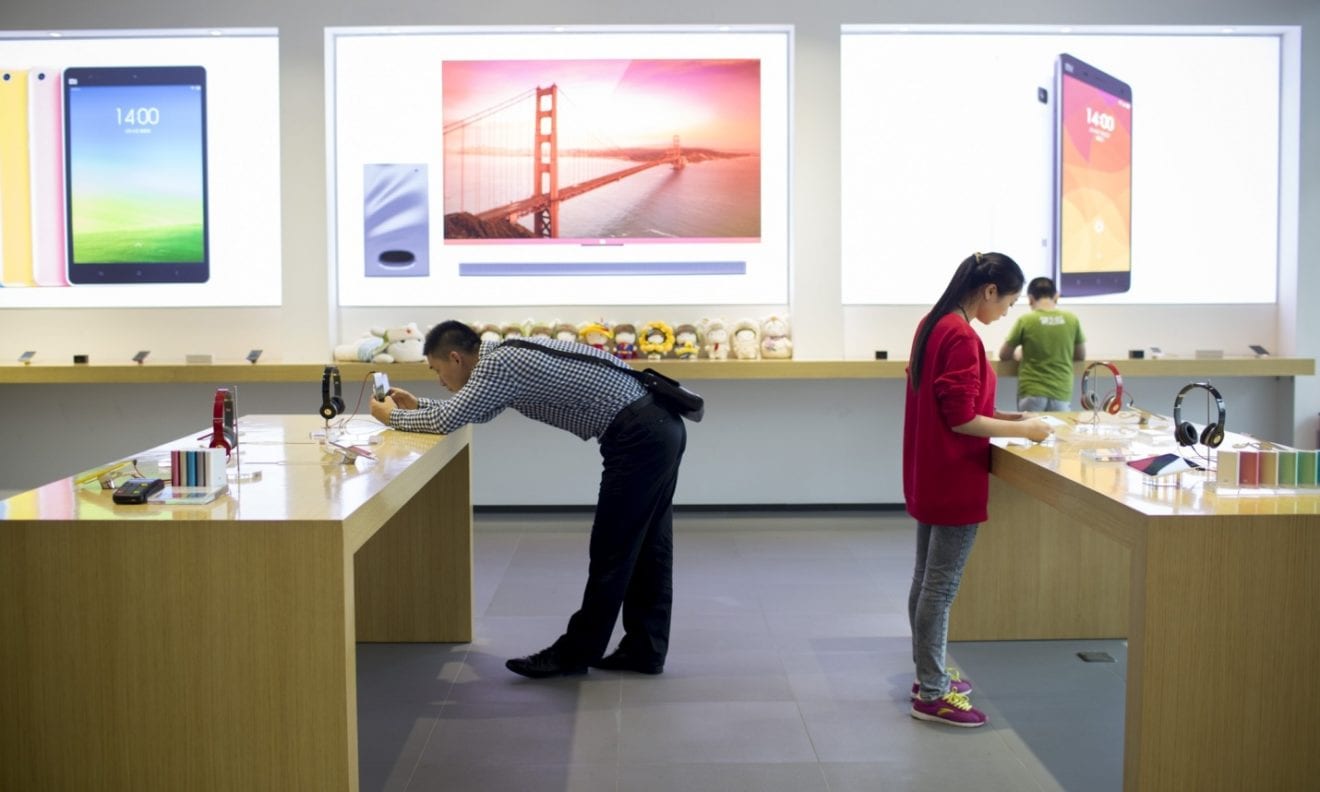
    Last year, Chinese phone maker Xiaomi opened two physical showrooms in Hong Kong after the tech unicorns sales had grown 40 percent in the city as of October last year. The Chinese firm originally adopted an online-only strategy by selling its products directly to customers online before it started opening brick and mortar stores in mainland China in 2015.

    Small Living Space Drives People to Malls

    Hong Kong’s Internet retail grew at a compound annual growth rate of 15 percent from 2011 to 2016, and is expected to grow by 16.1 percent in the next five years, data from the Hong Kong Trade Development Council shows. While the growth rate seems steady, the online retail market in the city remains underdeveloped. Online shopping will account for just 6.1 percent of the city’s total retail sales in 2021, well below the 17.3 percent average in Asia.

    The relatively slow expansion of the Hong Kong’s online retail industry is attributed in part to the city’s famously tight living quarters. With 80 percent of the existing private homes below 70 square metres (753 square feet) in area, people tend to spend their leisure time outside of their homes, often in malls, according to Ma.

    A high density of retail shops, poorly designed online platforms and an ageing population also hindered the development of online retail in the city, Ma added.

  • Profits up for Circle K Hong Kong

    Profits up for Circle K Hong Kong

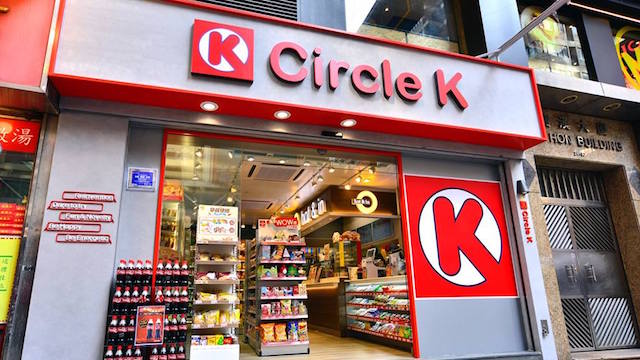
    As the retail sector finally rebounds, the CEO of Circle K Hong Kong owner Convenience Retail Asia (CRA), Richard Yeung, says the company has reinvented itself.

    He says profits have grown over the past year, while strong customer loyalty and marketing initiatives and an O2O business strategy have positioned the group for long-term growth.

    By moving its convenience store and bakery businesses toward an O2O-centric business strategy has led to a highly sustainable business model. “The strategy has been a resounding success in terms of driving customer engagement, foot traffic and sales.”

    Despite a challenging business environment, the group’s convenience store and bakery businesses had achieved satisfactory comparable-store sales growth in Hong Kong.

    Core operating profit and net profit increased by 7.4 and 7.7 per cent respectively, mainly attributable to the effectiveness of the CRM program and strong marketing campaigns by Circle K together with improved performance from Saint Honore cake shops.

    Growth has been driven by the group’s digital initiatives, led by its O2O CRM programs that saw its “OK Stamp It” and “Cake Easy” memberships exceeding 1 million and 300,000 respectively.

    During the year the group obtained the franchise for Japan’s fast-fashion eyewear chain Zoff, opening the brand’s first store in Hong Kong.

    Group turnover grew 4.6 per cent to HK$5 billion.

    Turnover for the Circle K Hong Kong business was HK$4 billion (US$5 billion), representing growth of 5.4 per cent. Turnover for the Saint Honore Cake Shop business across Hong Kong, Macau and southern China was $1 billion, an increase of 1.9 per cent.

    Core operating profit increased 7.4 per cent to $183 million while net profit grew 7.7 per cent to $150 million.

    Satisfactory comparable-store sales growth in the group’s core market of Hong Kong and improvements to the Saint Honore factory business led to a rise in gross margin and other income as a percentage of turnover from 36.6 to 36.9 per cent, despite intense retail market competition and high manufacturing costs, says the group.

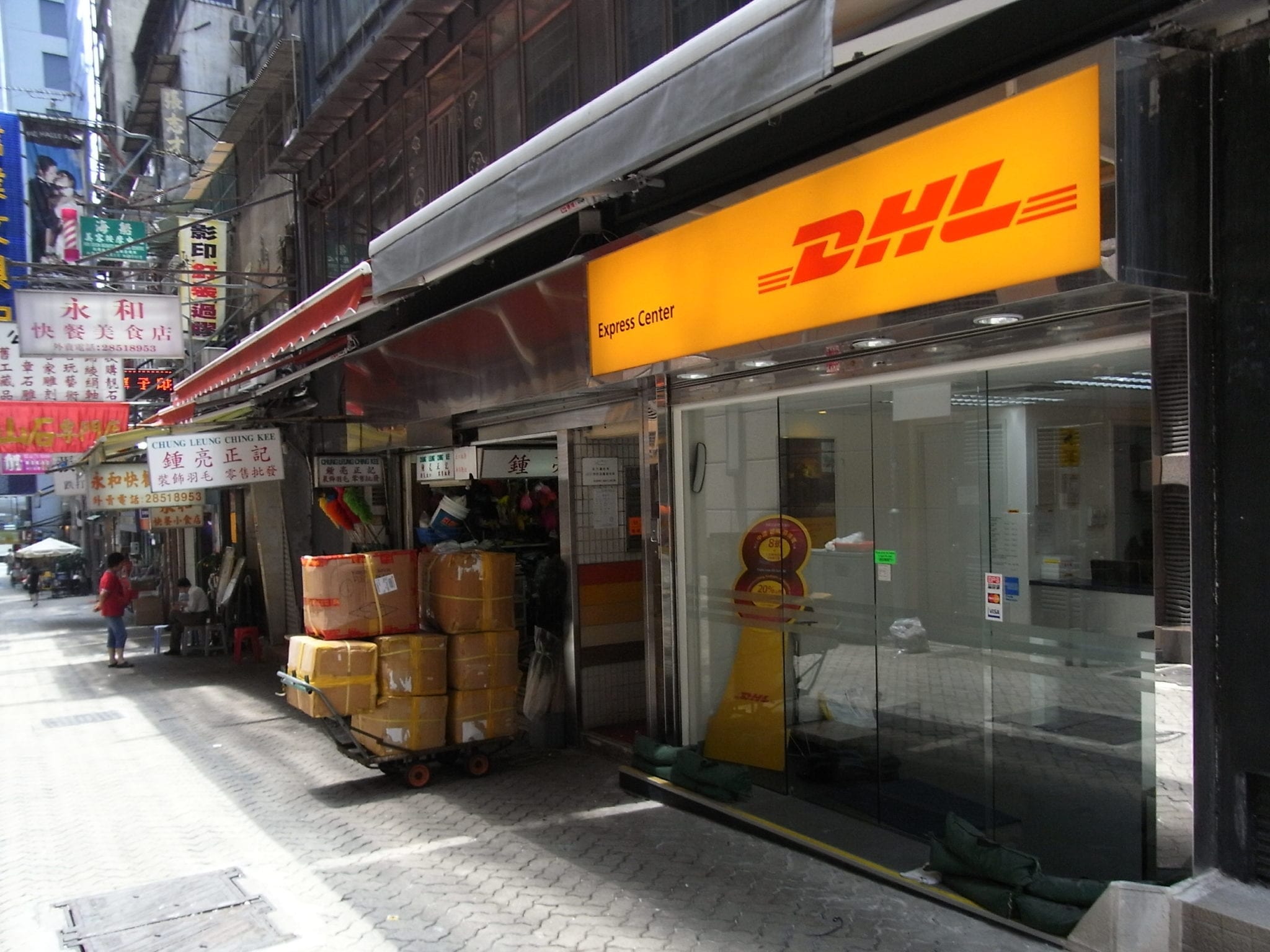
  • DHL Hong Kong Air Trade Leading Index Q2 2018

    DHL Hong Kong Air Trade Leading Index Q2 2018

    The DHL Hong Kong Air Trade Leading Index has published its results for Q2 2018.

    Highlights of the DTI Q2 2018 include:

    • The overall trade outlook for Q2 2018 had a slight downward adjustment

    amid concerns over escalating trade conflict between the United States and

    China. Despite this, the latest DTI survey found that there are limited concerns

    about air trade and overall outlook for air trade is more positive, compared to

    the same period last year.

    • Outlook on air imports remains optimistic despite a modest dip from the

    previous quarter.

    • Air exports index dropped and is predicted to encounter challenges. Market demand has gained strength and turned positive in the Americas, but is countered by issues in Asia Pacific and Europe. • The Hong Kong government is planning to use its financial surplus to improve residents’ livelihoods. It is generally believed that this development will boost air import demand

    The DHL Hong Kong Air Trade Leading Index report is available at u.hkpc.org/dti_eng.

    The first indicator of its kind in Hong Kong, commissioned by DHL Express Hong Kong and compiled by the Hong Kong Productivity Council, the DHL Hong Kong Air Trade Leading Index aims to provide a forward looking perspective on overall air export and import trade volumes by analyzing key attributes of business demand.

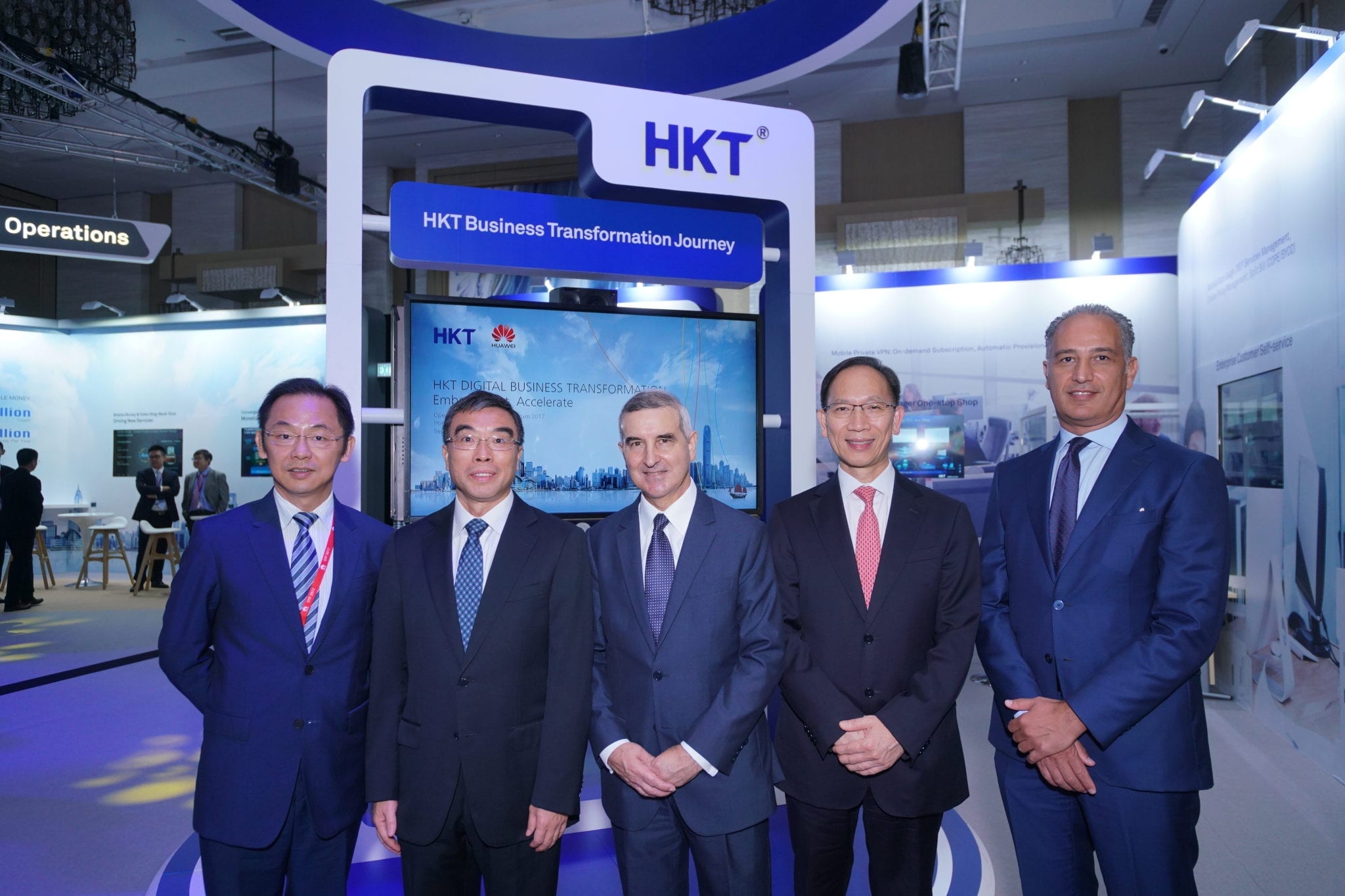
  • HKT becomes a Carbon Black MSSP partner

    HKT becomes a Carbon Black MSSP partner

    HKT has arranged to become a managed security services provider (MSSP) partner of endpoint security company Carbon Black.

    As an MSSP partner, HKT will offer a suite of managed security services based on Carbon Black’s Cb Defense and Cb Response security solutions.

    These will include managed endpoint detection and response (EDR) services to help customers detect, prevent, predict and respond to advanced cyberattacks.

    Cb Defense is a cloud-based next generation antivirus and EDR solution for desktops, laptops and services. It is powered by Carbon Black’s Cb Predictive Security Cloud, which collects and analyzes unfiltered endpoint data to protect customers against future and unknown attacks.

    HKT will meanwhile use Cb Response to allow its security operations center team to identify malicious files used to execute an attack, pinpoint which endpoints and services are being attacked, diagnose the root cause, and provide actionable recommendations.

    “HKT is the largest telecommunications service providers in Hong Kong and the collaboration with Carbon Black will enable more enterprises and consumers to access next-generation security technology designed to thwart the sophisticated cyberattacks prevalent today,” Carbon Black VP and managing director for Asia-Pacific and Japan Matt Bennett said.

    “With Carbon Black’s market-leading cybersecurity solutions, HKT’s customers will be protected from advanced threats better than ever before.”

  • More wholesale operators join blockchain trial

    More wholesale operators join blockchain trial

    More operators have joined the joint blockchain trial being conducted by HKT’s PCCW Global and telecoms and data center services company Colt.

    Members of the ITW Global Leaders’ Forum (GLF), including Australia’s Telstra, Hong Kong based HGC Global Communications, Spain’s Telefónica and the UK’s BT, are now getting involved in the initiative.

    The trial involves the use of blockchain to automate the inter-carrier settlement of wholesale international services.

    During a proof of concept trial in March, conducted with blockchain startup Clear, the companies demonstrated how blockchain can reduce the labor-intensive process of inter-carrier settlements from hours to mere minutes.

    Now the solution developed for the trial is being utilized in real time, with PCCW Global and Colt now using live data to settle and verify traffic, PCCW Global said.

    The companies aim to expand the bilateral testing to encompass multilateral relationships within the wholesale telecommunications industry.

    “We are very pleased that this PoC is expanding to include more carriers. A lot of the conversations at the GLF have been around how innovative technologies such as blockchain can be used to improve the overall efficiency of the industry,” PCCW Global CEO and GLF chairman Marc Halbfinger said.

    “With the PoC expanding to include more carriers, it is clear that the industry is seeing the benefit of becoming further aligned. Industry cooperation in this area will be incredibly powerful for the whole sector.”

  • Xiaomi files documents for IPO in Hong Kong

    Xiaomi files documents for IPO in Hong Kong

    Chinese smartphone giant Xiaomi has filed documents for an IPO on the Hong Kong stock exchange that could see the company raise at least $10 billion in the biggest public offer since 2014.

    The IPO is expected to value the company at between $80 billion and $100 billion, according to data and analysis company GlobalData. This would make it the largest IPO since Alibaba’s $25 billion public listing in 2014.

    GlobalData consumer technology analyst Avi Greengart said the listing would give Xiaomi the infusion of capital it will need to pursue an expansion to the West.

    “Xiaomi has long planned to enter the US. For now it is targeting Europe, starting with Spain, and we will be closely monitoring how the brand and its business model translates well outside of China,” Greengart said.

    “Xiaomi has said it plans to enter the US market ‘next year’ for the past three years. The US is famously unfriendly to Chinese brands right now. The bigger challenge is that carriers are the gatekeepers, the market is skewed heavily towards premium smartphones, and US consumers have expectations around brand and software that Xiaomi may have difficulty meeting.”

    The vendor’s “fascinating” business model involves selling phones in high volumes at low margins, and started with online-only operations, Greengart said.

    “However competitors such as Huawei eventually countered with online-only brands of their own, and Xiaomi was unprepared. The company was able to successfully regroup and move into retail outlets as well as online. Xiaomi’s also thinks of itself as an incubator and IoT ecosystem vendor, investing in dozens of start-ups selling everything from air cleaners to fitness bands to Segways.”

    Xiaomi’s IPO documents [PDF] show that the company recorded a 67.5% increase in revenue in 2017 to 114.62 billion yuan (HK$141.36 billion). But the company swung to a net loss of 43.89 billion yuan from a profit of 491.6 billion yuan in 2016.

    The company already has a presence outside of China, having rapidly grown to the top smartphone brand in India, IDC estimates. The research firm also puts Xiaomi at the number four spot globally in terms of smartphone market share, behind Samsung, Apple and Huawei.

  • Ermanno Scervino explores Hong Kong with Shops

    Ermanno Scervino explores Hong Kong with Shops

    Italian fashion label Ermanno Scervino has opened its first boutique in Hong Kong, in Ocean Center Harbour City.

    With four large windows and an external light box, it covers more than 130sqm and houses ready-to-wear collections and accessories for women and men.

    The flooring is in black marble and carpet, while the walls are embellished with canneté glass and polished steel while the external cladding is Belgian black marble.

    “Hong Kong is a dynamic metropolis with a deeply international soul, an authentic place to be for those who, like me, conceive of fashion as transcendent of geographical boundaries,” says Ermanno Scervino.

    Describing the Far East as an important market, group CEO Toni Scervino says that with partner Requing the brand will continue to expand its retail network in the territory.