Tag: Hong Kong

  • Moncler thrives in Hong Kong

    Moncler thrives in Hong Kong

    Hong Kong and China were the fastest-growing markets globally for edgy Italian outdoor-wear brand Moncler in the first quarter of this year.

    In every market in which the company operates, it achieved double-digit growth, even when unfavourable currency exchange rates in some were taken into account. Sales in Asia and other markets outside Europe and the Americas, rose 39 per cent at constant exchange rates, the highest growth rate of any region, reaching €146.4 million (US$175.1 million).

    Within Asia, according to Moncler’s chairman and CEO Remo Ruffini, “China’s mainland and Hong Kong largely outperformed the growth of the region”.

    Worldwide, Moncler’s sales rose 28 per cent at constant exchange rates, to €332 million. Retail revenue rose 35 per cent and wholesale revenue by 9 per cent.

    Ruffini attributes the success to the Moncler Genius project – a creative hub, which has “reimagined Moncler’s soul by going beyond the season’s concept”.

    “The idea for this was born from a desire to seek innovative forms of expression, to constantly dialogue with the clients, fuelled by a new digital approach. Each collection will be singularly dropped, starting from June 14 with Moncler Fragment Hiroshi Fujiwara, followed by all the others on a monthly basis”.

  • HSBC’s big push into Asia

    HSBC’s big push into Asia

    HSBC’s adjusted pre-tax profit of $6,033m for the first quarter is in many senses disappointing. It was down 3% from a year earlier and fell short of analysts’ estimates. From an Asian perspective, however, HSBC’s Q1 financial results highlight the scope of its expansion in the region – growth which has also contributed to its rising cost base. If you’re thinking about applying to HSBC in Asia, here’s what its latest numbers tell us about jobs at the bank.

    Asia generated $4,756m in adjusted profit before tax in Q1, up 8% from a year earlier. By contrast, Europe’s contribution to profit fell 72% to $222m over the same period, while North America’s declined 16% to $438m. Asia now accounts for 79% of HSBC’s profit. This suggests that the firm is doubling down on its pivot to Asia (and to China in particular), a strategy that seeks to redeploy $100bn or more of assets into the region. HSBC announced the plans in 2015, adding that it would hire 4,000 staff in the Pearl River Delta region in southern China, although it still faces strong competition from local banks there.

    HSBC is hiring investment bankers in China…

    HSBC Qianhai Securities, the first joint-venture securities company in mainland China to be majority owned by a foreign bank, has been hiring in the first quarter. HSBC made “made strategic hires in our securities joint venture in mainland China”, group chief executive John Flint, said in a statement within the bank’s financial report, without elaborating. Qianhai, which was launched in December, already has licences to offer equity and debt sponsoring and underwriting, equity research and brokerage of locally-listed securities, and domestic and cross-border M&A advisory. First quarter investment in Qianhai contributed to rising costs at HSBC, Flint said.

    HSBC is hiring more technologists, product managers, developers and content producers as it expands its digital-banking team in Hong Kong, its main digital development centre alongside London. This expansion appears to have continued into Q1. Flint said in his statement that the bank has “invested to enhance our digital capabilities in all our global businesses”.

    HSBC’s Asian private bankers are getting more productive

    HSBC’s Global Private Banking division makes up just 2% of its profits globally, but it is expanding in Asia, particularly in Hong Kong. Revenue in the division increased by $45m or 10%, “mainly in Hong Kong, as higher investment revenue reflected increased client activity, and deposit revenue increased as we benefited from wider spreads”. Although HSBC’s report doesn’t reveal regional revenue or profit figures for GPB (or other divisions), it does disclose client assets. First-quarter AUM in Asia rose 18% year-on-year to $131bn. But while rivals – from UBS to UBP – have been aggressively hiring in the sector, HSBC’s headcount of relationship managers in Asia stayed static at 470 last year, according to Asian Private Banker. The AUM increase suggest that HSBC’s existing RMs are becoming more productive.

    The first quarter was also a fruitful one for RMs working in wealth management in Asia. Their unit (which serves clients who aren’t rich enough to use the private bank and is part of HSBC’s wider Retail Banking and Wealth Management division) saw its global income rise 27% year on year to $1,829m. The increase “was primarily in investment distribution, reflecting higher sales of retail securities and mutual funds in Asia, following increased investor confidence”.

    Like their counterparts at rival Asia-focused banks Standard Chartered and DBS, Asian transaction bankers performed well at HSBC in Q1. Revenue within the Commercial Banking division increased by $0.3bn or 10%, notably in global liquidity and cash management, as HSBC “benefited from wider deposit spreads in Hong Kong and mainland China”. Credit and lending revenue also increased in Hong Kong.

  • Roxy to co-develop with SkyCity project

    Roxy to co-develop with SkyCity project

    Airport Authority Hong Kong has awarded Roxy Limited the right to design, develop and manage the SkyCity project at Hong Kong International Airport (HKIA).

    It will be the largest integrated retail, dining and entertainment development in the colony.

    Roxy is a wholly owned subsidiary of New World Development Company, while the project itself is regarded as a crucial part of the overall long-term development of HKIA. The award follows an open tender exercise that attracted bids from local and international developers and retail companies.

    Next to HKIA’s passenger terminals, the development is scheduled to open in phases from 2023 to 2027. It will have a maximum gross floor area of 350,000sqm, with retail, dining and entertainment for visitors and local residents of all ages.

    SkyCity covers about 25ha at the airport, which served 72.9 million passengers in the past year. Passenger traffic is projected to rise to more than 100 million by 2030 with the completion of a three-runway system.

    SkyCity will also tap into the potential of the Tuen Mun-Chek Lap Kok Link and Hong Kong-Zhuhai-Macao Bridge, embracing the Pearl River Delta.

  • Hong Kong retail rents about to rise again

    Hong Kong retail rents about to rise again

    Hong Kong retail rents will recover more quickly in Kowloon than on Hong Kong Island according to projections by Colliers analyst Melanie Kotschenreuther.

    Kotschenreuther predicts high-street Kowloon retail rents will rise 5 per cent in Mong Kok this year and 3 per cent in Tsim Sha Tsui, while across the harbour, high-street rents will rise by 2 per cent in both Causeway Bay and Central.

    “Rising retail sales and robust demand for prime locations should contribute to a slight recovery of overall high-street rents this year,” she writes in Collier’s First Quarter Hong Kong Retail analysis.

    “Second- and third-tier high-streets will likely remain under pressure in the first half year.” Next year, however, Colliers expects overall high-street rents to rise by 3 to 5 per cent.

    Kotschenreuther says the decline in high-street retail rents in major districts continued to slow, with average rents edging down 0.3 per cent quarter-on-quarter in the first three months of this year.

    “While some first-tier high-street retail rents, except in Central, have started to regain momentum due to robust demand for prime spots, rents outside first-tier high-streets in popular shopping areas have remained soft. Mong Kok, led by further rental improvements on first-tier Sai Yeung Choi Street South, could continue its positive direction, with overall high-street rents growing 0.9 per cent quarter-on-quarter. In contrast, overall high-street retail rents in Central dropped by another 1.4 per cent quarter-on-quarter in the first three months of this year as rental adjustments, particularly on second and third-tier high streets, continue.”

    She says one of the reasons for this is the large size shop configurations common within the area.

    Malls recovering

    Territory-wide, improved market conditions and rapidly recovering retail sales (up by 15.7 per cent during the first two months of this year) combined with proactive strategies by shopping centre owners will help drive further improvements in mall rents in the year ahead.

    “Malls are being transformed into lifestyle hubs, driven by new demand for excitement. We expect continuing tenant-mix refreshments and extended new dining experiences, paired with a comprehensive entertainment program. Mall operators are stepping up digital customer engagement and launching mobile apps to attract new visitors.”

    She says the financial results of operators of prime malls in major retail districts show a positive development of their tenant sales last year. Wharf’s flagship mall Harbour City in Tsim Sha Tsui and Champion’s Langham Place Mall located in Mong Kok announced year-on-year growth of 9.1 percent and 5.3 per cent, respectively – above Hong Kong’s overall retail sales growth last year of 2.2 per cent.

    “The upturn has extended into this year, with shopping malls enjoying a positive start into the Year of the Dog. Sun Hung Kai Properties announced that foot traffic in 12 of its malls was up 13 per cent and retail sales jumped 16 per cent during the Lunar New Year.”

    She says the appetite for international affordable luxury and lifestyle brands, medicines and cosmetics and new F&B concepts is increasing, which will help strengthen rents.

    Meanwhile, Colliers predicts 1.41 million sqft (131,200sqm) of new retail space to come on stream in core retail districts this year and a further 339,700sqft (31,560sqm) next year, led by Victoria Dockside in Tsim Sha Tsui and H Code in Central this year and at 15 Middle Road in Tsim Sha Tsui next year.

  • Hotels share golden sparkle with Airbnb

    Hotels share golden sparkle with Airbnb

    Room rates in hotels and guest houses during the Labour Day “mini Golden Week” are not as expensive in comparison to past figures due to competition from Airbnb listings.

    Hong Kong had a busy weekend ahead of tomorrow’s Labour Day and saw a 9 percent rise in the number of mainland visitors on Saturday compared to last year.

    Tourist Guest Houses Federation of Hong Kong chairman Sam Lau Kung-shing said rooms in guest houses were fully booked at the weekend. But they did not increase rates due to keen competition from Airbnb listings.

    “Rooms were fully booked for April 28 to May 1, but booking rates will drop to 60 to 70 percent on May 2 as people leave and go back to work on May 3,” Lau said

    Although occupancy rates remain high, Lau said Airbnb listings have taken business away from the guest-house industry, especially when it comes to foreign visitors.

    He said room rates in guest houses were priced between HK$300 and HK$700, similar to last year.

    “If there is no Airbnb, rooms can be charged at a higher price as the supply falls short of demand,” he said.

    “But now people can book their rooms at any time, which means prices cannot be set too high. It is more competitive and since people now have more choices, they don’t have to rush to book a room.”

    A search on the Airbnb website showed that most rooms in urban areas from yesterday to Labour Day were booked.

    Only a few rooms with higher rates – above HK$1,400 – remained available. Among the listings was a seaview room near Causeway Bay at HK$1,997 a night.

    Michael Li Hon-shing, executive director of the Federation of Hong Kong Hotel Owners, said rates in a low-end hotel can be as cheap as HK$400 on May 1, while a room in a four-star hotel can be priced at HK$600.

    He said mainlanders visited Hong Kong from Friday and many left yesterday. He expects the occupancy rate on Labour Day to be about 80 percent.

    But hotels still had a busy weekend with room occupancy rates hitting 90 percent, similar to last year. Room rates were about HK$1,300 to HK$1,400 a night in a three-star or four-star hotel.

    Li said Airbnb has had an impact as its website says it has 5,000 listings.

    He said Airbnb has been operating illegally and urged the government to take action.

    The holiday started yesterday and runs until tomorrow, but travelers came across the border a day earlier on Saturday.

    Travel Industry Council executive director Alice Chan Cheung Lok-yee said an average of 180 to 200 mainland tours a day are expected to come to Hong Kong during the three-day Labour Day holiday period, slightly up from nearly 180 tours a day last year. Tourism sector lawmaker Yiu Si-wing also believes that the number of individual travelers from the mainland will increase by some eight to 10 percent in comparison to last year’s Labour Day holiday.

    He said a three-day holiday is not long enough for visitors, so many of them will opt to travel to other cities in the mainland, or to Hong Kong or Macau.

    Yiu also said a strong yuan has encouraged mainland tourists to shop in Hong Kong and retail sales have improved over the past 10 months.

    He believes businesses specializing in luxury goods, medicine, cosmetic products and other necessities will see a rise in sales.

    “Mainland tourists have faith in these goods and some of them are imported goods, so they will buy in bulk,” Yiu said.

  • Kate Tokyo counter opens at Hong Kong airport

    Kate Tokyo counter opens at Hong Kong airport

    Japan’s Kanebo Cosmetics has partnered with The Shilla Duty Free to open a Kate Tokyo counter in arrivals at Hong Kong International Airport.

    Kanebo says Kate Tokyo aims to establish itself in the global travel retail arena through increased exposure in Asia.

    In Japan, it has the highest sales volume among make-up brands, says Kanebo. Its range includes eye palettes, foundation lipstick and mascara.

    Kanebo brands include Impress, Kanebo and Lunasol.

    Meanwhile, Kanebo has appointed Blue Chip Group as its travel retail sales agent.

  • Hutch Lanka to merge with Etisalat Lanka

    Hutch Lanka to merge with Etisalat Lanka

    Hong Kong conglomerate CK Hutchison Group has announced plans to merge its Sri Lankan mobile unit Hutch Lanka with UAE-based Etisalat’s mobile business in the nation Etisalat Lanka.

    The combined company will be majority owned and controlled by CK Hutchison, the company said in a statement.

    The merger is aimed at better positioning the companies to serve their Sri Lankan customers, and is part of Etisalat’s ongoing portfolio optimization strategy.

    The deal still requires competition and regulatory approvals in Sri Lanka as well as other closing conditions.

    If approved, the merger would reduce the number of mobile operators in Sri Lanka from five to four and put the combined company in a better position to compete with incumbents Dialog Axiata and Mobitel.

    According to GSMA Intelligence, Etisalat Lanka has a roughly 13% share of the local market, while Hutch Lanka has around 10%. This compares to 45% for market leader Dialog Aixiata and 24% for Mobitel. The remaining 8% is controlled by Bharti Airtel Lanka.

  • Shake Shack opens next week in Hong Kong

    Shake Shack opens next week in Hong Kong

    Shake Shack Hong Kong makes its debut on Tuesday at IFC mall in Central. With panoramic views of Victoria Harbour, the eatery will be able to seat more than 46 guests. As a modern “roadside” burger stand that began as a hot-dog cart in New York’s Madison Square Park, Shake Shack has gained a global following for its Flat-top Dogs with all-natural beef and no hormones and antibiotics, served on a non-GMO Martin’s Potato Roll.

    As well as the New York City brand’s classics of burgers, hot dogs and fries, Hong Kong Shack will serve localised menu items like milk tea shake (vanilla custard blended with black tea), French toast (with vanilla custard, peanut-butter sauce and banana, topped with maple sugar), the Heart & Tart of Central (vanilla custard, egg tart and strawberry puree) and That’s My Jam (vanilla custard, mango/passion fruit jam, raspberries and crumbled shortbread).

    Its crinkle-cut fries can be served plain or with a special blend of American and cheddar cheese sauce.

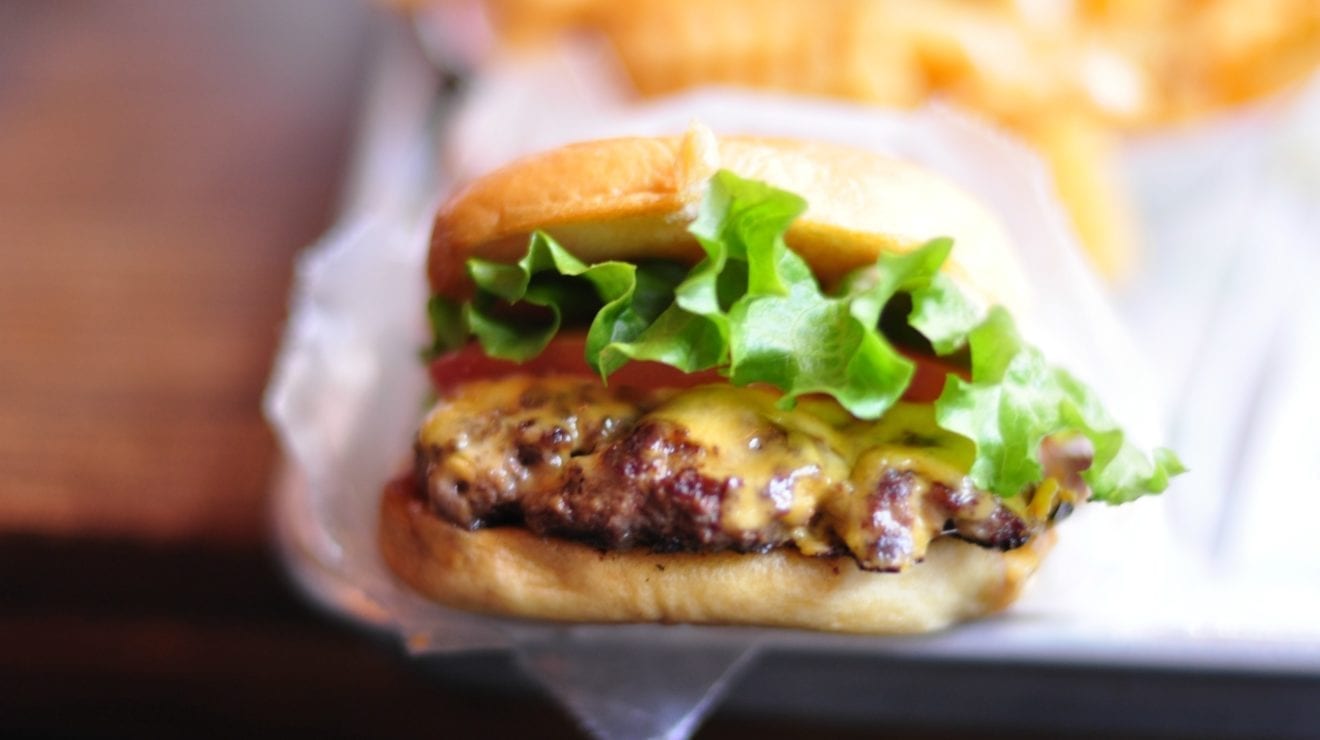
    Hong Kong Shack customers will also be offered the classic ShackBurger, a cheeseburger made from premium whole-muscle cuts of Angus beef, topped with lettuce, tomato and house-made ShackSauce. A meat-free option is the ’Shroom Burger, a crisp-fried portobello mushroom filled with melted muenster and cheddar cheese, topped with lettuce, tomato and ShackSauce.

    Brooklyn Brewery makes an exclusive ShackMeister Ale for Shake Shack, and as well as this the Hong Kong outlet will include beers by Gweilo, Heroes, HK Yau, Moonzen and Young Master. Wine is served by the glass, including Shack Red and Shack White from Gotham Project Winery in the US.

    To mark the eatery’s opening in Hong Kong, the first 100 people in line when doors open on Tuesday will be given a pair of Shake Shack sunglasses. And as part of Shake Shack’s mission to Stand for Something Good, the outlet will donate 5 per cent of sales to ChickenSoup Foundation, a non-profit that seeks to empower at-risk children in Hong Kong.

    Shake Shack has more than 90 locations in 19 US states and more than 50 international locations including Dubai, Istanbul, London, Moscow, Seoul and Tokyo.

  • Octopus Card integrates with Samsung Pay

    Octopus Card integrates with Samsung Pay

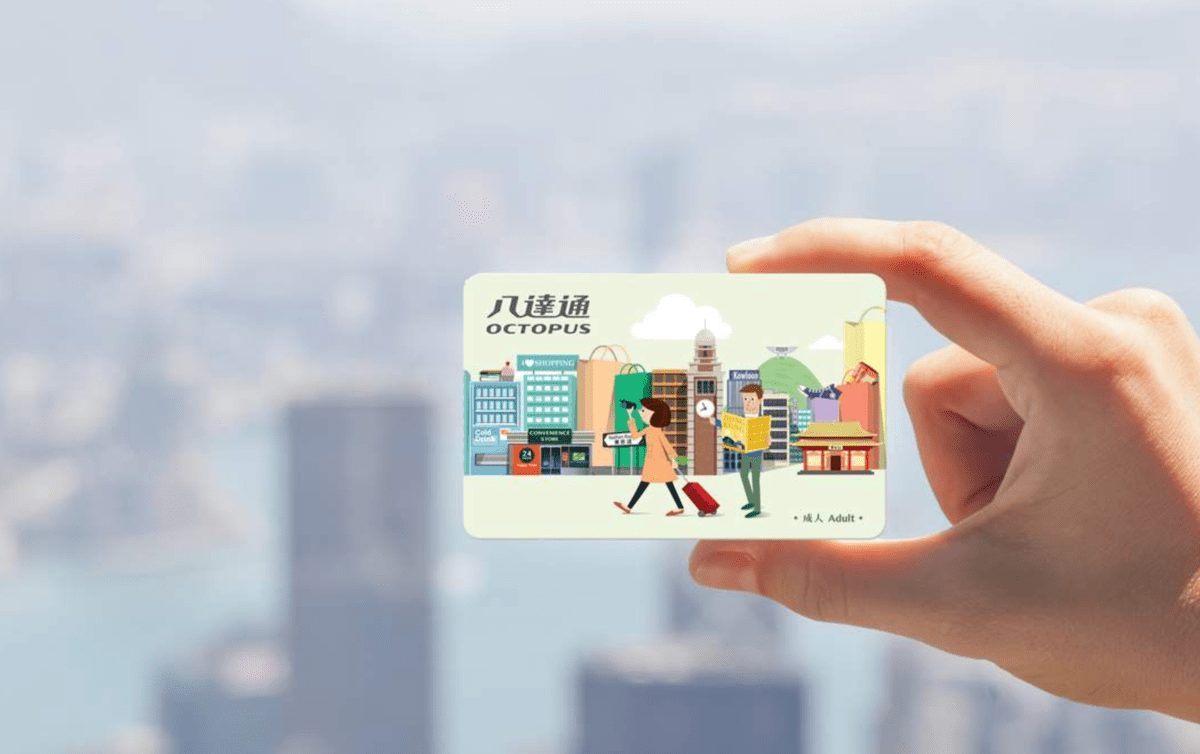
    The ubiquitous Octopus Card has been digitally integrated into the Samsung Pay network, allowing consumers to securely pay and travel by simply tapping their smartphones against an Octopus acceptance reader for payment or even door access.

    Consumers will be able to easily register their credit card details with Samsung Pay, providing one more option to top up their digital Octopus cards when necessary.

    It’s a major leap forward for the Octopus Card which has previously worked purely as a  stored value system, and for online e-payments.

    Originally designed as a contactless smart card for using public transport, the card has grown into the most popular cashless payment system in Hong Kong, accepted by convenience stores and even Starbucks. There are now more than 80,000 touch-points in Hong Kong, including stores, recreational facilities, vending machines, and self-service kiosks and more than 34.5 million active Octopus Cards and O! ePay accounts in use. Some 14.5 million transactions amounting to more than HK$200 million are made every day.

    Smart Octopus in Samsung Pay uses Gemalto’s Trusted Service Hub technology to securely digitise Octopus Cards into Samsung Pay, including the transfer of the balance and any associated loyalty programs.

    Sunny Cheung, CEO of Octopus Holdings, said the partnership has enabled Octopus to be among the first contactless smart card payment system operators in the world to allow customers to pay via their smartphones.

    “We believe this service will resonate well with consumers seeking a payment method that is hassle-free and safe to use, providing them with more payment methods to choose from.”

    “Smart Octopus in Samsung Pay delivers a convenient yet secure payment option for consumers in Hong Kong, and helps the city realise its vision of transforming into a cashless society,” said Michael Au, senior VP banking and payment in Asia with Gemalto.

    Smart Octopus in Samsung Pay is currently compatible with Samsung Galaxy Note8, S8+, S8, S9, S9+, A8+ and C Pro series including C5 Pro, C7 Pro and C9 Pro models.

  • Profit skyrockets for TSL Hong Kong

    Profit skyrockets for TSL Hong Kong

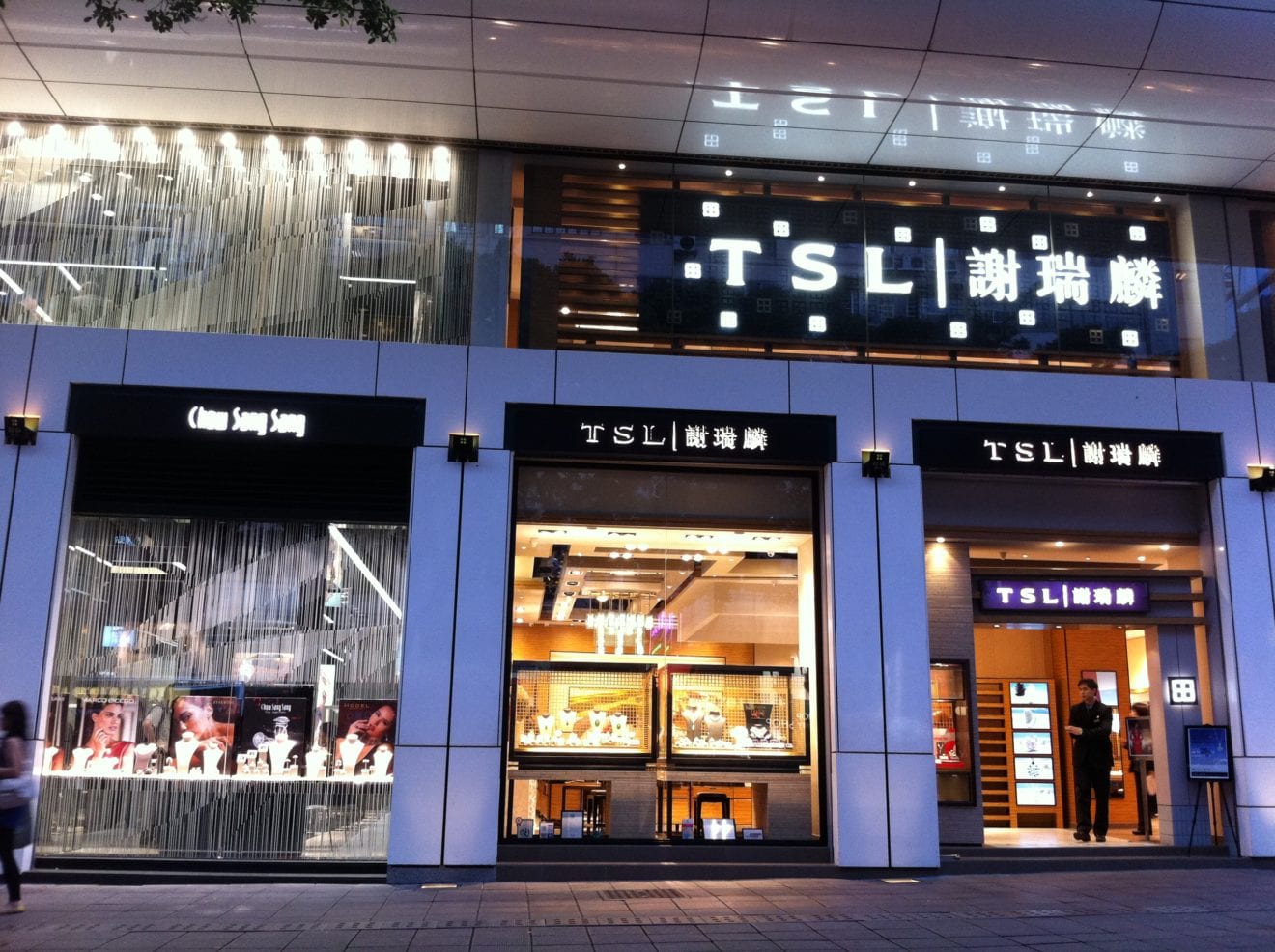
    Favourable business conditions plus cost-saving measures were cited as the reason when the company announced its second interim results for the period, reviewed by its audit committee. Also contributing to the 100.9 per cent increase to HK$46.6 million was the growth in tourist numbers into Hong Kong and Macau.

    The company says this was an encouraging and a welcome relief to the region’s entire retail industry following a downward trend for many years. “Driven by a relatively favourable consumption sentiment across all the festive seasons, the average sales per invoice improved resulting in a year-on-year increase in the revenue of our Hong Kong retail business.”

    This, together with the steady performance of the group’s other retail businesses in Mainland China, Malaysia and on its e-commerce platform, saw overall performance stay in line with expectations.

    Consolidated turnover for the period increased by 11.8 per cent to $3.8 billion.

    Cautious approach

    TSL says it has started to benefit from its cautious approach to expansion in Hong Kong and Macau over the past few years. This, together with the rise in tourism, improved consumption sentiment and enhanced product range, has resulted in sales turnover rising 10.3 per cent with stable same-store sales overall.

    “Accounting for 39.3 per cent of the group’s total turnover, our retail business in Mainland China continues to play a vital role as the group’s growth engine,” says the company. With the shift away from department stores to shopping malls, TSL is optimising its retail network accordingly. It is hoping this will improve same-store sales figures, which have continued to slip 3 per cent.

    Its retail network on the mainland grew by 50 stores to 380, including 187 franchised outlets.

    Sales on the group’s major e-commerce platforms surged by more than 20 per cent from last year.

    In Malaysia, TSL had an “encouraging boost” of 37.5 per cent in sales, reinforcing its belief in the market after many years.

  • Esprit to quit Causeway Bay flagship Store

    Esprit to quit Causeway Bay flagship Store

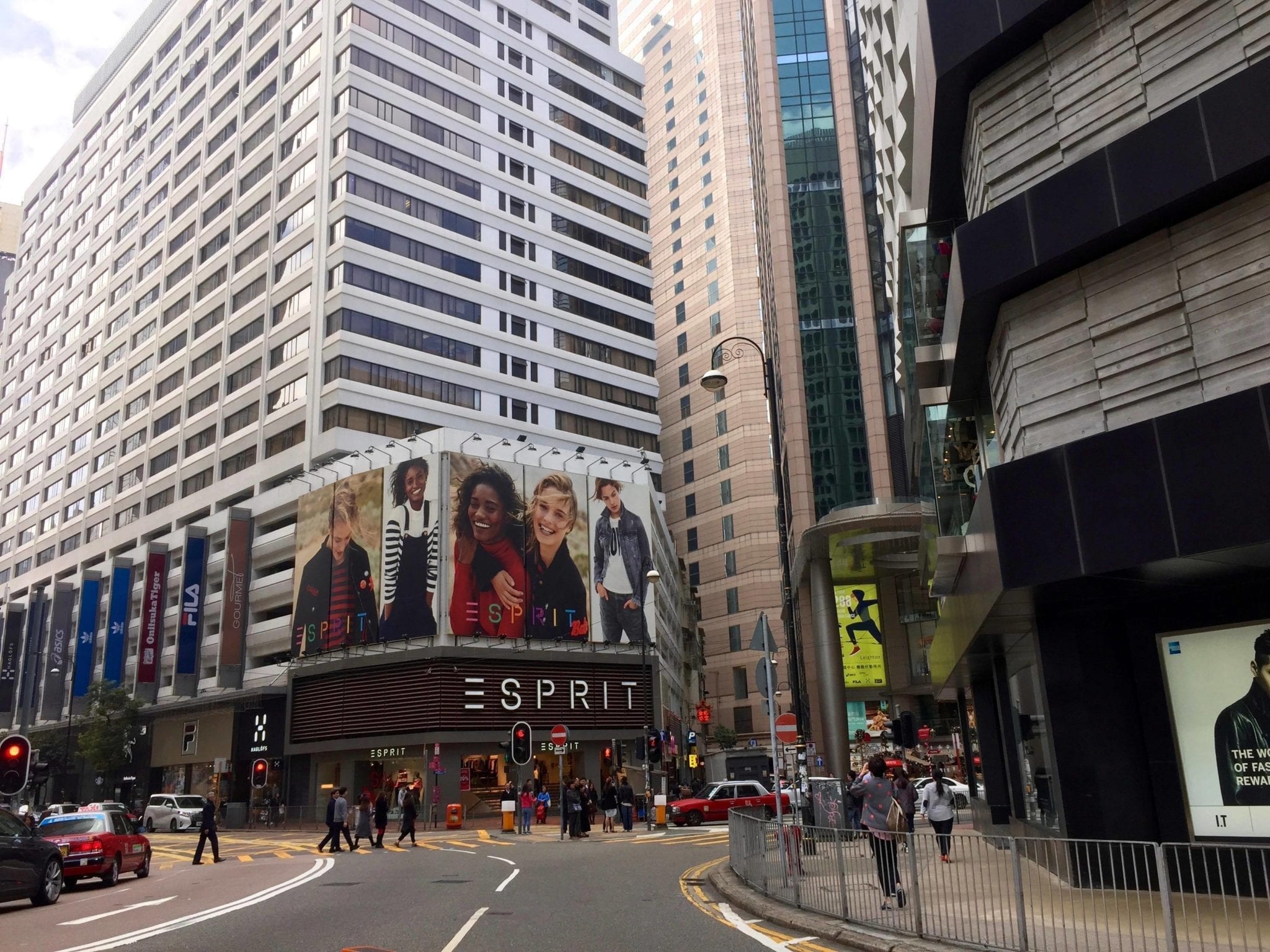
    Hong Kong-listed fashion brand Esprit Holdings will not renew the lease for its flagship store in Causeway Bay, local media reports.

    Expiring in June, the lease for the 7000sqft (650sqm) store in Leighton Centre has cost Esprit about HK$2 million (US$254,862) a month since 2014.

    Esprit chairman Raymond Or says cost saving is not the sole reason for the move. The company also considers location and size as factors. “A large store might not bring about good results,” he told Apple Daily.

    JLL national director of research Cathie Chung says Esprit may be shifting its location strategy to be more mall-focused with a smaller shop size, reports Mingtiandi. “Compared to street shops, shopping malls tend to have a more balanced trade mix and guaranteed foot traffic, so it is more likely for Esprit to enjoy spillover benefit from complementary tenants. Promotion activities by malls can also attract shoppers.”

    Hysan, which owns the commercial complex where Esprit has been leasing two units, has been marketing the property to potential tenants at the same rate, reports say.

    Shop rents in Causeway Bay in the past quarter have dropped 53 per cent from their peak in the fourth quarter of 2014, says Chung who describes the owners’ stance as “rather soft”, allowing for rent negotiations.

    Fashion brand Twist last month leased a two-storey shop in East Point Road in Causeway Bay for 56 per cent less than the $1.1 million monthly rent the previous tenant had been paying, while Russell Street, once the most expensive retail destination in the world, has also seen rent cuts. Swatch Group last week, for example, was able to renew its lease for a street-front shop at a rate about a third lower than the $1 million a month specified when it first signed three years ago.

    Meanwhile, Esprit had a net loss of $954 million in the second half of last year. CEO Jose Manuel Martinez said the results were below expectation because of weaker sales at its stores because of a drop in customer traffic.

  • HKBN to strengthen data protection measures

    HKBN to strengthen data protection measures

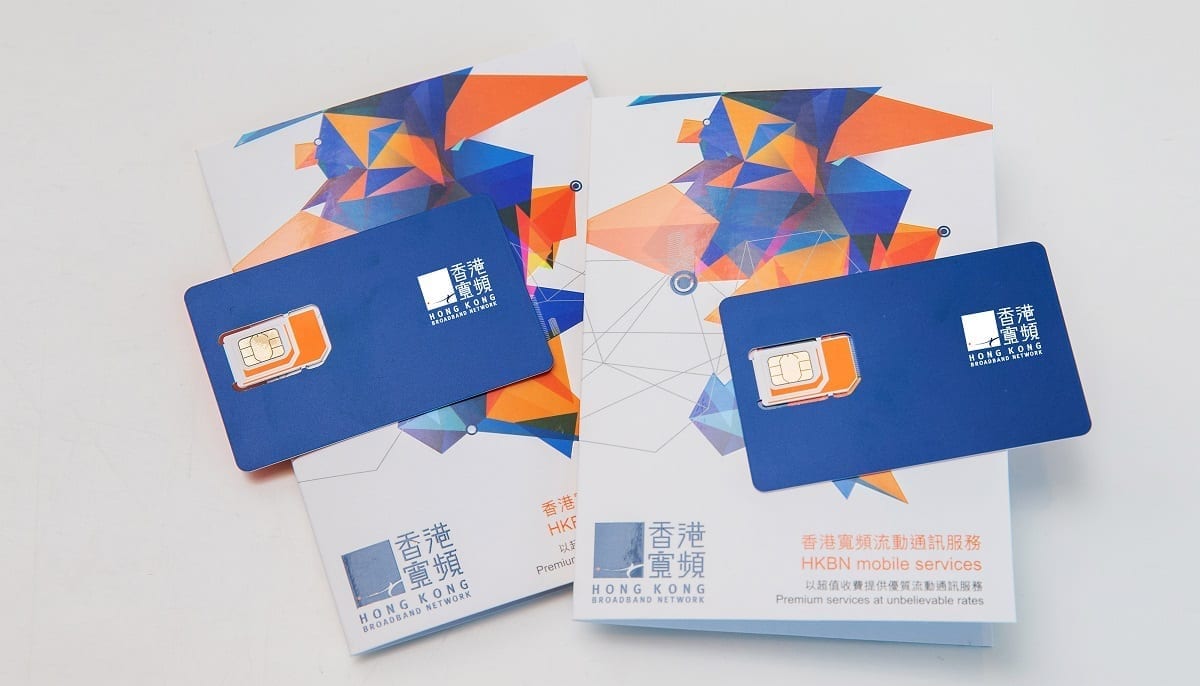
    Hong Kong Broadband Network (HKBN) has promised to implement new data protection measures for its customer data in the next three months in response to a targeted cyberattack discovered last week.

    Under the new measures, all personal information of customers whose accounts have been closed will be kept for six months, instead of seven years, and will subsequently be deleted from the company’s database.

    Furthermore, HKBN would modify the way its stores the data of existing customers. Hong Kong ID card numbers would be randomly removed, as well as the digit in brackets. For credit card numbers, the company would delete the seventh to 12th digits.

    “Keeping only partial but not all of the most sensitive data like credit card number and Hong Kong ID card number gives peace of mind to our customers,” said William Yeung, co-owner and CEO, HKBN.

    For new customers, their full identity card number and credit card number would be collected only to support service activation, number porting and bank payment application. Once these procedures have been completed, part of the said two numbers would also be deleted from the HKBN system.

    Yeung said the new policy would make the information less attractive to hackers, adding that the company is taking decisive actions beyond the industry’s common practices.

    The new data protection measures would be implemented after they cleared with the relevant government departments.

    The targeted cyberattack, discovered on April 16, involved the hacking of an inactive customer database containing the information of some 380,000 customer and service applicant records of HKBN fixed and IDD services as of 2012, which represents about 11% of the company’s 3.6 million customer records.

    The information in the database includes names, home addresses, email addresses, telephone numbers and HKID card numbers. It also contains information of some 43,000 credit card information as of 2012.

    HKBN had reported the incident to the Hong Kong Police and the Office of the Privacy Commissioner for Personal Data. Investigation into the incident is on-going.

    “No conclusion of the incident investigation is available yet, but we’ve already identified the areas that we will definitely address to enhance data security protection such as introducing multi-factor authentication, stepping up encryption, putting up additional layers of cyber defenses on top of our existing protections, and burgeoning resources to expand the information security team,” Yeung said.

  • Online Giants Carve Out Twin Empires in China’s Age of New Retail

    Online Giants Carve Out Twin Empires in China’s Age of New Retail

    The largest e-commerce players in China have rapidly expanded their scope and reach in recent years through a wave of investments and acquisitions. Alibaba owns two of China’s largest e-commerce platforms, Taobao and TMall, as well as an electronic payments system, AliPay. JD has allied with Tencent, which owns WeChat. Now, a report released by Oliver Wyman, a global consulting firm, analyses how the two players’ ubiquity in mobile payments, deep consumer data and sophisticated logistics capabilities has resulted in a new ‘age of empires’ in China’s retail sector where incumbents must quickly adapt to survive.

    The report, Chinese Grocery’s Age of Empires, reveals the e-commerce giants’ efforts to drive further growth by introducing new shopping formats – dubbed O2O, or online-to-offline. These blend online shopping’s convenience and wealth of information with the social experience and physical contact with products that people enjoy in traditional, brick-and-mortar stores. This is most immediately visible in the online grocery sector, where Alibaba and Tencent/JD are actively pursuing three strategic plays that could together increase their share of grocery shopping from around 10 percent today to around 30 percent over the next five years, by when it could be worth approximately 400 billion renminbi in gross merchandise value.

    “With the grocery sector seeing mobile payment penetration of 35%, the two giants are seeking to maximize their critical advantage of dominance in covering 97% of the overall mobile payment market,” says Richard McKenzie, Partner, Greater China at Oliver Wyman. “Now their investments are rapidly building a wider ecosystem of alliances that will make them ubiquitous through online-to-offline tools and features.”

    Over 460 million people in China regularly shop online, where densely populated cities facilitate home delivery. As a result, China has leapfrogged other markets to take the lead with nearly 10 percent of the population shopping for groceries online, compared to just 3 percent in the United States and 6 percent in the United Kingdom, Europe’s highest rate.

    This rapid change favors the two giant empires, which could make it hard for independent retailers to survive outside of them, evidenced by declining like-for-like sales and margins among China’s traditional supermarkets and convenience stores over the past few years. However, they may yet survive in some form with help from the online giants themselves, leveraging the empires’ logistics networks, rapid delivery services and new software solutions.

    Both empires are building their O2O power through three plays, each of which blends their online capabilities with offline stores in new ways:

    1. Experimentation with own retail formats

    Unlike supermarkets elsewhere that offer online shopping in parallel with a traditional in-store experience, China’s players integrate elements of the two. For example, Alibaba’s Hema stores offer smartphone payment and home delivery within 30 minutes. . Though expensive to set up and with high initial running costs, these stores are only marginally loss making. With further maturity and ramp up, breaking even is within reach. Oliver Wyman believes there is potential for at least 1,000 stores in major cities with total revenues of RMB 200 billion.

    1. Strategic Partnership with Big Box Retailers

    Big-box retailers have tried and failed to launch their own O2O and online shopping services in the past. Amid pressure from the online giants, a flurry of partnerships has seen large retailers aligning themselves with the two tech empires. These show early signs of success as parties combine their different strengths. Examples include Alibaba installing Tmall Supermarket shelves in RT-mart branches, with one-hour home delivery for products on these shelves, while Walmart, which has a strategic partnership with JD, is using its O2O unit JD Daojia as the service platform for over 150 stores to attract online traffic.

    1. Reinvention of the traditional world of “mom and pop” shops

    Traditional stores still account for half the sales of fast-moving consumer goods in China, much of them through the more than 7 million family-run stores that dominate retail outside big cities. Since early 2017, JD and Alibaba have been converting these into franchises, helping them optimize their stock through data-based curation tailored to their neighborhoods. Smartphone-based ordering systems and rapid delivery have also revolutionized procurement. Tmall planned to open 10,000 such franchises in 2017, while JD is aiming for one million by 2021. Alibaba and JD are further likely to dominate the growing market for their ordering systems, a market that could be worth up to RMB 400 billion over the next five years.

    Wai-Chan Chan, Partner, Greater China at Oliver Wyman notes, “China has not only surpassed the US in terms of online grocery penetration but also in terms of the pace of innovation and introduction of value-added services. Customers at a Hema store can pay seamlessly via their mobile phone, have fresh crayfish cooked in-store and delivered to their home within 30 minutes. Players in other markets are still some way behind in matching that offering.”

    As O2O becomes the new normal in retail, the two alliances will act as both players and facilitators of these models. While retailers and brands need to plan the best way to function in a retail world dominated by the two tech empires, identifying opportunities for synergy, it will pose a more serious challenge for some incumbents.

    The new environment will pose serious challenges to independent supermarkets and hypermarkets. Survival will require drastic changes, but this is unlikely under their current set-up. Some leading convenience stores should be able to survive outside these empires in the short term, but they too will come under threat in time from the revival of family-run stores under the franchise networks run by the two giants.

    The tech empires will inevitably influence the shape and future of the supermarket and hypermarket industry. It is crucial for incumbents to find ways to partner or co-exist with them if they are to survive and thrive.

  • Hong Kong Customs Roll Up Counterfeit Phone Gangs

    Hong Kong Customs Roll Up Counterfeit Phone Gangs

    A territory-wide Hong Kong Customs raid has resulted in arrests and netted 100 smartphones suspected of being counterfeits.

    During the one-day Operation Snow Leopard, officers raided 12 shops and two storage places, seizing smartphones with suspected false trademarks or bearing possibly false trade descriptions. They also found about 3400 accessories also suspected of being fakes.

    Arrested were 18 men and a woman between 21 and 48 years old, including shop owners and salespersons, while the market value of the seized goods is estimated to be about HK$1.5 million.

    Customs had earlier received information alleging that some phone-repair shops sold suspected counterfeit smartphone accessories, and some shops were suspected to have engaged in unfair trade practices by selling old smartphones as new products, or selling parallel-imported smartphones as authorised products.

    After an in-depth investigation with the help of trademark owners, Customs took the enforcement action yesterday and raided 12 shops.

    Customs also cracked down on a syndicate in connection with export, supply and distribution of suspected counterfeit smartphones and accessories. A total of 64 suspected counterfeit smartphones and 330 suspect accessories were seized from the storage places in Sham Shui Po and Tsing Yi.

    A 32-year-old male head and 34-year-old female member of the syndicate were arrested. With the investigation ongoing, more arrests are possible.

    Intellectual Property Investigation Bureau chief Catherine Yip says the successful detection of the case was attributed to reporting by members of the public and the full help of trademark owners.
    She says Customs will step up inspection and enforcement with the approach of the Labour Day Golden Week.

    Customs says traders need to comply with the requirements of the Trade Description Ordinance (TDO) as the sale of counterfeit goods can lead to a fine of up to $500,000 and imprisonment for five years.

    Meanwhile, Customs has broadened reporting options by introducing a dedicated crime-reporting email account ([email protected]).

    Intelligence Bureau chief Kitty Poon says public reports received by Customs have risen progressively by 21 per cent, from 31,994 in 2015 to 38,819 last year. Of these, the proportion received via email has grown from 30 per cent in 2015 to almost 40 per cent last year.

  • 3 new restaurants for Impossible Foods

    3 new restaurants for Impossible Foods

    Impossible Foods launches its plant-based meat at three Hong Kong restaurants today: Beef & Liberty, Happy Paradise and Little Bao. They’re the first eateries outside the US to feature the artificial meet on their menus.

    Introduced in 2011 by Stanford biochemistry professor and former pediatrician Dr Patrick Brown, Impossible Foods makes meat, fish and dairy products directly from plants. It uses science and technology to create wholesome food with the aim of restoring natural ecosystems while sustainably feeding a growing global population.

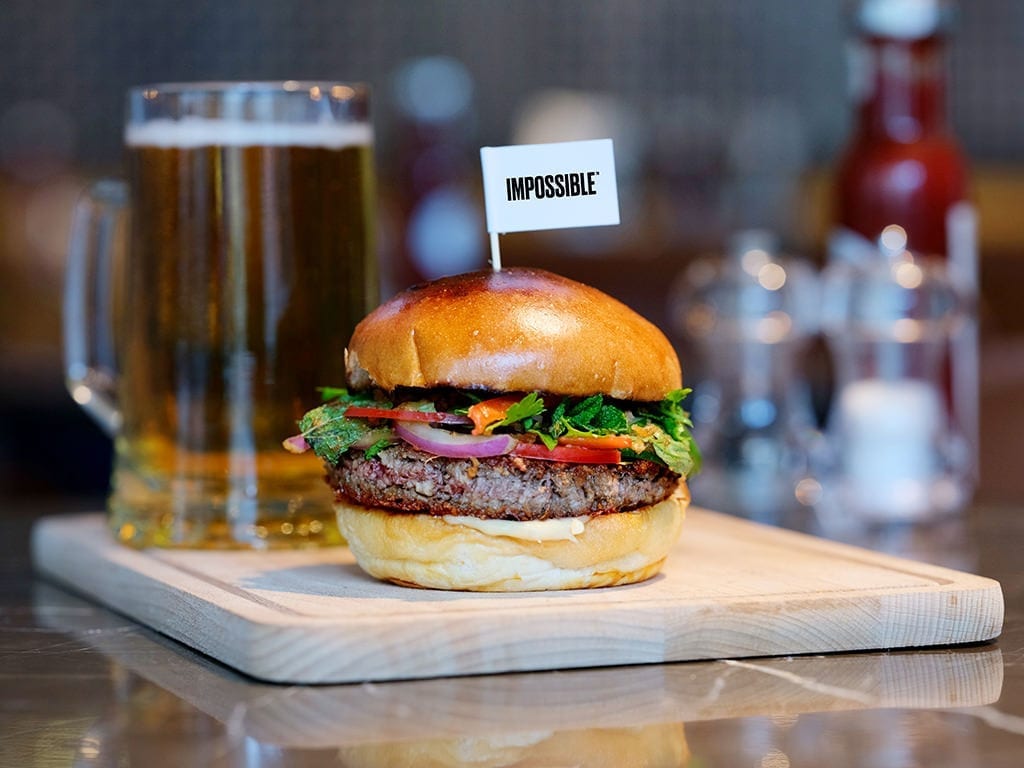
    Hong Kong is the first place outside the US to have the Impossible Burger, which cooks, smells and tastes like ground beef but is made entirely from plants. It is served in more than 1400 outlets in the US from award-winning restaurants to diners to the nation’s original fast-food chain White Castle. In Hong Kong, diners can try the product as a traditional burger or as the central filling of savoury streetfood.

    “We’re confident that Hong Kong – Asia’s crossroads of ideas and influences both modern and traditional – will be home to the most innovative Impossible recipes yet,” says Impossible Foods CEO/founder Brown.

    Twist on tradition

    Named Asia’s top female chef last year, chef May Chow heads Happy Paradise and Little Bao, which both present a 21st-century approach to traditional Cantonese dining. A Toronto native who trained and worked in Bangkok, Los Angeles and Boston, Chow gained fame in Hong Kong’s streetfood markets.

    From today at Little Bao, Chow and her team are serving the Impossible Bao, a traditional sandwich made with Impossible meat, black-pepper teriyaki sauce, salted-lemon kombu salad, and fermented tofu sauce, between two house-made steamed buns. The Impossible XinJiang Hot Pocket, another Chinese street snack debuts at Happy Paradise, served with pickled daikon and XinJiang spices.

    Another award-winning chef in Hong Kong, Uwe Opocensky, who worked in Spain’s El Bulli when it was voted best restaurant in the world, spent a decade as executive chef at Hong Kong’s Mandarin Oriental before joining Beef & Liberty as group executive chef in 2016. Beef & Liberty is serving the Impossible Thai Burger with chili, coriander, mint, basil, spring onion, soya mayonnaise, crispy shallots and garlic. The restaurant group is also featuring Impossible Chili Cheese Fries.

    “We are obsessed, in a good way, with burgers and doing what we can for the environment,” says Opocensky. “We love the way the Impossible Burger has created new excitement in the global burger scene and opportunities to be more sustainable.”

    Impossible products have been made available in Hong Kong on a limited and exclusive basis through importer/distributor Classic Fine Foods.

    Ingredients of the Impossible Burger include water, wheat protein, potato protein and coconut oil, with special ingredient heme contributing the characteristic taste of meat. Heme is a molecule that is especially abundant in animal tissue. The burger is produced without abattoirs, hormones, antibiotics, cholesterol or artificial flavours. Its production uses about 75 per cent less water, generates about 87 per cent fewer greenhouse gases, and needs about 95 per cent less land than conventional ground beef.

    Investors in Impossible Foods include Bill Gates, Google Ventures, Temasek, UBS and Open Philanthropy Project.