Tag: Hong Kong

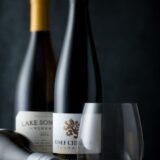
  • Perrier-Jouët ‘Garden of Wonder’ Pop-up at Pacific Place

    Perrier-Jouët ‘Garden of Wonder’ Pop-up at Pacific Place

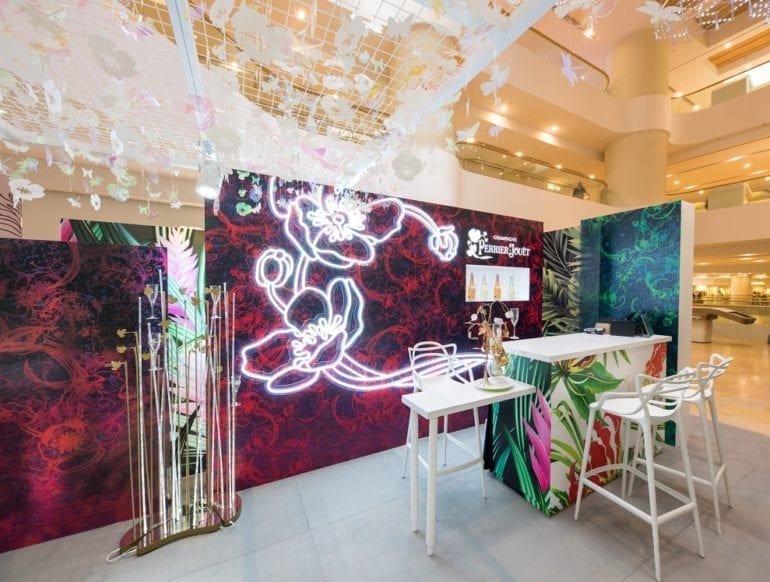
    Following its incredible debut in Hong Kong last year, Perrier-Jouët lavishes the city with the return of the Garden of Wonder Pop-up at Pacific Place from 19th March to 8th April 2018.

    SEE ALSO : EXCLUSIVE INTERVIEW with Swire: the future of shopping malls

    In its newiteration,the exquisite Garden of Wonder celebrates the city’s passion for the arts, innovation and gastronomy in a luxurious all-encompassing immersive experience.

    Crafting nature into art since 1811, the House of Perrier-Jouët draws upon the exuberant power of nature to delight and inspire, re-wilding the Garden of Wonder to re-enchant Hong Kong with an #ArtoftheWildtheme.

    Open daily, 11am –8pm from 19thMarch to 8th April, the Garden of Wonder welcomes guests to an exclusive champagne experience set against the backdrop of the captivating cutting-edge art installation, “Becoming” by German-American duo Luftwerk.

    In addition to taking in the beauty and artistry of the pop-up, visitors will also enjoy the unique opportunity to personalise a Perrier-Jouët Grand Brut bottleas well as activities including DIY Floral Painting workshops and “Surprise Happy Hours”.

    Held twice a weekand announced on the Garden of Wonder minisite (www.gardenofwonder.hk), “Surprise Happy Hours” invite the first 50 Garden of Wonder patrons toenjoy a complimentary glass of a select Perrier-Jouëtchampagne.

    For gastronomes, the Garden of Wonder celebration extends across Perrier-Jouët’s partnering hotels including Conrad Hong Kong,Hotel Iconand Cordis Hotel,where guests can savour meticulously crafted gourmet Popsticks and champagne pairings for a sublime culinary experience.

    As a special part of this celebration, Perrier-Jouët Cellar Master Hervé Deschamps will travel from France to bring Hong Kongers a once-in-a-lifetime opportunity.

    For true lovers of champagne, Perrier-Jouët offers Hong Kongers the ultimate champagne gift –private “By & For” consultations with Hervé Deschamps for clients who wish to create their own bespoke champagne, composed for you by the Perrier-Jouët Cellar Master himself.

    The once-in-a-lifetime “By & For” experience enriches the customer experience. By & For is the experience of a lifetime that leads to an extraordinary creation –a champagne that expresses both theuniqueness of the person who commissioned it as well as the exceptional savoir-faire of Maison Perrier-Jouët and Cellar Master Hervé Deschamps.

    Two months after commissioning the champagne, By & For guests are invited to the historic home of Perrier-Jouët in Epernay, France where they will experience their personal cuvée in the House’s private cellars.

    True to Maison Perrier-Jouët’s meticulous attention to detail, the presentation of the By & For cuvée can be extensively customised –from the colourof the foil and logo to engraving text around the neck of the iconic Belle Epoque bottle.

    The By & For experience marks the beginning of an enduring relationship: as members of an exclusive circle, By & For clients and their descendants can, at any time, order bottles of their bespoke cuvée, whose secret recipe is preciously guarded by Maison Perrier-Jouët.
  • Positive trend for Swiss watch in Hong Kong

    Positive trend for Swiss watch in Hong Kong

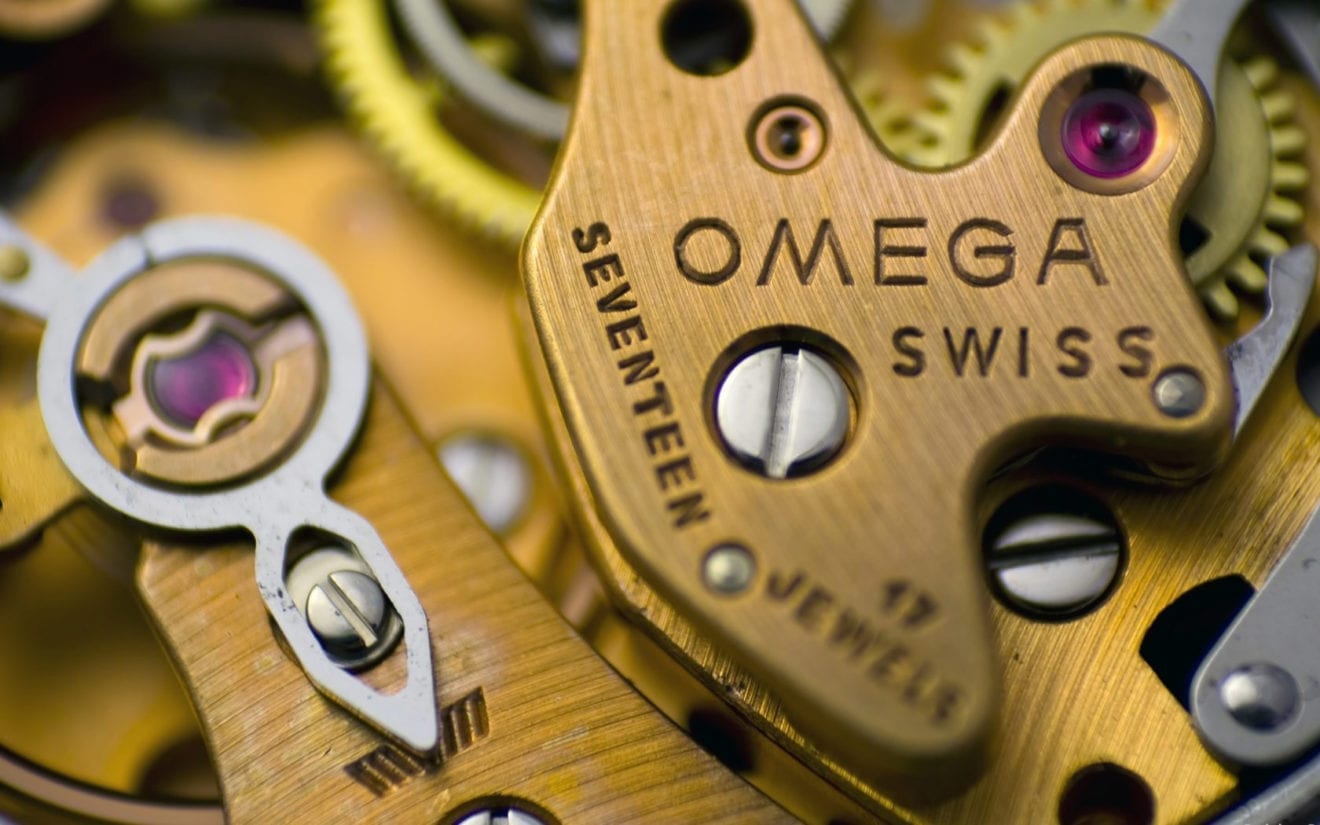
    Exports of Swiss watches to Hong Kong rose 35.7 per cent last month, their strongest advance for six years, according to the Federation of the Swiss Watch Industry.

    After 44.3 per cent growth in January, China also exceeded the global average with a 21.7 per cent rise.

    Japan (up 7.1 per cent) and Singapore (up 7 per cent) posted significant growth.

    Following stronger January exports, February was even better, says the federation. The total value of watch exports reached SF1.7 billion francs (US$1.7 billion), up 12.9 per cent.

    Watches made of precious metals and steel set the pace. While overall volumes were less sustained, there was still significant growth, says the federation, driven by timepieces in steel. The result was nevertheless held back by the “other materials” category.

    Growth extended to all price segments, led by watches priced at between SF500 and SF3000 (export price) where the value of exports rose 19.3 per cent.

    Timepieces priced at more than SF3000 francs, up 12.9 per cent, fell within the average range. Products costing less than SF200 achieved 7.8 per cent growth after falling sharply for more than one year, says the federation.

  • Starbucks IFC Mall to adds alcohol in the menu

    Starbucks IFC Mall to adds alcohol in the menu

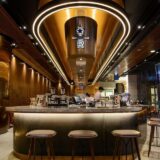
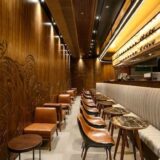
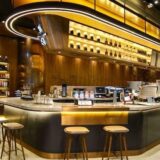
    Starbucks Hong Kong has opened its first cafe serving alcohol – including coffee-infused craft beers, exclusive to the city.

    Starbucks’ local licensee, the Dairy Farm International subsidiary Coffee Concepts, says the move is part of its strategy of elevating the chain’s ‘Third Place’ experience for its customers through continuous innovation in its coffee offer and in-store experience.

    After a month-long refit, the store on the level 2 podium of IFC Mall in Central was formally unveiled to media last evening. It has been upgraded into the Starbucks Reserve format in a bid to attract customers after work as well as during the day.

    And besides gourmet coffee blends, a Starbucks Reserve range of merchandise and beer, the cafe offers a selection of wines and light meal menu featuring dips, cured-meat-and-cheese board, bacon-wrapped asparagus skewers and baked meatballs.

    Craft beer partnership

    Starbucks Hong Kong has released two coffee-infused craft beers created in partnership with a local brewery. A company spokesperson says the two beers are infused with “signature notes of Starbucks coffee, leaving a refreshing taste on the tongue”.

    “The Caramel Macchiato Cream Ale is inspired by the signature Starbucks Caramel Macchiato. Cream ale is harmoniously brewed with pre-ground Starbucks Colombian coffee and delectable caramel for more than 18 hours, resulting in an irresistibly smooth taste with nutty notes and a subtle caramel sweetness, as well as a brilliant golden colour.

    “The Mocha Brown Ale marries a robust brown ale with the indulgent chocolate and soft spice notes of Starbucks Caffe Mocha. Brewed with Starbucks Guatemala Antigua cold-brewed coffee and cocoa nibs, the intense brown ale will surprise customers with its distinctive contrast of dark-brown hue and luscious sweetness.”

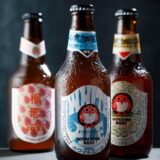
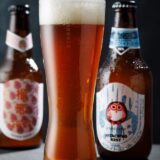
    Starbucks Hong Kong is also launching three bottled beers including Hiiro Seed Guava Love, a fruity beer with a tropical pink guava aroma, brewed locally by Hitachino Nest Beer.

    The Starbucks Reserve wine list features four red wines (pinot noir, merlot, cabernet sauvignon and shiraz), three white wines (sauvignon blanc, chardonnay and riesling) and an Italian prosecco.

    Starbucks says that extending the ‘Third Place’ experience (in which home and workplace are the first and second places) the Starbucks Reserve Coffee Experience Bar provides “the widest in-store offerings for customers as they connect with colleagues and friends over their beverages of choice”.

    The pictures can be viewed below :

  • Hong Kong retail rents prepare to move into ‘early upswing’

    Hong Kong retail rents prepare to move into ‘early upswing’

    Hong Kong retail rents are expected to move into an “early upswing cycle” this year according to a regional real estate market briefing prepared by Savills.

    The report details commercial and residential property leasing trends across major Asian markets and as the accompanying tables show, compares occupancy costs of space as well.

    It groups major cities by upswing and downswing, late and early, showing that Hong Kong is at the end of its downswing in retail rental rates. Cities currently in early upswing are Manila, Guangzhou, Jakarta and Singapore. Hong Kong is grouped with Taipei, Hanoi, Ho Chi Minh City and Seoul, suggesting all those markets are about to turn.

    Savills says regional prime retail rents moved by between a decline of 1.8 per cent in Beijing and an increase of 5.9 per cent in Guangzhou last year.

    “Strong local retail consumption growth of 9.5 per cent year on year in the second half of the year following 10.5 per cent in the first half of the year supported the Guangzhou leasing market, while prime shopping malls began to re-position and upgrade, focusing more on entertainment and food & beverage,” said Savills in a brief commentary.

    “Again, Hong Kong’s prime shopping mall rents are considerably ahead of all other Asia-Pacific markets and are expected to move into an ‘early upswing’ cycle this year.”

    Savills says economic growth across Asia-Pacific continued to picked-up moderately in the second half of last year and the International Monetary Fund estimates that the “Emerging and Developing Asia” economies grew by 6.5 per cent over the year as a whole while China grew by 6.8 per cent and Japan’s economy grew by 1.8 per cent last year, from 0.9 per cent in 2016.

    “The improving global economic outlook and an accommodative monetary policy created momentum for business expansion,” said Savills.

  • Natuzzi S.p.A. Signs a Joint Venture Agreement

    Natuzzi S.p.A. Signs a Joint Venture Agreement

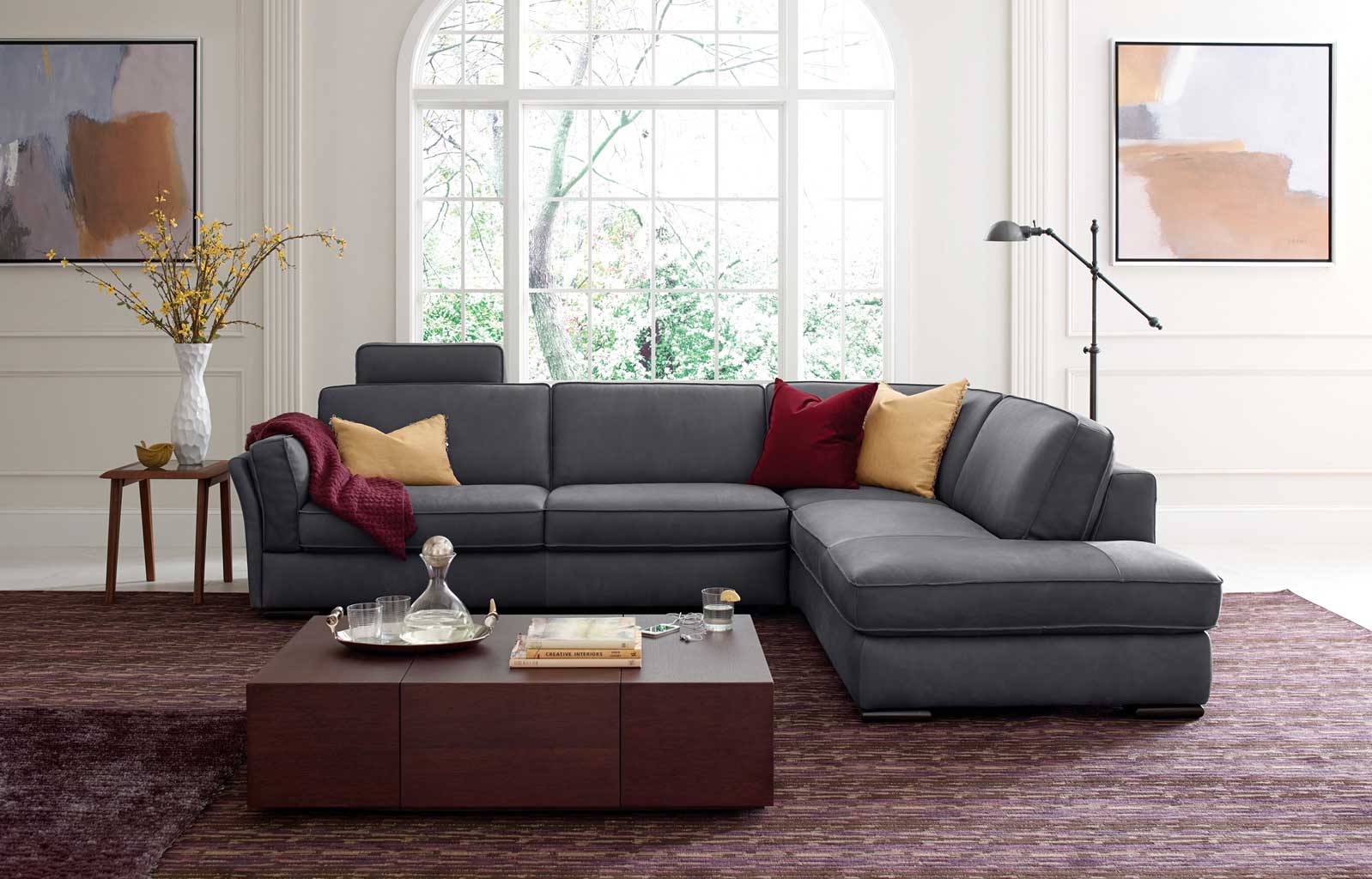
    Italian furniture brand Natuzzi and China’s Kuka furniture company have agreed to make the company’s wholly owned Chinese subsidiary Natuzzi Trading (Shanghai) a joint venture.

    The JV agreement is aimed at expanding the company’s retail network in Mainland China, Hong Kong and Macau. The company, the JV and Kuka have also entered into an agreement for the sale and purchase and subscription of shares In Natuzzi Trading (Shanghai).

    The agreements follow the execution of a preliminary agreement last month. Under the agreements, Natuzzi and Kuka will own, respectively, a 49 and a 51 per cent stake in the JV, which will distribute Natuzzi Italia and Natuzzi Editions branded products through a network of single-brand directly run stores and franchised stores in China, Hong Kong and Macau, as well as through online stores.

    Kuka will invest a total of €65 million (US$80 million), of which €35 million will be contributed to the JV for the subscription of a capital increase of US$567,869, and €30 million will be paid to the company as consideration for the transfer of US$486,744 of registered capital interest from the company to Kuka.

    The JV will be granted the perpetual and exclusive distribution licence for the Natuzzi Italia, Natuzzi Editions and other relevant trademarks for a consideration of €15 million.

    The transaction is subject to applicable authorisations, regulatory filings and approvals. Assuming these conditions are met, it is expected the closing will occur by August 22.

  • Muji fresh store launched in Osaka

    Muji fresh store launched in Osaka

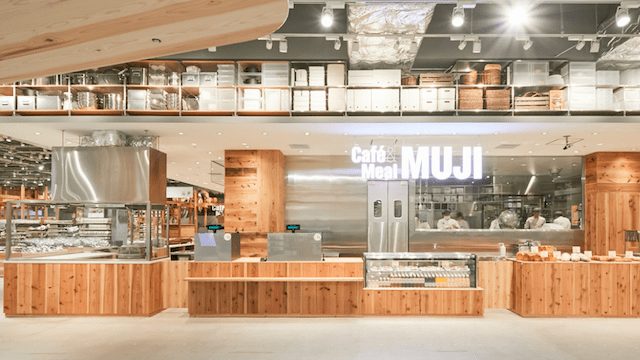
    Japanese anti-brand retailer Muji has opened a massive 4300sqm store in Osaka featuring its first dedicated fresh department.

    While the company has offered dried foods, snacks and other foods since it was founded in 1980, and even shelf-stable vegetables in some stores, this is the first time it has ventured into chilled, fresh meat and produce.

    The Muji fresh store is the brand’s largest globally and five times the typical Japanese footprint. About 50 per cent of it is dedicated to food and it also features a Cafe & Meal Muji eating place.

    Kei Suzuki, director and executive officer of Muji parent Ryohin Keikaku, said that once refined the company will look to roll out the concept in other markets.

    “At first we have to see what is going to happen in Japan, but I believe the Muji customer … is keen to have a good fresh product,” said Suzuki, who was one of the leading speakers at yesterday’s MarketingPulse conference, organised by the Hong Kong Trade Development Council.

    Suzuki said Muji customers are in tune with freshness, sustainability, supporting local farmers and suppliers – and they want quality. He is confident the Osaka concept store will win over customers.

    “Once we see that we are successful then … I also want to try it here in the future. But it has not been decided yet.”

    Photos released by Muji show fresh meats, fish, vegetables and perishable goods on display in a bright, airy retail space. Minimalist design and displays made from natural materials are in keeping with the company’s market positioning.

    Meanwhile, in Japan, Ryohin Keikaku chairman Masaaki Kanai said Muji was committed to expanding its selection of local food products.

    “We want to become a part of the community.”

    One of the reported rationales behind Muji fresh is to entice customers to visit more often. Food is a more frequent purchase than stationery or household items, for example.

  • Strong sales growth posted by Hermès Asia

    Strong sales growth posted by Hermès Asia

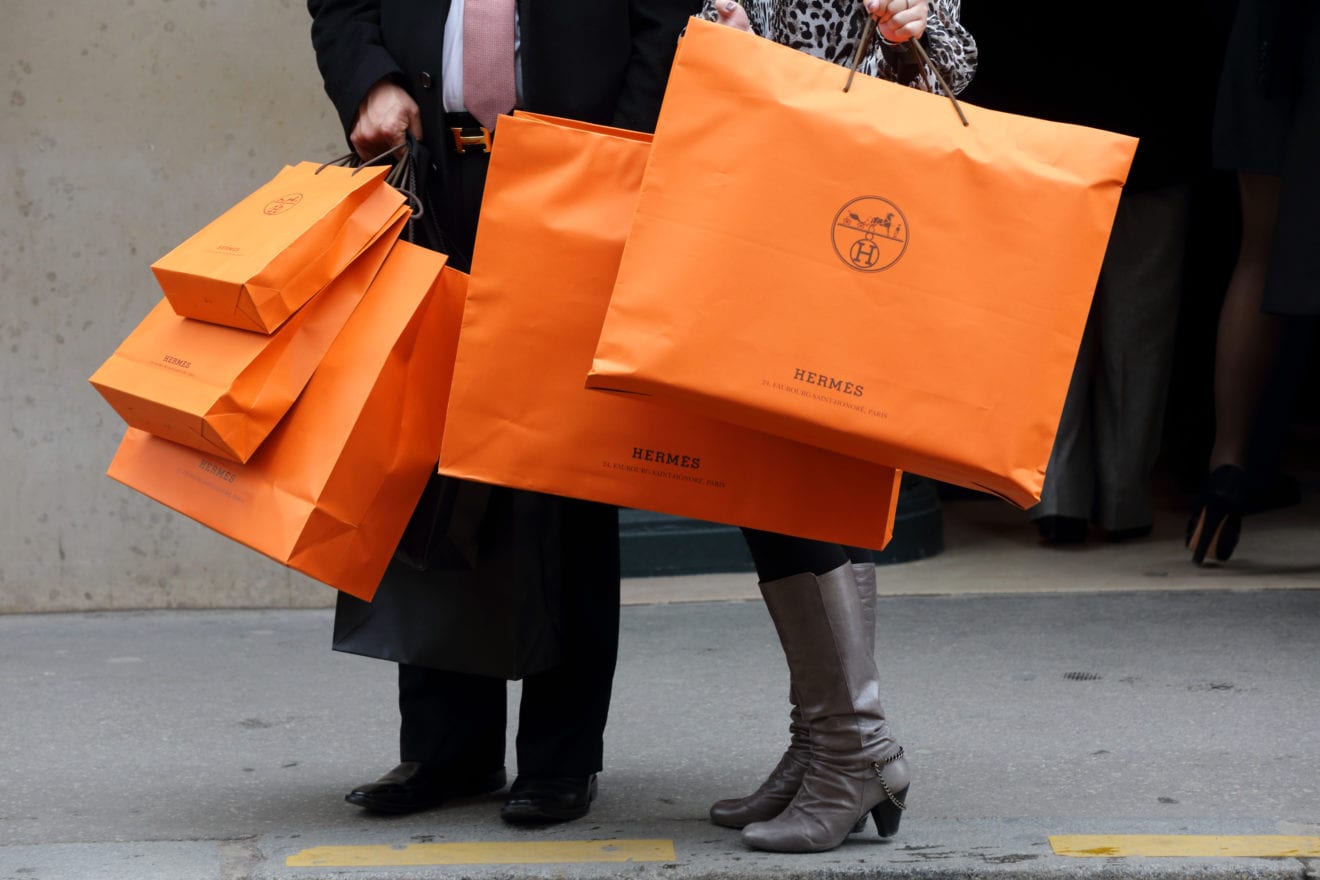
    Hermes Asia sales grew 11.3 per cent last year to €1.946 billion (US$2.4 billion) as the luxury retailer set a new record for gross retail margin.

    The company said the retail market was improving in Hong Kong and Macau, with the Asian market “pursuing its upward curve” and positive outlooks in Mainland China and South Asian countries.

    Growth was aided by store revamps at Sogo Fuxing in Taiwan, Elements mall in Hong Kong and at Kuala Lumpur.

    Sales in Japan (separated from Asia results) rose 4 per cent to €724.1 million, despite a high comparison figure from last year, which the company described as “a sustained increase” in what is a mature market, citing a selective distribution network.

    Group sales totalled €5.549 billion (US$6.863 billion), up 9 per cent at constant exchange rates. Operating income rose 13 per cent, to €1.922 billion, representing a record 34.6 per cent gross margin, while net profit rose 11 per cent to €1.221 billion.

    “Hermes achieved a new year of historic results, thanks to the quality of our know-how, the success of our creations and especially the incredible commitment of the women and men of Hermes,” said executive chairman Axel Dumas.

    Hermes will ramp up its online offer in the region this year, with a new website scheduled to go live in China at the end of this year.

    Meanwhile, the company said the sale of the Galleria building in Hong Kong’s Central district, which previously housed its flagship store, would likely generate a net capital gain of €50 million this year.

    Leather drives growth

    By category, Hermes’ leather goods proved the strongest performer last year, sales rising 10 per cent globally, reflecting increased production capacity as demand rose for its handbags.

    The ready-to-wear and accessories division grew 9 per cent, driven by the success of new collections, fashion accessories and particularly shoes.

    Sales of silk and textile products grew 6 per cent and of perfumes by 10 per cent, largely due to the successful launch of Twilly d’Hermes.

    Watch sales grew just 1 per cent with what Hermes described as “good sales” in company-owned stores. Other Hermes business lines- jewellery, Art of Living and Hermes Table Arts, grew sales by 11 per cent.

  • Lalamove Data Delivers Message of Market Success

    Lalamove Data Delivers Message of Market Success

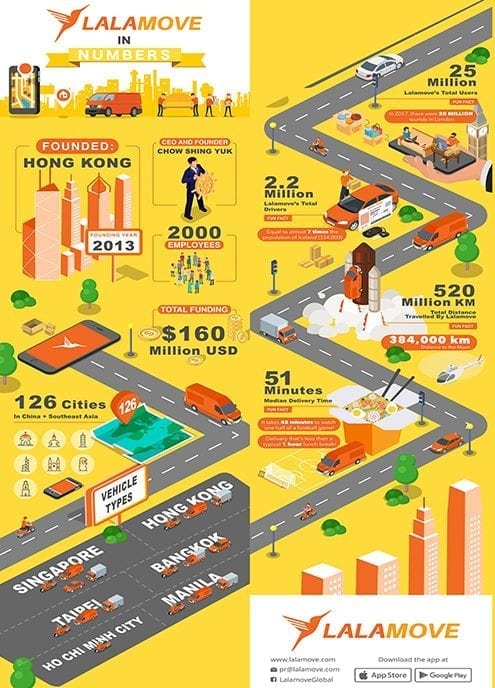
    Hong Kong based on-demand delivery app Lalamove is firmly in the driving seat when it comes to leading the last-mile market, including B2B, B2C and C2C deliveries; revealing impressive data in 2018 to show a fast-track journey of success since the company was first set-up in 2013 by entrepreneur Chow Shing Yuk.

    In the last five years, Lalamove has received $160 million USD in funding, including Series C funding of $100 million USD in late 2017 and set in motion an expansion plan to establish a greater global identity and a presence in 100 more cities in Asia. Currently, Lalamove is a force to be reckoned with, operating in 126 cities in China and Southeast Asia, with 2,000 employees and 2.2 million drivers, including 50,000 drivers in Thailand alone. Some 25 million users have downloaded the Lalamove app, with the company’s fleet of motorcycles, cars, vans and trucks also set on course as part of the Lalamove food delivery platform too.

    Global fast-food chain Burger King announced a partnership with Lalamove in November 2017. Local, regional and international brands are set to partner with the delivery app in the next few months with new features added to updating the app too. In Thailand, Some 520 million km have been traveled since 2013 with delivery times shorter than a one hour lunch. With e-commerce markets set to rise, the number of new users in online hubs such as Thailand are expected to a hike 250% compared to 2017.


  • Hite Jinro opens pub in Hong Kong

    Hite Jinro opens pub in Hong Kong

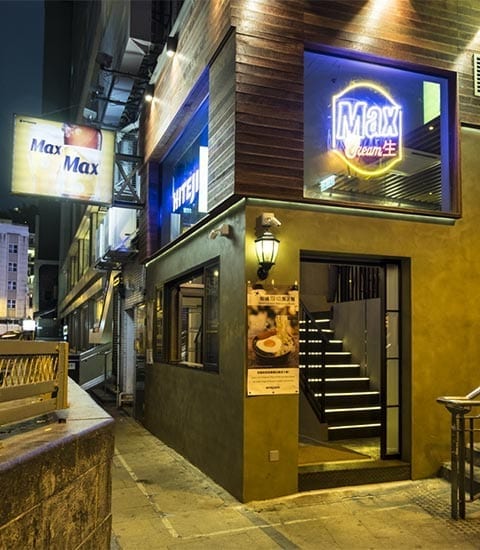
    South Korean liquor maker Hite Jinro has opened its second exclusive offshore bar, in Hong Kong, as part of its outreach campaign with its beer and soju labels.

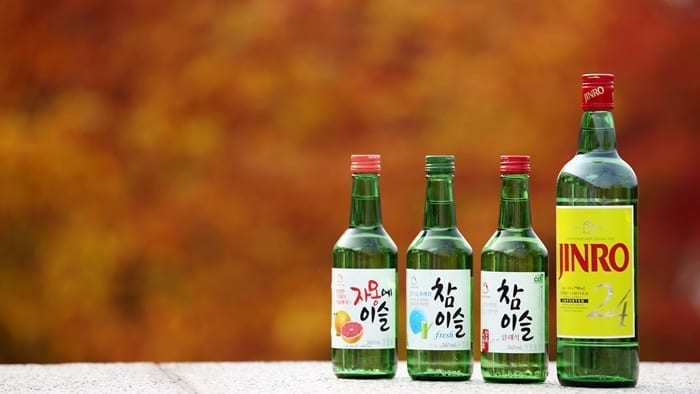
    In Lan Kwai Fong, its bar is its second overseas flagship store following the opening of Jinro soju bar in Hanoi, Vietnam, in October. The two-storey Hong Kong pub sells draft and regular beer labels Hite and Max as well as the company’s distilled rice liquor soju Chamisul.

    Hite Jinro exported 400,000 boxes of beer – each containing 20 500ml bottles – to Hong Kong last year, up 30 per cent from a year ago.

  • China, Hong Kong stocks fall tracking Wall Street

    China, Hong Kong stocks fall tracking Wall Street

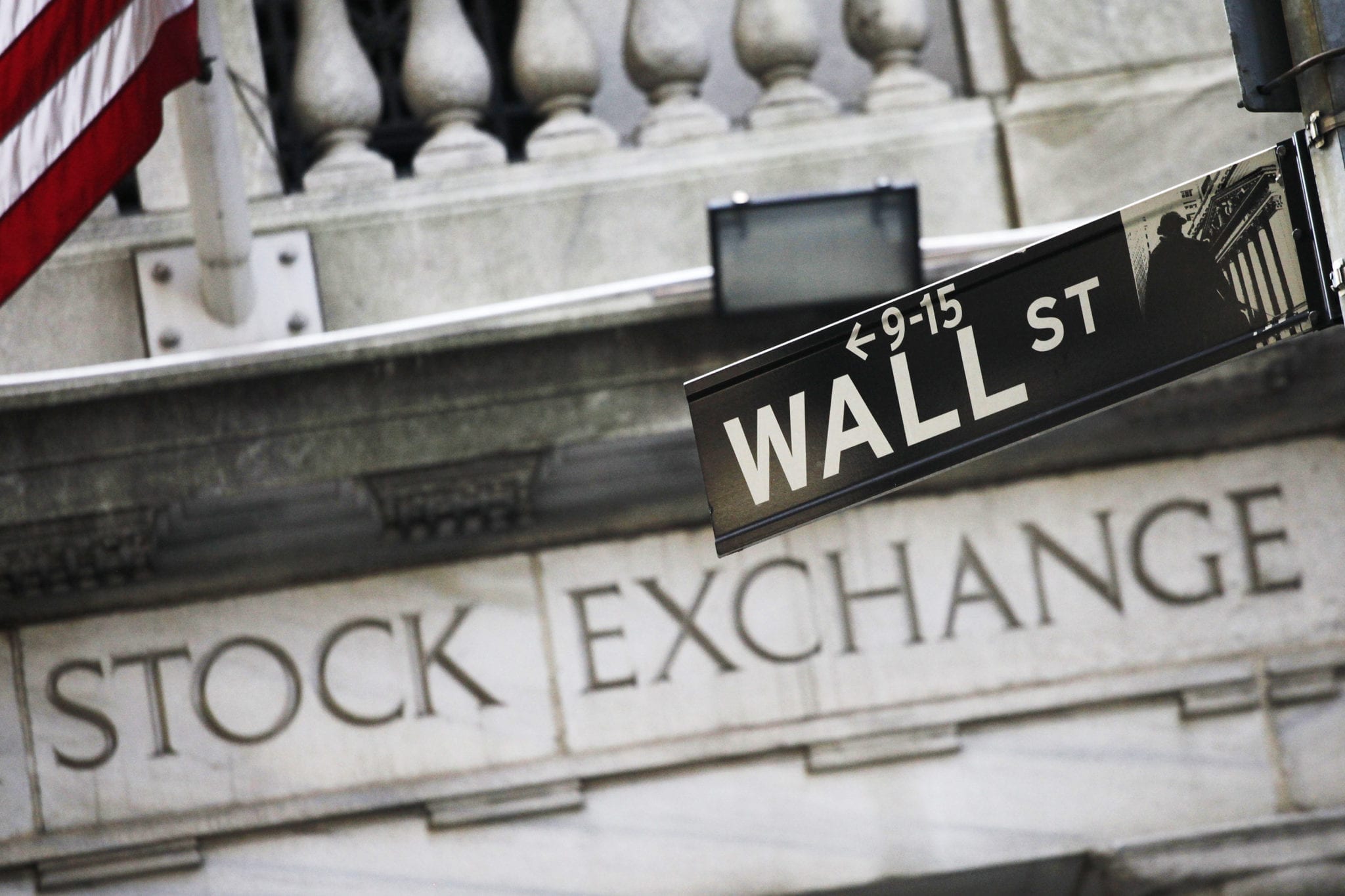
    Stocks in China and Hong Kong fell early on Tuesday, tracking losses on Wall Street, where concerns over increased regulation of large technology companies led to shares of Facebook plunging overnight.

    ** Facebook shares tumbled 6.8 percent as Chief Executive Mark Zuckerberg faced calls from both U.S. and European lawmakers to explain how a consultancy that worked on U.S. President Donald Trump’s election campaign gained access to data on 50 million Facebook users.

    ** Investors also worried about the potential for a trade war after Trump imposed tariffs on steel and aluminium.

    ** At 04:06 GMT, the Shanghai Composite index was down 0.26 percent at 3,270.82, and the blue-chip CSI300 index was 0.48 percent lower at 4,054.64. ** Chinese H-shares listed in Hong Kong fell 0.93 percent at 12,542.44, while the Hang Seng Index was down 0.54 percent at 31,344.20. ** The smaller Shenzhen index was down 0.55 percent, while the start-up board ChiNext Composite index was weaker by 0.06 percent.

    ** The Trump administration is expected to unveil up to $60 billion in new tariffs on Chinese imports by Friday, targeting technology, telecommunications and intellectual property, two officials briefed on the matter said Monday.

    ** U.S. businesses have been alarmed, with several large U.S. retail companies, including Walmart Inc and Target Corp , on Monday urging Trump not to impose massive tariffs on goods imported from China. ** Around the region, MSCI’s Asia ex-Japan stock index was weaker by 0.31 percent, while Japan’s Nikkei index was down 0.73 percent. ** The yuan was quoted at 6.3264 per U.S. dollar, 0.07 percent firmer than the previous close of 6.3308. ** The largest percentage gainers on the main Shanghai Composite index were Guodian Nanjing Automation Co Ltd up 10.1 percent, followed by Guizhou Yibai Pharmaceutical Co Ltd gaining 10.03 percent and Beijing AriTime Intelligent Control Co Ltd up by 10.02 percent. ** The largest percentage losers on the Shanghai index were Heilongjiang Interchina Water Treatment Co Ltd down 6.41 percent, followed by Cultural Investment Holdings Co Ltd losing 6.36 percent and Zhonglu Co Ltd falling by 5.46 percent. ** The top gainers among H-shares were CSPC Pharmaceutical Group Ltd up 10.4 percent, followed by China Gas Holdings Ltd gaining 4.74 percent and Huaneng Power International Inc up by 1.37 percent. ** The three biggest H-shares percentage decliners were Byd Co Ltd which has fallen 2.70 percent, China Vanke Co Ltd which lost 2.7 percent and New China Life Insurance Co Ltd down by 2.2 percent. ** About 8.25 billion shares have traded so far on the Shanghai exchange, roughly 45.9 percent of the market’s 30-day moving average of 17.96 billion shares a day. The volume traded was 13.80 billion as of the last full trading day. ** As of 04:06 GMT, China’s A-shares were trading at a premium of 25.94 percent over the Hong Kong-listed H-shares. ** The Shanghai stock index is below its 50-day moving average and its 200-day moving average. ** The price-to-earnings ratio of the Shanghai index was 14.91 as of the last full trading day, while the dividend yield was 2 percent. ** So far this week, the market capitalisation of the Shanghai stock index has risen by 0.24 percent to 29.29 trillion yuan. ** In Hong Kong, the sub-index of the Hang Seng index tracking energy shares rose 0.3 percent, while the IT sector fell 0.3 percent. The top gainer on Hang Seng was Sunny Optical Technology Group Co Ltd up 3.94 percent, while the biggest loser was Hong Kong Exchanges and Clearing Ltd which was down 1.81 percent.

  • Behind the glitz and glamour of ‘Monopoly City’

    Behind the glitz and glamour of ‘Monopoly City’

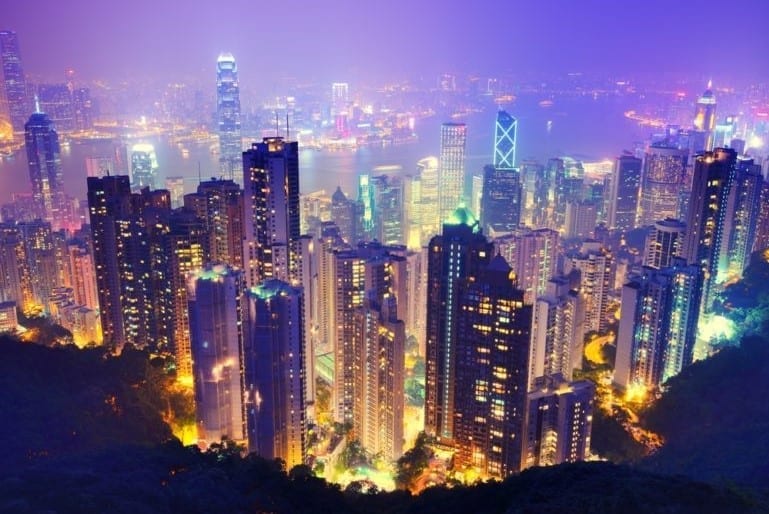
    Hong Kong has built its reputation as a free-wheeling, innovative and sophisticated city. Just like New York, it is known globally as a vibrant metropolis, which never sleeps and where money still talks.

    But is this view outdated, a facade constructed more from fantasy than reality? Certainly, business professionals, analysts and academics, who talked to Asia Times, are starting to voice serious concerns.

    They point to a myriad of problems, which are buried beneath the surface, such as monopolies in an array of sectors from transport to supermarkets.

    Underlining fears that “the rule of law” has been eroded by the “One Country, Two Systems” policy after Hong Kong was handed back to China by Britain in 1997 also loom large in the background.

    “In Western countries, the rule of law is a core value. But it is different in Hong Kong as it belongs to China,” Andy Kwan Cheuk-chiu, who runs ACE Center for Business and Economic Research, a Hong Kong think tank said.

    “Beijing’s reinterpretation of the Basic Law of Hong Kong might create certain political issues but it will not worry businesses as long as they make money,” Kwan, a former associate economics professor at the Chinese University, added.

    In the 2018 Economic Freedom Index rolled out by the Heritage Foundation, a conservative public policy think tank based in Washington, Hong Kong retained its No. 1 position.

    Yet even in a sanguine review, there was a caveat inserted into the section governing the “Rule of Law”, casting a shadow over the independence of the judiciary in the Special Administrative Region.

    “An exceptionally competitive financial and business hub, Hong Kong remains one of the world’s most resilient economies,” the Heritage Foundation study stated. “A high-quality legal framework provides effective protection of property rights and strongly supports the rule of law. There is little tolerance for corruption and a high degree of transparency.

    “The judiciary is independent, but Beijing reserves the right to make final constitutional interpretations, effectively limiting the power of Hong Kong’s Court of Final Appeal. Although the corruption rate is low, it is perceived as rising,” it added.

    With such a multi-layered society, perception is a crucial part of everyday life for the 7.4 million people who live in an area of 106 square kilometers or 41 square miles.  Alongside a dense population, property prices have soared at breakneck speed, leaving many unable to afford a home of their own.

    A report released in January by Demographia, entitled the International Housing Affordability Survey, showed Hong Kong was still the world’s “least affordable city” – a title it has held for seven straight years.

    The United States-based consultancy reported that prices were more than 18 times the median annual pretax household income. A score of more than five times is considered “severely unaffordable,” according to its website.

    “Hong Kong is like a confectioner’s jelly, it looks great from the outside but internally it is melting,” Neville Sarony, a practicing QC in Hong Kong and a former Professor of Law at the City University of Hong Kong said.

    “As I see it, there are two overarching but interconnected problems: 20 years of increasingly dysfunctional government and the paralyzing greed of the property developers,” he added.

    Similar concerns exist in the retail and transport sectors, which could squeeze growth and strangle competition.

    Despite what many consider a world-class metro system, road congestion and inadequate transportation in new towns have left parts of Hong Kong with a major gridlock headache, adding to the city’s pollution problems.

    Quentin Cheng has been an outspoken critic of Hong Kong’s transport policy and is convinced a lack of serious competition needs to be addressed.

    “Our town planning does not adopt a holistic approach, and only focuses on small areas of land. The Development Bureau just generates slogans and does not carry out the concepts. What we need is competition [in the industry],” Cheng, who is co-founder and spokesman for the Public Transport Research Team said.

    “Hong Kong’s rail networks are too small and inadequate. [They do] not cover a lot of areas, compared to other developed [cities and districts]. They should build more direct rail routes connecting different districts together,” he added.

    As for the highly vaunted retail industry, its veneer of choice has been peeled away to reveal a sector controlled by two supermarket chains.

    In a study compiled by Euromonitor, retail sales of food and beverages in Hong Kong reached US$11.9 billion “with supermarkets accounting for 55%” of the market.

    Two grocery groups, Dairy Farm International’s Wellcome brand and AS Watsons’ ParknShop, dominated the scene, accounting for about 75% of the revenue.

    “There is a monopoly in Hong Kong’s supermarket sector with Park’n Shop and Wellcome, [while] most of our pharmacies belong to Watsons and Mannings,” Ho Hei-wah, a veteran social activist and director of the Society for Community Organisation, a rights group for the disadvantaged said.

    “The elements of a monopoly exist in different industries [which means] small and medium-sized enterprises cannot bid [for] government projects because they haven’t worked on [them] before,” Ho, who is known as the “voice of the poor” in Hong Kong circles, added.

    “Monopoly” is a word that crops up often in a city which is not only struggling to retain its identity but its unique competitive spirit.

  • Hong Kong business icon Li Ka-Shing announces retirement

    Hong Kong business icon Li Ka-Shing announces retirement

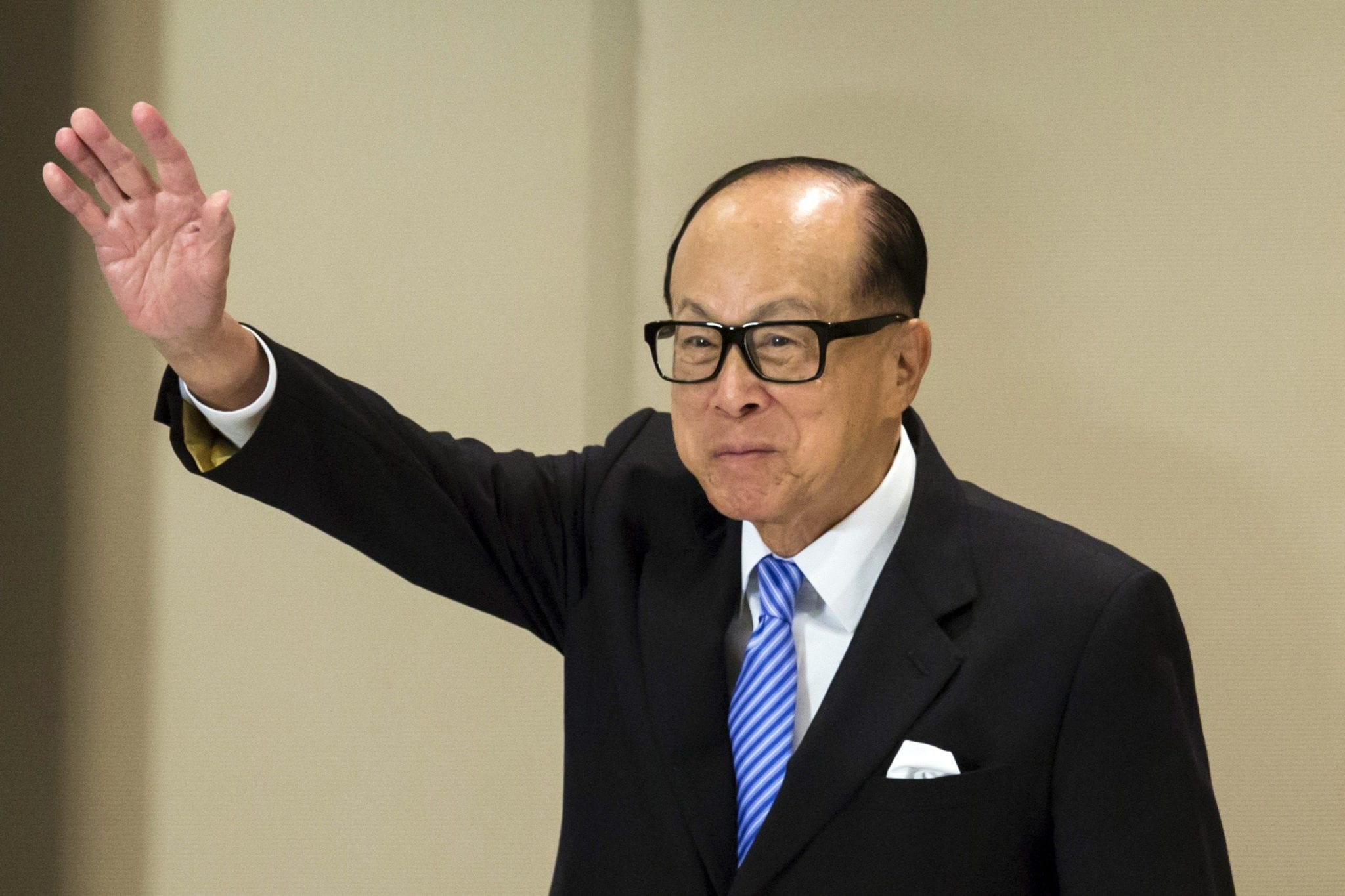
    Li Ka-Shing, business tycoon and Hong Kong’s richest man, has announced his retirement from conglomerate CK Hutchison Holdings Ltd., He is handing over all corporate responsibilities to his eldest son Victor.

    Li, with a net worth of $35.4 billion, has dominated Hong Kong’s business landscape for over two decades in areas including retail, telecommunications and real estate. He was ranked No. 23 on Forbes magazine’s list of world billionaires in 2018.

    CK Hutchison Holdings will now be headed by Victor Li, who was chosen as his father’s successor in 2012. The company reported attributable profits of $4.48 billion in 2017, making it the largest nonfinancial Hong Kong company listed on the Hang Seng.

    Li now intends to serve as senior adviser to the company and develop his charitable organisation, the Li Ka-Shing Foundation.

  • Smiggle Asia shows positive growth

    Smiggle Asia shows positive growth

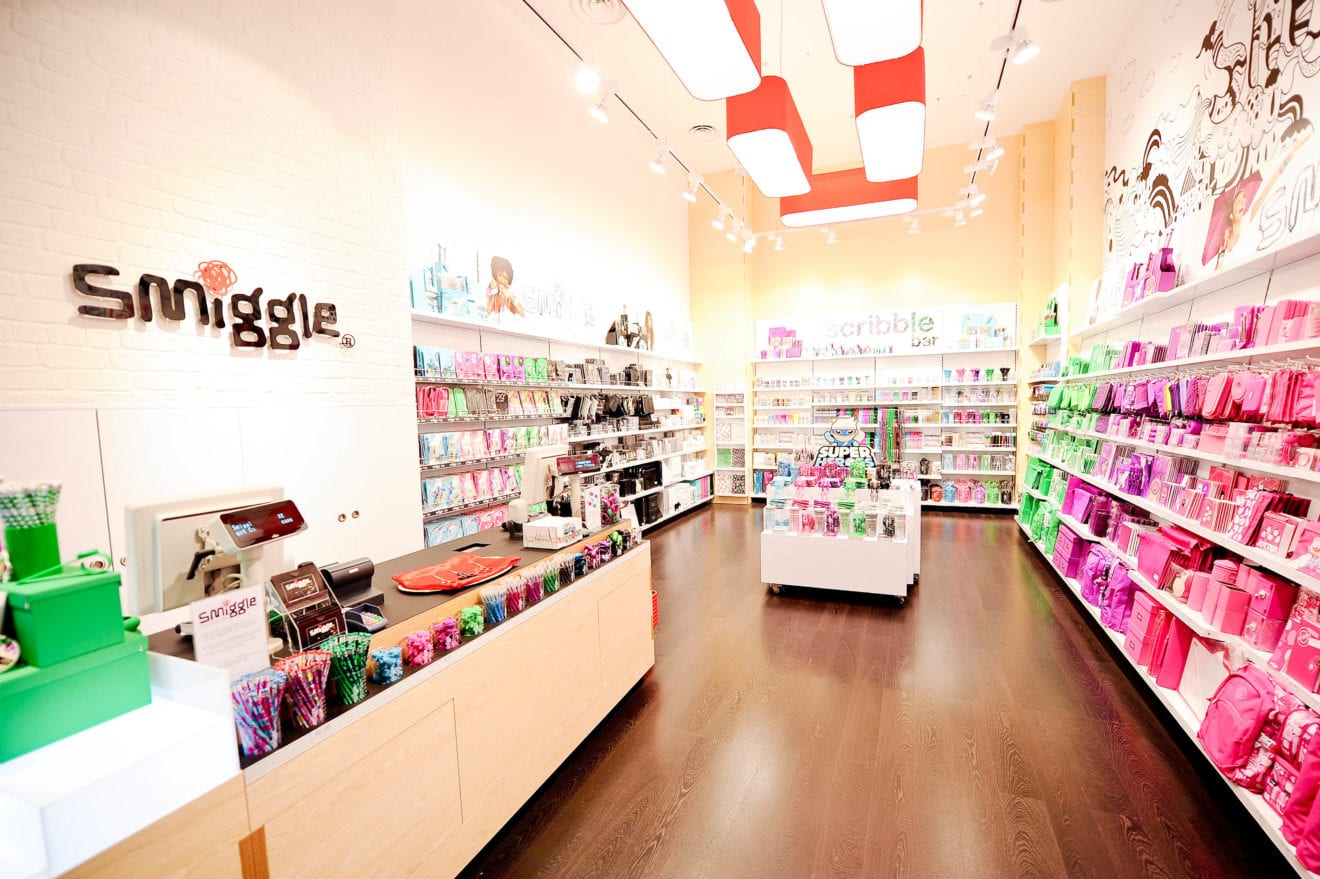
    Smiggle Asia is thriving, its success here encouraging the stationery retailer’s parent to expand in other global markets.

    Smiggle, a subsidiary of Australian listed company Premier Investments, opened three new stores in Hong Kong in the first half of its current trading year and a further two in Malaysia. Both markets now have 13 Smiggle stores trading.

    “The brand now expects to have between 17 and 19 stores operating in Malaysia within three years of first opening. This is well ahead of the original plan,” the company said in an earnings filing.

    “The Smiggle Asia division had an exceptionally strong half. Singapore, the most mature of the Asian markets, enjoyed strong like-for-like growth with tourists providing valuable insights into potential new Smiggle markets.”

    The brand achieved record global sales of A$170.7 million (US$131.6 million) in the first half, up 26.7 per cent on the same time last year, underpinned by the opening of 35 new stores. More than 60 per cent of Smiggle sales during the period were from outside Australia. Smiggle now has 332 stores across Australia, New Zealand, Singapore, England, Scotland, Wales, Northern Ireland, Hong Kong, Malaysia and Ireland.

    The company will open a global flagship on Oxford Street in London in May as the UK business aims for $200 million in annual sales by next year.

  • “Harbour Art Fair” to showcase Hong Kong’s contemporary artwork

    “Harbour Art Fair” to showcase Hong Kong’s contemporary artwork

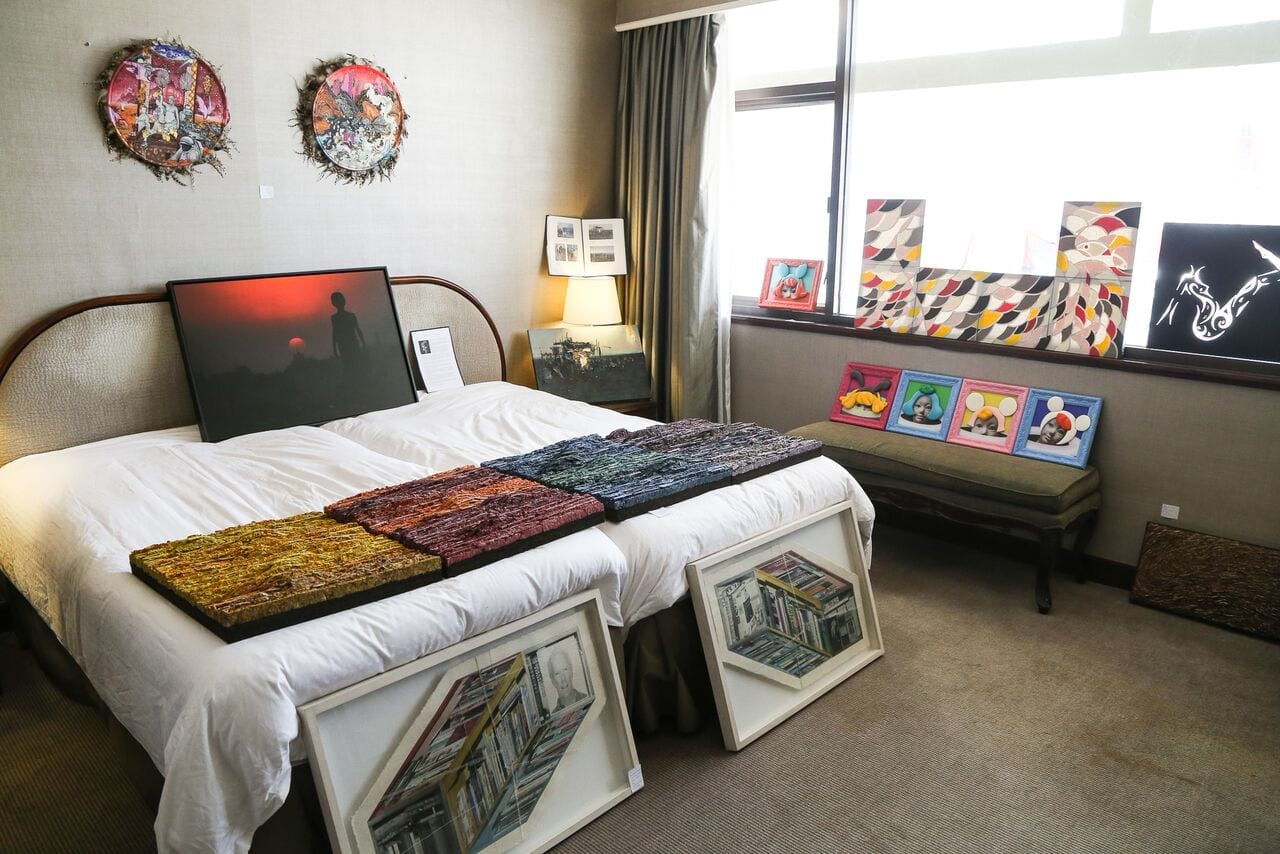
    Harbour City always strives to “Bring Art into Life” and become the venue for some of the most talked about and most visited art exhibitions in Asia. In March, the art month of Hong Kong, with the success of Harbour Art Fair 2017, Harbour City will present Harbour Art Fair 2018 from 23rd to 26th March 2018 at Marco Polo Hongkong Hotel, and it will extend its scope to embrace galleries from other Asian countries apart from Korea, exhibiting more than 50 emerging galleries and over a hundred art works. A promising line-up of galleries at the Hotel will be accompanied by art talks and docents, while different activities for kids will take place in the mall as an extension of the Fair.

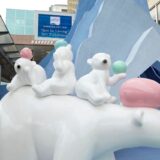
    Solo exhibitions of three Korean artists will also be featured at Harbour City’s shopping mall and public space from 14th March to 3rd April 2018 as an extension of the art extravaganza. This year’s special exhibitions will bring the audience out of the box, reflecting the relationship between people, between humans and animals, and between humans and the nature: artist BYUN Dae-yong will showcase his series of “adorable but emaciated” polar bear sculptures at the Ocean Terminal Forecourt of Harbour City, leading the audience to ponder the effect of global warming on humans; Gallery by the Harbour will exhibit the artist ENJO’s works, which reverse the definitions of 2-dimension and 3-dimension; meanwhile at Atrium II of Gateway Arcade, there will be cute animal characters by the artist NOH Jun, bringing forth the message of “restoring relationships” and harmonious co-existence.

    Moreover, 「PERSPECTIVES OF LOVE GRAND ART BY GRAND MASTER CHAN」Contemporary Chinese Calligraphy on a giant traditional Chinese drawing paper (Xuan Paper) in 10m length and 3m by Mr. David Chan Tsze-wei, a well-known Hong Kong calligrapher, will be displayed at Atrium I of Gateway Arcade to uphold the universal message of “Love & Peace”.

    Harbour City even extends art to children’s life and teams up with CreativeKids to host the “Tire Painting Fun @Harbour City” Art Workshop at the Atrium, G/F, Ocean Terminal, Harbour City from 24 March to 8 April 2018.

  • Mastercard and HKTaxi Partner to Offer In-App Digital Payment for Taxi Rides

    Mastercard and HKTaxi Partner to Offer In-App Digital Payment for Taxi Rides

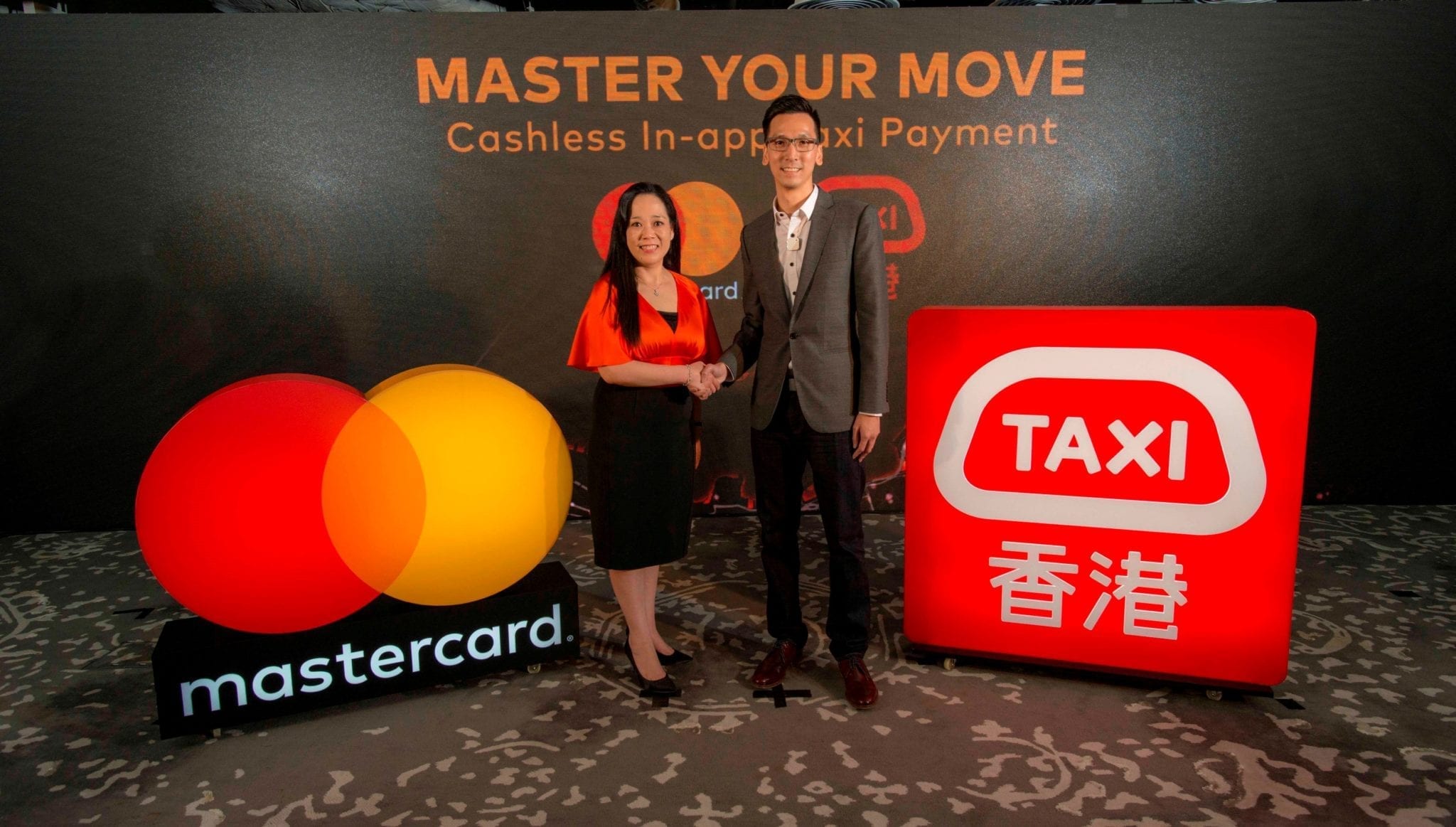
    Mastercard announced its partnership with HKTaxi, a local taxi-hailing app, to roll out in-app digital payments that will provide a safe, secure and cash-free way to pay for taxi rides in Hong Kong.

    Backed by Mastercard’s global payments processing network and multi-layered security, the new service will specifically cater to Hong Kong taxi users’ needs for a fast and secure cashless payment experience. The HKTaxi in-app credit card payment service helps users avoid common cash payment situations such as fumbling around for loose change, worrying about not having enough cash for a taxi ride when they desperately want to go home after a long work night, or dealing with taxi drivers’ reactions when they see HK$500 bank notes. It offers peace of mind for passengers from the minute they book their rides through the app to the moment they arrive at their destination as they go without the hassle of handling coins or bank notes.

    Taxi drivers too often experience inconvenience in having to prepare change for large bills, and face potential safety concerns such as carrying too much cash or receiving counterfeit banknotes. The new in-app payment feature allows taxi drivers to skip the wait for cash transactions, enhance their service and strengthen their business by giving more options to their customers.

    The demand for further developments in digital payment across all aspects of everyday life in Hong Kong has grown significantly in recent years. According to the 2017 Mastercard Online Shopping Survey, the use of mobile phones for payment continues to rise in Hong Kong, with 44.3 percent of respondents having used their mobile phones for transactions last year. Regarding their motivation in choosing to use mobile payment options, convenience (54.6 percent) is reported to be the key driver, followed by the growing prevalence of apps (41.8 percent).

    The research also finds that well over three-quarters (79.8 percent) of respondents regard security of the payment facility as the top consideration when shopping online. With Mastercard’s deep knowledge of local spending habits in Hong Kong and a reliable global payments network, the technology company provides users with multiple layers of security from account authentication and data protection to purchase authorization. That is why every transaction through the new in-app payment service with HKTaxi is securely protected.

    “Mastercard is proud to be working with HKTaxi in supporting the development of a cashless society in Hong Kong,” said Helena Chen, managing director, Hong Kong and Macau, Mastercard. “Mastercard is leading the transition to digital payments with the convergence of innovation and digital lifestyle. In continuing Mastercard’s efforts – along with the Hong Kong government, merchants and industry players – to improve the lives of the city’s residents and visitors, we believe that the simple, secure and smart in-app payment service Mastercard provides to Hong Kong people through HKTaxi is a significant step forward.”

    “HKTaxi is created by, designed for and used by Hong Kong people, and we understand the needs and demands of both taxi riders and drivers in the city. Through HKTaxi, which is the first and the most popular taxi-hailing app in Hong Kong, we are making taxis more accessible to users. We are also happy to partner with Mastercard in giving both taxi drivers and riders a hassle-free alternative to cash payments, making their taxi journeys seamless and convenient,” said Kay Lui, co-founder, HKTaxi.