Tag: Hong Kong

  • The Artist Belgian brewery plans to expand in Asia

    The Artist Belgian brewery plans to expand in Asia

    Belgian craft  brewery The Artist has opened its first outlet in Asia – in Hong Kong – to test its concept before entering other markets around the region.

    The 3500sqft Artist House in Causeway Bay’s Fashion Walk shopping centre, promises an immersive experience, selling Belgium-brewed craft beer, craft beer cocktails and other beverages. It also has its own in-house micro-brewery and hydroponic aqua-farm allowing customers to make their own beer. Amateur brewers can even add their own photographs to their beer bottles.

    Co-founder Benjamin Cox says the venue can be used for events and customers can experience a 360-degree virtual-reality tour of the original brewery in Belgium.

    The company decided to launch its brand in Hong Kong due to the fact that the city is a unique platform in Asia.

    “From a testing perspective, Hong Kong allows young brands to confront their new offering with a diverse crowd of very demanding consumers. This allows us to improve, develop and sharpen our offering to prepare the brand for a wider Asia expansion,” said Cox.

    “Hong Kong’s key advantage is its international business environment and mindset which allows easier implementation and early stage execution. We will use the city as our regional base to expand in other Asian places such as Japan, Mainland China, Taiwan and Korea, among others.”

    Associate director-general of investment promotion, with InvestHK, Dr Jimmy Chiang, said the opening of The Artist House offers a new craft beer experience to local and regional customers.

    “Hong Kong people love craft beer and the city has a high number of international and Mainland Chinese visitors. It is the best place for the company to promote its brand in the region.”

  • Lukfook Group Swept Multiple Awards at the “Chuk Kam Jewellery Design Competition 2018”

    Lukfook Group Swept Multiple Awards at the “Chuk Kam Jewellery Design Competition 2018”

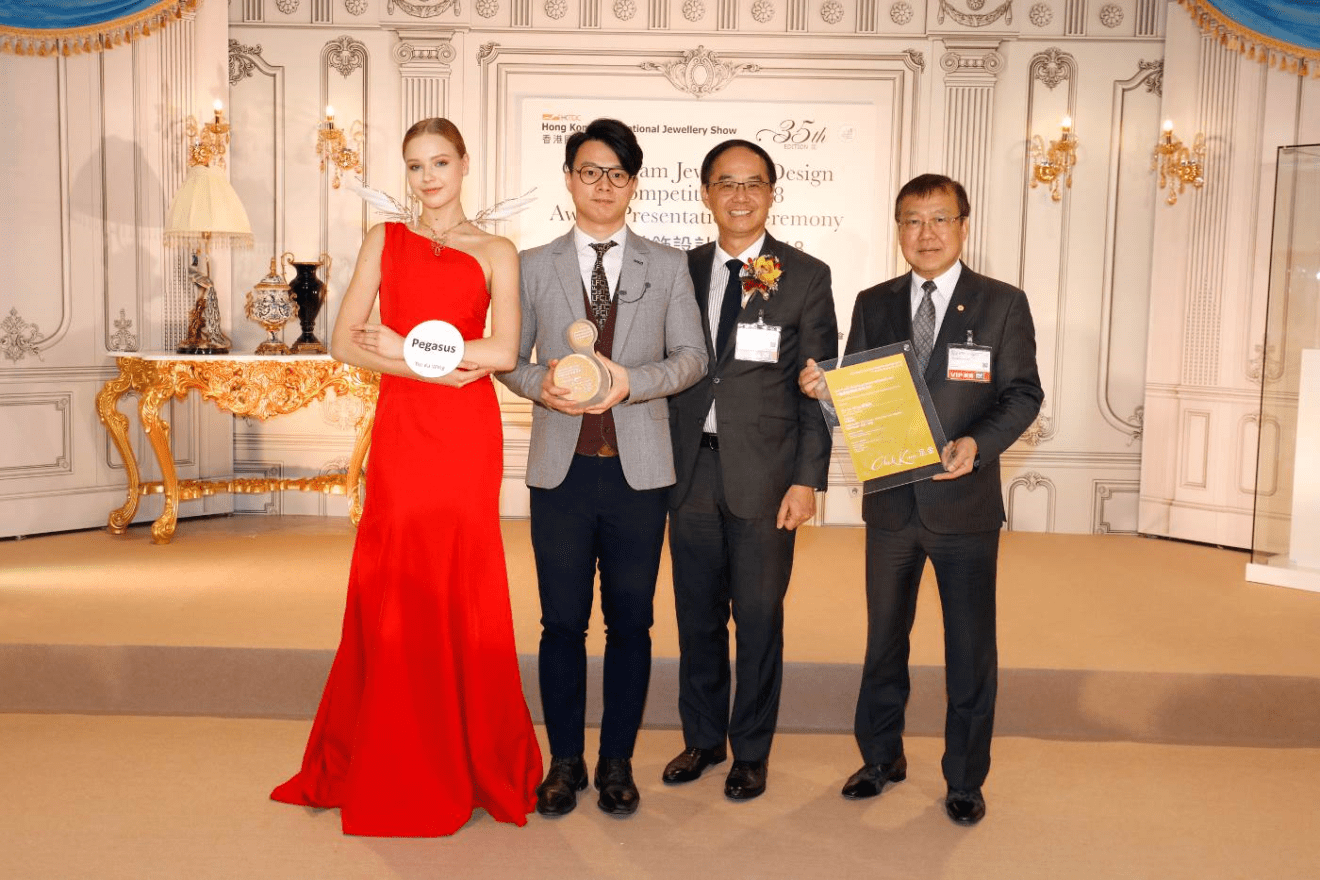
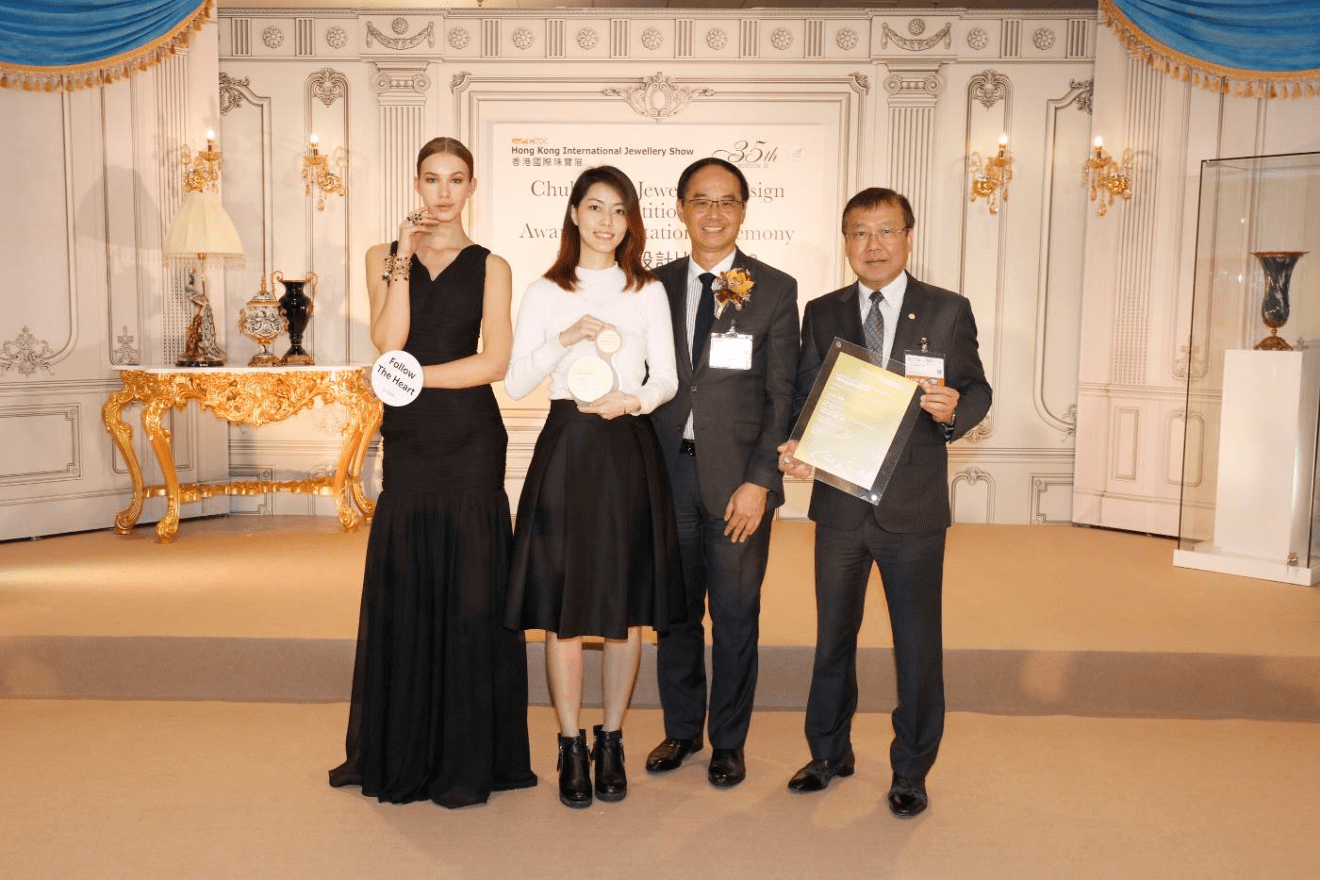
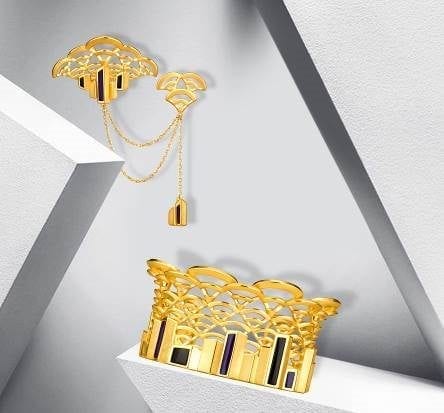
    Luk Fook Holdings (International) Limited is pleased to announce that the Group’s design pieces stood out from the crowd and won multiple accolades at the “Chuk Kam Jewellery Design Competition 2018”. The recognition includes the Group’s various jewellery designers with winning entries, namely “Pegasus” by Mr. Tse Ka Wing, “Follow the Heart” by Ms. Li Yim and “Tattoos” by Ms. Chun Hiu Ling in “The Fashionable 18K Group”, while “ ’WiFi’ Times” by Ms. Wang Wen Jing in the “Open Group”.

    Mr. Wong Wai Sheung, Chairman and Chief Executive of the Group said, “We are thrilled at sweeping four awards at the ‘Chuk Kam Jewellery Design Competition 2018’, closely after being awarded the “Best of Show Award (Open Group)” at ‘The 19th Hong Kong Jewellery Design Competition’, which affirms the outstanding talents and capabilities of the Group’s design team. The Group actively participates in jewellery design competitions to encourage its design team to aim high in innovation and craftsmanship, as the Group pursues perfection in the design and quality of its products. In future, the Group endeavors to provide cutting-edge and diversified products to align with a wide spectrum of customers’ tastes. ”

    The “Chuk Kam Jewellery Design Competition 2018” was organized by Hong Kong Jewellers’ & Goldsmiths’ Association and sponsored by Hong Kong Trade Development Council and World Gold Council. The objectives of the competition are to stimulate the creativity and raise the standard of craftsmanship of Chuk Kam jewellery industry; and to arouse the market demand of Chuk Kam jewellery.

  • 2018 is looking good for Sa Sa sales

    2018 is looking good for Sa Sa sales

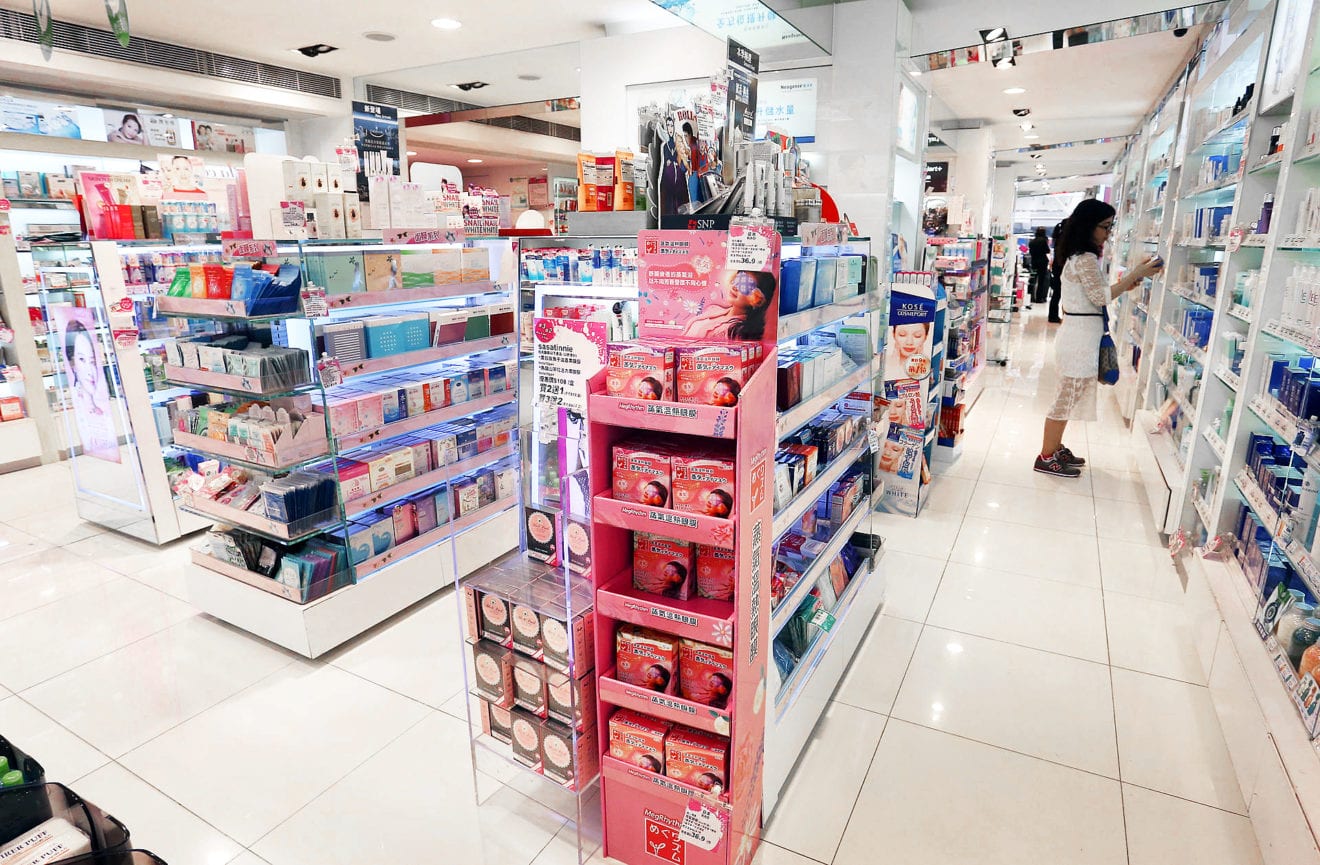
    Sa Sa International has released sales figures combining January and February – the first true indicator of how the Hong Kong retail market is performing so far this year.

    Sa Sa sales in Hong Kong and Macau surged 14.6 per cent during the period, and same-store sales rose 11.1 per cent.

    Official government figures show Hong Kong retail sales rose 4.1 per cent in January, compared to last year, but that figure was relatively meaningless given the timing of Lunar New Year, which fell in February this year and in January last year, preventing a true comparison. A government spokesman said at the time of the data’s release that, after taking the Lunar New Year factor into account, the figures suggested consumer sentiment was “rather robust” entering 2018.

    These Sa Sa sales figures suggest a positive rebound from January 1 to February 28.

    Chairman and CEO Simon Kwok said the number of transactions through Sa Sa stores rose 9 per cent and the average sale per transaction by 5.2 per cent.

    “The overall performance was in line with our expectations. Sales growth was mainly driven by the increase in store traffic and consumer consumption. The number of transactions with locals and mainland tourists increased by 6.3 per cent and 12.5 per cent respectively, while

    their average sale per transaction also increased by 4.6 per cent and 3.6 per cent respectively.”

    Kwok says Sa Sa is benefitting from Hong Kong’s retail market recovery, and  is “cautiously optimistic” about the outlook of Hong Kong and Macau markets.

    “We will continue to optimise product offerings and enhance customers’ shopping experience to cater for consumer demand in the fast changing markets,” he said in a stock exchange filing.

  • Charlotte Tilbury Hong Kong Launches Soon

    Charlotte Tilbury Hong Kong Launches Soon

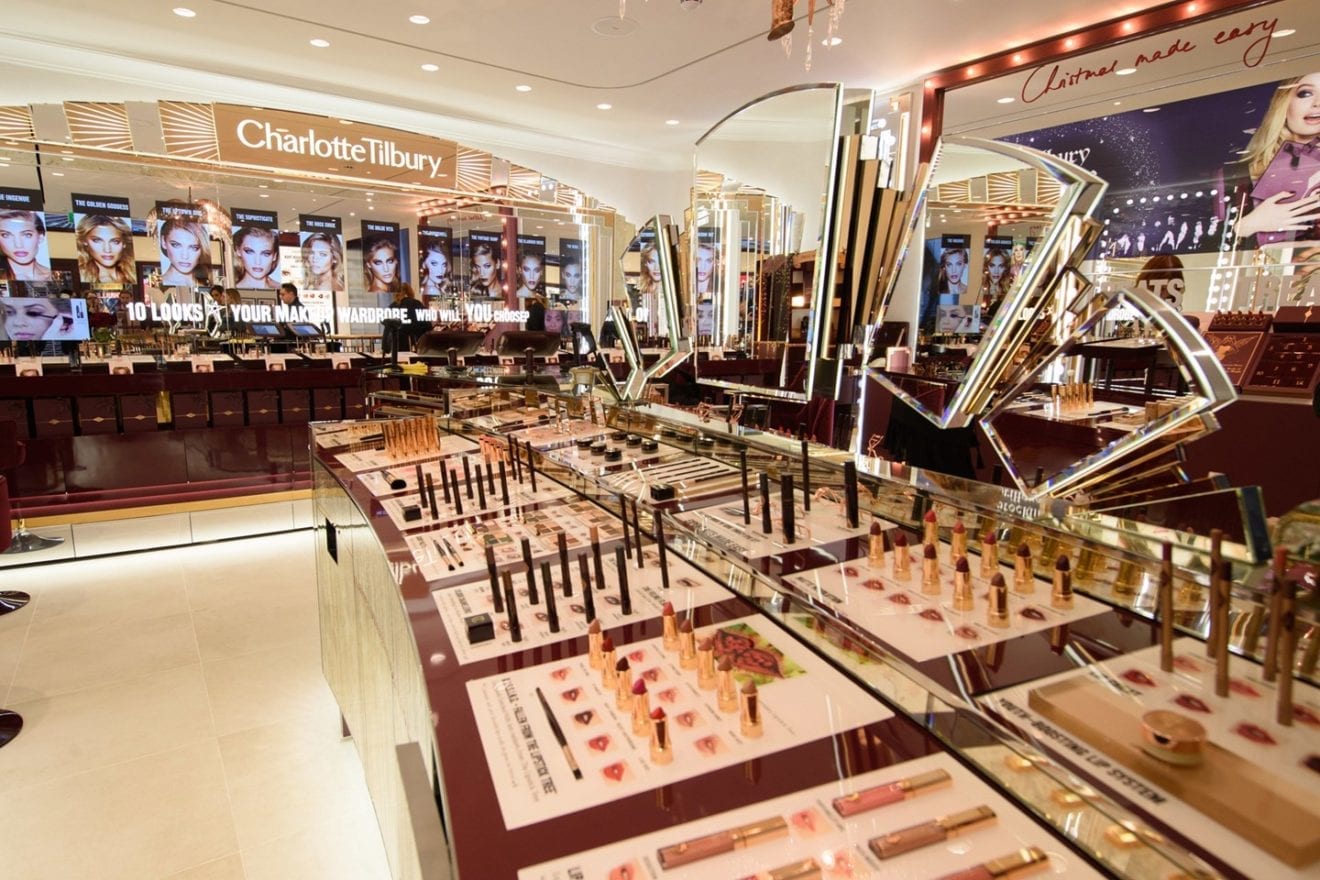
    The first Charlotte Tilbury Hong Kong store – also the first in Asia – will open on April 21.

    The British makeup artist will be opening a store-in-store at Lane Crawford Harbour City on Canton Road with a second store opening the following day at lane Crawford’s IFC mall store. The beauty brand is already available via Lane Crawford’s online store, shipping to 27 countries.

    To coincide with the launch, Tilbury has created a Chinese version of her trademark 10-looks wardrobe featuring model Ting Tang Chen. That’s her in the photo above, featuring the ‘Glowing Goddess’ look.

    “Charlotte’s 10 looks is at the heart of the brand. One woman, 10 looks – like a wardrobe of little black dresses, these colour-curated, off-the-peg, ready-to-wear makeup looks show women how to transform in to an iconic beauty,” explains Tilbury. Whether they choose the The Dolce Vita, the Pretty Innocent or Glowing Goddess, women can match the right eyes, cheeks and lips as put together by Tilbury.

    A brand-new look, The Radiant Beauty, will be exclusive to the region, developed in partnership with Lane Crawford.

    Charlotte Tilbury promises its new beauty counters will “completely revolutionise the way women shop for beauty in Hong Kong”.

    “I wanted to create an interactive, magic place where daughters, sisters, mothers, grandmothers, and friends from all over Asia will love to shop,” the founder said. “There is something here for everyone from my Magic Mirror where you can try on all of my 10 looks in an instant to my magical levitating Magic Cream. It’s make-up made easy, but also fun and engaging.”

    Each counter will incorporate digital technology innovations. The Magic Mirror is morphs a customer’s face into one of the 10 looks in seconds will be a permanent feature at the Harbour City site.

  • Audemars Piguet unveils its future vision for luxury retail

    Audemars Piguet unveils its future vision for luxury retail

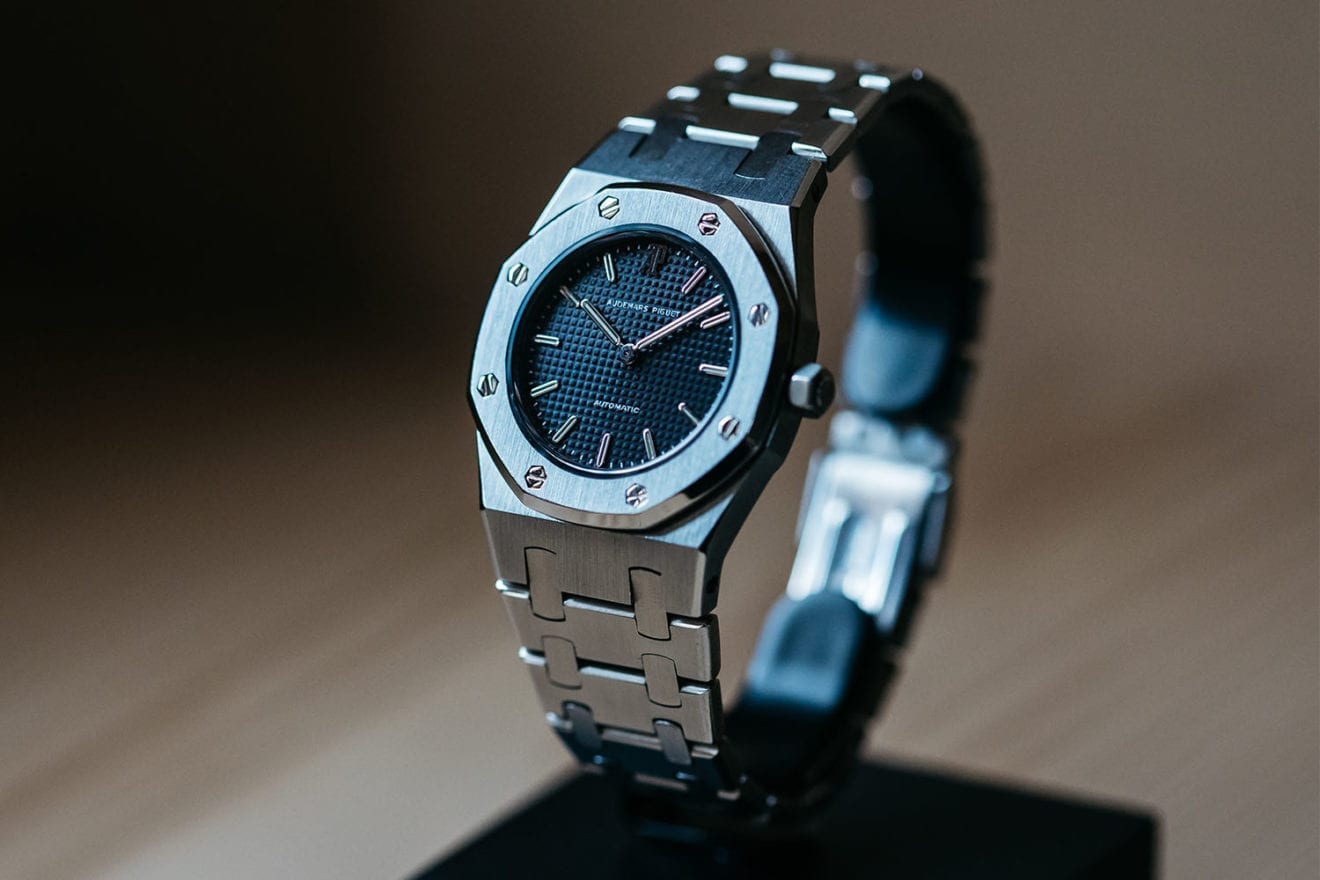
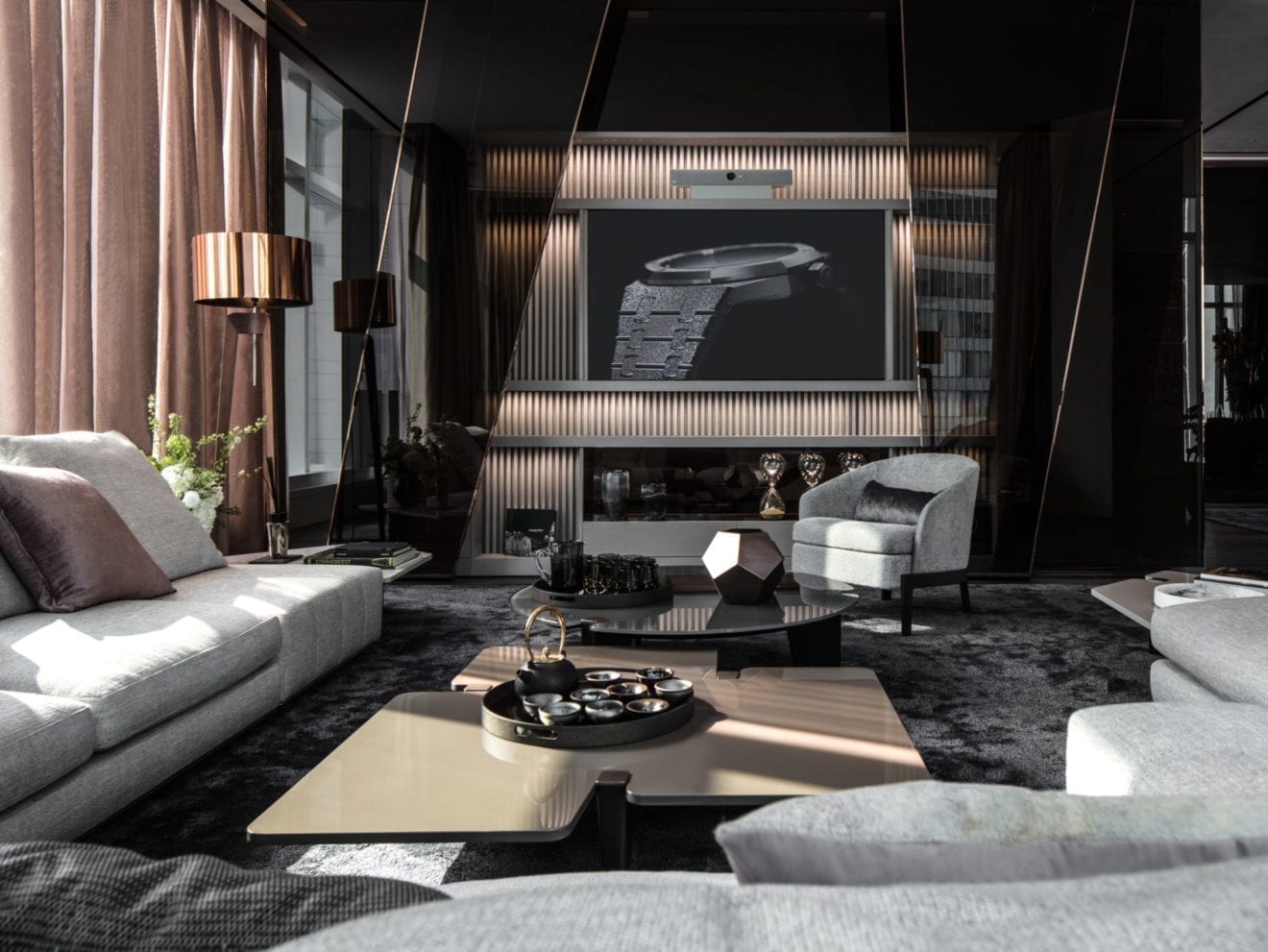
    High-end watch brand Audemars Piguet has opened a concept in Hong Kong which it believes will transform the way it interacts with its clients.

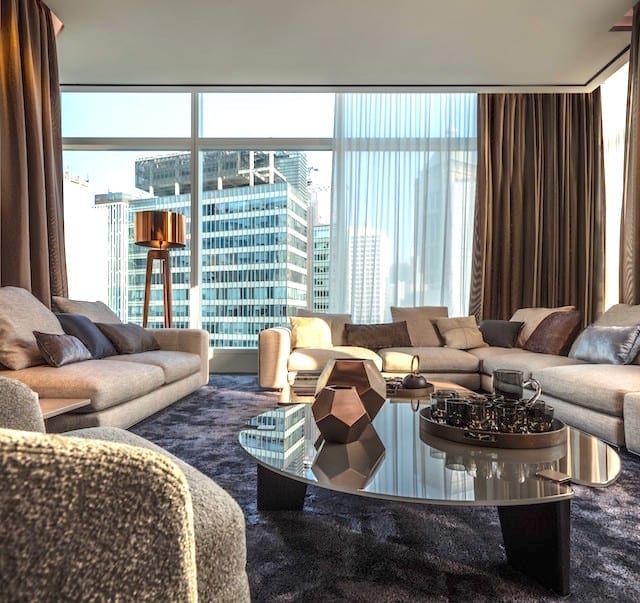
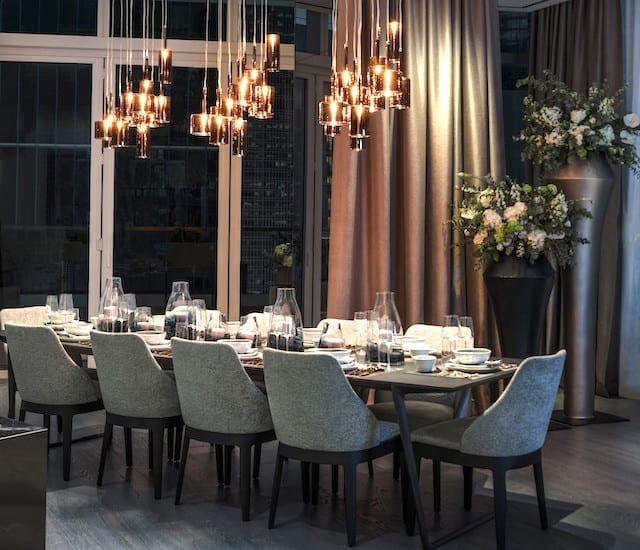
    Fusing hospitality and retail, AP House is designed like a luxurious apartment and located on the 21st floor of the new H Queen’s Tower on Queen’s Road, Central.

    AP House is the brand’s vision for the future of luxury retailing. It grew from the Audemars Piguet team imagining how the 143-year-old brand’s founders Jules Louis Audemars and Edward Auguste Piguet would be dealing with their clients if they were living in the 21st century, travelling the world and sharing their passion for beautiful watches.

    They posed the question: “What more can we do to elevate customers’ experience with Audemars Piguet?”

    The result, a home away from home for the watch brand’s clients. Customers can use the space to invite friends for lunch or host a business meeting.

    “There’s no obligation to buy a watch,” says Audemars Piguet CEO Francois-Henry Bennahmias. “You can take a seat, relax and chill out, if that’s how the mood takes you.”

    “Visitors are welcome to relax, reflect, connect or disconnect, while experiencing the team’s impeccable service,” the company said in a statement. “The lounge will also play host to exclusive events where guests can discover the manufacturer’s creations, its savoir-faire and its place in today’s world.

  • Facebook launches Hong Kong Marketplace

    Facebook launches Hong Kong Marketplace

    Facebook Marketplace has launched in Hong Kong, allowing users to easily find, buy and sell goods locally.

    Already 550 million people buy and sell in groups on Facebook each month. With Marketplace, it is easier to both sell and buy. Users can view the public profiles of buyers and sellers, their mutual friends, and how long they have been on Facebook.

    FeedMarketplace shows items relevant to users’ interests and available in their community. Similarly, by tapping on the Marketplace icon, users can post products for sale directly or cross-post from a buy-and-sell group.

    Users can search for specific items and filter results by location, category or price. Images can be tapped to show more details, and items can be saved for later perusal.

    Interested buyers can directly contact the seller by message and make an offer. Facebook does not handle payments or deliveries.

    To sell an item, users simply take a photo, describe the item and set their.

    Hong Kong joins 64 countries where Marketplace is available.

  • Hong Kong’s Tsui Wah to open outlets in Singapore

    Hong Kong’s Tsui Wah to open outlets in Singapore

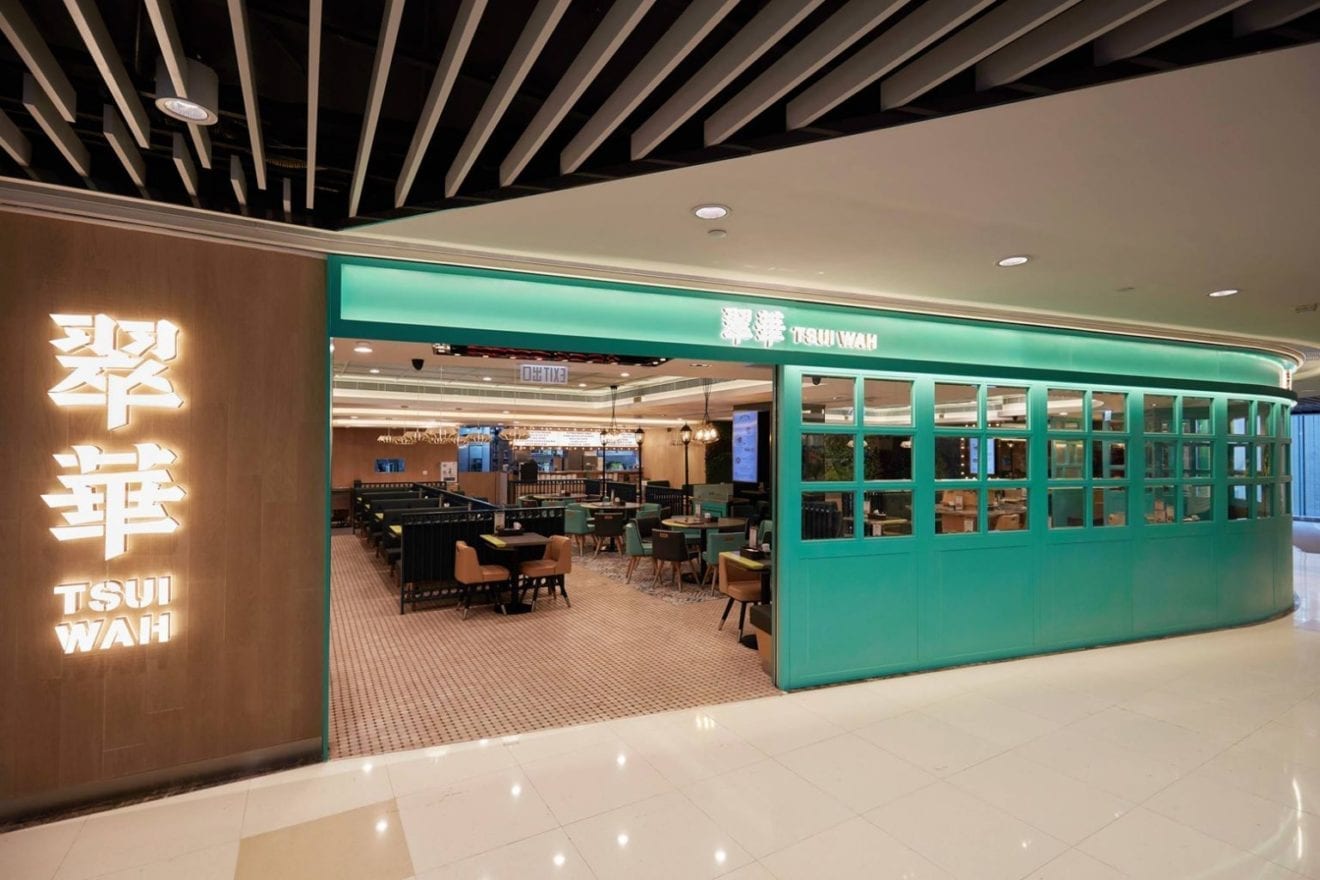
    Singapore listed restaurant business Jumbo Group has signed a JV agreement with Kang Wang Holdings, a wholly owned subsidiary of Tsui Wah Holdings, to take the Hong Kong-style Cha Chaan Teng under the Tsui Wah brand into Singapore.

    It will be a 49:51 JV between a Jumbo subsidiary and Kang Wang. It has also entered into a franchise agreement with Tsui Wah International Patent, which will give the JVC the right to use the Tsui Wah trademarks and trade names in Singapore.

    The Tsui Wah Group has about 70 outlets in Hong Kong, Macau and China, and this will be it first entry into the South-east Asian consumer market.

    Jumbo says it will fund its share of investment of S$244,998 (US$186,400) in the JVC using internal resources. The agreement covers an initial 10 years.

    Founded in the Mongkok neighbourhood in 1967, the brand is known for its fishball noodles, bottled Hong Kong milk tea and crispy bread drizzled with condensed milk. At the end of January, it had 32 outlets in Hong Kong, 35 in China and three in Macau. Despite a dip in revenue, the group managed to grow its first-half profit, according to its interim results.

    “This is part of our strategy to grow our network of restaurants, and to further strengthen our foothold in Singapore,” says Jumbo group chief executive/executive director Ang Kiam Meng.

    The location of the first outlet has yet to be revealed.

  • MUJOSH Debuts in the United States with Three Store Openings

    MUJOSH Debuts in the United States with Three Store Openings

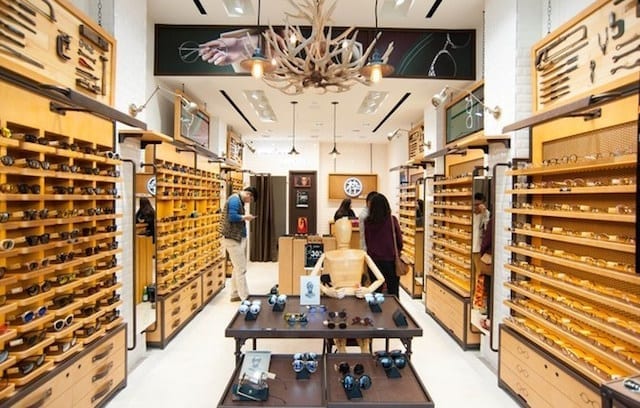
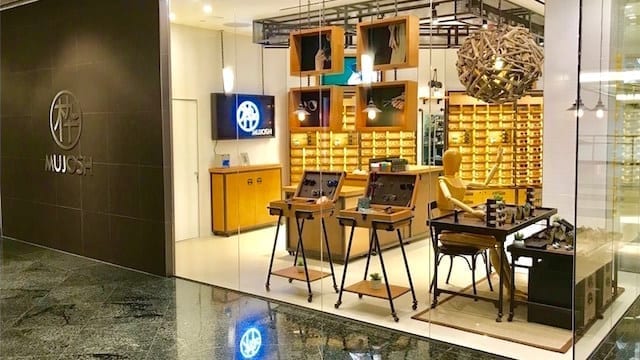
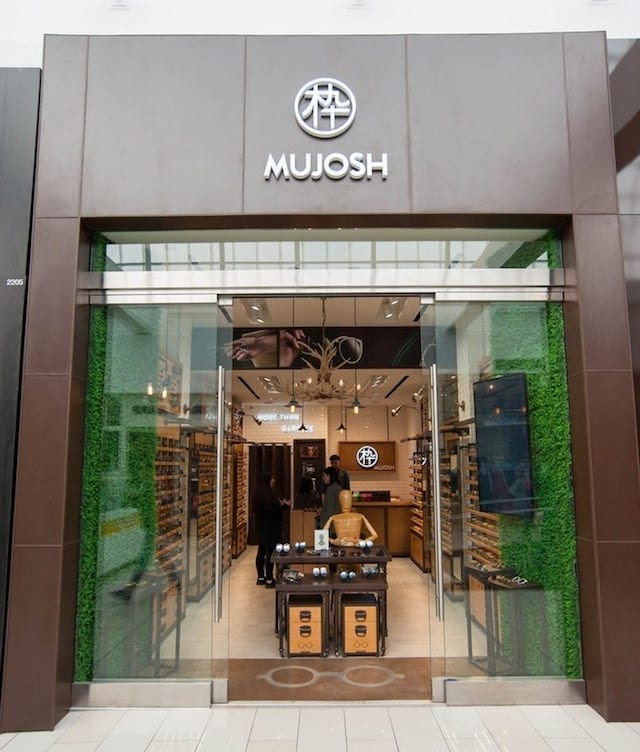
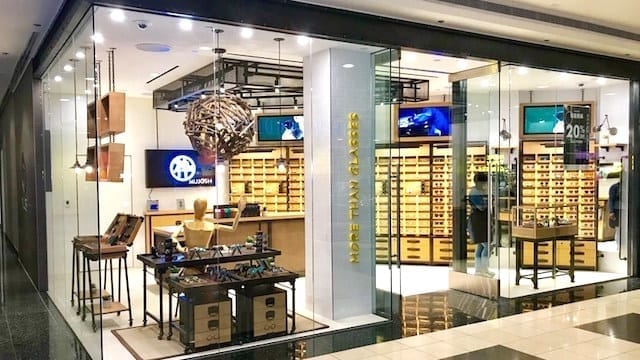
    Hong Kong fashion eyewear brand Mujosh has arrived in the US market with successive grand openings of two stores in San Francisco and one in Los Angeles.

    Located at Stoneridge Mall and Westfield in San Francisco, and at Glendale Galleria in Los Angeles, the stores introduce the eight-year-old brand’s in-house designers from China, Hong Kong and Korea.

    Representing the brand for its US debut is the muse of Sweat the Style Adrianne Ho, who showcases the latest sunglasses collection, Retro.

    Mujosh already has more than 800 specialty stores in high-end shopping malls and department stores covering Mainland China, Hong Kong, Taiwan, Singapore, Thailand, Malaysia, Vietnam, Australia and Canada.

  • Dairy Farm International’s plan after hitting bottom line

    Dairy Farm International’s plan after hitting bottom line

    Poor trading by Dairy Farm International’s Southeast Asian grocery business hit the company’s bottom line last year, with underlying profit falling 13 per cent.

    But every other one of the company’s divisions traded strongly throughout the year, according to the results just released.

    Full-year profit was US$403 million, after allowing for $64 million of costs relating to business restructuring. Sales by Dairy Farm’s wholly-owned subsidiaries totalled $11.3 billion, largely unchanged from 2016’s $11.2 billion. But total sales, including 100 per cent of associates and joint ventures, at $21.8 billion were up 7 per cent year on year, reflecting strong growth at both supermarket operator Yonghui and cafe-restaurant operator Maxim’s, which owns the Starbucks business in Hong Kong, Vietnam, Cambodia and now Singapore.

    “After a disappointing year… for our food businesses in Southeast Asia, actions are being taken to improve their long-term performance,” explained chairman Simon Keswick. “All of the group’s other formats and markets are trading well and growth opportunities are being pursued, in Mainland China and elsewhere.”

    In Dairy Farm’s food division, sales were down and profits were “significantly lower” than in 2016, primarily due to poor performances in the supermarket and hypermarket businesses in Malaysia, Singapore and Indonesia.

    “A number of underperforming stores are being closed and prices lowered to clear or write off discontinued and slow moving stock.

    “In Hong Kong, sales were more resilient, although profits were marginally down due to increasing rents and labour costs. Positive sales growth seen in the Philippines reflected the ongoing investments being made to improve the business,” said Keswick.

    Elsewhere in the company there was brighter news.

    The convenience store format (including 7-Eleven in Hong Kong and Singapore) produced increased sales and profit. “In part, this reflected a consumer shift to more convenient retail formats, as well as a positive reception to the service and range enhancements introduced for customers,” said Keswick.

    The convenience stores division reported $2 billion in sales, an increase of 4 per cent over the previous year – but operating profit surged 16 per cent to $85 million.

    In the health and beauty division, (led by Guardian and Mannings), sales and profit were higher, principally due to strong performances in Hong Kong, Macau and Indonesia, together with improvements in Mainland China.

    Keswick said this was led by an increasing focus on the beauty category and the continued development of the division’s house brands.

    The home furnishings division (Ikea in Hong Kong, Taiwan and Indonesia) recorded higher sales and trading profit, but the reported profit declined, mainly due to costs associated with the opening of the fourth Ikea Hong Kong store in October. Sales and profits increased in Taiwan and Indonesia and there was solid growth in the e-commerce business.

    Maxim’s enjoyed good sales growth and profit expansion during the year, in large part due to strong performances from its branded products, particularly mooncakes, and its business in Mainland China. The company also acquired the Starbucks Singapore business last year.

    The group’s 19.99 per cent-owned associate in Mainland China, Yonghui Superstores, opened a net 292 new stores last year, which underpinned a 19 per cent growth in revenue. Ongoing supply chain optimisation and shrinkage improvement resulted in improved margins, which together with better capital use, led to a 45 per cent growth in profit.

    Convenience focus

    Keswick said Dairy Farm International will focus on increasing its convenience store operations in the year ahead through expansion and enhancement of the store network. New smaller-store formats are being piloted in some markets.

    The group will also continue to develop its e-commerce presence, focusing on a number of initiatives in its home furnishings, food, and health and beauty operations introduced last year.

    Dairy Farm International added a net 633 stores last year. At year end, it had 7181 stores in operation in 11 countries and territories, including its interest in 779 Yonghui stores in mainland China and 1210 Maxim’s stores.

    Besides the Starbucks Singapore deal, Maxim’s also acquired the existing businesses and franchises of Genki Sushi in Singapore and Malaysia. It opened its first The Cheesecake Factory in Hong Kong in May, which Keswick said is trading well, and this year will introduce American casual restaurant format Shake Shack in Hong Kong and Macau.

    In the Philippines, Rustan became a wholly-owned subsidiary following the acquisition of the remaining 34 per cent interest from the group’s joint venture partner.
  • Circle K Hong Kong parent focused on digital to boost growth

    Circle K Hong Kong parent focused on digital to boost growth

    Despite a challenging business environment, Circle K Hong Kong parent Convenience Retail Asia reports comparable-store sales growth last year driven by digital initiatives.

    Leading the way were O2O customer-relationship management (CRM) programs, with membership for “OK Stamp It” (Circle K) and “Cake Easy” (Saint Honore) exceeding 1 million and 300,000 respectively.

    Group revenue was up 4.6 per cent to HK$5.09 million. The core operating profit rose 7.4 per cent to $182,594 while net profit grew by 7.7 per cent.

    During the year, the group’s O2O digital retailing platform FingerShopping.com saw moderate growth in gross merchandising volume (GMV). It also achieved high pick-up and payment rates at Circle K stores in Hong Kong and Macau. Beauty and personal care continued to be the anchor category, representing about 70 per cent of total GMV.

    Turnover for the convenience-store business grew 5.4 per cent to $4.05 billion, with comparable store sales up 4.2 per cent. Turnover for the bakery business increased 1.9 per cent to $1.09 billion, with comparable store sales in Hong Kong growing 5.2 per cent.

    Gross margin and other income as a percentage of turnover increased 0.3 points to 36.9 per cent despite keen competition in the retail market and high manufacturing costs.

    At the end of December the group had 332 Circle K stores, with 10 opening in Hong Kong and nine being closed.

    Eighteen months after its launch, “OK Stamp It” has attracted more than 1 million members and won industry awards for excellence.

    At the end of December, the group had 102 Saint Honore cake shops in Hong Kong and Macau. Thirteen stores were opened and nine closed during the year. There were also 41 Saint Honore locations in Guangzhou and Shenzhen.

    The digital CRM program “Cake Easy” had more than 300,000 members by the end of the year.

    During the year the group obtained the franchise for Japan’s fast-fashion eyewear chain Zoff, opening the brand’s first store in Hong Kong.

  • Aquazzura Hong Kong plan to open

    Aquazzura Hong Kong plan to open

    Italian luxury shoe label Aquazzura is to open a standalone store in Hong Kong as part of an ambitious global expansion plan.

    While the timing of the seven year old brand’s Hong Kong store opening has yet to be revealed it has been described by the company as “soon”.

    Currently, Aquazzura has just eight boutiques worldwide – in Florence, London, Moscow, California, New York, Miami, Las Vegas and Paris and six shops-in-shops, including one at T Galleria in the City of Dreams, Macau.

    Aquazzura co-founder Edgardo Osorio has revealed plans for nine new stores this year, with six locations revealed so far – Hong Kong, Dubai, Qatar, Milan, Brazil and Paris. Two more US stores will follow next year.

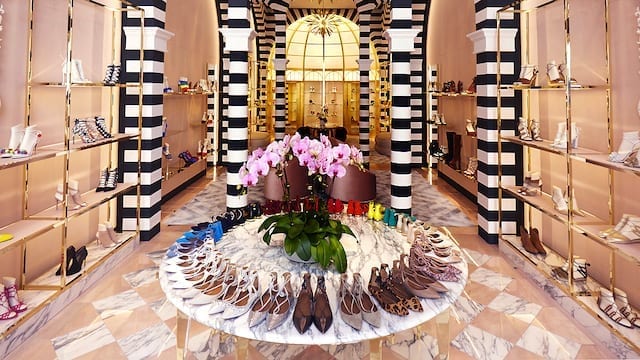
    As our photos show, each Aquazzura store is different, featuring localised design elements to suit the location and customer base.

    “You wouldn’t decorate a house in New York the way you would in Miami or London,” Osorio said in an interview. “There’s a certain DNA but you wouldn’t have the same furniture. You might not even use the same colour palette necessarily.

    “In Dubai, there might be some Middle Eastern-inspired architecture. In London, it’s inspired by an English townhouse with a fireplace and stucco ceilings.”

    The stock in the Hong Kong store – like that in the brand’s other boutiques globally – will vary by as much as 40 per cent from other stores. Expect to see different colours and styles created exclusively for the territory.

    “People nowadays travel everywhere, yet retail is so repetitive. It’s always the same stores with the same windows in every major city in the world,” Osorio told BoF. “If I travel somewhere, I don’t want to go to the same shop that’s around the corner from my house. I want to go somewhere different.”

    Aquazzura is known for its colourful shoe designs and craftsmanship.

    Born in Colombia and raised in Miami and London, Osorio believes he has an eye for “drop-dead glamour”, a passion for modern design and a hand for creating desirable footwear from luxury craftsmanship.

    Shoes from Aquazzura sell from between US$465 for a pair of pool slides to $1500 for embroidered ankle boots. Last year, its global sales exceeded euro 100 million (US$124 million).

    Aquazzura CEO Jean-Michel Vigneau has hinted at further expansion in Asia.

    “We’re focusing on markets where we’ve seen strong performance. In terms of strategic regions, we are focused on the Middle East and are targeting Asia through local partnerships.”

    The company is negotiating a partnership with an unnamed company in Asia.

    Meanwhile, plans are afoot to develop a men’s footwear range next year and follow that up with lifestyle lines including a fragrance and eyewear.

    Osario was just 25 when he launched Aquazzura after working in the industry for 10 years.

    His shoes are now sold in more than 300 of the world’s leading retailers in 58 countries and this year’s boutique expansion is part of a plan to increase the company’s volume of direct-to-customer sales.

  • EPS helps elderly to withdraw money at circle K stores

    EPS helps elderly to withdraw money at circle K stores

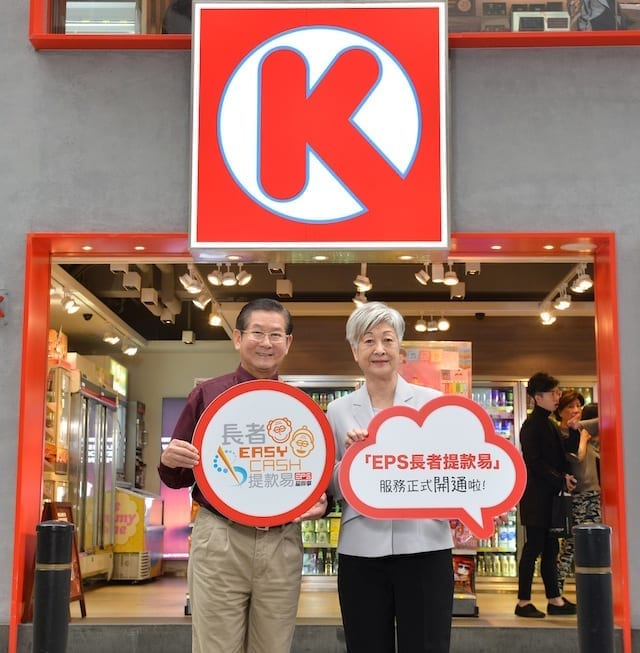
    EPS Company (Hong Kong) has introduced a service that enables the territory’s elderly to withdraw small amounts of cash at Circle K convenience stores.

    The first phase of EPS EasyCash for Senior Citizens has been launched as an extension to the EPS EasyCash service. It allows senior citizens to withdraw money at designated stores without needing to make a purchase.

    EPS GM Raymond So says the company hopes to engage more business partners and plans to expand the service to most districts in Hong Kong by the end of this year.

    “Making customers’ lives easier is Circle K’s core motto,” says CEO Richard Yeung of parent company Convenience Retail Asia. “With Circle K’s extensive network, we hope to provide the community in need with a convenient and fast cash withdrawal channel through this co-operation.”

    To use the service, elders simply go to the counter at  Circle K store and present their senior-citizen card and ATM card issued by EPS member banks. Circle K staff members will help elders make withdrawals of up to HK$500 (in multiples of HK$100).

    In the first phase, the service will start in 34 Circle K convenience stores across Tin Shui Wai, Sheung Shui, Yuen Long, Cheung Chau and Tung Chung, Lantau Island. By the end of the year, the service will be available at most Circle K stores in Hong Kong.

    Established in 1884, EPS Company is a consortium of 20 major banks in Hong Kong with a mission is to provide greater convenience for customers and merchants through electronic payment transfers. Its EPS secured cashless retail payment system is available at more than 30,000 locations in Hong Kong and Macau.

  • Hong Kong start 2018 with positive number

    Hong Kong start 2018 with positive number

    Hong Kong retail sales rose 4.1 per cent in January, compared to last year.

    While that marked a positive trend to kick off the new year, it was well short of the revised 5.8 per cent growth of December, most likely explained by the timing of Lunar New Year.

    The Census and Statistics Department provisionally estimated the value retail sales in January at $44.9 billion. After netting out the effect of price changes over the same period, the provisional estimate of volume was a 2.2 per cent ahead year on year, while the revised estimate of December’s volume was up 4.3 per cent.

    The C&SD says retail sales tend to show greater volatility in the first two months of the year due to the timing of the Lunar New Year. “Local consumer spending normally attains a seasonal high before the festival. As the Lunar New Year fell on February 16 this year but on January 28 last year, the year-on-year comparison of the figures for January 2018 with those for January 2017 might have been affected by this factor to a certain extent.”

    Accordingly, the real measure of growth in retail sales can only be determined by comparing combined January-february figures for both years in a month’s time, when the February data is released.i

    However,i retail spending was strong during February. There was also a double-digit increase in visitor numbers from the mainland during the holiday week.

    A government spokesman said that, after taking into account the Lunar New Year timing, the sales figures suggested consumer sentiment was “rather robust” entering 2018.

    Predictably, the jewellery and watch sector drove January’s growth, up 10.4 per cent year on year.

    Apparel sales rose 3.3 per cent in value, cosmetics by 12.1 per cent and electrical goods by 21.1 per cent. Those, in order, are the four largest categories contributing to the total retail market.

    Unsurprisingly, given the Lunar New Year timing effect, supermarket sales slumped 13.3 per cent. Department store sales were down 4.6 per cent and food and alcoholic drinks fell 4.6 per cent.

  • Hong Kong Bans Trade In Ivory

    Hong Kong Bans Trade In Ivory

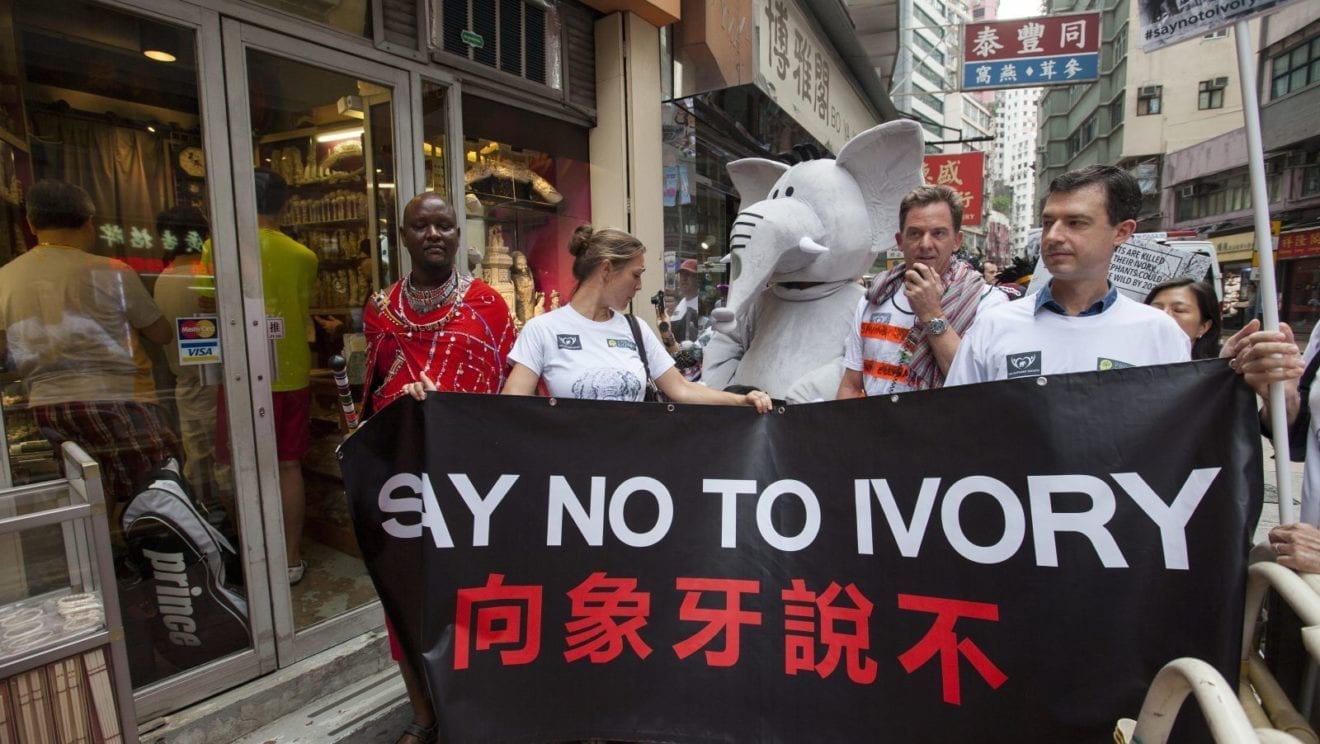
    Hong Kong has voted to ban ivory sales in a landmark move to end the infamous trade in the city.

    Lawmakers overwhelmingly voted for Wednesday’s bill, which will abolish the trade by 2021, following China’s complete ban on ivory sales that went into effect at the end of last year.

    “Shutting down this massive ivory market has thrown a lifeline to elephants,” said Bert Wander of global advocacy group Avaaz.

    “Today is a great day for elephants. Hong Kong has always been the ‘heart of darkness’ of the ivory trade with a 670-tonne stockpile when international trade was banned in 1989,” said Alex Hofford of WildAid Hong Kong.

    The amendment will phase out the trade in three stages, a time period some conservationists say could be exploited as a loophole and too late for African elephants which continue to be killed in huge numbers.

    The steps include a ban on trade in hunting trophies and ivory dating from after 1975, when a global treaty regulating the trade took effect. It would later extend to ivory acquired before 1975, and finally traders would have to dispose of their stock by 2021.

    Penalties for offenders will be increased to a maximum fine of HK$10m ($1.3m) and 10 years’ imprisonment.

    Dozens of demonstrators including schoolchildren gathered outside the city’s legislature to protest against ivory sales holding up signs that read: “Do you really need ivory chopsticks?”

    Angry ivory traders have said they will be forced to close down their businesses and demanded the government compensate them for their stock – which the new ordinance rejected.

    Despite the planned ban, the trade was still flourishing in Hong Kong, which saw its biggest ivory bust in three decades last July when more than seven tonnes of tusks worth more than $9m were seized.

    In the months ahead of Wednesday’s vote, the legislature heard tales of murder and suffering involving African park rangers who were shot dead while protecting elephants and others drowned or set on fire.

    African ivory is highly sought after in China, where it is seen as a status symbol, and used to fetch as much as $1,100 a kilogram.

    Poaching in Africa has seen the elephant population fall by 110,000 over the last 10 years to just 415,000, according to the International Union for Conservation of Nature.

    Despite an overall fall in poaching, Africa’s elephant population has declined in part because of continued illegal killing, said a report last year by the Convention on International Trade in Endangered Species.

  • More challenging situation for Esprit Holdings

    More challenging situation for Esprit Holdings

    Trading conditions have continued to be challenging for clothing company Esprit Holdings.

    With the industry changing rapidly, the company says it has had fewer customers in its brick-and-mortar retail stores as well as increased competition in the e-commerce channel. As a result, the group’s first-half performance to the end of December was below management expectations.

    Esprit says it has experienced a significant decline in its China business in recent years.

    While gross profit margin improved by 0.4 points, the group had a net loss of HK$954 million (US$121.8 million) for the half-year, following a net profit of $61 million for the same period a year earlier.

    First-half revenue was $8 billion, a year-on-year decline of 9.6 per cent.

    Esprit says rationalising its distribution footprint by closing unprofitable stores and non-performing wholesale spaces continues to be paramount. During the six months to the end of December, the group reduced total controlled space by 21,766sqm. This, with the 24,122sqm reduction in the previous six months, added up to a year-on-year reduction of 7.4 per cent.

    Revenue for the first quarter fell 7.4 per cent in local currency, while in the second quarter the decrease was 11.7 per cent, larger than expected primarily because of weak sales in its brick-and-mortar stores.

    Representing 12 per cent of total group revenue, Asia Pacific (mainly China, Australia and New Zealand, Singapore, Hong Kong, Taiwan, Malaysia and Macau) saw revenue fall 17 per cent to $966 million.

    In terms of distribution channels, retail contributed 82.4 per cent of the region’s revenue with the e-shop contributing 11 per cent.

    Asia Pacific represented 9.9 per cent of total group revenue, down by 18.4 per cent year on year, and down 20.3 per cent in the first quarter and 17.1 per cent in the second quarter.

    There was a 10.2 per cent reduction in net sales area under the company’s restructure of its store network. “Sales performance was visibly dragged by the underperformance of concession counters in department stores in China.”

    E-commerce accounted for 26 per cent of total group revenue, up from 24 per cent. The channel generated $2 billion in revenue, a 2.5 per cent dip.

    This is Esprit’s 50th-anniversary year, and it has been listed for half that time.