Tag: Hong Kong

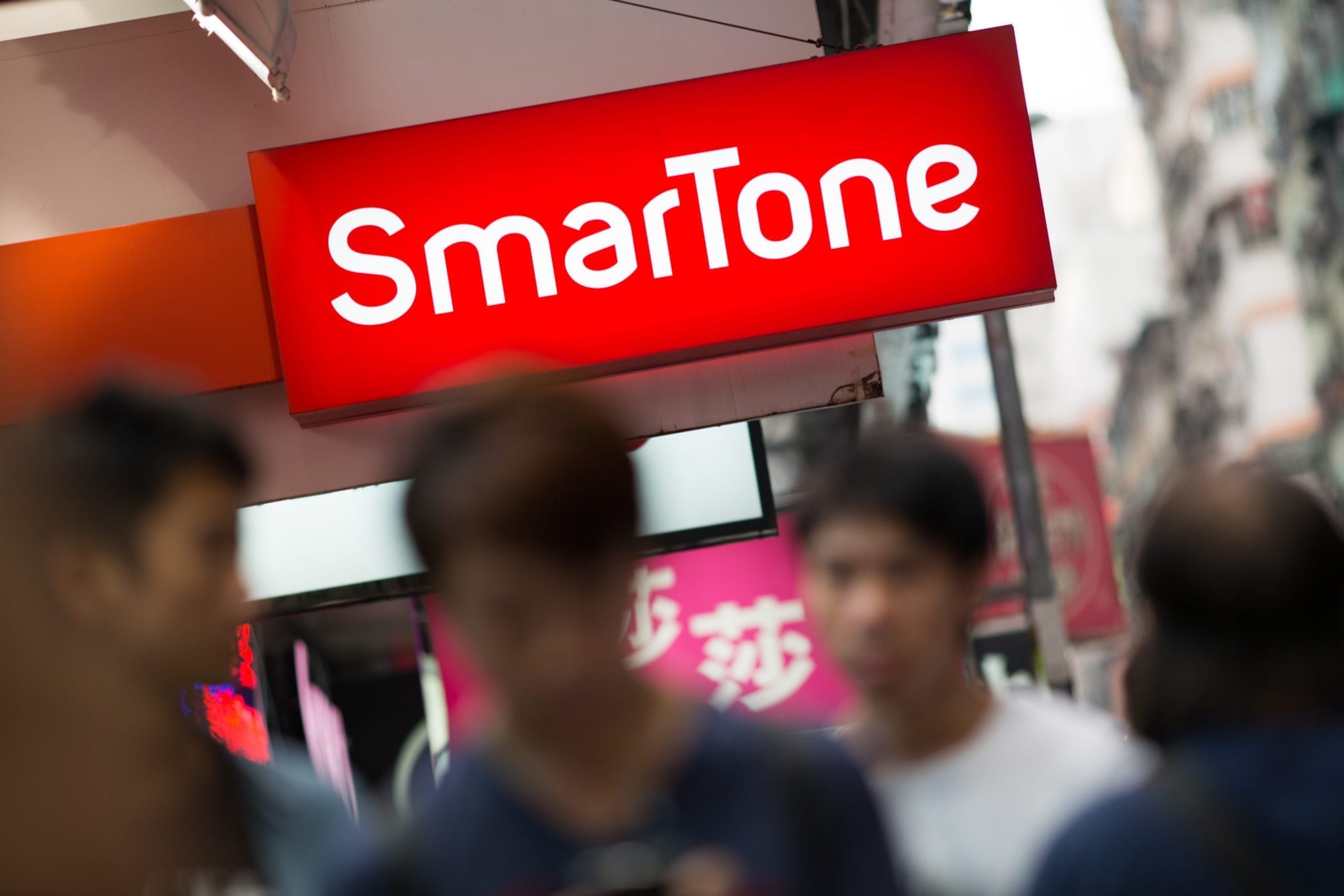
  • SmarTone 1H17 profit falls 17%

    SmarTone 1H17 profit falls 17%

    Hong Kong’s SmarTone has reported a 17% year-on-year decline in net profit for the last six months of 2017, due largely to intense competition, increased spectrum expenses and lower handset sales.

    Profit for the six-month period fell to HK$328 million ($41.9 million), with revenue declining 23.5% to HK$4.1 billion.

    Service revenue fell 6% year-on-year but improved 1% sequentially to HK$2.52 billion, as a result of ongoing migration to SIM only plans.

    This and lengthening handset replacement cycles led to a steep 41% year-on-year decline in handset and accessory sales to HK$1.58 billion, although this was an 85% improvement on the previous half-year period.

    Net of handset subsidy amortisation, postpaid service revenue was flat year on year and increased 3% from 1H17.

    SmarTone increased its Hong Kong customer base by 7% over the course of the six-month period to 2.2 million, while postpaid customer churn fell to a low of 0.8%. But mobile postpaid ARPU fell 13% year-on-year to HK$262.

    During a presentation announcing the company’s results, SmarTone CEO Anna Yip detailed plans to roll out licensed assisted access (LAA) five component carrier aggregation (5CC CA) and improve its network speed to over 1Gbps in mid-2018, and deploy FDD Massive MIMO in 2H18.

    But she warned that the challenges facing Hong Kong’s mobile industry are expected to continue, including ongoing price pressure from the intense competitive environment and ongoing declines in voice roaming revenues.

  • Valentine’s Day : who are the big spenders in Asia-Pacific?

    Valentine’s Day : who are the big spenders in Asia-Pacific?

    People who live in Mainland China are, on average, Asia’s biggest Valentine’s Day spenders, according to the results of a MasterCard poll which tracked spending around the romantic occasion in the Asia Pacific region.

    They are prepared to spend US$274 on Valentine’s Day (February 14) presents, with Taiwan and Hong Kong following closely on US$245 and US$231 respectively.

    The survey, conducted by the American multinational financial services firm, involved more than 9,100 respondents from 18 Asia Pacific markets and began last October. Singapore, with US$180, ranked fourth and Thailand completed the top five on US$145.

    The amount Chinese couples plan to fork out has dropped slightly from last year’s US$310, due to the strengthening of the Chinese yuan against the US dollar and the fact that Chinese Lunar New Year (February 16) falls just two days later in 2018—in 2017, Chinese New Year fell at the end of January 2018.

    The run-up to Valentine’s Day has also witnessed a decrease in the sales of fresh flowers in China.

    This is because of the unusually cold weather experienced by the country this winter and the aforementioned date clash, China Daily noted.

    China has its own equivalent to Valentine’s Day known as the Double Seventh Festival, as well as the Qixi Festival.

  • Arvato welcomes NATIVE UNION as new customer

    Arvato welcomes NATIVE UNION as new customer

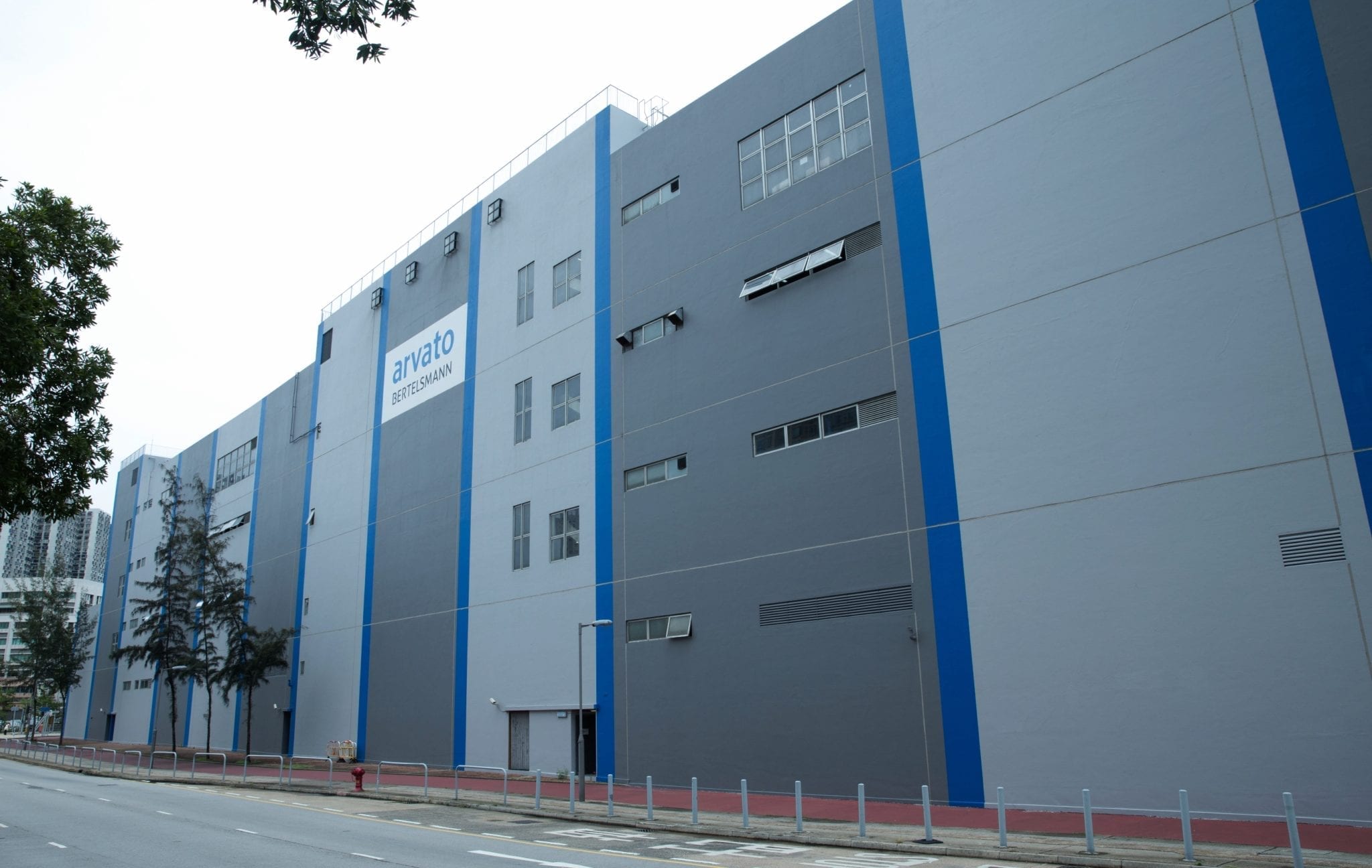
    Arvato SCM Solutions in Asia adds NATIVE UNION as a new customer. NATIVE UNION is an internationally acclaimed Hong Kong and Los Angeles based tech accessories company that was founded in 2009. Arvato SCM Solutions’ business unit Hightech & Entertainment is now handling NATIVE UNION’s global logistics services.

    As part of its services for NATIVE UNION, Arvato provides global warehousing and distribution from its logistics center in Hong Kong, supplying the brand’s products to retailers and distributors across Europe, USA and Asia. In doing so, Arvato offers both domestic and international freight management solutions to NATIVE UNION. In addition to this, Arvato also provides value added services including labelling and bundling, and is responsible for the brands e-commerce fulfillment.

    “We were looking for an international supply chain partner that would give us a true competitive edge, supporting us on our continuous growth path,” says Farouk Merzougui, Chief Operating Officer at NATIVE UNION. “In Arvato, we have found this partner. They are as passionate about our goals as we are.”

    Finding solutions for the ever increasing need for flexibility and agility in the supply chain is crucial. The speedy ramp up showcases Arvato’s ability to develop and implement tailored strategies for its clients in a global marketplace. „Worldwide, the demand for NATIVE UNION’s products is booming. Our Hong Kong SCM team led by Andreas Podwojewski has successfully implemented the business in the shortest amount of time possible to meet this raising demand”, says Raoul Kuetemeier, Head of Asia at Arvato SCM Solutions.

    In total, more than 500,000 units were shipped in the first three months of the collaboration. One of NATIVE UNION’s popular products is the multi-USB charger and cable management system ECLIPSE CHARGER that came on the back of a very successful kickstarter campaign, where Arvato shipped almost 10,000 orders of the new product to customers all around the world. Overall, Arvato SCM Solutions covers 48 countries from its Hong Kong site.

    “NATIVE UNION is a client with a lot of potential in its field, fulfilling the consumer’s increasing demands for high quality, design-led products,” says Kuetemeier. “We have been happy about our partnership and collaboration since day one and we are very excited about developing and expanding business with NATIVE UNION – in Hong Kong and beyond.”

  • Hong Kong International Airport Chinese New Year to start Reward Event

    Hong Kong International Airport Chinese New Year to start Reward Event

    To welcome the Year of the Dog, Hong Kong International Airport (HKIA) is launching a series of shopping promotions, including great rewards of HKIA cash coupons worth up to HK$15,000. Instant Rewards Promotion From 9 to 25 February 2018, travellers can redeem and enjoy rewards of cash coupons worth up to HK$15,000 when making purchases by electronic payment at HKIA. Passengers making purchases with their UnionPay cards can enjoy additional rewards.

    To liven up the festive spirit, HKIA’s mascot will tour around in full Chinese New Year costume to meet, greet and take snapshots with travellers. In addition, a lion dance extravaganza will be held on 20 February at retail and catering outlets at HKIA, featuring lion dances and lucky lettuce rituals to celebrate the festivity with travellers.

    Shopping and Dining Offers

    During the promotional period, HKIA will also collaborate with retailers to provide a whole host of fantastic shopping and dining offers.

    Free Delivery Service

    Travellers spending HK$1,000 or more in a single transaction at HKIA can enjoy complimentary local delivery service. Free delivery service to China (for clothing, bags and accessories only), Indonesia, Japan, Macao, Malaysia, the Philippines, Singapore, South Korea, Taiwan, Thailand and Vietnam is also offered to travellers who spend HK$2,500 or more in a single transaction. For details, please check with the staff at the retail outlets.

  • Dairy Farm to have more shares in pharmacy

    Dairy Farm to have more shares in pharmacy

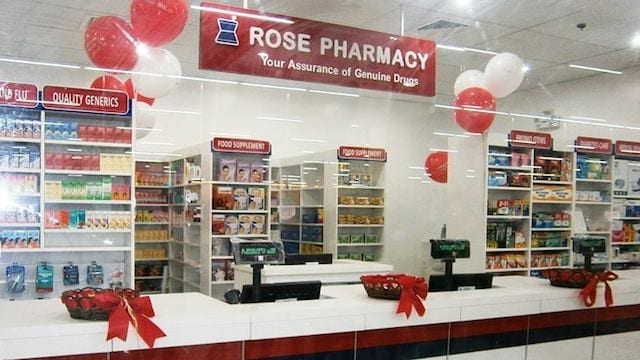
    Hong Kong retail giant Dairy Farm has received official approval to increase its stake in Philippine drugstore chain Rose Pharmacy.

    It is doing this through its European investment vehicle Mulgrave Corporation, which has received the nod from the Philippine Board of Investments (BOI). It seeks to raise its shareholding in Cebu-based Rose Pharmacy from 49 to 51 per cent. Financial details of the deal have not been disclosed.

    Rose Pharmacy has 252 pharmacies nationwide.

    Trade undersecretary and BOI managing head Ceferino Rodolfo says that aside from increasing its stake in Rose Pharmacy, Mulgrave also plans acquisitions and to expand retail outlets.

    Based in Amsterdam, Mulgrave Corporation runs supermarkets through a subsidiary. In turn, Mulgrave is a subsidiary of Dairy Farm International Holdings.

  • New mattress and bedding start up from San Francisco launches in Hong Kong

    New mattress and bedding start up from San Francisco launches in Hong Kong

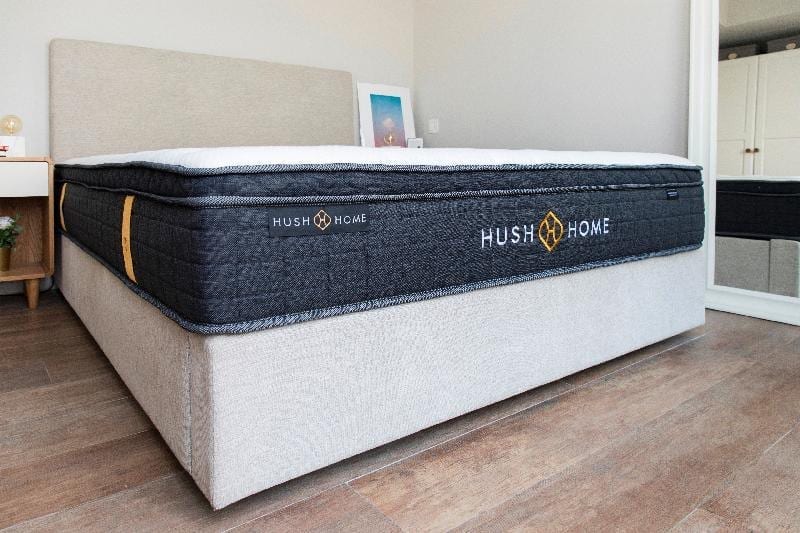
    US start-up Hush Home has opened an office in Hong Kong as a regional base to market its mattresses, pillows and other bedding products.

    Hush Home designs and tests its products in San Francisco, and the company’s mission is to offer bedding at affordable prices to hotels and individual customers through its online platform.

    The company also promotes its products through partners such as a new hotel in Osaka which has more than 700 guests daily, many from Hong Kong. This helped Hush Home discover that Hong Kong travellers generally prefer firmer mattresses and supportive memory-foam pillows, and the company has tailored its products accordingly.

    Hush Home founder/head of operations Rick Chen says the company is attracted by Hong Kong’s prime location, as well as its duty- and VAT-free advantage.

    “We plan to develop the Hong Kong market this year, then extend our product offering to other Asian markets using Hong Kong as a base.”

    The company has been helped with its set-up by Invest Hong Kong.

  • Ril Creed launches in Hong Kong

    Ril Creed launches in Hong Kong

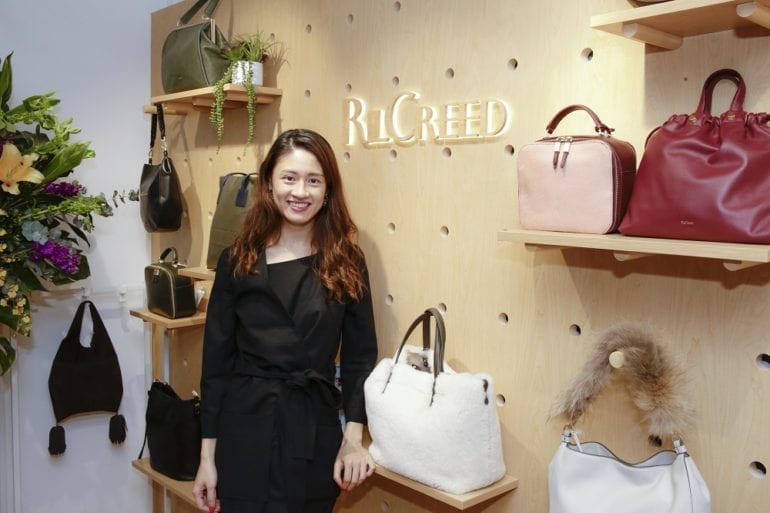
    RIL CREED’s collection of sustainable and ethical Japanese handbags opens its first flagship boutique in Hong Kong.

    Launched in 2012 in Japan and 2014 in Hong Kong, The Japanese handbag label RIL CREED is designed by Hanada Kazue, a seasoned designer who has been the design chief at the coveted Kitson Japan.

    With over two decades of experience, Kazue’s designs are made for the modern working women on the go. Using only fine genuine leather, with on-trend colours and versatile designs, each of RIL CREED’s handbags are made for every smart-casual occasion.

    Made to empower every modern women, each RIL CREED handbag is designed in Tokyo and handmade by artisans with age old craftsmanship. With a vision to revolutionize the handbag industry by using sustainable, upcycled materials and encouraging women to see beyond luxury items, RIL CREED redefines handbags as a tool to collect experiences and a companion in women’s journey to change the world.

    RIL CREED’s latest collection is inspired by owls, a spirited animal that symbolizes a deep connection, intuition, and wisdom of the soul. It represents change, transformation, and clarity. The brand aims to empower women through efforts to use sustainable materials and offcuts from factories. This season, upcycled sheepskin, faux fur and suede has been transformed into clean, elegant and effortless designs.

    Born in the 1970s, Hanada Kazue is Chief Designer of one of Japan’s most sought-after handbag brands, RIL CREED. Previously the design chief at Kitson Japan, Hanada has a deep understanding of what a woman needs when it comes to handbags. She has designed some of the bestsellers for the JAYRO, Kitson and Julia Parker labels, and brings to RIL CREED her renowned expertise.

    A seasoned handbag designer with over 20 years of experience, Hanada has created a beautiful, smart-casual collection for RIL CREED using only the finest genuine leather and horsetail in a variety of on-season, contemporary colours.

    These fashionable and practical designs from Hanada have been extremely popular amongst professional women in Japan and California, and have now set pulses racing amongst Hong Kong’s fashionistas.

  • Here’s Why Pre-Owned Luxury Fashion Are Growing In Asia

    Here’s Why Pre-Owned Luxury Fashion Are Growing In Asia

    Asia’s pre-owned luxury fashion market is continuing to grow, with shoes and t-shirts gaining ground, according to multichannel retailer Reebonz.

    Although bags continued to dominate, with an average of 77 per cent of total transactions in 2016 and 2017, both shoes and apparel achieved steep sales growth throughout the region, according to Reebonz’s now annual Asia Luxury Index.

    In Hong Kong, for example, sales of used branded sneakers rose 48 per cent last year, while “luxury t-shirt” sales soared six-fold.

    The report is based on Reebonz’s own trading data across Australia, China, Hong Kong, Indonesia, Malaysia, New Zealand and Singapore, along with unspecified “industry reports”.

    Reebonz says millennials are driving the sector’s growth, “tilting the scales in favour of a pre-owned luxury market that continues its growth trajectory”.

    Chanel, the most-purchased pre-owned brand by millennials, recorded more than double the total sales value on Reebonz last year over 2016.

    The report said the changing perceptions towards pre-owned luxury have altered the state of resale and how consumers shop today, contributing to 40 per cent sales growth in the pre-owned category at Reebonz.

    “The growing demands of buying from the resale market cleverly gives rise to a community of individual sellers, injecting the luxury ecosystem with products that meet these needs,” said Reebonz cofounder Daniel Lim.

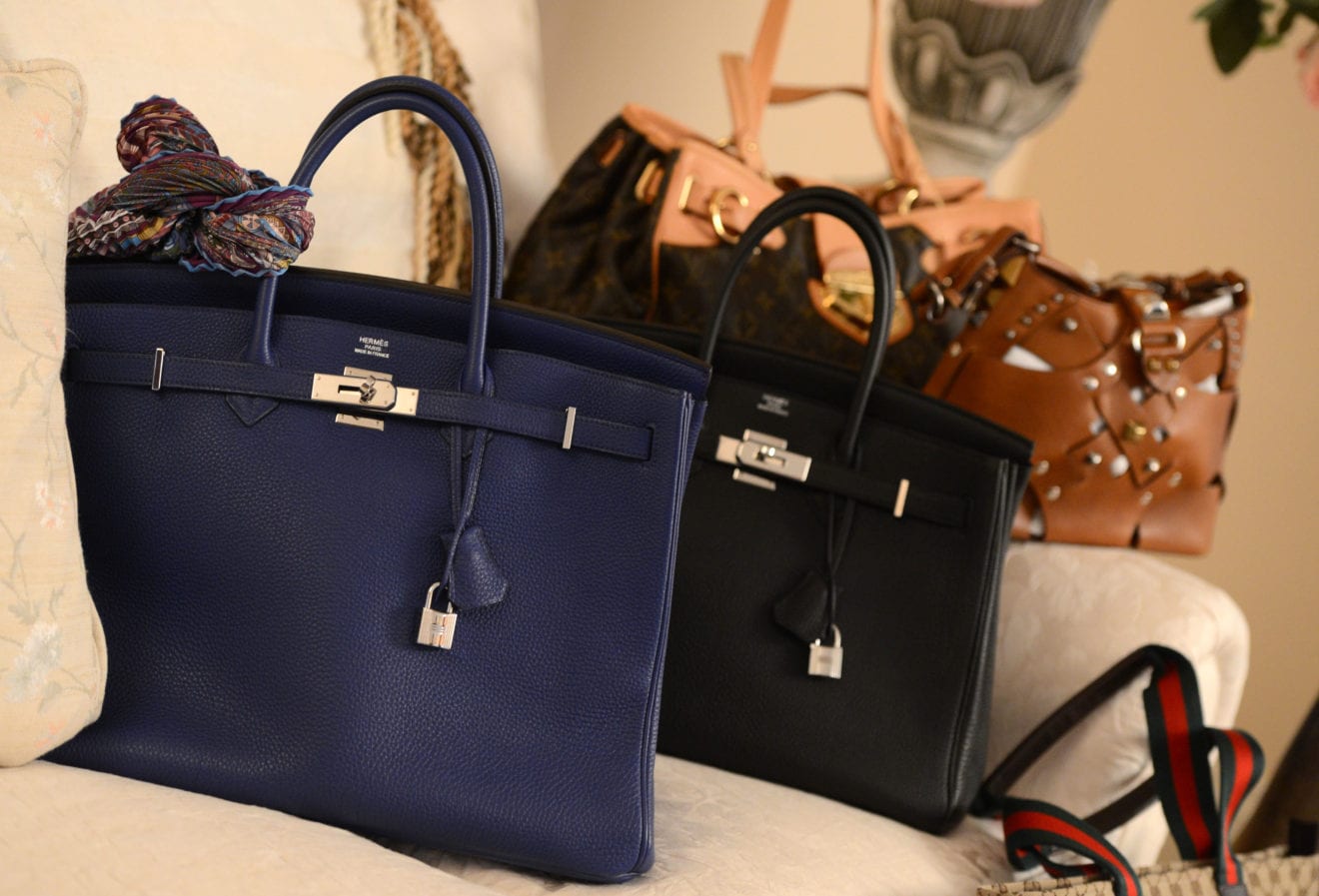
    Louis Vuitton, Hermes and Chanel were the three top-selling brands on Reebonz last year, fetching resale values as high as 125 per cent of their original retail price in the secondary market. Gucci, Celine and Dior were also among the top 10.

  • Asia gold demand picks up as prices fall

    Asia gold demand picks up as prices fall

    Physical gold demand in Asia picked up towards the end of the week, as a pullback in prices spurred purchases ahead of the Lunar New Year in China and the wedding season in India.

    Spot gold has declined about 1% so far this week and was headed for a second straight weekly drop due to a recovery in the dollar. 

    “Retail buyers are comfortable with the current price range,” said Aditya Pethe, a director at Waman Hari Pethe Jewellers in Mumbai. Local gold prices have declined more than 2% since rising to Rs30,720 per 10 gram last week, the highest since November 9, 2016.

    Dealers were charging a premium of up to $1.5 an ounce yesterday over official domestic prices, down from $2 last week. The domestic price includes a 10% import tax.

    “Demand is not great but the market is still in premium due to limited supplies. Imports were lower last month,” said a Mumbai-based dealer with a private bank. India’s gold imports in January dropped 37% from a year earlier to their lowest in 17 months as buyers postponed purchases in expectation of a cut in the import tax.

    Gold demand in India is likely to remain below its 10-year average for a third year in 2018 as higher taxes and new transparency rules on purchases may cap last year’s rebound in buying, the World Gold Council said on Tuesday.

    In top consumer China, premiums rose to $9-$10 an ounce from $6-$8 last week as demand picked up after prices fell later in the week, traders said.

    In Hong Kong, premiums remained unchanged from last week at between 60 cents and $1 an ounce. Demand in Southeast Asia remained strong ahead of the Chinese New Year that starts from February 16, as dealers stocked up in anticipation of strained supply during the festival week when gold refineries and businesses will be on holidays.

    “Supply-wise, we see some issues… That’s why the market is getting squeezed a bit and premiums are a little higher now,” said Brian Lan, managing director at dealer GoldSilver Central in Singapore.

    “Dealers generally try to get in more inventory during this period to at least get through the one tight week during the Chinese New Year.”

    Premiums for the precious metal in Singapore were slightly higher this week at between 80 cents and $1 an ounce, compared with 60-80 cents last week.

    “There’s no shortage of gold or anything, but it’s because of the festival season and the production schedule,” said Lan.

    In Japan, gold was sold at par after being on discount for the past few weeks, according to a Tokyo-based trader.

    India’s gold imports in January dropped 37% from a year earlier to their lowest in 17 months as buyers postponed purchases in expectation of a cut in the
    import tax.

  • Armani Box pop-up makes travel retail debut at Hong Kong Airport

    Armani Box pop-up makes travel retail debut at Hong Kong Airport

    L’Oréal Travel Retail has introduced the Giorgio Armani Box pop-up store to travel retail, at Hong Kong International Airport.

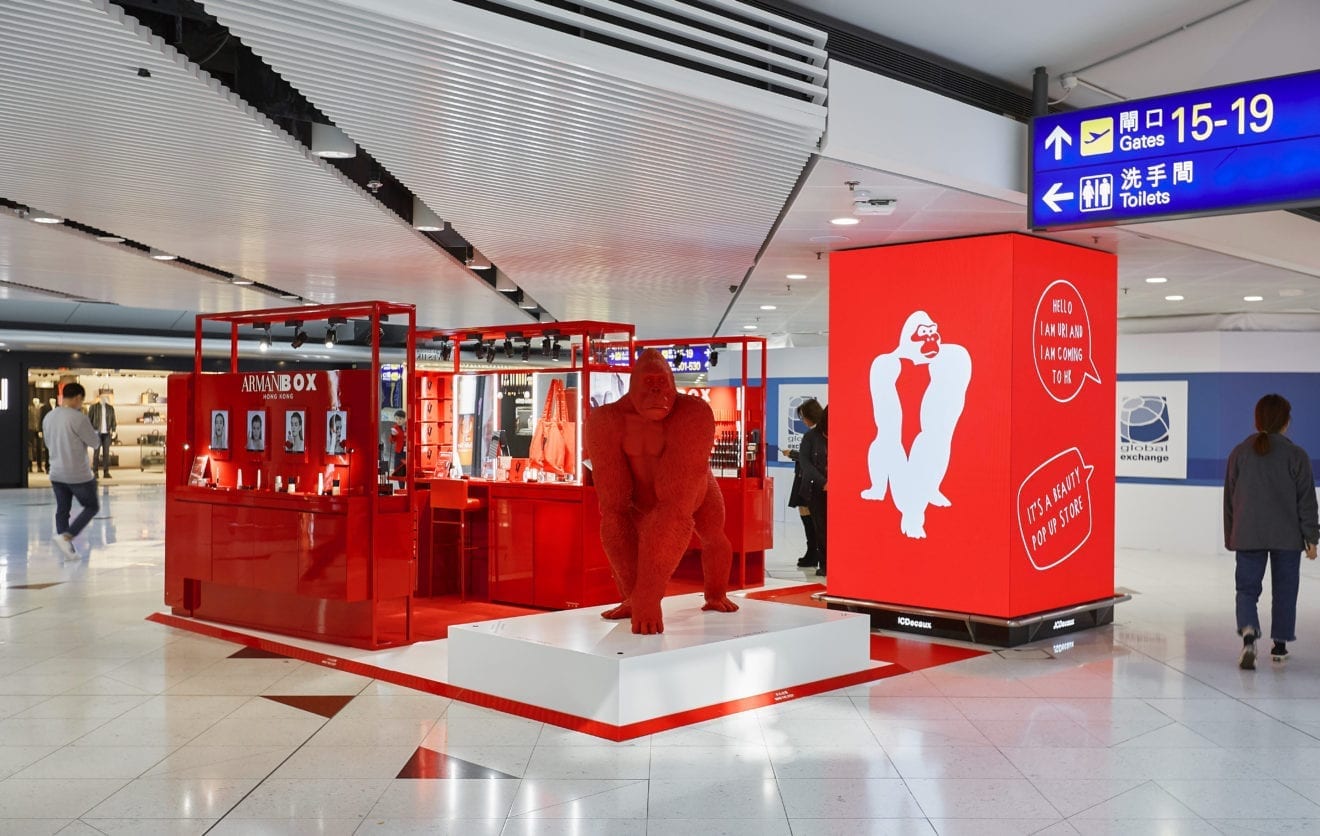
    The Armani Box, in Departures East Hall Level 6 North, was open throughout January. The concept launched in 2017 and has been featuring at domestic locations since.

    Monkeying around: Hong Kong International Airport marks the Armani Box pop-up’s first travel retail location

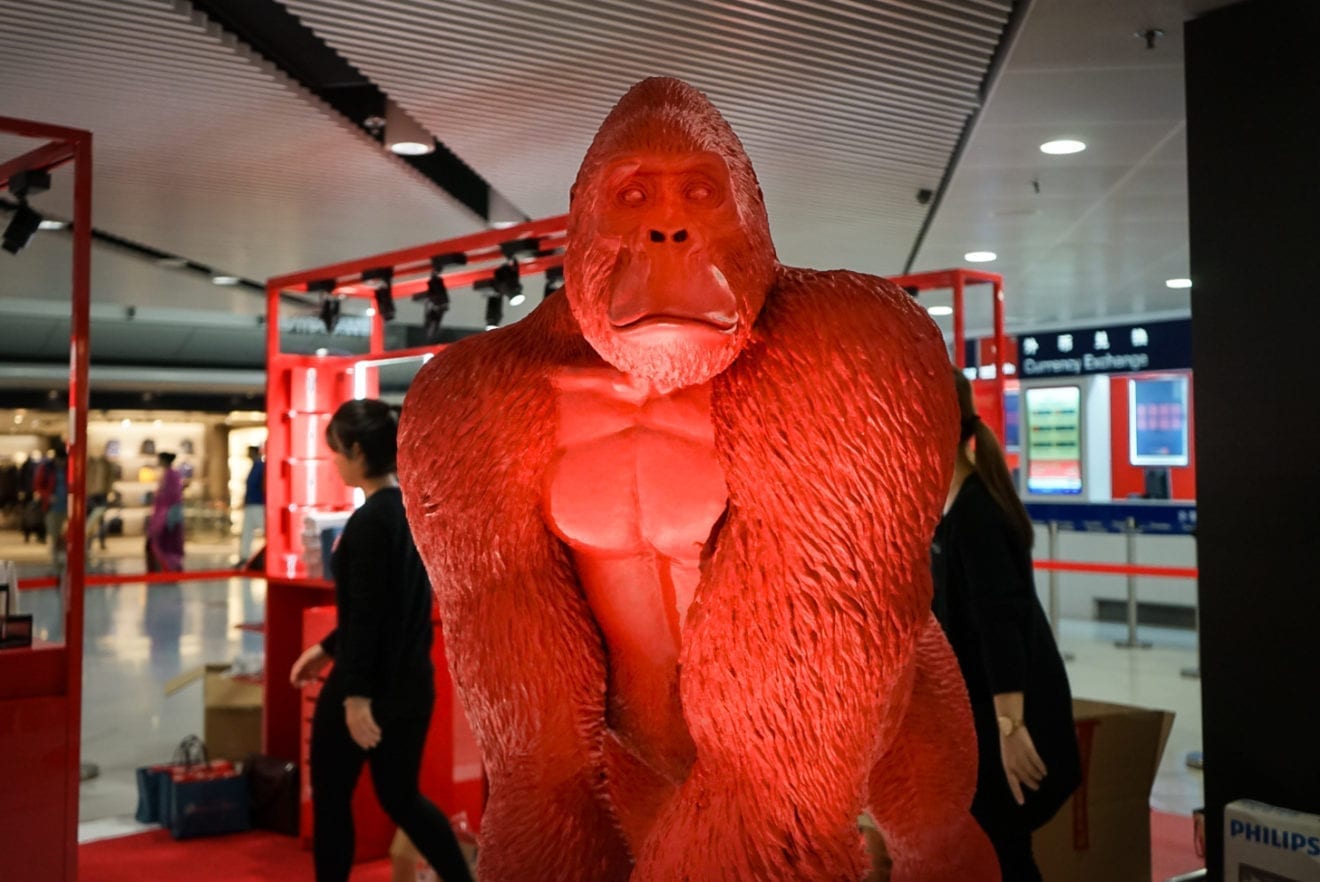
    The space features red walls and black lighting fixtures and a modern interior, in line with the brand’s DNA. An eye-catching giant red gorilla named Uri, created specially for the pop-up, welcomes guests to the area. The gorilla is a replica of a full-size gorilla statue that resides in Mr Armani’s Milan home.

    The attention grabbing Uri welcomed guests to the pop-up

    For a limited time, customers were encouraged to take a photo with Uri and enjoy a free print-out as a souvenir of their make-up experience.

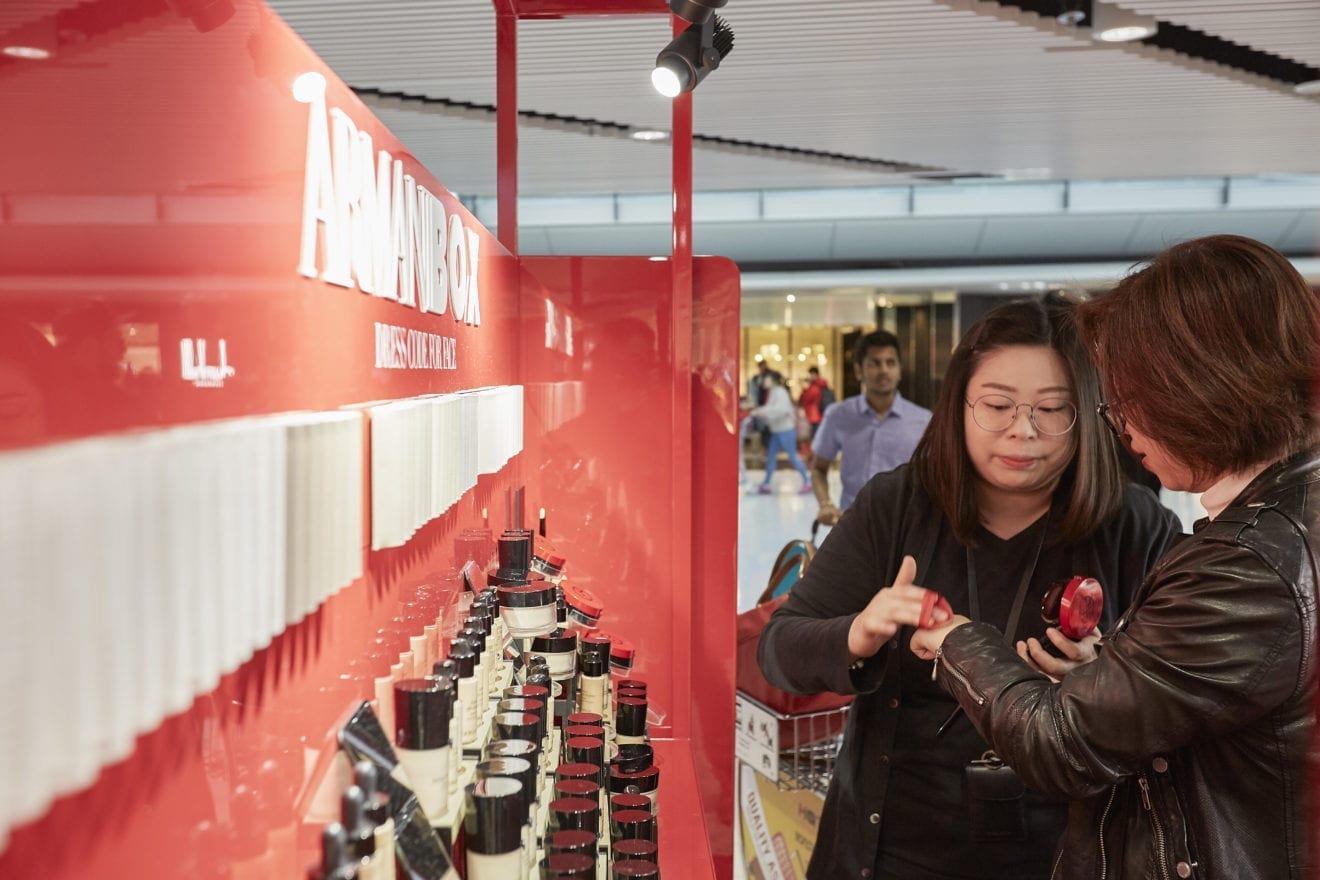
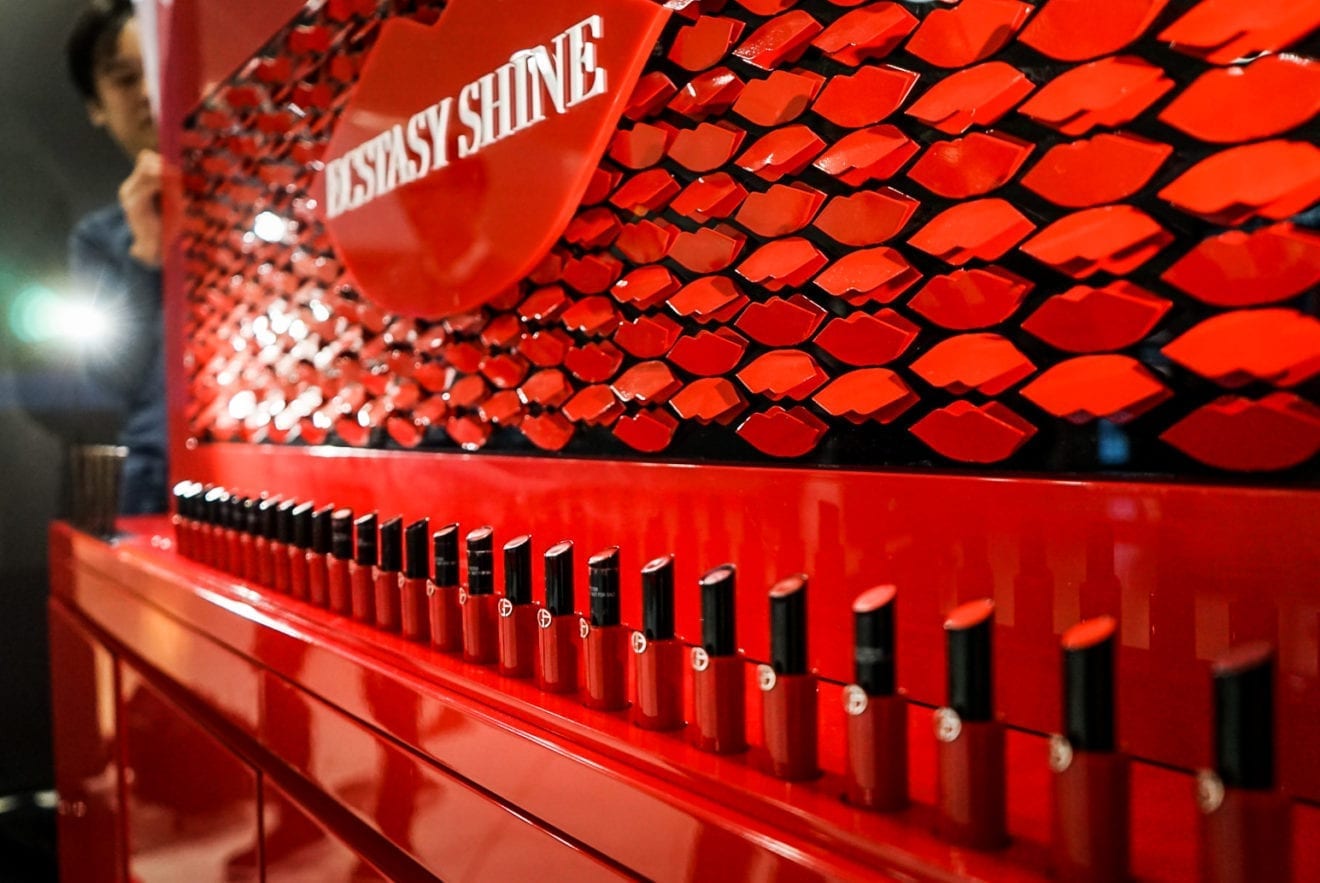
    The Armani Box invited guests to try out the latest make-up products, such as Ecstasy Shine lipstick. Giorgio Armani Face Designers were also on-hand to provide expert, made-to-measure make-up services.

    Giorgio Armani Face Designers offered travellers personal beauty guidance

    Ecstasy Shine lipstick provides the shine of a gloss, colours like a lip cream and moisturises like a balm

    Limited-edition Uri tote bags and stickers could be redeemed with purchases, along with Giorgio Armani beauty product samples.

    The Armani Box pop-up will open at Paris Charles de Gaulle Airport on 2 March.

  • Okashi Land and EasyGo to open unmanned outlet in China

    Okashi Land and EasyGo to open unmanned outlet in China

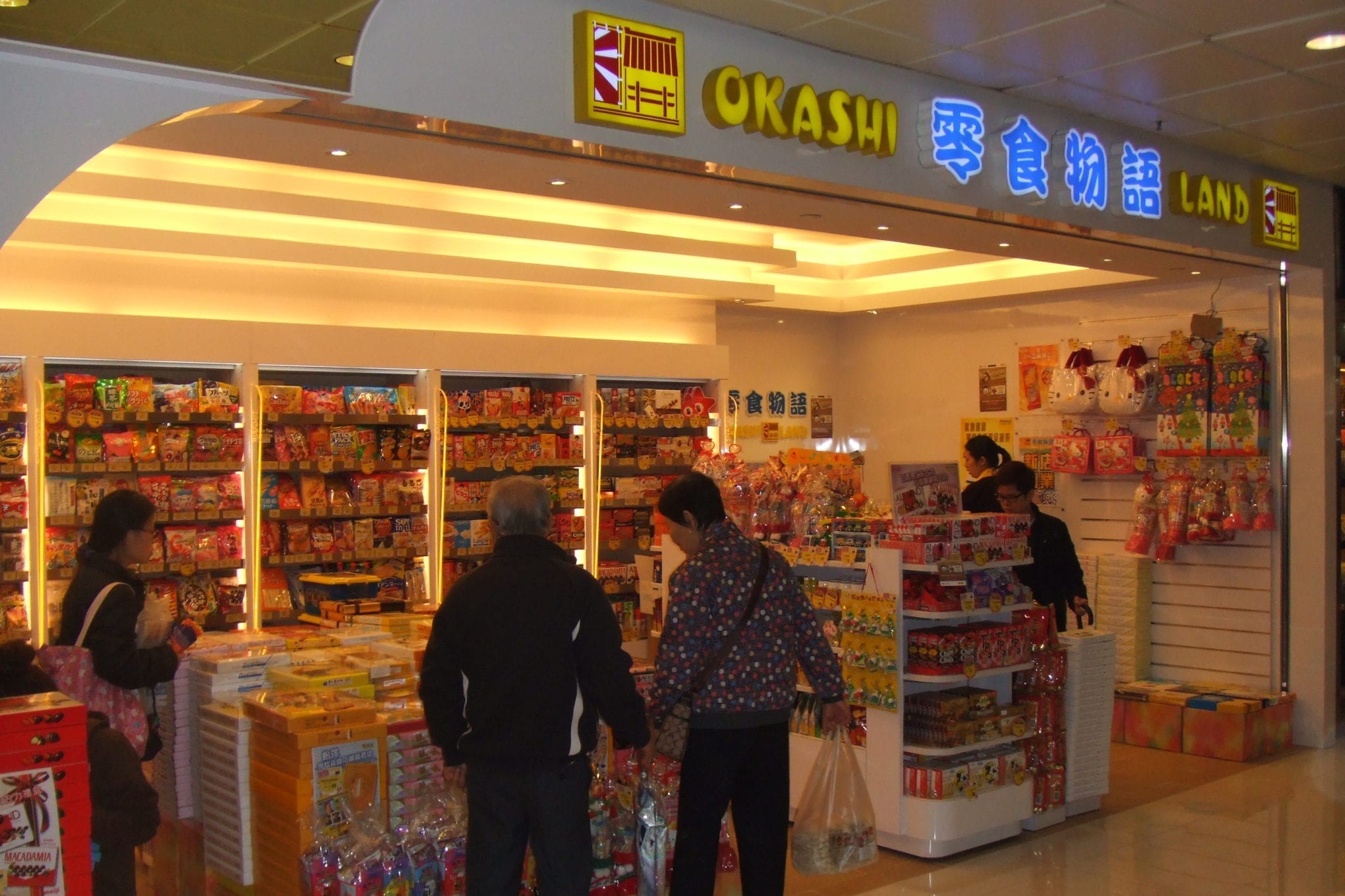
    Hong Kong-listed Four Seas Group, which runs Okashi Land confectionery outlets, plans to open unmanned stores in China.

    Its Guangzhou-based partner EasyGo, a start-up that runs unmanned convenience stores on the mainland, is finalising a location for a flagship Okashi Land store there with an unmanned section, says EasyGo co-founder Fele Wang.

    She says the start-up wants to take advantage of its base in southern China to seek co-operation from brands based in Hong Kong, Macau and Taiwan, and might expand the branded store model once it takes off.

    EasyGo also sells Four Seas products through its unmanned convenience stores in the Pearl River Delta in the southern mainland. It has about 100 outlets in 10 cities in China, but Four Seas products are mainly available at its stores in seven cities in southern China.

    To enter the company’s unmanned stores, customers need to scan a QR code using Tencent Holdings’ messaging app WeChat on their mobile phones. They then pick out the items they want, and scan a QR code again at the exit point where the system automatically detects the items and tallies up the purchases.

    As well as expansion in southern China, EasyGo is trying to make inroads into eastern China in cities such as Shanghai and Hangzhou.

    In Shanghai, EasyGo has been supporting Tencent in running a cashierless pop-up shop, We Life.

  • Tapestry takes back Kate Spade China business

    Tapestry takes back Kate Spade China business

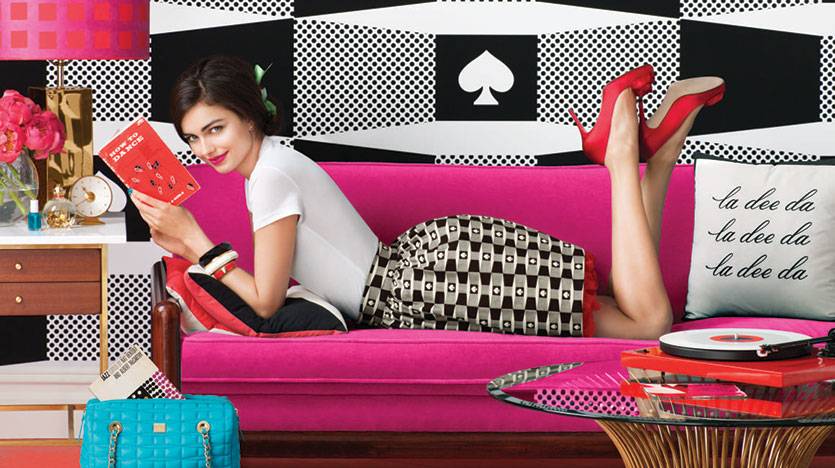
    Tapestry, the fashion retailer formerly known as Coach, has taken back operational control of its Kate Spade China joint ventures in Hong Kong, Macau, Taiwan and the mainland.

    CEO Victor Luis described the move as “an important business development initiative” and part of a plan by the group to assume greater direct control over its international distribution.

    The company has also entered into a purchase agreement to acquire the Stuart Weitzman business in Northern China from its distributor.

    “These transactions are in keeping with our strategic priority to maximise the opportunity with Chinese consumers globally across our brands,” said Luis.

    “In addition, we are excited to announce the buyback of the Coach business in Australia and New Zealand from our distributor, with an expected closing in the third fiscal quarter. As a result, we will be creating a Tapestry hub and center of excellence in Sydney to drive growth across our portfolio, further unlocking the value of a multi-brand operating model.”

    The news was included in the company’s second quarter results announcement in which Tapestry revealed a 35 per cent increase in sales, largely fuelled by the addition of the Kate Spade operations to its figures after its acquisition last July.

    Net sales totalled $1.79 billion for the second quarter, up from $1.32 billion in the prior year, while net income was $63 million.

    Luis said the second quarter performance exceeded the company’s expectations, with a return to growth for Coach, improved sales at Stuart Weitzman and the contribution of Kate Spade which continued to make progress after its integration into the business.

    A “significant step forward”

    Neil Saunders, MD of GlobalData Retail, said after removing the Kate Spade data from Tapestry’s comparable sales numbers, a modest growth rate of 2.2 per cent was achieved, which was still a “a significant step forward for the group”.

    “Most pleasing is the return to growth of the Coach brand which has, for some time, seen revenue slide as the result of a pullback from a number of sales channels, including department stores. The 2.2 per cent increase signals that this period of painful adjustment is mostly over and that Coach has a stable platform from which to expand. A more disciplined approach to discounting and promotions helped margins at the brand, which flowed through to some healthy gains in operating income. In short, Coach’s game plan of becoming less ubiquitous and selling more at higher price points is now delivering.”

    Saunders said Coach deserves credit for an on-trend holiday line up, a compelling marketing campaign, and great in-store execution.

    “However, we also believe that gains were aided by a confident consumer and flattered by a very soft prior year comparative. Both factors were particularly influential in the key North American market.

    This leads us to be a bit more cautious about prospects over the upcoming quarters, especially as comparatives become tougher and gifting sales are less significant.”

    But he said any softness in the North American market can be offset by a more aggressive and coordinated approach to international expansion.

    “On this front, we are encouraged that Tapestry is taking back direct control of the Coach business in Australia and New Zealand and believe that this will help to improve the brand’s presence and influence in the region.”

    Looking beyond Coach, Tapestry’s newest brand, Kate Spade performed less well. Global comparable sales declined by 7 per cent over the period, driven in part by a fall in e-commerce.

    “As much as this looks disastrous, the dip is mostly the result of a deliberate change in strategy, with Tapestry pulling back from the flash sales and heavy discounting that Kate Spade previously used to drive revenue. Predictably, this has resulted in a dramatic volume decline and waning interest among some consumer segments.

    “The intention is clear: Tapestry wants to take Kate Spade through the same process used to rebuild Coach. This is a necessary step to bolster brand value as Kate Spade had become too value-oriented and overly reliant on excessive, and margin depleting, promotions to drive results. We are conscious that weaning Kate Spade off the discounting drug will be far from easy and better numbers will only come through over the medium to longer term.”

  • ZALORA announces partnership with American brand J.Crew

    ZALORA announces partnership with American brand J.Crew

    Asian online fashion destination Zalora and J.Crew have announced they are forming a partnership to expand the US brand’s reach.

    From next month, a curated range of J.Crew’s women’s ready-to-wear and shoes as well as men’s apparel and accessories will be available at Zalora.

    It is J.Crew’s first online venture with a partner into Indonesia, Malaysia, Singapore, Taiwan and the Philippines, and will strengthen its store presence in Hong Kong.

    “Through our innovative platform and expansive logistics network, J.Crew will reach shoppers well beyond capital cities reaching a far wider network of potential customers than ever before,” says Zalora Group CEO Parker Gundersen.

  • Hong Kong retail real estate sales looking good

    Hong Kong retail real estate sales looking good

    Hong Kong retail real estate sales are showing signs of growth, more transactions in January and December than any other month last year.

    According to a research report from Midland IC&I, which sourced data from the land registrar, sales of retail space last month totalled HK$3.05 billion (US$396 million). This exceeds the average monthly figure for the first 11 months of 2017, which was HK$2.3 billion. It excludes Link REIT’s HK$23 billion mega-sale of 17 malls in December.

    There were 145 recorded retail shop sales in January.

    Huang Han-cheng, CEO of APH shops, described the market as “still hot” adding the market was benefitting from a return of investors and tax policies.

    Midland said the retail real estate market has been supported by improving retail figures which in turn were aided by rising visitors to Hong Kong.

    The overall Hong Kong property market achieved $16.3 billion (US$2.1 billion) worth of commercial transactions in January, surging 170 per cent year-on-year and representing the second-highest monthly total in nearly five years.

  • E-Land Group to get US$91 million fund injection

    E-Land Group to get US$91 million fund injection

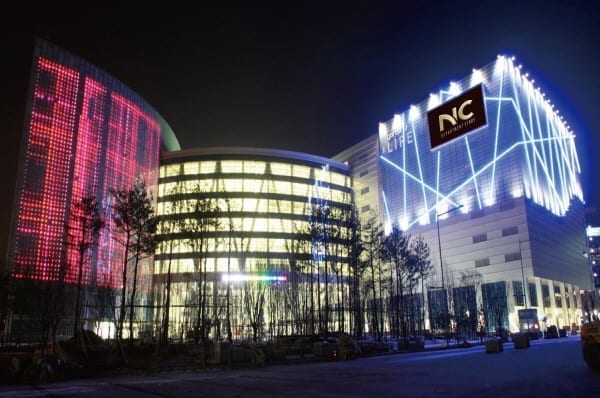
    Singapore’s sovereign wealth fund GIC has injected KW100 billion (US$91 million) into Korean retail major E-Land Group.

    The round was part of a KW200 billion investment led by Hong Kong-based Anchor Equity Partners. With interests in malls, restaurants, theme parks, hotels and construction businesses, E-Land has built its cornerstone on fashion apparel.

    This latest infusion of capital follows the Meritz Financial Group investing KW300 billion in the firm as part of a consortium led by Korea’s Keystone Private Equity last month. GIC has previously invested in E-Land – in 2009 it acquired an outlet of hypermarket Kim’s Club and the Gangnam branch of its NewCore Department Store. It subsequently leased them back to E-Land.

    At the end of March last year, GIC was estimated to have assets under management of between US$359 and $398 billion.

    GIC’s previous investments in South Korea include KW130 billion backing for cafe chain A Twosome Place.