Tag: Hong Kong

  • HKBN profit surges 423.4% in 1H18

    HKBN profit surges 423.4% in 1H18

    Hong Kong’s HKBN has reported a strong 423.4% increase in net profit for the six months ending in February to HK$241 million ($30.7 million), partly as a result of strong residential and enterprise growth.

    Adjusted for amortisation and non-recurring finance costs, profit grew 70% year-on-year to HK$295.4 million, the operator said.

    Revenue for the six month period increased 22% to HK$1.86 billion, with residential revenue up 17% to HK$1.1 billion and enterprise revenue growing 19% to HK$679.2 million.

    Total residential customers grew 8% to just over 1 million. HKBN’s mobile customer base grew fourfold year-on-year to 222,000, but broadband subscriptions declined 1% to 872,000 and voice subscriptions fell 2% to 515,000 over the same period.

    The company attributed its strong performance to the introduction of its quad-play broadband, voice, mobile services and OTT video strategy.

    HKBN’s enterprise customer base meanwhile increased 10% to 56,000, and enterprise ARPU increased 4% to HK$1,526.

    “We are proud to have delivered remarkable, across-the-board growth in the industry, executing in line with our pledged J-curve strategy,” HKBN CEO William Yeung said.

    “We are moving full steam ahead to harvest higher returns for our investors in the years to come, and simultaneously bring exceptional value for our customers.”

  • Huawei store for Hong Kong

    Huawei store for Hong Kong

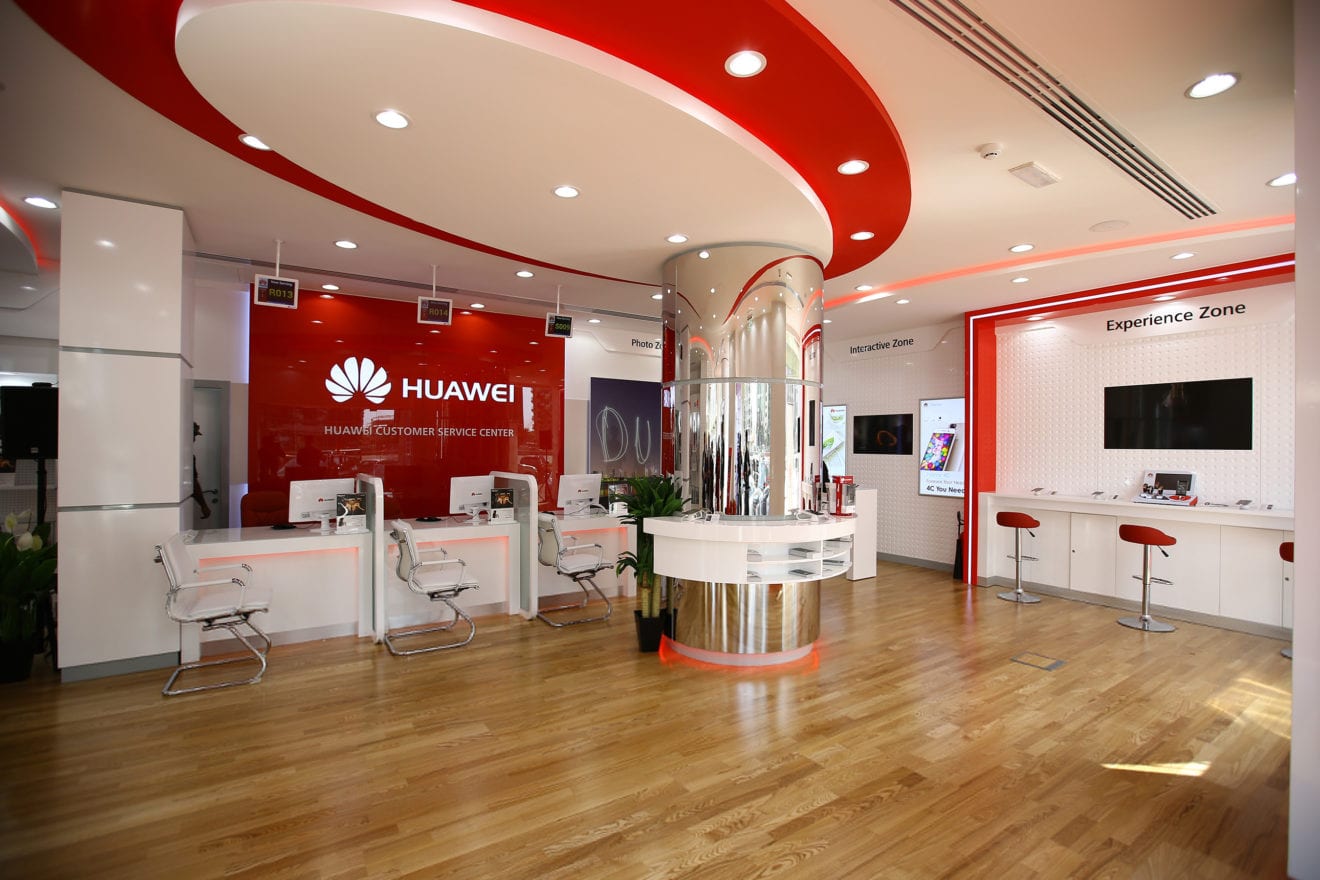
    Chinese smartphone maker Huawei Technologies will open its first retail store in Hong Kong by the end of July.

    Just a week after unveiling its flagship P20 Series smartphones in Hong Kong, the Shenzhen-based company has revealed its plans for a 2000sqft store in Tsim Sha Tsui.

    Huawei has a market share of around 10 per cent in Hong Kong, behind Apple and Samsung, but says it is working hard to achieve 15 per cent by the end of the year.

    Its latest products at the new store will have prices starting from HK$4980 (US$635), and include the P20 Pro, which has a three-camera system that takes photos with a far higher resolution than the iPhone, reports EJInsight. Huawei senior executive Richard Yu has described it as “the iPhone killer”.

    Huawei aims to boost its public exposure in Hong Kong with its own retail store, rather than relying on third-party channels. Already Apple has five stores in the territory since arriving in 2011, while Samsung has its Galaxy Studio. Beijing-based Xiaomi is set to open its third store in Mong Kok next year.

    With its store, Huawei will be able to showcase its technological advancements, such as its 5G development and its Kirin mobile processor. Its P20 Pro and Mate 10 have hardware specifications that surpass those of Apple.

    Worldwide, Huawei is growing faster than most of its rivals and is in a neck-and-neck race with Apple, says EJInsight. In fact, at one point last year it surpassed Apple in shipping volumes, but then the iPhone X and iPhone 8 series were released.

  • The DNA of Zalora Explaned

    The DNA of Zalora Explaned

    Alibaba and JD.com may be embracing brick-and-mortar retailing in a move offline, but Southeast Asia’s fashion-focused Zalora still considers itself a pure-play online retailer and has no plan to change.

    In an interview, Zalora Group CEO Parker Gundersen, who will step down from the role at the end of May for personal reasons, says digital pop-ups in various markets across Asia should not be mistaken for a move offline.

    “I would consider ourselves a pure-play digital-commerce provider. The pop-up shops for us are largely for marketing. I love them because it is a great way to introduce consumers to Zalora and the products we sell, and to our technology [interface], so they can see how easy it is to shop on our platform.”

    Fashion-focused Zalora has a growing presence in Hong Kong, sourcing orders here from its Malaysian warehouse.

    Romain Voog, outgoing CEO of Zalora parent Global Fashion Group, (pictured below) says the company treats Hong Kong as part of a cluster of markets that also includes Malaysia, Singapore and Taiwan.

    “I think we can see a lot of progress in Hong Kong, especially if we are getting products that are more geared toward Hong Kong customers. It is surprising there is not more Chinese influence selling into Hong Kong. We’ve been surprised by the results we have seen of basically just organising a shipping route into Hong Kong.”

    Growth ahead

    Voog sees a lot of opportunity for Zalora to increase its Hong Kong presence, especially if it can source a better assortment of product.

    “We don’t share our growth rate in Hong Kong, but it is above our overall market growth rate. We are starting to invest more into it in terms of marketing and assortment, so we should see improvement in growth reflecting that.”

    Gundersen is not tempted to copy the massive investment by Alibaba and Amazon into traditional retailing formats via acquisitions and moving offline, albeit with heavy technology behind the scenes.

    “Those two players are in a unique position in this world in terms of the size of their portfolios, their capabilities and what they can do. I can only speak for myself and this business that we run – our DNA is technology and agility, and if I look at our supply chain, it is about efficiency, especially in markets where you have consumers spread out, big populations of consumers who are nowhere near high street. It is such a sensible alternative to have an e-commerce platform where you can consolidate one warehouse and distribute the product to wherever there is demand – it is a far more efficient way to go.

    “So for us, I want to stay focused on that model. But there are ways we can partner with the offline world, because if you think about it, 95 per cent of retail today – probably more like 98 per cent in most markets – is still happening offline. So we have a very small share of the overall market.

    ‘So much opportunity’

    “It is interesting to see the big players making these moves, but I think there is still so much opportunity for a company like Zalora because we have that really focused perspective. We love fashion, we love beauty and we love what that does for our consumers. Not all fashion is the same. There is a big spectrum of fashion, but the ability to have a viable channel for brands around the world here in Southeast Asia is still unique.”

    That said, the online market is growing fast and Gundersen is excited to see how much more share e-commerce takes. “We’re still limited in terms of size right now, so we maximise our coverage and try to get as much face in this region as possible, reaching as many consumers and potential customers as possible who are now coming online.”

    He is speaking about the entire Zalora Asia business, of course, which stretches from the Philippines through Malaysia, Singapore, Indonesia and up to Taiwan and Hong Kong. Forays into Thailand and Vietnam were less successful and sold off to local players, allowing the company to focus on its stronger markets.

    Voog will not rule out a return to either market long term, but believes there is greater opportunity through not dispersing resources too thinly in too many markets.

    “If you look at the Philippines, Indonesia, Singapore and Malaysia, these markets are at a very early stage. E-commerce penetration is like 5 or 6 per cent, so that means 95 per cent of the business is not online yet. The results are clear: if we double down in these markets, and get the right partner on board where we need one, you can see the results.”

    Misinterpreted

    In the Philippines, Zalora partnered with shopping mall/banking/telco giant Ayala, which took a 49 per cent shareholding. Gundersen says the partnership – since misinterpreted by some commentators as a partial exit from the market – will allow customers to move between physical and digital channels seamlessly. The two companies can share data, and use that information to improve customer touch-points.

    “The partnership creates a special opportunity to align the country’s leading commercial mall company, telecom provider (Globe) and consumer bank (BPI) with the region’s leading online fashion retailer to create a first-of-its-kind retail partnership that focuses on the customer journey,” he says.

    “We have very ambitious plans to connect our respective consumer-facing businesses to create some ‘seamless journeys’ for customers in the Philippines and across our markets. The idea is simple: leverage our combined customer-facing business and our digital capabilities to create a far more connected shopping experience for Filipinos.”

    Immediate benefits include click-and-collect, allowing online shoppers to have their purchases delivered to an Ayala mall, This gives the mall a strong e-commerce face to consumers, including space for tenants to join Zalora’s ranks of vendors.

    As Gundersen explains, “My first responsibility is ultimately how do I please my customer by getting the right product? If I have product the customers don’t really want, it is just going to be left over. You’re not really going to build a brand that way, or a profitable retail company, Partnering with places like Ayala and helping them to invest in creating an e-commerce solution like we have is unlikely for most offline players, unless they are really in a unique position. There are a few out there who are making those acquisitions to bring in that kind of capability.”

    Voog says critics alleging the company is divesting misunderstand the Philippines strategy. “It is totally the opposite. We are actually overinvesting, but we are investing in a way where every investment is going to double the result because of the partnership.”

    Relationships essential

    Gundersen sees strong relationships with brands as essential to Zalora’s success.

    “A couple of years ago, few brands were willing to take a shot [with Zalora]. But we are sitting in a unique position because the brands are really now starting to come in and say, ‘Hey, I like what you guys are doing – I like the adjacencies, I like the brands, I like the way you represent brands in your channel and I want to come in’.”

    He believes Zalora is attractive to brands because they can achieve incremental sales from customers not initially seeking them out.

    “Zalora is like a shopping mall whereas the monobrand website is like a small shop in one location – they just can’t get the traffic we can. And we have that customer relationship, so we can introduce new brands to people. They may come in and buy a Mango or Topshop item, but we can introduce them to Adidas or Nike.”

    Is it is a challenge convincing brands they are not cannibalising their own direct-to-consumer sales by listing on Zalora?

    “We have the data, so we can show why e-commerce makes so much sense in Southeast Asia,” says Gundersen. “A lot of consumers just don’t have access to offline stores. I think the local distributors are much more concerned, so over the years we have really had to work with them and build confidence and trust. At the end of the day, this is a net positive thing for the overall business.

    “With our local distributor partnerships – in some markets we still work closely with those distributors – we really try to focus on how to uplift their performance as well.”

    Distributors, he says, are often being pushed by the brands to develop their own country-specific e-commerce site, so partnering with Zalora is sometimes less of a threat and more of an opportunity to appease the brand.

    “I’m very focused with my team on how we build stronger relationships with the brands and understand what they need as well, because not all product is the same. There are brands that give only the best products to the best partners. That’s the status I want to get into.”

    Profit question

    Meanwhile, Zalora’s struggle to become profitable in Asia has attracted a significant amount of media attention in recent years. Never mind that it took Amazon decades to return a profit, the financial press is less forgiving with Zalora. Voog is candid when asked about the timeline for the company making it into the black.

    It is totally different in different markets. Some of our regions, the Middle East for example, are profitable. It really depends on the market maturity and the level of competition there.

    “Our view is simple: we want to build the largest, highest-growth and profitable operation, focused entirely on fashion product. We want to be the fashion platform in each of our countries in each of our regions. We want to be the largest, highest-growth and obviously most-profitable fashion platform.

    “We’ve seen from our overall GFG result that we are making progress on the path to profitability and we are now in single-digit EBITA negative results, which is a steep improvement to the minus 40 we were three years ago. I am not interested in being a profitable small business – I am interested in being a large, high-growth business, so I think the priority will always be to make sure we stay the leader and reinforce that leadership position. Sometimes that might mean delaying break-even point to make sure you reinvest in acceleration of growth. That is fine.

    “The real indicator of success is being profitable on viable cost. Once you cover your viable result, any extra growth will help build your bottom line and help pay for your fixed costs.”

    Voog does not believe Zalora has made many major mistakes since entering Asia. “Maybe the only one was to go too broad too quickly, going into too many countries and being subscale and spreading ourselves too thin. That’s why we exited Thailand and Vietnam. If there was one thing I’d do differently, it was probably this one. The rest, we have been lucky.”

    That said, there have been many lessons along the way.

    “I think we have developed as a company the ability to be agile. We test a lot of things, then we try and humbly measure the results, and if we fail, we stop. It is a huge mistake when you start to do things and you don’t act when you fail and you keep on doing it.

    “We don’t do that. If we fail, we stop and we move on.”

  • Hong Kong Airport seeks tenders for cafe concession

    Hong Kong Airport seeks tenders for cafe concession

    F&B companies have been invited to offer tenders for a lifestyle cafe concession in a restricted area at Hong Kong International Airport (HKIA).

    It covers 100sqm on level six of the Northwest Concourse of Terminal 1.

    HKIA has air, sea and land links and works around-the-clock serving more than 100 airlines and 72 million passengers.

    Tenders close on 24 May, and requests for tender documents must be accompanied by a non-refundable cashier’s order of $500.

  • Sa Sa International going uphi

    Sa Sa International going uphi

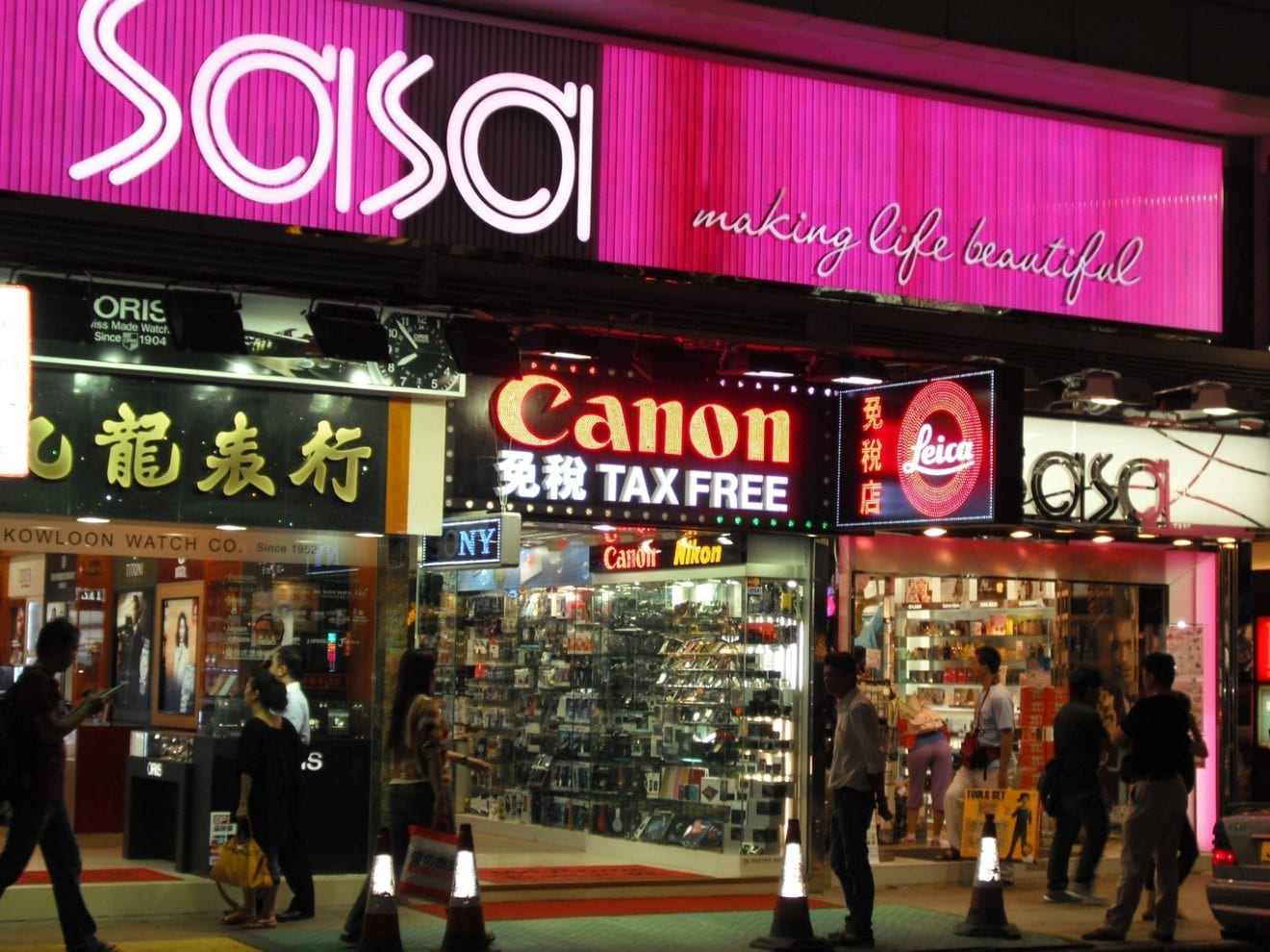
    Retail sales in Hong Kong and Macau had continuous positive growth for cosmetics retailer Sa Sa International Holdings throughout its latest fiscal year.

    Releasing its unaudited sales updates  for the fourth quarter to the end of March, the group says the upward momentum was mainly driven by increased in-store traffic and consumer consumption.

    Benefitting from the retail market recovery, Sa Sa says it remains optimistic about the Hong Kong and Macau markets and will continue to optimise product offerings and enhance
    the shopping experience for customers in the fast-changing markets.

    On a year-on-year basis, the group’s turnover grew by 14.4 per cent. The turnover in Hong Kong and Macau increased by 17.8 per cent, while same-store sales rose 15.1 per cent.

    Sa Sa says the sales performance was in line with expectations and was mainly driven by the 12.1 per cent growth in transactions. Local and mainland tourist transactions increased by 7.9 and 17.3 per cent respectively, while the average sales per transaction grew by 5.1 and 3.6 per cent respectively.

    In other markets (including Mainland China, Malaysia, Singapore, Taiwan and Sasa.com) turnover had a marginal increase of 0.8 per cent.

    At the end of the quarter, Sa Sa had a total 275 stores and counters, down from 288 at the same time a year earlier. Hong Kong and Macau, which each have a single-brand store, had two fewer stores at 118, while China lost one to end the quarter with 55. Singapore was steady with 20 outlets, while Malaysia gained one for a total of 72.

    In February, the group announced it would close all its stores in Taiwan. It had 10 at the end of the quarter compared with 25 a year earlier.

  • HKBN launches roaming-focused mobile plan

    HKBN launches roaming-focused mobile plan

    Hong Kong Broadband Network (HKBN) and free to air TV broadcaster Television Broadcasts Limited (TVB) have launched a new joint mobile service plan offering a shared data allocation for customers roaming internationally.

    The new plan includes a free Global Phone, an Android-based smartphone that uses CloudSIM technology to provide mobile network service across more than 60 countries and territories.

    The Global Phone also supports dual SIM technology to allow local mobile network service to be activated by inserting a local SIM into the device.

    Customers will receive 5GB of monthly global data usage, as well as between 3GB and 12GB of local data depending on plan tier. Prices start at HK$198 ($25.22) per month.

    New customers porting their mobile number from any other operator will be granted 2GB of bonus data on the base 3GB plan, and existing HKBN broadband, home phone or mobile service customers registering the plan will be provided a HK$58 monthly discount.

    Via the partnership with TVB, the Global Phone will come pre-loaded with a 24-month subscription to TVB’s MyTV SUPER App as well as its TVB Anywhere App for use in mainland China and other overseas markets.

    “Today, many Hong Kongers and companies are still paying a lot for roaming. We’re determined to put an end to the era of exorbitant roaming charges, so that Hong Kongers can enjoy high-speed, high-quality mobile data services at great prices, at home and abroad,” HKBN CEO William Yeung said.

  • AP Company plans a new Hong Kong base

    AP Company plans a new Hong Kong base

    After opening its Tsukada Nojo restaurant in Hong Kong, Japanese restaurant group AP Company plans to open a second eatery this year, and use the territory as a springboard into Asia.

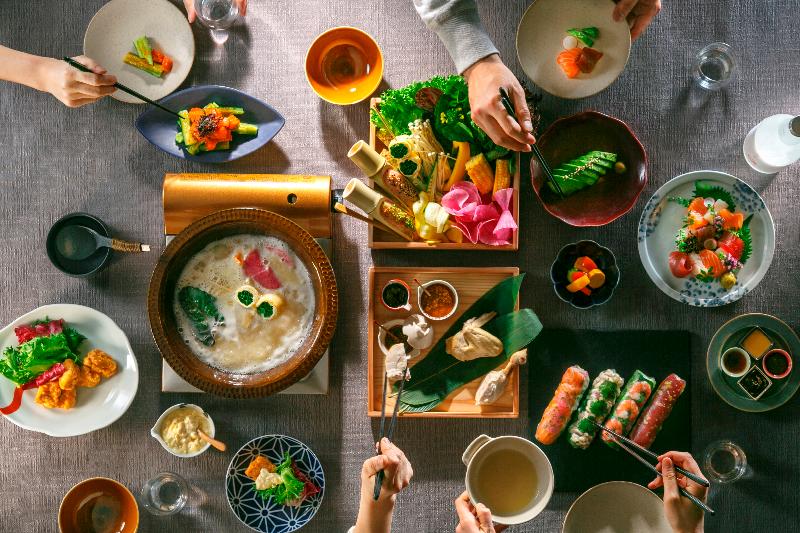
    It had eyed the Hong Kong market for years before introducing its leading brand in Harbour City’s Ocean Terminal in Tsim Sha Tsui. With a harbour view, the restaurant features collagen-rich chicken hotpot in a concept targeting health- and beauty-conscious diners, the quarterly newsletter of Invest HK.

    AP Company MD Masashi Kamatani says Hong Kong is crucial for the company’s continuous expansion in Asia. “It is the key market for our success. The city has a very mature dining culture, while the customers have strong spending power and are curious about new tastes and dining experiences.”

    He says the Hong Kong branch, after just eight months in business, has the highest sales and average spend-per-customer among the group’s 200 restaurants in Japan, as well as a handful of outlets in the region including Beijing, Jakarta and Singapore.

    “For businesses, Hong Kong has a very sophisticated and stable market. Even though it’s competitive, there is always room for new restaurants and abundant opportunities available.”

    Kamatani encourages the staff to talk with customers to find out their levels of satisfaction and their expectations, and he visits different restaurants every day to understand F&B trends and see what competitors are offering.

    He says that for AP Company, the most important thing is constant communicate with customers and modifying products and services to meet their expectations.

    In the next few years, the company aims to open 20 more restaurants in Hong Kong, and with franchise branches opening in Cambodia and the Philippines this year, it will eventually make Hong Kong its headquarters for overseas business.

    “Hong Kong is a compact city where it’s easy to launch a business,” says Kamatani. “It is in the heart of Asia, which makes it convenient for us to manage our branches in Japan and Southeast Asia.”

    He thinks InvestHK provides a great platform for businesses. “When I started, I didn’t know much about government policy or the market environment in Hong Kong, so I turned to InvestHK for help. The information and industry news have been very helpful for me to understand what needs to be done.”

    Established in 2001, AP Company has more than 200 restaurants in Japan and more than 20 F&B brands. It also has six outlets in Singapore, five in Beijing and one in Jakarta, and this year will open a second Hong Kong restaurant in Shatin.

  • Triwa Hong Kong opens it’s first flagship store

    Triwa Hong Kong opens it’s first flagship store

    Swedish watch brand Triwa Hong Kong has opened a flagship store at Plaza Hollywood, Diamond Hill.

    Its third international flagship after Stockholm, where it is based, and Tokyo, the store showcases the new SS18 collection.

    Founded in 2007 by four friends, Triwa stands for “Transforming the Industry of Watches”. The company now has a creative studio of 30 friends who develop all designs following the original motto: to produce only what they want to wear themselves.

    Triwa’s collection comprises eight watch “families”, Aska, Elva, Falken, Klinga, Lansen Chrono, Niben, Spira, Svalan and the original Nevil.

    New this spring 2018, Slate Nevil updates the original chronograph with a quartz Miyota OS21 movement and an exterior of steel, black and white, and black Swedish tanned leather.

    Also new, Smoky Falken pays homage to classic 1950s watches, mixing stainless-steel dark
    grey and polished gold detailing with a black organically tanned leather strap and with vintage styling. It has a Citizen Miyota 1L45 movement. Other new styles include the Ebony Svalan, Rose Svalan and Slate Aska.

    Also in the Triwa collection are sunglasses and fashion jewellery pieces including new brass and steel cuffs.

    Triwa has about 3000 outlets in 30 countries. In Hong Kong, it launched a pop-up store two years ago and has been available online.

  • Fook Tai Holdings seeking to go on the stock exchange

    Fook Tai Holdings seeking to go on the stock exchange

    Jewellery retailer Hong Kong Fook Tai Holdings is seeking an IPO on the growth enterprises market board with the aim of opening more retail stores and improving brand recognition.

    Fook Tai runs seven retail shops under the Fook Tai Jewellery brand in Hong Kong, while also selling products to VIP customers at its office. The company is a wholesaler of products mainly to a few jewellery retailers with stores outside Hong Kong and is a trader of recycled gold products. The company’s products come under three major categories – gold jewelry, platinum, karat gold and silver jewellery, as well as gem-set jewellery for mid- to high-end customers. Those categories accounted for 32.4, 4 and 24.3 per cent of total revenue respectively last year.

    Recycled gold products bought from the public and sold to recycled gold products collector/dealers, who resell them to goldsmiths, generated 39.3 per cent of total revenue.

    All the retail shops of Fook Tai are in residential areas of non-prime districts in Hong Kong, including Tsuen Wan, Jordan, Sham Shui Po, Tseung Kwan O, Sheung Shui and Kwun Tong. Fook Tai believes these locations will help grow a loyal customer base.

    The company intends to grow sales in major shopping and residential areas after going public. It plans to open two street-level shops in North Point and Sheung Shui in June and October respectively this year.

    Fook Tai directors believe the company should broaden its customer base and try to attract mainland customers. The new Sheung Shui store is near the border and is expected to benefit from mainland tourists. Also, North Point’s population includes high-income immigrants from the mainland.

    Fook Tai also plans to refurbish its retail stores after going public, and aims to attract younger buyers.

    Meanwhile, in its IPO prospectus, Fook Tai says its business may be adversely affected by the fluctuation of gold prices, while turnover from retail stores is subject to the risk of decline in the coming years.

  • Massive rebound in Hong Kong retail sales

    Massive rebound in Hong Kong retail sales

    Hong Kong retail sales for the first two months of this year soared 15.7 per cent against the same period of last year, the first double-digit increase in years.

    Census and Statistics Department figures just released showed a 29.8 per cent increase in February, which reflects the shifting of Lunar New year from January last year to February this year. That followed a revised figure of 4.2 per cent growth for January, a month when a decline might well have been expected given New Year’s timing.

    But while many retailers were providing anecdotal reports of improved fortunes for the start of this year, no one predicted an increase of more than 15 per cent for the two month period.

    The value of retail sales in February was provisionally estimated at $45.2 billion. After netting out the effect of price changes over the same period, the provisionally estimated increase of the volume of retail sales for the first two months of this year was 13.9 per cent.

    A government spokesperson said retail sales have strengthened visibly this year, thanks to favourable job and income conditions and a further pick-up in visitor arrivals.

    Luxury leads

    Predictably, sales of jewellery, watches and valuable gifts drove the first two months sales growth, rising 21 per cent.

    Apparel sales rose 19.5 per cent, medicines and cosmetics by 17.4 per cent, electrical goods by 27.9 per cent and accessories by 18.2 per cent. Food, alcoholic drinks and tobacco sales were up 10.5 per cent, department store sales up 10.9 per cent and footwear and accessories by 18.2 per cent.

    The only category showing a decline in the first two months was books, newspaper and stationery, down 1.3 per cent.

    The government spokesperson said the outlook for retail sales should remain positive in the near term, underpinned by upbeat local consumer sentiment amid a full employment situation and by continued improvement in inbound tourism.

  • HKTV Mall enables reward payments to consumers

    HKTV Mall enables reward payments to consumers

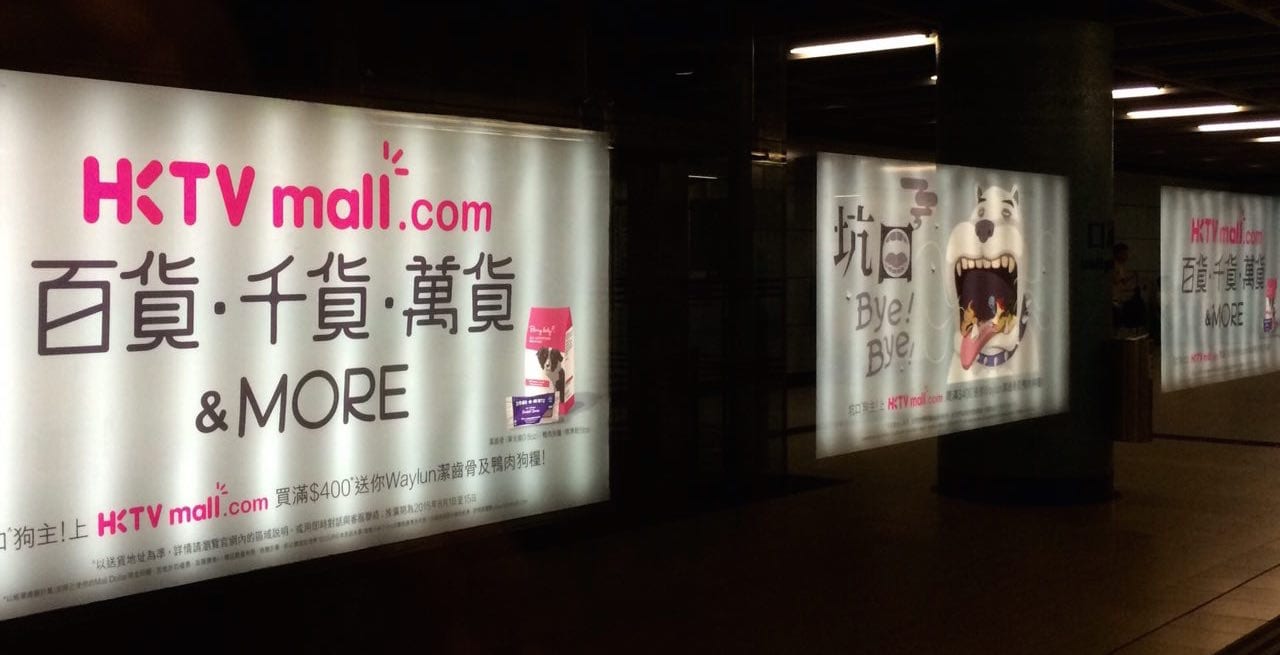
    Citibank has launched Citi Pay with Points on HKTV Mall, the online shopping portal of Hong Kong Television Network.

    Holders of Citi points-bearing credit cards shopping on the mall or using its mobile app can now seamlessly use their reward points for payment. This is possible with the Citi Pay Points Application Program Interface (API) being fully integrated on the HKTV Mall platform.

    It is the bank’s first API partnership in Hong Kong, says Citibank Hong Kong head of cards and unsecured lending Lum Choong Yu.

    “Citi’s approach to open API architecture underscores our commitment to fostering closer collaboration with digital ecosystems to accelerate the offering of our banking services in all areas of our customers’ digital lives.”

    Nearly half of reward points redemptions are done via the Pay with Points platform, says Choong Yu.

  • Hong Kong retail rents set for ‘early lift’

    Hong Kong retail rents set for ‘early lift’

    Hong Kong retail rents are expected to move into an “early upswing cycle” this year according to a regional real estate market briefing prepared by Savills.

    The report details commercial and residential property leasing trends across major Asian markets and as the accompanying tables show, compares occupancy costs of space as well.

    It groups major cities by upswing and downswing, late and early, showing that Hong Kong is at the end of its downswing in retail rental rates. Cities currently in early upswing are Manila, Guangzhou, Jakarta and Singapore. Hong Kong is grouped with Taipei, Hanoi, Ho Chi Minh City and Seoul, suggesting all those markets are about to turn.

    Savills says regional prime retail rents moved by between a decline of 1.8 per cent in Beijing and an increase of 5.9 per cent in Guangzhou last year.

    “Strong local retail consumption growth of 9.5 per cent year on year in the second half of the year following 10.5 per cent in the first half of the year supported the Guangzhou leasing market, while prime shopping malls began to re-position and upgrade, focusing more on entertainment and food & beverage,” said Savills in a brief commentary.

    “Again, Hong Kong’s prime shopping mall rents are considerably ahead of all other Asia-Pacific markets and are expected to move into an ‘early upswing’ cycle this year.”

    Savills says economic growth across Asia-Pacific continued to picked-up moderately in the second half of last year and the International Monetary Fund estimates that the “Emerging and Developing Asia” economies grew by 6.5 per cent over the year as a whole while China grew by 6.8 per cent and Japan’s economy grew by 1.8 per cent last year, from 0.9 per cent in 2016.

    “The improving global economic outlook and an accommodative monetary policy created momentum for business expansion,” said Savills.

  • Starbucks Hong Kong adds alcohol to IFC Mall menu

    Starbucks Hong Kong adds alcohol to IFC Mall menu

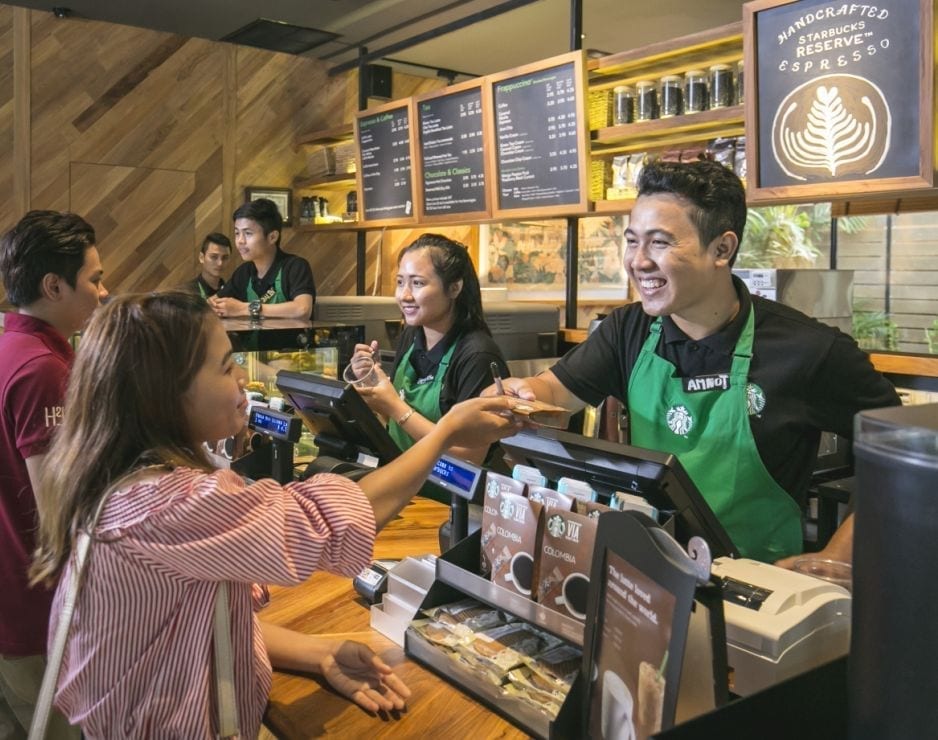
    Starbucks Hong Kong has opened its first cafe serving alcohol – including coffee-infused craft beers, exclusive to the city.

    Starbucks’ local licensee, the Dairy Farm International subsidiary Coffee Concepts, says the move is part of its strategy of elevating the chain’s ‘Third Place’ experience for its customers through continuous innovation in its coffee offer and in-store experience.

    After a month-long refit, the store on the level 2 podium of IFC Mall in Central was formally unveiled to media last evening. It has been upgraded into the Starbucks Reserve format in a bid to attract customers after work as well as during the day.

    And besides gourmet coffee blends, a Starbucks Reserve range of merchandise and beer, the cafe offers a selection of wines and light meal menu featuring dips, cured-meat-and-cheese board, bacon-wrapped asparagus skewers and baked meatballs.

    Craft beer partnership

    Starbucks Hong Kong has released two coffee-infused craft beers created in partnership with a local brewery. A company spokesperson says the two beers are infused with “signature notes of Starbucks coffee, leaving a refreshing taste on the tongue”.

    “The Caramel Macchiato Cream Ale is inspired by the signature Starbucks Caramel Macchiato. Cream ale is harmoniously brewed with pre-ground Starbucks Colombian coffee and delectable caramel for more than 18 hours, resulting in an irresistibly smooth taste with nutty notes and a subtle caramel sweetness, as well as a brilliant golden colour.

    “The Mocha Brown Ale marries a robust brown ale with the indulgent chocolate and soft spice notes of Starbucks Caffe Mocha. Brewed with Starbucks Guatemala Antigua cold-brewed coffee and cocoa nibs, the intense brown ale will surprise customers with its distinctive contrast of dark-brown hue and luscious sweetness.”

    Starbucks Hong Kong is also launching three bottled beers including Hiiro Seed Guava Love, a fruity beer with a tropical pink guava aroma, brewed locally by Hitachino Nest Beer.


    The Starbucks Reserve wine list features four red wines (pinot noir, merlot, cabernet sauvignon and shiraz), three white wines (sauvignon blanc, chardonnay and riesling) and an Italian prosecco.

    Starbucks says that extending the ‘Third Place’ experience (in which home and workplace are the first and second places) the Starbucks Reserve Coffee Experience Bar provides “the widest in-store offerings for customers as they connect with colleagues and friends over their beverages of choice”.

  • Citi Launches Pay with Points on HKTVmall

    Citi Launches Pay with Points on HKTVmall

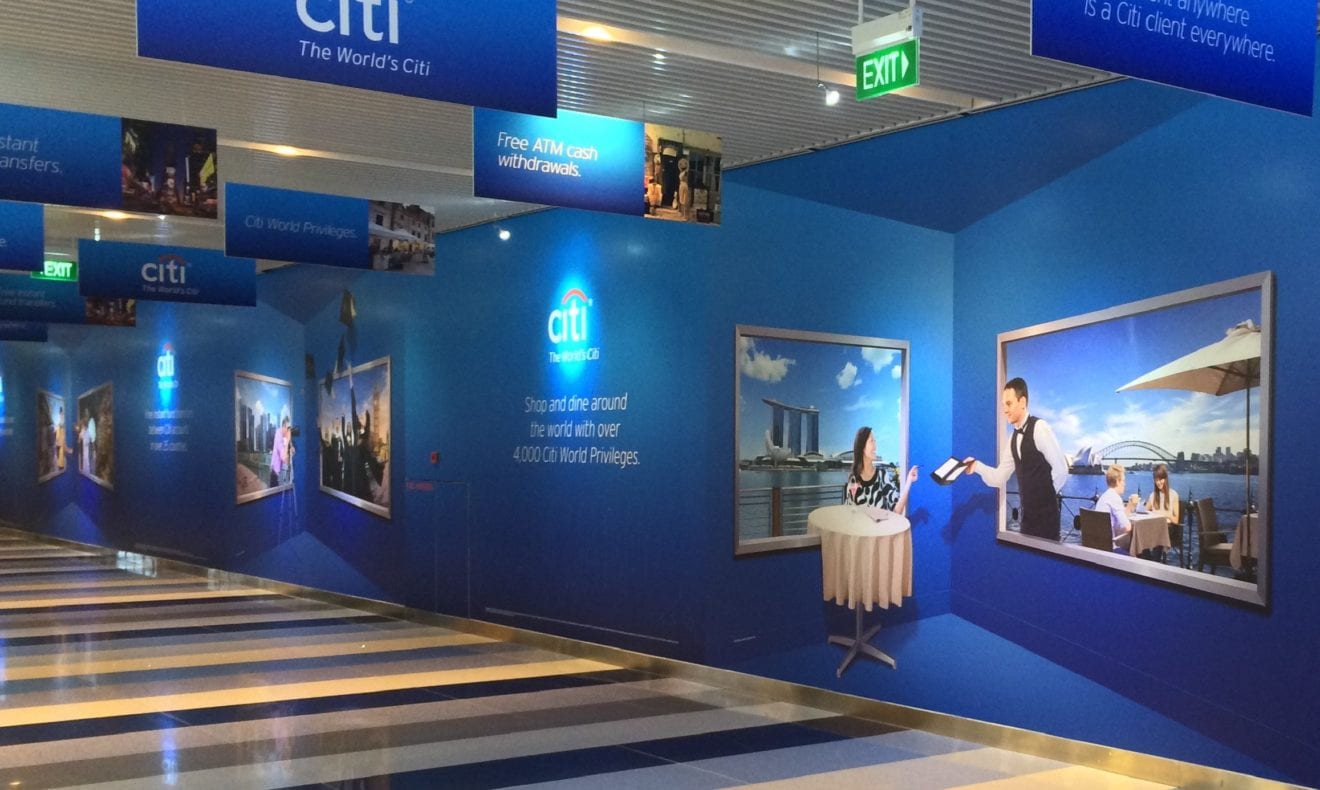
    Citi today announced its first API partnership in Hong Kong through the launch of Citi Pay with Points on HKTVmall, the 24-hour online shopping mall operated by Hong Kong Television Network Limited.  The new service enables cardholders of Citi points-bearing credit cards who shop on HKTVmall.com or the HKTVmall mobile app to offset purchases upon checkout using their reward points seamlessly without ever leaving the shopping platform.  This convenient shopping experience is made possible by fully integrating the Citi Pay with Points Application Program Interface (API) on the HKTVmall platform.

    Lum Choong Yu, Head of Cards and Unsecured Lending at Citibank Hong Kong, said: “We are excited to be launching our first API partnership in Hong Kong with a like-minded company that is renowned for and committed to ongoing innovation and providing best-in-class customer experience.”

    “Citi’s approach to open API architecture underscores our commitment to fostering closer collaboration with the digital ecosystems to accelerate the offering of our banking services in all areas of our customers’ digital lives.  Our strategy is also fully in line with the Hong Kong Monetary Authority’s vision for wider adoption of open API in the banking sector,” he added.

    Ricky Wong, Chairman of Hong Kong Television Network Limited said, “Since its launch, HKTVmall bears the mission to create new ways of retailing and we position ourselves as a technology applications pioneer, to integrate different technologies from different business areas. While online shopping is not only talking about displaying products on digital platform, we emphasize customer experience from the ways we do digital marketing, interface design, payment, warehousing and logistics. In light of this, we are glad to be the first API partnership with Citi Hong Kong, and this will be one of our key milestones on customers’ payment experience.”

    To offset purchases on HKTVmall with Citi credit card reward points, either in full or partially,   simply follow three easy steps:

    1)    Complete payment with your Citi points-bearing credit card*

    2)    Perform a one-time identity verification

    3)    Select the amount you wish to pay with points

    In September 2017, Citi announced the launch of Citi Pay with Points in Hong Kong, the first and only reward points redemption service that enables cardholders to offset any local purchase using credit card points on mobile phones upon receiving the redemption SMS.  The newly-formed partnership with HKTVmall takes the Citi Pay with Points experience to a new level, providing Citi credit cardholders with a new additional way to enjoy the service during the online checkout process.

    “Citi Pay with Points has been a phenomenal success and extremely well received by our cardholders as it makes spending with a Citi credit card all the more rewarding.  Today, close to 50% of reward points redemptions are conducted through the Pay with Points platform.  We will continue to enhance the service to enable our cardholders to conveniently use their points when making purchases, whether online or at physical outlets, any time and anywhere,” said Choong Yu.

    In March 2017, Citi became the first bank in Hong Kong to adopt an open API architecture by making available 30 APIs on the Citi API Developer Portal (developer.citi.com).  Through the API Developer Portal, Citi grants developers access to a variety of APIs across seven usage categories, including Accounts, Cards, Customers, Money Movement, Onboarding, Rewards, and Reference Data.

    Promotional Offers

    Between now and May 31, 2018, Citi cardholders who shop on HKTVmall.com or the HKTVmall mobile appcan receive a HKTVmall e-Coupon of up to HK$100 in value upon spending HK$400 or above.

    Citi cardholders* who successfully complete the first Pay with Points redemption when shopping on HKTVmall.com or the HKTVmall mobile app will receive a HKTVmall e-Gift Voucher of HK$100 in value.

  • Citygate Outlets announces four exciting pop-up stores

    Citygate Outlets announces four exciting pop-up stores

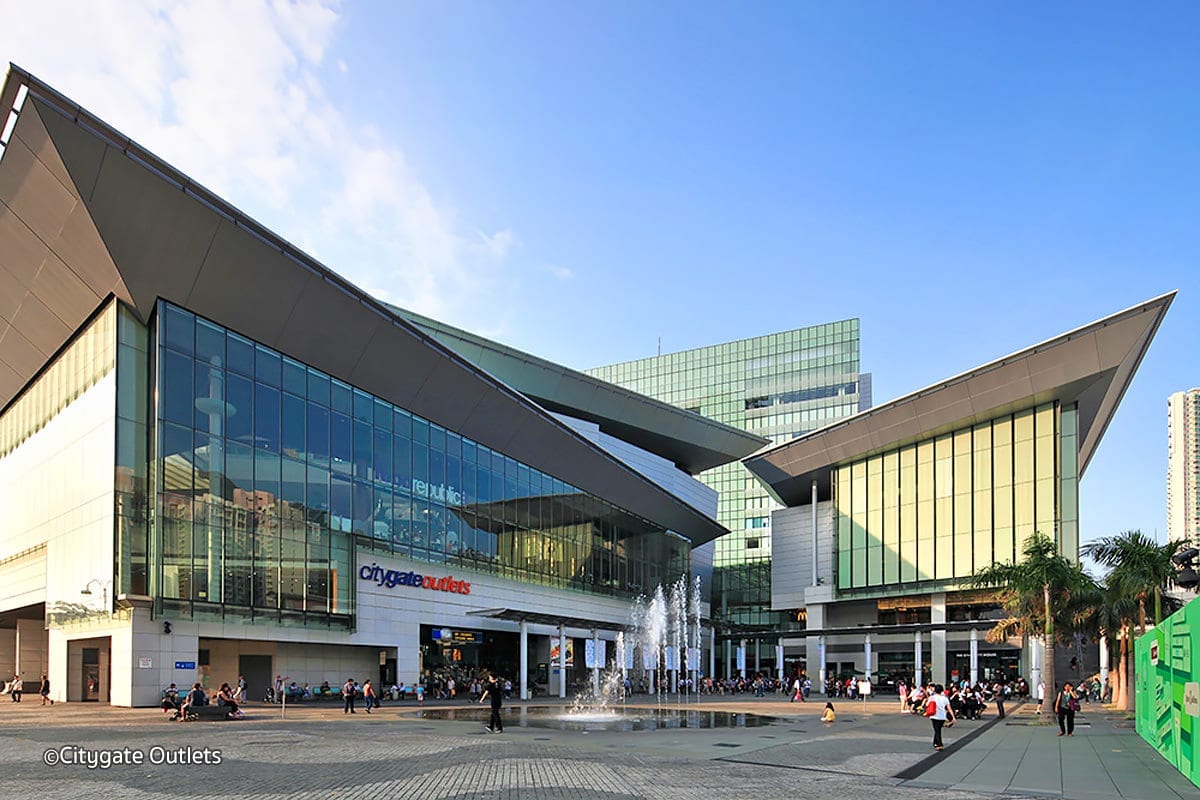
    Cutting-edge Hong Kong streetwear store JUICE will be one of the four exciting pop-up stores coming to Citygate Outlets this month.

    Hong Kong’s leading retail outlet mall, featuring more than 80 international fashion and lifestyle brands offering 30% – 70% year-round discounts, is celebrating the change in seasons with this latest announcement, as well as limited-time pop-ups by PANDORA, LeSportsac and ORIGINS.

    Polo Ralph Lauren will also introduce their latest collection at Citygate Outlets, giving shoppers even more reasons to refresh their spring wardrobes.

    JUICE

    Cutting-edge Hong Kong streetwear store JUICE, owned by Kevin Poon and Edison Chen, will pop-up at Citygate Outlets this season, marking the store’s first outlet in Hong Kong.

    Cool kids can get up to 90% off on selected items from CLOT, YEEZY, SOMEWARE and PAN, among others.

    PANDORA

    Jewellery brand PANDORA has also announced a Citygate Outlets pop-up for Spring.

    Featuring a wide range of their timeless charms, rings and earrings, discounts of up to 60% will surely be too tempting to resist for savvy shoppers looking to add some sparkle to their spring wardrobe.

    Sporty American bag brand LeSportsac pop-ups this Spring at Citygate Outlets, and feature up to 60% off selected items from its classic collection as well as its “Tokidoki” collection, a crossover with internationally renowned illustrator Simone Legno, and its “We Love ZoolooZooloo” collection, an exclusive crossover with Ocean Park.

    As a special offer at Citygate Outlets, all shoppers who spend over HKD600 will receive a complimentary key chain. The gifts-with-purchase are available only while stocks last.

    ORIGINS

    The changing weather means it’s time to update the skincare routine. Citygate Outlets take care of things this Spring with an ORIGINS pop-up.

    Guided by the ethos of Nature + Science = Happy Skin, the American skincare brand will offer an exclusive discount at Citygate Outlets, whereby 2 items purchased will receive a 10% discount off the total price, while 2 items (including 1 serum product) or any 3 items will receive a 15% discount. Exclusive skincare sets will also be available at the pop-up so that every need will be covered.

    POLO RALPH LAUREN

    In addition to the four pop-up stores, leading international brands in Citygate Outlets will unveil the latest in Spring fashion. One to look out for is Polo Ralph Lauren’s new collection, which will be available exclusively in Citygate Outlets.

    Mix and match the hottest looks right now with up to 50% off the price of other classic items by the premium American lifestyle label.