Tag: Hong Kong

  • Joyce Boutique loses more from stagnant market

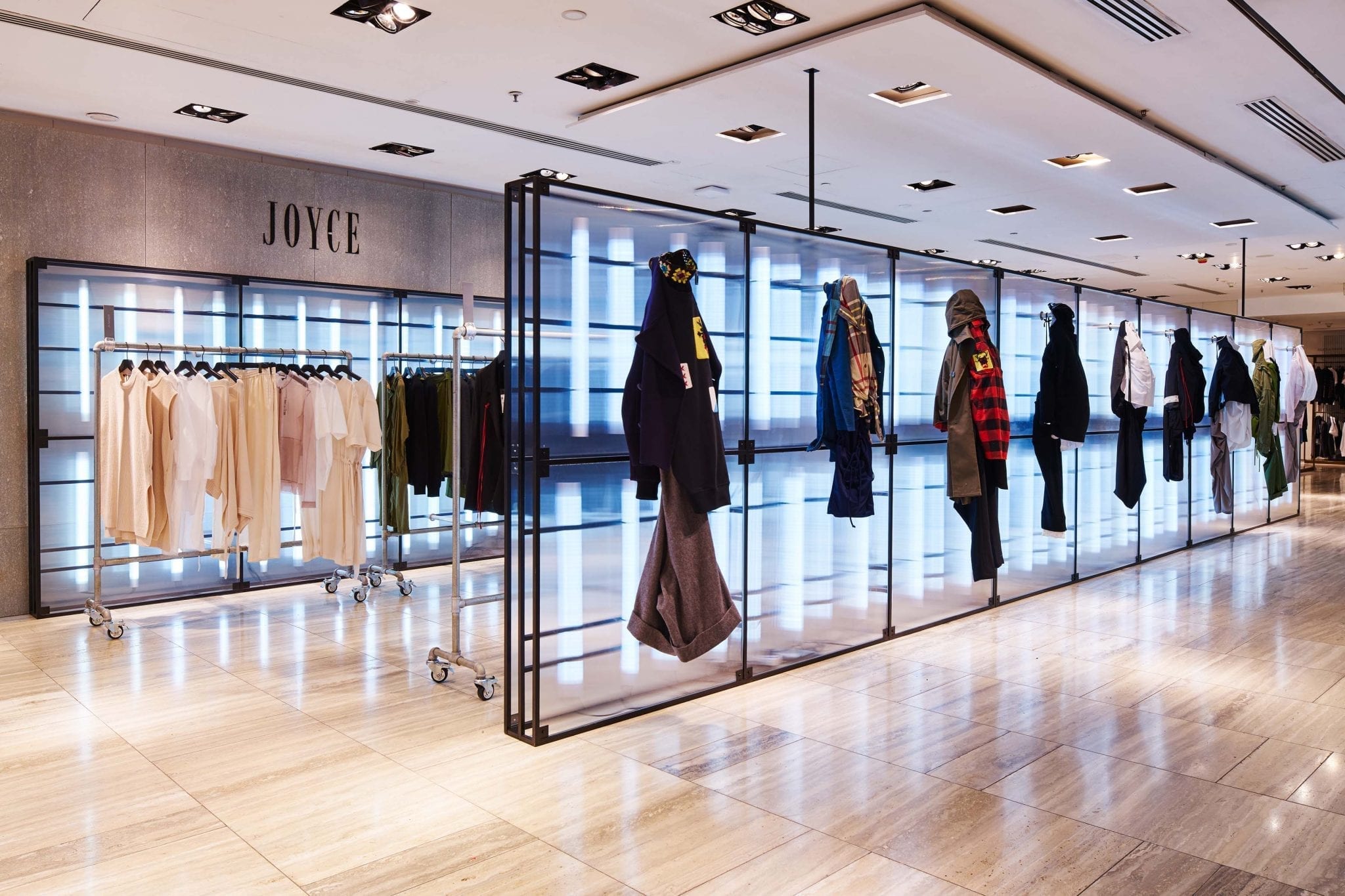
    Joyce Boutique loses more from stagnant market

    A stagnant luxury market has made it a tough half-year for fashion retailer Joyce Boutique Holdings, its interim results showing an HK$28.1 million (US$3.5 million) net loss.

    This follows a HK$16.6 loss for the same period last year.

    The group says its results were also impacted by low visitor traffic from Mainland China as well as the closure of shops in the previous financial year. This was mitigated by the inclusion of a $5.8 million write-back of an “onerous contract provision” made for the Joyce shop at Shanghai IAPM plus the savings in running costs.

    Turnover dropped by 19.4 per cent to $386.7 million for the six months. Gross margin also fell by 1.5 points, mainly a result of a higher number of warehouse outlet sales during the period.
    Hong Kong turnover dropped by 15.8 per cent and accounted for 88.7 per cent of group turnover.

    The division pushed out its operating loss from $8.5 million the previous first half to $27.2 million, primarily caused by the decline in turnover coupled with the drop in gross margin.

    With difficult trading conditions and the closure of loss-making shops in previous year, China turnover dropped 40 per cent, but with cost efficiencies and the contract write-back, the division managed to make an operating profit of $1.6 million, a turnaround from a $6.9 million loss for the same period last year.
    Loss contribution from the Marni JV business increased from $400,000 to $600,000, mainly because of a drop in turnover.

    In July, the group opened Joyce Beauty shop in Yuen Long Yoho Mall to extend its customer base to the West and North Territories and Shenzhen. At the same time, two non-performing shops were closed when their lease expired.

    The group says its expects the retail environment will stay challenging in the near term as online specialty fashion retailing continues to impact on its core retail business. Rental levels in prime shopping malls, meanwhile, remain high relative to turnover.

  • Mr. Moncler takes over the city

    Mr. Moncler takes over the city

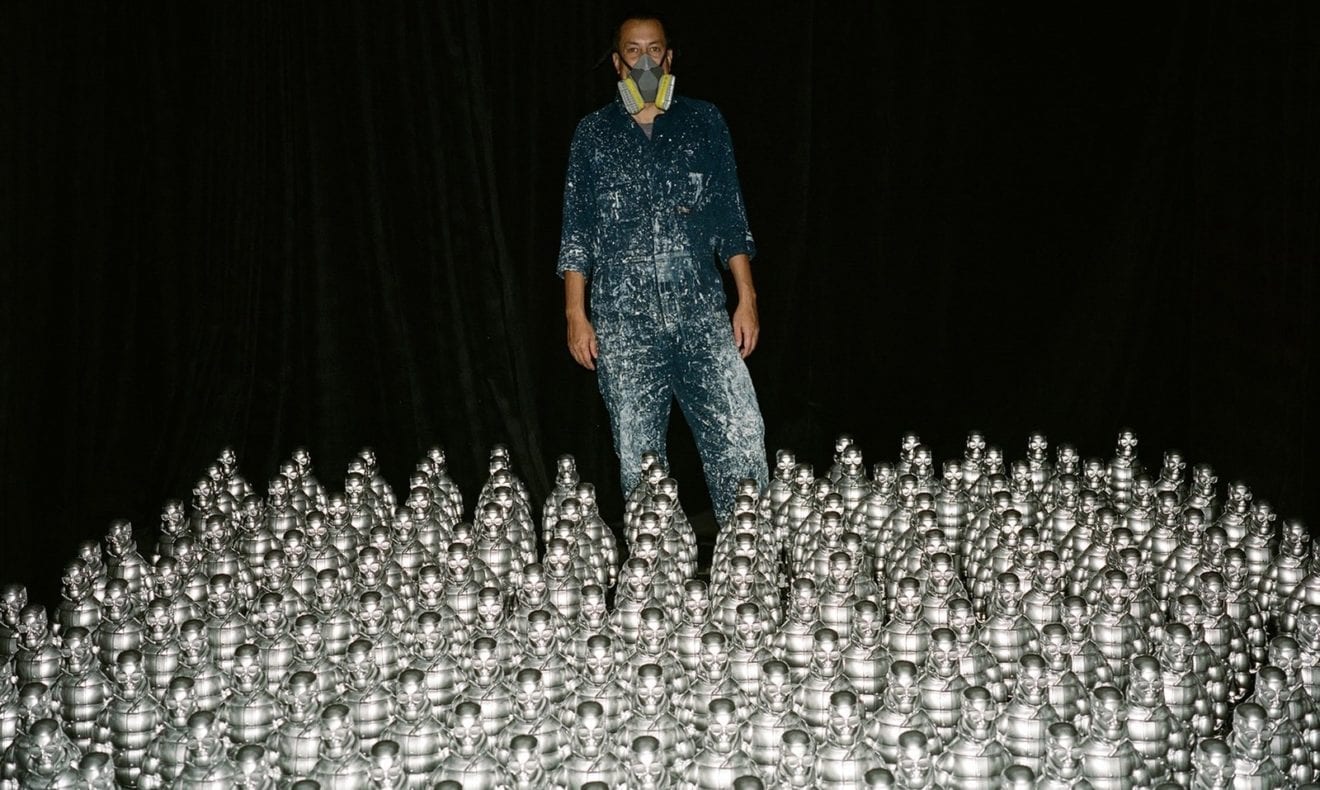
    Italian luxury brand Moncler has readied a special Hong Kong-based art-performance piece, entitled ‘Moncler | Destination Hong Kong.’

    The event is to celebrate the relocation of its local flagship store, the label is debuting a city activation centered around brand ambassador Mr. Moncler. With Moncler’s established history of collaborative endeavors with modern creatives and artists in mind, the energy and mix of cultures in Hong Kong has inspired this latest undertaking.

    Taking place under the city’s futuristic skyline, over 10,000 Mr. Moncler figures will be located at various landmarks throughout Hong Kong.

    At each spot, guests will be offered a chance to take home their very own collectible, with 350 sporting custom detailing, making them certified collector’s items.

    In the spirit of multiculturalism and borderless art, the silver duvet jacket worn by Mr. Moncler features the locations of and distances to Moncler’s five other flagship stores — Tokyo, St. Moritz, Melbourne, Berlin, and Los Angeles.

    Emblazoned on road signs, the locations of Moncler’s stores form a road map around the globe, which all leads to the new Hong Kong location.

    The new store, located in Canton Road, Harbour City, will feature a window display evocative of the event’s worldliness.

    The store’s exterior is decorated in white Calacatta marble and burnished brass, in accordance with the interior design, and features two large shop windows, one facing onto Canton Road and the other on the shopping mall.

    The ceilings and furniture are accented in fine woods and beige leather, creating an intriguing contrast with the white Calacatta and Nero Marquina marbles used for the floors. These fine materials contribute to creating a warm, sophisticated atmosphere inside the store, consistent with the label’s design codes and tradition.

    Alongside the contest, Moncler will release a special commemorative collection. This offering will be exclusive to the Hong Kong storefront, each item sporting the road sign motif seen on the rear of Mr. Moncler’s jacket.

    Encompassing a grey sweater, silver, down-filled gilet and duvet jacket featuring white hardware, the capsule even includes a dog-sized gilet for man’s best friend.

  • DHL announces HK$2.9 billion expansion for Central Asia Hub

    DHL announces HK$2.9 billion expansion for Central Asia Hub

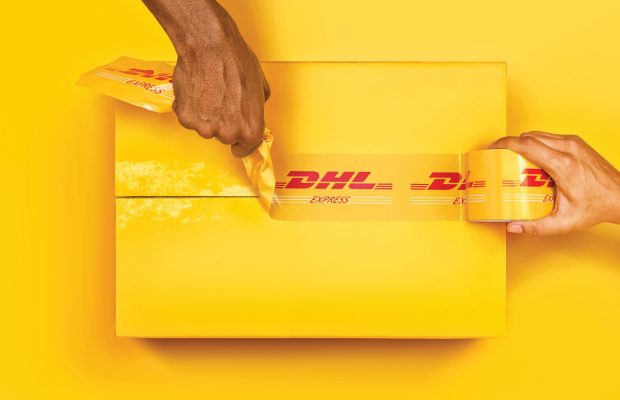
    DHL Express has announced that it will launch an approximate HK$2.9 billion expansion plan for its Central Asia Hub (CAH), in partnership with Airport Authority Hong Kong. This multi-year expansion brings DHL’s commitment for this strategic hub to approximately HK$4.5 billion.

    The expansion follows the CAHs record of an average 12% year-on-year growth in its shipping volume in the past decade. As one of three global hubs for DHL, the expanded CAH will continue to act as the core hub of the DHL Express global and Asia Pacific regional network, handling more than 40% of its total Asia Pacific shipment volumes.

    It is expected to begin operations in Q1 2022, in time to capture strong demand in the Pan-Pearl River Delta (PPRD) region and completion of the Three Runway System for the Hong Kong International Airport in 2024.

    Ken Allen, CEO of DHL Express, said that given the expected rise in international e-commerce and intra-Asian trade, the company looks to strengthen its global network and services.

    The CAH thus plays a key role in DHL’s strategy to strengthen its existing network of hubs in Asia Pacific, including Shanghai, Singapore and Bangkok.

    “Based in a strategically important location to DHL, the expanded Central Asia Hub in Hong Kong will not only bolster our operational capacity in Asia Pacific, but also facilitate the rapidly-growing international trade demands in the region and around the world,” he said.

    The expanded CAH will be equipped with an enhanced material handling system that will improve productivity and increase the hub’s throughput capacity from the current 75,000 pieces of shipments per hour to 125,000 pieces per hour.

  • Stuart Weitzman taps Gigi Hadid for footwear range

    Stuart Weitzman taps Gigi Hadid for footwear range

    Supermodel Gigi Hadid has partnered with Stuart Weitzman on two exclusive footwear styles for launch this fall.

    Hadid, face of the F/17 ad campaign has created the Eyelove and Eyelovemore ranges, pointed-toe mules which represent the first project for Stuart Weitzman’s new creative director Giovanni Morelli.  With hadid, he modified an existing brand silhouette to “reflect her sleek style and strong affinity for the mule”.

    Hadid says she was inspired by her personal connection to the mystical symbol the “evil eye” in creating the Eyelove, which comes in ballet suede and deep indigo suede. Reflecting her minimalistic design aesthetic, the shoes feature one “evil eye” symbol on just the right foot of each silhouette.

    The Eyelovemore, available in frosted suede, illustrates her playfulness with its bold multi-eye pattern on both shoes.

    Morelli says Hadid’s designs easily transition from season to season – the inside of each toe-box is lined with shearling. Packaged in a signature Gigi Hadid box with a matching dust bag, the shoes are available exclusively at Stuart Weitzman retail locations and global websites as well as Moda Operandi and Lane Crawford in Hong Kong, Singapore and Mainland China.

    “I’ve really been into slides lately and wanted a pair that can take me into fall… no more cold toes!,” exclaimed Hadid. “The evil eye is a powerful symbol meant to protect those who wear it from negative energies. It’s emotionally comforting and beautiful and captivating to look at. The bright colors are fun and remind me why we designed these shoes – they represent our commitment to build three additional schools with Pencils of Promise. Look Good, Do Good.”

    A short film The Season for Loving, starring Hadid, will kick off the Gigi Mule’s global retail debut on the brand’s online store. The film was directed by Cameron Duddy – a music video director who has worked with Bruno Mars and Jennifer Lopez, and bassist of country trio Midland. The film combines beautiful cinematography with edgy color treatments and strikes a perfect balance between the real and surreal – all while showcasing the shoes.

    Stuart Weitzman is part of the Tapestry Group, formerly known as Coach.

  • Prime retail rents in Hong Kong still top Asian rankings

    Prime retail rents in Hong Kong still top Asian rankings

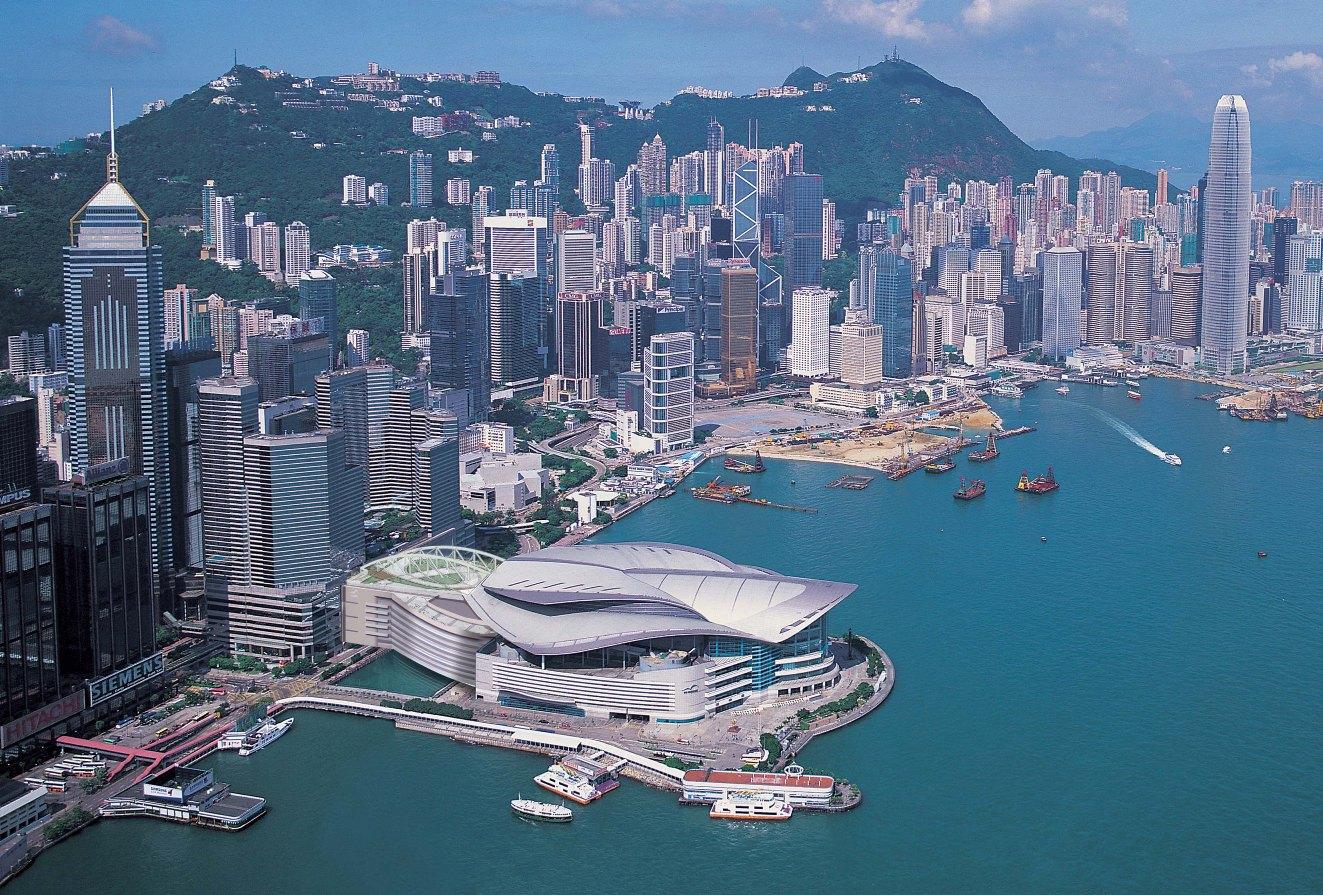
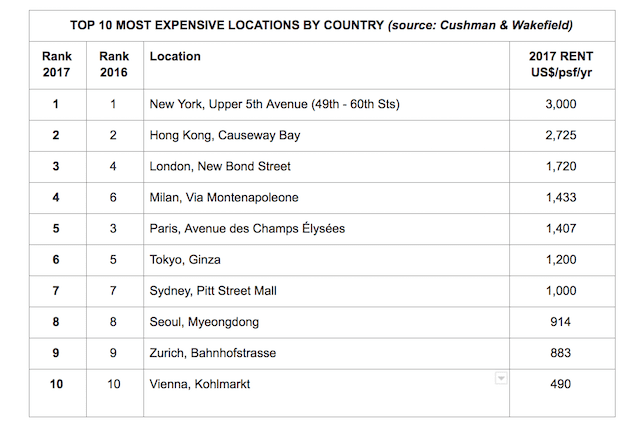
    Despite plummeting retail rents in Hong Kong, Causeway Bay has retained its ranking as Asia’s most expensive retail strip – and the world’s second, behind Upper 5th Avenue in Manhattan, New York.

    Soaring London rents have seen New Bond Street rise to become the world’s third most expensive retail street, according to an annual survey by Cushman & Wakefield.

    The annual Main Streets Across The World report, now in its 29th edition, tracks 451 of the top retail streets around the globe and ranks the most expensive in 68 countries and regions by prime rental value using Cushman & Wakefield’s proprietary data.

    Only three Asian cities feature in the top 10 globally, with Tokyo’s Ginza in sixth place, down one place from last year, and Myeongdong in Seoul eighth, its same ranking as before.

    The Top 10 list is as follows:

    Average annual rents on Upper 5th Avenue stayed the same as last year at  US$3000 (HK$23,400) per square foot. Despite a 4.7 per cent fall to US$2725 (HK$21,255) psf/yr, Hong Kong’s Causeway Bay retained its second place and Cushman & Wakefield observed the rental correction in the district “is almost complete” nearing the year’s end.

    London’s New Bond Street leapt into third place as rents increased by more than a third (in local currency) on the previous year to US$1720 psf/yr.

    Report author Darren Yates, head of EMEA retail research with Cushman & Wakefield, said that despite a lot of negative headlines, global retail remains as dynamic and vibrant as ever in response to technological and demographic change across the world.

    “Premium retail destinations, including Upper Fifth Avenue, Causeway Bay and New Bond Street, are highly sought after by international brands seeking to create engaging retail experiences that offer something new and exciting. The most innovative retailers are combining their online and physical platforms to create a seamless omni-channel experience for the customer, but profile and location play such a crucial role in the premium retail experience,” he said.

    Rents “will be better”

    Kevin Lam, Cushman & Wakefield’s executive director, head of retail services in Hong Kong , said that while rents eased in causeway Bay during this year, the pace of decline has slowed in the second half and the correction is expected to finish towards year-end.

    “Rents in Causeway Bay will be in a better position next year, although there will still be some distance between the rents of Causeway Bay and of Upper 5th Avenue in New York,” he said.

    “Ranking at second place globally reflected a softening of high street rents in Causeway Bay, but the plus side is this healthy correction has driven greater diversification in trade mix on the high street. Apart from the luxury trades which have always been dominant in Causeway Bay, there are more lifestyle merchandise, food and beverage and Mainland China brands entering the district, which would enhance the shopping experience for customers.

    “As cases of duplex and triplex leasing become rarer, we expect the number of varieties of shops will increase.”

    Meanwhile, Mainland China’s retail market continues to evolve as a rapidly growing consumer base of savvy, brand-aware shoppers seek out new and sophisticated retail experiences. Beijing’s Wangfujing is ranked 11th in the global table, with annual rents at $477 psf/yr. The city’s online retail market has experienced exceptionally strong growth and internet sales now account for about 18 per cent of the total, although 12.4 million sqft of new space is expected to become available in the Fengtai and Tongzhou districts in 2018 as new developments complete.

  • Baby Milo try luck with popup store

    Baby Milo try luck with popup store

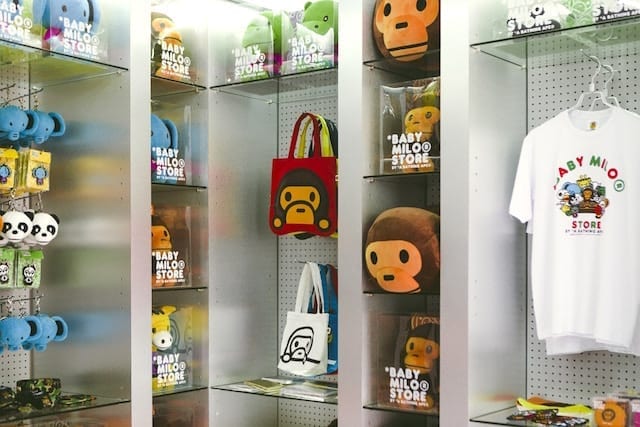
    A Baby Milo popup store has opened in Gala Place, Mongkok.

    The short-term store will trade through until January 1, according to our friends at Hypebae.

    “Streetwear lovers will be able to shop themed accessories and apparel, ranging from fluffy pillows to printed tote bags,” the site reveals.

    Baby Milo, is a monkey character developed by Japanese-founded Bathing Ape, now owned by I.T Group, one of Inside Retail’s Top 50 Innovative Hong Kong Retail Leaders in 2017.

    Besides accessories and limited-edition items, the popup features a three-metre tall Baby Milo DJ character playing music outside the boutique.

    Fans of the character can connect with the brand via social media and share selfies taken with the cute monkey for the chance to win a custom Baby Milo Walkman.

    Gala Place is located at the Park-in Commercial Centre at 56 Dundas Street, Mongkok.


  • Changing face of retail becomes the focus in HKTDC Asian e-Tailing Summit

    Changing face of retail becomes the focus in HKTDC Asian e-Tailing Summit

    As e-commerce continues to grow, it is fundamentally changing the face of retail. It has already influenced how many products and services are being sold, from clothes, packaged goods and seafood to hotel bookings, music files and taxi services.

    Because of this, companies of all sizes in all sectors cannot afford to ignore this channel, which is the focus of the upcoming Asian e-Tailing Summit, being organised by the Hong Kong government’s HKTDC. It is aimed at e-commerce professionals, retailers, industry leaders, service providers and users, as well as brand owners and suppliers, online marketplaces and platforms, wholesalers and distributors.

    As social networks proliferate and supply chains improve, more and more people are buying from foreign online shops. E-commerce Foundation figures show that more than 300 million consumers worldwide are now buying from merchants outside their own immediate jurisdiction, and Euromonitor International says this number is expected to increase to nearly one billion by 2020.

    On the move

    Other research shows that the total value of purchases made by cross-border online consumers is growing at the rate of 28 per cent a year and is set to reach US$1 trillion by 2020, and much of this shopping is being done on the move by smartphone. As well as searching for products or services, smartphone users can easily compare product specs and prices, download coupons and make online purchases all in one go.

    Overall, m-commerce has been a game changer, making it a necessity for merchants to have a mobile-optimised website or app. Ideally, every retailer should offer omni-channel options, and also be aware of social-media opportunities.

    In China, meanwhile, billions of shops now accept payments via Alipay and/or WeChat Pay. On the international front, Apple Pay, Google Wallet and Tap & Go have also swelled the number of digital wallets available. Improved and safer e-wallet technology has been a key factor in optimising the O2O buying experience.

    An overview of this fast-growing side or retail will be offered at the Asian e-Tailing Summit, at the Hong Kong Convention and Exhibition Centre, on December 6, with speakers representing such companies as eBay, Fung Global Retail and Technology, Gartner, KPMG, Lazada, Macy’s China, PayPal, Sephora, Suning and Zalora.

    It launches with a plenary session that looks at the impact of rising digital consumption on the world economy.

    There will be two breakout sessions following the plenary. The first examines worldwide procurement for cross-border e-commerce, while the other looks at the social-commerce movement as an omnichannel priority.

    Two concurrent workshops wind up the event. The first offers practical tips on cross-border e-commerce, while the other covers best practice in e-commerce.

  • Dairy Farm sales stagnate

    Dairy Farm sales stagnate

    Dairy Farm sales were described as “flat” in the third quarter to September 30.

    The Hong Kong-headquartered company said improved performances in health and beauty, Ikea, restaurants and Yonghui were offset by lower sales in the food and grocery division.

    “The lower food division sales, together with new store pre-opening costs in home furnishings, (Ikea) led to underlying profits being marginally below the same period in the prior year,” the company said in a statement issued in London, where it has a secondary listing. “Similar trading conditions are expected to continue for the remainder of the year.”

    Dairy Farm said the weakness seen in food and grocery sales was principally driven by difficult trading for the hypermarket and supermarket operations in Southeast Asia, where it operates Giant hypermarkets and Cold Storage supermarkets. It says reviews of “a number of the businesses” are being undertaken.

    The results from greater China (including its Hong Kong Wellcome supermarkets) showed improvement over the same period last year. Convenience store operations (including 7-Eleven stores in Hong Kong and Singapore) produced improved sales and profitability.

    Yonghui reported a strong 20 per cent  growth in revenue and 131 per cent increase in profit in the quarter.

    Improved sales in the health and beauty division (Manning’s, Guardian and Rose Pharmacy) were driven principally by a strong performance in Hong Kong and Macau. Home Furnishings (Dairy Farm has the Ikea franchises in Hong Kong and Taiwan) traded well, although profitability was reduced due to pre-opening expenses for the new store in Hong Kong.

    Maxim’s (which also includes Starbucks operations in Hong Kong, Vietnam and Cambodia) had a seasonally strong quarter in both sales and profit, benefiting from record mooncake sales during the Mid-Autumn Festival period. In September, Maxim’s acquired the existing business and exclusive rights to operate and develop Starbucks franchise stores in Singapore.

    In August, the group completed the acquisition of the remaining 34 per cent interest in Rustan’s in the Philippines from its joint venture partner.

  • Big Baller Brand expands into China

    Big Baller Brand expands into China

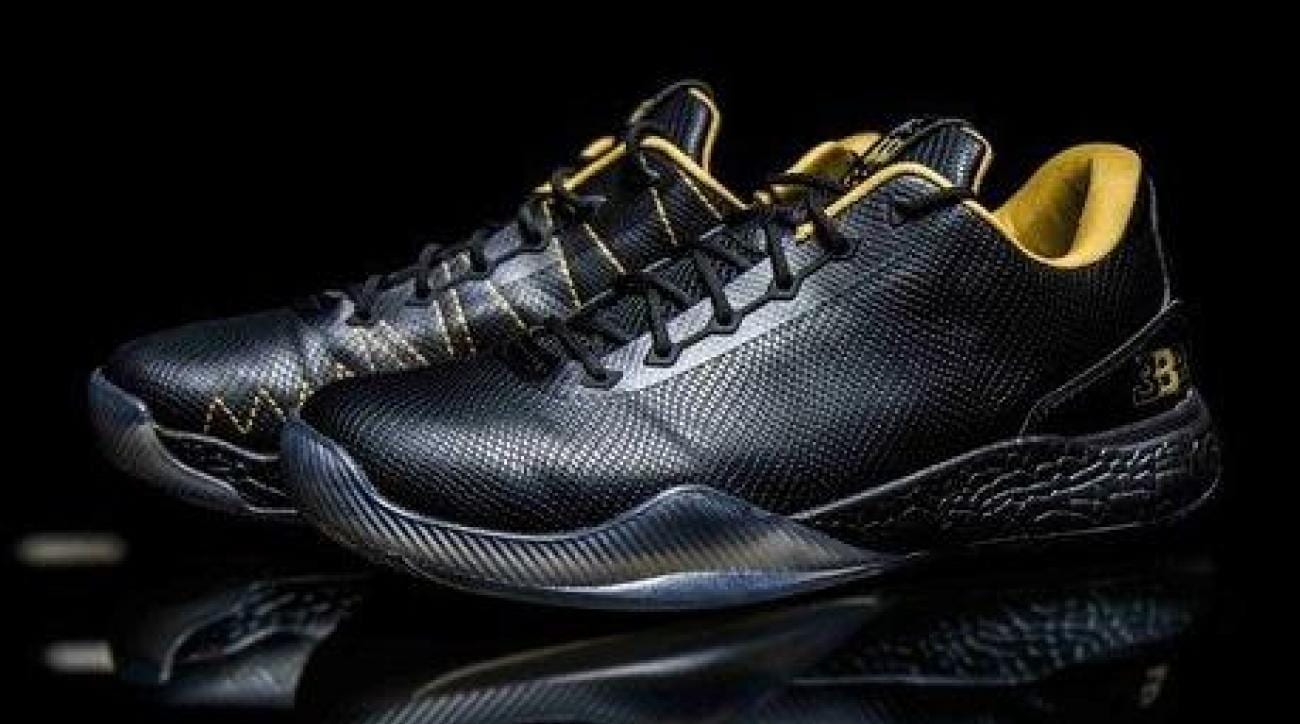
    American sports apparel company Big Baller Brand has bounced into Hong Kong and Mainland China on the back of a basketball game.

    Founder/CEO LeVar Ball, a former basketball and football player, took advantage of a match in which his son LiAngelo played for UCLA (University of California, Los Angeles) in Shanghai’s Mercedes Benz Arena, which has also just hosted the Victoria’s Secret annual showcase.

    ESPN writer/editor Jovan Buha says the family used the trip to launch Big Baller Brand China via two pop-up stores, one at streetwear outlet WZK Shanghai followed by the other, opening today at Juice in Hong Kong.

    Buha says the family’s brand is set to open its own flagship stores in both cities, along with a dedicated Chinese website.

    Big Baller Brand was inspired by LiAngelo and his brothers Lonzo and LaMelo – following in their father’s footsteps as basketball players.

  • French fashion brand The Kooples to launch in Hong Kong

    French fashion brand The Kooples to launch in Hong Kong

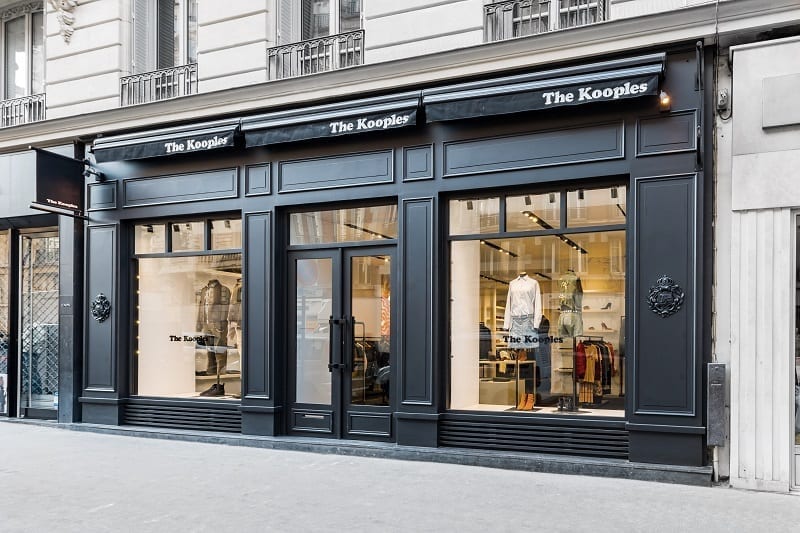
    The Kooples, a popular accessible-luxury fashion brand from Paris for men and women,  to launch in Hong Kong, Macau and Mainland China, with exclusive partnership with Swire Resources.

    Founded by brothers Alexandre, Laurent and Raphaël Elicha in 2008, The Kooples is an international brand with more than 400 stores in 36 countries.

    French accessible luxury brand The Kooples to launch in Hong Kong cover

    Perfecting French street-chic styling by combining precision cuts, attention to details and precious fabrics — and famed for its unique concept of a gender-fluid aesthetic so guys and gals can borrow each other’s style — the Parisian label is inspired by love, couples, rock’n’roll spirit and tailoring know-how.

    The first Kooples’ flagship store under Swire will open in mid-November 2017 at Pacific Place, one of Hong Kong’s most iconic shopping malls.

    As the exclusive regional distributor for the brand, Swire Resources is instrumental to The Kooples’ global expansion strategy, particularly in gaining a foothold in the fast-growing Greater China market, where consumers have an increasing appetite for international accessible-luxury and affordable-lifestyle brands.

    “We are excited to welcome The Kooples into the Swire Resources’ diverse portfolio of brands,” says Richard Sell, Director of Trading and Industrial at Swire Pacific, the parent company of Swire Resources.

    “We see huge potential for this self-styled, spirited, exciting brand on the back of the impressive growth it’s achieved in the accessible-luxury segment since its inception in Paris less than a decade ago. With Swire’s experience and expertise in brand building, retail and distribution of consumer brands, we are confident in strongly contributing to The Kooples’ success in Hong Kong, Macau and Mainland China,” he added.

    “After expanding in the US, the Middle East and Korea, we are thrilled to open our first flagship store in Hong Kong with new partner Swire Resources” says Emmanuel Stern, CEO and Co-founder of The Kooples. “The Kooples is a family affair and we are excited to welcome Swire Resources as the newest addition to the family.”

    Adds Laetitia Mergui, CEO Asia of The Kooples: “The Kooples’s Greater China launch has been long awaited. We cannot wait to meet our first customers in Hong Kong in November 2017 and in Mainland China in 2018.”

  • The Hong Kong shopping experience is never the same anymore

    The Hong Kong shopping experience is never the same anymore

    To gauge how much the Hong Kong shopping experience is changing, take a walk through Pacific Place mall.

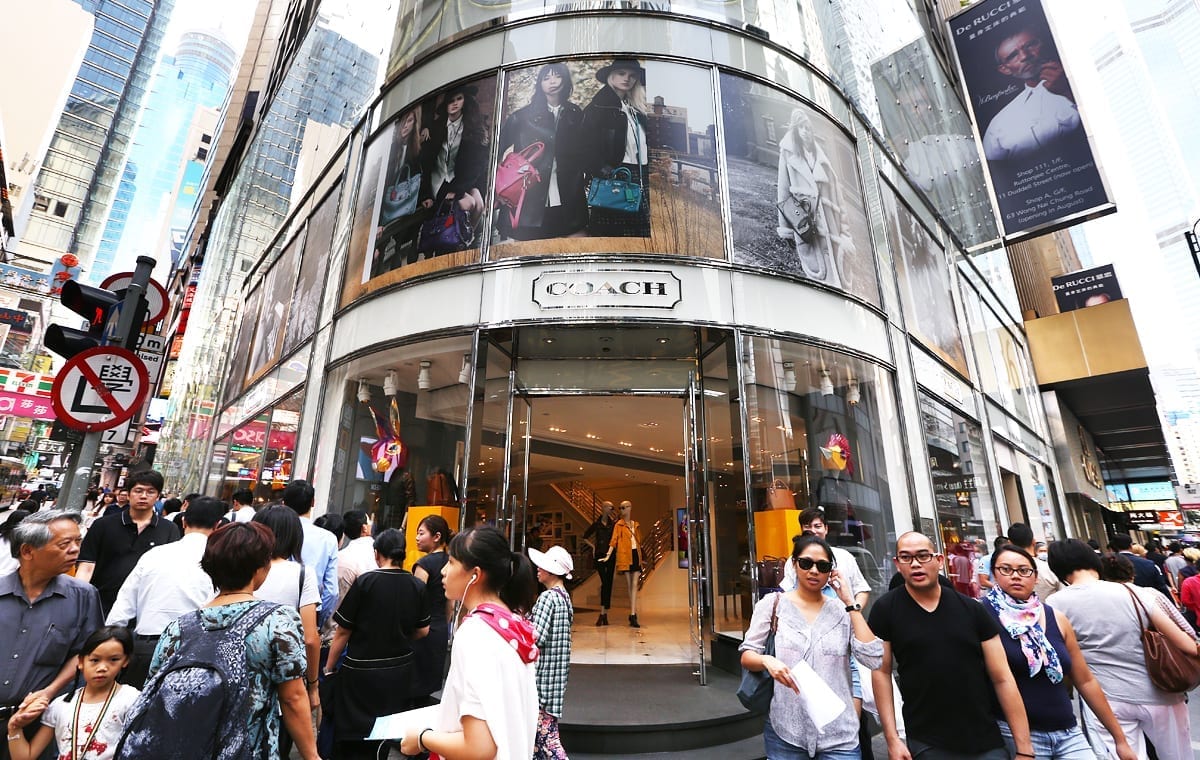
    Burberry Group Plc has shrunk its store and the space now also houses a Pure yoga studio and juice bar. Coach Inc. has been replaced by a tea company. Some of Louis Vuitton’s space has given way to a Southern California-style bar and restaurant.

    Gone are the days when Chinese would queue up to get inside Prada, Gucci and Tiffany, and leave laden with luxury handbags and watches.

    The wealthiest now travel further afield, and even those who visit Hong Kong are cutting back. Average spending per overnight visitor, of whom three quarters come from China, dropped 8.8 percent in the island city in 2016.

    Luxury goods have been the hardest hit, with August 2017 sales less than a third of their April peak in 2013 before China cracked down on conspicuous consumption.

    Buying habits of Chinese shoppers have also evolved, as they have become more comfortable buying luxury brands at home, or online, and have become more price sensitive when shopping abroad. This is having an impact on the $390 billion global luxury goods market and nowhere is it being felt more than at Hong Kong’s malls.

    Since the downturn, Pacific Place owner Swire Properties Ltd. has refreshed its tenant mix to cater to changing spending habits and woo new visitors. It has signed 30 new tenants and doubled the number of food and beverage outlets in the past 18 months.

    Other landlords, including Wharf Holdings Ltd. and Hysan Development Co., are also including more lifestyle and food outlets.

    Still, as visitor arrivals and retail sales start to rebound, there’s limited upside for Hong Kong’s landlords, said Patrick Wong, Bloomberg Intelligence property analyst in Hong Kong. “Receipts might be stable and resilient, but if things turn better, they may not be able to capture the growth there,” he said.

    For mall owners, broadening their mix of tenants is helping blunt the negative impact of lower retail sales, although a return to the heady times looks unlikely.

    No matter how many cups of cold brew Starbucks sells, or shoes Nike flogs, they won’t be enough to offset the drop in sales of $10,000 handbags and glittering diamond necklaces. Landlords earn less through the portion of receipts tenants must share with them, and they’ve had to drop base rents for new tenants as well.

    In the first half, retail revenue for Swire dropped 0.2 percent and Hysan’s fell 0.1 percent, said Wong. Meanwhile Wharf, Hong Kong’s biggest retail landlord, saw sales growth of three percent because its mammoth Harbour City mall is less reliant on luxury sales.

    Swire says things would have been worse if it had left things as they were. “The revamp of our tenant mix has put us in a strong position for 2017, especially with sales at our mall improving since mid-2016, even amidst a very challenging retail market,” Fiona Shiu, general manager of Pacific Place said in an email.

    Pacific Place mall has posted sales growth in the first two quarters of 2017. Traffic has been encouraging, with increased car park use, it said. “We are confident that this positive trend will continue,” said Shiu.

    While Burberry, Diane von Furstenburg Studio LP and LVMH Moet Hennessy Louis Vuitton have decreased the size of their stores in Pacific Place, they aren’t pulling out altogether. Coach, which no longer has an outlet in the mall, said it is investing to renovate its Hong Kong locations and remains committed to the market.

    “It’s a cycle, luxury brands won’t abandon Hong Kong, they will reduce the number of their stores,” said Nicholas Bradstreet, a managing director at Savills Plc in Hong Kong. “Hong Kong has always been very resilient, but there is a caveat, it is not going to bounce back to the heyday of 2013.”

    In 2016, the average Chinese tourist traveling overseas spent about 17 percent less on shopping, but more on leisure and entertainment, according to the consultancy Oliver Wyman.

    Hong Kong isn’t the only Asian city where things are evolving. Mall operators in Singapore have turned to unique lifestyle or dining concepts to stand out in a competitive landscape.

    The proportion of food and beverage tenants in Singapore malls has doubled to 40 percent in the last 10 years, according to Desmond Sim, head of research for Singapore and Southeast Asia at real-estate services firm CBRE Ltd.

    Burberry has renegotiated leases and is keeping a tight control on all operating expenses, the company’s then chief executive officer Christopher Bailey said in November 2016.

    For Pure, whose owners are said to be seeking to sell a controlling stake in the gym chain, the new high-profile location in Hong Kong is a bonus.

    “Having Pure Yoga Pacific Place in the prime space of Hong Kong’s premium lifestyle and shopping destination, alongside luxury brands such as Prada, Hermes and Louis Vuitton, is testament to the increased significance of health and wellness in the city,” the company said.

  • Charlotte Tilbury to launch in Asia in 2018

    Charlotte Tilbury to launch in Asia in 2018

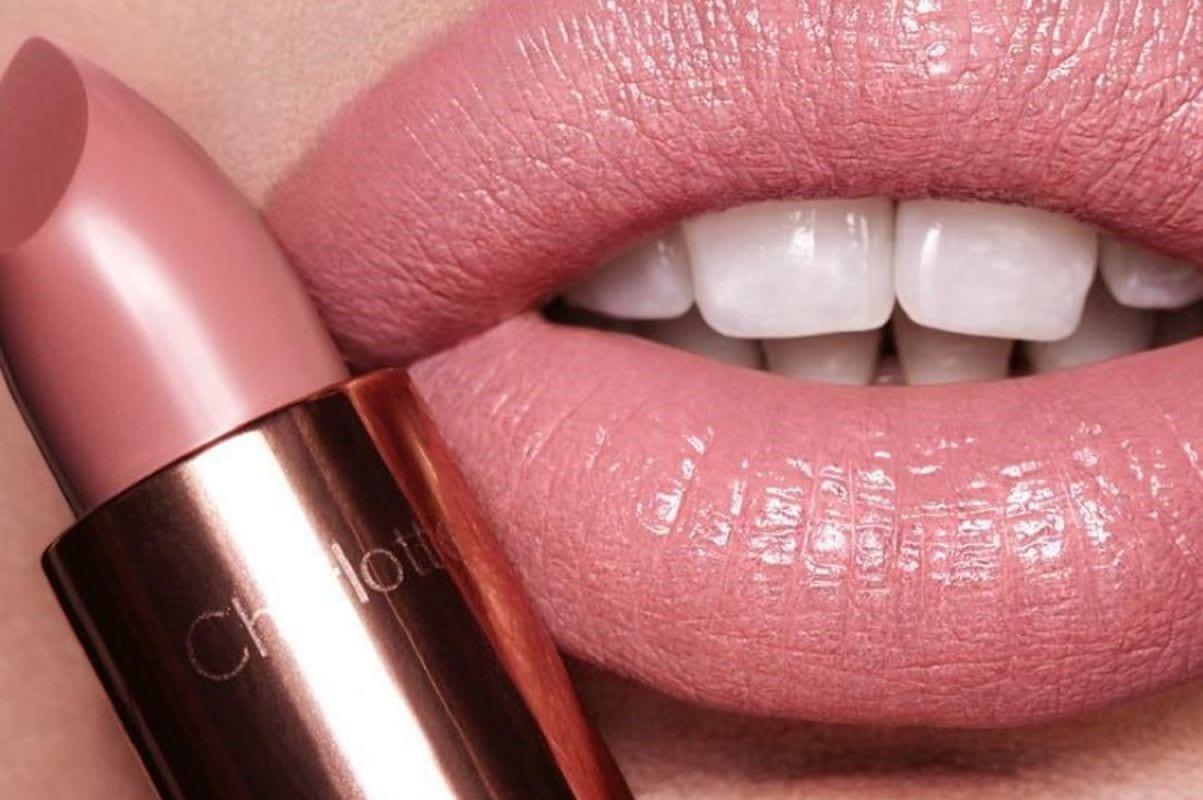
    Charlotte Tilbury, the world’s number one makeup artist, has announced her next momentous step to take her record breaking, award winning and best-selling makeup, skincare and scent collections to Asia.

    Hot on the heels of opening her first store outside of the U.K – a two-storey Beauty Wonderland in Kuwait, Charlotte will officially launch her Makeup Revolution in Asia in Summer 2018.

    Starting in Hong Kong at Lane Crawford, Charlotte plans to take her Makeup Revolution far and wide across Asia with further plans to be announced in the coming months.

    Charlotte Tilbury said: “I am SO excited to be officially launching my magic Makeup Revolution in Asia.
    There has been huge demand already from my loyal base of customers who have followed my brand from the start and I am so thrilled to finally be able to share all of my best-selling, award-winning makeup magic & red carpet ready skincare with all of the gorgeous, glamourous makeup mavens both visiting and living in Hong Kong.”

    Joanna Gunn, Chief Brand Officer, Lane Crawford, explained the choice of bringing Charlotte Tilbury and said: “The Lane Crawford beauty customer is constantly looking for newness so we are thrilled to collaborate with Charlotte Tilbury to exclusively launch the brand in Hong Kong, and we are very excited to bring the brand’s experience to our in store and online platform.”

    Charlotte Tilbury, with over 25 years at the forefront of the makeup industry working with the world’s A-list models, celebrities and designers, Charlotte has poured her best-kept secrets into an edited but ‘all you need’ skincare, makeup and scent collection.

    Charlotte Tilbury has revolutionised the face of the beauty industry by de-coding makeup application for every woman at every age with her easy-to-use, easy-to-choose, easy-to-gift range.

    The brand mission is to share the power of makeup, using Charlotte’s digital platforms and award-winning products, to show every woman how easy it is to look and feel like the most beautiful versions of themselves every single day.

  • ASEAN signs free trade, investment pacts with Hong Kong

    ASEAN signs free trade, investment pacts with Hong Kong

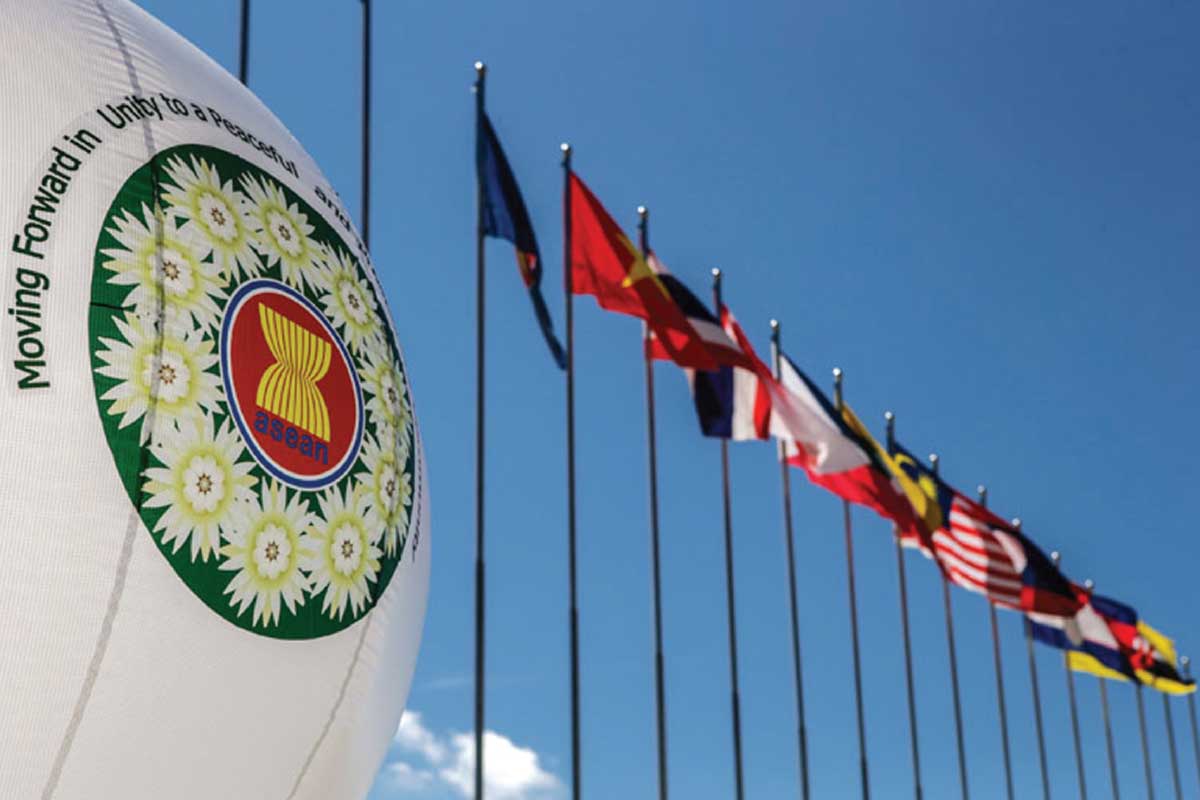
    Hong Kong on Sunday signed free trade and investment pacts with the ten-nation Association of Southeast Asian Nations, in what one of the Chinese territory’s senior officials called a “loud and clear” vote against rising regional trade protectionism.

    The pacts conclude nearly three years of talks, are expected to take effect on January 1 at the earliest, and aim to bring “deeper and bolder” integration of market access with the bloc, said Edward Yau, Hong Kong’s commerce and development secretary.

    “In the face of protectionist sentiments in other parts of the world, these two agreements are in fact a loud and clear vote from all of us here for freer and more open trade,” Yau said.

    “Hong Kong, being a free trade promoter and advocate of a strong, rule-based multilateral trading system, will continue to take this pathway, continue to do our utmost.”

    Total merchandise trade between Hong Kong and ASEAN was HK$833 billion ($107 billion) last year, official figures show. Total services trade was HK$121 billion ($16 billion) in 2015.

    The ASEAN Hong Kong China Free Trade Agreement (AHKCFTA) was signed on the sidelines of a summit of the regional grouping in the Philippine capital of Manila.

    It came after leaders attending an Asia-Pacific Economic Cooperation (APEC) summit in Vietnam agreed to tackle “unfair trade practices” and “market distorting subsidies” in a statement on Saturday that bore the imprint of U.S. President Donald Trump’s efforts to reshape the global trade landscape.

    That summit offered a contrast between the vision of U.S. President Donald Trump’s “America First” policy and a traditional consensus favouring multinational deals that China now seeks to champion.

    While Hong Kong already has one of the world’s freest and most open economies, the pacts will see many ASEAN countries gradually eliminate or slash customs duties on goods from the former British colony that returned to Chinese rule in 1997.

    Professional services are also expected to benefit, with increased investment flows, Yau added.

    The ASEAN grouping includes Brunei, Cambodia, Indonesia, Laos, Malaysia, Myanmar, the Philippines, Singapore, Thailand and Vietnam.

  • Rough week for Tang Shing-bor

    Rough week for Tang Shing-bor

    Property tycoon Tang Shing-bor has sold a block of land next to Times Square shopping mall for a total of HK$950 million (US$122 million).

    Previously the Causeway Bay land housed two buildings, and the sale paves the way for it to be redeveloped into a 34,500sqft (3200sqm) retail tower, reports the Hong Kong Economic Times.

    The buyer of the Percival Street site is believed to be Hysan Development, which owns Hysan Place mall and neighbouring Lee Garden properties.

    Real-estate intelligence website Mingtiandi says the deal is another sign of Hong Kong’s robust commercial property market and the rising popularity of the “Ginza-style” vertical shopping-mall format.

    Dubbed Hong Kong’s “shop king”, Tang had been gradually buying up parts of the two adjacent buildings, culminating with his $250 million purchase last year of the 1100sqft ground-floor Kung Wo Tong tea shop. Before this, the billionaire founder of real-estate investment firm Stan Group had paid more than HK$100 million to acquire full ownership of the neighbouring five-storey building, since demolished.

    Market analysts predict the new owner will redevelop the combined site into a retail tower modelled after the high-rise buildings dominated by retail and nightlife offerings in Tokyo’s upscale shopping district Ginza, says Mingtiandi.

    Meanwhile, the Percival Street sale marks the third major disposal in less than four months for Tang, who is said to have had property transactions worth a total of $5.9 billion since July.

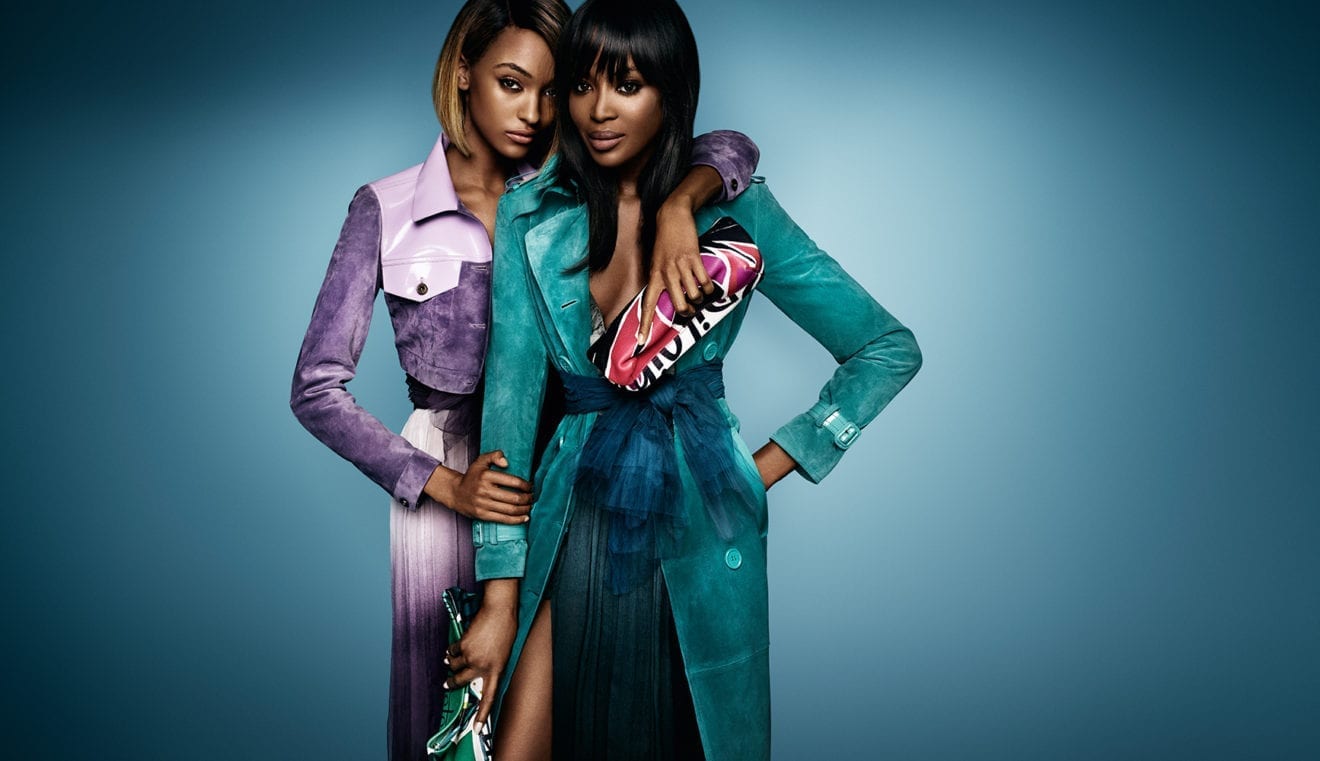
  • More luxe image for Burberry marketing

    More luxe image for Burberry marketing

    Trumpeting solid growth in China sales in the first half year, Burberry has revealed plans to head more upmarket and cull its store network.

    Burberry marketing, retailing and communication will be refocused to meet the changing demands of today’s luxury customers, explained CEO Marco Gobbetti.

    The British-headquartered company, which achieves about 90 per cent of its own-retail sales in Asia-Pacific, reported China sales growth in the mid-teen percentages, with a “broadly consistent performance across both quarters”.

    “Hong Kong continued to improve, returning to growth in the second quarter,” the company announced, further evidence that the city’s retail sales decline is finally over.

    But the region’s overall growth was a more muted “mid-single digit”, largely due to a continuing decline in South Korea, thanks to falling Chinese tourist numbers.

    “I am pleased with our performance in the half with strong double-digit underlying profit growth,” said Gobbetti. “Consumers responded positively to fashion and newness, particularly in rainwear and leather goods. Digital revenue grew in all regions, led by mobile, while growth was strongest in our own stores in Asia Pacific.”

    Global sales for the six months to September rose 4 per cent to £1.263 billion with adjusted operating profit up 14.6 per cent to £185 million.

    New direction

    But the solid performance was overshadowed by Gobbetti’s announcement on the brand’s future. He prefaced it by saying the luxury market has changed and today’s luxury consumer demands innovation, curation and excitement from brands and creativity at every turn.

    “To win with this consumer, we must sharpen our brand positioning.  This will require us to change our approach to product, communication and customer experience.

    “We will reshape our offer, increasing and invigorating the fashion content.  We will create compelling luxury leather goods and accessories to attract new customers.  We will build on the strength of our apparel and re-energise it.  We will build our offer to provide a complete look for our customers, while continuing to simplify our ranges.”

    He said Burberry will put product “at the centre of our communication”.

    “We will leverage our extensive digital reach to convey new energy.  We will be bold in the way we engage luxury consumers, reinventing our editorial content and experiences.”

    One of the first steps will be rationalising the brand’s non-luxury wholesale and retail doors, with an initial emphasis on the US and EMEIA.

    The company has earmarked about £200 million to “transform our in-store experience” by refurbishing stores and enhancing its luxury service.

    “We will continue to lead innovation in digital, delivering personalised experiences and true omnichannel services. Our actions will be underpinned by continued focus on productivity, simplification and financial discipline.  We will engage and motivate our teams, reinforcing our culture and values.  We will continue to be an industry leader in responsibility,” said Gobbetti.

    Late last month, Burberry announced the departure of its president and chief creative officer Christopher Bailey after 17 years with the brand. His phased exit will commence in March, before he designs the Spring/Summer 2018 collection before leaving the company in December next year.