Tag: Hong Kong

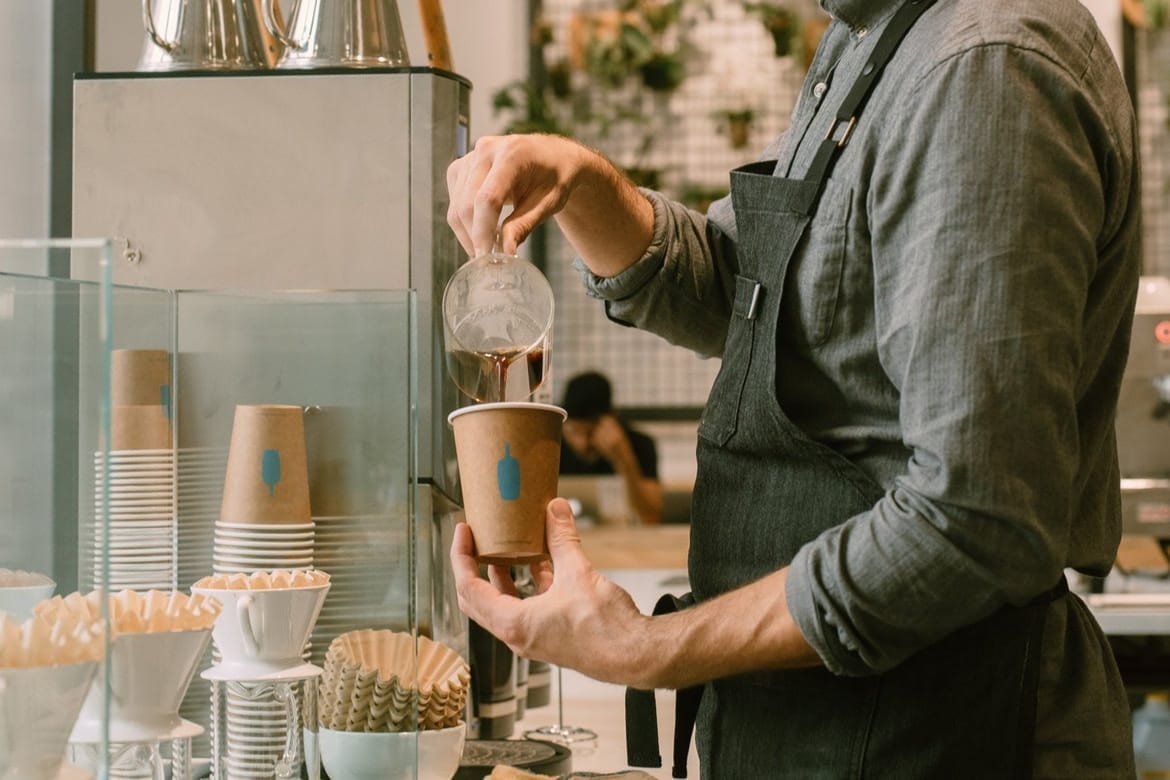
  • Blue Bottle Coffee heading for Korea

    Blue Bottle Coffee heading for Korea

    US brand Blue Bottle Coffee is expected to open in South Korea soon, followed by other Asian countries including China, Hong Kong and Taiwan.

    “We’re developing our contact here,” CEO Bryan Meehan said while attending the World Coffee Leaders Forum at the Seoul Cafe Show.

    He said Blue Bottle was researching the market and looking for a GM in Korea, with no specific set yet for a launch.

    Meehan said the company headquarters would directly manage its stores in Korea, as it does in other countries.

    “Actually, we had a lot of pressure for a joint venture in Japan. A lot of companies wanted licensed approaches,” he said. “We are very passionate about controlling the quality of Blue Bottle, so we like to do things ourselves. We have never franchised.”

    While local coffee chains in Korea have been hit by losses over the past few years, Starbucks Coffee has alone seen rapid growth, reports The Korea Times.

    “Blue Bottle has grown along with Starbucks in the US. We think we can survive side-by-side,” said Meehan.

    Known for its innovation, Blue Bottle has 44 stores in the US and Japan. Nestle acquired the chain for US$425 million in September.

    “Nestle CEO Mark Schneider has a wonderful vision of where specialty coffee should be in five years’ time, and he sees the value of Blue Bottle,” said Meehan. “Nestle is allowing Blue Bottle to remain a standalone company. I don’t report to anybody at Nestle.”

    Founded in Oakland, California, by musician James Freeman in 2002, Blue Bottle has expanded around San Francisco. Because of Freeman’s interest in Japan, the chain has expanded there and will open its eighth outlet next year in Kyoto.

  • Asian Logistics and Maritime Conference Opens 23 Nov

    Asian Logistics and Maritime Conference Opens 23 Nov

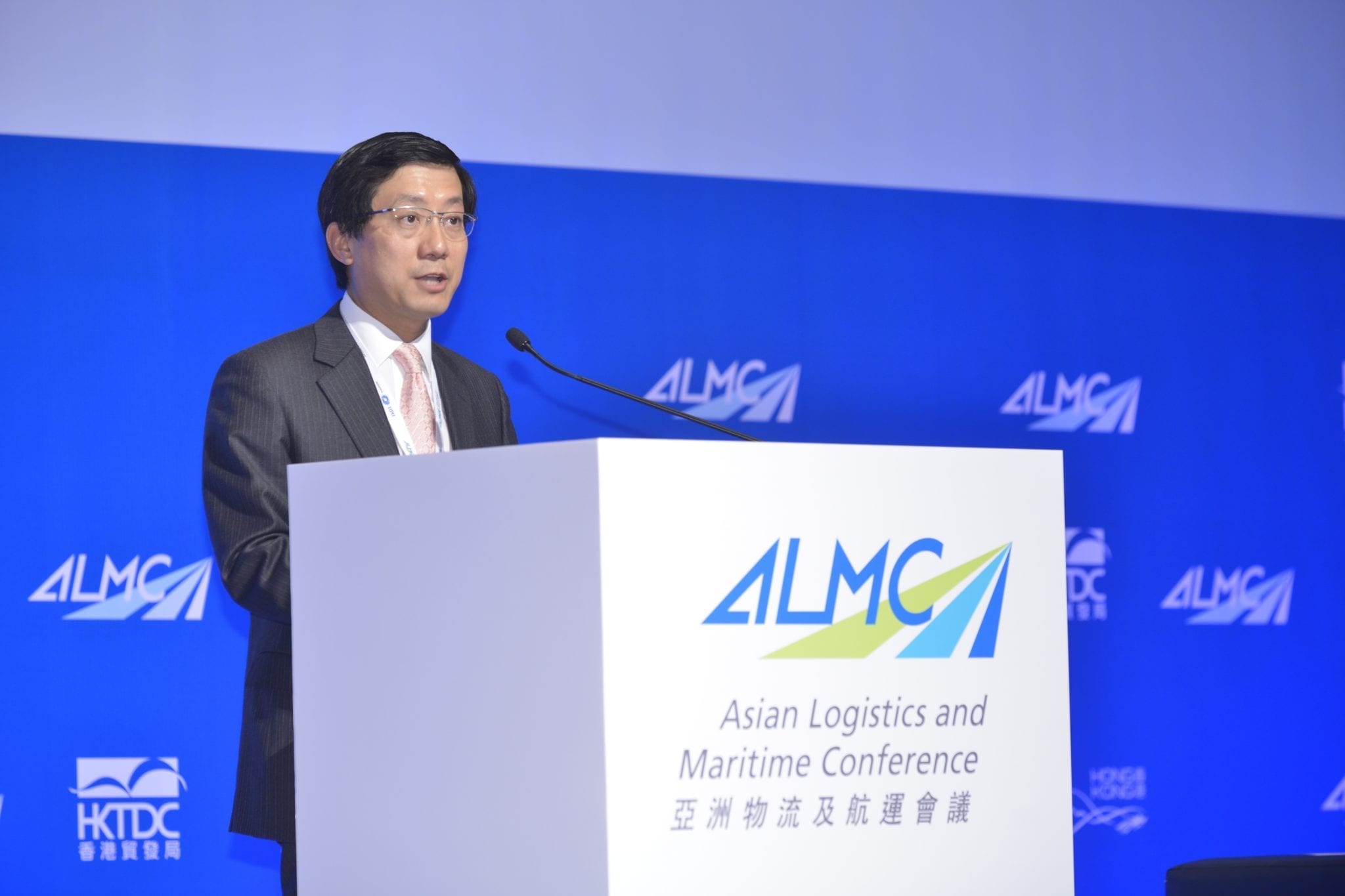
    The seventh Asian Logistics and Maritime Conference (ALMC) will be held 23-24 November at the Hong Kong Convention and Exhibition Centre (HKCEC). The two-day conference is jointly organised by the Hong Kong Trade Development Council (HKTDC) and the Government of the Hong Kong Special Administrative Region (HKSAR). This year’s ALMC will spotlight three important topics, including the Belt and Road Initiative, e-Commerce and smart logistics. About 70 luminaries from the logistics and maritime sectors will speak at the conference to share their visionary ideas. ALMC is expected to attract about 2,000 industry experts from some 20 countries and regions to take part and explore business opportunities.

    HKTDC Assistant Executive Director Stephen Liang said, “As the Belt and Road Initiative is turned from vision to action, and the rapid development of logistic technology is speeding up changes in the global supply chain, there is huge demand for logistics and efficient ocean shipment services in Asia. As the largest event of its kind in Asia, the Asian Logistics and Maritime Conference strives to provide the ideal platform for the industry to learn about the latest development and explore business opportunities.”

    Belt and Road spotlight

    Stephen Liang said that to match market demand, this year’s ALMC will focus discussions on hot topics, including the Belt and Road Initiative, e-Commerce and smart logistics. Apart from the main conference and forums, exhibitions and networking receptions will also be organised led by heavyweight speakers.

    New e-Commerce Support and Tech Applications zone

    This year’s exhibition will feature over 120 exhibitors showcasing supply chain management, logistics, maritime and related services. The E-Commerce Support and Tech Applications zone will debut with a range of fundamental toolkits, such as document management and e-Commerce tools including Internet security and real-time tracking system, offering professional and comprehensive services and solutions. To drive more business cooperation, the HKTDC will arrange more than 140 one-on-one business-matching sessions to help exhibitors and participants foster new business collaborations during the event.

    Close to 70 renowned speakers share thoughts

    Some 70 industry experts and representatives of international brands will speak at the ALMC. Arkhom Termpittayapaisith, Minister of Transport, Thailand, will deliver a keynote speech at the opening session. Among the highlights will be the two plenary sessions. The first, entitled “Belt and Road: Growth Engine Driving New Era for Global Trade” (23 November), will examine the prospects and challenges for the industry in light of the rapid development of the new Europe-Asia sea and land trade route, the ASEAN market and railway cargo transport. Dr Victor K Fung, Chairman of Fung Group, will be the keynote speaker at the first plenary session. Other speakers will include Siddique Khan, President, Kerry Globalink, and chaired by Ben Bland, South China Correspondent, Financial Times.

    The second plenary session, entitled “Delivering New World Order for Online Shopping” (24 November), features speakers including Cissy Chan, Executive Director, Commercial, Airport Authority Hong Kong; James Gagne, President, SEKO Logistics; Katsuhiko Umetsu, Director and Chairman, Yamato Global Logistics Japan Co, Ltd; James Chang, Chief Crossborder Officer, Lazada Group; and chaired by Fox Chu, Partner, Transportation, Travel and Logistics Practice, McKinsey & Company.

    Forums explores industry development

    Apart from the plenary sessions, other forums will cover hot issues such as supply chain management, logistics, maritime and airfreight. Topics include Halal Logistics, Temperature-controlled Cargo Handling, and Digital Supply Chains for F&B Logistics. Canada and Zhuhai will hold two forums to discuss regional logistics cooperation. The Canadian National Railway (CN) will explore seamless cooperation between North American ports and railway logistics, while representatives of the Zhuhai Municipal Government will examine new opportunities from the completion of the Hong Kong-Zhuhai-Macao Bridge and the development of the Big Bay Area.

    Flagship event for Hong Kong Maritime Week

    ALMC is one of the celebratory events for the Hong Kong SAR’s 20th anniversary, garnering support from various sectors and matching the event’s theme “Together, Progress, Opportunity.” ALMC is also a flagship event of the Hong Kong Maritime Week, organised by the Hong Kong Maritime and Port Board. The ALMC is supported by the Hong Kong Logistics Development Council and Hong Kong Maritime and Port Board. The HKTDC invited 20 global leaders in the logistics and shipping industries and representatives of internationally renowned companies to serve as honorary advisors to provide advice on the agenda and content of the ALMC.

  • Hong Kong retail start recovering

    Hong Kong retail start recovering

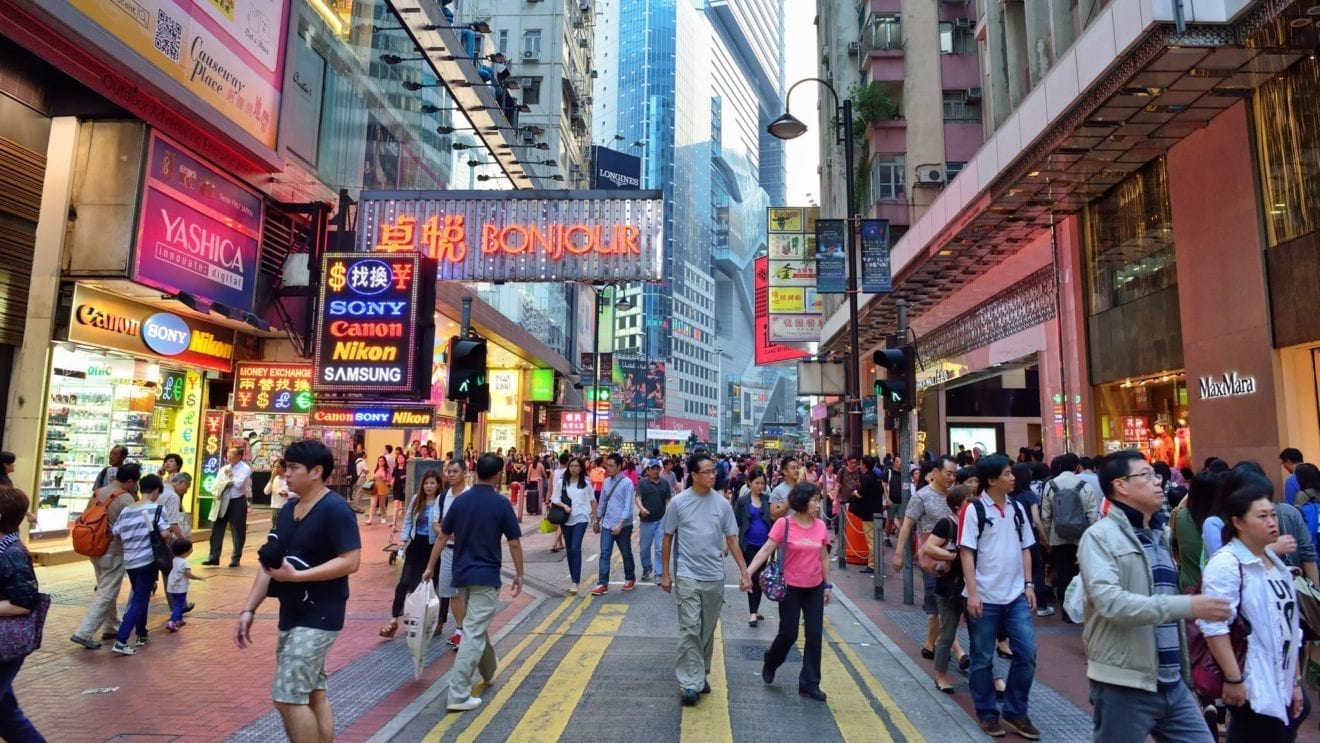
    A “steady if cautious” Hong Kong retail recovery is clearly underway, according to a report from Savills released today.

    “The retail sector is slowly coming to life after four years of painful adjustment which has seen the emergence of a ‘tenant’s market’, a rare occurrence in Hong Kong’s landlord-dominated retail scene,” observed Simon Smith, head of research and consultancy with Savills.

    Over recent months, he said, retailers have been taking the opportunity to upgrade for little or no extra cost and examples include Pandora which moved within IFC Mall and Hourglass, which runs Patek Philippe, relocating within Tsim Sha Tsui from the Imperial Hotel to a better site in the Holiday Inn.

    In further evidence of upgrade demand, Harry Winston has taken the space previously occupied by Ferragamo in the Mandarin Hotel and will open in early 2018. Alternatively, retailers are cutting overheads as they find that renewal negotiations are yielding significant savings as landlords discover a new pragmatism.As reported, Topshop has renewed the lease on its Queen’s Road Central store at a discount of about 50 per cent.

    While landlords of high street shops remain on the back foot, larger shopping centres, such as  Harbour City, IFC Mall and New Town Plaza, are proving relatively immune to the downtown, says Smith.

    In IFC Mall, Italian menswear brand Boggi opened recently while Brunello Cucinelli has launched a new flagship in the same mall.

    “As street-shop rents have fallen heavily while centre rents have only seen a minor adjustment, the gap between the two has narrowed considerably and tenants are now finding that a prime street front pitch can be a viable alternative to taking space in a nearby mall. This is the narrowest the gap has been since 2009 and represents a return to the norm after seven years of major gains in street shop rents.”

    Strength in regions

    Savills also notes that regional and district malls such as Popcorn in Tseung Kwan O and Tuen Mun Town Plaza are doing relatively well.

    “Hong Kong’s tight geography, excellent transport infrastructure and dense retail environment has helped this type of mall defend against the threat from online. The appeal of air conditioned spaces in the summer months and the lure of enhanced F&B offerings have also helped boost the appeal of local malls. We have also seen landlords putting more effort into marketing campaigns with better events, more pop-up stores and creative TV and online advertising,” said Smith.

    “Most malls now have a very well-established cyber-presence via websites and apps. Click-and-collect is making some limited headway locally, with brands such as Zara, Burberry, L’Occitane, Watson’s Wine, Chow Sang Sang and Starbucks all offering the service.

    “In a mixed market some trade categories are performing well and pharmacies in particular are expanding aggressively at the moment. Not every landlord wants them but they are often prepared to pay above-market rents. F&B is also out-performing, driven in part by a richly valued stock market and rising wages.”

    Nick Bradstreet, head of retail with Savills, said luxury fashion is turning around in Hong Kong even though brands have been closing stores in Macau and Mainland China over the past year or so. Luxury sales in China have actually surged over the past six to nine months.

    “Cosmetics retailers are reporting fairly stable business, but after a period of rapid expansion, many brands are still culling store numbers. Electrical goods retailers are consolidating in what is a very competitive marketplace,” he said.

    Savills prime street shop rental indices remained flat over the third quarter while rents in prime malls continued to drift off marginally. The latest September retail sales figures from government recorded a seventh consecutive month of rises attributable in part to a strong inbound tourist numbers. Jewellery, watches, clocks and valuable gift sales outperformed, rising by 14.7 per cent year-on-year, with strong growth also noted for medicines, cosmetics and Chinese drugs.

  • Topshop Hong Kong saves money in rent

    Topshop Hong Kong saves money in rent

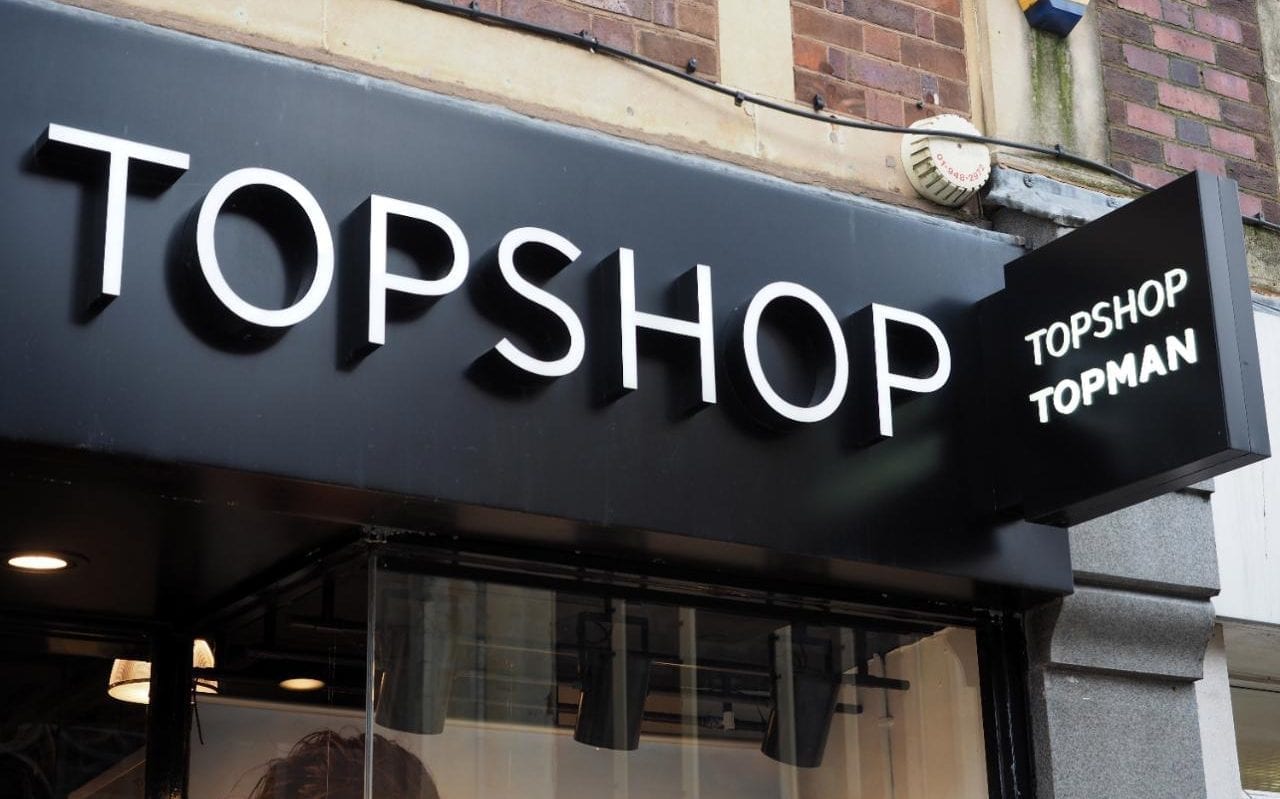
    Renewing the lease for its Queen’s Road shop in Central, fashion brand Topshop Hong Kong has halved the rent.

    It now has a rate of HK$1.5 million (US$192,000) a month for its 12,000sqft (1100sqm) store on one of Hong Kong’s busiest shopping streets, reports Asia real-estate intelligence group Mingtiandi.

    The new deal gives the UK-based retailer of youth-oriented apparel and accessories another three years in the podium of the Asia Standard Tower for around $125 a square foot per month. Topshop had balked at the $3 million it had been paying for the space since signing its previous lease in 2013, the Hong Kong Economic Times reports.

    The cut-rate deal is the latest sign of an adjustment in Hong Kong’s retail real-estate scene as landlords scramble to deal with fashion brands and luxury retailers scaling back their footprints in the face of declining sales and recalibrated expectations, says Mingtiandi.

    It represents a return to leasing rates seen before a surge of demand from fashion brands prompted a rents rise several years ago. Topshop moved into its Queen’s Road space in 2013 after agreeing to double the amount former tenant Chinese Arts and Crafts had been paying for the street corner.

    Swatch last month took over two underground shops in the Central Building on Pedder Street for about $350 a square foot per month, after Hugo Boss moved out midway through its lease. Signing its lease in 2014, Hugo Boss had been paying more than double the rate that Swatch negotiated.

    At the end of its lease, jewellery retailer Chow Tai Fook walked away from the underground shop for which it had been paying $3 million a month in Nathan Road, Mongkok. The landlord has been looking for a tenant to take over the space at $1.5 million a month, says Mingtiandi.

    In Causeway Bay, Prince Jewellery and Watch is reported to have renewed its lease of a six-storey, 7300sqft shop on Russell Street for $1.8 million a month, about 38 per cent less than it had been paying since 2013.

  • Hula is going offline for pop-up in Soho

    Hula is going offline for pop-up in Soho

    Online marketplace Hula is launching a pop-up shopping experience, The Living Room, at Kong Art Space in Soho from November 28 to December 3.

    Founded last year by Sarah Fung, Hula offers curated pre-owned designer womenswear at prices up to 95 per cent off retail. Sellers are by-invitation-only industry “insiders”.

    A graduate of Central St Martins, Fung has had more than 20 years in the fashion industry, previously designing her own lingerie and swim label in the UK (stocked at Colette, Browns Focus and Selfridges) followed by a nine-year stint at Lane Crawford in Hong Kong.

    Hula’s mission is to prolong the life of well-designed fashion pieces and help reduce textile waste. It offers 5 per cent of its profits to partnered charities ranging from environmental to human-trafficking NGOs.

    Not just an online boutique, Hula is a sustainable fashion community where members can consign items they no longer need. For its first venture offline, its pop-up is an intimate space inspired by a living room and offering pieces from such brands as Alaia, Alexander McQueen, Celine, Chanel, Dolce & Gabbana, Ellery, Givenchy, Gucci, Hermes, Prada, Saint Laurent and Stella McCartney.

    On its upper level The Living Room will initially host private appointments, but open to the public for its last two days. The ground level will feature a photography exhibition by art director and sustainable fashion advocate Gloria Yu.

    As part of the event, Hula will host a discussion panel about sustainability and style. Panelists include Carlo Imo (head of Kering Asia Pacific), Justine Lee (fashion director at Hong Kong Tatler) and Christina Dean (founder of Redress), with Bloomberg Asia anchor Angie Lau as moderator.

    Charitable giving from the six-day pop-up will go to Redress, an environmental NGO working to reduce waste in the fashion industry which has just held a clothing drive in conjunction with Miele Hong Kong.

  • Healthy jump in Hong Kong retail sales

    Healthy jump in Hong Kong retail sales

    Hong Kong retail sales rose at their fastest rate in more than 30 months in September, underlining the industry’s steady recovery.

    The Census and Statistics Department (C&SD) estimated retail sales totalled HK$35.7 billion during the month, up 5.6 per cent on the same month last year.

    That follows a revised estimate of August’s sales increase of 2.7 per cent.

    For the first nine months of 2017, retail sales are running at a more modest 0.9 per cent higher.

    Even after netting out the effect of price changes year-on-year, sales were up by 5.5 per cent, said C&SD.

    A government spokesman describe September’s improvement as “notable growth”.

    “This reflected the upbeat consumer sentiment and continued improvement in inbound tourism, as most broad types of retail outlets registered varying degrees of year-on-year rises. The performance of retail sales in the near term should continue to be bolstered by the prevailing favourable job and income situation as well as the recovery in inbound tourism,” the spokesman said.

    The recovery was driven by watches and jewellery, with sales up 14.7 per cent, cosmetics and medicines, up 12.7 per cent and department store sales up 9.4 per cent. Supermarket sales rose 2.6 per cent.

    Apparel and footwear sales lagged at just 1.7 per cent and 1.2 per cent respectively, while furniture and homewares were up 5.2 per cent and optical shops by 5 per cent.

    The only major sector to post a decline in sales was electrical goods and photographic equipment, likely to receive a boost in October and November from the launch of new Samsung models and the iPhone X.

  • Vetements remains secret about Hong Kong debut

    Vetements remains secret about Hong Kong debut

    High-fashion parody brand Vetements has announced on its Instagram account that it is coming to a secret location in Hong Kong on November 18.

    While the Swiss venture is known for its collaborations and product drops, it remains shrouded in an air of mystery, adding to the overall intrigue of Demna Gvasalia as a designer.

    Its Hong Kong announcement is equally enigmatic, being placed over a Google maps graphic featuring a line joining the brand’s hometown of Zurich to Hong Kong. There is no indication of whether its presence will be a pop-up, permanent store or an event.

    Vetements, founded in 2014 by Gvasalia and his brother Guram, sells limited numbers of expensively priced clothing. Demna is also creative director for Kering-owned Balenciaga.

  • Coach parent to delist in Hong Kong Exchange

    Coach parent to delist in Hong Kong Exchange

    Coach parent Tapestry says it will delist from the Hong Kong stock exchange. Tapestry this week replaced the Coach name on the exchange’s ticker. It said it was withdrawing from local listing because of low volumes in trading of its shares and that it would now focus on its primary listing in New York.

    Bloomberg reports that a lack of interest from investors in the former British colony is common to most of the companies that have a so-called secondary listing in Hong Kong, including Fast Retailing, the Japanese parent of Uniqlo and GU.

    “It is difficult to see what benefits the secondary listings in Hong Kong have brought these companies,” Robert Cleaver, a corporate lawyer at Linklaters LLP, told Bloomberg. “Trading tends to gravitate to the market where the most liquidity is, which is typically where the primary listing is.”

  • WeChat Pay Hong Kong adds QR code payment

    WeChat Pay Hong Kong adds QR code payment

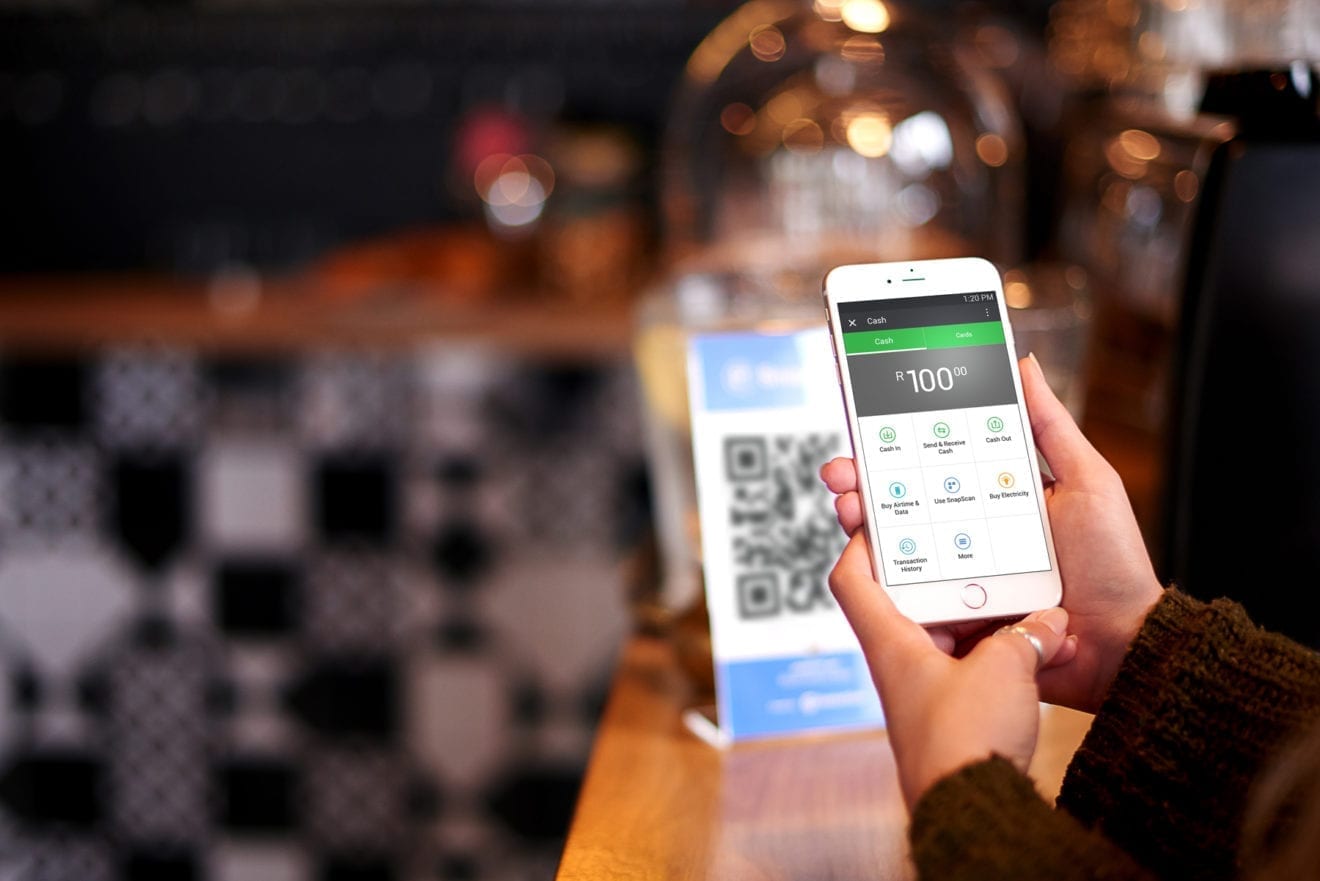
    WeChat Pay HK has introduced a series of expanded payment features to improve the mobile payment experience for local consumers.

    The expanded features include a new quick pay function targeted at merchants able to implement WeChat Pay into existing point of sales systems, such as restaurants, supermarkets and stores.

    Individuals, taxi services, family stores and business owners will meanwhile be able to take payments without having to set up costly payment terminals via the Receive Money via QR Code function.

    Finally, a new checkout system – targeted at SMEs including a simple payment system and a platform for marketing initiatives such as coupons – is expected to launch in December.

    WeChat Pay HK was granted a stored value facilities license by the HKMA last year and has since introduced features including social payment, online shopping and remittance services.

    “The usage of various kinds of Stored Value Facilities is gaining popularity in Hong Kong. We are glad to see WeChat Pay HK’s efforts in promoting mobile payment, offering consumers and businesses more payment solutions and choices throughout the city,” HKMA CFO Nelson Chow commented.

    “We are excited to launch the new WeChat Pay features in Hong Kong, embracing Hongkongers’ growing passion for mobile payment and making their daily lives easier whenever, wherever,” added Tencent general manager Norman Tam.

    “On the business front, this universal payment solution enables merchants to enhance customer engagement and loyalty via the strong WeChat ecosystem.”

  • Sarah Lai opens pop-up at Pacific Place

    Sarah Lai opens pop-up at Pacific Place

    Hong Kong fashion designer/entrepreneur Sarah Lai opened a two-month pop-up store today at Pacific Place, Admiralty.

    It offers her label’s full collections of women’s ready-to-wear, usually sold online.

    Featured is her “Romance Reborn” series with its ruffles and velvet.

    After graduating from Cornell University in 2005, Lai embarked upon a career with financial services firm Morgan Stanley. It was during a summer in London that she rekindled her passion for fashion, and developed a debut collection. She formed her label in 2013.

  • The Garnered comes to ground at Landmark Hong Kong

    The Garnered comes to ground at Landmark Hong Kong

    Online retailer The Garnered, which offers mainly handmade fashion, craft and design products, is showcasing its wares at a pop-up in Landmark in Central.

    In a first for Hong Kong, the London-based venture will have its creations on show until November 12.

    Former Selfridges head of fashion Anna Gardner launched the e-commerce site last year to offer designers a more flexible, supportive platform through which to express their vision and highlight their creative processes.

    Garner started in the fashion industry at the Paris office of American Vogue and Vanity Fair, as an assistant to André Leon Talley. It was the springboard for an international career that has encompassed being head of communications for London retailer Joseph Ettedgui, and fashion director for Henri Bendel.

  • Maison Trudon plans a brand new Hong Kong flagship

    Maison Trudon plans a brand new Hong Kong flagship

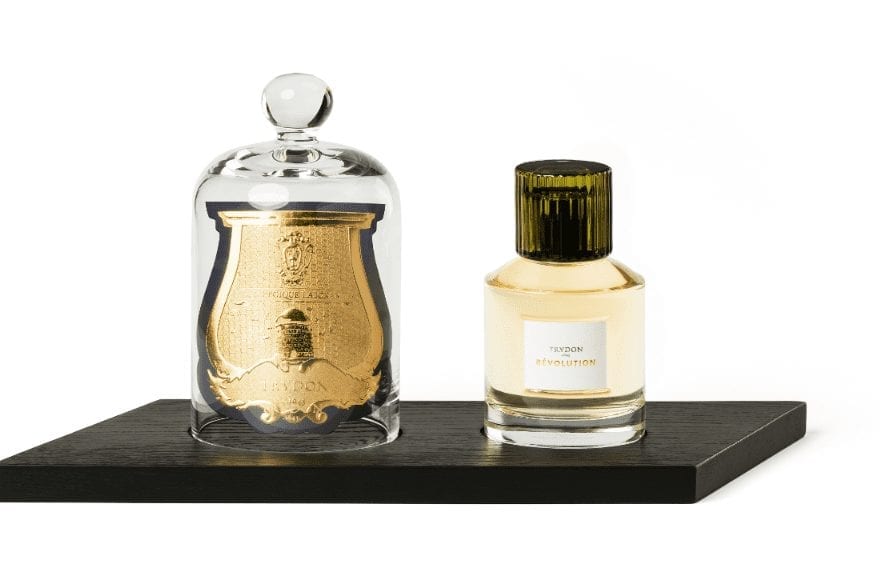
    Maison Trudon, a luxury French candle maker and retailer with a 374 year heritage, launched its first luxury perfume range in Hong Kong yesterday – and revealed plans for a flagship store in the city.

    The company has more than 700 retail sales points worldwide, including five flagships operated by itself or local distributors in Paris, London, New York City and – the most recently opened – Seoul.

    “The luxury is we are a small company, family owned. We can take time to do things and nowadays time is a luxury. (The company has just eight head office staff and 25 factory employees).

    “Asia is growing for us. Europe is a mature market for us – I wouldn’t say we have reached our limit there, but it is now getting to the top of what we can have in terms of stores.”

    But selling candles in Asia is not easy, she said, because not a lot of Asians buy them, “except around death, which is a challenge”.

    “A lot of our customers buy candles for a gift and they just sit on a shelf and are never burnt. That’s a problem for us because if they are not burned there is no repeat sale.”

    The company is already scouting for sites in Hong Kong. While two retail neighbourhoods have been selected as potential sites for the Hong Kong flagship, the company is reluctant to commit because there are many vacancies in both areas.

    “We are concerned about our neighbours. We don’t want to open a store and then after six months have a neighbour move in who doesn’t fit with our brand positioning,” Herreria said.

    For now, Maison Trudon is stocked in Hong Kong by Lane Crawford and Joyce department stores, along with some specialty stores, including Shhh on Hollywood Road, Central.

    The company has a total offer of around 150 candle products representing 29 scents. Prices range from HK$109 (€12) for a box of six table candles through to HK$3600 (€400) for a giant 3kg centrepiece. The top-selling product is a 270gm candle selling for about HK$640 (€70).

    The brand was founded in France in 1643 and in its early years supplied royal family members prior to the French Revolution. To have survived so long is astonishing when one considers it originated as a candle maker to provide light. Its point of difference back then was its composition of beeswax which burned clean and bright, unlike cheaper animal fat-based candles which stank when burned and emitted black smoke. But with a Trudon candle costing the equivalent of an average day’s pay back then, its customer base was limited.

    After the revolution, when having previously been associated with the royal family was something of a disadvantage, the company was allowed to continue in business, due to its public service outweighing any perception of luxury.

    Then came the advent of gas and later electricity, meaning candles were no longer an efficient source of light for home or office. It could have spelt the end, but instead Maison Trudon shifted its focus back to premium scented products, working with perfumeries to achieve memorable, lasting scents.

    In subsequent years, the company’s ownership passed through five different families, but it always remained privately owned.

    Perfume expansion

    The new five-piece Maison Trudon perfume collection was soft-launched in department stores Bon Marche in France, Harvey Nichols in London and Barneys in New York City, last August, along with the company’s own stores. It waited until after Fashion Week to launch in Hong Kong.

    Making its foray into perfumes after 374 years in candles, the company realised it needed to launch with more than one variant.

    “We realised that if we had three or five perfumes our displays would be bigger and more visible,” said Herreria.

    The company worked with two perfume designers, Antoine Lee and Lyn Harris for three years before the range was complete. The scents are considered niche, decidedly genderless and  bold and brave. Each has a story. For one, Bruma, Lee was blindfolded and led into a Paris museum after closing time and assisted into a relaxed, meditative state by a therapist.

    He describes the experience as his “best brief ever” as a perfume creator. The result, in his words: “A noble figure leaves the comfort of her rooms on horseback at night to discover a part of herself in another, nearly super- natural place. Her appearance is evoked by the notes that transcribe her femininity as well as her elevated rank. The rider crosses a clearing, passing from the half-dark into the nocturnal light, shrouded in mystery, enigma and a distinguished sensuality that is almost animal-like. Her beauty is suddenly revealed by a spiritual energy.”

    Another of the perfumes, Revolution, by Harris, has a deliberately strong ‘smoky’ scent.

    “Revolution captures a moment in history, a period when smells were raw and prevailed everywhere,” explains Harris. “History is alive in this composition where smoke, wood, leather and incense reign. Yet modern elements in the formula let the scent breathe. A form of harmony is born out of these contrasting notes, leaving an elegant, clean, smoky wood-scented backdrop that remains on the skin.”

    Each 100ml glass bottle of perfume will retail for about HK$1900.
  • SmarTone, Ericsson trial FDD massive MIMO in Hong Kong

    SmarTone, Ericsson trial FDD massive MIMO in Hong Kong

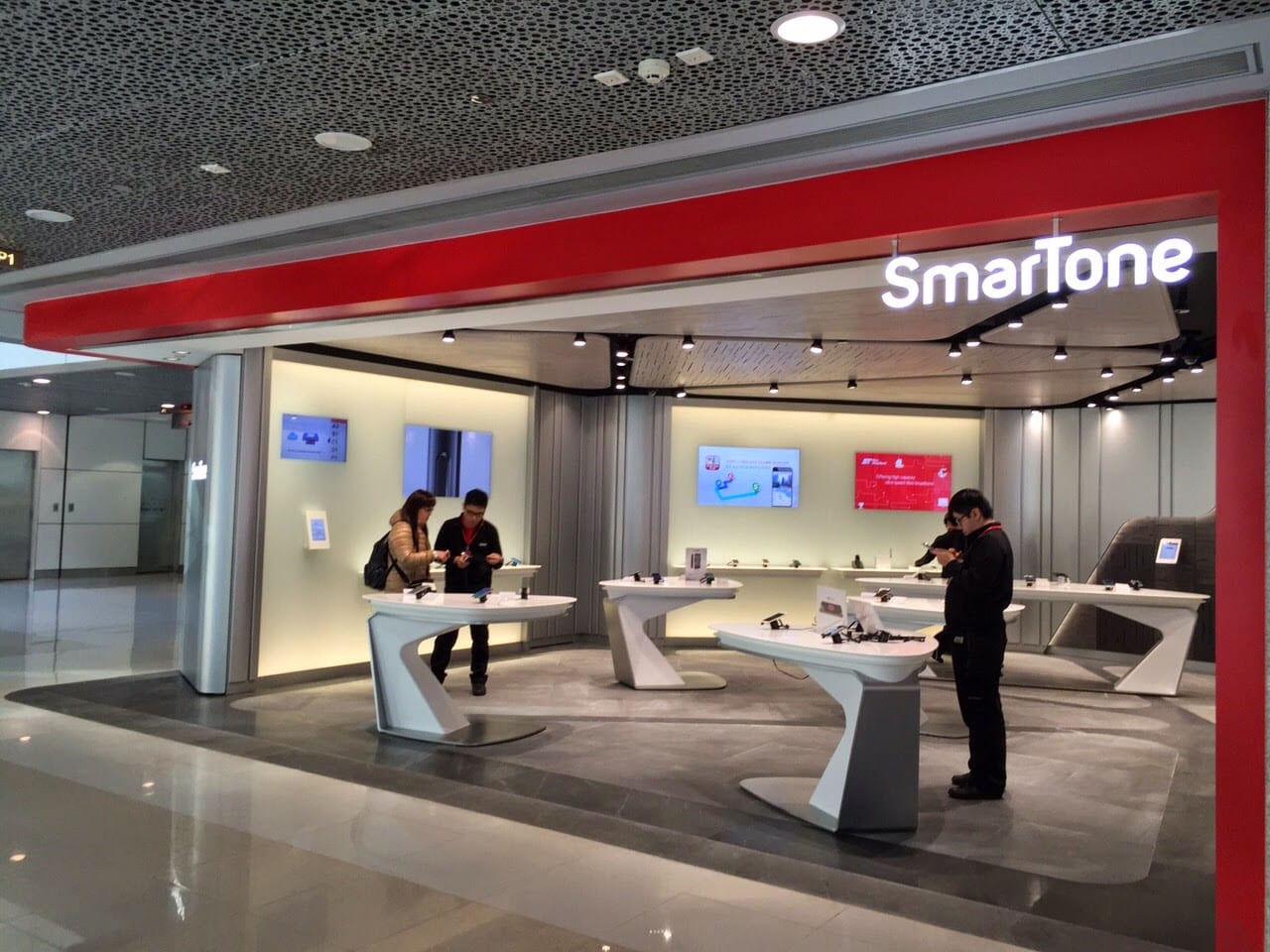
    Ericsson and Hong Kong mobile network operator SmarTone have begun to trial FDD (Frequency Division Duplex) massive MIMO (Multiple Input, Multiple Output) technology as part of the operator’s network evolution plan towards 5G, said the companies in a press event in Hong Kong Monday.

    The trial, involving FDD massive MIMO on 1800 MHz, represents the first of its kind for operators in Hong Kong. The trial comes ahead of 2018’s planned deployment of AIR 3246, Ericsson’s new radio that can support massive MIMO over 4G/LTE with Ericsson’s 5G massive MIMO plug-in, said the companies.

    “Our extension of the strategic partnership with Ericsson in October last year includes a five-year network evolution plan towards 5G,” said Stephen Chau, CTO, SmarTone. “Ericsson’s FDD massive MIMO solution will play an instrumental part in providing our customers in dense urban environments with [the] enhanced user experiences they have come to expect from SmarTone.”

    “We are working closely with SmarTone to develop, trial, and deploy key 5G technologies that will further enhance the user experience,” said Nishant Batra, head of product area network infrastructure, Ericsson. The recent LAA field trial, and now the trial of FDD massive MIMO, enable us to jointly shape the next-generation network technology.”

    Ericsson recently launched its first radio, AIR 3246, supporting FDD massive MIMO for both 4G and 5G. The technology is designed to enable operators—especially in metropolitan areas—to bring 5G to subscribers using today’s mid-band spectrum and boost capacity in their LTE networks.

  • SmarTone names winners of 24-hour hackathon

    SmarTone names winners of 24-hour hackathon

    An international team of students has won Hong Kong mobile operator SmarTone’s first smart Hackathon with a predictive maintenance solution for utilities.

    The team of of four university students and programmers from India, Poland, the Philippines and the US developed Prodict during the 24-hour hackathon, which had the theme of smart properties.

    Prodict analyzes data collected from various sensors and uses machine learning technology to predict the imminent failure of utilities services before they happen.

    The runner up was Pop UP, a virtual guidebook for office equipment that uses augmented reality technology, while third place went to Softhard.io, a property management solution that leverages internet of things (IoT), low-power wide area networking (LPWAN) and machine learning technology.

    The three winning teams shared in cash prizes of HK$50,000, HK$30,000 and HK$20,000 respectively, as well as new devices from sponsor Samsung.

    In addition, the winners will also be given the chance to join the Microsoft BizSpark Program and be entitled to a fast-track interview for the Cyberport Creative Micro Fund (CCMF) or Cyberport Incubation Program.

    “Hong Kong’s future depends on maximizing the potential of the next-generation and SmarTone Hackathon is the ideal platform to identify and nurture the brightest and best from Hong Kong’s budding technology talent pool,” SmarTone CEO Anna Yip said.

    “It is essential we foster the creativity and enthusiasm of the younger generation and events like the hackathon can serve to ignite their innovative thinking to fulfill Hong Kong’s smart city ambition.”

    The event was announced in August, and co-sponsored by Sun Hung Kai Properties and SUNeVision as well as Microsoft and Samsung. The hackathon attracted 120 participants.

  • Tigers to pioneer same day bicycle deliveries for online fashion brand holymesh

    Tigers to pioneer same day bicycle deliveries for online fashion brand holymesh

    Tigers Germany has won the exclusive contract for online start-up fashion brand HOLYMESH in Germany, Austria, and Switzerland.

    The Hong Kong-headquartered supply chain specialist has doubled its Cologne e-commerce fulfilment complex to support HOLYMESH, a favourite with German YouTube influencers.

    Tigers Germany will pioneer a new same day delivery service, initially in Cologne, in order to introduce an efficient, green final mile solution.

    “We are supporting HOLYMESH with both B2B and B2C solutions, including shipping from their production centres in Italy and China, as well as developing bespoke packaging solutions and fulfiling quality controls both at shipping and on arrival at our facility,” said Andreas Niklasch, Managing Director, Germany and Switzerland, Tigers Germany.

    “Each B2C package is a bespoke undertaking, from cardboard packing and label taping, to adding the respective documents, such as autographs from YouTube influencers, and other promotional material.”

    Tigers handles sorting and checking into stock for HOLYMESH, storage, Electronic Data Interchange (EDI) order transfers, in addition to processing returns, quality check Web Map Service (WMS) data maintenance, repacking and relabelling.

    HOLYMESH famously partners with YouTube influencers in Germany to exclusively develop, produce, and distribute clothing and accessories collections.

    “Tigers is a flexible and innovative logistics partner, providing us with the support we need to optimise processes, as our company continues to grow, and the influencer business continues to change rapidly,” said Jasmina Borgard, Managing Director, HOLYMESH.

    Tigers Cologne’s team of 20 has over 100 years’ industry experience, including expertise in e-commerce for fashion brands.

    “Our Cologne e-commerce fulfilment center has doubled in space in less than a year due to increasing demand,” added Niklasch.

    “We offer high flexibility, processing between 200 and 1,500 orders daily, in addition to a dedicated customer service to provide solutions further tailored to each of our customers.”

    “We are planning to launch a same day bicycle delivery service in Cologne, further boosting our offerings.”

    Tigers Germany works with a wide range of industries, including fashion, automotive, industrial goods, pharmaceuticals, and chemicals.

    Tigers recently launched a new rail freight service, Tiger Rail, on the new Silk Road, offering customers a 16-day transit time both east and westbound, between Duisburg, Germany, and Hefei, Chongqing, and Chengdu, China.