Retail News CRM

Tag: hub

  • HCMC Soars in Global Financial Center Rankings, Surpassing Bangkok to Claim an Impressive 3rd Place!

    HCMC Soars in Global Financial Center Rankings, Surpassing Bangkok to Claim an Impressive 3rd Place!

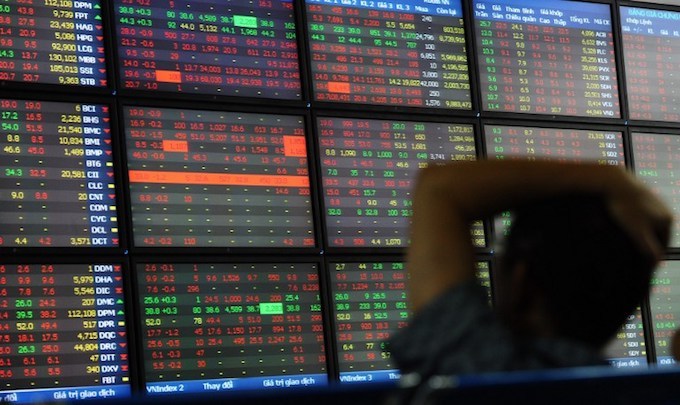
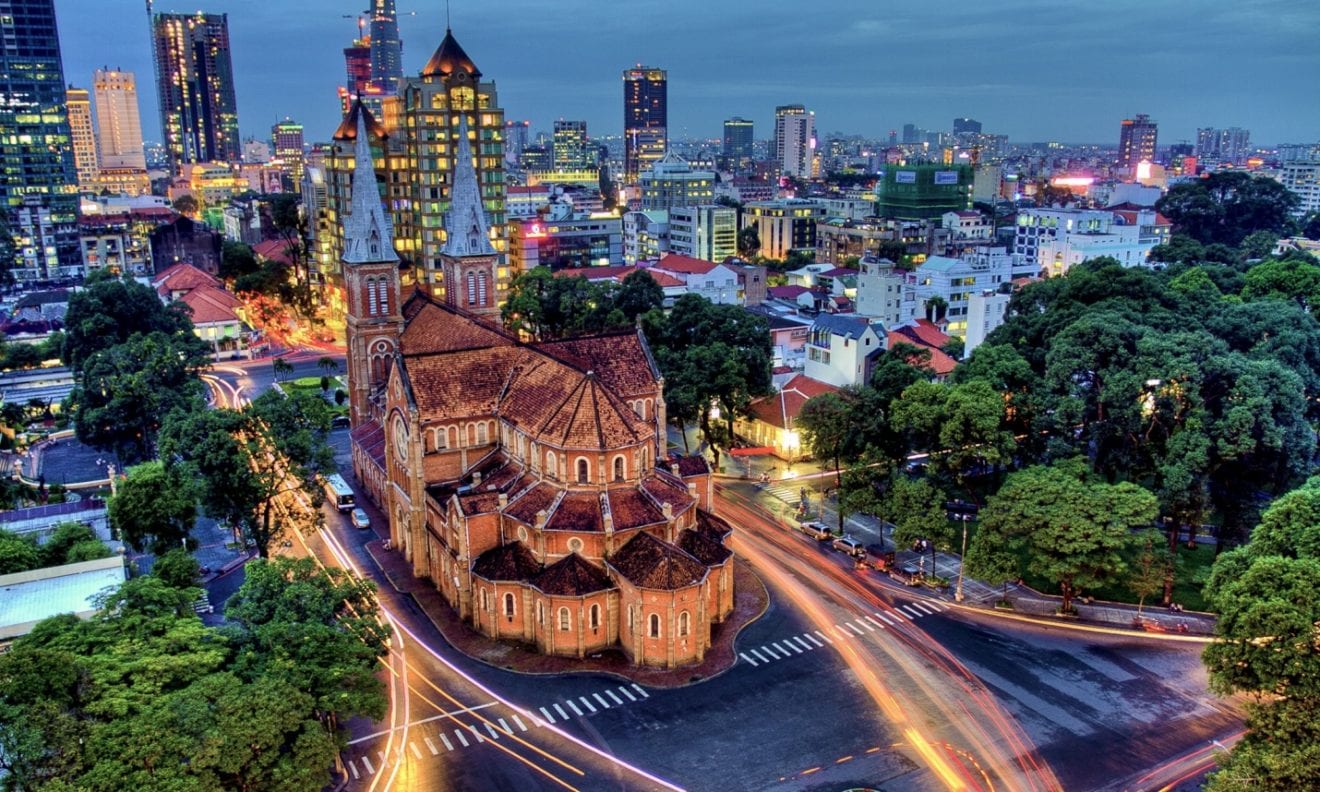
    Ho Chi Minh City (HCMC) has reached a significant milestone, achieving its highest ranking in the Global Financial Centers Index (GFCI) since its inception in 2022. This notable rise, documented in the latest GFCI report released last week, sees HCMC score 664, a jump of 10 points from March’s assessment.

    A Comprehensive Evaluation of Financial Hubs

    The GFCI evaluates 135 financial centers worldwide, using a nuanced matrix of indicators that includes business environment, reputation, infrastructure, human capital, and development of the financial sector. Each city’s score is derived from inputs provided by reputable third-party organizations such as the UN, World Economic Forum, and Transparency International, complemented by feedback from 4,877 financial services sector professionals.

    Forecasting Financial Growth

    With its burgeoning score, HCMC is among the 15 financial centers anticipated to exhibit robust growth over the next two to three years—a promising outlook that contrasts with Bangkok’s decline from 96th to 102nd place.

    Vietnam’s Ambitious Financial Hub Plans

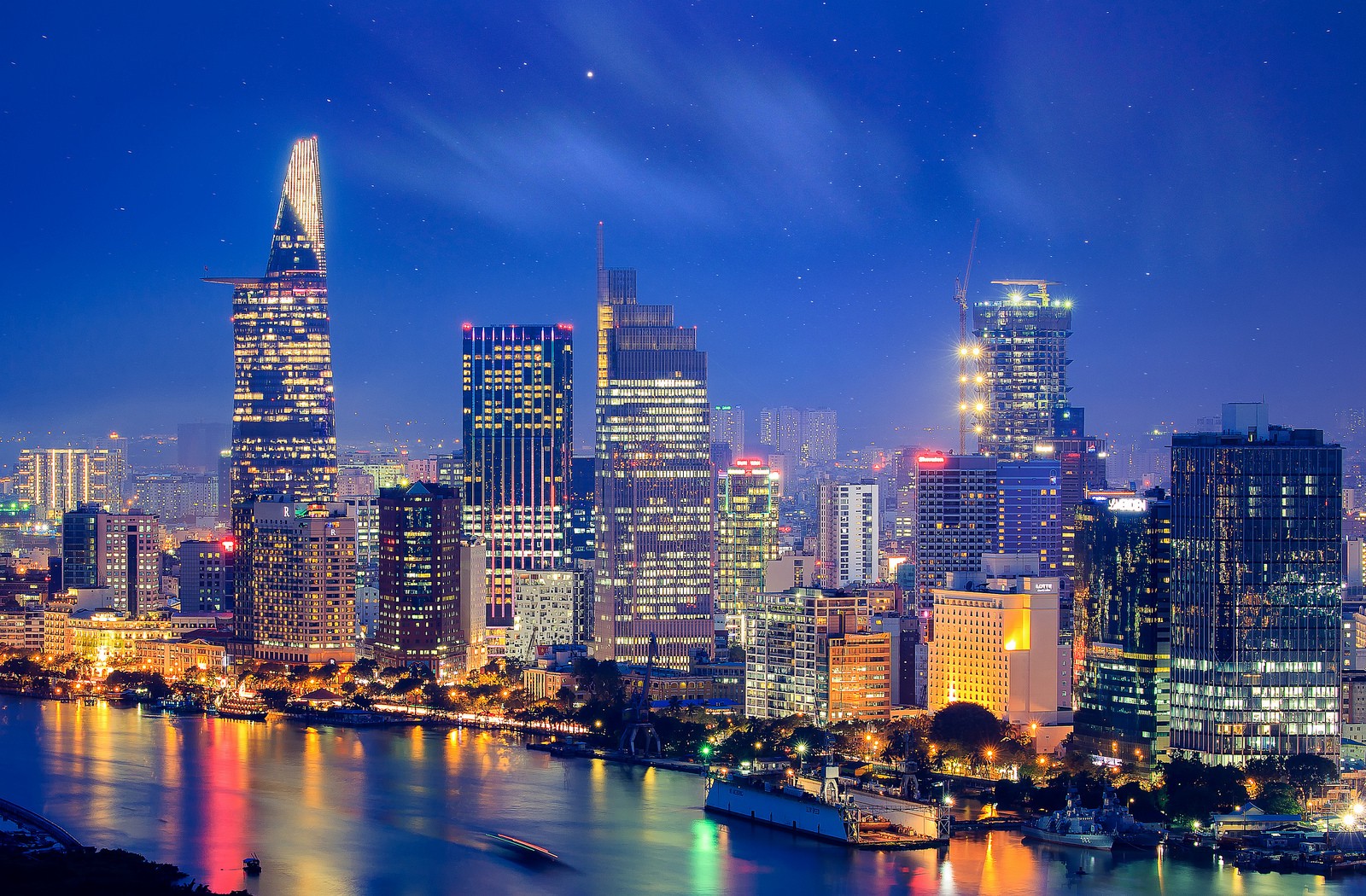
    In a bold move to enhance its financial stature, Vietnam is developing an international financial hub that spans HCMC and Da Nang. Announced in a government resolution passed in June, the hub will feature a diverse array of services, from banking to capital markets associated with asset and fund management. Notably, experimental mechanisms for fintech innovation, specialized trading platforms, and derivatives are also part of the plan. The government aims to have the HCMC section operational by 2025, with full completion expected within five years—making HCMC not just another city, but a potential playground for financial progress.

    Regional and Global Financial Rankings

    Other Southeast Asian cities making their mark in the rankings include Singapore at a respectable 4th, Kuala Lumpur at 45th, Jakarta at 91st, and Manila at 104th. Meanwhile, the global top 10 list remains steadfast, with New York maintaining its lead with a score of 766, cushioning its position against the competition from London, Hong Kong, and Singapore.

    Questions & Answers

    What factors contribute to HCMC’s rise in the GFCI ranking?
    HCMC’s improved ranking is attributed to its competitive business environment, strong infrastructure, and ongoing developments in human capital and financial sector growth.

    When is the financial hub in HCMC expected to be operational?
    The HCMC section of the new financial hub is projected to be operational by 2025, with the entire development completed within five years.

    How does HCMC’s ranking compare to other Southeast Asian cities?
    HCMC ranks significantly higher than other Southeast Asian cities like Bangkok, which dropped to 102nd, while Singapore remains the leader in the region at 4th globally.
  • Vietnam Plans Ambitious Financial Hub Connecting Two Major Cities

    Vietnam Plans Ambitious Financial Hub Connecting Two Major Cities

    Deputy Prime Minister Nguyen Hoa Binh shared an ambitious vision at a recent meeting with consultants, presenting it to the National Assembly during its ongoing session. Richard McClellan, the global ambassador of property developer Terne Holdings, voiced his enthusiastic support, emphasizing that Vietnam’s financial center should be conceived as a cohesive operating system rather than a mere geographical entity. According to McClellan, this innovative approach could position Vietnam as a formidable player in the global financial landscape, highlighting the synergy between Da Nang and Ho Chi Minh City as complementary locations rather than rivals.

    Exploring New Frontiers in Finance

    Binh pointed out that Vietnam has the opportunity to consider establishing two international financial centers or a single center spread across two locales, tapping into the unique strengths each city offers. Jochen Biedermann, managing director of the World Alliance of International Financial Centers, underscored the need for significant investments in software, digital infrastructure, and training of talent to ensure seamless operations in a dual-location model.

    Adding his insights, Andreas Baumgartner, CEO of The Metis Institute, advocated for a unified management model that respects the operational independence and unique advantages of each site. Such an international financial center could revolutionize Vietnam’s ability to attract premium financial resources, enhance governance, and elevate the nation’s competitive edge, all while deepening its ties to the global financial system.

    Binh reiterated the government’s commitment to crafting a groundbreaking legal framework designed to maximize these opportunities. “Vietnam will adhere to international laws and standards, encourage innovation, and provide distinctive and attractive incentives for investors,” he pledged. He assured that forthcoming policies would strive to balance the interests of the state, investors, and citizens, perfectly aligned with Vietnam’s management capabilities.

    Da Nang City Party Secretary Nguyen Van Quang characterized the international financial center as a “very new and challenging” project vital for the nation’s growth. He expressed confidence in the city’s robust ecosystem, boasting both the hard and soft infrastructure needed to support the center’s operations. Meanwhile, Ho Chi Minh City’s Vice Chairman Nguyen Van Dung highlighted ongoing efforts to refine policies, enhance technical infrastructure, and nurture human resource development to support the financial center’s goals.

    During the conference, leaders from various international financial organizations, businesses, investors, and partners pledged their support and collaboration to ensure the successful launch and development of this groundbreaking initiative.

    What a compelling venture—who knew Vietnam’s financial future could shine so brightly?

    Questions & Answers

    **What is the main vision for Vietnam’s financial center as proposed by Deputy Prime Minister Nguyen Hoa Binh?**
    The vision is to create an international financial center that functions as a unified operating system across multiple locations, such as Da Nang and Ho Chi Minh City, enhancing Vietnam’s global competitiveness.

    What key investments are suggested to ensure the center’s success?
    Investments in software, digital infrastructure, and training human resources are crucial for establishing a seamless financial center that operates effectively across two different locales.

    How is the Vietnamese government addressing investor interests in this project?
    The government is committed to developing a legal framework that adheres to international standards, encourages innovation, and balances the interests of the state, investors, and citizens.

  • Revolut Chooses Paris as Its New Strategic Hub for Western Europe Operations

    Revolut Chooses Paris as Its New Strategic Hub for Western Europe Operations

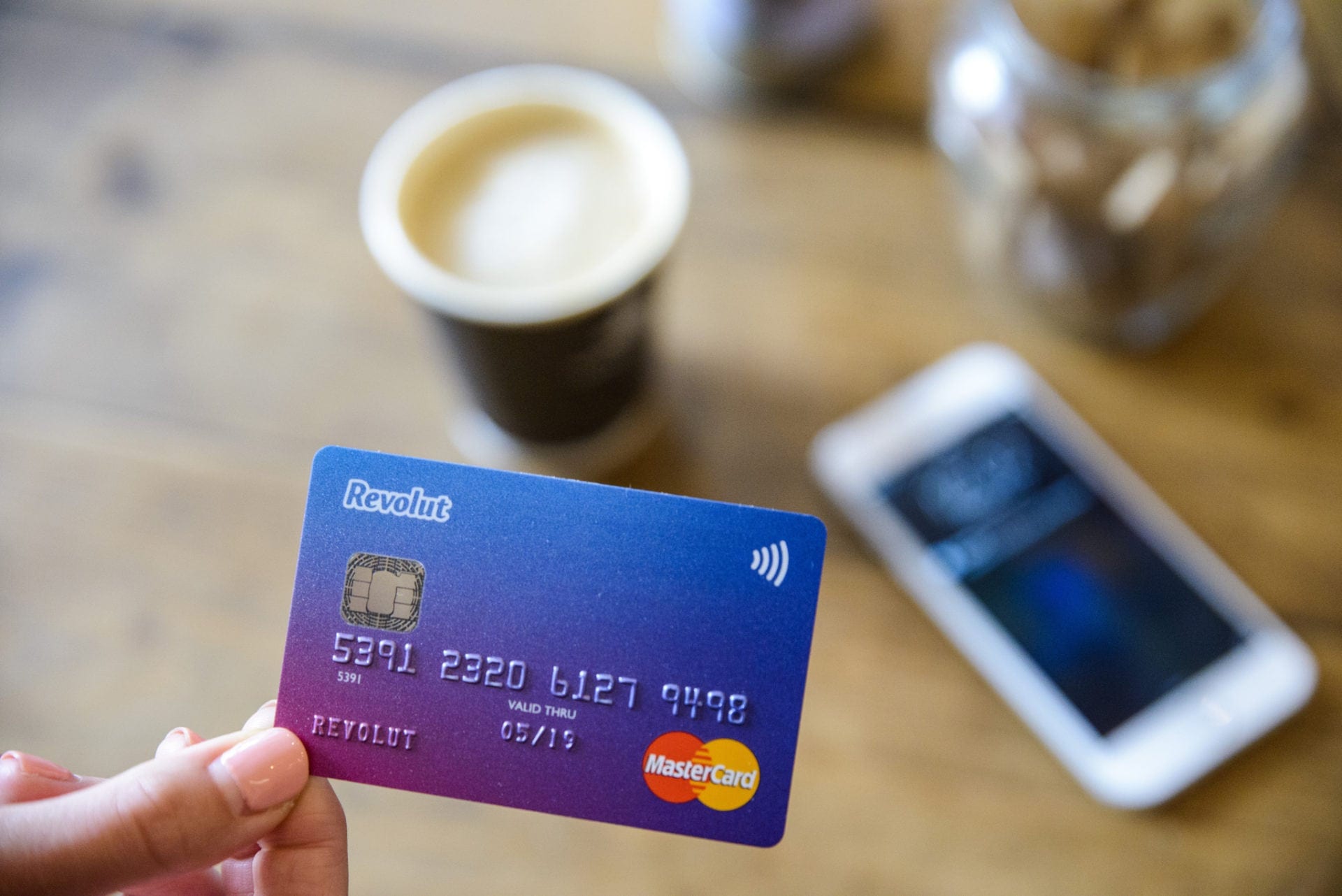
    Neobank Revolut is strategically placing its Western European headquarters in the heart of Paris while simultaneously applying for a French banking license.

    In an exciting development for the European banking scene, UK-based neobank Revolut is broadening its reach. Antoine Le Nel, the company’s global Chief Growth Officer and Chief Marketing Officer, shared the news on LinkedIn, confirming that the vibrant city of Paris will serve as its new hub for Western Europe.

    With this move, the Paris office will directly oversee operations in key markets including France, Spain, Italy, Portugal, Ireland, and Germany.

    Rights to the French Banking Scene

    Revolut is also moving forward with its application for a full French banking license. Le Nel emphasized that this initiative is a significant leap toward positioning Revolut as the most innovative and customer-centric bank in the region. The figures are telling: France is now Revolut’s fastest-growing market in the EU, boasting more than 5 million customers and a staggering 1.6 million new users added just in 2024.

    A Dual-Hub Approach

    Interestingly, the Paris office will work in tandem with Revolut’s existing base in Lithuania. This dual-hub strategy is designed to enhance regulatory collaboration while offering locally tailored financial services across both Western and Eastern Europe, making it a potential recipe for success.

    Although the announcement was silent regarding Switzerland, speculation continues to swirl about Revolut’s interest in a Swiss banking license. The mystery only adds to the intrigue surrounding the company’s rapidly developing European narrative—could this be the next chapter in Revolut’s ambitious foreign foray?

    Questions & Answers

    Why is Revolut choosing Paris for its Western European headquarters?
    Revolut sees Paris as a strategic location due to its status as a major financial hub and its significance as France emerges as Revolut’s fastest-growing EU market.

    What markets will the new Paris office oversee?
    The Paris headquarters will manage operations in France, Spain, Italy, Portugal, Ireland, and Germany.

    Is Revolut pursuing a Swiss banking license?
    While the announcement did not clarify this, rumors suggest that Revolut may indeed be seeking a banking license in Switzerland, indicating potential future expansion plans.

  • Netflix to launch Nike Training Hub on December 30

    Netflix to launch Nike Training Hub on December 30

    Netflix would like to help you stick to your fitness-related new year’s resolutions this year. Starting December 30, 30 hours of video content will become available on the platform, through a partnership with NIke.

    Reality check: in recent years, the number of new year’s resolutions related to losing weight are seeing a decline, but that isn’t a cause for celebration, as obesity rates are going up. However, it would be best if you remembere: there is no time like the present.

    While new year’s resolutions may not be the best method for losing weight, having access to content from Nike Training Club on your Netflix app certainly is. It will be released in two bahes, available in multiple languages and to users of all subscription plans, so all that is required of you is to get motivated and give it a shot.

    In case this is the first time you’ve heard about Nike’s training program, it is built around an app that wants you to stick to your decision and help you build healthy habits through fine-tuned training regimens and workout sessions.

    We still don’t know what the second series will include, but we know that it will become available some time in 2023. Until then, batch one will certainly give you enough to sink your sport shoes’ heels in to with:13 episodes of basics of Fitness

    • 7 episodes of core workouts
    • 6 episodes of yoga
    • 14 episodes of strength training
    • 5 episodes of feel-good fitness

    Considering that this is not your typical binge-worthy series, but content that you will actually revisit multiple times — or at least until you’ve gotten a steady workout routine down — it is certainly more than enough to help you get started on that new you.

    The program will also feature videos, suitable for people of all fitness levels, meaning that you will be able to tell the ones that aren’t for you yet, but they will still be available to you when you decide to push things further.

    The videos will be led by certified trainers from Nike’s Training Club solution. And if you like what you see on Netflix, you can also download Nike’s app too for a full experience. Oh, and by the way — the app is completely free, and offers tons more, like additional workouts, goal reminders and expert tips on nutrition and diet.

    As Netflix is stepping up their game regarding, um… well, games on the platform, we can definitely expect them to bring more fitness options too, especially if Nike’s series receives a warm welcome. And you know what? This year might be it, so you should definitely try going for Netflix and Treadmill instead of Netflix and Chill.

  • Vietnam to become one of Apple’s main manufacturing hubs

    Vietnam to become one of Apple’s main manufacturing hubs

    India, Vietnam and Brazil could account for as much as 30% of Apple supplier’s Foxconn production in upcoming years as Apple seeks to diversify its supply chain out of China.

    Key electronics manufacturers are moving faster to diversify their capacity globally, taking advantage of local incentive policies, according to Counterpoint Research analysts Ivan Lam and Shenghao Bai as cited.

    “Led by Foxconn and Pegatron, companies have already invested in factories, production lines, relatively advanced manufacturing processes, and personnel training in India,” they wrote.

    The country’s vast population and high birth rate make it an attractive market for end-products as well as a manufacturing base, while Vietnam’s workforce offers lower labor costs than in China, they added.

    According to the report, Vietnam has attracted 21 Apple suppliers to operate in the country, though it lacks the ability to produce the all-important iPhone handset.

    Apple has reportedly tapped its top supplier, Taiwan’s Foxconn, to start making MacBooks in Vietnam as early as around May next year.

    The company has been working on plans to move some MacBook manufacturing to Vietnam for nearly two years, and has set up a test production line in the country.

    Vietnam will make 65% of Apple wireless AirPods by 2025 as the U.S. tech giant continues to shift its production away from China, JP Morgan analysts have forecast.

    The country would also reportedly account for 20% of iPad and Apple Watch output and 5% of MacBook.

    Foxconn, a key supplier, in August leased 50.5 hectares of land in Bac Giang Province and plans to build a $300-million factory there, employing 30,000 workers.

  • Korean firms to use petrol stations as logistics hubs

    Korean firms to use petrol stations as logistics hubs

    With the expansion of the ‘quick commerce market’, which offers guaranteed delivery within an hour, South Korean firms are employing gas stations as warehouses and logistics hubs.

    It has become a new alignment of interest between the quick commerce industry that needs logistics hubs in the heart of the city, and gas stations in search of a breakthrough as they struggle from dwindling sales with the emergence of eco-friendly cars.

    Shinsegae Property, property development unit of retail giant Shinsegae Group, signed an agreement with Koramco Energy Plus REITs to begin the development of gas station sites. The plan is to turn idle spaces at 187 gas stations owned by REITs into logistics hubs.

    Major logistics company CJ Logistics also signed an agreement with oil refinery and gas station operator SK Energy late last month to use their gas stations as logistics hubs.

    The plan is to set up small to medium-sized warehouses at these gas stations to keep stock of popular consumer goods to ship them out as soon as an order is placed.

    GS Caltex, South Korea’s second-largest refiner by sales, teamed up with local food delivery firm Mesh Korea last year to come up with plans for establishing logistics hubs at gas stations nationwide that will focus on short-range deliveries.

    This trend is partially the result of gas stations struggling to remain profitable. There were 11,290 gas stations in South Korea as of May and 109 gas stations had closed down in the first five months of the year, according to the Korea Oil Station Association.

    The Korea Energy Economics Institute said in a report published in January that number of gas stations in the country has been shrinking by an average of 1.3 per cent annually in the last 10 years, claiming that only 3,000 gas stations will be operational by 2040.

  • India seeks to pour $500-mln into Vietnam pharmaceutical hub

    India seeks to pour $500-mln into Vietnam pharmaceutical hub

    Large pharmaceutical enterprises in India have expressed their hope to establish a pharmaceutical industrial park in Vietnam, with an initial investment of about $500 million.

    The idea of setting up the pharmaceutical industrial park was launched during recent trade and investment promotion sessions for the pharmaceutical industry organized by the Vietnamese Embassy in India, according to the local Vietnam Trade Office.

    Vietnamese Ambassador to India Pham Sanh Chau said construction of the pharmaceutical industrial park would open an opportunity to welcome large pharmaceutical giants for long-term investment, helping Vietnam reduce dependence on traditional pharmaceutical supplies and diversify production chains.

    It is estimated the industrial park would create jobs for 50,000 direct and 200,000 indirect workers, earning export revenue of about $5 billion per year.

    Leaders of localities in Da Nang and Thua Thien-Hue in central Vietnam, Long An in southern Vietnam, and Hai Duong, Bac Ninh, and Thai Nguyen in the north have discussed land rent, geographical location, transport infrastructure and investment incentive mechanisms with Indian investors.

    Ramesh Babu, chairman of India-based pharmaceutical manufacturing company SMS Pharmaceutical Group, which plans to invest in the pharmaceutical industrial park in Vietnam, said if successful, it would turn the country into a leading pharmaceutical research, development and production base in Southeast Asia and the world.

    Analysts at SSI Securities estimated Vietnam’s pharmaceutical industry to grow by 15 percent in 2021 mainly due to a rapidly aging population and rising incomes.

  • Hong Kong Hub Status Under Fire

    Hong Kong Hub Status Under Fire

    Doubts about Hong Kong’s ability to retain its status as a global hub have been spotlighted in the past weeks by multiple entities – including the local government – citing various issues ranging from politics to the pandemic.

    Doubts about staying are increasing for numerous international companies and expatriates residing in Hong Kong, according to various sources including a Canadian envoy, a survey from an American business group and even the head of the Hong Kong Monetary Authority.

    Various issues were cited as drivers including Beijing’s national security law (NSL) as well as the local government’s management of the coronavirus pandemic.

    Earlier this week, Canada’s consul general in Hong Kong and Macau Jeff Nankivell said that the effects of the NSL led some Canadian firms to review contingency plans and study options for data transfer in the event of a Hong Kong withdrawal.

    He cited issues such as the revamp of the city’s electoral system and reduced post-NSL communication with a noticeable number of political parties and non-governmental organizations.

    Several days later, the American Chamber of Commerce in Hong Kong (AmCham) released a survey that said 42 percent of expats were considering an exit with NSL named as the top driver as cited by 62 percent of respondents.

    Other reasons cited include the effects of travel from Hong Kong’s quarantine policies (49 percent) and the impact of Beijing’s legislation on education (36 percent).

    «Based on the survey results, AmCham strongly suggests that the government pay close heed to the sentiment of expatriates in Hong Kong and work towards allaying major concerns through stronger understanding of Hong Kong’s international talent, lest the city lose competitiveness versus other business hubs,» the U.S. business group said.

    In a rare showing of doubt, even local government officials expressed worries about business plans to relocate to another hub, albeit for non-political reasons.

    In early May, HKMA chief executive Eddie Yue said Hong Kong risked diminishing attractiveness as a financial center due to potential exclusion from travel bubbles over its relatively low vaccination rate – around 14.8 percent of the city’s population of 7.5 million have received their first dose, according to data compiled by Oxford University.

    If you were a regional executive sitting in Hong Kong running the regional business in Hong Kong, without being able to fly around in Asia or fly back to your headquarters for reporting, will you think I should remain in Hong Kong, or should I move to another center? Yue said.

    Separately, government officials elsewhere expressed contrasted confidence in Hong Kong’s retention of international companies.

    In response to the AmCham survey, Commerce Secretary Edward Yau refuted concerns about Hong Kong’s attractiveness for foreign firms to do business, highlighting opportunities linked to the Greater Bay Area and the Belt and Road intuitive.

    Different business entities would have different reasons to stay or otherwise, but I think figures also speak for themselves, Yau said in a published transcript, citing a government survey that said the number of foreign firms remained steady at around 9,000. «Of course, there is no ground for complacency. We believe that business decisions would best be made by people who actually stay and operate in Hong Kong.»

  • Diesel Hub concept store opens in Shanghai

    Diesel Hub concept store opens in Shanghai

    Glenn Martens may still be prepping his debut collection for Diesel, but he’s already leaving his mark on the brand. The Belgian designer, who was tapped as the Italian brand’s creative director last October, has imagined a new store concept for Diesel, an immersive branding experience in itself.

    Painted floor-to-ceiling in the brand’s signature red color, the new concept is being introduced at two temporary pop-up stores in Amsterdam and on the outskirts of Washington, D.C., at the mall Tyson’s Corner Center.

    The company said it will be extended to other pop-up units and be flanked by experiential initiatives, and the concept will also appear in the first permanent unit, called Diesel Hub, that the brand will open in Shanghai later this year.

    “This new pop-up represents a first step toward elevating the design and brand experience of Diesel, starting from its iconicity and heritage,” said Massimo Piombini, Diesel’s chief executive officer. “It is a bridge to the new permanent store concept coming at the end of the year, starting from our Diesel Hub in Shanghai.”

    Paying homage to the brand’s DNA, Martens has had a giant Diesel logo and “For Successful Living” catchphrase brushed across the spaces’ elements, including displays and shelves, which customers will be able to read in their entirety upon entering the store, giving the impression of jumping into the brand’s tag.

    Both pop-ups will carry the spring 2021 and pre-fall 2021 assortments — which were not designed by Martens. Parent company OTB, controlled by Italian industrialist Renzo Rosso, recently said the first collection designed by Martens will bow for spring 2022.

    The Paris-based Martens arrived at Diesel nine months after Piombini, previously CEO of Balmain, was named CEO at Diesel, and amid brightening prospects for the flagship property of OTB.

    Rosso has had Martens on his radar for several years and tapped him in 2018 as a guest designer of its experimental capsule series Diesel Red Tag, one year after Martens bagged the prestigious ANDAM fashion prize, of which OTB is a historical sponsor and mentor.

  • Dell Technologies to launch US$50m Global Innovation Hub in Singapore

    Dell Technologies to launch US$50m Global Innovation Hub in Singapore

    The GIH is launched under the Dell Technologies Digital Future – Made in Singapore initiative that aims to fast track the adoption of digital solutions and drive digital innovations developed in Singapore for partners and customers globally to be future-ready. A first-of-its-kind innovation centre situated outside of the company’s global headquarters in the United States, the GIH will focus on advancing multiple growth areas for digital transformation including augmented/mixed reality, data analytics, cloud-native, cybersecurity and edge computing. It is also home to a specialised team responsible for enhancing user experiences through innovation.

    In addition, the GIH houses existing R&D facilities in Singapore such as the Singapore Design Centre – responsible for global product design and development of key product categories such as monitors and client peripherals. It also includes a hardware prototyping lab dedicated to product design and innovation, and an Artificial Intelligence (AI) Experience Zone – a catalyst for AI understanding and adoption.

    The establishment of this hub has created more than 160 job opportunities in emerging technologies in Singapore. Diverse R&D innovators comprising designers, developers and strategists will be recruited and the hiring process will be completed by this year. All new hires for the GIH are based in Singapore and will drive R&D programmes for customers and partners worldwide.

    Amit Midha, President, Asia Pacific & Japan and Global Digital Cities, Dell Technologies, said: “Singapore is globally recognised as an internationally vibrant business, technology and thriving R&D hub. Our Digital Future – Made in Singapore initiative further supports Singapore’s unique standing by driving digital innovations developed in Singapore to the world. We’re very excited to unveil our global innovation hub as part of this initiative that will allow us to ideate, experiment and co-create meaningful digital solutions for our global customer and partner ecosystem. The Dell Technologies Global Innovation Hub in Singapore supported by talented local professionals will allow us to further contribute to the country’s growth and develop innovative products and solutions in emerging technologies to serve the wider regional and global markets.”

    Last year, the Singapore government announced an investment of S$25 billion into its next five-year plan for research, innovation and enterprise (RIE 2025) to meet a broader spectrum of national needs and build a knowledge-based and innovation-driven economy and society.

    “Dell Technologies’ Global Innovation Hub speaks to the company’s confidence in Singapore as an attractive R&D location, with access to talent and a vibrant ecosystem of partners here and in the region. Dell Technologies will create meaningful jobs for Singaporeans across design, strategy, research and product development. These in turn support our efforts in building a Smart Nation and a strong digital economy,” said Mr Ang Chin Tah, Vice President and Head, DISG.

    Over the past two decades, Dell Technologies has been proactively enabling businesses and communities in Singapore. Having started as a PC-maker, Dell Technologies has since evolved to become one of the largest global technology companies with deep expertise across edge computing, 5G, cloud, security and artificial intelligence and machine learning. Today, the company drives digital transformation initiatives for companies of all sizes via its comprehensive product portfolio.

    The launch of the GIH and a move to leverage local talent continue the momentum by Dell Technologies to upskill and train more than 3,000 fresh graduates, mid-career professionals and students in Singapore to be future-ready, as well as a collaboration with Singapore Management University for its students to benefit from a curriculum on cloud-native and emerging technologies.

    Added Midha: “The world needs technology now more than ever. In encouraging the adoption of digital solutions and new technologies, strengthening our product and process innovation system, and engaging the talent pipeline, we believe that we are paving the path for a more resilient, progressive, inclusive and sustainable economy.”

  • DHL Express to Create Gateway at Hartsfield-Jackson

    DHL Express to Create Gateway at Hartsfield-Jackson

    DHL Express plans to move into a new cargo building at Hartsfield-Jackson International and create a “gateway to the Southeast” as it expands its presence in the region.

    DHL Express, which serves the U.S. market with only international shipments, saw a nearly 60% year-over-year increase in shipping volume in Atlanta for the March-July period as consumers increasingly shop online during the COVID-19 pandemic.

    “I think it’s fair to say that individuals’ buying behaviors for e-commerce has changed,” said DHL Express U.S. CEO Greg Hewitt. “We’re seeing huge amounts of flow as American buy items from Asia and Europe,” and as people overseas buy American goods.

    UPS and FedEx, the two biggest U.S. shipping companies, also have seen explosive growth in demand for shipments.

    Hewitt said DHL is growing its employee base in the Atlanta area by more than 29% and is starting to invest more in airport operations. “”We see Atlanta being really a growing market for us. We’re going to expand and create a gateway at Hartsfield- Jackson.” He called Atlanta “really our gateway for the Southeast.”

    DHL is moving from a smaller space on Toffie Terrace near Hartsfield- Jackson to the new Cargo Building C, and is adding the needed infrastructure for its operations there.

    “DHL’s expansion into Cargo Building C is welcome and will increase their footprint here, add jobs and lead to more cargo flights into ATL,” Hartsfield- Jackson director of air service development Elliott Paige said in a written statement.

    Hartsfield- Jackson’s 130,000-square-foot Cargo Building C has been in development since 2015. The $27.6 million construction project by JE Dunn was part of the airport’s long-envisioned plan to expand air cargo. It was originally expected to be operational in 2017, but leasing out the building took years. In September 2019, Atlanta City Council approved a 20-year lease with ground handler Worldwide Flight Services.

    DHL is subleasing space from Worldwide Flight Services, according to Hewitt.

    “We’ve wanted to have a bigger facility. Atlanta’s long been on our roadmap,” Hewitt said. He added that the company looked for airports where it could bring in goods from Asia and Europe, with “a good understanding” with Customs authorities.

    “All that moved us towards Atlanta,” he said. “We think it will be kind of a growth center for the next decade.”

    Eventually, the DHL plans to hire about 300 employees at the airport.

    That’s in addition to about 120 jobs for couriers and dockworkers for DHL’s other operations in the Atlanta area. The company has facilities in Norcross, where it is expanding, as well as in Atlanta and Smyrna.

    DHL has flights into Atlanta from its primary U.S. hub in Cincinnati, as well as from New York, and plans to add capacity for more shipping volume.

    ” Cincinnati is growing so fast and so big, we want to de-stress that by opening other gateways,” Hewitt said. ” Atlanta is an attractive airport because of the number of commercial flights that come in.”

    DHL is booking cargo space on Delta Air Lines planes for this holiday peak season.

    In addition to belly cargo space on its passenger planes, Atlanta-based Delta also has converted a Boeing 777-200 ER jet into a cargo-only freighter plane by removing the seats. Delta says it is operating more than 20 cargo-only flights a week.

    By the fourth quarter of next year, DHL will “be in a position to be operating our own cargo fleet direct in from Europe and Asia, rather than have that come down from Cincinnati,” Hewitt said.

    Some of the biggest areas of growth in goods coming from overseas are consumer electronics, clothing, medical equipment and personal protective equipment, he said.

    Hartsfield- Jackson also plans to add a new air cargo facility in the airport’s South cargo area.

  • Tencent to Launch Regional Hub in Singapore

    Tencent to Launch Regional Hub in Singapore

    The Chinese technology conglomerate is pushing ahead with global expansion plans, despite recent app bans in India and the United States. Tencent is planning to open a new office in Singapore, which will be its regional hub for Southeast Asia, where it also has offices in Malaysia, Indonesia, and Thailand, the company said in a statement on Tuesday.

    The Singapore office will also enable us to capture potential from the rapid pace of digitization and meet the demand for internet-based services and solutions in Singapore, Tencent said in a statement. Tencent’s cloud computing arm, which seeks to tap into the demand for remote IT services for home-based workers, as well as its financial cloud platform that provides digital banking services to small and medium enterprises, have been growing in the region amid the coronavirus pandemic.

    The company had been discussing Singapore as a potential regional hub and geopolitical tensions accelerated its plans, according to a Bloomberg report. The company is already hiring for software engineers, data analysts, business development, and compliance roles in the city-state, according to its careers portal.

    Singapore, with its business-friendly policies, is benefitting from the growing hostility towards Chinese tech firms in the U.S. and other markets. Chinese tech start-up ByteDance, the owner of video-sharing app TikTok, are among those which are shoring up its presence in the country, where it is looking to spend several billion dollars and add hundreds of jobs here over the next three years.

    U.S. President Donald Trump has banned U.S. entities from dealing with Tencent’s super-app WeChat from September 20, while the company’s hit games PlayerUnknown’s Battlegrounds (PUBG) Mobile and Arena of Valor are banned in India.

  • Fintech Helps Boost Hong Kong’s Tech Hub Ranking

    Fintech Helps Boost Hong Kong’s Tech Hub Ranking

    Financial technology, alongside other developments, helped boost Hong Kong’s ranking as a tech innovation hub to tenth place worldwide in the latest KPMG survey.

    Hong Kong’s ranking improved from 12th place last year, according to the KPMG report which surveyed 800 global leaders from the tech industry from 12 countries, including 110 respondents from China. In addition to fintech, the outlook is bright for development in artificial intelligence, biotech, and smart cities especially due to opportunities to leverage synergies from closer integration with the mainland such as the Greater Bay Area strategy.

    The Hong Kong government is supporting and promoting an entrepreneur ecosystem, as well as leveraging the city’s mature international financial system and advanced logistics sector to drive a real difference, said Irene Chu, KPMG China’s partner and head of new economy & life sciences in Hong Kong, in a release.

    Although China is home to four top 20 tech hubs including Shanghai, Beijing, Shenzhen and Hong Kong, the country’s overall rating dropped. The country was ranked second by 13 percent of respondents, down from 17 percent last year and tied with India.

    In contrast, the 28 percent of respondents placed the U.S. in the top rank, up from 23 percent last year. And in order for China to close this gap moving forward, it must now spend more resources on its own domestic innovation ecosystem due to the current American policy stance on technology and intellectual property.

  • China Wants Macau as Financial Hub

    China Wants Macau as Financial Hub

    Beijing has directed state-owned banks and enterprises to help set up infrastructure in Macau to aid financial diversification, and to serve as a contingency plan if the situation in Hong Kong worsens.

    Two officials who helped develop the Shanghai stock exchange moved to Macau to help establish its yuan-based stock exchange, one of the sources told «Reuters». Chinese officials, and bankers in Hong Kong, say the push to develop financial infrastructure in Macau is part of a plan to avoid any major market disruption in Hong Kong that could impact Chinese businesses.

    The financial industry used to be an idea that we reserved for Hong Kong. We used to give all the favorable policies to Hong Kong. But now we want to diversify it, said one Chinese official who requested anonymity.

    The idea is not for Macau to replace or undermine Hong Kong but for China to have a contingency plan in case the situation in Hong Kong worsens, sources at Reuters added.

    The slew of new policies for Macau is aimed at diversifying the city’s casino-dependent economy into a financial center. Macau’s casino operators, which have been hit by slowing economic growth and the Sino-U.S. trade war could look forward to the development opportunities in Hengqin, casino executives who were interviewed said.

    Xi Jinping has made very clear that he wants a diversified Macau economy, said one Chinese official. The future focus will be on tourism and finance, to make it a center to host international meetings like Singapore.

    Besides establishing a yuan-denominated stock exchange and speeding up a yuan settlement center which is currently being developed, the policies will also be looking at land allocation in Macau. As part of that effort, Macau will be allocated more land on the mainland island of Hengqin to develop in areas such as education and healthcare.

    These policies also mark the 20th anniversary of the former Portuguese colony’s return to Chinese rule, as Xi plans a visit to Macau next week. There, Xi is expected to announce policies to further integrate Macau with mainland cities in the Greater Bay Area, the region around the Pearl River Delta that also includes Hong Kong, according to Chinese officials and Macau executives.

  • Amazon Hub launches to meet rising demand for flexible delivery

    Amazon Hub launches to meet rising demand for flexible delivery

    Amazon has launched a new service in Australia that allows customers to collect their parcels from hundreds of locations in shopping centres and on high streets in a bid to improve its delivery offer before the biggest online shopping days of the year.

    First launched in the US in 2011, Amazon Hub allows shoppers to ship parcels to convenient third-party locations, rather than their home address. The service includes a “counter” option, where shoppers can collect parcels from bricks-and-mortar retail partners such as convenience stores, and a “locker” option, where they can collect parcels from self-service kiosks in shopping centres, banks and other places.

    The marketplace has now partnered with more than 100 Commonwealth Bank of Australia branches, Victorian Authorised Newsagents Association locations and Stockland shopping centres to bring the service to Australia.

    Hundreds more Amazon Hub locations are due to launch by the end of the year, and thousands more will launch across the country in 2020, the company said in a statement.

    Patrick Supanc, global director of Amazon Hub, said the new service would extend Amazon’s “exceptional customer service” to the delivery experience.

    “Since launching Amazon.com.au in 2017, we’ve committed to making e-commerce rooted in low prices, vast selection and convenience a part of everyday life for Australian customers,” he said.

    “We’re excited now to partner with large and small businesses in Australia to extend Amazon’s exceptional customer service and innovations in delivery by offering a quick and simple pick-up experience.”

    Parcel pick-up on the rise

    The launch comes just one week before Black Friday and Cyber Monday, which are now the biggest online shopping days of the year in Australia.

    E-commerce purchases by volume were up more than 28 per cent year on year during Cyber Week in 2018, according to an annual online shopping report by Australia Post. The five weeks from November 11-December 15 accounted for 15 per cent of all e-commerce transactions that year.

    Australia Post on Monday announced the expansion of its own parcel pick-up service in partnership with fulfilment company Doddle. Booktopia and Peter’s of Kensington are among the first retailers to use the service, which lets customers send their online orders to IGA supermarkets, Priceline pharmacies, shopping centres and other locations.

    Nathan Huppatz, co-founder of ReadyToShip, a shipping platform that lets retailers select the best delivery options for each order and print labels, says parcel pick-up is gaining traction, though it’s not exactly new. Major retailers, such as eBay, The Iconic and Glassons, have offered it as a delivery option for some time through ParcelPoint.

    But Huppatz says consumer demand for flexible delivery times and advancements in the technology that allows retailers to integrate different delivery options at checkout is contributing to arise in pick-up services.

    Until recently, most of the volume going through ReadyToShip has been standard delivery, Huppatz said. But in the last 12 months, there’s been greater uptake of Australia Post’s new on-demand delivery options, including same-day evening and Saturday delivery.

    “There’s definitely a demand out there from consumers to have flexibility, and these days there are more and more solutions to enable that,” he said.

    Integration can be a hurdle

    This is mostly good news for retailers, though Huppatz says parcel pick-up can present problems if the carrier’s integration requires retailers to make too many changes.

    “As soon as a retailer has to start modifying the checkout process or their order or warehouse systems, that’s where it can be a hurdle to overcome,” he said. “If the integration is simple, or you can use an existing carrier, it becomes much easier.”

    Still, he expects to see more retailers offering parcel pick-up in the coming months and is considering how he can stay on top of consumers’ changing preferences.

    “We think over the next 12-24 months, we will see growing demand for access to crowdsourced delivery options, especially for local metro areas,” he said.

    But Huppatz, who also owns the e-commerce site Costumes.com.au, believes there’s another reason Amazon may have launched its parcel pick-up service in Australia.

    “EBay and Amazon are competing with each other quite strongly and are looking to plug any holes they can find in their customer experience,” he said, noting the marketplaces’ recent partnerships with Afterpay and Zip, respectively.

    “Amazon has a ruthless customer focus. Everything is designed to make buying, searching, basically anything to do with their platform better for the customer. If they see a need for customers to pick up their products, you can bet they’ll work on that.”