Retail News CRM

Tag: hub

  • SingPost opens regional ecommerce logistics hub in Singapore

    SingPost opens regional ecommerce logistics hub in Singapore

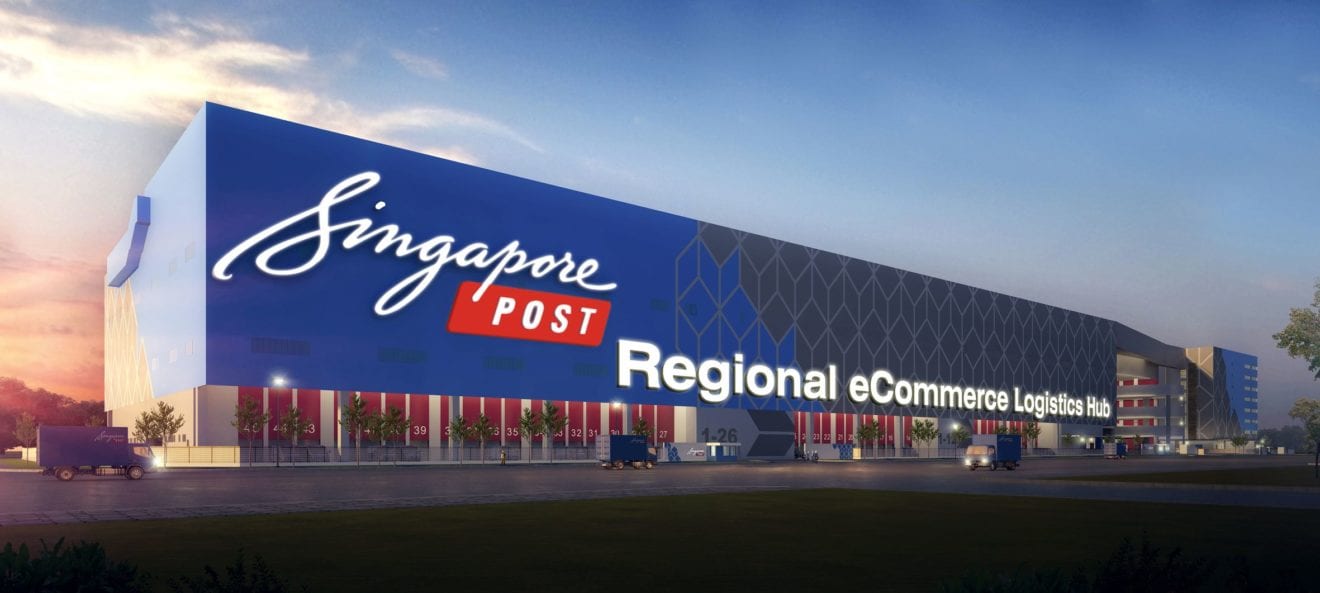
    Singapore Post Limited (“SingPost”) announced the launch of its Regional eCommerce Logistics Hub (“eComm Log Hub”) located at the Tampines Logistics Park. The S$182 million facility is SingPost’s largest eCommerce logistics investment in Singapore to date.

    The eComm Log Hub is officially opened by Singapore’s Deputy Prime Minister and Coordinating Minister for Economic and Social Policies, Mr Tharman Shanmugaratnam.

    SingPost’s eComm Log Hub is a three-storey facility housing two warehousing floors, 150 simultaneous loading bays as well as an office block. The ground floor of the building houses a fully automated parcel sorting facility with a capacity of up to 100,000 parcels a day, and end-to-end sorting, shipping and returns management capabilities that enable quicker order fulfilment. The total built-up area is 553,000 square feet.

    Automation plays a big part in the eComm Log Hub – beyond the fully automated parcel sorting system on the first floor of the facility, the second floor warehouse is also automated, resulting in the entire eComm Log Hub being integrated end-to-end from the eCommerce front-end platform to delivery. The eComm Log Hub will process parcels for delivery within Singapore and those to be shipped to destinations worldwide.

    Said Mr Chua Taik Him, Deputy Chief Executive Officer of IE Singapore, “IE Singapore has been working closely with SingPost on strategies to scale its business in the region, facilitating its projects and partnerships with both brand owners and last mile fulfilment players. Given the strong growth of eCommerce in Southeast Asia, the launch of SingPost’s facility will further support its local and overseas growth. This will also enhance Singapore’s capabilities in fulfilment and facilitate more regional eCommerce trade flows.”

    The Management Team of Sephora Asia said, “This October, SingPost has begun providing us with warehousing services in Australia to handle our beauty and fragrance products. At Sephora, we believe in giving our customers a great end-to-end experience from the time they log in to the moment they receive their purchases. SingPost’s support is critical to delivering that flawless customer experience. With their new eCommerce Log Hub and great solutions like POPStations, we recognise that SingPost is propelling the eCommerce industry forward. We have found SingPost’s professionals to be very conscious of accuracy, cost and service quality.”

    Mr Simon Israel, SingPost’s Chairman, said, “The opening of our Regional eCommerce Logistics Hub is another milestone in the expansion of SingPost’s eCommerce logistics network, which now spans 19 markets across Asia Pacific, Europe and the US. Singapore’s regional connectivity makes it ideally positioned to be a centre for eCommerce. Our Regional eCommerce Logistics Hub leverages on this geographic and infrastructural advantage. Everything in this building is scalable, which means we can keep upgrading it to meet the needs of the future.”

    He added, “With the Regional eCommerce Logistics Hub, our POPStation network and our investments into technologies for new postal and logistics solutions, we are prepared for a sustainable future of car-lite cities and the sharing economy. SingPost is therefore able to shape and play a broader role in how urban logistics is done in Singapore.”

    SingPost’s Centre of Innovation

    At the opening ceremony, SingPost also launched its Centre of Innovation (“COI”).

    The COI was set up in August 2015, with support from the Economic Development Board, to carry out research into new logistics and postal services and products, in collaboration with research institutions and institutions of higher learning.

    Emphasis will be placed on new technologies such as robotics and automation to meet the needs of future customers and markets as well as becoming the tools for SingPost’s next generation of employees.

    Some initiatives now being carried out by the SingPost COI are:

     Deliver significant enhancements to the eCommerce logistics platform which will help support the smart logistics and smart nation initiative;

     Roll out a new version of the Self-service Automated Machine (SAM) platform to enhance customer experience and provide a seamless omni-channel experience encompassing the kiosk and the digital postal office;

     Bring the online and offline world of retail shopping to the SingPost mall, which will provide exciting merchant offerings and delivery options to the customer. Retail merchants will be able to experiment with unique ways of interacting with customers to boost revenue and increase loyalty;

     A digital transformation of the post office to provide customers options to transact with greater ease and pace; and

     Innovate last mile delivery options through building the next generation of POPStations and experimenting with drone delivery across the island.
  • Telkom set to become international telecommunications hub

    Telkom set to become international telecommunications hub

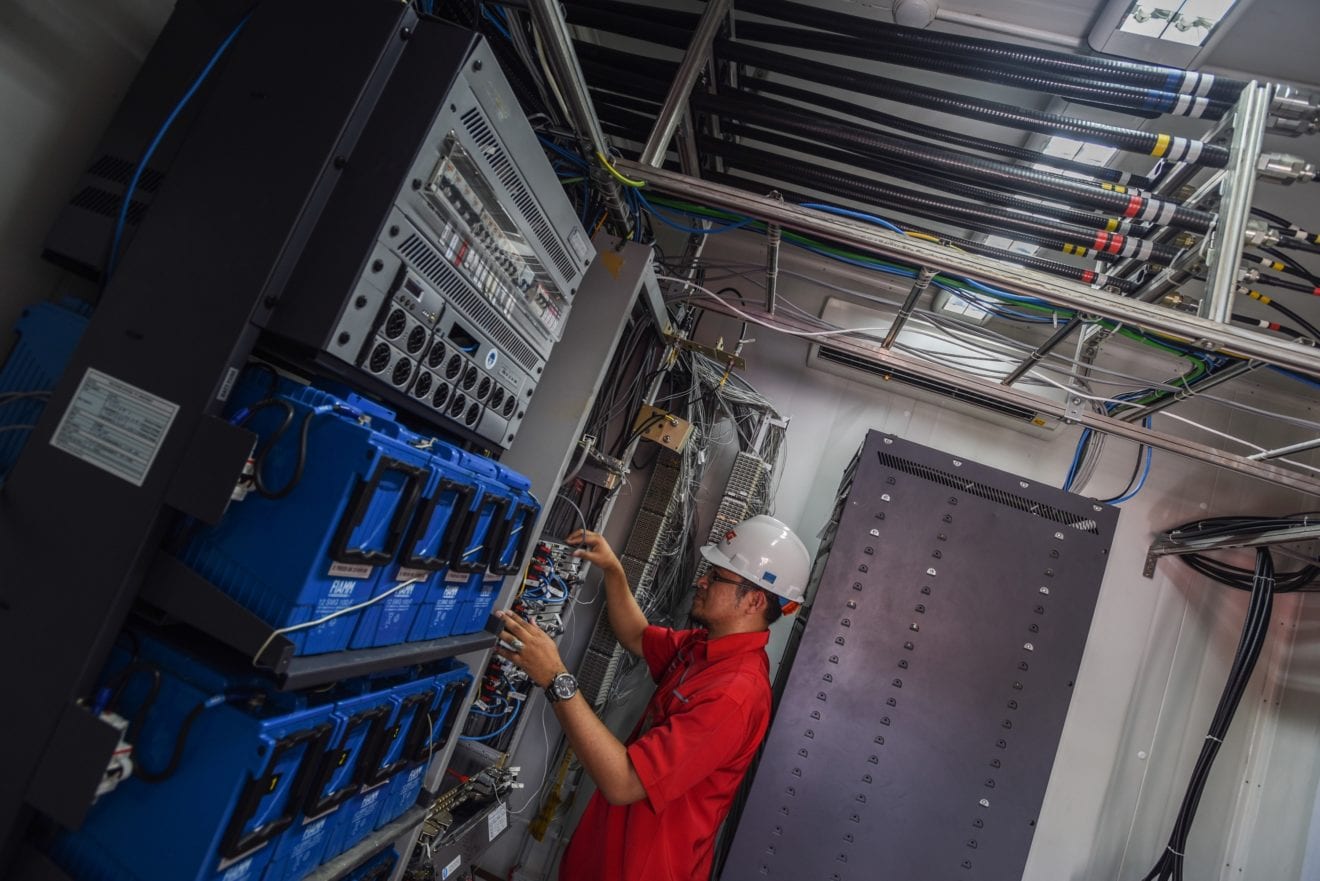
    PT Telekomunikasi Indonesia Tbk (Telkom) said it is optimistic it would play the role of international telecommunication infrastructure hub with the development of its Indonesia Global Gateway Cable System (IGG).

    “We are developing IGG and it is now in process. Tekom will have significant role. We have program to become an international hub,” Vice President for Corporate Communication of Telkom, Arif Prabowo said here on Thursday.

    Arif said the IGG would link Indonesia and Europe and the United States.

    In 2018, it is expected that construction of the networks between Indonesia and Europe would be completed with the landing point in Dumai and the landing point for submarine cable between Indonesia and the United States would be in Manado, he said.

    “The two lines would connect with each other to support domestic and international data traffics,” he said.

    Separately , General Manager for Submarine Network Division of NEC Corporation Toru Kawauchi said in a statement that his company had signed a contract with Telkom for the IGG development.

    “NEC is chosen again by Telkom as the supplier of optic fiber submarine cable system with a speed of 100Gb/s IGG, which would link nine big cities in Indonesia with Singapore and two international submarine cable systems Dumai and Manado,” Toru Kawauchi said.

    IGG is a submarine optic fiber cable system consisting of cables with a speed of 100 Gigabit per second (Gbps) x 80 wavelength (wl) x 4 optic fiber pair (fp), around 5,300 kilometers long which will link big cities in Indonesia such as Dumai, Batam, Jakarta, Madura, Bali, Makassar, Balikpapan, Takaran and Manado, with Singapore.

    After the completion of the IGG project in early 2018 , the cable systems will not only increase connectivity between big cities in Indonesia, but also would provide direct links between the two international submarine cable systems — one from Europe with landing point in Dumai, and another from the West Coast of the United States with landing points in Manado.

  • Henkel opens global supply chain hub in Singapore

    Henkel opens global supply chain hub in Singapore

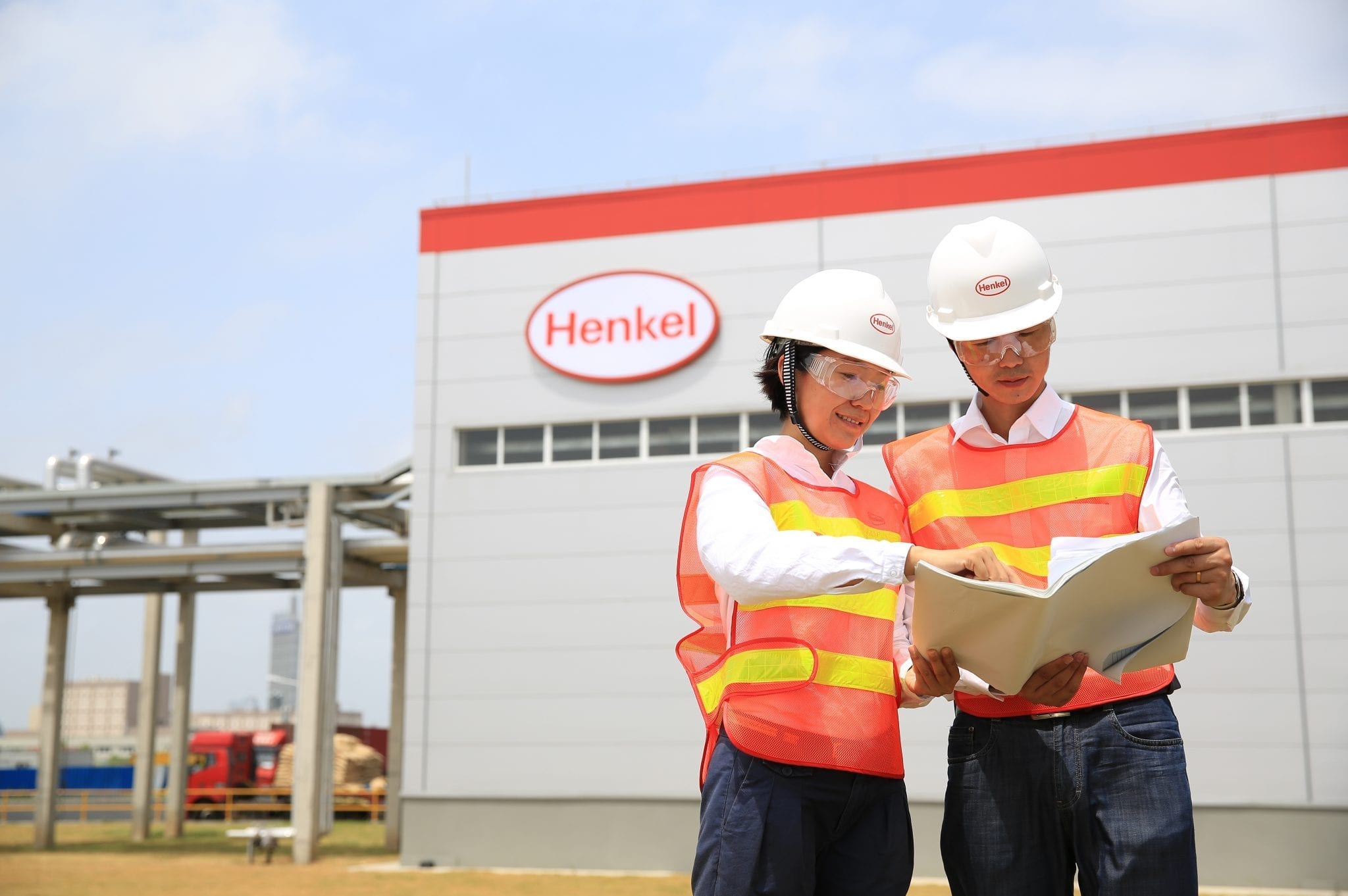
    Henkel has officially opened its global supply chain hub in Singapore. This is a major milestone which follows the successful set-up of the company’s global supply chain headquarters in Amsterdam. Working closely together, the two hubs in Amsterdam and Singapore will steer Henkel’s strategic initiative to consolidate all its supply chains company-wide around the world.

    A single global supply chain is a key initiative of Henkel‘s strategic priority to continuously simplify the organization in order to drive operational excellence and build a scalable business model, increasing Henkel’s competitiveness in terms of speed, agility and efficiency. As such, the initiative will be a key driver for realizing the company’s vision to be ‘a global leader in brands and technologies’.

    The global hubs will centrally manage the purchasing, production and logistics processes of Henkel’s three business units – Adhesive Technologies, Beauty Care and Laundry & Home Care. The effort spans across supply planning, sourcing, manufacturing, inventory and distribution. This harmonization across the entire company will lead to higher process standardization, improved customer service levels and enhanced efficiency.

    Bertrand Conquéret, Corporate Senior Vice President of Global Purchasing at Henkel, said, “Together, the Amsterdam and Singapore global supply chain hubs will steer Henkel’s biggest initiative in business transformation. Singapore was selected for its excellent logistics capabilities, availability of supply chain talent and geographical location in the heart of Asia, which is a key growth market for Henkel.”

    Singapore also serves as a conduit to the trade routes that extend to India and the Middle East and Africa region. Both Singapore and Amsterdam are amongst the largest sea ports and logistics centres in the world. With their strategic locations, the two global hubs are well-positioned to manage the supply chains that connect all our markets globally.

    Notably, the new global supply chain hub builds upon the success of Henkel Singapore, which was established in 1983 and serves as a strategic business and technical services sub-regional hub for the company’s adhesive and beauty care businesses in Southeast Asia.

    Thomas Holenia, Managing Director of the global supply chain hub in Singapore and President of Henkel Singapore, said, “Our successful business presence here of more than 30 years and the global supply chain hub provide a strong foundation for developing Singapore into a global centre of excellence for Henkel – through the implementation of best practices in supply chain management, sustainability, digitalization and talent management.”

    In terms of sustainability, the Singapore hub is partnering with suppliers and business partners to continually improve the sustainability impact across the entire value chain.

    Digitalization is a key component of the global supply chain hub, enabling the standardization and harmonization of data and processes across the businesses and functions. It creates transparency on the vast amount of data on customers, products, raw materials and logistics. This improves the exchange of knowledge significantly, brings consistency in customer service and enables managers to make informed decisions faster resulting in quality processes across markets.

    With a corporate culture that strongly promotes diversity and inclusion, the global supply chain hub currently employs an international and cross-functional team of more than 14 nationalities. In the global supply chain hub, employees from purchasing, supply chain, operations and IT collaborate with other departments as an integrated team on a common agenda. As a result, the team is able to harness the diversity of knowledge, insights and experiences to deliver best solutions.

    In its ramp-up phase, the global hub is in the process of hiring new graduates and experienced managers. It is working closely with the National University of Singapore and Nanyang Technological University to identify local talents who have a global mind-set and strong leadership skills. With an inclusive corporate culture and attractive career development opportunities, Henkel aims to be an employer of choice.

    Chan Ih-Ming, Director of Consumer Businesses for the Singapore Economic Development Board (EDB), said, “Henkel’s decision to house one of its two global supply chain bases in Singapore marks a significant milestone in the Henkel-Singapore partnership. Henkel’s expansion in Singapore is testament to our strategic position as a key supply chain control tower for both Asia and the world. This investment also builds on the growing community of German companies – both Mittelstand and multi-national companies – that are using Singapore as a business hub for the region.

    “The EDB will accelerate our work with companies to equip the Singapore workforce with the right capabilities to seize the exciting professional opportunities in the logistics industry, such as those created to enable Henkel’s sustainable supply chain.

    Dr Steffen Koch, Acting Head of Mission of the German Embassy in Singapore, congratulated Henkel on choosing the city-state to base its global supply chain hub, and said, “Singapore’s prime geo-economic location at the core of the dynamically developing Asia, its business-friendliness as well as its highly efficient ports and airport make it an ideal choice for all kinds of logistical operations.”

    Dr Tim Philippi, Executive Director of the Singaporean-German Chamber of Industry and Commerce (SGC) congratulated Henkel on opening the new global supply chain hub in Singapore, which is a highly desired location in Southeast Asia for its favourable business environment. “The SGC is tasked to promote bilateral business relations between Singapore and Germany and as a chamber, we welcome companies such as Henkel as they contribute towards the bilateral relations between our two nations.”

  • BlackBerry launches BlackBerry Hub+ for Android

    BlackBerry launches BlackBerry Hub+ for Android

    BlackBerry has launched a software licensing program for its Mobility Solutions business. The vendor has introduced the BlackBerry Hub+ for Android 6.0 Marshmallow smartphones.

    The company’s Mobility Solutions unit manages the BlackBerry smartphone business and development of device software offerings that includes making BlackBerry 10 software features accessible on other platforms.

    BlackBerry Hub+ for Android is a suite of applications that includes the BlackBerry Hub, calendar, contacts, notes, tasks, device search, launcher and password keeper applications for Android smartphones.

    Key features include a unified inbox (Hub), calendar, Password Keeper, Contacts, Tasks, Device Search, Notes, and Launcher.

    The vendor is offering the hub as a free trial on any Android device running 6.0 Marshmallow, and will subsequrently offer the applications for free under an ad-supported model or ad-free for 99 cents per month with the addition of new features.

    “An important initiative of the Mobility Solutions unit is a software strategy that combines BlackBerry’s strength in security, engineering savvy and device experience. The result – the ability to extend the best of BlackBerry’s secure communications and productivity features to any Android M consumer, enterprise or government customer,” said Ralph Pini, Chief Operating Officer and General Manager, Mobility Solutions, BlackBerry.

    “Our customers have always raved about the unique experience of our proprietary productivity apps such as the BlackBerry Hub, calendar and contacts, amongst others. I’m excited that we’re now able to offer these amazing features to all Android users that demand the most out of their smartphones.”

  • Equinix launches data hub service

    Equinix launches data hub service

    The ways in which enterprises assemble their network infrastructure have been evolving rapidly as the industry-wide shift to the cloud accelerates. This week Equinix offered another piece of its ongoing response to that shift, unveiling a new Data Hub service that lets enterprises store their data next to the clouds they use but keep control over it.

    Equinix already has Cloud Exchange, providing connectivity to an ecosystem of cloud providers, as well as Performance Hub, which gets the enterprise WAN into the data center.

    This new offering simply bundles the space and power needed to house big data in a pre-configured package and with partners lined up to help with the particular storage technology.

    The idea is to let folks put their data as close as possible to the cloud services that use it, while at the same time not ceding control or access to it.

    That might be for compliance reasons, it might be to leverage a common data store from multiple cloud providers, it might be simply for data protection or replication, or simply to keep latency as low as possible for things like IOT.

    It’s all part of the industry shift toward caring where data actually is on the internet. From low latency trading, to sovereignty issues, to the caching of content at the edge, to small cells, to proximity to renewable energy, the recurring theme in this era of internet infrastructure has been the old real estate saying, ‘location, location, location’. It’s a quite different theme from the prior decade, in which everything was about achieving scale.

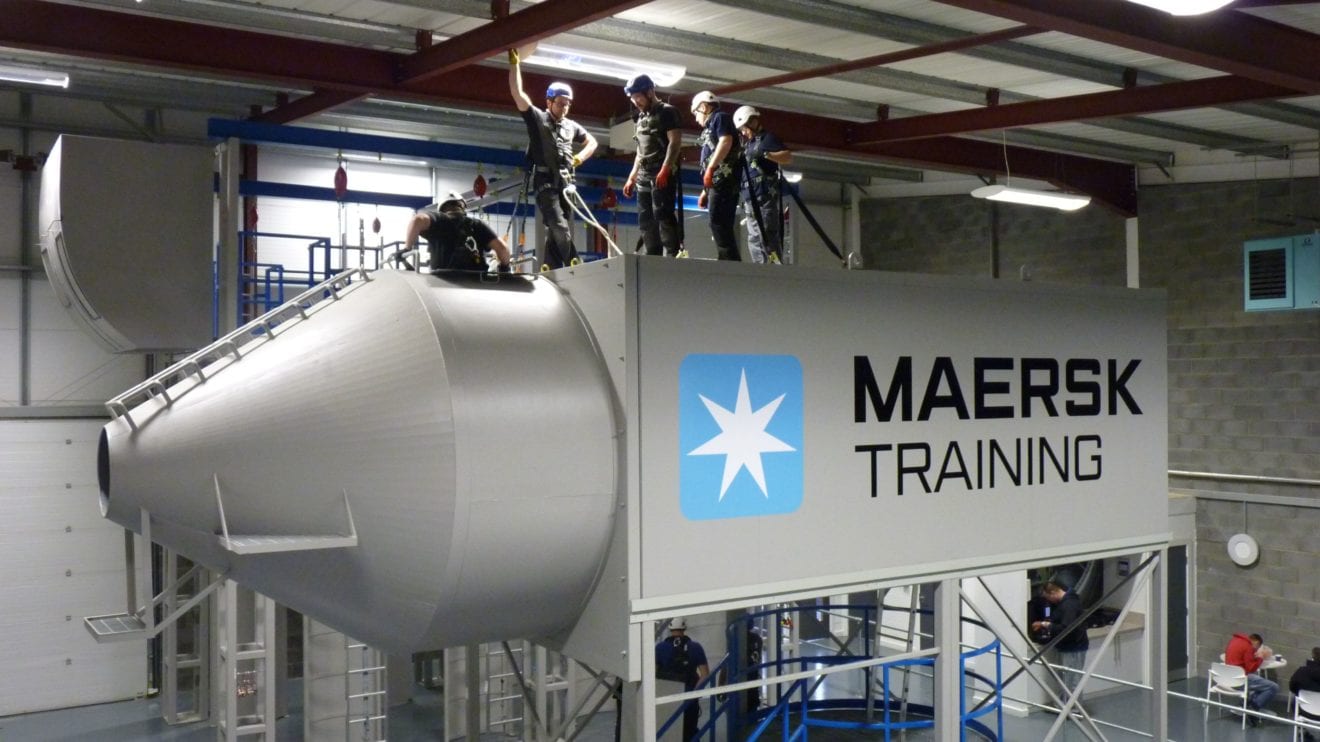
  • More global firms eye Philippines as training hub

    More global firms eye Philippines as training hub

    The Philippines has the potential to become a preferred training hub by multinational companies due to its English-speaking and skilled workforce, the Department of Trade and Industry (DTI) said.

    Trade Undersecretary Ponciano Manalo Jr. told reporters more companies are looking at the Philippines as the location for their training facilities because Filipinos can speak English well and can easily be trained.

    “The Philippines is beginning to be looked at as a training hub or training center,” he said.

    Among the companies interested in making the Philippines its training hub is aircraft manufacturer Airbus.

    Manalo and Trade Secretary Gregory Domingo met with representatives from Airbus during their visit to France earlier this month.

    Aside from Airbus, other companies engaged in aerospace as well as other sectors such as transportation and construction are also interested in setting up training facilities in the Philippines.

    At present, some firms engaged in the retail business have started undertaking training programs in the Philippines such as Japan’s Uniqlo and Sweden’s H&M.

    Uniqlo is bringing Japanese students in their Philippine outlets in order to train in English as a second language.

    H&M is likewise undertaking training activities in their retail outlets in the country.

    Given the interest by firms in making the Philippines the location of their training activities, Manalo said the DTI can include such in the government’s efforts to attract firms to locate in the country.

    “It (training) is turning out to be an opportunity that we can promote to firms,” he said.

    The Philippines’ young, English-speaking and skilled talent pool has often been cited as one of the reasons global companies to set up operations in the country.