Retail News CRM

Tag: hub

  • Facebook opens new London hub, creating 800 jobs

    Facebook opens new London hub, creating 800 jobs

    Social media titan Facebook will open a new office in London on Monday that is set to be its biggest engineering hub outside America, the company has announced.

    The investment in the office, near Oxford Street in the heart of the city’s West End district, will also lead to the creation of 800 jobs, more than half of which will be in engineering.

    The company, which opened its first office in the British capital ten years ago, said the new site would allow its local workforce to reach 2,300 by the end of next year, a sign that it “is more committed than ever to the U.K.”.

    The country “has been a huge part of Facebook’s story over the past decade”, Nicola Mendelsohn, Facebook’s vice president for Europe, the Middle East and Asia.

    “The U.K.’s flourishing entrepreneurial ecosystem and international reputation for engineering excellence makes it one of the best places in the world to build a tech company,” she said.

    The 23,000 square meters (247,000 square feet) of office space was designed by architect Frank Gehry, and is spread over seven floors while also incorporating a new public square.

    It includes an incubator space called “LDN_LAB” for technology start-ups.

    Finance minister Philip Hammond said it showed that Britain is “the best place” to grow new businesses.

    “It’s a sign of confidence in our country that innovative companies like Facebook invest here, and it’s terrific news that they will be hiring 800 more highly skilled workers next year,” he said.

    London Mayor Sadiq Khan said Facebook’s commitment indicated the city remained “at the forefront of global innovation”, while predicting that the incubator would “pave the way for the next generation of successful start-ups”.

  • Australia Post launches services hub

    Australia Post launches services hub

    Australia Post is looking to draw a line under concerns that retailers are finding it increasingly hard to compete with the scale of global competitors, announcing a partnership with fintech company AlphaPaymentsCloud that promises to bring traders an integrated service platform.

    Incorporating everything from payments and identification to logistics, loyalty and fraud protection, Australia Post is touting its new service, called the AlphaCommerceHub, as an API solution to the myriad of different vendor contracts many retailers currently have to negotiate.

    Australia Post will instead bring on vendor partners into the system, allowing retailers to “switch” services off-and-on depending on their individual needs, while remaining PCI compliant.

    Chief digital officer at Australia Post, Andrew Walduck, told that the publicly-owned postie was looking to up its capabilities in identity verification, to drive the next wave of growth in the payments space.

    “We’re building capabilities in identity and payments as we see it as one of the critical things that will enable our economy to be able to thrive in the next wave of growth, driven by great customer experiences getting people things in the way they want,” he said.

    The platform has been designed to incorporate innovation in services, and will include both traditional payment options in conjunction with banking partners as well as mobile payment products like Apple Pay.

    Walduck said smaller retailers have been in a less advantageous position than larger players when it comes to sifting through an ever-growing number of retail services to maintain a leading customer proposition.

    “The platform provides the ability for retailers to integrate into a single place, reducing overall costs…they can move to provide a one click purchase process in a way that makes it really easy for a customer to be identified, and then control how that product is delivered.

    “It’s an absolute game changer in Australia’s fintech evolution so we’re incredibly excited about the potential this joint venture brings to both our banking partners and our customers,” Walduck said.

    Australia Post began trailing its recently launched verification of identity application earlier this month with initial discussions taking place with credit unions, mortgage brokers and government departments.

    Initial partners include Airtasker, Credit Union Australia, Travelex and the Queensland Police Service.

    Its internal research has previously estimated that the existing state of identity verification processes costs the Australian economy as much as $11 billion per year.

  • Siemens launches Digitalization Hub in Singapore

    Siemens launches Digitalization Hub in Singapore

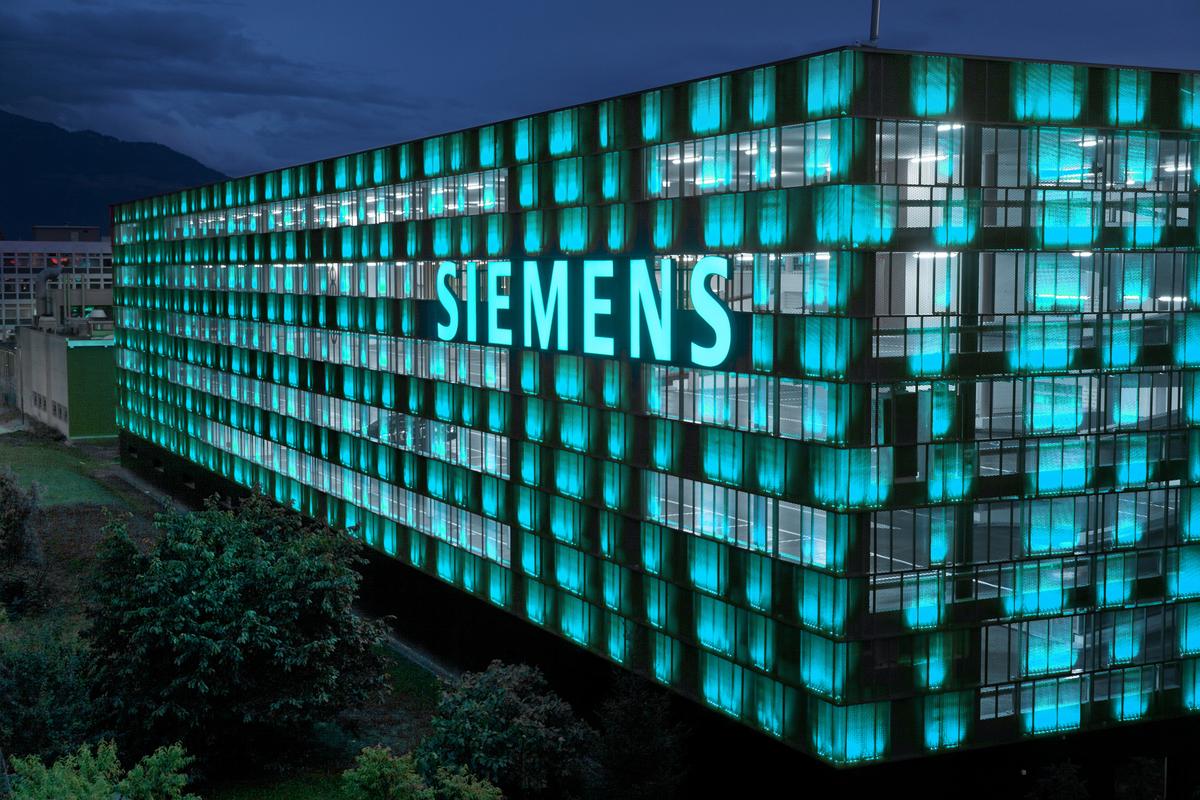
    Siemens has launched its first fully integrated Digitalization Hub in Singapore in a bid to bring its expertise and innovations in the IoT to the Southeast Asian market.

    The company will be co-creating future digital applications with customers and partners to build a digital ecosystem.

    Supported by the Singapore Economic Development Board (EDB), the Hub brings together data scientists, solution architects, software engineers, system experts and domain specialists from the urban infrastructure, industrial and healthcare sectors. These professionals will experiment, learn, develop and test-bed innovations and future-ready digital solutions that help businesses become more efficient and sustainable.

    An integral part of the Digitalization Hub concept is MindSphere, an open, cloud-based IoT operating system that offers data analytics, connectivity capabilities and tools for developers, applications and services. This platform helps evaluate and process data to gain insights and optimize asset performance for maximized productivity.

    “Singapore is the ideal location for this Hub because of its distinctively advanced industrial and urban infrastructure development, combined with the government’s Smart Nation thrust to enable a digital economy,” Siemens CEO Joe Kaeser said.

    Sixty specialists from a variety of disciplines will work at the Hub at the outset. The number of digitalization experts is expected to reach 300 by the year 2022. The key target areas for the Hub are urban infrastructure, advanced manufacturing and healthcare.

    To mark the launch of the Siemens Digitalization Hub, three collaboration agreements were signed with Singapore partners. Nanyang Technological University, Singapore (NTU Singapore) will partner with Siemens to create and showcase data-driven innovations for urban infrastructure.

    SP Group will collaborate with Siemens to build a next-generation energy management software platform for SP’s 24/7 control centers, to enable more robust planning, surveillance and predictive maintenance of Singapore’s electricity network.

    The electronics arm of Singapore Technologies Engineering, Singapore Technologies Electronics, and Siemens also signed a partnership agreement to co-create and proactively market innovative digital use cases in the field of transportation (roads, harbors, airports and mass transit).

  • Biz leader asks airlines to make Davao City hub for international flights

    Biz leader asks airlines to make Davao City hub for international flights

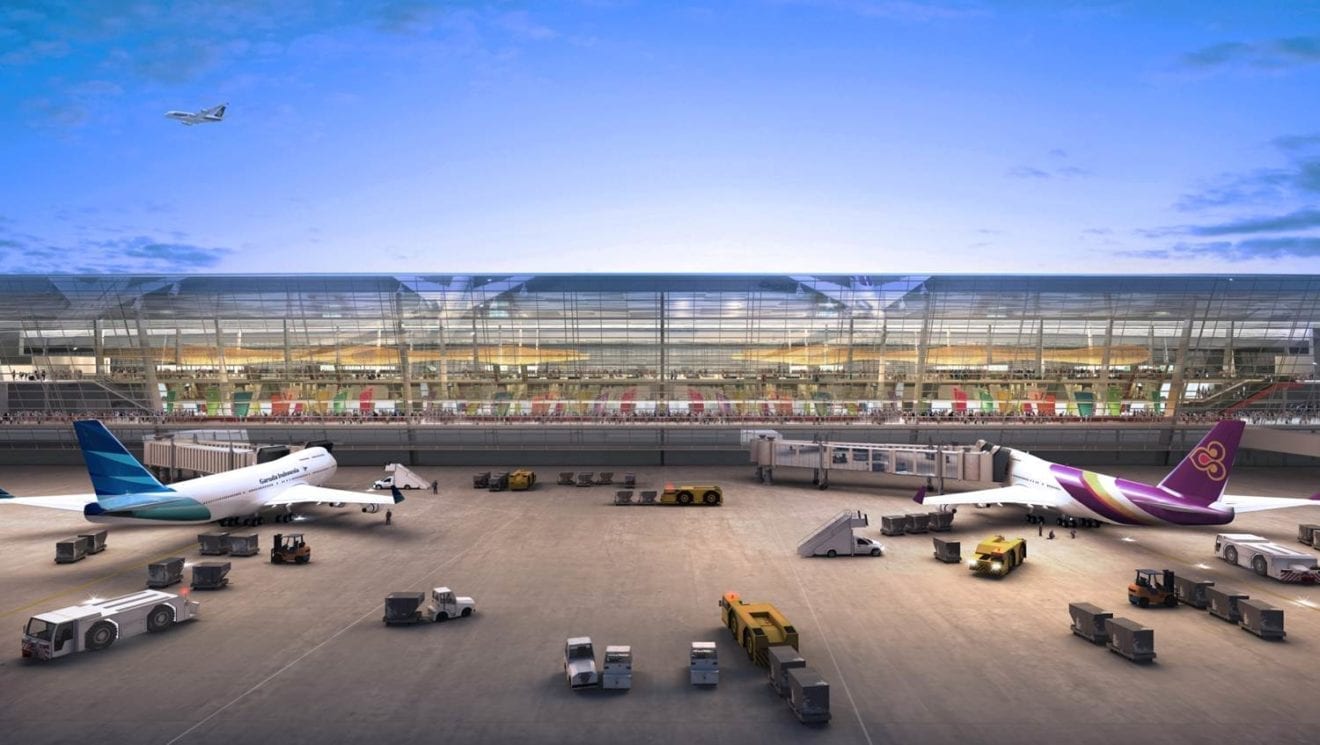
    Davao City Chamber of Commerce and Industry trustee Arturo Milan has asked airline companies to make the Davao International Airport, also known as the F. Bangoy International Aiport, the hub for international flights in Mindanao to decongest traffic at the Ninoy Aquino International Airport (NAIA).

    Milan told a press briefing Friday that NAIA must be devolved of some international flights and distribute these to provincial airports like Cebu and Davao because the congestion in the airport in Manila results in flight delays, causing discomfort to passengers.

    He said it is not practical to place all international flights in NAIA when some destinations are closer to Davao City than Manila, like Australia, Palau, and other member countries of the Association of Southeast Asian Nations (ASEAN).

    SilkAir flies directly to Singapore from Davao City.

    “That’s overdue. Look at the traffic in Metro Manila. Flights are delayed because you cannot just put them in one airport, all (passengers) keep coming. It will certainly affect the flight schedules,” he said.

    Milan believes there is a market for Davao-Australia route because many tourists would want to visit a tropical country like the Philippines during winter season.

    He said Australia is located just below the Philippines on the global map.

    “There should be a flight emanating from Australia that will go to Davao because you are making a route that is attractive to foreigners. Australia by itself has too many tourists,” he said.

    He said Western tourists either go to Bali, Indonesia or Palau in the Micronesia. Both are closer to Davao in terms of proximity.

    He said reviving the Manado-Davao flights would also help sustain the Davao-General Santos- Bitung, Indonesia roll on/roll off (RORO) that was launched in April.

    “For RORO to be sustainable, we should encourage the revival of the flight of Davao to Manado and back because I don’t think if you invest or you trade you don’t wanna see the area,” he said.

    He said the direct flight to Manado will also make transactions between Indonesians and their counterparts from Davao to discuss business deals.

    On June 15, Milan urged the House of Representatives to pass into law House Bill 2002 which seeks to create the Davao International Airport Authority to decentralize management of the airport from the national government to enable a faster implementation of development programs.

    He said the management of the airport cannot implement projects on its own because it is dependent on the national government.

    He said the government can replicate the model of Mactan Cebu International Airport Authority “to make Davao City airport inviting” to both tourists and business executives visiting the city.

    Once approved, he said the “authority,” a body that will take over the management, can immediately plan out development projects and implement them on its own.

    The F. Bangoy International Airport, also known as the Davao International Airport, is currently being managed by the Civil Aviation Authority of the Philippines (CAAP).

    “When it is ‘authority’, the Davao International Airport will have flexibility rather than the current set up where you depend so much on the national (office). It’s really a must now, if we want a more responsive Davao airport,” he said.

    “We need to upgrade our airport because it is where the first contact of the investors is. They need to have a good impression of our region by way of our airport terminal. We are pushing to improve airport. Overall passenger experience has to be improved a lot, in terms of aircon, ventilation, and X-ray machines. They have to work efficiently all the time,” he said.

  • Foxconn to set up manufacturing hub in India

    Foxconn to set up manufacturing hub in India

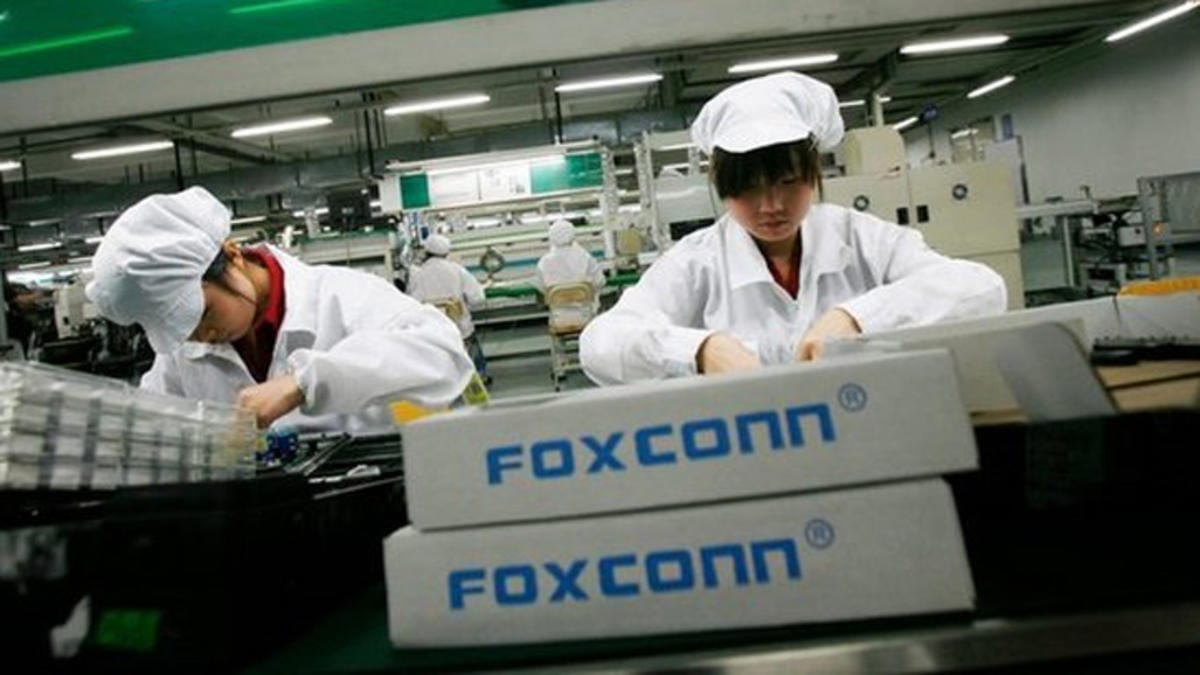
    Foxconn will invest up to 320 billion rupees ($4.9 billion) to establish more manufacturing capabilities in India, in response to the nation’s recent legislative changes designed to incentivize local manufacturing.

    The company plans to exponentially scale up its Indian operations, opening new factories and expanding its manufacturing footprint.

    India has just announced a 10% customs duty on the importation on phones and accessories in a bid to encourage local manufacturing. The move comes two years after he introduction of tax benefits for companies making handsets locally.

    It is currently unclear how the recently-announced GST of up to 18% of the cost of transactions will influence the benefits for local manufacturing.

    According to the report, India currently has the capacity to produce up to four million devices per month, manufacturing phones for companies including Xiaomi, Oppo, InFocus, Nokia and Gionee.

  • India, Portugal launch international startup hub

    India, Portugal launch international startup hub

    India and Portugal have entered a collaboration to strengthen the connection between the startup ecosystems of the two countries.

    The recently-launched India-Portugal International Startup Hub is an initiative towards that end. “Startup sphere is an interesting space for cooperation. It is a great means to generate value and wealth for society,” India’s Prime Minister Narendra Modi has commented.

    The India-Portugal International Startup Hub (IPISH) is a platform for all stakeholders of the startup ecosystem in India, including startups, investors, mentors, incubators, accelerators, aspiring entrepreneurs, service providers and government bodies.

    The hub provides an opportunity to connect with other members of the ecosystem and also offers access to important resources such as its learning and development program, information about relevant government schemes, a forum to brainstorm and discuss, news and blogs among others.

    The platform has been initiated by StartUp India and supported by the Indian Commerce and Industry Ministry and StartUp Portugal to create a mutually supportive entrepreneurial partnership.

    IPISH hosts a range of tools and will provide information on the startup hotspots of Bangalore, Delhi and Lisbon; and on associated subjects, such as policy, taxation, and visa options. It will develop a Go-To-Market Guide to support startups.

    IPISH is expected to help in mutual capacity building, and enable connections between start-ups, investors, and incubators from relevant sectors. It is also expected to establish a network of honorary ambassadors based in India and Portugal to guide start-ups from both countries.

    There are strong synergies between India and Portugal in the start-up sector. Portugal has one of the highest rates of business creation in Europe and has emerged as one of the most vibrant European ecosystems for entrepreneurship.

  • Thailand Geas Up to Be ‘The Energy Hub For Asia’

    Thailand Geas Up to Be ‘The Energy Hub For Asia’

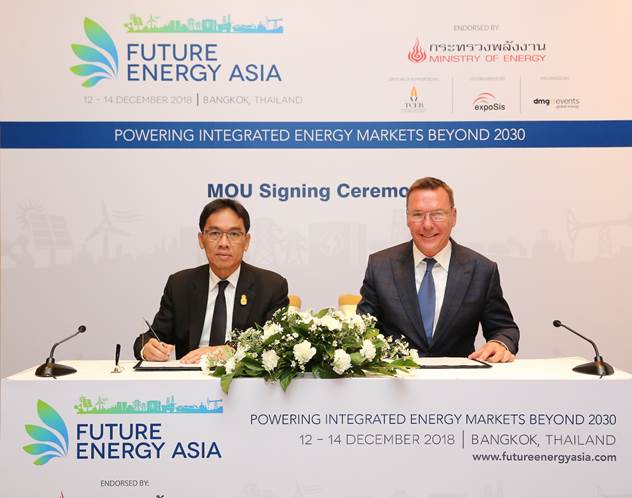
    The ‘Future Energy Asia Exhibition & Conference’ was launched on 04 April 2017 by Mr. Areepong Bhoocha-Oom, Permanent Secretary of the Ministry of Energy of Thailand as a major initiative towards securing the path to Thailand’s Energy 4.0. The transformation and development of Thailand is a major priority for the government which creates incredible business opportunities for both integrated and non-integrated energy companies globally. As such, ‘Future Energy Asia Exhibition & Conference’ is the perfect platform for NOCs and IOCs to foster the transition from traditional fuel suppliers to integrated energy providers for a more efficient and sustainable energy mix across Asia.

    Primary energy demand in Southeast Asia is set to rise by a massive 80% between 2015 and 2040 with hydrocarbons set to remain the single largest contributor to this mix, rising from 74% in 2013 to 78% in 2040, according to a recent IEA report.

    Natural gas demand is predicted to rise by two-thirds across the region, and in Thailand gas remains the single largest fuel source for power generation, supplying over 60% of the country’s fuel mix today.

    Across Asia, the power sector will shape the energy landscape out to 2040 as electricity demand triples, with an additional 400 GW of capacity added in the region. In order to achieve these bold figures the IEA has estimated energy investments will total $2.5 trillion by 2040, representing a huge opportunity for energy companies eager to supply to Asia’s growing population.

    Future Energy Asia under support of the Thailand Ministry of Energy promises to be the largest energy industry gathering Asia has ever seen. Focusing on oil, gas and renewables, the event is set forth to outline the perfect scenarios of mixed fuels and technologies needed to meet growing energy demand, improve efficiency and support the transition to a lower-carbon economy. It will be held from 12-14 December 2018 at BITEC, Thailand with 15,000+ visitors, 2,500+ delegates, 300 speakers and over 600 exhibiting companies.  The Permanent Secretary announced the launch to a gathering of dignitaries, officials, energy sector leaders and prominent media together with international organiser dmg eventsand expert event co-organisers, Exposis from Thailand.

    Mr. Thammayot Srichuai said “Thailand 4.0 means opportunity and the transformation in the energy sector of the country as well. As we move more closely towards an improved energy system, energy production and consumption must adapt radically to ensure the demands of growing populations are met, whilst ensuring cleaner and more efficient delivery is achieved. While renewable and other carbon-free energy will play a primary role, the importance of fossil fuels, in particular natural gas, in delivering the cost-effective and immediate requirements of Asia’s growing demand cannot be ignored. Fossil fuel & renewable energy can certainly form the core elements of a transition to a cleaner & more sustainable energy future for Asia”

    He affirmed that holding Future Energy Asia exhibition and conference in Thailand reflects Thailand’s continuous efforts to promote new projects, attract investments in the energy sector, and consolidate communication with foreign investors and large international corporations, which are foremost on the investment opportunities map. The event will act as a collaborative effort to publicise Thailand’s new policies and readiness as an investment hub and showcase Thailand’s potential to become the sustainable energy hub for Asia, as it transitions to Thailand 4.0.

    He added “We are delighted to host Future Energy Asia 2018 and look forward to the interactions with its delegates for the continued improvement of the global energy sector. The decisions and relationships built will foster a collaborative and economically viable energy future.”

    From his part, Mr. Christopher Hudson, President of DMG Events Global Energy, the company responsible for organising the ‘Future Energy Asia’ presented the plans for the event. He explained that “The 3-day exhibition and conference is dedicated to advancing future energy, energy efficiency and clean technology. Going by the overwhelming response from the global events dmg organises such as ADIPEC and Gastech, the event promises to be the most sought after meeting point for Asia’s stake holders to discuss, debate and embrace future energy scenarios and solutions concerning long-term global energy policies.”

    “Thailand is clearly a growing market with huge opportunities, and ‘Future Energy Asia 2018’ presents the first opportunity for local, regional and international energy companies across the full value chain of this promising sector to come together and create a blueprint for the future energy security of Asia. This inaugural Show will provide an opportunity for global buyers and sellers to display their products and services on the exhibition floor, and to establish alliances and partnerships. The conference represents an unparalleled opportunity for the global energy industry to explore the opportunities and challenges of the exciting Asian market” he said.

    Along with the conference and exhibition, the event will host strategic Ministerial meetings, an ‘awards ceremony and fund’ that will support research and development in energy and social programs on all the days to facilitate networking with peers, business partners and key stake-holders in the energy sector.

    Commenting further on the conference element of the show, Mr. Hudson added “The Conference will not only address the technical aspects of gas, oil and renewables, but also host discussions addressing the challenges facing the industry to include both business and political issues. Some of the key topics include ‘delivering power to grids’, developing efficient and smart electricity distribution and transmission networks, lighting up Asia’s cities: next-generation power generation strategies and technology and ‘creating a blueprint for a harmonious fuel mix: maximising the use and efficiency of fossil fuels in conjunction with carbon-free energy’”.

    “We are extremely grateful for the support and understanding we have received from the Ministry of Energy of Thailand in ensuring the inaugural Future Energy Asia 2018 is a success. Having the Minister himself as Event Chairman underlines Thailand’s commitment to bringing energy security to all,” concluded Mr. Hudson.

    Future Energy Asia is also supported by Thailand Convention & Exhibition Bureau (TCEB). “TCEB, as a government organization dedicated to developing Thailand’s MICE industry, is pleased to support Future Energy Asia 2018.  Thanks to DMG Events for the trust and confidence in Thailand to anchor the show for the first time in 2018 at Bangkok International Trade and Exhibition Centre (BITEC). Thailand’s trade exhibitions are well recognized as a high-potential marketplace and gateway to emerging business opportunities in ASEAN, Asia, and the world. With Thailand’s ASEAN-centric location, ease of doing business, TCEB’s strong network of local and international alliances, and the Thai government’s clear, forward-looking policy on energy, we are positive that locating Future Energy Asia in Thailand will be a contributing factor to its success, and that the show will be able to play a more effective role in connecting all key stakeholders in the development of ASEAN’s energy sector” said Mrs. Jaruwan Suwannasat, Director, Exhibition and Event Department, TCEB

    Future Energy Asia 2018 is the latest expansion in dmg events’ Global Energy Division conference and exhibition portfolio, which includes some of the world’s largest and most important events, including the Abu Dhabi International Petroleum Exhibition and Conference (ADIPEC), Gastech in Barcelona, and the Global Petroleum Show (GPS) in Canada.

  • Sadleirs Global Logistics accredited as an ‘Australian Trusted Trader’

    Sadleirs Global Logistics accredited as an ‘Australian Trusted Trader’

    Sadleirs Global Logistics has announced that it is the ‘first’ national customs brokerage and international freight forwarder to be fully accredited as an ‘Australian Trusted Trader’ by the Australian Border Force.

    As one of Australia’s oldest family businesses (Sadleirs was founded in 1895), the certification is another pioneering milestone for the company. Sadleirs was selected due to its strong security practices and very long history of compliant behaviour.

    The ‘Australian Trusted Trader’ is a trade facilitation initiative and Authorised Operator (AEO) programme that recognises businesses with a secure supply chain and compliant trade practices. It also provides accredited businesses with a range of trade facilitation benefits. Through this recognition, Sadleirs will now have a dedicated contact within the Australian Border Force, receive a priority service and prioritised examination clearance.

  • S.F. Express to build Asia’s largest air freight hub in China

    S.F. Express to build Asia’s largest air freight hub in China

    Chinese private logistics giant S.F. Express Co Ltd has pledged to build the busiest air cargo hub in Asia, reaching areas accounting for 80% of the country’s Gross Domestic Product within two hours, including major cities like Beijing and Shanghai.

    The firm said it would construct an airport in Ezhou city, Hubei province in central China, that could handle more than 2.6 million tonnes of freight and 1.5 million passengers by 2025. The airport would be the fourth busiest in the world and could cater for all jets except the Airbus’ superjumbo A380.

    The joint venture in charge of building the air hub has an investment capital of 100 million yuan (US$14.4 million). The venture will be responsible for the design, construction as well as the operation and management of the mega development project.

    A unit of S.F. Express – S.F. Airport Investment – and China VAST Industrial Urban Development Company have contributed 40 million yuan and 60 million yuan, respectively, to set up the joint venture.

    S.F. Airport Investment had invested 470 billion yuan in VAST late last year. S.F. Express, founded in 1993, is the largest private courier in China, and started building its own fleet in 2009. As of November 30, it owned a fleet of 36 aircraft, according to the company’s website.

    China’s logistics industry has boomed following the development of e-commerce giants, such as Alibaba’s Taobao. In 2016, more than 250 million people used courier services each day, according to the state Xinhua news agency.

    At the annual Singles’ Day e-commerce sale last year on November 11, postal services handled 251 million parcels, a 52% increase compared to 2015, according to another Xinhua news report. S.F. Express even rented high-speed trains to ensure punctual delivery of goods.

    The new airport project is part of an aero city mega development, spanning an area of 36 square kilometers, for a population of only a million.

  • New retail hub rises in Xiamen

    New retail hub rises in Xiamen

    YCH Group, a supply chain management, and logistics company in Asia-Pacific, has launched a retail hub in Xiamen, China, which is envisioned to support the Pilot Free Trade Zone project in the region.

    The project, which will be the first major mall in the region, will serve the needs of the population in the immediate vicinity and the rapidly growing city of Xiamen. It will be managed by YCH Group on behalf of XPD-YCH Logistics, a joint venture between YCH Group and Xiamen Port Development, a subsidiary of the Xiamen Port Group.

    Spanning 55,000 square meters with a built-up space of 100,000 square meters, the facility was converted from XPD-YCH Logistics’ existing warehouse in Xiamen and will be fully operational this month.

    This comes at an opportune time as Xiamen, which is currently one of the fastest growing cities in China, is growing at 6.7 percent with a population of 4.4 million. Aside from local demand, the mall aims to cater to the burgeoning Chinese retail scene while playing a key role in strengthening Xiamen’s status as one of China’s most popular tourist destinations.

    According to the Xiamen Tourism Bureau, Xiamen receives 1.63 million tourists from home and abroad, and rakes in RBM1.853 billion ($258.9 million) in tourism revenue. Moreover, China has also overtaken the US to become the world’s largest retail market in 2016 with total sales of $4.886 trillion.

    Two of the most well-known brands in China – Sam’s Club and Red Star Macalline – will form the mall’s anchor tenants, occupying approximately 85 percent of the facility. This will be the first Sam’s Club Store opened in Xiamen by Wal-Mart, and will be the 15th Sam’s Club store across 13 cities in China.

    Sam’s Club is a division of Wal-Mart, the world’s largest retailer. It offers an extensive inventory with exceptional value on famous-brand merchandise at “member only” prices for both business and personal use.

    Red Star Macalline, on the other hand, is the largest national home improvement and furniture retail platform in China, with stores in most major cities in China. It targets the rapidly growing middle class in China through the operation of malls that offer home improvement and furniture materials, including flooring, bathroom and kitchen fixtures, with approximately 18,000 well-known brands.

    Strategically situated within the Pilot Free Trade Zone, the mall is located in a highly populated region in Xiamen and is in close proximity to both air and sea ports and numerous famous hotels, bringing numerous trade and business benefits for prospective clients.

    “With the dynamic and growing retail sector in the country, we want to equip retailers with game-changing capabilities that help them simplify processes and optimize costs. This will enable them to remain competitive while simultaneously boosting trade and facilities investment for China with the Pilot Free Trade Zone,” said Koh Yong Seng, Operations Director of North Asia, YCH Group.

  • YCH Group opens retail hub in Xiamen

    YCH Group opens retail hub in Xiamen


    The four-storey mall aims to cater to the burgeoning Chinese retail scene while strengthening the Xiamen’s status as one of China’s most popular tourist destinations.

    YCH Group — an integrated end-to-end supply chain management and logistics company in Asia Pacific — has launched its retail hub in Xiamen, China in an effort to support the Pilot Free Trade Zone project in the city.

    To be fully operational from today (15 December 2016), the four-storey facility aims to cater to the burgeoning Chinese retail scene. According to eMarketer’s latest findings, China has overtaken the U.S. to become the world’s largest retail market, with total sales of US$4.886 trillion this year.

    The retail hub will also play a key role to strengthen the status of Xiamen as one of the most popular tourist destinations in China. Xiamen Tourism Bureau revealed on 7 October 2015 that  Xiamen received 1.63 million tourists from home and abroad, and raked in 1.853 billion RMB in tourism revenue last year.

    “With the dynamic and growing retail sector in the country, we want to equip retailers with game-changing capabilities that help them simplify processes and optimise costs. This will enable them to remain competitive while simultaneously boosting trade and facilities investment for China with the Pilot Free Trade Zone,” said Koh Yong Seng, Operations Director of North Asia, YCH Group.

    The mall, which used to be Xiamen Port Development- YCH Logistics’ warehouse, is strategically located within the Pilot Free Trade Zone. It is in close proximity to both air and sea ports, as well as numerous famous hotels.

    Sam’s Club and Red Star Macalline will be the mall’s first two anchor tenants, occupying about 85 percent of the facility.

    Sam’s Club is a division of Wal-Mart, which offers an extensive inventory with exceptional value on famous-brand merchandise at “member only” prices for both business and personal use.

    Meanwhile, Red Star Macalline targets the rapidly growing middle class in China through the operation of malls that offer home improvement and furniture materials, including flooring, bathroom and kitchen fixtures, with approximately 18,000 well-known brands.

  • DHL invests in new e-commerce distribution centre at Narita, Japan

    DHL invests in new e-commerce distribution centre at Narita, Japan

    DHL eCommerce has announced plans to build an Outbound Cross-Border eCommerce Distribution Center in Narita, Japan. The facility, expected to be completed by by April 2017, will broaden the range of e-commerce logistics services available to e-tailers and marketplaces operating in the country.

    New shipping products specifically designed for e-tailers will offer greater choices to reach consumers in Europe, the US and the UK, DHL said. Focused on reliability and value-for-money, the services are tailored according to the unique needs of e-tailers and marketplaces in the Japanese market. This latest development by DHL eCommerce will help drive Japan’s booming cross-border e-commerce market, which is growing at a CAGR of 16 per cent and estimated to hit over €1.1 billion in 2018.

    DHL Parcel International Direct, a cross-border shipping product, will offer affordable deliveries from Japan to the US and the UK, DHL said, adding that this product promises transit times of 4-6 business days, a game changer in the current Japanese logistics landscape. Another cross-border shipping product, DHL GlobalMail Packet Plus will offer the best rates for Japan – Europedeliveries, with transit times of 5 to 10 business days and a high degree of visibility into the status of packages.

    These products will help Japanese e-tailers handle the increasing pressure when it comes to servicing more overseas customers, making timely deliveries, and keeping operating costs low. Major marketplaces will also be better equipped to handle rising volumes of e-commerce deliveries and offer Japanese e-tailers a global reach and value-added services.

    With an estimated cross-border e-commerce value of €38.5 billion, the US is one the top export destinations for Japan’s e-commerce products. Roughly 25 per cent of digital shoppers in the country have made a cross-border purchase in the past 12 months. Europe also presents a tremendous opportunity for Japanese e-tailers. There are currently 303.1 million digital buyers in the region and total e-commerce sales volume has hit €349.4 billion.

    “We are seeing incredible growth in the Japanese cross-border e-commerce market and look forward to helping local players surmount their challenges. Our solutions offer easy one-stop gateway services for e-tailers, enabling them to deliver greater customer experiences while remaining in control of their costs. In addition, we will help them connect with overseas markets by partnering with popular marketplaces to deliver reliable services with a global reach,” said Yoshihiko Sasaki , managing director, DHL eCommerce Japan.

    The distribution centre will be co-located with the Japan Global Distribution Center in Narita established by one of DHL’s divisions. Leveraging a cross-divisional approach, this will help bring Japanese e-tailers to more customers overseas, and enable them to also tap into comprehensive supply chain solutions. This means that customers who utilise the new DHL eCommerce offerings will get access to more in-depth supply chain expertise and an extensive logistics network that serves over 220 countries and territories globally.

    “The power of e-commerce lies in its ability to break physical barriers. E-commerce companies are not limited by geographical borders and have the flexibility to offer services and products to customers in other countries. By combining the deep understanding of the Japanese market which DHL eCommerce has, with the warehousing and transport management capabilities of our sister division, we will be able to explore operations such as fulfilment as part of a global partnership for our customers,” added Sasaki.

    The expansion plans in Japan are part of a larger Asia Pacific strategy by DHL eCommerce. The company also recently revealed its €70 million investment in India to boost the capabilities of the Delhi and Mumbai air hubs to enhance B2C e-commerce delivery in India .

    In June 2016 , DHL eCommerce announced that it will grow its overall presence in China by 50 per cent, with the expansion of the distribution centres in Shenzhen, Shanghai and Hong Kong. Along with the huge growth of e-commerce in China , the distribution centres will enable maximum volumes of over 130 million shipments a year combined.

    Earlier in January 2016 , DHL eCommerce launched domestic delivery operations in Thailand and announced plans to double its fleet and number of depots by 2017. Thailand, with its tremendous growth potential, fast e-commerce adoption, and high smartphone penetration rates, was identified as the first Southeast Asian country to launch the DHL eCommerce domestic delivery service – in line with the Group’s Strategy 2020.

  • DHL eCommerce unveils new distribution center in Japan

    DHL eCommerce unveils new distribution center in Japan

    DHL eCommerce, a division of Deutsche Post DHL Group, unveiled its plans to establish an outbound cross-border eCommerce distribution center in Narita, Japan by April 2017.

    The distribution center will be co-located with the Japan Global Distribution Center, created by one of DHL’s divisions. The cross-border shipping product DHL Parcel International Direct will provide affordable deliveries from Japan to the United States and the United Kingdom, guaranteeing transit times of four to six business days, DHL eCommerce said. DHL GlobalMail Packet Plus, another cross-border shipping product, will provide the best rates for Japan-Europe deliveries, offering transit times of five to 10 business days and a high degree of visibility into the status of shipments.

    The expansion plans in Japan are part of DHL eCommerce’s larger strategy in the Asia Pacific. The company recently unveiled its 70 million euro (U.S. $74.3 million) investment in India to boost the capabilities of the air hubs in Delhi and Mumbai to enhance B2C e-commerce delivery in India.

    In June 2016, DHL eCommerce announced its plans to grow its overall footprint in China by 50 percent. In January 2016, the company launched domestic delivery operations in Thailand and announced plans to double its fleet and number of depots by 2017.

  • India to become handset component hub

    India to become handset component hub

    India is on track to manufacture $80 billion worth of mobile phone components over the next five years, new research suggests.

    This will help India become a global manufacturing hub, the study conducted by IIM Bangalore and market research firm Counterpoint Research has revealed.

    This presents a significant opportunity from the domestic demand perspective to manufacture mobile phones in the country and source local components, driving the government’s Make in India initiative and reduce dependency on imports.

    “India can potentially be the world leader in mobile phone manufacturing ecosystem and this has to be done in a phased manner,” said Aruna Sundararajan, secretary, ministry of electronics and IT, government of India, at an event here where the study findings were released.

    India has beaten the US to become the second largest global smartphone market in terms of users in early 2016 and is on track to cross half a billion smartphone users mark within the next five years.

    The contribution of domestically manufactured mobile phones has increased from 14% in 2014 to 67% in 2016 and is further estimated to reach 96% by 2020. However, 67% of the handsets manufactured in India contribute to just six per cent of the true local value addition with most of the OEMs still importing Semi Knocked Down components (SKDs).

    “Out of 50 facilities from original equipment manufacturers to original design manufacturers and electronics manufacturing services to component suppliers involved in manufacturing of mobile phones in India, almost three-fourth are Indian manufacturers, followed by Taiwanese with 10% and Chinese with 10 %,” the study revealed.

    “Under the proposed plan, we estimate that more than $15 billion worth components will be sourced locally over the period of five years through 2020 creating over a million direct and indirect jobs in India.”

  • FinTech hub opens in Singapore

    FinTech hub opens in Singapore

    LATTICE80, a not-for-profit FinTech Hub, has opened an innovation facility in Singapore’s central business district.

    The new two level facility has been established with the aim of supporting FinTech firms with product development, testing and go-to-market strategies.

    LATTICE80 measures more than 30,000 square feet and features an open event space with the capacity to host 250 people, a private and public lounge, semi-open and open-plan offices, a cafe, boardrooms, meeting rooms, a podcast studio and a nursing room.

    To date, more than 20 foreign and local FinTech companies and associations at varying stages of growth have signed up to be based at the facility. Solution types being worked on by these firms include blockchain, robo-advisors, trading systems, online marketplaces, financial education, cognitive computing, big data analytics and fund management.

    LATTICE80 has partnered with key financial and technology players such as IBM, UOB, KPMG, MatchMove, EZ-Link, Singapore Fintech Consortium, Femtechleaders SG and Metropolitan Management Services to provide solutions and services like APIs, cloud technology and blockchain to support companies.

    Additionally, the National University of Singapore will work hand-in-hand with LATTICE80 to shape the curriculum for FinTech. It will also involve roll outs of training and capability development programmes particularly in the areas of cybersecurity, payment gateway and developing dynamic mobile applications.

    “We want to create a platform that can support the FinTech ecosystem in Asia and form bridges that link to global players. We’re serious about fostering connections with the technology and financial communities here in Singapore and globally,” LATTICE80 CEO Joe Seunghyun Cho said.

    “We’re co-creating the future of innovation, banking and finance in Singapore and considering the enthusiastic group of start-ups we have today, I’m very confident that we have the foundation to create a truly unique world-class community.”

    Companies onboard LATTICE80 include Spark Systems, which is building new generation trading platforms for hedge funds, banks, financial institutions and other high volume institutional participants in the foreign exchange market, and Percipient, a Singapore-based startup which has developed a customized digital solution for the State Bank of India.