Tag: Hyundai

  • Hyundai raids Bentley to turbo-charge Genesis luxury drive

    Hyundai raids Bentley to turbo-charge Genesis luxury drive

    After poaching Bentley’s design chief last year, Hyundai Motor said on Monday that it has also secured the services of the luxury marquee’s exterior designer.

    Hyundai issued a statement saying Sangyup Lee will start work next month as its head of design, after Reuters reported the hiring of the Korean designer by the South Korean auto giant.

    Lee is being brought in to work with Luc Donckerwolke, a Peruvian-born Belgian, to lead Hyundai’s development of its Genesis premium car brand – a project driven by Chung Euisun, heir-apparent to the Hyundai Group.

    “Lee will help…enhance the design competitiveness of both the Hyundai and Genesis brands with his abundant experience in designing high-end luxury vehicles,” Hyundai said in its statement.

    “His challenging and innovative design languages fit well with the DNA of Hyundai Motor.”

    Hyundai Motor, which sells some 8 million cars a year, sees limited growth unless it breaks into new markets, a person close to the automaker told Reuters. For the South Korean firm, that means premium cars and maybe pick-up trucks and parts of Southeast Asia.

    Lee said he has joined Hyundai Motor as a vice president in charge of Hyundai and Genesis design, reporting to Donckerwolke, who will head up Hyundai’s new Prestige Design Division, as well as being global head of Hyundai design – a reporting arrangement that Hyundai also confirmed on Monday.

    Bentley spokesman Andrew Roberts confirmed Lee “has resigned from Bentley to take a position at another brand.”

    Lee, 46, ran Bentley’s exterior design since 2012 having previously worked at Volkswagen group’s design center in California, and General Motors. He played a lead role in designing the Chevrolet Corvette, Stingray and Camaro – which featured in the “Transformers” movies – and Bentley’s Bentayga SUV.

    “CLEAN SHEET”

    Lee told Reuters the ex-Bentley design duo aim to make Genesis a recognized global premium brand as new disruptive technologies such as autonomous, connected cars and alternative propulsion systems alter the auto design landscape.

    “Because of these technologies, the car industry is about to hit a crossroads. The future is truly open,” he said. “It’s difficult to say if all the prestigious brands today will still be around in 10-20 years.”

    Lee, who says he was first approached by Hyundai two years ago, said he and Donckerwolke plan to design Genesis cars from a “clean sheet of paper”.

    “For decades, luxury brands such as Bentley, Aston Martin and Maserati have been about possession,” he said. “In the future, as disruptive technologies kick in, luxury is going to be about experience. People are going to look for a special experience rather than something special to own.”

    GLOBAL LEGACY

    As “mobility on demand” – the once futuristic concept of calling up a robot-car by smartphone – takes hold, Hyundai predicts many households in the United States, its biggest market, will no longer own two, or three cars, but spend more on one car, said the person close to the company.

    “That means upscale cars,” he said, adding “profitability-wise, the luxury segment is much better, too.”

    That fits with Chung’s aspiration to not just drive the Genesis brand but elevate the Hyundai name to an elite global corporate league alongside the likes of BMW, Boeing and Apple.

    “That’s his legacy. ES (Euisun) wants to make Hyundai a truly globally recognized and respected company,” the person said.

    Chung was involved with hiring both Donckerwolke and Lee, as well as Manfred Fitzgerald, former brand and design director at Lamborghini who was named earlier this year as head of Genesis, said another person with knowledge of the matter.
  • Singapore probes Hyundai cars for sudden acceleration

    Singapore probes Hyundai cars for sudden acceleration

    Singapore’s Land Transport Authority said Tuesday it is investigating Hyundai vehicles following reports of accidents involving sudden acceleration while reversing.

    In a statement, the authority said it was looking into cases of Hyundai vehicles having “unintended acceleration in reverse gear.”

    “It is premature to draw any conclusions at this point in time,” it said.

    The statement gave no further details, but the local newspaper Straits Times cited recent incidents involving taxis from operator ComfortDelGro, which leases Hyundai Sonata cars, among other models. It is Singapore’s largest taxi operator with a fleet of 17,000 cabs.

    Hyundai Motor said it is looking into the matter.

    South Korean consumers have lodged complaints about accidents that they believed were caused by sudden unintended accelerations. But past government probes have found no evidence that this was linked to faulty vehicles.

    At a public demonstration in 2013, the government tried to reproduce conditions that were believed to cause cars to suddenly accelerate without intention but those attempts failed.

    The ministry concluded that it was “reasonable” to see the sudden unintended acceleration phenomenon does not exist.

  • Coex Mall Seoul management goes to tender

    Coex Mall Seoul management goes to tender

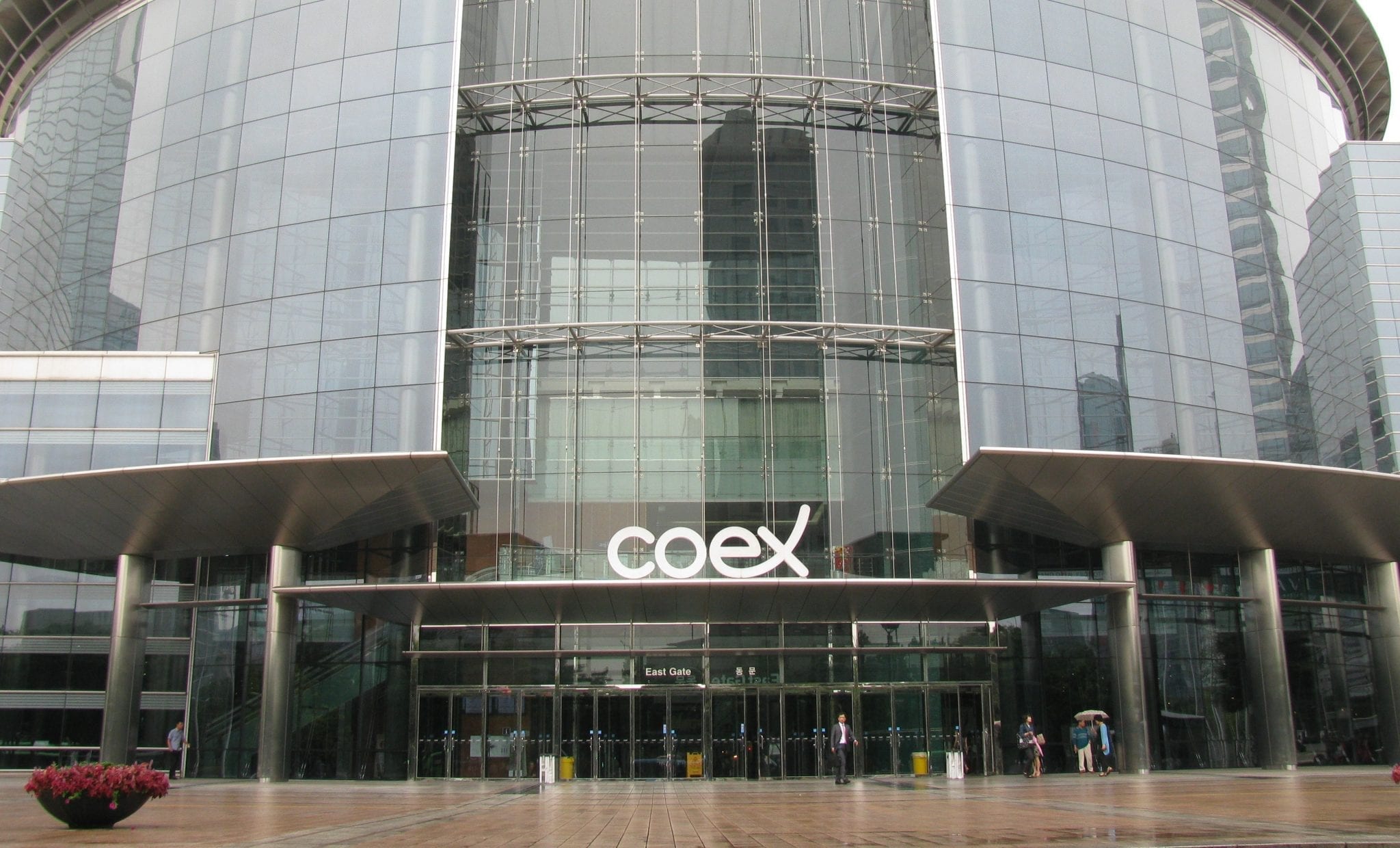
    Outside management will be introduced for Coex Mall Seoul, which has been struggling to attract shoppers since reopening a year ago after renovation.

    Korea International Trade Association (KITA) chairman Kim In-ho says an entity to manage the mall will be named by the end of the year.

    This is being entrusted to an outsider so it can be more effectively managed, says Kim.

    “We will select the management firm in a fair and transparent manner in accordance with the law.”

    A wholly owned KITA subsidiary has been managing the mall, which has been hit by a prolonged consumption slump and intensifying competition, including eCommerce.

    “We have to ask ourselves this question: can we compete with Lotte, Hyundai and Shinsegae? I seriously doubt it,” says Kim. “I believe Coex Mall will be more efficiently managed by professionals, and generate larger profits and create more jobs.

    “KITA needs to make money from the mall to finance its work, promoting the country’s trade.”
    Meanwhile, KITA has started preparing to bid for a convention centre to be built in Jamsil Sports Complex, a few kilometers away from its Coex Convention Center.

  • Seoul underground mall planned in giant transit zone

    Seoul underground mall planned in giant transit zone

    A massive Seoul underground mall is planned as part of a transit zone that will match Coex Mall in size.

    One whole level of the development will feature retail and restaurants.

    Comprising six underground floors, the Gangnam district complex in the south of the city will cover 160,000 sqm.

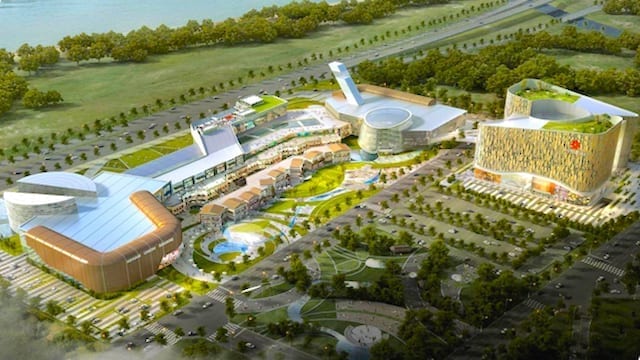
    If Seoul manages to connect the complex with Coex Mall and a new shopping mall now being built by Hyundai Motor Group, the three areas will encompass a total 420,000 sqm.

    City officials say that about 1.7 trillion won ($1.5 billion) will be allocated for the project, which is expected to serve more than 580,000 commuters daily. The funding will include private investment.

    20160502-225917-907Thread00_595.indd

    Seoul will come up with a master plan by the end of this month, wrap up administrative procedures by the end of this year and open public bidding for an architectural design early next year.

    More than 50 metres deep, the sixth level will service six different rail lines, from subway to KTX bullet trains. Also, 90 bus routes will pass through the area, with the transit centre on the second level.

    Because of a new high-speed train line, it will take only five minutes to travel from the complex to Seoul City Hall, now a one-hour journey.

    Several Great Train Express (GTX) lines will pass through the underground transit zone, connecting Seoul with neighbouring cities in Gyeonggi.

    City terminal services for Incheon International Airport, now provided at Coex, will probably be moved to the second basement floor of the new complex.

  • Lotte El Cube – Korea’s new compact mall

    Lotte El Cube – Korea’s new compact mall

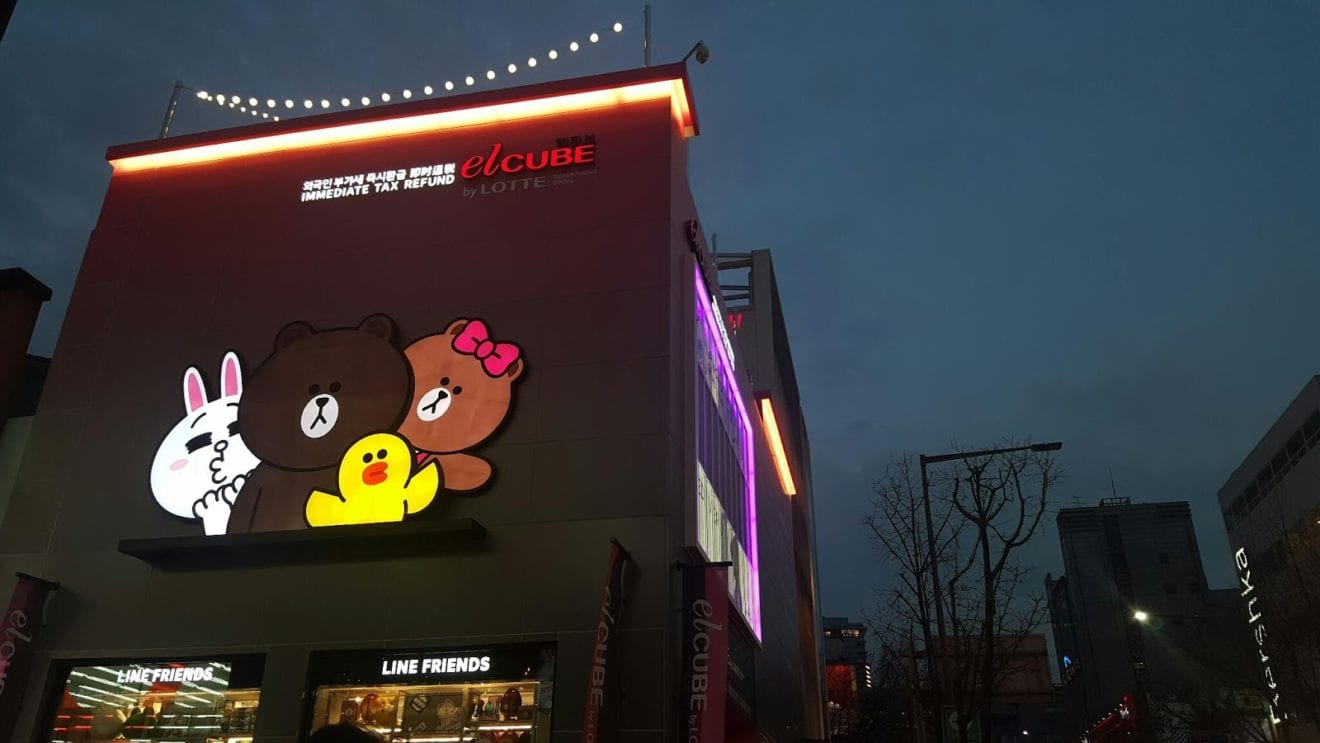
    In a bid to overturn the sluggish growth of traditional brick-and-mortar retail, Lotte Department Store is launching a new type of shopping mall in Seoul, the Lotte El Cube.

    In a trendy university neighborhood, the relatively small store focuses specifically on young, fashion-conscious shoppers – a departure from the retailer’s usual strategy of offering something for everyone at its department stores.

    Lotte El Cube 4

    Covering 630 sqm in a three-storey building, the Lotte El Cube houses 20 clothing brands, mostly casual in style. Featured labels include Pigment, PlayNoMore and Tomotom’s.

    “El Cube can adopt different concepts and focuses, such as beauty and lifestyle, depending on the location and needs of consumers,” says Lotte, which plans a second such outlet also in Seoul within a year.

    Lotte says it took its cue from Japan’s Isetan Department Store, which has several branches with different offerings. Isetan Mirror is dedicated to cosmetics and beauty products, while its Alta mall targets shoppers in their 20s.

    Lotte El Cube 5

    Known for its urban art and indie music culture, the neighbourhood where El Cube has set up is also attracting start-ups. The average number of daily users of nearby Hongik University Station grew from 72,000 in 2014 to 78,000 last year, and the neighborhood is also expanding in size.

    Lotte El Cube 1

    Annual combined sales at South Korea’s department stores – Hyundai and Shinsegae as well as Lotte – have had negative growth since 2014. Lotte is confident El Cube will attract new customers and become a fresh source of revenue amid unfavorable market conditions.

    “The key is to find new consumers as department stores are expected to face headwinds and low growth,” says Lotte merchandise strategy division head Woo Gil-jo.

    To match other stores in the area, El Cube will have extended shopping hours, from midday to 10pm.

  • Hyundai restyles 2017 Elantra to look like a luxury vehicle

    Hyundai restyles 2017 Elantra to look like a luxury vehicle

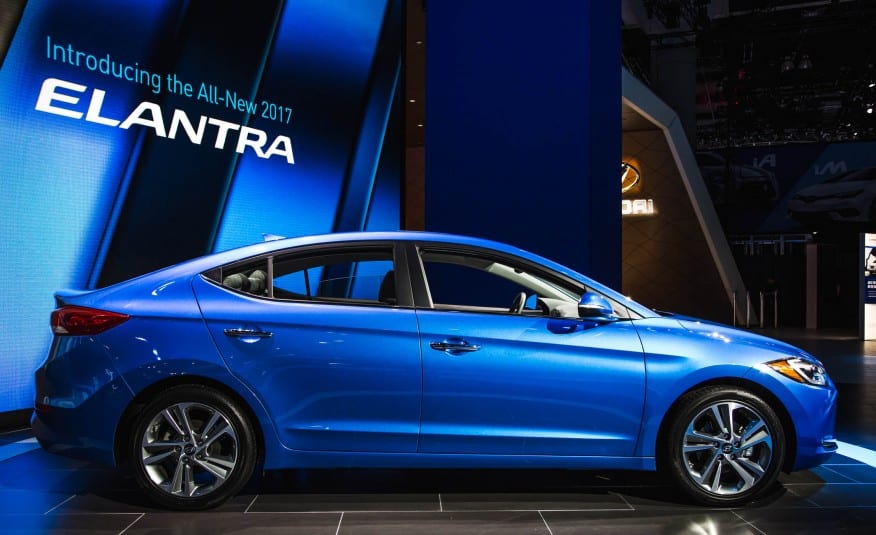
    Hyundai’s top-selling car in the United States, the Elantra, has been nicely restyled and upgraded to the point that its 2017 model could pass for a higher-priced luxury car.

    The new Elantra, which is already at dealerships, has a surprisingly refined ride and can be stocked with features like heated rear seats, driver-seat memory settings, automatic emergency braking with pedestrian detection and headlights that swivel to the side to illuminate roads during turns. The 2017 Elantra even has a hands-free trunk that opens on its own when a driver, perhaps laden with grocery bags, has the car’s proximity key fob in his or her pocket or purse and stands within 3 feet of the back of the vehicle for at least 3 seconds.

    It also comes with something that no luxury car has: Hyundai’s 10 years/100,000-mile warranty of coverage on the car’s powertrain and five years/unlimited miles of free roadside assistance.

    Starting manufacturer’s suggested retail price, including destination charge, is $17,985 for the base 2017 Elantra SE with six-speed manual and $18,985 with six-speed automatic — some $100 less than the starting retail prices for the base 2016 Elantras. The top 2017 Elantra — the Limited— has a starting retail price of $23,185, and prices can approach $28,000 when all luxury features are added.

    The Elantras have a new 147-horsepower, four-cylinder engine that generates 132 foot-pounds of torque at 4,500 rpm. It’s also lighter than its predecssors, even a loaded Elantra Limited weighs less than 3,000 pounds, according to Hyundai. As a result, the Elantra Limited test vehicle performed capably.

    The test vehicle impressed with its virtually vibration-free ride. The driver didn’t detect powertrain vibrations or any roughness, even when resting a hand on the Elantra’s gearshift lever when the car was idling. When the Elantra accelerated, some engine noise could be heard, but it was strong, not a buzzing sound.

    The restyled Elantra maximizes aerodynamics, which eliminate drag and help fuel economy. The test vehicle averaged nearly 29 miles per gallon in mostly city driving that was done primarily in Normal, not Eco, mode; with 14-gallon fuel tank, it could travel a noteworthy 400 miles in mostly city driving.

    The U.S. government rates the 2017 Elantra Limited at 28 mpg in the city and 37 mpg on highways for a combined 32-mpg average that makes the Elantra second best among gasoline-powered, non-hybrid sedans of its size.

    Inside, the Elantra is comfortable, particularly for front-seat passengers, who have up to 42.2 inches of legroom and nearly 39 inches of headroom. Back-seat passengers have 35.7 inches of legroom and 37.3 inches of headroom, which allows two adults to travel well. A nice touch is the pull-down rear-seat armrest with cupholders, which doesn’t flop loosely or rest at a downward angle.

    Rear seatbacks split 60/40 and fold down so that the Elantra’s 14.4-cubic-foot trunk can accommodate long items.

    Fit and finish of the Alabama-built Elantra tester was excellent, and the tactile feel of the car’s buttons and knobs was akin to a luxury car’s.

    However, the base Elantra SE doesn’t include a standard rearview camera nor does it have the hood-insulator material that comes on the Limited, meaning its interior isn’t as quiet as the Limited.

    A second Elantra engine — a turbo with 158 foot-pounds of torque — is due this spring, when the 2017 Elantra Eco debuts.

  • Binggrae opens Yellow Cafe flagship

    Binggrae opens Yellow Cafe flagship

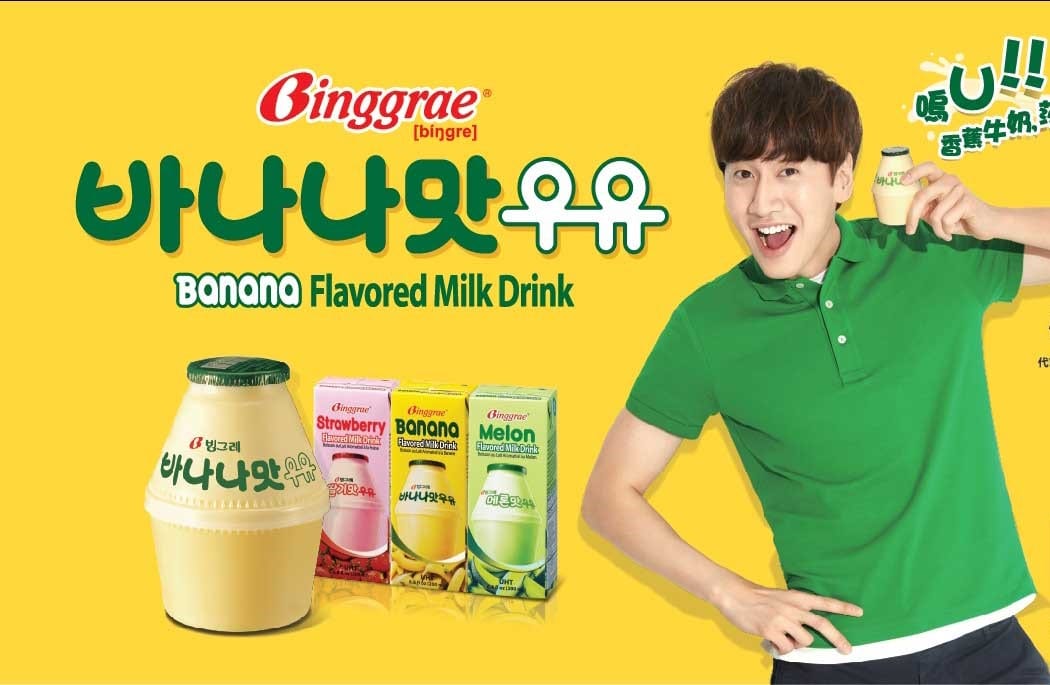
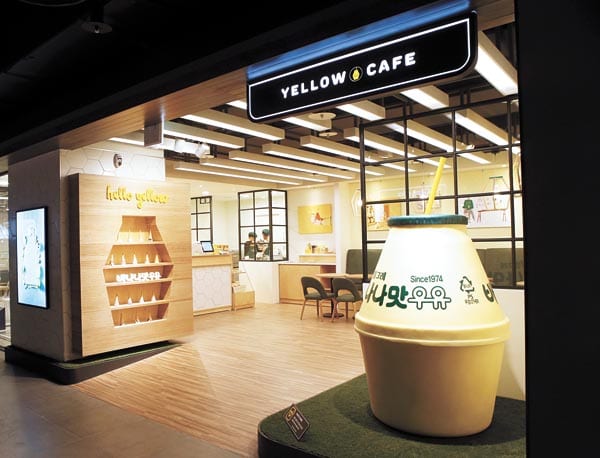
    Korea’s Binggrae, famous for its signature banana-flavored milk, will open a banana-flavored milk themed Yellow Cafe.

    The new concept store will be located in the Dongdaemun branch of Hyundai Outlet Store.

    It marks Binggrae’s first foray into the cafe market. Beverages such as lattes and milkshakes, and desserts such as ice cream, pudding, and tarts made with banana-flavored milk will be sold alongside accessories and souvenirs inspired by the beloved product that started it all, Binggrae’s iconic banana-flavored milk.

    The interior design of the store is also inspired by the product, as well as the tableware used to serve food and beverages at the store.

    Binggrae’s move to open a flagship store in the Dongdaemun area is perceived by retail analysts as a bid to get ahead in a commercial area that’s on the rise.

    Yellow Cafe stoee

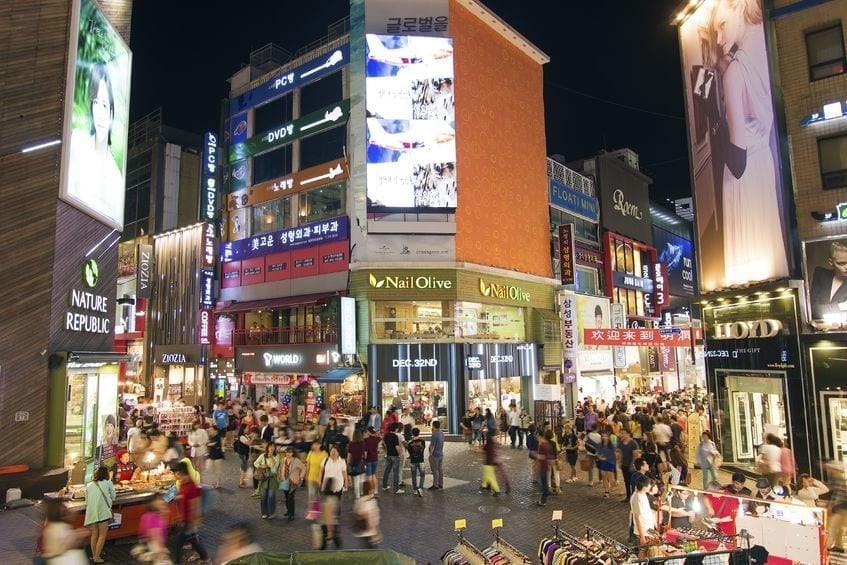
    Dongdaemun is an area popular among tourists, with its numerous fashion shopping malls, cultural assets and Dongdaemun Design Plaza (DDP). The area holds potential to grow even more with Doosan’s duty free store expected to open soon.

    Binggrae hopes to promote its products by introducing them to more domestic and foreign consumers.

    “Based on the resources the area holds, Yellow Cafe will provide a space that can provide opportunities to consumers so that they can experience our products,” a company spokesman said.

    Since its launch in 1974, banana-flavored milk has stood at the top of the domestic market for processed milk, a reign of more than 40 years. The friendly color of the product and unique bottle shape are loved by consumers of all ages.

  • Hyundai Ioniq Recalled in South Korea over Rolling Backwards Problem

    Hyundai Ioniq Recalled in South Korea over Rolling Backwards Problem

    The South Korean manufacturer launched the Ioniq in its home market two months or so ago, yet Hyundai had to recall the electric drive hatchback after a video was published on YouTube. That particular video can be found at the end of this story. Just skip to the 4-minute, 4-second mark and observe what happens.

    Let’s put into words what occurred there. The driver took the Ioniq on an uphill parking exit. He brings the car to a stop while still on the exit ramp. After that, the driver takes his foot off the brake pedal, expecting the hill start assist system to keep things under control. But it doesn’t. He then pumps the throttle pedal repeatedly, only to find out that the Hyundai Ioniq doesn’t do a hill start.

    After the car had started rolling backwards, a firm press of the brake put an end to this dangerous incident. The South Korean motoring media took notice of the incident and Hyundai paid attention, prompting an internal investigation. And as expected, the company decided to recall all Ioniq vehicles made until March 14 for a software update. The Ioniq Hybrid, Plug-in, and Electric made after March 14 have been given the updated software, so they’re not included in this campaign.

    Slated to debut in the United States of America later this week at the New York Auto Show, the Hyundai Ioniq arrives just in time for the 2017 model year. The Ioniq Hybrid will be the first model to hit dealerships nationwide, followed by the Ioniq Electric and the Ioniq Plug-in variants by the end of the calendar year.

    Pricing information for the U.S. market isn’t available at the time of writing, yet don’t expect Hyundai to sell the Ioniq Hybrid for more money than Toyota is selling the fourth-generation Prius. More specifically, the 2017 Hyundai Ioniq Hybrid could hold a suggested retail price of under $25,000 sans destination.

  • Hyundai outlet takes a new tack

    Hyundai outlet takes a new tack

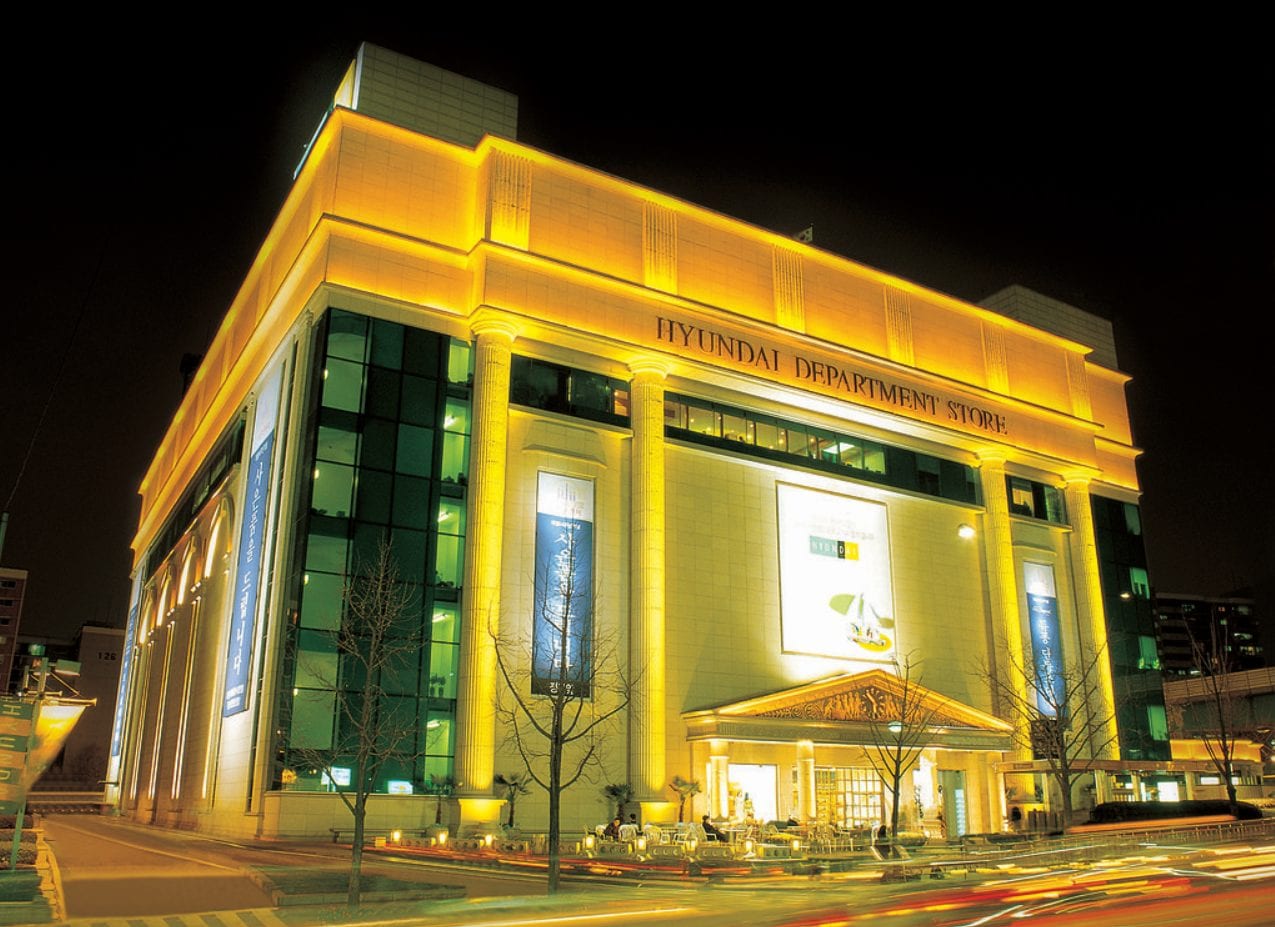
    Hyundai Department Store on Friday launched a premium outlet in Dongdaemun in central Seoul, home to many outlets such as Migliore, Lotte Fitin and Doota.

    With the new outlet, Hyundai is offering unique stores and services in hopes of the youke, or Chinese tourists, who flock to the area, as well as Koreans who are increasingly shopping online.

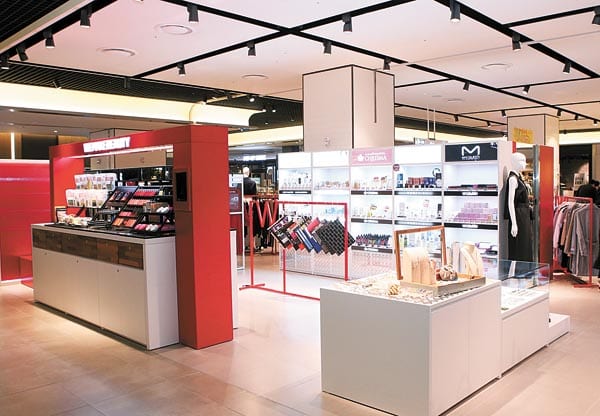
    The new outlet includes shops selling popular foods and beverages and a one-stop beauty section that allow customers to actually try out various products and to have fun while shopping.Hyundai Department Store Group said the new Hyundai City Outlet Dongdaemun occupies a nine-story, 37,663-square-meter (405,401-square-foot) building located in the popular shopping district. Hyundai spent 20 billion won ($16.7 million) decorating the interior of the new outlet like a premium department store.

    Additionally, the company pulled out all the stops to attract as many youke as possible by including a shop specializing in banana-flavored milk shop and a store selling products from YG Entertainment, one of Korea’s big three entertainment companies and home to musicians like Big Bang and 2NE1.

    The JoongAng Ilbo took a tour of the outlet the day before the official opening and found the banana-flavored milk flagship store located in the basement especially unique. The shop offers soft-serve ice cream, lattes and baked goods, all made using the iconic banana-flavored milk from Binggrae, which is very popular among Chinese tourists.

    “We have exported 15 billion won worth of our banana-flavored milk to China last year,” said a representative of Binggrae. “The store will be a tourist attraction for youke.” In fact, there were already many Chinese tourists lined up in front of the store on Thursday to take pictures with the oversized model of a banana milk bottle.

    Furthermore, Hatai Confectionary and Foods opened up shop right next to the banana milk store with a store called Haitairo. The store fries up potatoes in the shop to serve its famous Honey Butter Chips.

    Meanwhile, YG Zone will open on Tuesday for the K-pop fans. The 132-square-meter store will choose a different artist every month and sell special merchandise related to the artist. The store chose boy group Winner as this month’s artist, and will sell notebooks, t-shirts and limited-edition albums. The boy group was named Rookie of the Year at last year’s Golden Disc Awards.

    International sensation Big Bang will be the featured artist next month. “We plan to launch figures and special products for artists such as Psy, 2NE1 and more,” said at representative for Hyundai Department Store.

    Hyundai chose to hone in on youke in order to differentiate itself from other outlets. The new outlet has special help desks that offer tax refunds at shipping stores that allow customers to send purchased goods to China using UPS.

    Hyundai said it hopes to attract more than 4 million foreign tourists to the store every year.

    Moreover, Hyundai is targeting local customers interested in showrooming, or the practice of visiting a store to check out products before making purchases online.

    In particular, a store in the basement sells the same products that are available through the Hyundai Home Shopping TV channel as well as from social commerce company Wemakeprice.

    Through this store, Hyundai is trying to change the concept of outlets and give customers the chance to have hands-on experiences with products, in order to compete with the rapidly expanding online retail market in Korea.

    “The young generation does prefer shopping online,” said Kim Young-tae, CEO of Hyundai Department Store. “However, online shops cannot offer what outlets can, which is allowing family members to gather together and to enjoy shopping and eating.”

    The local outlet market size is expected to grow to 15 trillion won this year, but the competition is getting fiercer. There are more than 20 outlet stores, including those operated by Lotte, Hyundai and E-Land, in downtown Seoul alone.

    Hyundai City Outlet said its sales goal for this year is 200 billion won, or 13.3 million customers.

  • Korea retail sales slide

    Korea retail sales slide

    Korea retail sales took a surprise turn for the worst in December after three consecutive months of solid growth.

    Reported sales by department stores run by Hyundai Department Store, Lotte Shopping and Shinsegae Co show a 5.7 per cent fall year-on-year, according to figures released by the the Ministry of Trade, Industry and Energy on Tuesday.

    For the whole 2015 year, department store sales fell a modest 1.2 per cent, mainly due to the outbreak of Mers mid-year, and a rise in online shopping.

    The government attributed the December fall to warmer weather compared with the previous year, which may prompt one to speculate on January’s figures given the unusual cold snap hitting the country this month. The warmer climate meant fewer sales of winter clothing.

    Sales of luxury watches, jewellery and household electronics also fell.

    The December fall was the largest monthly year-on-year drop since 6.5 per cent last August. Sales rose by 1 per cent in November.

    Sales at South Korea’s major discount department stores fell 5.1 per cent, the third consecutive monthly decline and the largest since August.

    For the whole of 2015, discount department store sales fell 2.1 per cent.

    The Ministry said discounters’ December performance was affected by the warm weather and softening demand for food products.

  • Hyundai Grand i10X launched

    Hyundai Grand i10X launched

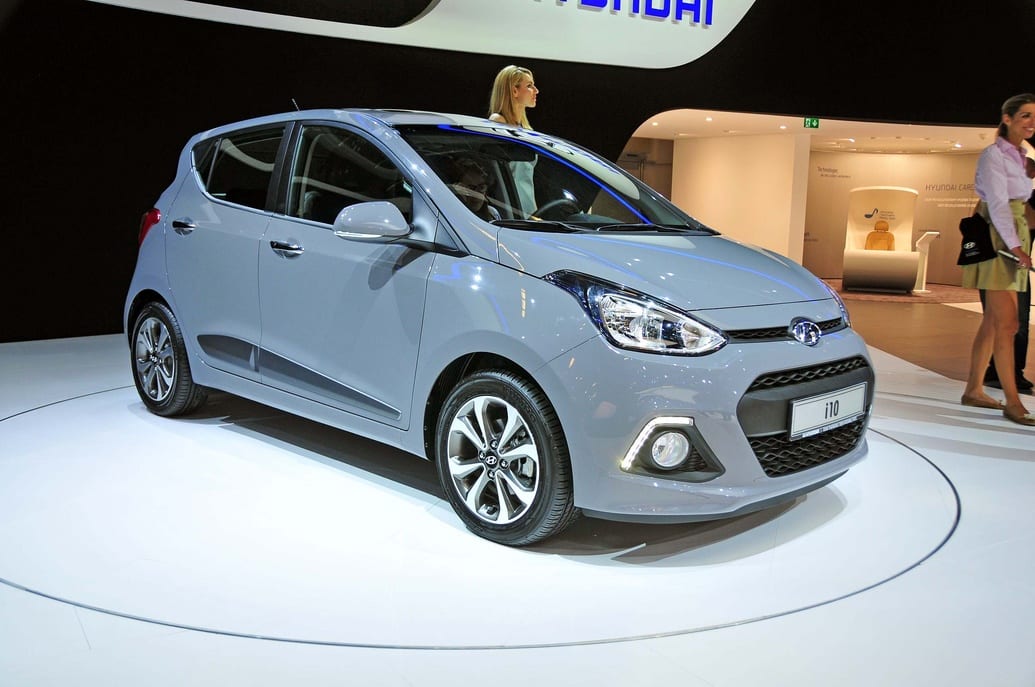
    The population of pseudo SUVs has risen over the past few years. While Fiat, Volkswagen and Toyota have reworked hatchbacks of their own, Hyundai played their cards right by launching the i20 Active around the time waiting periods for the Elite i20 started rising. Now, Hyundai has just launched the Hyundai Grand i10X in Indonesia, in order to capitalize on what seems to be a global trend.

    The car gets black plastic cladding around the wheel arches, side skirts and bumpers, day time running LEDs along the fog lamp housing, a faux skid plate, new alloy wheels, and black sash tape on the C pillar among other alterations. Mechanically, the car gets no changes.

    Hyundai India has not stated any plans to launch this model. The South Korean automaker already sells around 8,500 units of the Grand i10 in India every month. While a new product launch could be considered at a later stage, features such as the LED DRLs may be tempting for some Indian buyers.