Tag: Hyundai

  • Hyundai Motor and Aurora Partner to Develop Level 4 Autonomous Vehicles by 2021

    Hyundai Motor and Aurora Partner to Develop Level 4 Autonomous Vehicles by 2021

    Last week, Hyundai Motor Company and Aurora, a leader in autonomous vehicle technology, announced a strategic partnership to bring self-driving Hyundai vehicles to market by 2021. This partnership will incorporate Aurora’s self-driving technology into Hyundai vehicles starting with models custom-developed and launched in test programs and pilot cities. Over the longer term, Hyundai and Aurora will work to commercialize self-driving vehicles worldwide.

    To start, the partnership will focus on the ongoing development of hardware and software for automated and autonomous driving and the back-end data services required for Level 4 automation. Level 4 autonomous vehicles defined by SAE can operate without human input or oversight under select conditions. The goal of the partnership is to deploy autonomous driving quickly, broadly and safely.

    “We know the future of transportation is autonomous, and autonomous driving technology needs to be proven in the real-world to accelerate deployment in a safe and scalable manner,” said Dr. Woong Chul Yang, Vice Chairman of Hyundai Motor. “Combining our advanced vehicle technology that embeds the latest safety features with Aurora’s leading suite of Level 4 autonomous technology will advance this revolution in mobility with Hyundai in a leadership position.”

    Hyundai and Aurora share the common vision of improving safety and mobility on the world’s roads, and together bring the skills and experience required to successfully introduce this technology at scale. For nearly 50 years, Hyundai has been a leader in vehicle design, safety and manufacturing, catapulting the company to become one of the world’s largest vehicle manufacturers together with its Kia Motors Corporation affiliate.

    For the last two decades, Aurora’s founders have spearheaded the self-driving revolution, building teams and pioneering modern machine learning techniques now on the cusp of transforming transportation. Together, Hyundai and Aurora will move quickly to bring self-driving technology to market around the world.

    “Aurora is excited to partner with Hyundai Motor to make the social benefits of self-driving available globally,” said Dr. Chris Urmson, CEO of Aurora. “This partnership combines Hyundai’s strengths in vehicle design, safety and manufacturing with Aurora’s expertise in self-driving technologies to make a positive difference in the world.”

    Hyundai Motor’s partnership with Aurora is part of the company’s ongoing efforts towards realizing fully autonomous driving. Hyundai first began testing autonomous vehicles on public roads of the USA in 2015, having been granted a license by the state of Nevada. Last year at the 2017 CES, Hyundai advanced its trials in urban environments, demonstrating self-driving technologies to the public with its autonomous IONIQ models.

    Hyundai’s latest new-generation fuel-cell vehicle, which will make its official global debut at CES 2018 next week, will become the first model to be utilized in the test processes starting this year. The fuel-cell powertrain will offer an ideal platform to implement autonomous driving technologies, which requires a massive amount of power to support the large amount of data communication as well as the operation of hardware such as sensors. Hydrogen-powered fuel cell vehicle will be able to provide a stable electric power supply without concerns about driving range.

  • Hyundai Motor, Kia Motors flag slow sales growth in 2018

    Hyundai Motor, Kia Motors flag slow sales growth in 2018

    South Korea’s Hyundai Motor and Kia Motors on Tuesday flagged only modest sales growth in 2018, suggesting a slow recovery from a slump linked to their lack of SUVs in the United States and diplomatic tensions with China.

    Hyundai and smaller affiliate Kia, which together make the world’s fifth-largest automaker, said demand was expected to soften in the U.S. and Chinese markets as they unveiled a combined sales target of 7.55 million vehicles this year.

    Analysts said that would be a slight increase on 2017, when the automakers are estimated to have sold about 7.3 million vehicles, their lowest in five years.

    “The target for Hyundai and Kia is lower than expected. It seems to be a conservative target, reflecting a slow recovery in China and ongoing U.S difficulties,” Kim Jin-woo, an analyst at Korea Investment & Securities said.

    The 2017 sales figures are due out later on Tuesday but analysts expect the South Korean duo to fall well short of their target of 8.25 million vehicles, marking their third consecutive annual miss.

    Hyundai Motor shares declined 2.2 percent after falling as much as 4.5 percent on Tuesday morning, and Kia Motors stocks were down more than 1.6 percent. The broader market rose 0.2 percent.

    The firms’ sales tumbled last year in China, the world’s largest auto market, amid a chill between Beijing and Seoul over South Korea’s deployment of a U.S. anti-missile system.

    Sales in China and the United States were also hurt by a failure to capitalize on surging demand for sports utility vehicles (SUVs).

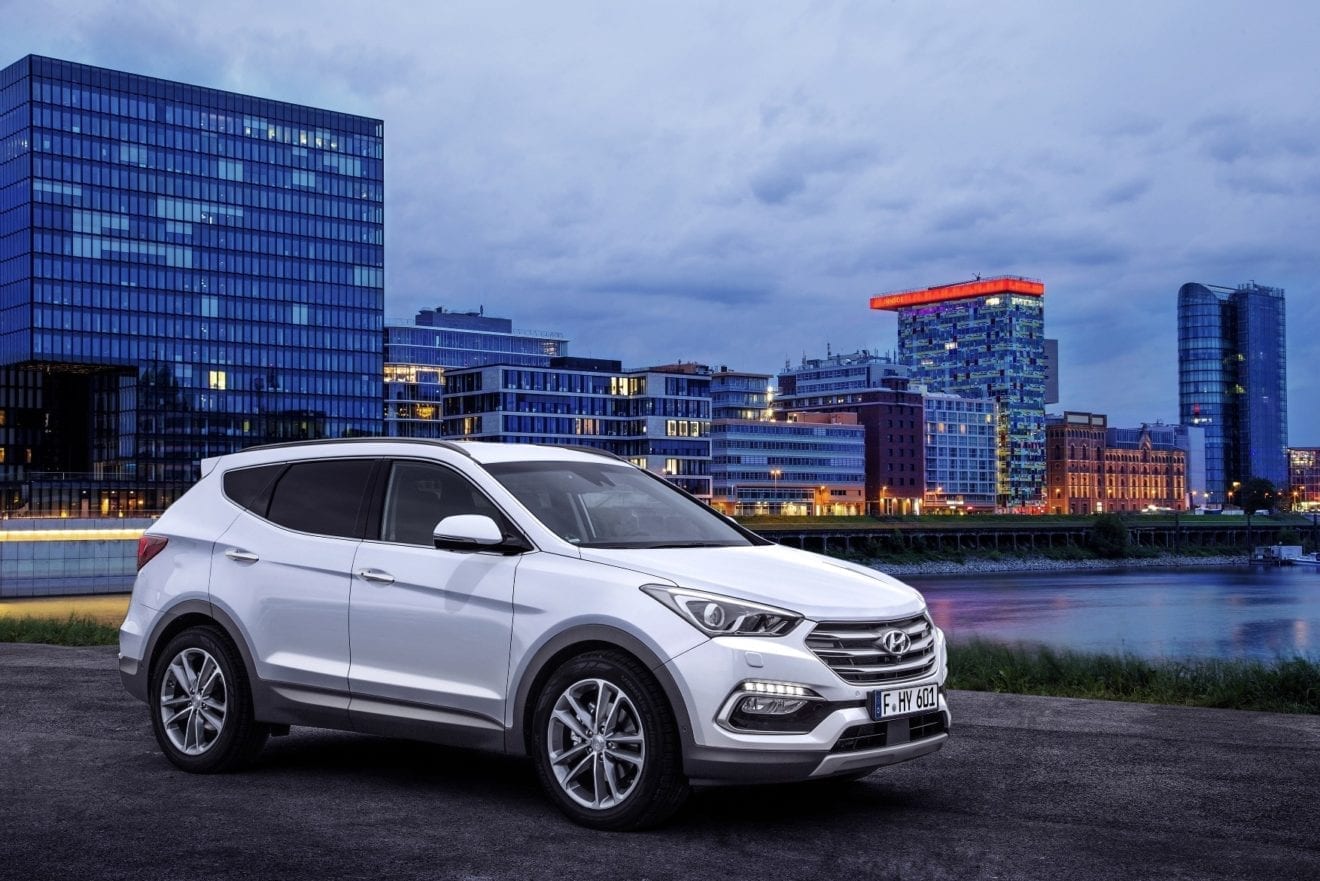
    While Hyundai Motor has plans to offer more SUVs in the United States and China, analysts said new models such as the redesigned Santa Fe SUV may come too late in the year to significantly impact sales.

    The expiration of a tax cut on small-engine cars in China also would be a negative for Hyundai’s sedan-heavy line-up, they said.

    Hyundai Motor Group Chairman Chung Mon-koo said in a statement the South Korean automakers would launch 12 new or refreshed models this year.

    They would “actively venture into” new markets like Southeast Asia, as protectionism was expected to grow elsewhere, he added.

    South Korea and the United States will hold talks on a trade deal on Jan. 5 although U.S. President Donald Trump has threatened to withdraw from the pact.

    Chung, 79, skipped his annual New Year speech to employees for a second year in a row. He has not made any public appearances since December, 2016.

  • Hyundai to hike prices by up from January

    Hyundai to hike prices by up from January

    Hyundai Motor India today said it will increase prices of its vehicles by up to 2 per cent from January in order to offset impact of rising input costs.

    The company joins the likes of other automobile companies, including Nissan, Mahindra & Mahindra, Volkswagen, Maruti Suzuki India, Tata Motors, Ford, Toyota Kirloskar Motor, Honda Cars India, Skoda and Isuzu, which have already announced price hikes from early next year.

    “We have been absorbing the increase in input and material costs but now are constrained to increase the prices up to 2 per cent,” HMIL Director Sales and Marketing Rakesh Srivastava said in a statement.

    The revised prices will be implemented from beginning of next year, he added.

    The company sells a range of models from hatchback Eon at Rs 3.29 lakh to premier SUV Tuscon priced up to Rs 25.19 lakh.

    It has been a long standing practice in the domestic automobile industry to announce price hikes in December as companies try to woo customers, who usually postpone purchases to acquire vehicles in the new year.

  • South Korea’s Hyundai says faces headwinds from weaker yen next year

    South Korea’s Hyundai says faces headwinds from weaker yen next year

    South Korean automakers face a major headwind from a weakening Japanese yen, which will boost rivals like Toyota Motor Corp. next year, a Hyundai Motor think tank said.

    The fall in the yen will intensify competition in major markets, such as China and the United States, where overall demand is expected to shrink in 2018, the think tank said.

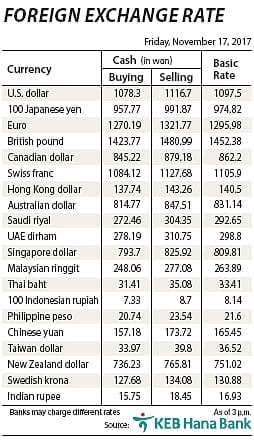
    It projected that the Korean won would fetch 978 per 100 yen next year, compared with 1,018 this year.

    The re-election in November of Japan’s Prime Minister Shinzo Abe, who favors massive monetary and fiscal stimulus policies, should point to further yen weakness, the think tank said.

    Toyota Motor in November raised its forecast for full-year operating profit, in part due to expectations of a weaker yen, which can make goods exported from Japan cheaper and can boost the value of overseas profits when they are repatriated.

    “The currency environment is expected to deteriorate next year,” Lee Bo-sung, a director of the think tank, the Global Business Intelligence Center, said at a press briefing on Friday. The contents of the briefing were embargoed until 9 am Sunday Seoul time.

    “The weaker yen is expected to be the biggest challenge for South Korean automakers next year, as they are competing against Japanese,” Lee said.

    He said the price gap between Korean and Japanese cars had already narrowed due to the yen’s decline. For example, Hyundai’s Sonata sedan was 10 percent cheaper than Honda’s Accord in the United States in 2011 and the gap is only 2 percent this year, he said.

    A weaker yen and higher profit have also allowed Japanese carmakers to boost investment and gain market share in China and other emerging markets, Hyundai’s stronghold, he said.

    Hyundai Motor has seen its net profit tumble by nearly one-third so far this year, and is on track to miss its annual vehicle sales target by a large margin, having failed to position for a consumer swing to sport utility vehicles (SUVs) and a diplomatic row with Beijing that hit Korean-made products.

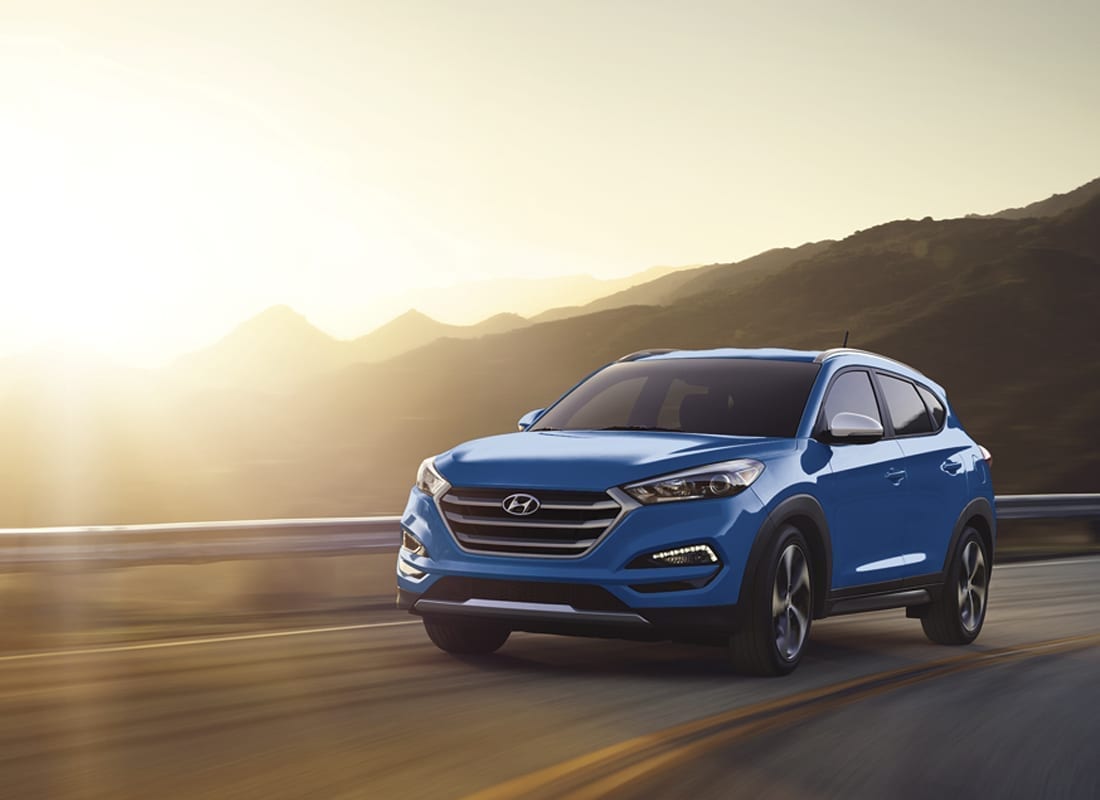
    Hyundai Motor said on Friday it plans to roll out three SUVs next year in the United States – the redesigned Santa Fe, the Kona, and the tweaked Tucson, to revive its sales momentum. In China next year, Hyundai and Kia plan to release three China-targeted small SUVs next year.

  • BAIC Motor looks to phase out conventional fuel cars by 2025

    BAIC Motor looks to phase out conventional fuel cars by 2025

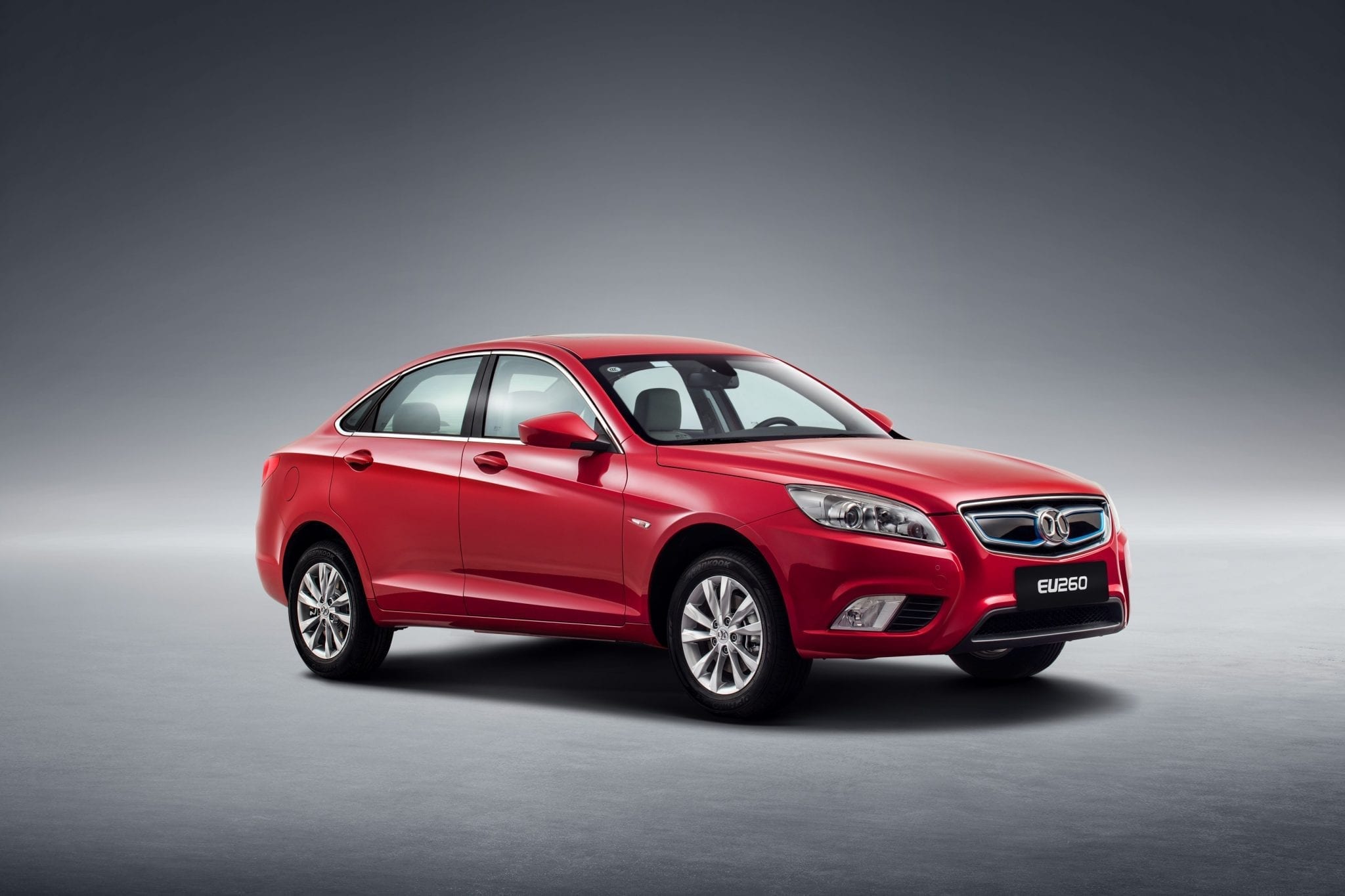
    Chinese carmaker BAIC Motor Corp aims to stop selling own-branded conventional fuel-powered cars by 2025, said on Tuesday, amid a major push by Beijing to shift automakers toward electric and plug-in hybrid cars.

    BAIC, which also makes vehicles in partnership with South Korean carmaker Hyundai Motor Co and Germany’s Daimler AG, plans to stop sales of conventional petrol engine cars first in Beijing and then nationwide.

    “Our goal is to stop sales of self-developed conventional fuel-powered cars in Beijing by 2020 and stop their production and sales nationwide by 2025,” the newspaper quoted BAIC Chairman Xu Heyi as saying at a launch event for a new energy car innovation center in Beijing.

    China has set strict quotas for electric and plug-in hybrid cars that come into play by 2019, shaking up domestic and international carmakers in the world’s largest auto market.

    Beijing wants so-called new-energy vehicles (NEVs) to make up at least a fifth of Chinese auto sales by 2025 to reduce air pollution and close a competitive gap between its newer domestic automakers and their global rivals.

    In October, domestic rival Chongqing Changan Automobile Co Ltd said it aimed to stop selling conventional combustion-engine cars from 2025, making it one of the first Chinese firms to commit to a total shift to NEVs.

    Earlier this year, China’s vice industry minister said the country had begun studying when to ban the production and sale of cars using traditional fuels, and predicted “turbulent times” for automakers as they were forced to adapt.

    BAIC Chairman Xu said in October the move to ban traditional petrol engine cars was “challenging” for the firm.

  • Handsome by Hyundai heading for China

    Handsome by Hyundai heading for China

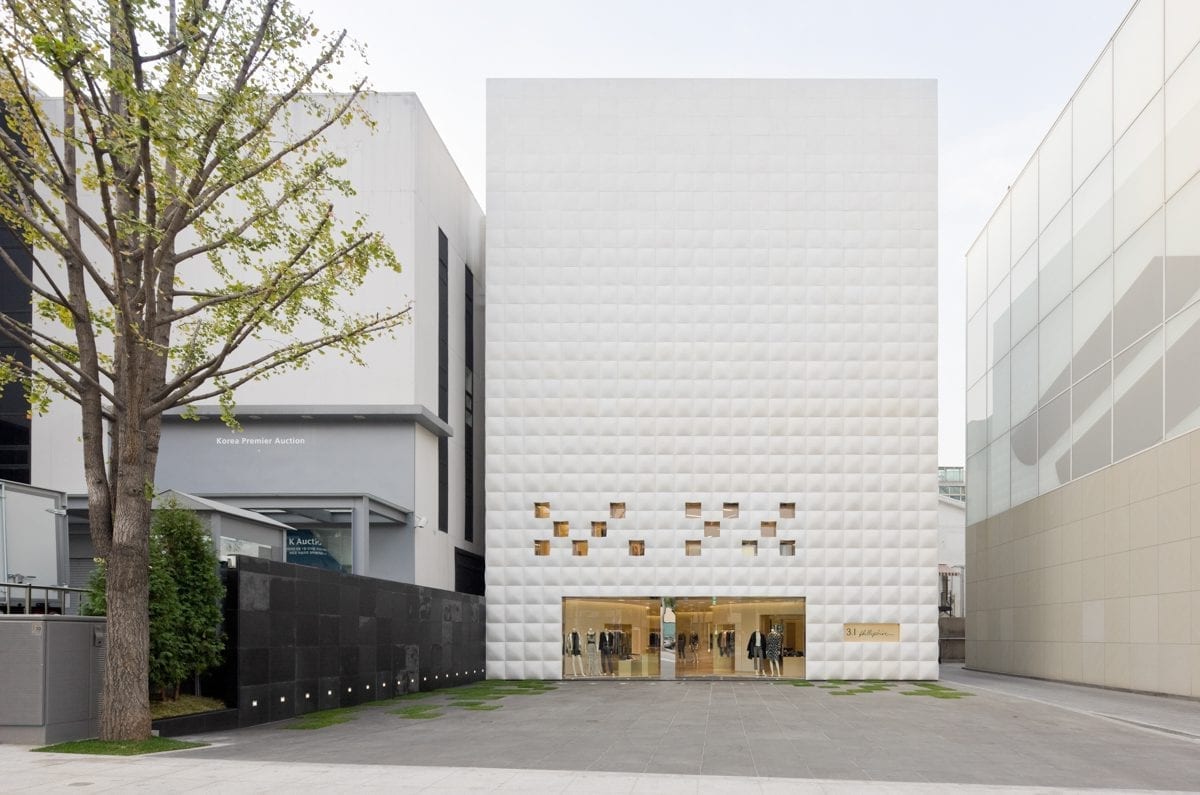
    Handsome, the fashion unit of South Korean retailer Hyundai Department Store Group, has signed a deal to help accelerate its move into the Chinese consumer market.

    An agreement between its fashion label The Cashmere with Hong Kong’s retail/brand-management/distribution firm ImagineX Group involves supplying five coat styles to Club Monaco outlets in China.

    ImagineX represents such brands as DKNY, Jo Malone and Salvatore Ferragamo, and has more than 250 points of sale throughout Asia including Singapore and Taiwan.

    Thehandsome.com

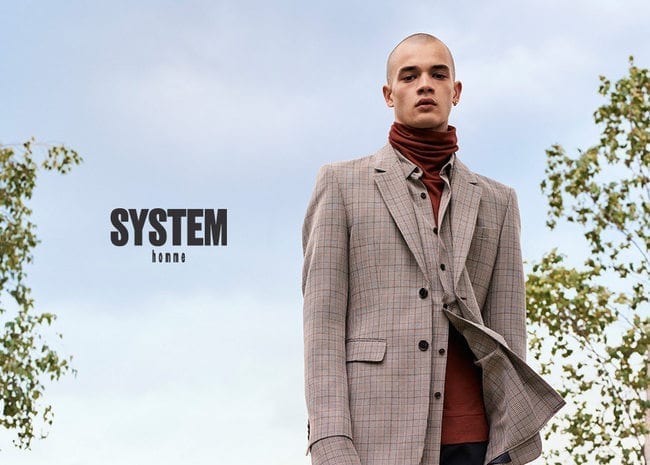
    Handsome has previously taken its System and System Homme brands abroad. It has also clinched a deal with Artifacts, a boutique store in Taiwan that has six outlets in Taipei and Taichung. Earlier this year, the two clothing labels were picked up by department stores and shopping malls in China as well as the Galeries Lafayette department store in Paris.

    Handsome entered the Chinese market early this year by partnering with Hangzhou Zhiheng Industrial.

    Founded in 1987, Handsome was bought by Hyundai Home Shopping Network in 2012. It owns a string of fashion labels including Mine, System and Time.

  • Seoul stocks inch down as retail investors sell

    Seoul stocks inch down as retail investors sell

    Korean stocks closed slightly lower Friday as institutions and retail investors dumped local stocks offsetting a buying spree by foreign traders. The South Korean won extended its rally against the U.S. dollar.

    The benchmark Kospi slipped 0.8 point, or 0.03 percent, to close at 2,533.99. Trade volume was moderate as 355.21 million shares worth 6.46 trillion won ($5.88 billion) changed hands, with gainers barely beating losers 404 to 394.

    The index started higher on an upbeat mood after a U.S. tax reform bill made some progress in Congress, but institutions expanded their selling as the strengthening local currency raised the concerns of major exporters.

    Oil prices also ended lower again on Thursday on increased concerns about rising U.S. supply despite major producers’ efforts to tighten the market.

    “If the Korean won continues to strengthen against the U.S. dollar, it could burden major exporters in the short term,” Kim Byung-yeon, an analyst at NH Investment & Securities, said.

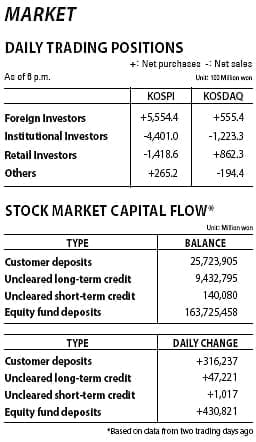
    Offshore traders bought a net 549 billion won worth of local stocks, while institutions and retail investors sold a net 442 billion and 127 billion won, respectively.

    Auto shares were down as the rising value of the local currency raised concern over their price competitiveness in overseas markets.

    Industry leader Hyundai Motor declined 1.57 percent to 157,000 won, and its auto-parts maker Hyundai Mobis dropped 3.04 percent to 255,000 won.

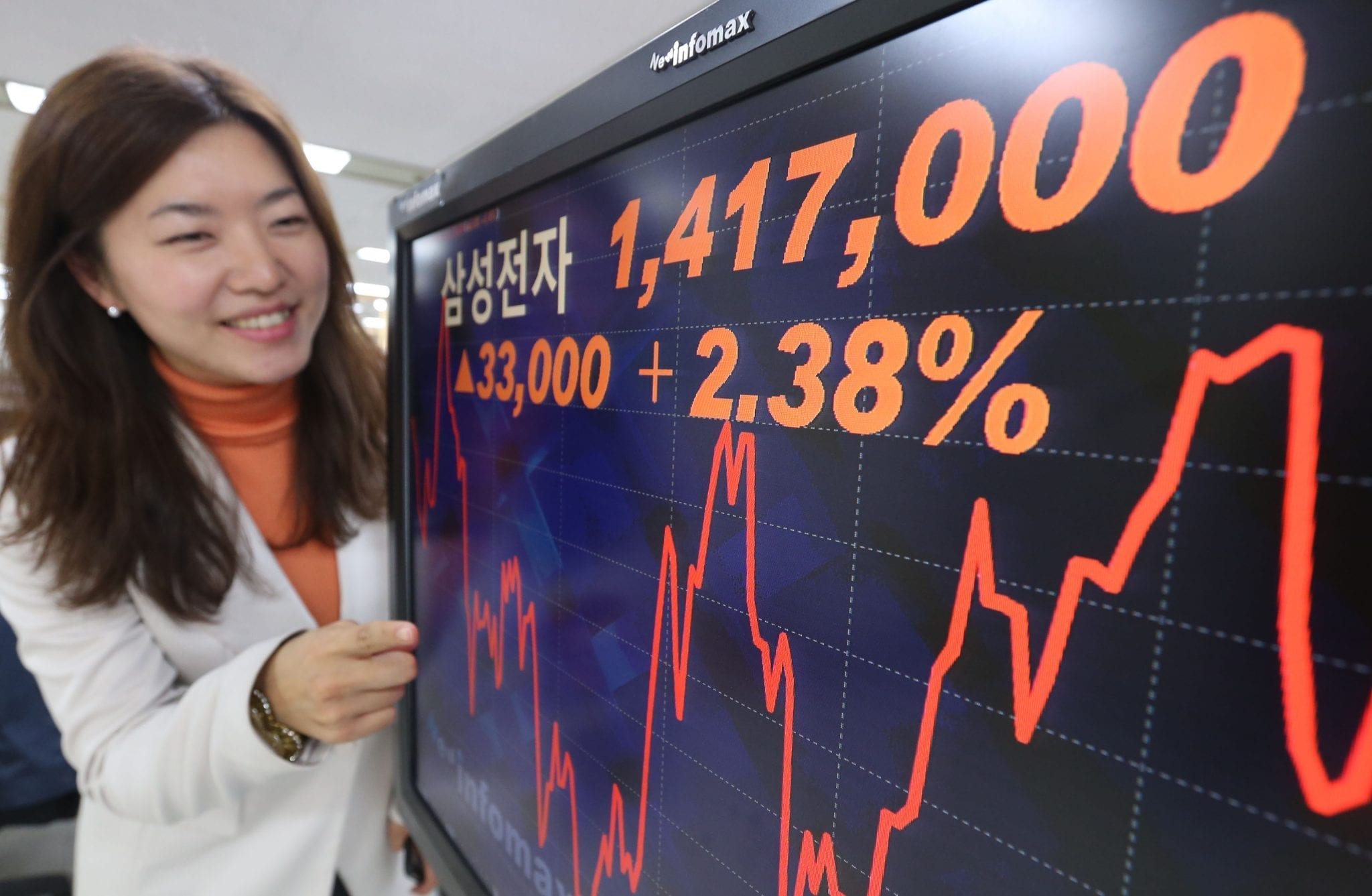
    Tech shares were in positive terrain. Market bellwether Samsung Electronics inched up 0.07 percent to 2,791,000 won, and SK Hynix, the world’s No. 2 chipmaker, edged up 0.61 percent to 83,000 won.

    Airlines were among best performing stocks as lower oil prices and the stronger local currency are expected to lower their financial burden and costs.

    Korean Air, Korea’s largest airline, jumped 5.48 percent to 32,750 won, and its smaller rival Asiana Airlines shot up 11.26 percent to 4,840 won.

    Secondary Kosdaq closed at 775.85, down 4.37 points or 0.56 percent from the previous trading day.

    Top-listed Celltrion lost slipped 0.09 percent to close at 218,800 won.

    The Korean won closed at 1,097.5 won against the U.S. dollar, up 3.9 won from the previous session’s close, which rose to the highest level since September 2016.

    Bond prices, which move inversely to yields, fell. The yield on three-year bonds gained 0.3 basis point to 2.174 percent, and the return on the benchmark five-year government bonds added 0.8 basis point to 2.383 percent.
     

  • Hyundai and Michelin join to develop nextgen tyres for EVs

    Hyundai and Michelin join to develop nextgen tyres for EVs

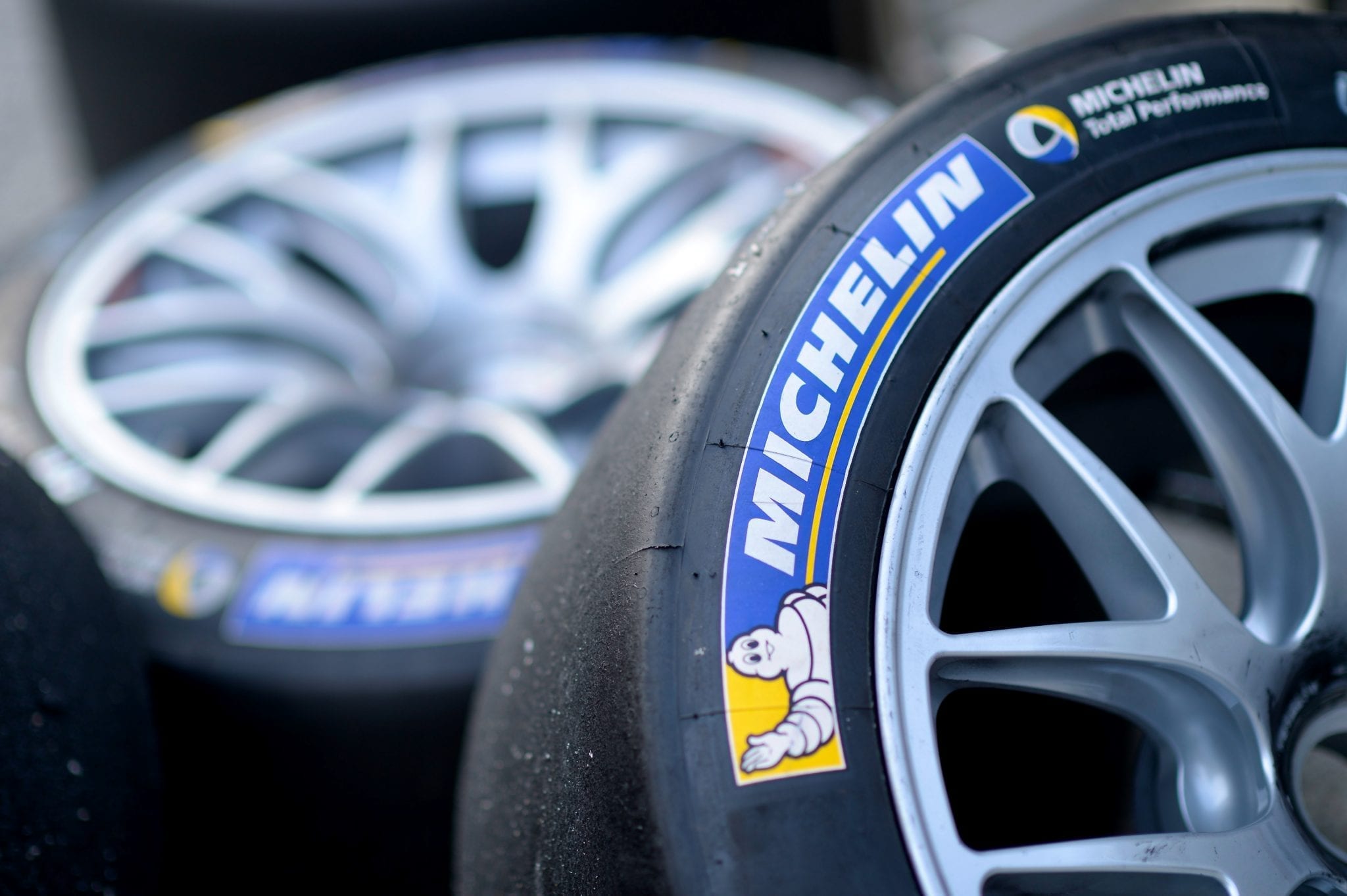
    Hyundai Motor has signed a technical partnership with Michelin to equip next-generation tyres for electric and luxury vehicles. The co-operative deal links the research and development work of the two companies and will enable Hyundai Motor to strengthen its capabilities in tyre performance technology.

    Within the partnership, Hyundai Motor and Michelin will work together to develop a new all-season tyre for electric vehicles. The use of Michelin’s next-generation tyre material and structural technology will help Hyundai Motor optimise overall vehicle efficiency and performance.

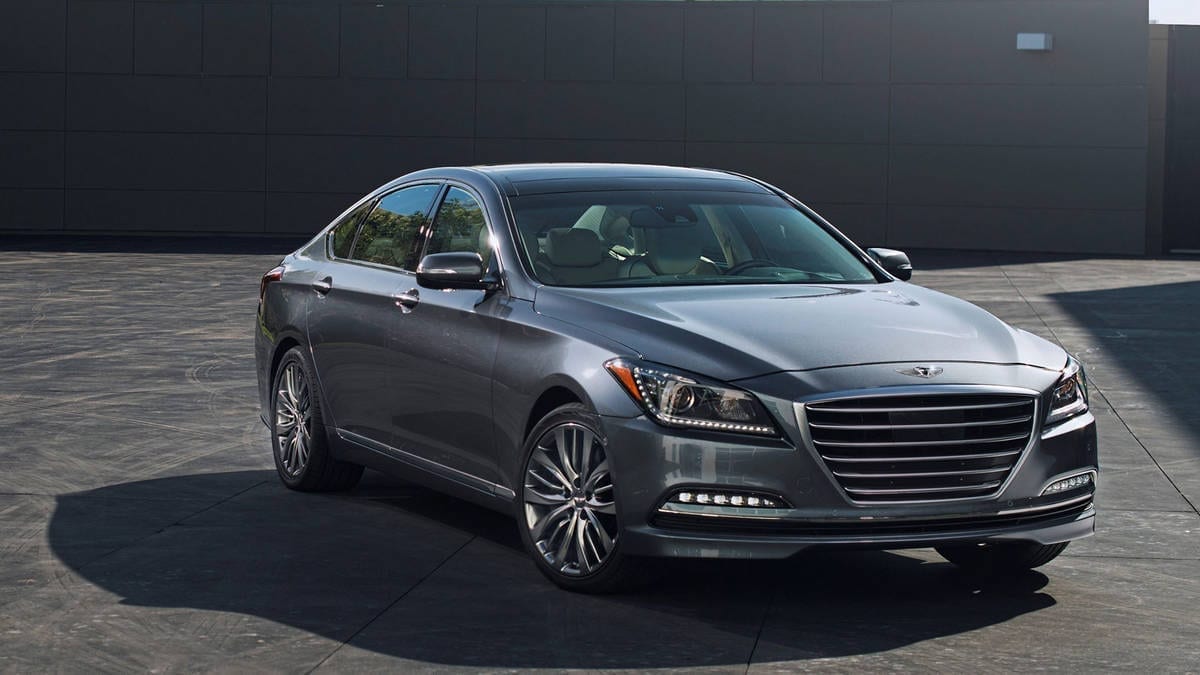
    Michelin will also collaborate in the development of a bespoke tyre for a successor model to the Genesis G80 luxury sedan. Co-operative testing and analysis will help determine tyre vibration characteristics at high speeds, both in a laboratory setting and using evaluation conditions set to match the Nürburgring circuit.

    The two companies are striving to achieve the best levels of ride and handling, while minimising noise, vibration and harshness (NVH). The resulting improvements in tyre performance and vehicle dynamics will also contribute to enhanced consumer satisfaction and driving pleasure.

    Woong-chul Yang, vice chairman of Hyundai Motor, said: “I am pleased to announce this new collaborative relationship with Michelin, which will allow Hyundai Motor to accelerate the development and deployment of new tyre technologies. With this enriched knowledge, the next generation of Hyundai Motor electric cars will offer improved performance and efficiency, bringing a direct benefit to the consumer. Working with Michelin will also strengthen Hyundai Motor’s tyre technology on a broader scale, as we also focus on developing luxury Genesis cars and high-performance vehicles.”

    Hyundai Motor representatives visited Michelin’s Research and Development Centre in Clermont-Ferrand, France, to sign the agreement.

    “This cooperation between our two groups is a major milestone for Michelin, and we are proud to have been chosen by Hyundai Motor to put together the best of our leadership and expertise in order to improve their future electric and luxury vehicles.” added Vincent Rousset-Rouviere, president of Michelin Original Equipment Division. “Michelin has been investing constantly in new technologies and innovations to enhance the performance of our tires, so that mobility becomes safer, more sustainable and more enjoyable for all consumers. This new partnership with Hyundai Motor will allow us to open a broad range of new opportunities.”

    Earlier this year, Michelin was awarded top honours in four segments of the 2017 JD Power Original Equipment Tyre Customer Satisfaction Study, excelling in the Luxury, Passenger Car, Truck / Utility, and Performance Sports categories.

  • Hyundai opens Beijing brand experience space

    Hyundai opens Beijing brand experience space

    Hyundai Motor Group, Korea’s largest automaker, opened its sixth brand experience space in Beijing to reach more Chinese consumers.

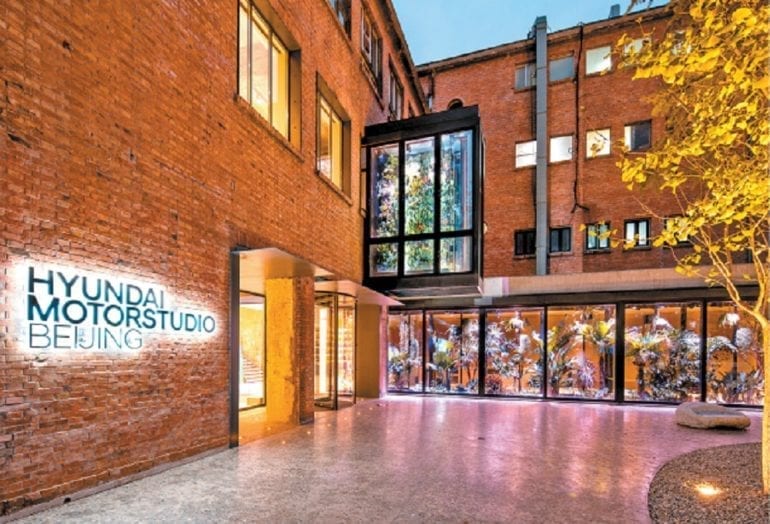
    Hyundai Motorstudio Beijing is located in the city’s 798 Art District, known for its galleries and cafes. The center will be a cultural space and not feature any cars. The Motorstudio is the second overseas location of its kind after one in Moscow.

    Chung Eui-sun, the company’s vice chairman, attended the opening ceremony in Beijing on Nov 1, indicating just how vital the Chinese market is to the automaker. Hyundai Motor has been struggling in the country and hopes the center will boost its fortunes in the world’s largest auto market.

    “Hyundai Motorstudio Beijing represents the direction of Hyundai Motor’s future path, which centers on sustainability and creative energy that can solve social problems,” Chung said. “It feels more meaningful that such venue could be established in this experimental and innovative neighborhood of 798 Art District.”

    Hyundai Motorstudio Beijing includes a book lounge and cafe on the first floor and gallery on the second floor. A vivarium occupies one side of the building’s exterior, and other art installations are scattered across the studio space.

    Along with the space, the automaker is running a program called Hyundai Blue Prize to support emerging artists and select a few to display their work in the Motorstudio.

    The opening comes amid a thaw in relations between Seoul and Beijing. The Korean and Chinese governments agreed to a rapprochement after months of diplomatic cold shoulders over a U.S. missile defense system in Korea that China believes threatens its security.

    Chung said at the ceremony that he expects a “positive effect” from the promise of better relations between the two countries.

  • Hyundai Motor says to consider green car tie-up with China’s local firms

    Hyundai Motor says to consider green car tie-up with China’s local firms

    Hyundai Motor Co says to step up monitoring of possible revisions of South Korea’s free-trade deal with the United States.

    To raise the number of its SUV models in China to 7 by 2020 from 4.

    To consider “flexible” cooperation on green cars with China’s local firms.

  • South Korea’s Hyundai launches new Genesis sports sedan in SUV-driven market

    South Korea’s Hyundai launches new Genesis sports sedan in SUV-driven market

    South Korea’s Hyundai Motor Co launched its first new sedan under the premium Genesis marque in Seoul on Friday, hoping to cement the brand’s place in the luxury segment and make up for its lack of a strong SUV line-up.

    U.S. pop singer Gwen Stefani will perform for about 10,000 people at a gala event to launch the G70, the third sedan to carry the Genesis name but the first to be marketed exclusively under Hyundai Motor’s (005380.KS) fledgling premium brand.

    Starting from $33,000, the sporty four-door offers bang for the buck as it takes on rivals including affiliate Kia Motor’s (000270.KS) Stinger sedan and BMW’s 3 series.

    But analysts say the G70 will not solve Hyundai’s troubles in the United States, where sports utility vehicles (SUVs) are all the rage and the two previous Genesis-branded sedans failed to take off.

    “Look at Cadillac, with just one crossover, the brand is struggling in the U.S. It will be much the same story for Genesis until they can get a crossover to market,” said Dave Sullivan, product analysis manager at U.S. consultancy AutoPacific.

    “It’s not because the G70 will be a bad product … The sedan lineup just doesn’t match consumer demand.”

    The G70 debuts in South Korea on Friday followed by the United States early next year. Hyundai has not said when it would enter China and Europe, which are dominated by German premium brands.

    “G70 will pave the way for growth and expansion of the Genesis brand,” Executive Vice President Lee Kwang-guk told a media event.

    Hyundai Motor expects annual sales of over 60,000 G70 sedans globally.

    Hyundai has said the Genesis line-up will grow to six by 2021, with the addition of two SUVs and an electric vehicle.

    Genesis division head Manfred Fitzgerald told reporters that the next Genesis model will be an SUV, without elaborating further.

    Hyundai’s China sales tumbled more than 60 percent in the second quarter due to its lack of a strong SUV line-up and political tensions between China and South Korea over North Korea’s nuclear weapons program.

    In the United States, SUVs made up 35 percent of Hyundai’s total U.S. sales from January to August this year, far lower than the industry’s 62 percent, according to U.S. researcher Autodata.

    CRITICAL TEST

    The Genesis project is being closely watched by Hyundai Vice Chairman and heir apparent Chung Eui-sun, as he prepares to take over the world’s No.5 auto group from his father, 79-year-old Chairman Chung Mong-koo.

    As the first Genesis model which was not previously sold as a Hyundai, the G70 will be a key test of the two-year-old marque’s ability to survive in a fiercely competitive field.

    Its chief rival will be Hyundai affiliate Kia’s slightly cheaper Stinger, which shares the same platform as the G70 and launched in late April. Other rivals include BMW’s 3 series, Audi’s (NSUG.DE) A4 and Mercedes-Benz’s C-class.

  • Thyssenkrupp sees boost for steel from shift to electric cars

    Thyssenkrupp sees boost for steel from shift to electric cars

    South Korea’s Hyundai Motor (005380.KS) said it had suspended production at one of its China factories on Tuesday after a supplier refused to provide parts due to delays in payment – its second such incident in as many weeks.

    Frayed relations with suppliers to its venture with BAIC Motor Corp Ltd (1958.HK) are adding to headaches for Hyundai in China, where it has seen sales slump due to diplomatic tensions between the two nations and fierce competition from local brands.

    Supplier sources familiar with the matter say that BAIC is in charge of payments and has been responsible for the delays.

    The partners are fighting over their supplier strategy with BAIC favoring shifting to cheaper Chinese firms in the face of intense competition, while Hyundai wants to protect its South Korean supply chain, people familiar with the dispute said.

    Hyundai declined to comment on the reason for the failure to pay suppliers. A representative for BAIC could not be immediately reached for comment.

    Their joint venture had only just resumed production at four China plants on Aug. 30 after a suspension of about a week because one French supplier refused to provide fuel tanks due to non-payment.

    This time, a German firm has refused to provide parts for air intake systems, a representative for Hyundai said, declining to identify the supplier. The joint venture’s three other Chinese factories remain operational.

    Any loss of production from this one factory is unlikely to have a major sales impact as Hyundai probably has sufficient inventory at the plant because its cars have not been selling well, said Ko Tae-bong, an analyst at Hi Investment & Securities.

    “That is manageable. But if Hyundai’s Chinese partner is refusing to make payments, that’s a different story,” he said, adding that the issue could occur time and time again.

    Scrambling to tackle problems in China, Hyundai said this week it had appointed a new head for its China operations. Tao Hung Than, who is of Chinese descent, took the helm effective Friday replacing Chang Won-shin, who lasted less than a year in the job.

    The new China CEO, however, has a huge task in front of him if he is going to get Hyundai back on track in the world’s biggest auto market – one that accounted for nearly a quarter of Hyundai’s revenue in the last financial year.

    A weakening brand image and a product line-up without attractive SUVs are only adding to pain from diplomatic tensions. Hyundai’s sales from its Chinese factories plummeted 64 percent in April-June first quarter, when the automaker posted its smallest quarterly net profit in five years.

    South Korean firms have been hit by a Chinese backlash over Seoul’s decision to deploy a U.S. missile defense system to counter threats from nuclear-armed North Korea. China says the system poses a threat to its national security.

    Hyundai and BAIC were also due to start operations at a fifth China car factory late last month but the timetable has been pushed back. Hyundai has declined to comment on the postponement.

    Hyundai Motor shared fell 1.4 percent to their lowest level since April 19 on Tuesday and have declined 4.2 percent since the first reports of the supply disruptions emerged a week ago.

  • Hyundai resumes production in China after supply hiccup

    Hyundai resumes production in China after supply hiccup

    Hyundai Motor said on Wednesday it had resumed production in China after a supply disruption forced the suspension of operations last week, complicating its efforts to lift sagging sales in the world’s biggest auto market.

    The production stoppage, although resolved, adds to investor concerns after the South Korean carmaker posted its smallest quarterly profit in five years amid political headwinds linked to diplomatic tensions between Seoul and Beijing.

    Hyundai had to cut production at its four factories in China earlier this year due to slumping sales. Its fifth China factory was scheduled to start production this month.

    Hyundai Motor’s sales from its Chinese factories plummeted 64 percent to 105,000 vehicles in April-June alone.

    “The effects of the China production halt are yet unclear, but Hyundai’s third-quarter results are likely to be lower than the previous quarter partly due to continued weak performance in China,” said Park Sang-won, analyst at Heungkuk Securities.

    Hyundai shares pared losses after skidding to their lowest level in more than four months on Wednesday, falling as much as 3.8 percent. They were trading down 0.4 percent at 0504 GMT, compared to a flat wider market .KS11.

    Hyundai said earlier on Wednesday its joint venture with China’s BAIC Motor  began shutting down production last week after a fuel-tank components supplier refused to provide parts due to non-payment.

    BAIC declined to comment and Reuters could not immediately reach the joint venture, Beijing Hyundai, for comment.

    South Korean firms are weathering a Chinese backlash over Seoul’s decision to deploy a U.S. missile defense system to counter threats from nuclear-armed North Korea. China says the system poses a threat to its national security.

    Hyundai’s weak brand image has put it at a disadvantage in China versus local and global rivals such as Honda Motor (7267.T), Toyota Motor (7203.T) and General Motors (GM.N), which all saw higher China sales for last month.

  • Hyundai will launch pickup, more SUVs to reverse U.S. sales slide

    Hyundai will launch pickup, more SUVs to reverse U.S. sales slide

    Hyundai Motor plans to launch a pickup truck in the United States as part of a broader plan to catch up with a shift away from sedans in one of the Korean automaker’s most important markets, a senior company executive told Reuters.

    Michael J. O’Brien, vice president of corporate and product planning at Hyundai’s U.S. unit, said Hyundai’s top management has given the green light for development of a pickup truck similar to a show vehicle called the Santa Cruz that U.S. Hyundai executives unveiled in 2015.

    Hyundai currently does not offer a pickup truck in the United States.

    O’Brien also said Hyundai plans to launch a small SUV called the Kona in the United States later this year.

    People familiar with the automaker’s plans said the pick-up truck is expected to be launched in 2020.

    They said separately that Hyundai plans to introduce three other new or refreshed SUVs by 2020.

    Under the plan, Hyundai Motor plans to roll out a new version of its Santa Fe Sport mid-sized SUV next year, followed by an all-new 7-passenger crossover which will replace a current three-row Santa Fe in early 2019 in the United Sates. A redesigned Tucson SUV is expected in 2020.

    So-called crossovers – sport utilities built on chassis similar to sedans – now account for about 30 percent of total light vehicle sales in the United States. Consumers in China, the world’s largest auto market, are also substituting car-based SUVs for sedans.

    Hyundai’s U.S. dealers have pushed the company to invest more aggressively in SUVs and trucks as demand for sedans such as the midsize Sonata and the smaller Elantra has waned.

    “We are optimistic about the future,” said Scott Fink, chief executive of Hyundai of New Port Richey, Florida, which is Hyundai’s biggest U.S. dealer. “But we are disappointed that we don’t have the products today.”

    Hyundai’s U.S. sales are down nearly 11 percent this year through July 31, worse than the overall 2.9 percent decline in U.S. car and light truck sales. Sales of the Sonata, once a pillar of Hyundai’s U.S. franchise, have fallen 30 percent through the first seven months of 2017. In contrast, sales of Hyundai’s current SUV lineup are up 11 percent for the first seven months of this year.

    “Our glasses are fairly clean,” O’Brien said. “We understand where we have a shortfall.”

  • Hyundai plans long-range premium electric car in strategic shift

    Hyundai plans long-range premium electric car in strategic shift

    Hyundai said on Thursday it was placing electric vehicles at the center of its product strategy – one that includes plans for a premium long-distance electric car as it seeks to catch up to Tesla and other rivals.

    Like Toyota Motor, Hyundai had initially championed fuel cell technology as the future of eco-friendly vehicles but has found itself shifting electric as Tesla shot to prominence and battery-powered cars have gained government backing in China.

    Toyota is now also working on longer distance, fast-charging electric vehicles, local media have reported.

    The South Korean automaker is planning to launch an electric sedan under its high-end Genesis brand in 2021 with a range of 500 km (310 miles) per charge. It will also introduce an electric version of its Kona small sport utility vehicle (SUV) with a range of 390 km in the first half of next year.

    “We’re strengthening our eco-friendly car strategy, centering on electric vehicles,” Executive Vice President Lee Kwang-guk told a news conference, calling the technology mainstream and realistic.

    The automaker and affiliate Kia, which together rank fifth in global vehicle sales, also said they were adding three plug-in vehicles to their plans for eco-friendly cars, bringing the total to 31 models by 2020.

    Underscoring Hyundai’s electric shift, those plans include eight battery-powered and two fuel-cell vehicles – a contrast to its 2014 announcement for 22 models, of which only two were slated to be battery-powered.

    Hyundai also confirmed a Reuters report that it is developing its first dedicated electric vehicle platform, which will allow the company to produce multiple models with longer driving ranges.

    Last year, it launched its first mass-market pure electric car IONIQ, but the vehicle’s per-charge driving range is much shorter than offerings from Tesla and General Motors (GM.N).

    HYDROGEN SUV

    Hyundai unveiled a near production version of its new fuel cell SUV with a driving range of more than 580 km per charge, compared with the 415 km for its current Tucson fuel cell SUV.

    The mid-sized SUV will be launched in Korea early next year, followed by U.S. and European markets.

    A fuel cell electric bus is slated to be unveiled late this year, while a sedan-type fuel cell car is also planned. Even so, analysts noted that gaining traction with fuel cells was going to be a long hard slog partly due to a lack of charging infrastructure.

    “Hyundai will achieve economies of scale for fuel cell cars by 2035 at the earliest,” said Lee Hang-koo, a senior research fellow at Korea Institute for Industrial Economics & Trade.

    “Before that, Hyundai has no choice but to rely on battery cars,” he said.

    Hyundai launched the world’s first mass-produced fuel cell vehicle in 2013, dubbed the Tucson Fuel Cell, but sales trailed Toyota’s rival offering, Mirai.

    Hyundai has sold about 862 of Tucson Fuel Cell vehicles since its 2013 launch, while Toyota sold some 3,700 Mirai Fuel Cell vehicles since its 2014 launch.

    In Korea, there are 10 fuel cell charging stations, only one tenth of 100 in Japan, Hyundai said.