Retail News CRM

Tag: Hyundai

  • Hyundai teamed up with Amazon to plan new retail model

    Hyundai teamed up with Amazon to plan new retail model

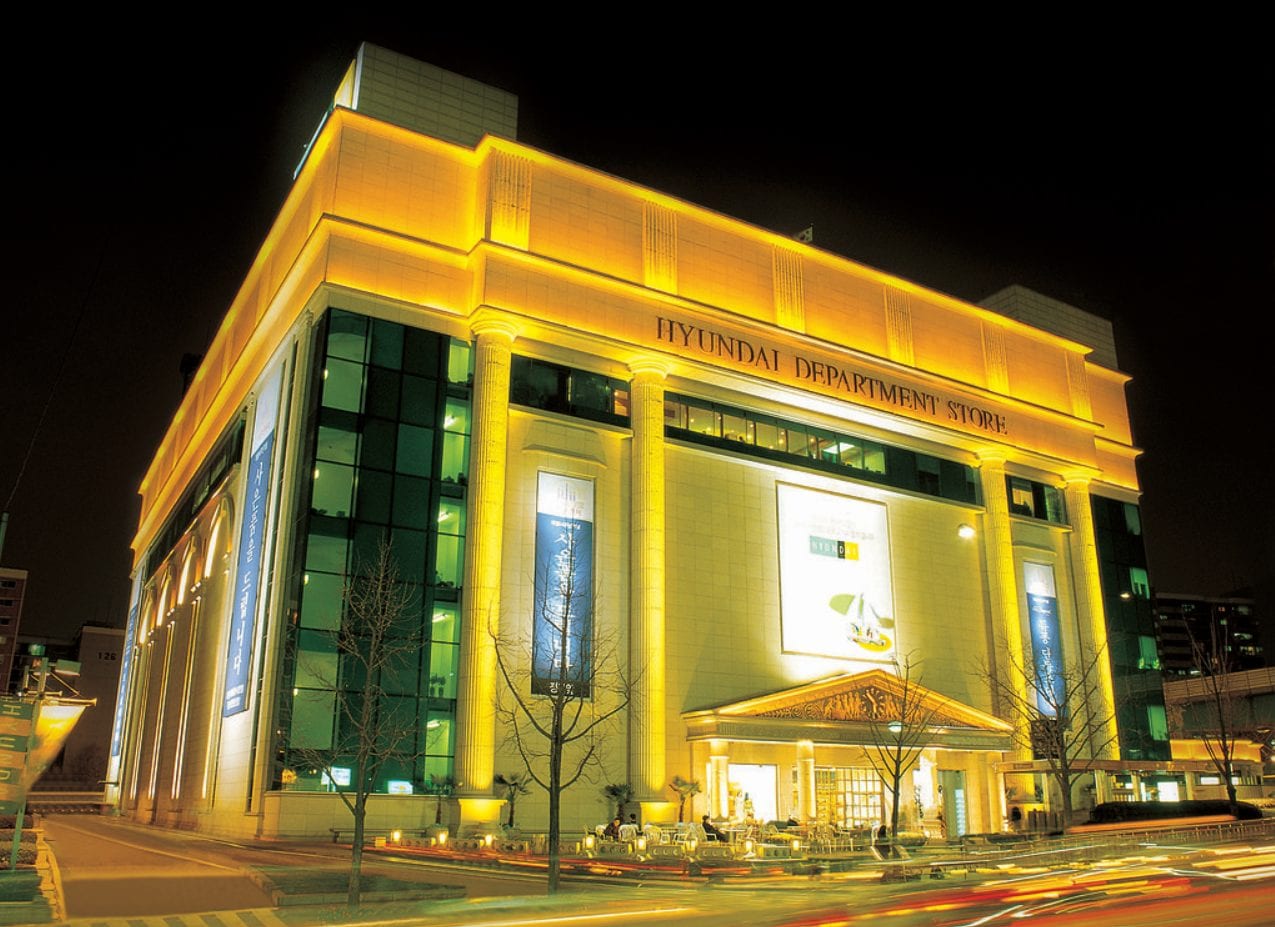
    Hyundai and Amazon plan to develop a “next-generation” retail model amid South Korean retailers’ push to adopt the latest technology to their online and offline platforms.

    Under the strategic collaboration agreement with Amazon Web Service (AWS) Korea signed on Friday, Hyundai Department Store Group said it will also establish a system to analyse customer activity and expand the partnership between its information technology arm and AWS, the US retail giant’s cloud-computing platform.

    Their joint research will focus on developing the Korean version of Amazon Go – the US e-commerce firm’s checkout-free offline mall – as well as using drones to deliver food and beverages, and applying artificial intelligence technology for automated concierge service, according to Hyundai.

    The Korean retailer’s aim is to implement Amazon’s cutting-edge technologies to its department store set to open in Yeouido, Seoul’s financial district, in 2020.

    “We will partner with Amazon to find a medium- and long-term roadmap to provide a new shopping experience to our customers,” a company official said.

    The deal was made as South Korean retailers are moving to secure competitiveness through the use of new technologies.

    Last Friday, E-Mart Everyday, another major South Korean retailer and Shinsegae’s supermarket-chain operator, opened a “cashier-less” store in Seoul where customers can pay via the firm’s mobile payment service app without going through a checkout counter.

    The 212sqm Gangnam store is expected to increase the company’s competitiveness in the market, allowing customers to use Shinsegae’s SSG Pay mobile payment system to make their purchases. It is the latest in a series of technological advances made by the company, including electronic price labeling and the use of robotic concierges and autonomous shopping carts.

    The new store will include a self-checkout counter as an alternative to using the app, and a cashier for age-verification sales of alcohol and tobacco products.
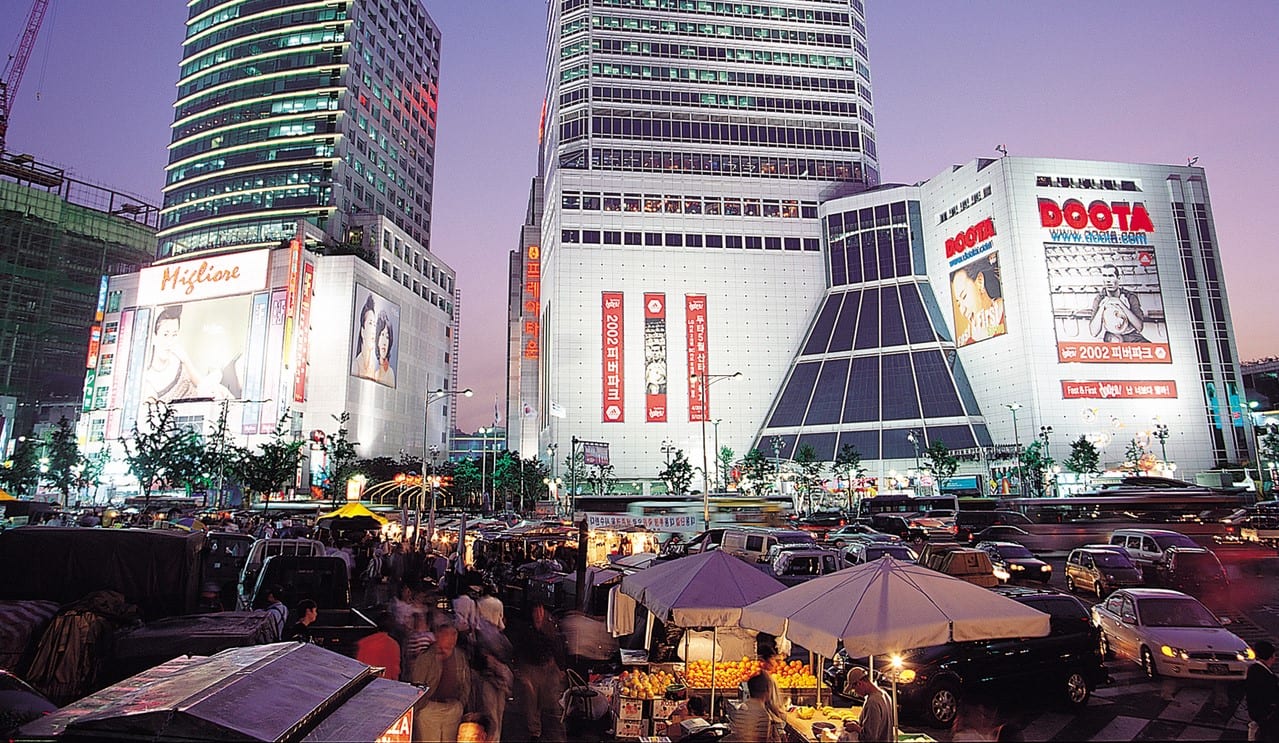
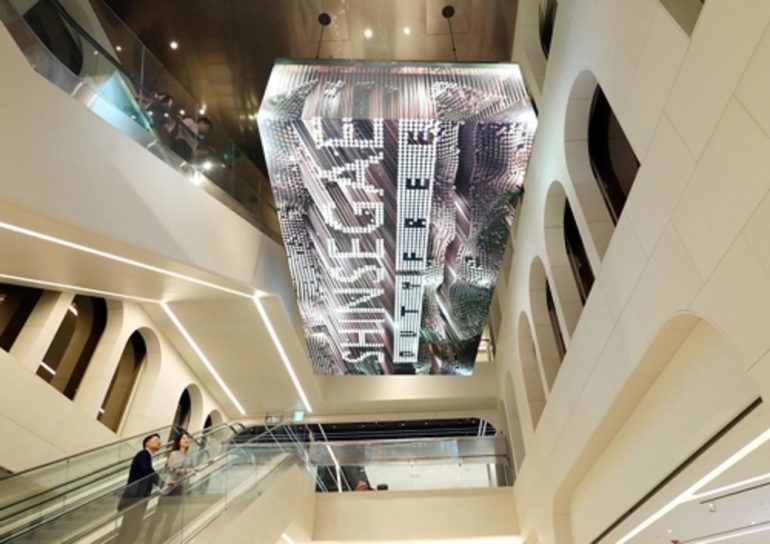
  • Evolution in Korean retailers commerce

    Evolution in Korean retailers commerce

    South Korean retailers are increasingly crossing boundaries between their commerce platforms from television to offline and online to attract more customers, market watchers said.

    Shinsegae TV Shopping Inc., the home shopping arm of retail giant Shinsegae, is set to open an offline shop for luxury goods sold through its program S-Style at the retailer’s mall in Paju, north of Seoul, on August 18.

    The 159-square-meter store will mark the first case for a television-based commerce firm to open an offline mall, according to Shinsegae.

    “We will provide a unique experience to our customers, freely crossing over the line between online and offline,” a company official said, adding the launch is aimed at communicating more closely with its customers.

    Shinsegae is not the only retailer moving to break boundaries between its platforms.

    Earlier onAugust 13, another major retailer, the Hyundai Home Shopping Network Co., opened an online mall named Hootd, gathering products from eight influencer brands. Their combined number of followers on social media amounts to 1.4 million, according to the company.

    Launching the new service, Hyundai said it will actively collaborate with Hyundai Department Store to regularly open pop-up stores and use its TV channel to further raise the influencer brands’ profile.

    Industry watchers say local retailers have been gradually expanding the collaboration of online and offline platforms to create synergy and make up for their respective shortcomings.

    “Despite efforts to overcome the limit of fully delivering product information, online platforms fall short of providing the same experience as offline malls,” said Kim Na-kyung a researcher at the LG Economic Research Institute.

    “Especially to meet the needs of consumers who wish to check products’ traits that cannot be explained in numbers, such as texture and color, offline channels can be an effective complement.”

  • Hyundai creates separate sound zones in cars

    Hyundai creates separate sound zones in cars

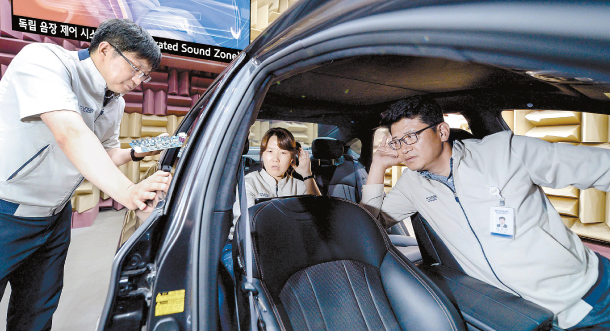
    Hyundai Motor has developed a sound system for vehicles in which passengers and the driver can hear different songs or make totally private phone calls.

    It is the first such system in the world, the carmaker announced Sunday, and will be offered in Hyundai Motor cars within a year or two.

    Korea’s largest carmaker calls the system a “separated sound zone” and unveiled it on its official website and on YouTube last Sunday.

    In the YouTube video, classical music plays in the front of the car where two parents are sitting, while pop music plays in the back for children.

    Separate sound zones are created by the artful placement of different speakers. There is also software that control the sound’s reflective wave and output level, the carmaker explained.

    Playing different types of music is the most basic thing the sound zones can do, according to the carmaker.

    A driver or passenger could have a private phone call as well. Calls on speaker are usually heard by all people in the car.

    With the system, passengers can enjoy individual choices of music while retaining the ability to converse among themselves, which isn’t possible if they are enjoying private music with earphones.

    Sounds that are necessary to the driver but that are disturbing to other passengers can be controlled too, such as audible directions from the navigation system or warning sounds from the driving assistance system.

    Music or direction guides that a driver is listening to won’t be heard by a sleeping child in the back seat.

    Hyundai Motor said it started developing the system in 2014 and is almost ready to install it in mass-produced cars.

    “This sound system will become necessary as the autonomous driving era nears and demands for entertainment inside a car evolve,” said Ih Kang-duck, a researcher in charge of developing the system.

  • Hyundai Motor union approves pay deal early

    Hyundai Motor union approves pay deal early

    Hyundai Motor’s labor union voted in favor of a modest wage increase late on Thursday, settling pay negotiations before their summer vacation in August for the first time in eight years.

    The speedy deal stands in stark contrast to last year, when a series of strikes and negotiations dragged on into early 2018.

    The challenging business environment for Hyundai Motor, including threat of auto tariffs from the United States and slow global sales, is expected to have influenced the result.

    Of the 42,046 union members, 63 percent voted in favor of the new wage plan on Thursday. The plan includes a monthly base pay raise of 45,000 won ($40.26), an incentive payment worth 250 percent of their ordinary monthly wage and a bonus of 2.8 million won.

    Last year, the union had asked for 154,000 won more a month in base pay, but workers received a 58,000 won raise. It had asked for a 300 percent incentive rate as well.

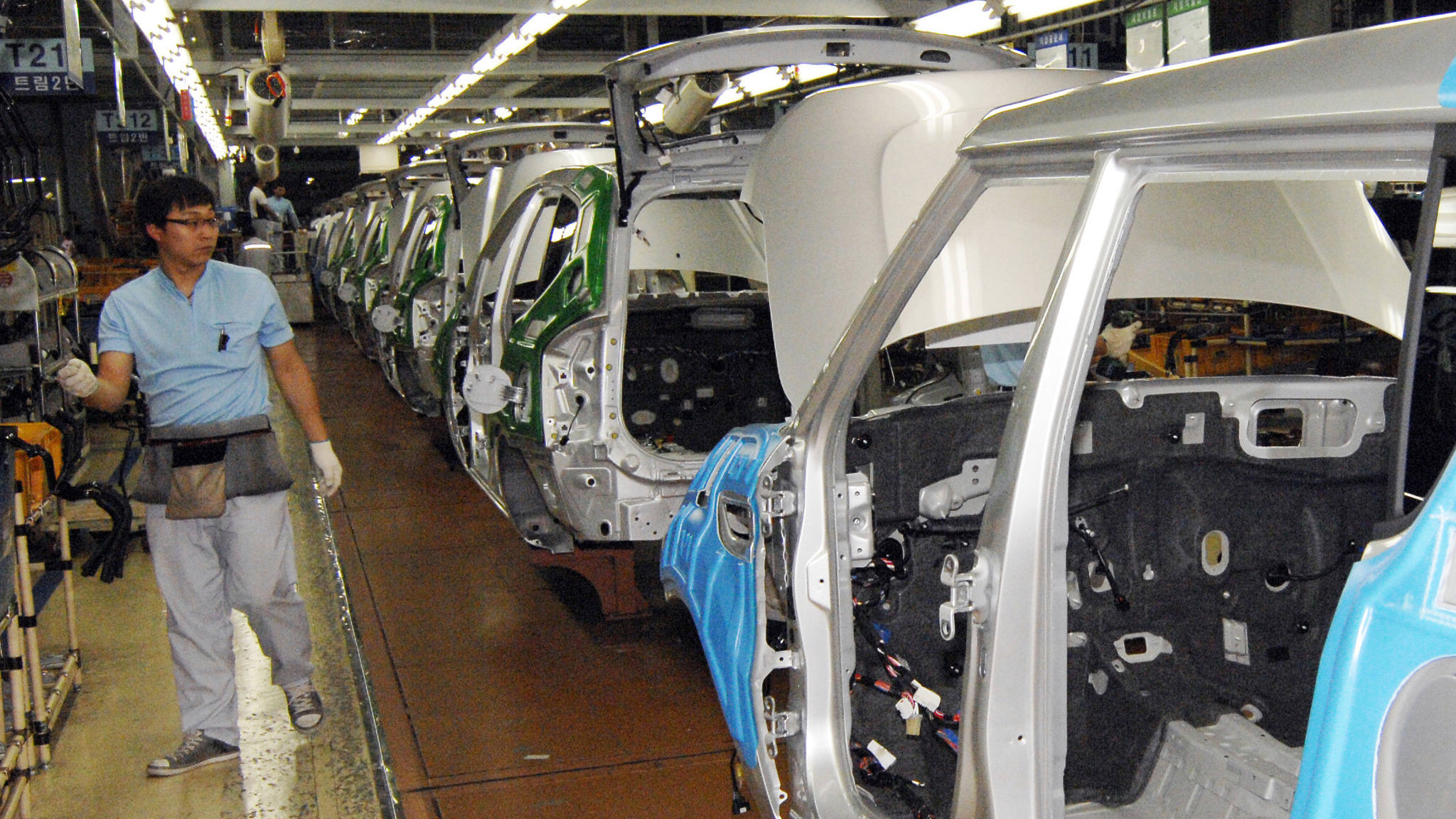
    The union on Thursday also approved a renewed two-shift working system, where day and night workers will work exactly eight hours without additional time. Previously, night-shift workers had to work about 20 minutes more than those on the day shift.

    Starting Jan. 7, 2019, each assembly line will be adjusted to produce 0.5 more cars per hour in order to compensate for the reduced working hours.

    Hyundai Motor’s labor union, which is affiliated with the umbrella Korea Metal Workers’ Union, is seen as one of the country’s most hard-line unions. Their fierce conflict with company management has faced criticism for not taking into account Hyundai’s business situations.

    Fellow workers gave the Hyundai union a cold shoulder because of the steep discrepancy in wage rates. Unionized workers at the Hyundai Motor labor union receive an average of 90 million won. Average office workers at small and medium-size companies receive an average of 30 million won per year and conglomerate office workers receive around 60 million won. Last year, the union staged 24 strikes, which disrupted the production of 76,900 cars and caused losses worth 1.62 trillion won to Hyundai Motor. In 2016, their strikes caused the company to lose 3.1 trillion won.

    This year, the union staged only 2 strikes, which disrupted the production of 11,487 cars, causing losses of just 250.2 billion won. These are the smallest losses since 2011, when there were no strikes at all.

    “This will be a stepping stone [for the union] to break through its social isolation and perception that it is the ‘royal union,’” said Ha Bu-young, the leader of Hyundai Motor’s union, in a statement on Thursday.

  • Hyundai, Kia hope to hit targets with SUVs

    Hyundai, Kia hope to hit targets with SUVs

    Hyundai Motor and affiliate Kia Motors said on Friday that they would achieve their sales target for the year by launching new sport utility vehicles in two major auto markets, the United States and Europe, in the second half.

    In separate biannual meetings with overseas sales executives, Hyundai and Kia discussed measures to achieve their sales target of a combined 7.55 million vehicles, up 4.1 percent from the 7.25 million they sold last year, Hyundai Motor Group said in a statement.

    In terms of major challenges in the second half, the company named interest rate increases in the United States, rising oil prices and an unfriendly business environment due to U.S. tariffs on imported vehicles.

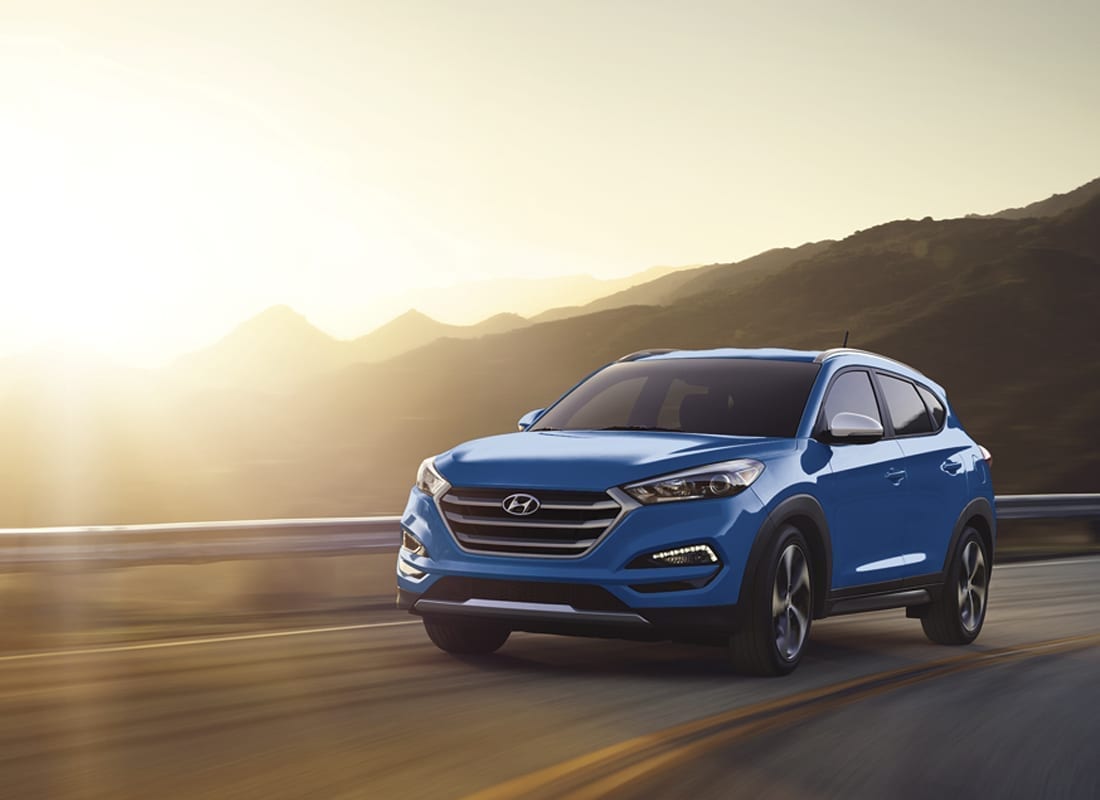
    To boost sales in the second half, Hyundai plans to launch a new Santa Fe and upgraded Tucson in the U.S. market in July and November. Kia will launch a Sorento facelift in June.

    The new Santa Fe is the most essential model in determining Hyundai’s annual earnings results this year. If it is well accepted in the United States, Hyundai will come up with strong financial figures at the end of the year, the company said.

    In Europe, Hyundai will gradually the Santa Fe, Tucson and Kona, and Kia will roll out the Sportage SUV. The company has recently set up a task force to attract female customers in Saudi Arabia after the country permitted women to drive cars.

  • Chelsea jerseys will soon bear Hyundai logo

    Chelsea jerseys will soon bear Hyundai logo

    Hyundai Motor signed a four-year contract with storied English Premier League club Chelsea FC to become its global automotive partner.

    Korea’s biggest automaker announced that it will sponsor the football team until 2022.

    Hyundai Motor’s logo will appear on the sleeves of the team’s new uniform and on the signboards at Chelsea’s home and away games. The automaker will also display its cars at Chelsea’s Stamford Bridge stadium.

    This is the first time Hyundai Motor has sponsored a British football team.

    “For 20 years, Hyundai has been bringing the dynamism, passion and excitement of football to fans around the world,” said Andreas-Christoph Hofmann, vice president of marketing product at Hyundai Motor. “We are thrilled to begin a new partnership with Chelsea, a successful and ambitious club that matches the global scale and challenging spirit of Hyundai.”

    Chelsea’s new uniform that features Hyundai Motor’s logo will debut on July 23, when the team will play against Perth Glory in Australia ahead of the 2018-19 Premier League season.

    Chelsea was founded in 1905 and has won six EPL seasons. It has also won the FA Cup eight times.

    The automotive company has been a FIFA Top Partner since 1999, and has been sponsoring the French football team Olympique Lyonnaise since 2012.

    As official FIFA partners, Hyundai Motor and Kia Motors have recently stepped up their marketing effort for the upcoming Russia World Cup.

    On May 31, Hyundai Motor delivered 530 Santa Fe, Tucson and Starex SUVs to the World Cup venues. Kia Motors sent 420 of its K9, Sorento, Sportage and C’eed models.

    Hyundai’s standalone Genesis luxury brand has sponsored the Genesis Championship, a men’s golf tournament for Korean players, since last year.

  • Hyundai Motor plans to join Gwangju-run factory

    Hyundai Motor plans to join Gwangju-run factory

    Hyundai Motor on Friday announced plans to join Gwangju’s city-owned automobile factory project, and the automaker’s labor union is putting up a fight over the plan’s potential effect on employees’ wages.

    Korea’s largest automaker said that it submitted a letter of intent to invest in the construction of the factory, along with other companies, in response to Gwangju’s request.

    “In regard to Gwangju’s business, which will be built inside the Bitgreen National Industrial Complex and aims to foster the local economy and jobs, [Hyundai Motor] proposed a consultation to review the business’ validity and investment possibility,” Hyundai Motor wrote in its letter of intent.

    The carmaker will not participate in the joint venture’s management and will only invest in a certain amount of the project. The workers will be employed by the city of Gwangju.

    The amount of production from the Gwangju plant will depend on the market demand for the car that Hyundai plans to produce there, according to the automaker.

    Gwangju’s auto factory project is slated to be completed by 2020. It is part of the city’s initiative to expand employment, though the salaries at the plant will be half of the Korean auto industry’s average. The plant will be the first automobile factory built in Korea since Renault Samsung Motors’ Busan factory in 1998.

    Hyundai Motor’s participation is likely to send a jolt to the labor market, as employees at the plant will receive an average of 40 million won ($37,233) in annual pay. This is less than half of the wages of unionized Hyundai Motor employees, which are estimated to be around 90 million won a year.

    Hyundai Motor’s labor union on Friday requested the carmaker withdraw the proposal, claiming that its participation in the project would cause a drop in the average wages of Hyundai Motor workers.

    It warned Hyundai Motor that it would stage a protest if the company doesn’t withdraw the letter of intent.

    “The Gwangju employment [project] will standardize full-time workers’ annual salary at around 40 million won,” the labor union said in a statement Friday. “The employees are neither contract workers nor full-time workers, but somewhere in the middle.”

    Although the city government would be employing the workers at the new factory, if Hyundai Motor becomes the biggest shareholder in the joint venture, the lower wages at the Gwangju factory could have an effect on the automaker’s unionized employees.

    Hyundai Motor’s unionized employees’ high wages have been a big headache for the carmaker, which is why the company hasn’t invested much in domestic plants recently and has been steering its capital toward its overseas manufacturing facilities.

    According to industry data, Hyundai Motor and Kia Motors’ Korean production fell to 44 percent of total production in 2017, compared to 73.3 percent in 2006.

    Gwangju’s new auto plant is likely to receive about 500 billion won in investment and will be able to produce about 100,000 cars a year. It will provide jobs to around 12,000 people through direct or indirect employment. Hyundai Motor’s stake in the new factory will likely stay below 20 percent.

    “The plant will not be operated by Hyundai Motor,” an official from the Gwangju city government said.

  • Hyundai, Kia jump ahead in the U.S. hybrid market

    Hyundai, Kia jump ahead in the U.S. hybrid market

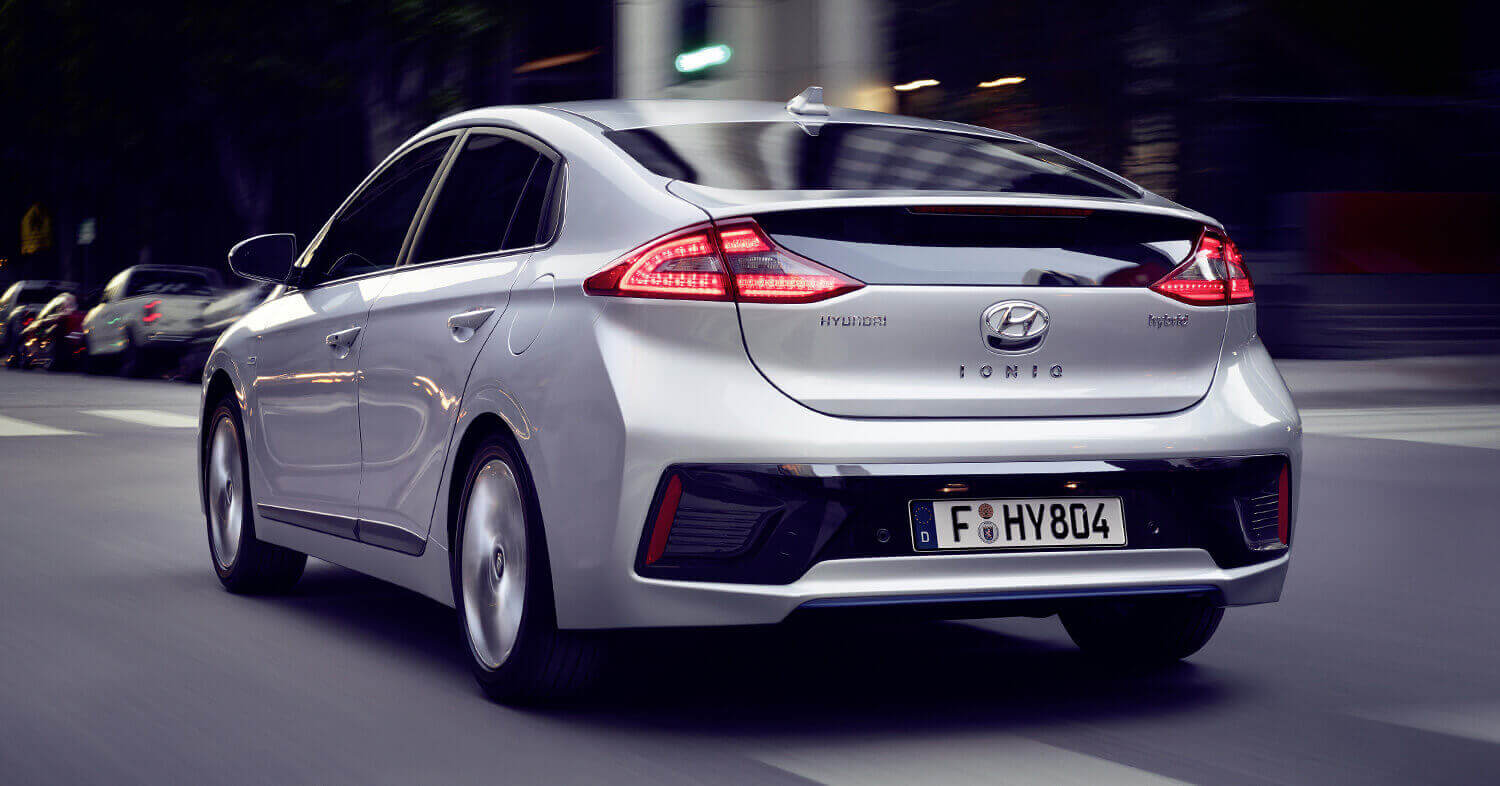
    Sales of hybrid vehicles made by Hyundai Motor and its affiliate Kia Motors in the United States rose 7 percent in the first four months of this year from a year earlier, industry data showed Sunday.

    The two Korean carmakers sold a combined 15,930 hybrid models in the January-April period, including 7,927 units of Kia’s Niro crossover and 4,836 units of Hyundai’s Ioniq, according to numbers released by hybridcars.com, a U.S. website.

    The robust sales of Hyundai Motor and Kia Motors came as total sales of hybrid vehicles in the U.S. fell 11.6 percent on-year to 100,456 units.

    Hyundai and Kia trailed Japanese auto giant Toyota and Ford in hybrid sales, which took the first and second places in terms of sales with 56,791 units and 19,583 units, respectively.

    The brisk sales of Hyundai Motor and Kia Motors boosted their combined market share in hybrid vehicles to 15.9 percent in the January-April period, compared with 7.5 percent for the whole of 2011.

  • Department store sales benefit from holidays

    Department store sales benefit from holidays

    Department-store sales in South Korea rose this month with several family-oriented holidays and special occasions, retail industry data shows.

    Children’s Day, which falls every May 5, a substitute day off and May 8 Parents’ Day all contributed to more consumption at department stores. Plus Buddha’s Birthday, which is a national holiday and falls on a Tuesday, created a four-day break for some workers.

    In the first 20 days of this month, sales at upper-end department stores like Hyundai, Lotte and Shinsegae all rose, with some reporting close to double-digit gains compared with the year before.

    Shinsegae says its sales shot up 9.9 per cent, compared to a 1.5 per cent contraction for May last year. Sales of men’s and women’s clothing rose 16.1 and 12.6 per cent respectively, while demand for sports products rose 12.6 per cent. It said demand for designer goods soared 26 per cent.

    Hyundai says it sold 6.1 per cent more goods, with Lotte trailing with a gain of 5.3 per cent.

    Discount store chain E-Mart says sales for April and May were down slightly with the demand for both fresh and processed food falling last month.

  • Korea department store sales benefit from holidays

    Korea department store sales benefit from holidays

    Department store sales rose this month on the strength of several family-oriented holidays and special occasions, retail industry data showed Tuesday.

    Numbers provided by major Korean retailers showed Children’s Day, which falls on May 5 every year, a substitute day off, and May 8 Parents’ Day all contributed to more consumption at department stores.

    In addition, Buddha’s Birthday, which is a national holiday that fell on Tuesday, created a long four-day break for some workers, giving them more time to spend.

    In the first 20 days of this month, sales at upper-end department stores like Shinsegae, Lotte and Hyundai all rose, with some reporting close to double-digit gains compared to the year before.

    Shinsegae said its sales shot up 9.9 percent on-year, which is an improvement on the 1.5 percent contraction reported for May 2017.

    The store said sales of men’s and women’s clothing rose 16.1 percent and 12.6 percent, respectively, while demand for sports products moved up 12.6 percent. It said demand for expensive designer goods soared 26 percent.

    The increase in sales was also reported by Hyundai and Lotte department stores during the same period. Hyundai said it sold 6.1 percent more goods, with Lotte trailing with a gain of 5.3 vis-a-vis the year before.

    Clothing, cosmetics, sports and imports generated growth for the stores with demand for consumer electronics and home fashion items contributing to the overall good showing.

    “Holidays and special occasions requiring gift buying played a part in better sales numbers this year,” a Lotte Department Store representative said.

    He said sales ahead of Children’s Day and Parents’ Day were good.

    On the other hand, less demand for fresh produce that make up a large part of hypermarket sales caused a drop in numbers for such retailers.

    Emart, the country’s largest discount store chain, said sales for April and May were off slightly compared with the year before. It said demand for both fresh and processed food fell last month and coming into May.

    The company said sales of TVs, refrigerators and washers did rise, although not enough to offset the dip in demand in other areas.

    This trend was repeated at Lotte Mart, which said sales were off 1.8 percent so far in May, affected in part by negative growth in fresh produce.

    An industry expert said sluggish economic conditions were having an effect, with department stores that tailor to the more wealthy less vulnerable than hypermarkets.

  • Hyundai Department Store offers high-tech make-up

    Hyundai Department Store offers high-tech make-up

    Hyundai Department Store’s online mall has launched an augmented reality (AR) service so its customers can virtually try on make-up products.

    It covers more than 20 products from eight beauty brands, including Benefit, Estee Lauder and Shu Uemura. Using an AR image of their face, customers can try on different colour variations. Hyundai says it plans to expand the number of brands to 20.

    “With the virtual make-up service, customers can simply choose items through our app,” says the retailer.

    On its website or app, cosmetics products offering the virtual service appear with a camera sticker on the product page. One click leads the user to the Makeup Plus app, which uses a live video feed to enable customers to see how the product would look on their face from different angles.

    The Makeup Plus virtual make-up app has been downloaded more than 200 million times since its launch in 2015. In Korea alone, the app is used by 500,000 people each month. It was developed by Chinese tech company Meitu.

    “Customers of online shopping malls want fun services and products rather than making a purchase 100 to 200 won cheaper,” says Hyundai Department Store’s e-commerce executive Lee Hee-jun. “We plan to use thehyundai.com to create new shopping experiences that combine offline retail and IT.”

  • Hyundai group under pressure from U.S. activist hedge fund with $1 billion stake

    Hyundai group under pressure from U.S. activist hedge fund with $1 billion stake

    A unit of U.S. activist hedge fund Elliott Management revealed on Wednesday that it holds more than $1 billion worth of shares in key affiliates of South Korea’s Hyundai Motor Group and called for more rapid reform of the auto giant’s governance.

    It is Elliott’s latest challenge to South Korea’s family-run conglomerates after it forced Samsung Electronics to increase shareholder returns in 2017, and comes amid a government campaign to boost investors’ power in a country where shareholder activism is rare.

    Elliott Advisors called for a “more detailed roadmap” as to how Hyundai Motor Group will “improve corporate governance, optimize balance sheets, and enhance capital returns” at Hyundai Mobis, Hyundai Motor and Kia Motors.

    The fund did not provide a breakdown of its stakes in Hyundai’s three affiliates but its over $1 billion worth of shares account for around 1.5 percent of the total market value of the three firms.

    Hyundai Mobis shares jumped as much as 6.1 percent to their highest since Jan. 25 in the wake of the announcement. Hyundai Motor rose 4.9 percent, its highest in three weeks, while Kia Motors gained 3.8 percent in morning trade in Seoul. Hyundai Glovis shares rose as much as 4.8 percent.

    “I see Elliott’s call as positive, as it should enhance shareholder value,” said Kim Sung-soo, a fund manager at LS Asset Management.

    “Elliott has declared war against Hyundai but it has not made detailed demands, so further discussions need to be seen.”

    Auto-to-steel giant Hyundai Motor Group announced a plan last week to streamline its complex ownership structure as it responds to calls from the government and investors for greater transparency and better governance at family-controlled conglomerates.

    But worries that the plan would benefit the parent group’s controlling family ahead of investors have hit the share prices of group companies such as parts supplier Hyundai Mobis.

    While Elliott said it was pleased that Hyundai Motor Group had taken a first step toward reform, it added in a statement that “more needs to be done to benefit the companies and stakeholders”.

    “Elliott looks forward to engaging with management and other stakeholders directly on these issues, and to offering recommendations regarding the proposed plan,” the hedge fund said.

    Hyundai Motor Group responded that it was “confident” its restructuring plan would enhance shareholder value, and promised to communicate with investors at home and abroad.

    Last year, South Korea’s new antitrust chief told Reuters he had been in talks with Hyundai Motor Group about unwinding its circular shareholdings, which critics say give too much power to the controlling family at the expense of shareholders.

    Under Hyundai’s plan, Hyundai Mobis is to spin off its domestic module and after-service parts businesses and merge them with logistics affiliate Hyundai Glovis, which is personally backed by Hyundai’s controlling Chung family.

    But some investors complained that Mobis could be giving away the most profitable part of its business too cheaply.

    The plan is yet to be approved by shareholders.

    After the merger, Group Chairman Chung Mong-koo and his son Chung Eui-sun, who is vice-chairman, will buy stakes in Mobis held by other affiliates Kia Motors, Glovis and Hyundai Steel .

    The group has not announced when the family members would buy the Mobis stakes.

    Elliott’s intervention is another headache for Hyundai, which is already struggling with slowing sales in China and the United States and Seoul’s diplomatic row with Beijing last year.

  • Hyundai’s union says revised trade deal with US ‘humiliating’

    Hyundai’s union says revised trade deal with US ‘humiliating’

    Hyundai Motor’s South Korean labor union on Tuesday called Seoul’s revised free trade deal with the United States “humiliating”, and said the extended tariffs on pick-up trucks mean a missed opportunity to tap into the US market.

    The United States and South Korea agreed to revise a trade pact sharply criticised by US President Donald Trump, Seoul said on Monday, with the nations agreeing to extend US tariffs on Korean pickup trucks by 20 years until 2041.

    “The union has called for domestic (South Korean) production of pickup trucks for the past several years,” the union said in a statement, adding it believes the US pickup truck market “represents the US market’s blue ocean and the future bread and butter of the South Korean auto industry”.

    Although no South Korean automakers currently export pickup trucks to the United States, Hyundai Motor had said last year it planned to launch a model there to catch up with a shift away from sedans.

    The government’s agreement to revise the US-Korea Free Trade Agreement’s auto industry section “is a humiliating negotiation that accepted Trump’s ‘strategy to preemptively block Korean pickup trucks’”, the union said.

    Hyundai was the worst performer among major automakers in the United States as of February, with its sales down 12 per cent year-on-year over the first two months of this year due to its heavy reliance on sedans and its aging SUV models. This compares to the market’s 0.8 per cent drop over the period.

    “Among potential offerings from (Korean) automakers in the US market, Hyundai Motor’s pickup truck is likely to be made locally (in the US),” Yoo Ji-woong, analyst at eBest Investment & Securities, wrote in a note on Tuesday.

    Hyundai Motor said on Monday it was “too early to elaborate on the details such as the estimated timing of the model release and production location”.

  • 3.1 Phillip Lim opens new stores in Seoul

    3.1 Phillip Lim opens new stores in Seoul

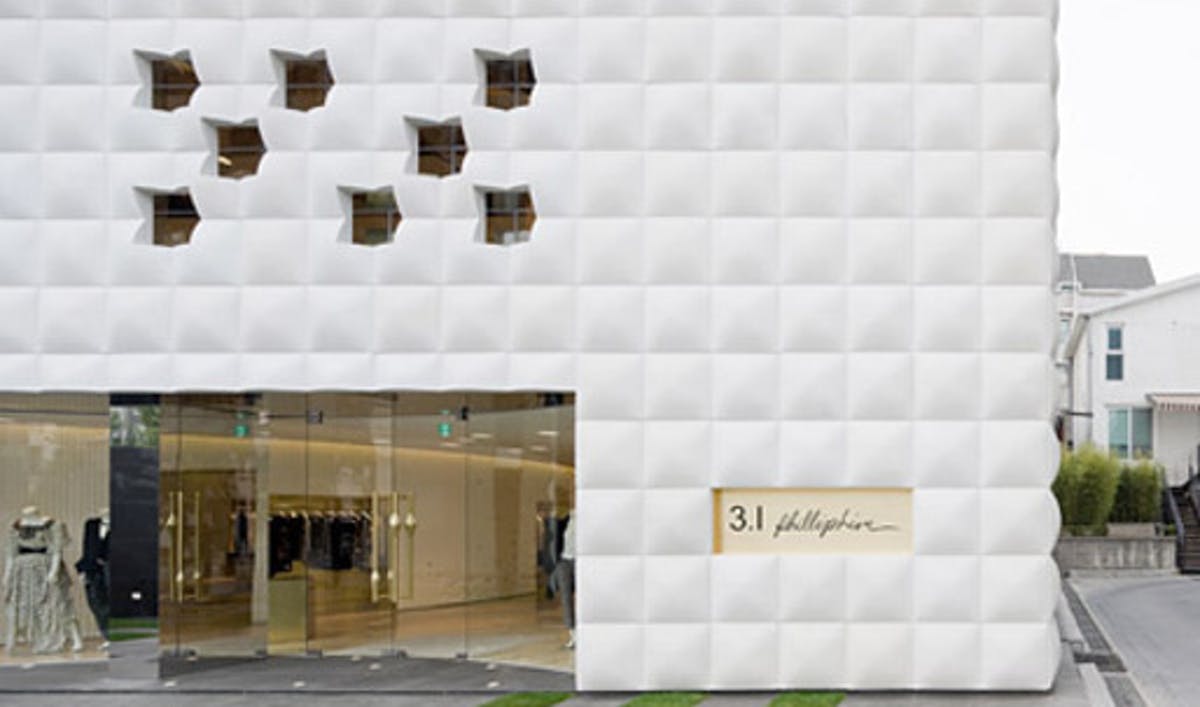
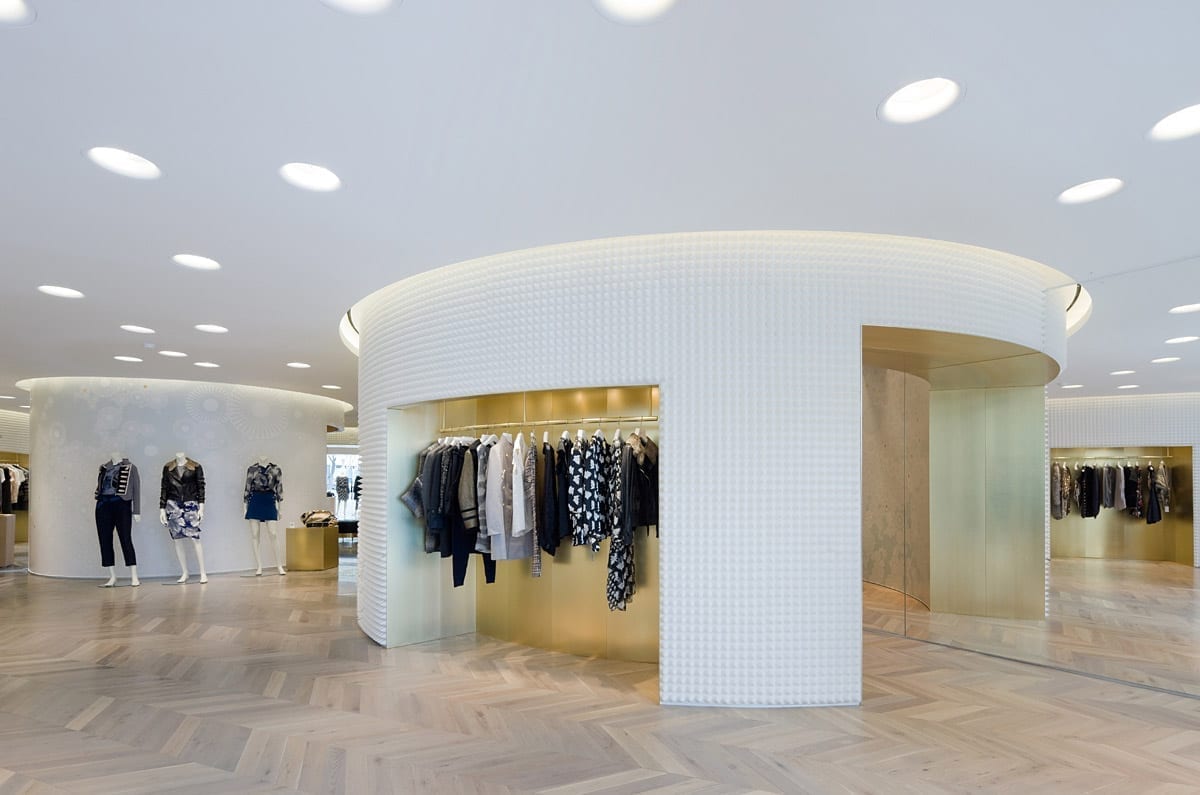
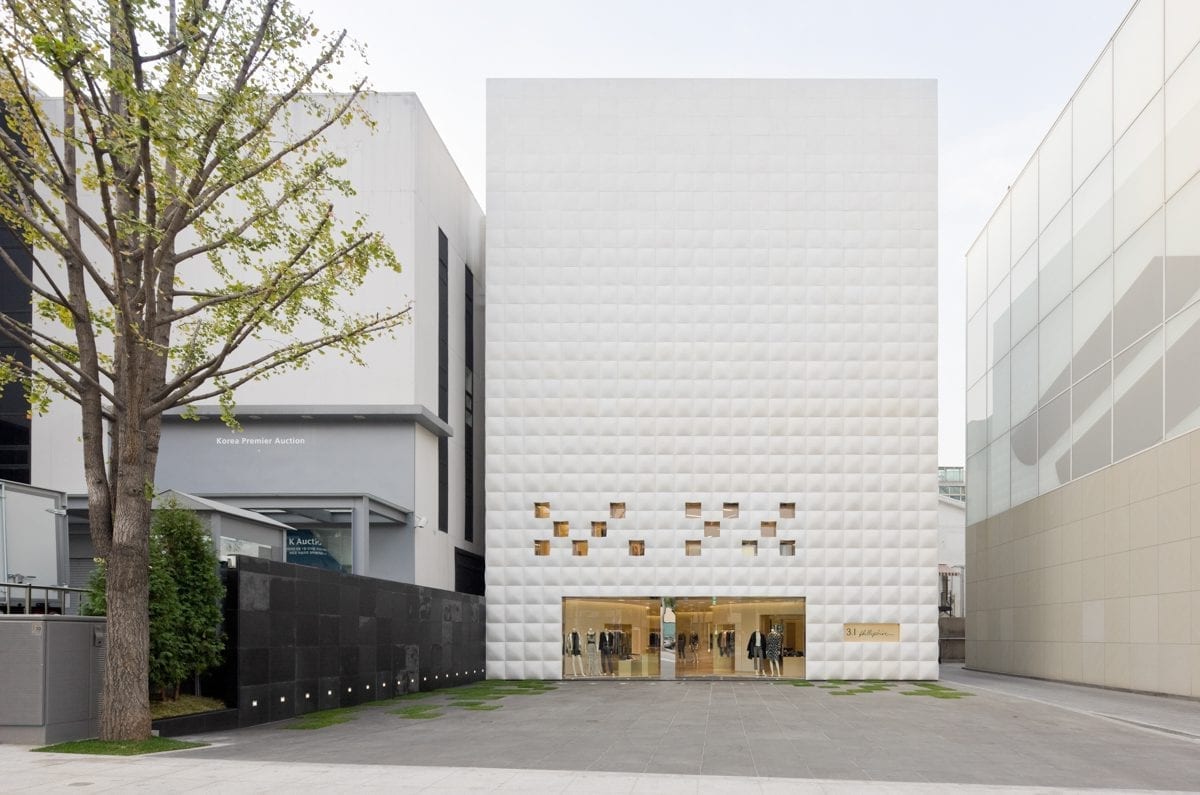
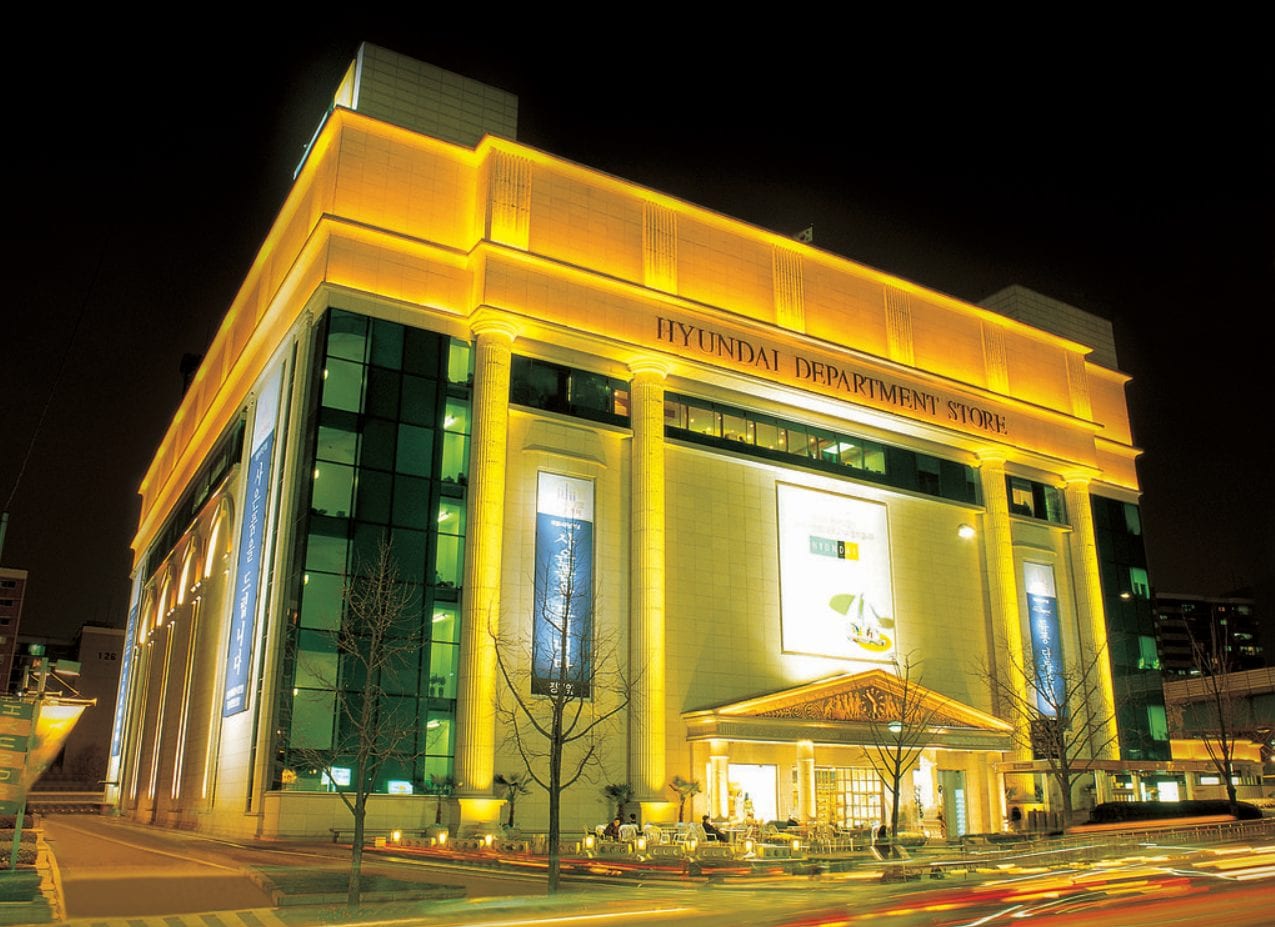
    US fashion brand 3.1 Phillip Lim is opening stores in Seoul via Handsome, the apparel unit of Hyundai Department Store.

    Handsome says 3.1 Phillip Lim men’s and women’s apparel, bags and accessories have just gone on sale at outlets in the luxury hall of Galleria Department Store in Apgujeong.

    Handsome, which has 27 global fashion brands in its portfolio, will expand 3.1 Phillip Lim distribution channels through Hyundai Department Store.

    Launched by Chinese-American designer Phillip Lim in 2005, the label opened its first brick-and-mortar branded store for Korea in Cheongdam-dong in 2009.

  • Hyundai hopes bigger, revamped Santa Fe SUV will reverse U.S. sales slump

    Hyundai hopes bigger, revamped Santa Fe SUV will reverse U.S. sales slump

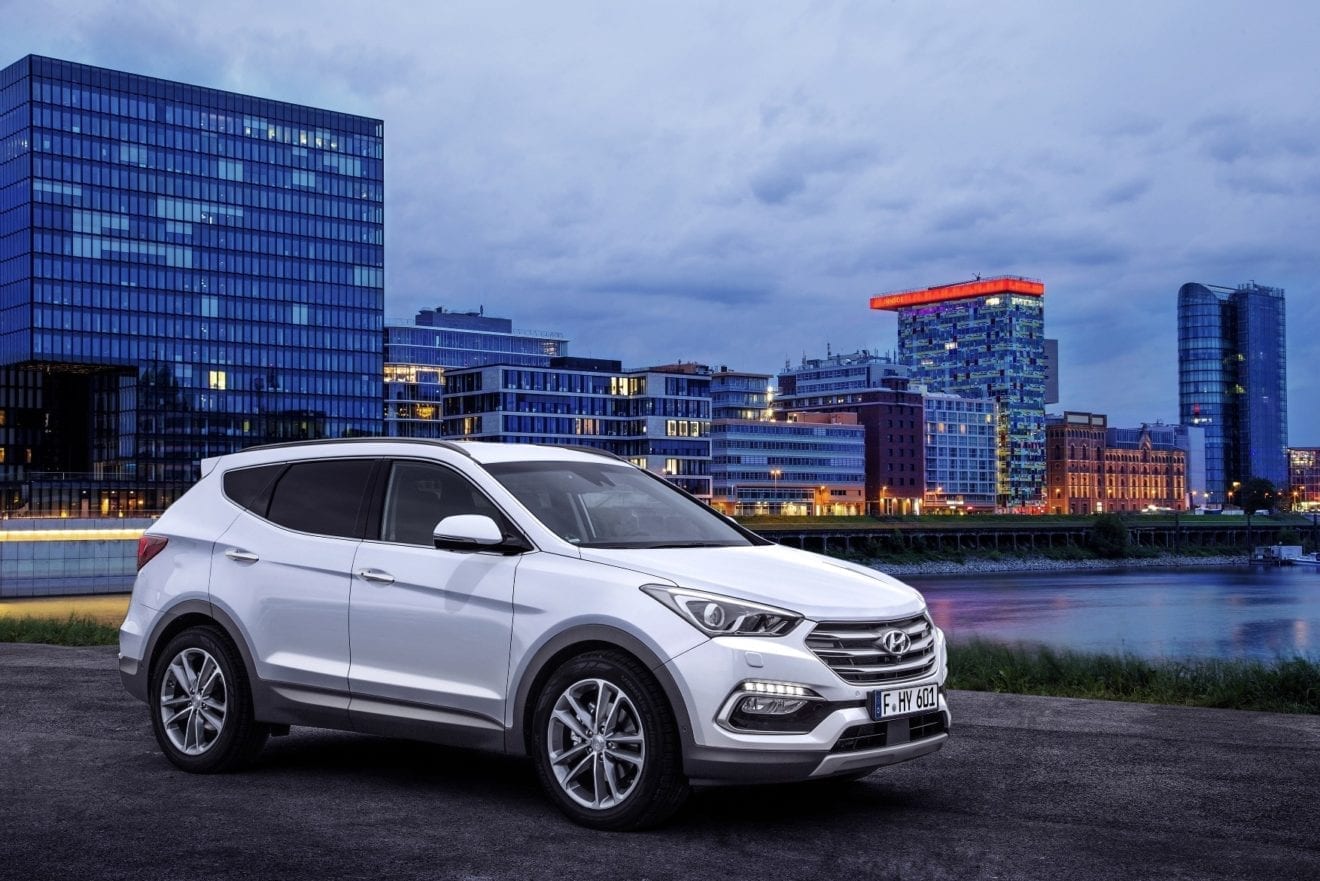
    Hyundai Motor unveiled on Tuesday a re-designed Santa Fe, hoping the first makeover of the sport utility vehicle (SUV) in six years will help rectify a sales slowdown at the South Korean automaker, especially in the key U.S. market.

    The revamped version of its top-selling SUV in the United States and South Korea features a longer, more voluminous body than its predecessor while boasting advanced safety features such as warnings on approaching objects from the rear when a car stops.

    The two-row, five-seater SUV was unveiled to South Korean media at a “preview” event, before its official launch in February in the home market.

    While Hyundai did not disclose other details, a source said the model comes with a 2.0-liter and a 2.2-liter diesel engine, a more fuel-efficient eight-speed transmission and semi-autonomous driving features used in its Genesis premium sedans.

    “The new Santa Fe will be a bread and butter model for us this year,” the Hyundai insider said on condition of anonymity since he is not authorized to speak to the media.

    “We have high hopes for the model,” he said. Hyundai Motor declined to comment.

    Hyundai Motor reported last week its worst annual earnings in seven years, battered by its delayed response to the burgeoning SUV market and a diplomatic row with China.

    A firmer local currency also adds to the woes of the automaker, as it is eating into its profits repatriated from overseas and hurts the price competitiveness of its exports in the United States and other markets.

    “The mission of the Santa Fe is to recover Hyundai’s U.S. market share. It carries a big burden on its shoulder,” said Ko Tae-bong, a senior auto analyst at Hi Investment & Securities. The U.S. sales of the aging Santa Fe slumped 25 percent last year even as U.S. industry SUV and truck sales rose 4 percent.

    The model, expected in the U.S. market in the third quarter of this year, will be also “key to recovering the utilization rate of Hyundai’s factory in Alabama”, Ko said.

    Hyundai’s U.S. sales fell 12 percent last year, making it the worst performer among automakers in that market, hit by the conservative design of the Sonata and the Elantra sedans and an absence of a broadbased SUV line-up.

    Hyundai, which has three SUV models – Kona, Tucson and Santa Fe – has said it would diversify its SUV line-up by launching a mini-SUV and a large SUV.