Tag: Hyundai

  • JHP designs the first Hyundai Duty Free store

    JHP designs the first Hyundai Duty Free store

    Hyundai Department Store has opened its first ever downtown duty free store on top of its flagship in Seoul, South Korea.

    The 14,250sqm outlet was designed by JHP after an international design competition to help them integrate the duty free shopping experience into the city. It offers three floors of shopping for a selection of international luxury brands across the beauty, fashion, F&B and technology industries.

    The unique store features rich natural finishes, textured surfaces and filtered light to integrate a sense of the excitement of Seoul into the store.

    Hyundai’s duty-free store is expecting to generate KRW670 billion (US$593 million) in sales revenue this year and more than KRW1 trillion ($885 million) in 2020.

  • New Sketch Shows Hyundai Venue’s Dual-Tone Dashboard

    New Sketch Shows Hyundai Venue’s Dual-Tone Dashboard

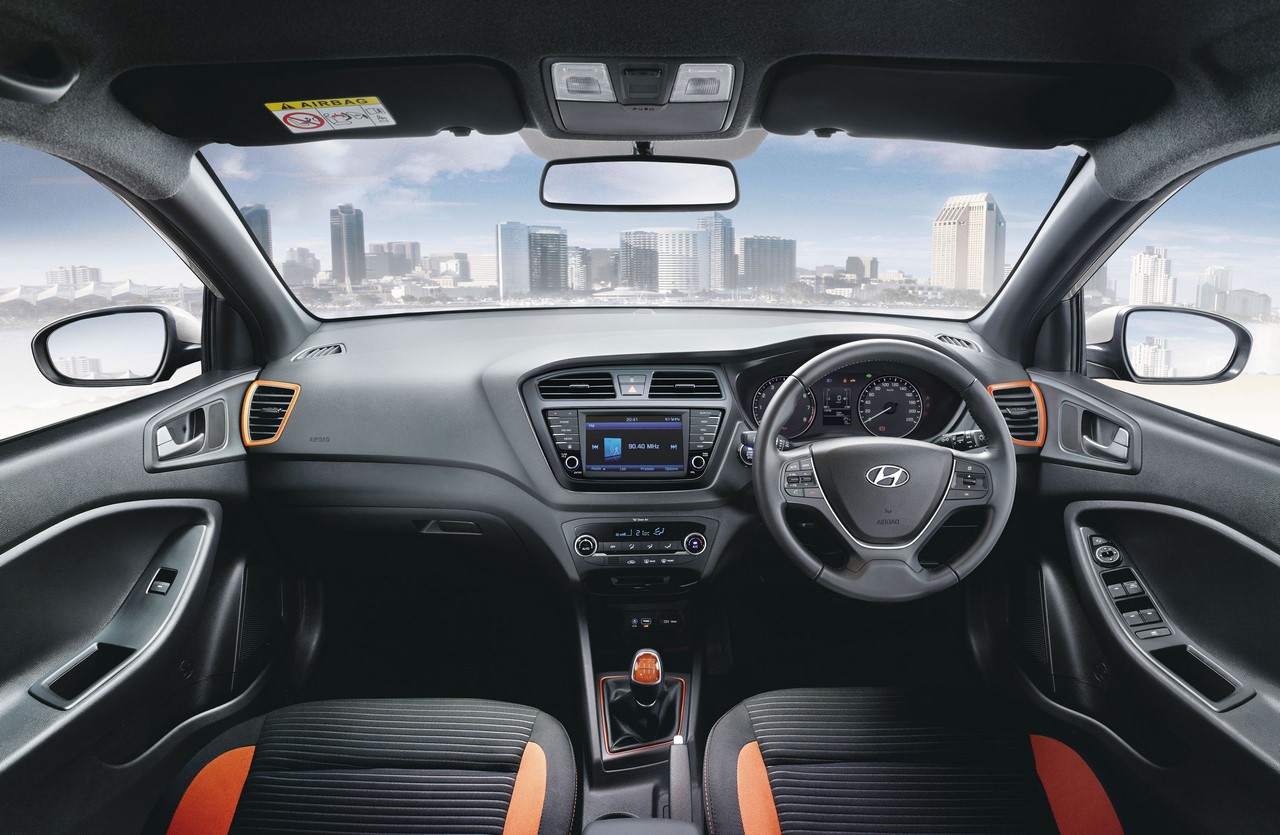
    Hyundai Motor India is all set to introduce the Venue Subcompact SUV later this year and the company is releasing details on the new offering ahead of its global unveil on April 17, 2019. While Hyundai released sketches of the exterior and interior a few days ago, the company has now posted a new sketch of the dashboard providing more details on the upcoming offering. The new Hyundai Venue will be offered with a dual-tone dashboard, while the sketch also showcases the large 8-inch touchscreen infotainment display with Android Auto and Apple CarPlay, along with an automatic transmission.

    The dual-tone treatment will also extend to the seats and the door panels, while rear AC vents are also likely. The big takeaway from the upcoming Hyundai Venue will be the Blue Link connectivity features that will be a first for the automaker in India. The system will come with a dedicated smartphone app and an eSIM from service provider Vodafone-Idea for in-car internet connectivity. The new connectivity system will have 10 India-only features with a total of 33 connectivity features including geo-fencing, speed alerts, SOS, panic notifications, destination sharing, and road-side assistance and so on.

    Poweron the Hyundai Venue will come from the 1.0-litre T-GDi Turbo petrol engine along with the 1.4-litre turbo diesel on offer. Transmission options will include a 6-speed manual and a 6-speed torque converter automatic, while there will also be the 7-speed dual-clutch automatic available as an option.

    The new Hyundai Venue is slated for launch on May 21, 2019 and will take on a host of offerings including the Maruti Suzuki Vitara Brezza, Ford EcoSport, Tata Nexon and the Mahindra XUV300. While the Vitara Brezza has been the sales benchmark in the segment, it will be interesting to see if the Venue will be able to attract similar volumes.

  • Upcoming Hyundai Venue Subcompact SUV Sketches Released

    Upcoming Hyundai Venue Subcompact SUV Sketches Released

    Hyundai Motor India has officially released the sketches of its upcoming Venue subcompact SUV which will make its India debut on 17 April, 2019 and will be launched in India on May 21, 2019. The Hyundai Venue will be the first connected SUV in India and will slot below the Hyundai Creta, taking on established rivals such as the Maruti Suzuki Vitara Brezza, Ford EcoSport, Tata Nexon and the Mahindra XUV300. The sketches give considerable insight into the overall interior and exterior design of the Hyundai Venue. The front end seems to be similar to the Hyundai Kona, with a massive embellished grille and slim LED headlamps. Of course, the fenders and the wheel arches look to be a little exaggerated. We believe the actual car will have cleaner, flatter lines and smaller wheels. The front bumper too looks muscular with housings for the fog lamps.

    The sketch of the rear section reveals a thick C-pillar design along with square-ish headlamps and a sculpted tailgate. The roof-rails will add that extra bit of SUV flair to the Venue’s overall looks. Coming to the interior, the Hyundai Venue will get two-tone interior along with features such as climate control, Apple CarPlay and possibly an automatic variant right from the launch.

    Hyundai Motor India Limited has pulled out all stops to ensure that the new and upcoming Hyundai Venue subcompact SUV will be India’s first ever connected car. The Hyundai Venue will get the company’s ‘BlueLink’ connected technology and it will have 10 India-only features with a total of 33 connectivity features. Some of the features that BlueLink will offer in India are geo-fencing, speed alerts, SOS, panic notifications, destination sharing, and road-side assistance and so on.

    Hyundai said that it has tested its BlueLink technology rigorously in India, keeping the conditions in mind along with the needs of the customers. This also includes voice guidance and recognition in Indian-accented English which means that the software will be able to recognise spoken English from different regions in India. The Hyundai Venue will also have remote-control operated functions such as climate control, horn and headlamps on, vehicle status, engine start/stop and so on. The best thing is that Hyundai BlueLink can use your smartphone interface as a remote control.

  • Jeep Compass Sport Plus Launched In India

    Jeep Compass Sport Plus Launched In India

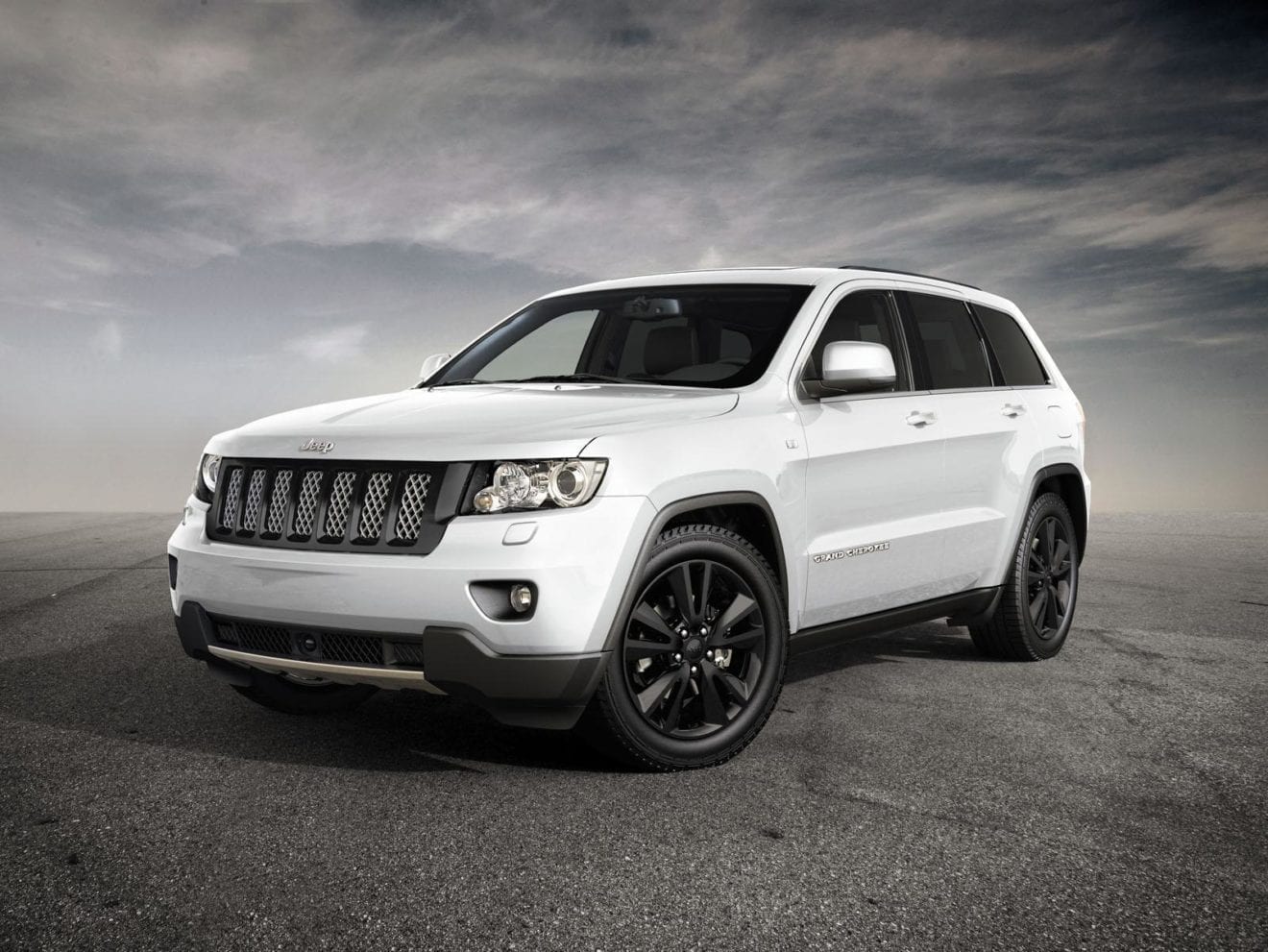
    The Tata Harrier has surely escalated the competition in the compact SUV segment and it has proved to be a strong product, especially at the price Tata Motors has launched it. The Jeep Compass is the obvious-first rival to the Harrier and the company has added a new Sport Plus variant to the range in a bid to compete against the Harrier. The Jeep Compass Sport Plus has been launched in India at ₹ 15.99 lakh for the petrol variant and ₹ 16.99 lakh for the diesel variant.

    The Sport Plus variant of the Compass has been positioned above the base Sport variant and is more feature-rich. The added exterior kit includes 16-inch alloy wheels finished in silver, black roof rails and rear parking sensors. The rear windscreen, pillars and window fringes are also finished in black. The cabin of the Jeep Compass Sport Plus trim will be equipped with a 5.0-inch touchscreen infotainment system and dual-zone climate control which the base trim doesn’t get. We would have liked Jeep to also include the power folding wing mirrors which makes maneuvering through tight spots easy. However, safety kits such as dual front airbags, ABS, ESC and traction control are standard throughout the range.

    Mechanically the Compass Sport Plus remains identical to the base variant. The diesel is powered by the same 2.0-litre, four-cylinder Multijet turbo motor which makes 172 bhp and 350 Nm of peak torque and is mated to a six-speed gearbox as standard. The petrol is the 1.4-litre, four-cylinder MultiAir Turbo motor which develops 161 bhp and 250 Nm of peak torque and is also offered with an automatic gearbox, while the six-speed manual is standard.

    Other than the Harrier, the Jeep Compass Sport Plus will compete with the W4 variant of the Mahindra XUV500 and SX variant of the Hyundai Creta.

  • Hyundai’s Virtual Cockpit Concept Gets Steering-Mounted Touchscreens

    Hyundai’s Virtual Cockpit Concept Gets Steering-Mounted Touchscreens

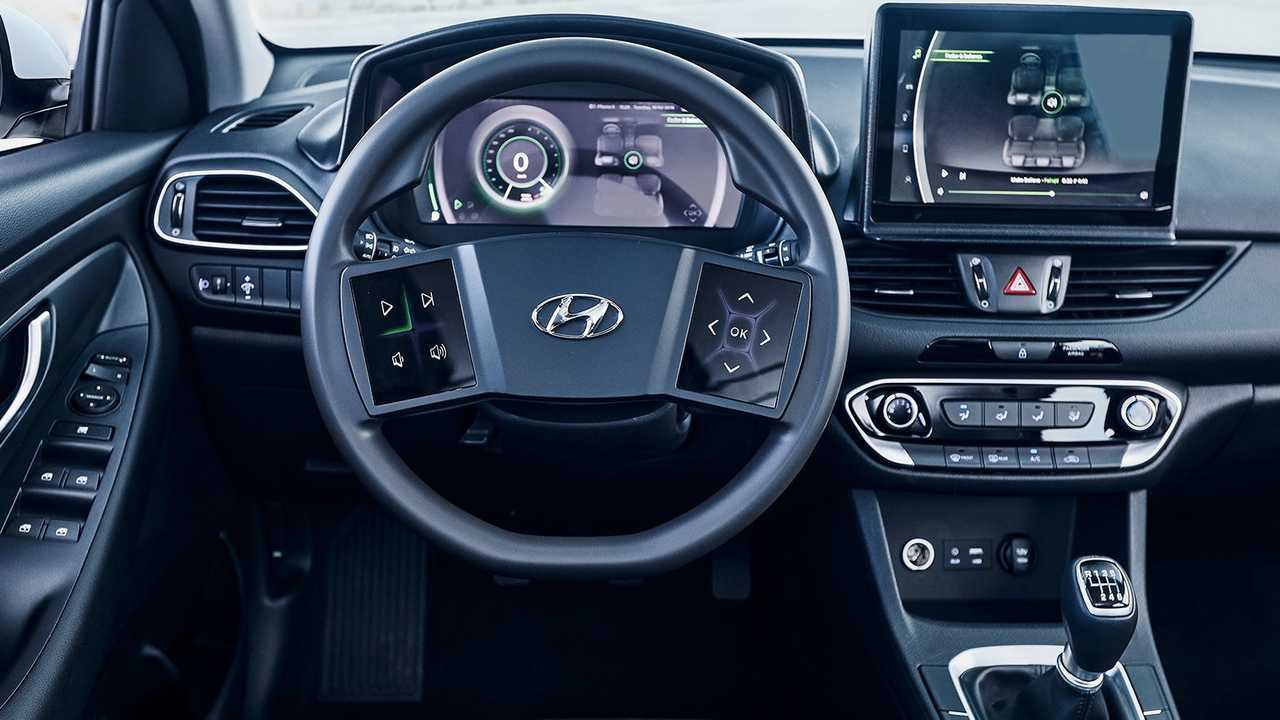
    The Hyundai i30 with the new virtual cockpit comes with a new steering wheel that comes with wide bridges one either side to house the two vertical displays. The touchscreen offers the driver controls to the music system, menu and mode change among others. In fact, the display even comes with a new, freely configurable icon design for easier understanding and two actuator modules underneath the surface allowing for a stronger and more consistent haptic feedback which optimises the usability for the driver. Hyundai focused on improving the existing concept of touch displays with haptic feedback on the steering wheel, similar to the centre display. The centre display can be used to control the car’s features like climate control, speaker setting and much more.

    As for the instrument cluster, it comes with a multi-layer display (MLD) that is claimed to come with a new, very natural way of attention control. Unlike regular displays, the MLD consists of two displays, which are stacked behind each other at a distance of 6mm that offer visual 3D effects – While one part of the graphic is shown on the front display and the other part on the rear display. In the area where the graphics overlap, the impression of an object in space is created. Regina Kaiser also said that “We are doing research on the learnability, intuition and potential driver distraction of the virtual cockpit.” In fact, the company study revealed that Hyundai’s new cockpit is significantly below the limits of the globally acknowledged motor vehicle safety associations AAM and NHTSA.

    Hyundai says that to date, the company’s steering wheels and cockpits have undergone a major development process and the technology continues to evolve. “We are continuously working on new technologies that make our cars perfectly intuitive and user-friendly”, said Regina Kaiser. While the cockpit is still in the early prototype stage, the company says that it’s nonetheless an important milestone and fairly advanced compared to the existing technology, parts of which we’ll be seeing in some of the future models from Hyundai.

  • Hyundai Venue Subcompact SUV Launch Date Revealed

    Hyundai Venue Subcompact SUV Launch Date Revealed

    Hyundai has been teasing its new subcompact SUV – the Venue for quite some time now and we’ve even got details about the company testing the car around the country. While we already know, that the car will be revealed in India on April 17, 2019, coinciding with its public reveal at the 2019 New York Motor Show, we now have details on when the car will be launched in the country. Hyundai will launch the Venue subcompact SUV in India on May 21, 2019. The Venue will be the company’s first subcompact SUV in India and will rival the likes of the Maruti Suzuki Vitara Brezza, Tata Nexon, Ford EcoSport and even the Mahindra XUV300. While Hyundai’s entry into the subcompact SUV segment is delayed, the company is going to pack the Venue with a ton of features making it India’s first connected car.

    The Hyundai Venue will get the company’s ‘BlueLink’ connected technology and it will have 10 India-only features with a total of 33 connectivity features. Some of the features that BlueLink will offer in India are geo-fencing, speed alerts, SOS, panic notifications, destination sharing, and road-side assistance and so on. Hyundai said that it has tested its BlueLink technology rigorously in India, keeping the conditions in mind along with the needs of the customers. This also includes voice guidance and recognition in Indian-accented English which means that the software will be able to recognise spoken English from different regions in India. The Hyundai Venue will also have remote-control operated functions such as climate control, horn and headlamps on, vehicle status, engine start/stop and so on. The best thing is that Hyundai BlueLink can use your smartphone interface as a remote control.

    Hyundai BlueLink will also have a tamper-proof eSIM which will be provided by Vodafone Idea and a cloud based voice recognition platform from Global AI Company, which will offer real time traffic navigation and live local search as well. Features such as panic and medical assistance, geo-fencing and stolen vehicle notification will sit well with customers in India.

    The company has not yet revealed the engines that it will offer, but we have gotten a glimpse of what the front end of the car would look like. The leaked images revealed the upright stance of the Hyundai Venue, while the rear gets a massive ‘H’ badge in the centre with the ‘Venue’ moniker, and the very Polo-esque squared-off taillights along the lines of the Carlino concept. The tailgate also carries the ‘Turbo’ badge and ‘SX’, the latter denoting the range-topping variant.

    Under the hood, the new Hyundai Venue will be available with a 1.4-litre petrol and 1.4-litre diesel engine options. The turbo badge that was on the tailgate holds special importance, which nearly confirms the a 1.0-litre turbocharged petrol engine for the SUV, and will come paired with a 7-speed dual-clutch automatic transmission.

  • Hyundai Venue Subcompact SUV India Debut

    Hyundai Venue Subcompact SUV India Debut

    Hyundai India will be entering the subcompact SUV segment later this year with an all-new offering. The company recently confirmed that the new model will be called the Hyundai Venue upon launch, carandbike can now confirm that the new SUV will be unveiled on April 17, 2019. The Venue is a Maruti Suzuki Vitara Brezza, Ford EcoSport and the Mahindra XUV300 rival, and will be positioned below the Hyundai Creta in the automaker’s line-up. Interestingly, the India unveil coincides with the world debut that is slated to take place at the New York Auto Show. The Venue nameplate is also what the subcompact SUV will be called globally, and not Styx as it was previously perceived.

    Hyundai says the Venue subcompact SUV will come loaded with features because the big USP of this car to stay connected with the rest of the world. The Korean giant is generous with its vehicles on the feature front and we do expect to see some segment first tech including wireless charging and possibly ventilated seats too. The car was also spotted on a number of occasions recently, revealing what to expect on the design front.

    The boxy proportions of the test mule promise a small yet imposing design on the Hyundai Venue, and will come with an upright cascading grille, along with led daytime running lights that are positioned above the headlamp assembly. The fog lamp housing is rectangular and the car gets dual-tone alloy wheels that lend a nice stance.

    Expect to see wide wheel arches, lower body cladding and large glasshouse area, with the latter bringing more light into the cabin. Under the hood, the Hyundai Venue is expected to be offered with 1.2-litre and a 1.5-litre petrol and diesel engines. Transmission options will include a manual, while an automatic is also likely.

  • Hyundai Cars Will Now Be Available On Subscription Basis

    Hyundai Cars Will Now Be Available On Subscription Basis

    Hyundai Motor India and self-drive car rental service provider- Revv have tied up to provide Hyundai cars on a subscription basis. On subscription, the customers could opt for a flexible ownership plan which includes both, short term and long term. The customers will also be able to swap cars across Hyundai range and can easily avail it without any down payment. The company will also not charge any amount for insurance or maintenance from the customer who has subscribed for the short term. Hyundai is also assuring new cars to customers who opt for one-year subscription or more.

    Commenting on the announcement SJ Ha, Senior Director, Sales & Marketing, Hyundai Motor India Ltd, “We are extremely excited about the Indian mobility landscape currently and foresee great prospects. This strategic alliance will provide a unique opportunity for today’s millennial customers to experience Hyundai’s diverse product offerings that blend with their personality. With our deep understanding of Indian consumers and progressive tech-driven mobility solutions, we aim to forge a new market for the New Age Indians.”

    The subscription-based car leasing service has been started as a pilot project. Hyundai and Revv have launched the service only in six cities initially- Delhi-NCR, Mumbai, Pune, Kolkata, Bengaluru and Hyderabad and haven’t mentioned anything about the expansion plan yet. The project will start in Q1 2019.

  • Hyundai Develops Smartphone Based Digital Key

    Hyundai Develops Smartphone Based Digital Key

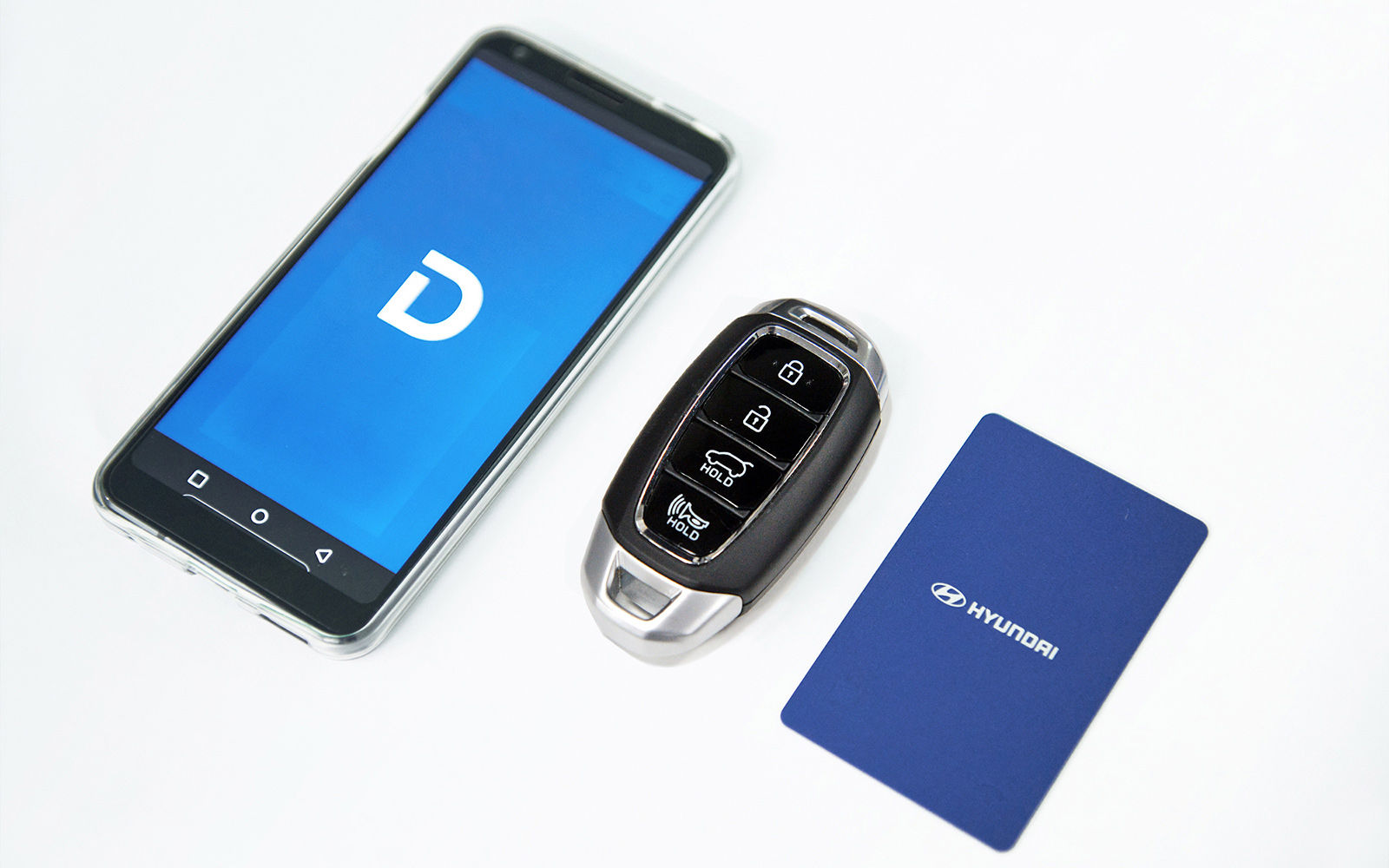
    Hyundai Motor Group announced the development of a Digital Key, which allows users to unlock and start a vehicle via their smartphone. Replacing a traditional physical key, the new Digital Key can be downloaded via an app and can be used by up to four authorised people. The Digital Key can be downloaded via a cell phone application and Near Field Communication (NFC) technology detects the presence of an authorized Digital Key-enabled cellphone in close proximity to the vehicle door. NFC is a form of Radio Frequency Identification (RFID), which boasts a high level of security. The NFC wireless data communication takes place only when the device and the reader are placed several centimetres apart.

    The NFC antenna for entry identification is located in the handles of the driver and front passenger’s doors, whilst one for starting the engine is located within the wireless charging pad. After unlocking the vehicle, the user can start the engine by placing the smartphone on the wireless charging pad in the centre console and pressing an engine Start/Stop button on the dashboard.

    The user’s preferred vehicle settings are stored in the vehicle. When the key is recognized those settings are adjusted automatically – including the position of mirrors, seats and the steering wheel, as well as controls for the audio, video and navigation (AVN) systems and head-up display.Hyundai’s Digital Key can be used to control selected vehicle systems remotely via their smartphone. Using Bluetooth Low Energy (BLE) communication, users can lock and unlock the vehicle, activate the alarm and start the engine. In addition, once the vehicles with autonomous parking features are commercialized, such features are also expected to be remotely controlled.

    The level of access to different vehicle functions can be tailored to each user, for a defined period. The vehicle owner can pre-set the duration of vehicle use or limit the use to only certain features when renting the vehicle. For instance, it can even be used to enable a courier to open the trunk to deliver a parcel.

    For cases such as using a valet service or visiting a repair shop, where handing over a digital key is not feasible, conventional smart key and card type key are also provided. Hyundai Motor Group aims to gradually implement the technology in its new production vehicles, starting later this year.

  • Hyundai Korea’s employees to be more casual at office

    Hyundai Korea’s employees to be more casual at office

    Jeans and T-shirts will be allowed at Hyundai Motor offices from March 4 as the auto group’s heir apparent Chung Eui-sun looks for new ways to give the automaker a younger, trendier feel. On Monday morning, Hyundai Motor employees at its headquarters in southern Seoul were told that they are free to dress however they want from next month. Unlike a no-tie day, Hyundai’s new dress code didn’t include any special rules or guidelines.

    The free dress code applies to all Hyundai office workers, according to the company spokesperson, but not for workers at production facilities due to safety issues.

    While some time will be needed for Hyundai employees, who are much more familiar with formal suits, to get used to their new fashion freedom, industry sources say the move is likely to spread to Hyundai affiliates soon.

    Hyundai has long been considered one of most conservative Korean companies, as with most other companies in the traditional manufacturing sector like shipbuilding and steel. However, the automaker has been trying to rebrand itself as a mobility technology company given the growing importance of digital technology in the auto industry.

    Hyundai Motor Group Executive Vice Chairman Chung Eui-sun stressed in his New Year’s message that he will ramp up investment in the sharing economy, artificial intelligence and smart mobility to keep up with the radical paradigm shift.

    LG also started to shift its dress culture earlier last year. LG Electronics and LG Corp. adopted free dress codes from September.

  • Hyundai Motor raided as defect cover-up investigated

    Hyundai Motor raided as defect cover-up investigated

    Prosecutors raided the main office of Hyundai Motor and its smaller affiliate Kia Motors on Wednesday as part of a probe into allegations that the company tried to conceal defects in some of its vehicle lineups. The Seoul Central District Prosecutors’ Office sent its investigators to search the quality division at the headquarters of the automaker to collect evidence.

  • Hyundai may promote its Nexo with bottled water

    Hyundai may promote its Nexo with bottled water

    Hyundai Motor is considering releasing a range of bottled water inspired by its hydrogen fuel-cell vehicle Nexo, the company confirmed Monday. The automaker is hoping to use the Nexo-branded water to market its Nexo sport-utility vehicle (SUV) as pure and eco-friendly, like water. The unusual approach of using water to promote the car’s eco-friendly aspect is thought to be an industry first.

    Hyundai will be partnering with local convenience store chain CU. The date of the water’s debut has yet to be fixed, according to a press officer from Hyundai, rejecting claims by some media outlets that the launch could be as early as next month. The company also said mass production of the bottled water has not yet begun.

    When asked whether the water will be produced using any of the technology that goes into making a fuel-cell vehicle – water is a byproduct of a hydrogen fuel-cell vehicle – the press officer said, “the product will be like general drinking water used for marketing rather than a medium to show our car technologies.”

    The marketing scheme comes as Hyundai Motor Group is increasing its focus on hydrogen energy as its future growth engine.

    Just last month, Hyundai Motor Group Executive Vice Chairman Chung Eui-sun was appointed co-chair of the Hydrogen Council, a group of business leaders that promote hydrogen energy. On appointment, he highlighted the potential of a hydrogen energy-based economy where hydrogen energy would meet 18 percent of the total global energy demand and create millions of jobs by 2050.

    Hydrogen fuel-cell cars are powered by electricity generated through a chemical reaction between hydrogen and oxygen. It is often labeled as the ultimate eco-friendly car because its only byproduct is water, which is environmentally friendly. However, there are still some technological hurdles to make it the most common car on the roads, including high prices.

  • Hyundai to focus on customization

    Hyundai to focus on customization

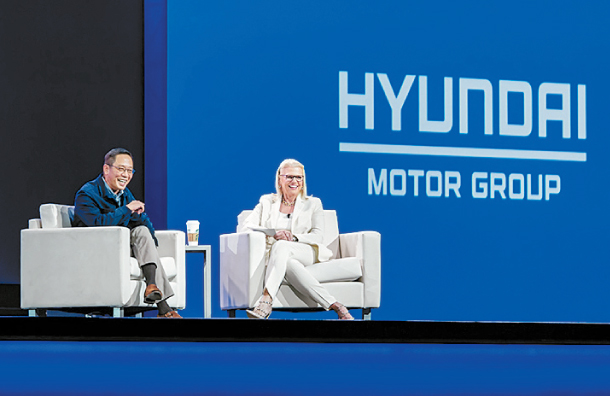
    The chief of Hyundai Motor’s financial affiliates outlined the units’ digital strategy and future vision at IBM’s largest annual conference that ran through Friday in San Francisco. Chung Tae-yong, who heads Hyundai Card, Hyundai Capital and Hyundai Commercial, said that finely-tuning customization will take center stage in Hyundai’s approach to serving financial services’ clients.

    “The existing concept of market customization is irrelevant to the current business environment,” said the CEO, whose English name is Ted Chung, during a session with Ginni Rometty, CEO of IBM.

    “Customization should not be based on widely-held assumptions, like young people might love zombie movies or older people won’t listen to hip-hop music,” Chung said, “If one likes candy, that is just it.”

    He went on to note that Hyundai Card holds a wide range of information that points to clients’ daily lives, preferences and hobbies and that the new services under development will be tailored using that data.

    Chung also cited Buddy, an AI-based chatbot for customer service using machine learning technology from IBM’s Watson.

    “It’s almost impossible to fully understand or memorize the benefits, limits, or conditions of a finance product,” he said.

    “So we introduced IBM Watson and it became a very powerful tool to help our employees and helped us to lower our employee turnover rate to less than 10 percent.”

  • South Korea’s Hyundai bet big on hydrogen technology

    South Korea’s Hyundai bet big on hydrogen technology

    South Korea’s largest carmaker Hyundai Motor is hoping to revive its flagging fortunes by building more hydrogen-powered cars, as part of the country’s bid to become a leader in hydrogen technology by 2040. Last October in the United States, the company launched Nexo, an SUV that goes 609km on a single charge, has no battery, and puts out nothing but water vapour from its exhaust. And in December, it announced it would spend US$6.7 billion from now till 2030 on hydrogen technology.

    But its commitment to hydrogen fuel cell-powered cars is confounding some experts even though they agree the carmaker, the fifth-largest in the world by sales but struggling in the Chinese and American markets, needs to keep innovating.

    Namuh Rhee, former managing director of Merrill Lynch and now a professor at Yonsei University in Seoul, said the focus on hydrogen cars was “questionable” because of the huge costs involved, while “virtually all other global car makers” had made big plans to produce battery-powered electric vehicles (EVs). The country also has a shortage of refilling stations for hydrogen vehicles in comparison to the growing number of charging stations for EVs.

    Figures in the car industry, such as Tesla CEO Elon Musk, had previously called hydrogen cars “mind-bogglingly stupid”, pointing out that developers were looking too far ahead at untested technology, even though the battery-powered solution to cleaner vehicles already existed.

    Hyundai’s plan, though, is aligned with President Moon Jae-in’s strategy to boost the local hydrogen economy. In a speech on January 17, he noted that a major part of the plan would involve ramping up the production of hydrogen fuel cell electric vehicles, which currently trail battery-powered electric vehicles in popularity.

    Moon promised laws would be modified to allow hydrogen production to thrive, while there would be subsidies to encourage demand for hydrogen-powered vehicles.

    He said the country had produced 1,824 hydrogen cars as of end-2018, with more than half being exported. This year, the number would rise to 4,000, with a goal of 1.8 million cars by 2030.

    The advantages of domestic hydrogen production and distribution, he said, was that it would ease South Korea’s heavy dependence on energy imports – which currently provide 95 per cent of the country’s energy needs.

    “If the country is able to be relatively energy self-sufficient through the hydrogen economy, it will be possible to steer our economic growth more [in a more stable way] and safeguard our energy security more steadfastly,” he said.

    Hyundai, a pillar of the South Korean economy and partially owned by the family that founded it, still needs to prove that hydrogen is the technology of the future, and that it is capable of reinventing itself.

    Last month, the carmaker’s executive vice-chairman Chung Euisun – who is the apparent heir to his father, the company chairman Chung Mong-koo – joined a coalition of CEOs lobbying for hydrogen to be a bigger part of the global energy mix.

    Chung Eui-sun, 48, is now a co-chair of the Hydrogen Council, which counts Chinese oil and gas enterprise Sinopec, American multinational 3M and German automotive firm Daimler among its members.

    At the same time, Hyundai, which commands only 4 per cent of the Chinese and American car markets – down from almost 10 per cent in both a decade earlier – is also building electric vehicles. The company had previously announced it would release 44 models of electric vehicles (EV) by 2025, and last month, the Indonesian government announced the carmaker would set up its first Southeast Asian factory there to build electric cars for both export and domestic use.

    Rhee pointed out Hyundai had been slow to make the transition to EVs and autonomous driving, while other analysts said the company was at least three years behind competitors like Volkswagen, which is set to make electric versions of all its vehicles by 2030, and General Motors, which will have 20 EV models out by 2020.

    To show its commitment to innovation though, the company recently got two vice-chairmen in charge of research and development, both aged 64, to step down in December. It then appointed Albert Biermann, who formerly headed BMW’s M division and created several iconic cars, to head R&D efforts. Other engineers from BMW have also crossed over to join Biermann.

    Seoul-based capital markets analyst Steve Chung, of investment group CLSA, said Hyundai had undergone “massive management reshuffling” with younger people taking control of major functions in the company.

    “Maybe it’s a bit late, but I say better late than never. That’s why the share price has been rebounding,” said Steve Chung, who is not related to the family that founded Hyundai. In 2018, Hyundai Motor’s stock nosedived from its high of over 260,000 Korean won in 2013, to below 95,000 won (US$85) last November. It is now at 129,500 won.

    Ghim Hyunjoon, a company representative, said Hyundai was making great strides in its “cooperation with various start-ups, academics [and the like] to lead the future mobility market”. The carmaker also owns a minority stake in the country’s second-largest car company, Kia Motors.

    Last month, Hyundai took home two top awards from the Detroit Auto Show for best car and best SUV. It also unveiled in Las Vegas the world’s first holographic navigation system, which projects images on to the windscreen to guide drivers through turns and alert them to dangers. The system was born out of a collaboration with Swiss-headquartered augmented reality company WayRay, suggesting the infamously closed-door carmaker is starting to embrace start-ups as it looks to the future.

    Despite its recent wins, the outlook for Hyundai is still challenging, as the younger Chung acknowledged in a New Year’s speech to staff last month. He is expected to soon formally succeed his father, who is 80 years old.

    Analysts suggest the global car market is shrinking. Ageing baby boomers in the US are making fewer new vehicle purchases, while ride-hailing is expected to reduce car ownership overall, according to an industry report from consulting firm Bain & Company.
  • Korean firms team up on insurance

    Korean firms team up on insurance

    SK Telecom, Korea’s top mobile carrier, and Hyundai Motor will jointly enter the insurance business, partnering with Hanwha General Insurance to bring their technology expertise to the industry. The Financial Services Commission (FSC), the country’s top financial regulator, said Wednesday it has given preliminary permission for SK Telecom, Hyundai Motor and Hanwha General Insurance to build an online insurance company that primarily deals with miscellaneous non-life insurance on digital platforms.

    “If the process goes smoothly, it can open in the fourth quarter of this year,” said a spokesperson at SK Telecom.

    In six months, the investing units are required to raise the promised capital, complete recruiting and have the physical operation in place, after which it will file for final approval.

    The companies said the unit will focus on cars, pets and travel.

    Hyundai Motor said the insurer will develop a product that differentiates insurance fees depending on a policy holders’ mileage and other driving behavior. Also on the cards is a system that discounts fees when subscribers are found to drive in a safe manner by adopting a real-time analytical technique to monitor driving habits.

    The insurance firm aims to carve out its own niche with lower fees and relatively short contracts.

    “We want to offer attractive alternatives for consumers who found existing insurance products expensive and requiring long-term commitment,” said Jang Yoo-seong, head of the artificial intelligence (AI) and mobility division at SK Telecom.

    The idea is based on InsurTech, a combination of insurance and technology that has quickly risen to prominence in the global financial industry.

    According to a study by the Korea Insurance Research Institute, the market has been rapidly growing in recently years. Investment in InsurTech start-ups, which amounted to $2.6 million in 2013, surged to $11.9 billion in 2017.

    The global InsurTech market revenue is valued at $532.7 million in 2018 and is expected to reach $1,119.8 million by 2023, according to Research and Markets, a U.S. market tracker.

    Hanwha General Insurance will raise 75.1 percent of the capital while SK Telecom puts in 9.9 percent. Hyundai Motor invested 5.1 percent and Altos Ventures Korea, an investment firm, 9.9 percent.

    In total, the companies will funnel in a total of 85 billion won.

    If passed, the new insurer will be the country’s second internet-only insurance company after Kyobo Life Planet.