Tag: ikea

  • Ikea China to invest billions in further expansion

    Ikea China to invest billions in further expansion

    Ikea China will invest RMB10 billion (US$1.41 billion) into the market within the next fiscal year.

    The Swedish furniture maker’s largest investment yet into the Chinese market, the funds will go towards strengthening operations over a three-year strategy to improve the customer experience and build on its business digitisation. The company’s own online sales channels will be expanded as well.

    While the move is in response to changing demands in the local furniture market and is a departure from the company’s traditional emphasis on physical stores, store upgrades and the opening of small retail outlets are expected to form part of the firm’s emerging strategy following the increasing urbanisation of Chinese retail in general.

    Ikea China plans to launch four new locations by the end of the year alongside its expanded coverage online, and will hire an additional 3000 staff as the online furniture industry picks up more competitors, including Alibaba-backed Red Star Macalline Group.

    “China’s home furnishing market is currently in a period of steady growth,” said head of Ikea China Anna Pawlak-Kuliga. “At the same time, urbanisation continues to accelerate alongside digitisation and the rise in per capita disposable income.”

    Ikea had already announced an intention to build an RMB8 billion ($1.12 million) shopping centre in Shanghai last year.

  • Ikea focused to smart home products

    Ikea focused to smart home products

    Swedish furniture business Ikea has committed to invest further into smart home products and has spun off the Ikea Home smart project team into a dedicated business unit within Ikea Sweden.

    Ikea Home Smart was initially conceived in 2012 in order to integrate new, smart technologies into Ikea products, such as wireless charging, smart lighting, as well as smart speakers made in collaboration with Sonos.

    “At Ikea we want to continue to offer products for a better life at home for the many people going forward. In order to do so we need to explore products and solutions beyond conventional home furnishing,” said Björn Block, head of the new Ikea Home smart business unit.

    “By working together will all other departments within Ikea, the business unit of Ikea Home smart will drive the digital transformation of the Ikea range, improving and transforming existing businesses and developing new businesses to bring more diverse smart products to the many people.

    “We are just getting started.”

    According to Ikea’s range and supply manager Peter van der Poel, this is the biggest new business the brand has established since the introduction of Children’s Ikea.

    In June, Ikea renamed its smart eco-system control app TRÅDFRI to Ikea Home Smart app, saying the name change signaled a shift in direction for the business.

    “We started out our journey within the smart home with our smart lighting range TRÅDFRI where we also named the steering app with the same name,” Black said.

    “Now, moving into the next step we want to simplify [the eco-system]. We want to make it possible for you to steer all your smart products in the same app, also making it possible for you to steer all your smart products in the same app.”

  • What retailers can learn from Ikea Retail

    What retailers can learn from Ikea Retail

    “Innovation has nothing to do with how many R&D dollars you have. When Apple came up with the Mac, IBM was spending at least 100 times more on R&D. It’s not about money. It’s about the people you have, how you’re led, and how much you get it.”

    – Steve Jobs

    “These businesses are wholly aware that Amazon is eyeing what’s theirs and that what worked yesterday probably won’t work tomorrow. They are motivated to embrace change and their customers are certainly changing.”

    – Beck Besecker, Forbes

    As Besecker goes on to say, consumers, today have constant access to entertainment and communication through smartphones and the internet, while real estate development trends are leaning away from bedroom communities and towards new urbanism and gentrification.

    And so adaptation remains far more relevant than innovation. To adapt we must have:

    • vision
    • bravery
    • skill
    • risk appetite
    • insights
    • and an insatiable ability to question why.

    Businesses that meet these criteria will be hugely successful in this retail landscape both now and into the future because they will be best placed to meet three inescapable trends emerging quickly:

    • In-store retail is naturally becoming less about inventory and more about providing intermediary and indispensable, location-based services that result in sales, craft relationships with customers and captures new data.
    • Advances in fulfillment and same-day delivery services will dictate largely the role of retail shops as points of sheer fulfillment
    • As this blends into the landscape, physical space in shops will start to decrease, and digitally integrated experiences will become more common, and sales will occur in different ways.

    Bricks-and-mortar retail has always been about the fantasy of what is possible, and that inspirational experience remains at the heart of retail.

    Emerging retail formats will further blur the line between shopping and entertainment – so much so that the customer may lose sight of the fact that they are in a store.

    Take the Ikea shopping experience, which is designed to help people imagine Ikea products as part of their day-to-day lives. Ikea doesn’t just sell furniture, it sells a lifestyle, and its stores are set up to entice customers to adopt the Ikea way of thinking.

    But while the global retailer traditionally has built huge lifestyle outlets, now the brand is adapting its store format to global consumer trends around urbanization.

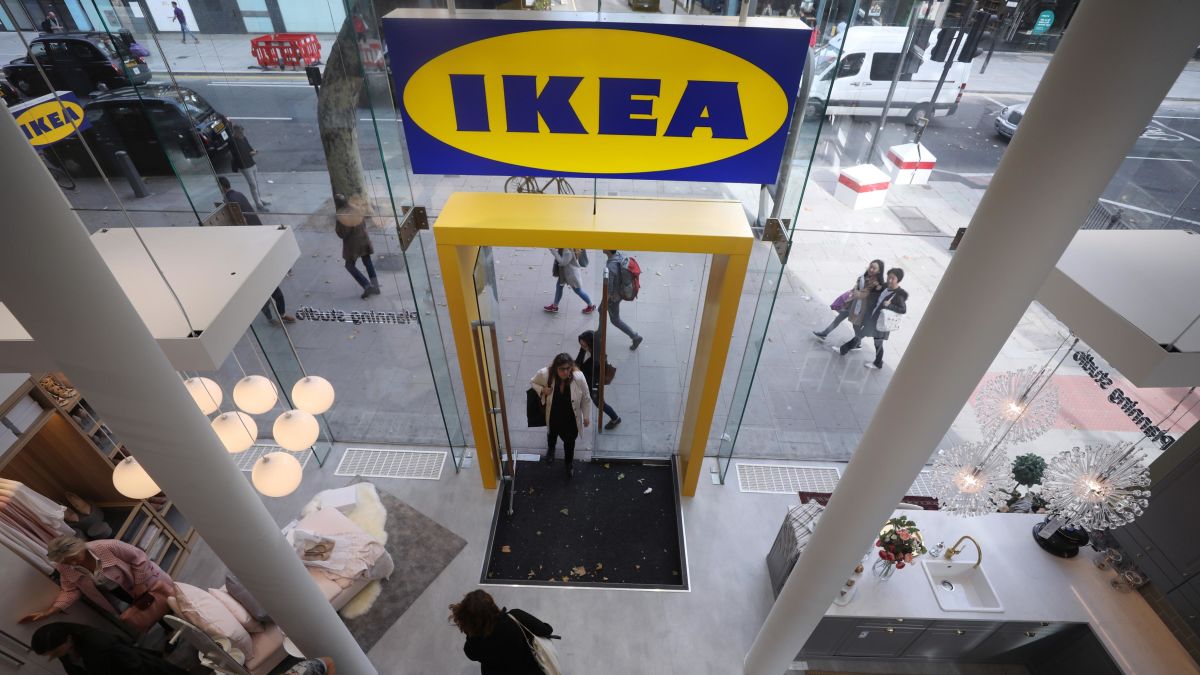
    Last year, the Swedish furniture brand announced it would open 30 new store concepts in urban centers, from stores of the future to sub-100sqm shops to pop-ups, to standalone cafes and singular category shops.

    The stores are backed up by the most advanced technology, providing everything Ikea has to offer, but in a virtual environment. The goal is to make every interaction between the customer and the brand more seamless, allowing consumers to have fun while shopping and learning about the brand along the way.

    Looking at Ikea’s urban store in Madrid, there are three very important reasons for the success of this concept:

    • services
    • proximity
    • entertainment.

    The new store offers much more than a standard Ikea store. There is a high level of entertainment available, with the main goal being to engage customers. And since the store is located in the city center, customers can easily shop on their way to work, or while they spend their time in the city.

    Customer can learn how to customize their products, try different furniture concepts and styles, receive expert decoration and design advice, enjoy various projections and visual merchandising of products, and so much more.

    Other retailers can learn from Ikea’s example. Aside from delivering the highest level of brand engagement, inspiration, and entertainment, it also uses digital to make its services and products fully customer-centric.

    Ikea is also continuing to explore new store methods and formats that will allow it to get even closer to its customers and deliver world’s best omnichannel offer while remaining a leading brand in furniture retail, and potentially revolutionizing the way people buy products.

  • Sonos just the start of Ikea’s investment in smart home

    Sonos just the start of Ikea’s investment in smart home

    Ikea Australia is previewing its highly anticipated collaboration with Sonos in its Tempe store, ahead of the national launch of the Symfonisk range in September.

    The range, which includes a table lamp and bookshelf with built-in connected speakers, is just the start of Ikea’s push into the smart home space, the retailer said in a statement circulated on Friday.

    “Ikea sees great potential in the smart home business,” Ikea Australia spokesperson Mark Mitchinson said in a statement.

    “We strive to make solutions for life at home by integrating technology into our home furnishing offer that is easy to use and affordable, thereby making smart home technology accessible to many people.”

    Mitchinson said there will be additional launches, enabling people to build onto their smart home solution in the years to come.

    The Symfonisk range, which Ikea first announced in a video in January, will be available in-store and online from September 27.

    Designed in collaboration with US smart speaker company Sonos, the range aims to “democratize music and sound in the home”, the retailer said in a statement.

    “Sound enhances our life at home and the collaboration will enable many more people to create an atmosphere in the home with great design and sound,” Mitchinson said.

    The range includes a table lamp with a built-in speaker, which Ikea said will help de-clutter homes by eliminating cords. Priced at $269, the lamp-speaker partly springs from the idea of a fireplace, the retailer said – one single piece that spreads warm light as well as sound.

    It also includes a wi-fi bookshelf speaker priced at $149, which can double as a shelf that holds up to 3kg with the bracket. It can also be attached to almost any kitchen rail, the retailer said.

    Both products are compatible with Sonos’ own product range and can be steered through the Sonos app.

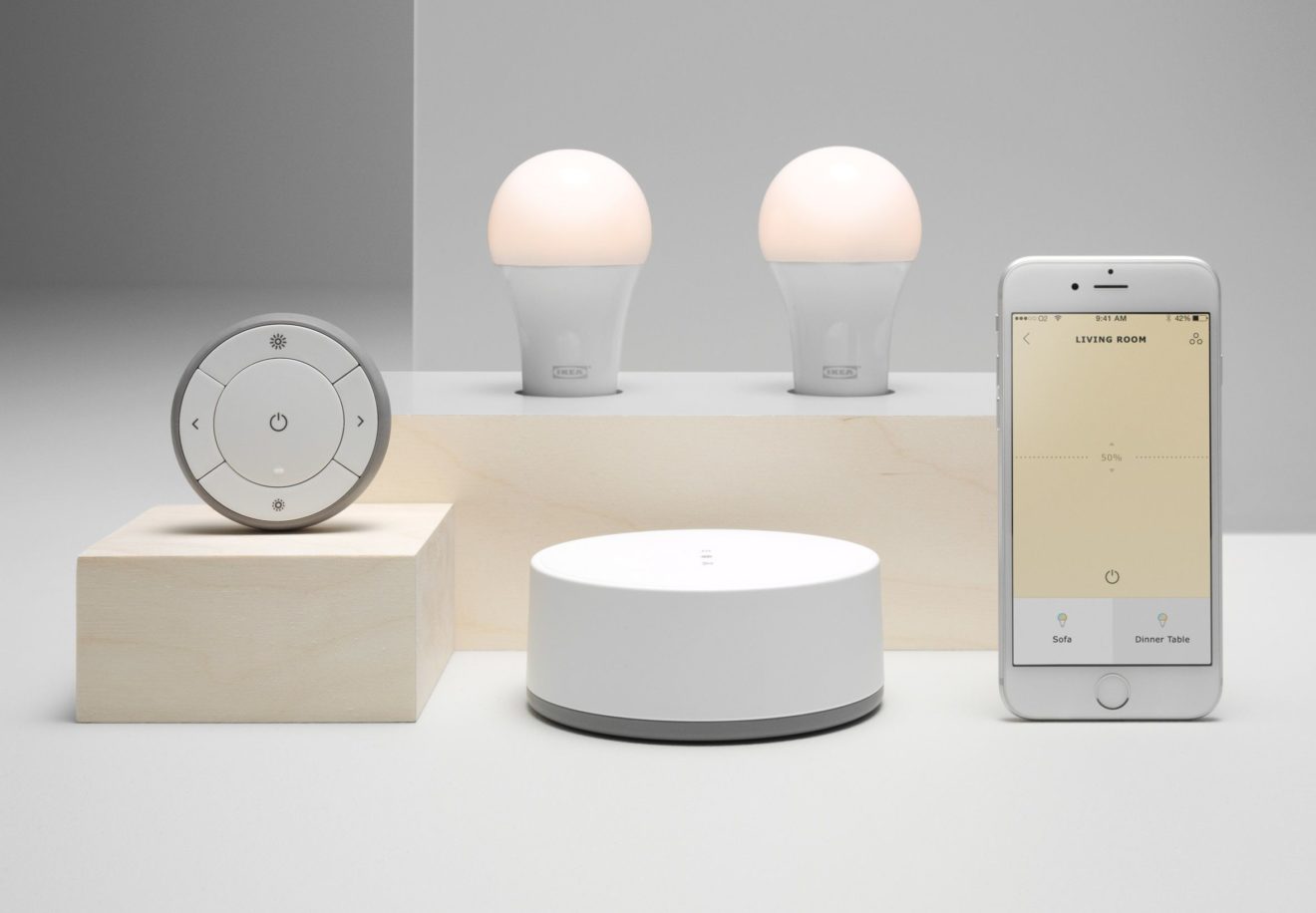
    They can also be steered via the Ikea Home Smart app, which is part of the retailer’s range of connected products, from speakers and charging pads to bulbs and light panels. The products are newly categorized under the collective name ‘Home Smart’, and share the common goal of saving customers time, money and energy.

    Customers can experience Ikea’s new Symfonisk range and take part in immersive experiences at the retailer’s Tempe store in Sydney from yesterday, July 25, through to August 4.

  • Ikea Malaysia to open in new Batu Kawan mall

    Ikea Malaysia to open in new Batu Kawan mall

    Ikea Malaysia is preparing to open the first phase of a shopping centre linked directly to its blue-box home furnishing store in Batu Kawan, Northern Malaysia.

    With around 20 tenancies, the new retail destination is aiming to bring a vibrant new mix of brands to the growing Aspen Vision City. The retail extension will open at the end of the year, with 85 per cent of the space now already leased to tenants including Sports Direct, Project Rock, 7-Eleven and Harvey Norman.

    Taking up 50,000sqft, Harvey Norman is taking its concept of a flagship superstore outside the Klang Valley for the first time.

    “We are grateful for the relationships we have built with long-term partners like Harvey Norman. Together, we can live up to our mission of creating vibrant meeting places for the many people – going beyond just shopping,” said Ikea Southeast Asia MD Christian Rojkjaer.

    Five Ikea stores in the region are anchors for shopping centres.

    “We look for tenants that meet the needs of the people in our community,” explained Ikea Southeast Asia mixed-use director Christian Olofsson. “In the four months since we opened Ikea Batu Kawan, we have seen that Penangites often visit on lunch breaks and during dinner time. So, we will focus on bringing in F&B outlets and convenient grab-and-go services. We also see the opportunity for other leisure, entertainment and sporting retailers to serve the growing township of Batu Kawan.”

    The integrated retail component to Ikea Batu Kawan is part of the master plan for Aspen Vision City, a joint-venture of Ikea Southeast Asia and Aspen Group.

    “Ikea is a major catalyst, attracting other businesses that want to be part of a modern and intelligent township of the future,” said Aspen Group president & group CEO Dato’ Murly Manokharan. “We want to create a convenient destination that is at the heart of a walkable community where people can work, shop, dine, study, and create positive memories together with their loved ones.”

  • Ikea makes catalogues “shoppable” on Pinterest

    Ikea makes catalogues “shoppable” on Pinterest

    Global furniture retailer Ikea will start putting its product catalogue on Pinterest to give the print publication a longer lifespan and to allow customers to move more quickly from inspiration to purchase.

    According to a report in Digiday, Ikea has been working to monetise its presence on the social platform for some time, which has led to a shoppable version of its catalogue.

    “We didn’t want to just copy and paste – we already have a digital catalogue online,” Ikea media project manager Kerri Longarzo told Digiday.

    “But promotions in the past felt a little stale. We were running out of ways to show the catalogue to people online, so we sought out something different.”

    Pinterest differs from its social media contemporaries in that rather than sharing aspects of their lives, Pinterest users search for images of furniture, recipes, wedding ideas and more, and save it to their ‘boards’ for later reference. Essentially, it’s an online scrapbooking tool.

    “Catalogues have been a pretty big part of the Ikea concept from the very beginning,” Longarzo said.

    “As we get to 2019 and realise customer behaviours are shifting, the world is going more digital, having this print-only piece was becoming more challenging.”

    Ikea’s US Pinterest page boasts more than 10 million monthly unique viewers, while its Australian arm sees numbers closer to 350,000.

    On Ikea Australia’s Pinterest page, you can find boards ranging from bedroom ideas, recipes, and home inspiration – which when clicked through will take users to the relevant product page on the online store, allowing for further shopping or purchases. Adtech Ad

    The pinned images also automatically show other users’ images of the same product, allowing customers to see how the product looks in practical use.

    “People come to Pinterest in a shopping mindset open to discovering products, which creates a great connection between Pinners and businesses,” Pinterest wrote in a statement announcing its catalogue feature to businesses in March.

    “In the past year, we’ve been bringing together the worlds of visual search and shopping to make it easy to shop for anything you see on Pinterest, and for brands to reach people on Pinterest while they’re actively looking for inspiration.”

  • Futuristic Ikea robotic furniture debuting in Hong Kong

    Futuristic Ikea robotic furniture debuting in Hong Kong

    Ikea has developed a robotic furniture suite in collaboration with American start-up Ori that is set for roll-out first in Hong Kong.

    The Rognan furniture platform includes several items, including a double bed, workstation, wardrobe, media unit, bookshelf and sofa. They are designed with cramped city living spaces in mind, targeting residents of urban micro apartments.

    The Rognan unit can transform at different times of the day to fulfil different uses. Furniture owners can reform the platform into a bedroom, walk-in closet or lounge using a touchpad interface.

    “We have been working with developing small space living solutions for a long time, and we know that some of the biggest challenges in peoples’ homes are storage and finding the place to do all the activities that you’d want to do in your home,” said Ikea product developer for new innovations Seana Strawn. “This is especially the case in big cities where people have to make compromises in the functions of their homes. We wanted to change that.”

    Residents using the Rognan system can free up 8sqm of living space without compromising storage space or comfort.

    Pricing for the robotic furniture has yet to be released. It is expected to launch commercially next year in both Hong Kong and Japan before a broader international roll out.

  • Ikea Thailand opens full E-commerce store

    Ikea Thailand opens full E-commerce store

    After two years of planning, furniture and homewares retailer believes it can match a physical store experience.

    Ikea Thailand has launched an online store, with a view to matching the journey and impression customers experience at a physical Ikea shop.

    “We see the potential – it is a potential in Thailand for Ikea,” said deputy retail manager for Ikea Thailand, Singapore and the Philippines, Lacia Sherlock. “We have only been accessible within Bangkok so far, and now we will be accessible for people from across the country.

    “The delivery prices need to be affordable and all the services need to be accessible for consumers living outside of Bangkok, so that they are able to get the assembly or whatever they need.”

    According to Sherlock, the new e-commerce platform, which is already available in Malaysia and Singapore, now covers the whole of Thailand. It took about two years to develop based on studies of market demand and building the necessary infrastructure.

    “We are pleased to now be able to provide this access to Thais. We have been wanting to do this for a long time, along with providing them with a superior experience and inspiration through both of our two Bangkok stores,” said Sherlock.

    Ikea is aiming to hit 17,000 online orders this year within the territory.

  • Ikea’s first small-format store Without Check-Outs

    Ikea’s first small-format store Without Check-Outs

    Ikea Australia officially opened its first small-format store on Friday at Warringah Mall on Sydney’s Northern Beaches.

    The 98sqm store is the retailer’s first Home Planning Studio, where customers can book one-on-one planning sessions with staff to design their dream kitchen or bedroom storage solution.

    The store lacks many of the signature features consumers have come to associate with the Swedish flatpack giant, including a warehouse, blue plastic ‘Frakta’ bag and meatballs, not to mention checkouts.

    Instead, customers purchase their kitchen or storage solutions online at the studio, with the items delivered directly to their home. Customers can also shop a digital wall of homewares, which they can add to their virtual bag and transfer to their mobile device for checkout.

    This digital-first, highly personalised shopping experience is geared towards a different type of customer than the typical Ikea shopper, according to Jan Gardberg, country manager of Ikea Australia.

    “With the Ikea Home planning studio we have reinvented the traditional Ikea experience for a different audience, with different shopping needs putting digital at the heart of the customer’s journey. However, the digital experience is delivered in our most personalised approach yet,” he said.

    “The customer’s wants and needs for their kitchen or bedroom storage solution are the starting point, and the experience they will receive in the Home Planning Studio will be personalised from there.”

    Customers are advised to book their kitchen and storage consultations in advance, but they can also drop in and browse. It costs $99 for a two-hour kitchen planning session, which is refunded on the purchase of a kitchen within the session.

    The studio also includes a projector tool, which allows customers to envision what their ideal wardrobe will look like by projecting it onto a wardrobe front.

  • Ikea leasing program targets students and employees

    Ikea leasing program targets students and employees

    Swedish furniture and homewares retailer Ikea plans to launch furniture rental services in all of its main markets.

    The Ikea leasing strategy is twofold: firstly it addresses the budgetary constraints of customers who move frequently and cannot afford to replace furniture to suit their new space, and secondly to deliver on its sustainability promise by reducing waste and expanding the lifespan of furniture products.

    “You should be able to have a lovely home, and a good conscience, and you should be able to afford it,” said Ingka Group CEO Jesper Brodin in an interview with Reuters.

    Details of the plan, framed as a subscription-based leasing offer, were revealed during the launch of the company’s first ‘sustainable’ store in Kaarst, Germany, this week. Students in the Netherlands can already use the program, paying €30 a month to lease a table, chairs, a bed and a desk. In Switzerland and Sweden, Ikea is developing a similar plan for office furniture.

    Brodin said many Ikea customers are moving home more often than in the past and buying new furniture to fit new spaces can be a financial burden. Using the new Ikea leasing service, they can simply swap out furniture each time the move without having to worry about how they sell or dispose of their existing items.

    The Ikea leasing concept also taps into the pervasive sharing culture in which younger generation consumers embrace renting items rather than owning – including music, fashion and motor vehicles.

    The program is also in line with Ikea’s mission to be affordable, convenient and look after the planet.

    Ikea says it will test the rental concept in all 30 of its markets by 2020. Furniture items will be repaired or refurbished between leases and when too old to be leased out, recycled.

    Pia Heidenmark, Ikea’s head of sustainability, added another advantage of the program: by taking furniture back, the company will be able to assess the durability of its products and feed that information back to its design team.

  • Ikea to open first small-format store in Sydney

    Ikea to open first small-format store in Sydney

    Ikea Australia’s first small-format store is set to open in Sydney’s Westfield Warringah Mall at the beginning of May.

    The Ikea Planning Studio will provide shoppers on the Northern Beaches with a place to plan and build their dream kitchens and bedrooms. Staff on-site will be equipped with tablets and provide one-on-one consultations to help customers select the right products from Ikea’s range of furniture, appliances, storage solutions and more.

    This stands in sharp contrast to the massive, showroom-cum-warehouse stores that Ikea traditionally has been famous for. But the shifting retail landscape has seen the Swedish furniture giant globally adapt its offer by launching e-commerce sites, providing more do-it-for-me services and, increasingly, experimenting with smaller stores in urban centres.

    “At Ikea, we know Australians are looking for new and more convenient ways to shop their favourite products. We’re excited to be bringing bespoke Ikea shopping experiences to Aussies around the country in locations that suit them,” Ikea Australia country manager Jan Gardberg said.

    “We’ve chosen Warringah Mall as our first location in order to reach even more Australians that live within urban areas, outside of the city centre.”

    The Planning Studio seemingly aims to provide a more immersive shopping experience, with a “luxe bedroom environment” that will transport shoppers to a “hub of femininity through floral scents and classic detailing” and a “soothing wellness sanctuary” that will feature a variety of kitchen solutions.

    In a separate initiative, the retailer currently is hosting a series of “sleepovers” at stores across the country, where select customers can experience how Ikea’s range of sleep solutions – that is, mattresses, bedding and other items – provide a better night’s sleep. This suggests Ikea is looking for ways to interact with customers on a more personalised and experiential level.

    “We want to inspire people to get creative and explore the possibilities of our range. The launch of our small format stores is just another way we’re helping Australians to create personalised and functional spaces within the home,” Gardberg said.

    The Planning Studio’s design was inspired by Scandinavian modern style and Ikea’s design values of sustainability, quality, form, function and affordability, the retailer said, and created with the eco-friendly shopper in mind.

  • Ikea to launch ‘intelligent curtain’

    Ikea to launch ‘intelligent curtain’

    Ikea has developed an ‘intelligent curtain’ capable of purifying air. The invention, coated with sunlight-activated minerals that break down airborne pollutants, has been developed in collaboration with several European and Asian universities. “By enabling a curtain to purify the air, we are creating an affordable and space-saving air purifying solution that also makes the home more beautiful,” said Ikea product developer Mauricio Affonso.

    The Gunrid intelligent curtain will be sold in stores next year and is expected to sell well in areas particularly affected by air pollution.

    According to the World Health Organisation, 91 per cent of humanity lives in areas affected by significant air pollution, which kills around 7 million people every year.

    “Gunrid is the first product to use the technology,” said Ikea’s head of sustainability Lena Pripp-Kovac, “but the development will give us opportunities for future applications on other textiles.”

    “We know that there is no single solution to solve air pollution. We work long term for positive change, to enable people to live healthier and more sustainable lives”, she said.

  • Looking at Omnichannel presence in India: IKEA

    Looking at Omnichannel presence in India: IKEA

    Swedish home furnishings major IKEA Thursday said it plans to have an Omnichannel presence in India going forward, reiterating its long-term commitment to the country. Last year, the company opened its first store in Hyderabad, spread over 13 acres of land and has a built up area of 4 lakh sq.ft. “We are long term committed to India. We are planning to have omni-channel presence here. We will have three formats — big stores, online and smaller stores here,” Peter Betzel, CEO, IKEA India said.

    According to a report, the presence in three formats is to bring the customers closer, he added. The Hyderabad store is the first of 25 such outlets planned to be set up in India by 2025.

    The company will be opening big stores in India, starting with a store in Mumbai this year, followed by one in Bengaluru in spring-2021 and then in Delhi-NCR, Betzel said.

    However, he did not provide any timeline for the opening of the store in Delhi.

    IKEA will have its online presence in Mumbai and will also expand smaller stores category there, he added.

    When asked how the company plans to fund the expansion, Betzel said: “It will be through our own money.”

    In 2013, IKEA received nod from the government to invest Rs 10,500 crore in single-brand retail out of which it had invested Rs 4,500 crore in its different ongoing projects in India.

    IKEA has been present in India for 30 years, sourcing many different products for IKEA stores worldwide.

  • Ikea Malaysia opens new store

    Ikea Malaysia opens new store

    Ikea Malaysia will next month open its first store in the northern region of Peninsular Malaysia – in Batu Kawan, Penang. Due to open on March 14, the brand’s fourth outlet in the country spans 43,600sqm of retail space and will feature more than 8000 products.

    “The store will also have 49 showrooms, a market, restaurants and a bakery. We expect it will attract about 50,000 visitors per week,” said Ikea Malaysia store manager Arumugam Pathmalingam.

    In advance of the grand opening, the store has already attracted excitement among Penangites, mainly on social media.

  • Ikea services foray boosts loyalty and sales

    Ikea services foray boosts loyalty and sales

    Ikea is turning to services to increase turnover and boost engagement with customers. Moreover, partnering with specialist companies in such areas as delivery and assembly allow it to focus on product design and sales, leaving post-checkout experiences in the hands of specialists, rather than committing its own staff and training resources. An example of the new Ikea services initiative is US odd-jobs app TaskRabbit, which Ikea bought in late 2017. Ikea recommends the service to customers who lack the time or patience to assemble their own kitset furniture products.

    Ikea reports that the number of jobs handled by TaskRabbit staff since it acquired the business had doubled and 10 per cent of the jobs undertaken are now assembling kitset furniture – five times the pre-purchase rate.

    Since the acquisition, TaskRabbit has expanded coverage to all 48 US cities with an Ikea store, launched in Toronto, Canada, and expanded in the UK beyond London.

    In Hong Kong, where few customers own cars, Ikea now offers both a delivery and assembly service with fixed fees according to location. Previously, it partnered with an app-based third party contractor.

    In Australia, Ikea has partnered with Airtasker and in India with UrbanClap, to offer assembly services.

    Reuters describes the Ikea services strategy as “a major strategic shift that it has been forced to adopt to stay in the game as waves of new competitors in an increasingly online world erode its dominance”.

    TaskRabbit’s quick success is prompting Ikea in the US to consider expanding services offered through Ikea, to include such tasks as interior design and furniture repair which would in turn potentially boost sales from stores.

    Jesper Brodin, CEO of Ingka Group, which owns most US Ikea stores, says TaskRabbit’s customer data could also help Ikea come up with new ideas for furniture.

    “As this community grows, it’s not only about fixing one or two things but actually to add professionalism in interior decoration, into ‘life at home’ practicalities,” Brodin said in an interview.

    “TaskRabbit is a super interesting business case because it is scalable, not only geographically but also into services at home.”

    GlobalData Retail MD Neil Saunders says a services foray could help Ikea boost its market penetration in the US, which is currently just 2 per cent. Despite the low market share, the US represents Ikea’s second-largest international market behind Germany, where it enjoys as 12 per cent share. Rivals like Walmart and Wayfair in the US have started offering assembly through TaskRabbit’s rival app Handy.

    Brodin wants TaskRabbit to expand into more countries.

    “We are convinced this is a way to access new customers in our cities. The convenience customer today has so many more choices, and they are used to getting a quick answer.”