Tag: ikea

  • IKEA Korea to start Online Sales this Saturday

    IKEA Korea to start Online Sales this Saturday

    IKEA Korea will open an online mall, on September 1, in line with its Swedish headquarters’ efforts to increase its online sales worldwide, the global home furnishing company‘s local subsidiary said.

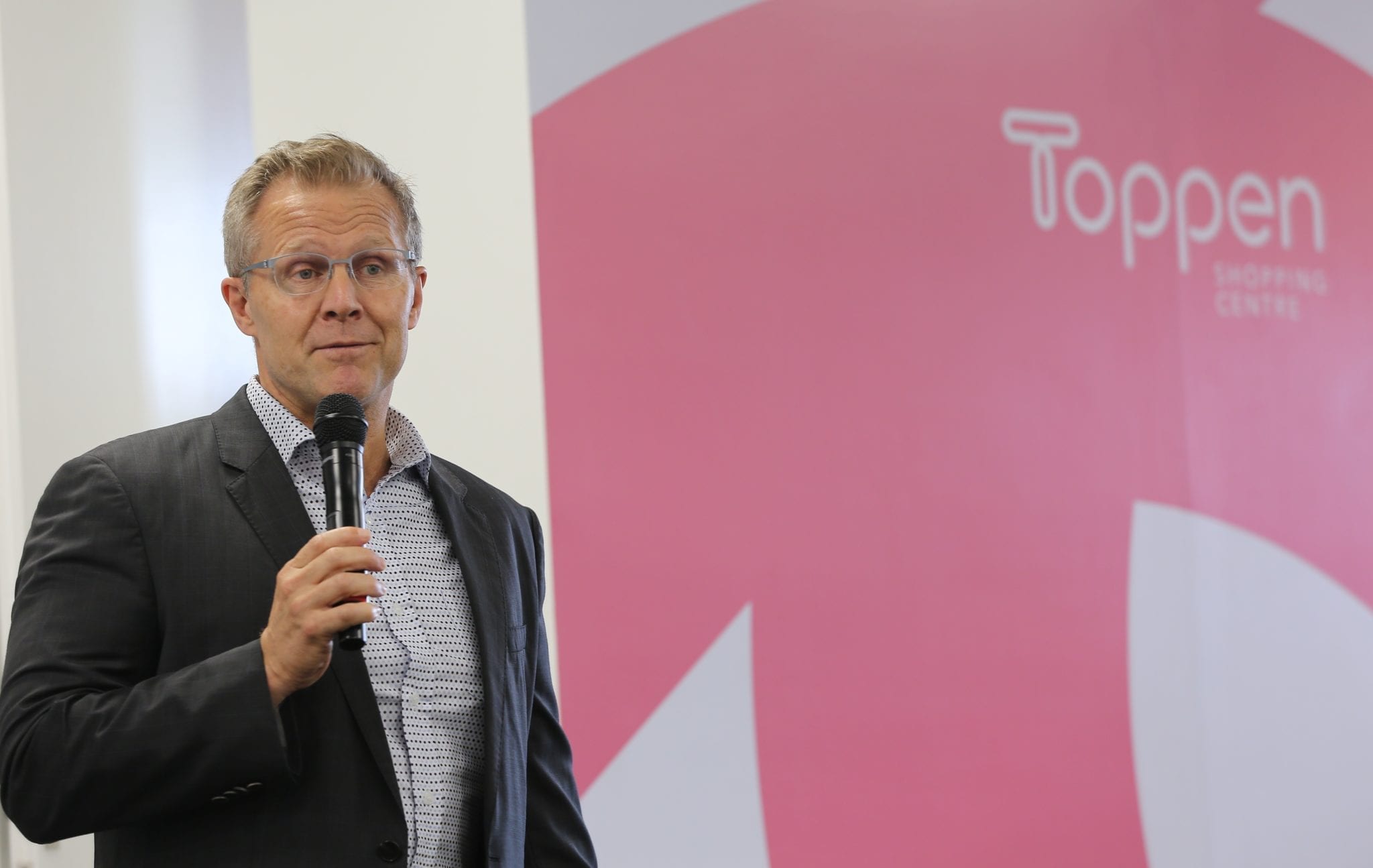
    “We will officially launch our e-commerce channel September to offer better accessibility to customers nationwide, because we have only two stores in Korea,” IKEA Korea’s country retail manager Andre Schmidtgall said at an IKEA pop-up store in Seoul.

    According to IKEA Korea, a distribution center has already been established to improve inventory and distribution management efficiency. The online shopping platform will offer a comprehensive range of products with a few exceptions such as foods.

    The company is also considering various ways to cater to urban residents.

    The chief executive said his company is moving to open more “customer touchpoints” in downtown areas around Korea to better understand their needs, as IKEA Group CEO Jesper Brodin said during his visit to Korea in April.

    Including the opening of pop-up stores in Seoul, an IKEA Korea taskforce is conducting various tests to consider the possibility, according to Schmidtgall.

    IKEA’s aggressive expansion in Korea is expected to weigh on domestic rivals such as Hanssem and Hyundai Livart, although the furniture makers have ostensibly taken a positive attitude toward the market competition so far, saying the rivalry can improve their productivity.

    “Hanssem will face more difficulty in recovering its stock prices, following the opening of IKEA’s online marketplace,” KB Securities analyst Jang Mun-jun said.

    Schmidtgall, however, said the company still put emphasis on offline stores, citing the stores can display a wider range of products and allow the retailer to directly meet customers and respond promptly to their needs. He promised IKEA will continue to open additional outlets in Korea.

    IKEA Korea, which runs stores in the Gyeonggi Province cities of Gwangmyeong and Goyang, held a groundbreaking ceremony recently for its Giheung-gu store in Yongin in the same province.

    “We are eager to expand our customer touchpoints and reach more of the many people in Korea through the launch of e-commerce and IKEA Giheung, construction of which is set to be complete at the end of next year,” Schmidtgall said.

    IKEA Korea also said it posted 471.6 billion won (US$425 million) in sales between September 2017 and August 2018, up 29 percent year-on-year. It did not disclose its operating profit.

  • Ikea Malaysia online platform launched

    Ikea Malaysia online platform launched

    Ikea Malaysia has launched an online store.

    The e-commerce site promises to offer the largest online selection of home furnishings in the country. It marks a strong entry into the Malaysian e-commerce market by the Swedish company’s Southeast Asian subsidiary.

    The site’s delivery service will be available nationwide by package or truck, offering more than 9000 products to online buyers throughout Malaysia purchasing with major debit and credit cards accepted.

    Ikea Malaysia recently extended its return policy from 100 to 365 days to provide their customers more time to exchange or return their products after purchase.

  • IKEA India eyes 15 pc growth year-on-year on same store basis

    IKEA India eyes 15 pc growth year-on-year on same store basis

    IKEA, the furniture retailer which bets big on sustainability, has opened its first store in Hyderabad on August 09. The Swedish home furnishing major has been sourcing from India for its global stores for more than 30 years. Its plan to open retail stores in 40+ cities across the country, reinforces its long-term commitment and deep connection with India.

    Patrik Antoni, Deputy Country Manager, IKEA India says, “We see that Indian market holds a lot of potential for brand IKEA. We do not see India as a country, but we see it as a continent with a lot of people and lot of needs. We see a lot of micro-terms that will support us along with other retailers. It is a growing economy, maybe we might be a little bit bumpy initially but over the coming years India will grow from strength to strength as an economy.”

    He further adds, “We see it as a young country with almost 500 million people below 25 and they will need new homes, we also have a strong observation that people who will shift cities will also need new homes. Then we are very excited about India in the sense that people love homes and it is not the same in the other Asian countries where people many times celebrate outside the home. While in India, it is family, friends, festivals and all over the food, so the four F’s drives life at home and there cannot be a better place for a home furnishing company to be.”

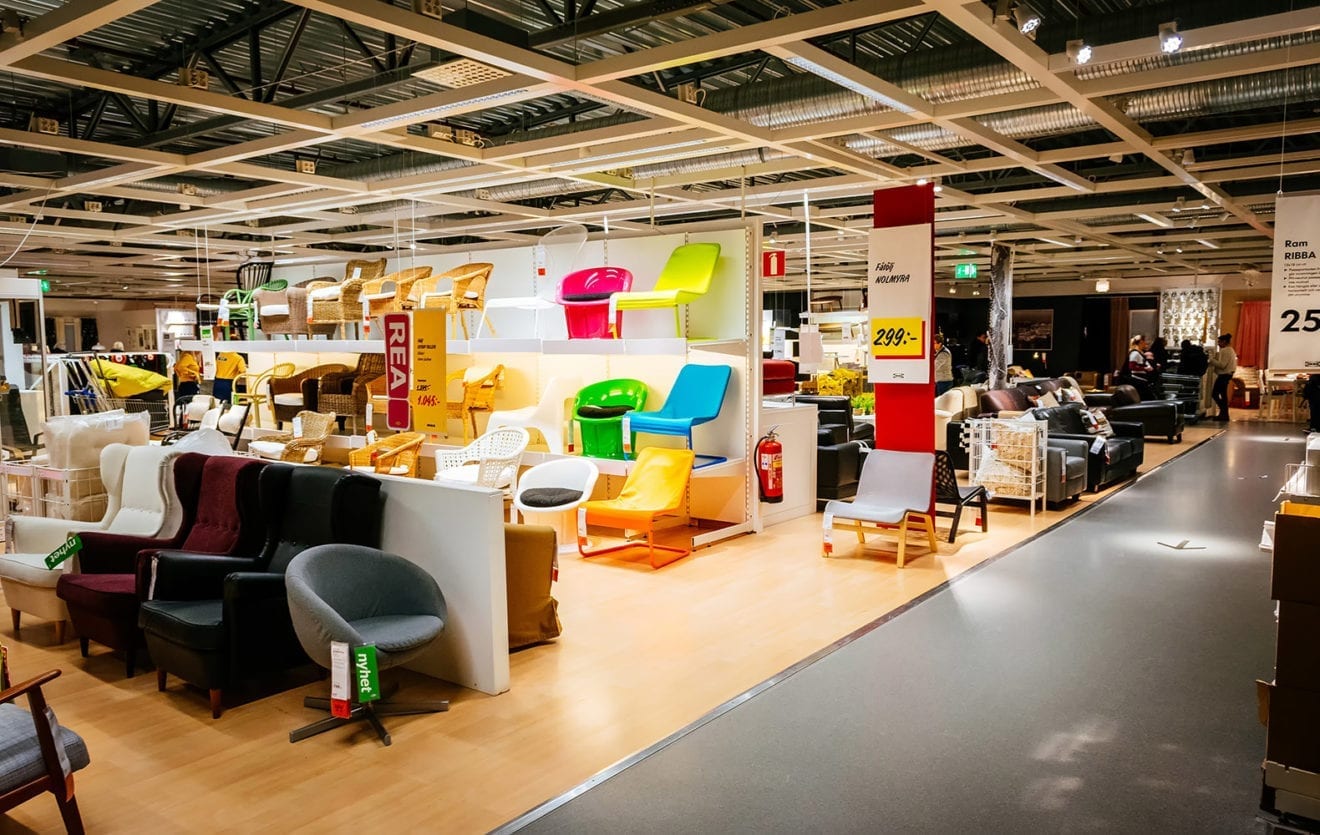
    The IKEA store in Hyderabad offers ideas, inspiration and solutions. It exhibits two full homes that reflect ‘Life at Home’ in Hyderabad, besides different room sets based on different parts of the home like bedroom, kitchen, children’s room and living room. It will also have a market hall where you will find home kitchen utensils and accessories, textiles, rugs, lighting, decoration, stationary and even live plants.

    According to Antoni, “The strength of IKEA Hyderabad is that we have brought all the global IKEA concepts here. We have not compromised on anything. We have got the great experience that we are known all across the world – the inspiration, the customer service, the range – all this has come with us.”

    “What we have done special is that how we have composed the products in the room settings. What we are trying to do is to be relevant for the local market. We have done around 1,000 home visits and research was based on how people live and how they want to live and then we are putting our products in a unique way that represents the Indian needs. If you compare the rooms in IKEA Hyderabad to IKEA Sweden, the main difference is how the rooms are composed and products are composed. On above that, we have 1,000 products that are locally done for India which comes a lot around the food range like frying pans, idli makers etc and coloured bedsheets that we normally do not carry. So we have customised quite a bit,” adds Antoni.

    The 400,000 sq. ft debut outlet in India, features 7,500 furniture and home furnishing products and a 1,000-seater restaurant – which is IKEA’s largest in over 400 stores it has globally.

    “Even IKEA restaurant, which is largest in the IKEA world, is also connected to India’s love for food. We really believe that restaurant will be a huge pull and bring in a lot of people here and we believe that their interaction with IKEA will be over a meal. They will get to know about us through quality of food with low prices and they will realise that the range that we sell is in the same direction,” asserts Antoni.

    Antoni says IKEA would have both large and small stores and more touch points. The e-commerce platform would be launched next year.

    “IKEA Hyderabad is a large store as comapred to many of our other stores across the world. When we enter Mumbai, we want to enter as a multi-channel retailer. Going ahead, we are looking at a store giving a same brand experience, a number of smaller format stores, which will still be big stores, where we can get closer to the customers in the city centres and then an online experience also that gives customers an opportunity to meet IKEA whenever, wherever and however they want,” reveals Antoni.

    Highlighting the USP of the brand, Antoni says, “We are building our customer experience on knowledge. So we do not just produce furniture but we are a Life at Home company. We have been in this business from more than 60 years, and we have a learnt a lot about Life at Home and we combine and build our range based on this knowledge. We do not have a chair that just looks good but it has a function, style and sustainability. Then we have 7,500 products that are built together.”

    The brand is counting on 15 percent growth year-on-year easily on same store basis because the interest in Life at Home will grow.

    According to Antoni,”More the interest in Life at Home will grow in India, more players players will enter India and then the market will grow. This is just a beginning of a new era.”

    In the next phase of expansion, IKEA will be present in other cities like Ahmedabad, Surat, Pune, Chennai and Kolkata with a multi-channel approach. By 2025, the brand is looking at opening more than 25 touchpoints across various cities.

  • Indian, Swedish food to boost IKEA shoppers’ energy

    Indian, Swedish food to boost IKEA shoppers’ energy

    Walking through the sprawling, newly-opened IKEA store here needs energy and the company is making sure that customers get to recharge at its trademark restaurant. The 1,000-seater restaurant is the biggest among the Swedish home furnishings retailer’s global network in 50 countries.

    The thousands of customers who flocked IKEA’s first India store that opened on August 9 had a massive range of 7,500 world-class products to choose from. With 1,000 products priced below Rs 200, the affordability and the quality of the international brand was the talk of the town.

    So also was the restaurant, with half its menu offering Indian and the other half Swedish food — in line with the company’s global practice.

    “We cater to the local taste wherever we have our operations and half of our food here is Swedish,” Henrik Osterstrom, Country Food Manager, IKEA Food, told IANS at the restaurant, teeming with hundreds of customers.

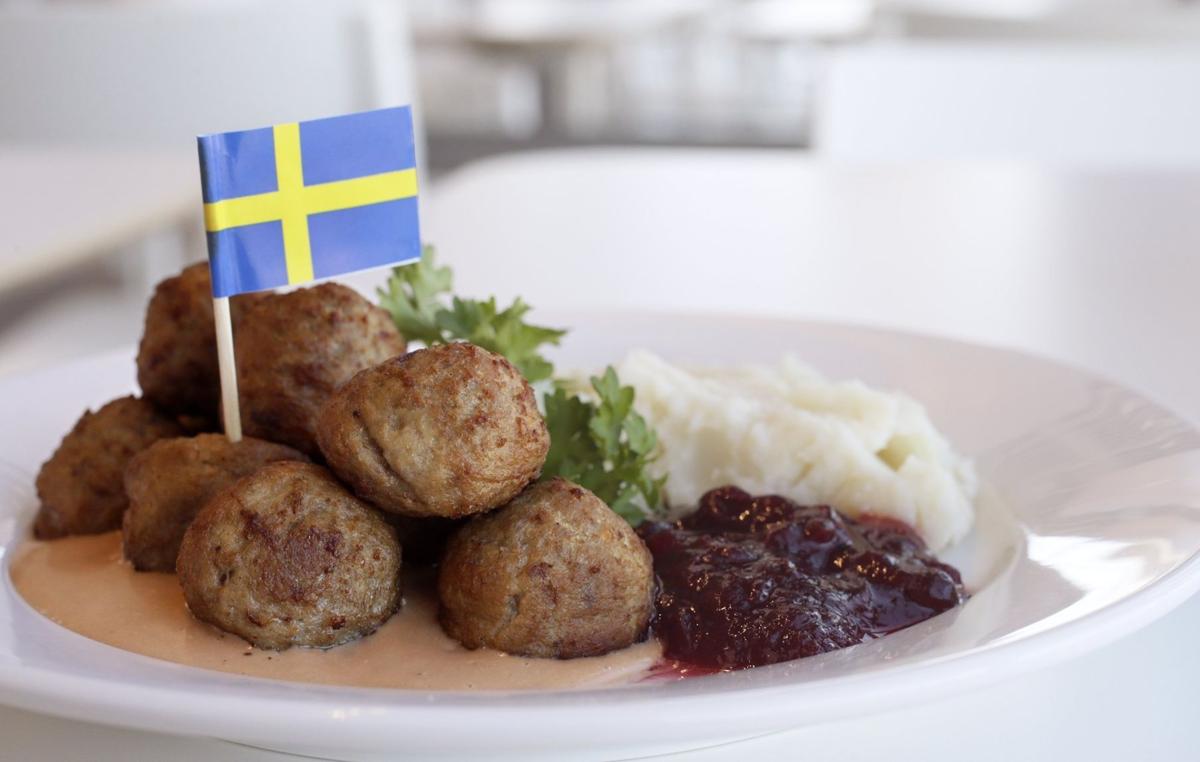
    At the India store, chicken meat balls have replaced beef meat balls, a popular dish on IKEA’s menu globally. It has also dropped pork from the menu for India.

    “Since many people in India don’t eat beef, we are not selling it. As there are many Muslims, we are respecting their sentiments as well by not selling pork,” Osterstrom said.

    The menu includes vegetable biryani, salmon fillet, dal makhni, cakes, green salad, fruit salad, cinnamon buns and and variety of beverages.

    Osterstrom is happy with the customers’ response so far. “It’s fantastic to see so many people coming here. We are selling a lot of biryani, chicken meat balls, veggie balls and dal makhani as well,” he said.

    Like its home furnishing products, IKEA is also offering a menu to suit all sizes of wallets. Vegetable biryani is priced at Rs 99, chicken meat balls at Rs 149 and veggie balls at Rs 129.

    “We have ensured that the food is affordable, of high quality and of good taste. We call it Swedish-feel Indian-appeal,” said Osterstrom.

    The Swedish dishes include chicken meat balls, salmon fillet, lingonberry juice and cinnamon buns.

    Customers have to serve themselves — right from picking up trays and trolleys to collecting food and later leaving the trays and trolleys at designated points. The service is quick as customers collect their orders in a couple of minutes while moving in the queue along the food counters and the billing is done while heading towards their tables.

    Why choose India for the company’s biggest restaurant globally? “It became like that. I think food is starting point in India. We have large restaurants in other countries, especially in Asia, where food is vital. We wanted to give a nice atmosphere and make sure that it is not crowded,” he said.

    Globally, restaurants contribute 10 percent of IKEA’s sales but Osterstrom hopes it will be higher in India as big footfalls are expected. “People in India llove food. It’s just the beginning and we will see more customers.”

    Over 40,000 customers visited IKEA store on the first day. The company expects at least 60 lakh footfalls annually at the store, which has come up with an investment of Rs 1,000 crore in the heart of HITEC City, the information technology hub.

    IKEA plans to open 25 stores across India by 2025. The next store will open in Mumbai next year followed by Bengaluru and Delhi.

    The concept of a store is integral to IKEA, founded by Ingvar Kamprad in 1943.

    “Our founder, from day one, had this idea. As our showrooms are huge and it takes time for customers to go around the entire store, they feel hungry. We also have a play area for kids. It should be fun day for the whole family,” Osterstrom explained.

    The restaurant is located such that if customers feel hungry, after walking through one home furnishings section of the store, they should get new energy to enter the next phase of shopping, that is, the market hall.

    And, after another long walk through the market hall and checkout, customers find in front of them a cafe for refreshments. Here they get a wide range of cookies, chocolates and other delicacies. A samosa costs just Rs 10 while frozen yogurt, which tastes like soft serve ice cream, is also available at the same price.

  • How Ikea makes local shoppers feel at home in its stores across the world

    How Ikea makes local shoppers feel at home in its stores across the world

    Ikea’s blue-and-yellow stores are instantly recognizable: iconic, monolithic and now, as India’s first store throws open its doors to the masses, operating in more than 400 stores in some 50 countries.

    But while every branch of the world’s largest furniture retailer has that most unmistakable whiff of flat-pack conformity, regional differences do exist — not least where their famed Swedish meatballs are concerned. In many countries, the Ikea business model has been subtly tweaked to fit local preferences and customs. Opening hours are altered, menu options are adjusted and very occasionally, women are airbrushed out of catalogues.

    Here’s how a multinational company built on the principles of mass production caters to national tastes.

    The Restaurant

    The cafeteria in Ikea’s new Hyderabad store will have 1,000 seats; what it won’t have is Swedish meatballs. Out of respect for Hindu beliefs, the pork-and-beef dish will be dropped from the menu in favour of chicken meatballs, biryani, samosas and vegetarian hotdogs.

    It’s not the first time the retail giant’s best-known meal has got mixed up in religion. In 2013, traces of horsemeat were discovered in batches from a Swedish supplier, forcing Ikea to release statements in Malaysia and the United Arab Emirates reassuring customers that the pork-free “Swedish” meatballs in those countries were halal certified (and not, in fact, produced in Sweden).

    Most often, menus are tweaked simply to appeal to regional tastes: Crayfish in Japan, fish and chips in the UK, shawarma in Dubai. In a daring move that would pit popularity against convenience, Ikea’s menu may yet become available without a diner having to go anywhere near a stick of furniture: the company is reportedly considering opening standalone restaurants in the US, although “no decisions have been made,” according to a spokesperson.

    The Catalog

    Unsurprisingly, the product lines in the catalog vary somewhat from country to country: the kitchenware section in India will feature spice boxes and idli (rice cake) makers, according to the AFP, while its Chinese cousin goes heavy on woks, cleavers and steamers.

    The catalog itself has been more controversial. A woman-free catalog was produced last year for Israel’s ultra-Orthodox community by the company’s local franchisee, featuring photographs of men and boys only. Ikea later apologized, but the furore can’t have come as a surprise: in 2012 a Saudi catalog appeared with some photos of women airbrushed out, sparking a similar response.

    The Floor Space

    In densely-populated Hong Kong, where flats are typically small and the streets are crowded, Ikea is a place to relax as well as shop. The soft-furnishing section is often crowded with locals taking an air-conditioned break from the city, lounging around on the sofas. Meanwhile, in mainland China, shoppers make themselves even more comfortable: it’s common to find people sleeping in the display beds and armchairs, a habit that isn’t tolerated so readily in other parts of the world.

    Limited space is an issue for the company itself in crowded European capitals like London, Stockholm and Madrid, where it’s opened small-scale stores of less than 1,000 square meters. That’s good news for the maze haters who can’t stand following the arrows around a typical big-box Ikea, which typically sprawls across 25,000 square meters.

    Home Sweet Home

    The local touches aren’t just in-store — they follow you home. Hong Kong deliveries are priced depending on the number of steps up to your apartment (perhaps not unreasonable in such a high-rise city). In the US and UK, you can have your self-assembly furniture built for you using TaskRabbit, an online service that matches freelance labour to one-off jobs, which was acquired by Ikea in 2017. In London, having your kitchen assembled could set you back anywhere between about £13 and £52 ($17 to $67) an hour. Meanwhile, in Dubai, the local assembly service will charge you about 300 dirhams ($82) for the entire job.

    Does the thought of all this global mega-retail have you itching for a long evening browsing the modular storage systems? Head to Hyderabad. In a part of the world where many people’s day starts and ends late, Ikea’s newest branch will be open to 11 pm — a full three hours later than branches in the chain’s home country.

    If, however, you’ve suddenly gone right off the idea of leaving your tastefully furnished house, don’t worry, you can now shop online for your stainless steel shelving, your printed cotton pillowcases — and sometimes even your meatballs — in all but a handful of Ikea’s markets.

  • IKEA India opens one more store with a ‘low price’ strategy

    IKEA India opens one more store with a ‘low price’ strategy

    IKEA, the world’s leading Swedish home furnishing retailer will open the doors of its Hyderabad store, its first in India to customers at 10:00 a.m. today.

    This is a landmark moment for IKEA after it got FDI approval in 2013 that allowed 100 percent FDI for single brand retailers in India. IKEA has been sourcing from India for its global stores for more than 30 years. Its plan to open retail stores in 40+ cities across the country, reinforces its long-term commitment and deep connection with India. IKEA has set out to become a truly unique, meaningful and trusted brand in India, making everyday brighter and better for the many people and this dream seems closer to reality today as we wait to see what the Hyderabad store will offer.

    On the occasion, Jesper Brodin, CEO, IKEA Group said, “Today is a proud moment as it marks a major milestone in a journey that started more than 30 years ago when IKEA partnered up with local manufactures in India. We have a long-term commitment to India, which is an important market for us. We bring an inspiring, affordable and convenient home furnishing offer and awe are more than ready to meet and understand the needs, frustrations and drams in the everyday lives of our customers in India.”

    The store is 4,00,000 sq. ft. large and is spread over 13 acres in the heart of Hyderabad’s tech hub HITEC City and promises to be a ‘fun day out’ for the family. It will offer 7,500 affordable, good quality, value for money home furnishing products, all under one roof. The store will remain open 365 days from between 10.00 a.m. – 11:00 p.m.

    The IKEA store in Hyderabad will offer ideas, inspiration and solutions. It will exhibit two full homes that reflect ‘Life at Home’ in Hyderabad, besides different room sets based on different parts of the home like bedroom, kitchen, children’s room and living room. It will also have a market hall where you will find home kitchen utensils and accessories, textiles, rugs, lighting, decoration, stationary and even live plants.

    The store will house a 1,000-seater restaurant, IKEA’s largest and possibly India’s largest restaurant, a cafe which will offer coffee, bakes, frozen yogurt and many more for purchase, a kids’ paly area named Smaland where customers can leave their children safely.

    The IKEA restaurant will offer 50 percent Swedish specialities like salmon and chicken and vegetarian meatballs and 50 percent local delicacies like biryani, samosas, dal makhni in the case of Hyderabad. The food will be very affordable, for example a plate of samosas will cost Rs 10.

    IKEA’S business idea is based on ambition of reaching the many people with thin wallets. As it sets a goal to reach 200 million people in the next three years , the foundation for a strong and relevant offer is affordability and accessibility. IKEA will attract the many different segments in society and not just the few. Everyone is welcome to shop at IKEA. 1,000 products will be priced below Rs 200.

    Peter Betzel, CEO, IKEA India said, “At IKEA the people, the community and our contribution to safeguarding the health of the planet is the biggest priority. Over the last five years Juvencio Maeztu and the team here have laid a very strong foundation and a solid base for IKEA to be successful. I thank all our friends in India including the government and officials for all the support and partnership to make this dream a reality.”

    In terms of the products, the company will be bringing its classic IKEA range along with a small percentage of locally relevant products for the Indian market like masala boxes, pressure cookers, tawas, idli makers, colourful sheets and mattresses made with coconut fibre centre. Customers will also be able to buy global classics like the BILLY bookcase, KLIPPAN sofa, LACK table and POaNG armchair among others.

    Welcoming the people of Hyderabad, Johan Achillea, IKEA Hyderabad Store Manager said, “I am excited to thrwo open the doors of the first IKEA India store to the many people of Hyderabad and its neighbouring community. Telangana has given us a lot of love over the last few years and now we hope to witness the people of Hyderabad truly enjoying our store that has been built with love. I thank the local officials who have made this day possible. The biggest value we bring its to the many people who have big aspirations for their homes and thin wallets. Our promise is one of value, of quality and of making the everyday life better at home for all of the many people in the state and beyond.”

    The IKEA store employs 950 co-workers in Hyderabad directly and 1500 indirectly in services and expects to host close to 7 million visitors each year.

    IKEA has a non-negotiable commitment to hire 50% women co-workers at all levels in India including forklift drives and assembling co-workers. It will also come with a strong and affordable service offer including delivery and assembly to help customers who are not familiar with the DIY (Do it yourself) concept just yet.

  • IKEA to open third outlet in Korea

    IKEA to open third outlet in Korea

    Swedish furniture giant IKEA will open its third store in South Korea in Giheung-gu, Yongin to make its products more accessible to customers in the Southern metropolitan area.

    IKEA Korea held the groundbreaking ceremony for the new outlet on 25 July in Giheung-gu, Yongin, 34 kilometers Southeast of Seoul. The retail space  of 91,000 square meters includes parking space, with different floors. It is expected to be completed in late 2019.

    IKEA opened its first Korean store in Gwangmyeong, Gyeonggi Province in 2014 and its second store in Goyang three years later. The Gwangmyeong branch is situated west of Seoul while the Goyang branch is located in the north.

    “We are looking forward to meeting customers in the Southern area through our Giheung branch,” said an official from IKEA Korea. “As a multi-channel retailer, we will continue to expand our reach and improve the shopping experience for our customers so that more people can furnish their homes with IKEA products.”

    IKEA Korea employed 700 new staff last year and was named one of the top hiring companies in 2018 by the Ministry of Employment and Labor.

    In the fiscal year ended August 2017, the retailer raked in sales of 365 billion won (US$326.1 million), up 6 percent from a year earlier, and drew more than 6.5 million visitors. When including the sales of its second store which opened last October, its sales and visitor tally are expected to double in 2018.

    The Swedish furniture giant runs 355 stores in 29 countries. Its total sales last year in the global market rose 3.5 percent from the previous year to 34.1 billion euros.

  • Dairy Farm restructures after recent result

    Dairy Farm restructures after recent result

    “Underperforming” subsidiaries and rising rent and labour costs are disturbing the chairman of Hong Kong-listed multinational retailer Dairy Farm International – but those factors failed to prevent a solid second-half year performance.

    Dairy Farm’s total sales rose 17 per cent to US$12.215 billion in the six months to June 30 and profit attributable to shareholders was $215 million, up 6 per cent. The increased sales came largely from the Yonghui supermarket operation and Maxim’s which owns food retail channels and the Starbucks business in Hong Kong, Singapore, Vietnam and Cambodia.

    Chairman Ben Keswick said the health and beauty business in Hong Kong and Macau drove strong results in North Asia, but the Southeast Asian food businesses continued to face challenges producing a weaker overall performance.

    “While the outlook for the remainder of the year is expected to remain challenging for the Food businesses, particularly in Southeast Asia, the group’s other businesses should continue to make steady progress. Significant management and structural changes have been made to address the issues the group faces in a number of areas, but time will be needed to deliver sustainable improvement.”

    The company has consolidated its trading operations into a more centralised structure with two main trading divisions: North Asia and Southeast Asia, in addition to the standalone business of Home Furnishings (essentially Ikea) and Maxim’s.

    Keswick says five strategic priorities have been identified: building capability, growing presence in Mainland China, protecting the group’s Hong Kong business, revitalising the Southeast Asia operations and driving digital innovation. “A series of programs are underway to support these priorities across all of the group’s businesses,” he said in the earnings statement.

    In North Asia, overall sales within the food businesses were ahead of prior year, but profits declined, mainly due to higher rent and labour costs in Hong Kong. “The health and beauty business in Hong Kong and Macau delivered very strong sales and profit growth, driven by a significant increase in business from higher numbers of mainland Chinese tourists.”

    Southeast Asia challenges

    However, in Southeast Asia, challenging trading conditions continued for Dairy Farm’s food businesses.

    “The group saw lower sales and profits in Singapore, Malaysia and Indonesia, while in the Philippines, sales were higher but profits lower, due to increased operating costs resulting from more store openings. Generally, these businesses have suffered from a lack of investment in infrastructure, range and competitive pricing for some time, while competition in each market has been increasing.

    “Turning these food businesses around and becoming more relevant to the changing demands of customers will take significant effort. Appropriate plans are now being put in place following the strategic review, but will require time to take effect,” said Keswick.

    He said the improving performance of the majority of the group’s health and beauty businesses in Southeast Asia is encouraging, with Malaysia, Indonesia and Vietnam reporting better underlying results.

    Dairy Farm’s convenience store operations (7-Eleven) performed well, with Hong Kong and Macau trading in line with last year.

    “In Singapore, overall convenience store sales were slightly lower than last year due to the termination of a multi-site agreement, but profitability improved following the closure of some underperforming stores. Like-for-like sales increases and store expansion in Mainland China continued to underpin growth in this sector.

    “In Home Furnishings, Ikea performed ahead of last year in Taiwan and Indonesia, with sales and profits growth. Hong Kong reported higher sales, helped by a contribution from the new store which opened in October last year, but associated higher operating costs resulted in reduced reduction in profits. Progress continues to be made on new store development in both Taiwan and Indonesia, with several sites under development. Meanwhile, e-commerce activities are showing increased results in all markets but from a small base.

    Keswick said Maxim’s delivered another good performance and is continuing to expand its presence across Mainland China and Southeast Asia. In Hong Kong, Maxim’s opened its first Shake Shack in May with “encouraging initial results”.

    Supermarket chain Yonghui reported strong sales growth and underlying profits from the core food business remained strong, but total profits were behind prior year due to the investment in new technology formats and the introduction of an employee incentive scheme announced earlier this year.

    Philippines restructure

    Meanwhile, back in March, the group announced it had agreed to partner with Robinsons Retail Holdings Inc. (‘RRHI’), the third largest retailer in the Philippines, to build a leading food retail business in that market. Dairy Farm will combine its Rustan Supercenters operations with RRHI to build on the combined strengths of both businesses, creating a new platform for growth. Following completion of the transaction, Dairy Farm would own 18.25 per cent of RRHI. The transaction, which is subject to certain regulatory approvals, is expected to be completed in the fourth quarter.

    As at June 30, Dairy Farm, including associates and joint ventures, operated more than 7400 outlets across all formats, compared with 7181 at the end of last year.

  • IKEA India to use electric vehicles for home deliveries

    IKEA India to use electric vehicles for home deliveries

    Swedish furniture maker IKEA is planning to use electric vehicles for home deliveries across the country, said a senior official of the company.

    IKEA initially aims at using electric vehicles, upto 20 percent of its total customer delivery fleet and subsequently increase them up 60 percent over three years.

    Deputy Country Manager of IKEA India, Patrik Antoni said the company will be installing charging pods at its store in Hyderabad to encourage both employees and customers to switch to electric vehicles.

    “To meet the Indian customers’ service expectations home delivery will be an important component of our offer. As a company, we have ambitious plans to adopt electric vehicles across our operations and in our first year in India, around 20 percent of our customer delivery fleet will comprise electric vehicles.

    That number is planned to increase to 40 percent in the second year and 60 percent in the third year of IKEA’s operations,” the Ikea official said.

    “We will be installing charging pods at our IKEA store in Hyderabad to encourage both our employees and customers to switch to electric vehicles.

    The initiative concerns our own vehicles at our stores and offices, but also includes our partners who take care of our home deliveries,” he further said.

    Meanwhile IKEA said it has chosen Gati-KWE, an express distribution services firmas logistic partner for its upcoming store here.

    The store is expected to be open next month here.

    The press release issued by Gati,the partnership will enable Ikea to efficiently manage home deliveries of its products (Do-It-Yourself) sold from its first ever India store to customer homes across Telangana.

    The overall scope of partnership is a combination of contract logistics, last-mile distribution and reverse logistics, it said.

  • Thai retail developer Central Pattana to rejuvenate Central World

    Thai retail developer Central Pattana to rejuvenate Central World

    Thai shopping centre owner Central Pattana says it is revitalising its premium malls to “pioneer future trends of retail and tackle the digital era”.

    Under a “five-year vision” it calls ‘Co-creating Center for Life” – a name which appears to have lost its actual meaning in translation from Thai – it will invest US$3.1 billion (100 billion baht) on five new and existing centres in Thailand and abroad. They are CentralWorld in downtown Bangkok, Central Phuket, Central i-City near Kuala Lumpur in Malaysia, CentralPlaza Ayutthaya and Central Village.

    Preecha Ekkunagul, president and CEO of CPN said the only way to survive In the era of digital disruption currently happening around the world is to adapt.

    “CPN sees this change as a challenge and opportunity that will allow us to create a new chapter of retail industry again, similar to what we have done over the past 38 years. Our new vision for the next five years is to … make CPN’s shopping centers destinations for all, where everyone can live life. The important pieces of the jigsaw are all our business partners and tenants that will co-create these new things for business success and sustainable growth.”

    The renovation of CentralWorld will be launched in November 2018.

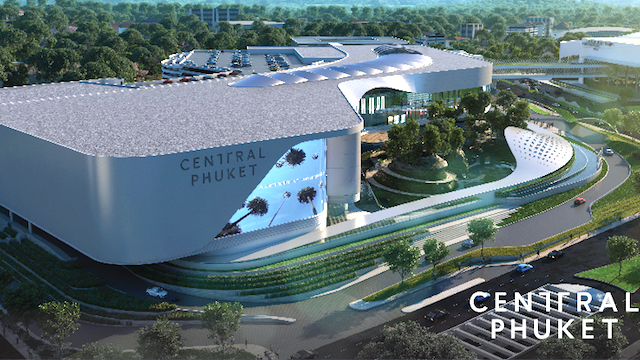
    Central Phuket, which will open in September, mixes leisure lifestyles with world-class attractions: ‘Tribhum’ – the Mystery of Three Worlds in a 3D-walkthrough theme park – and Aquaria, which is claims will be the largest aquarium in Thailand.

    CentralPlaza Ayutthaya is a new lifestyle destination in the world-heritage city, which was once Thailand’s capital and is a popular tourist destination. That will open in December next year.

    Central Pattana describes Central Village as “the first international retail outlet in Thailand”.

    Co-creating life

    Meanwhile, the company has described its vision ‘Co-Create Center of Life’ as a blend of three strategies:

    • Create Destination Concepts: “Develop destinations for all customers by lifestyle and preferences and also categorise products and services based on lifestyles.”
    • Create Digital Platforms: “Offer seamless experience by delivering the real-time personalised offers, enhancing the online experience to conveniently and quickly connect customers’ mobile devices to services in shopping centres and integrating market platforms by teaming with Central JD to add a sales channel that is more seamless.”
    • Create Partnerships with business partners such as I-Berhad “to create the I-City ultra-metropolis,” and co-operating with Ikea to create the first in the world of a new store format at one of its largest malls in Bangkok.

    Central Pattana, part of the huge retail and FMCG conglomerate Central Group, currently has 32 shopping centers in Thailand.

  • Ikea open new store in Hyderabad, mid July

    Ikea open new store in Hyderabad, mid July

    Ikea India says it will launch its first store in Hyderabad in July.

    This follows the Swedish furniture maker opening a “Hej Home” experience centre in the city in November to familiarize locals with brand.

    Covering 400,000sqft in Hi-tech City, the debut store will have more than 7000 products on display, says Ikea Hyderabad store manager John Achillea.

    It is six years since the company was given permission for single-brand retail, and a month ago it announced the appointment of Peter Betzel as its CEO for India. Betzel came in from Germany, its largest market, to look after what the company describes as “one of its most important growth markets”.

    Previously Ikea has announced plans to open 25 stores by 2025. It has also bought land parcels in Bengaluru, Mumbai and New Delhi to build stores, with more land to be acquired in cities such as Ahmedabad, Chennai, Kolkata, Pune and Surat.

  • Ikea Southeast Asia talks about copycats, culture and the new competition

    Ikea Southeast Asia talks about copycats, culture and the new competition

    Swedish furniture and homewares retailer Ikea faces some unique challenges – and opportunities – as it expands its footprint across Southeast Asia.

    Copycats in Vietnam; cultural differences between Asians and Europeans; competition from other Ikea franchises are all part of the puzzle for Ikea Southeast Asia (Ikano) as it makes its mark in Asia.

    Ikano is one of 10 Ikea franchises worldwide, but it is different in that it is owned by members of the retailer’s founding Kamprad family. But that family link does not mean it has any special perks.

    “We had to apply for the Philippines,” says Christian Rojkjaer, MD of Ikea Southeast Asia. “We also applied for Indonesia, but it was given to Jardine.”

    So Jardine, through its retail subsidiary Dairy Farm International, runs Ikea in Hong Kong, Indonesia and Taiwan. Ikano has the stores in Thailand Malaysia, Singapore and – coming soon – the Philippines.

    “I think is super healthy that the founding family still has some retail interest, hopefully to show the way and show how it should be done,” says Rojkjaer. “That being said, are we better than the other guys out there? We love to beat them, but they are very, very good as well.

    “We learn from each other, share our experiences … and we compete a bit to be the best, the most successful in terms of visitation and in lowest pricing reality – their study to have the best prices per category, the lowest prices. Ingrad Kamperft set this up in the 1980s in order to keep we retailers on our toes.”

    ‘Quite challenging’

    Asia is one of the few places in the world where Ikea is launching in developing markets, where incomes are lower than in more established regions like Europe, the US and Australia. Rojkjaer admits it has been “quite challenging”.

    “We want to be for the many in a country, but when we go into the Philippines, for a while it will be for a lot, but not for everybody. Then we will grow our presence and become more for the many, as we say. But, of course, not everybody in the Philippines can afford us today. But we will work on that and adapt our range and become better and better to become something for many more people.

    “That will certainly be the same in Vietnam, Myanmar, Laos, Cambodia. It is a challenge to be something for everybody. However, our range will fit a lot of people in all those countries from day one.”

    While integrating shopping malls with Ikea stores has proven successful in Europe, Ikano is the first franchise to try this in Asia-Pacific. Rojkjaer is sure it has not only been successful so far, but has actually been easier than developing malls in Europe.

    “In Asia we love the day out, we love the family time when the outing in itself is less practical. In Europe, you go out to buy something specific, whereas in Asia you go out to have a good time, have a cup of coffee, some food, and maybe you buy a little at the same time, but you go more often.”

    That is the philosophy behind the company’s newest, boldest mall development yet: the 1.1 million sqft Toppen centre being built in Tebrau, in the south Malaysian border city of Johor Bahru.

    Bigger and brighter

    After Mega Bangna in Bangkok and MyTown in Kuala Lumpur, Toppen promises to be bigger and brighter, with four floors of retail and an indoor/outdoor rooftop experience zone with cinemas, food and recreational space.

    “This destination … is not just about shopping, it’s about having a great time. We have air-conditioned walks, and maybe if you even just look the first four or five times you visit, on the sixth time you buy something. So we are not so hard on selling, selling, selling. We are much more focused on what it takes to have a great visit.

    “This means that maybe the tenant mix is a bit different from Europe: more food and beverage, more leisure and more education and tuition, that sort of stuff. If you visit Mega Bangna you’ll see we have come quite far on that offer. For instance, the children’s education is growing out of the shopping centre.”

    An extra building is under construction, connected to Mega Bangna purely to house education offerings such as music lessons, ceramics and art classes, language centres and the like.”

    Rojkjaer is targeting 6.5 million visitors to Toppen in its first full year of trading. Ikea Damansara in Kuala Lumpur achieves 6 million a year, ranking it among the 10 most-visited Ikea stores in the world. Little more than four months after opening in Johor Bahru, Ikea.

    Within reason

    Tebrau had surpassed 2.5 million shoppers, so given the store will have been trading about two years by the time Toppen is complete late next year, the target is well within reason.

    “We use Ikea to warm up the place, then we open up the centre,” one Ikea executive joked at a retailer event launching the leasing program in Johor Bahru last month.

    “Toppen is unique,” says Rojkjaer. “Nobody will ever, ever have an Ikea-anchored shopping centre in Johor Bahru, I can promise you. It’s not going to happen, because we are the owners of the Ikea brand.”

    And therein lies a key advantage for retailers considering taking space in the mall, Rojkjaer explained at the launch. “We are retailers just like you, which means we have more opportunities to understand you better than most, and we are doing our best to do so. And one way of doing that is that we are incredibly stubborn, not in terms of negotiations but in terms of making our destinations a success. They will be a success. They must be a success, because we don’t do that many of them.”

    Ikano plans to build only five or six – “seven at the absolute maximum” – Ikea-anchored shopping centres in Malaysia. Toppen will be the third and another is possible in Penang, in East Malaysia.

    Given the massive migration of shoppers from physical stores to online in most Asian markets, is building a mall on this scale a risk? Not at all, says Rojkjaer.

    “We are still human beings – a day out, a destination, is what shopping is all about. For years and year to come we will still go out to the cinema. For years and years to come, we will still go out to eat something together, because it is our human nature to do so. So this destination is much more than a shopping centre, it is a destination in itself.”

    And as a colleague commented during the launch event: “You can’t buy an ice cream after you’ve bought a sofa online.”

    Scouting exercise

    After establishing beacheads in Singapore, Malaysia and Thailand, the Philippines and Vietnam are the next markets on Ikea’s radar in Southeast Asia. Ikano already has the Philippines rights sewn up and will open its first store there next to Mall of Asia in Manila in 2020. Further stores will open in other parts of the country either attached to Ikano’s own centres or, where there are synergies, existing centres.

    Vietnam is at a much earlier stage of planning, with Ikea head-office executives heading to the country this month on a further scouting exercise before recommending locations and a timeline to head office in Sweden.

    “We are very cautious not to commit too much on time, but we are looking into the country,” says Rojkjaer. “How many Ikea stores can we have? Where should they be? Where could we create some great destinations for Ikea? And there must be a possibility for Ikea together with our shopping centre concept to go in there.

    “I think there is enough space for us without creating crazy competition with other mall players in the market. I think we could co-exist there. We don’t have to go in alone, solo, but it is more tempting to do so in Vietnam.”

    Singapore-based Rojkjaer says he “loves” Vietnam and is a frequent visitor with his family for holidays. His belief in the nation as a future market for Ikea has been fuelled by the Starbucks’ experience. “It seems like half of Ho Chi Minh City is drinking super-expensive coffee. The same with the gyms. They consume way more than their disposable income would suggest.

    “Our vision is to create a better everyday life for the many, and that’s why we have to argue the investment case to the Ikea family. They are saying, ‘But we are there for the many’.

    Copycats and potential customers

    While Ikea may not be there for the many upon launch there, to be there ‘for a lot’ we have to be there for some years.

    Many people will be potential Ikea customers, he believes. “We need to get in there and get going.”

    Ikea already sources products from Vietnam, its largest manufacturing source after China, with Thailand in third.

    Rojkjaer is aware of unauthorised vendors of Ikea products in Vietnam, but says they are not harming the brand for now.

    “I am actually not sure where they buy the products … not from us. Maybe they buy them from China. We have chosen not to pursue them, but when we start they will not exist any more. I mean, they can’t. We will set the pricing and we will beat them on pricing. We’ll be cheaper, more available, more accessible, much better than them.”

    As it expands across Asia, Ikea is working in markets with quite different levels of GDP and disposable incomes. So how does it create a pricing strategy to cover such diverse markets?

    “We price to market,” says Rojkjaer.

    “Of course, we know as any retailer that we must also be profitable, but we are okay to be priced to market with extremely low margins to get in. But loss-making companies middle and long term won’t work, so there is a limit to how long and how low we can go. But so far we have priced to market and been very successful.”

    Annual check

    With the giant Ikea store trading just across the bridge from Singapore, one might expect a lot of Singaporeans to take a trip across the border and avail themselves of cheaper prices for many goods. Rojkjaer says Ikea Tebrau is not trying to attract Singaporeans and he is unconcerned about any cannibalisation effect of the Singapore store. They have checked number plates in the carpark and found fewer than 5 per cent of shoppers are driving cars registered across the water.

    Prices do differ between the two cities, but not in the way one may think.

    “They are market based. Some will be more expensive, some will be cheaper. Some are based on higher import duties in Malaysia. Some are based on higher labour costs in Singapore. But most important of all, it’s bargain-basement prices. We must do this always. We must offer the lowest price we can.”

    Ikea Sweden executives travel to all franchised stores annually to check they have the lowest prices. And if Ikea Southeast Asia does not, “we have to show them an action plan of how to get there,” says Rojkjaer.

    “So, we have the cheapest table and we also have the more expensive, high-end products. We compete relatively high up as well. But we are probably not for the millionaires.”
  • Ikea Plans Mini Stores for Southeast Asia

    Ikea Plans Mini Stores for Southeast Asia

    Ikea mini-stores are planned by the Swedish furniture giant to boost its presence in Southeast Asia.

    It regards showrooms in smaller cities as a low-cost way to reach the growing middle class. Research firm Nielsen Holdings has estimated the population in Southeast Asia’s regional cities will have grown 18 per cent by 2025 since 2015.

    Ikea is starting its Southeast Asia roll-out in Thailand, with plans for compact stores in Chiang Mai, Pattaya, Udon Thani and other Thai cities during the next three years. These mini-stores will not keep large furnishings in stock, with items being delivered as needed from larger stores in major cities.

    Ikea already has a small store prototype in Phuket. The 2600sqm shop cost the retailer THB175 million (US$5.6 million) to build – a 30th the cost of Ikea’s full-scale store on the outskirts of Bangkok.

    Computers in the store centre can be used by customers to order furniture and accessories online they have inspected in store. Their purchases arrive from the Bangkok store two to three days later, ready for pickup. For an extra fee, customers can have their orders delivered to their homes.

    When it opened in 2015, the pioneering store struggled, but last year turned a profit for the first time.

    Meanwhile, Luxembourg-based Ikano, which runs Ikea’s Southeast Asian stores, aims to have a location in Manila by 2020 and hopes to expand to Vietnam’s Ho Chi Minh City by 2022.

    While Ikea has compact stores internationally, the idea failed to catch on in Japan, with a 1500sqm location in Kumamoto set to close at the end of July.

    Ikea has more than 400 stores worldwide. Global sales topped €38.3 billion (US$46.8 billion) for the year to the ended of August 2017. Yet the company has just nine stores so far in Southeast Asia.

  • Ikea Philippines launches at the Mall of Asia

    Ikea Philippines launches at the Mall of Asia

    Ikea Philippines will open its first store next to Mall of Asia in Manila in 2020.

    Inter Ikea Systems announced in February it had appointed Ikea Southeast Asia (Ikano) as Philippine franchisee, the same company that holds the rights to Singapore, Thailand and Malaysia.

    In an exclusive interview with Inside Retail Asia, Ikea Southeast Asia MD Christian Rojkjaer says Ikea chose to open its first Philippine store at SM’s Mall of Asia as it is such an impressive, established centre. “It’s already there and we have no chance to beat it.”

    However, future stores might be integrated with Ikano’s own shopping-centre developments, similar to Bangkok’s Mega Bangna, Kuala Lumpur’s MyTown and the Toppen Tebrau under construction in Johor Bahru, Malaysia.

    “What happens in Malaysia and the Philippines is that we go in and… we must create the best shopping destinations in that country either alone or with somebody else. So we do it shopping centre by shopping centre with the customer in mind. We are not like, ‘It has to be ours’. It has to be the best position for our customers. So let’s see what is going to happen [in the Philippines], but the first one will be with SM.”

    Ikano is one of 10 Ikea franchisees worldwide and the only one owned by members of the founding Kamprad family. It had to pitch for the Philippines franchise, as it did for the Indonesian one (which it lost to Jardine Group’s Dairy Farm International in Hong Kong).

    Southeast Asia is one of the few growth regions in the world for Ikea, where many local markets have developing economies so its customers have lower average incomes than in more developed markets.

    “That has been quite challenging,” Rojkjaer tells Inside Retail Asia. “We want to be for the many in a country, but when we go into the Philippines, for a while it will be for a lot, but not for everybody. Then we will grow our presence and become more for the many, as we say. Of course, not everybody in the Philippines can afford us today, but we will work on that and adapt our range and become better and better to become something for many more people.

    “That will certainly be the same in Vietnam, Myanmar, Laos and Cambodia, too. That said, our range will fit a lot of people in all those countries from day one.”

  • Ikea Southeast Asia’s Toppen mall to be ‘heart and hub’ of JB

    Ikea Southeast Asia’s Toppen mall to be ‘heart and hub’ of JB

    Ikea Southeast Asia’s new Toppen Shopping Centre in Tebrau, a suburb of Malaysia’s Johor Bahru, is already more than 60 per cent tenanted as construction continues on what will become the new “heart and hub” of the border town.

    Granted, that figure includes the giant Ikea store which has already been trading for several months, drawing customers from all over southern Malaysia and across the border from Singapore.

    Tenants of the 1.1 million sqft complex already signed up include Australian furniture and electronics retailer Harvey Norman, cinema chain TGV and B.I.G (Big Independent Grocer), a gourmet supermarket which already anchors Ikea Southeast Asia’s IPC shopping centre, integrated with its Ikea Damansara store in Kuala Lumpur.

    The Toppen Shopping Centre is on schedule to open by the third quarter of next year. It is next to Aeon Tebrau mall, described by Ikea Southeast Asia MD Christian Rojkjaer as a “friendly competitor” and home to Thai furniture and homewares rival Index Living Mall.

    “Johor is home to 3.6 million potential consumers with fast-growing retail sales,” Rojkjaer told a media briefing at the site. “Johor’s economy is booming – growing faster than the rest of the nation. The mature community gives us the opportunity to create significant partnerships with both the community and business owners.”

    The new centre will feature four floors of retailing, with a multi-purpose piazza-style rooftop including community garden, play areas, sports offerings, a cinema and al fresco eateries. It will be home to 300 tenants across all categories, including international brands and local specialty stores.

    Ikea Southeast Asia owns and runs the brand’s stores in Singapore, Malaysia, Thailand and, from 2020, the Philippines. It is the only Ikea franchisee globally to be owned by the Kamprad family, which founded Ikea in Sweden.

    As such, it is also the only Ikea business in Asia to own and run shopping malls, a formula that works in Europe where the company has about 50 centres anchored by giant Ikea stores. Its malls include Bangkok’s Mega Bangna and Kuala Lumpur’s MyTown and IPC Shopping Centre, which has just had a major refurbishment.

    “Through our rich experience and deep understanding of market trends, Ikea’s presence normally contributes to an additional 20 per cent of footfall to our shopping centres,” says Ikea Southeast Asia shopping centre and mixed-use director Christian Olofsson.

    “Toppen is not just another shopping centre – it is a space for the community to come together, a platform for business owners to grow, and a positive driver for Johor’s economic growth through the creation of job opportunities (an estimated 5000) and increased tourism.”

    Rojkjaer expects that about 5 per cent of the Ikea Tebrau store’s sales will to be Singaporeans, who can take a short drive across the bridge border from their city state, where prices for many products are higher. But he is not concerned about prospective cannibalisation of the Singapore business’ sales. As if to underscore that point, last Easter holiday weekend the number of people heading to Malaysia by road caused traffic jams on the Singapore side of the border. Instead of the usual quick crossing, travellers were caught in queues for several hours.

    Such is Johor Bahru’s rapid growth that even without cross-border traffic, both Ikea executives are bullish about the Malaysian city’s future.

    “Every time we come here we see how things are developing,” said Rojkjaer. “Tebrau is going to be a major destination for years to come.”

    Rojkjaer expects the centre to attract 15 million visitors in 2020, its first full year of trading.