Tag: india

  • NOW Telecom details “NVNO” model

    NOW Telecom details “NVNO” model

    The Philippines’ NOW Telecom has introduced a new model aimed at partnering with small and medium sized businesses to deliver wireless broadband services to individual areas.

    The company’s new NOW Virtual Network Operator (NVNO) model will see the operator partner with SMEs and even individuals to bring NOW’s fixed wireless broadband technology to a particular area.

    The SMEs will be given exclusive distributorship rights over the broadband services in the given areas, which could be an office building or a local village area.

    NOW plans to enter five year business partnerships under a revenue sharing model. The business partner would be responsible for selecting the area, selling the product, marketing and installing the service and ensuring payment by subscribers.

    NOW’s Fiber in the Air service is a fixed wireless broadband internet service that provides guaranteed broadband internet for enterprises with a capacity of 2.4Gbps.

    To be selected, business partners will have a local business in the area and a strong local influence.

  • Amore Pacific launches Etude House

    Amore Pacific launches Etude House

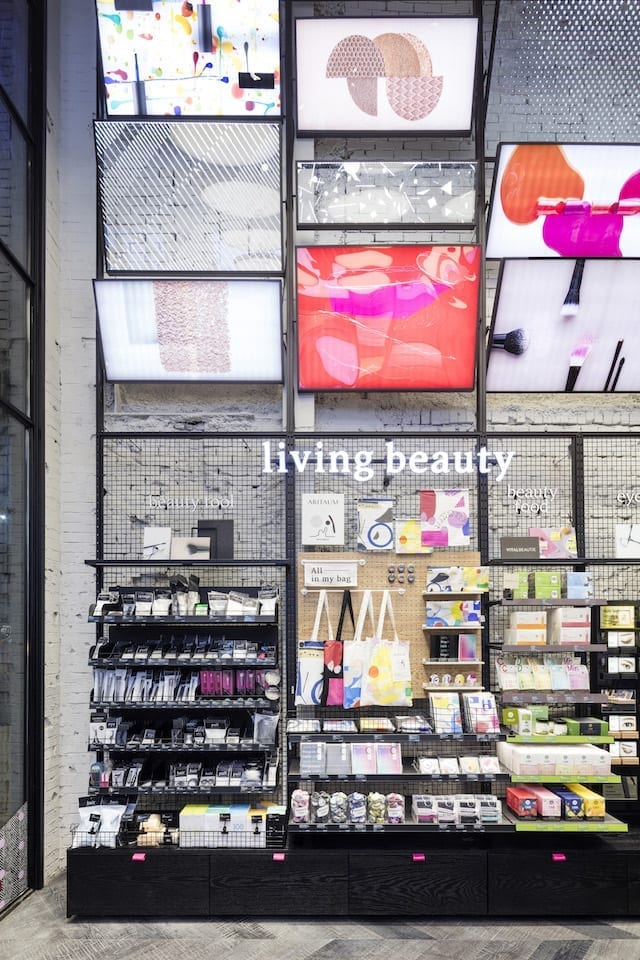
    Amorepacific Group, the largest global beauty company headquartered in Korea, has launched Etude House in India.

    Etude House has become the third Amorepacific brand introduced to India after Innisfree and Laneige. The brand made its debut on the Indian market on April 30th exclusively through beauty retailer Nykaa.

    Amorepacific plans to expand e-commerce channels to increase reach with millennial customers in the territory, communicating with Indian consumers through Instagram.

    “The Indian beauty market is growing by nearly 10 per cent every year, and this fast growth is driven by millennial customers with increasing disposable incomes and growing interests in global beauty,” said Amorepacific’s group strategy unit head Lee Chang-kyoo. “We see tremendous potential in India to support our goal of strengthening the experience of Asian beauty in the region.”

    “With the launch of Etude House in India, we seek to offer the best beauty experience to our Indian customers – with products that are backed by over 70 years of studies in natural ingredients and world-class innovative technology. This year, we plan to boost our brand operations through online channels.”

    Nykaa chief business officer Nihir Parikh added: “Over the last two years, Nykaa brought Korean beauty to India, introducing customers to their unique innovations and ingredients. The category has been a great success with our customers, who are keen to experience such global trends.”

  • Indian Consumers Face Post-Election Fuel Price Shock

    Indian Consumers Face Post-Election Fuel Price Shock

    Surging global oil prices will pose a first big challenge to India’s new government, whoever wins an election now under way, especially as domestic prices have been allowed to lag, meaning consumers are in for a painful surge as they catch up.

    For oil-import dependent India, higher global prices could lead to a weaker rupee, higher inflation, the ruling out of interest rate cuts and could further weigh on twin current account and budget deficits, economists warned.

    But compounding the future pain, state-run fuel suppliers and retailers have held off passing on to consumers the higher prices during a staggered general election, which began on April 11 and ends on May 23, according to sources familiar with the situation.

    That delay is expected to be unwound once the election is over. And there could be additional price increases to make up for losses or profits missed during the period of delayed increases, the sources said.

    In some major Asian countries, such as Japan and South Korea, pump prices are adjusted periodically so they move largely in tandem with international crude prices.

    That was what was supposed to happen in India but the election means there have been many days when pump prices have been unchanged.

    In New Delhi, for example, while crude oil prices have gone up by nearly $9 a barrel, or about 12 percent, in the past six weeks, gasoline prices have only risen by 0.47 rupees a litre, or 0.6 percent.

    State-controlled fuel suppliers and retailers declined to say why they had delayed price increases, or discuss whether there has been any pressure from the government of Prime Minister Narendra Modi.

    A government spokesman declined to comment.

    The opposition Congress party said Modi’s government was violating its own policy of daily price revision by advising the state oil companies to hold prices steady.

    “The government should cut fuel taxes otherwise consumers will have to pay much higher oil prices once the elections are over,” said Akhilesh Pratap Singh, a senior leader of the Congress party.

    Nitin Goyal, treasurer at the All India Petroleum Dealers Association, representing fuel stations in 25 states, said prices were similarly held down for 19 days in the southern state of Karnataka last year, when it held state assembly elections. Only for them to surge after the vote.

    “Consumers should be ready for a rude shock of a massive jump in retail prices, similar to the level we have seen in the Karnataka state election,” Goyal said.

    Sri Paravaikkarasu, director for Asia oil at Singapore-based consultancy FGE, said retail prices of gasoline and gasoil prices would have been up to 6 percent, or about 4 rupee, higher if they had been allowed to rise in line with global prices.

    “Indian pump prices have failed to keep up with the recent uptrend in crude prices,” Paravaikkarasu said.

    “With the country’s general elections underway, the incumbent government has been keeping pump prices relatively unchanged.”

    India had switched to a daily price revision in June 2017 from a revision every two weeks, as the government allowed retailers to set prices.

    But the government faced protests last October when retailers raised prices by up to 10 rupees a litre after the crude oil price went above $80 a barrel, forcing it to cut fuel taxes.

    Global prices rose to their highest level in 2019 on Thursday, days after the United States announced all Iran sanction waivers would end by May, pressuring importers including India to stop buying Tehran’s oil. [O/R]

    Higher oil prices will mean Asia’s third largest economy is likely to see growth of less than 7 percent rate this fiscal year, economists said. Growth slowed to 6.6 percent in the October-December quarter, the slowest in five quarters.

    Rating agency CARE has warned that a 10 percent rise in global oil prices could increase demand for dollars, putting pressure on the rupee and widening the current account deficit.

    India’s oil import bill rose by nearly one-third in the fiscal year ending March 31 to $140.5 billion, against $108 billion the previous year.

    “The increase in international oil prices is a credit negative for the Indian economy,” ICRA, the Indian arm of the Fitch rating agency, said in a note.

    “Every $10/ bbl increase in crude oil prices increases the fiscal deficit by about 0.1 percent of GDP.”

    Any big price rise would also build a case for the central bank to keep rates steady, or even raise them.

    The Reserve Bank of India’s Monetary Policy Committee, which cut the benchmark policy repo rate by 25 basis points this month, warned that rising oil and food prices could push up inflation.

    Policymakers are worried that a sustained increase in the oil price in the range of $70-75/barrel or higher can move the rupee down by 3-4 percent on an annual basis.

    The rupee has depreciated by 1.24 percent against the dollar since a year high in mid-March.

  • Trump Again Goes After India

    Trump Again Goes After India

    President Donald Trump has criticised India’s “big tariffs” on American paper products and the iconic Harley-Davidson bikes, saying the US has been losing billions of dollars to countries like India, China and Japan. Addressing a Republican political rally in Wisconsin state’s Green Bay city on Sunday, Trump alleged that every country has been ripping off America for years.

    The President has repeatedly claimed that India is a “tariff king” and imposes “tremendously high” tariffs on American products. “For so many decades we’ve been losing tens of billions of dollars to China and Japan, and India, and name any country and we lost, but we’re not losing anymore,” he said to his cheering supporters. He said that the US was being charged high tariffs on foreign paper products.

    “We charge other countries zero tariffs on foreign paper products, but when Wisconsin paper companies export it abroad… China charged us big tariffs, India charged us big tariffs, Vietnam charge us massive tariffs,” Trump said. He claimed that people of the US demanded a government that puts America first. “And we’re doing that with China, we’re doing that with India, we’re doing that with Japan, we’re doing it with a great new trade deal, that hopefully will get approved in the house,” the President said.

    Early this year at a White House event to announce his support for reciprocal tax, Trump had said that he was satisfied with the Indian decision to reduce the import tariff on high-end Harley-Davidson motorcycles from 100 per cent to 50 per cent. The President said that he called up Prime Minister Narendra Modi on the issue of tariffs on Harley-Davidson motorcycles. “Look at Harley-Davidson. I met with them three years ago, they would tell me tough to do business in certain kind. I asked ‘How you’re doing in India?’ and they said, ‘Oh, we don’t do any business’. They weren’t even complaining because so many years.

    “So India charged a 100 per cent tariff on Harley-Davidson, but when they send their motorcycles and they may come to us, we charge them nothing,” Trump said. “So I called up Prime Minister Modi, I said unfair, he cut it 50 per cent… But that’s not good enough because look, it’s 50 per cent to nothing. And what we’re doing is changing all of that stuff, changing all of that rapidly,” he added.

    India is pressing for exemption from the high duty imposed by the US on certain steel and aluminium products, resumption of export benefits to certain domestic products under the Generalised System of Preferences (GSP) programme, greater market access for its products from agriculture, automobile, automobile components and engineering sectors.

    On the other hand, the US is demanding greater market access through a cut in import duties for its agriculture goods, dairy products, medical devices, IT and communication items. India has stated that it would be difficult for them to cut duties on IT products.

    India’s exports to the US in 2017-18 stood at USD 47.9 billion, while imports were USD 26.7 billion. The trade balance is in favour of India.

  • India’s Quikr Acquires Zefo marketplace

    India’s Quikr Acquires Zefo marketplace

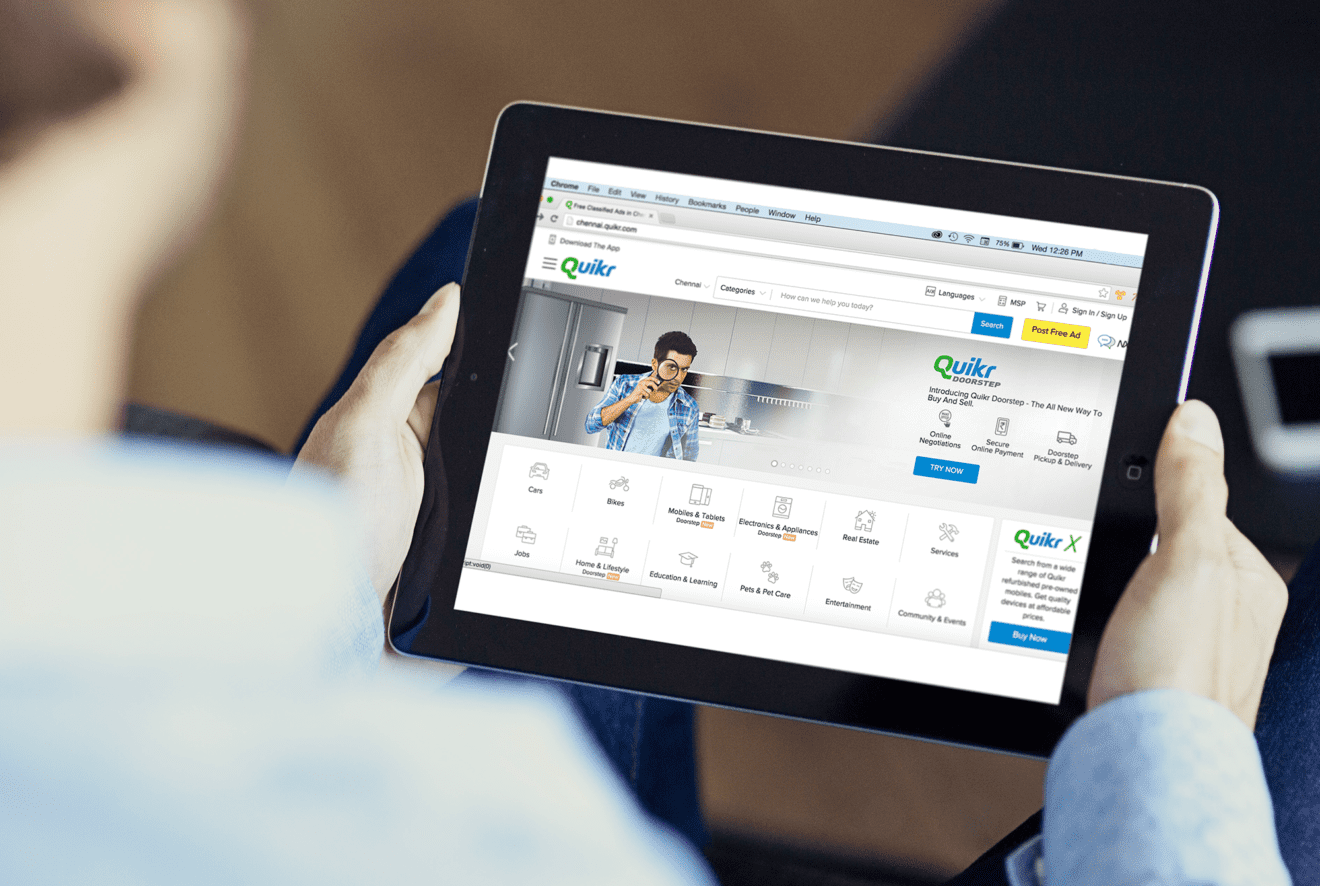
    Indian online classifieds site Quikr has bought refurbished goods marketplace Zefo, headquartered in Bangalore.

    The acquisition allows an exit strategy for Zefo’s current investors, including Sequoia Capital, and gives Quikr a pathway to expand and strengthen its pre-owned product range.

    Zefo, has a portfolio of more than 10,000 products in four cities, including Bengaluru, Mysore, Delhi NCR and Mumbai.

    “With Quikr and Zefo as a combined entity, we will be able to offer a broader selection of products at even more competitive prices along with as strong a focus on quality,” said Quikr founder and CEO Pranay Chulet.

    “With this transaction, the capabilities we have built and the offerings we have honed can now be offered to Quikr’s large customer base,” said Zefo CEO Rohit Ramasubramanian.

  • Xiaomi India plans 10,000 New Stores

    Xiaomi India plans 10,000 New Stores

    Xiaomi India will open 10,000 outlets in a bid to lock down its dominance over Samsung in the territory.

    The Chinese-headquartered company also announced last week that it expects 50 per cent of its business to be generated by trading offline by the end of this year.

    “About two years ago, we realised that while we had a 50 per cent share in online sales, our offline presence was negligible,” said Xiaomi VP and MD Manu Jain. “That’s when we started our offline expansion.”

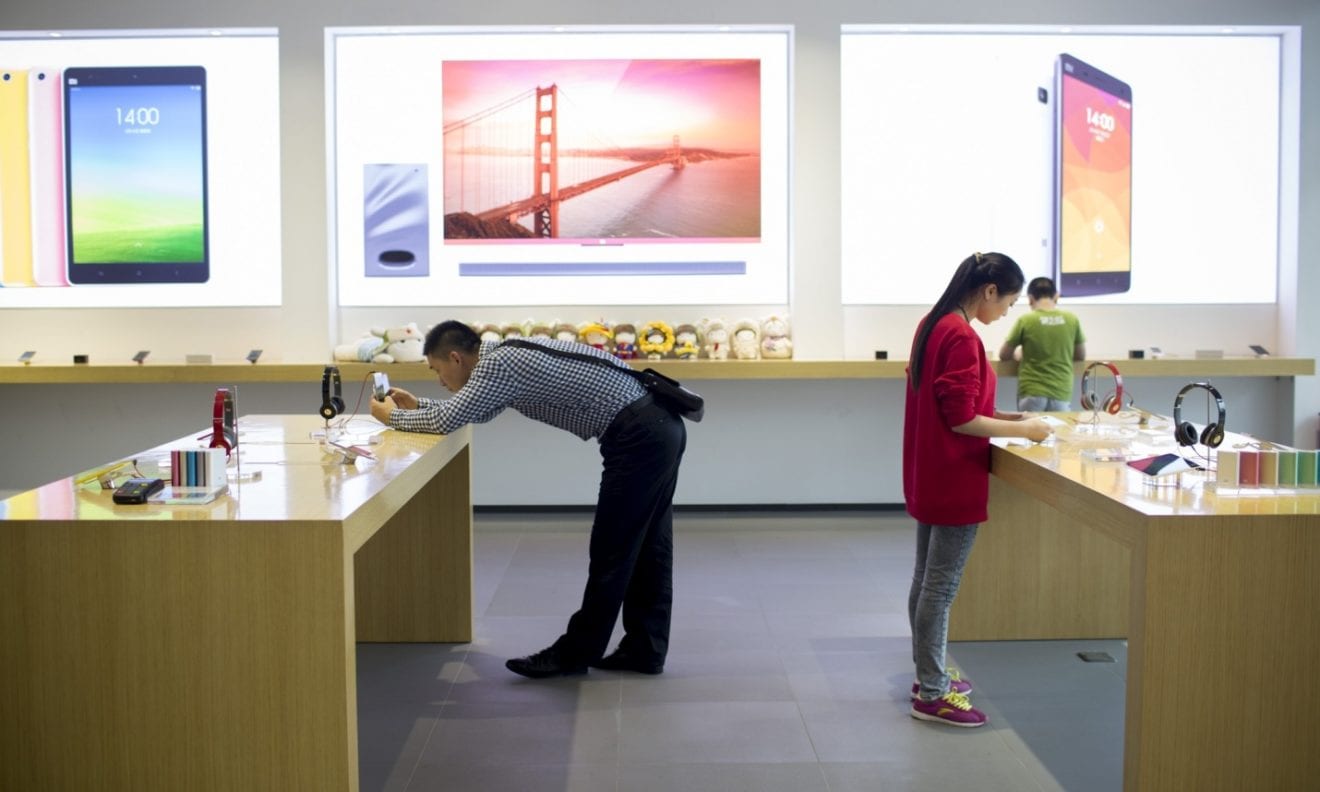
    The firm opened in India as an online-only brand about five years ago. Its new “Mi Studio” retail format will join Xiaomi’s more than 6000 existing outlets in other categories, including Mi Homes, Mi Preferred Partners and Mi Stores.

    The firm opened 500 outlets in one day in India last October.

    Xiaomi is already ahead of Samsung in smartphone sales, with a 28.9 per cent share as of December last year, compared with Samsung’s 18.7 per cent.

    “Mi Studios aim to offer premium brand experience in 50 top cities,” said Jain. “This format is an optimised version of Mi Homes replicating the same design and displaying modern, minimalist interiors.”

    Two of the new 400–600sqft Mi Studios outlets have already been set up in Bengaluru and Mumbai.

    Xiaomi has also recently entered the Romanian market with a new flagship Mi Store in Bucharest. The Mega Mall Bucharest outlet sells the full range of Xiaomi products, including smartphones, headsets, electric scooters, and home appliances.

  • Ebay Buying in India’s Paytm Mall

    Ebay Buying in India’s Paytm Mall

    International e-commerce platform Ebay is preparing to head a US$160–170 million investment in e-tailer Paytm Mall.

    In a report last Monday, the move was interpreted as a grab at O2O commerce and payments opportunities in India. It will be the third major e-commerce investment in the territory for the firm following its minors stakes in Flipkart and Snapdeal.

    Paytm Mall raised about US$215 million from Japan’s SoftBank and existing investor Alibaba mid last year, at a valuation of $1.6–2 billion. It has raised roughly $645 million in funding to date.

    The firm has a minority segment of the Indian market, which is largely dominated by its two biggest competitors Amazon and Flipkart.

  • AirAsia India Offers Up To 70% Discount On Flight Tickets

    AirAsia India Offers Up To 70% Discount On Flight Tickets

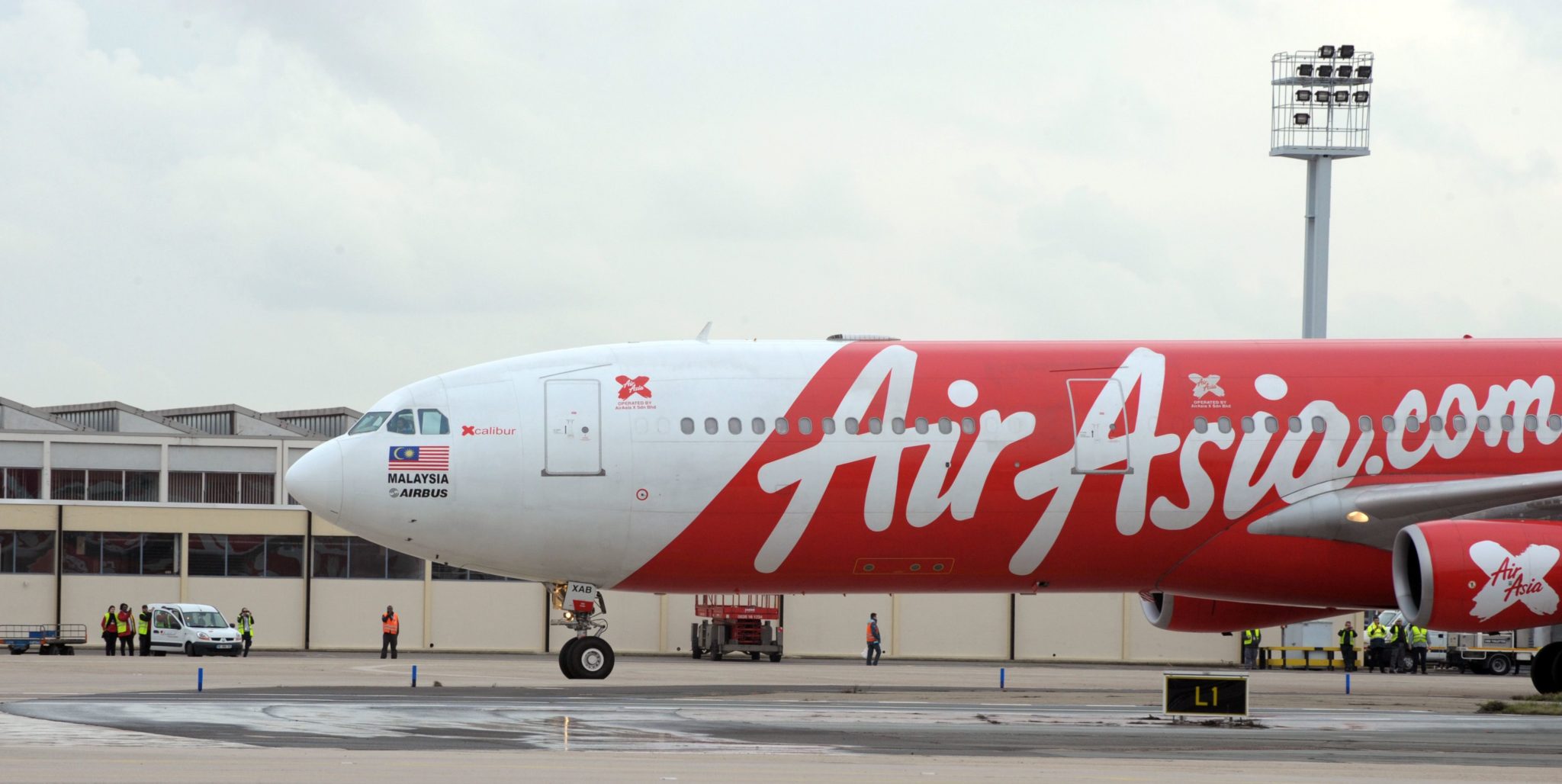
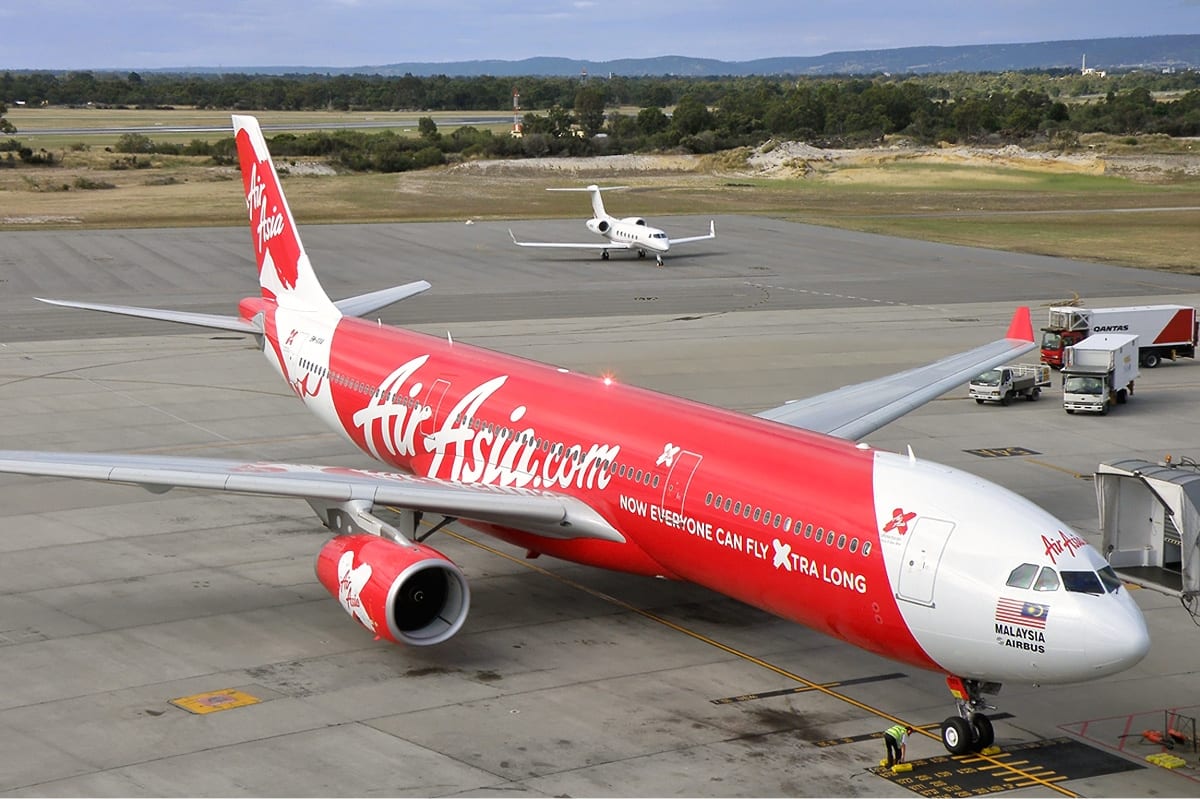
    AirAsia India is offering up to 70 per cent discount on flights tickets, according to the airline’s official website – airasia.com. Bookings under the sale – valid for travel between October 1 and June 2 – can be made till April 28, 2019.
    AirAsia India’s latest offer is applicable on all destinations, the carrier said on its website. The discount is available on selected fare classes and non-peak periods only. In order to avail AirAsia’s offer on flight tickets, customers need to book flight tickets in advance, according to the airline. How to avail AirAsia’s discount on flight tickets:

    1. Pick the preferred AirAsia flight for departure and arrival.

    2. Select the dates stated in the promo travel period.

    3. Choose the preferred flight.

    4. You would get up to 70 per cent off on base fare or 20 per cent discount on premium flatbed category.

    Value pack and premium flex bundled category, DJ carrier code flights and QZ carried code domestic flights are not included in the offer, the airline noted.

    Meanwhile, rival GoAir is offering domestic flight tickets at a starting all-inclusive price of Rs. 1,375 in a limited-period sale, according to the airline’s official website – goair.in. Bookings under the sale – valid for travel till August 31, 2019 – can be made till April 25, 2019.

    IndiGo, on the other hand, has announced six additional daily direct flights from Delhi. The new flights by IndiGo will be operated to and from Allahabad, Bhopal and Patna, with effect from May 25.

    SpiceJet has also announced the introduction of 24 new flights on its domestic network. The daily direct flights introduced by the airline will be operated to connect Mumbai and Delhi with other cities.

  • India’s Kurtees.com Makes Global Debut

    India’s Kurtees.com Makes Global Debut

    Seeking to differentiate itself from India’s crowded menswear space, KURTEES.com has made its global debut. Crafted from 100% Organic Jersey, KURTEES.com brings together traditional Kurtas (Tunics) and Churidars (Trousers) and infuses them with the feel and design of the everyday T-Shirt.

    “For me personally, both the Kurta and the T-Shirt have been go-to garments. There are elements of both that speak to me. The Kurta is quite diaphanous and therefore airy. The T-shirt, is soft, comfortable and has an ability to be paired with a variety of garments”, states Steven Jhangiani, CEO of STARANSA Clothing, parent company of KURTEES.com. “Being based in Singapore as well as Mumbai, I want a garment that is not overtly traditional and want to feel as comfortable wearing this garment from New Delhi to New York, that can take me from a Sunday Brunch to a casual Friday, and everywhere in between. KURTEES.com takes the Kurta, incorporates elements of casual street-style and utilizes familiar T-shirt necklines, Crew Necks to Turtlenecks, V necks to Henley’s, to create a garment that is totally unique yet recognizable”

    Taking advantage of India, and the worlds, growing interest in Organic fabrics, KURTEES.com works closely with suppliers in Tirupur to ensure full visibility into the supply chain, ensuring working conditions are fair and certifications on the fabrics are in place.

    “Organic fabrics, as we all know, have a variety of benefits, not only for the customer but for the farmers and the environment. It was hugely important for us to ensure compliance from our suppliers and to ensure that we were not using the Organic tag as simply a marketing tool and charging our customers extortionately. Our products are very affordably priced, and range from USD 19.50 to USD 31.60” states Jhangiani.

    In 2019, Indian e-commerce is expected to continue its rapid upward trajectory. KURTEES.com seeks to not only to take advantage of this growth but looks at the populous Indian diaspora as an equally important market, as well as those from other cultures that may be interested in an ultra-comfortable garment.

  • Tatas raise stake in AirAsia India to 51%

    Tatas raise stake in AirAsia India to 51%

    Tata Group raised its stake in AirAsia India to 51% and injected 5b rupees together with AirAsia Investments to fund the carrier’s international expansion plans, the Economic Times reports, citing two unidentified people familiar with the matter.

    * Tata Group also holds controlling stake in Vistara

    * Vistara and AirAsia have both applied for approval to fly international routes

  • Indians bought 50% more 4G devices in 2018 says CMR

    Indians bought 50% more 4G devices in 2018 says CMR

    The latest CMR report, the Annual 4G LTE Devices India Market Review Report 2018, revealed that Indian consumers purchased 50% more 4G LTE devices in 2018 year-on-year, with shipments surpassing 200 million units. 4G devices include mobile phones, tablets and data cards. In 2018, 4G devices had a 64% market share.

    While 4G LTE enabled mobile device shipments crossed 60%, the 4G LTE tablets accounted for 44% of the total tablet shipments. 4G LTE contributed for 100% of the data cards shipped in calendar 2018.

    “4G is enabling Indians everywhere to raise above their social and economic challenges and connect with new possibilities. The 4G device penetration in India continues to gain traction, with 4G mobile phone and 4G tablet shipments on the rise. Reliance Jio Infocomm has been the X-factor,” said Prabhu Ram, head – Industry Intelligence Group (IIG), CMR.

    During the year, LYF led in the 4G LTE mobile handset segment with 33% market share, while Lenovo dominated the 4G LTE tablet market with 40% market share. LYF is the only Indian brand in the leaderboard shipping 4G LTE mobile handsets.

    Narinder Kumar, lead analyst-IIG, CMR, predicts 4G adoption will continue in CY2019 driven by 4G feature phones and bundled offerings at the entry level contributing to growth in 4G device shipments. Video and music streaming will fuel this 4G growth. “Over the long run, we anticipate 4G to play a major role in smart cities, and especially smart homes,” said Kumar.

    CMR analysts see 4G continuing to dominate the Indian market until 2024. That said, 5G should see a spike in adoption in India by 2023. CMR anticipates a modest spike for 5G by 2023, with CMR internal estimates pointing to 5G smartphone shipments in India to top 140M by 2025.

    “At CMR, our internal research estimates point to the 5G enabled devices contributing to 3% of the total smartphone shipments by 2021, and potentially reaching 16% by 2025. The course of 5G in India will be driven by how Jio plays its cards,” added Prabhu.

  • Jio raising $3.89b for tower unit spinoff:

    Jio raising $3.89b for tower unit spinoff:

    The fiber network unit Reliance Jio Infocomm is reportedly planning to raise around 270 billion rupees ($3.89 billion) in syndicated loans to help expand the newly created infrastructure business.

    Jio Digital Fiber plans to use the proceeds to expand its business and allow it to serve external customers from the telecom, ISP, power and other sectors.

    Reliance Jio is spinning off its fiber business as well as its tower business into standalone subsidiaries in an attempt to monetize the assets. The tower business is being spun out into Reliance Jio Infratel.

    Reliance Jio received approval for the demerger plan from the National Company Law Tribunal last month.

    Meanwhile Reliance Jio has reportedly also crossed the 300 million subscriber mark after just two and a half years in operation, putting it close to second-placed rival Bharti Airtel, which has around 340.3 million customers.

    According to Indian media, it took Airtel 19 years to pass the 300 million subscriber mark. If Reliance Jio continues its trajectory, it will knock former market leader Airtel into third place. The 2018 merger between Vodafone India and Idea Cellular created the current market leader Vodafone Idea, which has over 400 million customers.

  • Airtel launches e-book app store

    Airtel launches e-book app store

    India’s Bharti Airtel has expanded its OTT portfolio with the launch of a new app store for e-books.

    The Airtel Books app currently offers over 70,000 e-books from Indian and international authors, including some of the latest launch titles.

    The app will include a subscription service offering access to a curated selection of the e-books, priced at 129 rupees ($1.87) for six months and 199 for 12 months. Customers can also purchase books on a per-item basis.

    Airtel Books will be available to both Airtel and non-Airtel customers via both iOS and Android.

    Airtel is offering all users a complimentary 30 day trial and access to free titles from the Readers Club component of the app. Smartphone customers will also be offered five free books from a selection of over 5,000 paid e-books.

    The new OTT app adds to Airtel’s existing digital content portfolio, which includes offerings including the Wynk Music subscription service and Airtel TV.

    “Airtel Books is another major milestone in our journey towards building a world-class digital content portfolio. E-books is a fast growing segment along with music and video, thanks to large screen smartphones becoming the cornerstone of digital lifestyle,” Airtel CEO for content and apps Sameer Batra said.

    “We are delighted to roll out this initiative and take it to the smartphone users across India through our deep distribution reach.”

  • Maserati Levante Trofeo India Launch Details Out

    Maserati Levante Trofeo India Launch Details Out

    One of the most powerful production cars to come from Italian automaker Maserati, the Levante Trofeo SUV has been confirmed for India. We understand that the Maserati Levante Trofeo will be launched in India in June this year. Compared to the standard Levante that is already on sale here, the Trofeo packs in 590 bhp and a whopping 730 Nm of peak torque from its 3.8-litre twin-turbo V8 motor, and has a top speed of 300 kmph, bringing it close to the likes of the Bentley Bentayga Speed and the Lamborghini Urus. The performance SUV was first unveiled globally at the New York Auto Show in 2018 and will be produced in limited numbers.

    Adding an aggressive touch to the SUV, the Maserati Levante Trofeo gets a sharper looking front with the revised grille, full-LED headlamps and a functional bonnet vents. The car comes with carbon fibre inserts to the rear and a side skirts further adding to the aggressive appeal apart from being functional additions. The Levante Trofeo rides on massive 22-inch forged aluminium alloy wheels, which are not only lighter than the stock version but also the largest fitted on a Maserati car. Internationally, the car is offered with a matte paint scheme that could be offered in India as well.

    Inside, the Maserati Levante Trofeo gets red, black and tan leather upholstered seats, while the ‘Trofeo’ badging is a reminder as to why this model is special. The carbon fibre treatment has been extended to the cabin as well with a number of inserts including the paddle-shifters for the ZF-sourced 8-speed automatic transmission. Other upgrades include new variant-specific graphics for the instrument cluster and new design for the gear lever. The Levante comes equipped with a 1280 watt, 17-speaker Bowers & Wilkins surround sound audio system as standard, while the touchscreen infotainment unit supports Apple CarPlay and Android Auto. The car also gets Trofeo-specific ‘Corsa’ driving mode with a launch-control function and 50:50 weight distribution.

    Maserati claims an output/litre of 156 bhp/litre on the Levante Trofeo, which is the highest ever for any Maserati engine. As a result, the SUV can sprint from 0-100 kmph in just 3.9 seconds. The Levante Trofeo is produced at the automaker’s Mirafiori plant in Turin, Italy. The model will be priced around the ₹ 3 crore (ex-showroom) mark.

  • Airtel contracts Ericsson for VoLTE upgrade

    Airtel contracts Ericsson for VoLTE upgrade

    India’s Bharti Airtel has contracted Ericsson to expand its voice over LTE (VoLTE)services to cater to growing demand.

    Under the agreement, Airtel will deploy Ericsson’s Cloud VoLTE solution, which is used to deliver HD voice enabled VoLTE services onto a customer data center.

    Ericsson Cloud VoLTE includes a virtual IMS and supporting nodes to add VoLTE services onto existing LTE data networks.

    The upgrade forms part of Bharti Airtel’s network transformation program, Project Leap, and is aimed at helping Airtel carve out a larger share of the growing Indian VoLTE market. Ericsson’s latest Mobility Report predicts that there will be 780 million VoLTE subscriptions in India by 2023.

    “We remain committed to building a state-of-the-art future-ready network as part of…Project Leap, and delivering best-in-class digital experiences to our smartphone customers,” Bharti Airtel CTO Randeep Sekhon commented.

    “This partnership with Ericsson will allow us to rapidly increase VoLTE capacity to serve our growing traffic, and make our network prepared to easily introduce new communication services today and in 5G.”